Luxembourg City
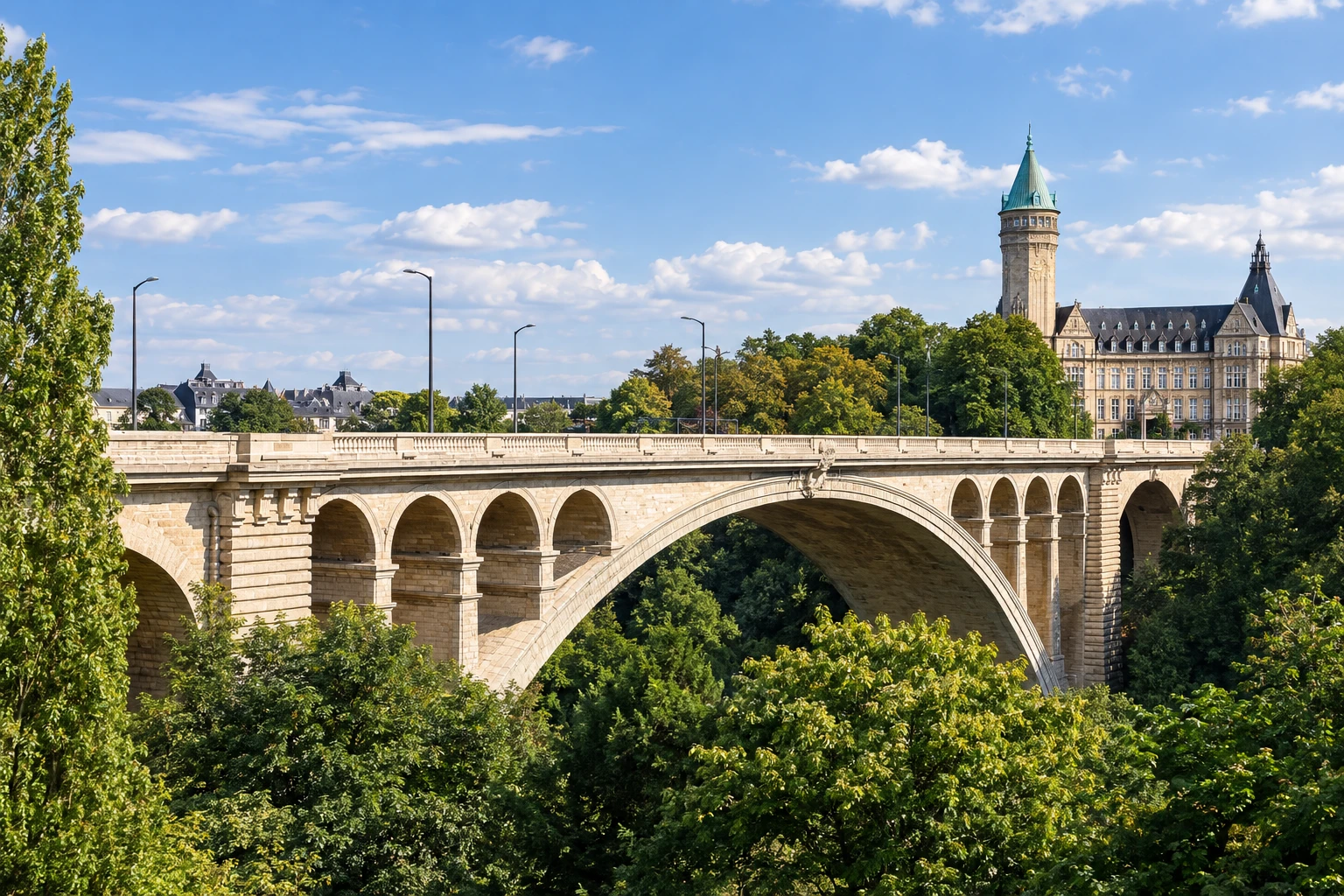
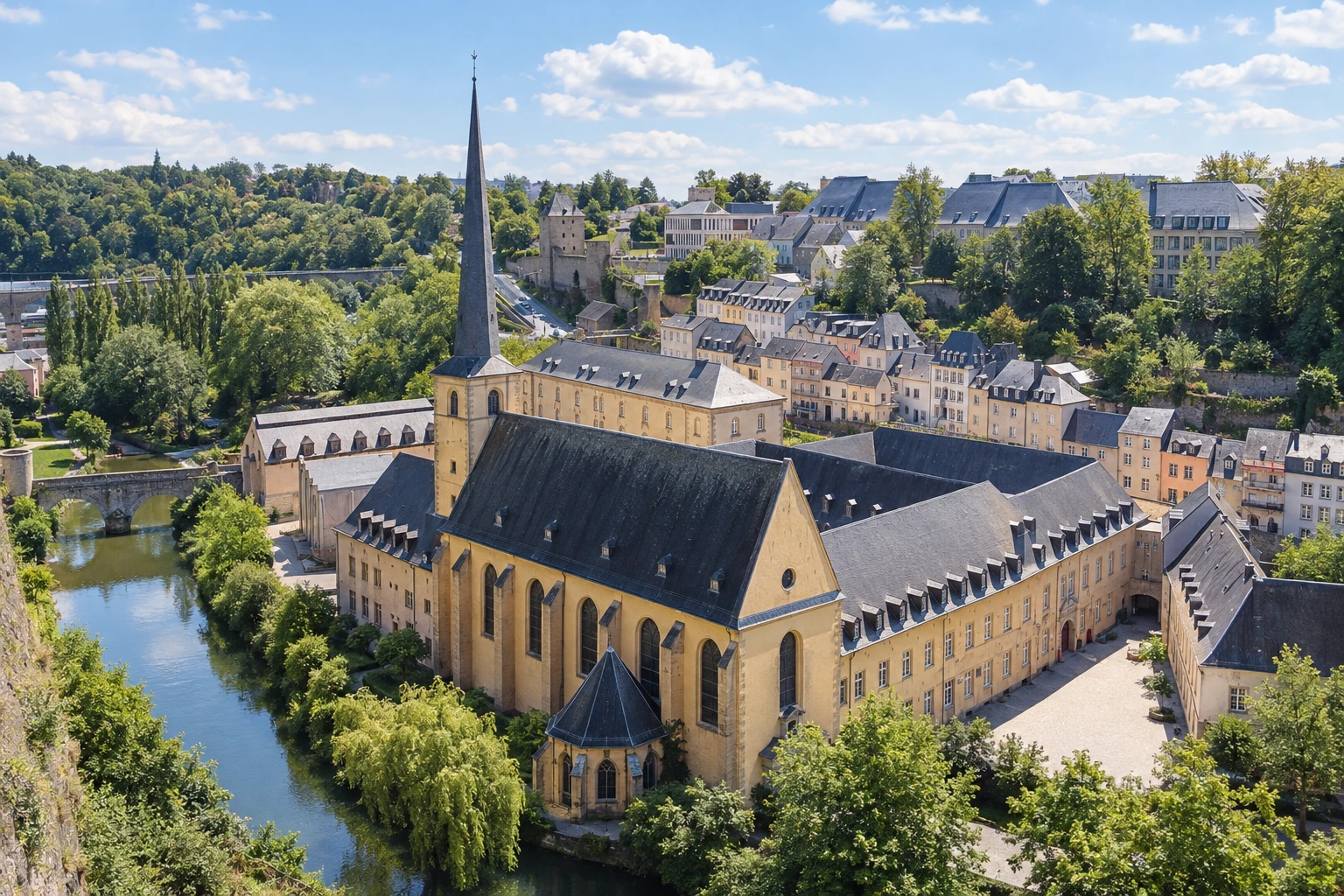
The capital of the Grand Duchy on cliffs: the casemates of the Bock, the Chemin de la Corniche, the Grund neighborhood in the Alzette valley, the Palácio Grão-Ducal and the museums of Kirchberg.
Antarctica
Luxembourg travel guide
What to do, when to go and how to get there, destination by destination.
5 destinations · 9 citiesin Luxembourg
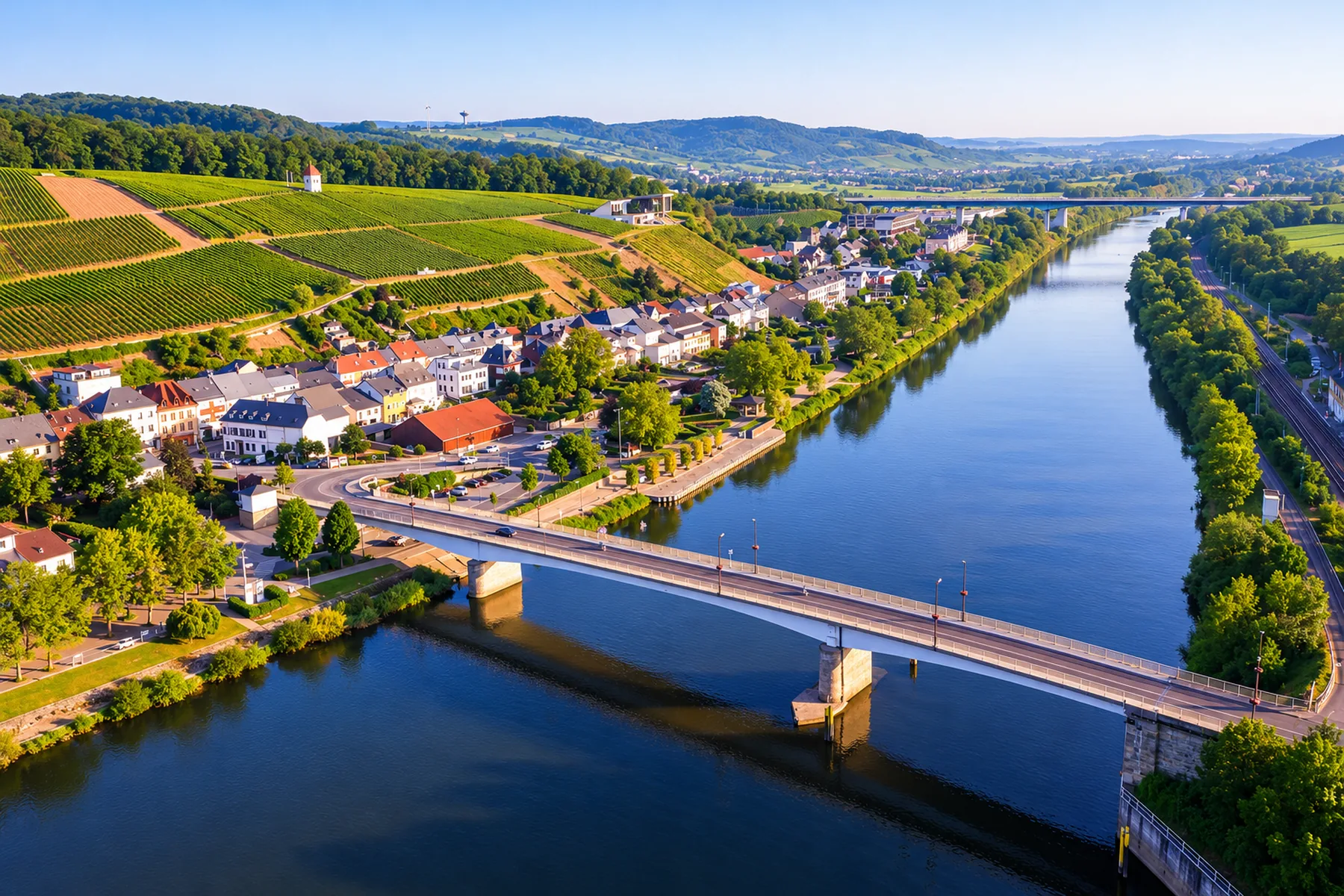
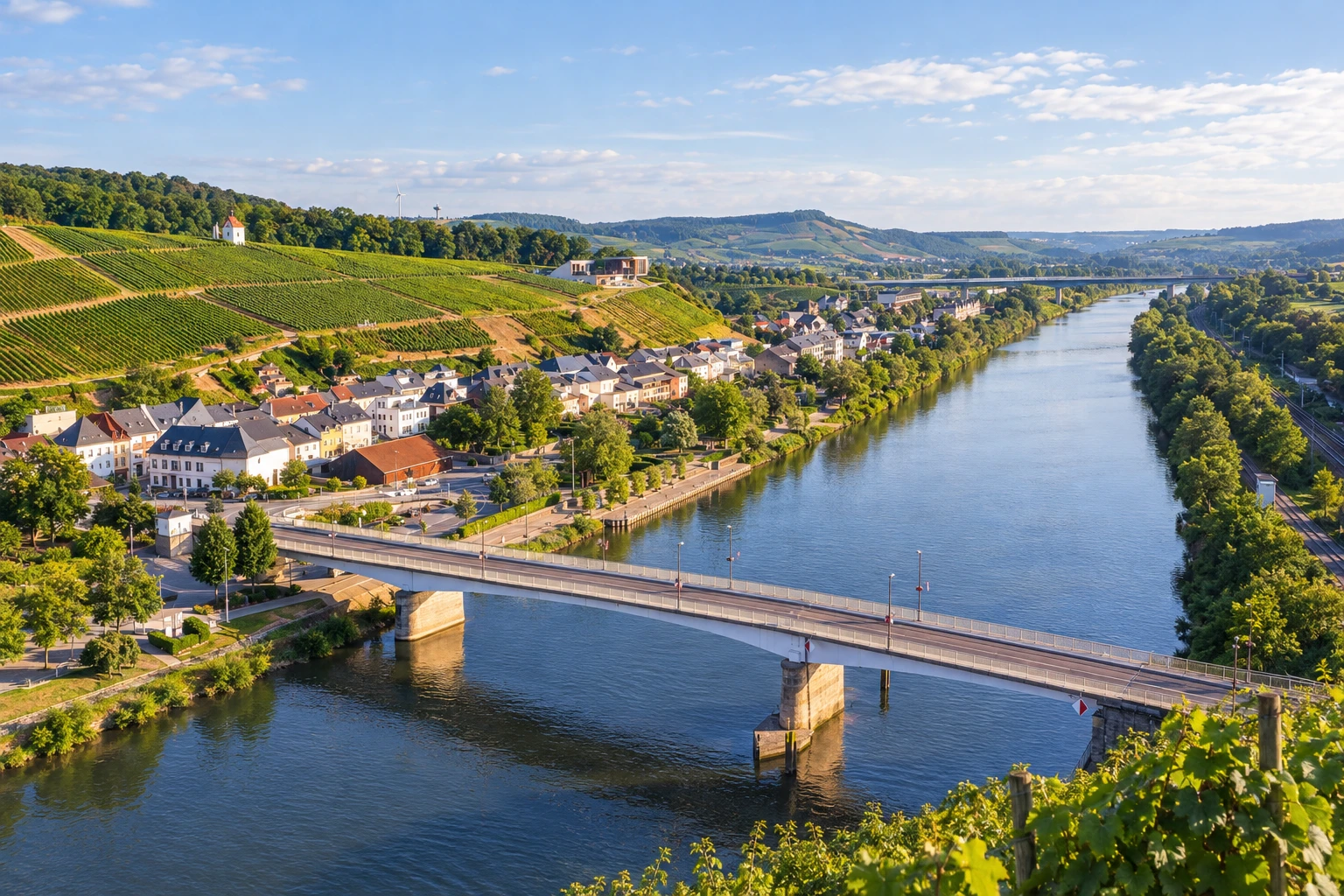
In the photo: Moselle vineyards — Schengen (Remich)
Illustrative images. The pictures in this guide are illustrations based on the real place, not photographs, and may differ from it.
A destination is a region you visit as a single trip: it can bring together several cities or be a large city with everything it offers. Each destination has the tours, the itineraries, the best time to go month by month and how to get there.
The guide currently has 5 destinations, with 9 cities in 8 cantons.
Today's highlights
A destination is more than a city: it's everything you can experience there.
The capital of the Grand Duchy on cliffs: the casemates of the Bock, the Chemin de la Corniche, the Grund neighborhood in the Alzette valley, the Palácio Grão-Ducal and the museums of Kirchberg.
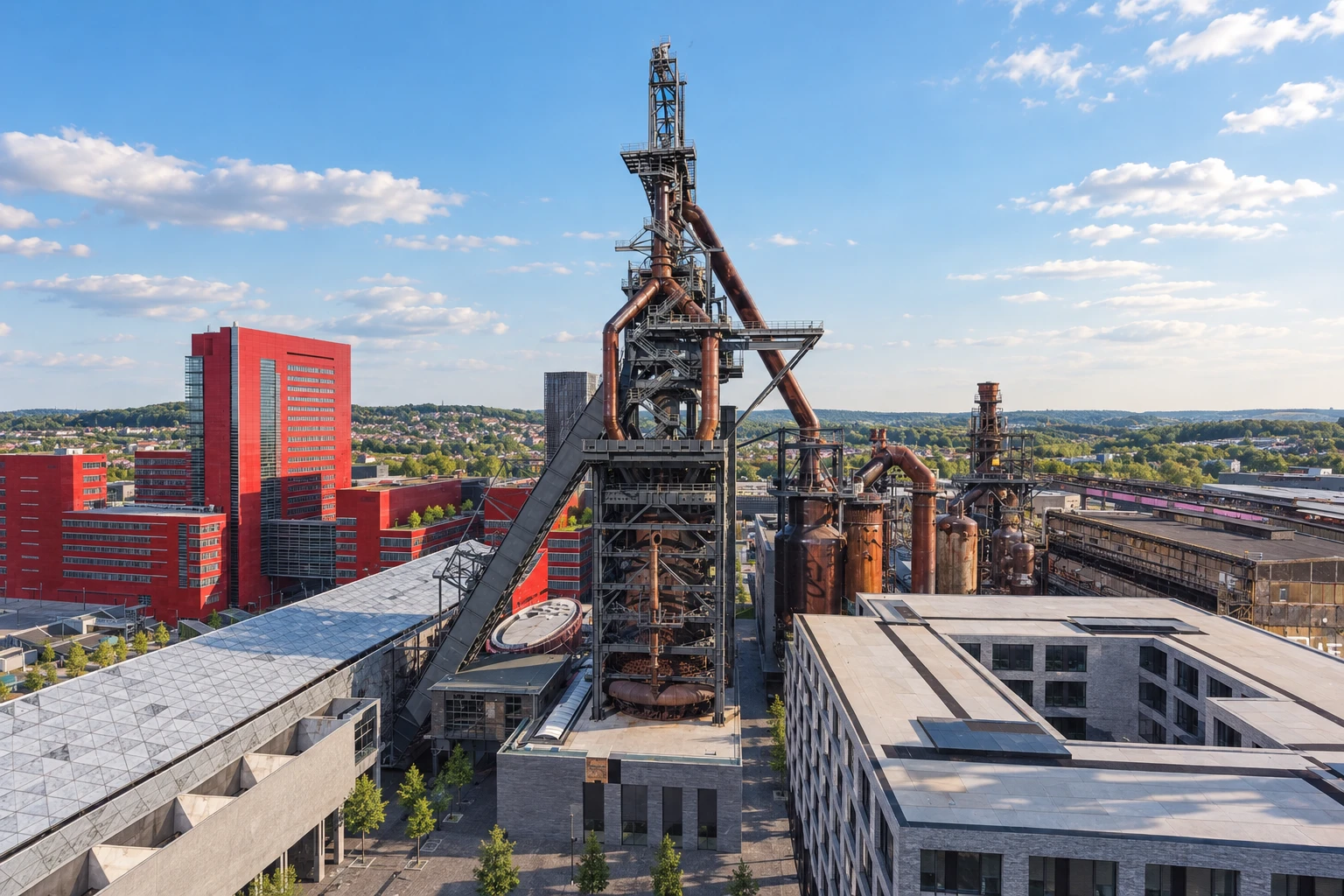
The red earth of iron ore in the south of the country: the Belval blast furnaces, the steam and mine trains of the Fond-de-Gras, the Rumelange mining museum and Esch, Luxembourg's second city.
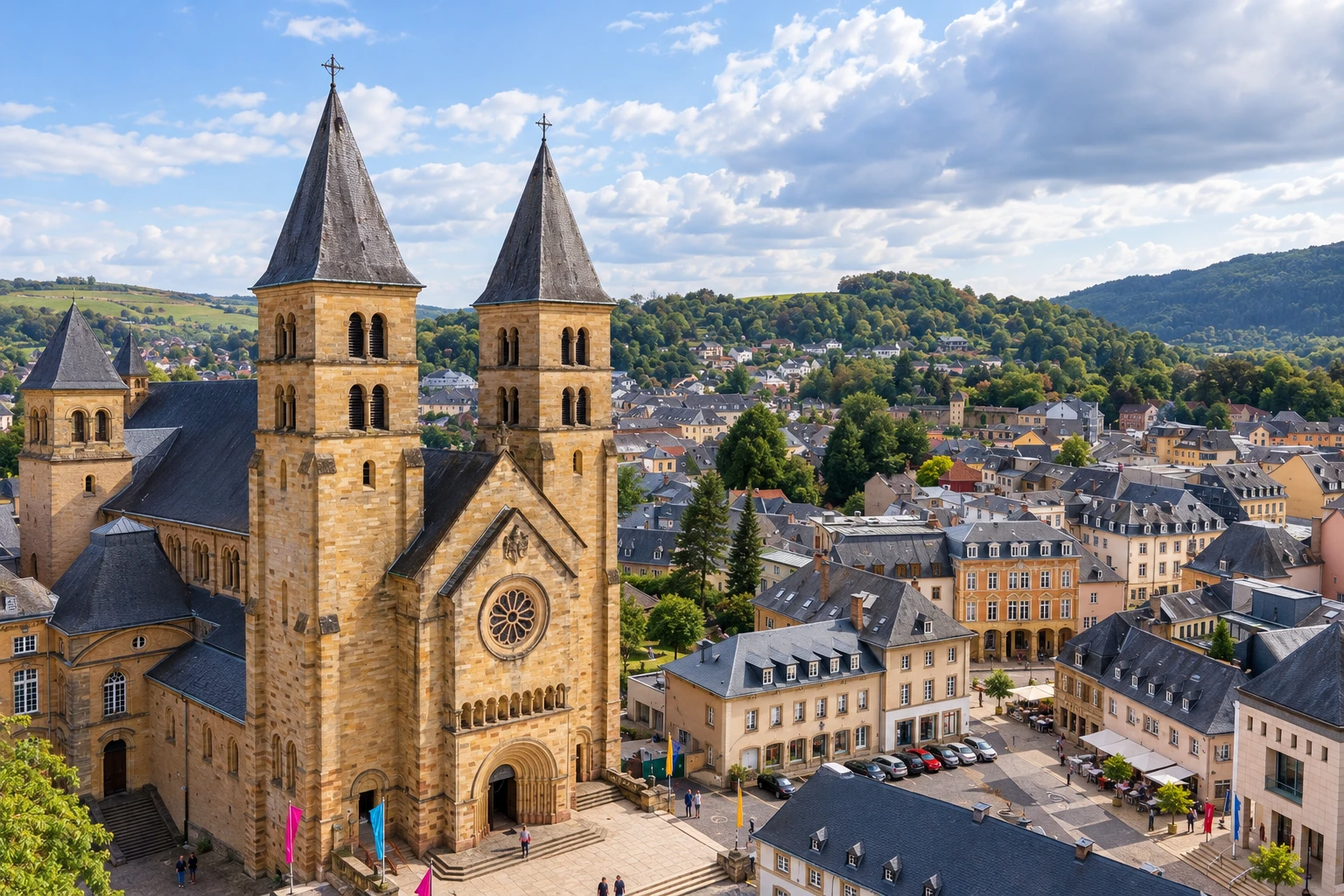
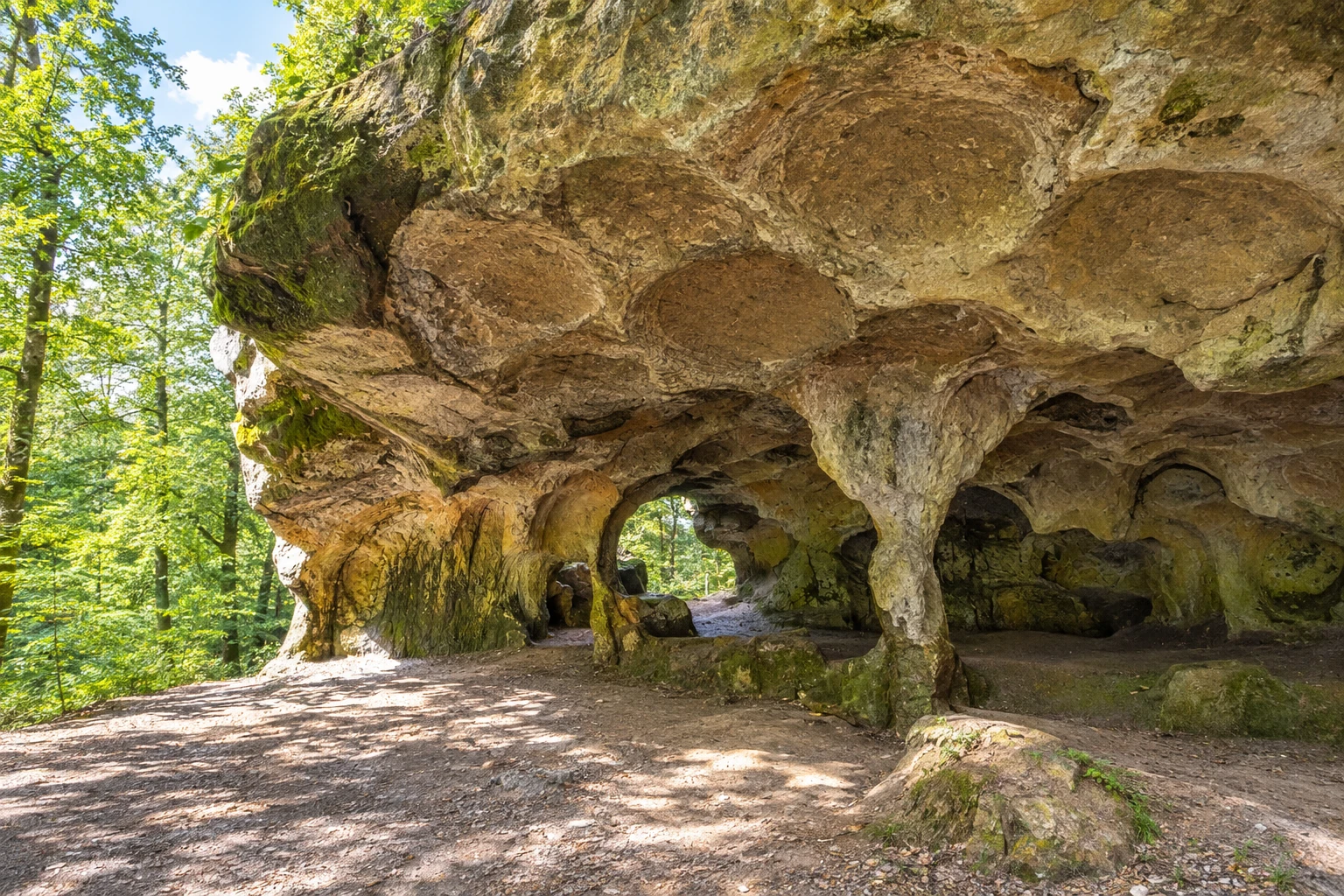
The city of São Willibrord, with the basilica and the dancing procession, and the sandstone forests of the Mullerthal, with gorges, rocks and the Schiessentümpel waterfall, cut through by trails.
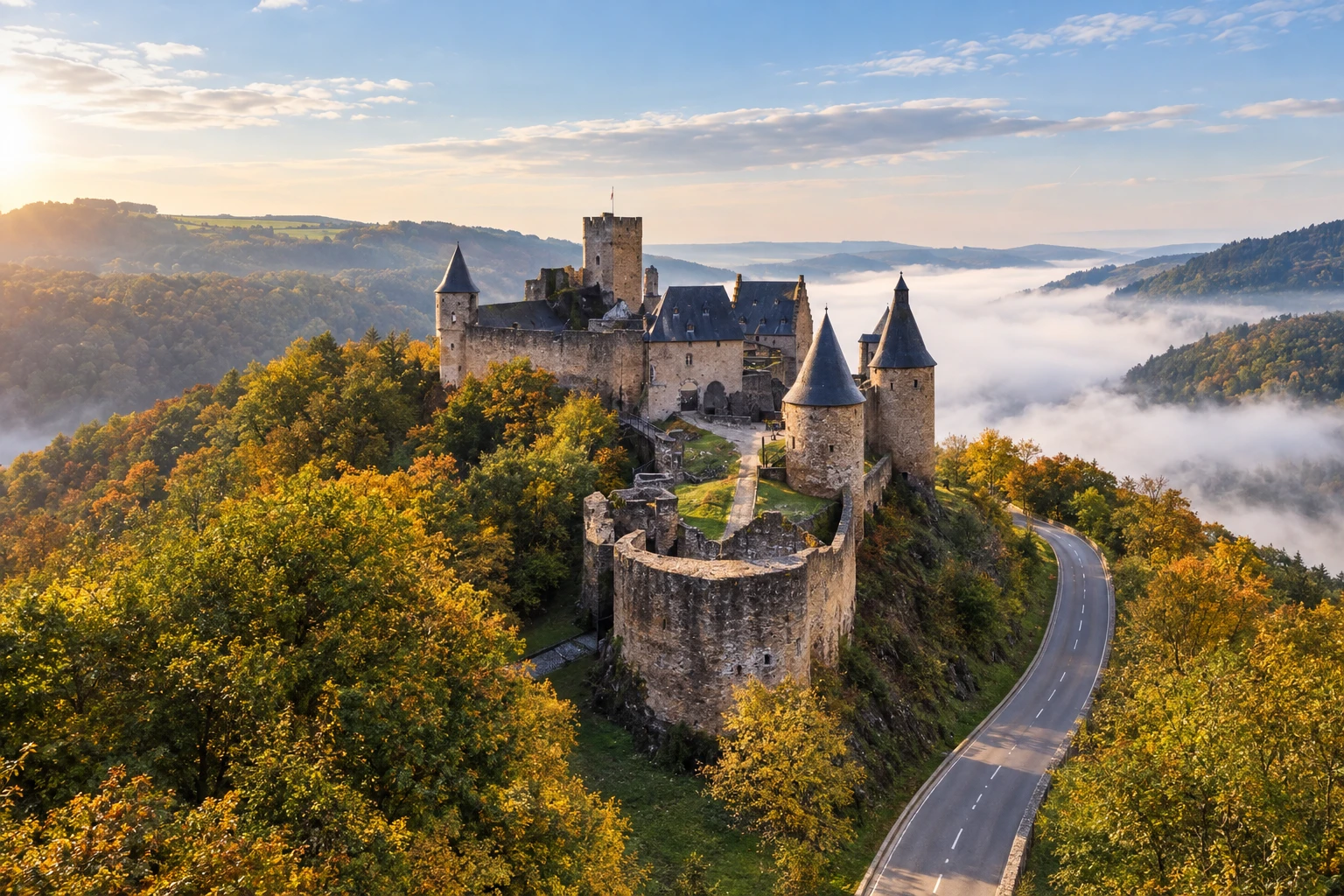
The hilly north of Luxemburgo: Vianden castle overlooking the Our, Clervaux with the exhibition The Family of Man, Bourscheid castle and the memory of the Batalha das Ardenas.
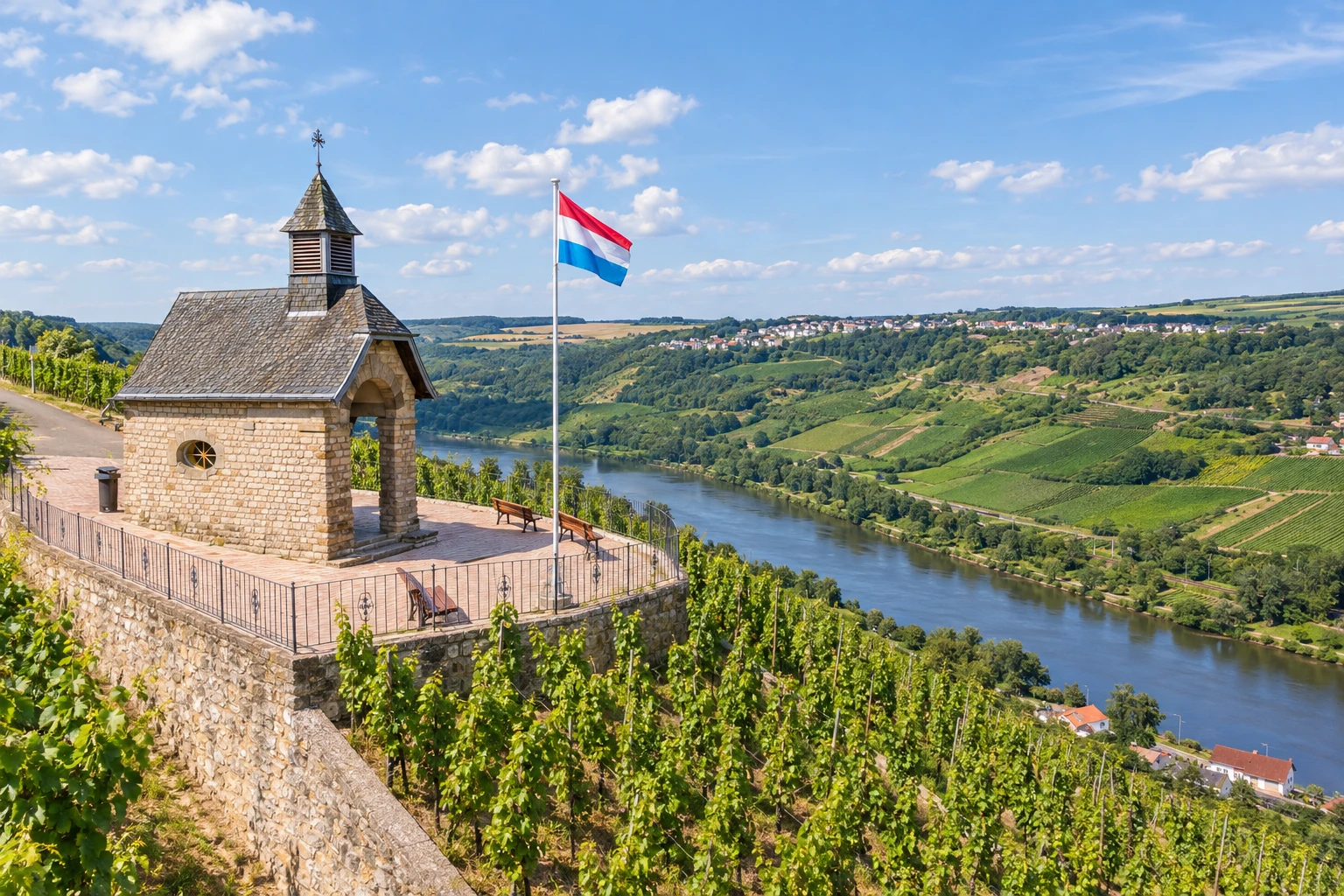
Vineyards on slopes above the Mosela River, crémant cellars cut into the rock, boat trips and Schengen, the village on the tripoint where the agreement that opened European borders was signed.
Cities to start with
Each city has a page with what to do there.

The capital of the Grand Duchy sits on a rocky plateau surrounded by the Alzette and Pétrusse valleys. The upper city has the cathedral, the Palácio Grão-Ducal and the squares; the Corniche looks over the Grund in the valley; the Bock casemates pierce the rock opposite; and the Kirchberg, to the east, brings together the Philharmonie, the Mudam and the European institutions. It is the base for exploring the whole country.

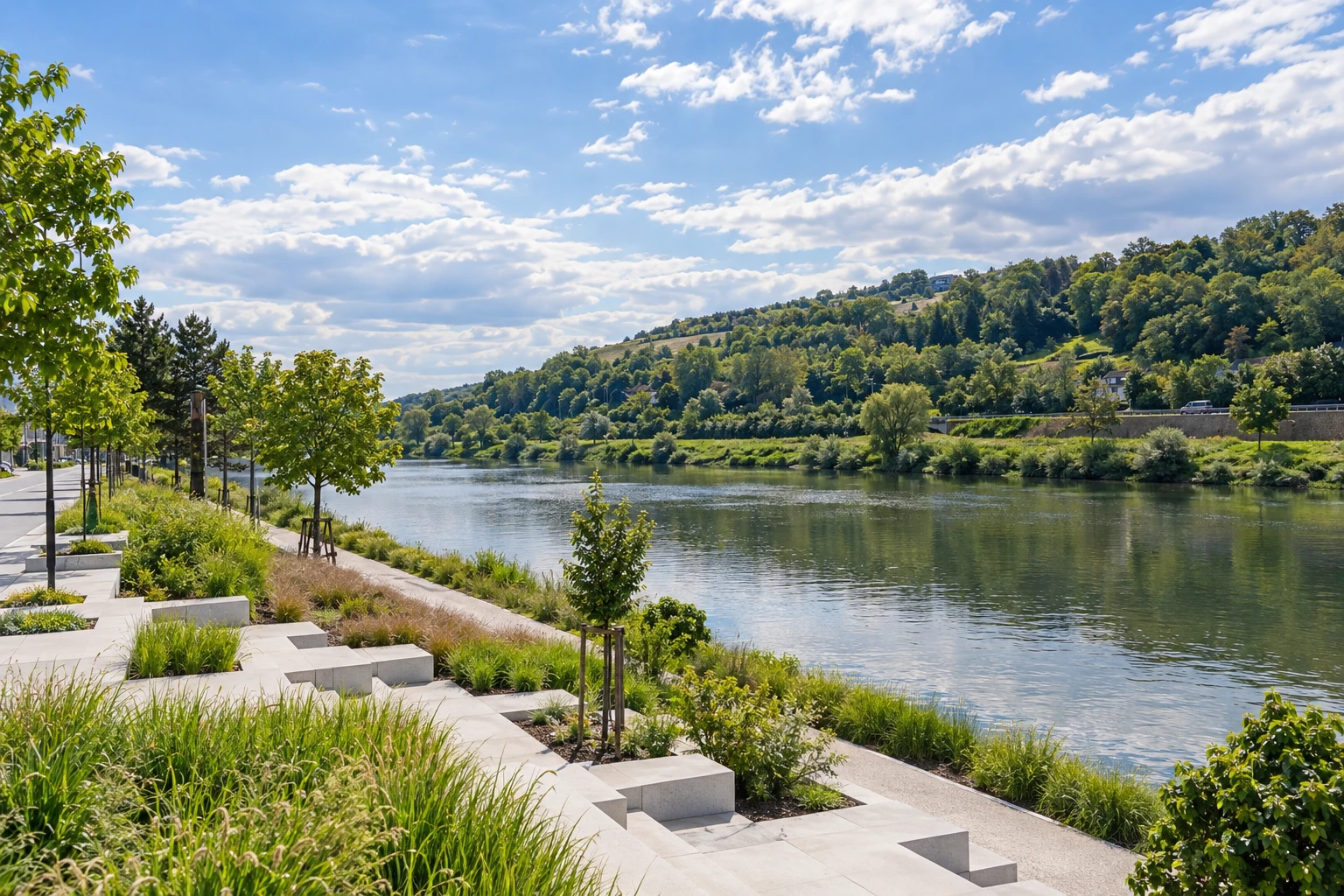
Grevenmacher is in the north of the Luxembourg Mosela, on the riverfront facing Germany. It's a wine and sparkling-wine town, with the Bernard-Massard cellars open for visits, a tropical butterfly garden and the quay where sightseeing boats depart. It's about 15 km from Trier, the Roman city on the German side.

Schengen is a village of vineyards at the southern end of the Luxembourg Moselle, at the point where Luxembourg, France and Germany meet. It was on board a boat on the river, opposite the village, that the Schengen Agreement was signed on 14 June 1985, leading to the end of internal border controls in Europe. The Museu Europeu and the riverside monuments tell that story.

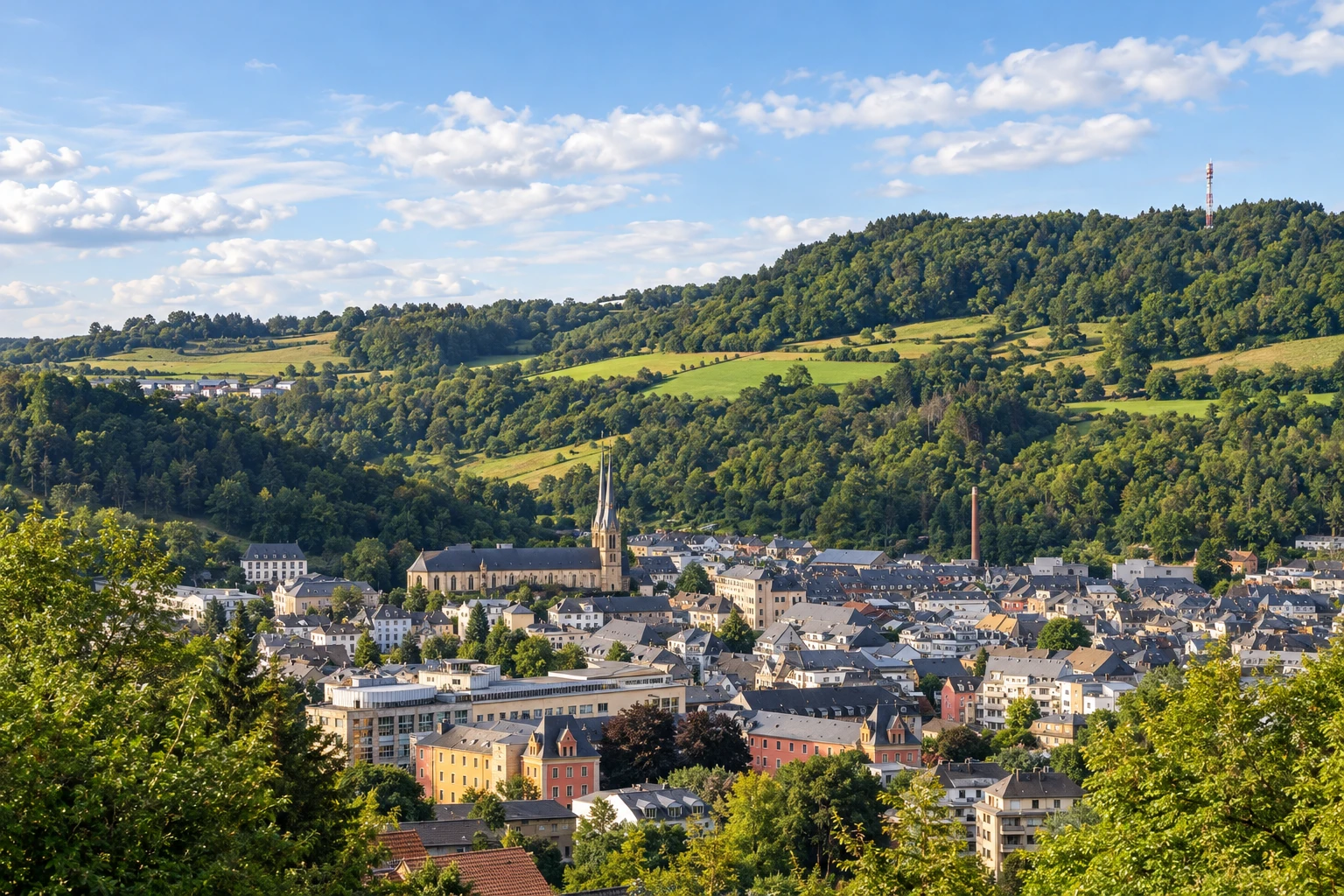
Diekirch lies in the Sûre valley, at the entrance to the Ardennes, connected to the capital by train via Ettelbruck. The town houses the Museu Nacional de História Militar, dedicated to the Battle of the Ardennes, and is a base for Bourscheid Castle above the Sûre valley and for the General Patton museum in Ettelbruck. The bronze donkeys scattered around the centre recall the residents' nickname.

Clervaux lies in a narrow Clerve valley at the northern tip of the country, with the white castle in the middle of town and the Benedictine abbey of Saint-Maurice on the slope. The castle houses the exhibition The Family of Man by Edward Steichen, listed by UNESCO in the Memory of the World programme, as well as the museum of the Batalha das Ardenas. There is a train station on the line from the capital to Liège.

Echternach lies on the banks of the Sûre, on the border with Germany, and grew up around the abbey founded by São Willibrord in 698. The basilica houses the saint's tomb; the market square has the Dënzelt, an old Gothic courthouse; and the narrow streets lead to the ramparts. It is the gateway to the Mullerthal, with the garganta do Lobo, the lake and the Roman villa a few minutes' walk away.
The map
Tap a region to see the names. Use two fingers to zoom in.
Outlines: Administration du cadastre et de la topographie (Luxemburgo), CC0 1.0. Adapted by Cidade Turismo.
Luxembourg
Another way into the same trip
Choose the canton and the city to find your place in the guide.
Beyond the guide