

 Brazil
 Antarctica
 Argentina
 Bolivia
 Chile
 Colombia
 Ecuador
 Falkland Islands (Malvinas)
 French Guiana
 Guyana
 Paraguay
 Peru
 Suriname
 Uruguay
 Venezuela
 Austria
 Belgium
 Croatia
 Denmark
 Finland
 France
 Germany
 Greece
 Hungary
 Iceland
 Ireland
 Italy
 Luxembourg
 Norway
 Poland
 Portugal
 Slovakia
 Slovenia
 Spain
 Sweden
 Switzerland
 the Czech Republic
 the Netherlands
 the United Kingdom
 Turkey
 Bermuda
 Canada
 Greenland
 Mexico
 Saint Pierre and Miquelon
 the United States
 the Dominican Republic
 Egypt
 South Africa
 Australia
 Fiji
 New Zealand
 Papua New Guinea
Neighborhood · Kanazawa, Japan
Higashi Chaya District
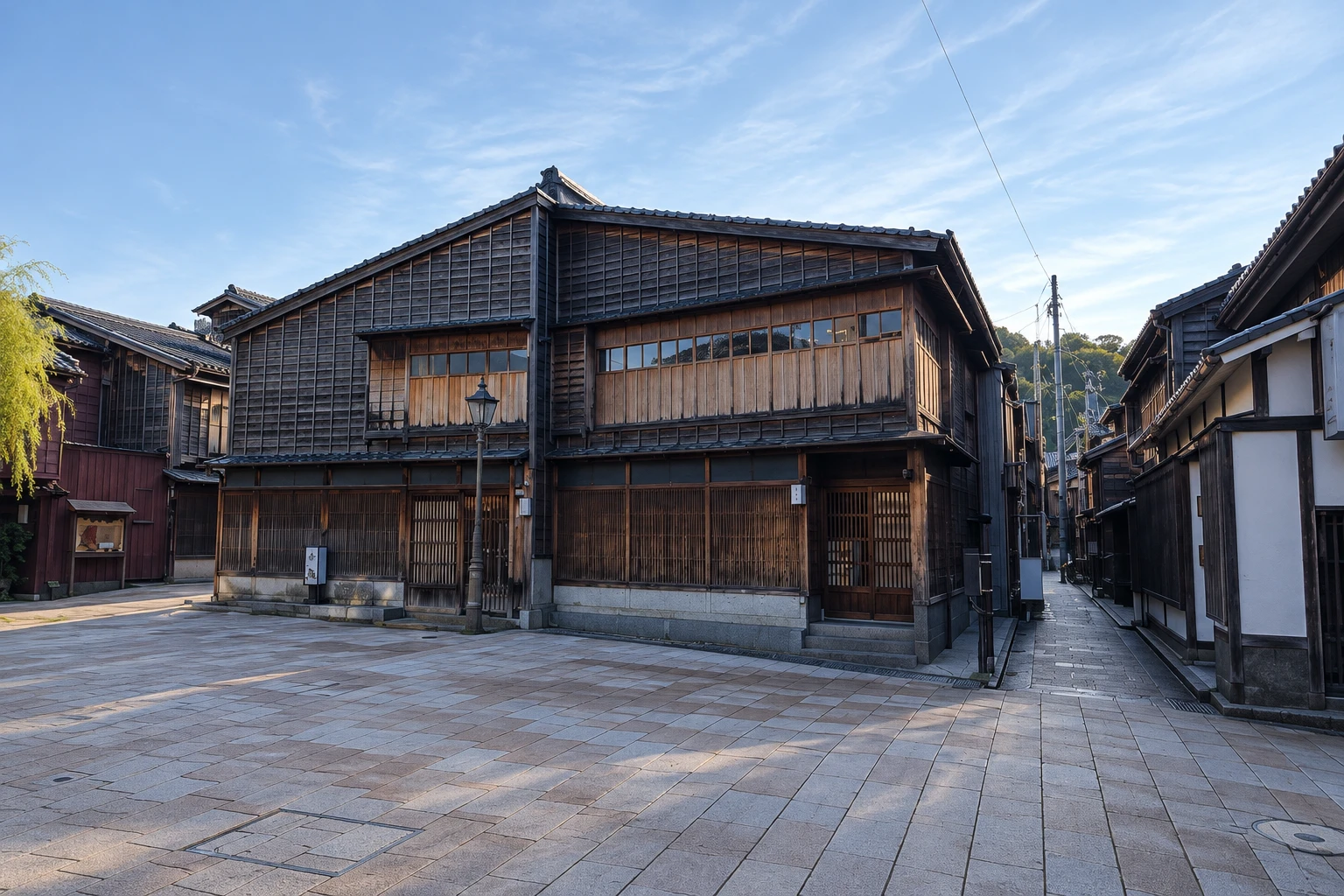
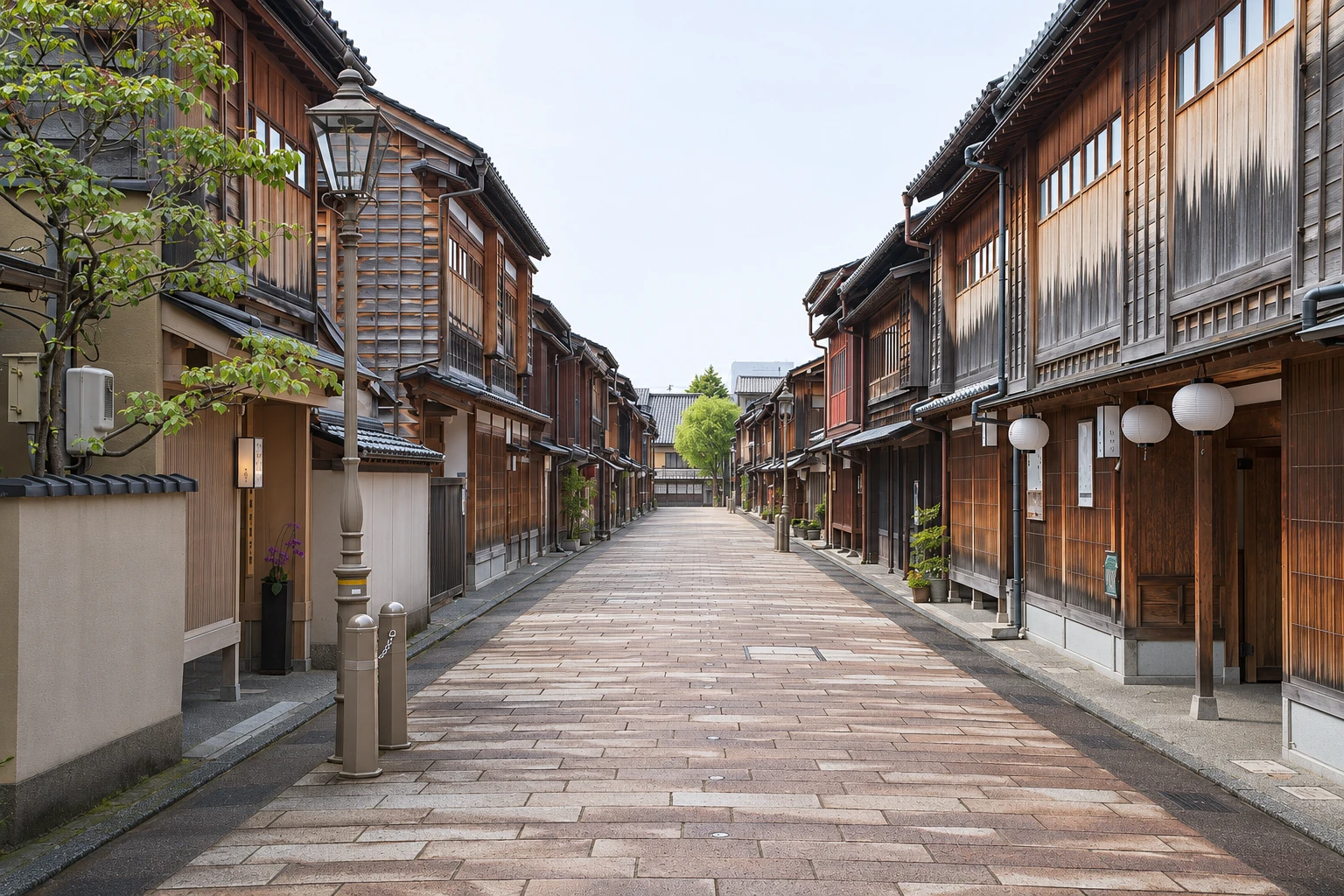
Kanazawa’s geisha teahouse district, with streets of wooden houses featuring thin latticework, the Shima teahouse open to visitors, and gold leaf shops.
Illustrative images. The pictures in this guide are illustrations based on the real place, not photographs, and may differ from it.

A look at the place
Higashi Chaya District in pictures
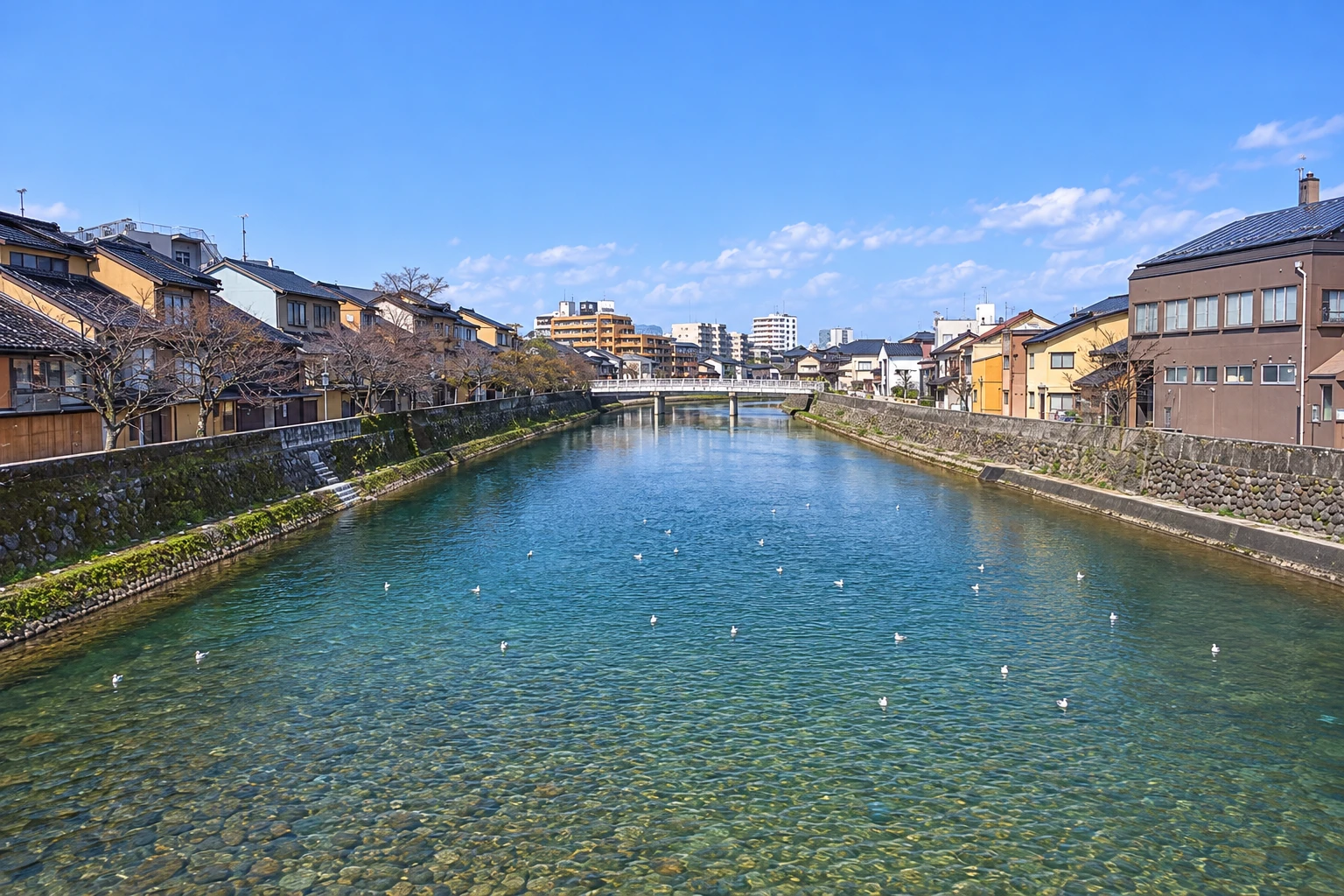
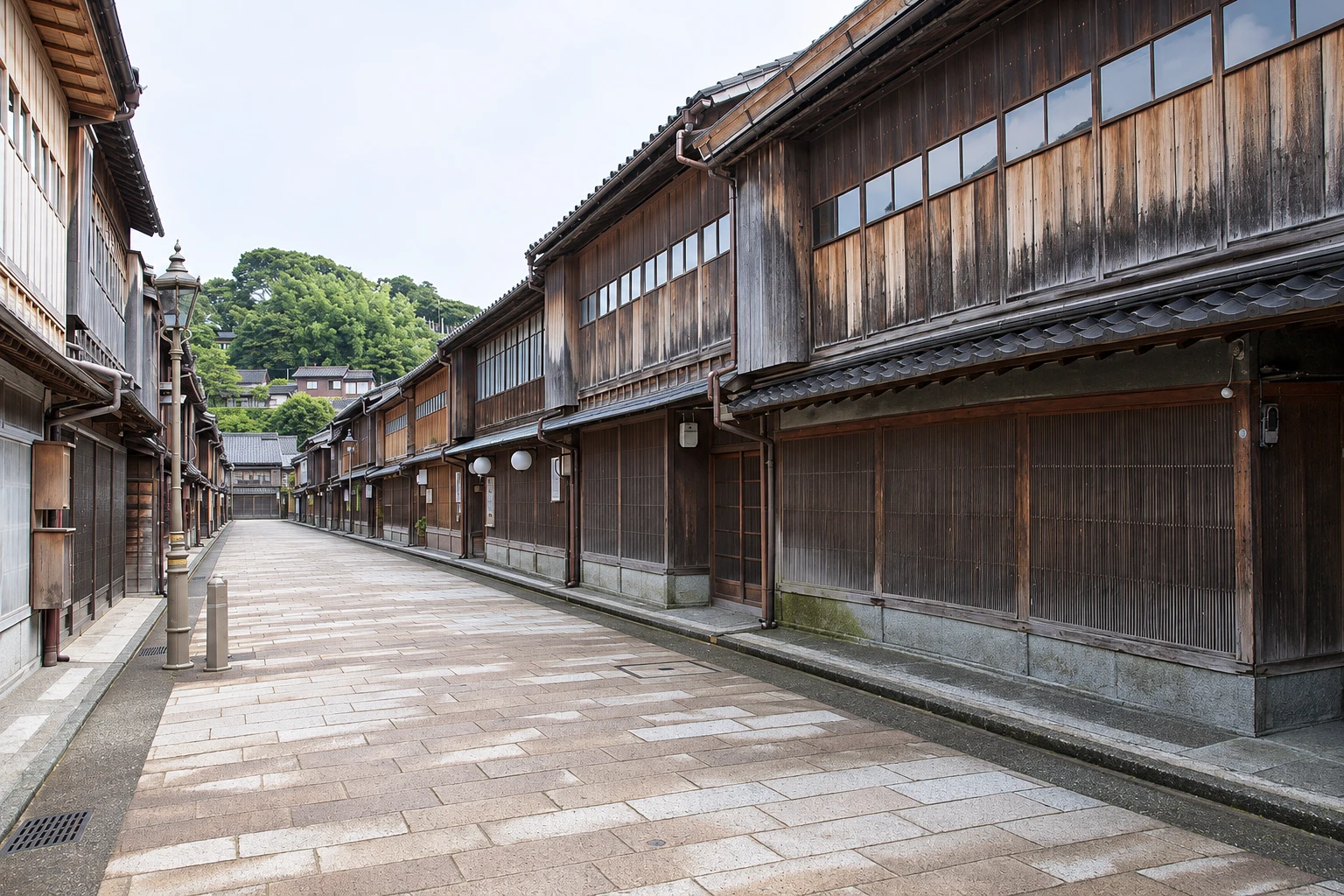
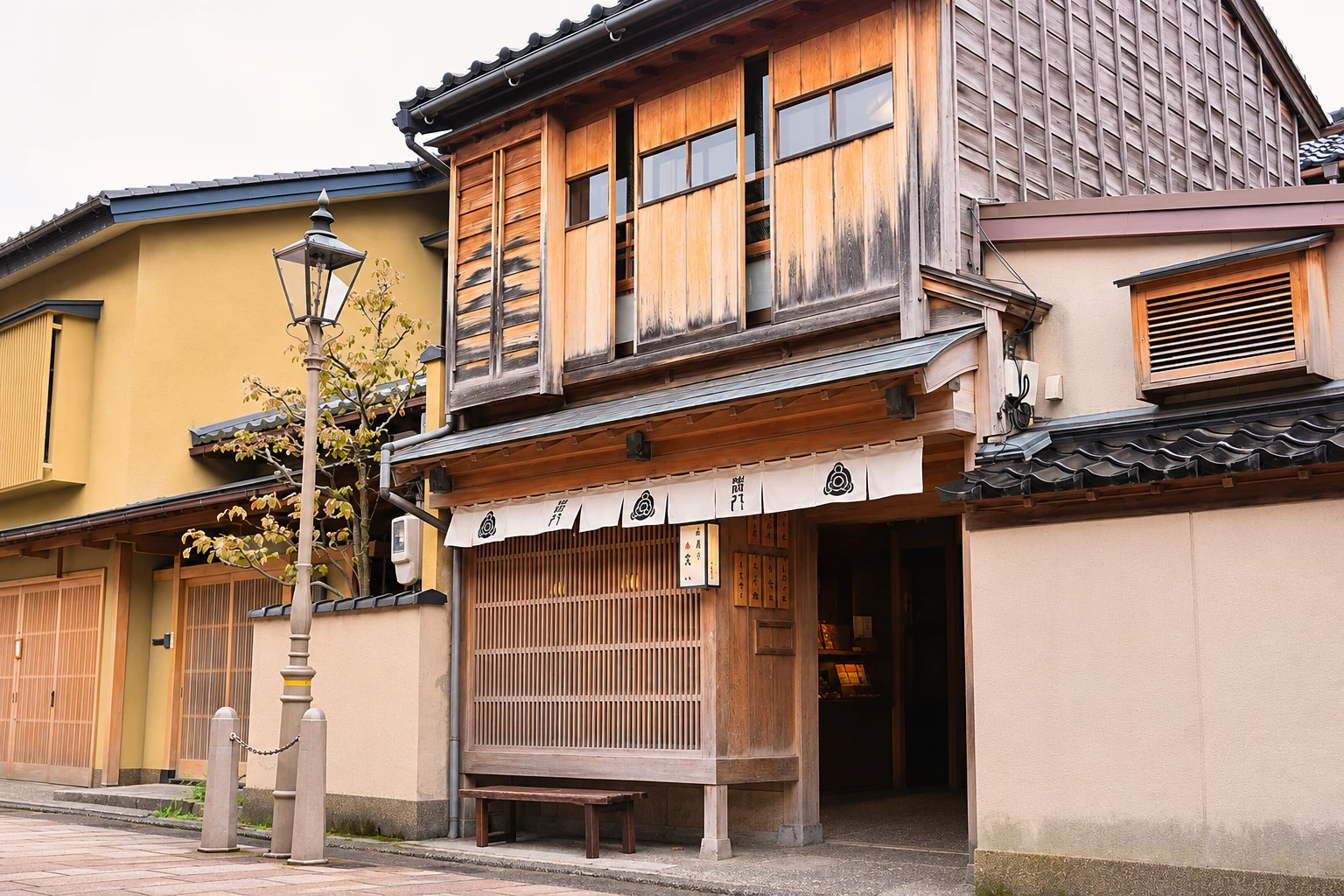
These pictures are illustrations based on the real place, not photographs. They may differ from the place.
Click the picture to enlarge it.
Discover
About Higashi Chaya District
Higashi Chaya, the “east teahouse district,” was established in 1820 by the Kaga domain to group the teahouses where geisha entertained guests with music, dance and games. It lies on the east bank of the Asano River and is the largest of Kanazawa’s three teahouse districts, protected as a historic ensemble.
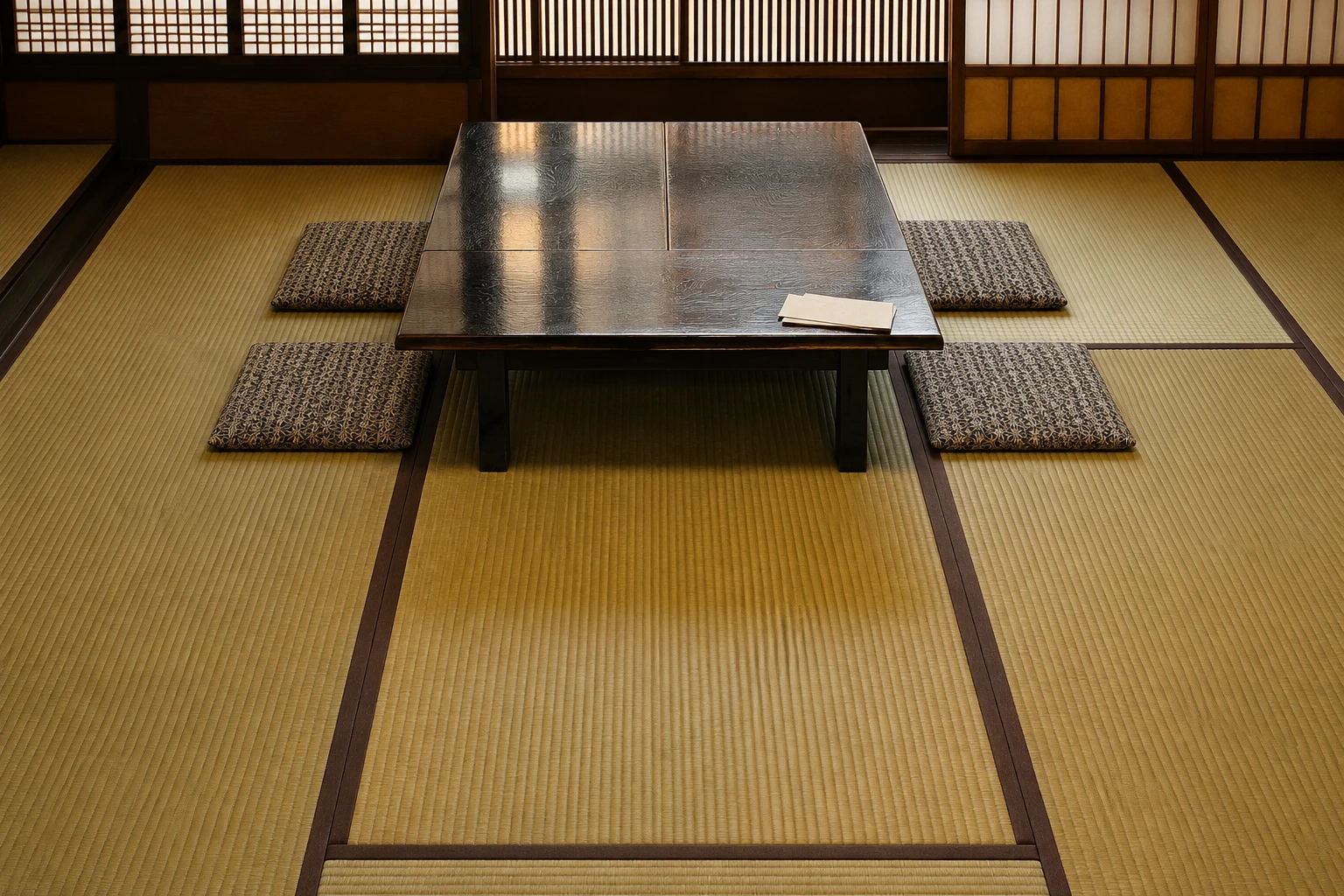
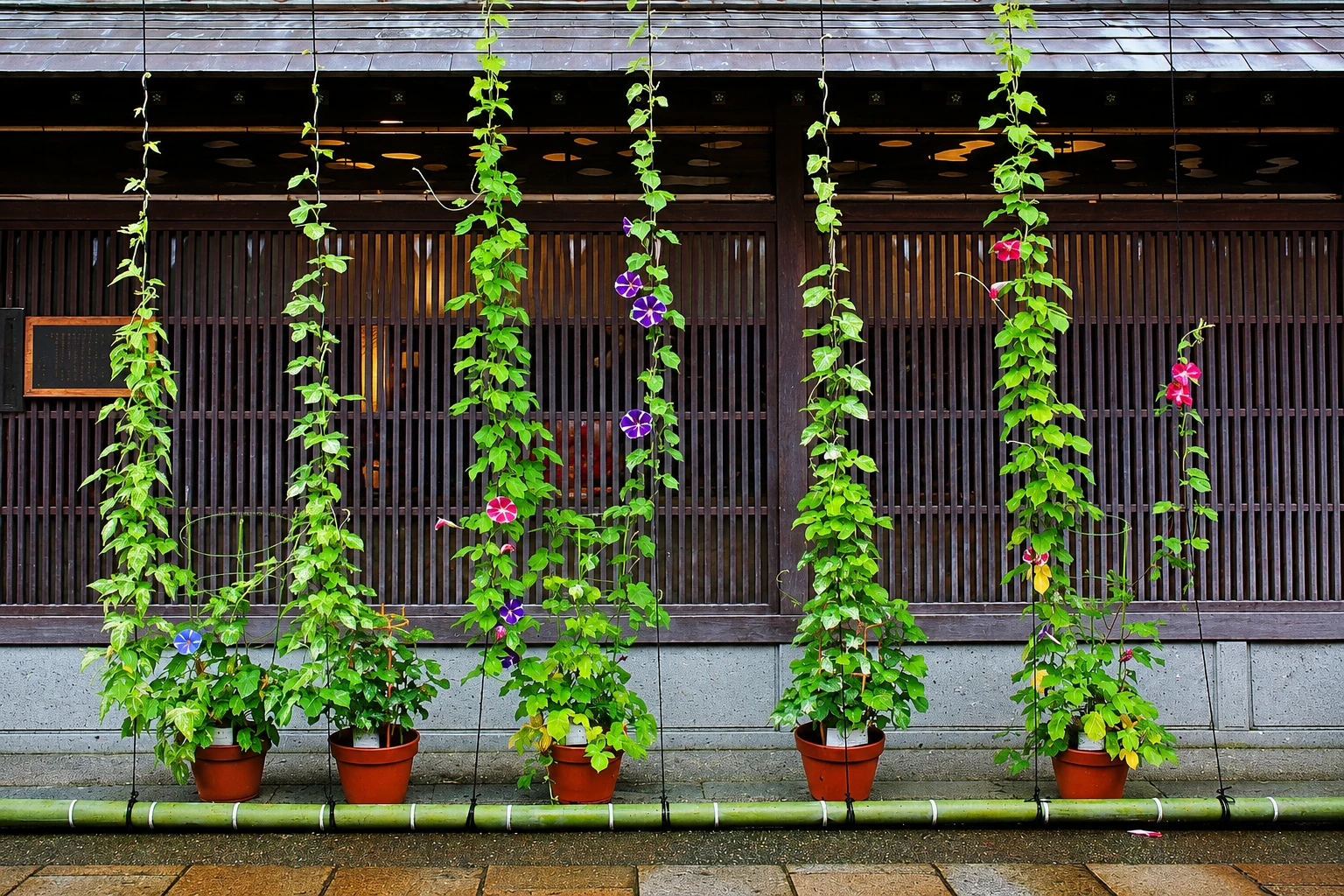
Narrow streets and stone pavements are lined with two‑story wooden houses with thin lattices called kimusuko, which allow views from inside to outside without being seen. The second floor, with high‑ceilinged rooms, was where banquets took place. Some teahouses still operate, and on certain nights you can hear the shamisen.
The Shima teahouse, dating from 1820, is open to visitors and shows the interior: the narrow staircase, banquet rooms with performance spaces, lacquerware and geisha utensils. There is a ground‑floor room where green tea with a sweet is served, facing a small inner garden. Other houses, such as Kaikaro, also open at set times.
Many houses have become craft shops, cafés and shops selling gold leaf, where you can watch gold being applied to objects and try ice cream covered in gold leaf. Behind the district, the slope of Mt. Utatsu has temples and cemeteries, and across the river lies the smaller, quieter Kazuemachi district.
Before you go
Practical information
Cidade Turismo reviews its information regularly, but something may have changed. Check with the place before planning your trip.
How much time to set aside
About 1 to 1.5 hours, including a visit to the Shima teahouse.
Best time
Early in the morning, before the shops open, to see the empty streets, or late afternoon when the lanterns are lit. Weekends are busier. In winter, snow covers the roofs and streets.
How to get there
From Kanazawa Station, city buses and the loop bus stop at Hashiba‑cho, about a 5‑minute walk, roughly 10 minutes riding. On foot, the walk from the station takes about 20 minutes.
Tip
Visit the Shima teahouse to see the interior and finish by crossing the river to Kazuemachi at dusk. Some streets are residential: respect the residents and do not enter houses without an invitation.
Official website
Your questions
Frequently asked questions about Higashi Chaya District
What to see in Higashi Chaya?
The streets of wooden lattice houses, the Shima teahouse open to visitors, the Kaikaro house and the gold leaf shops.
How to get to Higashi Chaya?
By bus from the station to Hashiba-cho, about a 5-minute walk, or on foot from the station in about 20 minutes.
Can you see geisha in Higashi Chaya?
Some teahouses still operate with reserved performances. On certain nights you may hear music from outside, but it’s not common to encounter geisha on the street.
What is Kanazawa’s gold leaf ice cream?
Soft-serve ice cream covered with an edible gold leaf, sold in shops in Higashi Chaya, where the gold leaf is a tradition.
What is the difference between Higashi Chaya and Nishi Chaya?
Higashi Chaya is the larger teahouse district, on the east bank of the Asano River. Nishi Chaya, to the west, is smaller and quieter.