By air: Verona Villafranca Airport
Valerio Catullo Airport in Villafranca di Verona is about 12 km from central Verona. It has flights from Italian cities in Sicily, Sardinia, Puglia, and Campania, among other regions. Most flights come from elsewhere in Europe, many on low-cost airlines. A direct bus connects the terminal to Verona Porta Nuova station in about 15 to 20 minutes. The ticket stays valid for a set time after validation, so you can transfer to a city bus that stops near your accommodations. Taxis wait outside arrivals, and car rental counters are available.
Travelers coming from farther afield often fly into a larger airport and finish the trip by train. Venice Marco Polo Airport is about 125 km away. Milan and Bologna are also options, with trains to Verona from their central stations. If you're traveling from Brazil, you'll need to connect in another city. Check the connections before booking.
By train: Verona Porta Nuova and Porta Vescovo
Verona sits at the junction of the Milan–Venice rail line and the line north to the Brenner Pass, Austria, and Germany. High-speed trains take about 1 hour and 15 minutes from Milan, 1 hour and 10 minutes from Venice, and 50 minutes from Bologna. Allow about 1 hour and 30 minutes from Florence and about 3 hours from Rome. On the Brenner line, Bolzano is about 1 hour and 30 minutes away. Direct international trains arrive from Munich via Innsbruck. Regional trains link Verona with Vicenza, Padua, Brescia, and two stations on the southern end of Lake Garda, Peschiera and Desenzano.
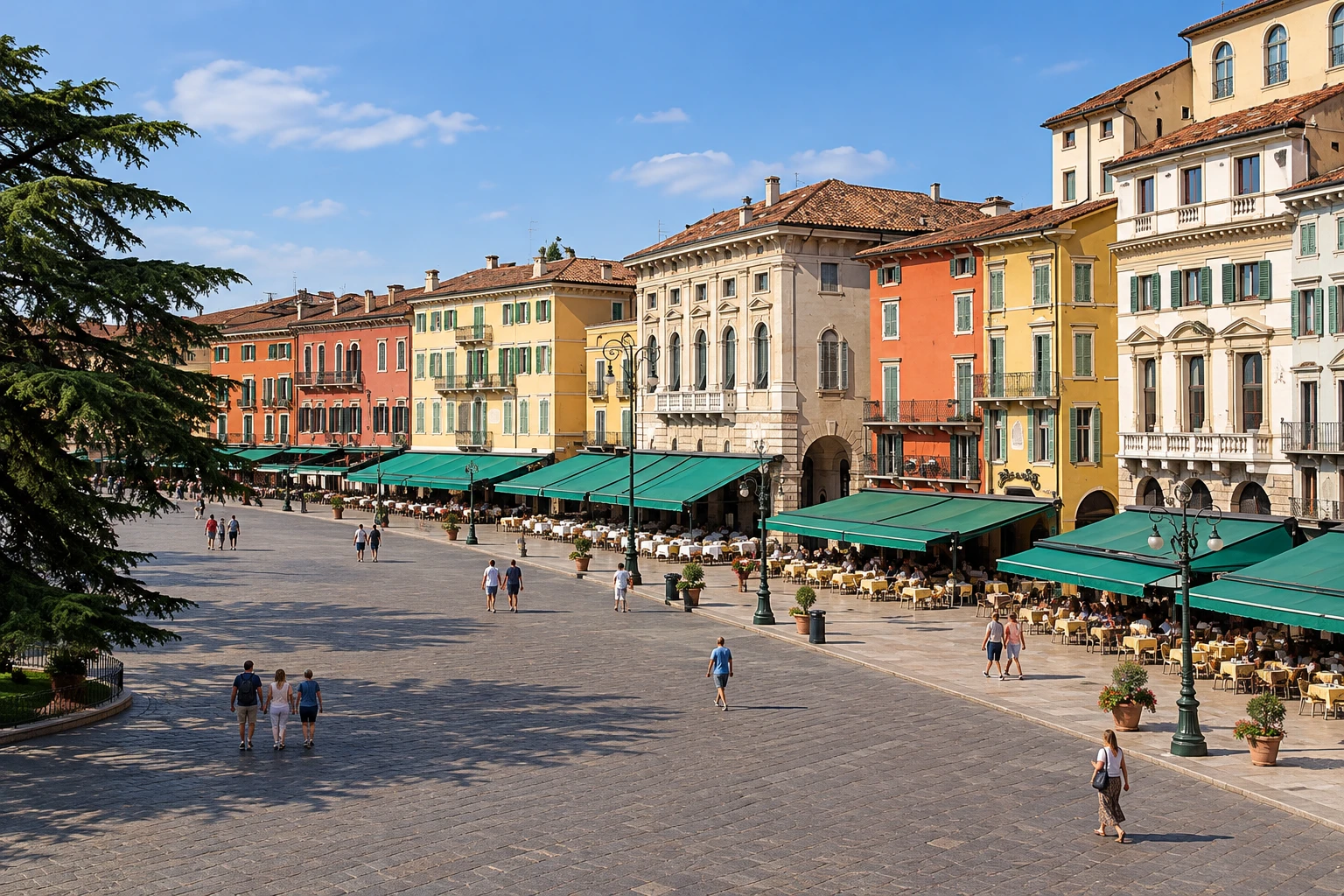
The city has two stations. Almost all trains stop at the main station, Verona Porta Nuova, about 2 km from the old town. From there it's about a 15-minute walk along Corso Porta Nuova to Piazza Bra, or a few minutes by bus. Verona Porta Vescovo, east of the center, serves regional trains from the direction of Vicenza and is closer to Veronetta.
Validate paper regional train tickets before boarding. High-speed trains have assigned seats, and tickets usually cost less when booked in advance.
By bus: long-distance and provincial routes
Several long-distance bus companies stop in Verona on routes from other Italian cities and neighboring countries. It's the slowest option, but usually the cheapest for travelers coming from farther away.
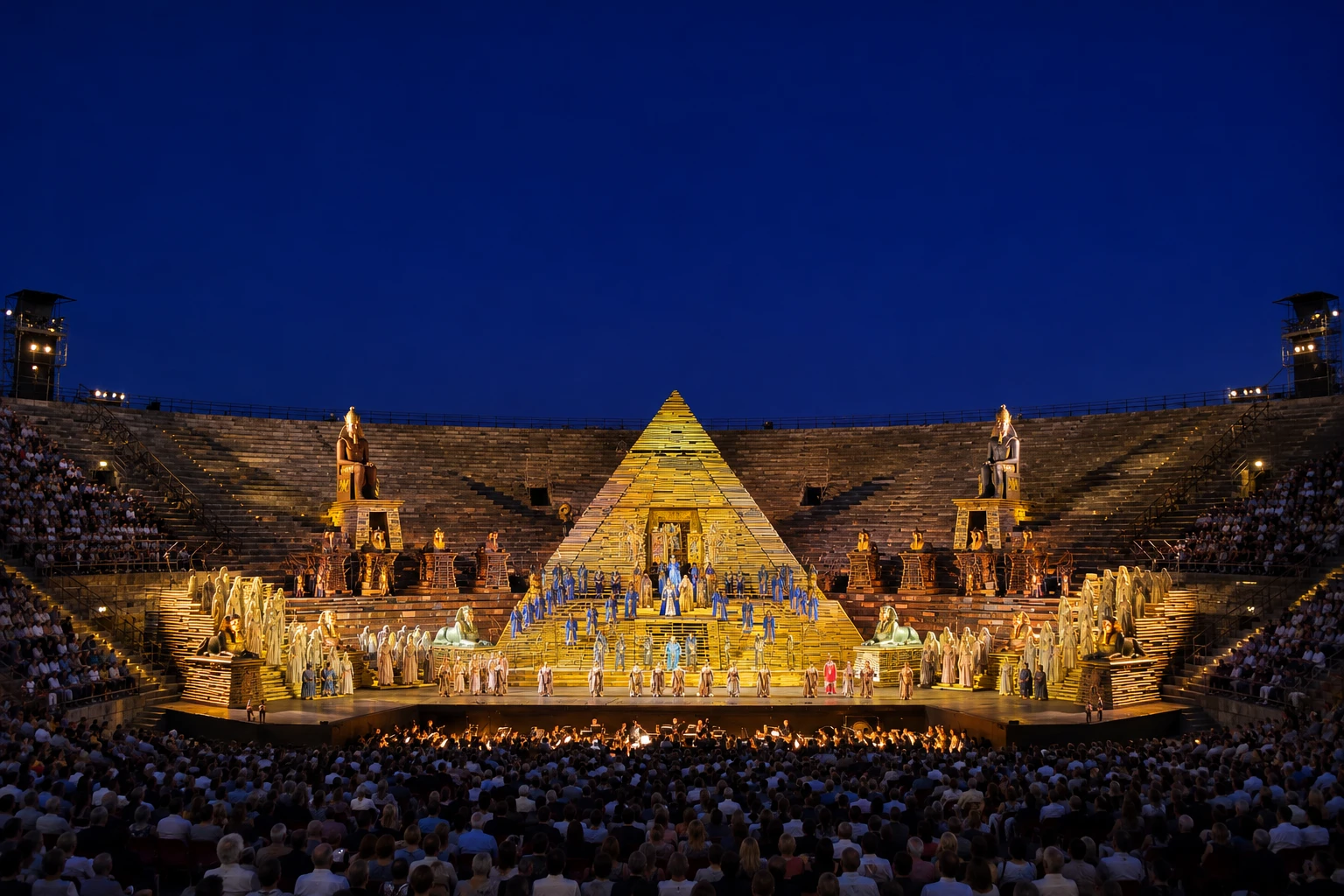
Within the province, Verona's transit company runs buses to the towns on the Verona side of Lake Garda, as well as to Valpolicella, Lessinia, and Soave. These buses are a convenient choice if you're staying at the lake and spending the day in Verona. On opera festival nights, a special bus takes passengers back to the lake after the performance. Schedules vary by season and between weekdays and weekends, so check before setting out.
By car: the A4, the A22, and where to park
Two highways meet in Verona: the A4 between Milan and Venice, and the A22 from the Brenner Pass, which runs south through Bolzano and Trento toward Modena. By highway, Vicenza is about 50 km away, Brescia 70 km, Trento 100 km, Venice about 115 km, Bologna 140 km, Bolzano 155 km, Milan 160 km, and Florence 230 km. Both highways charge tolls.
Much of the center is a restricted traffic zone (ZTL). Residents can enter, as can guests staying in the center who register their license plate in advance. Other vehicles may enter only during limited hours. Cameras enforce the restrictions. The easiest option is to park and continue on foot. Paid garages near the center include Cittadella, Arena, Centro, Isolo, Arsenale, and the station garages. Farther out, free parking areas at Piazzale Guardini, the stadium, and Porta Palio have city bus connections to the center.
A car is more useful outside the city, for visits to the Valpolicella wineries, the hills of Lessinia, Soave, and the villages on Lake Garda.
Getting around on foot, by bus, and by bike
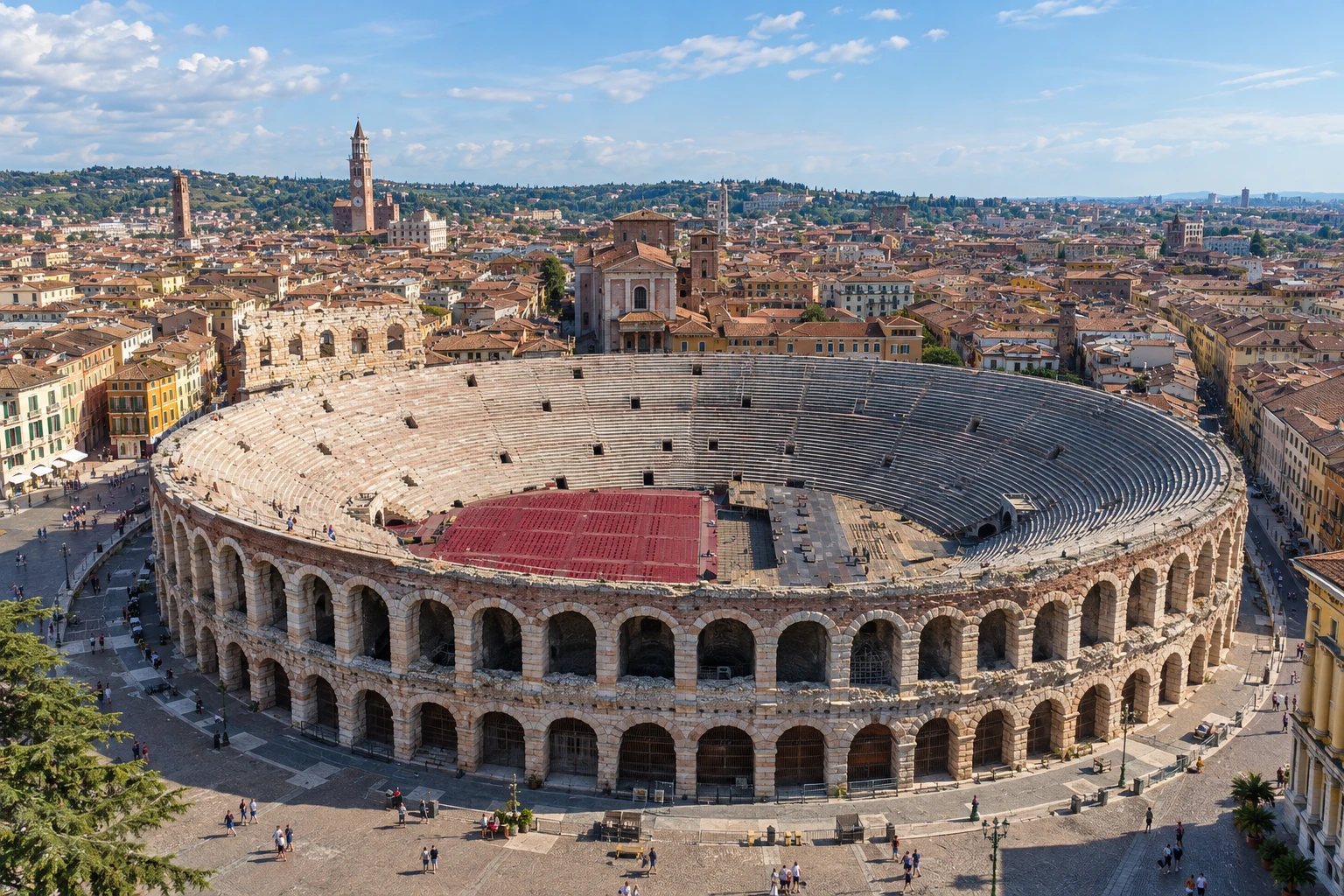
Central Verona is flat and compact. It's about a ten-minute walk from Piazza Bra to the medieval squares, then a short walk to the river. San Zeno and the Giardino Giusti are at opposite ends of town and take a longer walk or a bus ride. Wear comfortable shoes for the stone paving.
City buses run from early morning until around midnight. Routes vary on weekdays, on Sundays, and at night. Buy tickets in the app, at tobacco shops or newsstands, or at the tourist information office. A ticket stays valid for a set time after you first validate it. Day passes and books of ten rides are also available. Several lines from Porta Nuova station stop by the Arena and Castelvecchio.
The city's public bike-share program offers daily, weekly, or monthly passes online. Rental shops also carry regular bikes, e-bikes, and electric scooters. The Castel San Pietro funicular takes care of the route's one steep climb.
Verona Card, reservations, and closing days
The Verona Card covers admission to the city's museums, monuments, and churches. Choose a 24- or 48-hour card. The clock starts at first use, and the price is the same for all ages. The card includes city buses and priority admission to the Arena through a dedicated gate. The airport bus and Castel San Pietro funicular require separate tickets, and the Torre dei Lamberti elevator costs extra. Buy the card at the Piazza Bra tourist information office or get the digital version. If you buy from an online reseller, exchange your voucher for the card in Verona.
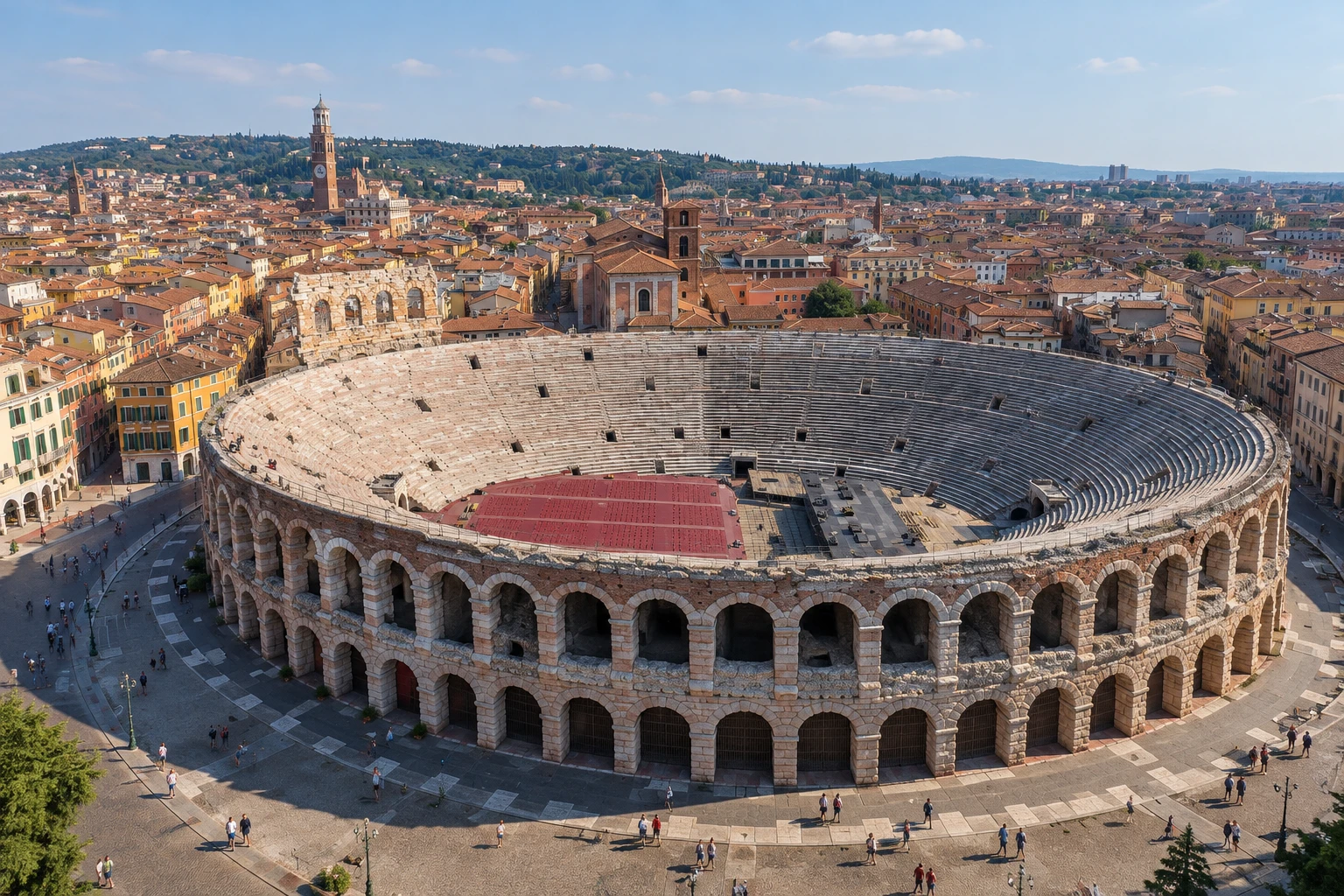
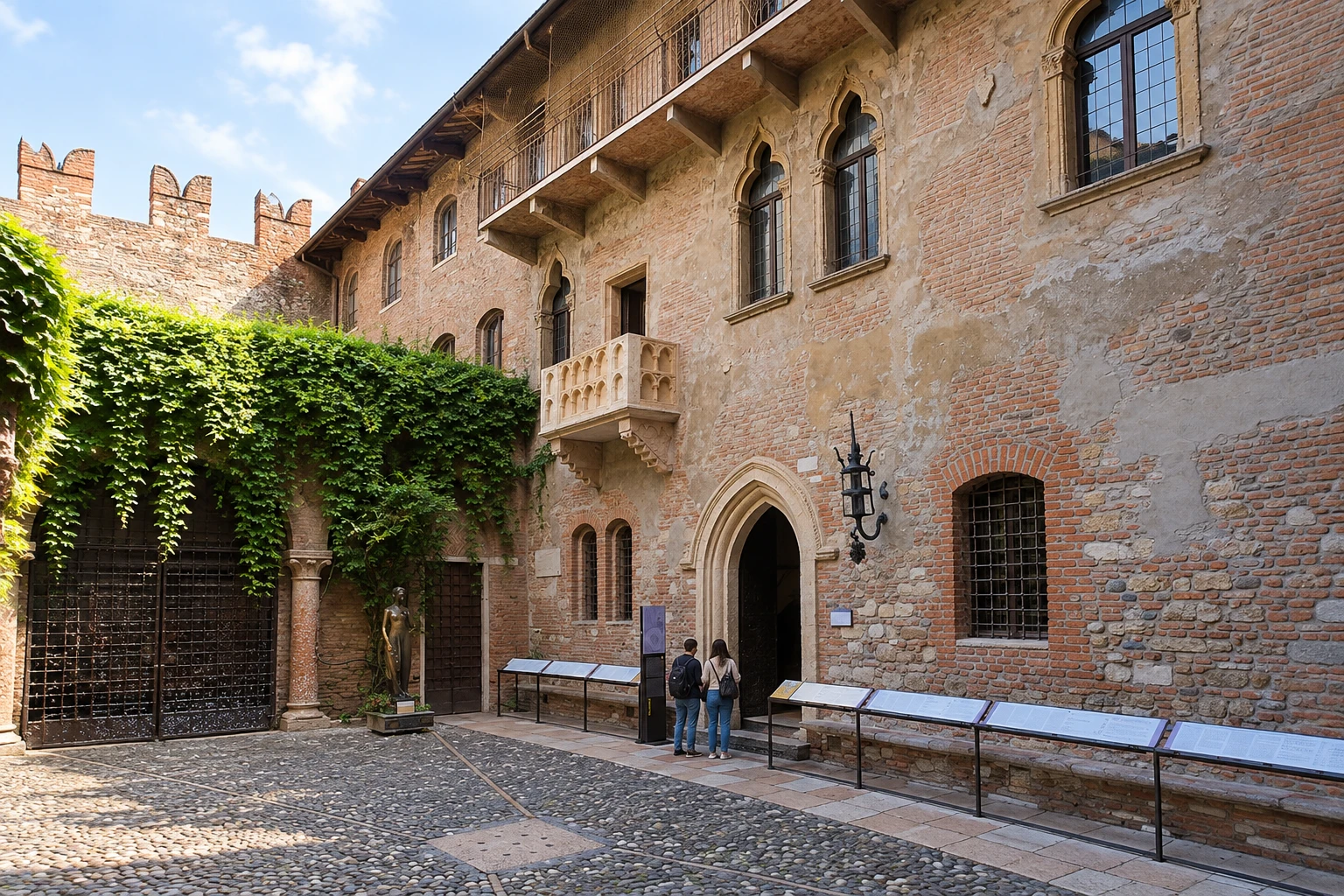
Most sights don't require reservations, but booking ahead is a good idea at the Arena and the Torre dei Lamberti during busy months. The Casa di Giulietta requires a timed reservation, even with the card.
Municipal museums, including the Arena, close on Mondays, Christmas Day, and New Year's Day. The four historic churches open daily, but only in the afternoon on Sundays. The Arena closes early on performance days. Check before visiting.


 Brazil
 Antarctica
 Argentina
 Bolivia
 Chile
 Colombia
 Ecuador
 Falkland Islands (Malvinas)
 French Guiana
 Guyana
 Paraguay
 Peru
 Suriname
 Uruguay
 Venezuela
 Austria
 Belgium
 Croatia
 Denmark
 Finland
 France
 Germany
 Greece
 Hungary
 Iceland
 Ireland
 Luxembourg
 Norway
 Poland
 Portugal
 Slovakia
 Slovenia
 Spain
 Sweden
 Switzerland
 the Czech Republic
 the Netherlands
 the United Kingdom
 Turkey
 Bermuda
 Canada
 Greenland
 Mexico
 Saint Pierre and Miquelon
 the United States
 the Dominican Republic
 Japan
 Egypt
 South Africa
 Australia
 Fiji
 New Zealand
 Papua New Guinea