21 places to visit Venice (Italy), chosen by the Cidade Turismo guide.
Illustrative images. The pictures in this guide are illustrations based on the real place, not photographs, and may differ from it.
To start
The 10 main places Venice
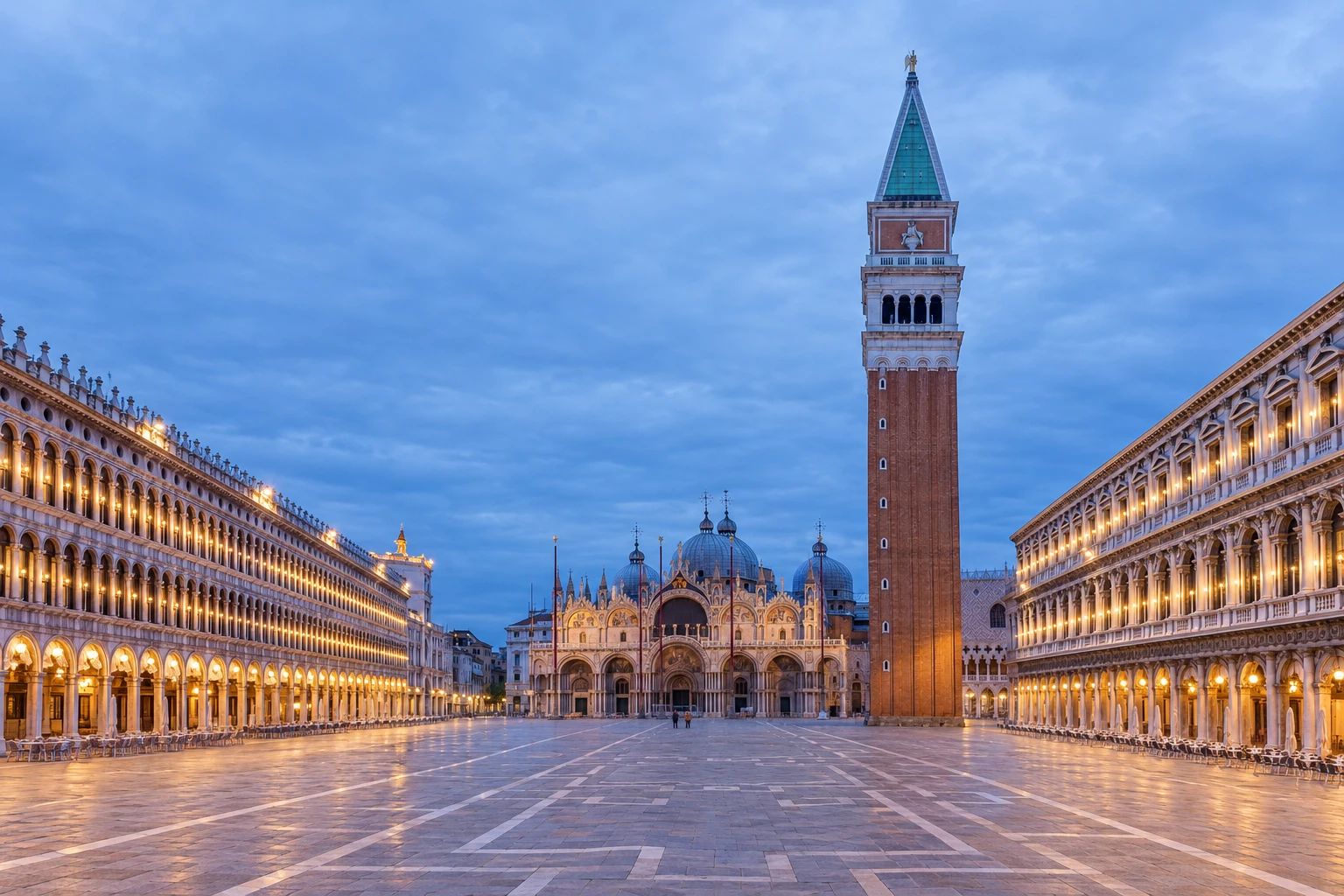
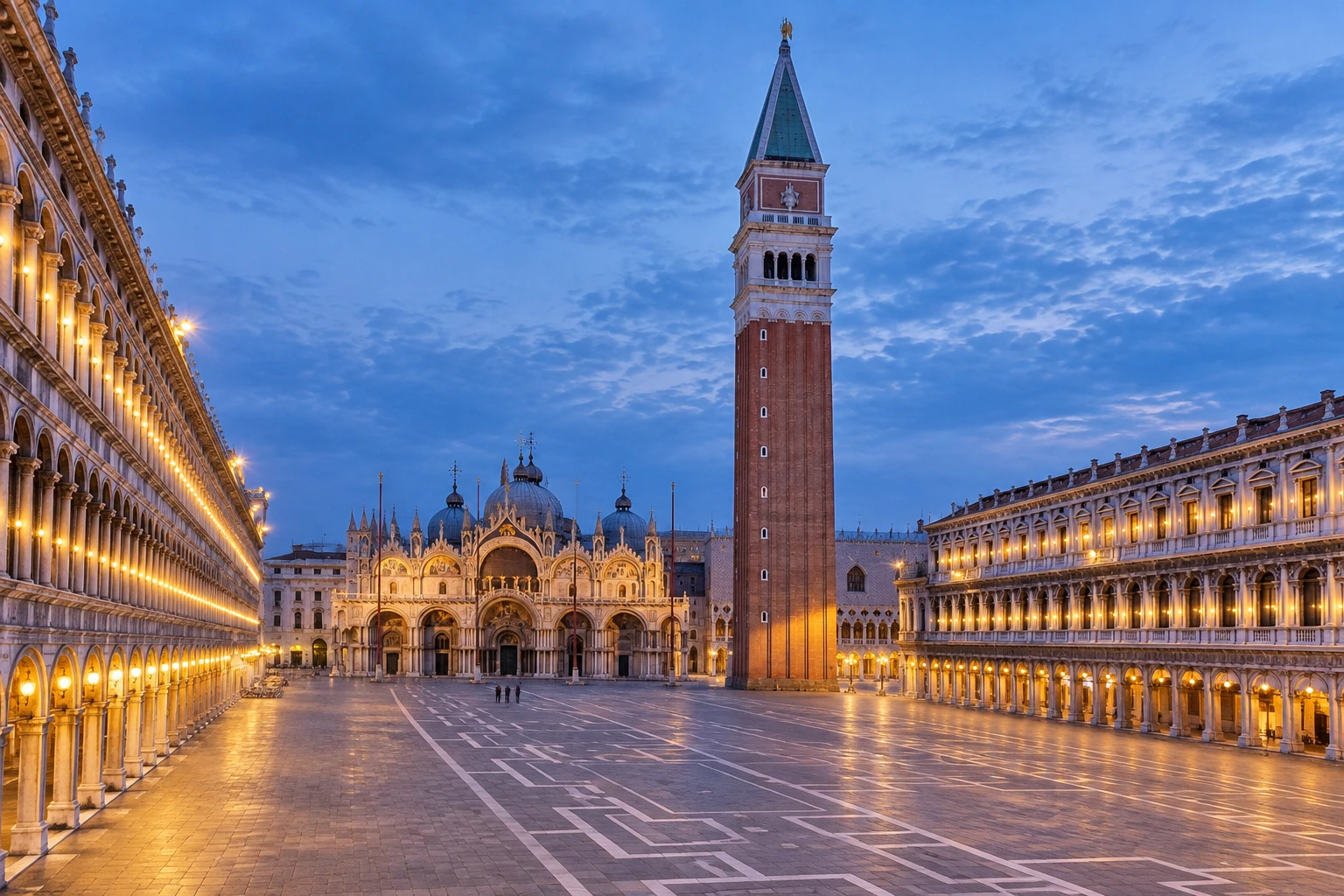
St. Mark's SquareThe main square of Veneza, surrounded by the Basilica di San Marco, the Campanile, the Palazzo Ducale, the Torre dell'Orologio and the arcades of the Procuratie.
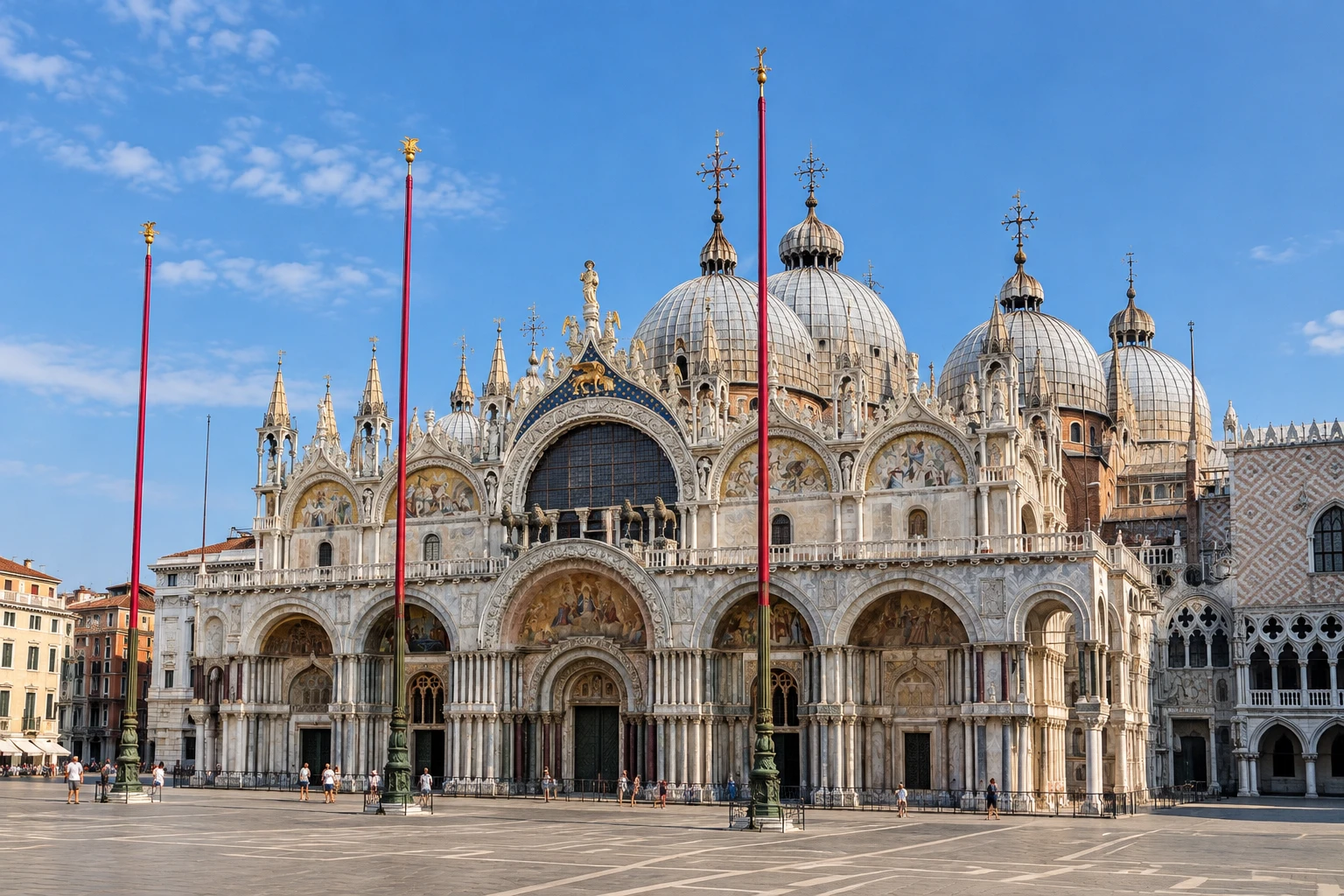
St. Mark's BasilicaThe cathedral of Veneza, built to house the relics of the evangelist São Marcos, with Byzantine-style domes and more than 8,000 square meters of mosaics with a golden background.
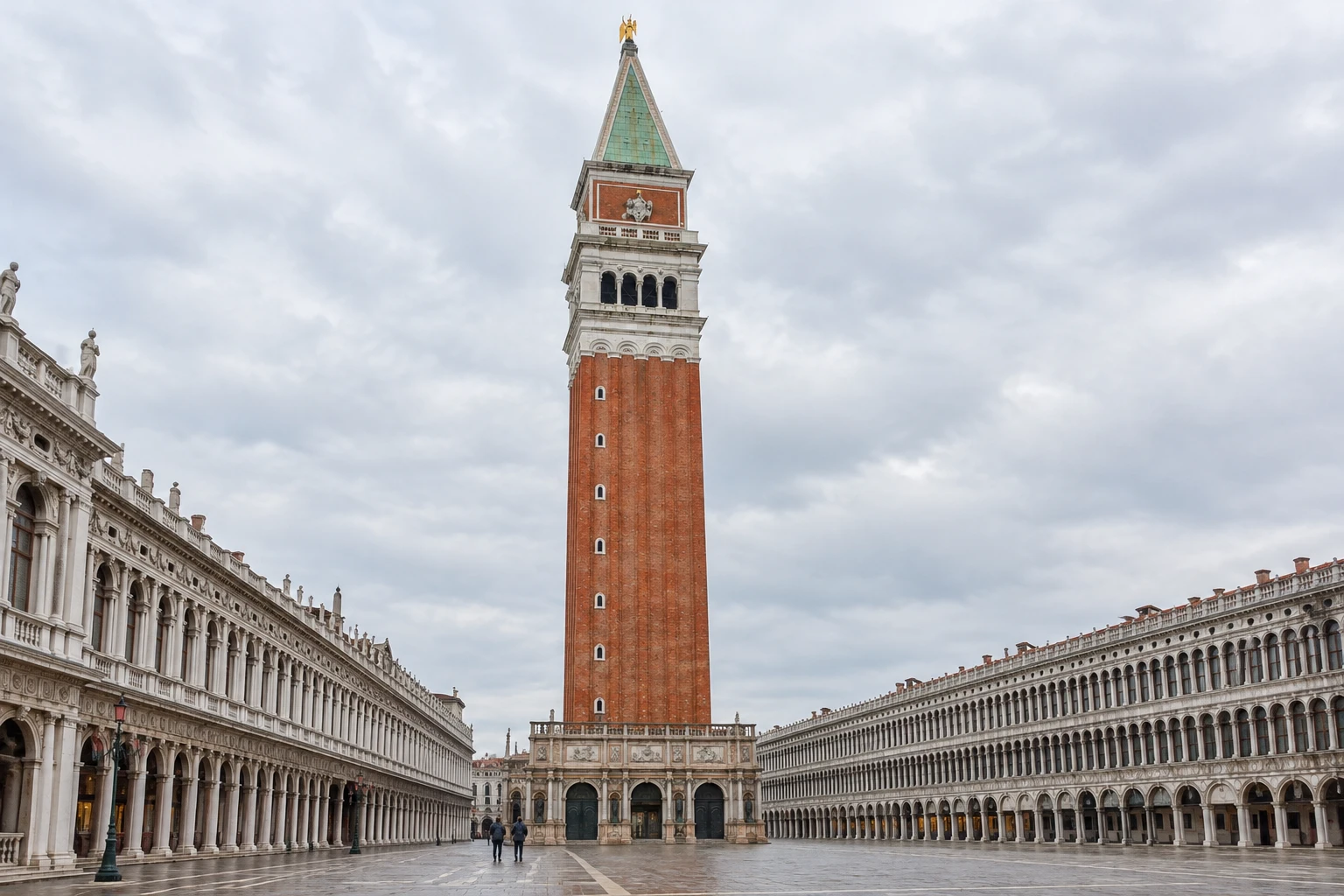
St. Mark's CampanileThe almost 99-meter bell tower of the Piazza San Marco, with an elevator up to the belfry.
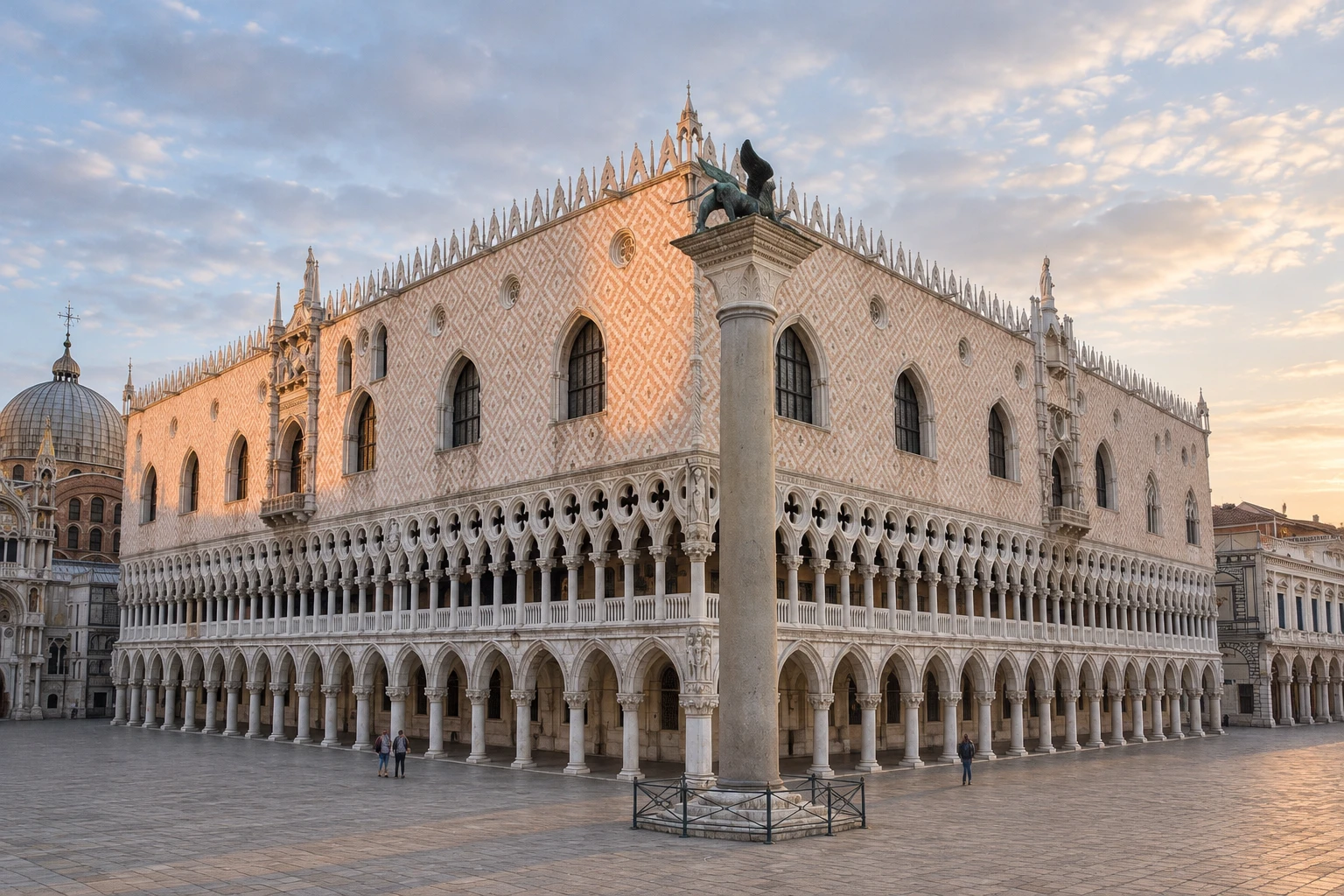
Doge's PalaceThe seat of government of the Republic of Venice and the doge's residence, in Venetian Gothic, with rooms painted by Tintoretto and Veronese, the prisons and the passage across...
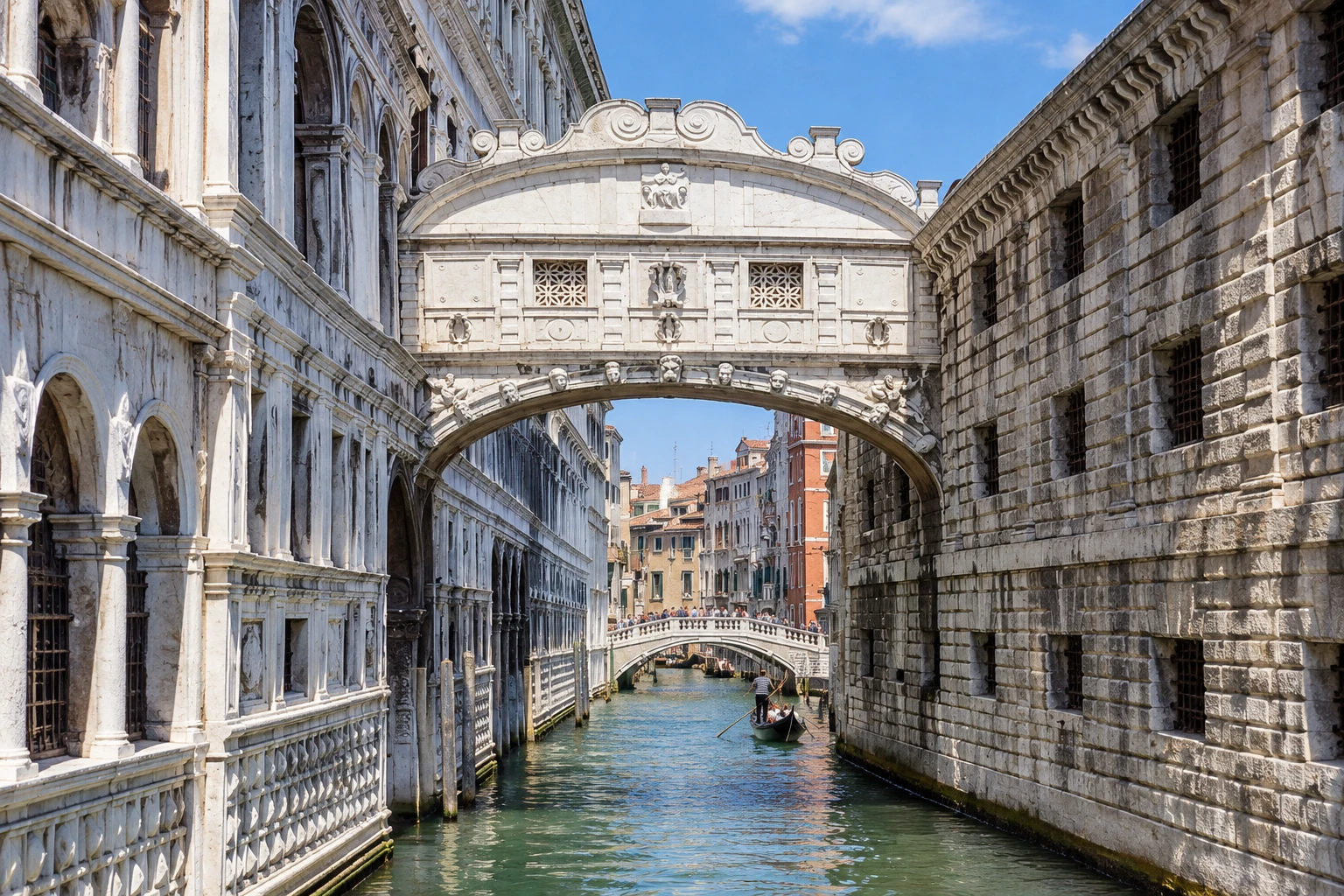
Bridge of SighsThe covered white-stone bridge that links the Palazzo Ducale to the prisons over the Rio di Palazzo.
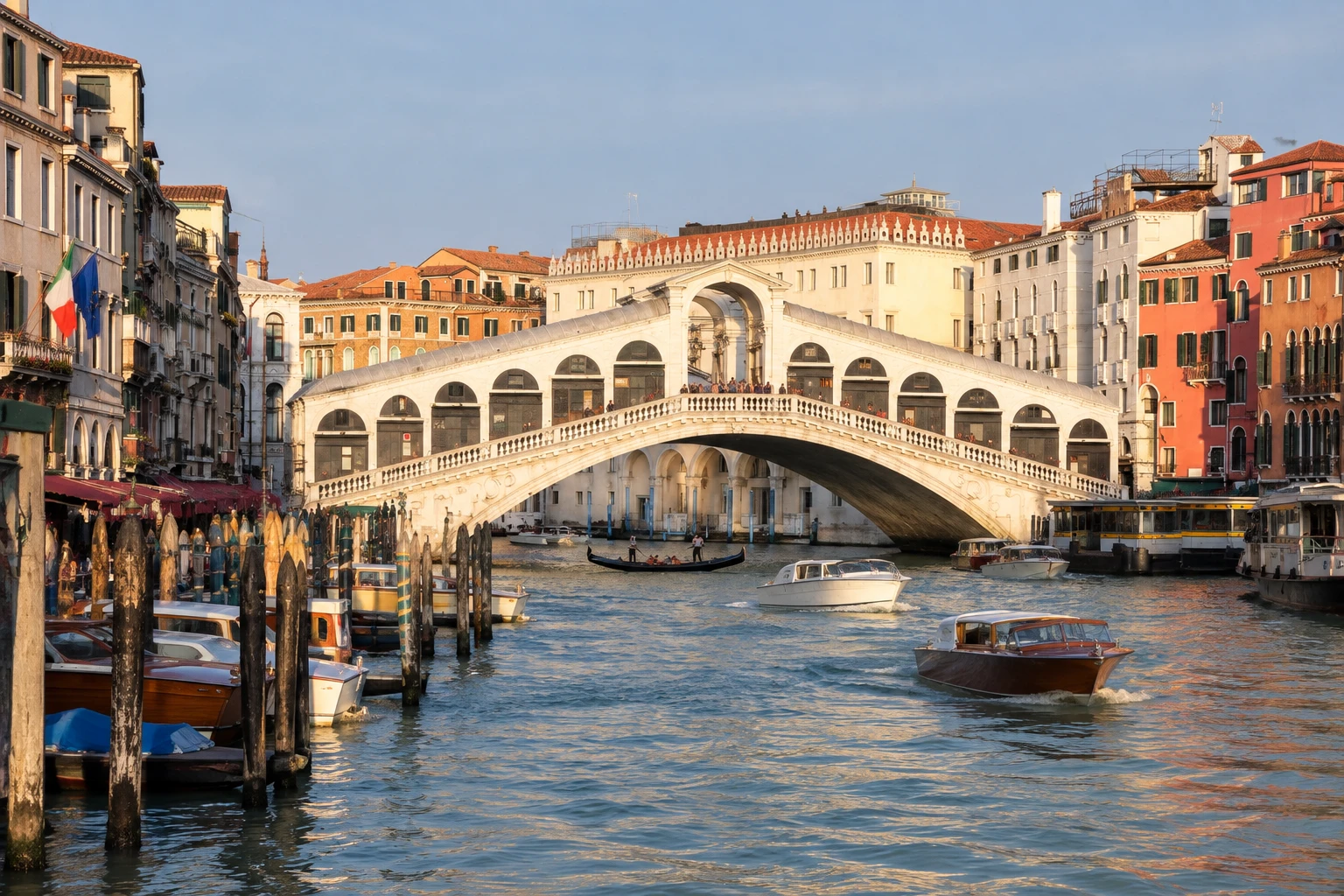
Rialto BridgeThe oldest stone bridge over the Canal Grande, from the late 16th century, with shops under the arches and views of the canal on both sides.
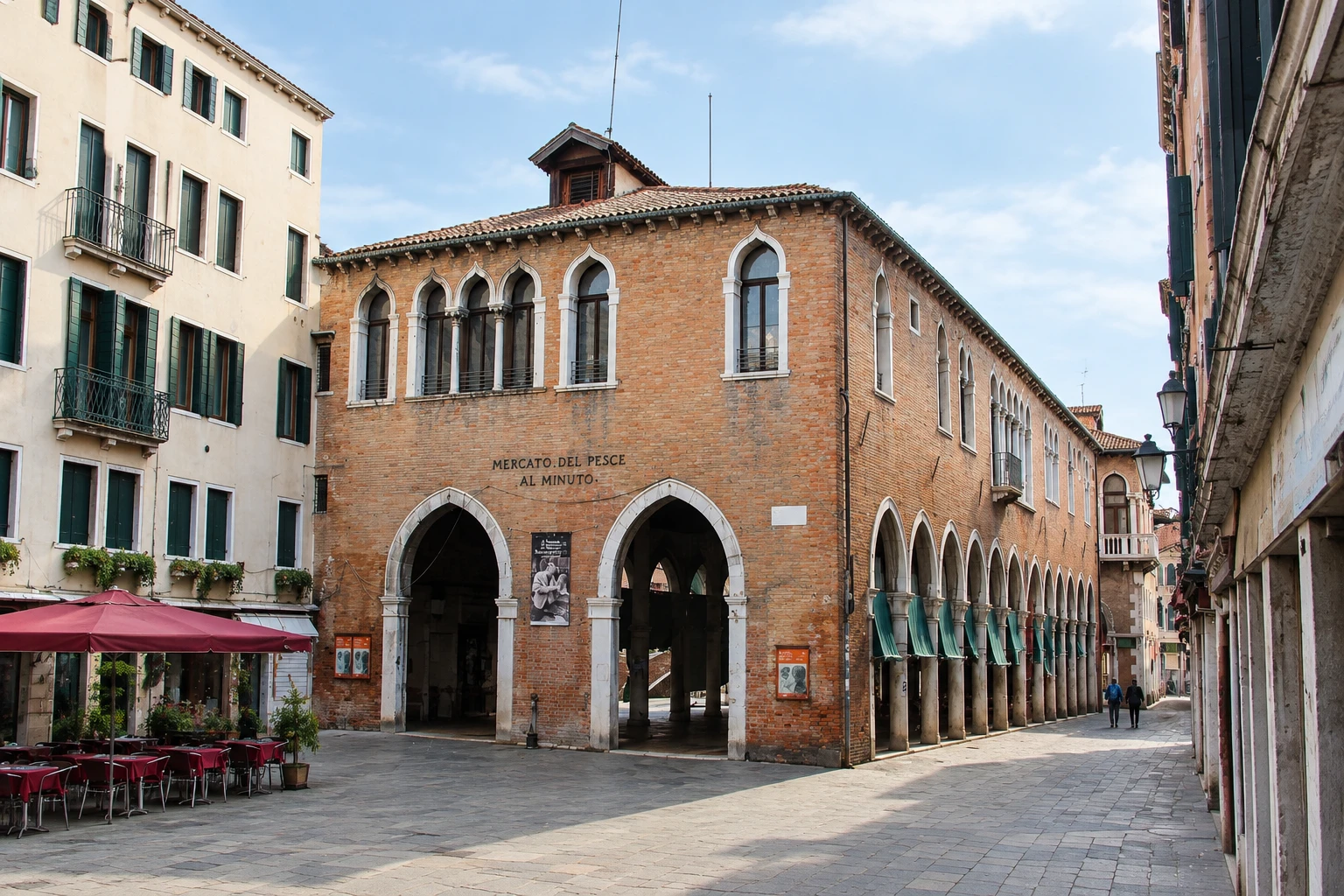
Rialto MarketVenice's street market, next to the Ponte di Rialto, with the Erbaria of fruits and vegetables and the Pescheria of fish and seafood from the lagoon and the Adriatic.
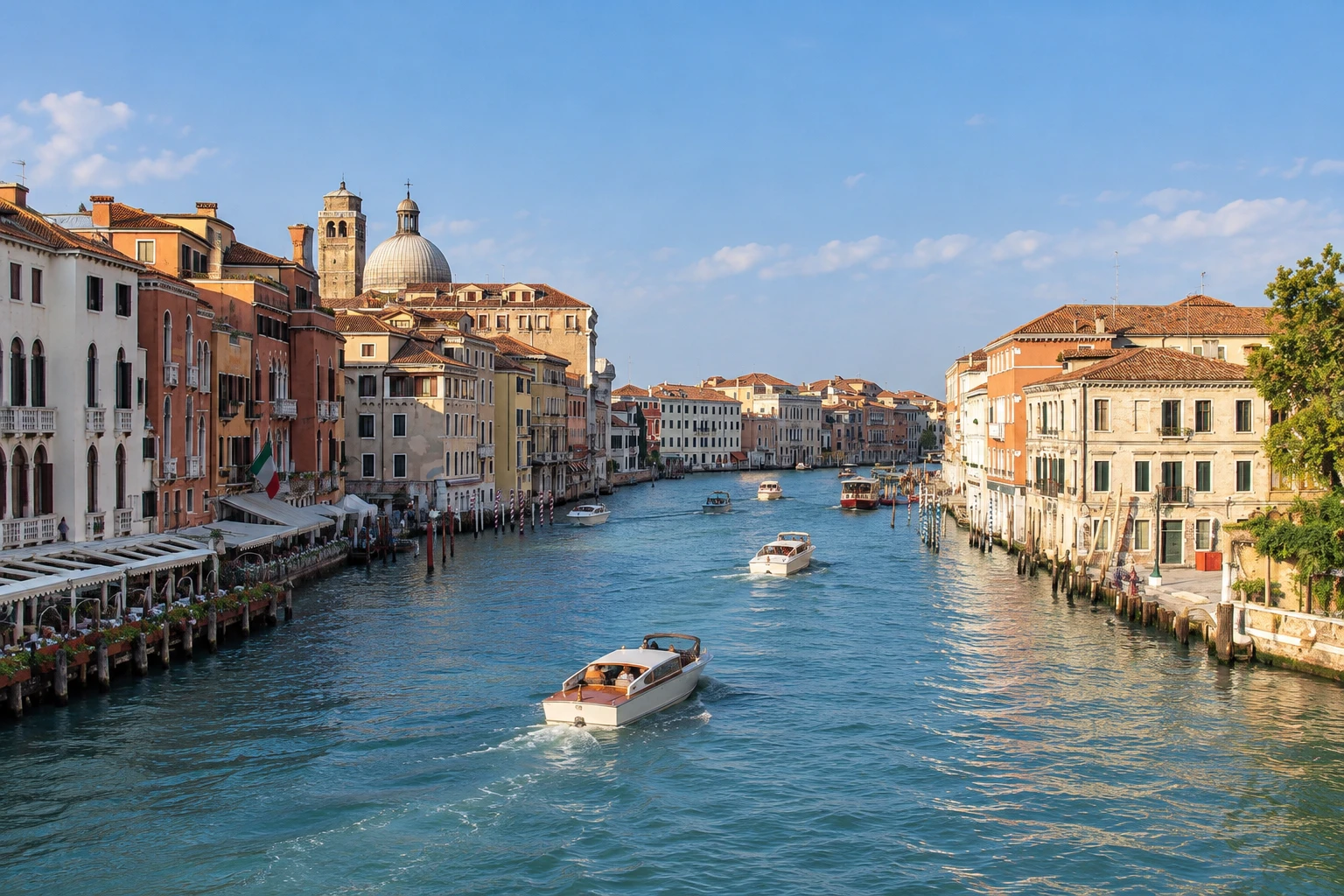
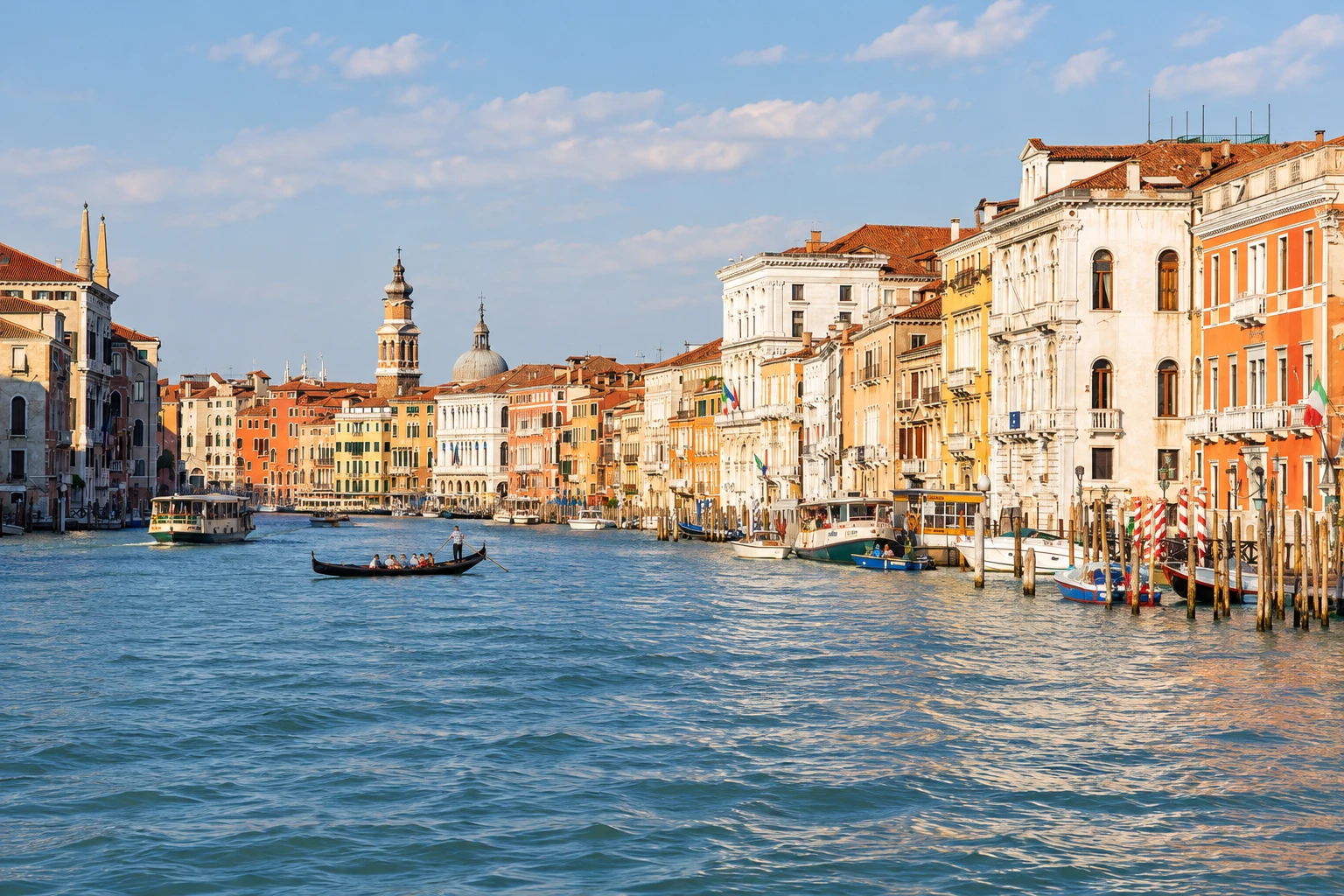
Grand CanalThe main canal of Venice, about 3.8 km in an S‑shape, flanked by palaces from the 12th to the 18th centuries.
Venetian GondolasVenice's traditional boat, rowed and steered by a gondolier standing at the stern.
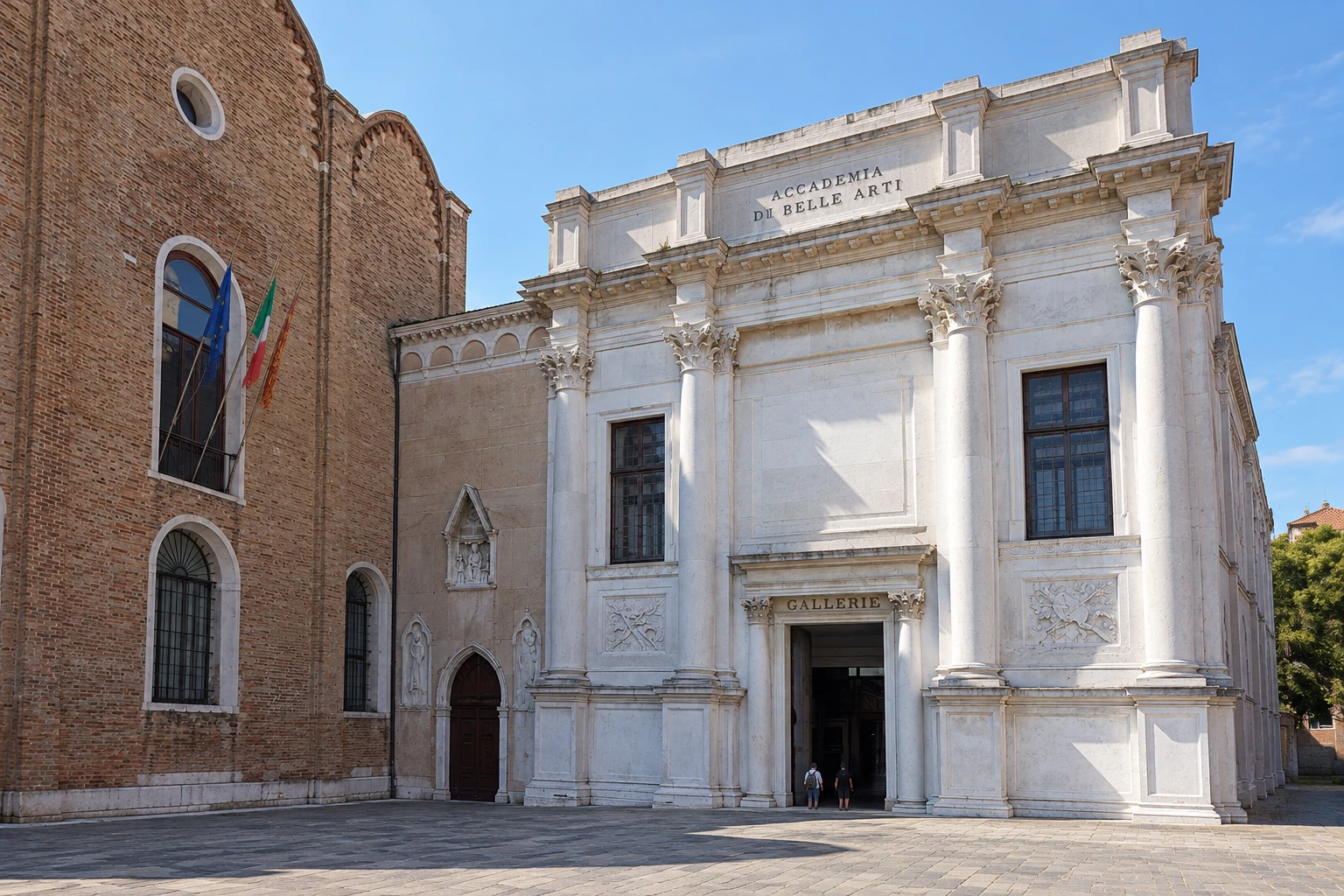
Gallerie dell'AccademiaThe main museum of Venetian painting, from the 14th to the 18th century, with works by Giovanni Bellini, Giorgione, Titian, Tintoretto, Veronese and Canaletto, at the foot of th...
The main square of Veneza, surrounded by the Basilica di San Marco, the Campanile, the Palazzo Ducale, the Torre dell'Orologio and the arcades of the Procuratie. It is the lowest point of the city and the first to flood during the acqua alta.
The cathedral of Veneza, built to house the relics of the evangelist São Marcos, with Byzantine-style domes and more than 8,000 square meters of mosaics with a golden background. Entry by ticket and reserved time.
The almost 99-meter bell tower of the Piazza San Marco, with an elevator up to the belfry. From the top you can see the city, the Giudecca, San Giorgio Maggiore and the lagoon.
The seat of government of the Republic of Venice and the doge's residence, in Venetian Gothic, with rooms painted by Tintoretto and Veronese, the prisons and the passage across the Ponte dei Sospiri.
The covered white-stone bridge that links the Palazzo Ducale to the prisons over the Rio di Palazzo. From the outside it is seen from the Ponte della Paglia; inside, it is part of the palace visit.
Venice's street market, next to the Ponte di Rialto, with the Erbaria of fruits and vegetables and the Pescheria of fish and seafood from the lagoon and the Adriatic. It operates in the morning.
The main canal of Venice, about 3.8 km in an S‑shape, flanked by palaces from the 12th to the 18th centuries. The simplest way to travel it is on vaporetto line 1.
Venice's traditional boat, rowed and steered by a gondolier standing at the stern. The ride departs from the stazi, the boarding points, such as the one at Bacino Orseolo, behind Piazza San Marco.
The main museum of Venetian painting, from the 14th to the 18th century, with works by Giovanni Bellini, Giorgione, Titian, Tintoretto, Veronese and Canaletto, at the foot of the Ponte dell'Accademia.
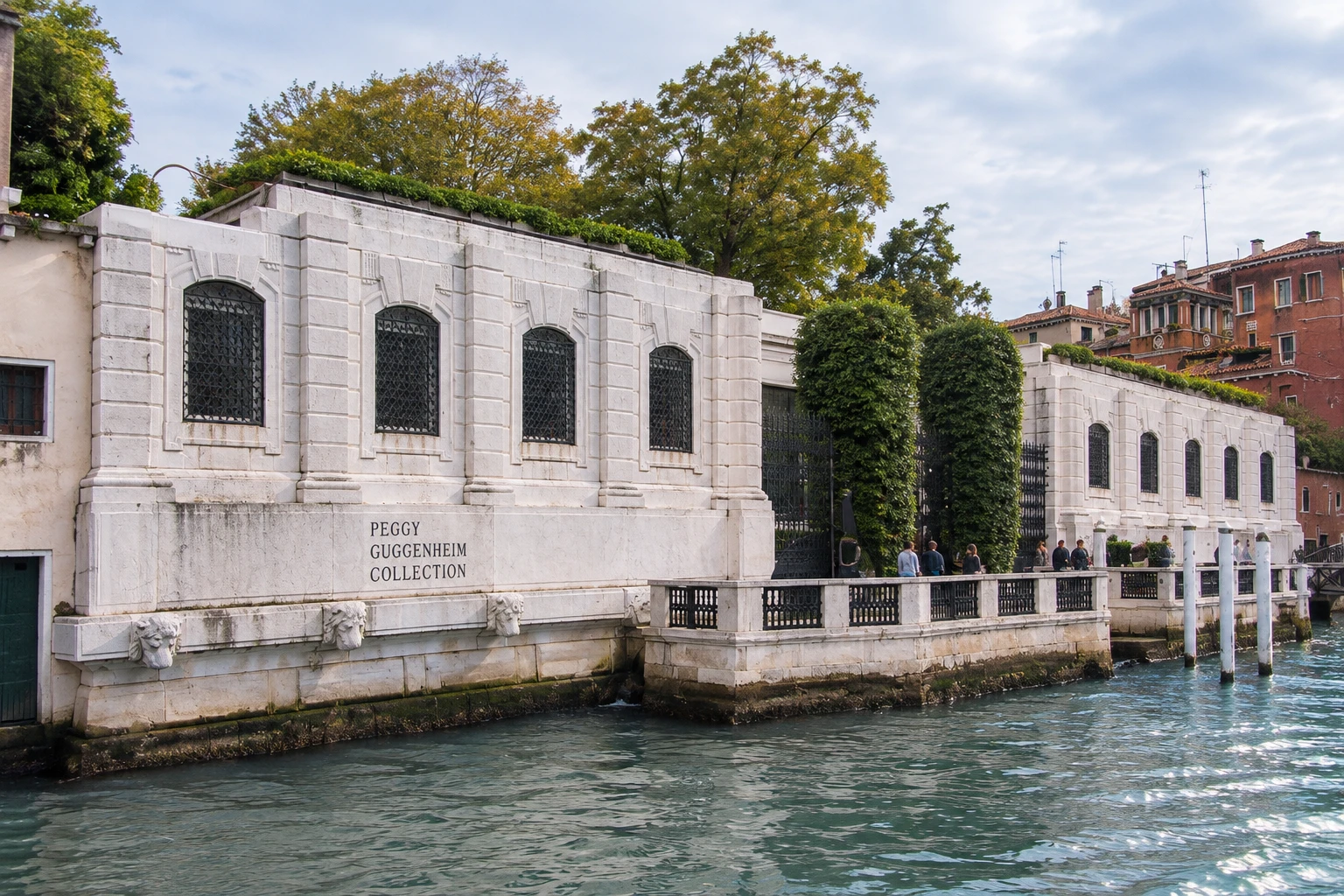
Museum of 20th-century European and American modern art, in the house where collector Peggy Guggenheim lived, on the Canal Grande, with works by Picasso, Pollock, Magritte, Dalí and Kandinsky.
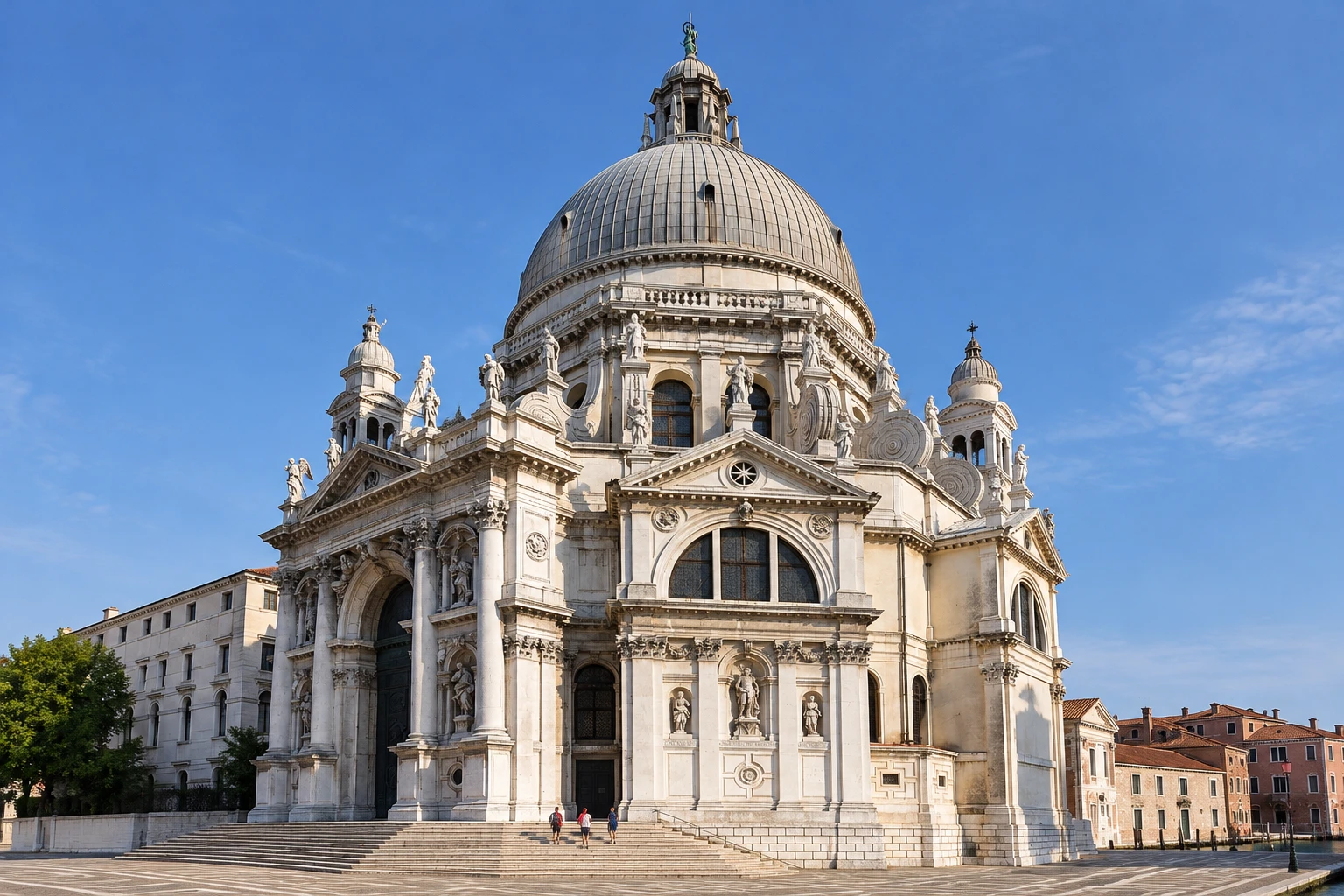
The large Baroque church with a white dome at the entrance to the Canal Grande, erected in gratitude for the end of the 1630 plague, with works by Titian and Tintoretto in the sacristy.
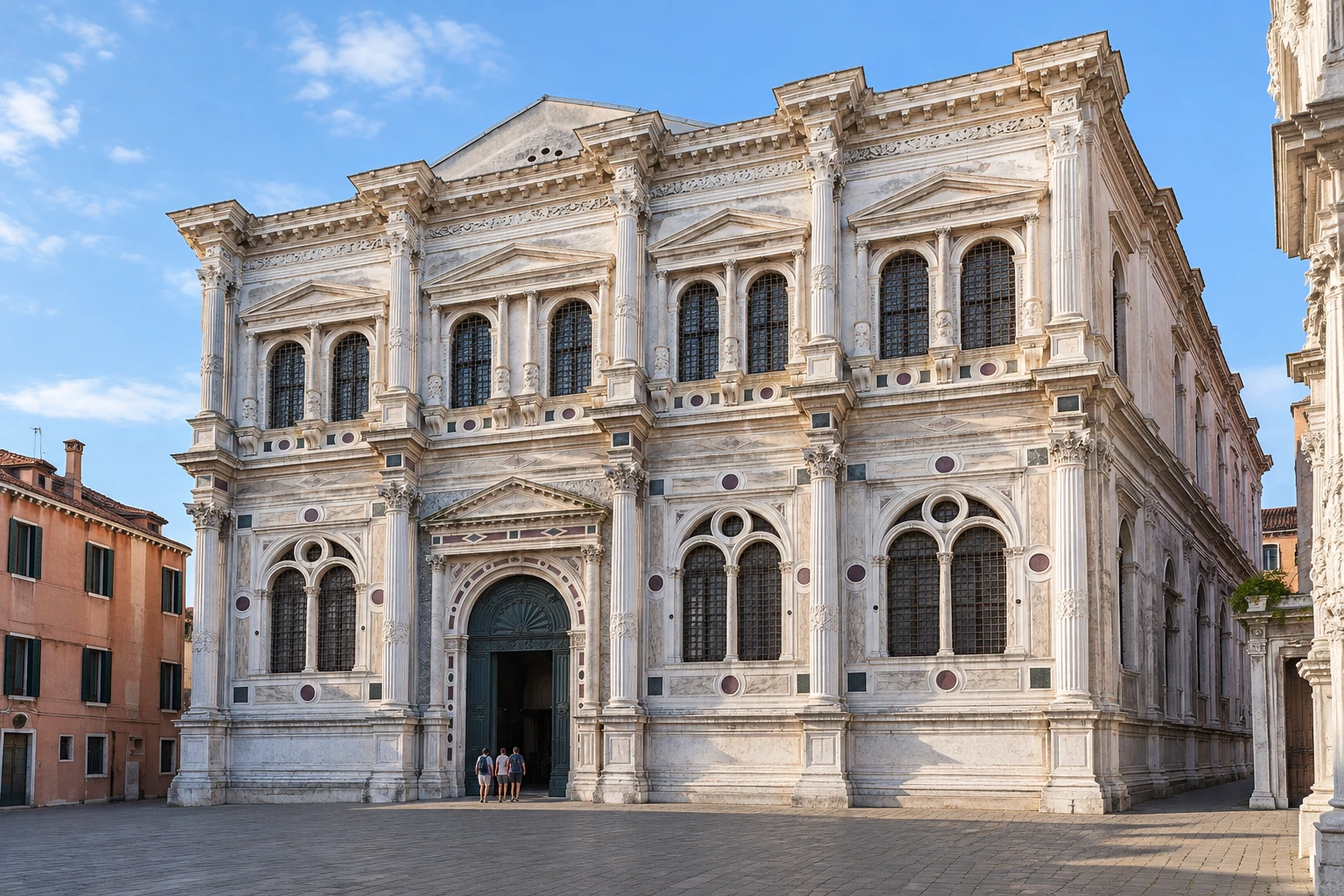
Headquarters of a 15th-century confraternity in San Polo, with more than 60 paintings by Tintoretto in their original locations, on the ceilings and walls of two floors.
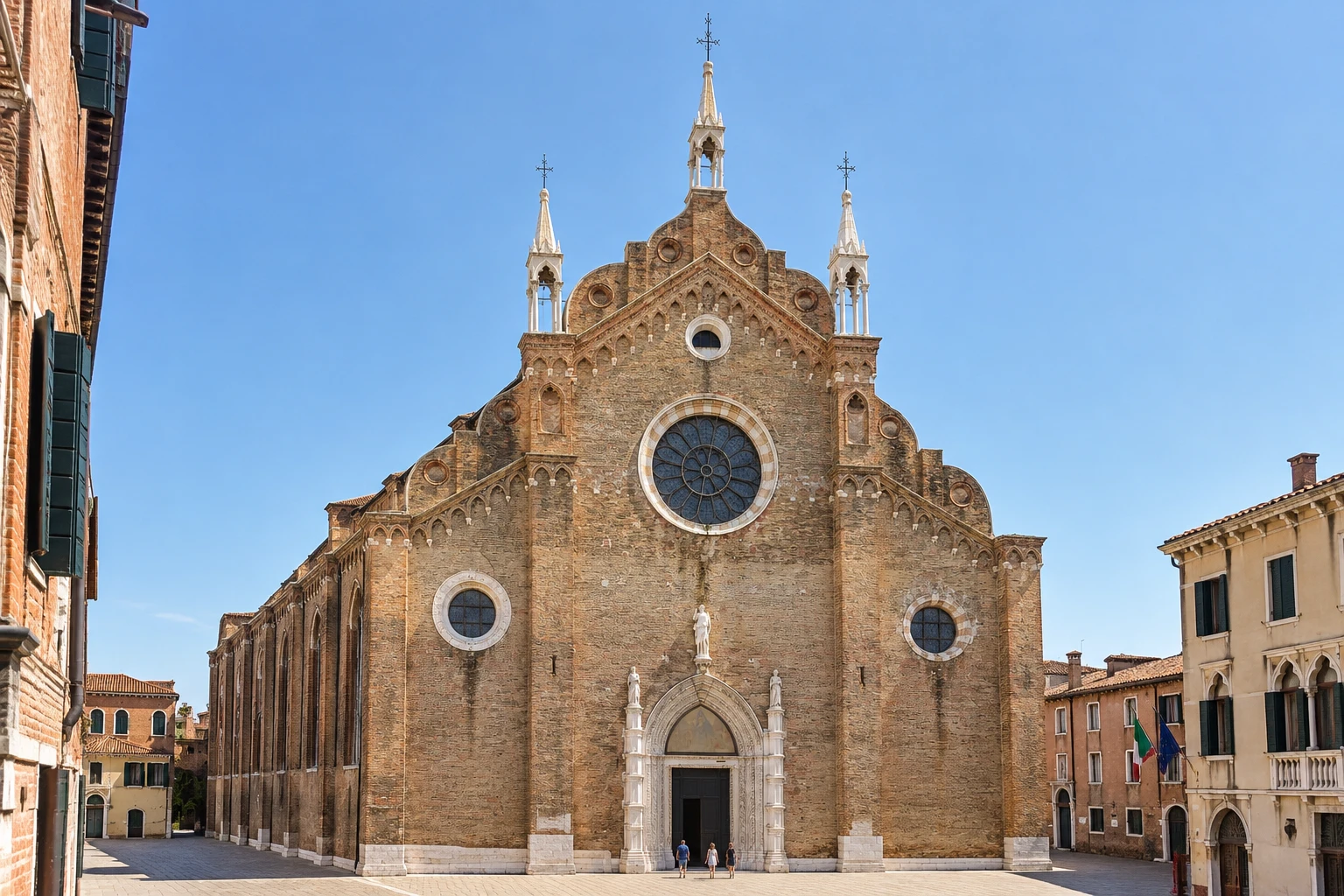
The large Franciscan Gothic church of San Polo, with the Assunta by Titian on the high altar, the painter's tomb, and the Canova monument in the form of a pyramid.
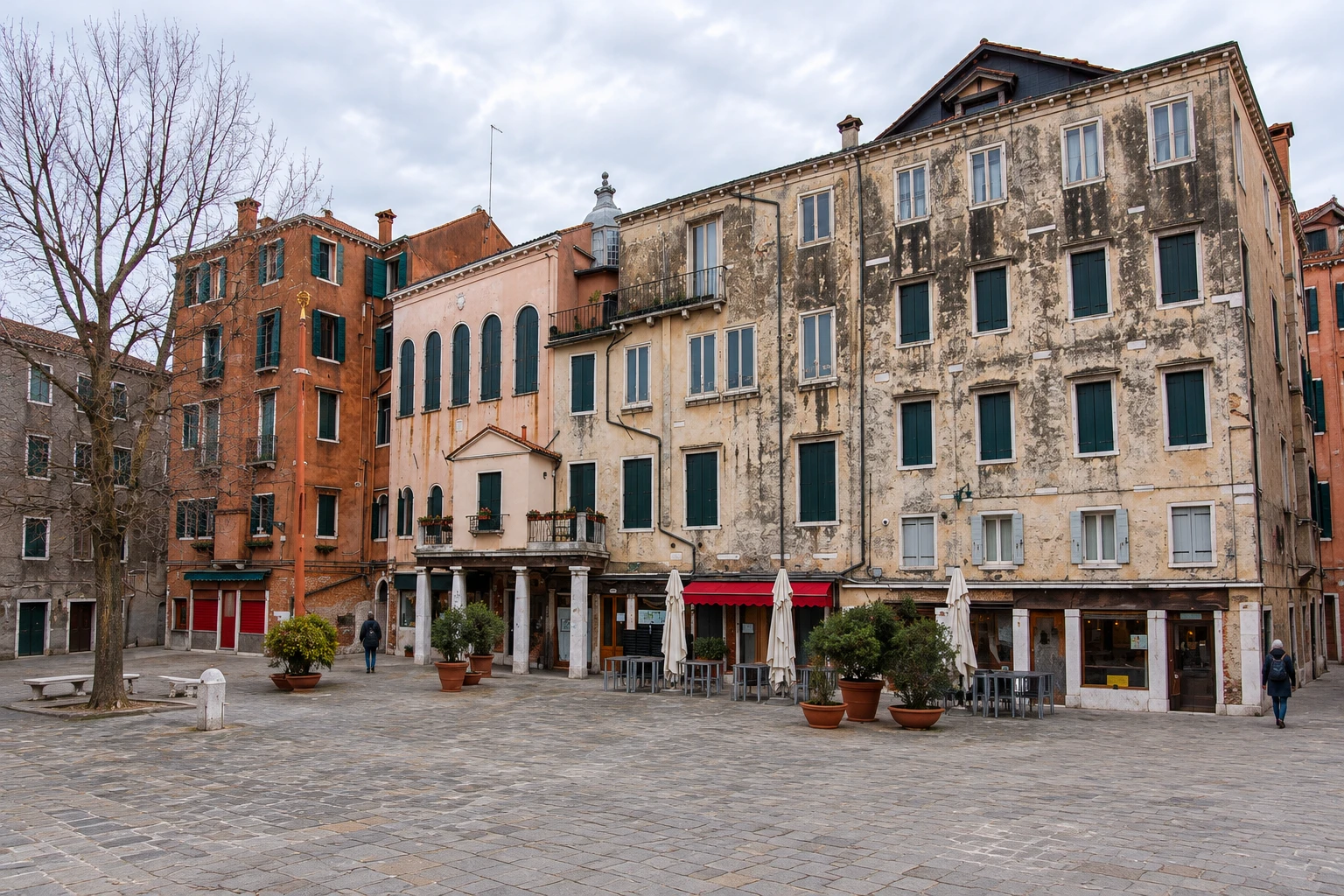
The Cannaregio neighborhood where, from 1516, the Jews of Venice were forced to live. It gave rise to the word ghetto and is still the center of the city's Jewish community, with synagogues and tall buildings.
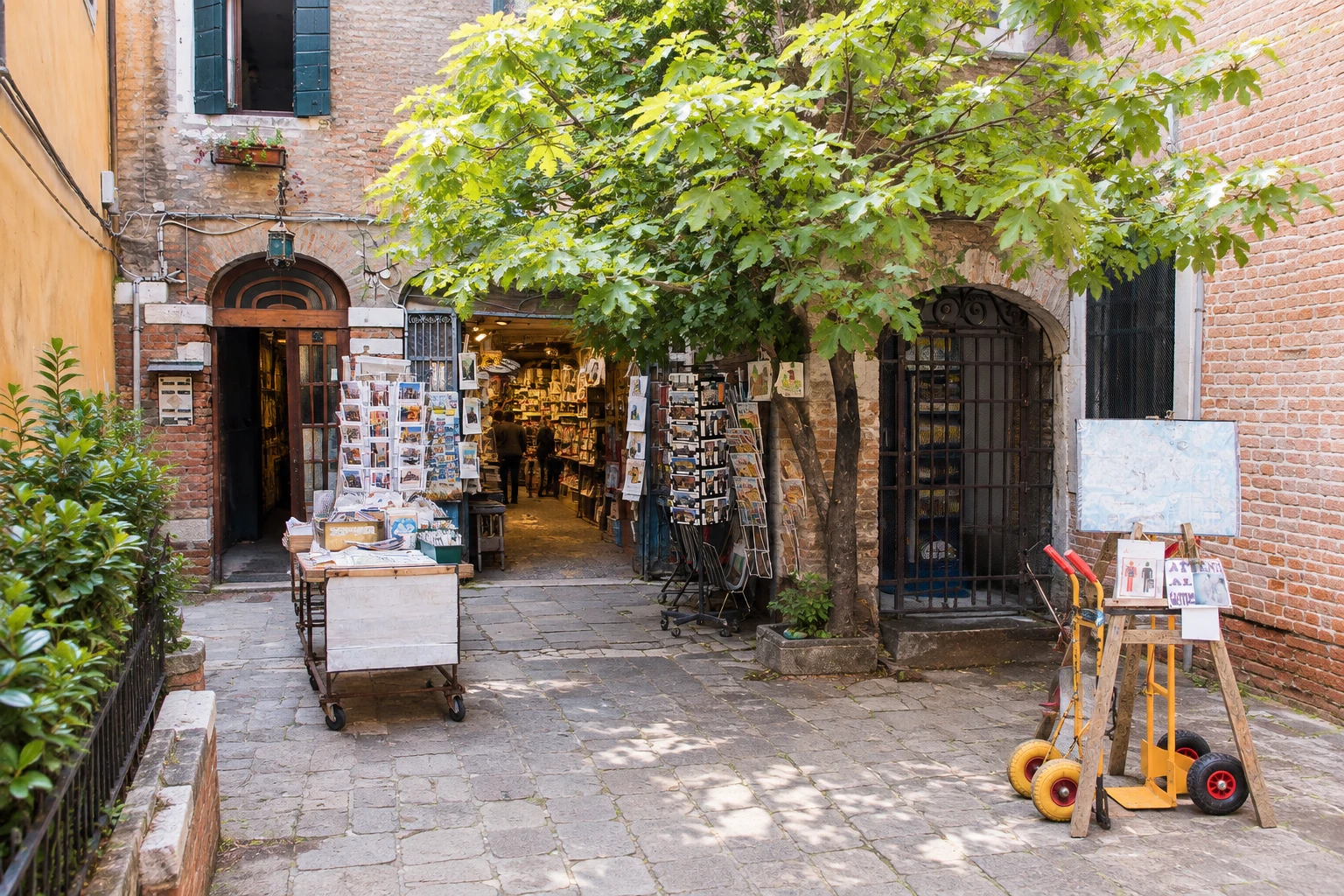
Bookshop of new and used books in Castello, with volumes stored in bathtubs, boats and an entire gondola to protect them from the high tide, and a staircase made of books overlooking the canal.
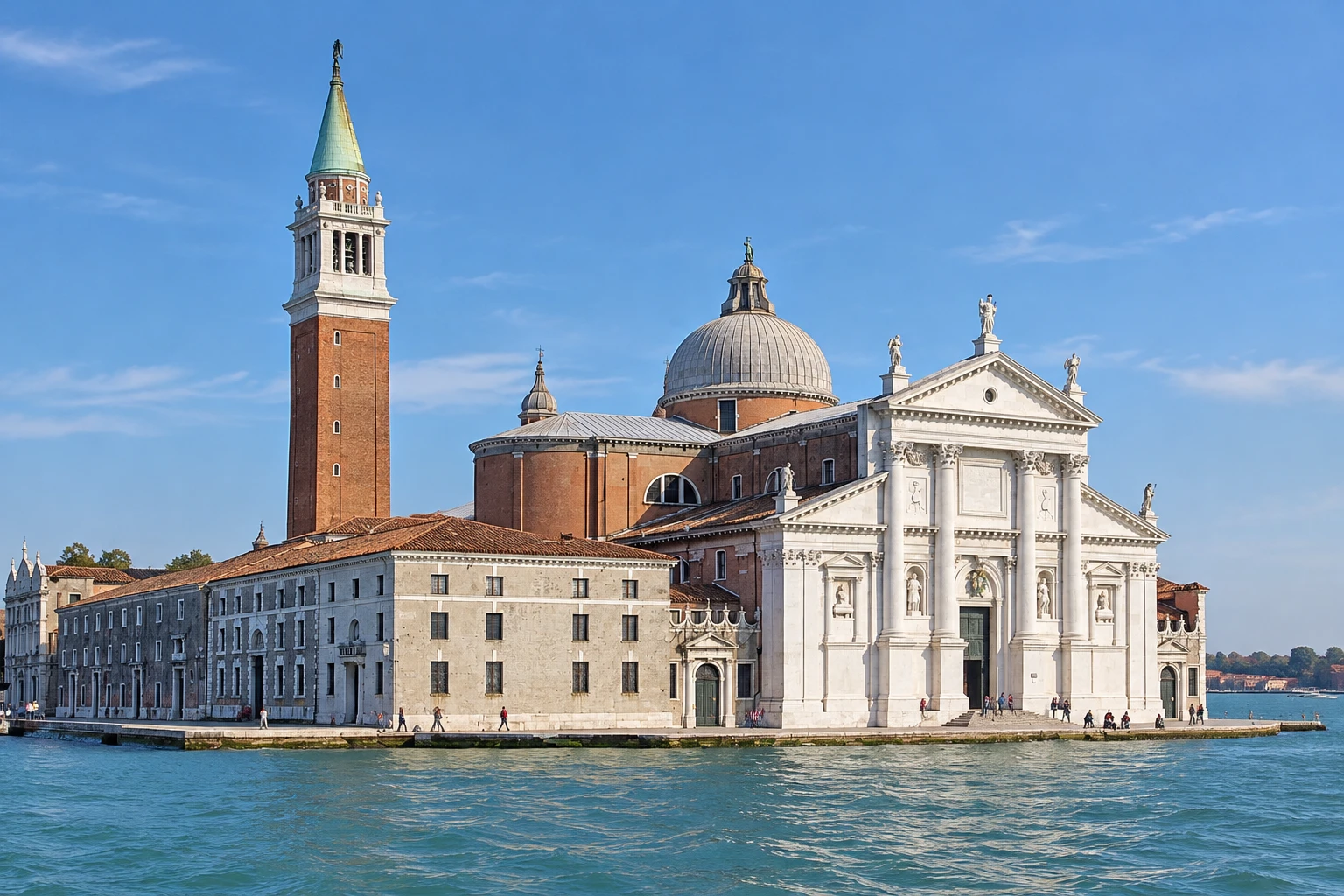
The church designed by Andrea Palladio on the island opposite Piazza San Marco, with paintings by Tintoretto and a bell tower with an elevator offering views over the square and the lagoon.
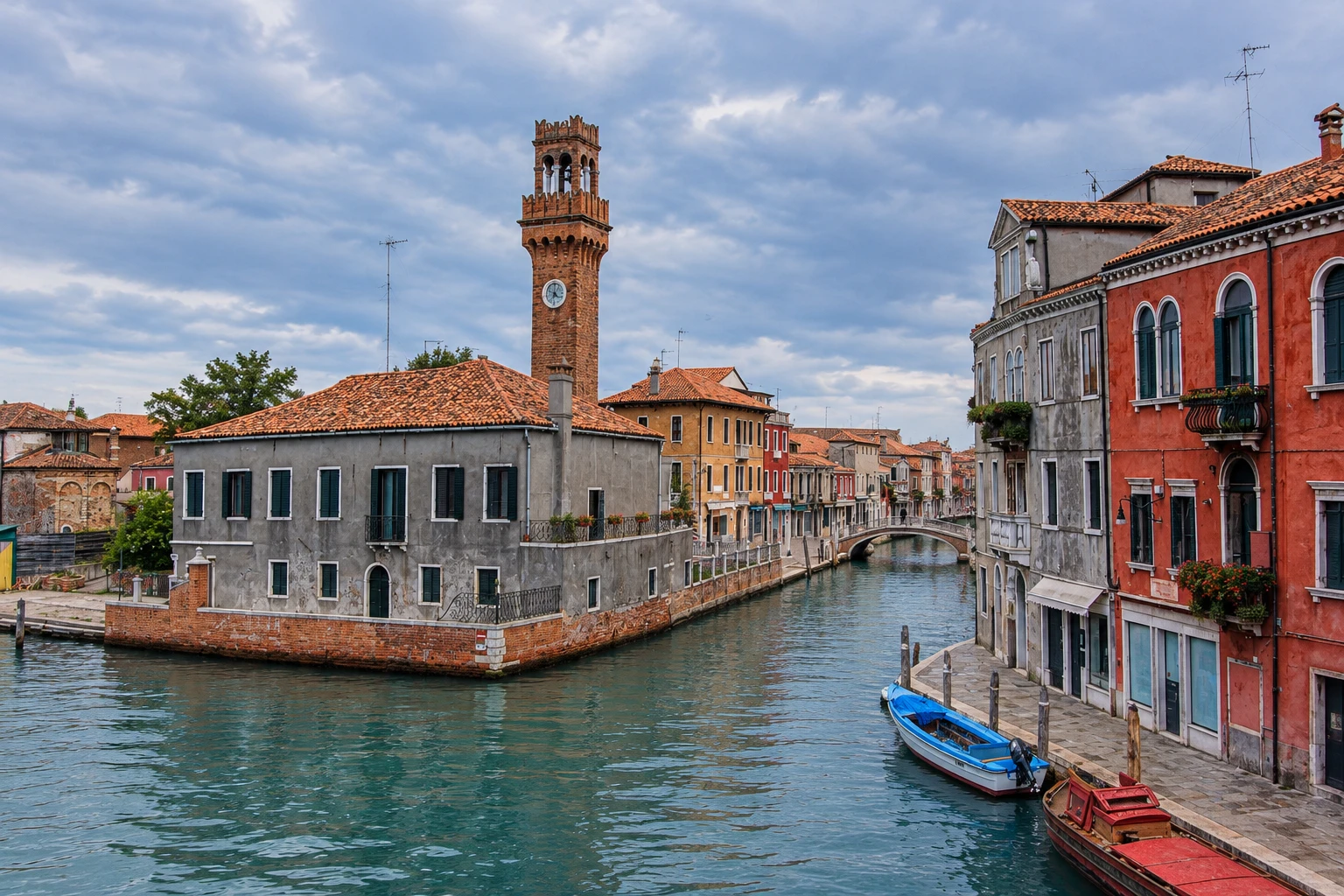
The island of blown glass, north of Venice, with furnaces open to visitors, the Museo del Vetro and the Basilica dei Santi Maria e Donato, which has mosaic floors.
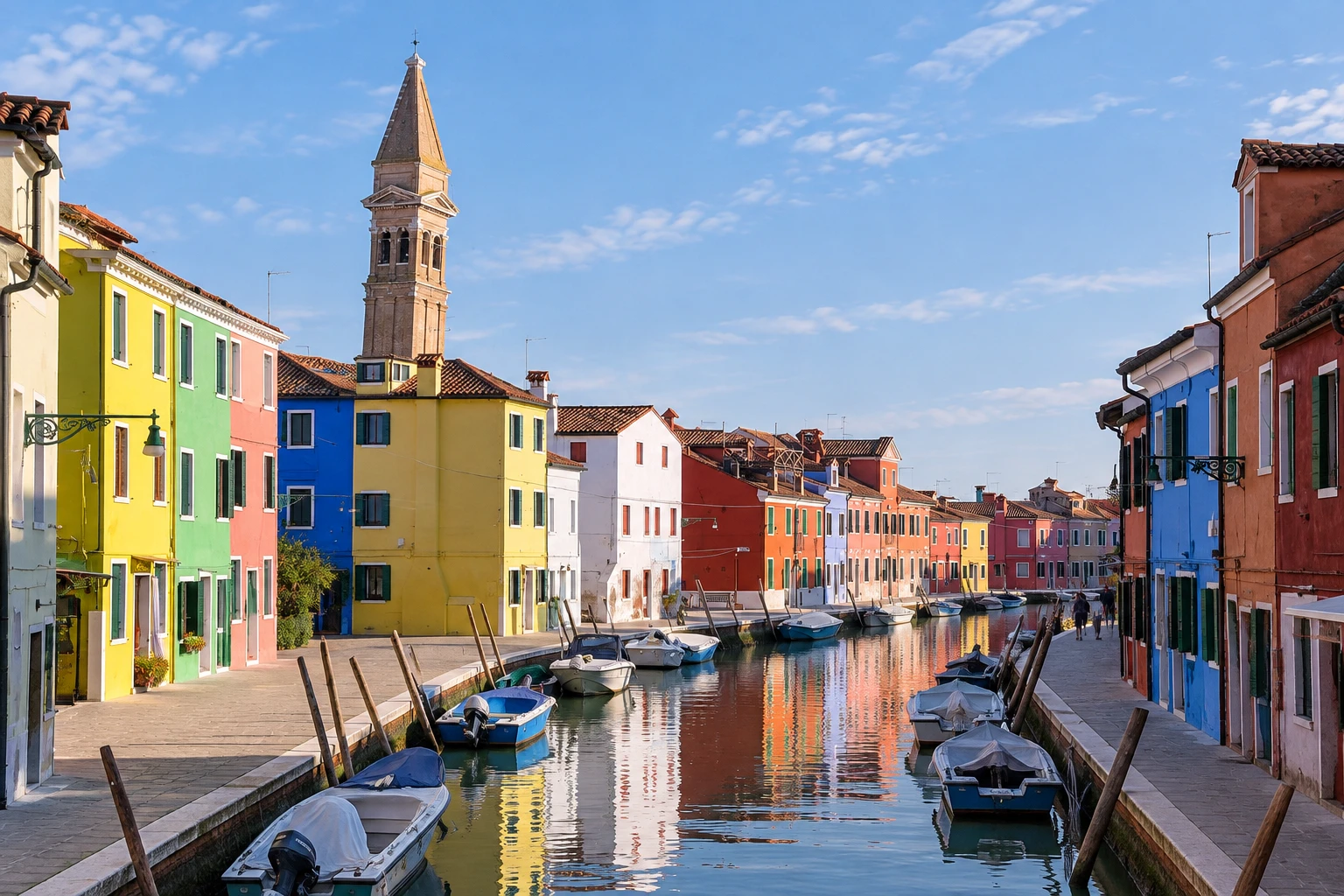
Fishermen's island north of the lagoon, with houses painted in bright colors along the canals and a tradition of handmade lace, shown at the Museo del Merletto.
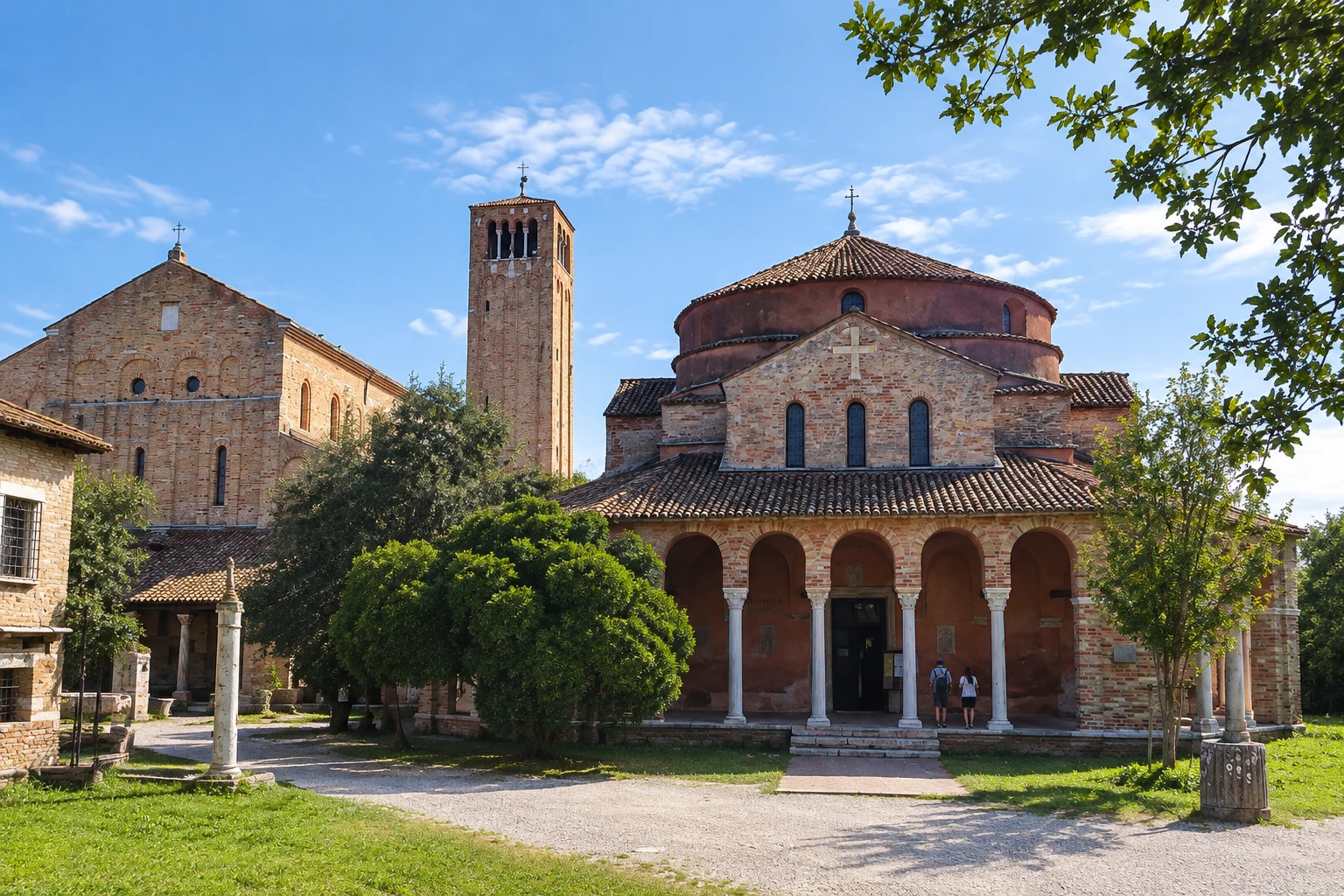
Almost deserted island in the north of the lagoon, where the Venetian settlement began, with the Basilica di Santa Maria Assunta, founded in 639, and its Byzantine mosaics of the Last Judgment.
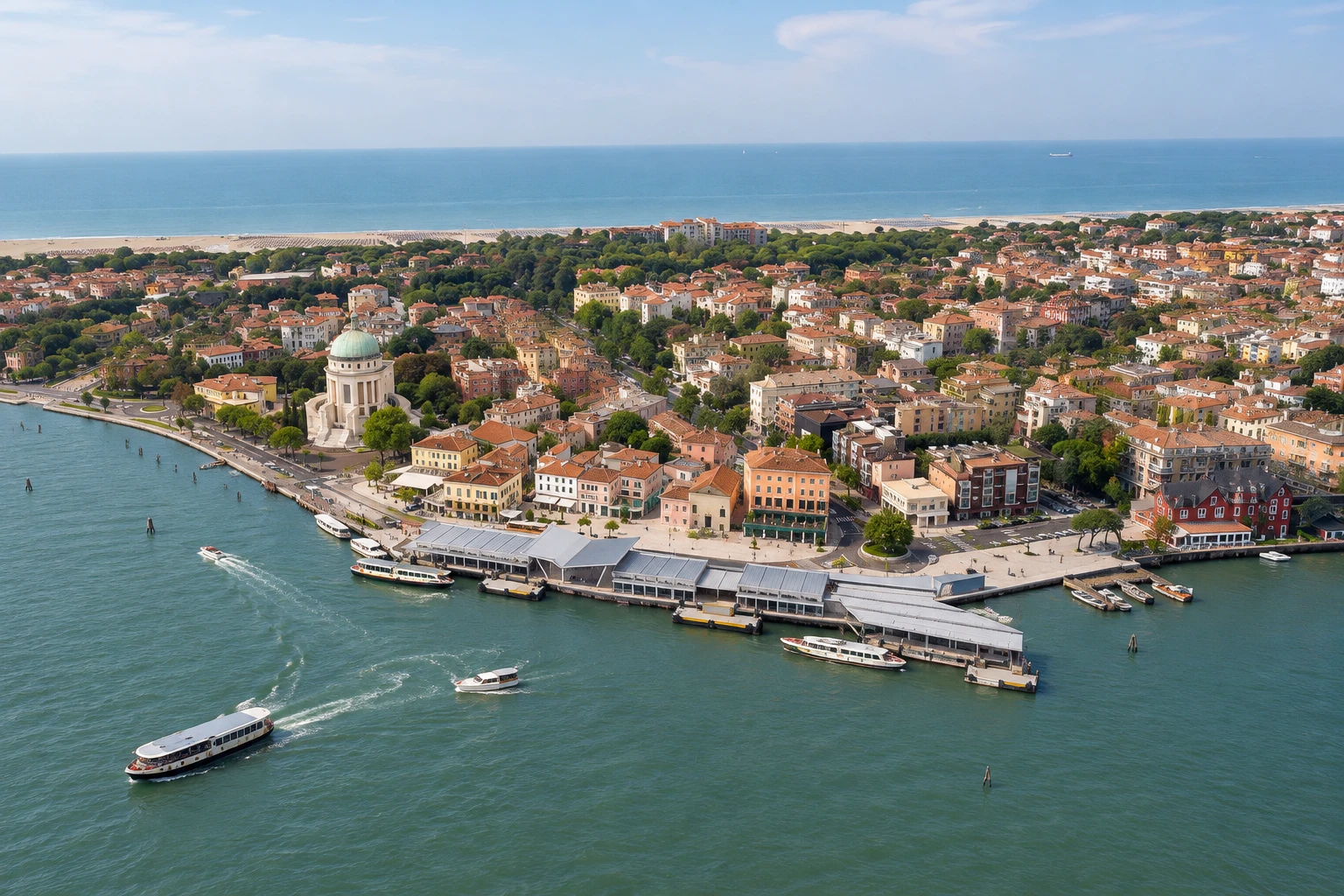
The long island that separates the lagoon from the Adriatic Sea, with sandy beaches facing the sea, streets with cars, and the seat of the Festival de Cinema de Veneza.


 Brazil
 Antarctica
 Argentina
 Bolivia
 Chile
 Colombia
 Ecuador
 Falkland Islands (Malvinas)
 French Guiana
 Guyana
 Paraguay
 Peru
 Suriname
 Uruguay
 Venezuela
 Austria
 Belgium
 Croatia
 Denmark
 Finland
 France
 Germany
 Greece
 Hungary
 Iceland
 Ireland
 Luxembourg
 Norway
 Poland
 Portugal
 Slovakia
 Slovenia
 Spain
 Sweden
 Switzerland
 the Czech Republic
 the Netherlands
 the United Kingdom
 Turkey
 Bermuda
 Canada
 Greenland
 Mexico
 Saint Pierre and Miquelon
 the United States
 the Dominican Republic
 Japan
 Egypt
 South Africa
 Australia
 Fiji
 New Zealand
 Papua New Guinea