Palermo

Sicily Capital

Palermo

In the destination Sicily.

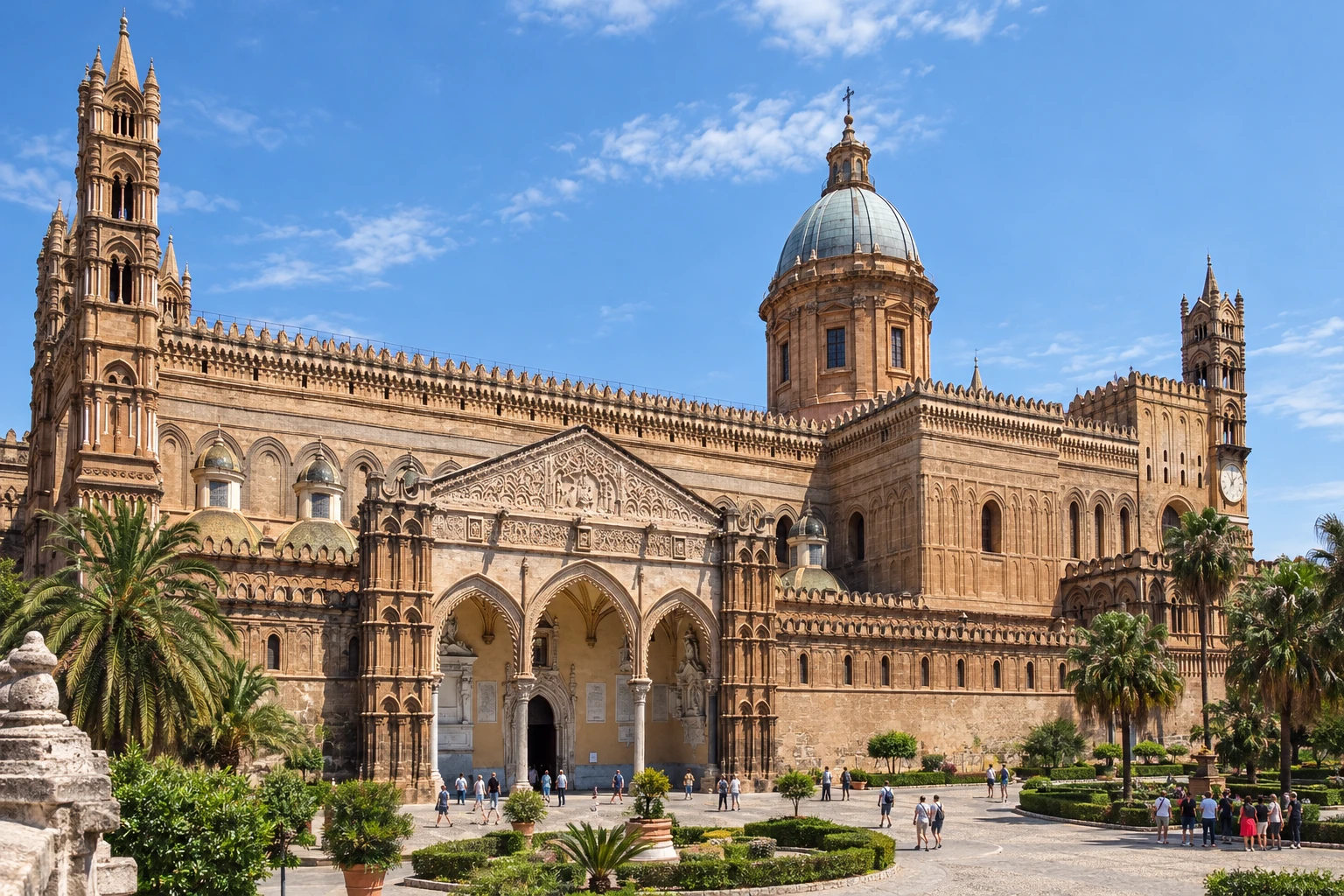
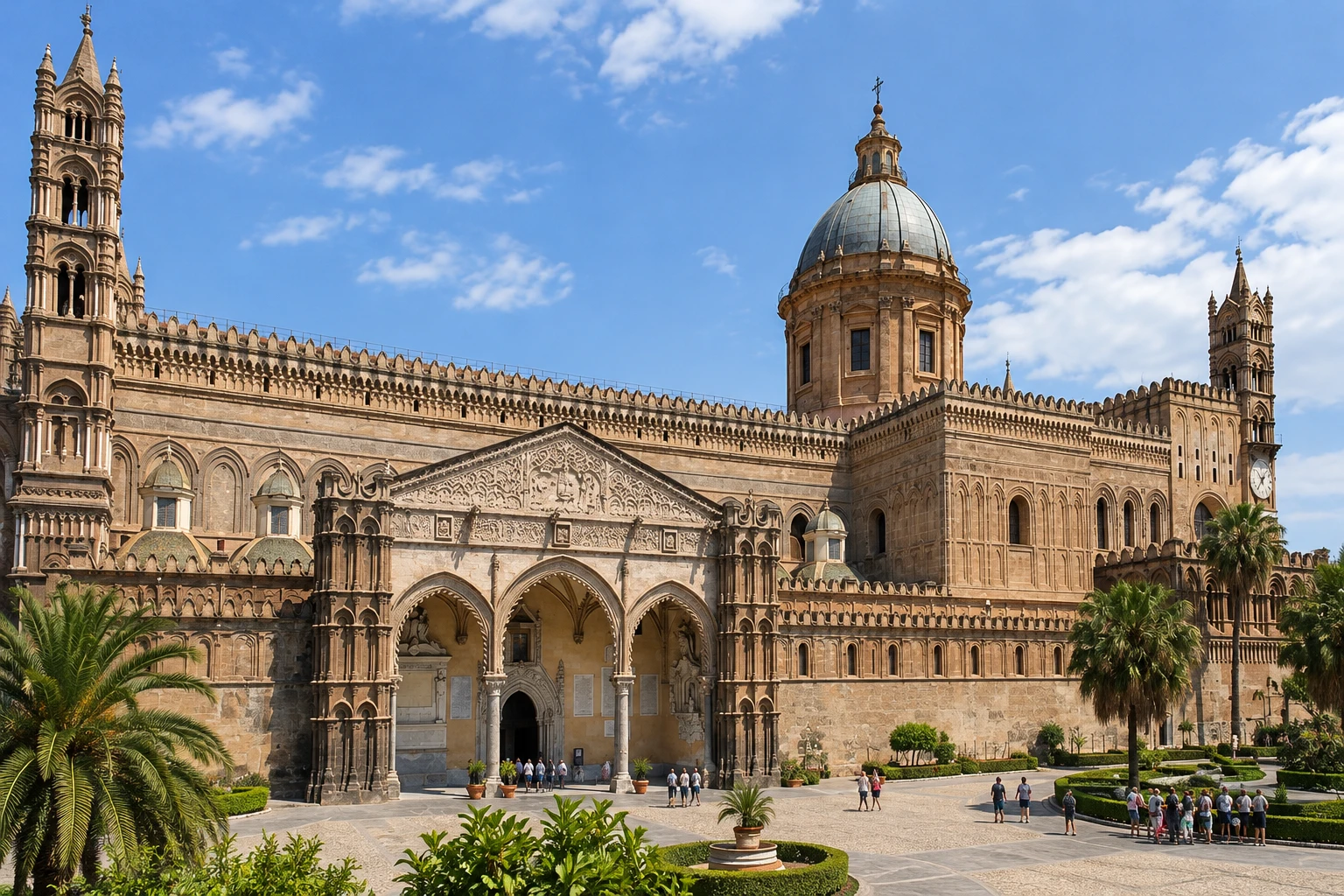
In the photo: Cattedrale di Palermo

Illustrative images. The pictures in this guide are illustrations based on the real place, not photographs, and may differ from it.

Get it on Google Play

The city

What to expect from Palermo.

Palermo is the capital of Sicily and the city of the Arab-Norman UNESCO World Heritage ensemble: the cathedral, the Palazzo dei Normanni with the Cappella Palatina, the Martorana, San Giovanni degli Eremiti, the Zisa and the Duomo di Monreale. It has the Quattro Canti, Piazza Pretoria, the Teatro Massimo, the museums of Palazzo Abatellis and Salinas, the Catacombe dei Cappuccini, the Ballarò market, the sanctuary of Santa Rosália and the beach of Mondello.

Palermo occupies the Conca d'Oro, the plain between the Tyrrhenian Sea and an arc of mountains on Sicily's northern coast. The regional capital is one of Italy's great coastal cities, with an extensive historic center you can explore on foot. Founded by the Phoenicians in the seventh century BC, it passed through Roman, Byzantine, Arab, Norman, Swabian, Aragonese, Spanish, and Bourbon hands. Each period left buildings and spaces still in use, from churches and palaces to markets and gardens.

The old center follows two streets that cross at the Quattro Canti: Corso Vittorio Emanuele, which locals call the Cassaro, runs from Porta Nuova to the sea, and Via Maqueda was laid out in the 17th century. The intersection divided the city into four quarters, the mandamenti. Albergheria contains the Palazzo Reale and Ballarò market. In Capo are the cathedral, the market of the same name, and the Teatro Massimo. Kalsa, near the sea, has Piazza Marina, the Palazzo Abatellis and puppet museums, and the Orto Botanico. Loggia has the Vucciria market and the old Cala harbor.

The Norman kingdom (1130–1194) left the Arab-Norman complex added to the UNESCO World Heritage List in 2015: the Palazzo Reale and its Cappella Palatina, the cathedral, San Giovanni degli Eremiti, the Martorana, San Cataldo, the Zisa, and the Ponte dell'Ammiraglio, together with the cathedrals of Monreale and Cefalù outside the municipality. The Baroque period left the Quattro Canti, Fontana Pretoria, and churches such as Casa Professa. The turn of the 20th century brought the city's Liberty era, with the Teatro Massimo, the Politeama, Via Libertà, and the villas of Mondello.

North of the center, the roughly 400-hectare Parco della Favorita spreads below Monte Pellegrino. This 606 m mountain is home to the shrine of Santa Rosalia, the city's patron saint. Beyond it is Mondello, the local beach, a sandy bay about 1.5 km long enclosed by Monte Gallo.

The climate is Mediterranean. June through September is hot and mostly dry, with July and August highs around 30°C, higher on scirocco days. Winter is mild, with highs near 15°C. Most rain falls between October and February. April, May, late September, and October are usually the most comfortable times for all-day walks. Swimming season in Mondello generally runs from May to September.

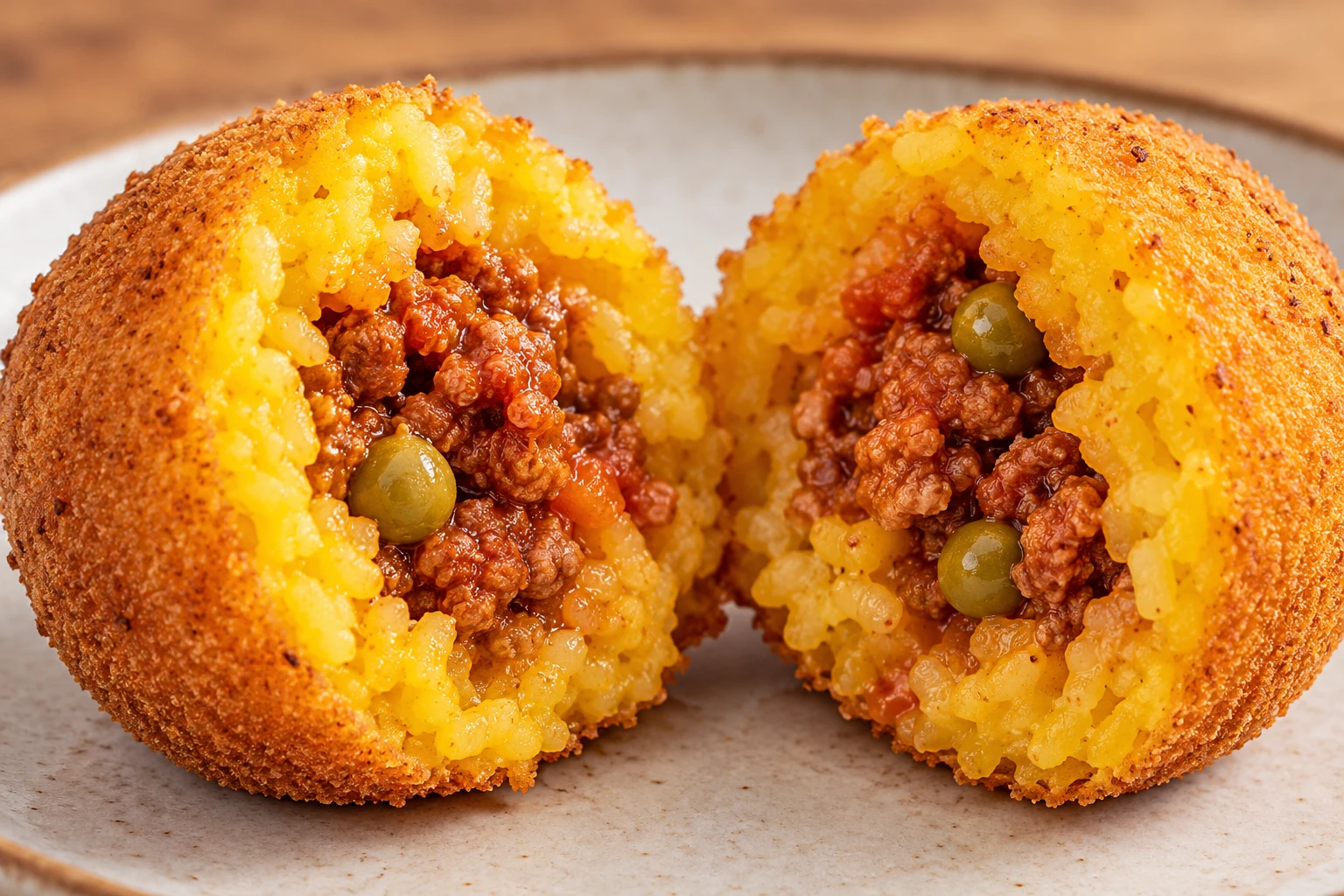
Leave time for Palermo's street life. Markets are busiest in the morning, churches and museums keep individual opening days and hours, and many places close in the early afternoon. In July, the Festino di Santa Rosalia takes over the Cassaro. The street food, including arancina, panelle, sfincione, and pani ca' meusa, is as much a part of the visit as the mosaics.

Share: WhatsApp

Where to stay

30 places to stay in Palermo.

Where to eat

30 places to eat in Palermo.

Mapa de Palermo

Hotéis e restaurantes da cidade no mapa.

Flavors of Italy

To try Palermo

Discover other flavors of Italy

Festivals and events

Festivals Palermo

Dates change every year: check this year's date before you travel.

Festival calendar in Italy

The local experience

Things to do in Palermo

Palermo · Italy · Cathedral

Palermo Cathedral

The cathedral of Palermo, built beginning in 1185, mixes Norman, Catalan Gothic and Neoclassical styles. It houses tombs of kings and emperors and the silver reliquary of Santa Rosália.

Explore Palermo Cathedral

Palermo · Italy · Palace

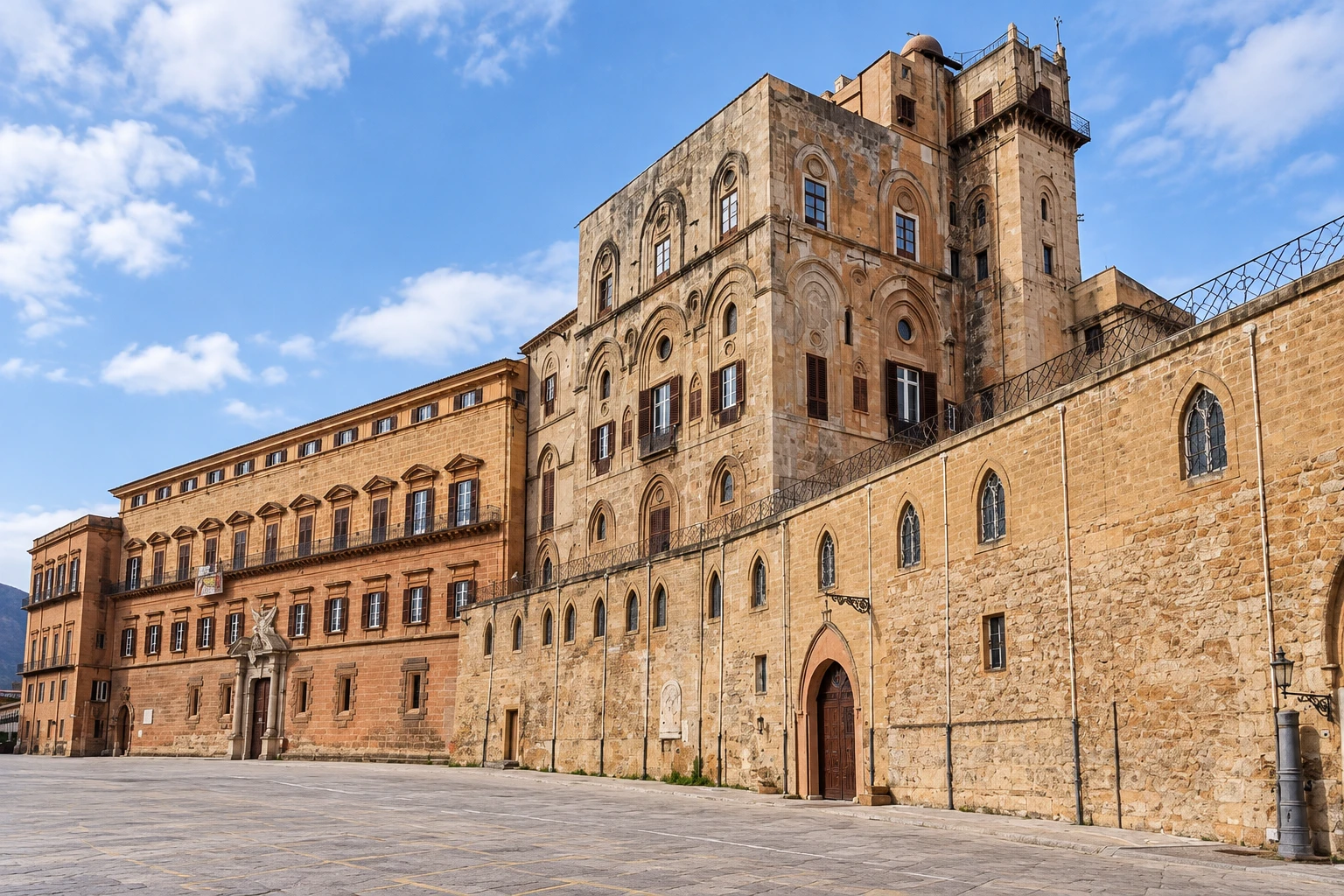
Norman Palace

Royal palace of the Normans, seat of the Sicilian Regional Assembly. On the first floor is the Cappella Palatina, from 1140, covered in Byzantine mosaics and with a wooden ceiling in an Arabic style.

Explore Norman Palace

Palermo · Italy · Square

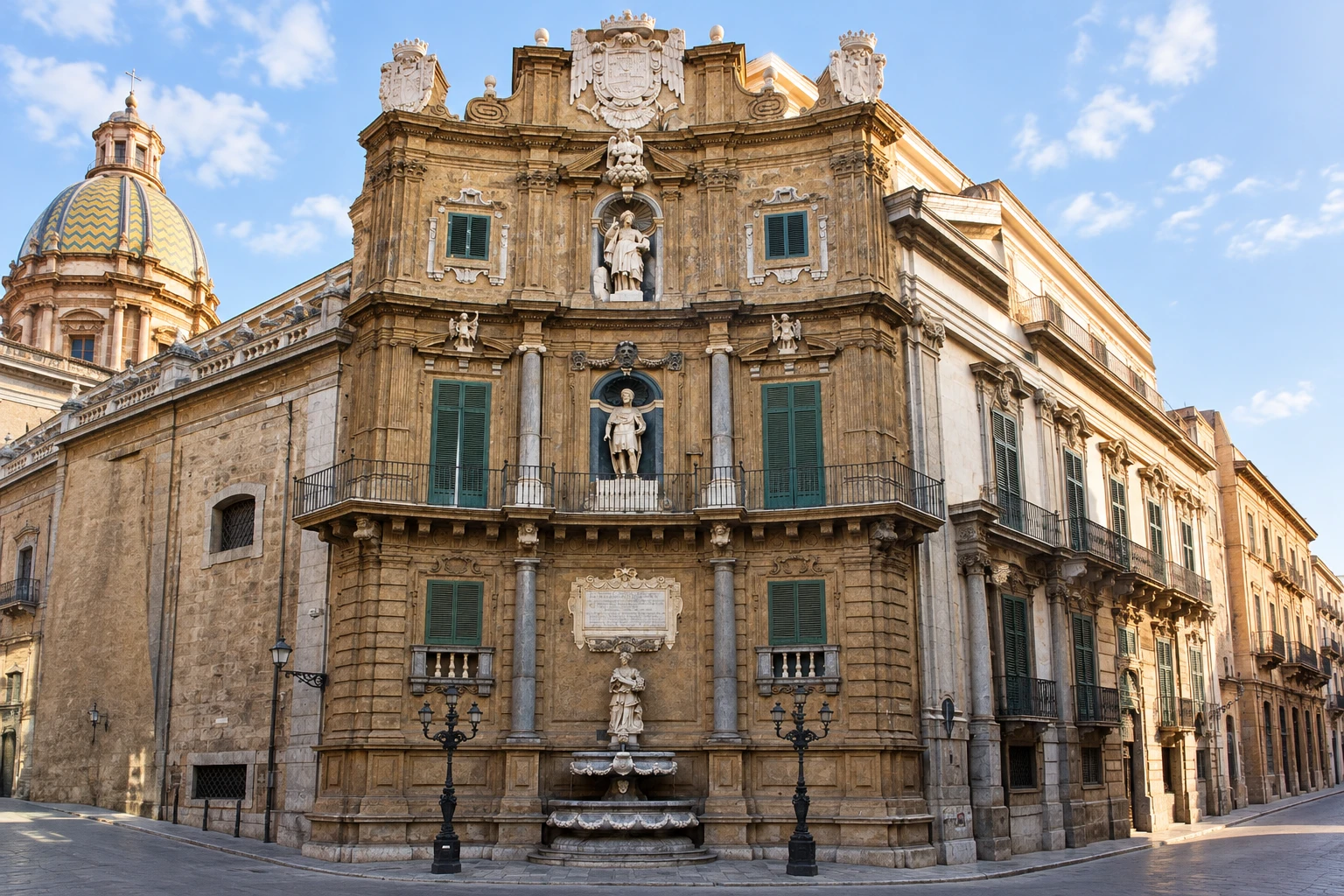
Quattro Canti

The baroque intersection of Palermo's two main streets, Via Maqueda and Corso Vittorio Emanuele, with four curved facades decorated with fountains, statues of kings and patron saints.

Explore Quattro Canti

Palermo · Italy · Square

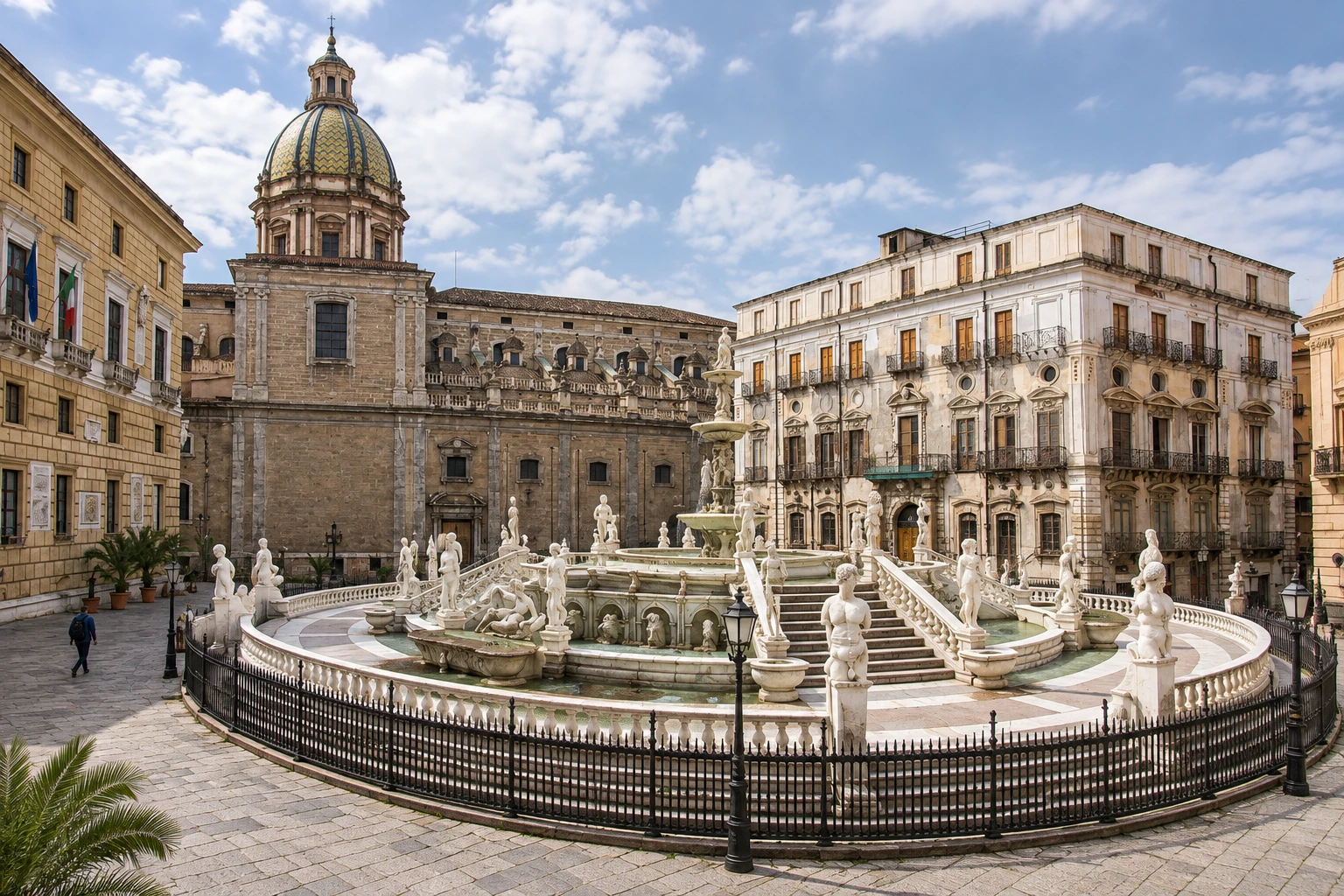
Piazza Pretoria

Square next to the Quattro Canti featuring the Fontana Pretoria, a Renaissance marble fountain with dozens of statues, made in Florence in the 16th century and reassembled in Palermo.

Explore Piazza Pretoria

See 11 more places in Palermo

To choose before you go

Tours in Palermo

Where each tour starts, how long it takes, how it is done, what is included and the price range.

Walk the Cassaro: from Porta Nuova to Porta Felice

From Porta Nuova, next to Palazzo Reale Self-guided walk 3 to 4 hours, including the cathedral visit Morning Easy, gently downhill

Corso Vittorio Emanuele, known as the Cassaro, is Palermo's oldest street. It cuts straight across the center from the Palazzo Reale to the sea. Walking it from top to bottom gives you a sense of the city's layout. Porta Nuova commemorates the entry of Emperor Charles V in 1535. Its present form dates to the rebuilding of 1669, with sculpted Moorish figures supporting the outer face and a tiled pinnacle bearing the eagle, the city's symbol. Beside it, the palm garden of Villa Bonanno, laid out in 1905, preserves remains of Roman houses. A few blocks downhill, Palermo Cathedral occupies an entire block. Consecrated in 1185, it combines Arab-influenced arches, a Catalan Gothic portico, and an interior remodeled in Neoclassical style in the late 18th century. Inside are the tombs of the Norman kings and Frederick II, the chapel with the urn of Santa Rosalia, the crypt, and the treasury with the crown of Constance of Aragon. A separate rooftop route overlooks the center and mountains. The street crosses Via Maqueda at the Quattro Canti and continues between palaces and bookshops to Piazza Marina. It ends at Porta Felice, begun in 1582 and completed in 1637, with a marble face toward the sea. To the right of the gate, climb to the Mura delle Cattive, the 19th-century terrace above the Foro Italico where widows, called cattive in local dialect, used to stroll.

Stops: Porta Nuova, Villa Bonanno, Palermo Cathedral, Quattro Canti, Piazza Marina, Porta Felice, Mura delle Cattive.

Includes: The street and cathedral nave are free. The cathedral's monumental area, including the tombs, treasury, and crypt, and its rooftops charge separate admission. Check current prices.

Tip: Go in the morning for access to the cathedral's full visitor route. Save the last stretch for the end of your walk. Piazza Marina and Foro Italico have shade and benches. Cover shoulders and knees in churches.

Best time: Year-round. Start early from June to September to avoid the heat. The Festino procession follows the Cassaro on the evening of July 14.

Royal Palace, Palatine Chapel and San Giovanni degli Eremiti

From Piazza Indipendenza or Piazza del Parlamento On foot, with an indoor visit 2 hours 30 minutes to 3 hours Morning Easy, with stairs

The Palazzo Reale, also called the Palazzo dei Normanni, is described by Italy's tourist office as Europe's oldest royal residence. It began as a ninth-century Arab fortress, was expanded by the Norman kings, and became an imperial seat under Frederick II. From the 16th century it housed the Spanish viceroys. Today it's home to the Sicilian Regional Assembly, the island's parliament. On the first floor above ground is the Cappella Palatina, King Roger II's chapel. The plan is that of a Latin basilica. Byzantine gold-ground mosaics depict Christ Pantocrator in the dome and scenes from the Old and New Testaments on the walls. Islamic craftspeople made the wooden ceiling with muqarnas, stalactite-like cells painted with figures and inscriptions. Upstairs, the Sala di Ruggero has mosaics of hunting scenes. A five-minute walk away below the palace walls stands San Giovanni degli Eremiti, founded by Roger II in 1132. From outside, it appears as a block of bare stone topped by red domes. Inside are a simple church, a room that may have belonged to an earlier mosque, and a small cloister with paired columns and a garden.

Stops: Palazzo Reale (Palazzo dei Normanni), Palatine Chapel, Sala di Ruggero, Chiesa di San Giovanni degli Eremiti.

Includes: The palace and its chapel share one ticket. San Giovanni degli Eremiti charges separate admission. Check current rates.

Tip: The palace houses parliament, so the tour route varies by day, and the chapel holds services. Check what’s open before you go. Arrive at opening time because the small chapel fills up. Cover your shoulders and knees.

Best time: Year-round. In summer, the cloister at San Giovanni offers a shady spot for a midmorning break.

Quattro Canti, the Pretoria Fountain and the churches of Piazza Bellini

From Quattro Canti (Piazza Villena) Self-guided walk About 2 hours Morning or late afternoon Easy

Three adjoining squares bring Baroque and Norman Palermo together in the heart of the city. The Quattro Canti, officially Piazza Villena, took shape in the 17th century when the new Via Maqueda crossed the Cassaro. Its four curved facades were completed in 1621. Read them from bottom to top: fountains representing the city's rivers, the seasons, four Spanish kings, and the patron saints of the four quarters, Agatha, Nympha, Olivia, and Christina. The square is called the Theater of the Sun because one facade catches the light at every hour of the day. Just beyond, a fountain fills almost all of Piazza Pretoria. Carved by Camilliani in 1554 for a villa in Florence, it was bought by the Palermo senate and arrived in 644 pieces. Nude statues opposite the enclosed convent of Santa Caterina earned it the nickname “Fountain of Shame.” Behind it is the Palazzo delle Aquile, the city hall. Piazza Bellini opens behind the palace. George of Antioch, admiral to Roger II, founded the church of Santa Maria dell'Ammiraglio, or Martorana, in 1143. Byzantine mosaics, the oldest in Sicily, cover the upper walls and dome. Two panels show Roger crowned by Christ and the admiral at the Virgin's feet. The church belongs to the Greek Byzantine-rite Eparchy of Piana degli Albanesi. Next door, San Cataldo has three red domes and an austere interior.

Stops: Quattro Canti, Fontana Pretoria, Palazzo delle Aquile, Santa Maria dell'Ammiraglio (Martorana), San Cataldo, Monastero di Santa Caterina.

Includes: The squares are free to visit. The Martorana, San Cataldo and the Santa Caterina complex each charge separate admission. Check current rates.

Tip: The Martorana closes for services and has short visiting hours. Go there first and save the squares for later. In late afternoon, the Pretoria Fountain is in shade and the light falls on Quattro Canti from the side.

Best time: Year-round.

The historic markets of Ballarò, Capo, Vucciria and Borgo Vecchio

From Piazza Casa Professa in Albergheria Self-guided walk 2 to 3 hours Morning Easy, on busy streets

Palermo's street markets date to the Arab period and still serve their neighborhoods. You'll find stalls, colorful awnings, and the abbanniata, the singsong call each vendor uses to advertise the day's wares. The city has four historic markets in different parts of the center. Ballarò is the oldest and largest. Stretching from Piazza Casa Professa to the bastions on Corso Tukory in Albergheria, it sells mainly fruit, vegetables, fish, and meat. Try freshly fried panelle and crocchè, or follow the smoke to grilled stigghiole. At one end stands the Chiesa del Gesù, or Casa Professa. Its interior is covered in 17th- and 18th-century stucco and inlaid marble. Badly damaged in a bombing raid in 1943, it has since been restored. The Capo market stretches along Via Carini, Via Beati Paoli, Via Sant'Agostino, and Via Cappuccinelle, starting at Porta Carini. Traditionally the meat market, it lies between the cathedral and Teatro Massimo. Vucciria, from Via Argenteria to Piazza Garraffello, takes its name from the French boucherie. By day it's a small market. At night the square becomes a gathering place with music and street food. The fourth market is Borgo Vecchio, between the Politeama and the port.

Stops: Mercato di Ballarò, Chiesa del Gesù (Casa Professa), Mercato del Capo, Porta Carini, Vucciria, Piazza Garraffello, Borgo Vecchio.

Includes: Free to explore. Casa Professa charges admission. Check current rates.

Tip: Go in the morning when the stalls are fully stocked. Many close after lunch and Sundays are quieter. Bring small change for fried snacks and pani ca' meusa, the local spleen sandwich.

Best time: Year-round. In summer, early morning is cooler.

Kalsa, from Piazza Marina, the Steri and Palazzo Abatellis to the puppet theaters

From Piazza Marina On foot, with stops to see the interiors About 4 hours Morning or afternoon Easy

Kalsa is the waterfront quarter of Arab origin, home to some of Palermo's most interesting museums. At the center of Piazza Marina is Villa Garibaldi, a garden designed by Giovan Battista Filippo Basile in 1863. It has a Ficus macrophylla about 30 m tall, with aerial roots stretching from its branches to the ground, considered one of Italy's largest. An antiques market fills the square on Sunday mornings. Facing the garden is Palazzo Chiaramonte, known as the Steri, built around 1320 and now the university rectorate. Once the viceroys' residence and the seat of the Inquisition tribunal, it displays the Sala Magna's painted wooden ceiling from 1377, drawings left by prisoners on the jail walls, and Renato Guttuso's painting La Vucciria. A short walk away, the Museo Internazionale delle Marionette Antonio Pasqualino has about 3,500 puppetry exhibits from around the world, starting with Sicilian pupi, and its own performance hall. UNESCO recognized the Opera dei Pupi as intangible heritage in 2008. The late 15th-century Catalan Gothic Palazzo Abatellis houses the Galleria Regionale della Sicilia. Highlights include the 15th-century Triumph of Death fresco, Francesco Laurana's bust of Eleanor of Aragon, and Antonello da Messina's Virgin Annunciate from 1473. Finish at Santa Maria dello Spasimo, a church begun in 1506 and never completed. Its open-air nave hosts concerts and exhibitions.

Stops: Villa Garibaldi, Palazzo Chiaramonte (Steri), Museo Internazionale delle Marionette Antonio Pasqualino, Palazzo Abatellis, Santa Maria dello Spasimo.

Includes: The Steri, puppet museum, and Palazzo Abatellis charge separate admission. The Spasimo opens on limited days and hours. Check current prices and opening days.

Tip: If you have half a day, choose two of the three museums. Pupi puppet performances run on set days. Check the schedule. State museums are free, and busier, on the first Sunday of the month.

Best time: Year-round. A good option on rainy or very hot days.

The Kalsa waterfront: Foro Italico, Villa Giulia, and the botanical garden

From Porta Felice On foot or by bike 2 hours 30 minutes to 3 hours Late afternoon Easy, flat

Just outside Porta Felice begins the Foro Italico, the old city's waterfront promenade. Opened in 1582 by Viceroy Marcantonio Colonna, destroyed in World War II, and rebuilt at the turn of the 21st century, it has a broad lawn facing the gulf, a bike path, benches by the water, and colorful bollards architect Italo Rota based on the profile of the bust of Eleanor of Aragon. It runs from the old Cala harbor to Villa Giulia. The city describes Villa Giulia, dating to 1777, as Italy's first public garden. The square layout has symmetrical avenues, four central pavilions, a marble sundial in the shape of a dodecahedron, and Ignazio Marabitti's Genio di Palermo fountain at the far end. Next door, the university's Orto Botanico was established in 1781 and has about ten thousand species. French architect Léon Dufourny designed the Neoclassical entrance buildings. Inside are the Aquarium, a pool of three concentric circles, a bamboo grove, a papyrus pool, the iron-and-glass Maria Carolina greenhouse, and the garden's emblem, a large Ficus macrophylla. Continue along the waterfront to the renovated little quay of Borgo Sant'Erasmo for a table facing the sea.

Stops: Foro Italico, Mura delle Cattive, Villa Giulia, Orto Botanico, Borgo Sant'Erasmo.

Includes: Foro Italico and Villa Giulia are free. The botanical garden charges separate admission. Check current prices.

Tip: The botanical garden closes earlier in winter and later in summer. Visit it first, then enjoy the evening light on the Foro Italico lawn. The waterfront has little shade at midday.

Best time: Spring and fall for comfortable temperatures. In summer, go only in late afternoon.

See 5 more tours

Teatro Massimo, Via Maqueda and the Salinas Museum

From Piazza Verdi On foot, with a guided theater tour About 3 hours Morning or afternoon Easy

The Teatro Massimo marks the meeting point of the old town and the 19th-century expansion. Giovan Battista Filippo Basile designed it, and construction began in 1875. His son Ernesto completed it in 1897, when it opened with Verdi's Falstaff. At 7,730 square meters, it's Italy's largest opera house and Europe's third-largest after the Paris and Vienna opera houses. A Corinthian colonnade tops the front steps, and the auditorium has five tiers of boxes. You can enter for performances and guided tours. Ernesto Basile also designed the two wood-and-wrought-iron kiosks on the square. Two blocks away, the Museo Archeologico Regionale Antonino Salinas occupies the former Oratorian convent, with two courtyards and a fountain in the center. It holds metopes from the temples at Selinunte, the Palermo Stone with its hieroglyphic inscription, the third-century BC bronze Ram, and Etruscan and Roman objects. From the theater, pedestrianized Via Maqueda runs downhill to the Quattro Canti. In the opposite direction, Via Ruggero Settimo takes you in ten minutes to the Teatro Politeama Garibaldi, home of the Sicilian Symphony Orchestra. Here begins Via Libertà, the tree-lined avenue of Liberty-style Palermo, with gardens such as the former Giardino Inglese.

Stops: Teatro Massimo, Ribaudo and Vicari kiosks, Museo Archeologico Regionale Antonino Salinas, Teatro Politeama Garibaldi, Via Libertà.

Includes: The guided theater tour and museum admission are charged separately. Check current rates. Performances have their own ticket office.

Tip: Guided theater tours depend on rehearsals and performances, so check ahead. The opera, ballet and concert season usually runs from fall through spring, with events in summer as well.

Best time: Year-round. A good choice for rainy days.

Zisa and the Capuchin Catacombs

From Piazza Zisa City bus or taxi from downtown, then walk between the two sites 3 to 4 hours Morning or afternoon Easy

West of the center, beyond the usual walking route, are two very different places to visit. Work on the Palazzo della Zisa began under William I and was completed by William II around 1167 as a summer residence for the Norman court. Its name comes from the Arabic al-Aziz, “splendid.” The palace has three stories. On the ground floor, the Fountain Hall has marble facing, a band of mosaics, and a floor channel that once carried water. A system of ducts circulated air to cool the rooms. Part of the UNESCO Arab-Norman complex, the palace houses an Islamic art museum with objects from across the Mediterranean. Opposite, the 30,000-square-meter Giardino della Zisa covers part of the Genoard, the kings' former hunting park. Nearby industrial sheds now form the Cantieri Culturali alla Zisa, a venue for exhibitions and festivals. The Catacombe dei Cappuccini lie beneath the Capuchin convent. In use from 1599, they hold about 8,000 embalmed bodies arranged by sex, social rank, and profession along galleries forming a rectangle. The first was Friar Silvestro da Gubbio. The most recent, from 1920, is Rosalia Lombardo, a two-year-old girl in a glass coffin. Families paid the friars for preservation and came to visit their relatives.

Stops: Palazzo della Zisa, Giardino della Zisa, Cantieri Culturali alla Zisa, Capuchin Catacombs.

Includes: Zisa and the catacombs each charge separate admission. Check current prices.

Tip: The catacombs can be unsettling. Consider whether the visit suits your children before taking them. Photography is prohibited inside. Some rooms at Zisa may close, so check ahead.

Best time: Year-round. Both places stay cool even in summer.

Monte Pellegrino and the Santuario di Santa Rosalia

From Politeama area by bus, or Piazza Generale Cascino on foot City bus 812 or walk up the Scala Vecchia About 3 hours by bus, or 4 to 5 hours on foot Morning Easy by bus, moderate on foot

Monte Pellegrino, a 606 m limestone massif, closes off the Gulf of Palermo to the north and is visible from almost anywhere in town. Goethe, who climbed it in 1787, described it as the most beautiful promontory he knew. Together with the Parco della Favorita, it forms part of a regional nature reserve established in 1995. Near the top at 429 m stands the Santuario di Santa Rosalia, founded in 1625. Its 17th-century facade leans against the grotto where tradition says the saint lived as a hermit and where her bones were found on July 15, 1624, during a plague. Her relics were carried through the city in procession and were said to have ended the epidemic, making Rosalia the city's patron saint. Pass through a vestibule with commemorative plaques, one marking Goethe's visit, into the damp grotto, about 25 m deep. Metal gutters catch water dripping from the ceiling. Beneath a canopy lies Gregorio Tedeschi's reclining statue of the saint, covered with a sheet of gold donated by Charles III. A small museum displays the treasury and votive offerings. Take the bus up the winding road or climb the Scala Vecchia, the old pilgrimage route starting at Piazza Generale Cascino. On September 4, the saint's liturgical feast, devotees make the ascent on foot, known as the acchianata. On a spur at 346 m, Castello Utveggio, built as a hotel in 1934, has a lookout over the gulf.

Stops: Scala Vecchia, Santuario di Santa Rosalia, Castello Utveggio, Riserva Naturale Orientata Monte Pellegrino.

Includes: Sanctuary admission is free. The museum asks for a small contribution. City bus fare is separate. Castello Utveggio welcomes visitors on scheduled dates. Check ahead.

Tip: If walking, start early and bring water. La Scala Vecchia has little shade. Dress for a church visit. Buses to the top run infrequently, so check return times on arrival.

Best time: October to May for walking up. Many pilgrims visit the sanctuary on September 4, the saint's feast day.

Parco della Favorita: Palazzina Cinese, the Pitrè Museum and Villa Niscemi

From Parco della Favorita, north of downtown City bus or taxi from downtown, then on foot in the park About 3 hours Morning Easy

The Parco della Favorita, or Real Tenuta della Favorita, is Palermo's largest green space, about 400 hectares at the foot of Monte Pellegrino. Ferdinand of Bourbon created it in 1799 as a hunting reserve, a site for agricultural experiments, and a retreat on hot days. Two parallel avenues, dedicated to Hercules and Diana, cross the park on the way between the city and Mondello. The Hercules avenue ends at a Neoclassical fountain with a statue of the hero. At the park's edge stands the Palazzina Cinese, the king's country house, designed by Giuseppe Venanzio Marvuglia in an East Asian-inspired style. It has a pagoda roof on an octagonal drum, pointed-arch porticoes, and spiral staircases in the side turrets. The dining room had a “mathematical table,” a mechanism that raised dishes from the kitchen. The former servants' wing houses the Museo Etnografico Giuseppe Pitrè, with about 4,000 objects from Sicilian everyday life, including costumes, pupi, painted carts, Nativity scenes, ceramics, votive offerings, and paintings on glass. There are also two carriages that belonged to the Palermo senate. Next door, the Città dei Ragazzi offers games and workshops for children. Also in the park, 18th-century Villa Niscemi, now owned by the city, retains its furnishings, a portrait gallery of Sicilian kings, frescoed salons, and a garden of subtropical plants.

Stops: Parco della Favorita, Palazzina Cinese, Museo Etnografico Giuseppe Pitrè, Villa Niscemi, Città dei Ragazzi.

Includes: The park is free. Palazzina Cinese, the Pitrè Museum and Villa Niscemi each have their own opening days, hours and tickets. Check current rates.

Tip: Check which of the three buildings will be open that day, as visiting days vary. Cars use the main avenues, so walk along the interior paths.

Best time: Spring and fall. In summer, go early.

Mondello, the beach, fishermen’s square and Capo Gallo

From Piazza Sturzo (Politeama) City bus 806 5 to 6 hours Full day Easy

Mondello is a Palermo neighborhood about 12 km from the center, separated from the city by the Parco della Favorita. It occupies a crescent bay about 1.5 km long between Monte Pellegrino and Monte Gallo. Until the late 19th century the land behind the beach was marshland. After it was drained, Mondello became Palermo's Belle Époque seaside resort, with Liberty-style villas among the pines. Pale sand and water that stays shallow well offshore make the beach popular with families. During the swimming season, usually May through September, private beach clubs set up colorful wooden cabins, sun loungers, and umbrellas, interspersed with free sections. In the middle of the bay, the Antico Stabilimento Balneare stands on pillars in the water. The early 20th-century Art Nouveau building, with friezes, sculpture, and stained glass, was originally designed for Ostend in Belgium. At the northern end is the fishing village Palermitans call la piazza. Piazza Mondello has the cylindrical tower of the former tuna fishery, a mermaid statue, restaurants, and counters selling fish, boiled octopus, and fried food. Beyond it begins the Riserva Naturale Orientata Capo Gallo, with trails on the mountainside and rocky coves. Outside summer, Mondello is quiet and well suited to a waterfront stroll and lunch overlooking the sea.

Stops: Mondello Beach, Antico Stabilimento Balneare, Piazza Mondello, Torre della Tonnara, Riserva Naturale Orientata Capo Gallo.

Includes: Bus fare and beach services cost extra. Free beach sections have no admission charge. Capo Gallo reserve may charge for access. Check current prices.

Tip: In July, August, and on June weekends, buses and the beach fill up. Leave early and return before late afternoon. May, June, and September weekdays offer more room on the sand.

Best time: May to September for swimming. The World Festival on the Beach water sports event usually takes place in May or June.

Day by day

1, 2 and 3-day itinerary in Palermo

Suggestions to plan the trip. Change the order of the days according to the weather and tour availability.

1 day · One day in Palermo: from Palazzo Reale to the sea along the Cassaro

For Travelers passing through, stopping on a cruise or visiting for the day from another Sicilian city · Based in Palermo
  1. Day 1 · Straight through the historic center

    Arrive when the Palazzo Reale opens and start at the Cappella Palatina before it fills up. If time allows, walk down to San Giovanni degli Eremiti for the cloister. Pass under Porta Nuova and follow the Cassaro to Palermo Cathedral. Choose between the tombs and treasury or the rooftop climb. Doing both takes more than an hour. Before lunch, head into Ballarò market, at its best in the morning, and eat there: panelle, arancina, or sfincione. Casa Professa stands at the end of the market. In the afternoon, return to Via Maqueda for the Martorana and San Cataldo on Piazza Bellini, Fontana Pretoria, and the Quattro Canti, all just steps apart. Continue down the Cassaro to Piazza Marina for the fig tree in Villa Garibaldi. Leave through Porta Felice for the Foro Italico facing the gulf. In the evening, walk up Via Maqueda to the illuminated Teatro Massimo or stay around Vucciria, a gathering place at this hour. Save the Zisa, catacombs, Monte Pellegrino, and Mondello for another day.

2 days · Two days in Palermo: the Norman and Baroque center, Kalsa and Monreale
For First visits and long weekends · Based in Palermo
  1. Day 1 · Palazzo Reale, the cathedral, Ballarò and the squares

    Spend the morning at the Palazzo Reale and its Cappella Palatina, then San Giovanni degli Eremiti. Walk down the Cassaro to the cathedral and visit the tombs, treasury, and crypt. Have street food for lunch in Ballarò and visit Casa Professa. In the afternoon, visit the Martorana and San Cataldo on Piazza Bellini, then Fontana Pretoria and the Quattro Canti. If there's time left in the late afternoon, climb to the cathedral rooftops when the light is lower, or follow Via Maqueda to the Teatro Massimo for a guided tour. Have dinner around the theater or Capo market.

  2. Day 2 · Monreale in the morning, Kalsa and the waterfront in the afternoon

    Leave early for neighboring Monreale, 8 km away, by city bus from Piazza Indipendenza. The cathedral with its gold-ground mosaics, cloister, and terraces fills the morning. If you'd prefer the sea, spend the morning on the beach at Mondello instead. Return downtown for lunch and head into Kalsa. Choose one or two of Palazzo Abatellis, with the Triumph of Death and Antonello da Messina's Virgin Annunciate, the Steri, and the puppet museum. Stop at Piazza Marina and the fig tree in Villa Garibaldi. Late in the afternoon, follow the Foro Italico to Villa Giulia and visit the Orto Botanico if it's still open. Finish at the Sant'Erasmo quay or have dinner in Kalsa.

3 days · Three days in Palermo: downtown, Kalsa, Zisa, Monte Pellegrino and Mondello
For Travelers who want to combine monuments, museums and a beach day while staying at one hotel · Based in Palermo
  1. Day 1 · Along the Cassaro

    Start at the Palazzo Reale and Cappella Palatina at opening time, then visit San Giovanni degli Eremiti. Continue to Porta Nuova and the cathedral for the tombs, treasury, and rooftops. Have lunch at Capo or Ballarò market. In the afternoon, visit the Quattro Canti, Fontana Pretoria, the Martorana, and San Cataldo. Finish at the Teatro Massimo with a guided tour or, if a performance is scheduled and tickets are available, an evening at the opera house.

  2. Day 2 · Zisa and the catacombs, Kalsa and the waterfront

    In the morning, take a bus or taxi to the Zisa, the Norman kings' summer palace, then walk to the Catacombe dei Cappuccini. If you'd prefer to skip the catacombs, visit Monreale, 8 km away by bus from Piazza Indipendenza. Return to the center for lunch and spend the afternoon in Kalsa. Choose Palazzo Abatellis, the Steri, or the puppet museum, then visit Piazza Marina and the Spasimo if it's open. End the afternoon at the Foro Italico, Villa Giulia, and Orto Botanico. In the evening, try Vucciria or the restaurants around Piazza Marina.

  3. Day 3 · Monte Pellegrino and Mondello

    Head up early to the Santuario di Santa Rosalia on Monte Pellegrino. Take a bus from the Politeama area or walk up the Scala Vecchia if the day is cool. See the grotto and the lookouts over the gulf. Come back down and take a bus to Mondello for the rest of the day. From May through September, spend time on the beach, have fish for lunch in the fishing village square, and, if you like walking, explore part of the Capo Gallo reserve. Outside the swimming season, visit the Parco della Favorita instead, with the Palazzina Cinese and Museo Pitrè. Check their opening days first, and still have lunch in Mondello. Return downtown before the late-afternoon bus crowds and end with a final walk along Via Maqueda.

Best time to go

When to go: Palermo month by month

The seasons shown are the most usual ones; nature doesn't always follow the calendar.

January Some rain

Mild winter · Quiet town

Winter highs are near 15°C and lows near 9°C, with sunny days alternating with rain. It's one of the wettest months, and the sea is cold. The city is quiet, with no lines at the Cappella Palatina or cathedral. It's a good month for museums, churches, markets, and theater, with the Teatro Massimo and symphony orchestra seasons underway. Bring a light coat and rain gear. State museums are free on the first Sunday of the month.

February Some rain

Winter · Opera and concert season

Winter temperatures resemble January's, with highs near 15°C and frequent rain, generally in passing showers. Visitor numbers are low. Markets keep their usual morning hours, and afternoons suit indoor sights such as Palazzo Abatellis, Museo Salinas, the Steri, and the puppet museum. Clear days after rain are good for heading up Monte Pellegrino.

March Some rain

Early spring

Spring begins, with highs near 16°C, lows near 10°C, and less rain as the month goes on. Longer days are good for walking the full Cassaro and exploring Kalsa. The sea is still cold for swimming, but Mondello makes a good outing for a walk and lunch. Flowers begin to open in the Orto Botanico and the gardens. European daylight saving time starts on the last Sunday.

April Low rain

Spring · Holy Week

Spring brings highs near 19°C and less frequent rain. This is one of the most comfortable months for all-day walks. Holy Week and the April 25 holiday bring more visitors, and services can limit sightseeing in churches. Check ahead. It's a good time to walk up to the shrine of Santa Rosalia and explore the Parco della Favorita.

May Low rain

Spring in full bloom · Start of beach season

Spring is in full swing, with highs near 23°C, lows near 15°C, and little rain. Swimming season generally starts in Mondello, though the water is still cool. The World Festival on the Beach usually brings water sports to Mondello between May and June. It's a good month for monuments in the morning and the waterfront in the afternoon. Weekends are already busy.

June Low rain

Early summer · Pleasant sea temperatures

Summer highs are near 27°C and lows near 19°C, with hardly any rain. The sea at Mondello is pleasant and the beach fills up on weekends. Explore outdoors in the morning and late afternoon and choose churches and museums at midday. Evenings stretch out at the Foro Italico, on Piazza Marina, and in Vucciria.

July Low rain

Festino di Santa Rosalia (July 10–15)

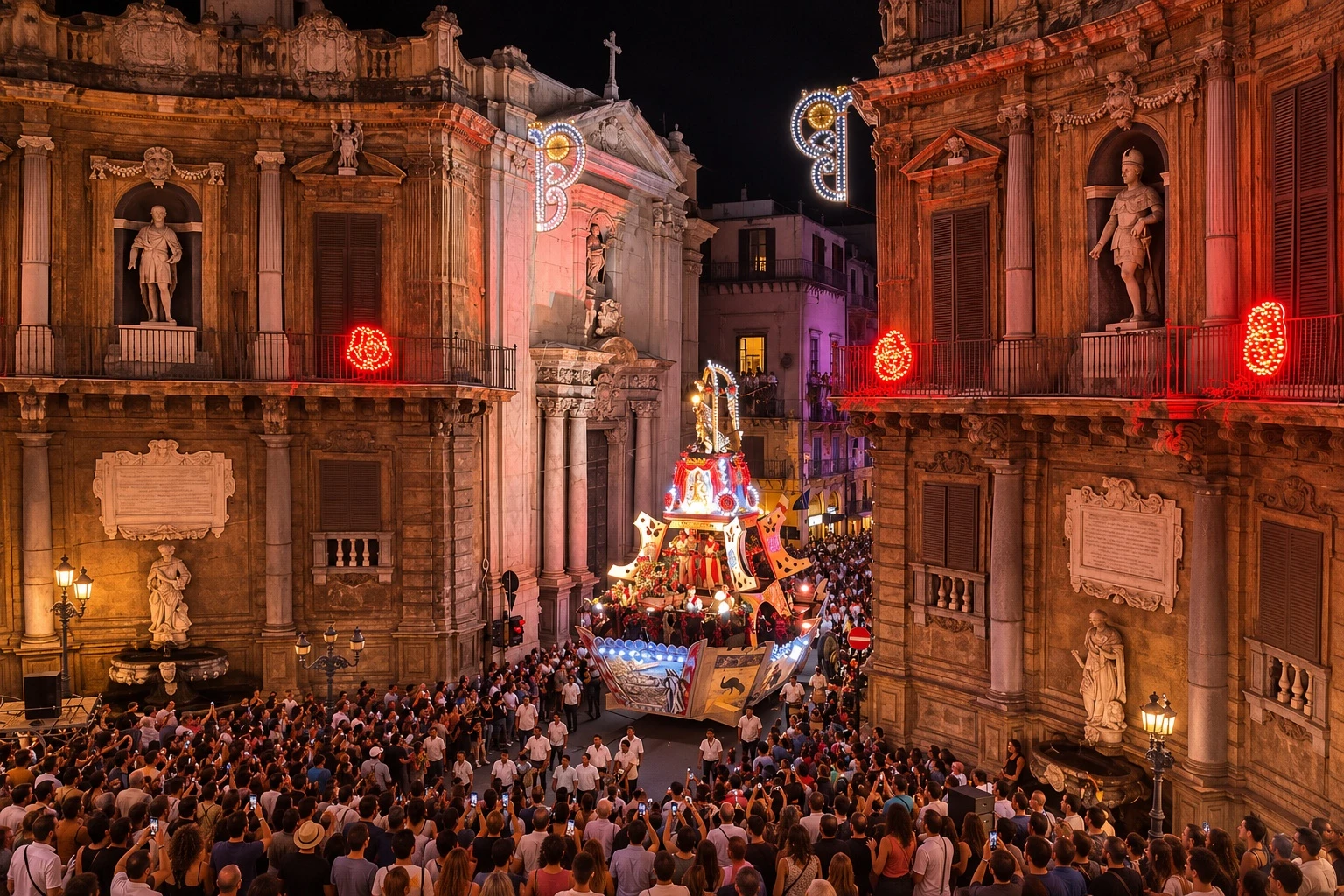
Summer highs approach 30°C, higher when the hot southerly scirocco blows, with almost no rain. From July 10 to 15, Palermo celebrates the Festino di Santa Rosalia. On the evening of the 14th, the boat-shaped triumphal float travels down the Cassaro from the cathedral past the Quattro Canti to the sea, ending with waterfront fireworks. A procession follows on the 15th. Downtown gets very crowded on these dates, so book accommodations ahead.

August Low rain

High summer · Ferragosto

The hottest month brings highs around 30°C, lows around 23°C, and muggy nights. Mondello is packed, especially around Ferragosto on August 15, a national holiday throughout Italy. Plan your day around the sea or cooler places such as the Zisa, the catacombs, and the churches. Late-summer rains can arrive in the second half of the month.

September Some rain

Late summer · Pilgrimage up to Santa Rosalia (September 4)

Summer draws to a close with highs near 27°C, a still-warm sea, and the first rain in brief storms. On September 4, Santa Rosalia's liturgical feast day, devotees climb on foot to the shrine on Monte Pellegrino. After the first week, beach crowds thin and the city resumes its normal rhythm. It's a popular month for combining monuments and the sea in one trip.

October Some rain

Fall · Beach days continue

Fall brings highs near 23°C, lows near 17°C, and more frequent rain, with sunny days between fronts. In the first half of the month it's usually still warm enough to swim at Mondello. Theater and concert seasons resume at the Teatro Massimo and Politeama. European daylight saving time ends on the last Sunday.

November High rain

Rainy fall · Festival di Morgana

Late fall brings highs near 19°C and one of Palermo's wettest months. Visitors are few and museums quiet. In November the puppet museum usually holds the Festival di Morgana for puppet theater, and the city hosts its marathon. Explore markets and walk on dry mornings, saving museums for rainy days.

December High rain

St. Lucy’s Day (December 13) · Christmas

Winter brings highs near 16°C, lows near 10°C, and frequent rain. On December 13, St. Lucy's Day, Palermo traditionally skips bread and pasta. It's the day for arancina, sold all over town. Churches have Nativity scenes, and Christmas markets fill the center. Between Christmas and New Year's, the city fills with people returning to visit family.

Plan the journey

How to get there: Palermo

By air via Falcone-Borsellino Airport (PMO)

Palermo's Falcone-Borsellino Airport is at Punta Raisi in the municipality of Cinisi, about 35 km west of the city along the A29 highway. Flights arrive from several Italian and European cities. Flying from Rome or Milan takes a little over an hour. Travelers from other continents usually connect in a European city. Check before booking.

There are three ways from the terminal to the center. Trains leave from beneath the airport and reach Palermo Centrale in about an hour, stopping at other city stations. The scheduled bus takes about 50 minutes depending on traffic, stopping on Via Libertà, in the Politeama area, and beside the central station. Taxis and transfers use the highway.

If you're traveling around the island, Catania Airport is on the other side of Sicily, about 2 hours and 40 minutes from Palermo by bus.

By train and bus

Palermo Centrale stands at the southern end of Via Maqueda and Via Roma, about 1 km from the Quattro Canti. Regional trains to Cefalù take about an hour and those to Agrigento about two hours. Trains also serve Messina and Catania, with the trip to Catania taking about three hours.

Daytime and overnight Intercity trains arrive from Rome on the mainland. They follow the coast to Villa San Giovanni, where the carriages board a ferry across the Strait of Messina, then continue along the north coast to Palermo. The overnight journey takes about 11 to 12 hours.

Buses are faster than trains on several island routes. The highway connection to Catania takes about 2 hours and 40 minutes, and the bus to Agrigento about 2 hours. Long-distance buses stop beside the central station. Buy online or at the ticket office. Fewer services run on Sundays.

By ship and ferry

Palermo's port adjoins the center, a few minutes' walk from the Politeama and the Cala. Regular car ferries connect it with Naples, Civitavecchia (Rome's port), Livorno, Genoa, Cagliari, and Tunis. Crossings from mainland Italy are long and generally overnight, with cabins available.

Hydrofoils and ferries also leave from the port for Ustica island and, in season, the Aeolian Islands.

In summer, cabins and vehicle spaces sell out, so reserve ahead. Cruise ships dock at the same port, within walking distance of the Teatro Massimo and Via Maqueda.

By car

Three highways reach Palermo. The A19 crosses the interior from Catania in about 2 hours and 15 minutes. The A20 follows the north coast from Messina through Cefalù. The A29 comes from Trapani and the airport. From Agrigento, ordinary roads take about 2 hours.

In Palermo a car is more trouble than it's worth. The old center has a camera-enforced restricted traffic zone (ZTL), narrow streets, and heavy traffic. If you're renting a car to tour Sicily, pick it up when leaving Palermo or park outside the center and continue on foot and by bus.

Before arrival, ask your accommodations about the ZTL rules and where to park.

Getting around the city

Explore the historic center on foot. The Cassaro runs straight from the Palazzo Reale to the sea, and Via Maqueda is pedestrian-only for much of the stretch between the Quattro Canti and Teatro Massimo.

AMAT operates city buses. Two useful routes leave from the Politeama area: the 806 to Mondello from Piazza Sturzo and the 812 to the Monte Pellegrino shrine. For Monreale, take bus 389 from Piazza Indipendenza behind the Palazzo Reale. City buses and taxis run from the center to the Capuchin catacombs and the Zisa. Four tram lines serve outlying neighborhoods, and metropolitan rail links the central station with other city stations and the airport.

Bike and scooter rentals downtown are handy for the Foro Italico waterfront. Buy bus tickets at tobacco shops and newsstands and validate them on board. Check routes and times before setting out. Services are less frequent on Sundays and holidays.

Your questions

Frequently asked questions about Palermo

How many days to stay in Palermo?

Two days for the essentials of the center and Monreale. Three or four to include the Catacombe, the Zisa, Monte Pellegrino, Mondello and a trip to Cefalù.

How to get from the airport to Palermo city center?

Falcone-Borsellino Airport (PMO) is about 35 kilometres away. There is a train to Palermo Centrale and buses to the center, with stops on Via Libertà and at the station. Check schedules before you arrive.

Can you do a day trip from Palermo to Cefalù and Agrigento?

Yes. Cefalù is about an hour away by regional train. Agrigento is about two hours by train or bus, so it makes for a long day, but it's possible.

What to eat in Palermo?

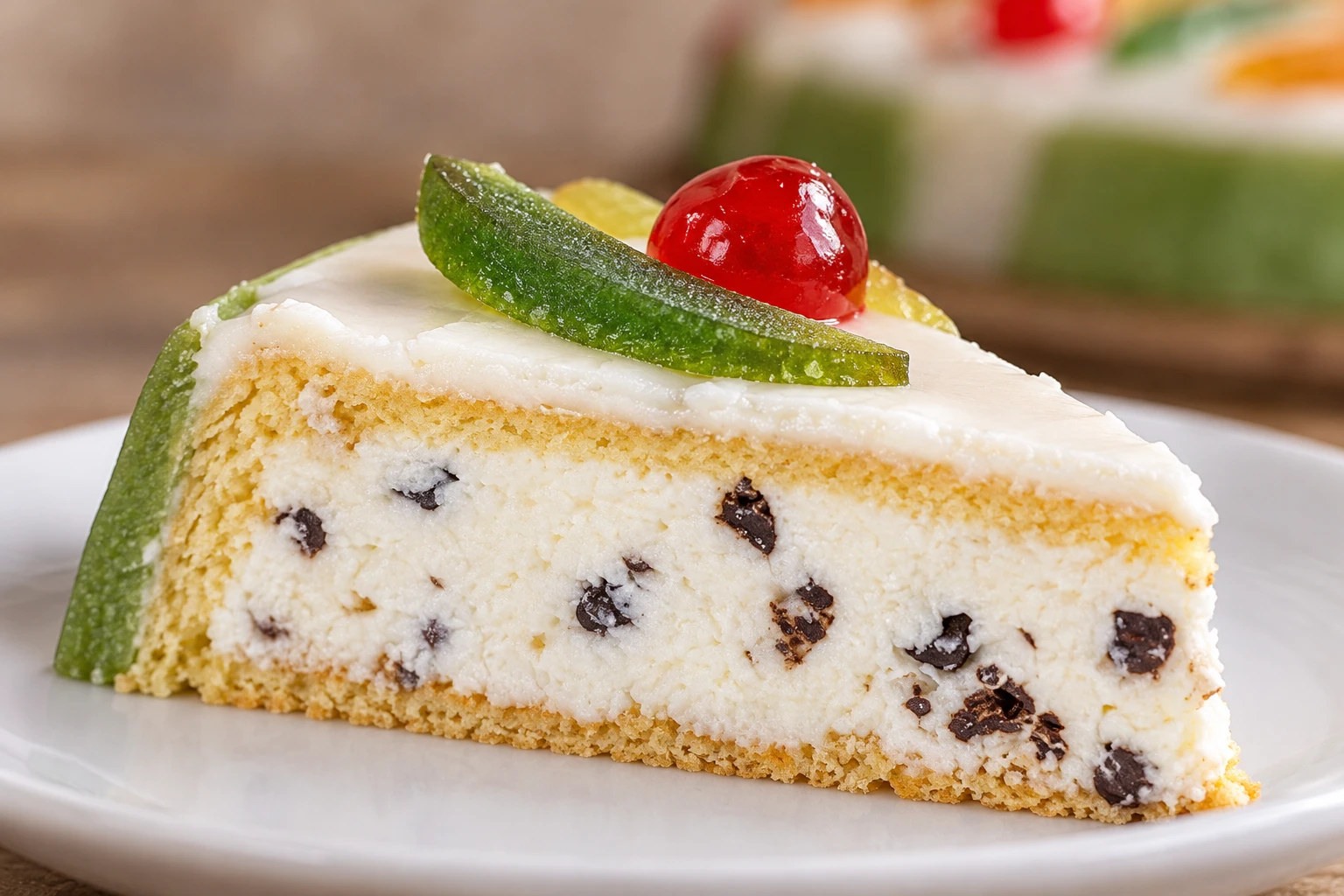
Street food (arancina, panelle, crocchè, sfincione), pasta con le sarde, caponata, cannolo and cassata. Lunch is usually between 12:30 and 14:30 and dinner from around 20:00.

What is the dress code in churches?

In the Cappella Palatina, the cathedral, the Martorana and Monreale, cover shoulders and knees. Bring a light scarf in summer.

Can I explore Palermo on foot?

Yes, in the historic center. The Cassaro runs straight from the Royal Palace to the sea. The cathedral, Quattro Canti, Piazza Bellini, markets, Teatro Massimo, and Kalsa all lie within this area. Take a city bus or taxi for the Zisa, the catacombs, Monte Pellegrino, Parco della Favorita, and Mondello.

How do I get from central Palermo to Mondello?

City bus 806 leaves from Piazza Sturzo near the Politeama and crosses Parco della Favorita. Mondello is about 12 km from downtown. Buses fill up on summer weekends, so set out early. Taxis are another option. Check routes and times before leaving.

How do I get up Monte Pellegrino to the Sanctuary of Santa Rosalia?

Take city bus 812 from the Politeama area or walk the Scala Vecchia, the old pilgrimage route from Piazza Generale Cascino. The sanctuary stands at 429 m, near the top of the 606 m mountain. If you're walking, bring water and avoid the hottest hours.

How do I get from Palermo to Monreale?

Monreale is a neighboring town 8 km away on the slope above the Conca d'Oro. City bus 389 leaves from Piazza Indipendenza behind the Royal Palace. Taxis and organized trips are also available. Allow about half a day for the cathedral, cloister, and terraces.

What is the Festino di Santa Rosalia?

Palermo celebrates its patron saint from July 10 to 15, commemorating the end of the 1624 plague, attributed to her intervention. On the evening of the 14th, a boat-shaped float bearing Rosalia's statue follows the Cassaro from the cathedral past Quattro Canti to the sea, with fireworks on the waterfront afterward. A procession carries the relics on the 15th. The center gets very crowded.

Which Palermo monuments are on the UNESCO World Heritage List?

The Arab-Norman site, listed in 2015, includes the Royal Palace and its Palatine Chapel, the cathedral, San Giovanni degli Eremiti, Santa Maria dell'Ammiraglio (the Martorana), San Cataldo, the Zisa palace, and Ponte dell'Ammiraglio. The listing also includes the cathedrals of Monreale and Cefalù outside the municipality.

What time of day should I visit Palermo's markets?

Mornings. The stalls at Ballarò, Capo, and Borgo Vecchio are fully stocked until lunchtime. Many close in the afternoon, and Sundays are quieter. Vucciria is the exception: the market is small by day, but at night Piazza Garraffello becomes a gathering place for music and street food.

Can I visit Teatro Massimo without attending a performance?

Yes. Separately ticketed guided tours show you the auditorium and formal rooms. Visiting days and hours depend on rehearsals and performances, so check ahead. Buy tickets for opera, ballet, or concerts at the theater box office.

Where can I see the Opera dei Pupi in Palermo?

Opera dei Pupi is the Sicilian puppet theater tradition of tales about knights and paladins, recognized by UNESCO as intangible heritage in 2008. The Antonio Pasqualino International Puppet Museum near Piazza Marina has a collection and a performance space. Family-run puppet theaters also operate downtown. Performances run on specific dates. Check the program.

What can I do in Palermo on a rainy day?

Indoor options include the Palatine Chapel and Royal Palace, the cathedral with its treasury and crypt, Palazzo Abatellis, Museo Salinas, the Steri, the puppet museum, a guided tour of Teatro Massimo, the Zisa, and the Capuchin Catacombs. The markets have awnings, but the streets can get slippery.

What can I do in Palermo with children?

Try the shallow water at Mondello Beach during swimming season, the puppet museum and a pupi show, the botanical garden, and the giant fig tree at Villa Garibaldi. Città dei Ragazzi, beside the Palazzina Cinese in Parco della Favorita, has games and workshops. Other options include the cathedral rooftop walk. Consider beforehand whether the catacombs, which can be unsettling, would suit your family.

When should I visit Palermo?

April, May, late September, and October usually offer comfortable temperatures for walking all day. From June to September it's hot with little rain, and you can combine the city with Mondello Beach. Winter is mild, wetter, and quieter. The Festino di Santa Rosalia brings crowds downtown in July.

Should I stay in Palermo's historic center, Politeama, or Mondello?

To walk to the monuments, stay in the historic center near Quattro Canti, Via Maqueda, or Kalsa. The more modern Politeama and Via Libertà area has shops and is close to the port and buses to Mondello and the airport. Mondello suits a summer beach stay but is about 12 km from downtown. If driving into the historic center, ask your accommodation about the limited traffic zone (ZTL).

Can I get to Palermo by ship?

Yes. The port beside downtown has regular car ferries from Naples, Civitavecchia, Livorno, Genoa, Cagliari, and Tunis. Crossings are long and usually overnight. In summer, book your cabin and car space ahead.

Are Palermo Cathedral's rooftops worth visiting?

Yes, especially for the views. The route crosses above the nave and overlooks the historic center, Monte Pellegrino, and the mountains surrounding Palermo. It requires a separate ticket, involves stairs, and may close for bad weather or events. Check before visiting.

Do Palermo museums close on a particular day of the week?

Each museum sets its own days and hours. Several open only in the morning on Sundays and public holidays, and some close one day a week. State museums and sites offer free admission on the first Sunday of the month. Check each venue's hours before planning your day.

Traveler, share your experiences through photos Up to 5 photos of each place you visited.
See the destination Sicily Find another city