Torta sbrisolona
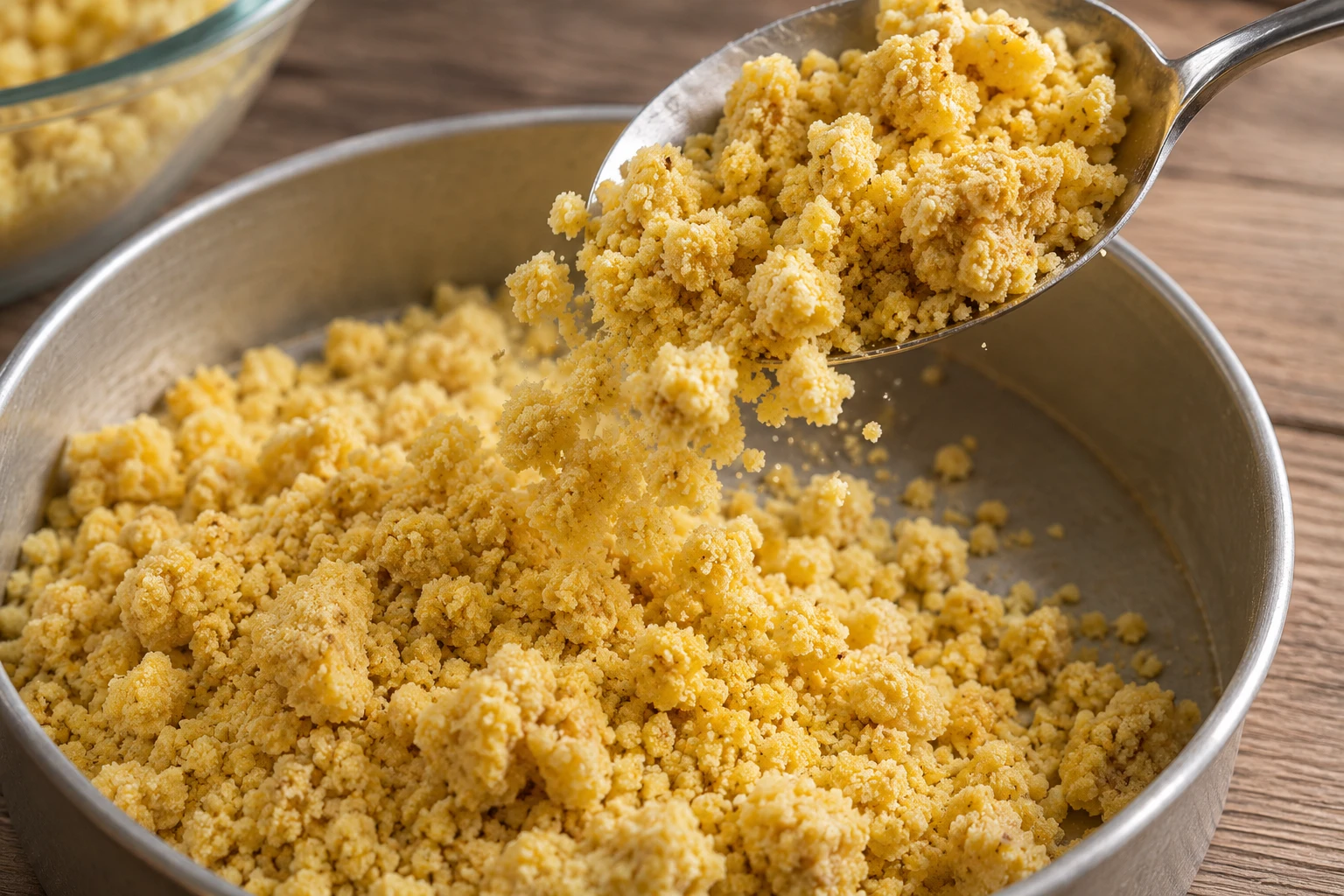
A flat, dry, brittle cake made with cornmeal, wheat flour, sugar, almonds, and fat. Rather than slicing it with a knife, you break it apart by hand. It originated in the Mantuan countryside and became Mantua’s best-known sweet.
Antarctica
Culture · Mantua
For five days in the first half of September, Mantua, the city of the Gonzaga family, welcomes writers from around the world to meet readers in squares, courtyards, and palaces as part of a literary festival founded in 1997.
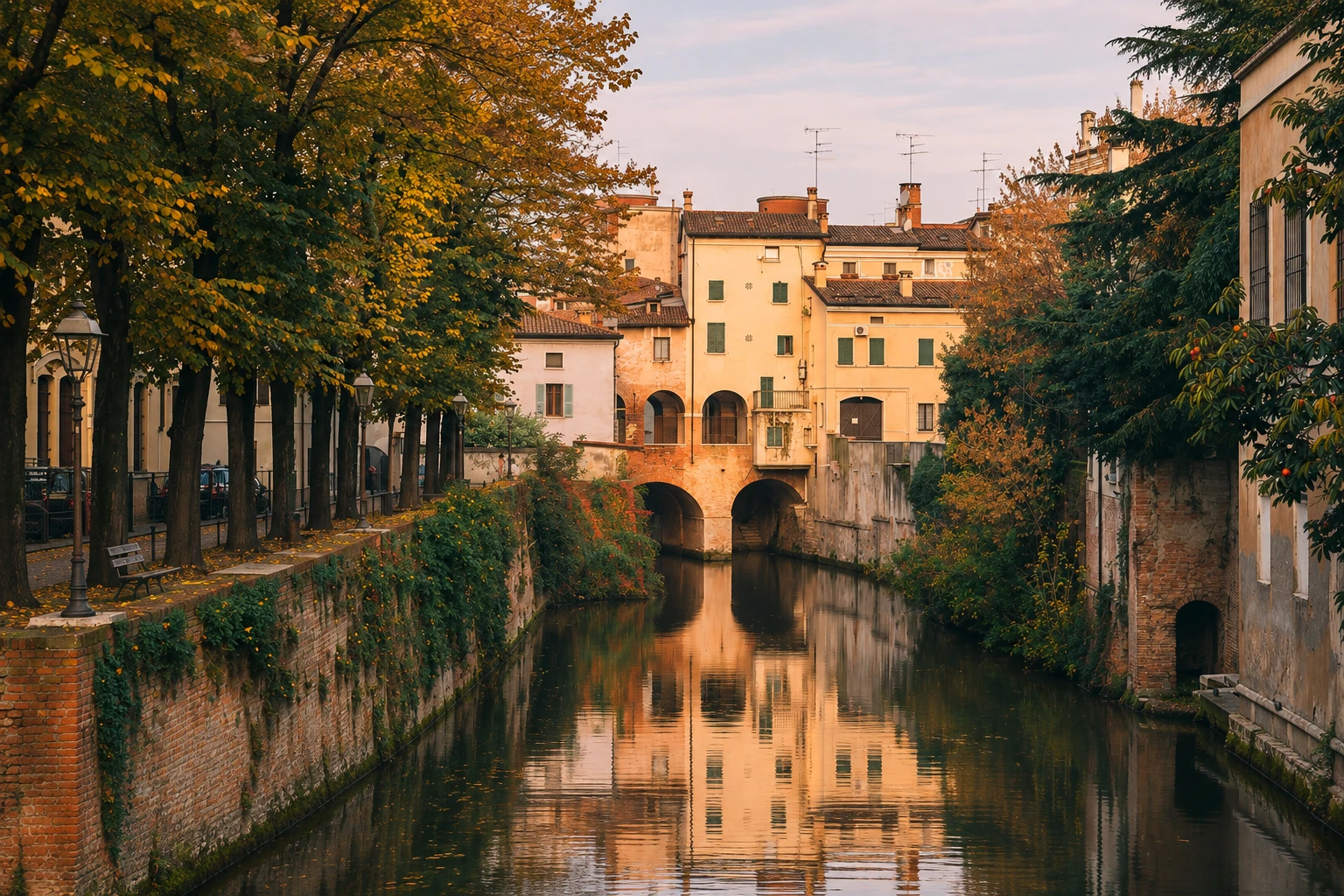
In the photo: Mantua
Illustrative images. The pictures in this guide are illustrations based on the real place, not photographs, and may differ from it.
Click the picture to enlarge it.
Festivaletteratura — Mantua
For five days in the first half of September.
September
Dates change every year: check this year's date before you travel.
The festival
Mantua, the Renaissance city of the Gonzaga family, is surrounded by three lakes formed by the Mincio River. Its historic center is on the UNESCO World Heritage List alongside Sabbioneta. Since 1997, the city has also been home to Festivaletteratura.
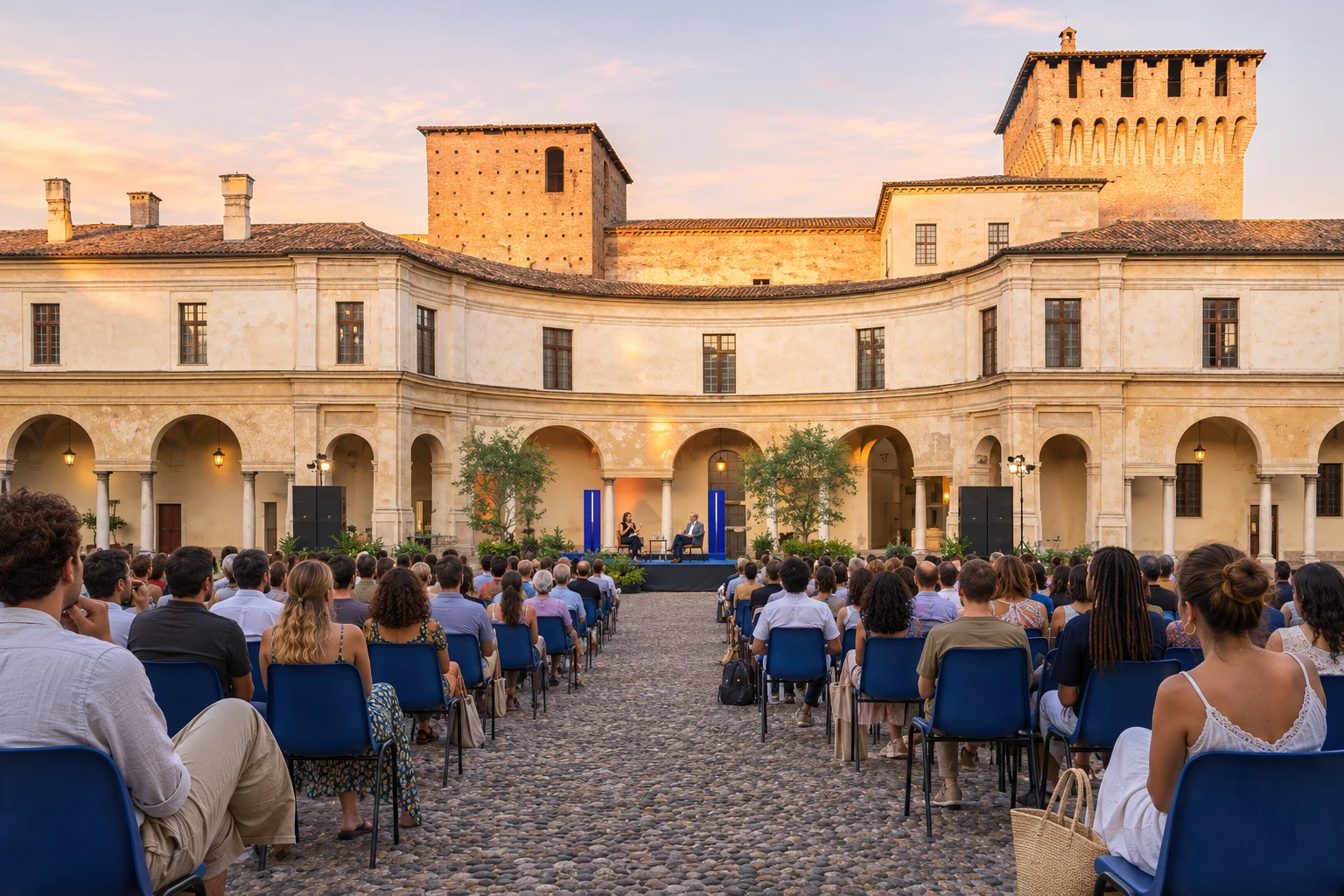
The festival began with an idea from a group of local friends who shared a love of reading. For five days in the first half of September, writers, poets, essayists, scientists, and artists from Italy and abroad meet the public for talks, readings, guided walks, performances, and concerts.
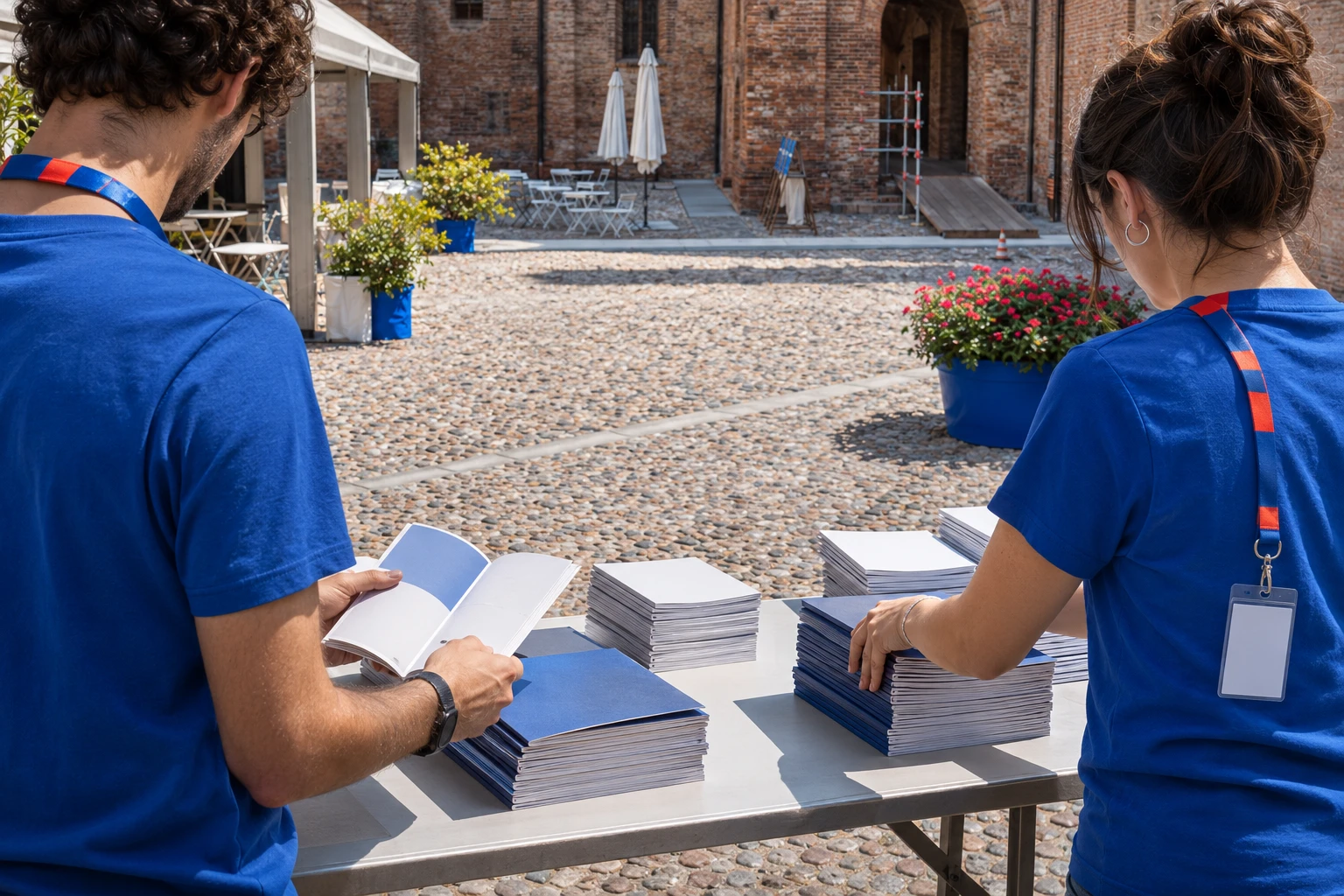
Events take place in squares, churches, palace courtyards, and gardens in the city center. Some are held outdoors. The festival also has a program for children and relies on volunteers, whom you can recognize by their blue T-shirts.
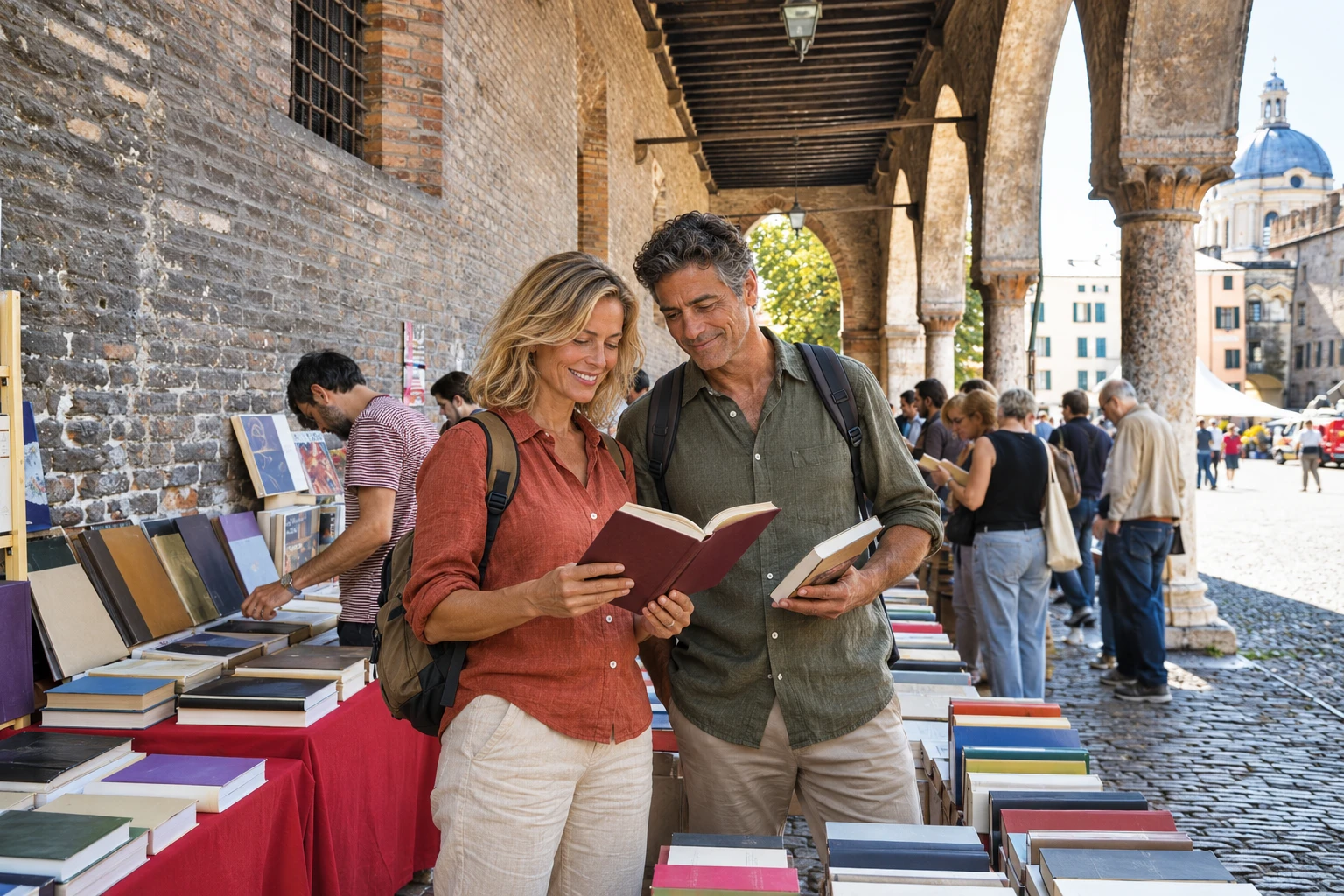
During the festival, the whole city becomes a place for readers: bookshops set up in the squares, people line up to meet authors, and conversations at café tables turn to books.
It’s worth the trip if you love books and want to spend a few days in a Renaissance city, dividing your time between festival events and the Gonzaga palaces.
Meeting an author in a palace courtyard. Readings and outdoor events in the squares. A visit to Palazzo Ducale and Palazzo Te between events. The children’s program.
When the program is released, check how to book each event. Mantua is flat, and you can reach the venues in the city center on foot or by bike.
Tortelli di zucca, pasta filled with pumpkin, amaretti, and mostarda, and torta sbrisolona, the city’s crumbly almond cake.
Check the festival website for the program and booking details. Book your accommodation in advance.
In the city
Flavors of Italy

A flat, dry, brittle cake made with cornmeal, wheat flour, sugar, almonds, and fat. Rather than slicing it with a knife, you break it apart by hand. It originated in the Mantuan countryside and became Mantua’s best-known sweet.

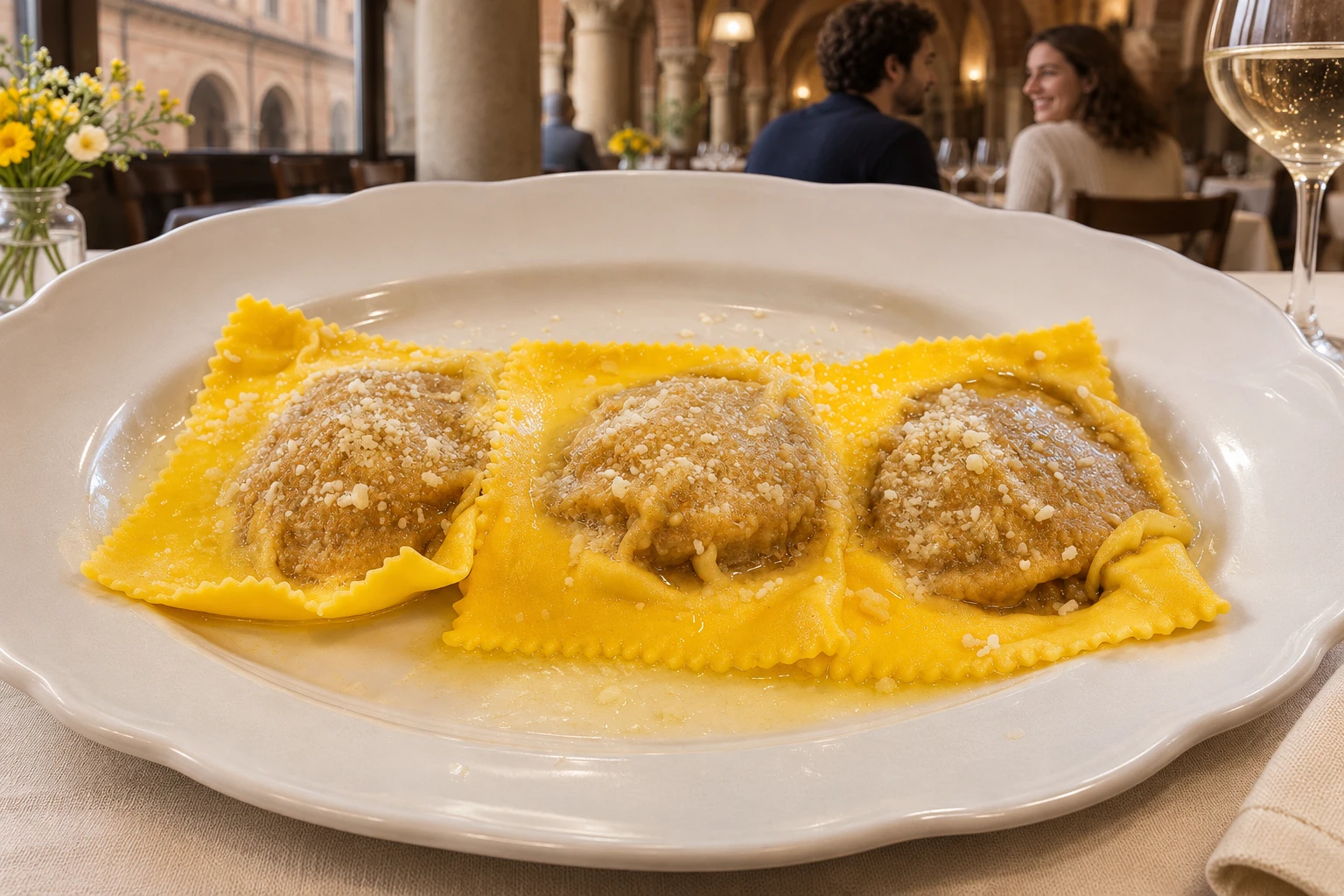
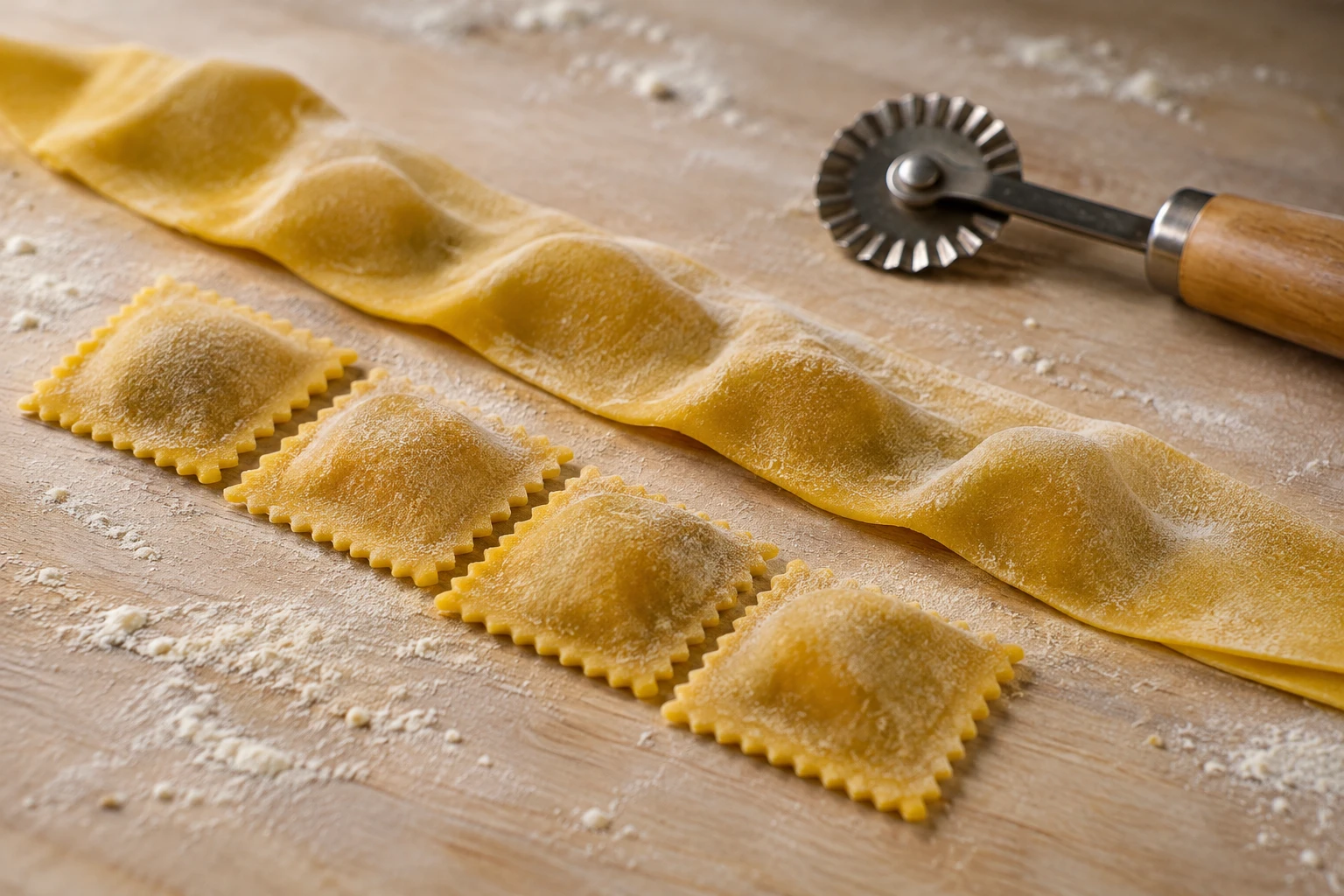
Fresh pasta filled with pumpkin, amaretti, mostarda mantovana, grated cheese, and nutmeg, served with melted butter. It is the best-known dish in Mantua, the city of the Gonzaga family, and the traditional first course at Christmas Eve dinner.
September
June/July/August/SeptemberJune through September, with evening performances.
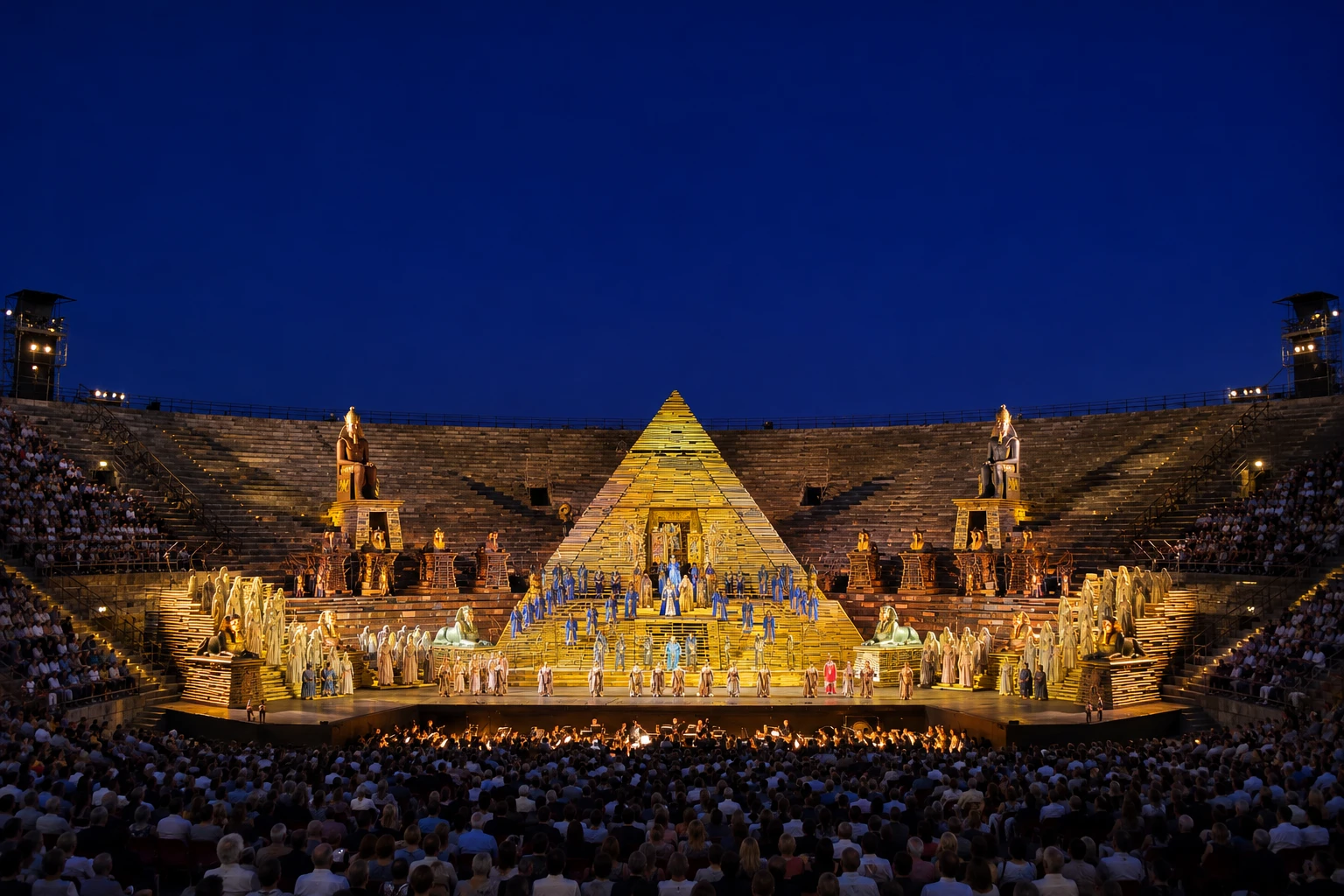
Every summer, Verona’s Roman amphitheater hosts a season of open-air opera. Aida, the opera that opened the festival in 1913, is a mainstay of the program.
SeptemberSeptember 19. The rite is also held on the Saturday before the first Sunday in May and on December 16.
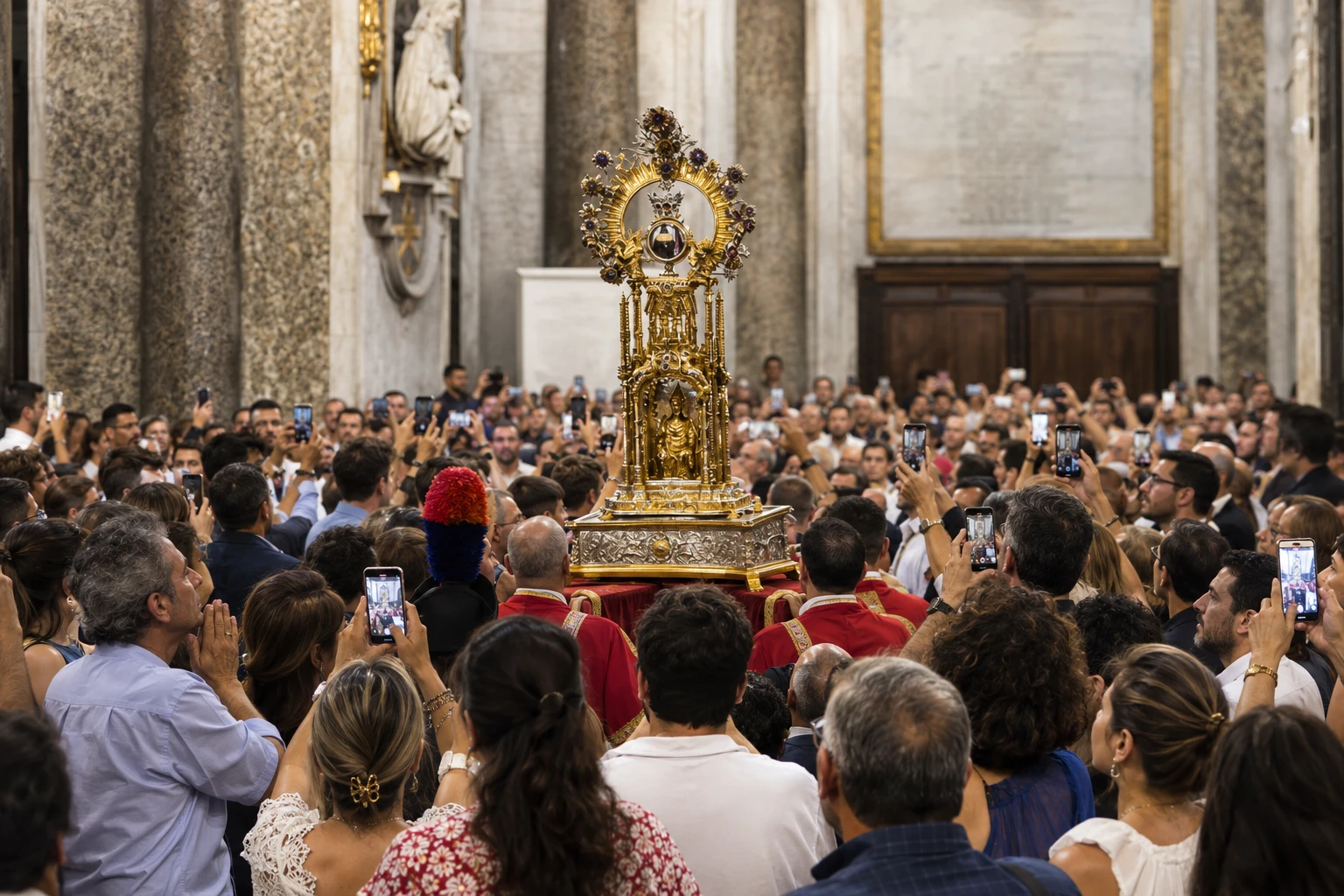
On September 19, Naples gathers at the cathedral to await the “miracle” of its patron saint, San Gennaro. When the blood kept in a vial appears to turn liquid, the archbishop holds the vial up for the faithful to see, and the whole city takes the news as a good omen.
SeptemberOn the first Sunday in September.
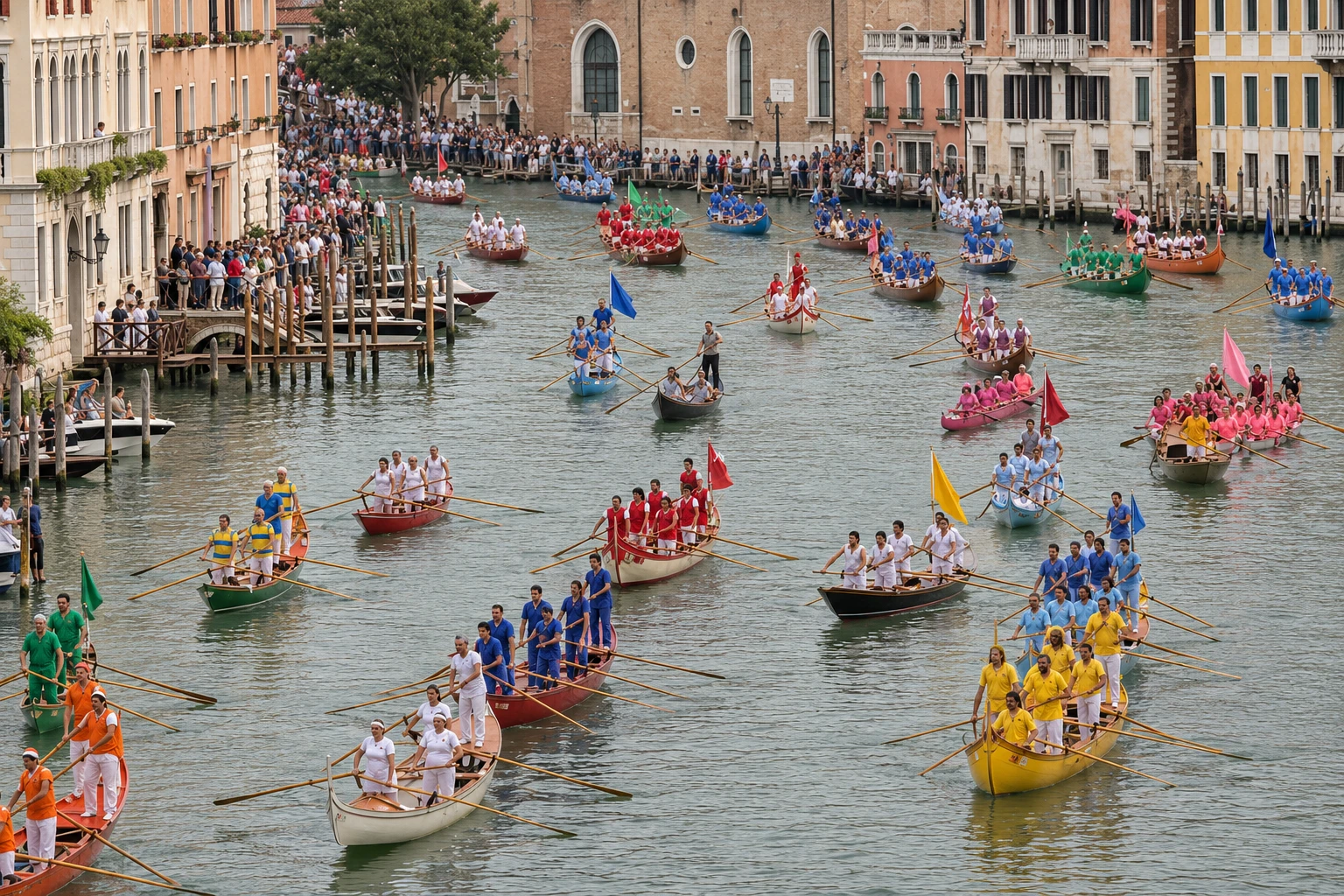
On the first Sunday in September, Venice’s Grand Canal hosts the Historical Regatta. A procession of 16th-century-style boats with rowers in period dress is followed by races in which the lagoon’s best rowers compete in traditional rowing boats.
Your questions
It runs for five days in the first half of September. The dates and program are published on the festival website.
Check the program to see which events require a reservation and where each one takes place.
In 1997. A group of Mantua residents started the festival.
Festivals and events in Italy
January/February/MarchAbout two and a half weeks before Lent, between late January and early March, depending on the date of Easter; the last day is Fat Tuesday.
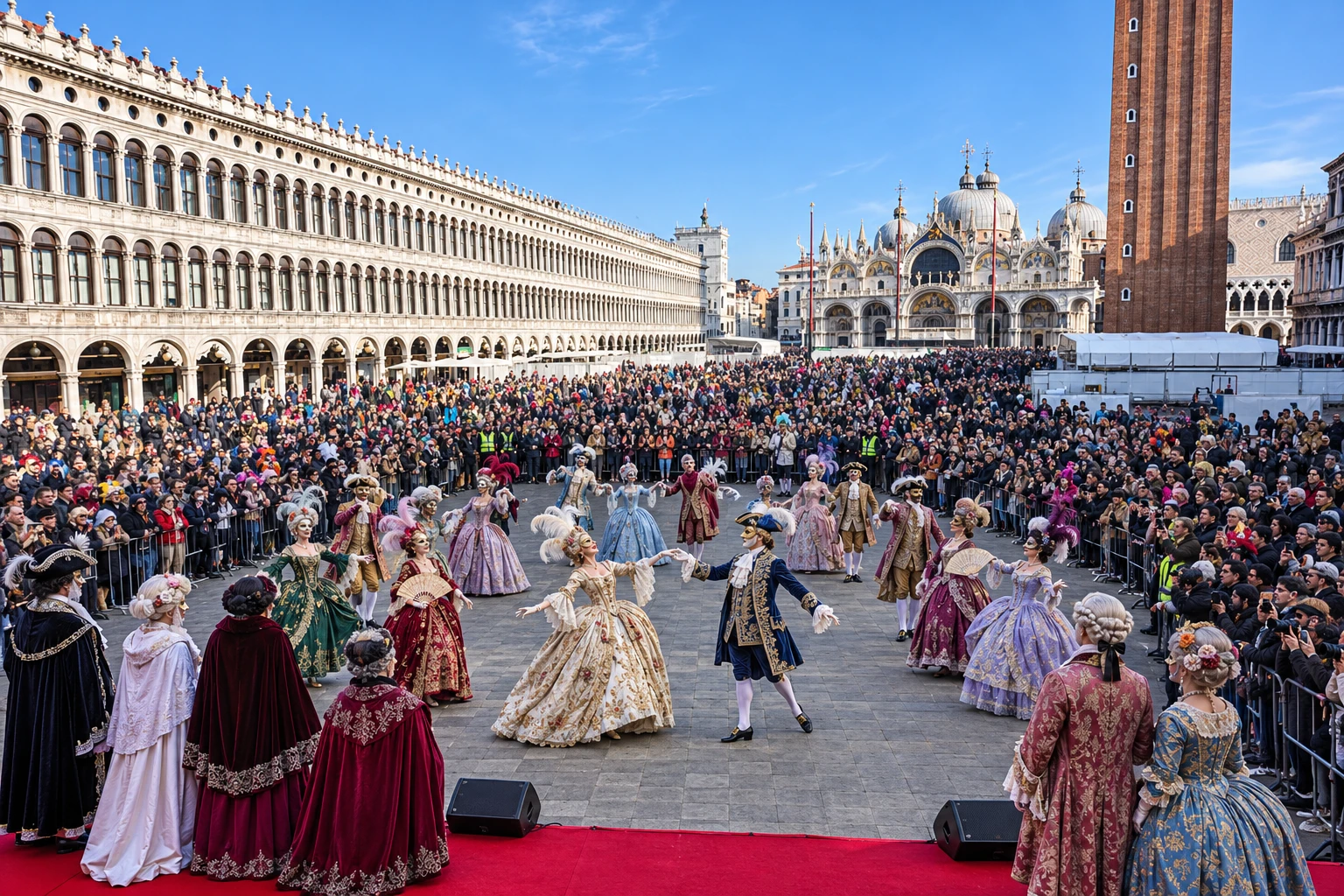
The Venice Carnival takes over the city in the weeks before Ash Wednesday, with masks and period costumes in the streets, processions on the water, the Festa delle Marie and costume parades in St. Mark’s Square.
January/February/MarchIn February, though parades may also take place in late January or early March, depending on the Carnival calendar.
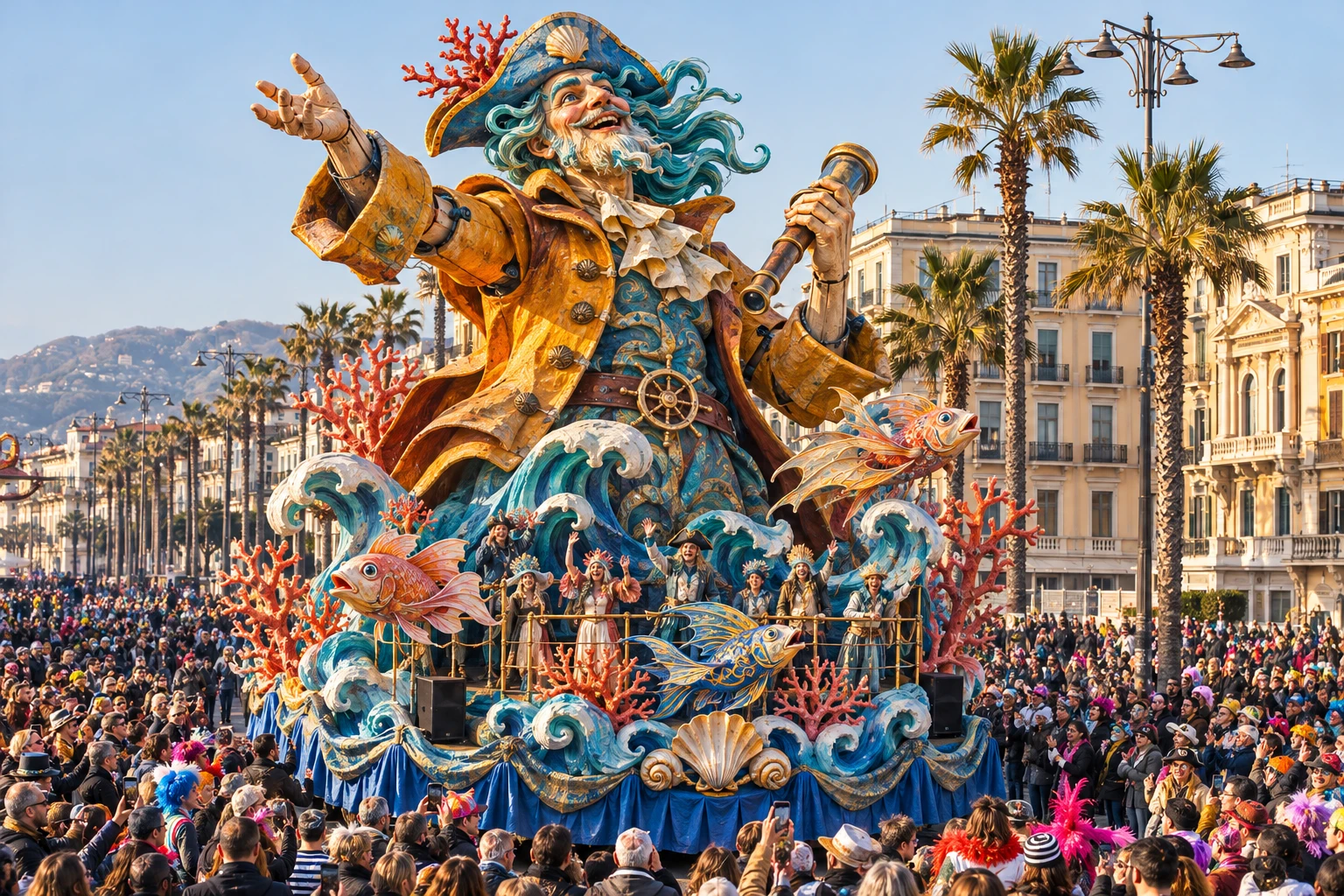
In Viareggio, on the Tuscan coast, Carnival is a month of parades. Giant papier-mâché floats make their way along the seafront promenade through crowds in costume, with moving figures that satirize politics and social customs.
February/MarchIn the weeks leading up to Lent, with the Battle of the Oranges running from Sunday through Shrove Tuesday.
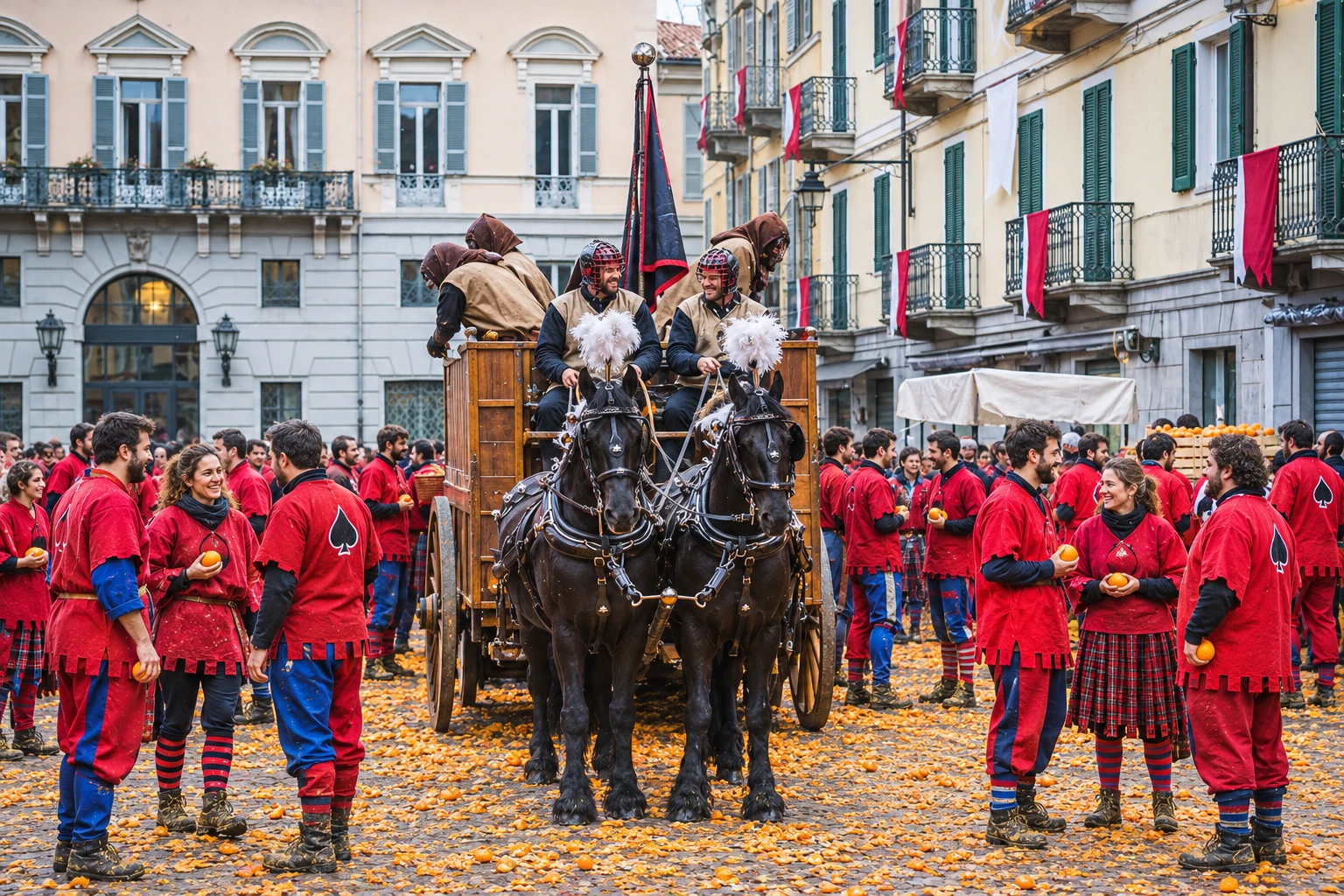
In Ivrea, in Piedmont, the carnival commemorates the medieval town’s revolt against its tyrant. It features historical processions, the Miller, who is the heroine of the carnival, and the famous Battle of the Oranges, in which teams on foot trade volleys of oranges with riders in horse-drawn carts in the town squares.
March/AprilOn Easter Sunday morning.
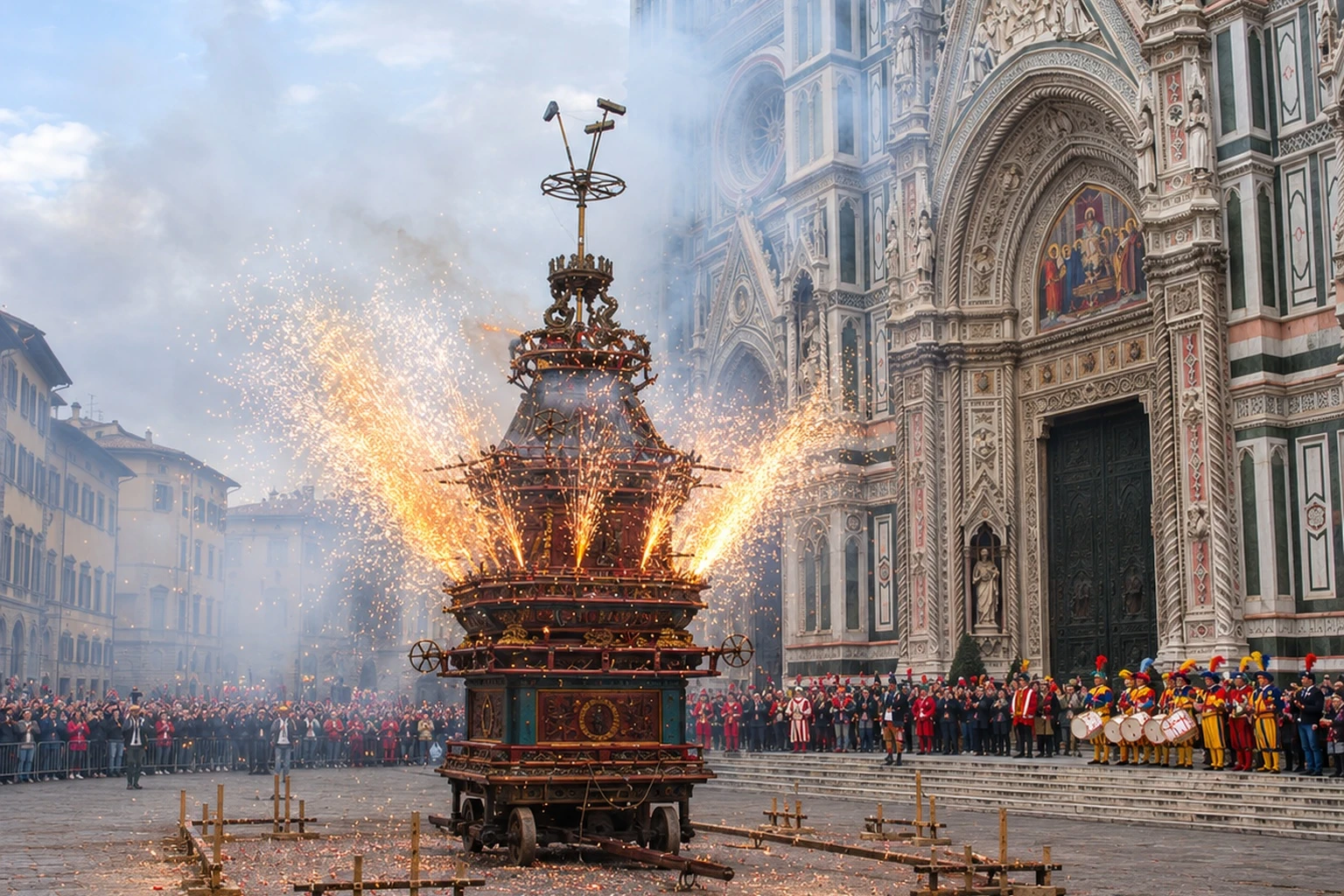
On Easter morning, a tall, ornate cart called the Brindellone is brought to the square in front of Florence Cathedral. During Mass, a mechanical dove is lit at the altar and travels along a wire to the cart, setting off a fireworks display in a tradition that dates back nine centuries.
MayMay 1–4. The main procession takes place on May 1.
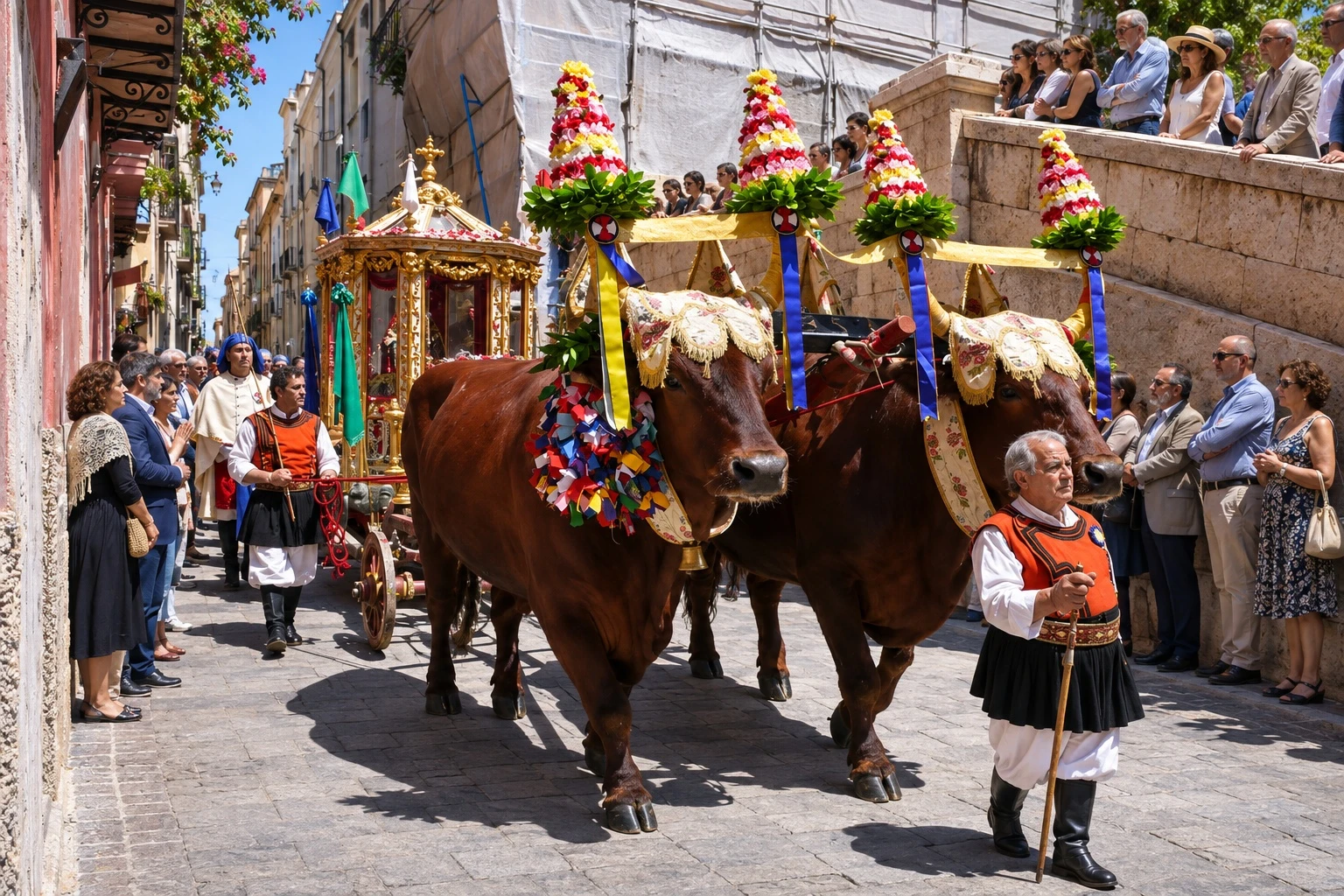
On May 1, Cagliari fulfills a vow it made during the plague of the 17th century. The statue of Sant'Efisio sets out in an ox-drawn carriage, accompanied by decorated carts, riders on horseback, and groups from across Sardinia wearing their traditional dress. The statue then continues on pilgrimage to Nora.
MayThroughout May, with the races on the last weekend of the month.
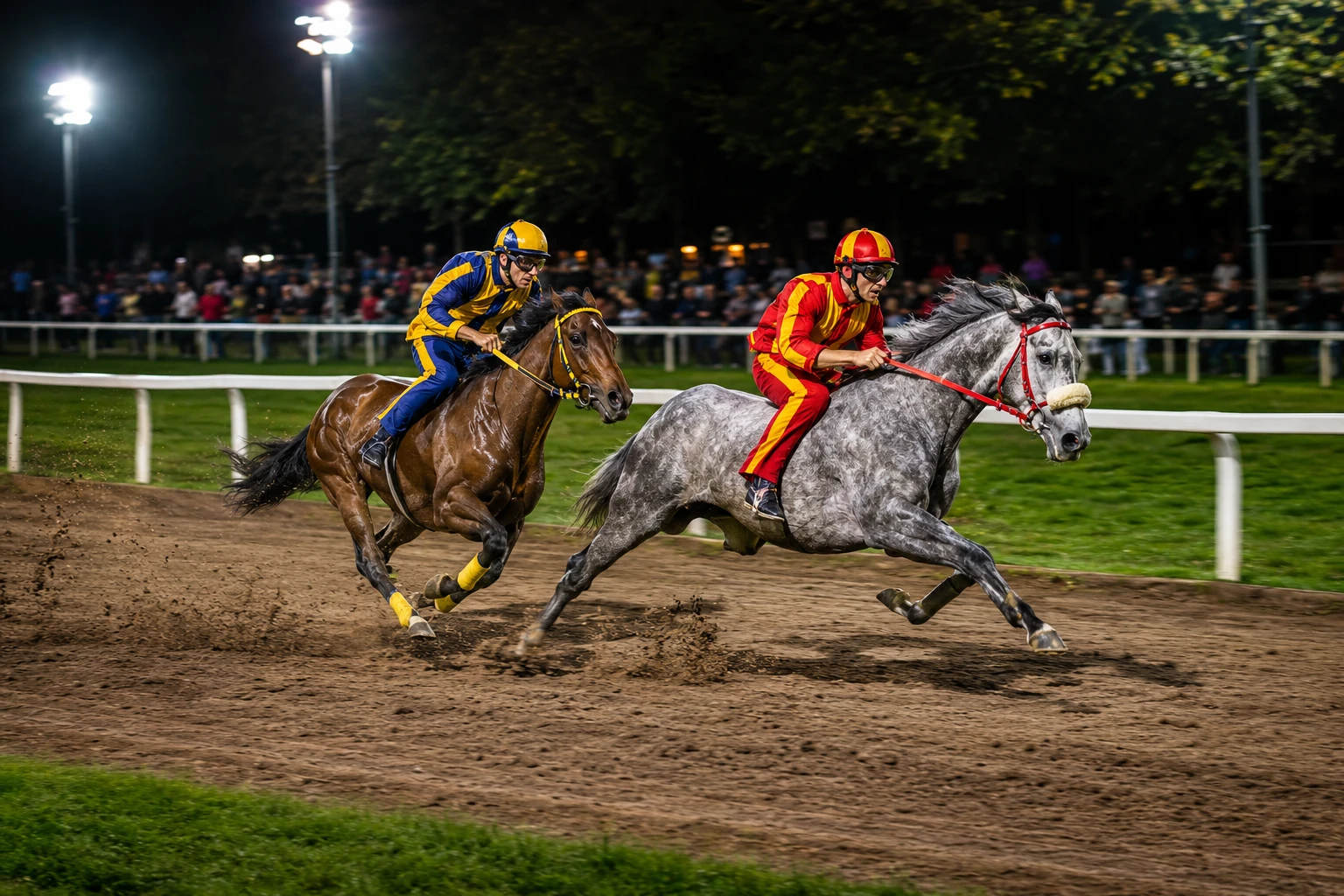
In May, Ferrara’s eight districts, known as contrade, fill the city with Renaissance processions, flag-throwing displays and competitions. The festivities culminate in races in Piazza Ariostea on the last weekend of the month, part of a palio that the city describes as the oldest in the world.