25 places to visit and 10 tours, chosen by the Cidade Turismo guide.
Updated
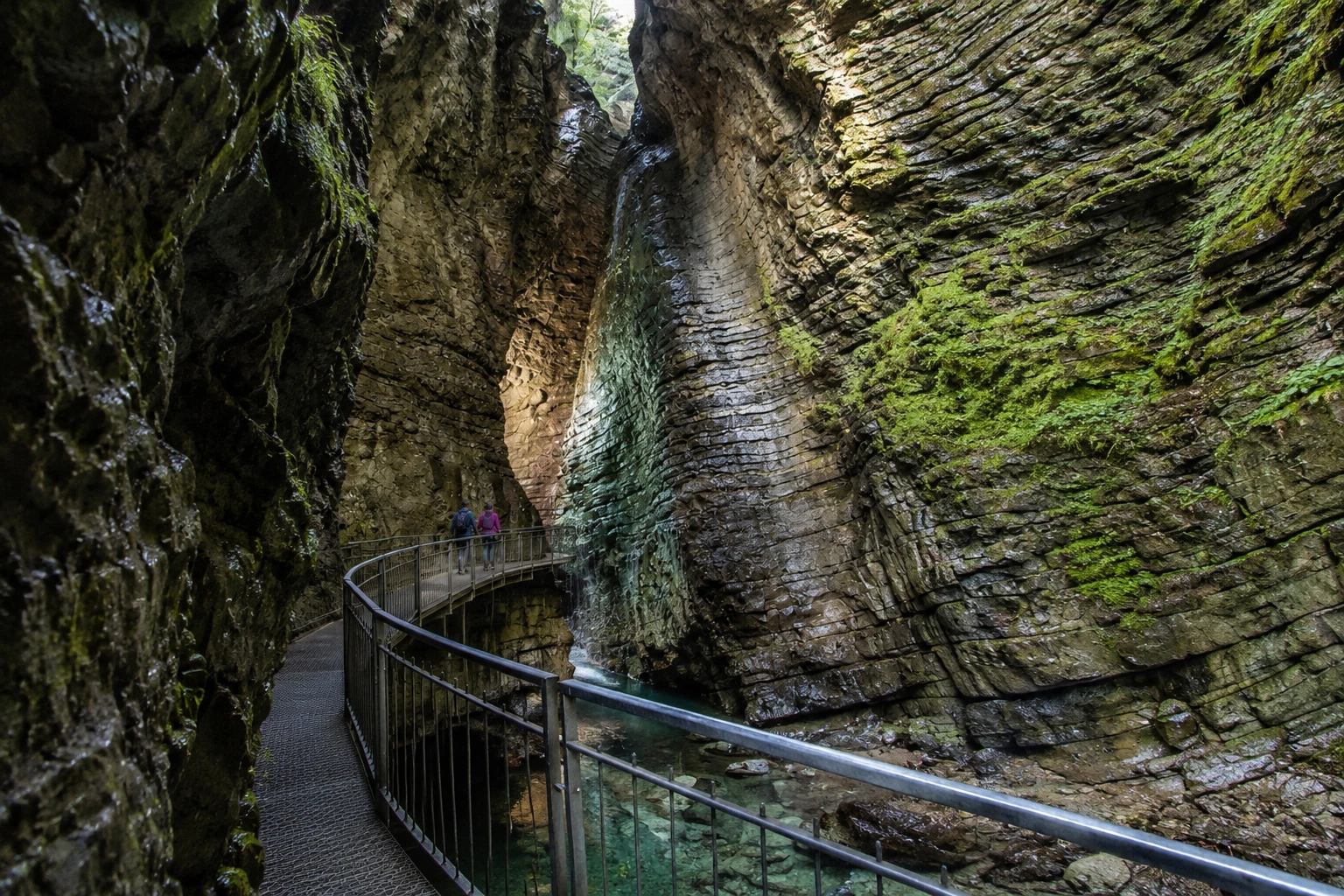
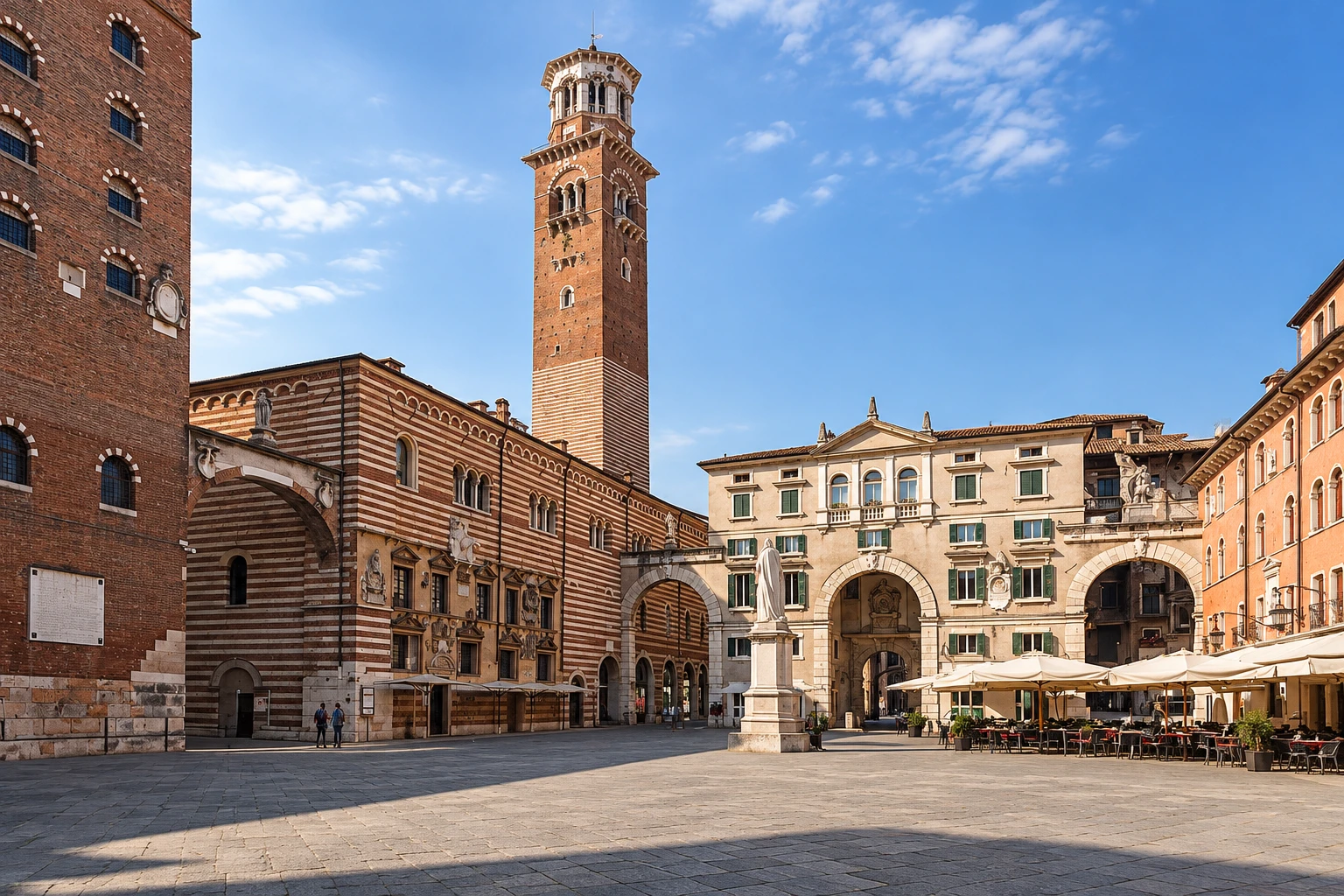
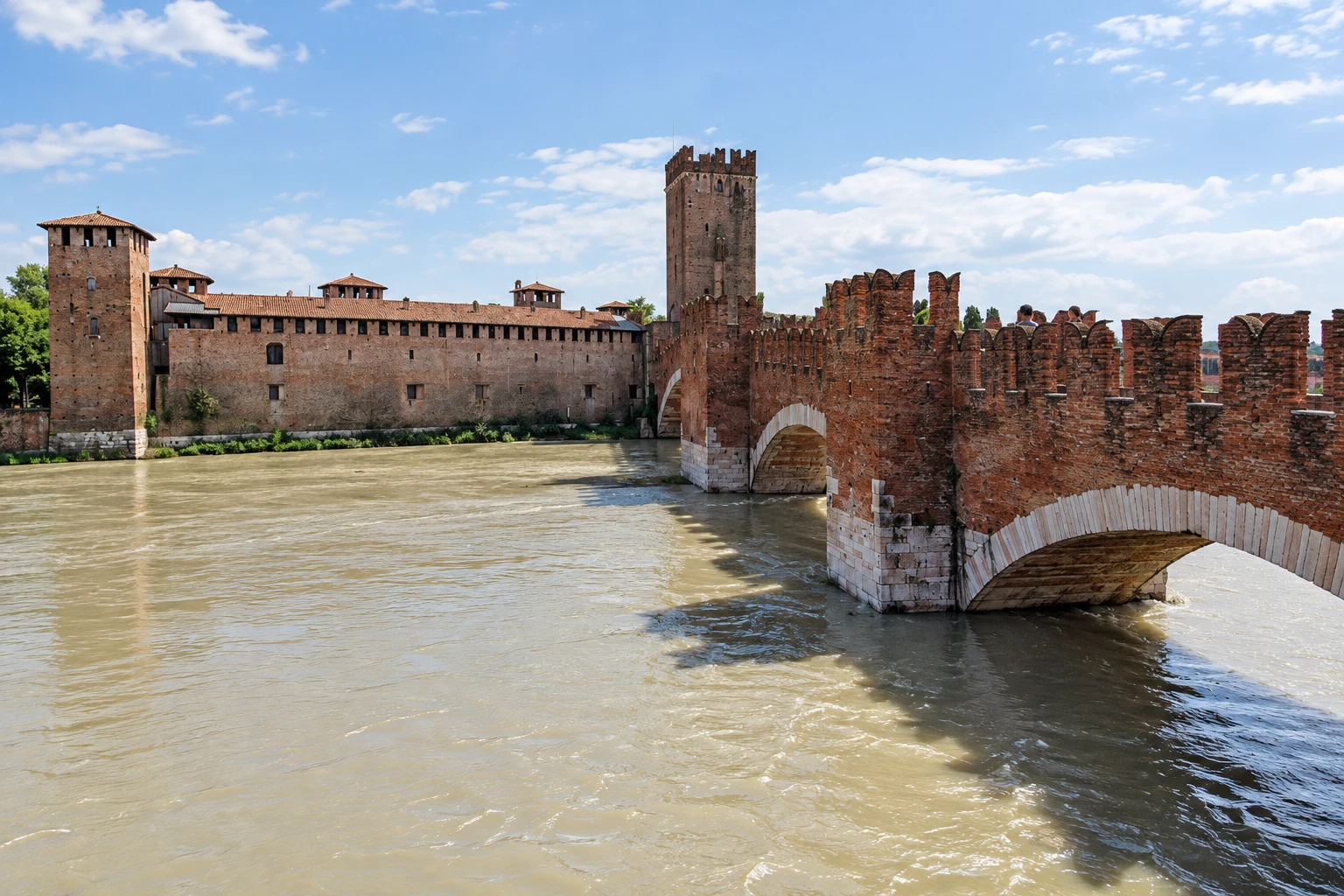
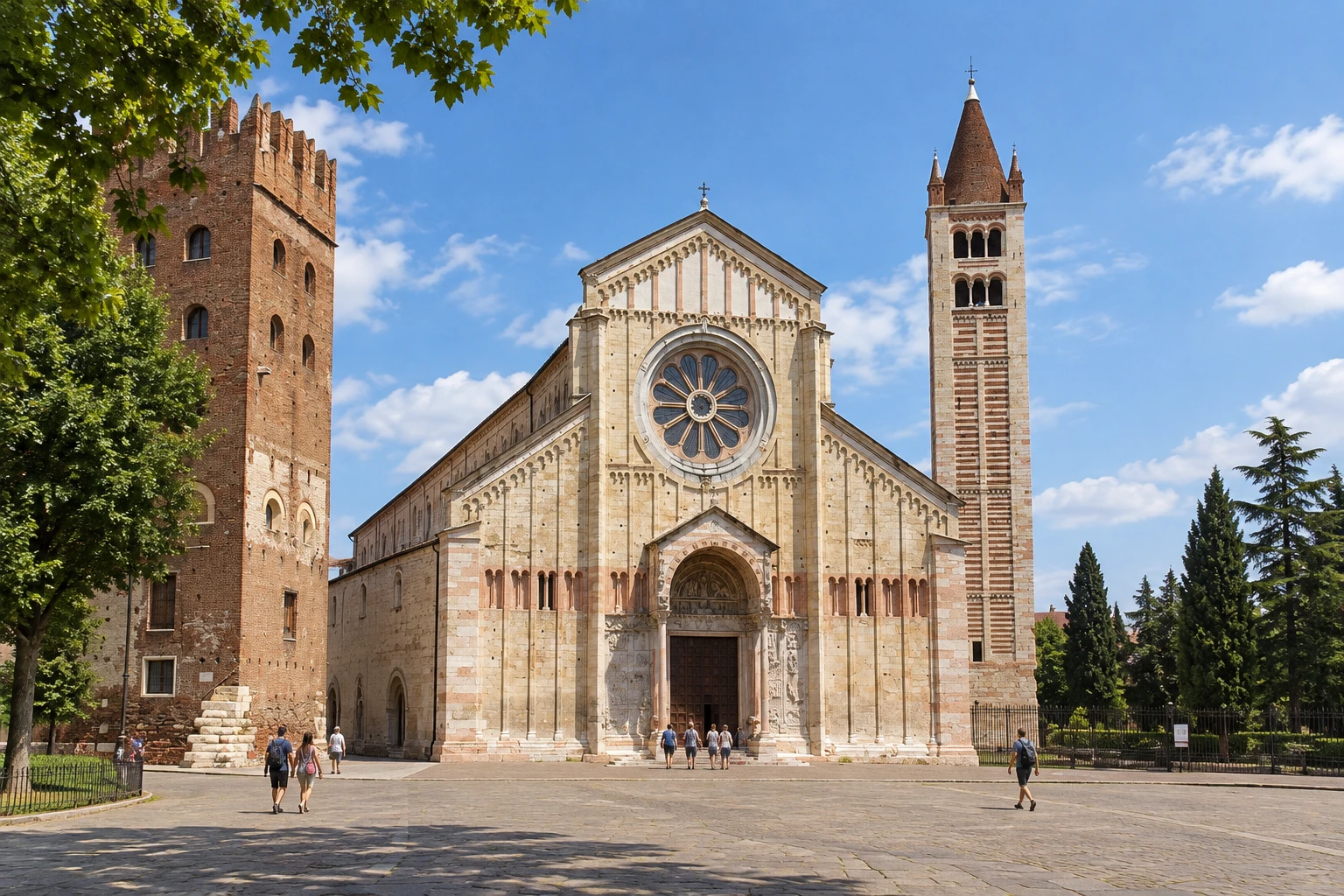
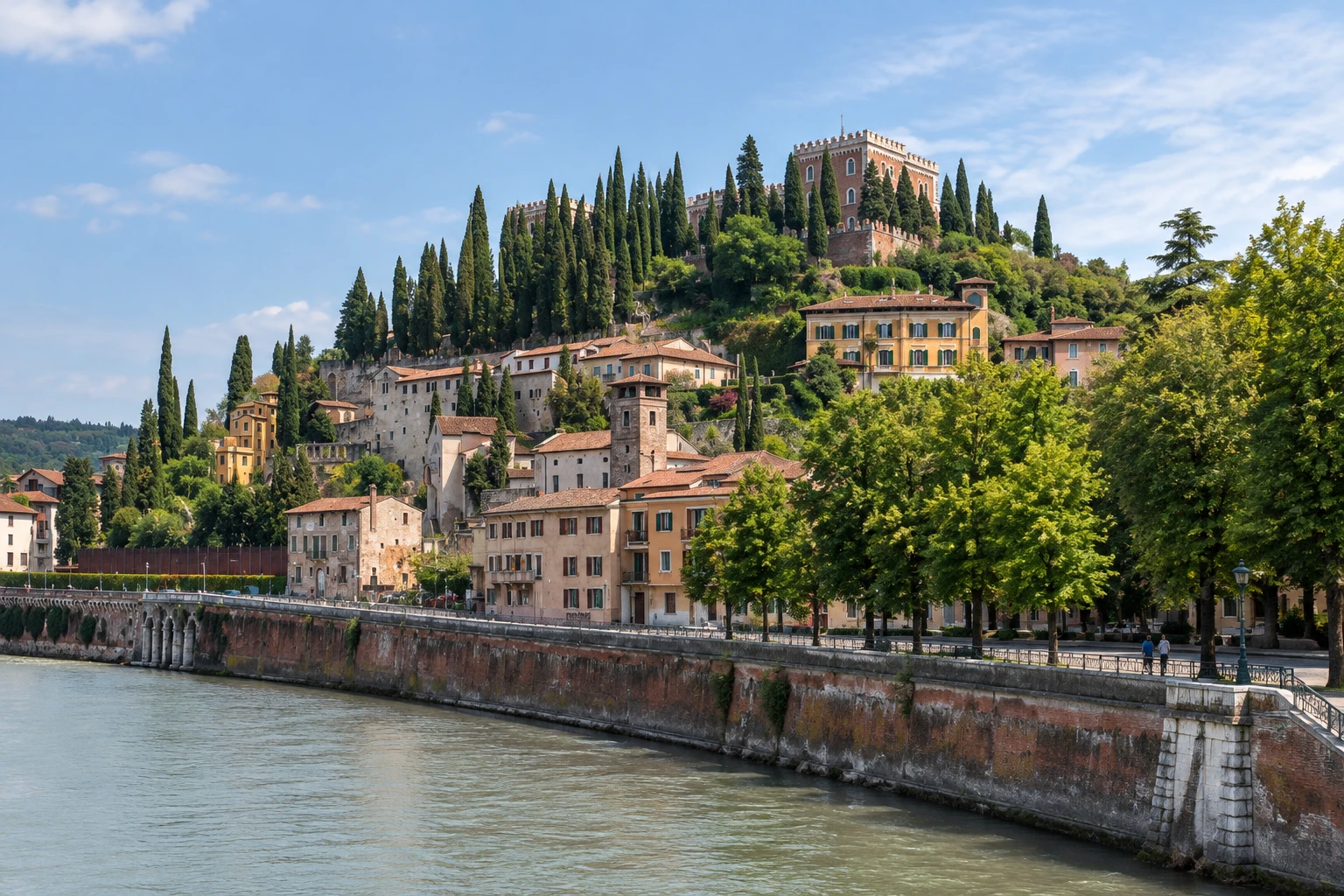
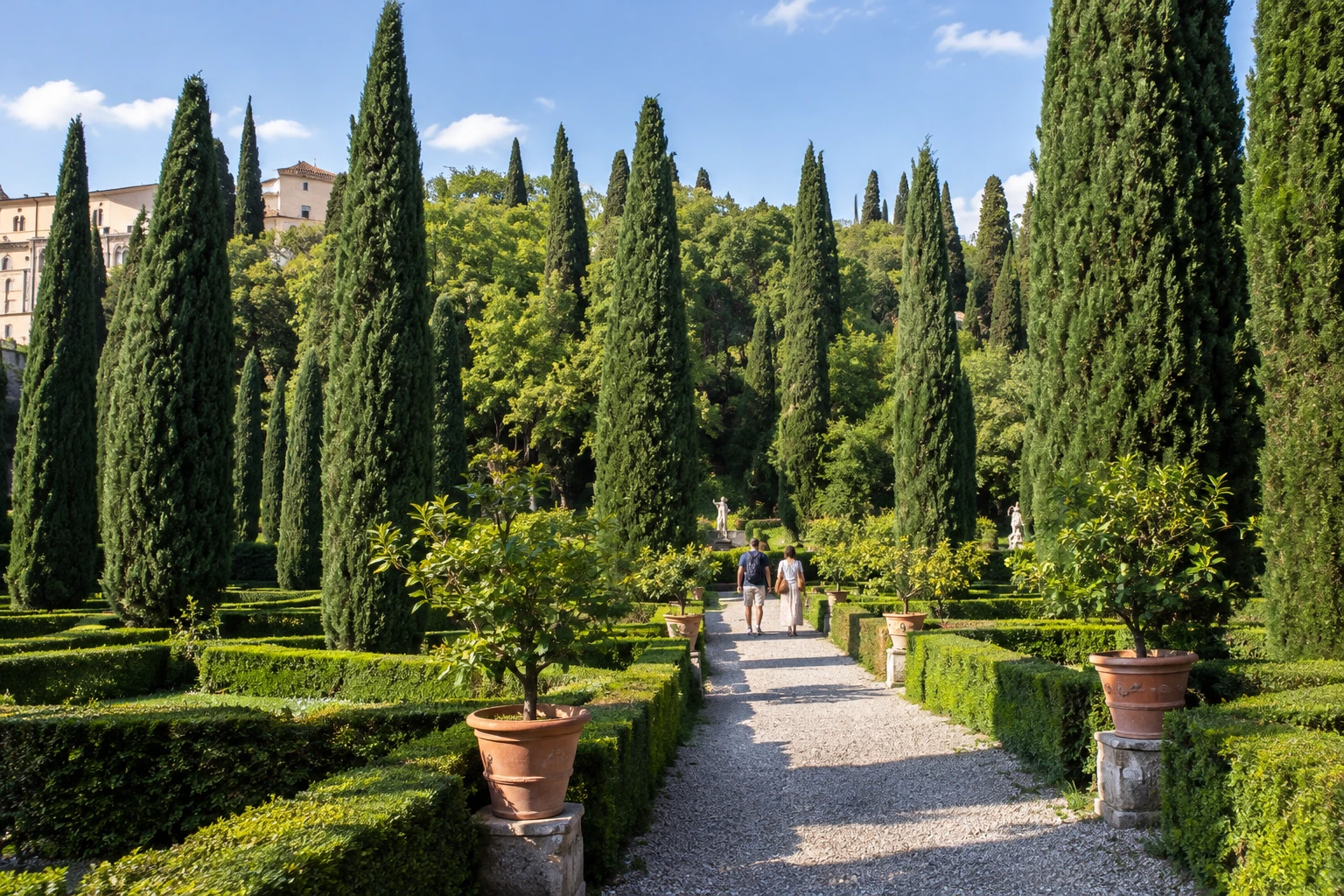
Illustrative images. The pictures in this guide are illustrations based on the real place, not photographs, and may differ from it.
To start
The 10 main places Verona and Lake Garda
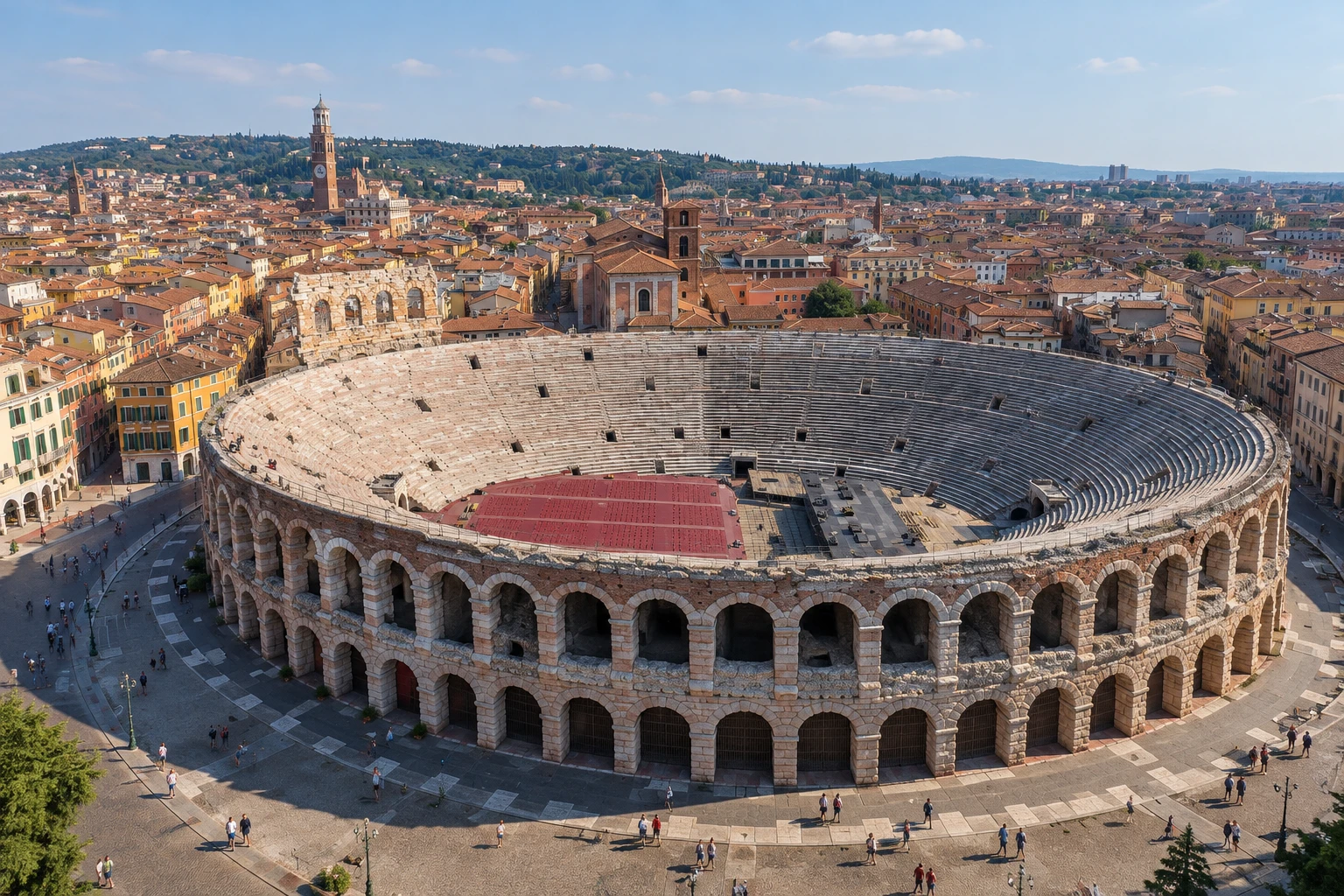
Verona Arena · Verona1st-century Roman amphitheatre, one of the best-preserved in the world.
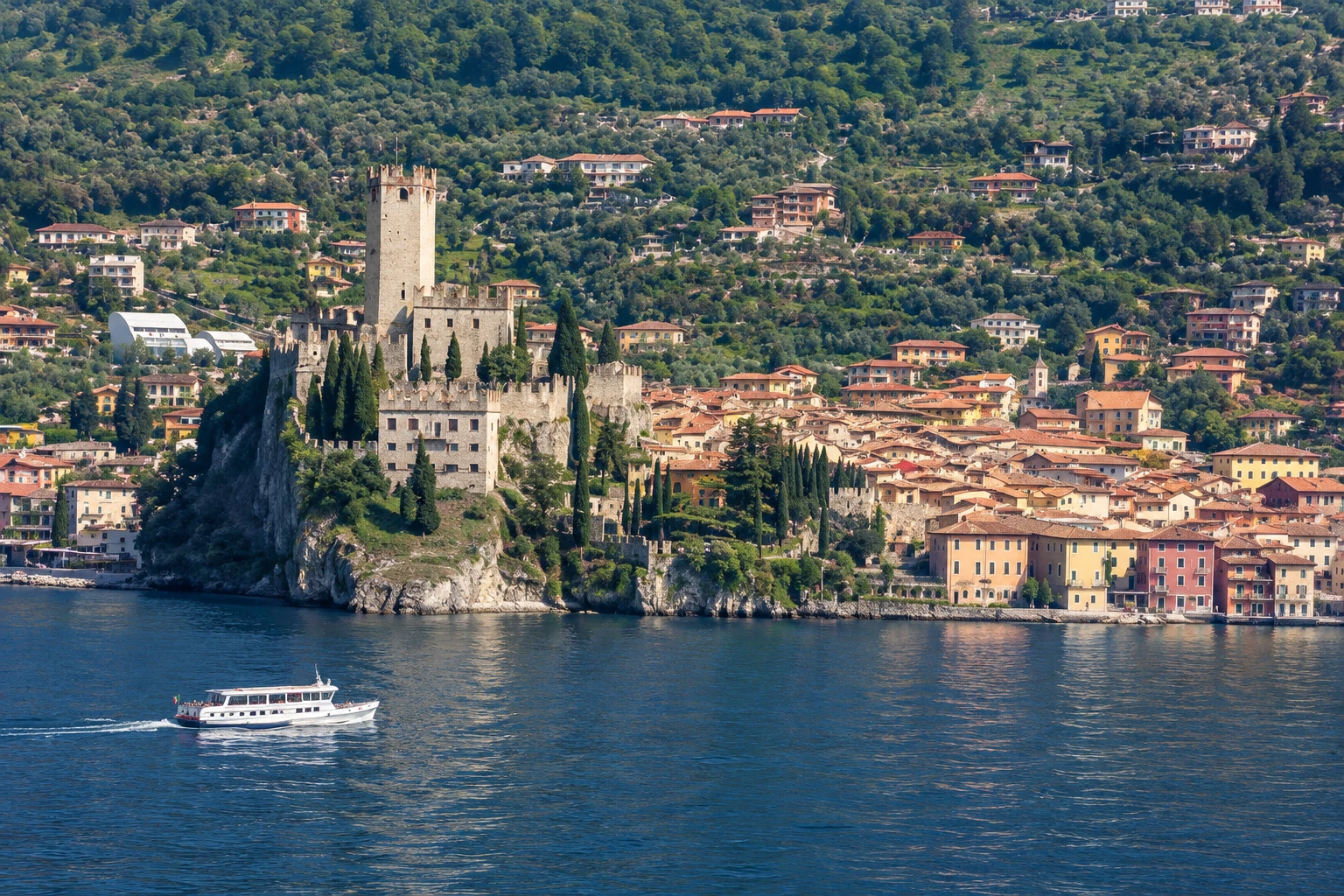
Scaliger Castle of Malcesine · MalcesineCastle on a rock by the lake, symbol of Malcesine, with a viewing tower, the Baldo and Garda natural history museum and rooms dedicated to Goethe.
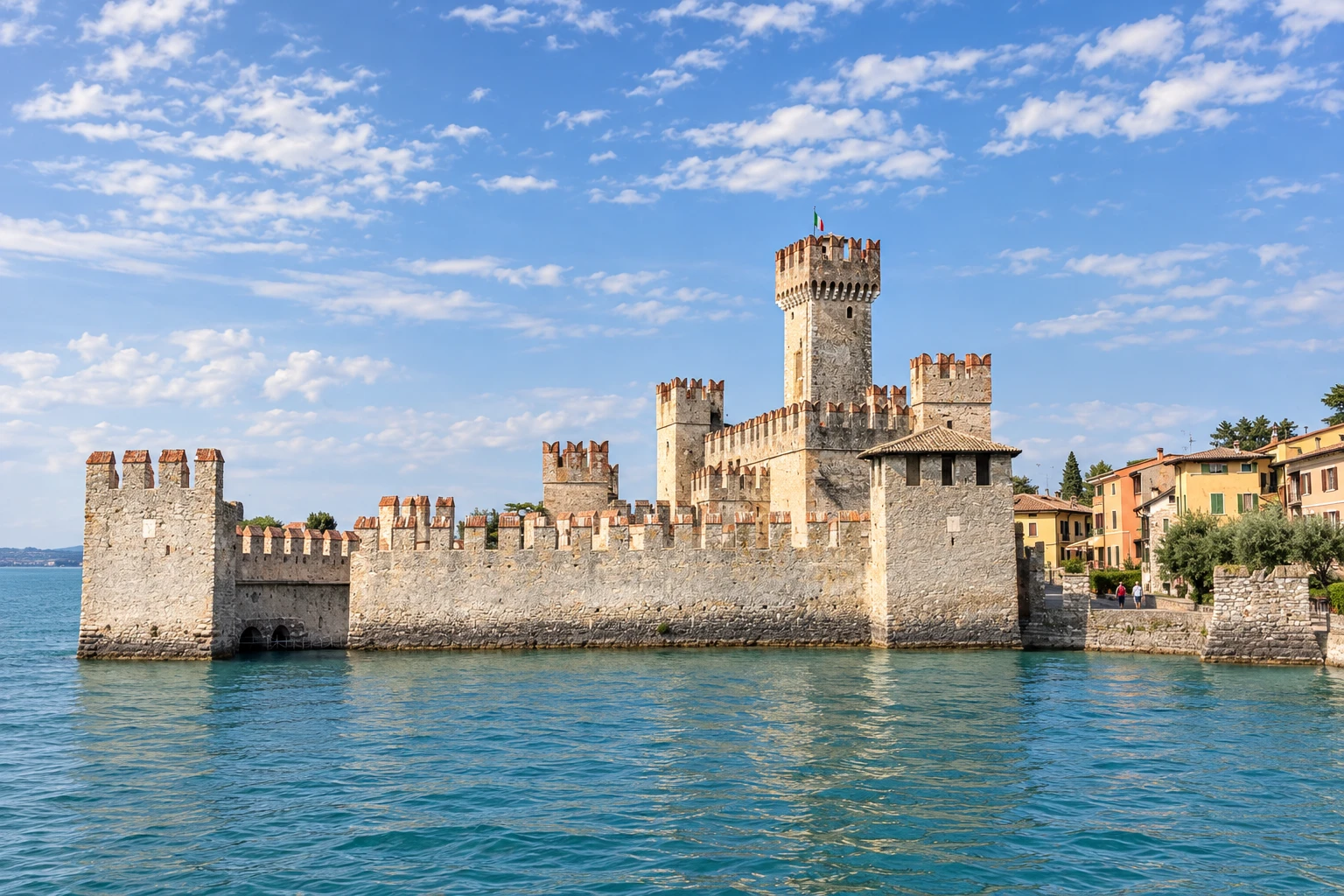
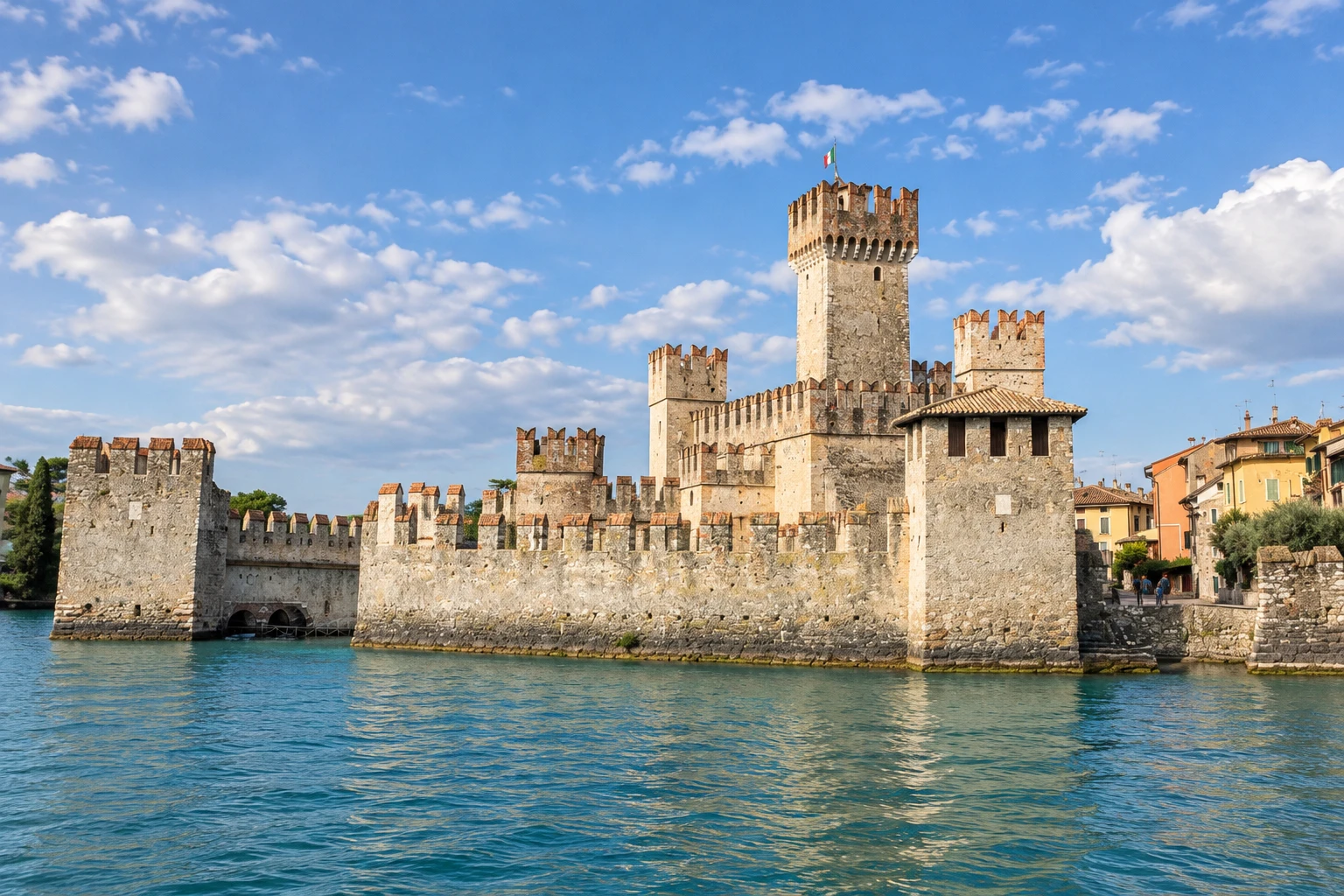
Scaliger Castle of Sirmione · SirmioneFortress of the Scaligeri surrounded by lake water, with crenellated walls, a 47-metre tower and a rare fortified harbor.
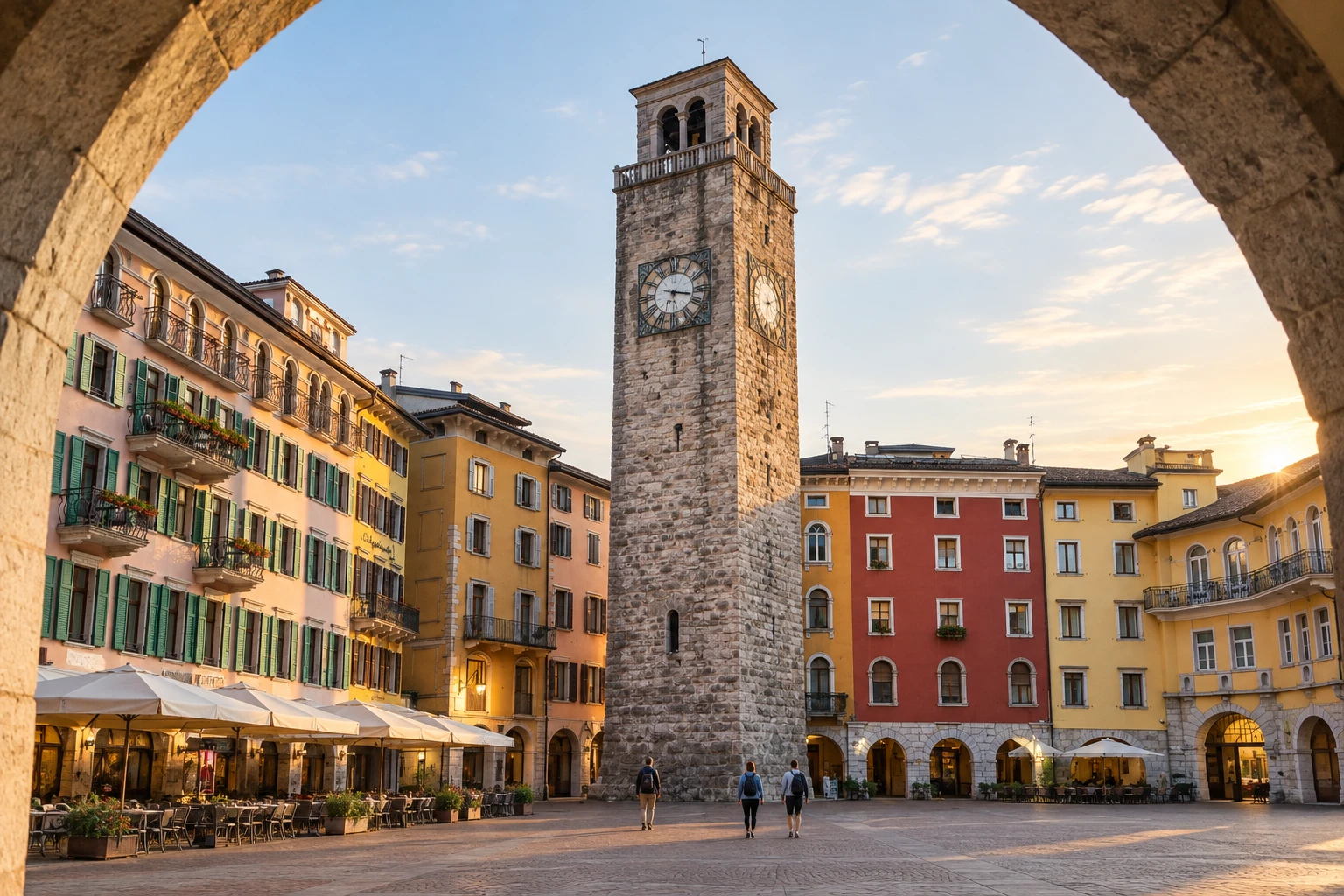
Apponale Tower · Riva del GardaMedieval tower 34 metres high on Piazza III Novembre, facing the old harbour, with an internal staircase to the top and the angel weather-vane that became a symbol of Riva.
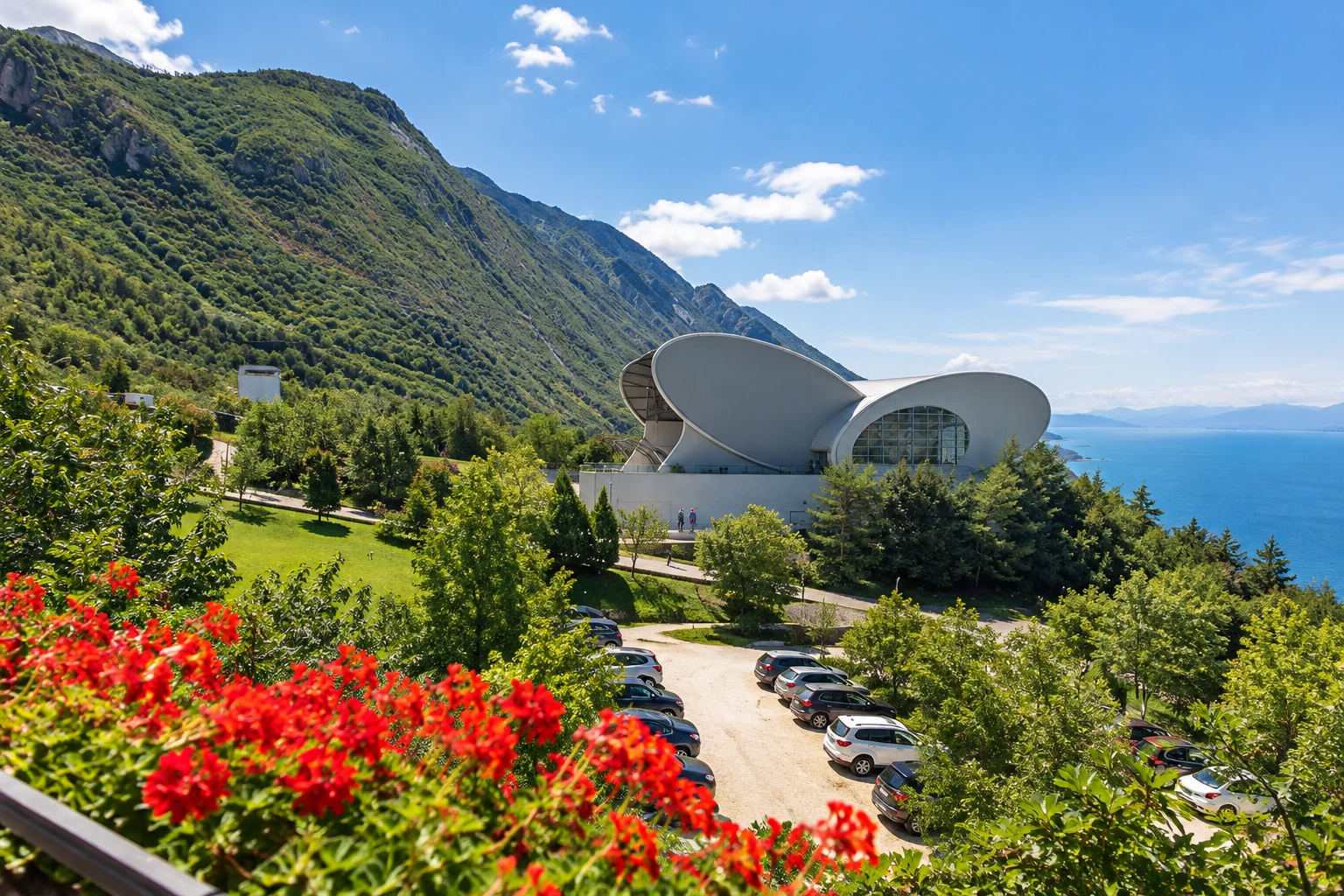
Malcesine–Monte Baldo Cable Car · MalcesineCable car that rises from the lakeshore to about 1,760 metres on Monte Baldo, with rotating cabins on the upper section.
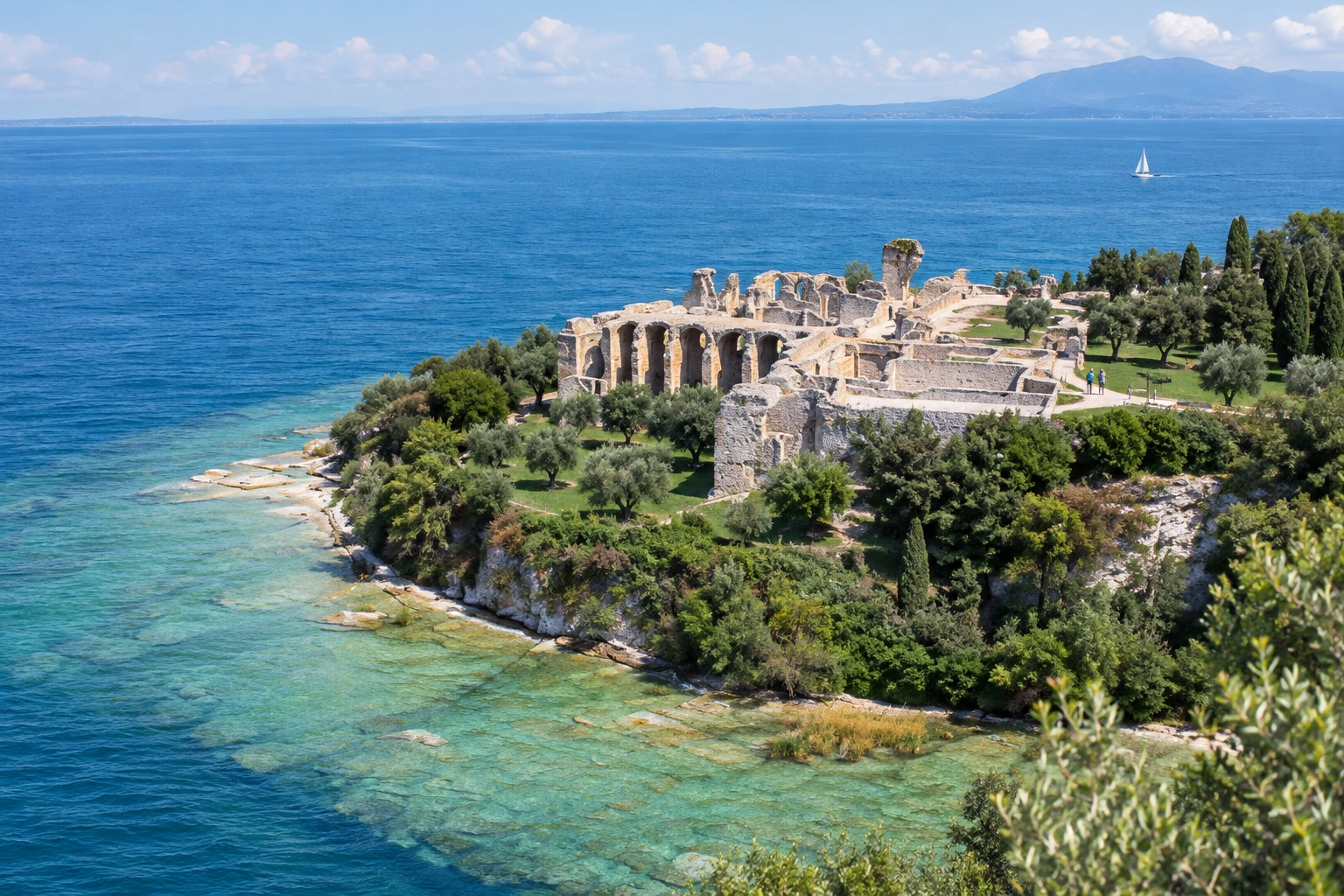
Grottoes of Catullus · SirmioneRuins of the largest Roman villa in northern Italy, at the tip of the Sirmione peninsula, among olive trees and with lake views.
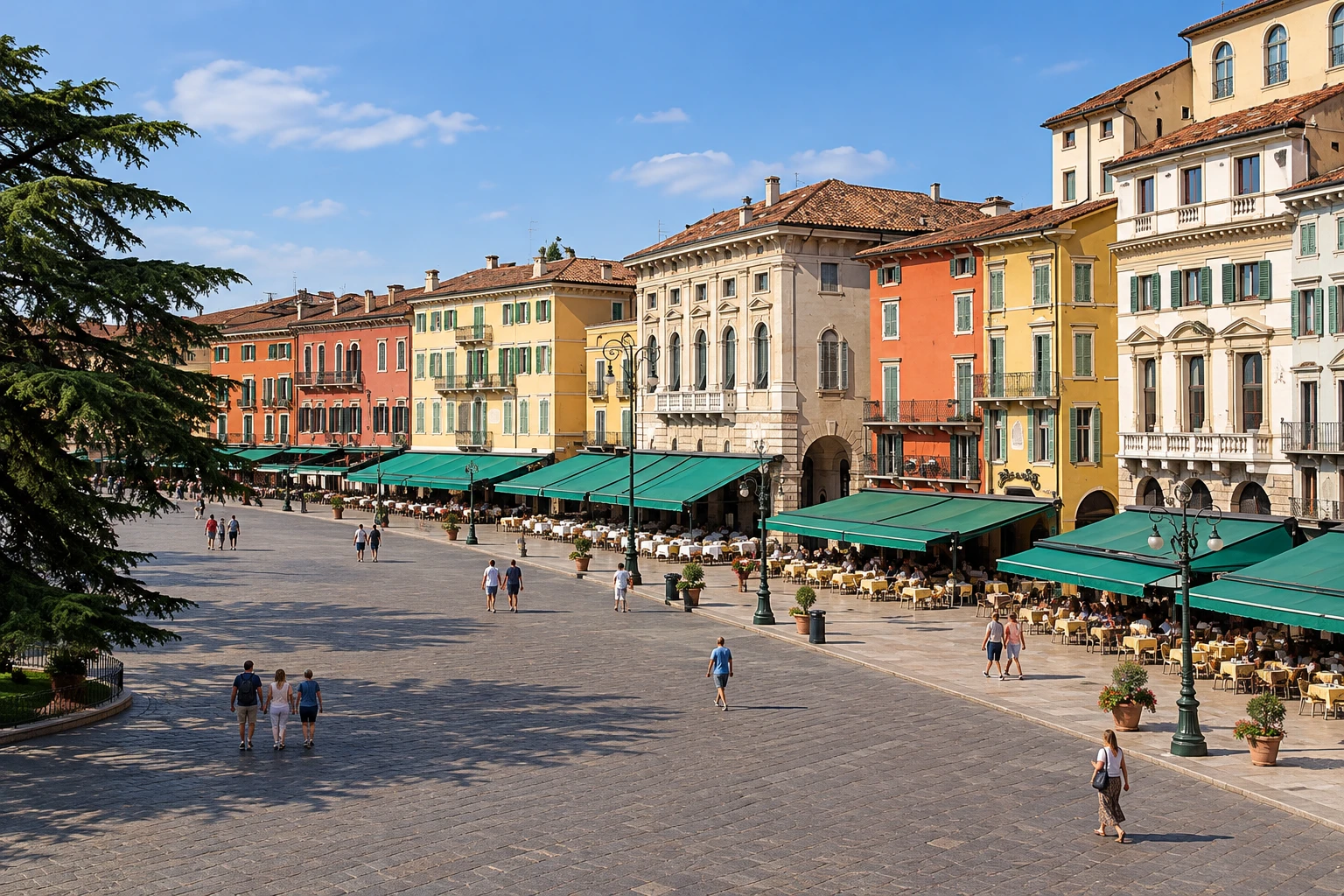
Piazza Bra · VeronaVerona’s largest square, in front of the Arena, with the Liston promenade, the palazzi of the Gran Guardia and the city hall, and a central garden.
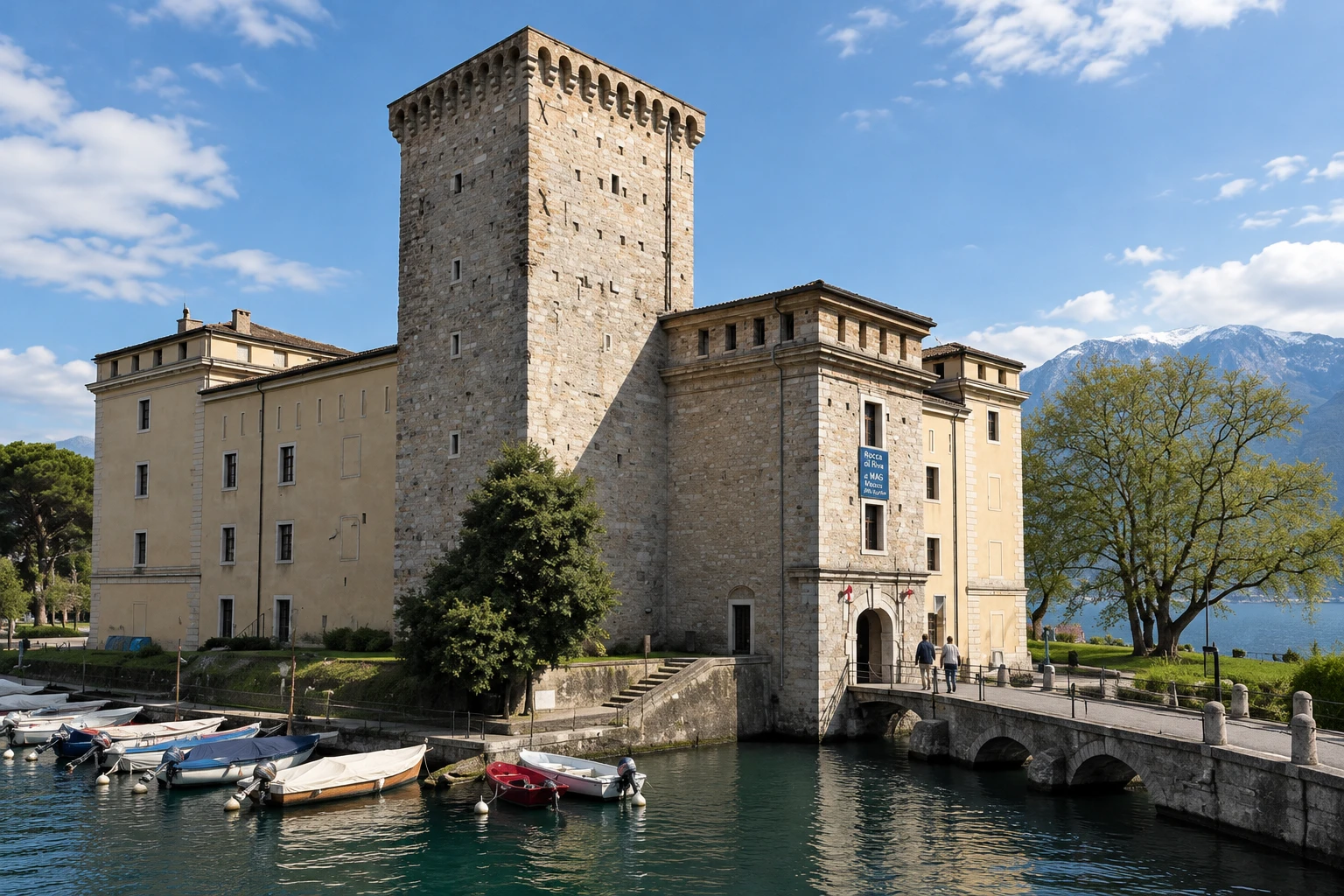
Rocca di Riva and MAG Alto Garda Museum · Riva del Garda12th-century fortress surrounded by water on an islet linked to the shore, housing the MAG Museo Alto Garda with an art gallery, archaeology and regional history.
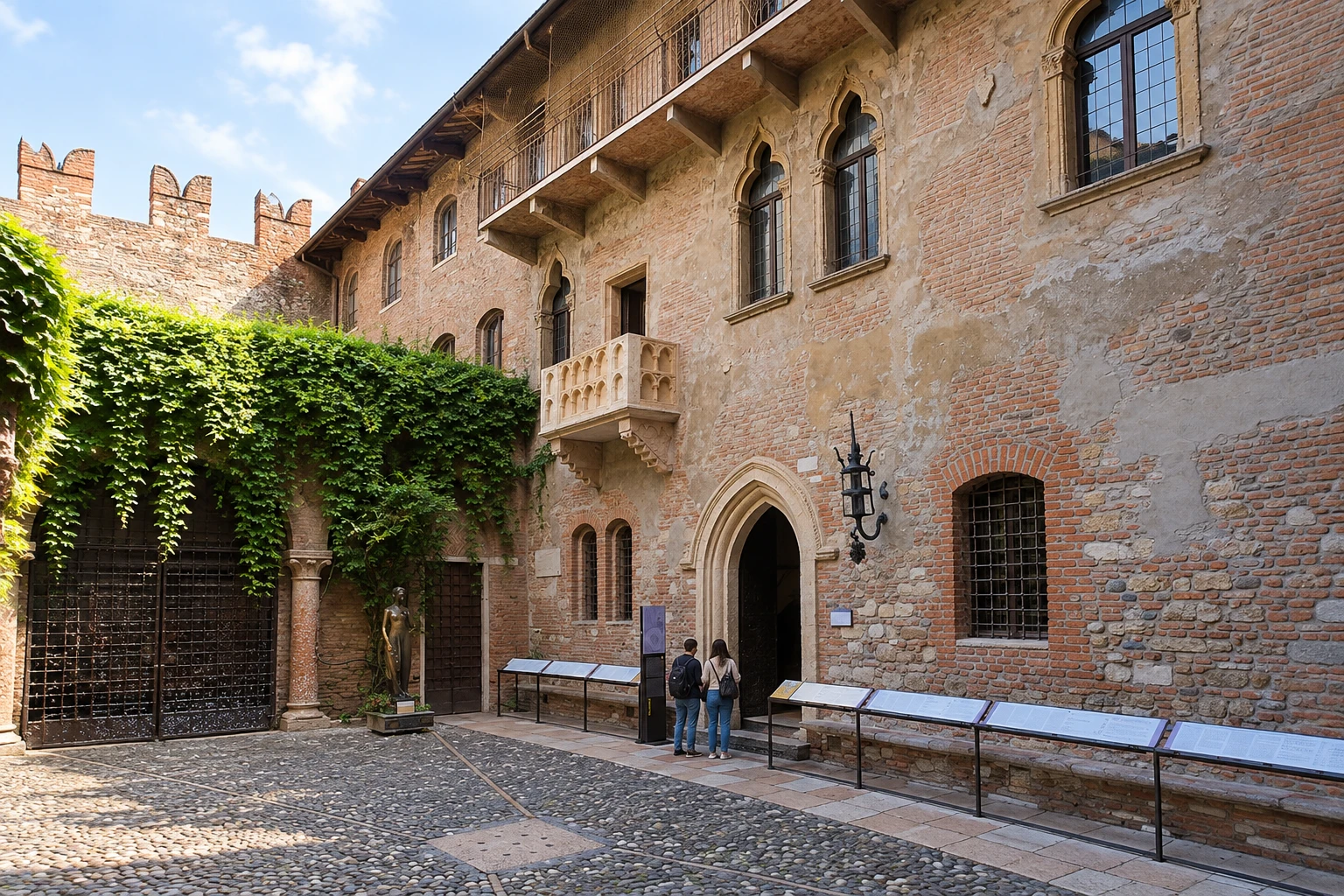
Juliet's House · VeronaA medieval tower-house associated with Shakespeare’s Juliet, featuring the courtyard with the bronze statue and the famous balcony.
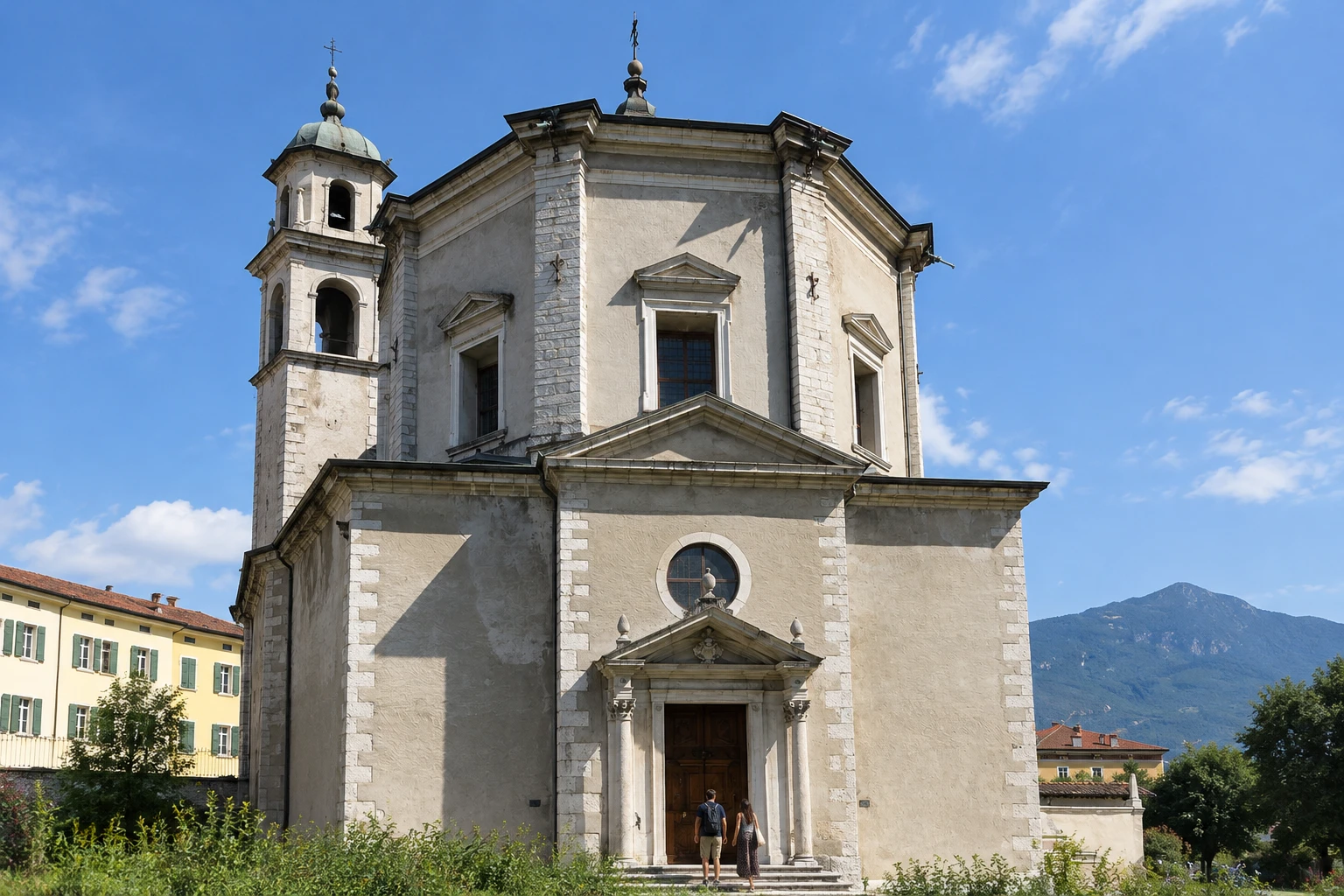
Church of the Inviolata · Riva del Garda17th-century Baroque church with an octagonal plan, Riva's main architectural work, its interior covered in gilded stuccoes and paintings.
1st-century Roman amphitheatre, one of the best-preserved in the world. Since 1913 it has hosted the summer opera festival and, for the rest of the year, concerts and visits to the monument.
Fortress of the Scaligeri surrounded by lake water, with crenellated walls, a 47-metre tower and a rare fortified harbor. It is the gateway to the historic center.
Medieval tower 34 metres high on Piazza III Novembre, facing the old harbour, with an internal staircase to the top and the angel weather-vane that became a symbol of Riva.
Cable car that rises from the lakeshore to about 1,760 metres on Monte Baldo, with rotating cabins on the upper section. It operates seasonally, with pauses in March and in late autumn.
Ruins of the largest Roman villa in northern Italy, at the tip of the Sirmione peninsula, among olive trees and with lake views. Includes the archaeological museum.
12th-century fortress surrounded by water on an islet linked to the shore, housing the MAG Museo Alto Garda with an art gallery, archaeology and regional history.
A medieval tower-house associated with Shakespeare’s Juliet, featuring the courtyard with the bronze statue and the famous balcony. Visits to the courtyard and the house are by timed reservation only.
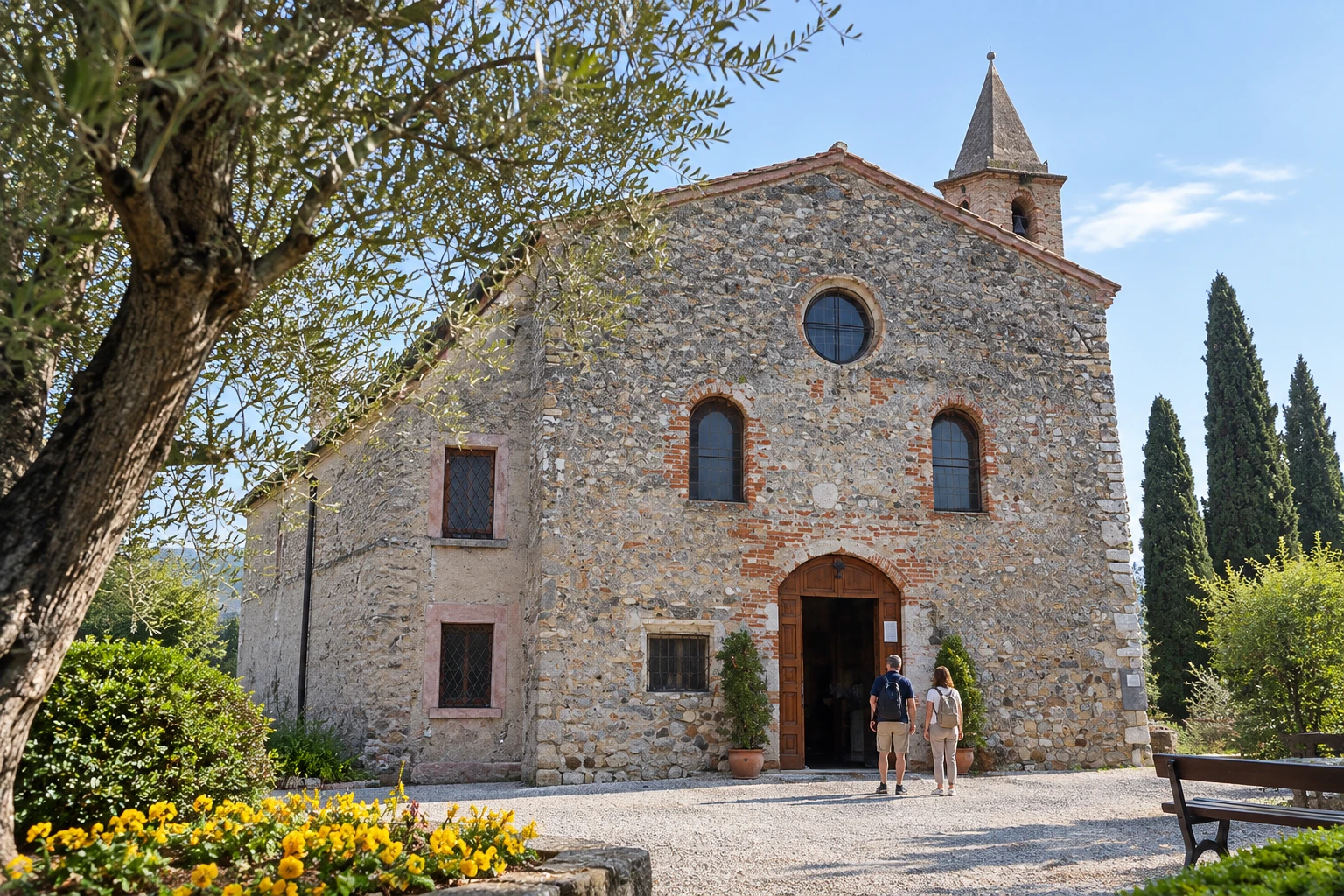
The oldest church in Sirmione, at the highest point of the peninsula, among olive trees. Founded in the 8th century, it preserves 14th‑century frescoes.
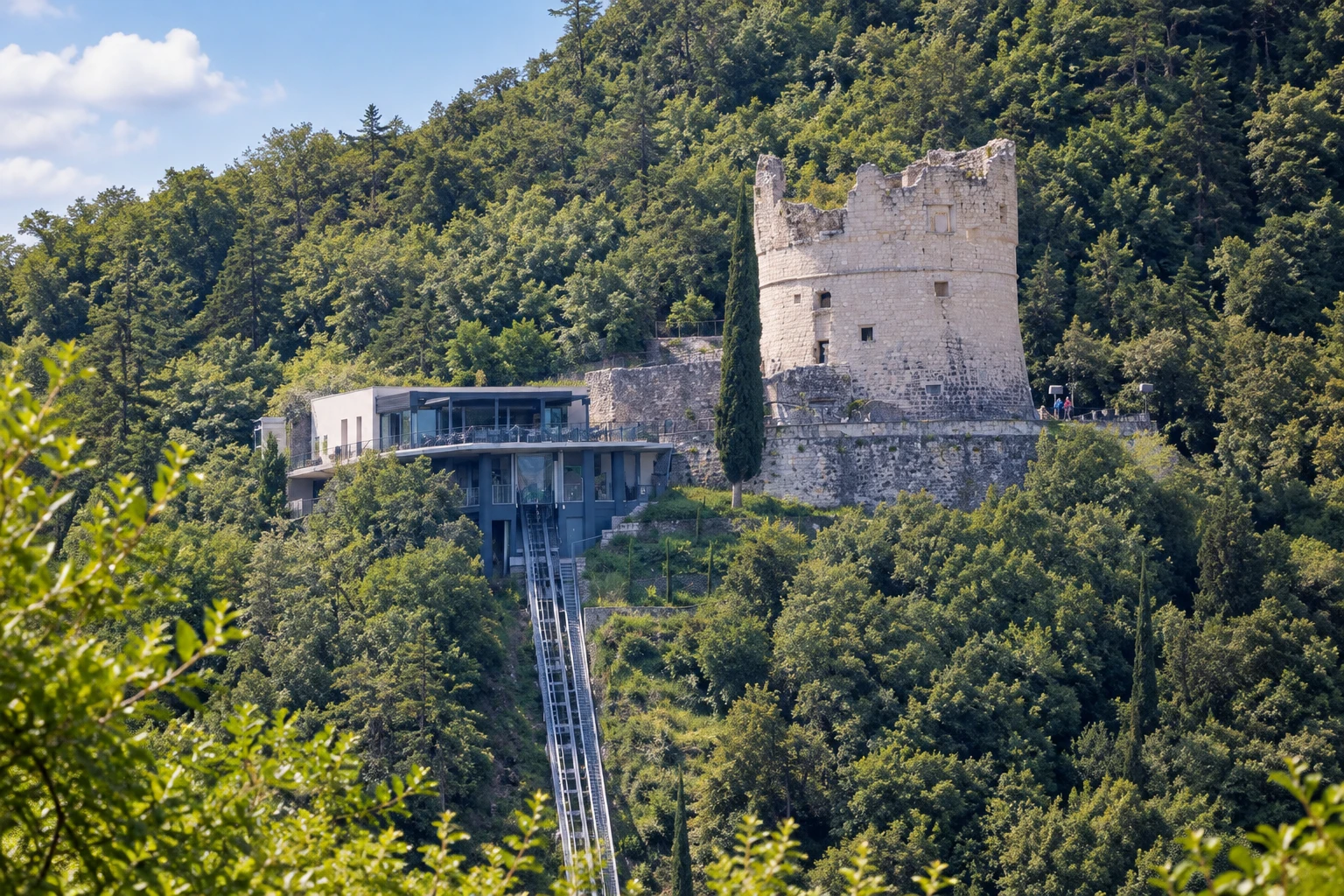
Circular tower of white stone built by the Venetians in 1508 on the slope of Monte Rocchetta above the town, overlooking the northern part of the lake.
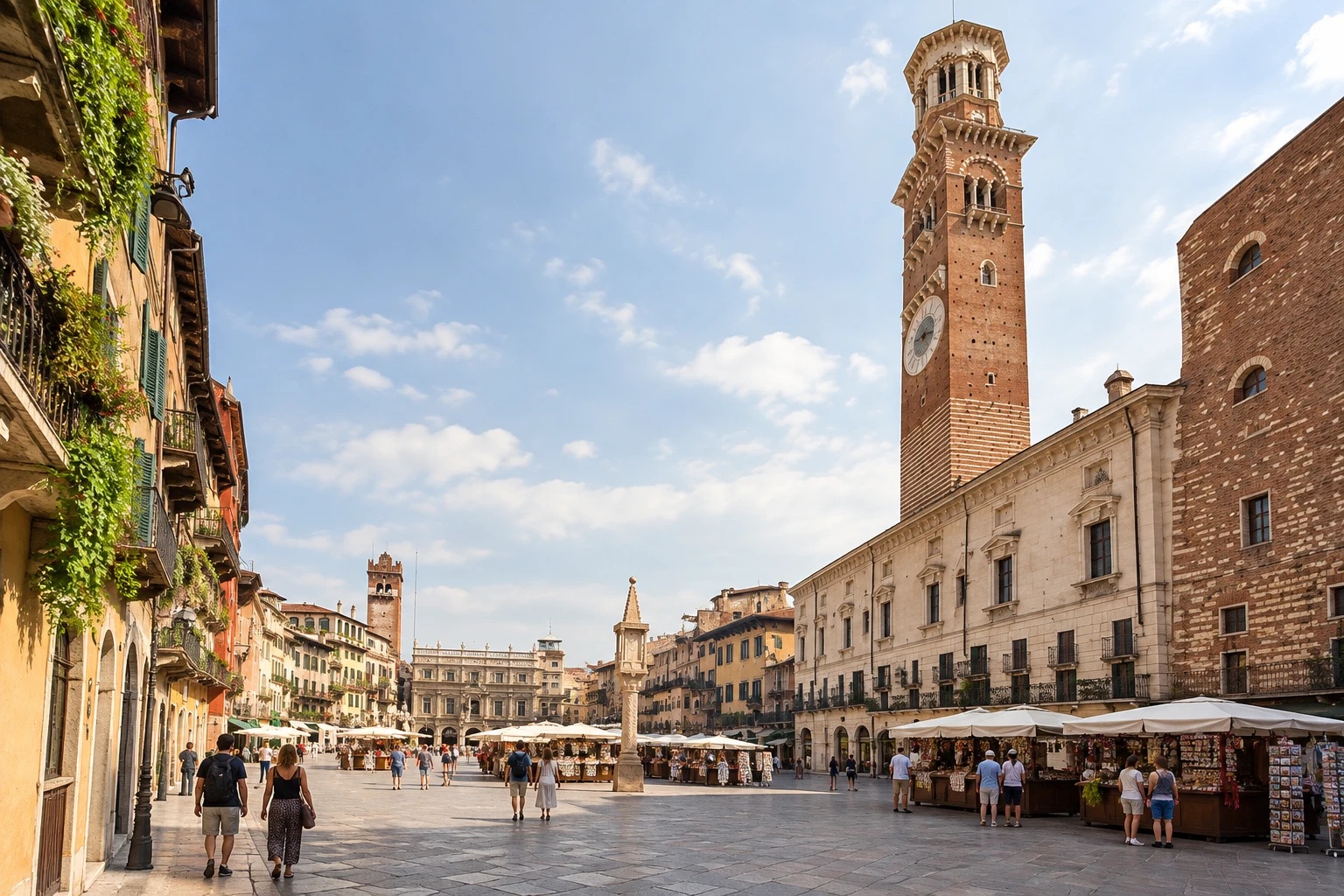
Verona’s oldest square, located on the site of the ancient Roman forum, with market stalls, the fountain of the Madonna Verona, houses with frescoes and the Torre dei Lamberti.
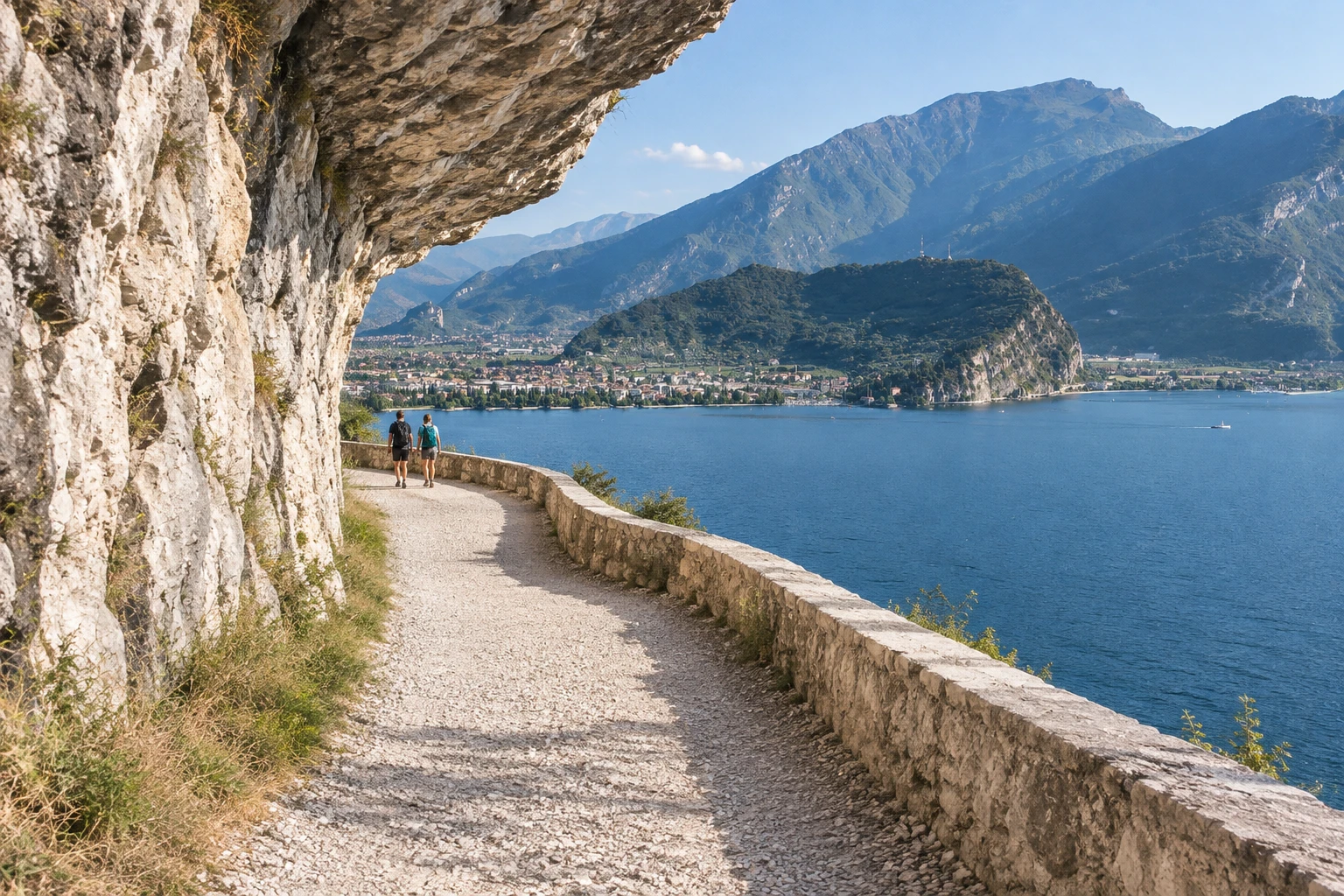
19th-century road carved into the rock face above the lake, between Riva and the Ledro valley, now a trail for pedestrians and cyclists with tunnels and viewpoints.
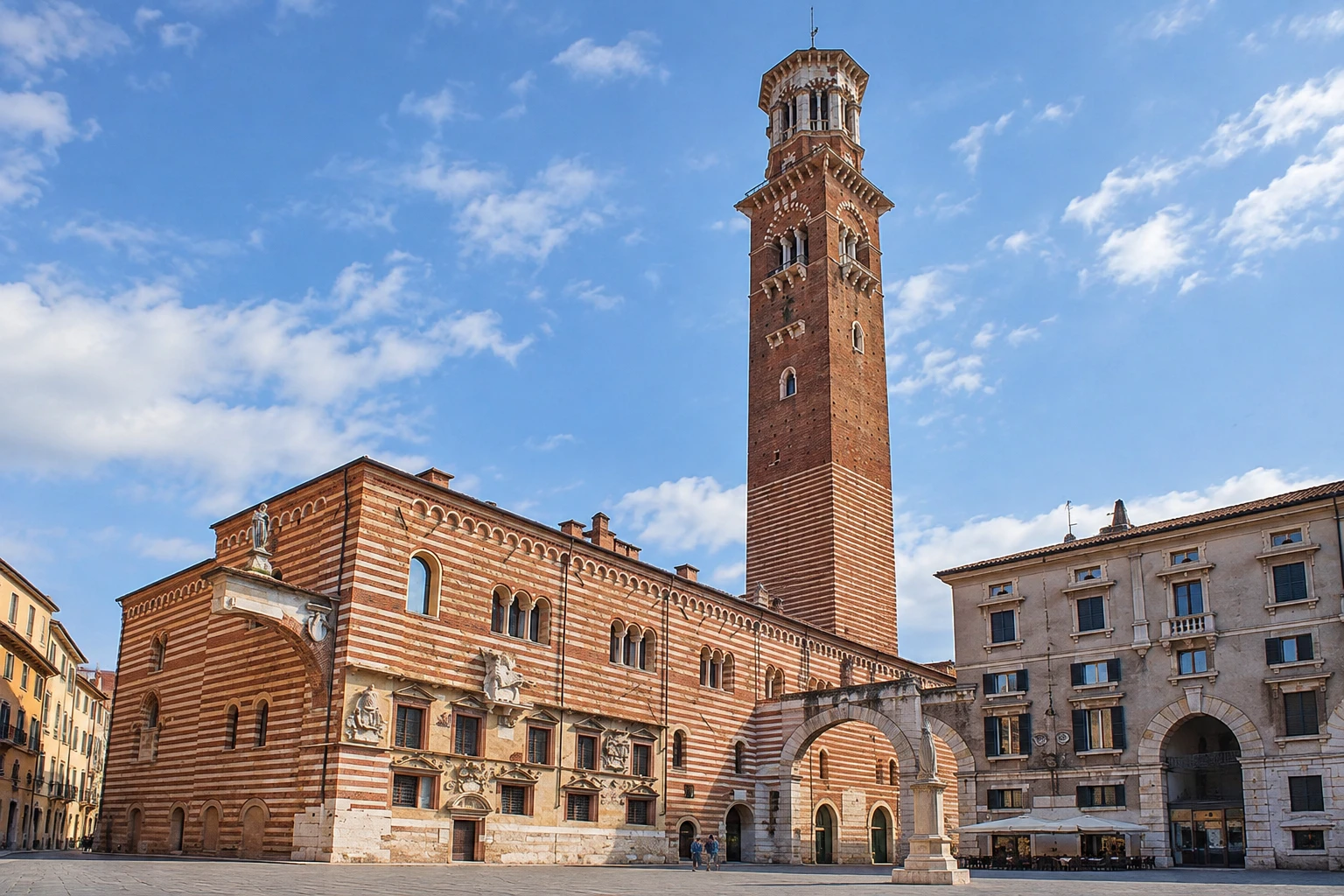
Medieval tower 84 meters high next to Piazza delle Erbe, with an elevator and stairs to the top, offering views of the historic center, the river Ádige and the surrounding hills.
The square of Scaligeri power, with palaces linked by arches, the Loggia del Consiglio, the statue of Dante, and next to it the Arche Scaligere, the family's Gothic tombs.
14th-century Scaligeri castle on the banks of the Ádige, now the city's art museum, connected to the opposite bank by the Ponte di Castelvecchio, made of brick and topped with battlements.
Romanesque church from the 12th century dedicated to Verona's patron, with bronze doors, the Wheel of Fortune rose window, Mantegna's triptych and a crypt above the saint's tomb.
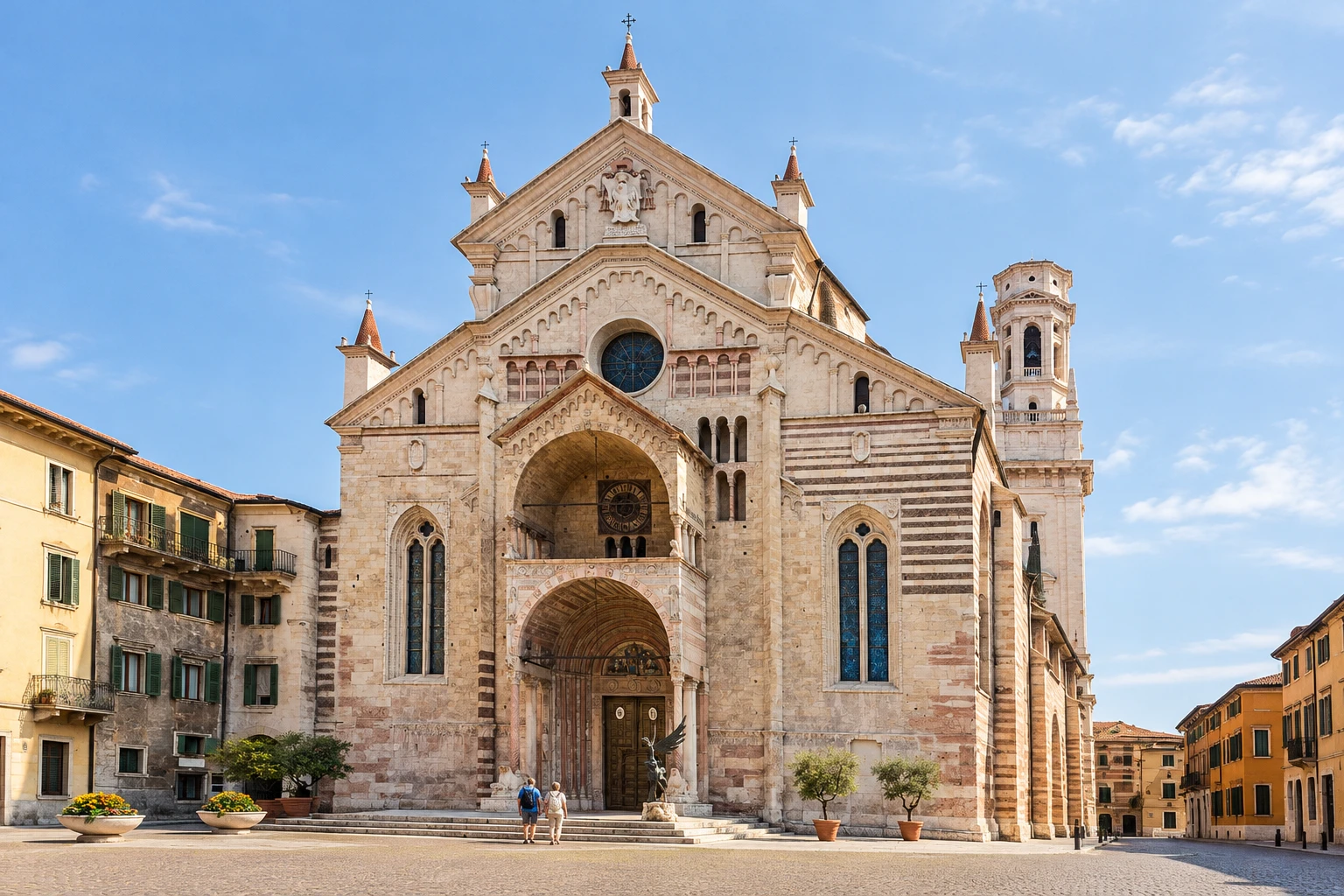
The cathedral of Verona, with a Romanesque façade and Gothic interior, with Titian's Assumption, the baptistery of San Giovanni in Fonte and the church of Sant'Elena in the same complex.
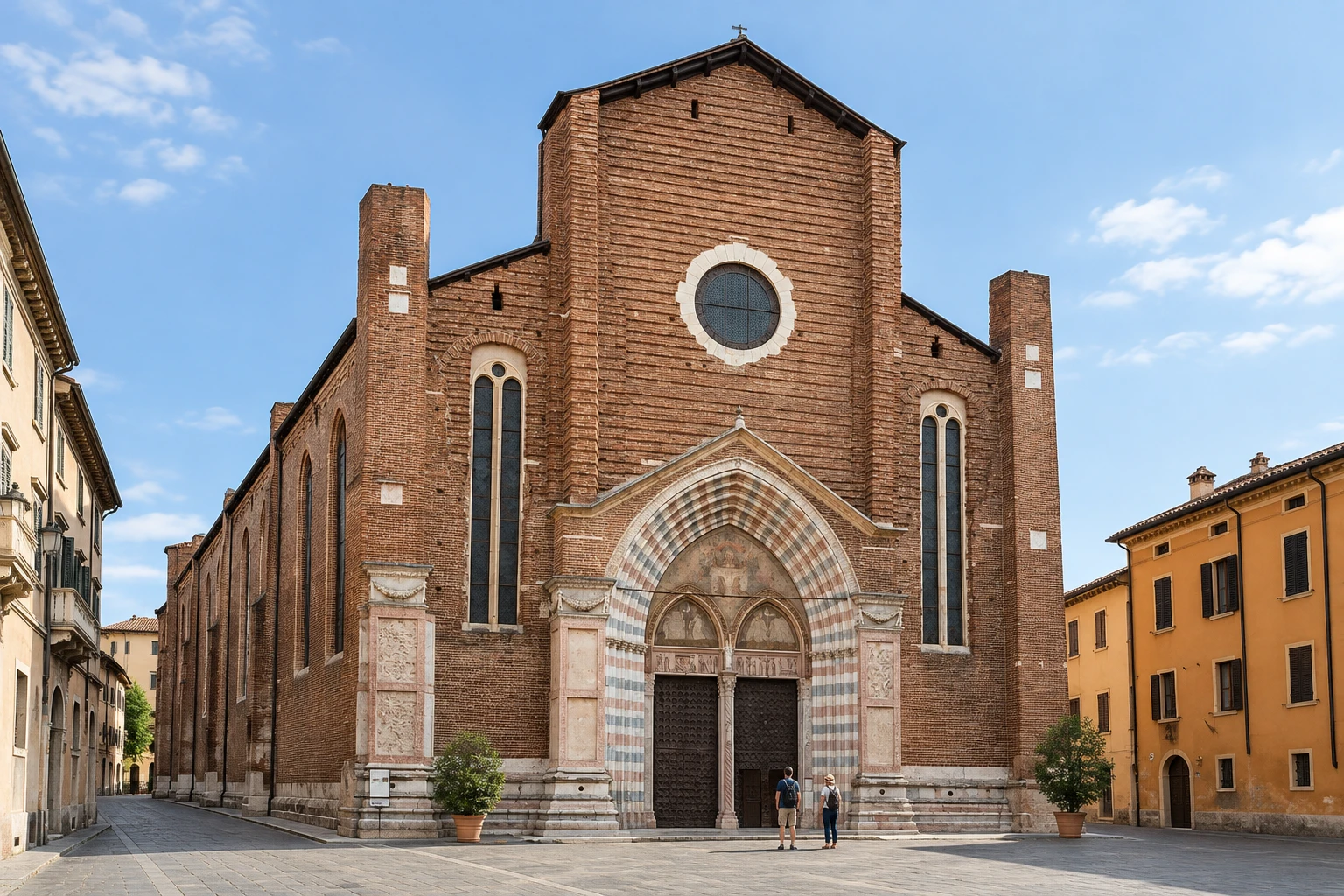
Verona's largest church, in Italian Gothic style, with Pisanello's fresco of Saint George and the Princess and the holy-water basins supported by hunched figures.
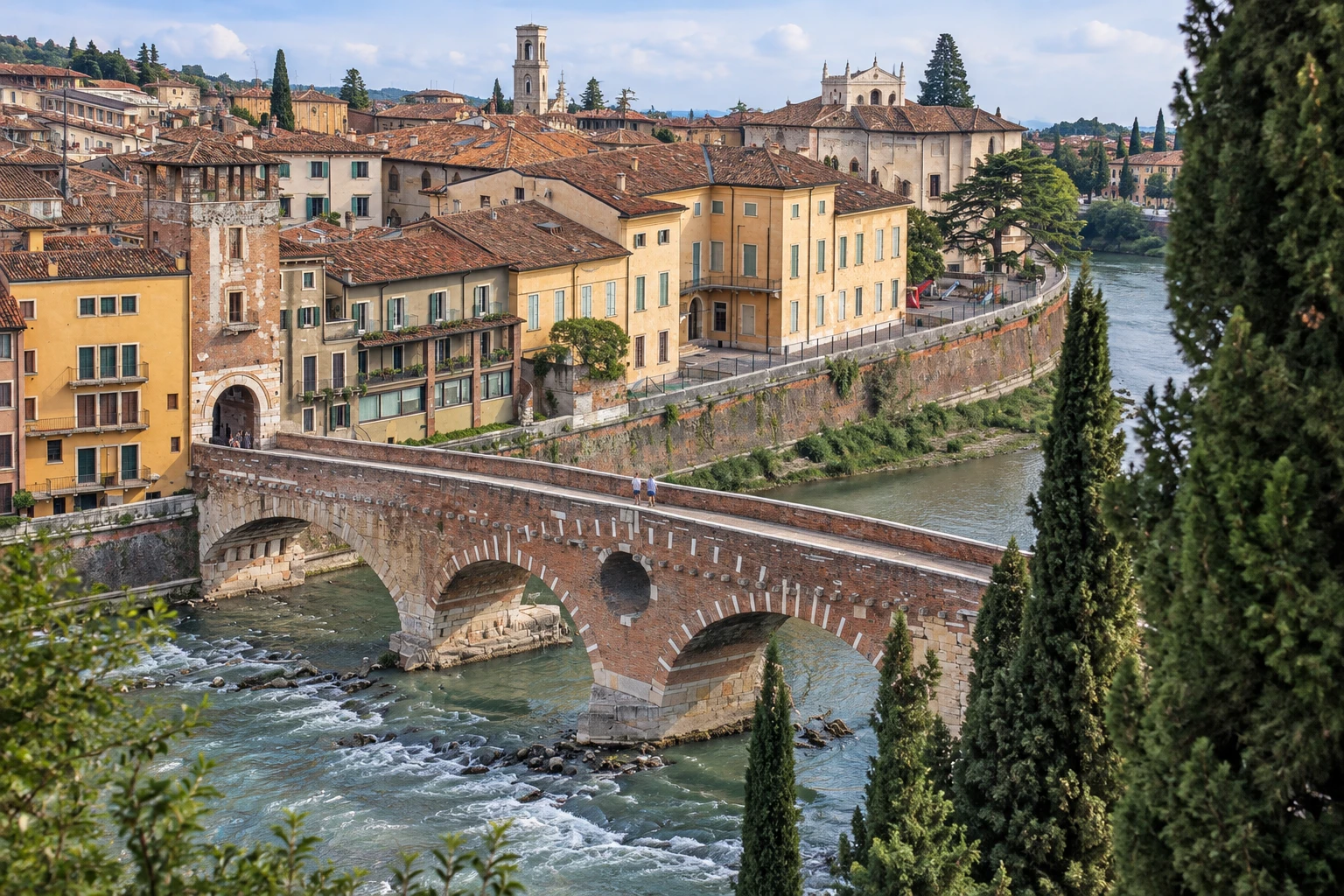
The only Roman bridge in Verona, over the Ádige, rebuilt with the original stones after being blown up in 1945. It connects the center to the Teatro Romano and to Castel San Pietro.
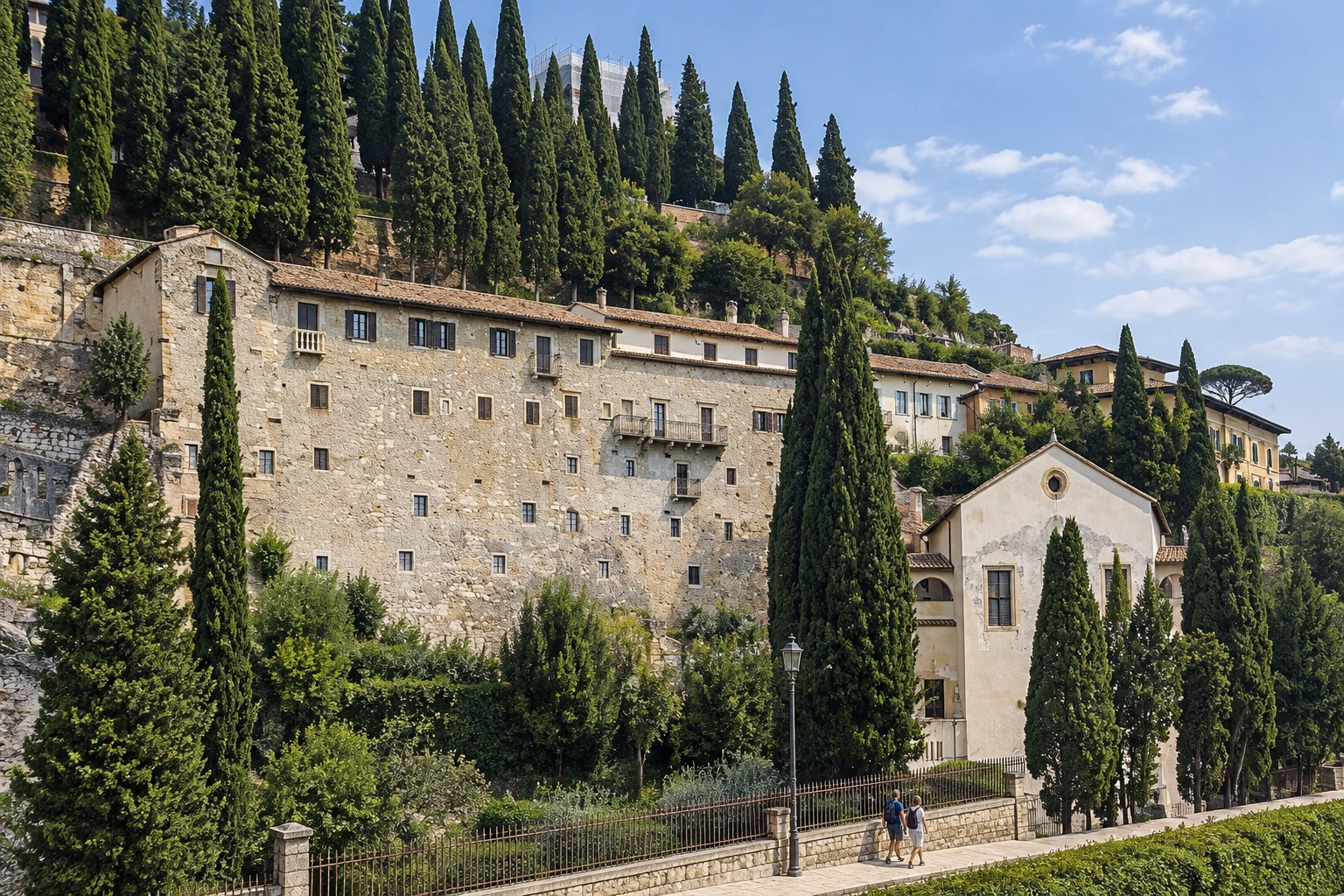
1st-century BC Roman theatre at the foot of the morro de San Pietro, with the city's archaeological museum installed in an old convent at the top of the seating.
Terrace at the top of the morro de San Pietro with the best-known view of Verona, over the Ádige and the historic center. You can walk up or take the funicular, which runs year-round.
16th-century Italian Renaissance garden behind a palazzo in the Veronetta district, with an avenue of cypresses, a maze, grottoes and a viewpoint featuring a stone mask.
How many days should you set aside to see Verona and Lake Garda?
The guide's itineraries cover 2, 3 and 5 days: in 2 days, Arena, Juliet and the squares; Verona and Lake Garda in 3 days; in 5 days, from the south to the north of the lake.
What to do Verona and Lake Garda in one day?
Arena and the historic center. Arrival at Verona Porta Nuova (from Venice 1 h 10, from Milan 1 h 15, from Bologna 50 minutes by high-speed train). Arena in the morning; Via Mazzini, Casa di Giulietta, Piazza delle Erbe, Torre dei Lamberti and Piazza dei Signori; dinner at Piazza delle Erbe; opera at the Arena, if in season.
When is the best time to go to Verona and Lake Garda?
It generally rains less from January to March. The rainiest months are usually May, September and November. The guide covers each month, with the weather and what changes on the tours.


 Brazil
 Antarctica
 Argentina
 Bolivia
 Chile
 Colombia
 Ecuador
 Falkland Islands (Malvinas)
 French Guiana
 Guyana
 Paraguay
 Peru
 Suriname
 Uruguay
 Venezuela
 Austria
 Belgium
 Croatia
 Denmark
 Finland
 France
 Germany
 Greece
 Hungary
 Iceland
 Ireland
 Luxembourg
 Norway
 Poland
 Portugal
 Slovakia
 Slovenia
 Spain
 Sweden
 Switzerland
 the Czech Republic
 the Netherlands
 the United Kingdom
 Turkey
 Bermuda
 Canada
 Greenland
 Mexico
 Saint Pierre and Miquelon
 the United States
 the Dominican Republic
 Japan
 Egypt
 South Africa
 Australia
 Fiji
 New Zealand
 Papua New Guinea