San Gimignano · Tuscany · Historic quarter
Historic Center of San Gimignano
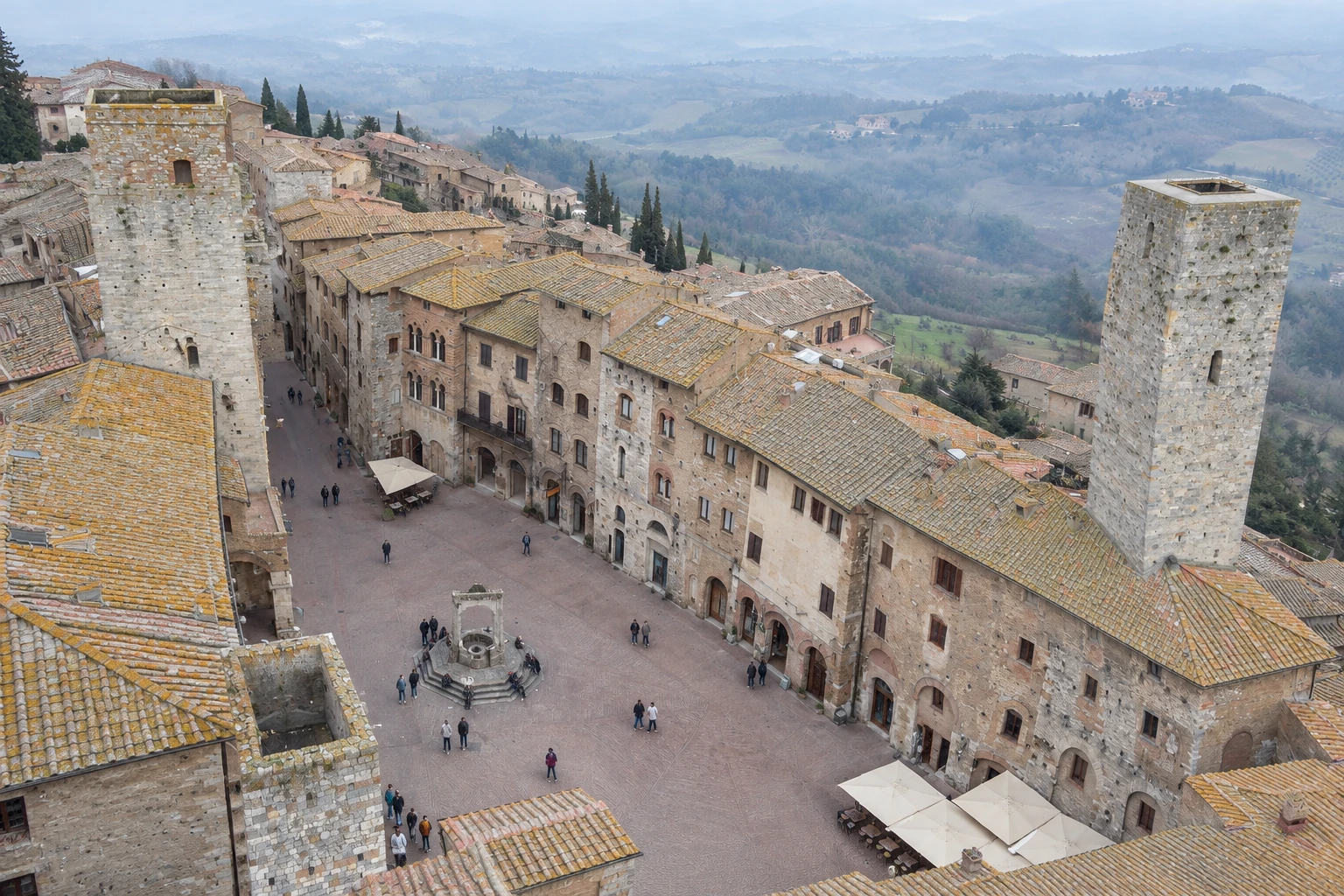
The medieval village within the walls, with stone streets, palaces and about fourteen towers. It has been a UNESCO World Heritage site since 1990.

 Search
 Brazil
 Antarctica
 Argentina
 Bolivia
 Chile
 Colombia
 Ecuador
 Falkland Islands (Malvinas)
 French Guiana
 Guyana
 Paraguay
 Peru
 Suriname
 Uruguay
 Venezuela
 Austria
 Belgium
 Croatia
 Denmark
 Finland
 France
 Germany
 Greece
 Hungary
 Iceland
 IrelandItaly
 Luxembourg
 Norway
 Poland
 Portugal
 Slovakia
 Slovenia
 Spain
 Sweden
 Switzerland
 the Czech Republic
 the Netherlands
 the United Kingdom
 Turkey
 Bermuda
 Canada
 Greenland
 Mexico
 Saint Pierre and Miquelon
 the United States
 the Dominican Republic
 JapanTurkey
 Egypt
 South Africa
 Australia
 Fiji
 New Zealand
 Papua New Guinea
Tuscany
26 places to visit and 10 tours, chosen by the Cidade Turismo guide.
Updated
Illustrative images. The pictures in this guide are illustrations based on the real place, not photographs, and may differ from it.
To start
One by one
The medieval village within the walls, with stone streets, palaces and about fourteen towers. It has been a UNESCO World Heritage site since 1990.
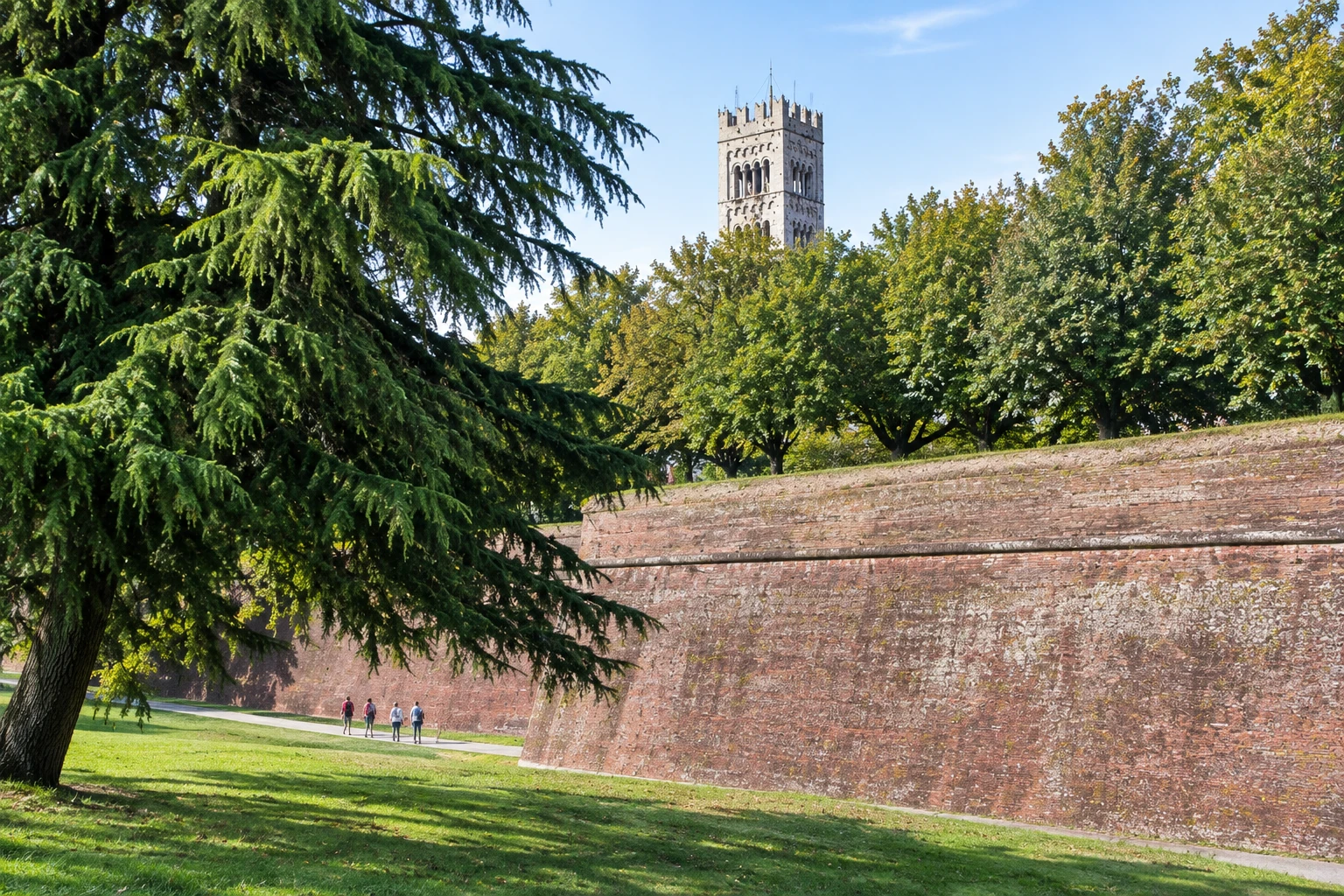
The Renaissance walls that encircle the entire centre, with about 4 km of tree-lined promenade on top, for walking or cycling.
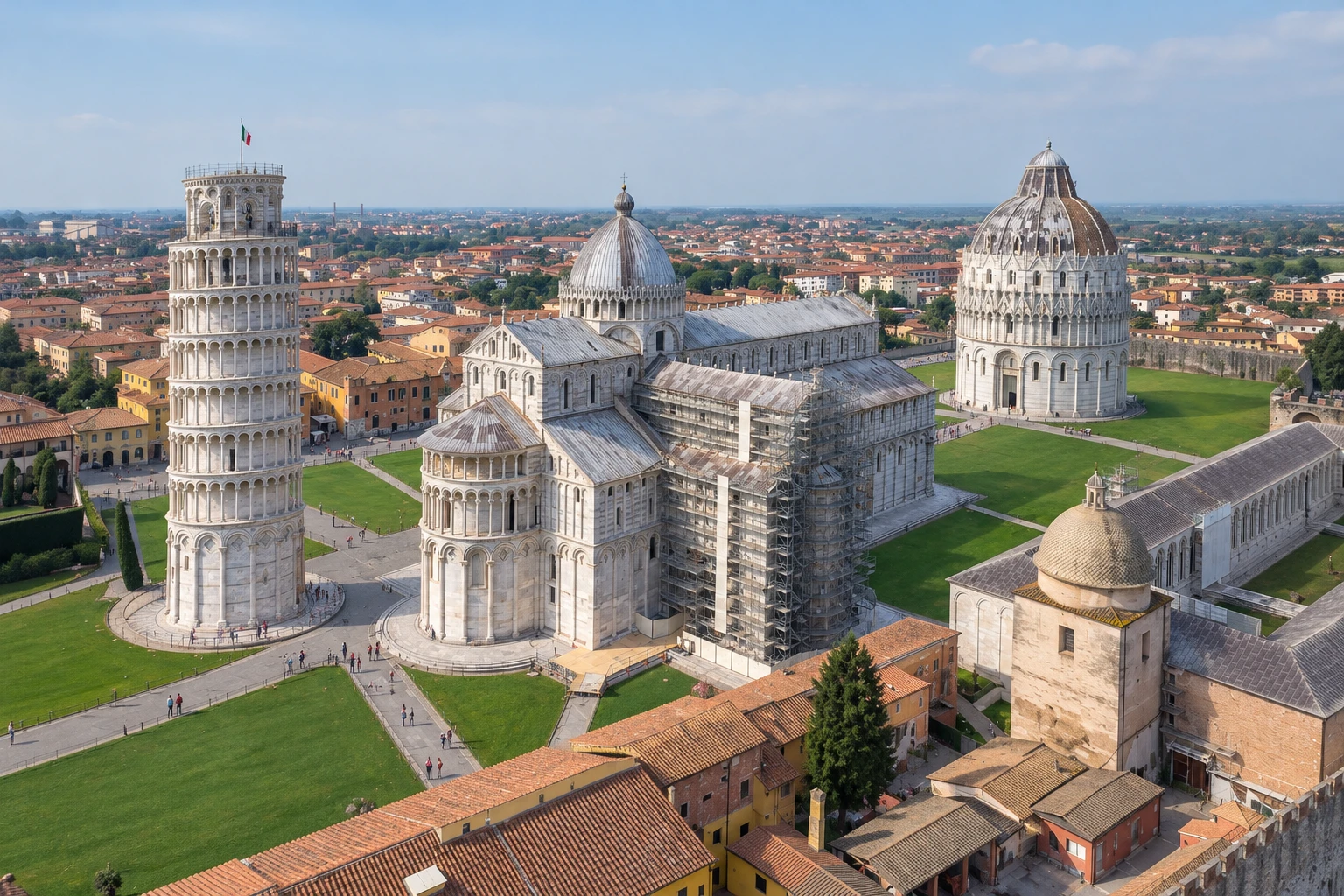
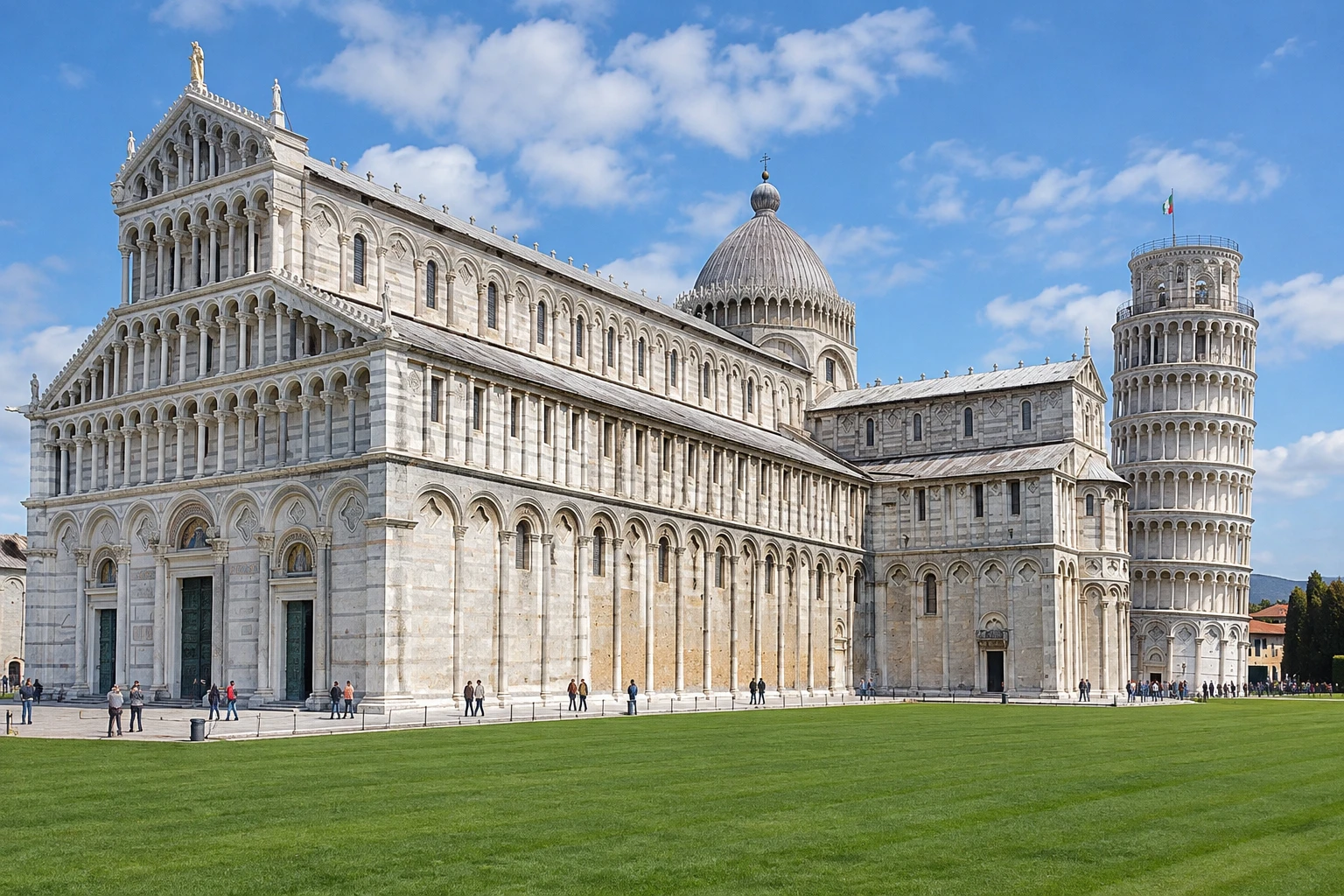
The lawn where the leaning tower, the cathedral, the baptistery and the Camposanto stand, a complex in white marble that is a UNESCO World Heritage Site.
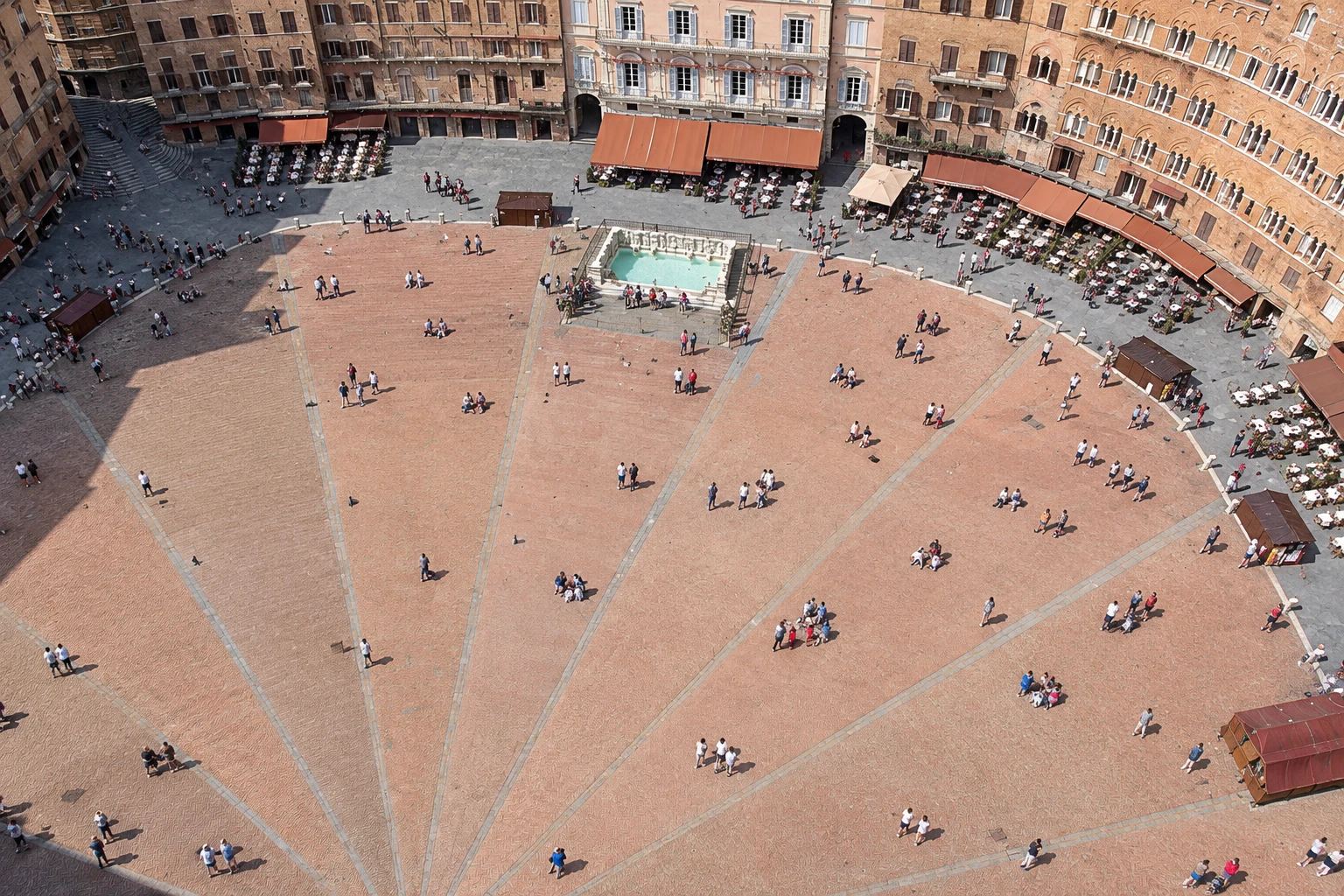
Siena's central square, shell-shaped and sloping, divided into nine segments, where the Palio is run on July 2 and August 16.
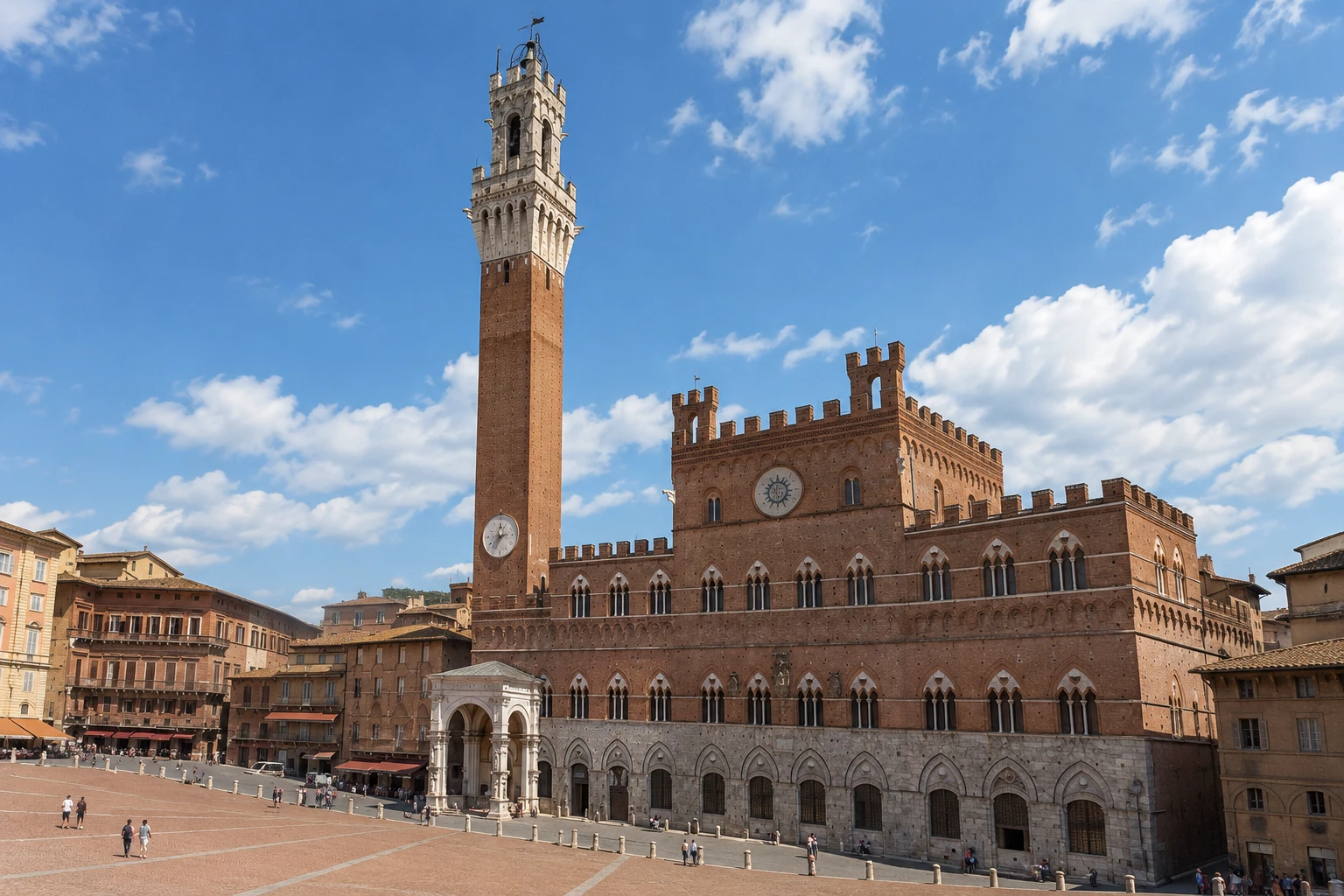
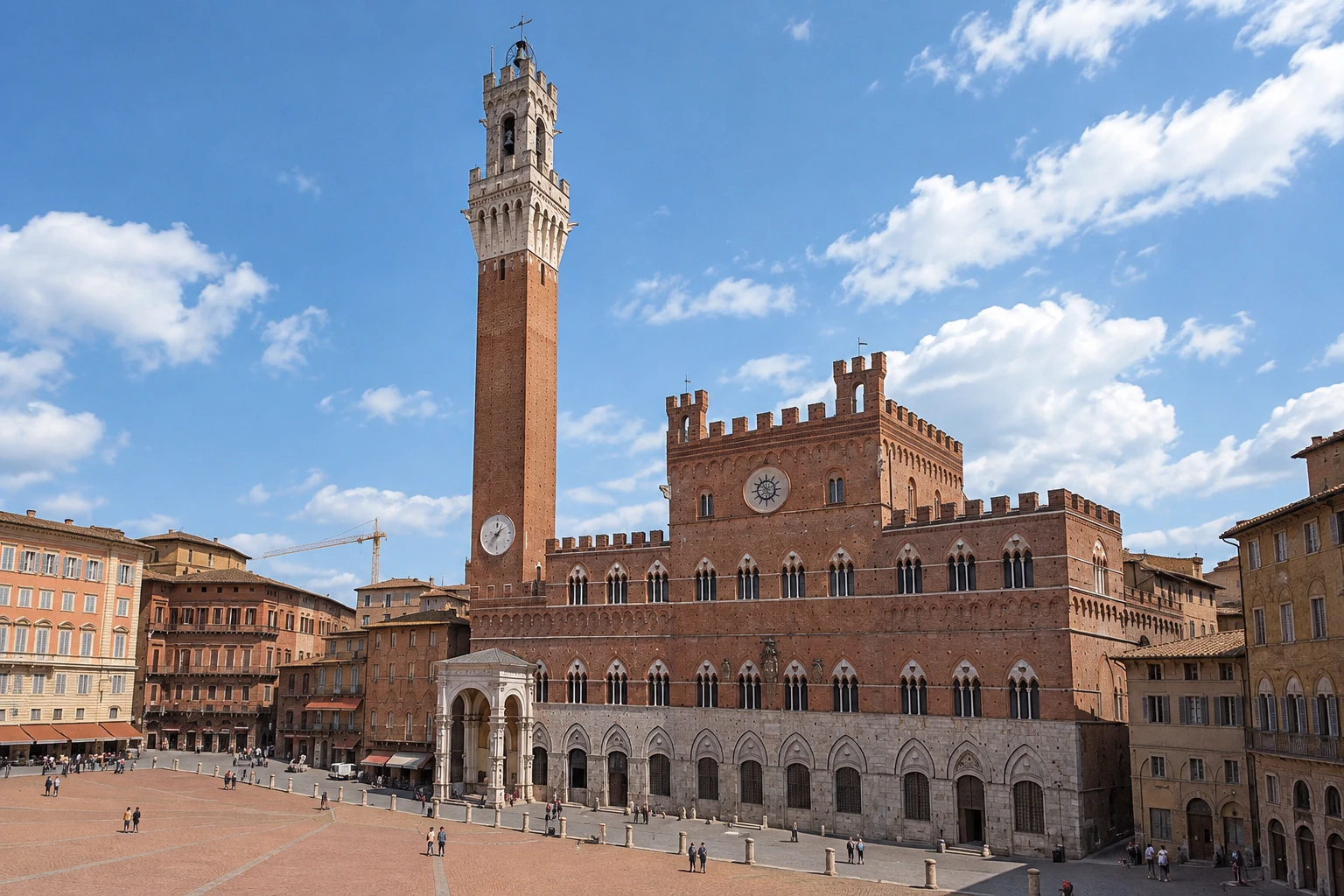
Siena's medieval town hall on Piazza del Campo, which houses the Museo Civico with Simone Martini's Maestà and the frescoes of the Good and Bad Government.
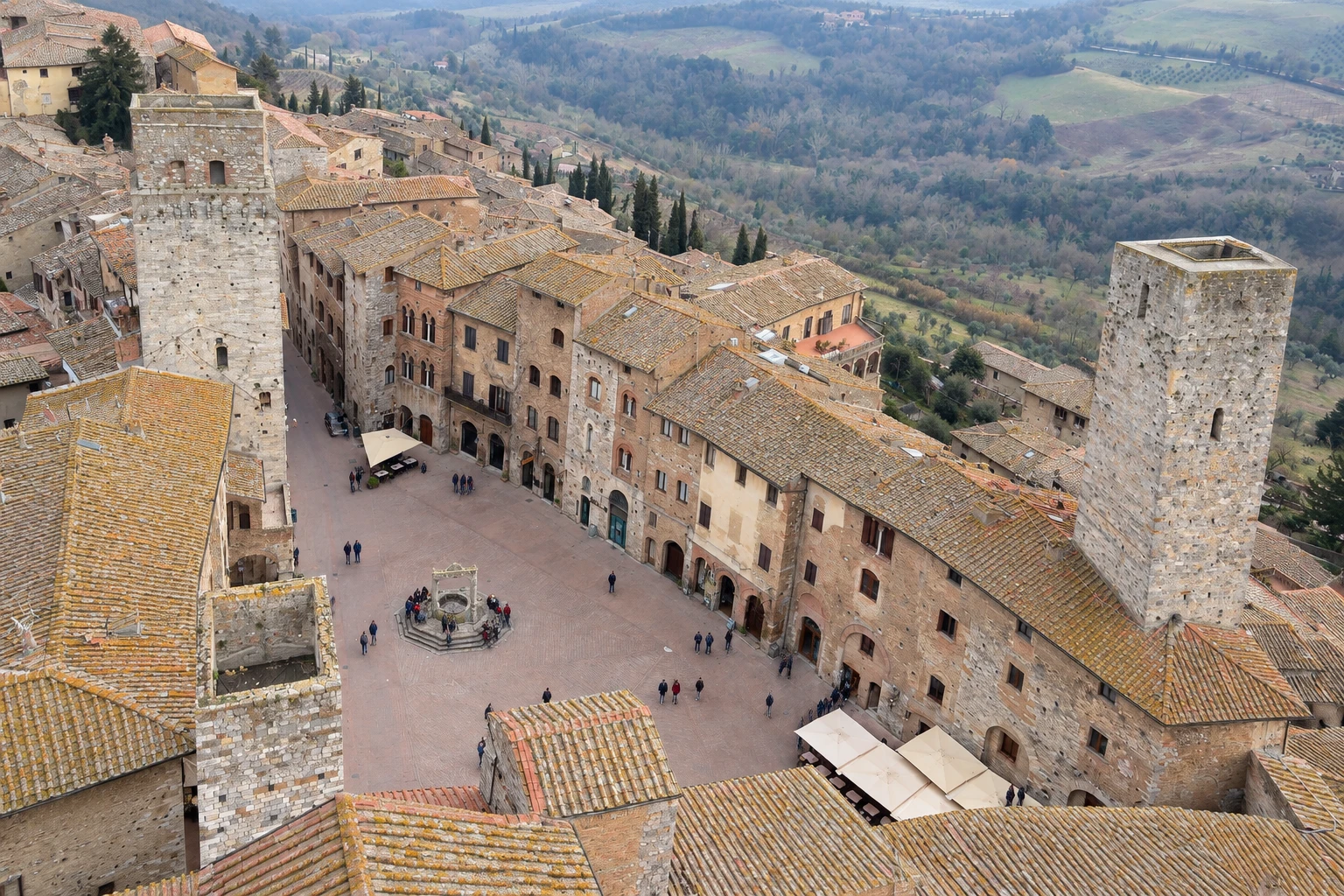
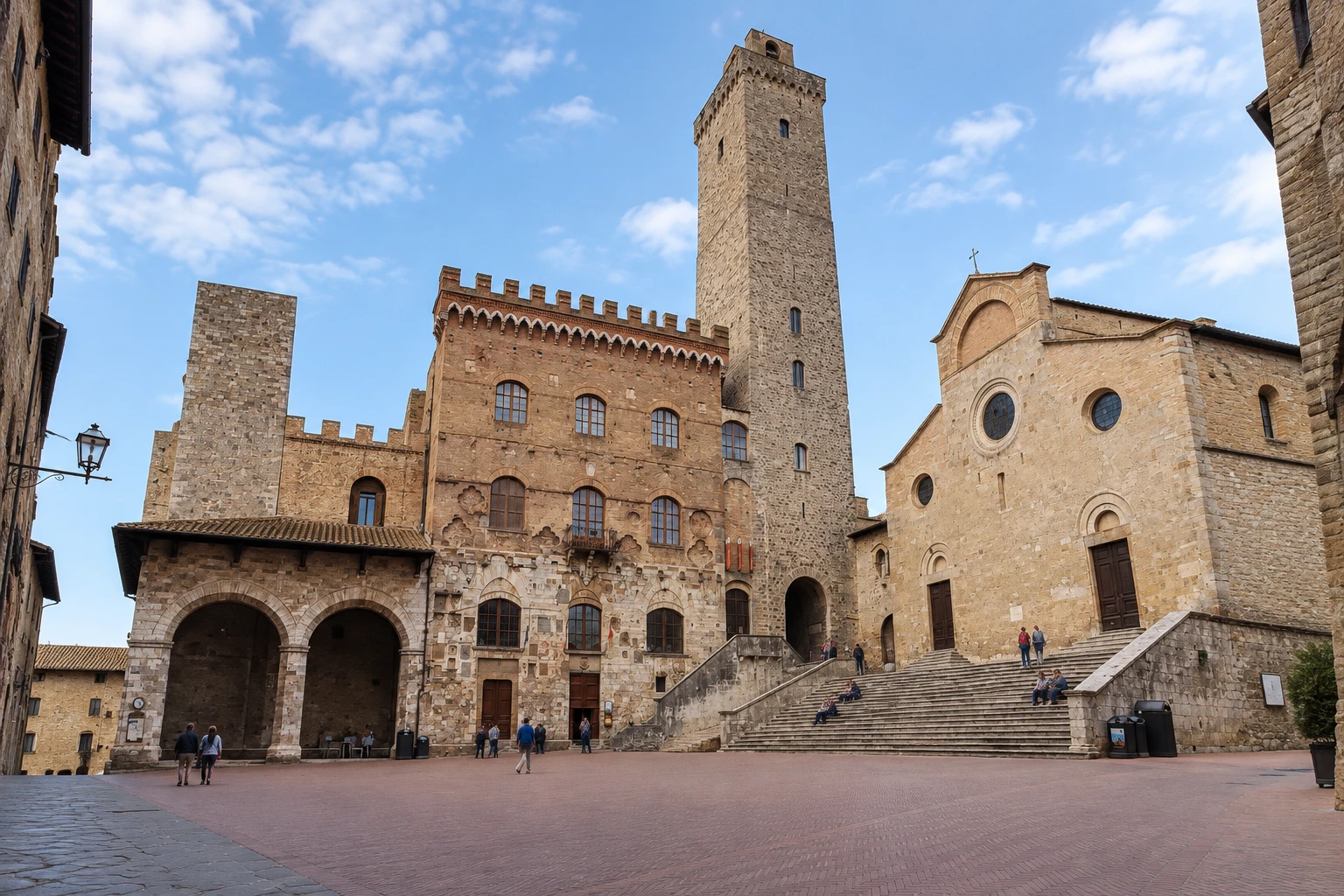
The triangular square at the heart of San Gimignano, with a 13th-century stone well in the centre and medieval towers around it.
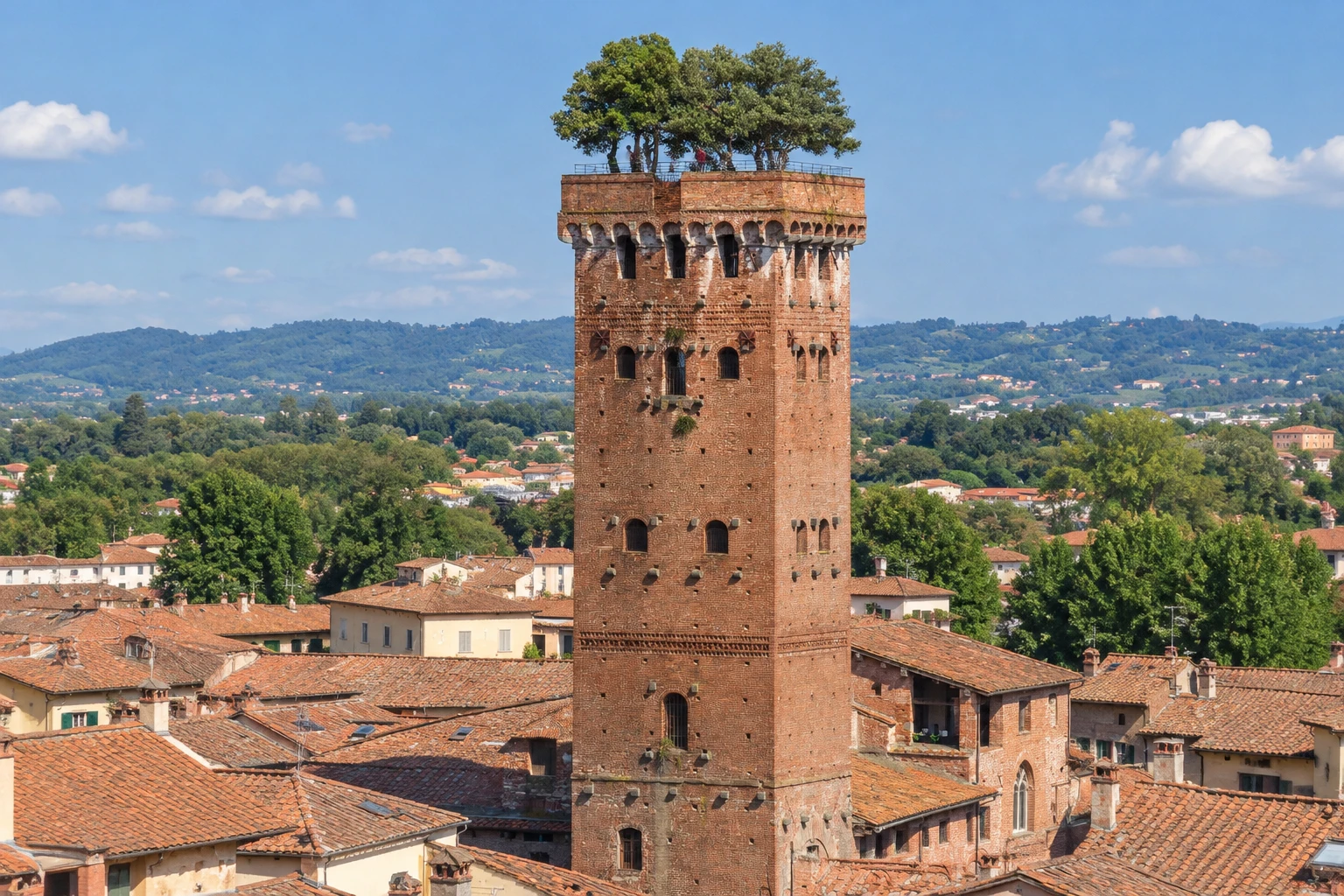
Medieval tower of about 44 metres belonging to the Guinigi family, with a small garden of centuries-old holm oaks planted on the top.
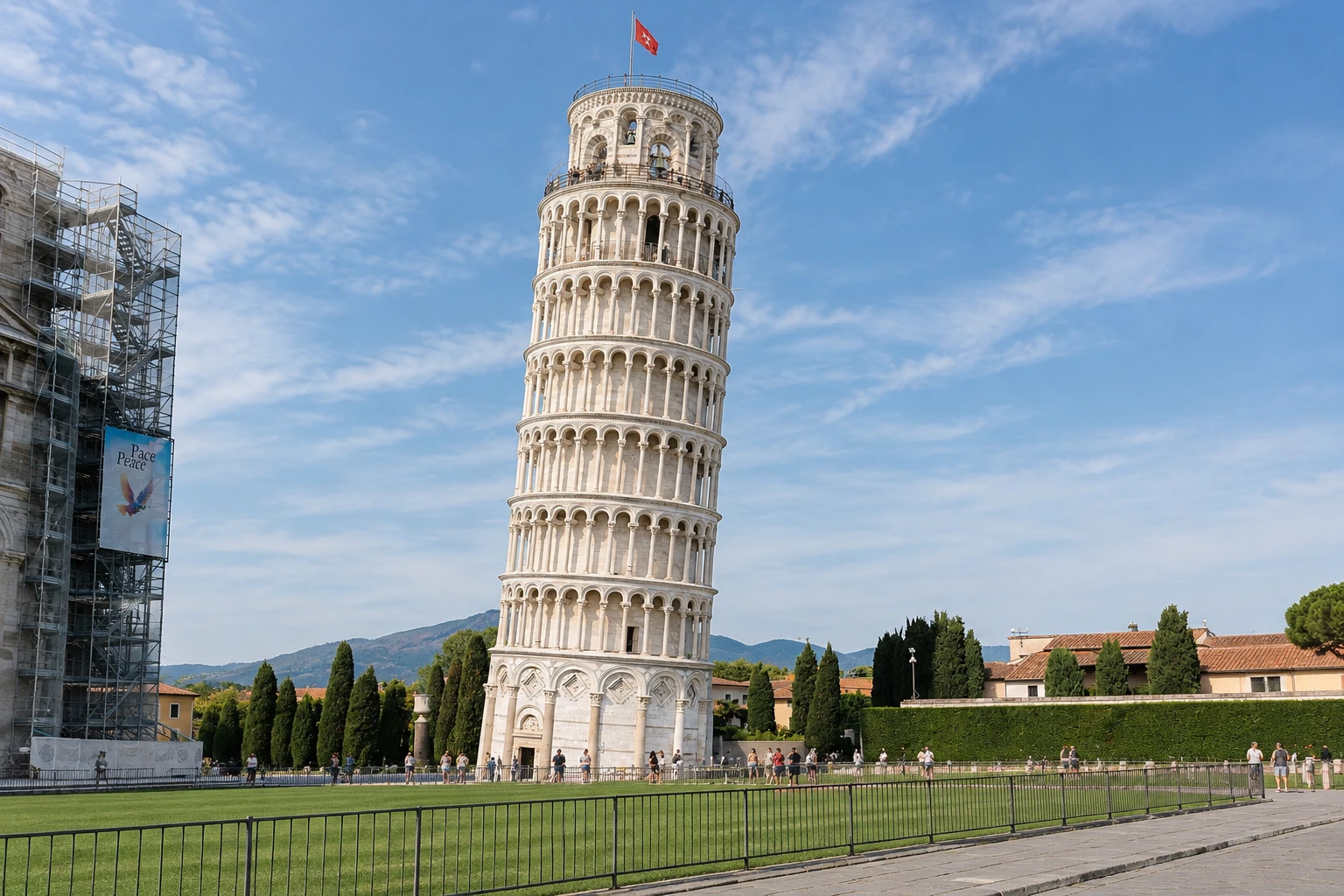
The cathedral's leaning bell tower, begun in 1173. The climb has 251 steps and is done in timed groups.
The cathedral of Pisa, begun in 1064, with a facade of marble arcades, a gilded ceiling and the pulpit sculpted by Giovanni Pisano.
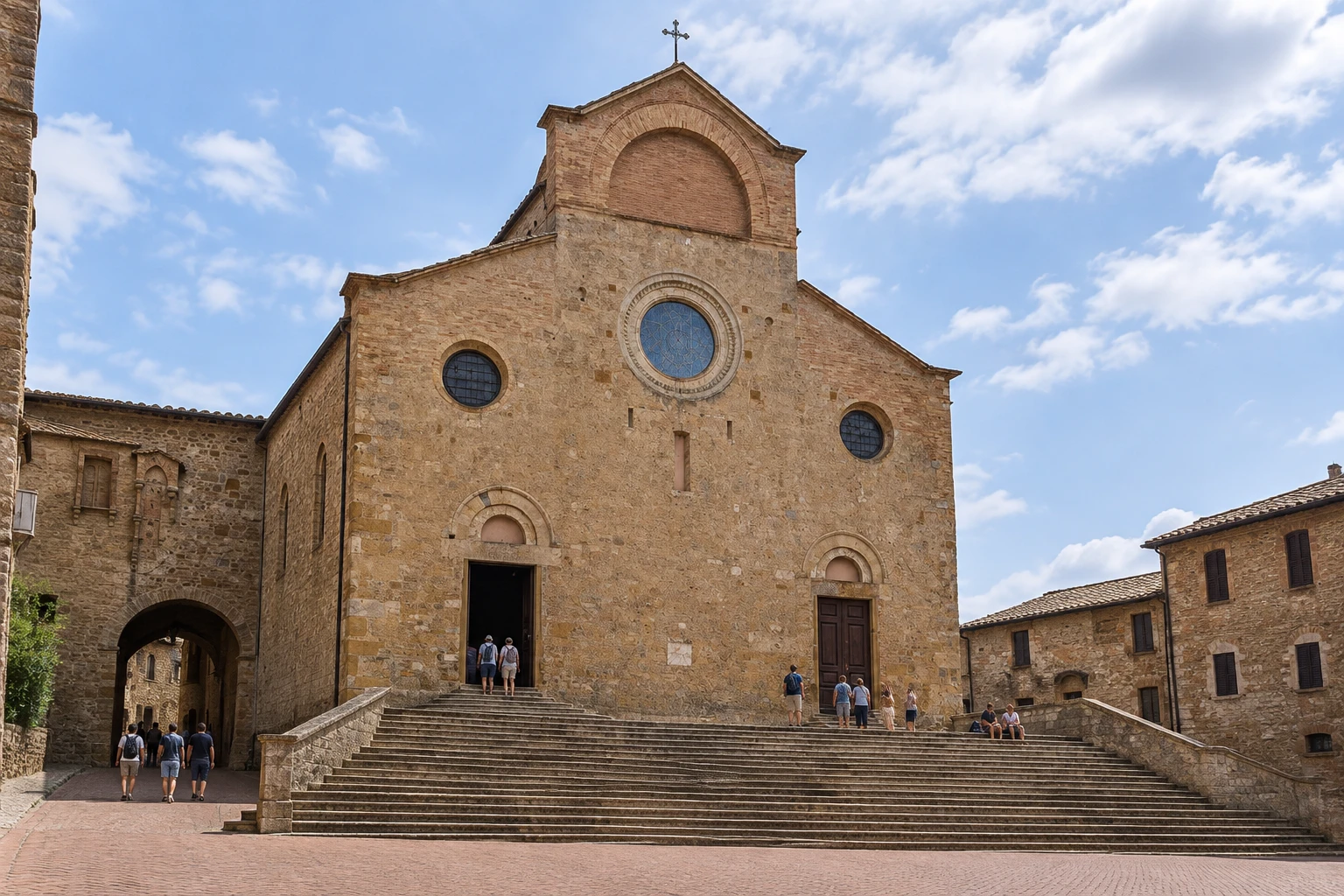
The main church of San Gimignano, with a simple façade and an interior entirely covered in 14th-century frescoes depicting scenes from the Old and New Testaments.
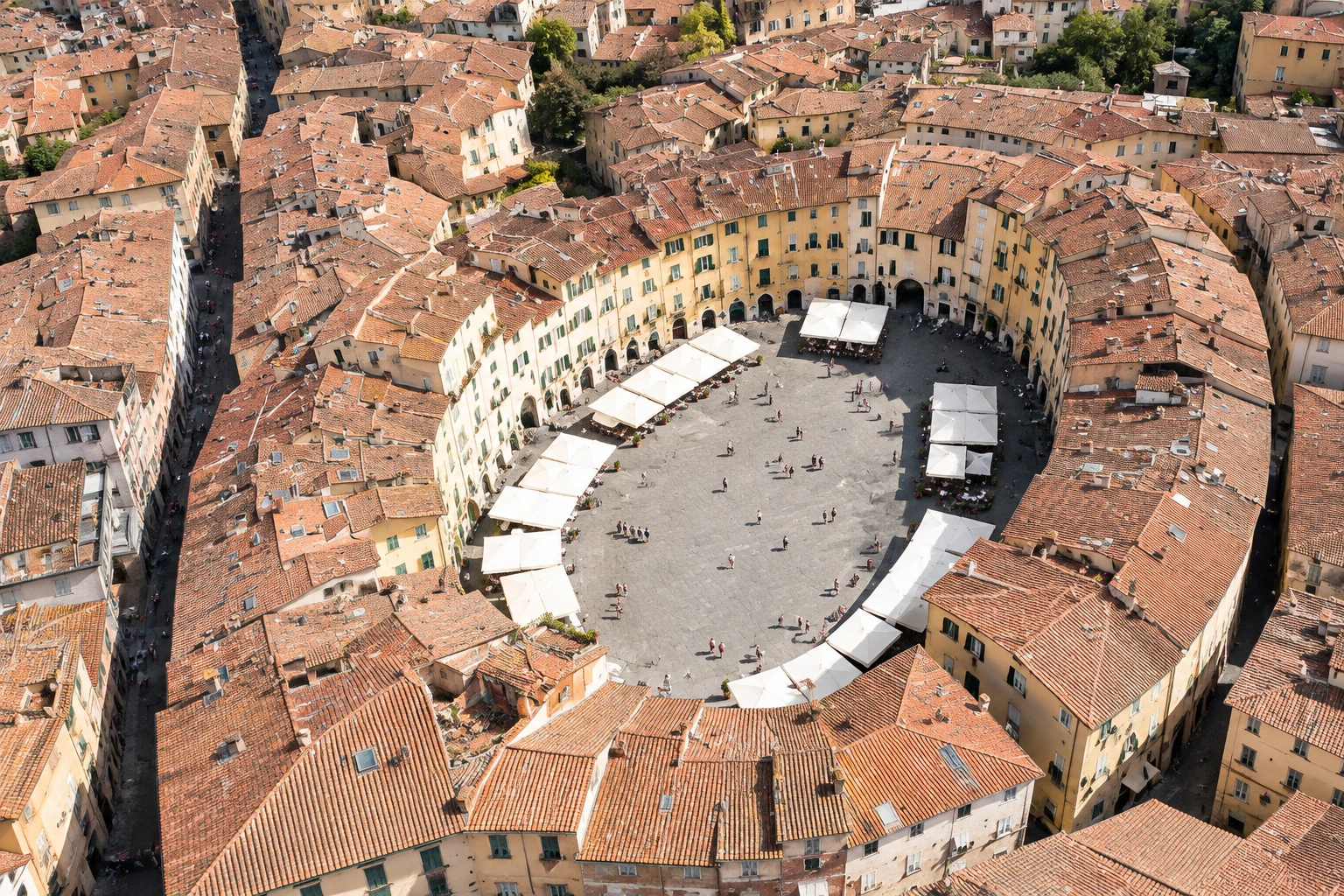
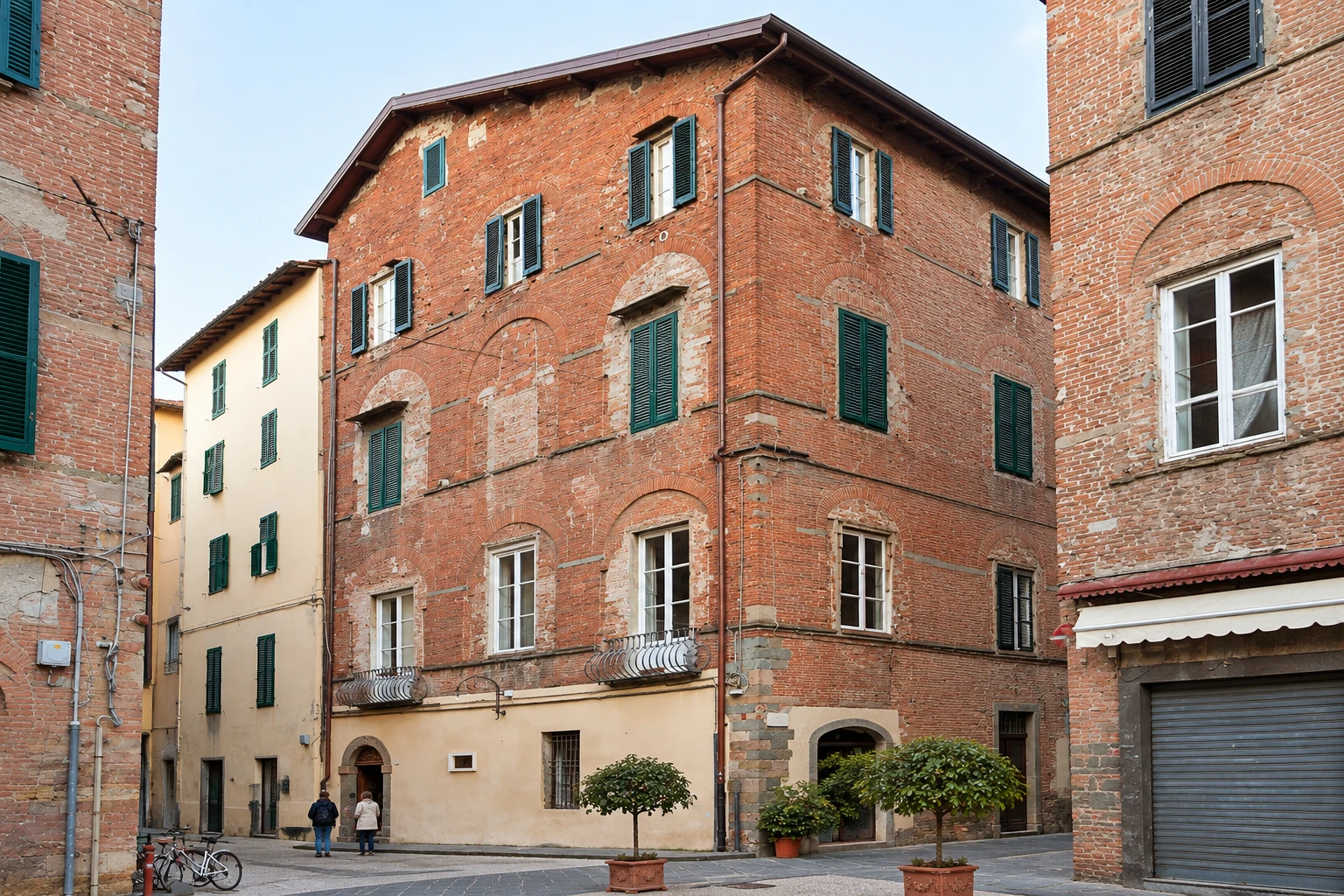
Oval plaza surrounded by houses, built over the ruins of a Roman amphitheatre, whose layout is still visible in the curve of the facades.
The brick tower of the Palazzo Pubblico, built between 1338 and 1348. There are about 400 steps to the top, with views over all of Siena and the surrounding hills.
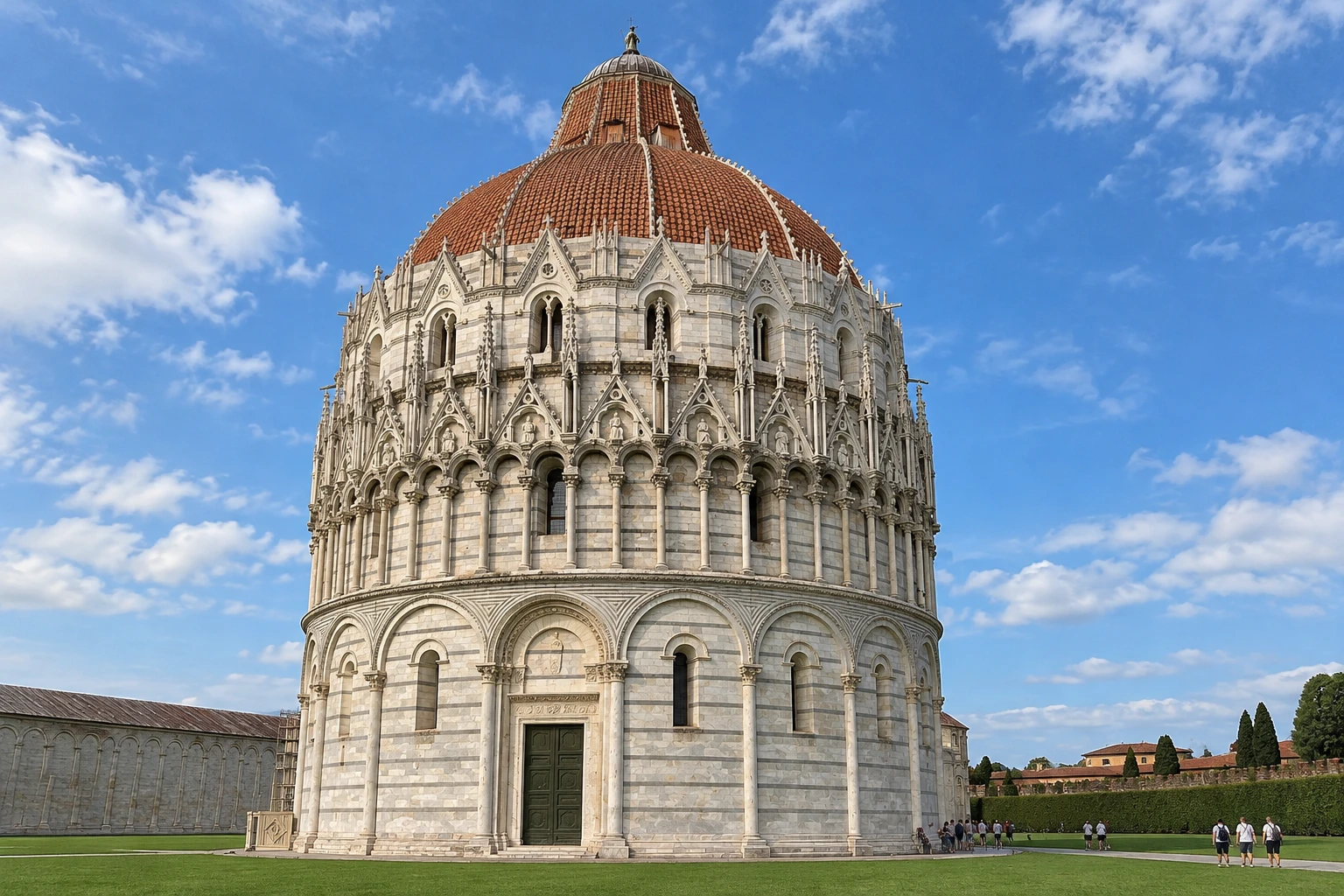
The largest baptistery in Italy, round, with the pulpit by Nicola Pisano and acoustics that guards often demonstrate by singing a few notes.
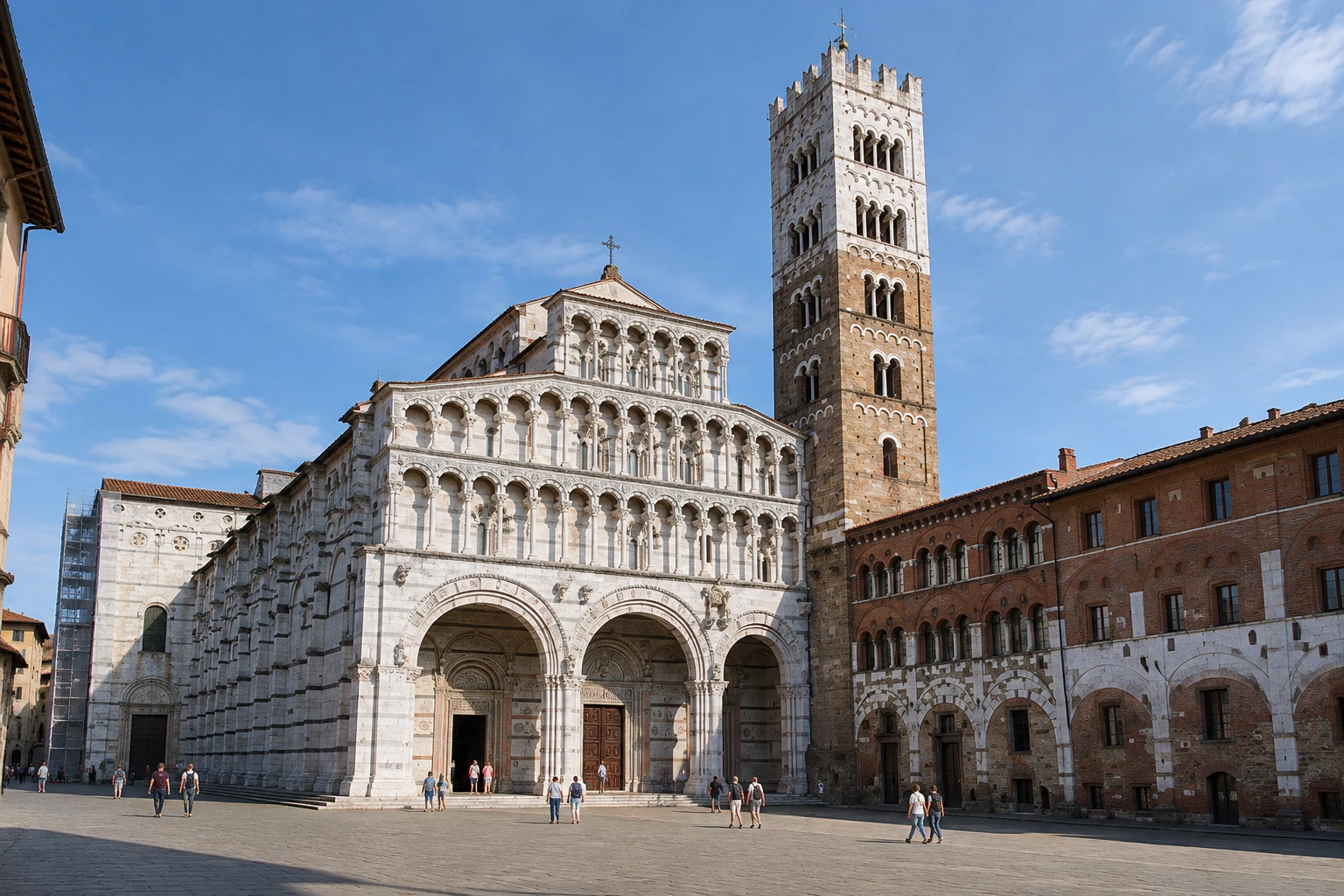
Lucca's cathedral, with a façade of superimposed arcades, the crucifix of the Volto Santo and the tomb of Ilaria del Carretto by Jacopo della Quercia.
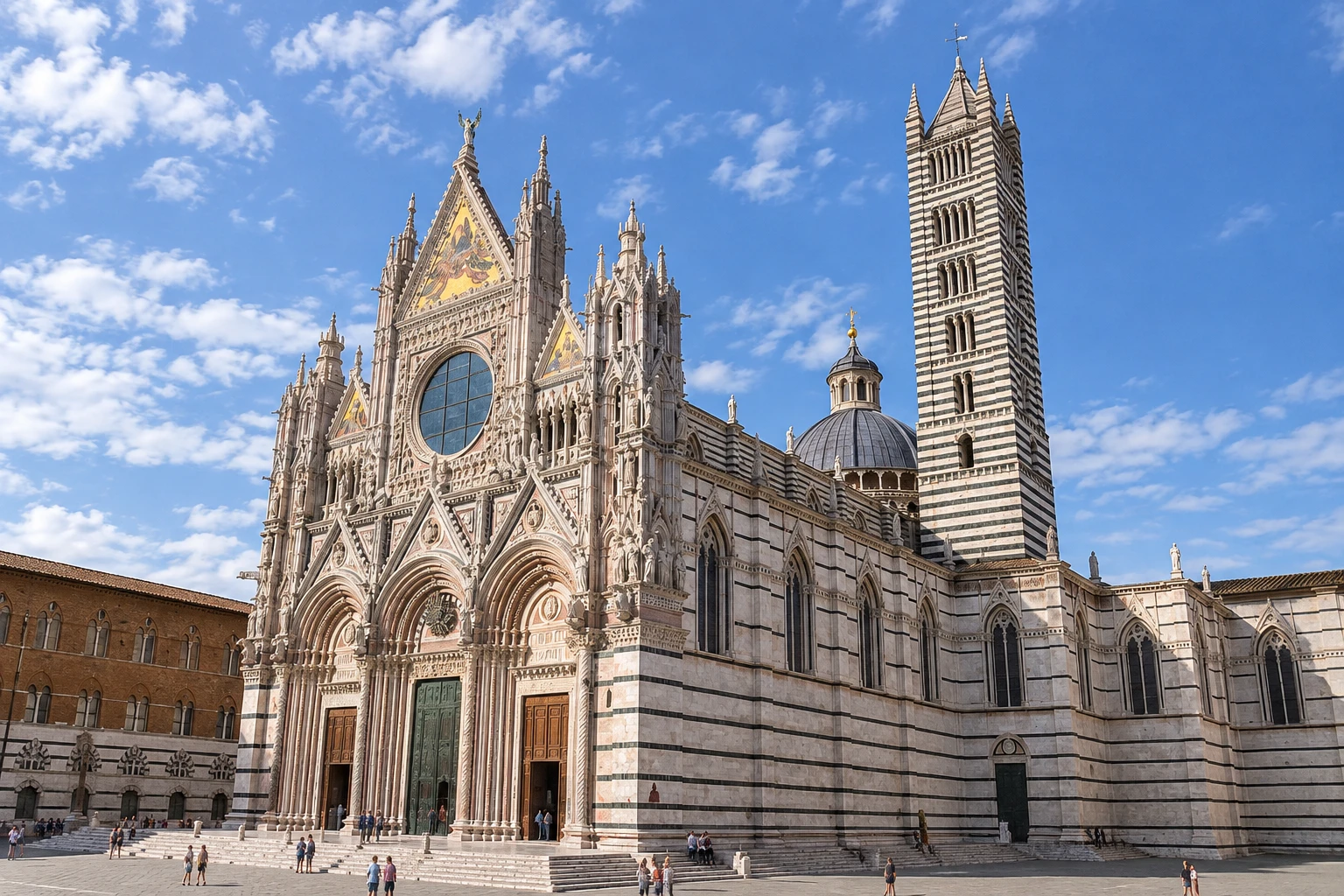
The cathedral of white-and-black striped marble, with a marble mosaic floor, Nicola Pisano's pulpit, the Libreria Piccolomini and the view from the Facciatone.
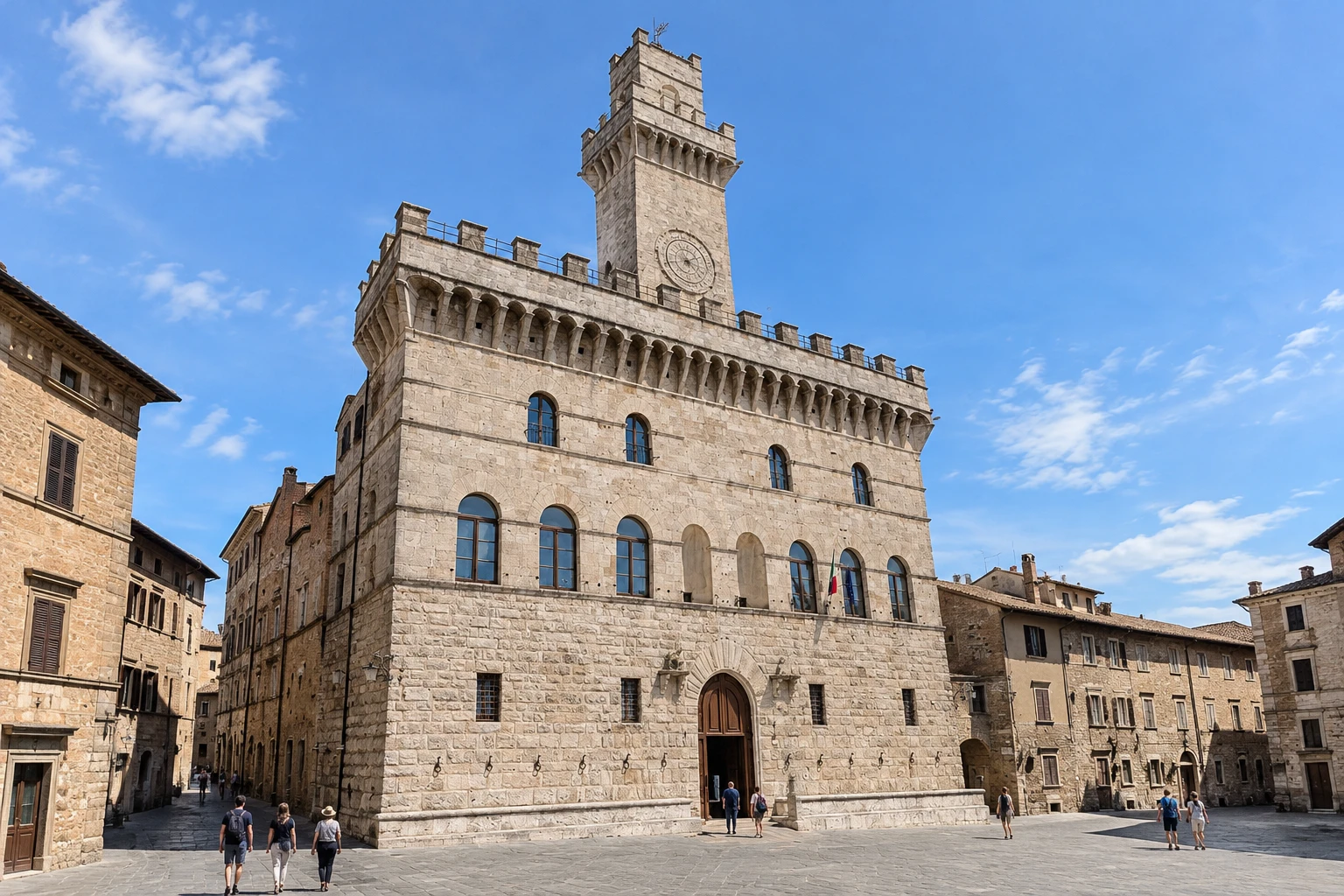
The medieval town hall of San Gimignano, home to the Musei Civici, with the Sala di Dante, the picture gallery and the ascent to the Torre Grossa, the tallest tower in the town.
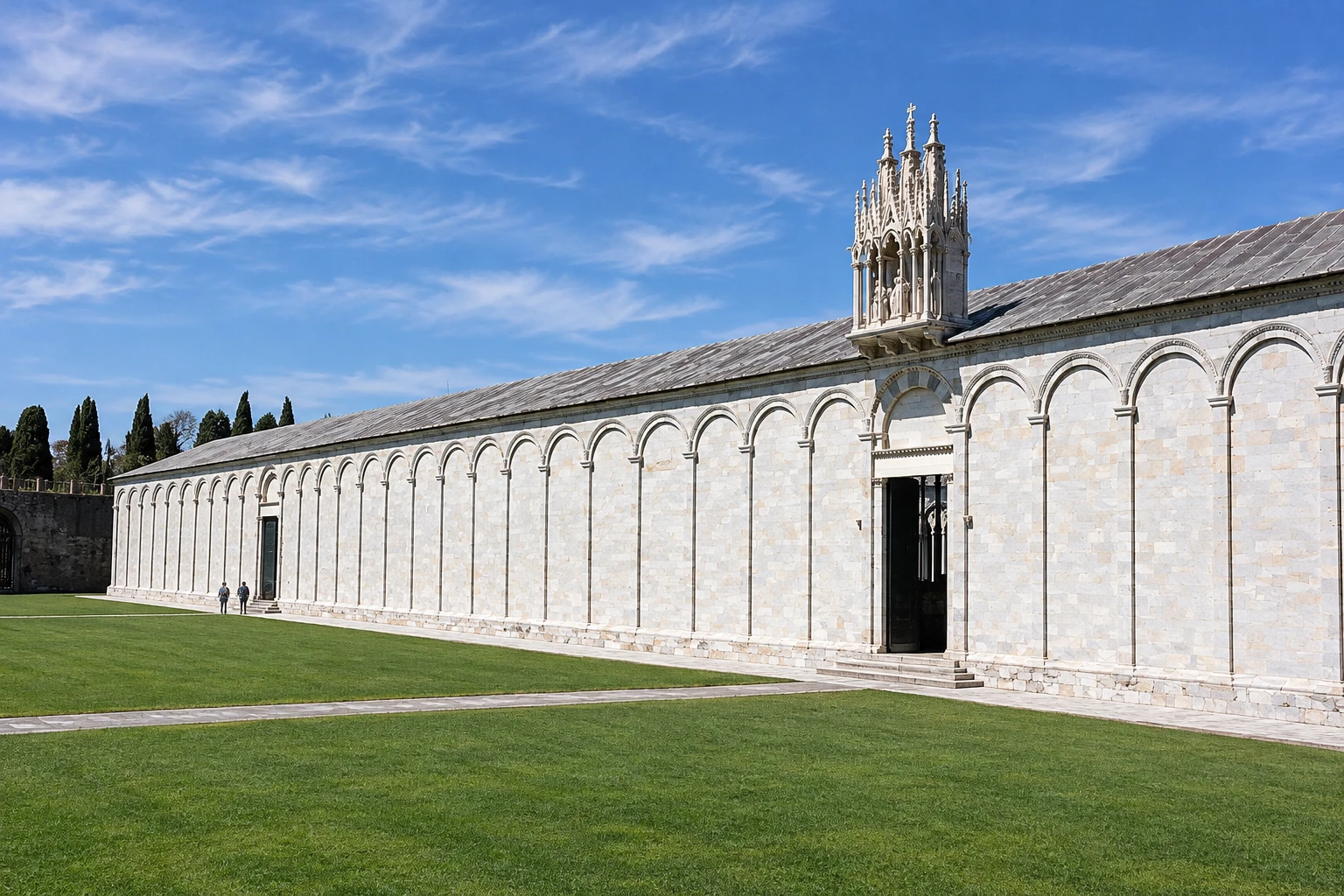
The former monumental cemetery, a marble cloister with Roman sarcophagi and medieval frescoes such as the Triumph of Death.
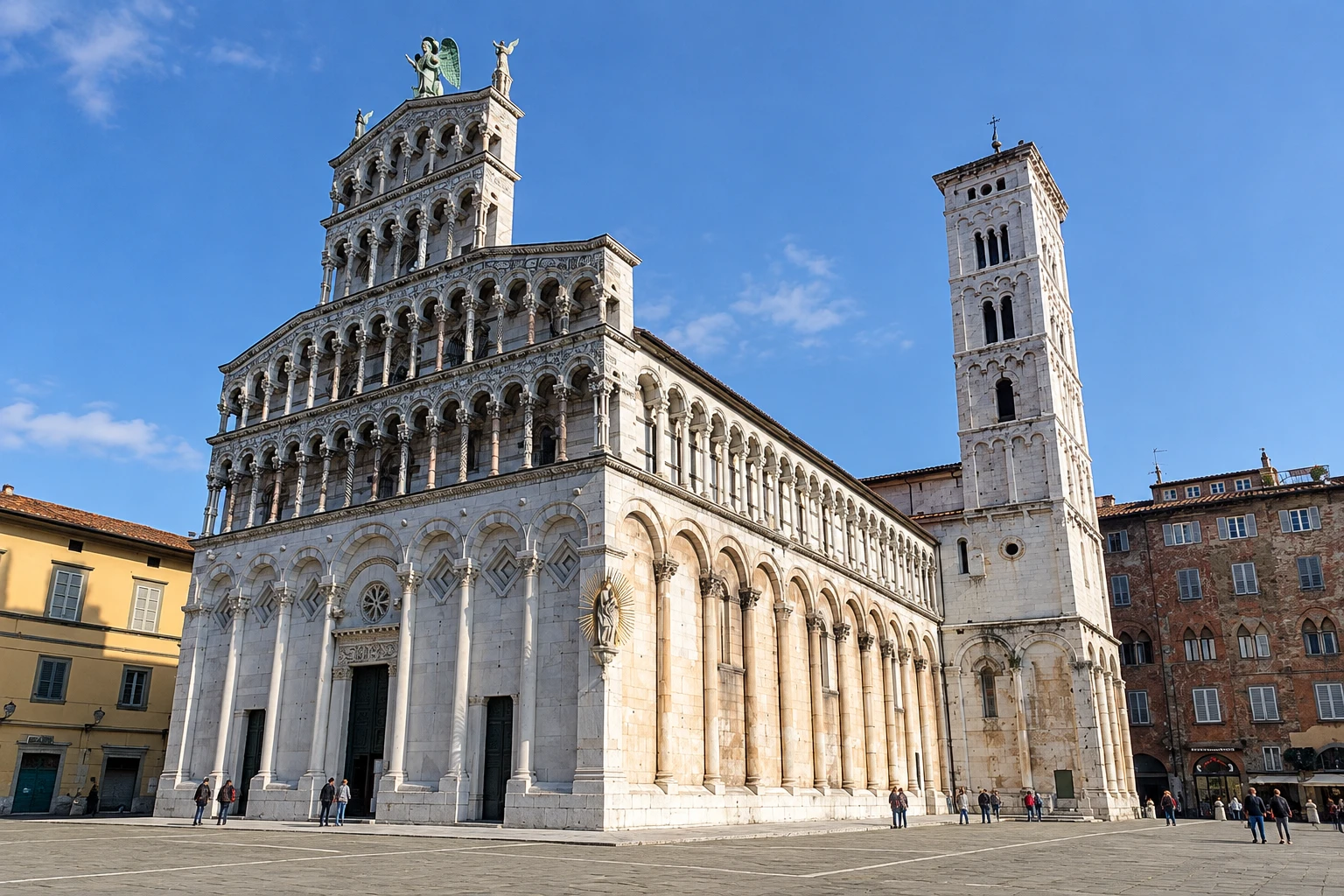
Romanesque church on the site of the ancient Roman forum, with a very tall façade of marble arcades and the statue of the archangel Michael on top.
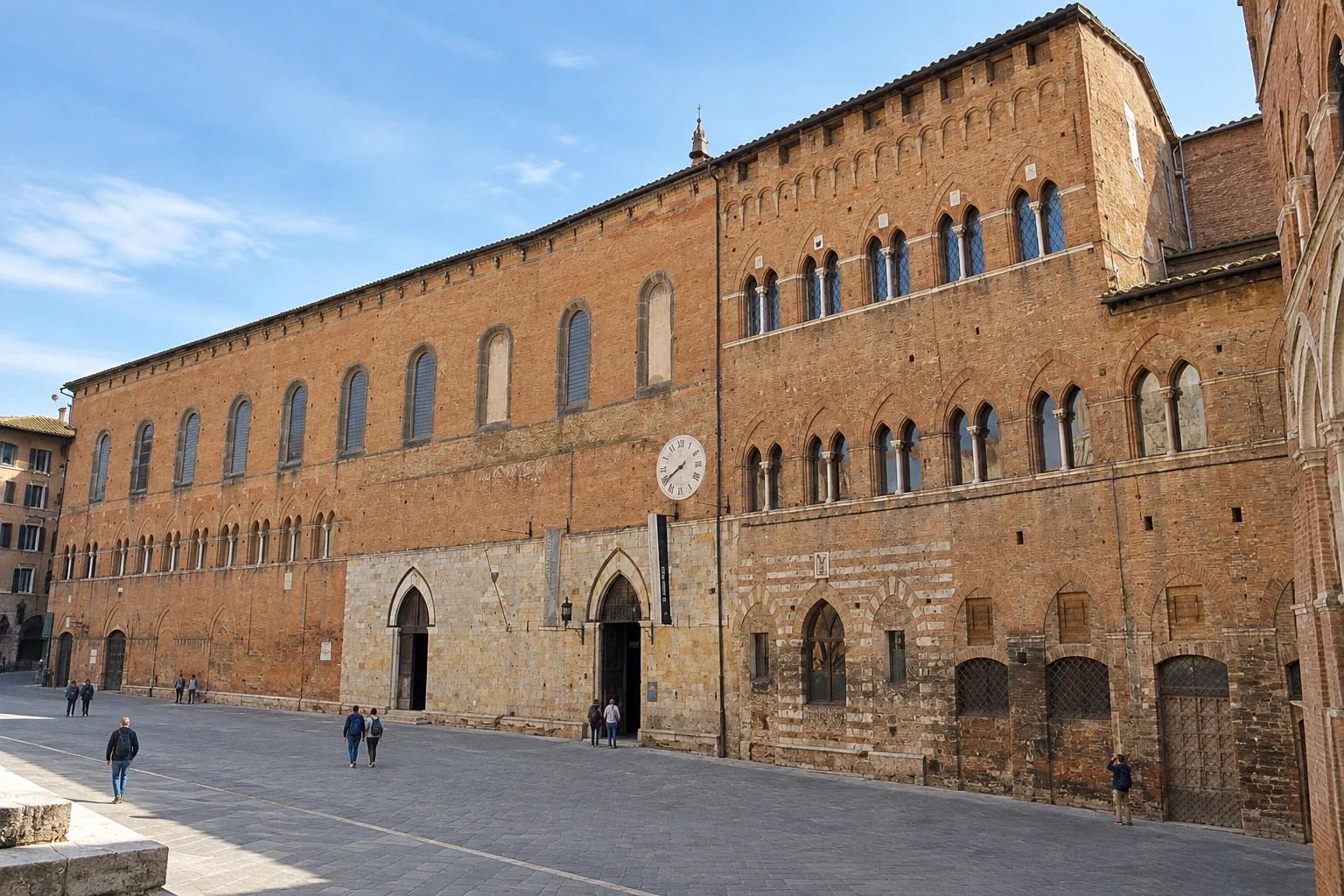
One of the oldest hospitals in Europe, opposite the Duomo, today a museum featuring the painted Pellegrinaio, the original Fonte Gaia and the archaeological museum.
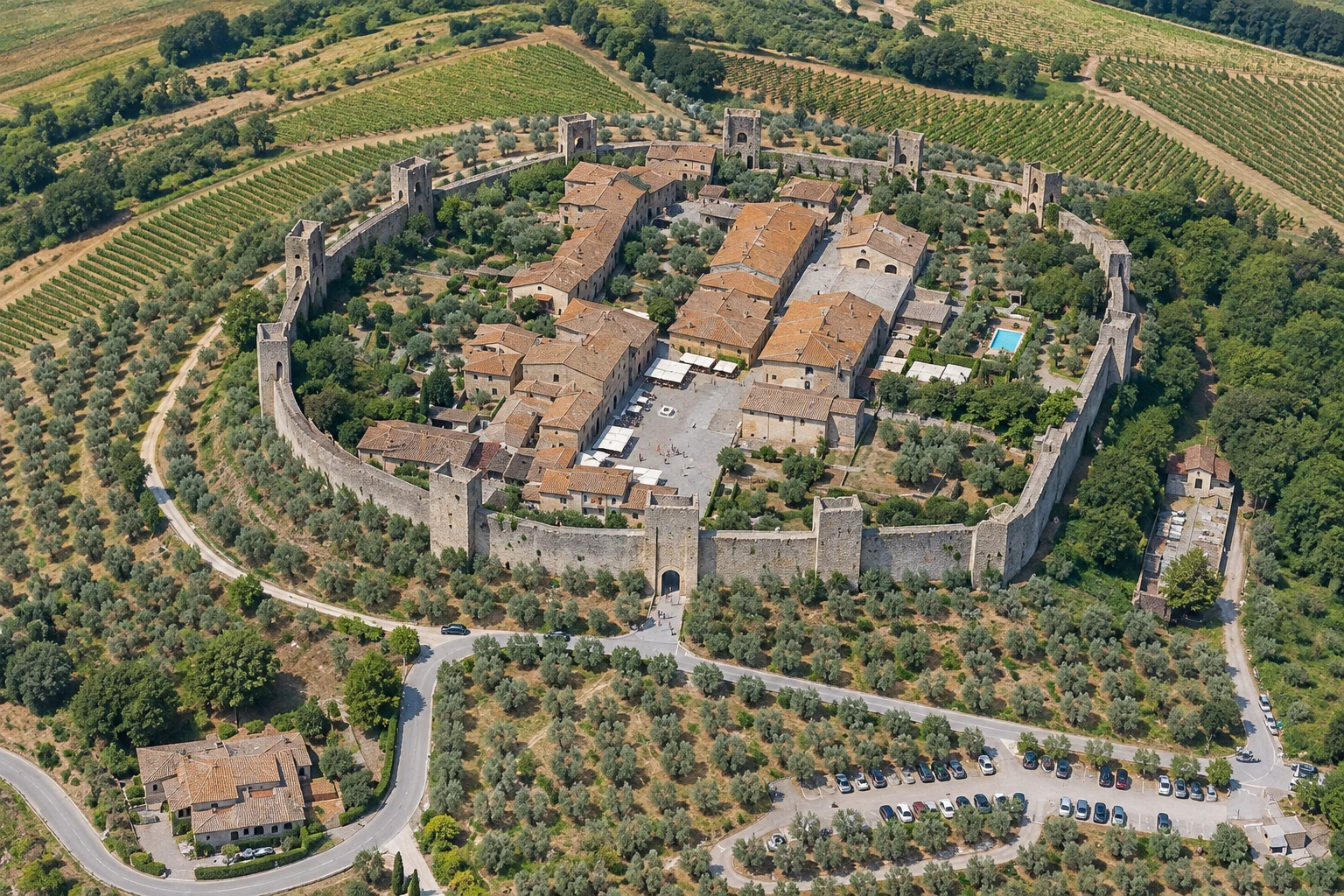
Walled village from the 13th century on a hill about 15 km from Siena, with 14 towers on the wall and a walk along the ramparts. Dante mentioned it in the Inferno.
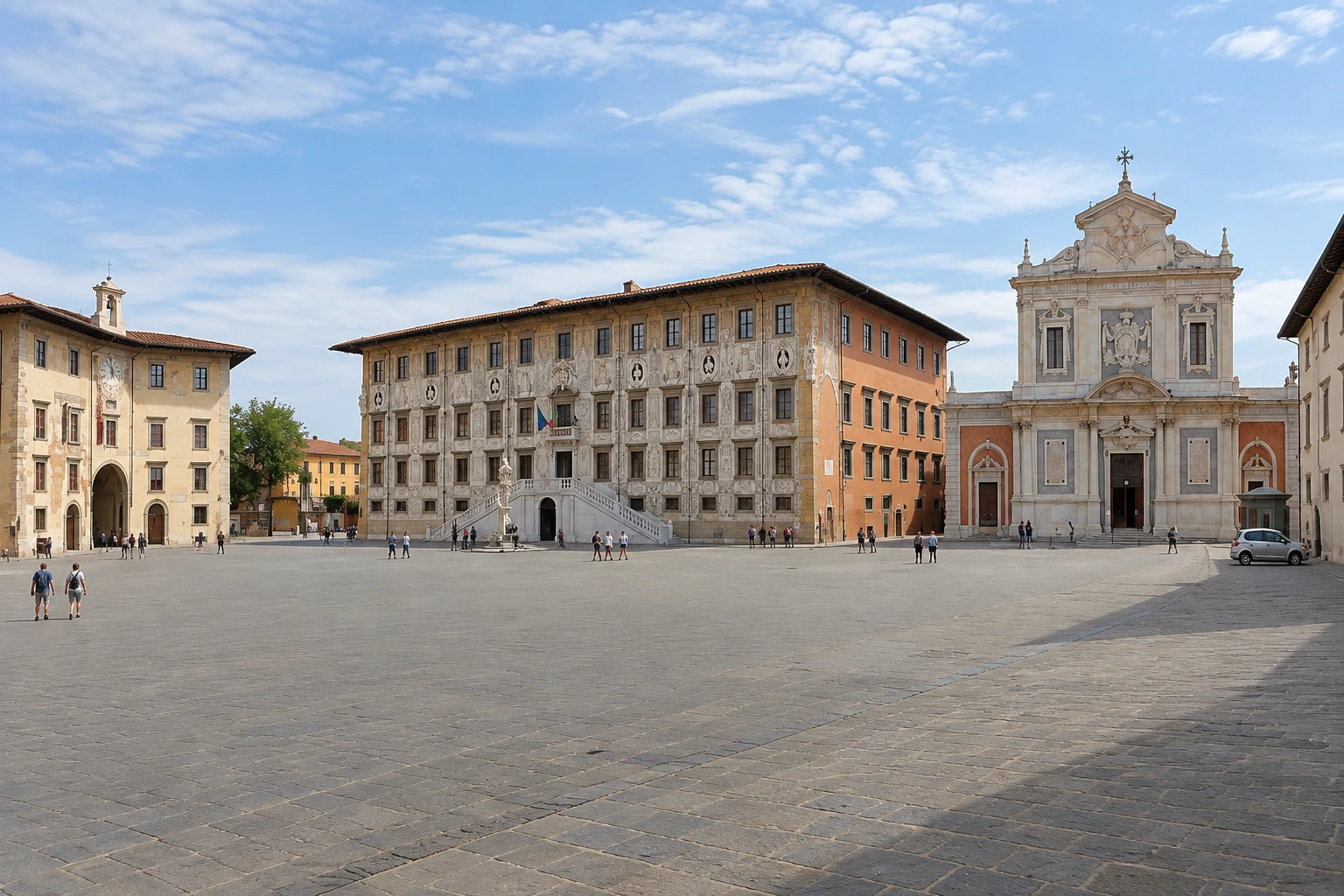
The Renaissance square of the Order of the Knights of Santo Stefano, with the Palazzo della Carovana featuring a decorated façade, and home to the Scuola Normale Superiore.
The house where composer Giacomo Puccini was born in 1858, now a museum with the family's furniture, scores, costumes and the piano on which he composed Turandot.
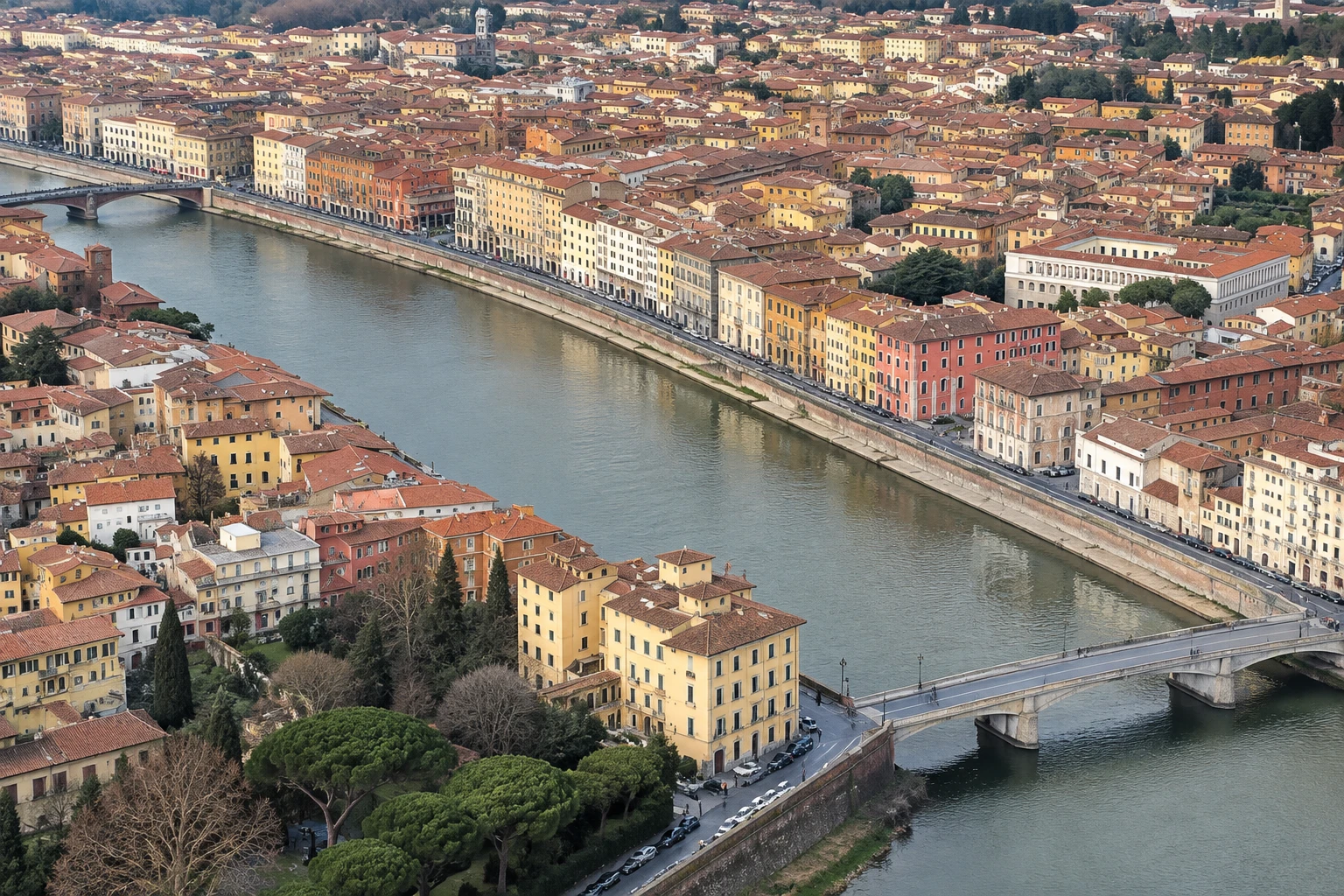
The avenues along the banks of the Arno River, with curved colorful palaces, the Ponte di Mezzo and the small Gothic church of Santa Maria della Spina.
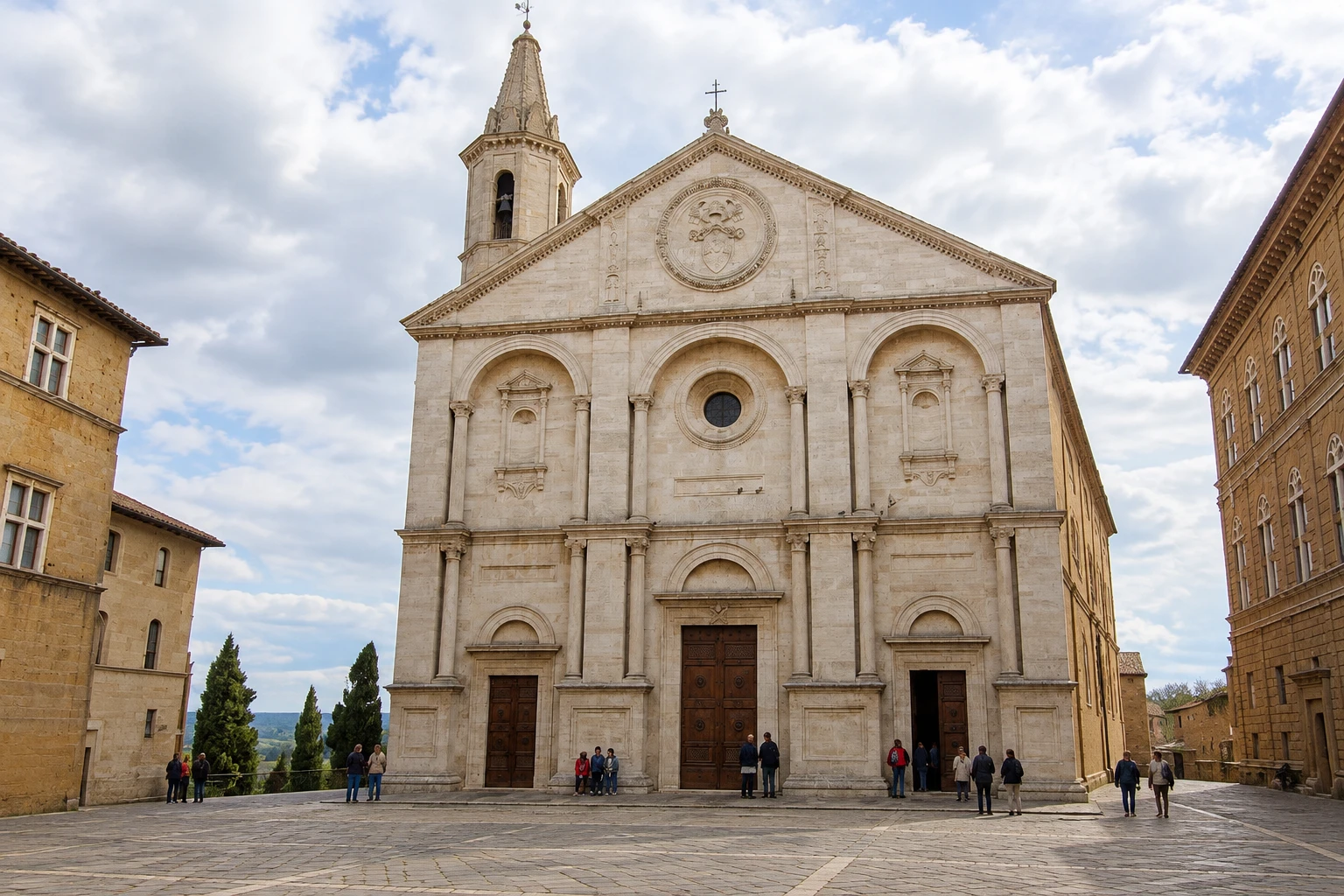
Small town in the Val d'Orcia redesigned in the 15th century by Pope Pio II as an ideal Renaissance town, with wide views over the hills and a tradition of pecorino cheese.
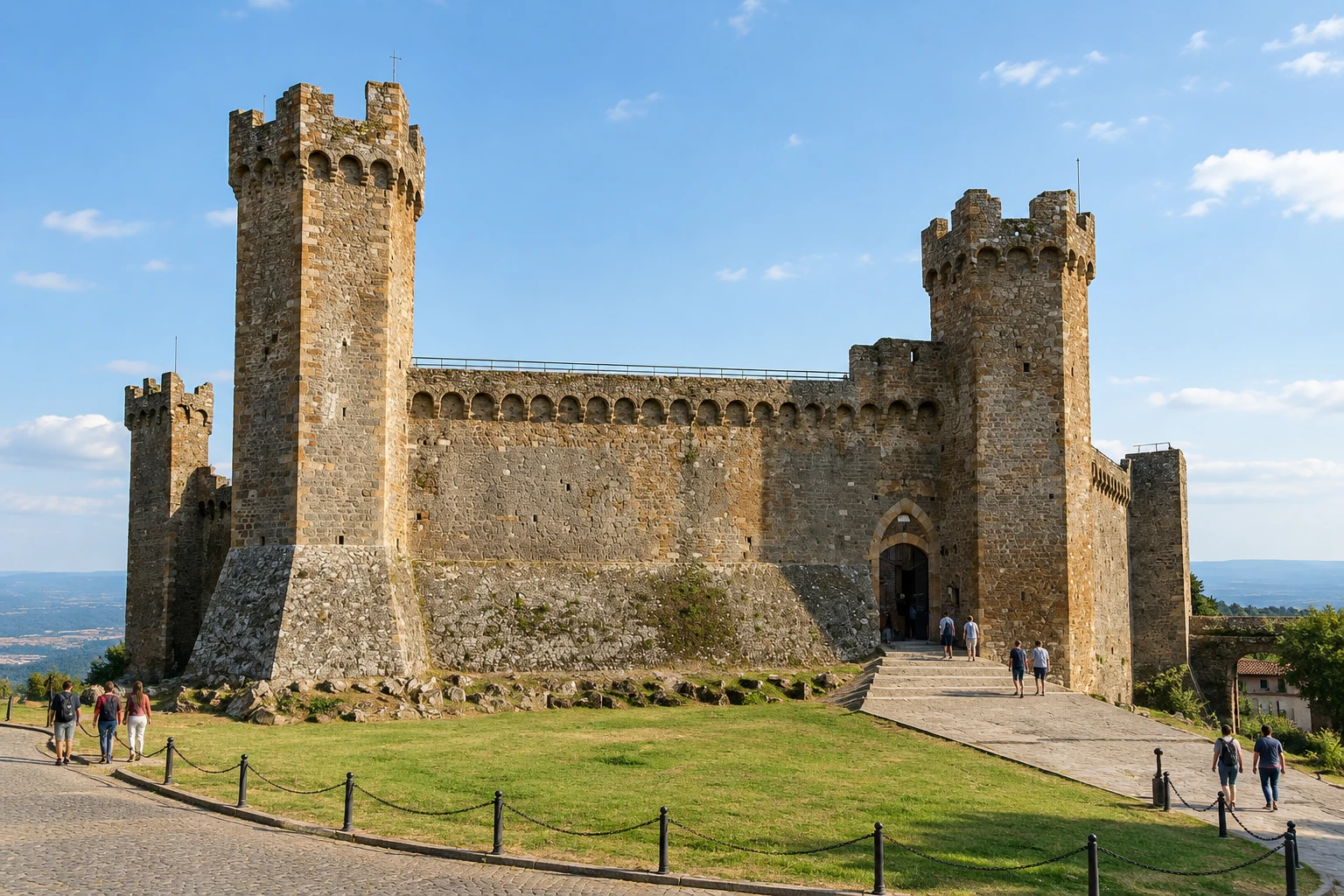
Small walled town on a hill in the Val d'Orcia, with a 14th-century fortress, known worldwide for the Brunello di Montalcino wine.
Renaissance town perched on a hill between the Val d'Orcia and the Val di Chiana, with the Piazza Grande, underground cellars and the Vino Nobile.
To choose before you go
The details of each tour (where it leaves from, what it includes, the best time) are in the complete guide.
Get your questions answered
The guide's itineraries cover 3, 5 and 7 days: in 3 days, Pisa, Lucca and Siena; in 5 days, art towns and Val d'Orcia; in 7 days, from Pisa to Val d'Orcia at a relaxed pace.
Pisa and Lucca. Train from Florence to Pisa (about 1 hour): Piazza dei Miracoli with the tower reserved; Piazza dei Cavalieri and the Lungarni. 30-minute train to Lucca: ride the city walls by bike, Piazza dell'Anfiteatro and Torre Guinigi; return to Florence (1 h 20) or overnight in Lucca.
It generally rains less from June to August. The rainiest months are usually from October to December. The guide covers each month, with the weather and what changes on the tours.
To plan