Palermo · Sicily · Cathedral
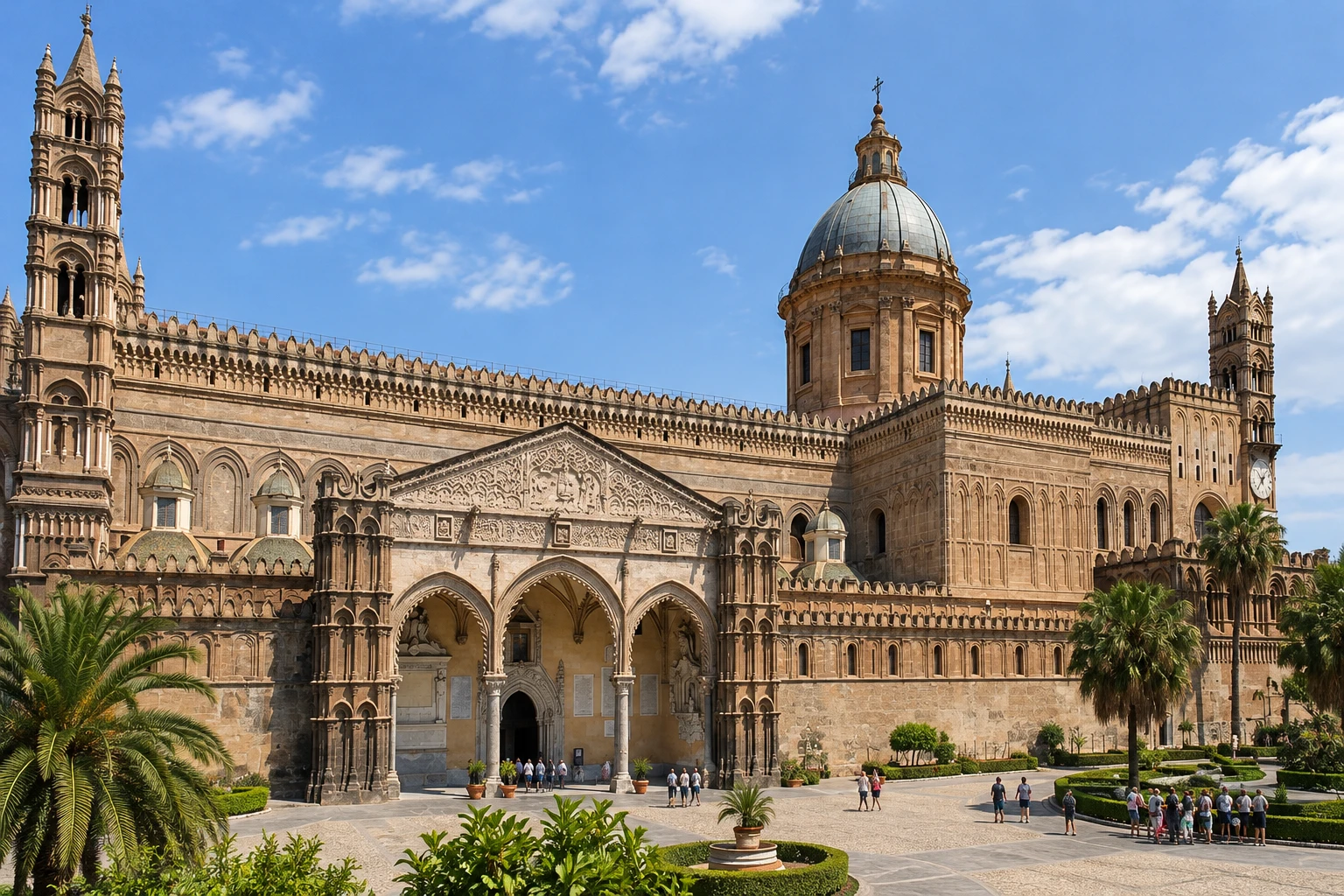
Palermo Cathedral
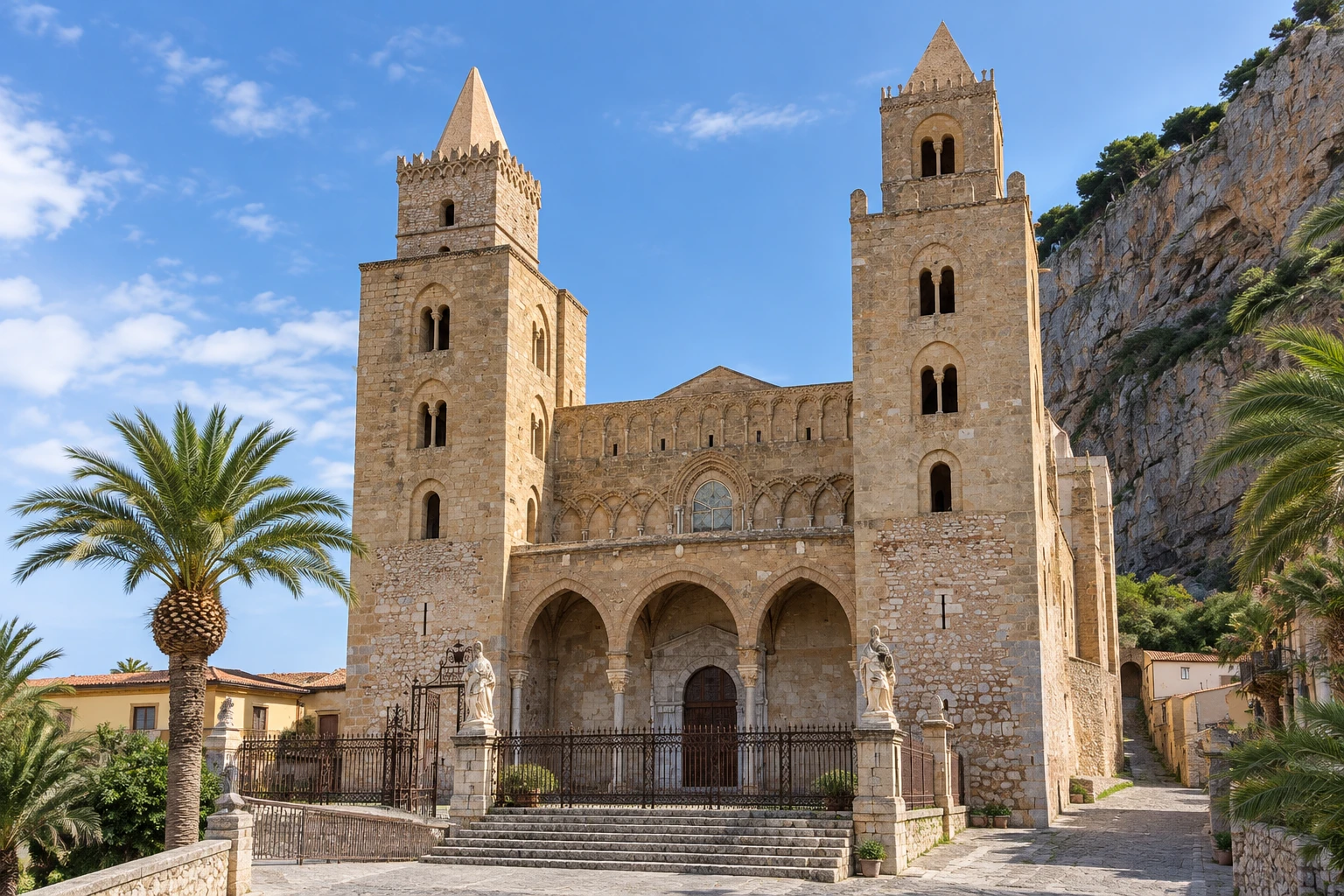
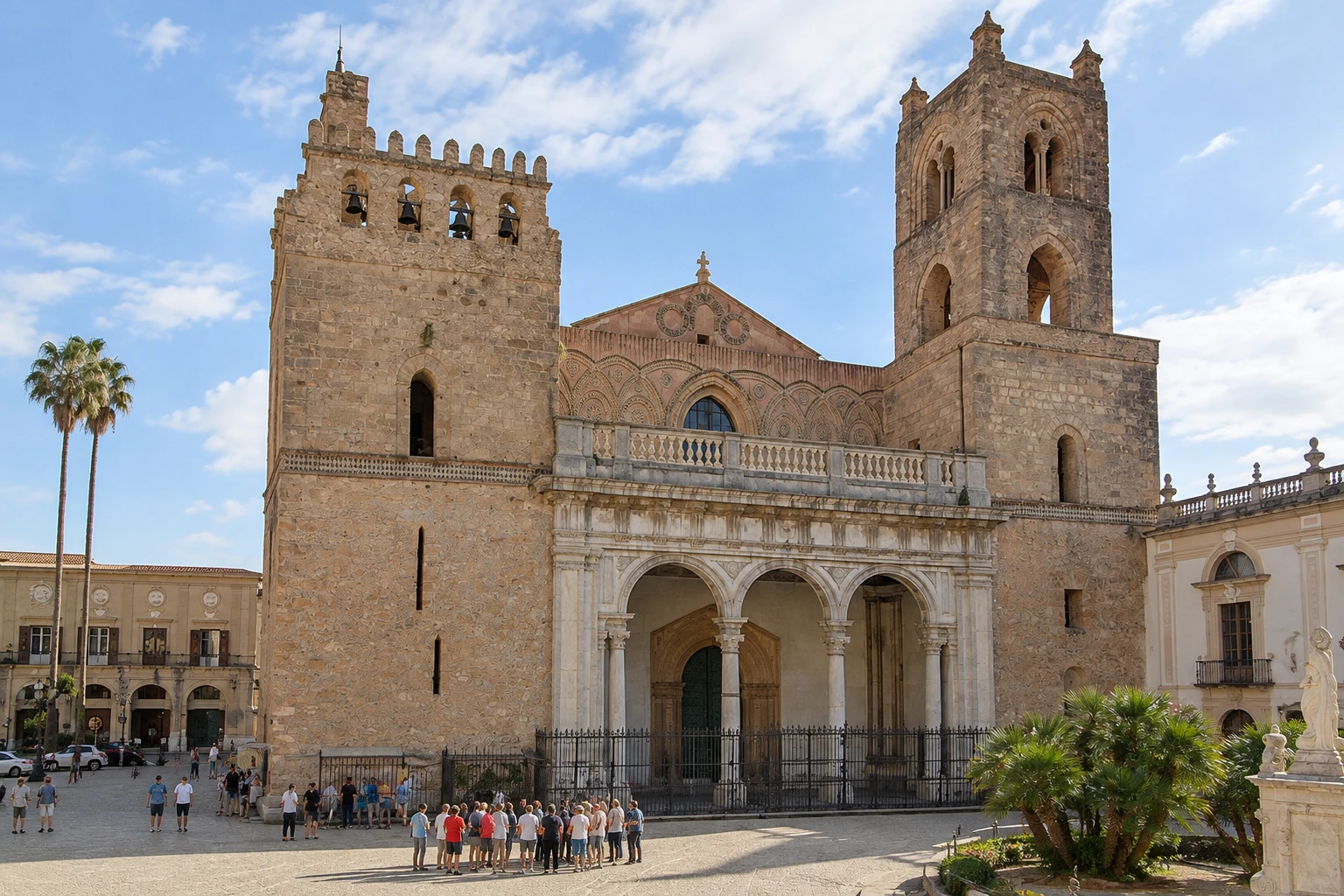
The cathedral of Palermo, built beginning in 1185, mixes Norman, Catalan Gothic and Neoclassical styles. It houses tombs of kings and emperors and the silver reliquary of Santa Rosália.

 Search
 Brazil
 Antarctica
 Argentina
 Bolivia
 Chile
 Colombia
 Ecuador
 Falkland Islands (Malvinas)
 French Guiana
 Guyana
 Paraguay
 Peru
 Suriname
 Uruguay
 Venezuela
 Austria
 Belgium
 Croatia
 Denmark
 Finland
 France
 Germany
 Greece
 Hungary
 Iceland
 IrelandItaly
 Luxembourg
 Norway
 Poland
 Portugal
 Slovakia
 Slovenia
 Spain
 Sweden
 Switzerland
 the Czech Republic
 the Netherlands
 the United Kingdom
 Turkey
 Bermuda
 Canada
 Greenland
 Mexico
 Saint Pierre and Miquelon
 the United States
 the Dominican Republic
 JapanTurkey
 Egypt
 South Africa
 Australia
 Fiji
 New Zealand
 Papua New Guinea
Sicily
42 places to visit and 16 tours, chosen by the Cidade Turismo guide.
Updated
Illustrative images. The pictures in this guide are illustrations based on the real place, not photographs, and may differ from it.
To start
One by one
The cathedral of Palermo, built beginning in 1185, mixes Norman, Catalan Gothic and Neoclassical styles. It houses tombs of kings and emperors and the silver reliquary of Santa Rosália.
Norman cathedral begun in 1131 by Roger II, with two towers on the façade and the Christ Pantocrator in a golden mosaic in the apse. UNESCO World Heritage.
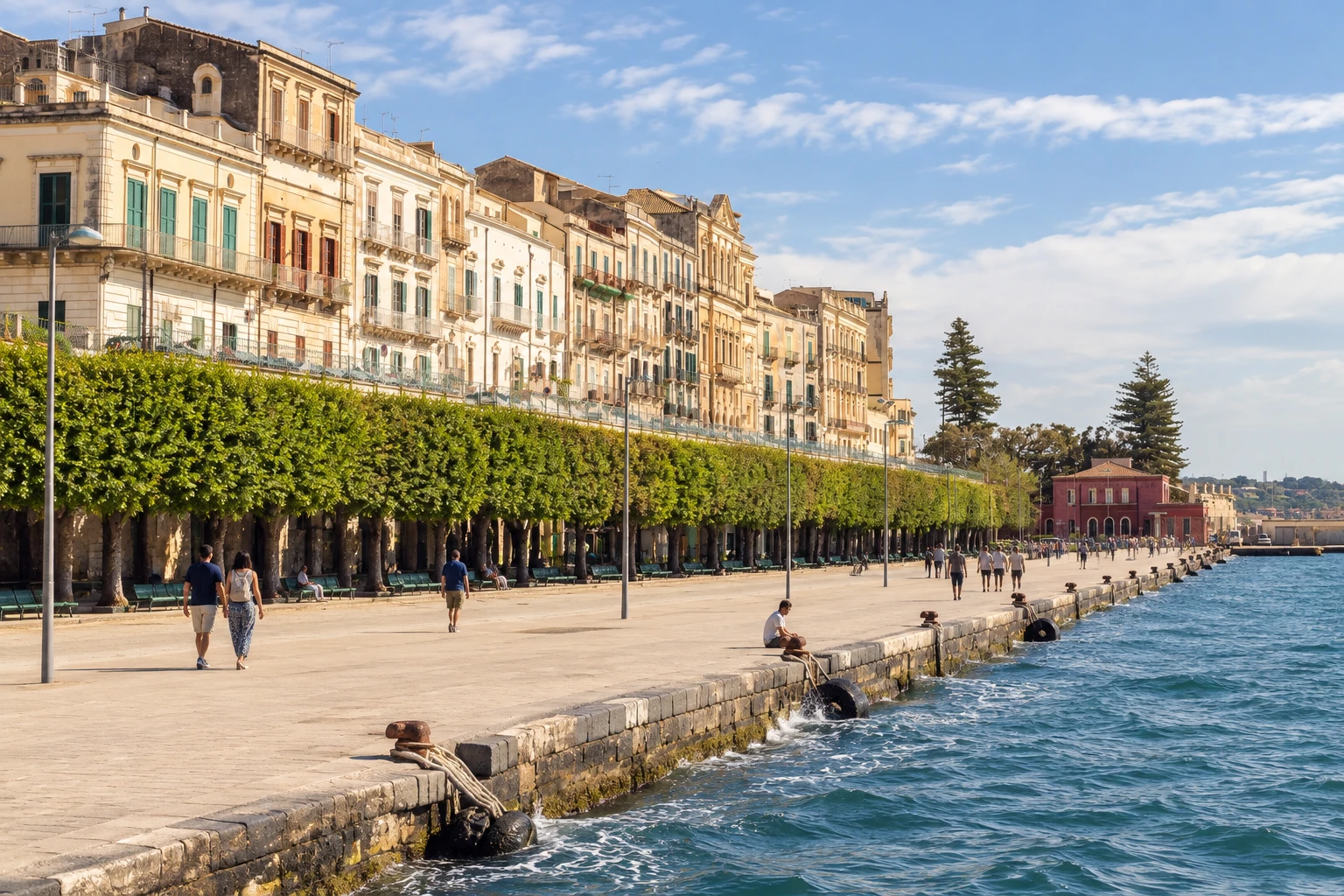
The island where Siracusa was founded, with narrow streets, Baroque palaces, the Temple of Apollo, the street market, the seafront and the Castello Maniace at the tip.
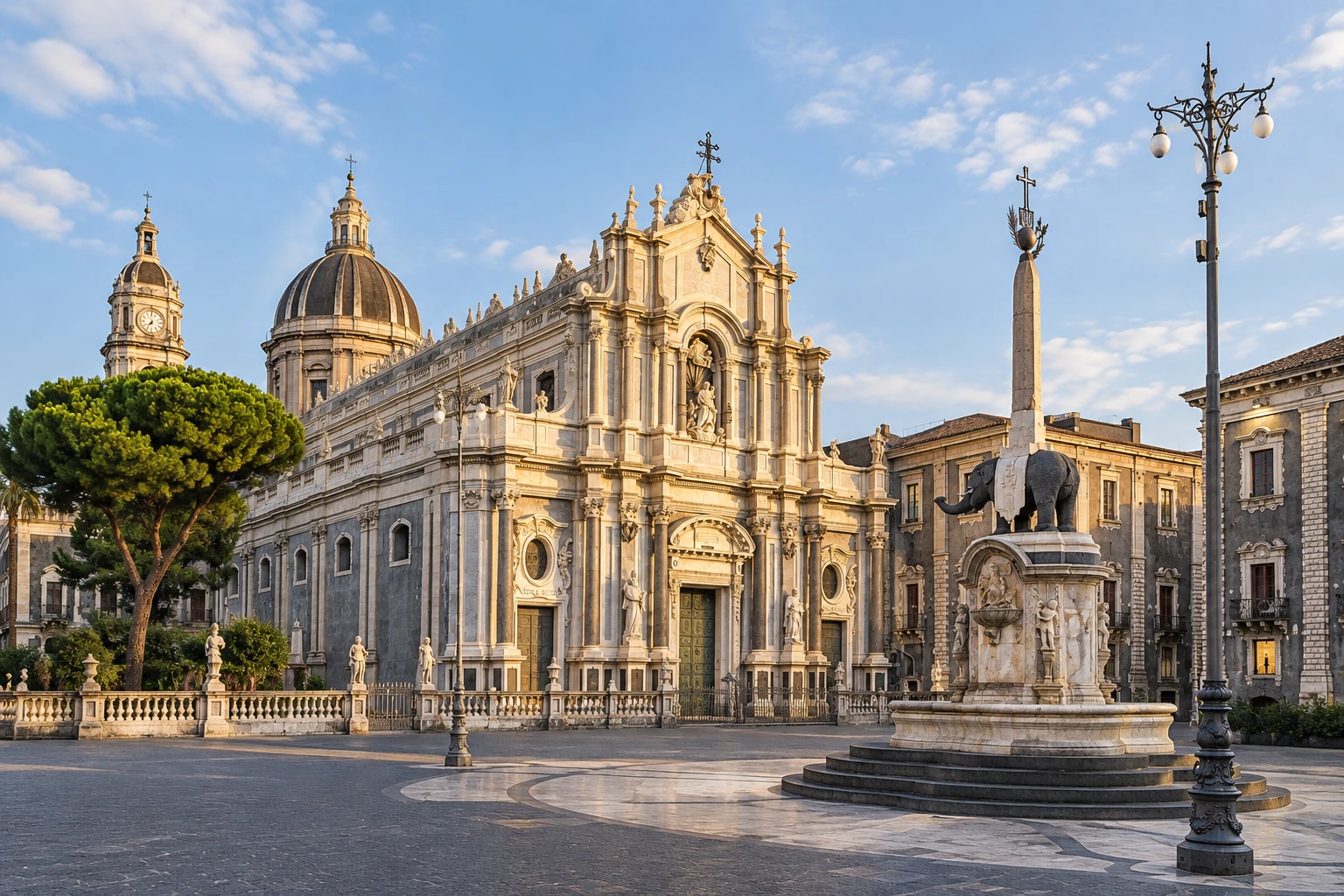
The main square of Catânia, surrounded by Baroque buildings, with the Fontana dell'Elefante, the lava-stone elephant that is the symbol of the city.
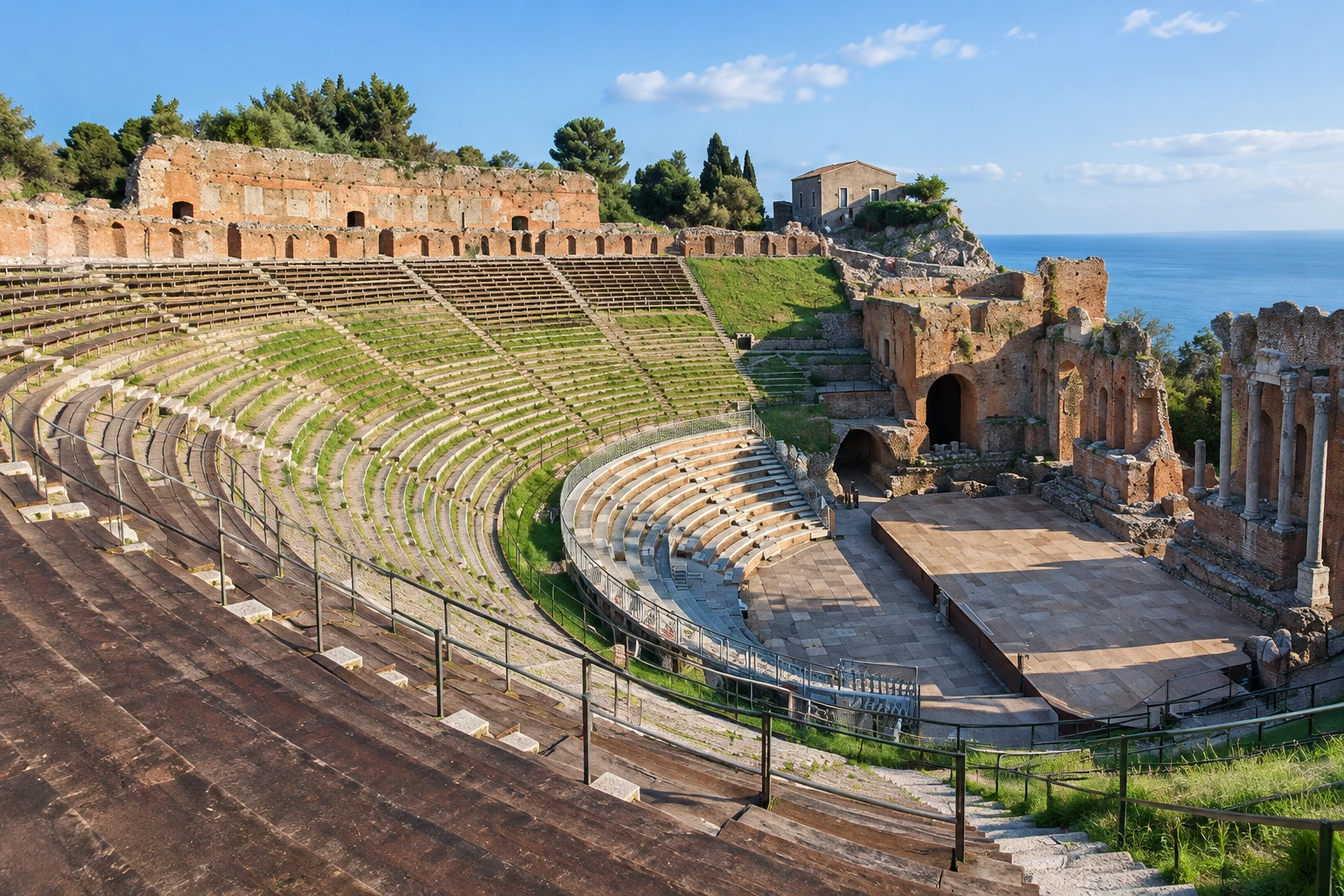
Greco‑Roman theater high above Taormina, with Etna and the Ionian Sea in the background. It is the second largest ancient theater in Sicily and still hosts performances in summer.
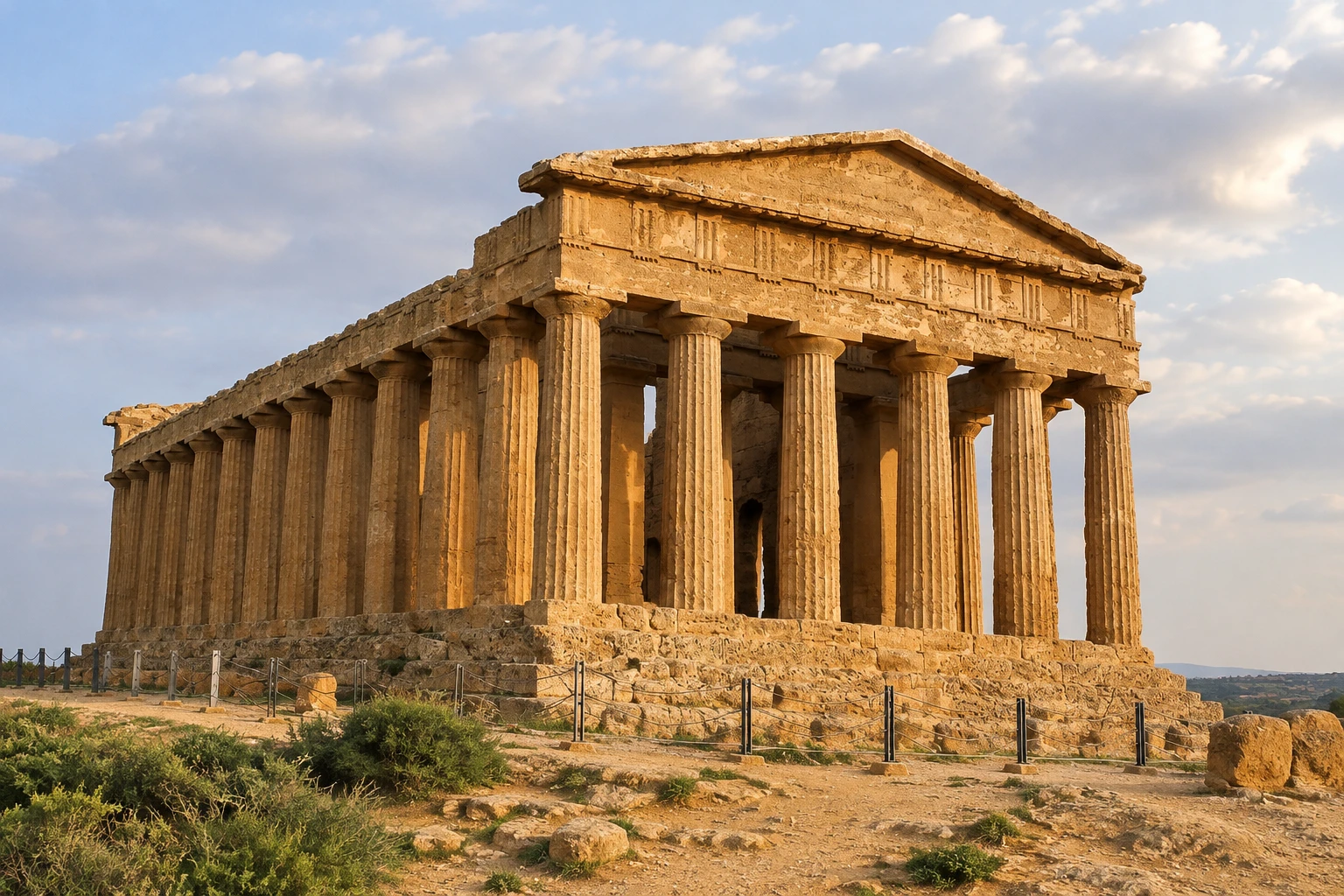
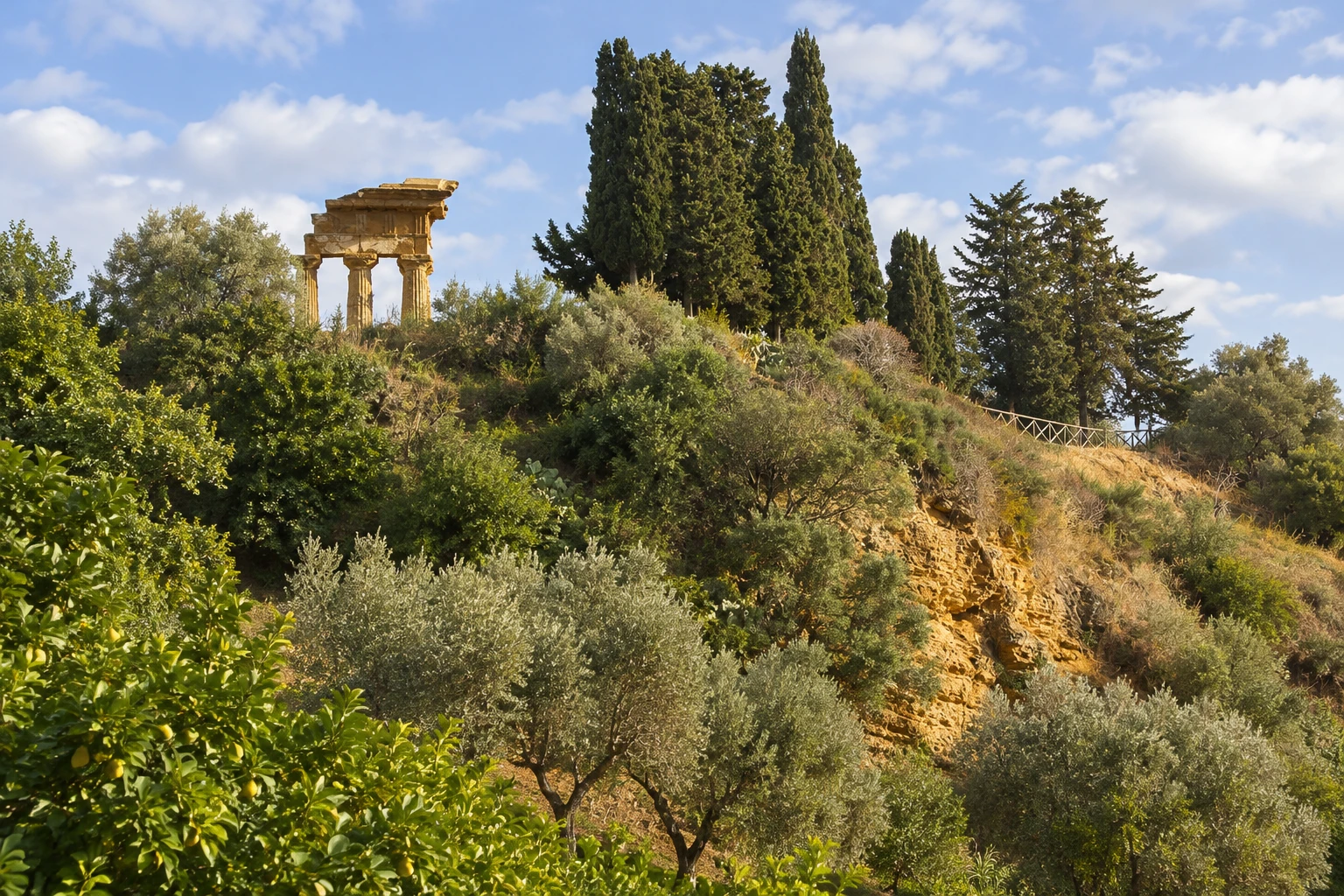
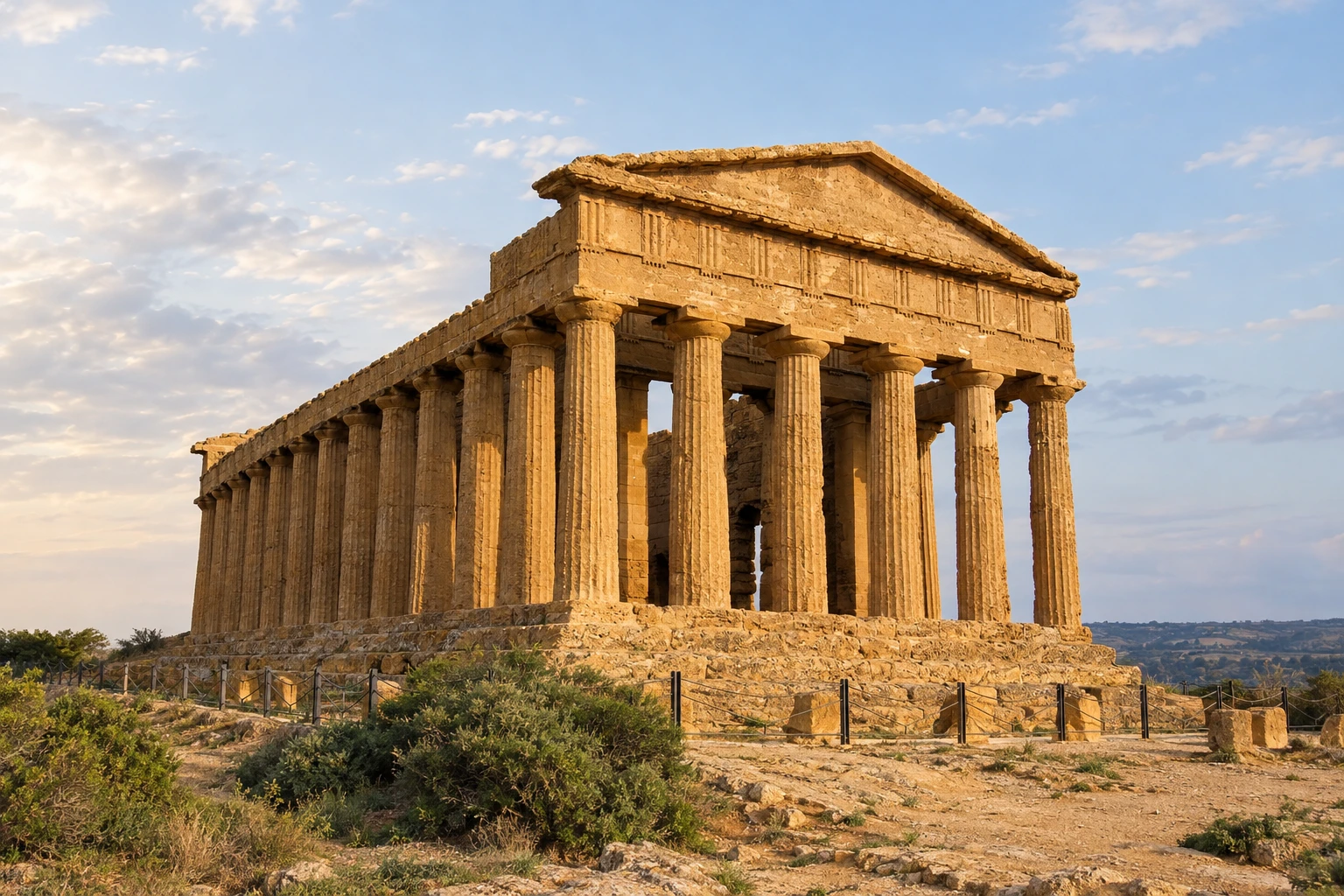
The archaeological park of ancient Akragas, with Doric temples from the 5th century BC, including the Tempio della Concordia, one of the best-preserved Greek temples in the world. A UNESCO World Heritage Site.
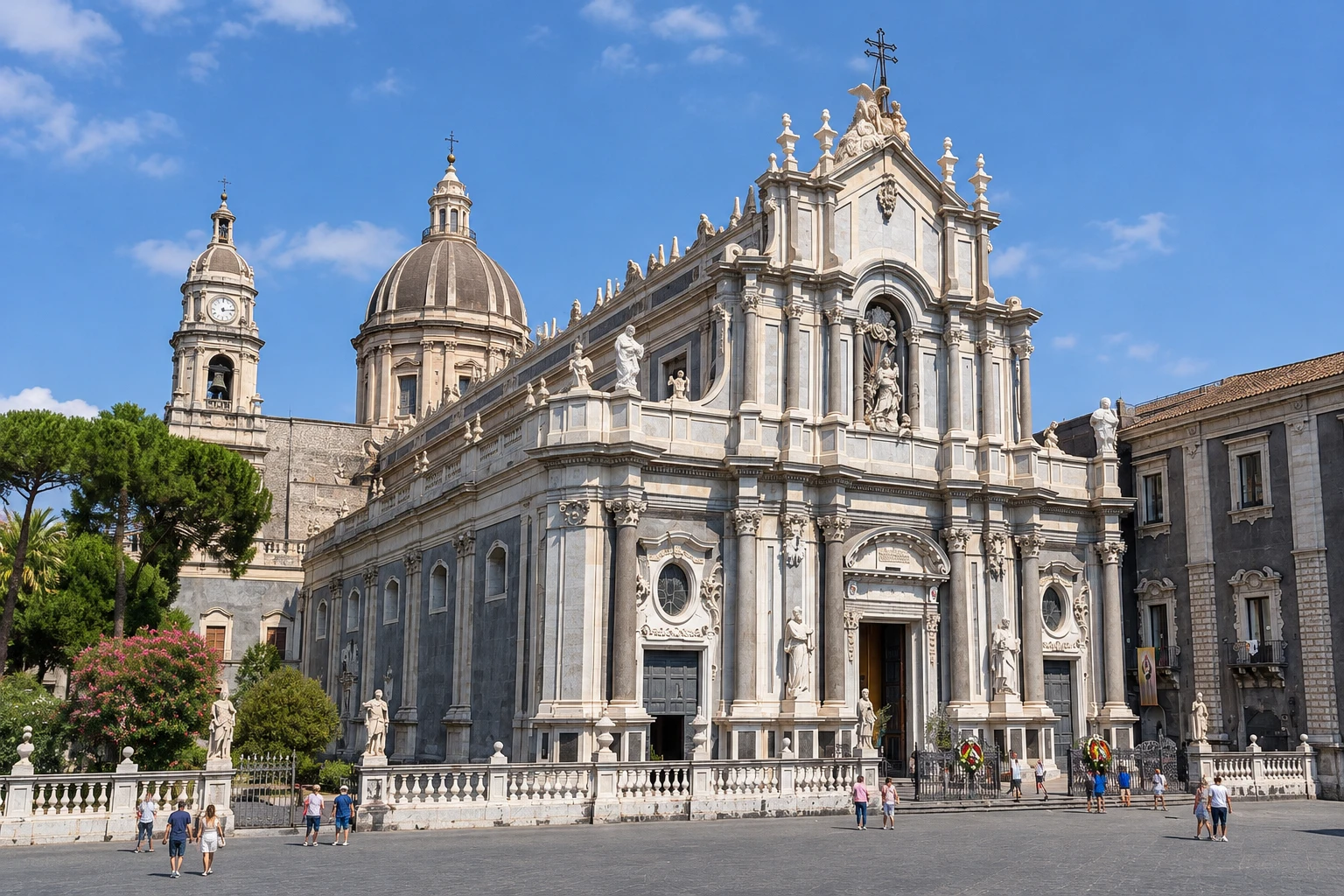
The cathedral of Catania, dedicated to the patron saint Santa Águeda. Baroque façade by Vaccarini, Norman apses of lava stone and the tomb of Vincenzo Bellini.
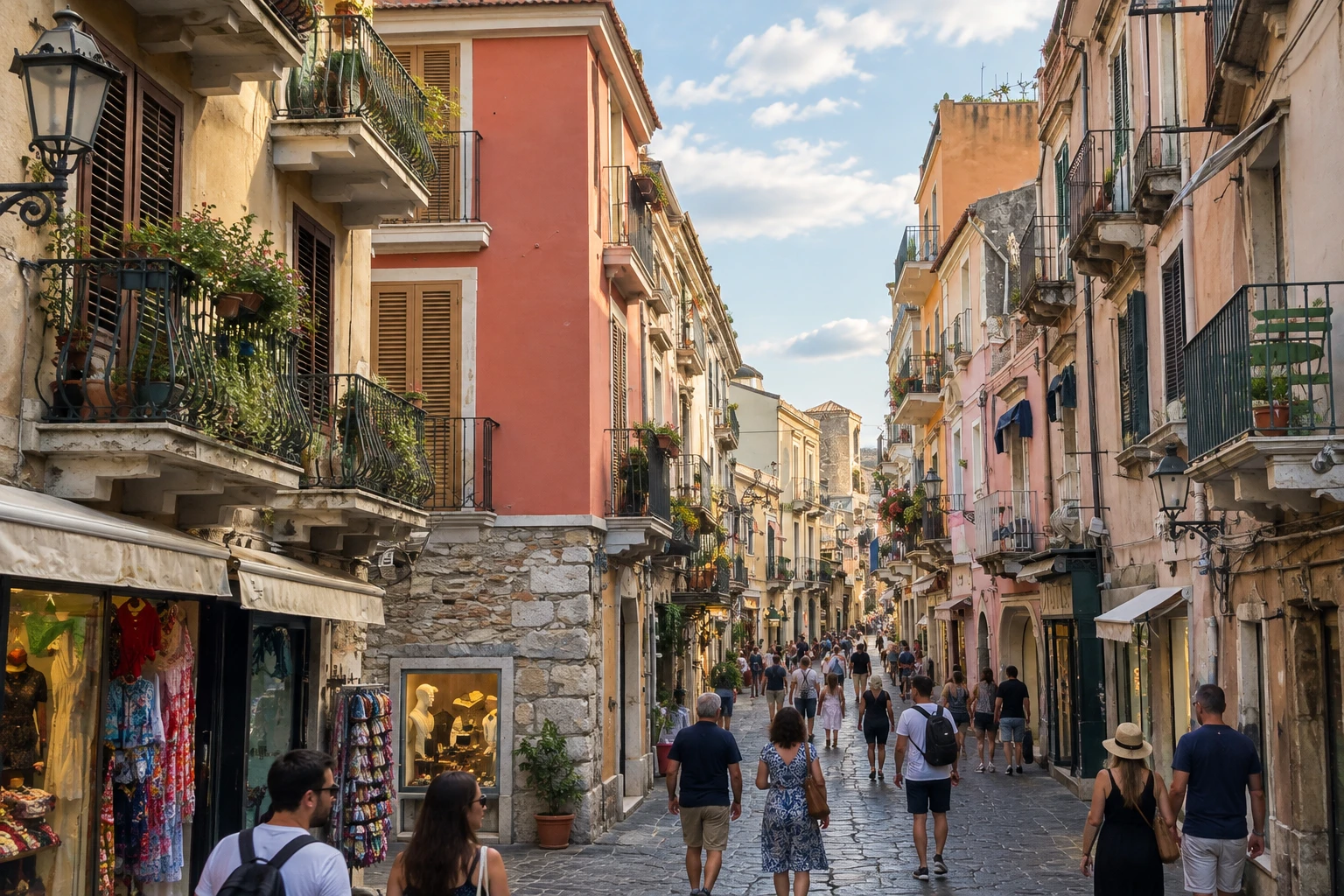
Taormina's main street, between Porta Messina and Porta Catania, with Piazza IX Aprile, Palazzo Corvaja, the Duomo and the Roman Odeon a few steps away.
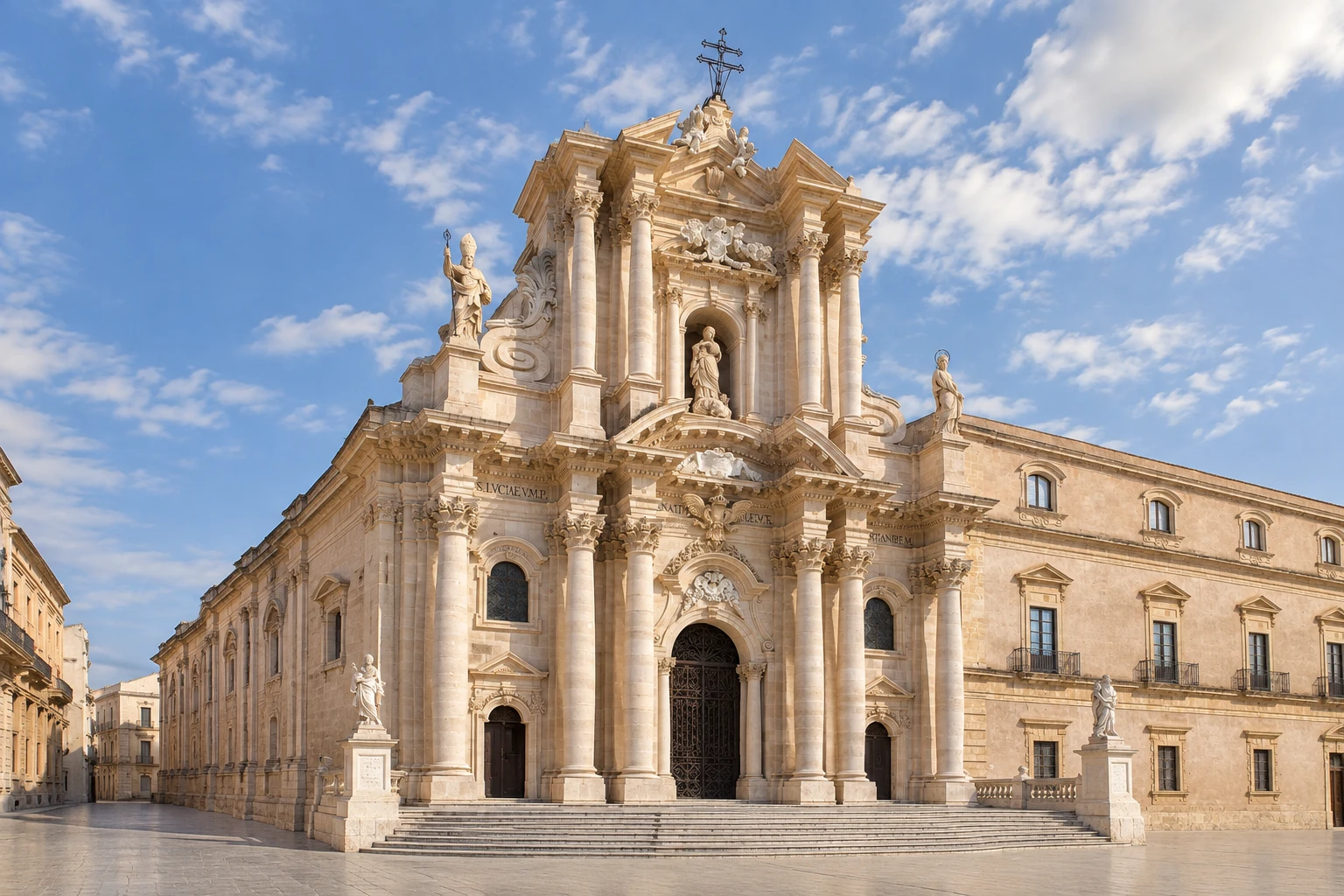
The cathedral of Siracusa, on the Piazza Duomo in Ortigia, built over the Temple of Athena from the 5th century BC. The Greek Doric columns remain standing within the walls.
Archaeological museum next to the Valle dei Templi, with the original telamon from the Tempio di Zeus, Greek vases, the Efebo of Agrigento and pieces from ancient Akragas.
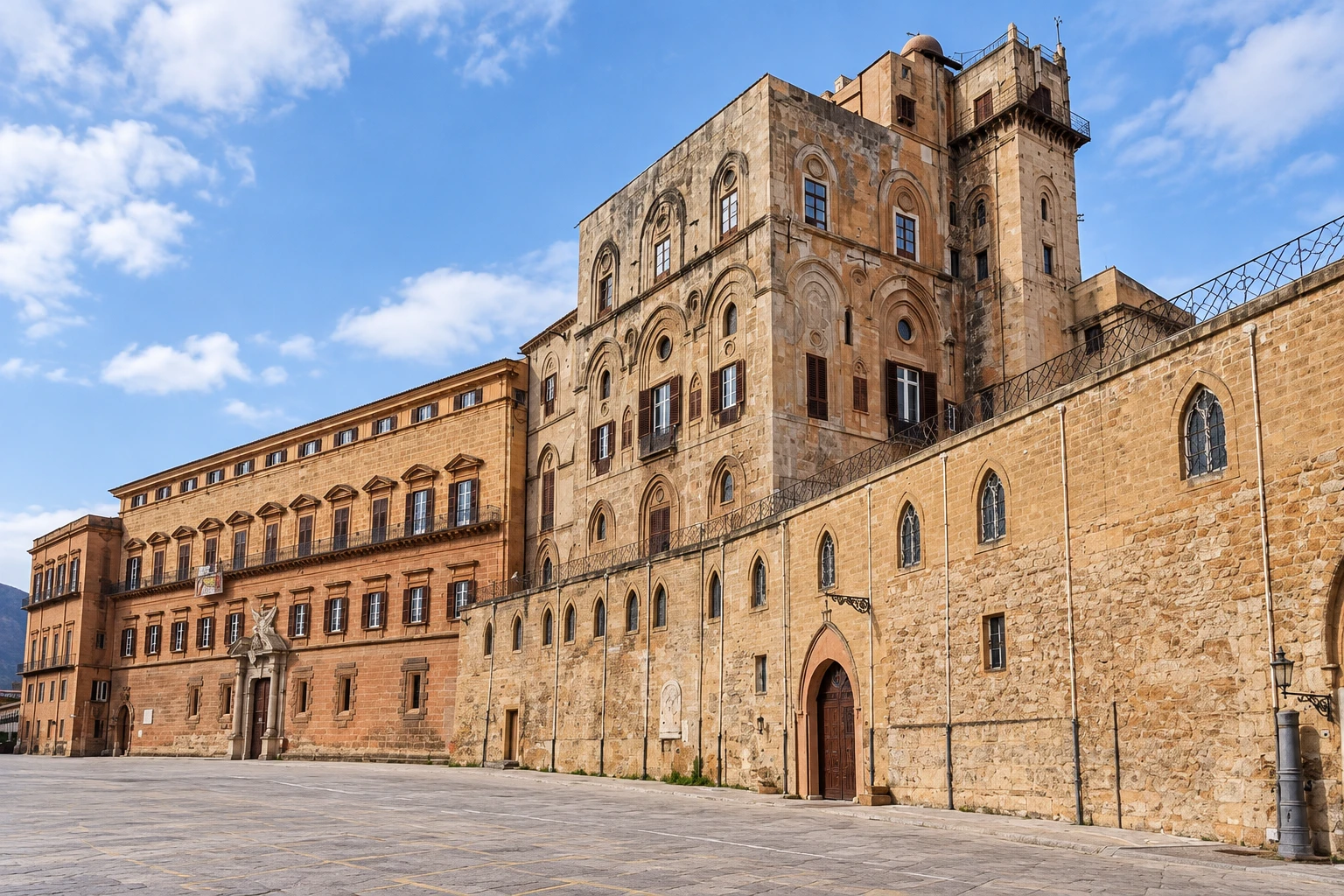
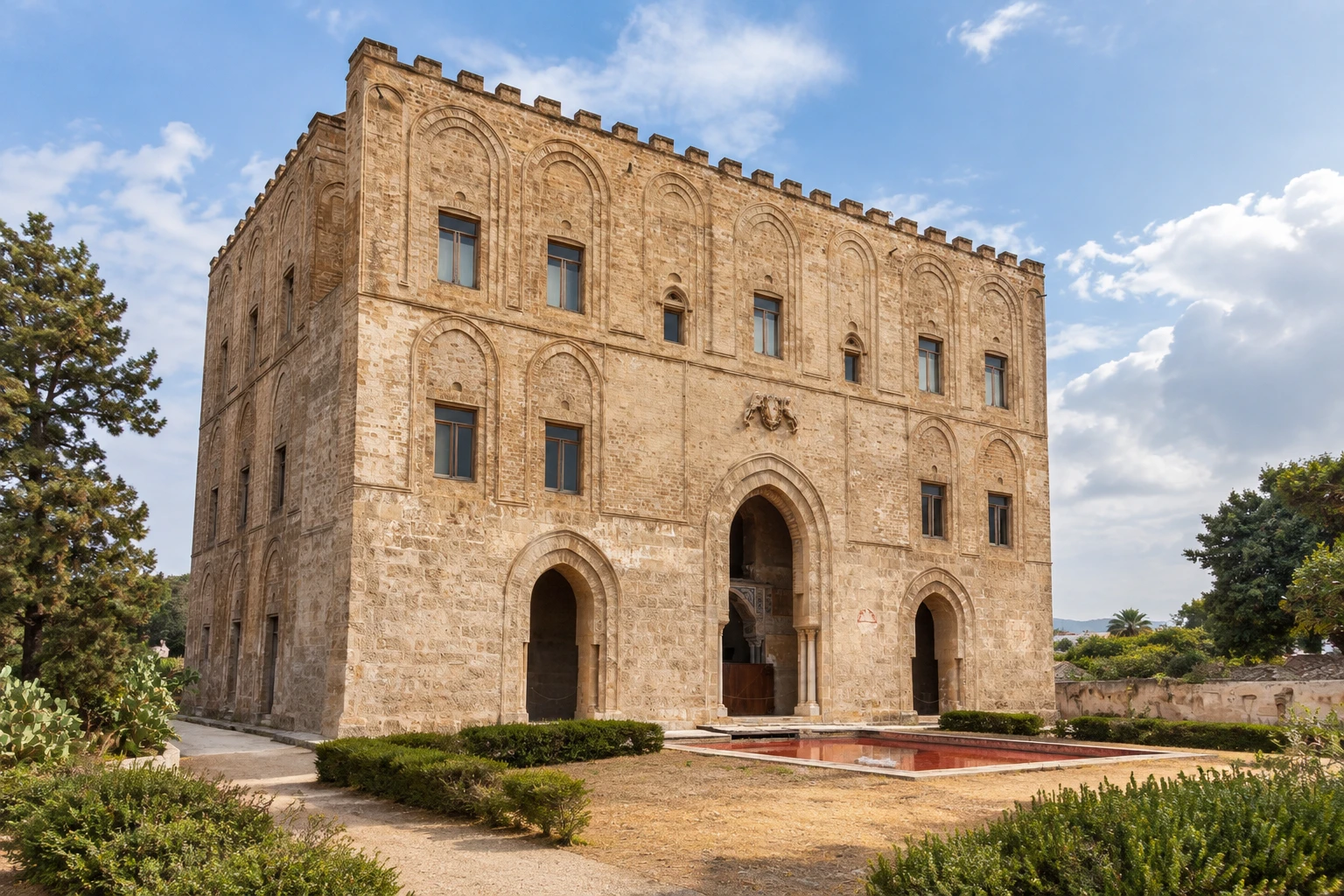
Royal palace of the Normans, seat of the Sicilian Regional Assembly. On the first floor is the Cappella Palatina, from 1140, covered in Byzantine mosaics and with a wooden ceiling in an Arabic style.
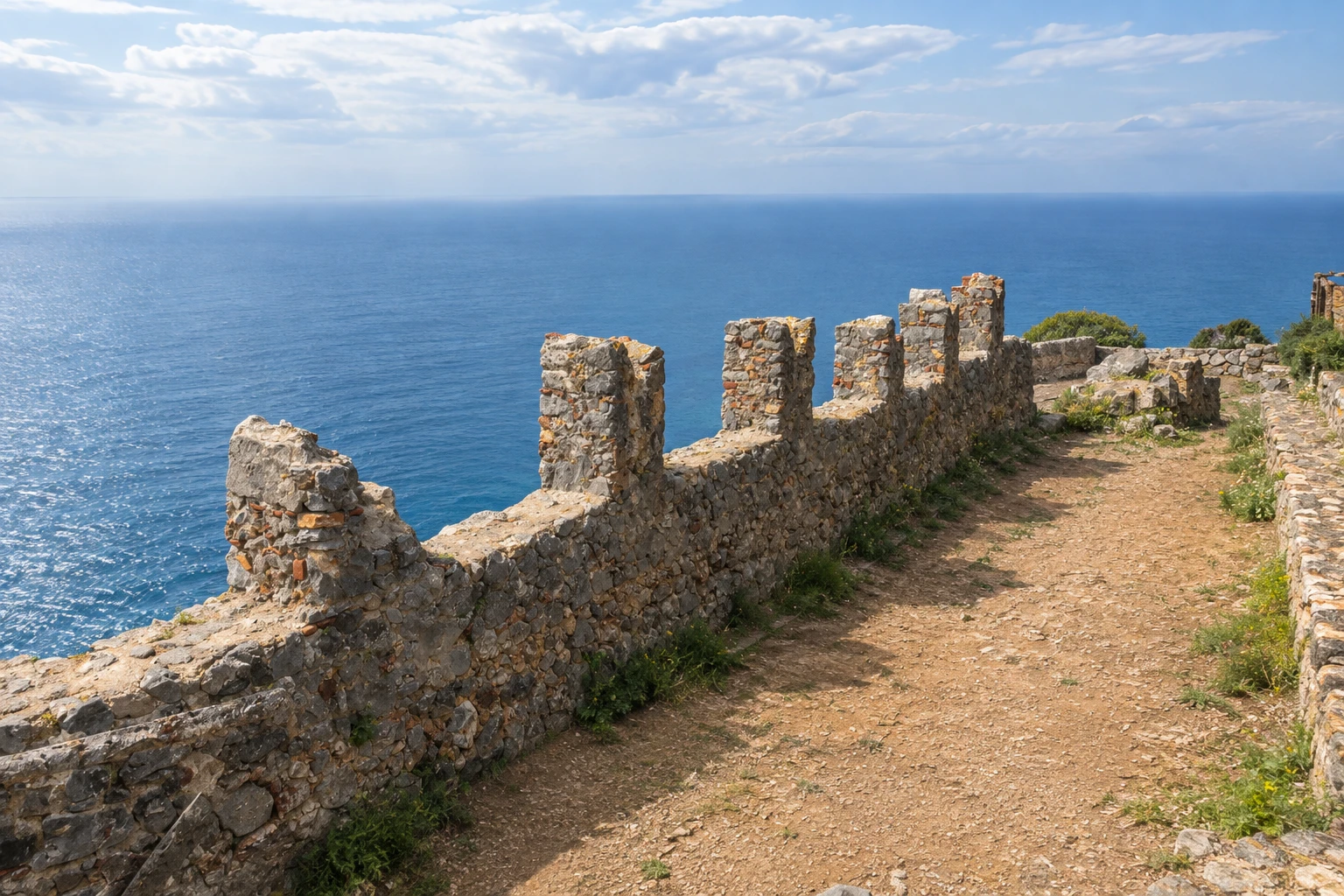
The 268‑metre rock above the town, with a trail to the ruins of the Tempio di Diana, remains of walls and a medieval castle, and views of the cathedral, the roofs and the sea.
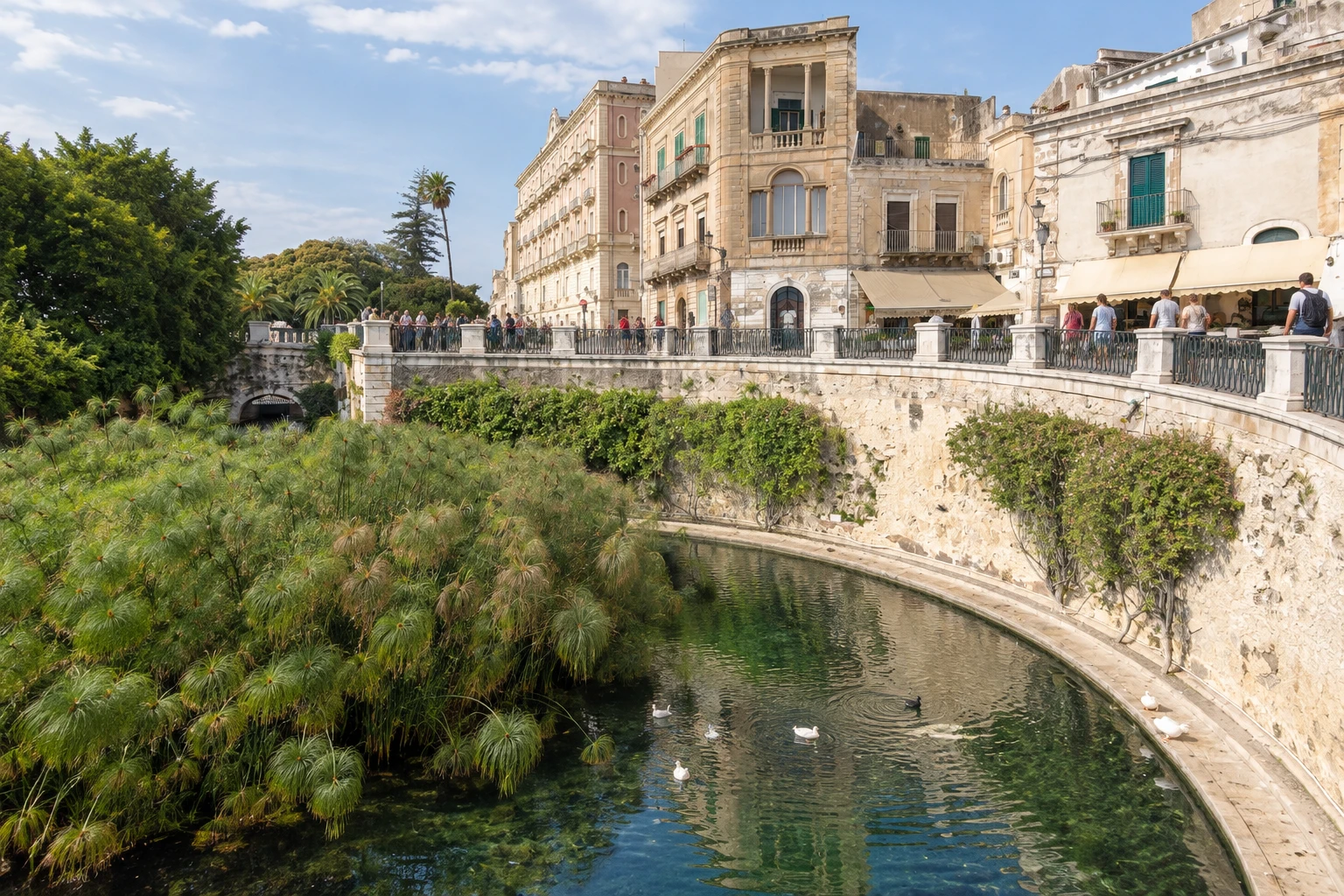
A freshwater spring by the sea in Ortigia, with papyrus plants and ducks, linked to the myth of the nymph Aretusa. It lies on the seafront, beside the Foro Italico promenade.
Garden in a small valley within the Valle dei Templi, with orange trees, almond trees and ancient olive trees, and underground water galleries dating to the Greek period. Managed by the FAI.
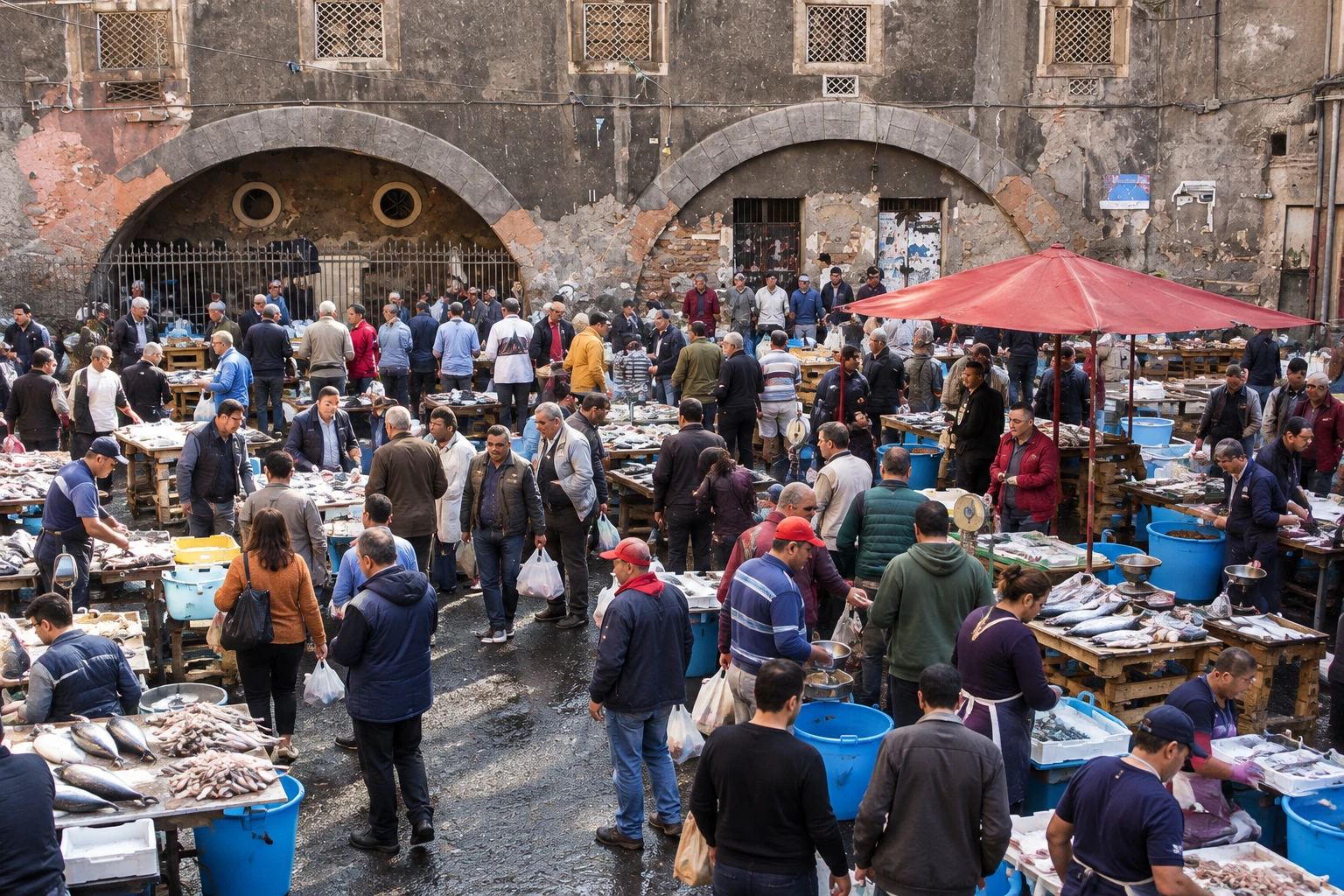
Catania's fish market, next to the Piazza del Duomo, with noisy stalls selling fish, seafood, fruits and vegetables in the surrounding alleys.
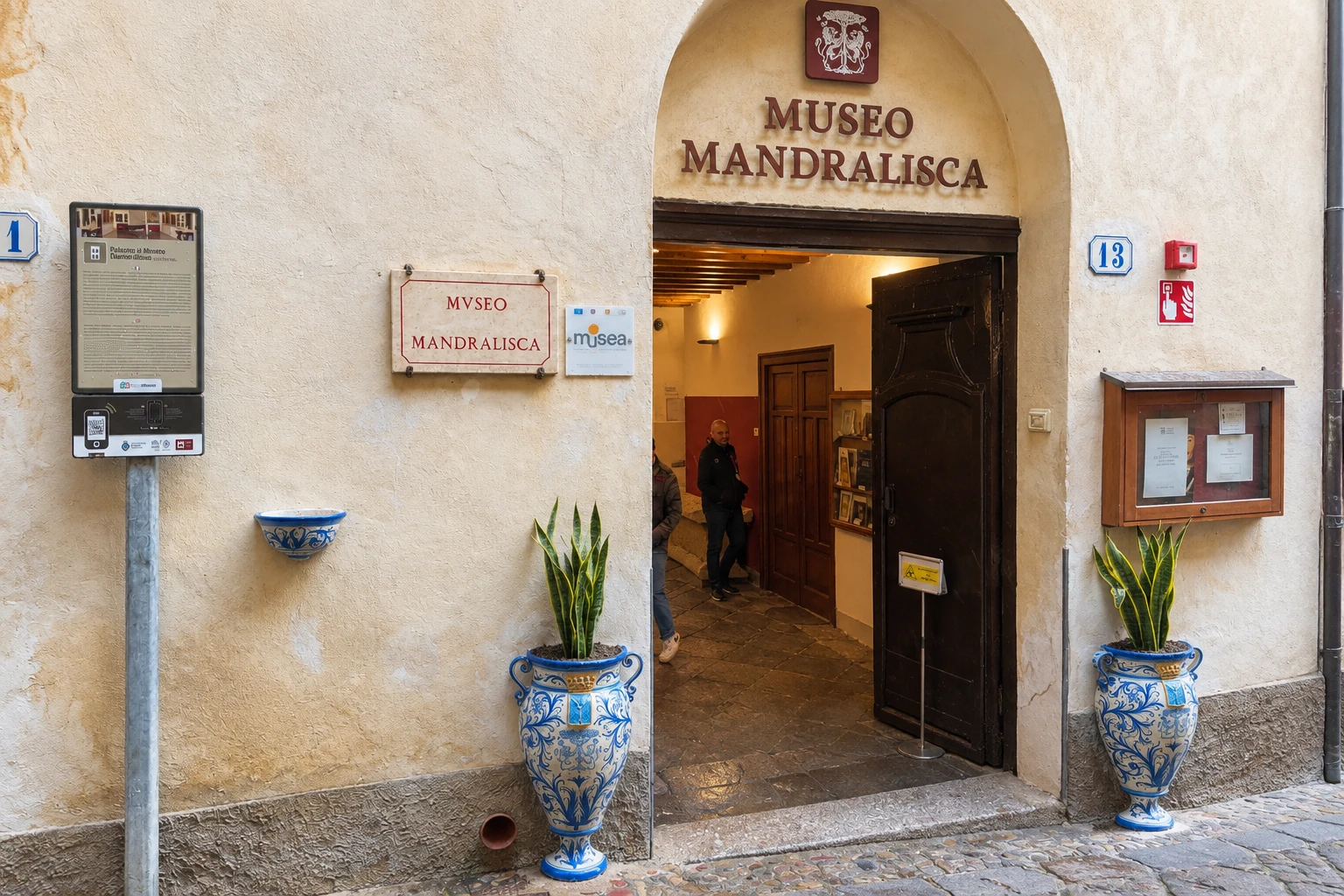
Museum in the house of Baron Enrico Pirajno di Mandralisca, with Antonello da Messina's Portrait of an Unknown Man, a Greek krater with a tuna seller and collections of shells.
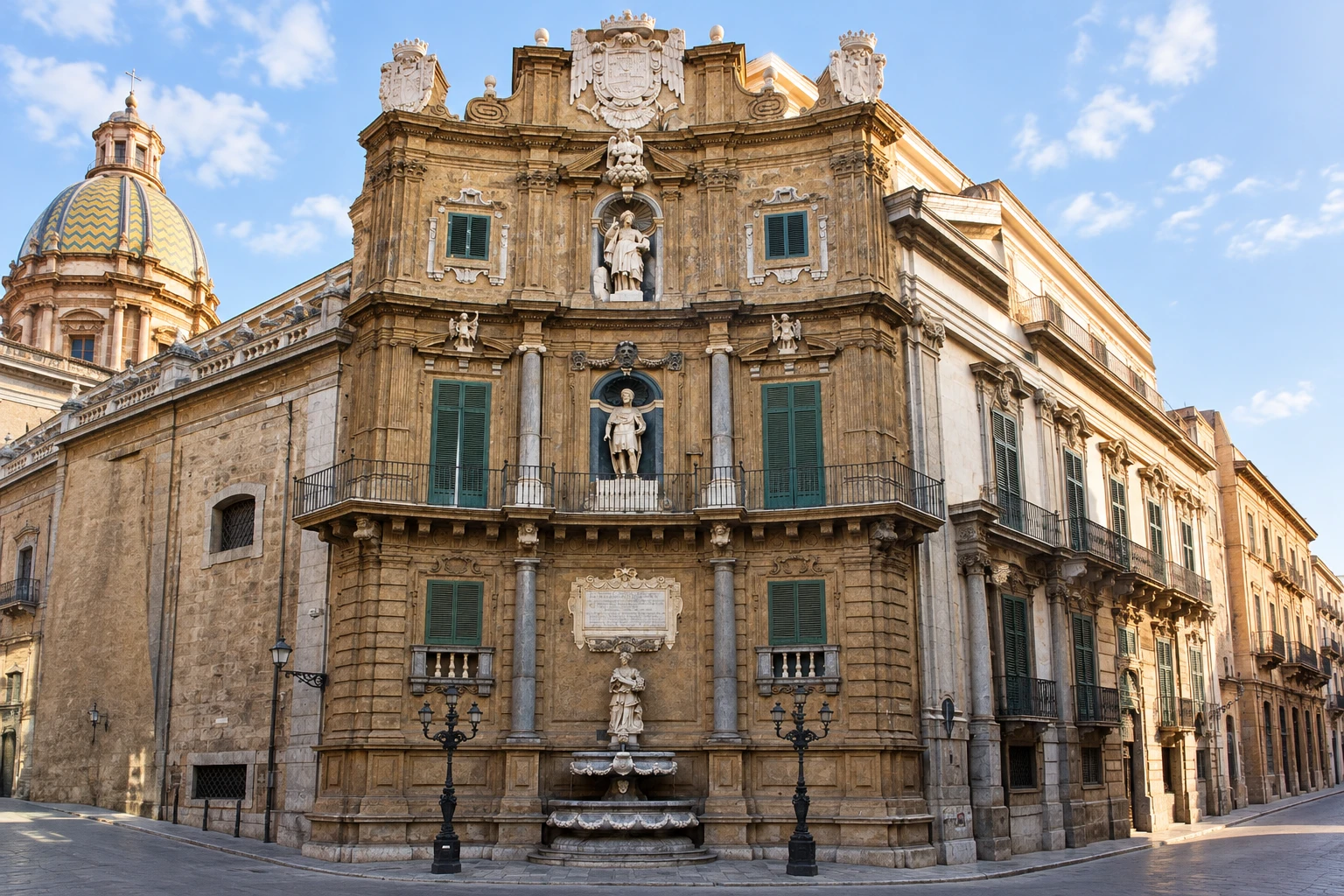
The baroque intersection of Palermo's two main streets, Via Maqueda and Corso Vittorio Emanuele, with four curved facades decorated with fountains, statues of kings and patron saints.
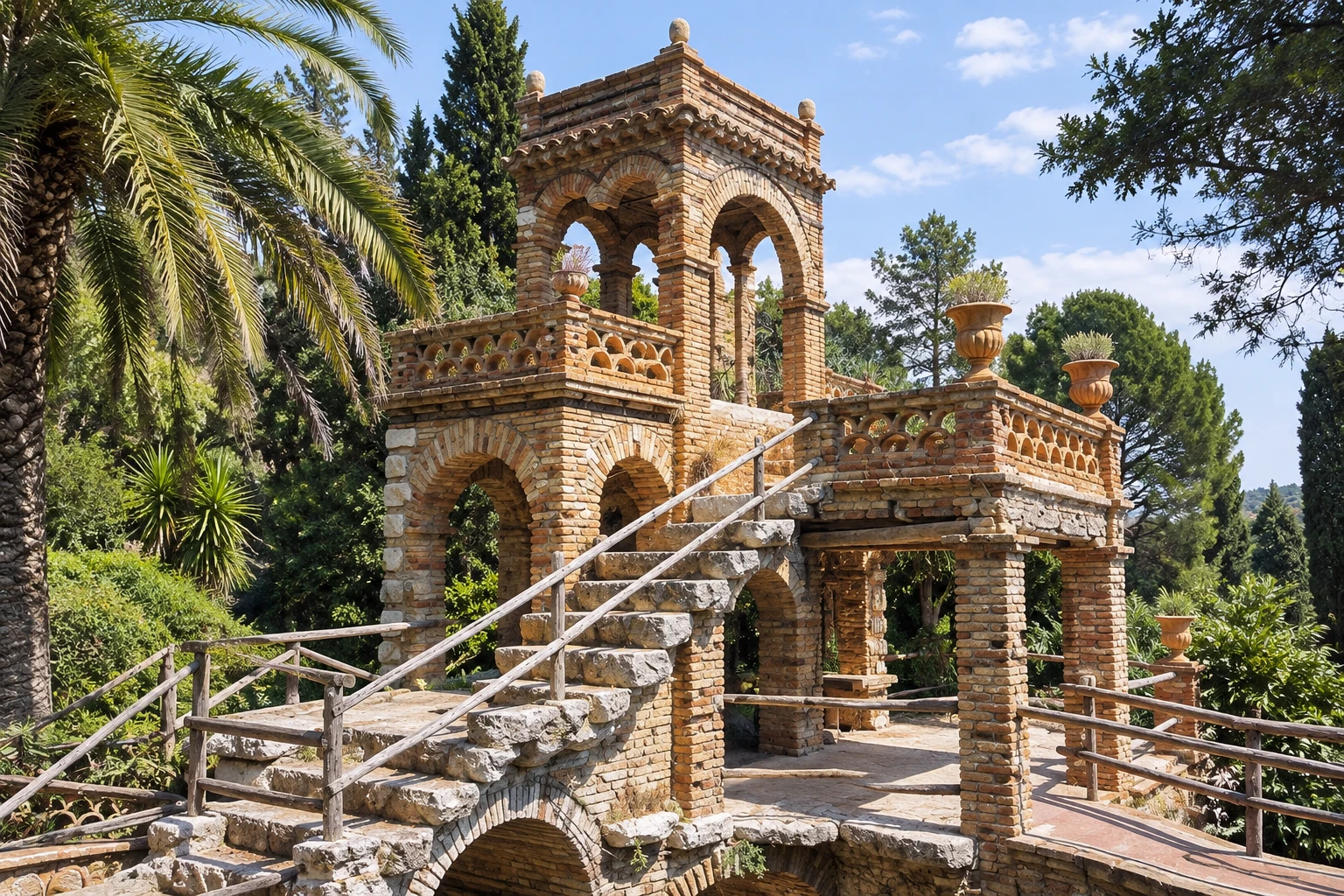
Public garden on terraces above the sea, created in the late 19th century by the Englishwoman Florence Trevelyan, with brick and stone structures and views of the bay of Naxos and Mount Etna.
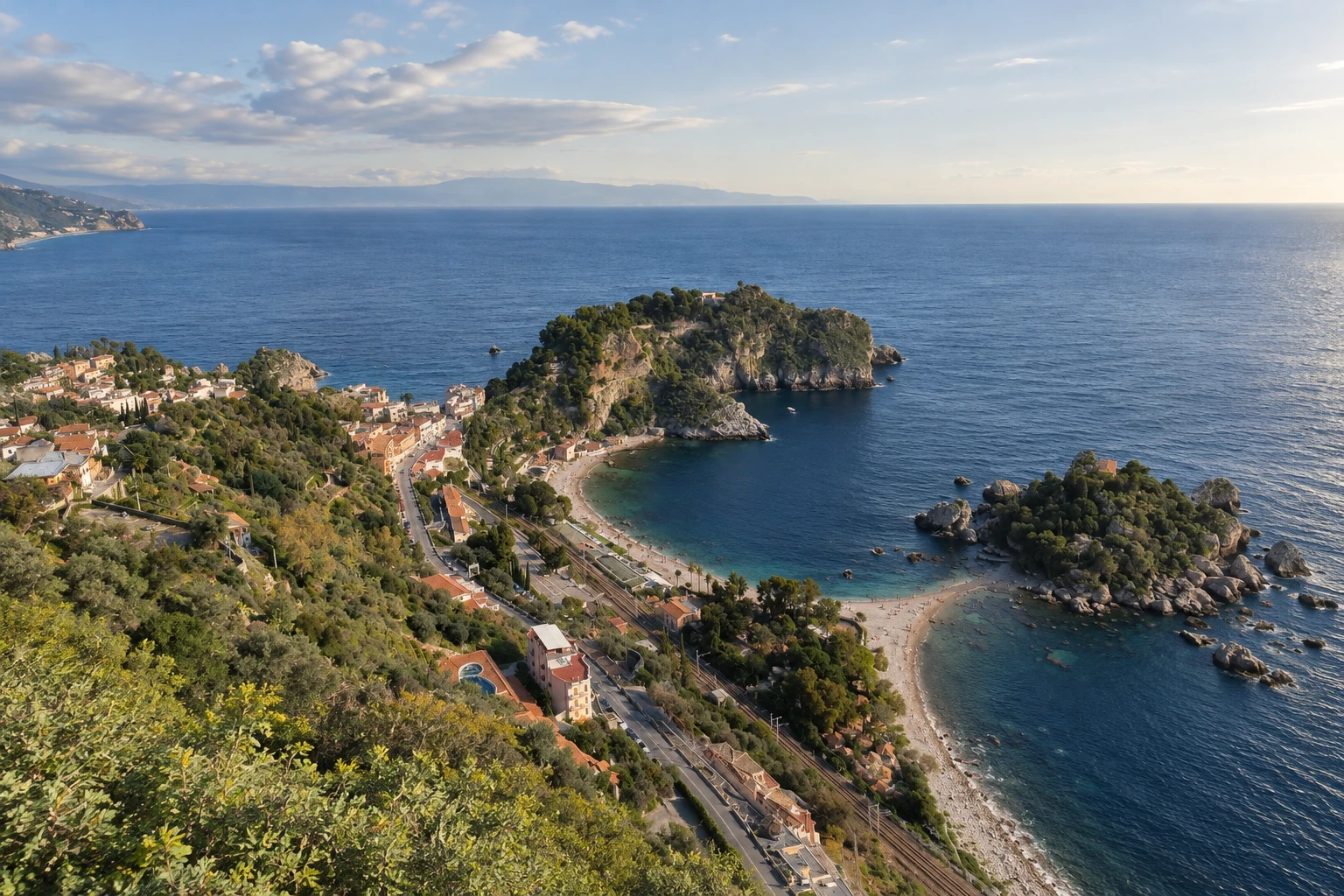
Small islet covered in vegetation in the bay of Mazzarò, linked to the beach by a strip of sand and pebbles that the tide covers and uncovers. It is a nature reserve with a house-museum.
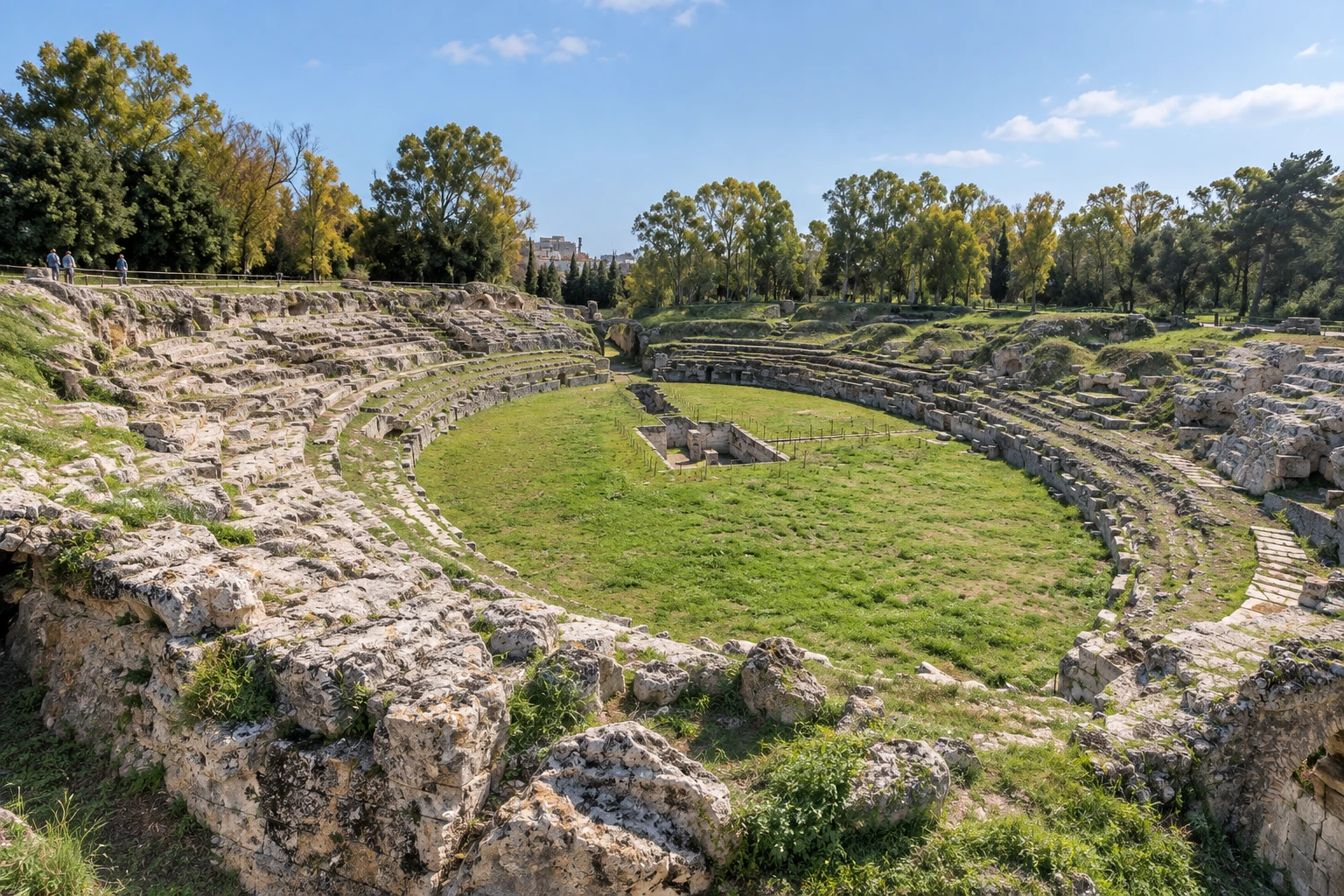
The large archaeological park of Siracusa, with the Teatro Greco cut into the rock, the Latomia del Paradiso with the Orecchio di Dionisio, the Ara di Ierone and the Roman amphitheatre.
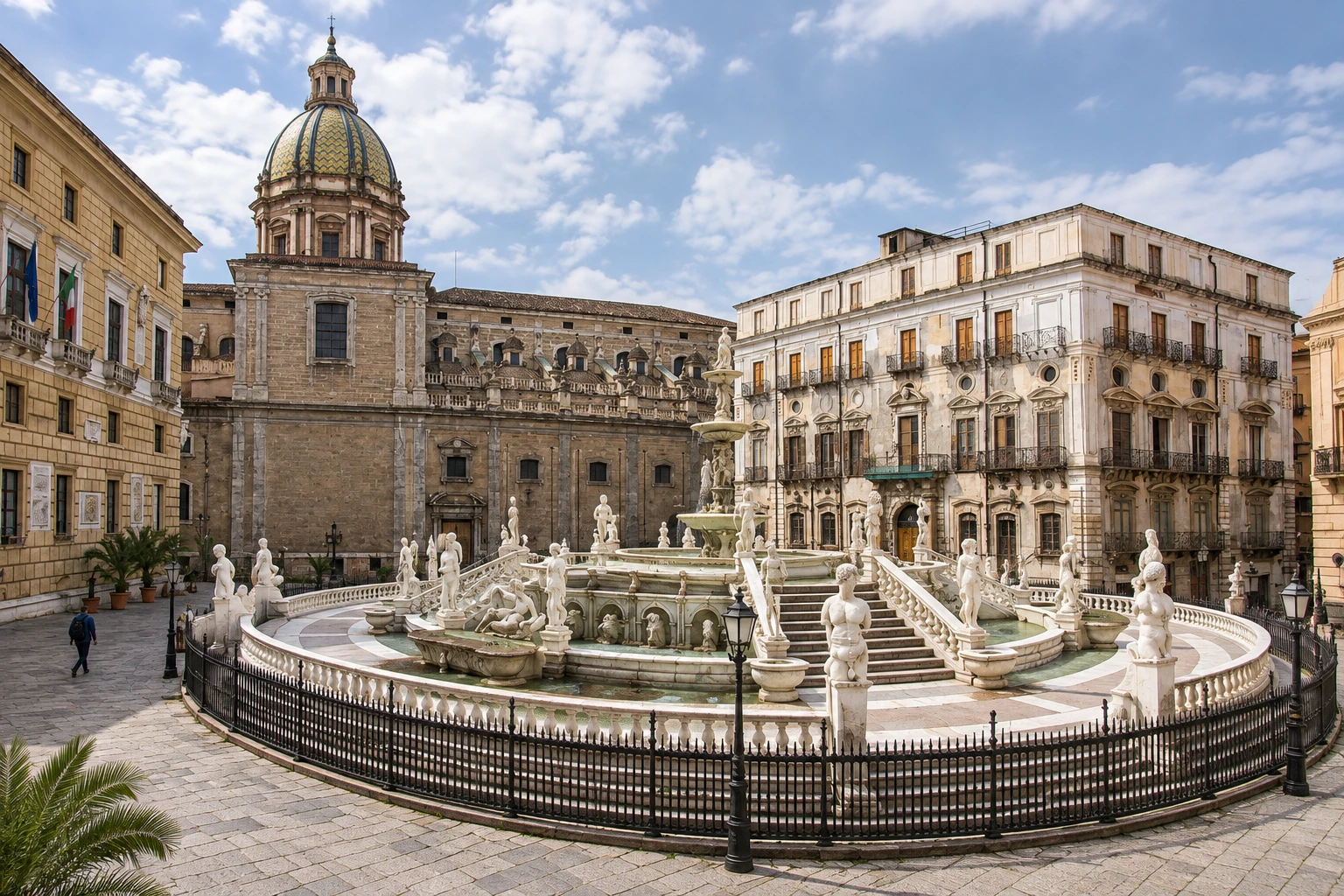
Square next to the Quattro Canti featuring the Fontana Pretoria, a Renaissance marble fountain with dozens of statues, made in Florence in the 16th century and reassembled in Palermo.
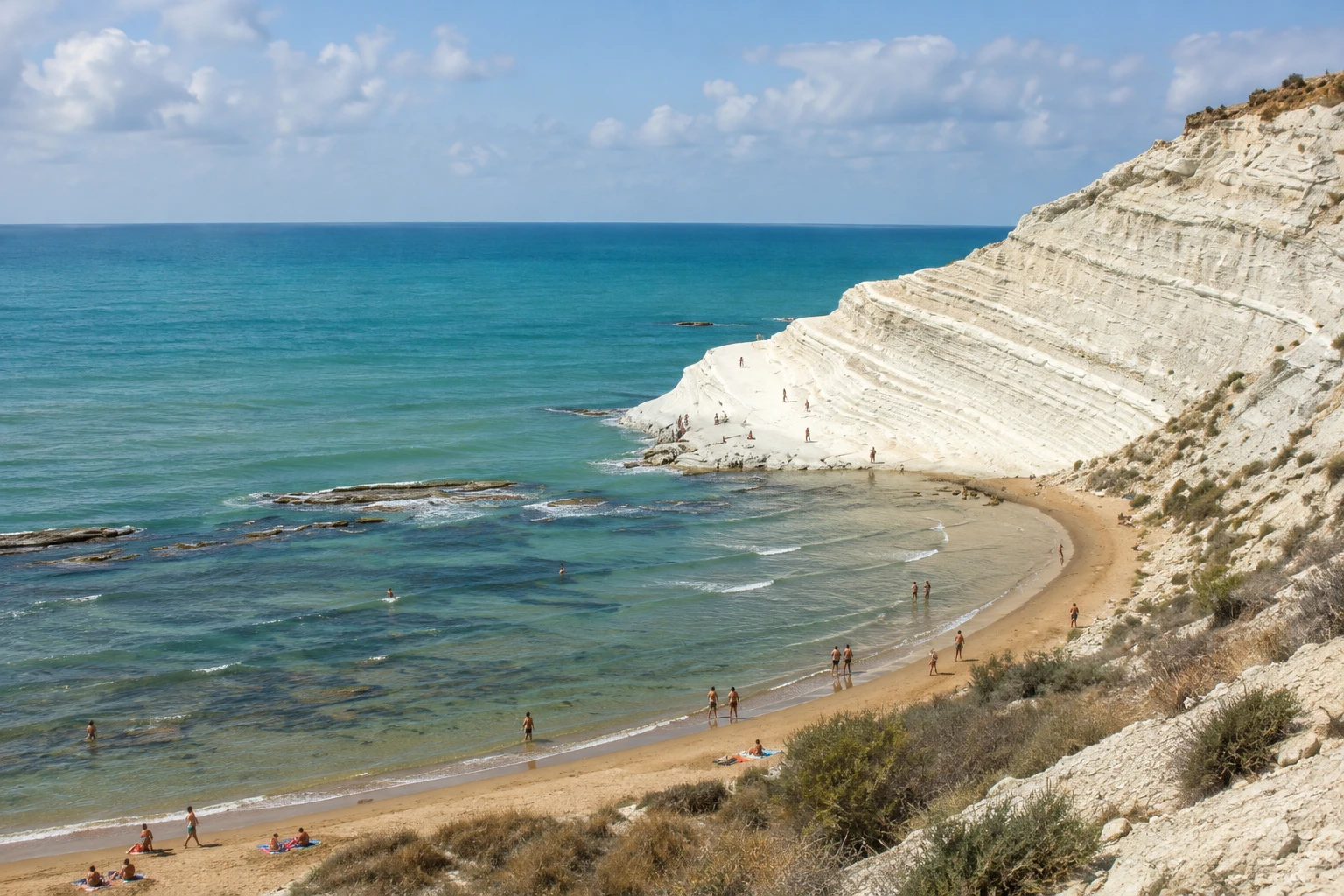
White marl cliff formed in terraces above the sea, on the coast of Realmonte, about 15 km from Agrigento. Access to the rock is controlled; the entire cliff can be seen from the neighbouring beaches.
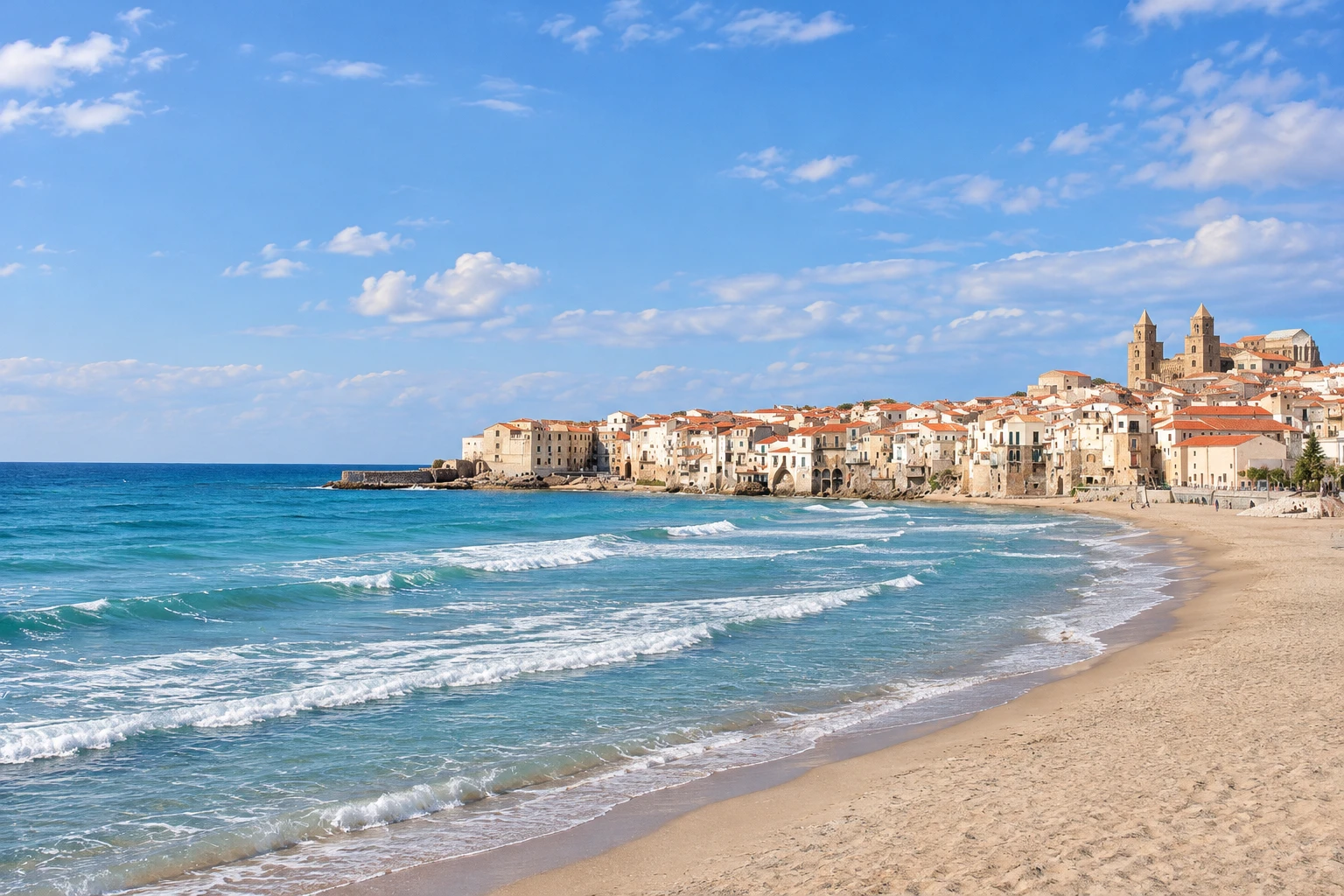
The city's sandy beach, which stretches west from the historic center, with the old houses and the Rocca in the background. At the tip, the Bastione di Capo Marchiafava is a lookout for the sunset.
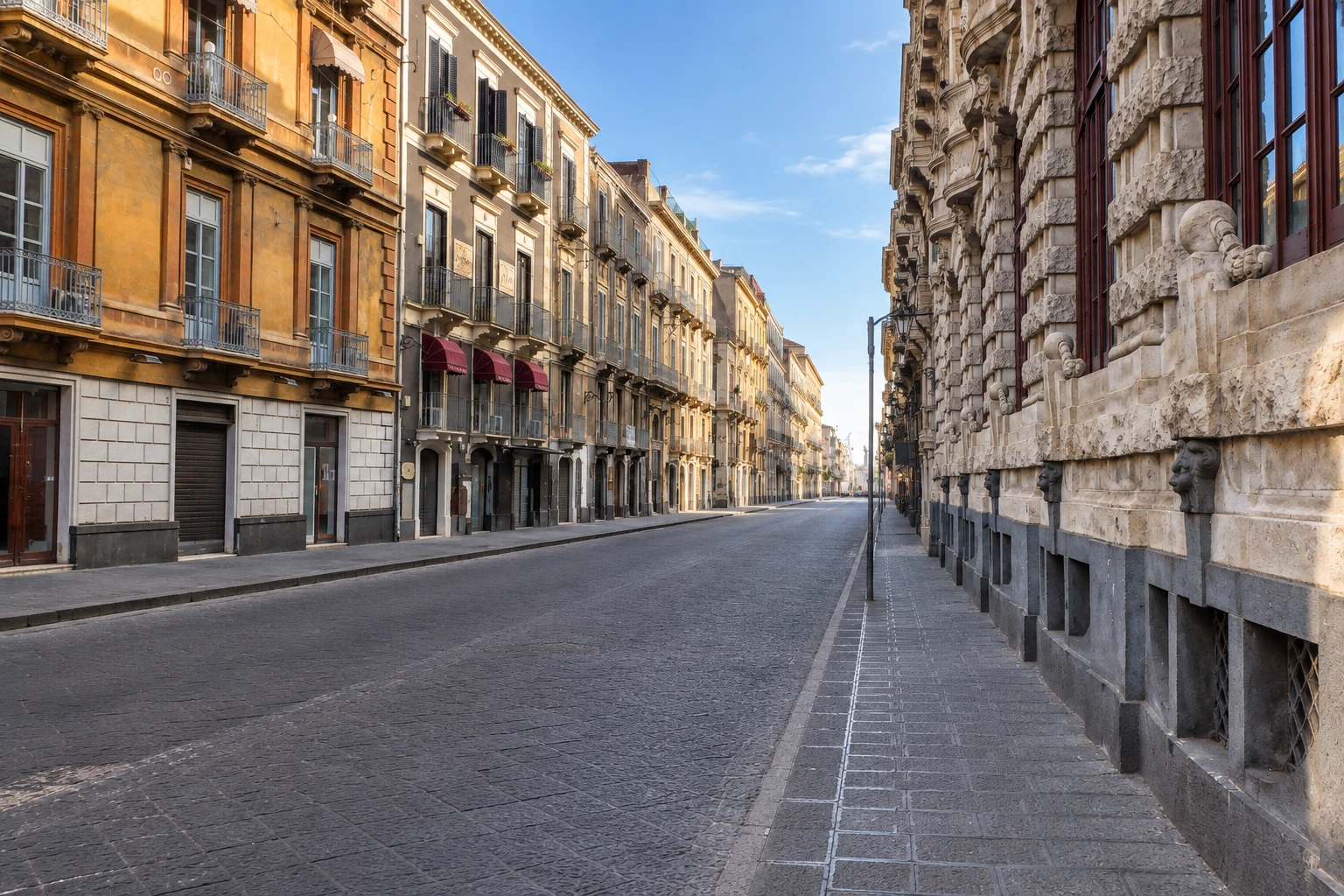
Catania's main street, which starts at the Piazza del Duomo and climbs straight toward the Etna, with Baroque churches, shops, cafés and the garden of the Villa Bellini.
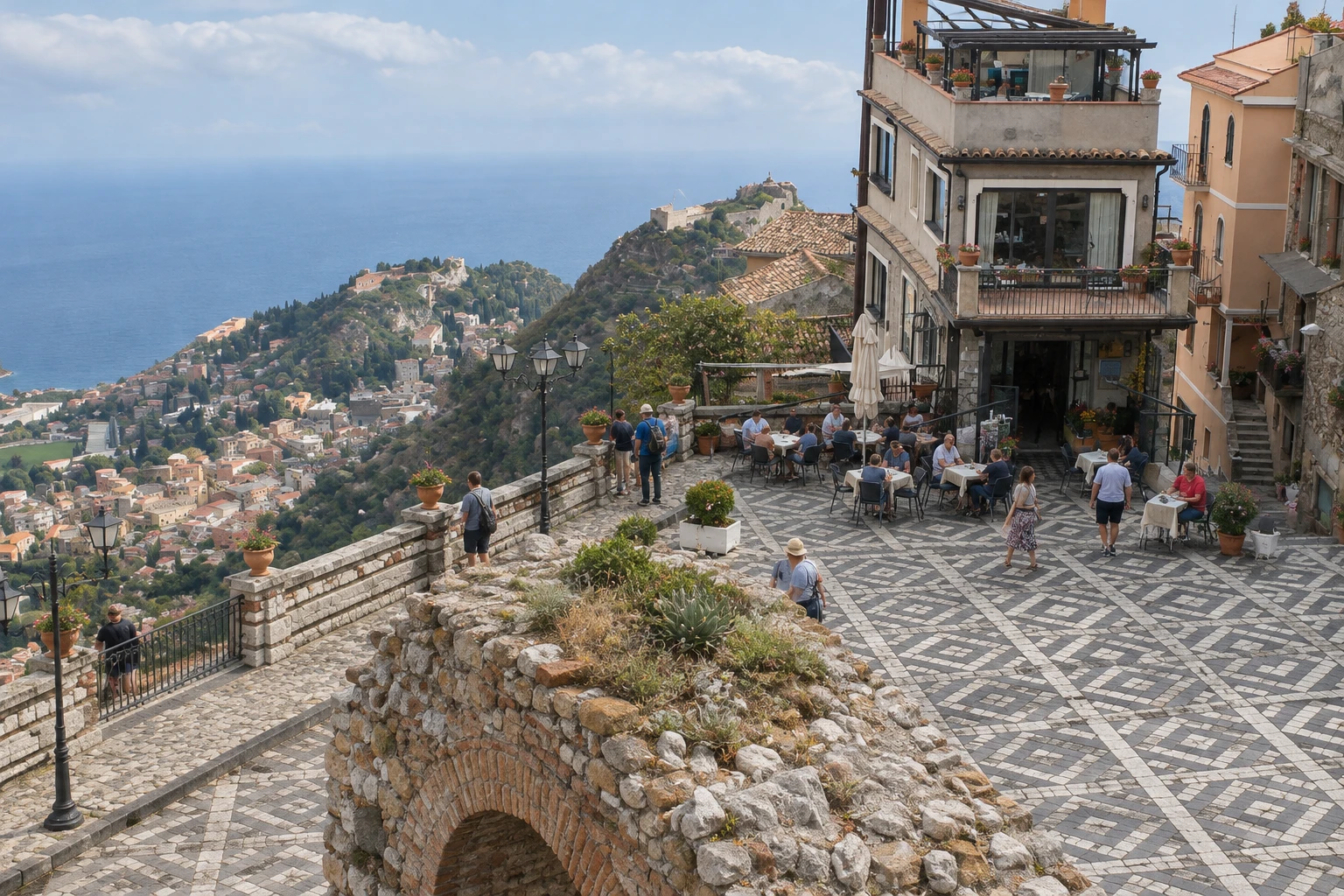
Medieval village atop a rock about 500 metres above sea level, above Taormina. It has castle ruins, stone streets and wide views of the coast and Mount Etna.
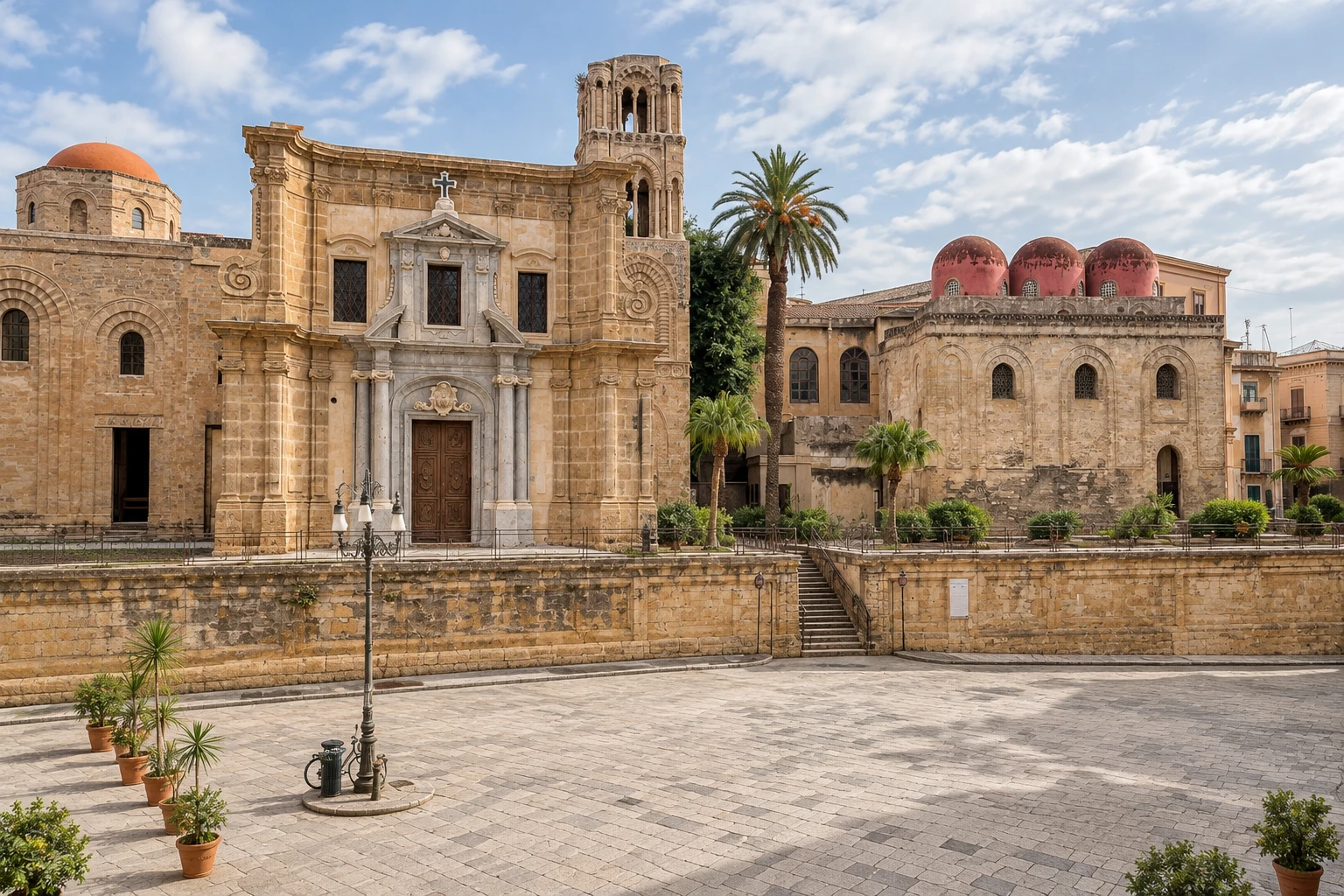
The Martorana, a church from 1143 with Byzantine gold-background mosaics, including Rogério II crowned by Christ. Beside it, the small San Cataldo, with red domes.
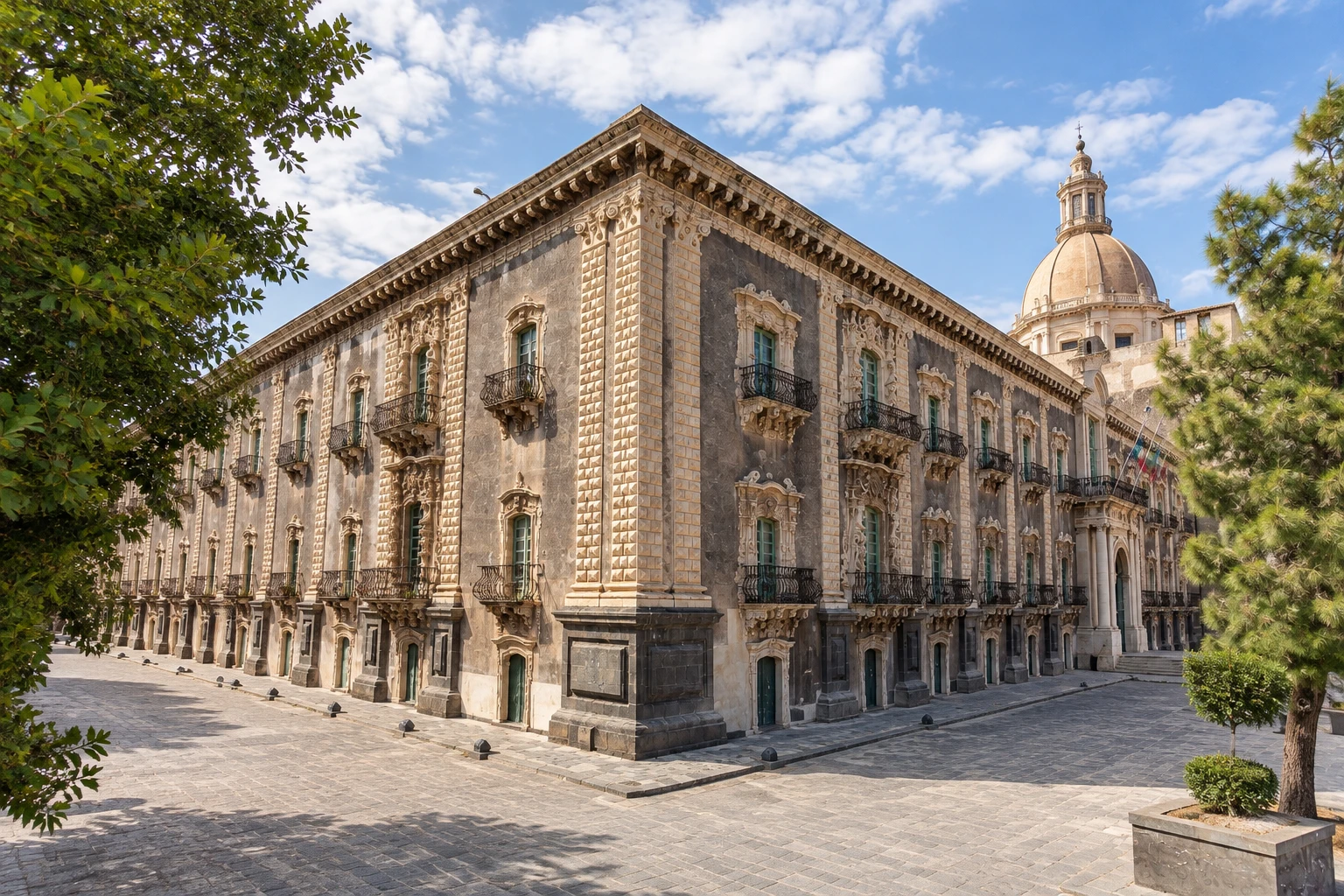
One of the largest monastic complexes in Europe, rebuilt in Baroque style after the 1669 lava flow and the 1693 earthquake. Today it houses faculties of the University of Catania.
One of the largest archaeological museums in Europe, with pieces from prehistory to the Greek and Roman periods of eastern Sicily, including the Vênus Landolina.
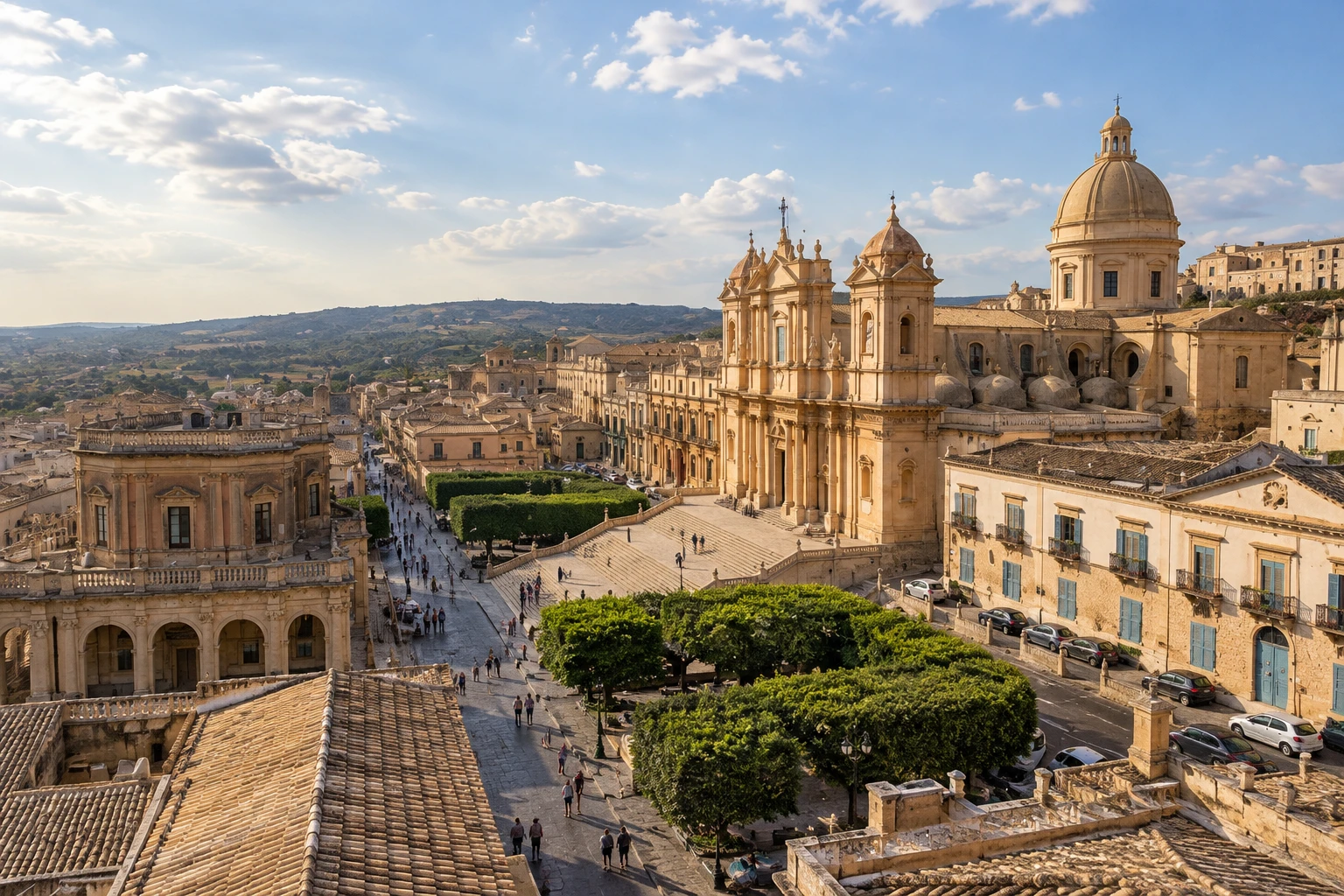
Baroque town about 35 km from Siracusa, rebuilt after the 1693 earthquake in golden limestone. It has the Cattedrale di San Nicolò and the Corso Vittorio Emanuele.
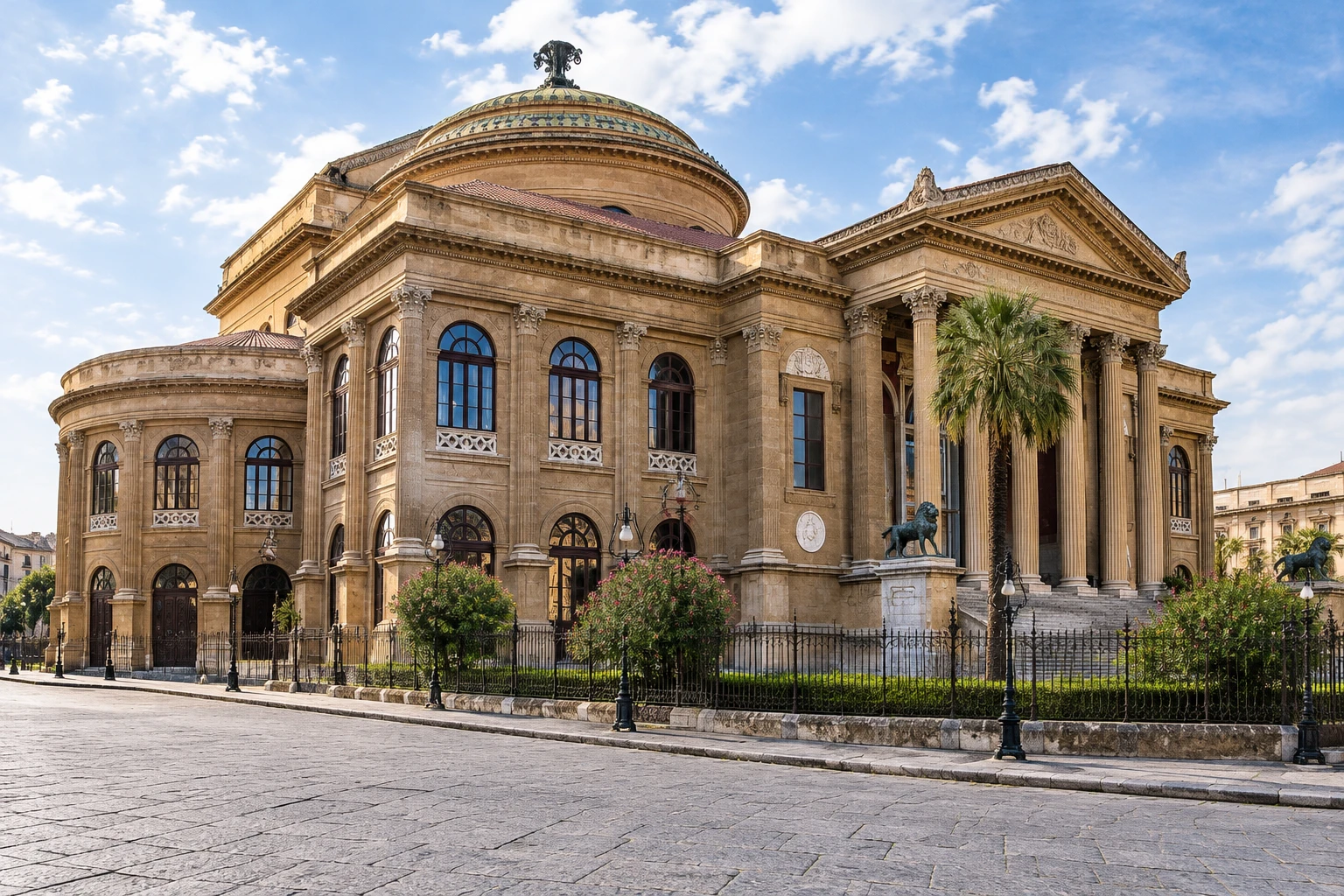
The Teatro Massimo Vittorio Emanuele, opened in 1897, is the largest opera house in Italy. Guided tours visit the auditorium, the boxes and the Pompeian hall.
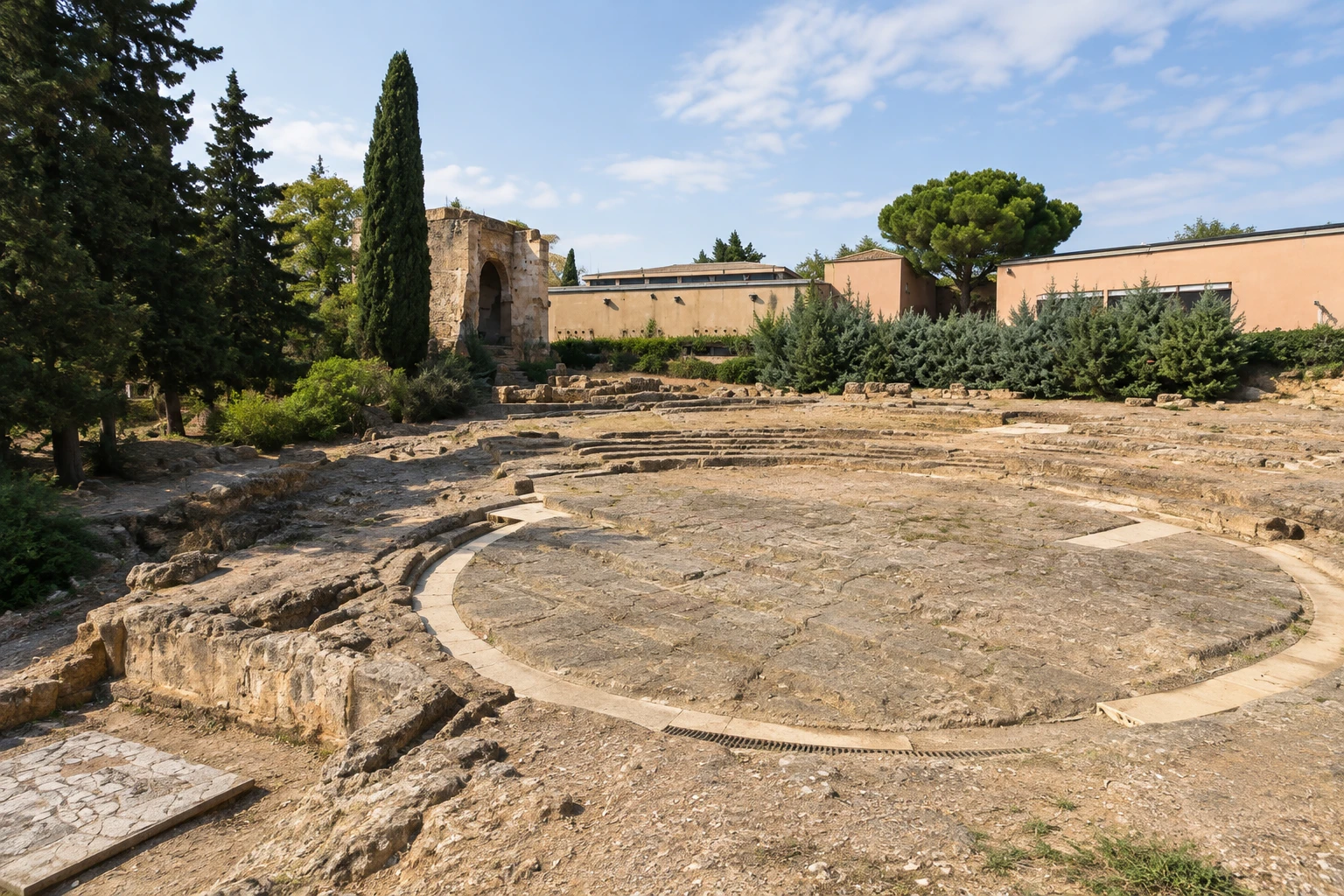
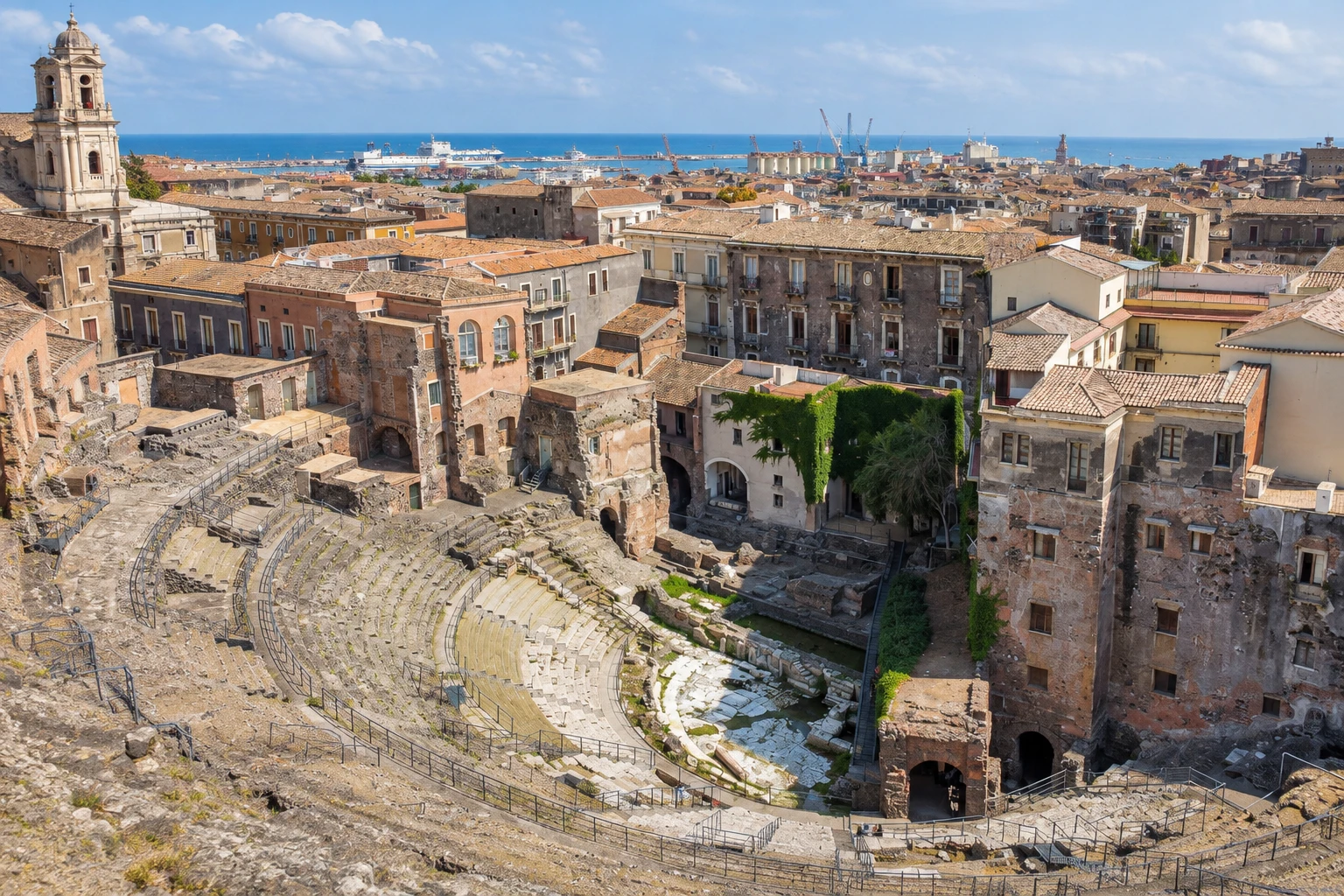
Greco-Roman theatre in the middle of the historic centre, with lava stone seating surrounded by houses, and the small Odeon next to it.
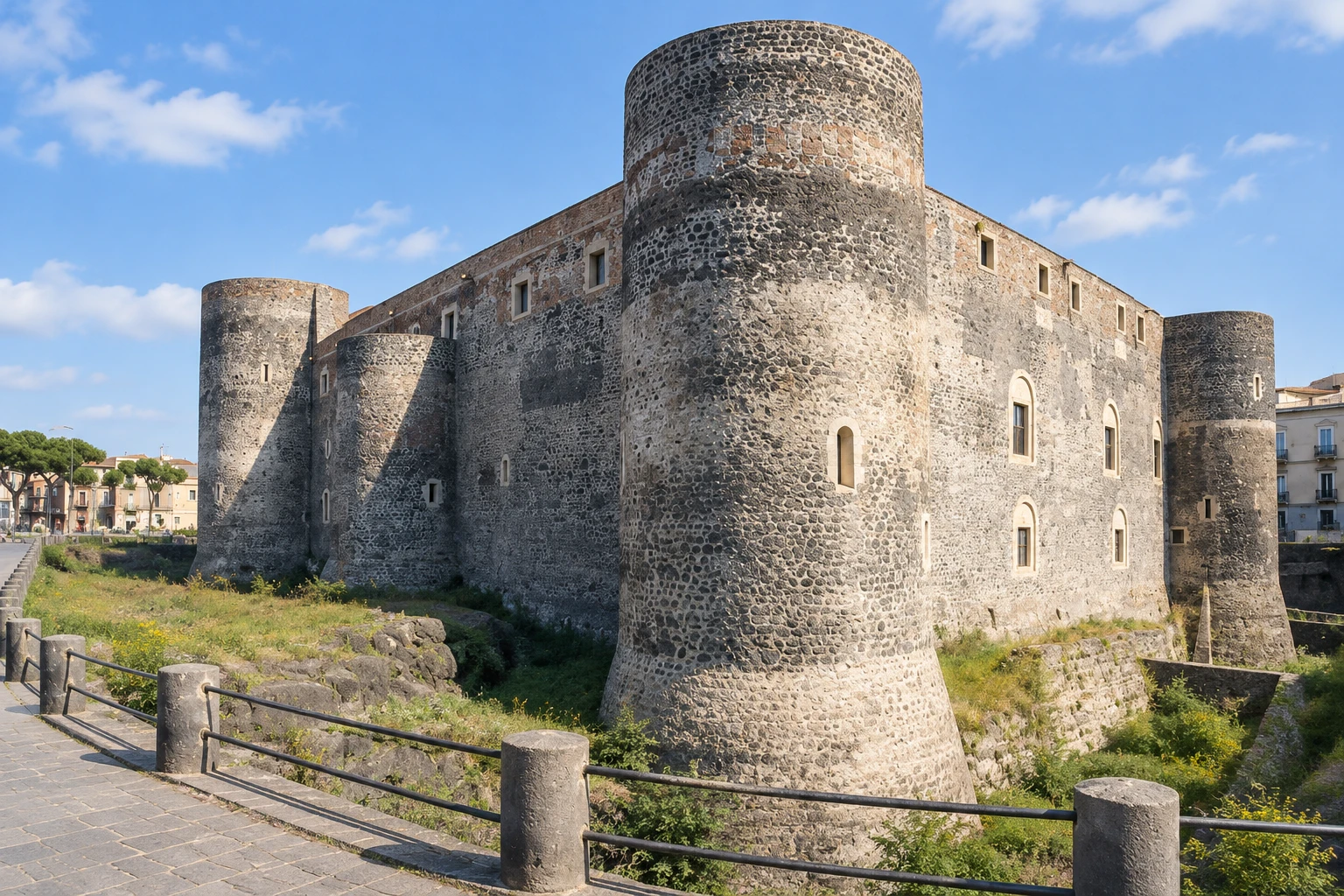
Castle built by Frederick II in the 13th century, surrounded by the lava of 1669. It houses the Museo Civico, with archaeology, sculptures and paintings.
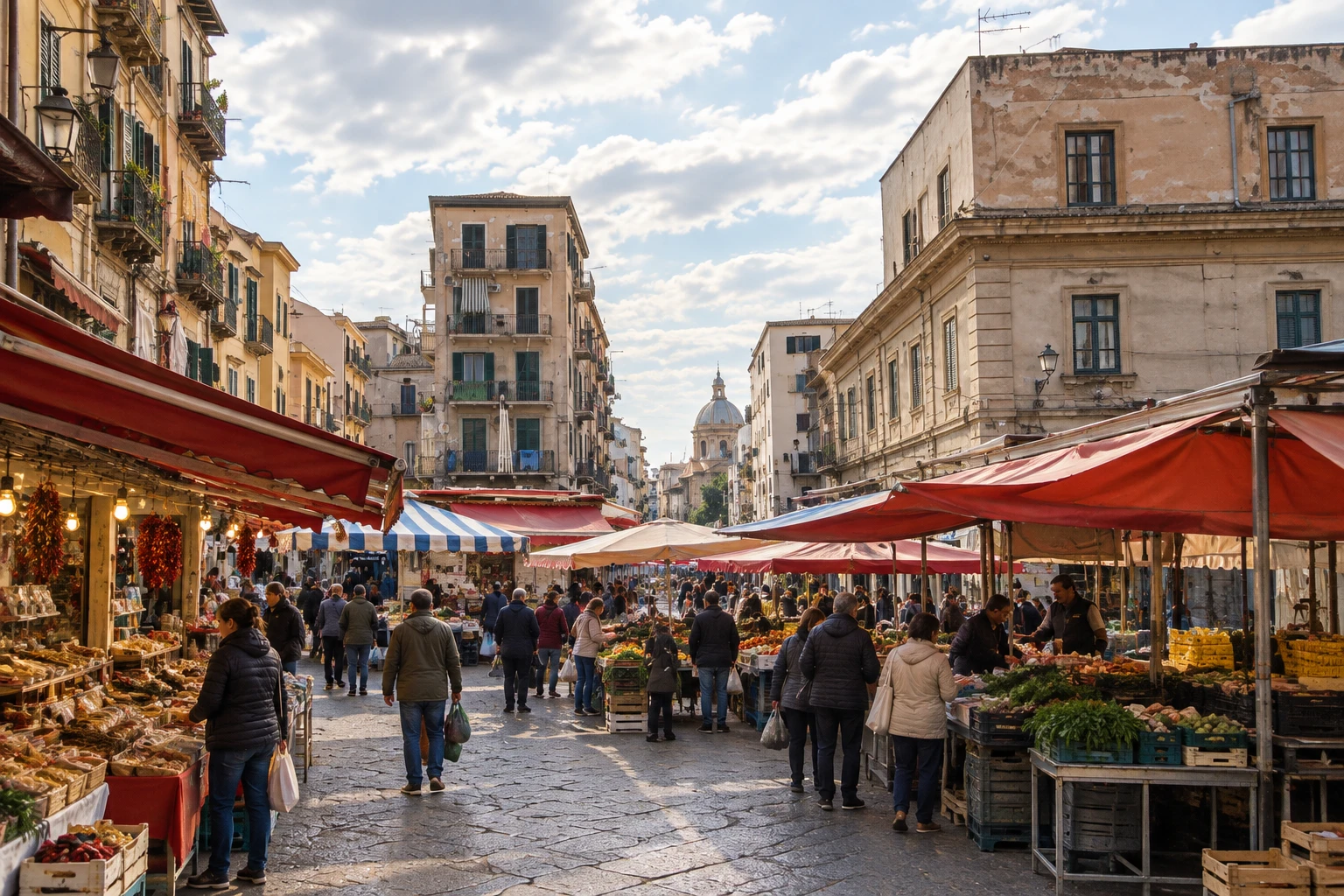
The oldest street market in Palermo, in the Albergheria district, with stalls selling fish, fruit and vegetables and Sicilian street food such as panelle and arancine.
The Norman cathedral of Monreale, 8 km from Palermo, begun in 1174 by Guilherme II, has about 6,400 m² of gold mosaics and a cloister with 228 double columns.
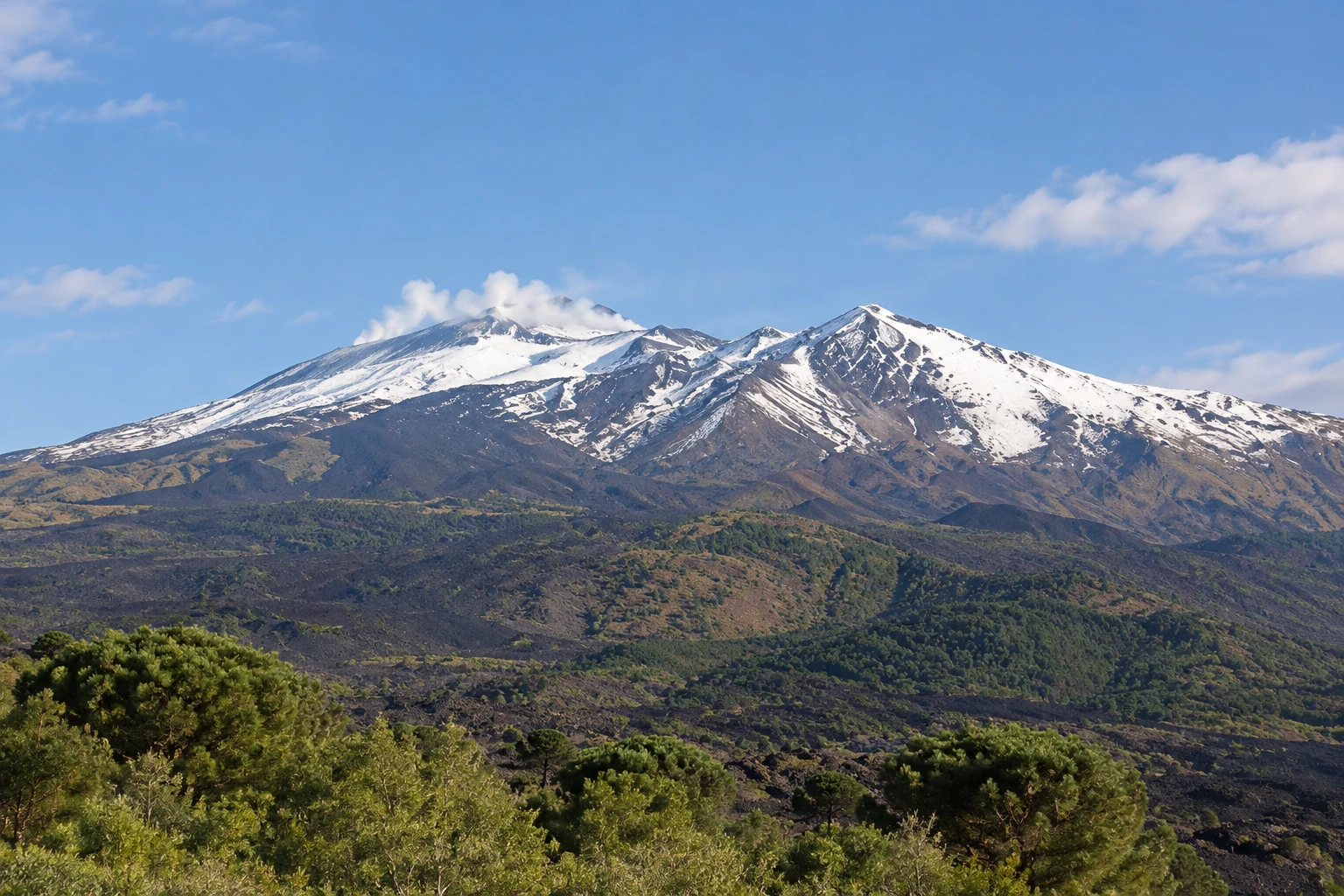
The highest active volcano in Europe, a UNESCO World Heritage site. On the southern side: Rifugio Sapienza, the Crateri Silvestri and the cable car; access to the summit craters follows the rules set by the authorities.
Underground galleries of the Capuchin convent where, from the late 16th century to the early 20th century, thousands of dressed bodies were preserved and displayed.
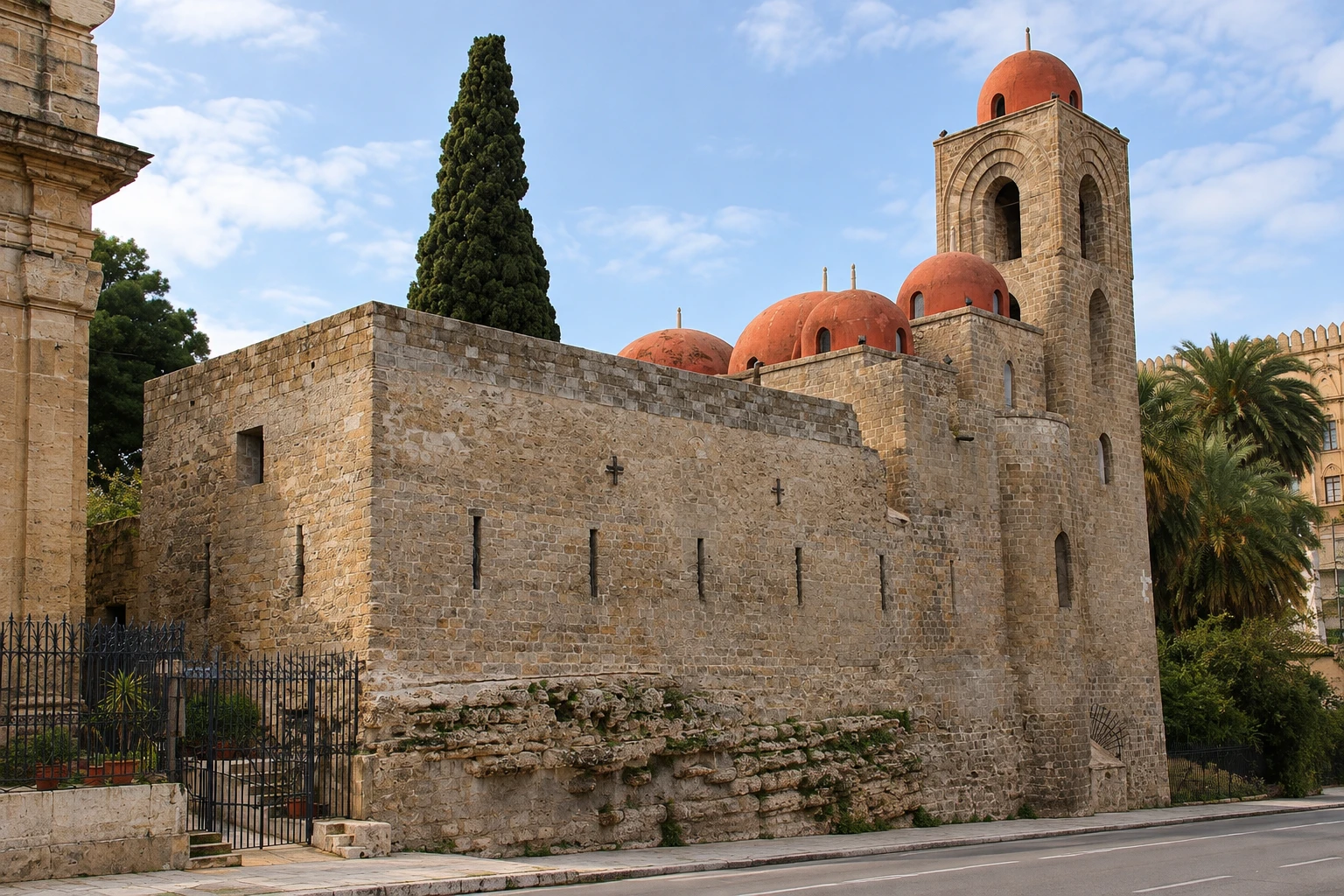
12th-century Norman church, with five red domes of Arabic inspiration and a small cloister with a garden of orange trees and Mediterranean plants.
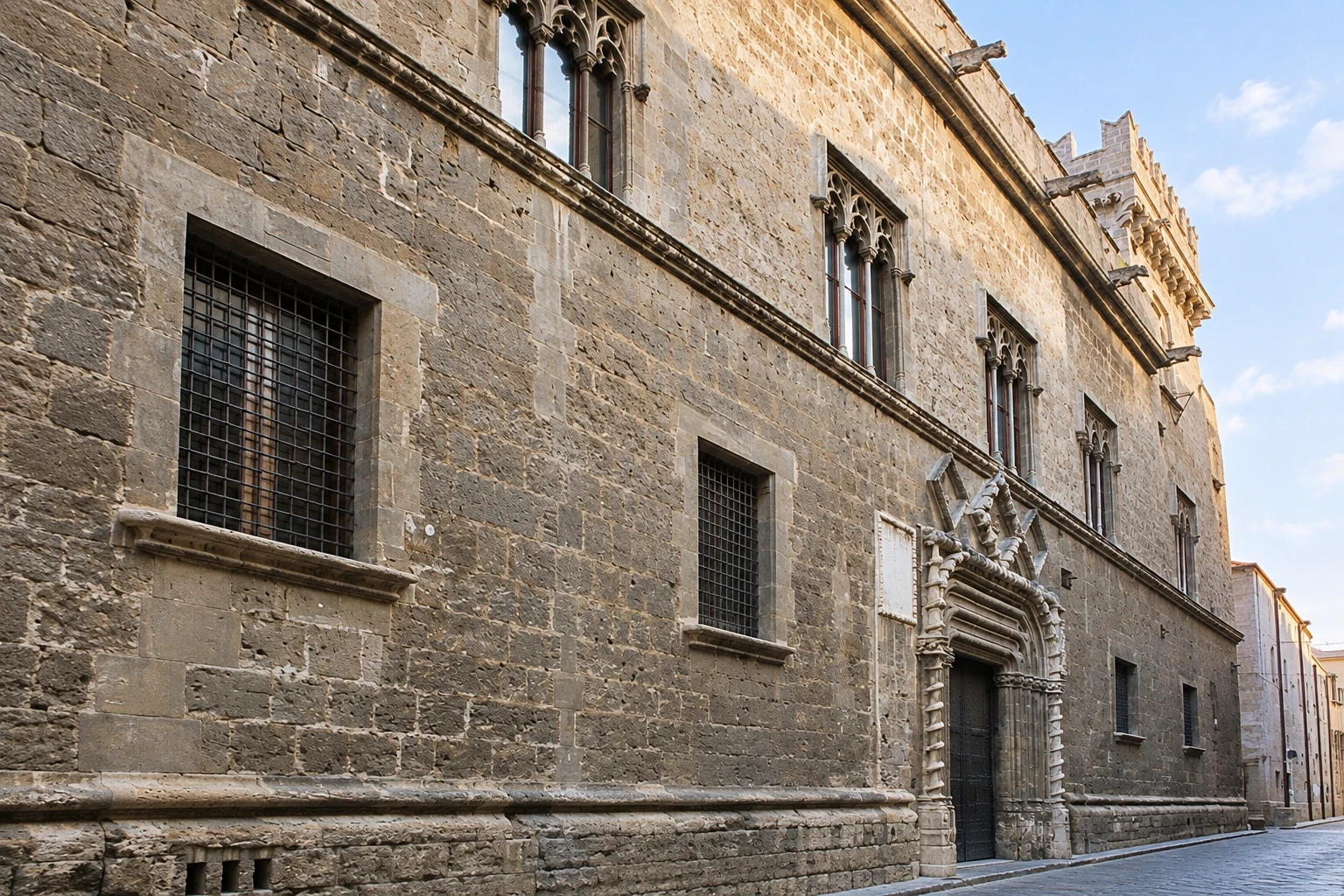
15th‑century Catalan‑Gothic palace that houses the Galleria Regionale della Sicilia, including the Triumph of Death fresco and Antonello da Messina's Virgin Annunciate.
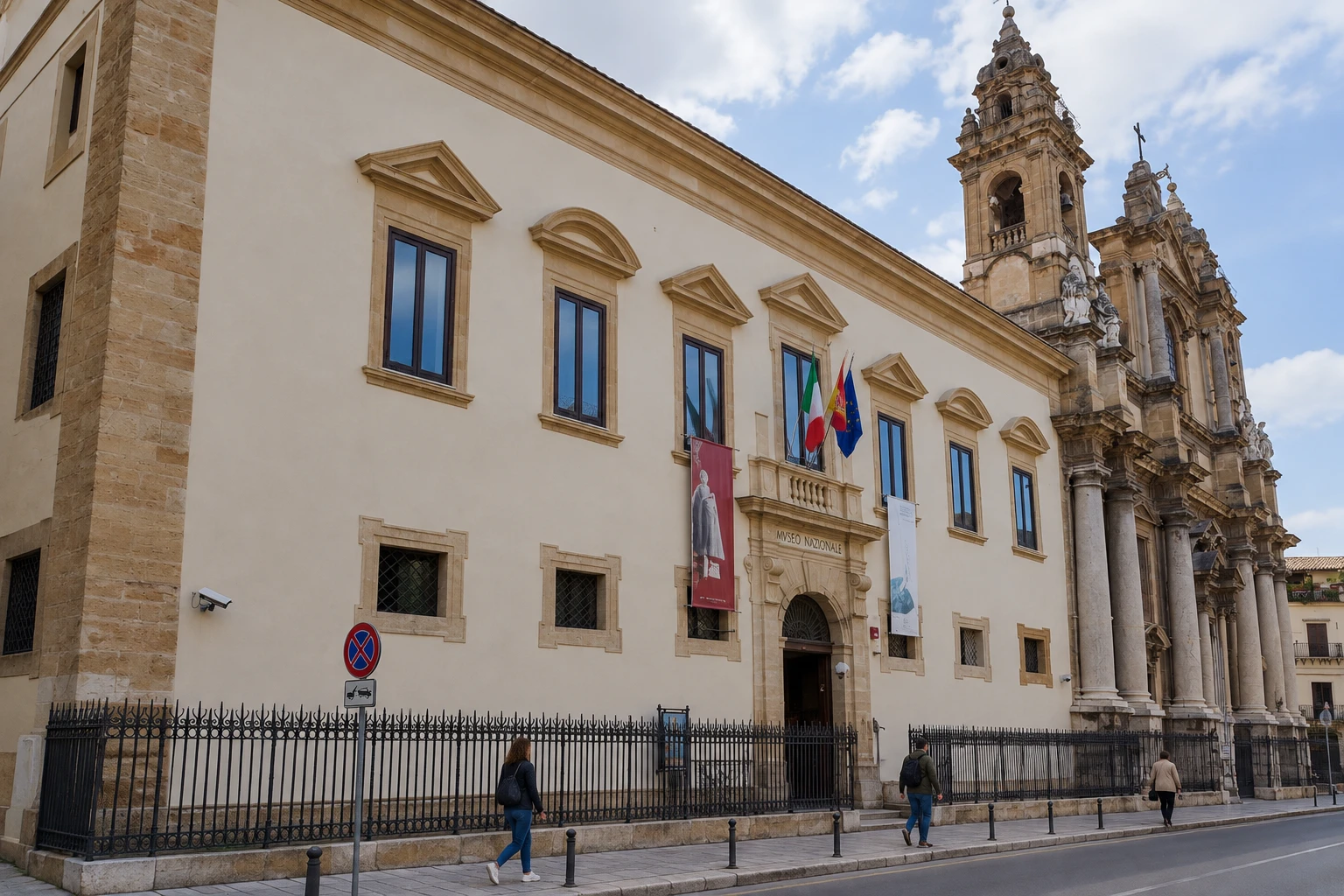
One of Italy's main archaeological museums, in the former convent of the Olivella, with the metopes from the temples of Selinunte and Punic, Greek and Roman pieces from Sicily.
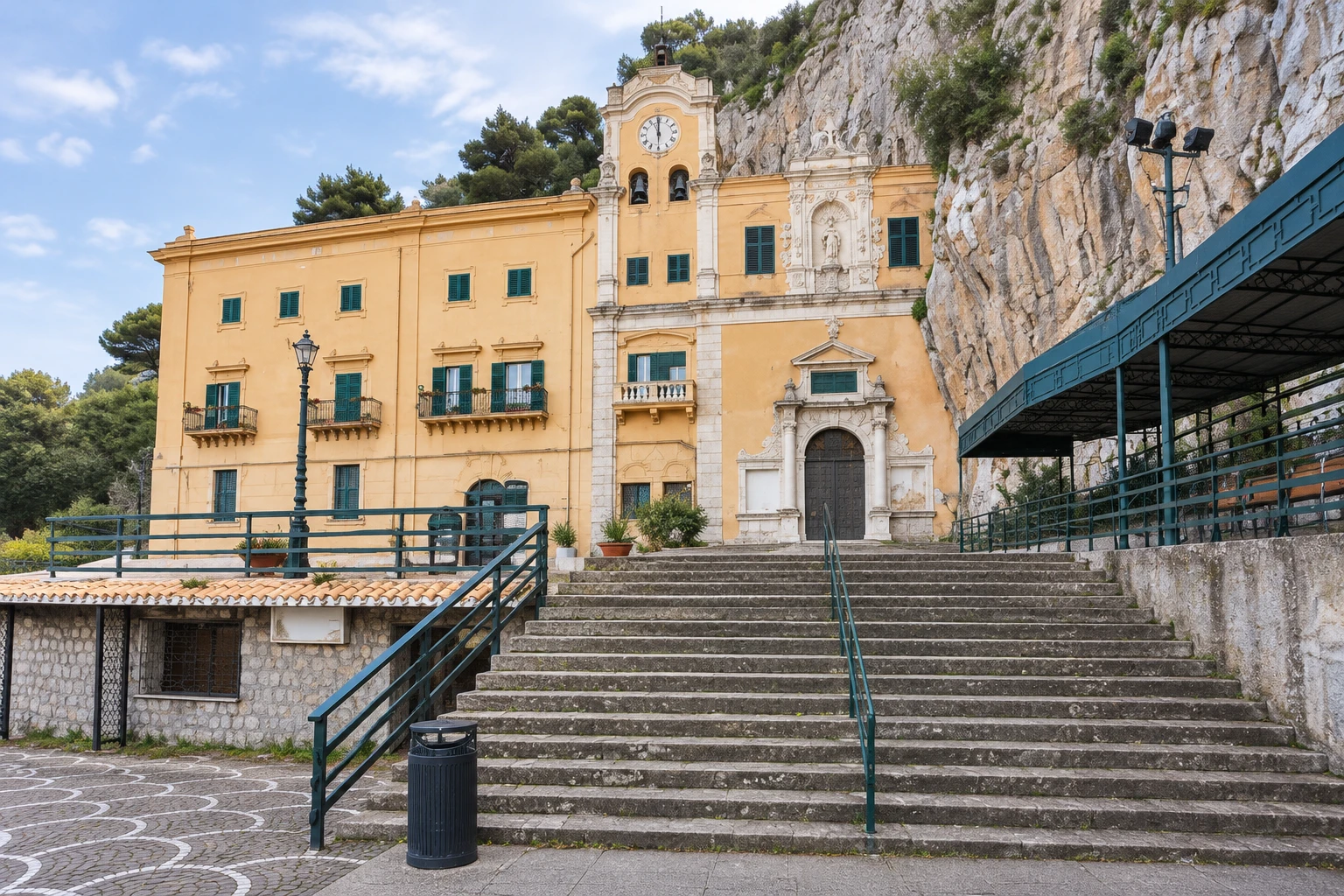
Sanctuary in a grotto on Monte Pellegrino, 600 meters above Palermo, where Saint Rosalia lived, patron saint of the city. The road up there has views over the gulf.
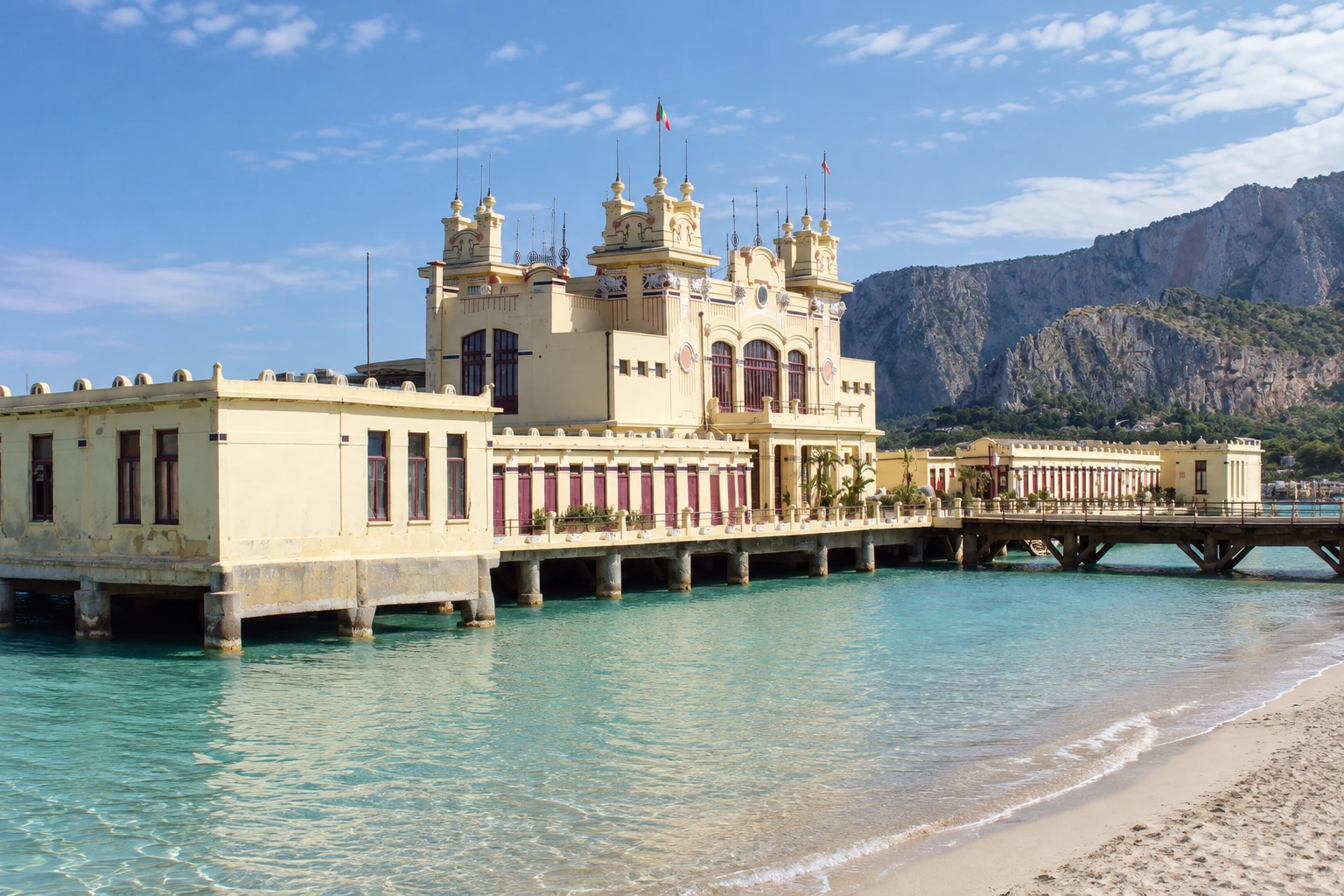
Palermo's beach, in a gulf between Monte Pellegrino and Monte Gallo, with pale sand, clear water and the old liberty‑style bathing establishment built over the sea.
Summer palace of the Norman kings, begun by Guilherme I around 1165, with the muqarnas fountain room. It houses a museum of Islamic art.
To choose before you go
The details of each tour (where it leaves from, what it includes, the best time) are in the complete guide.
Get your questions answered
The guide's itineraries cover 5, 7 and 10 days: in 5 days, the east, from Catania to Syracuse and Taormina; in 7 days, from Palermo to Catania along the southern coast; in 10 days, the complete circuit.
Catania. Arrival via Catania (European connection or flight from Rome). Piazza del Duomo, the Pescheria, Via Etnea and the Monastero dei Benedettini; granita with brioche; night in the city centre.
It generally rains less from April to August. The rainiest months are usually from November to December. The guide covers each month, with the weather and what changes on the tours.
To plan