Olbia · Sardinia · Church
Basilica of San Simplicio
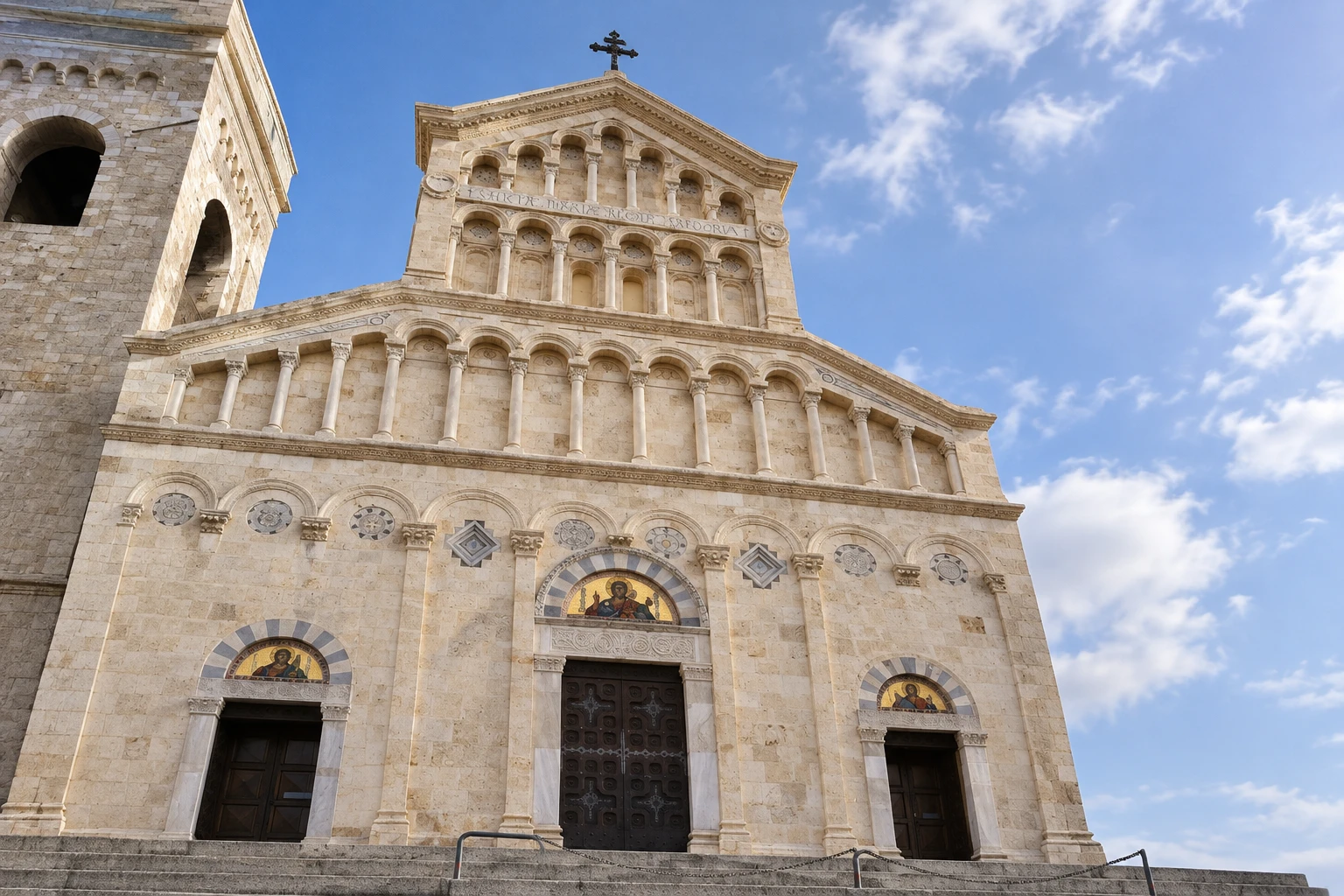
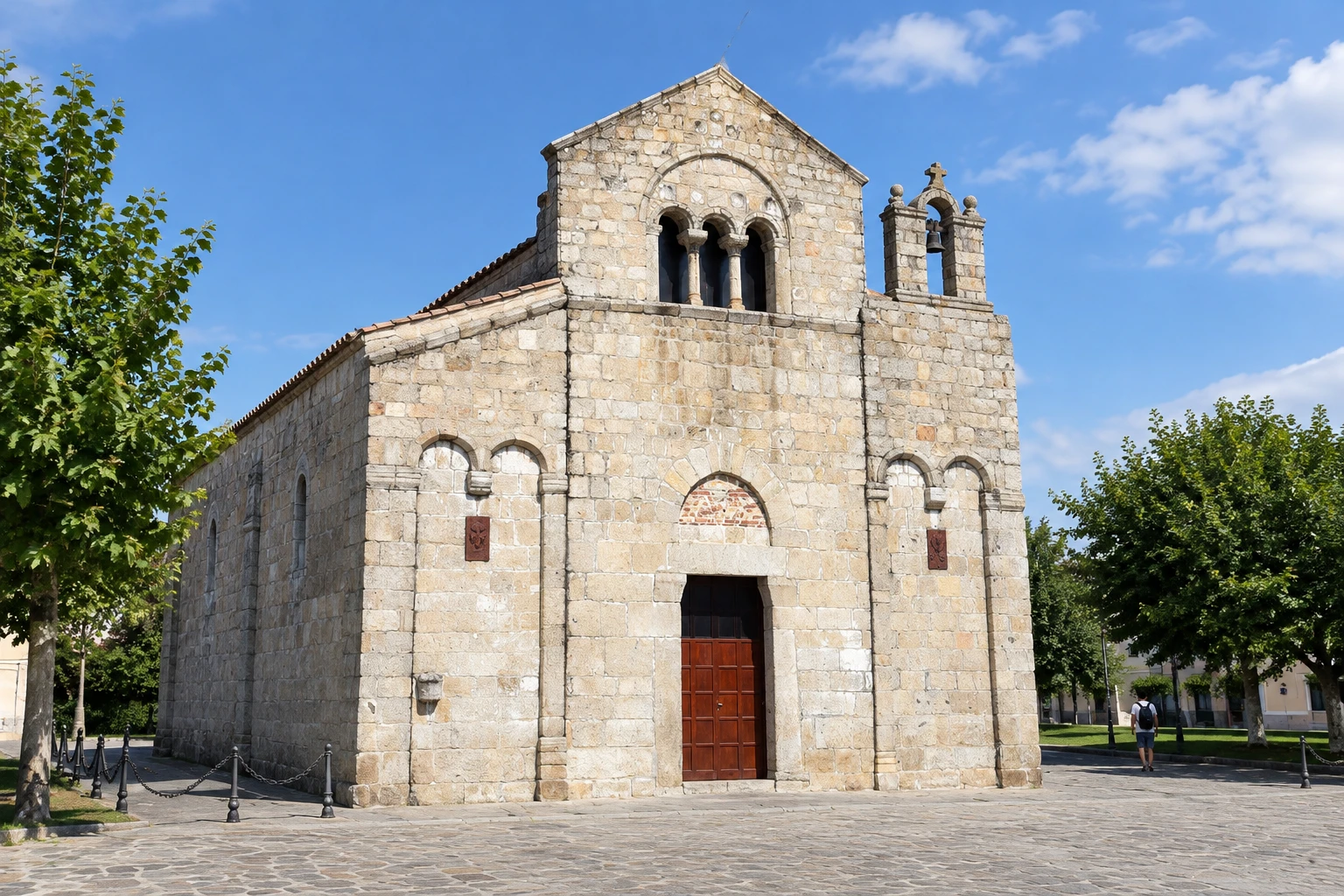
Romanesque granite church from the 11th and 12th centuries, the oldest and most important temple in the northeast of Sardenha, built over an ancient burial area.

 Search
 Brazil
 Antarctica
 Argentina
 Bolivia
 Chile
 Colombia
 Ecuador
 Falkland Islands (Malvinas)
 French Guiana
 Guyana
 Paraguay
 Peru
 Suriname
 Uruguay
 Venezuela
 Austria
 Belgium
 Croatia
 Denmark
 Finland
 France
 Germany
 Greece
 Hungary
 Iceland
 IrelandItaly
 Luxembourg
 Norway
 Poland
 Portugal
 Slovakia
 Slovenia
 Spain
 Sweden
 Switzerland
 the Czech Republic
 the Netherlands
 the United Kingdom
 Turkey
 Bermuda
 Canada
 Greenland
 Mexico
 Saint Pierre and Miquelon
 the United States
 the Dominican Republic
 JapanTurkey
 Egypt
 South Africa
 Australia
 Fiji
 New Zealand
 Papua New Guinea
Sardinia
19 places to visit and 12 tours, chosen by the Cidade Turismo guide.
Updated
Illustrative images. The pictures in this guide are illustrations based on the real place, not photographs, and may differ from it.
To start
One by one
Romanesque granite church from the 11th and 12th centuries, the oldest and most important temple in the northeast of Sardenha, built over an ancient burial area.
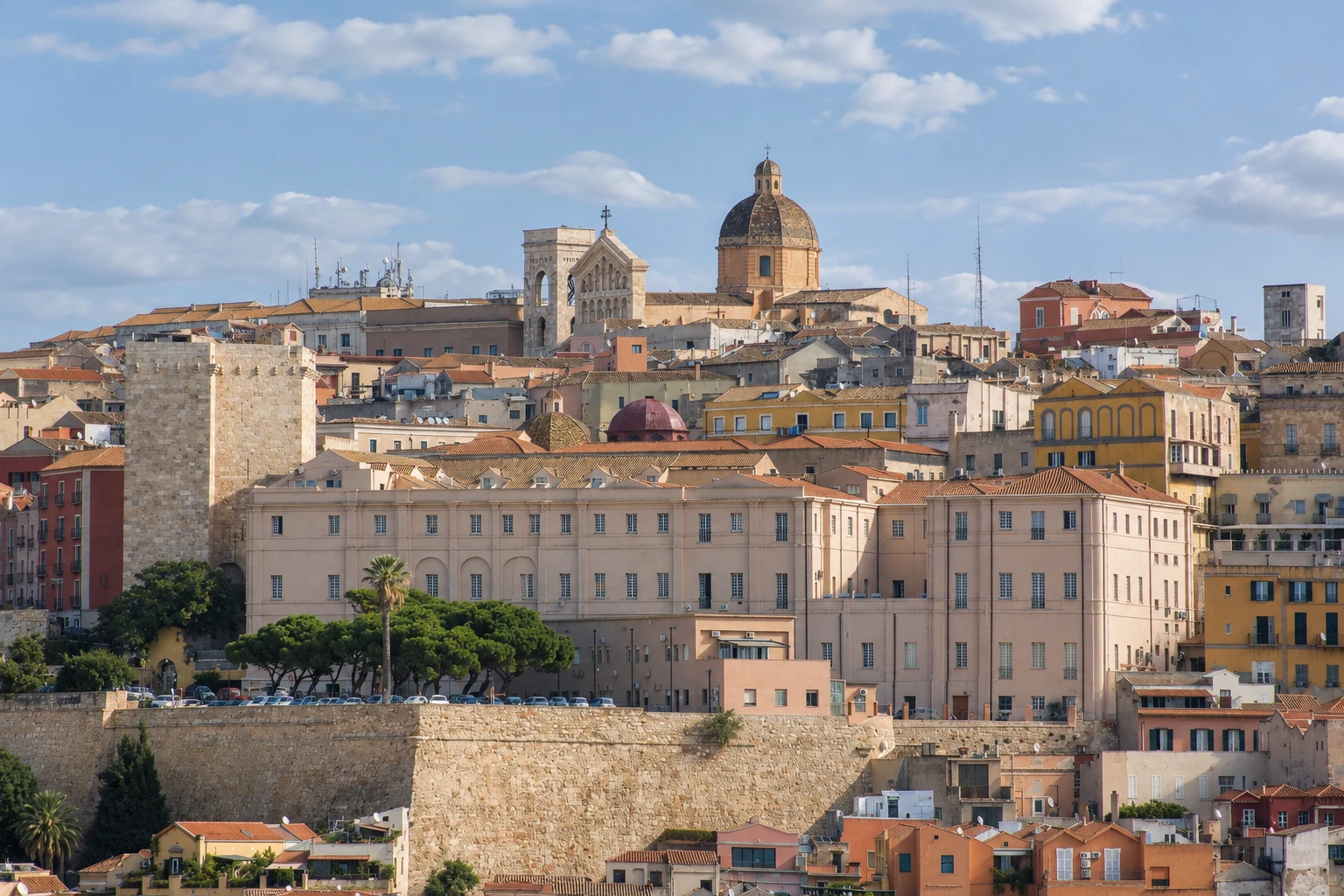
Walled neighborhood atop a hill, founded by the Pisans in the 13th century, with medieval gates, towers, the cathedral, the Palazzo Regio and viewpoints over the port and the lagoons.
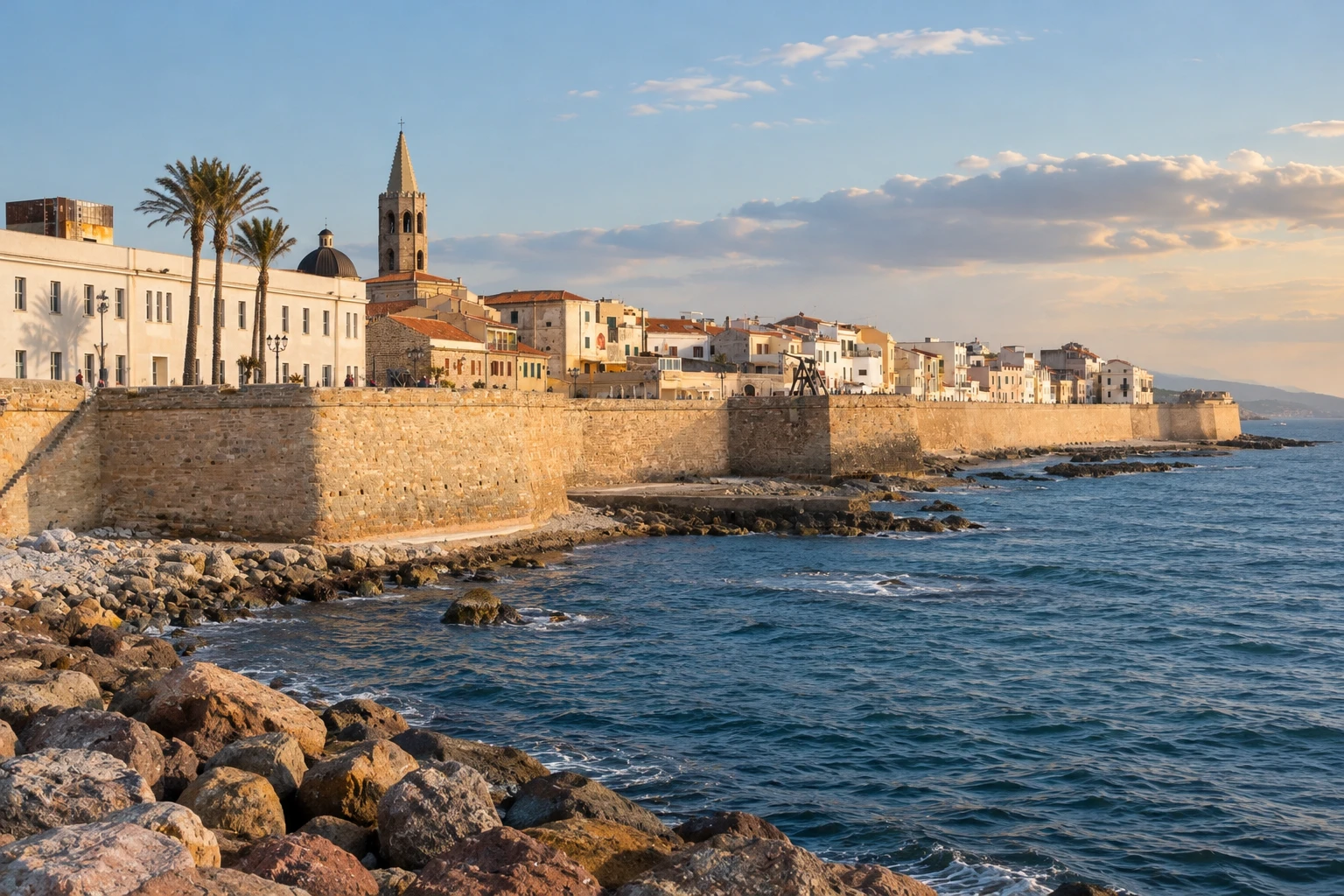
Old town surrounded by walls and Catalan–Aragonese towers overlooking the sea, with stone streets, signs in Italian and Catalan and a promenade along the bastions.
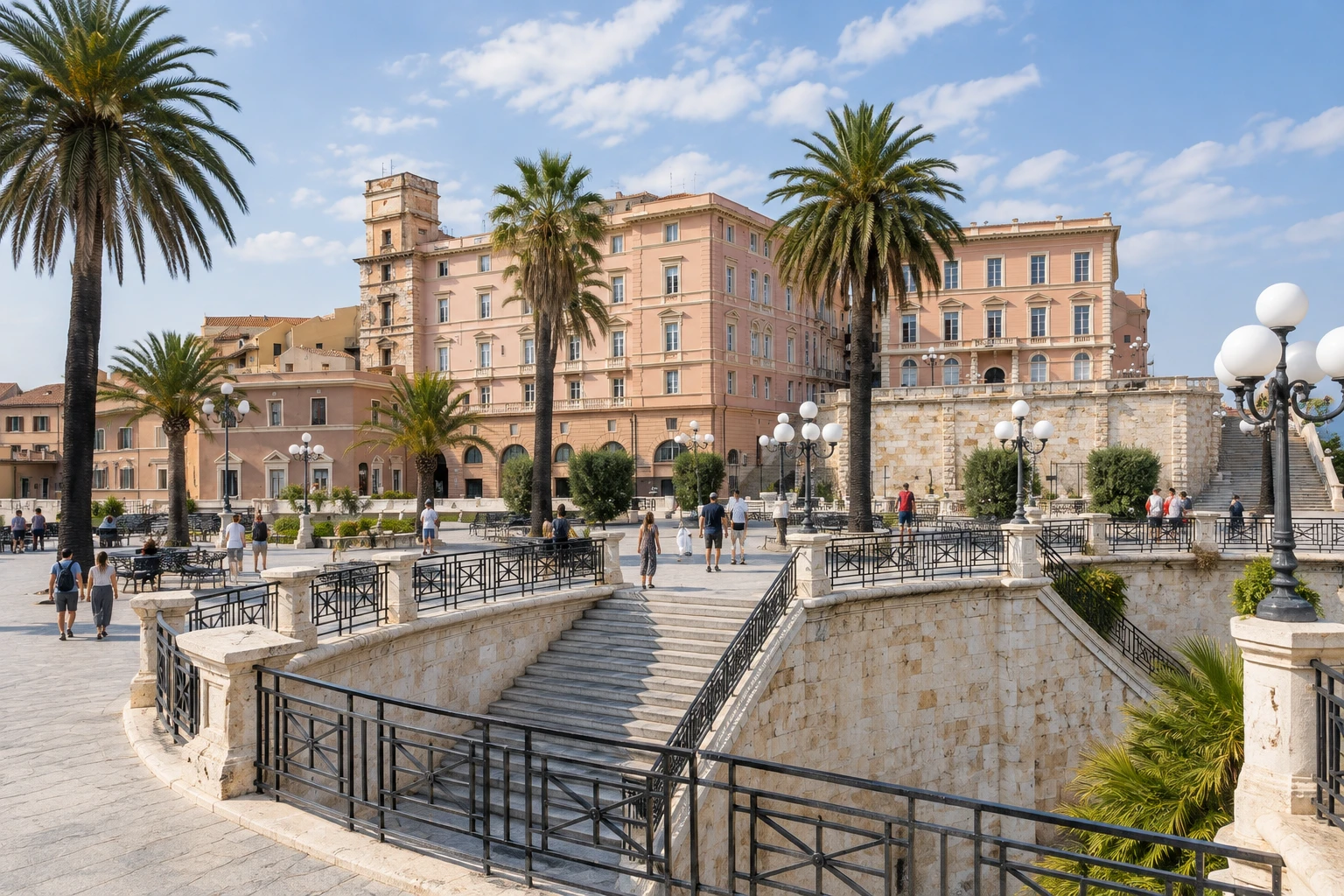
Neoclassical bastion with stairways and a monumental arch that link Villanova to the Castello; at the top, the Terrazzo Umberto I has views over the port, the Marina and the lagoons.
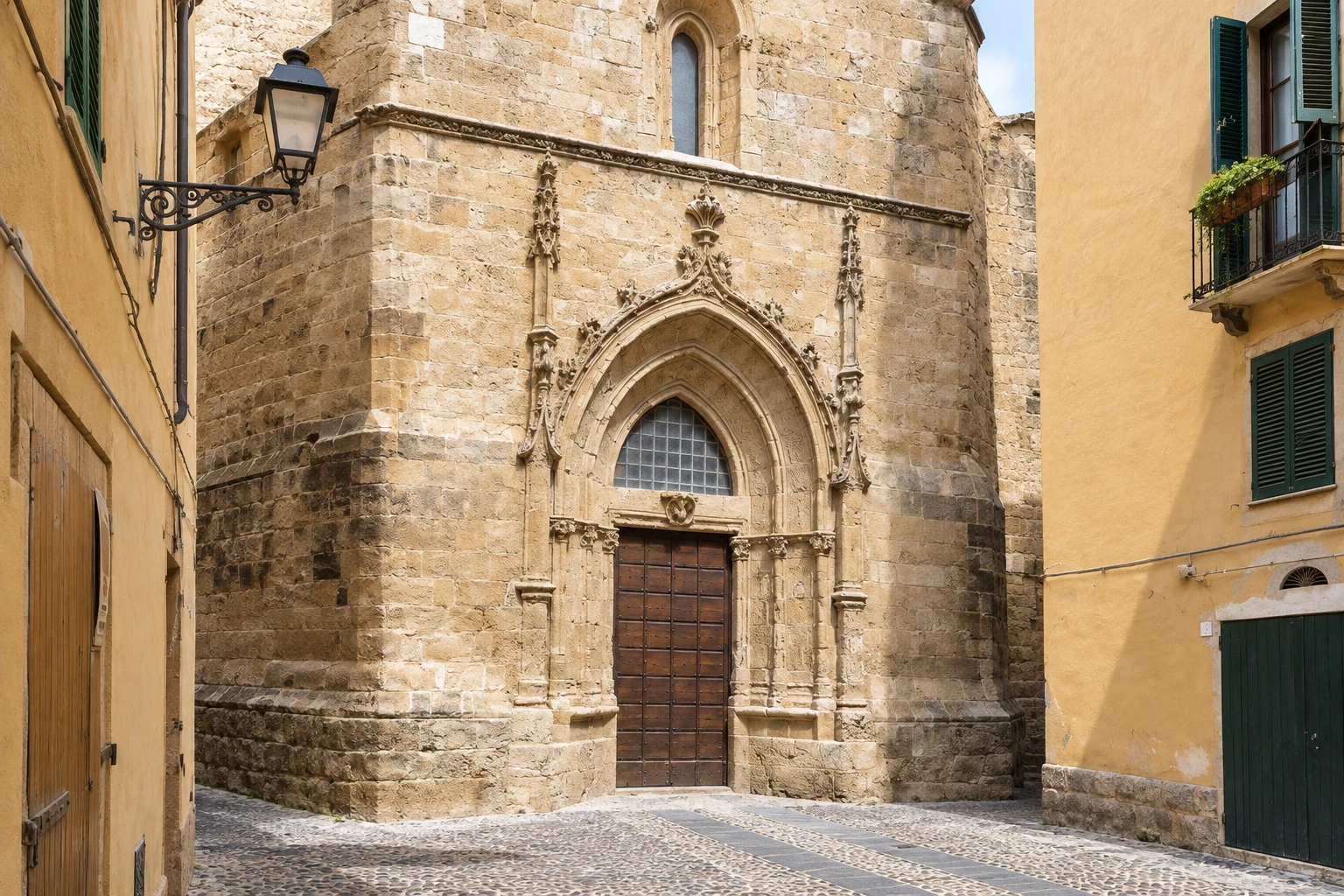
Alghero Cathedral, begun in the 16th century, with an octagonal Gothic–Catalan bell tower, a Renaissance interior and a 19th-century neoclassical façade.
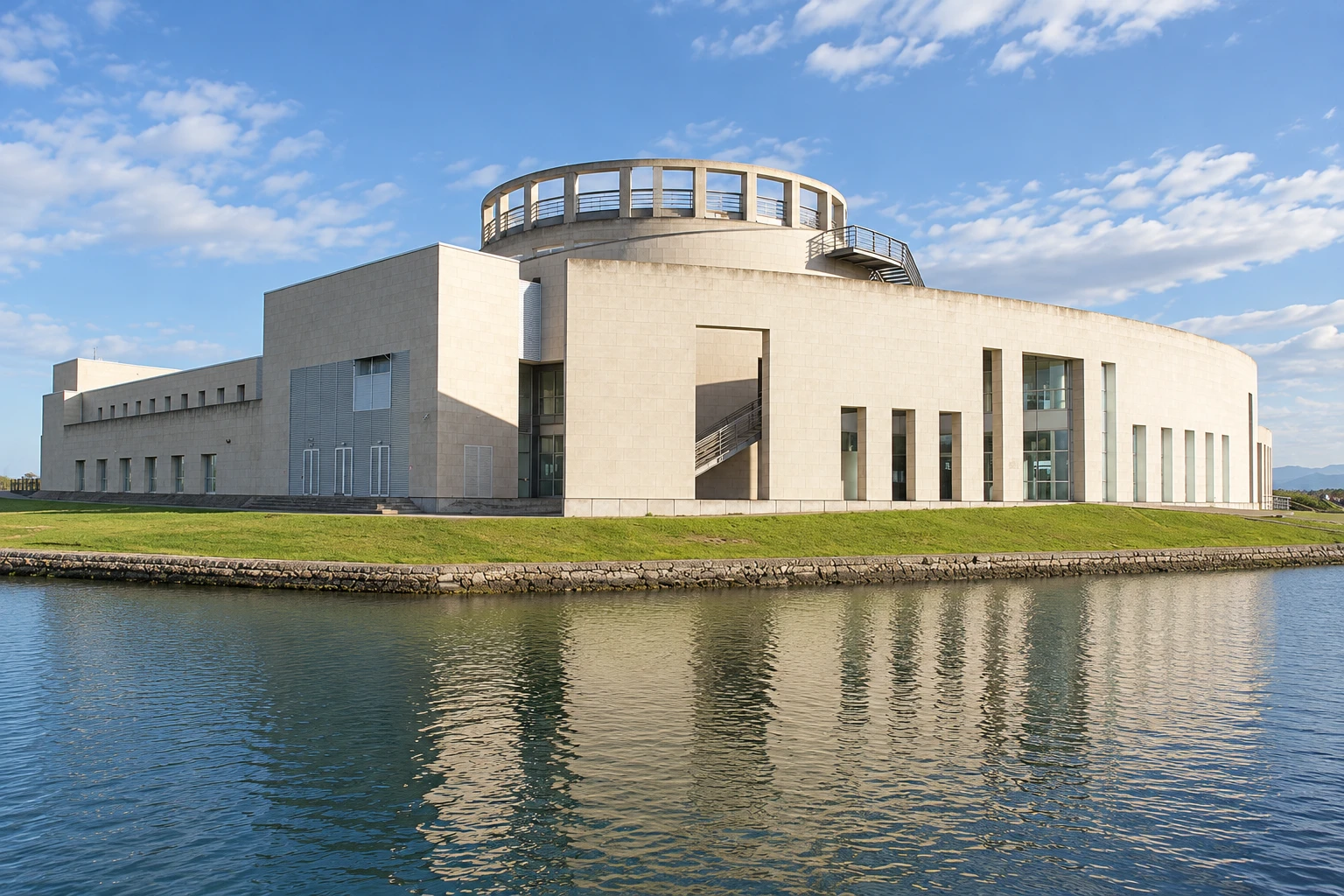
Ship-shaped museum on the islet of Peddone, next to the old harbor, presenting Olbia's history from the Phoenicians to the Romans and the remains of Roman ships found in the harbor.
Alghero Cathedral, begun in the 16th century, with an octagonal Gothic–Catalan bell tower, a Renaissance interior and a 19th-century neoclassical façade.
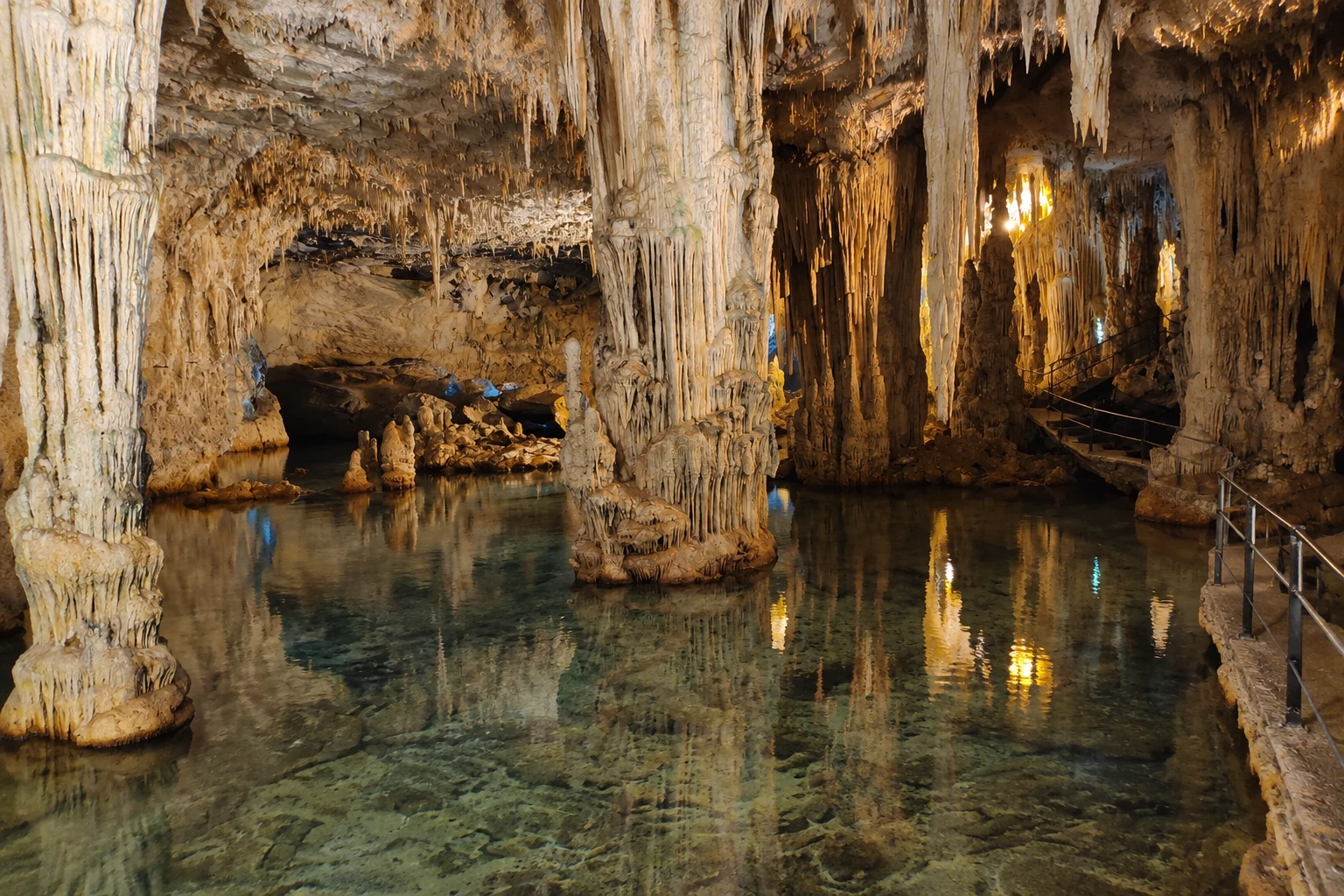
Sea cave at the base of Capo Caccia, with stalactites, an underground saltwater lake and columned chambers; access via the Escala del Cabirol stairway or by boat, depending on the sea.
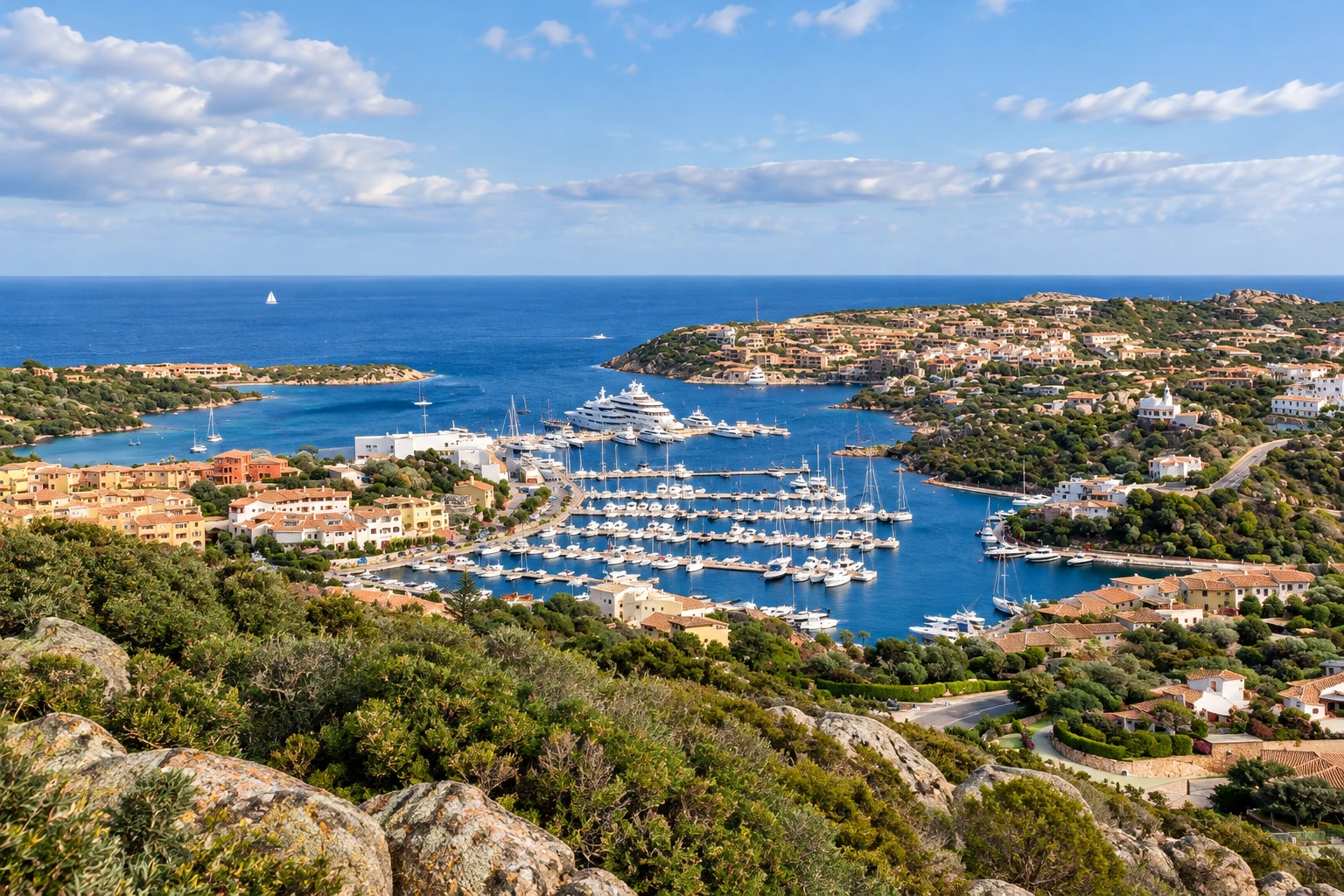
Harbour village created in the 1960s as the center of the Costa Smeralda, with Mediterranean stone-and-plaster architecture, a yacht marina, the church Stella Maris and nearby beaches.
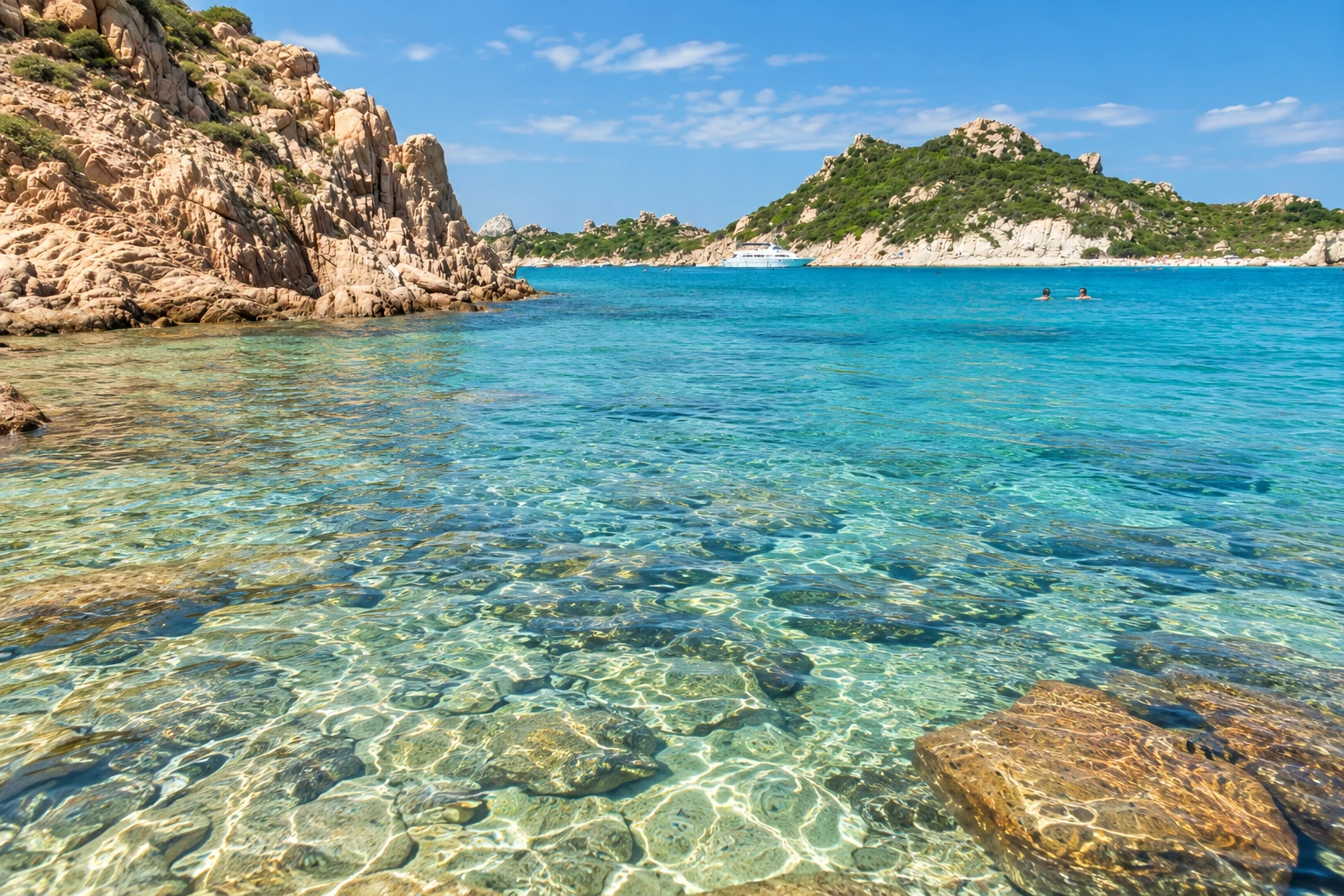
Granite archipelago off Palau, a national park since 1994, with dozens of islands and coves of clear water; the main island and Caprera can be reached by ferry and bridge, the others by boat.
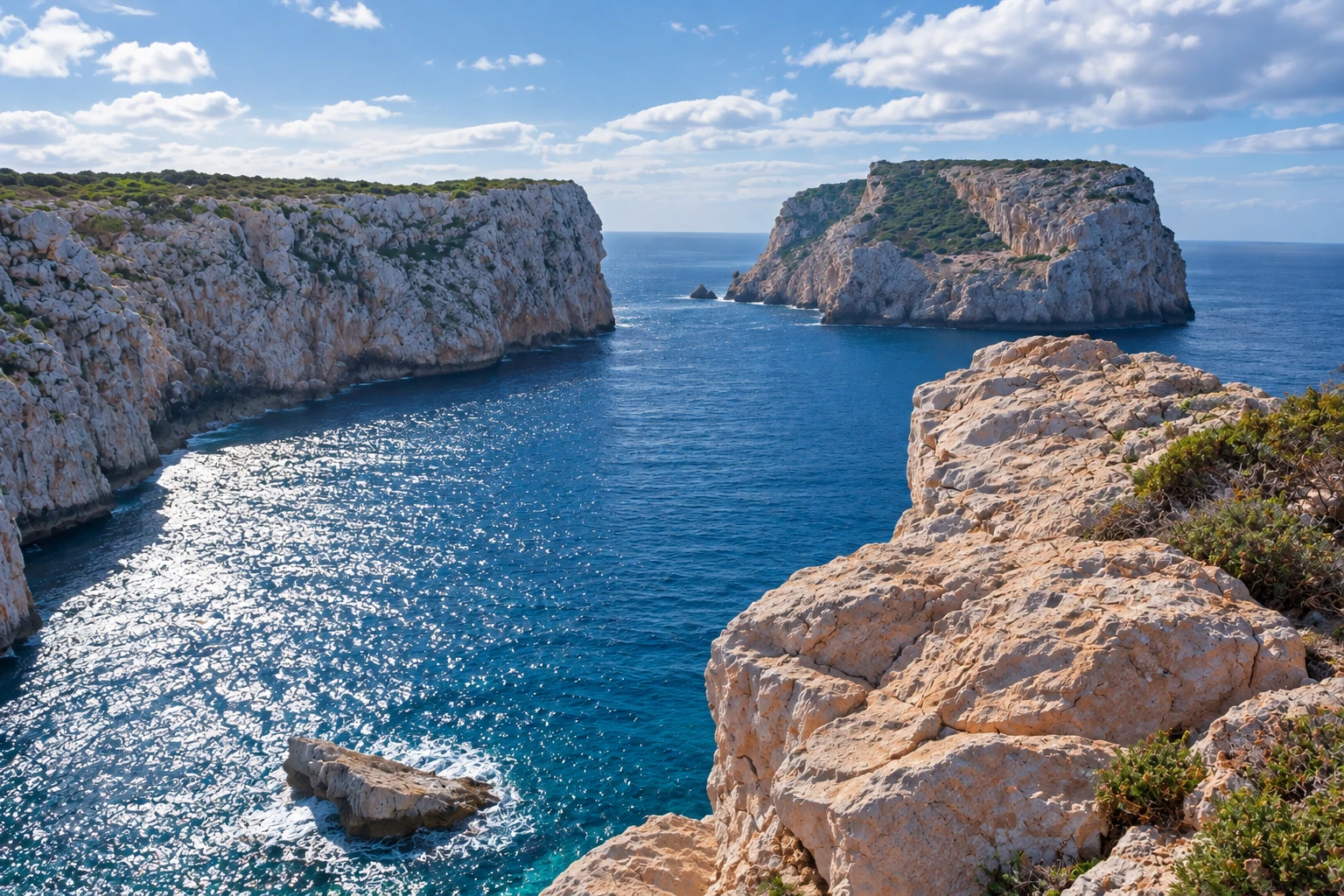
Limestone promontory that closes Porto Conte bay, with cliffs over the sea, a lighthouse, viewpoints toward the island Foradada and access to the Grotta di Nettuno.
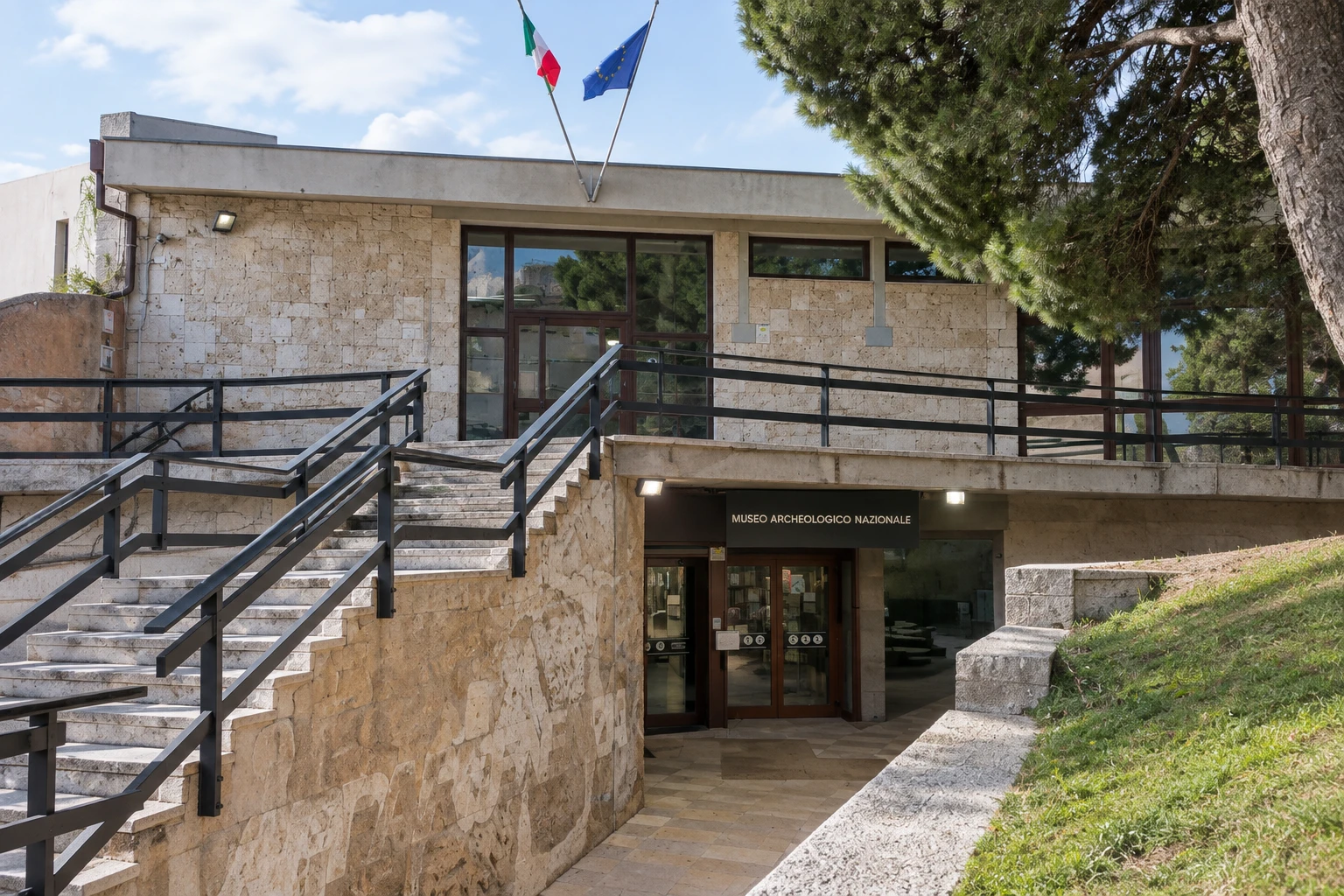
The main archaeological museum of Sardinia, in the Cittadella dei Musei, with nuragic bronzes, Phoenician, Punic and Roman pieces and the stone statues of Mont'e Prama.
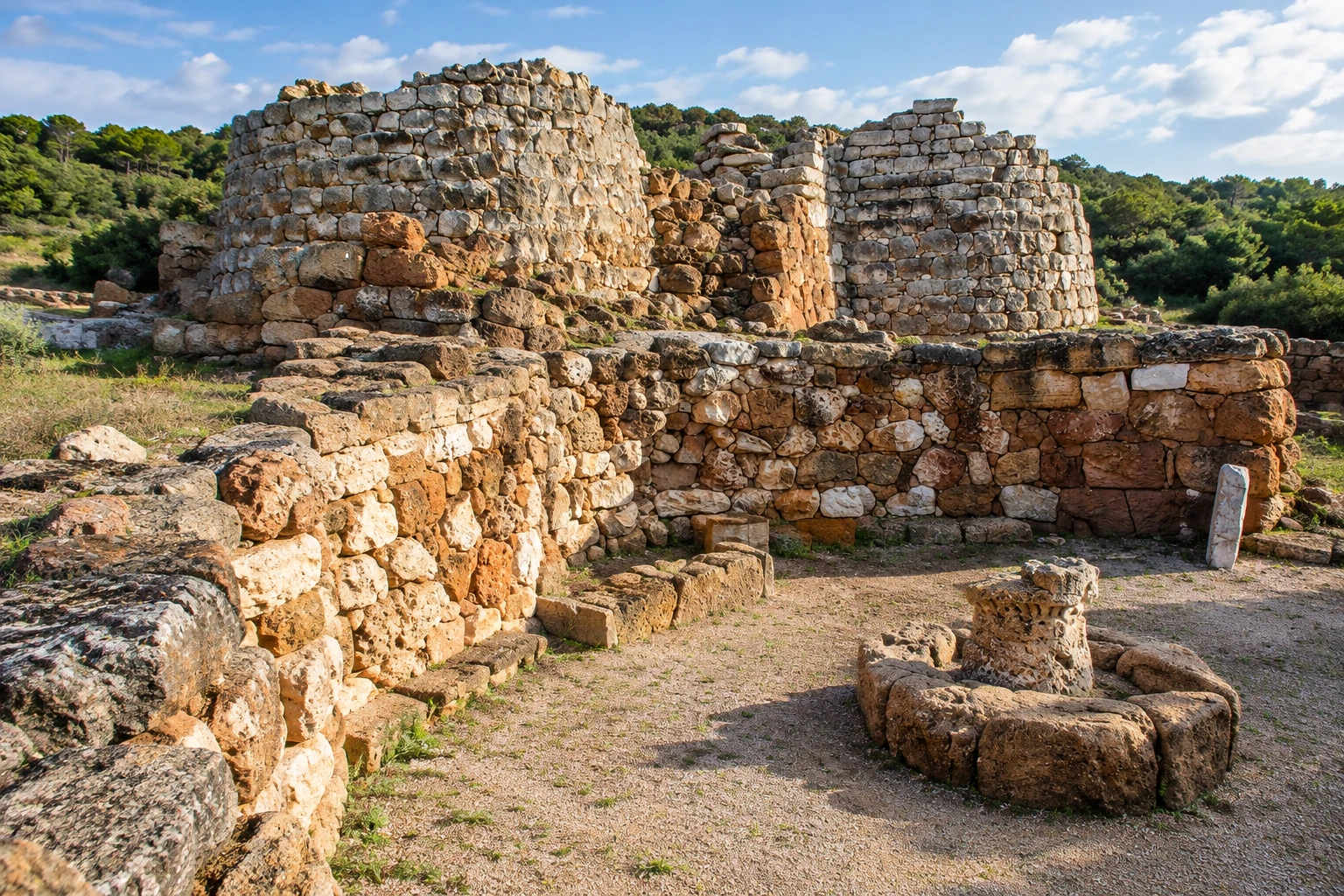
Nuragic village from the Bronze Age between Alghero and Porto Conte, with a two-tower nuraghe, a wall and the meeting hut, with a stone bench and a model of a nuraghe.
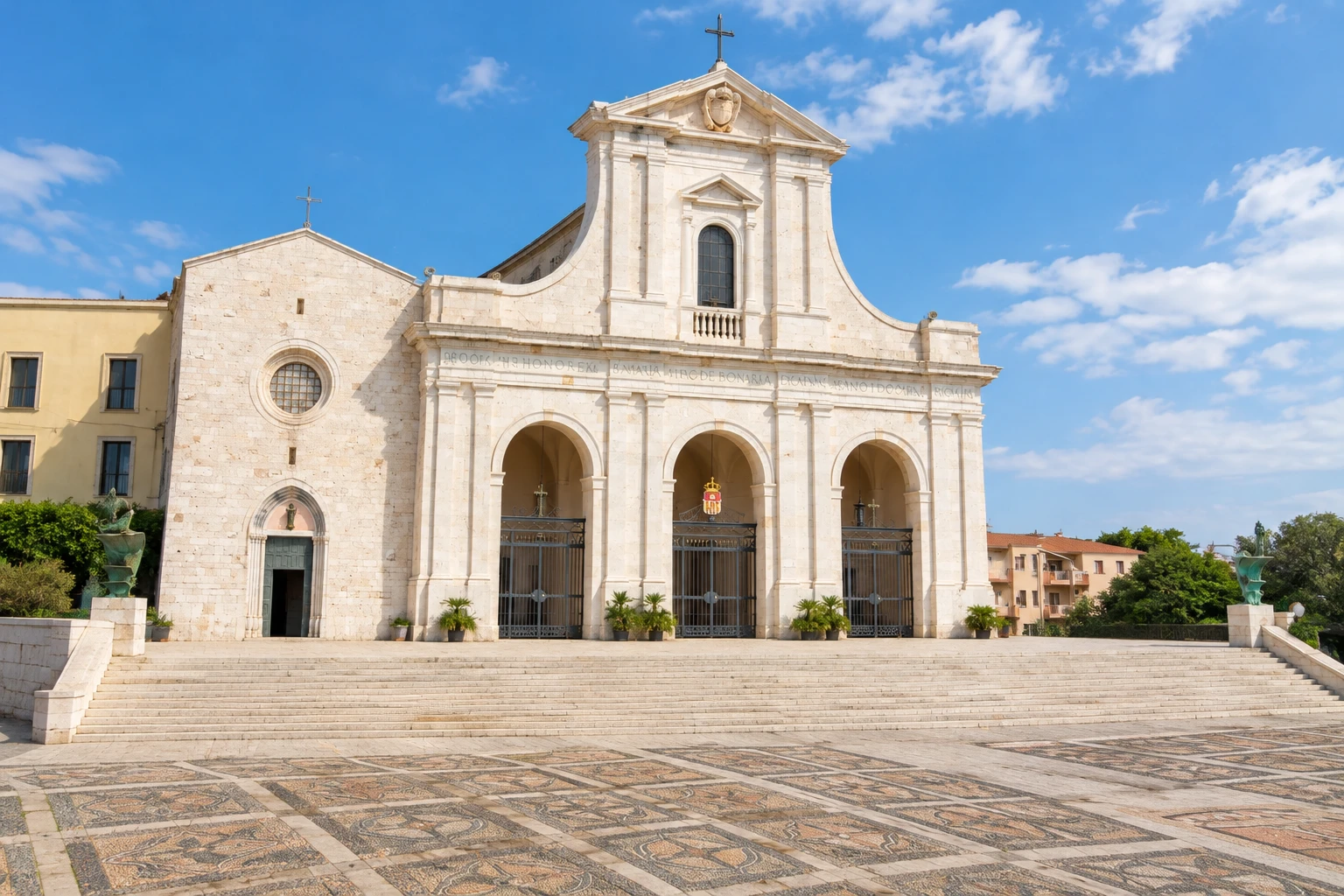
Religious complex atop the Bonaria hill: a 14th-century Catalan-Gothic sanctuary housing the image of Sardinia's patroness, and a Neoclassical basilica facing the port.
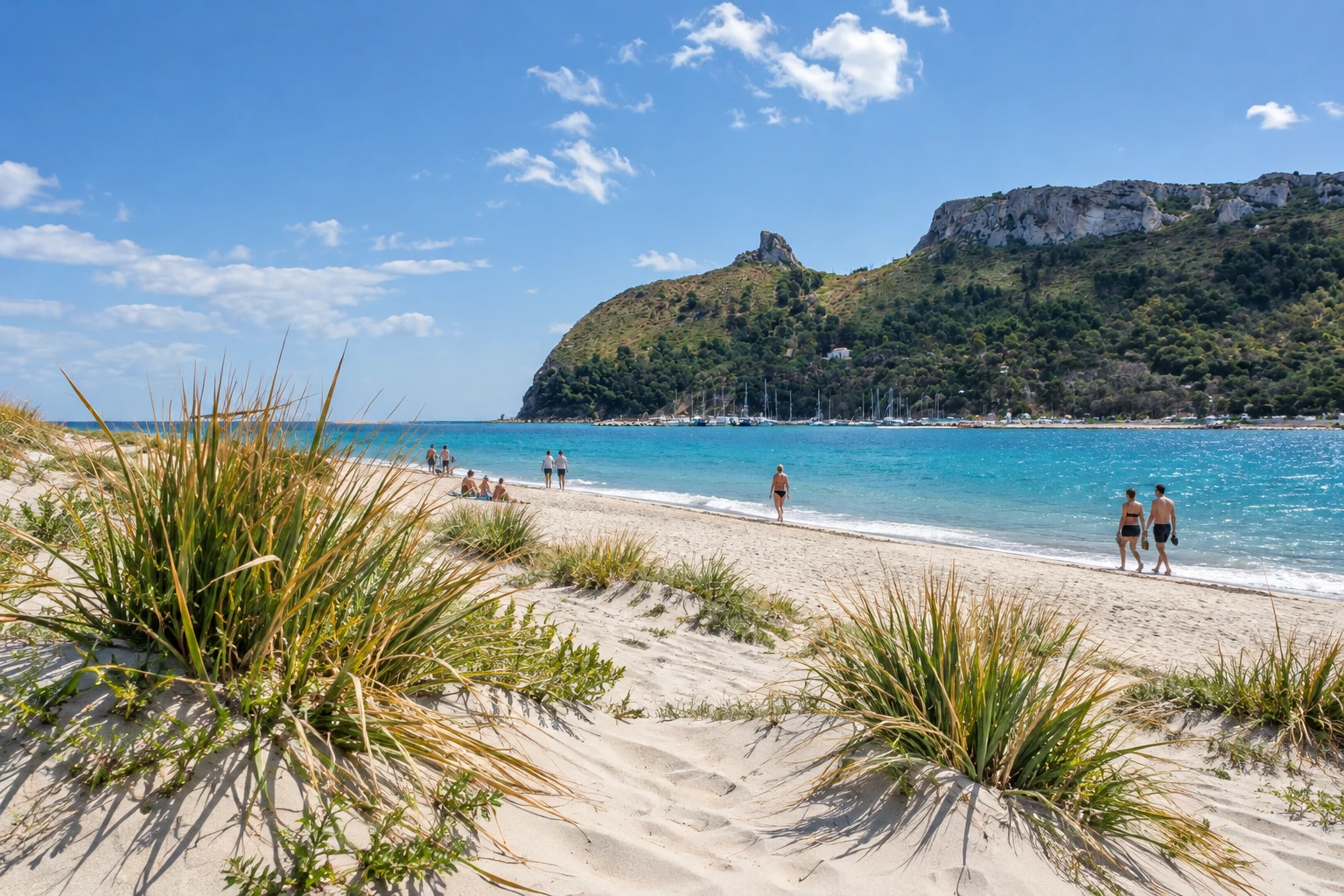
Urban beach of Cagliari, with about 8 km of sand between the Sella del Diavolo and Quartu Sant'Elena, kiosks, establishments and the Molentargius salt pans behind.
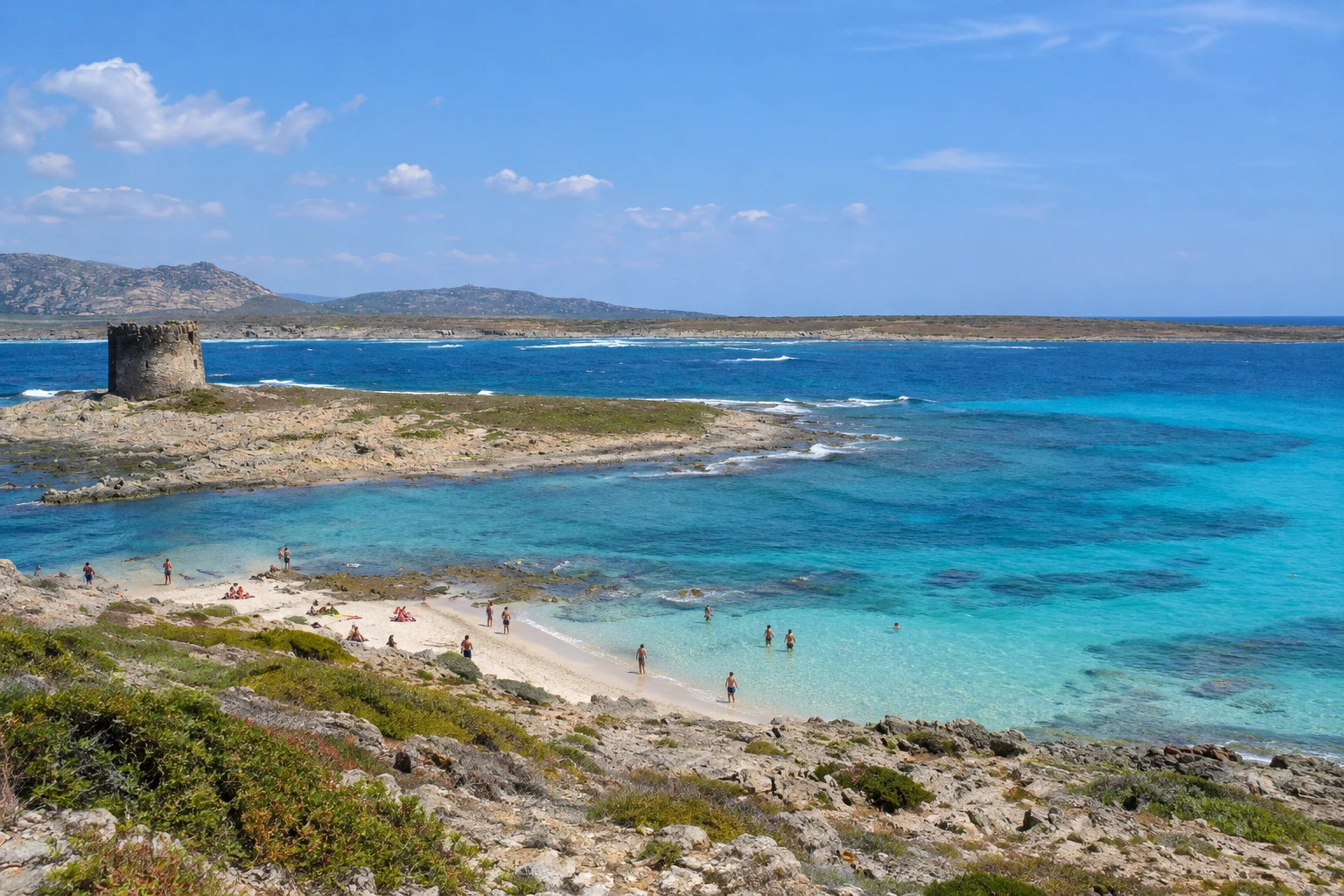
White-sand beach with shallow, clear water at the northwest tip of Sardenha, in Stintino, facing the Torre della Pelosa and the island Asinara; in summer access is limited and by reservation.
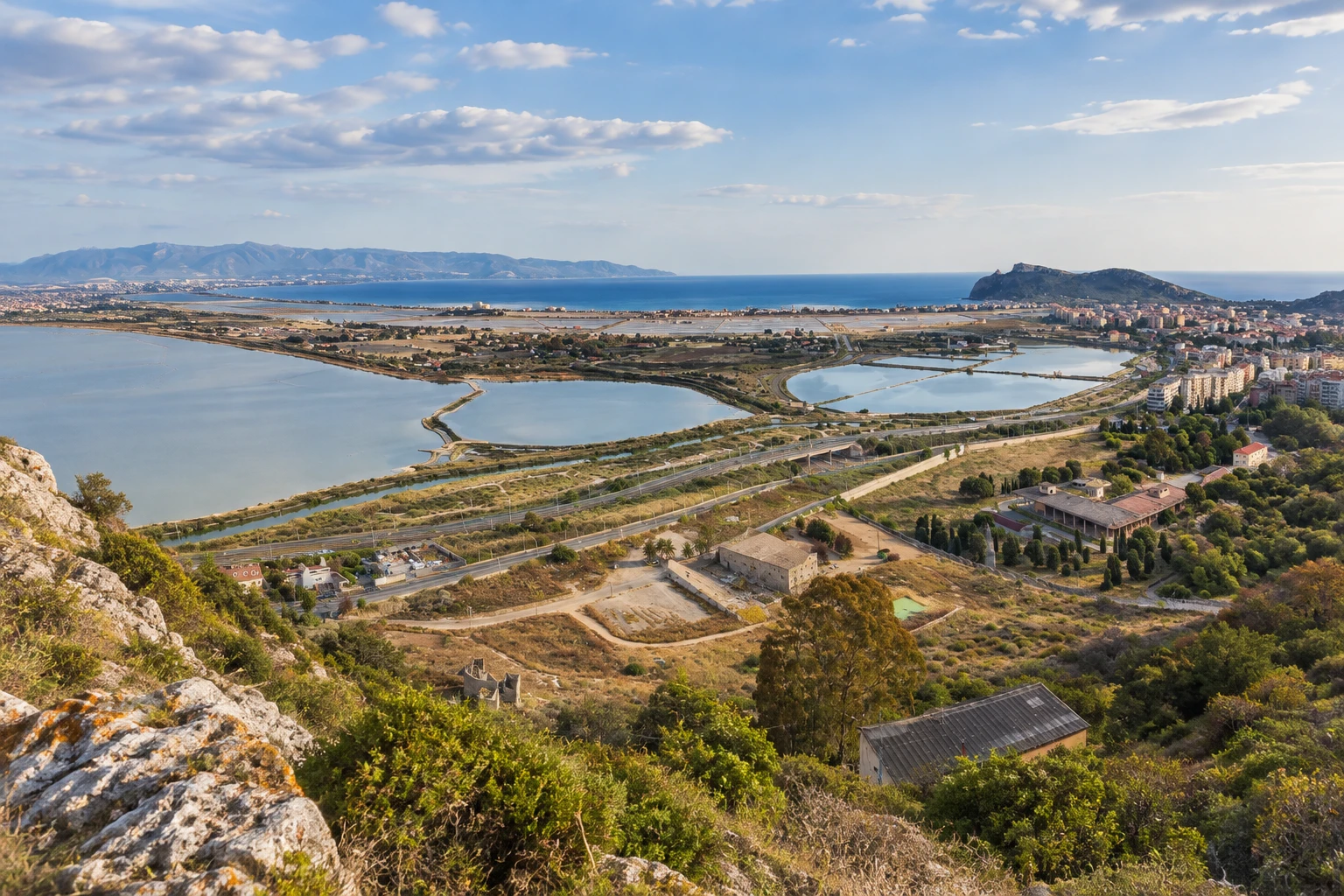
Protected wetland area between Cagliari, Quartu and the Poetto, with lagoons, old salt pans and colonies of pink flamingos, crossed by walking and cycling trails.
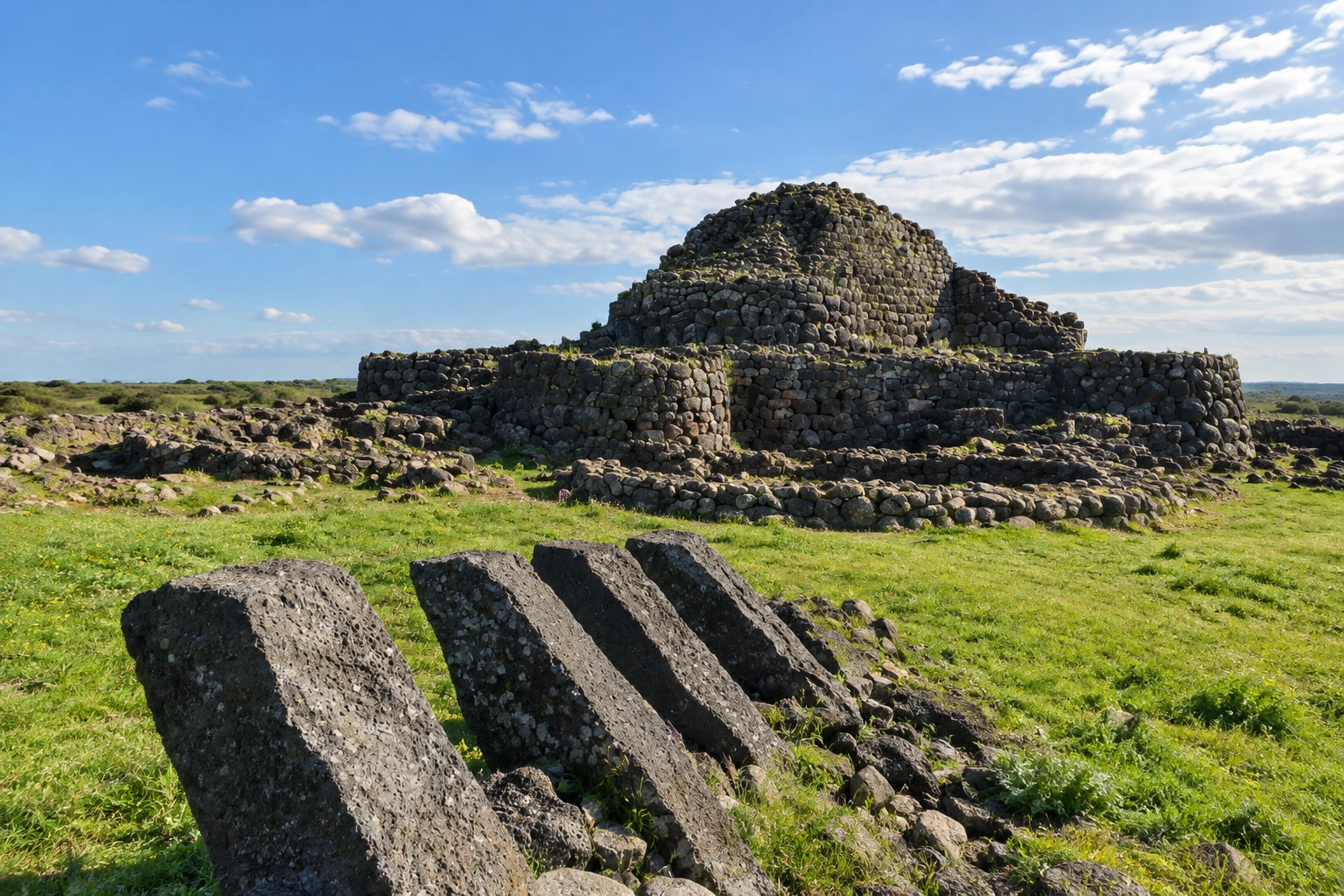
The best-known nuragic complex in Sardinia, a UNESCO World Heritage site: a stone fortress from the Bronze Age surrounded by a village of huts, about 60 km from Cagliari.
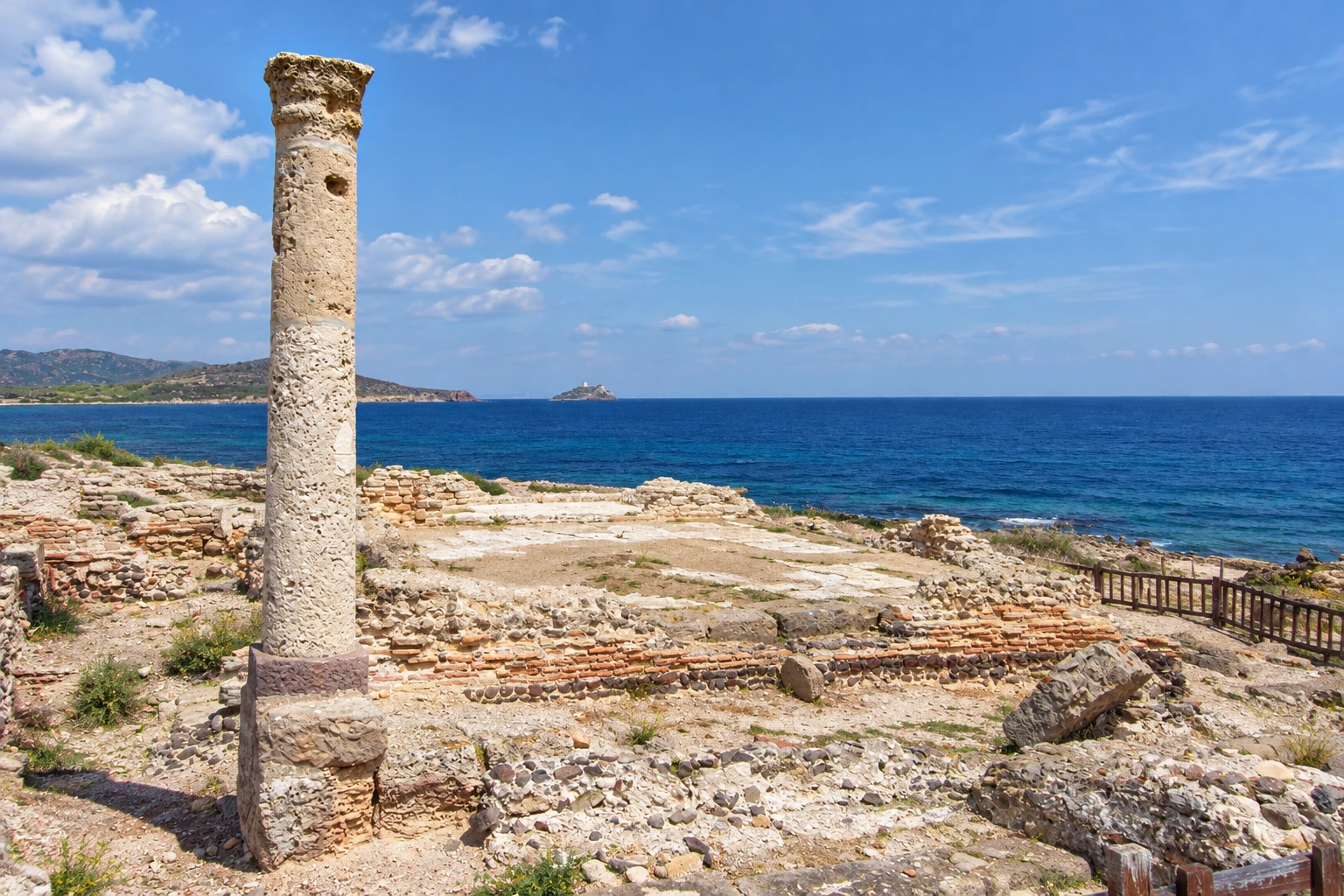
Ruins of a Phoenician, Punic and Roman city on a headland by the sea, near Pula, with a Roman theatre, baths, mosaics and the temple of Tanit, about 40 km from Cagliari.
To choose before you go
The details of each tour (where it leaves from, what it includes, the best time) are in the complete guide.
Get your questions answered
The guide's itineraries cover 3, 5 and 7 days: in 3 days, Cagliari and the south; in 5 days, from the south to the northwest, Cagliari and Alghero; in 7 days, the coastal circuit, from the south to the northeast.
Cagliari. Arrival at Elmas airport (7-minute train to the station). Museo Archeologico in the morning, in the Castello; Cattedrale and the Pisan towers; Bastione di Saint Remy at sunset; dinner at the Marina.
It generally rains less from January to March and from May to August. The rainiest months are usually November. The guide covers each month, with the weather and what changes on the tours.
To plan