Donegal
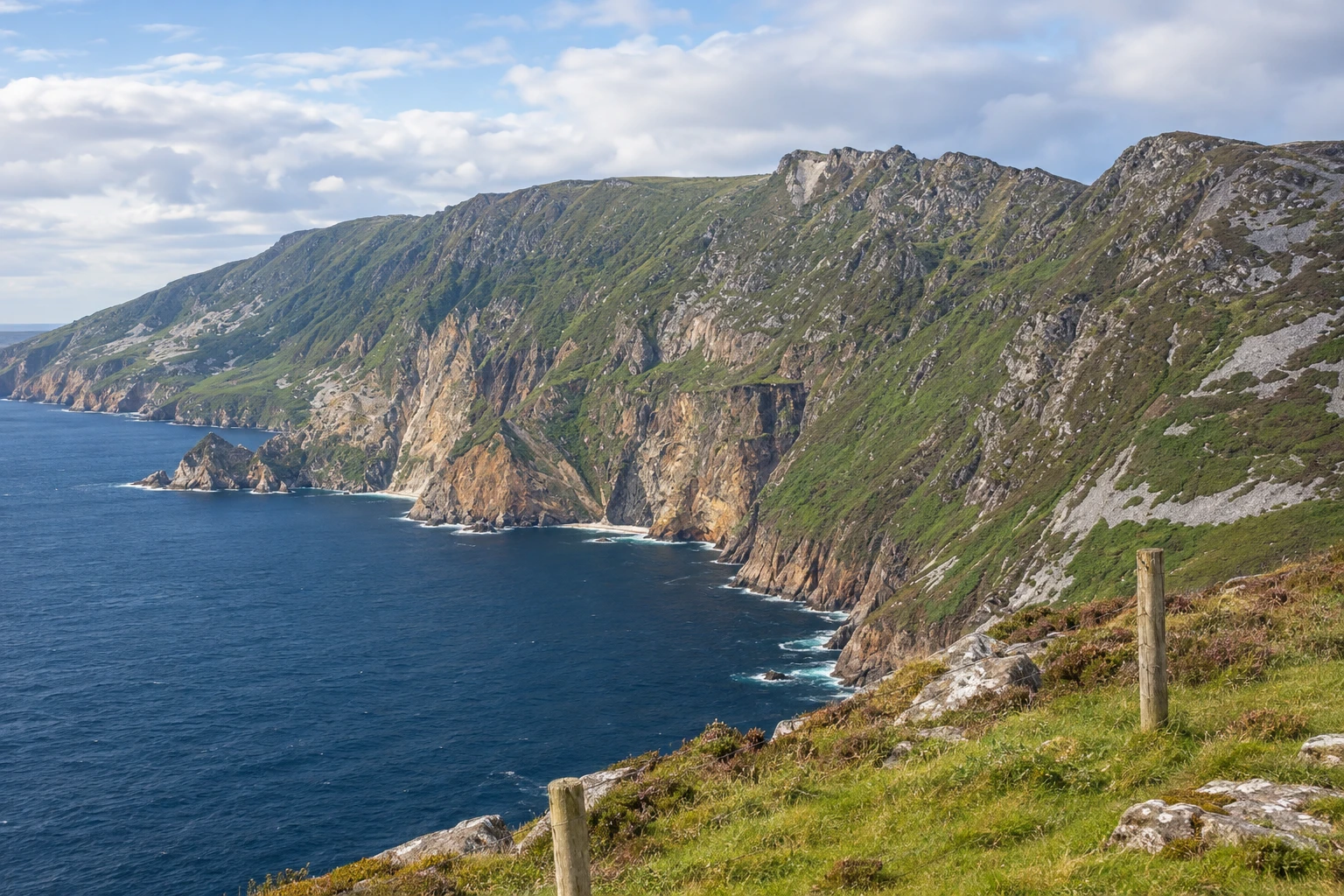
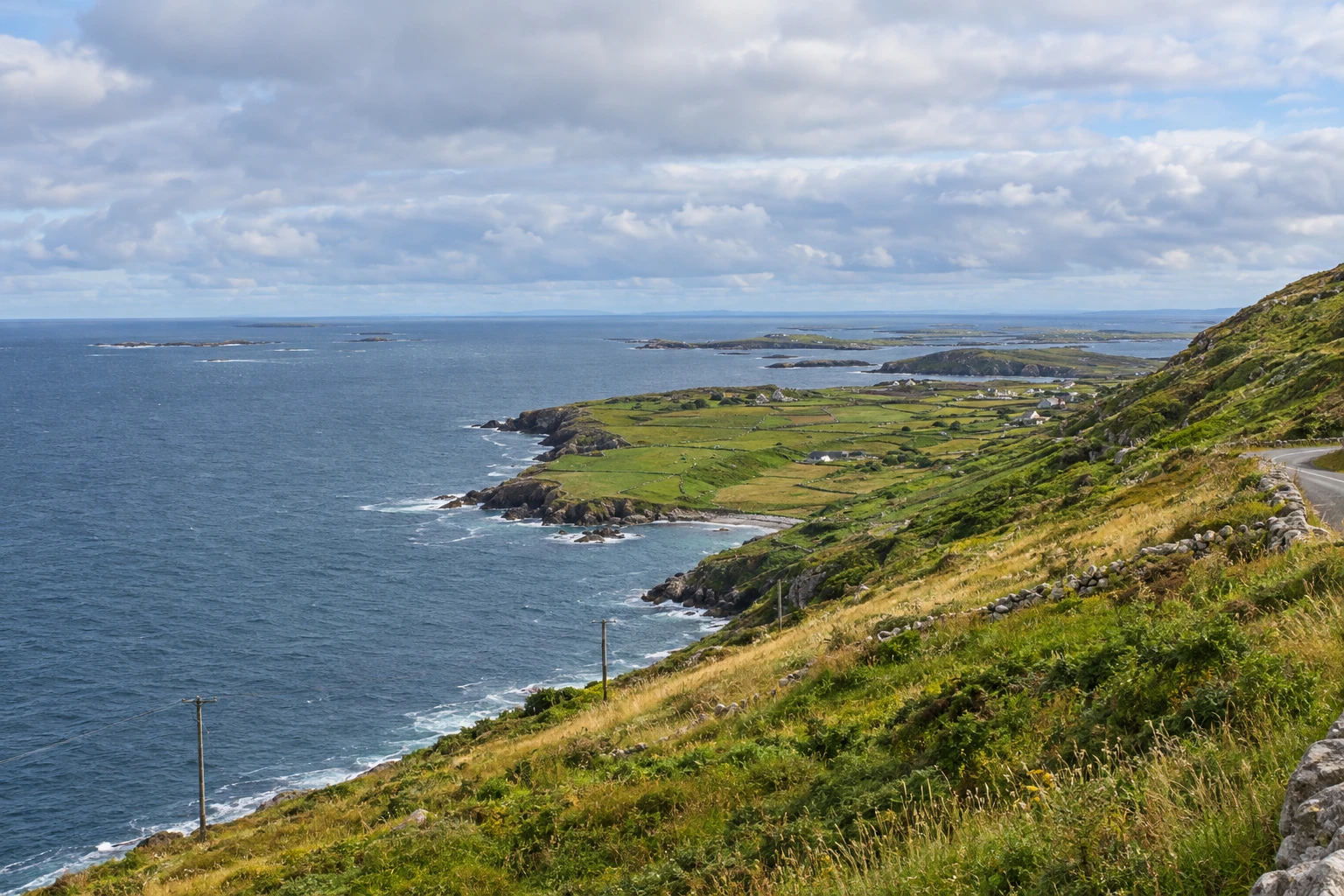
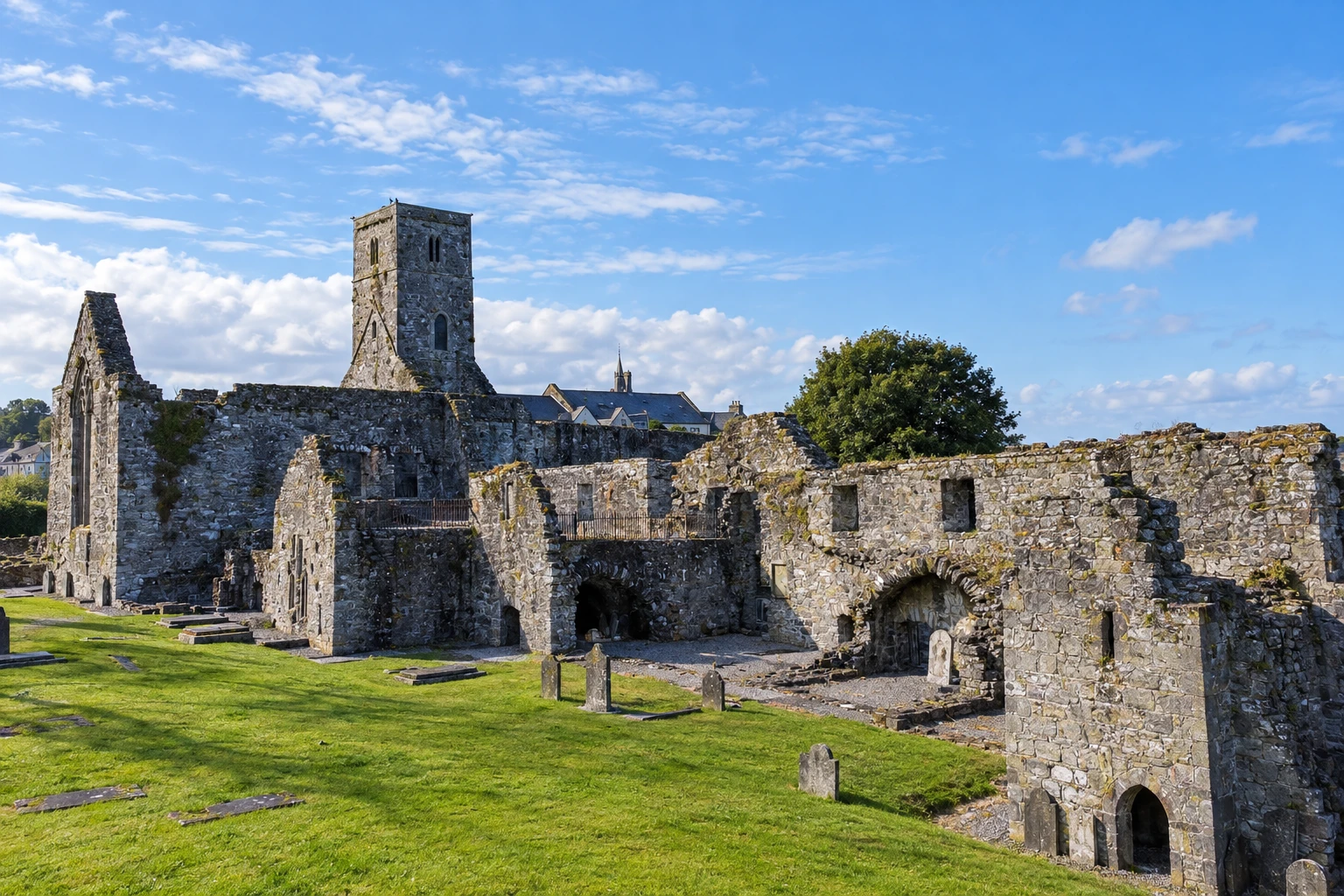
The northernmost county of Ireland: the town of Donegal with the O'Donnell castle, the Slieve League cliffs above the Atlantic and Glenveagh National Park, with the castle on the lakeshore.
Antarctica
Ireland travel guide
What to do, when to go and how to get there, destination by destination.
10 destinations · 19 citiesin Ireland
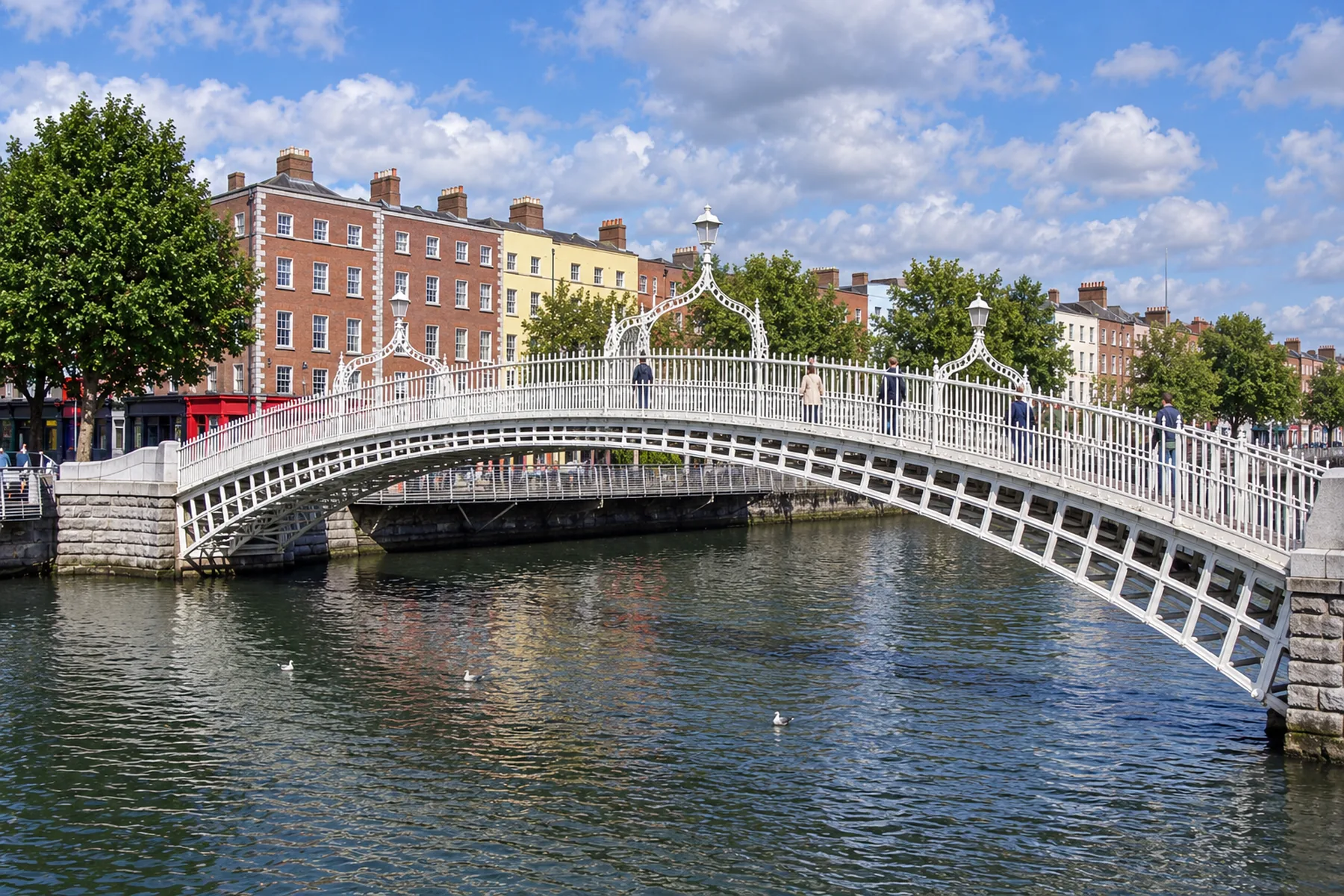
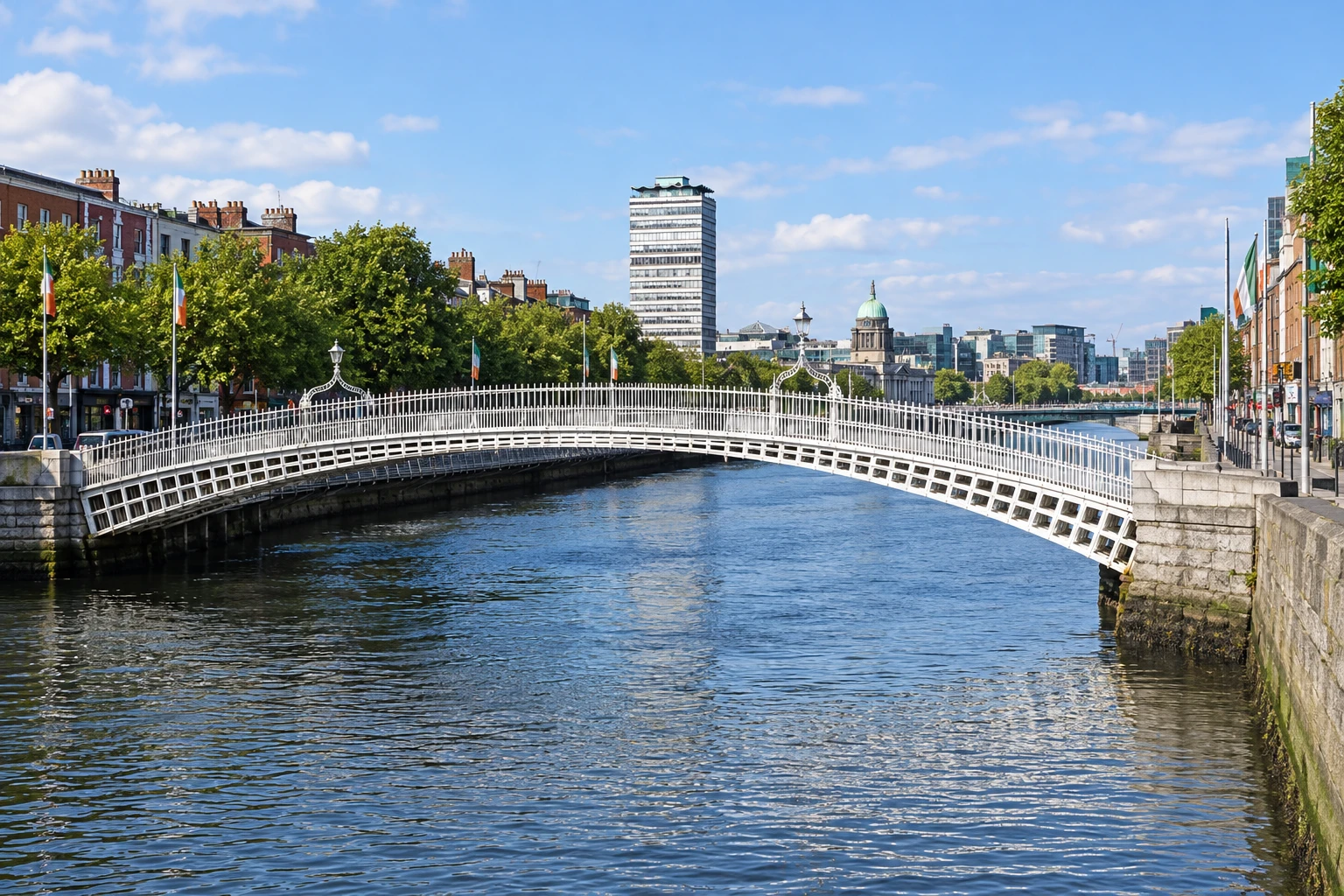
In the photo: Ha'penny Bridge — Dublin
Illustrative images. The pictures in this guide are illustrations based on the real place, not photographs, and may differ from it.
A destination is a region you visit as a single trip: it can bring together several cities or be a large city with everything it offers. Each destination has the tours, the itineraries, the best time to go month by month and how to get there.
The guide currently has 10 destinations, with 19 cities in 12 counties.
Today's highlights
A destination is more than a city: it's everything you can experience there.
The northernmost county of Ireland: the town of Donegal with the O'Donnell castle, the Slieve League cliffs above the Atlantic and Glenveagh National Park, with the castle on the lakeshore.
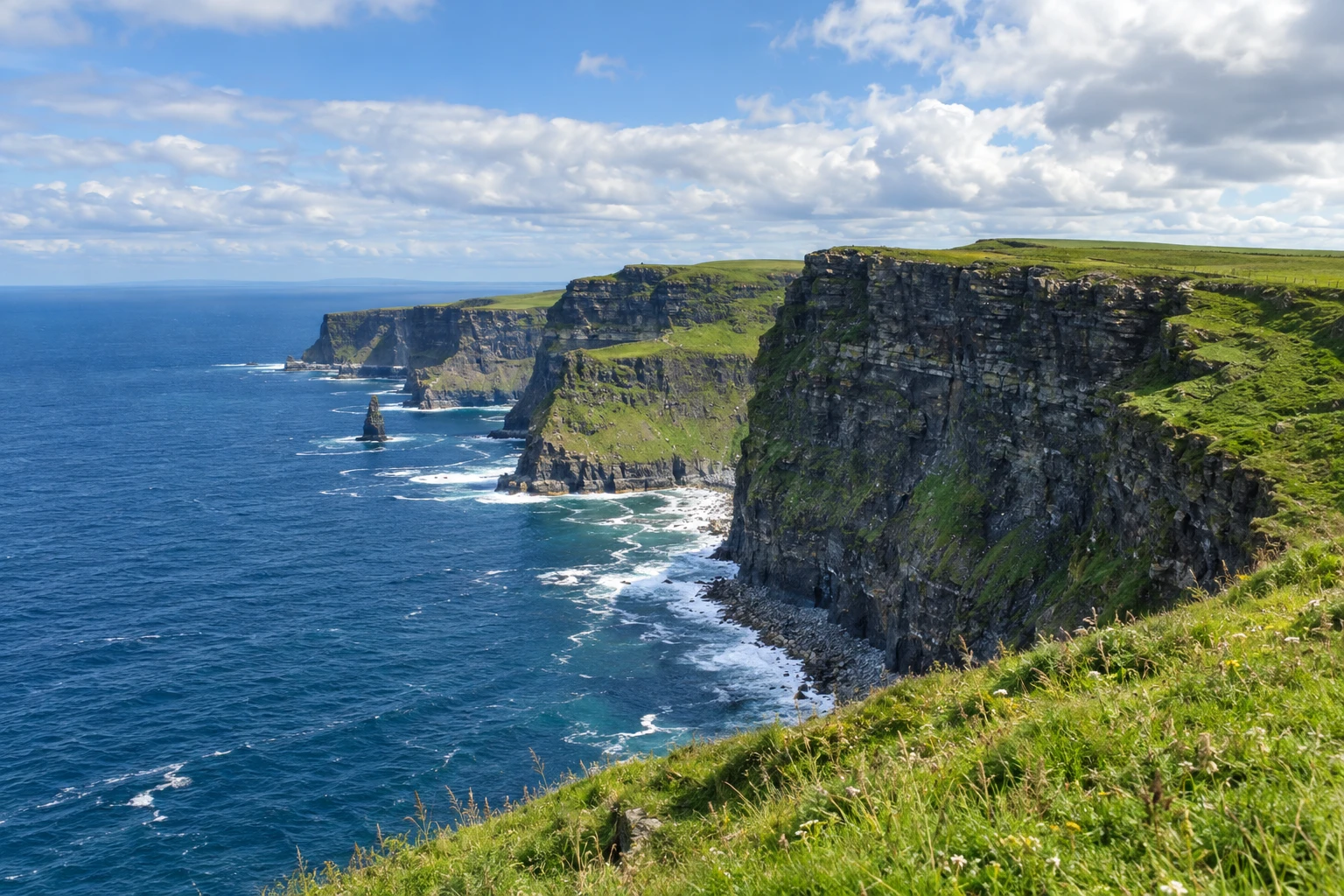
The Falésias de Moher, rising up to 214 metres above the Atlantic, the limestone landscape of the Burren, the village of Doolin with music in its pubs, and the town of Ennis, with the 13th‑century Franciscan friary.
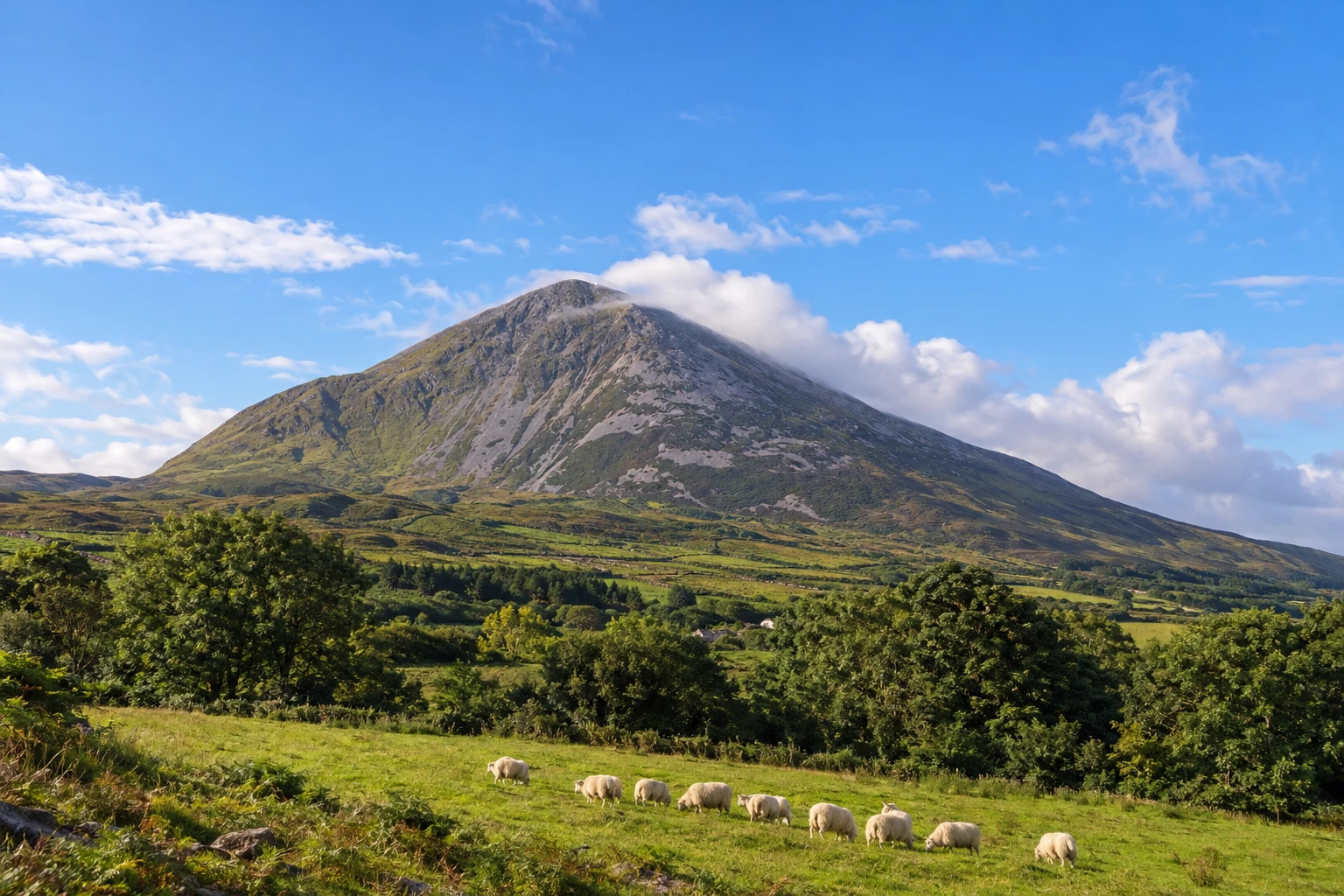
Westport, the Georgian town on Clew Bay, the sacred mountain Croagh Patrick, the Great Western Greenway to Achill and, in Sligo, Benbulben, Yeats's grave and the stone tombs of Carrowmore.
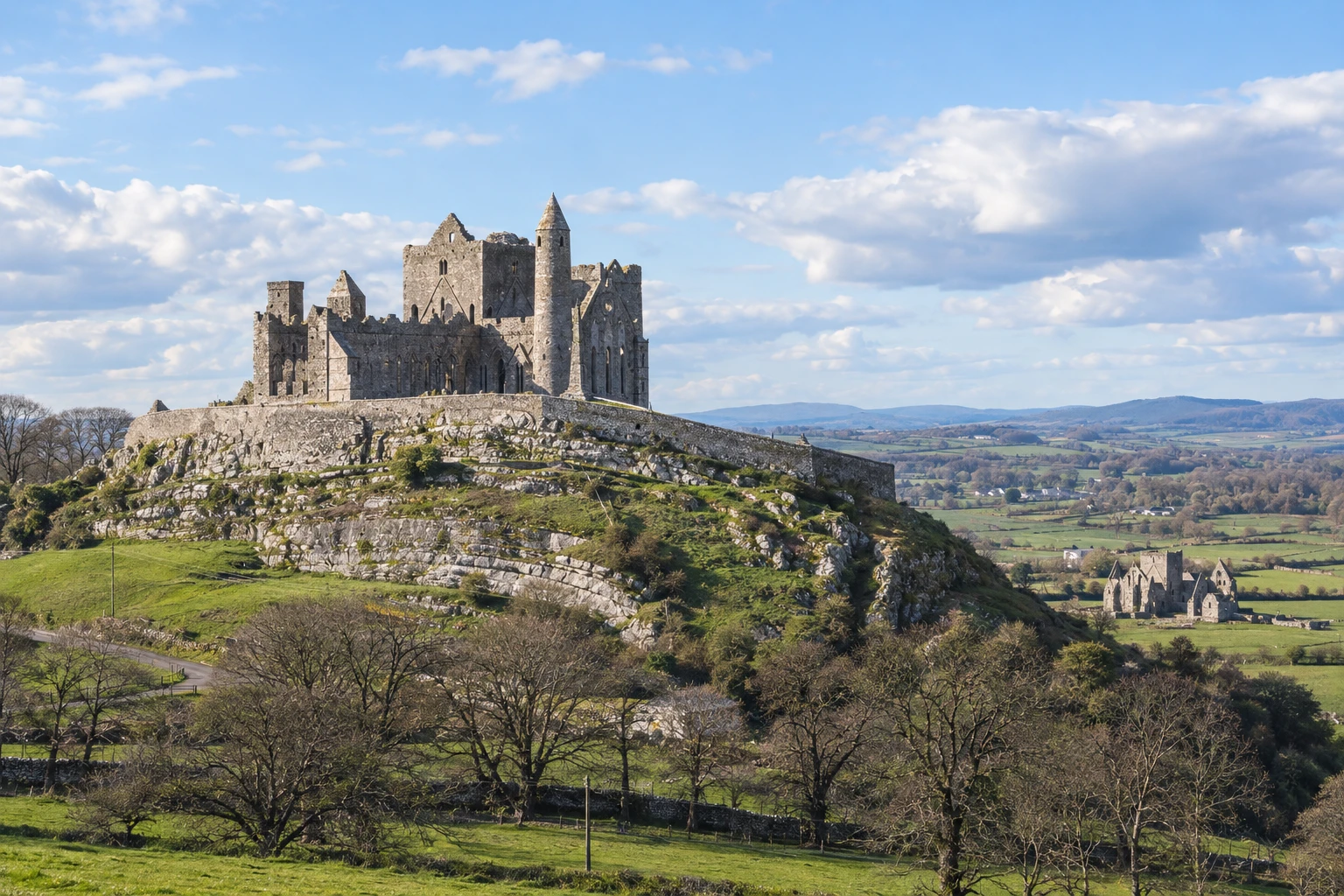
Kilkenny, the medieval city of the Butler castle and St Canice cathedral, linked by the Medieval Mile, and, about an hour away, the Rock of Cashel, the hill of the kings of Munster crowned with ruins.
The capital of Ireland on the banks of the River Liffey: the Book of Kells at Trinity College, medieval cathedrals, Kilmainham Gaol, pubs with live music and, a half-hour train ride away, the fishing port of Howth.
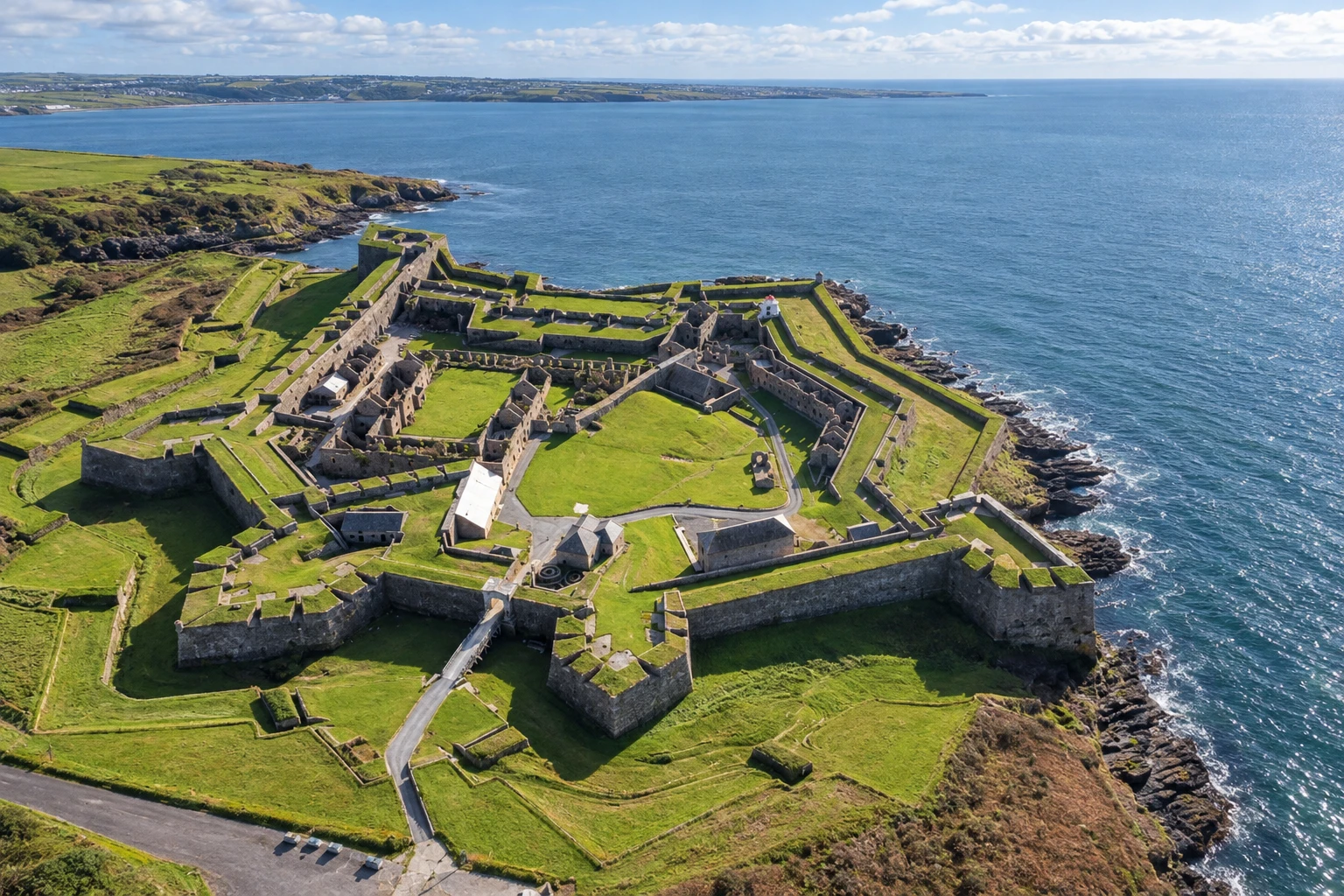
Cork, the second city of Ireland, with the English Market and the bells of Shandon; Blarney Castle and its stone; the port of Kinsale with Charles Fort; and Cobh, the Titanic's last stop.
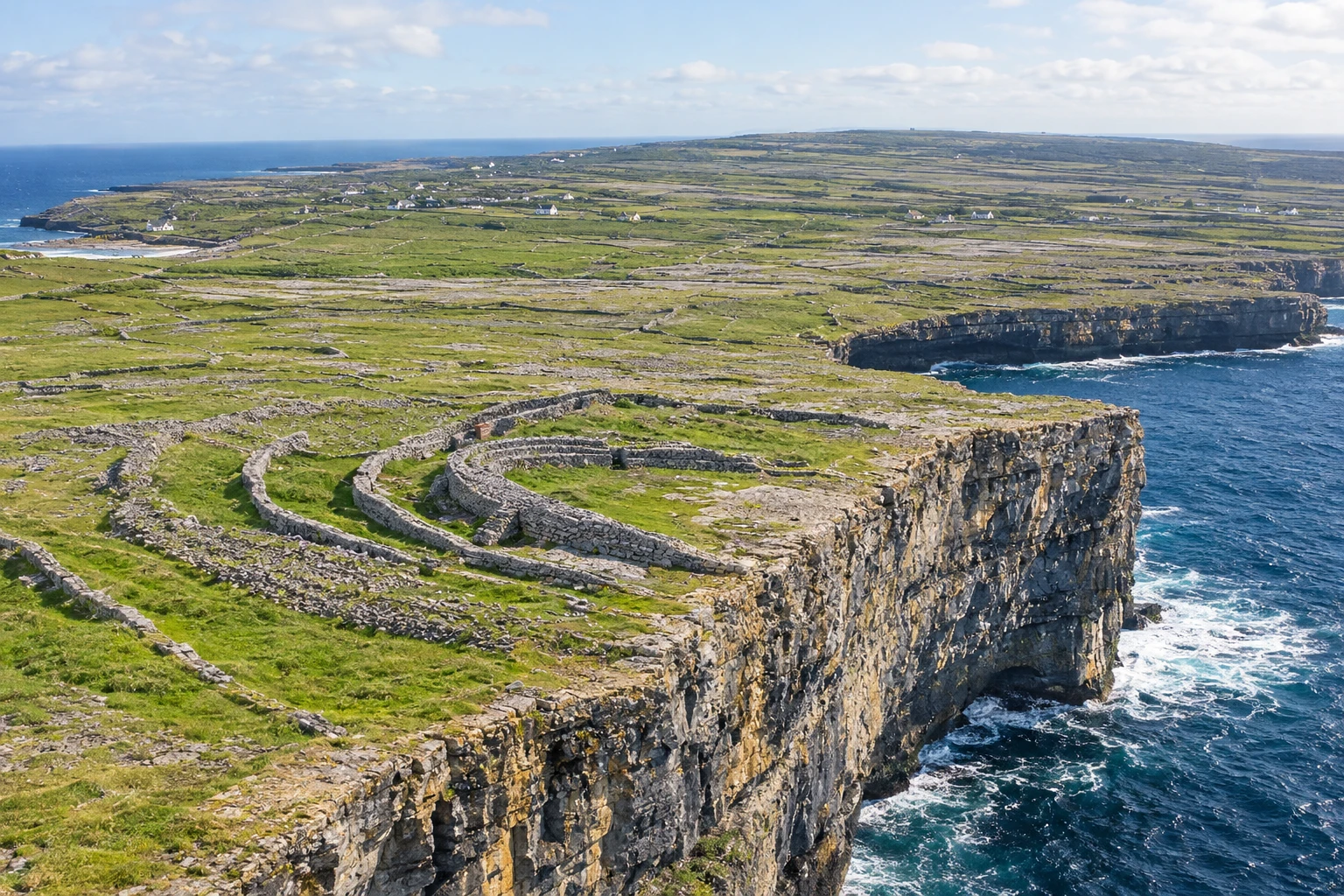
Three limestone islands in Galway Bay, where Irish is spoken: on Inis Mór, the fort of Dún Aonghasa on the cliff edge, the Seven Churches, Kilmurvey beach and dry-stone walls.
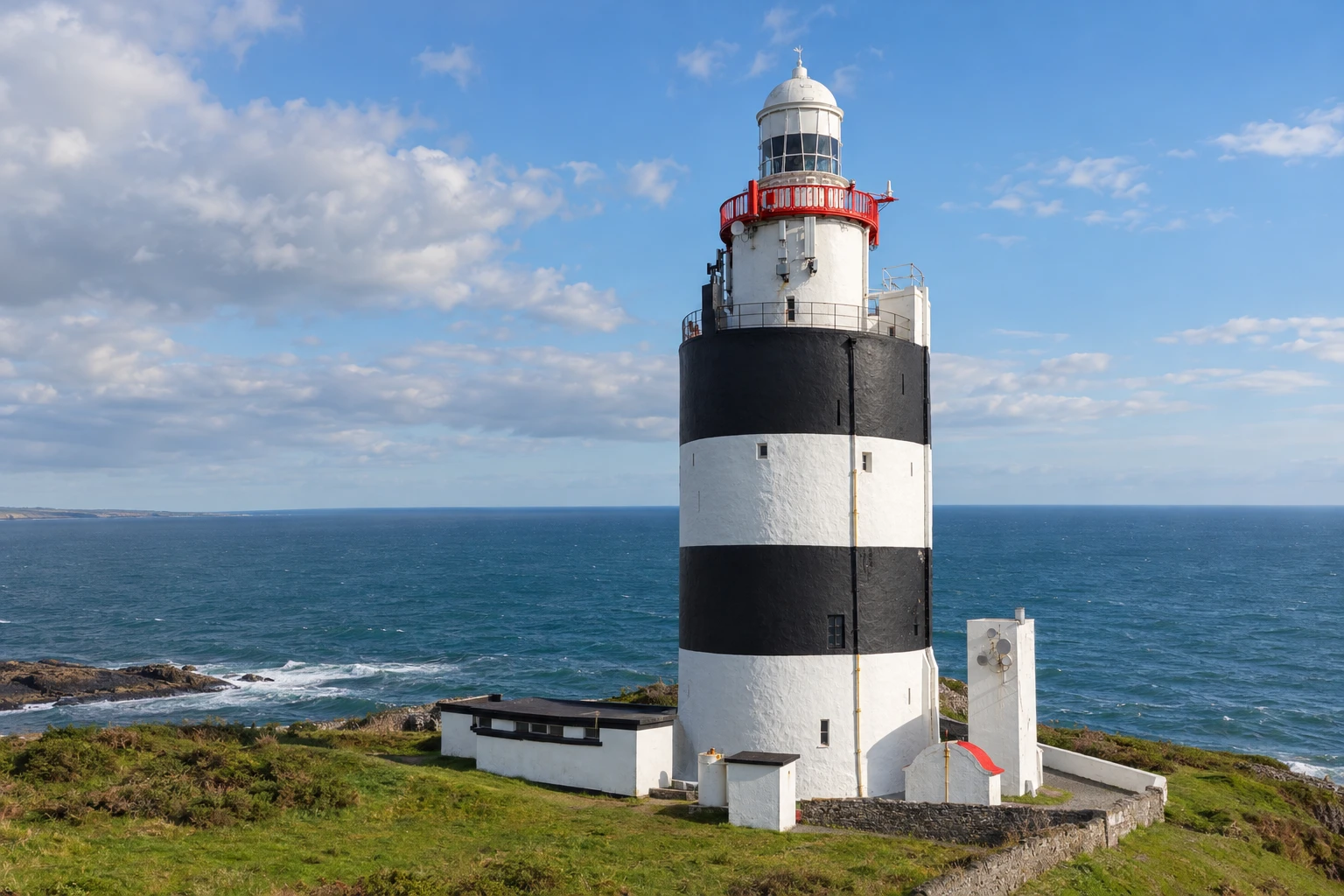
Waterford, the oldest city in Ireland, with the Viking Triangle and the crystal factory; the Copper Coast and its coves; and, in Wexford, the Irish National Heritage Park and the medieval lighthouse of Hook Head.
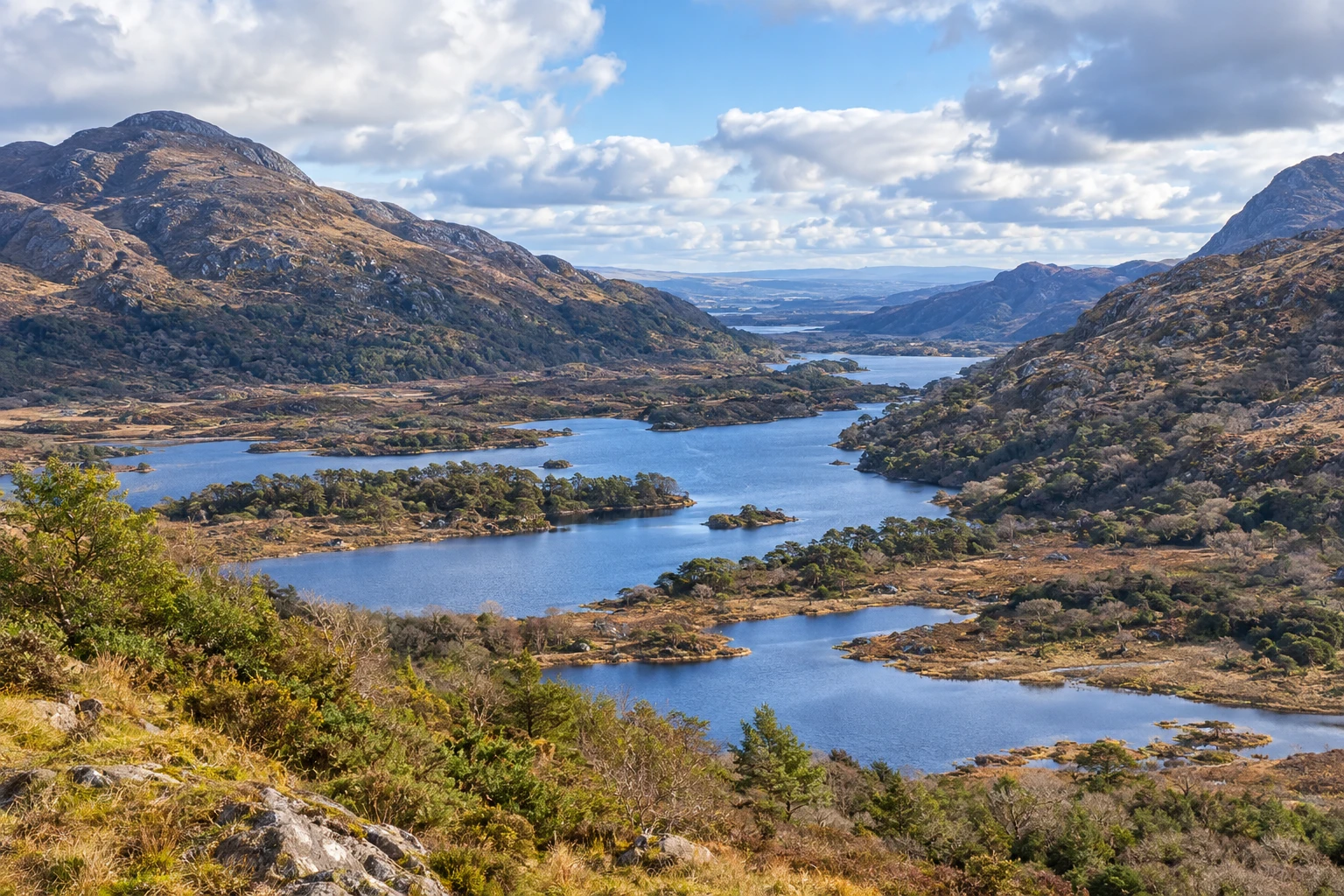
Lakes and mountains of Killarney National Park, Muckross House and Ross Castle, the Ring of Kerry circuit, Dingle harbour with the Slea Head Drive and the small town of Kenmare.
Galway, the city of music-filled streets on the Atlantic bay, and the Connemara region: mountains, lakes, bogs, the Kylemore Abbey by the lake and Clifden's Sky Road above the sea.
Cities to start with
Each city has a page with what to do there.

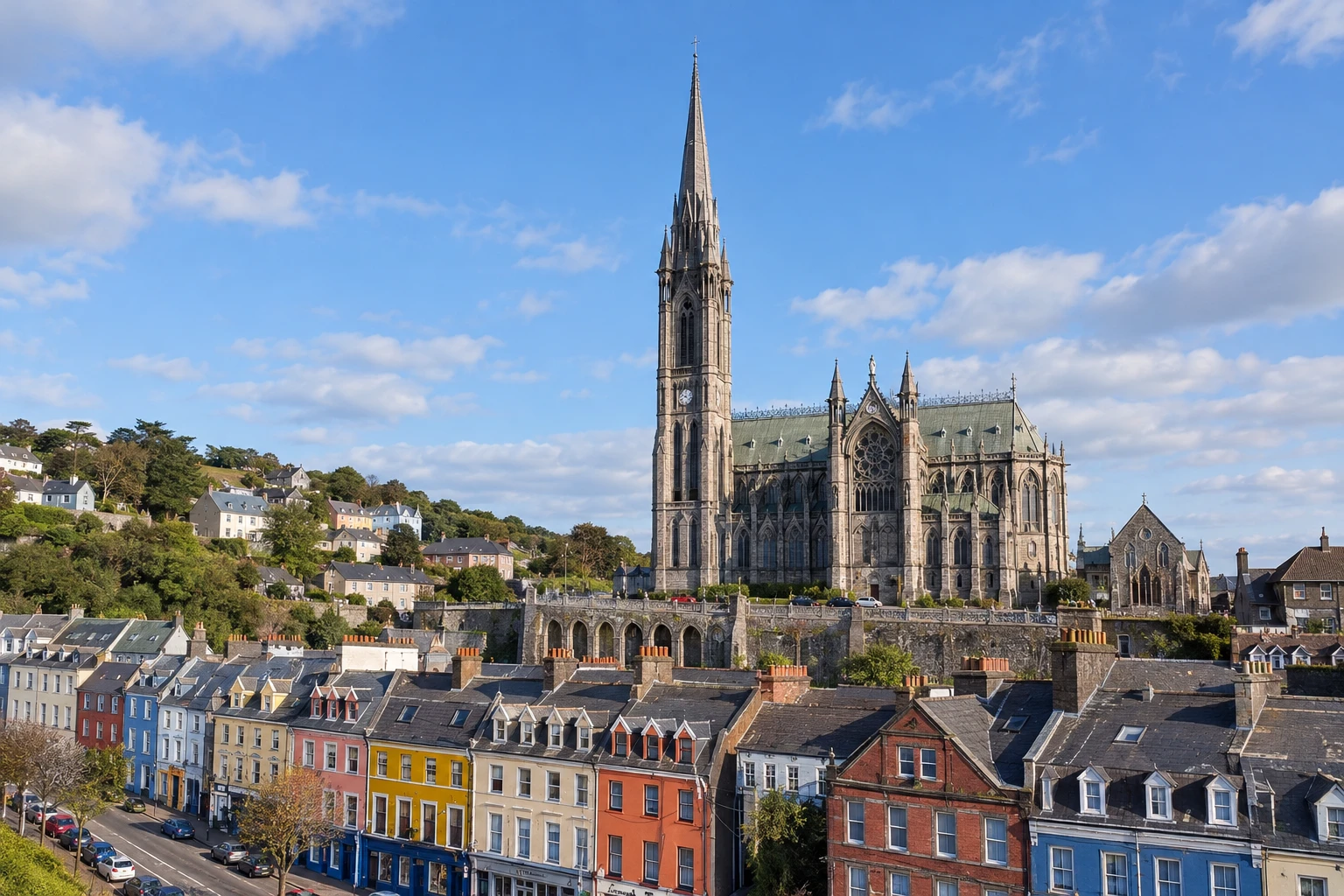
Cobh, formerly Queenstown, is the port town of Great Island in Cork Harbour, from where millions of Irish emigrants departed and where the Titanic made its final stop in 1912. St Colman’s Cathedral dominates the hillside above the colourful houses, and on the waterfront are the Titanic Experience and the Cobh Heritage Centre. Boats depart from the quay for the fortress of Spike Island.

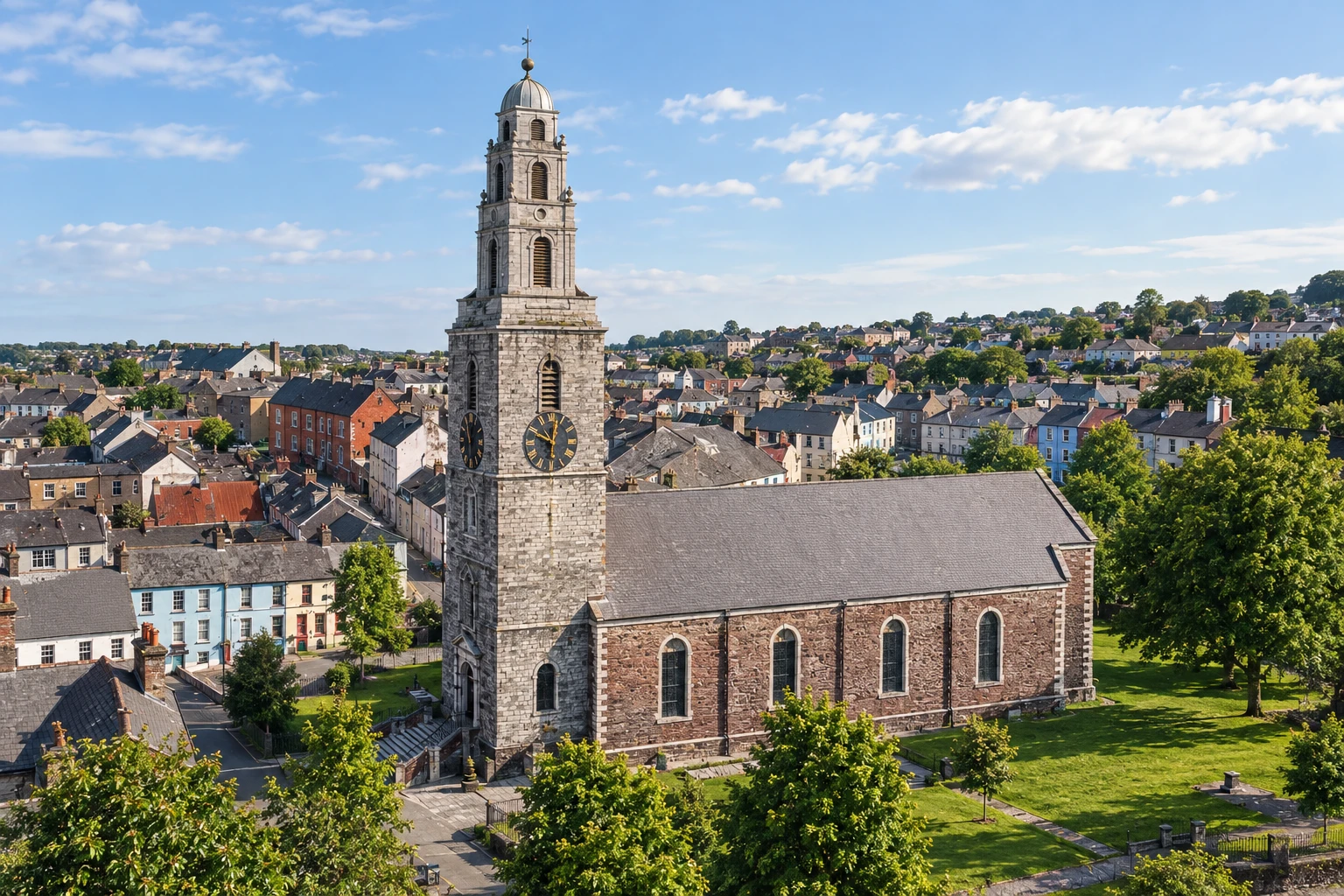
Cork is the second city of Ireland, built on an island between two branches of the River Lee. In the centre are the English Market, a covered food market, and the shopping streets of St Patrick's Street; on the north hill is St Anne's tower in Shandon, with the bells visitors can ring; south of the river is St Fin Barre's Cathedral. Blarney Castle is 8 km away.

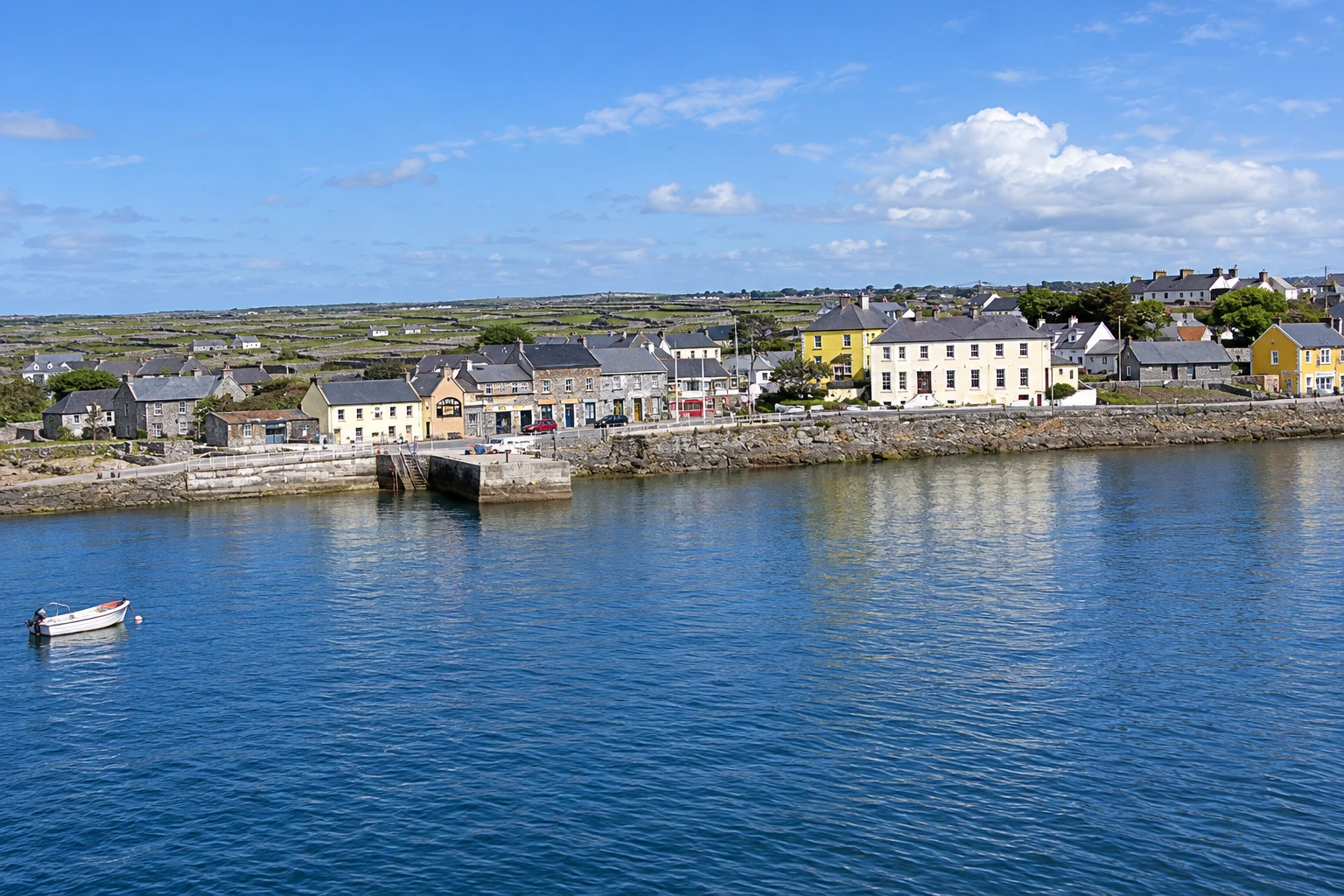
Kilronan, in Irish Cill Rónáin, is the main port and village of Inis Mór, the largest of the Ilhas Aran. It is where boats from Rossaveal and Doolin arrive, with pubs, Aran knitwear shops, bike hire and minibus departures. From there you visit Dún Aonghasa, Dún Eochla, the Seven Churches, Kilmurvey beach and the Poll na bPéist.

Sligo is the county town of the same name, on the banks of the Garavogue River, between Sligo Bay and Lough Gill. It is the land of the poet W. B. Yeats, buried in Drumcliff at the foot of Benbulben. Near the town are the Neolithic tombs of Carrowmore, Knocknarea and the beaches of Strandhill; in the centre, the ruins of Sligo Abbey.

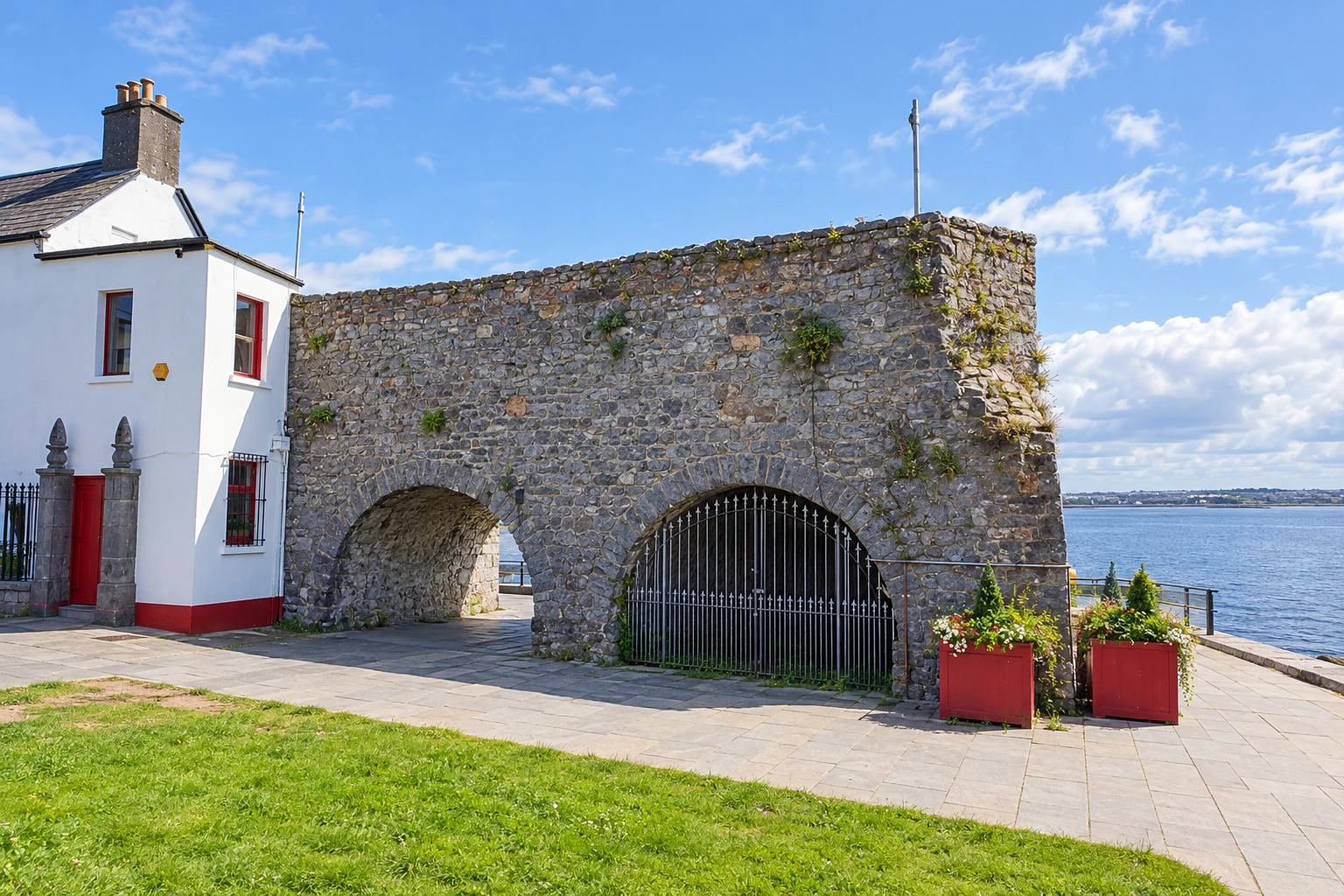
Galway is the main city of western Ireland, at the mouth of the river Corrib. The Latin Quarter and Shop Street bring together pubs, shops and street musicians; the Spanish Arch marks where the river meets the bay; the Cathedral of Galway sits on the Corrib; and the Salthill promenade runs 3 km along the bay. It is the base for Connemara, the Ilhas Aran and the Falésias de Moher.

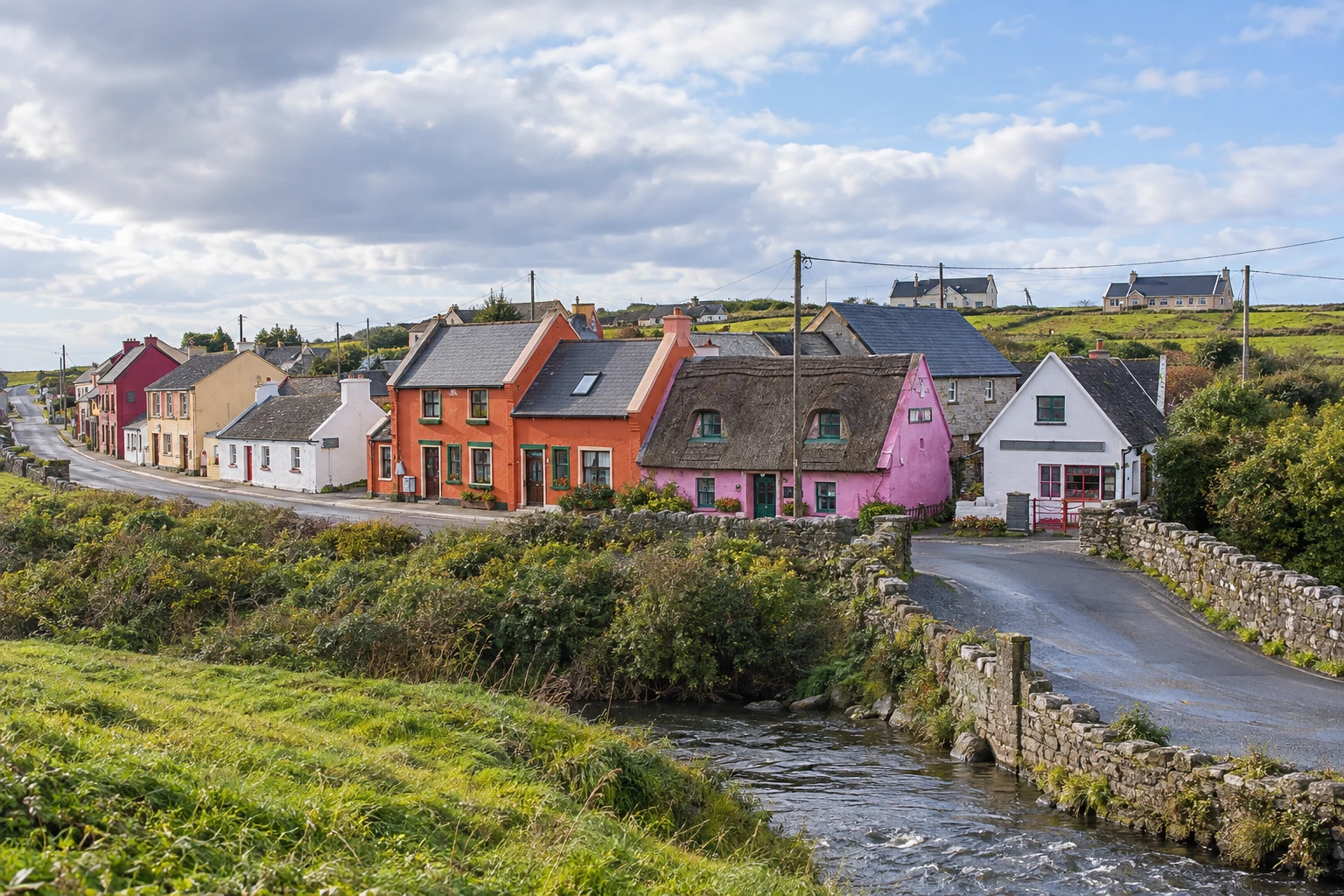
Doolin is a village spread along the Aille River, between the Burren and the Atlantic, 7 km from the Falésias de Moher. The pubs are known for traditional music, and in season boats leave from the pier for the Ilhas Aran and to view the falésias from the sea. It is the base for the falésias, Doolin Cave, the Poulnabrone dolmen and the Burren.
The map
Tap a region to see the names. Use two fingers to zoom in.
Outlines: © Tailte Éireann, National Statutory Boundaries 2026, CC BY 4.0. Adapted by Cidade Turismo.
Ireland
Another way into the same trip
Choose the county and the city to find your place in the guide.
Beyond the guide