

 Brazil
 Antarctica
 Argentina
 Bolivia
 Chile
 Colombia
 Ecuador
 Falkland Islands (Malvinas)
 French Guiana
 Guyana
 Paraguay
 Peru
 Suriname
 Uruguay
 Venezuela
 Austria
 Belgium
 Croatia
 Denmark
 Finland
 France
 Germany
 Greece
 Iceland
 Ireland
 Italy
 Luxembourg
 Norway
 Poland
 Portugal
 Slovakia
 Slovenia
 Spain
 Sweden
 Switzerland
 the Czech Republic
 the Netherlands
 the United Kingdom
 Turkey
 Bermuda
 Canada
 Greenland
 Mexico
 Saint Pierre and Miquelon
 the United States
 the Dominican Republic
 Japan
 Egypt
 South Africa
 Australia
 Fiji
 New Zealand
 Papua New Guinea
Nature
Ecotourism in Hungary
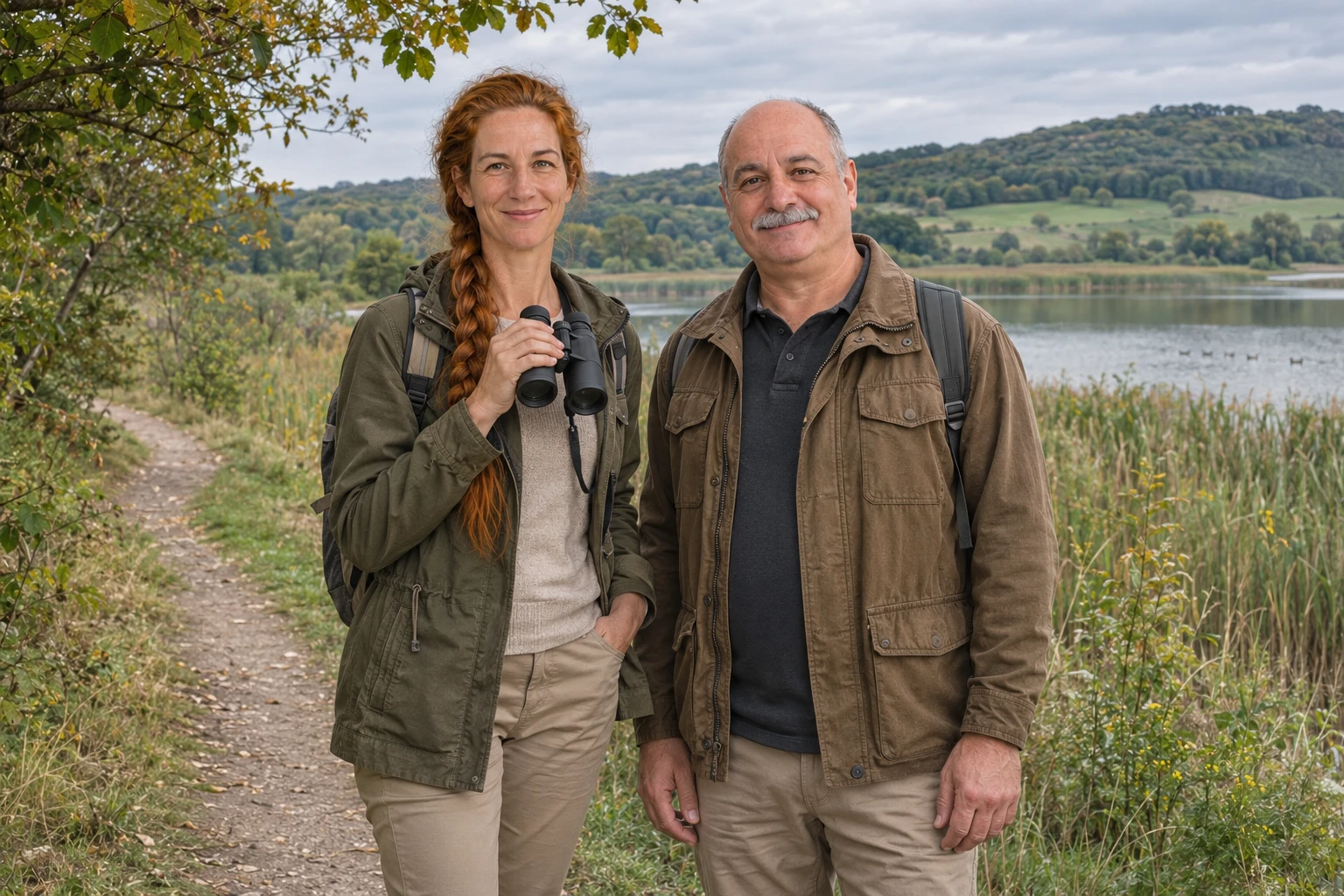
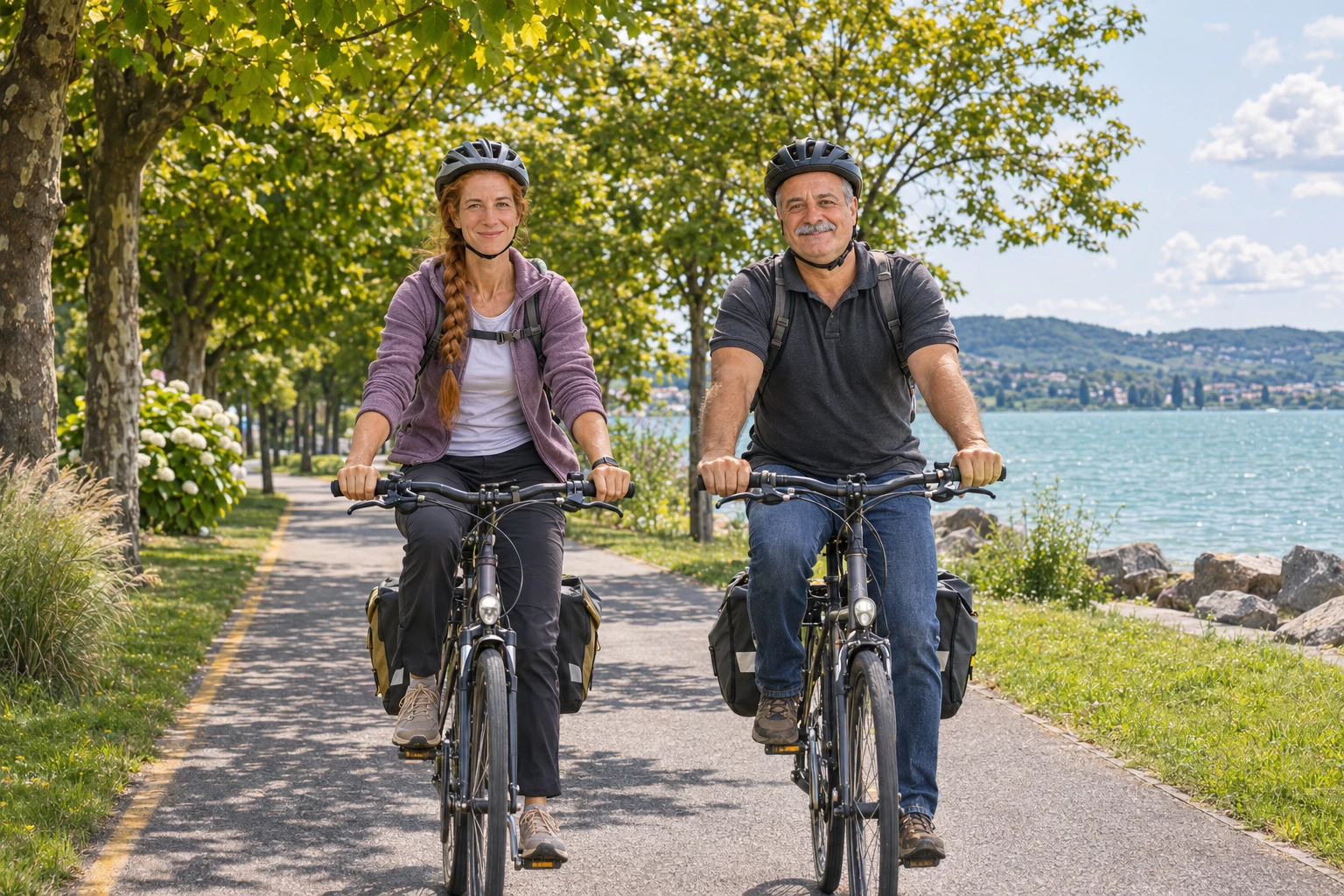
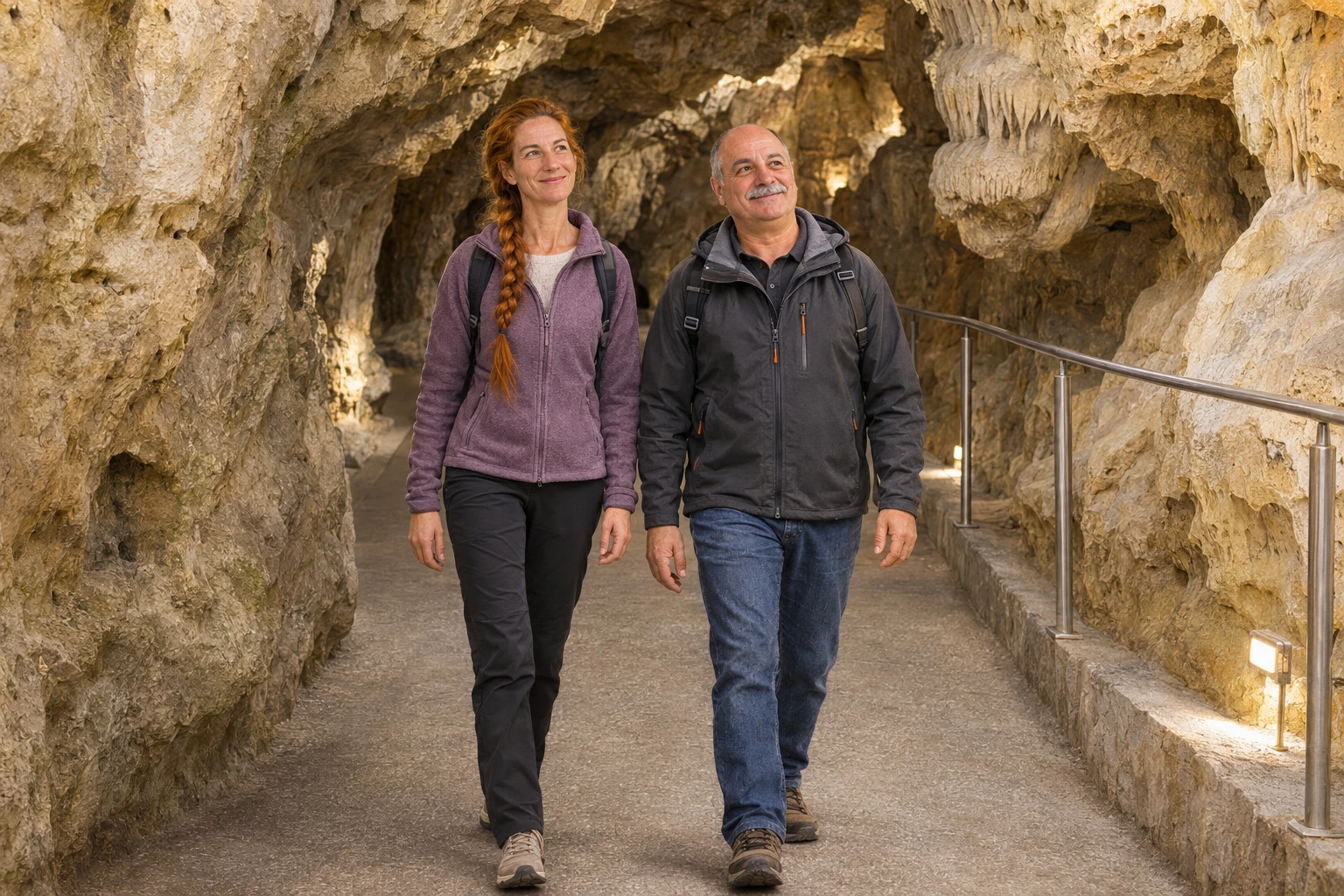
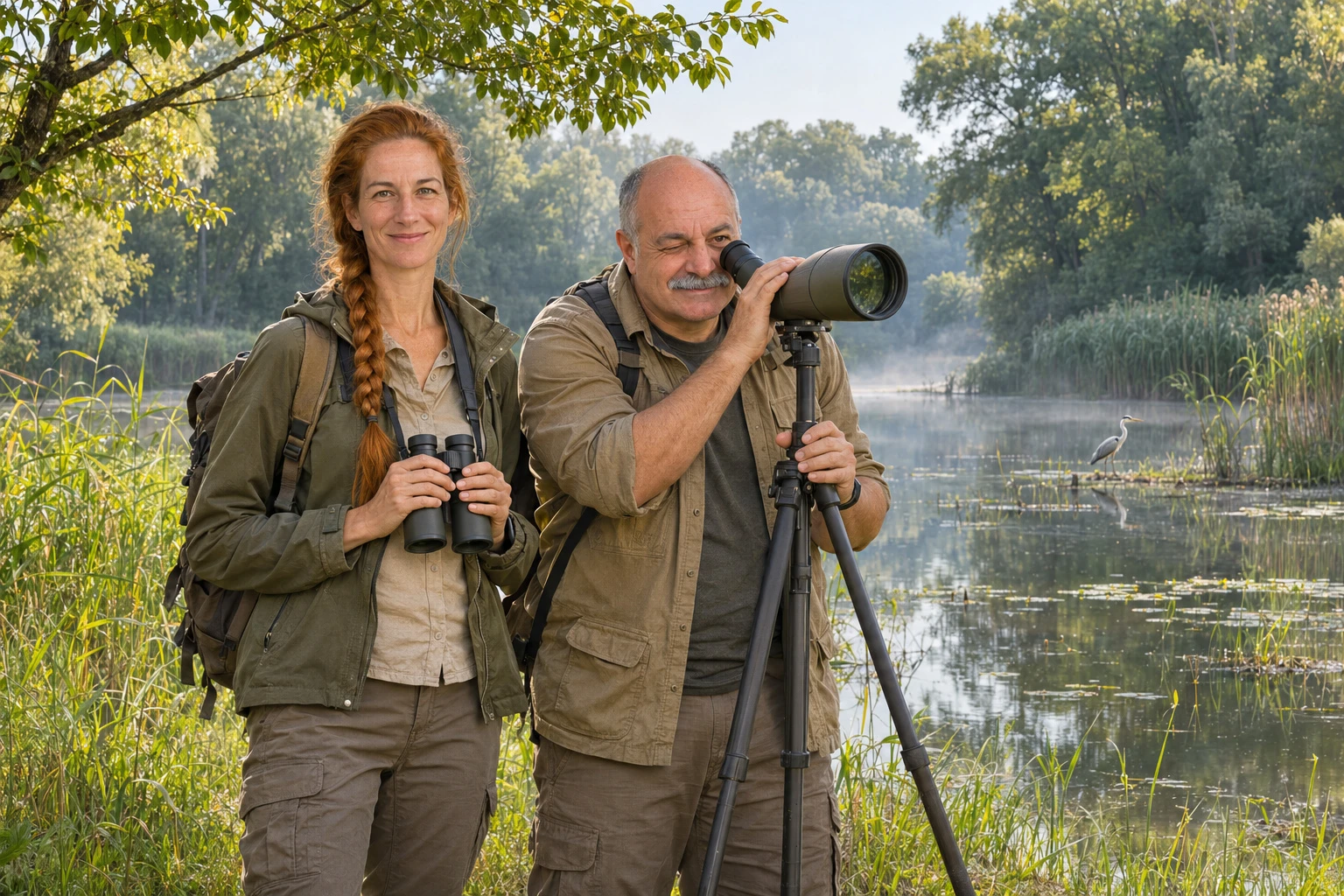
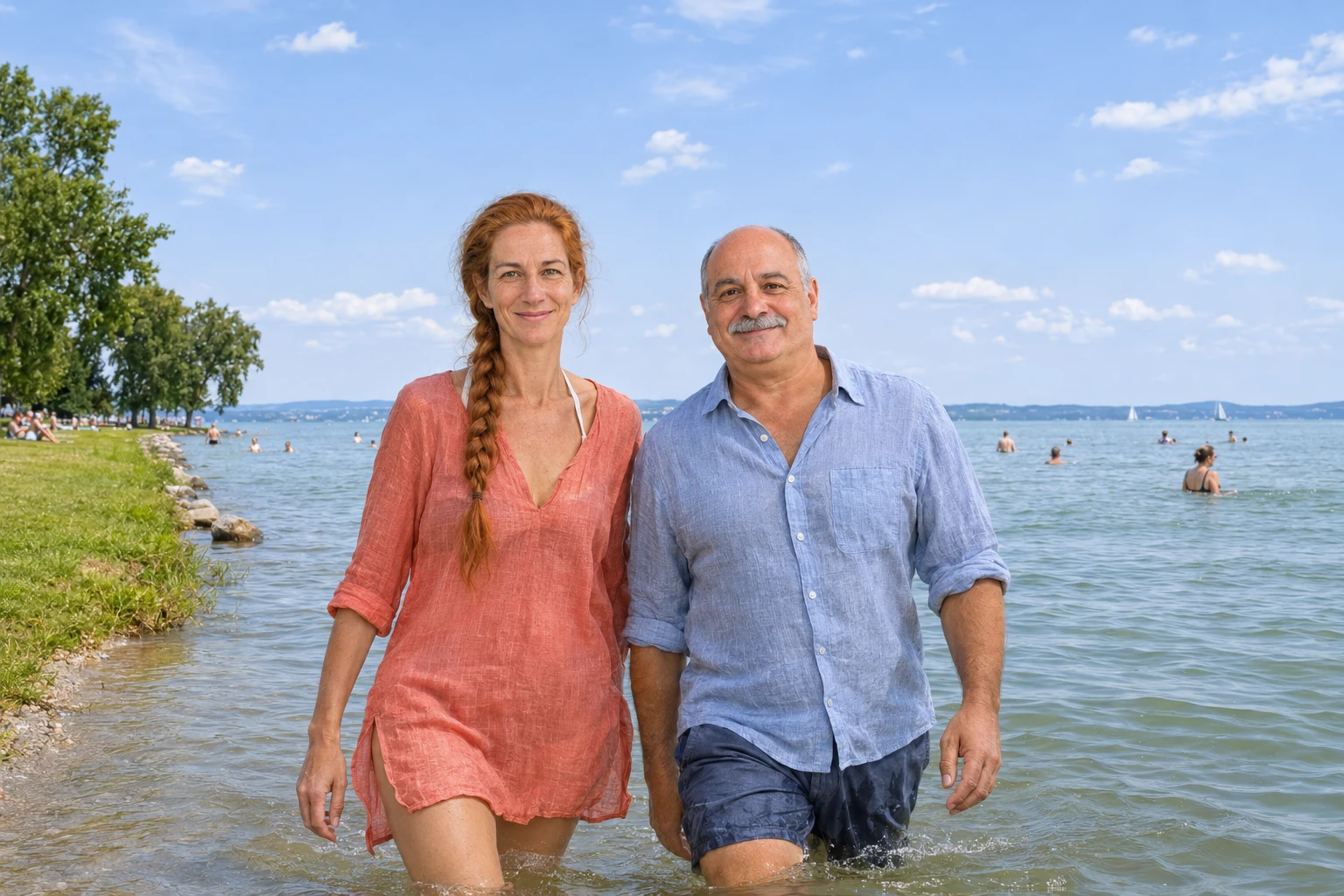
A bike to circle Lake Balaton, a guide to lead you down into limestone passages, and binoculars to watch birds where the river floods the forest.
In Balatonalmádi, a stone marks kilometer zero on the cycling route around Lake Balaton. In Baja, water from the Danube flows into the Gemenc forest, changing which paths you can walk. In the caves of Budapest and Miskolc, you need to stop and look up to see how water has shaped the rock. These are three ways to explore nature in Hungary, each at its own pace.
Where to go in Brazil
Pick a region or type what you are looking for to see the cities and who offers each activity.
- Budapest BU
- Balatonboglár SO
- Balatonlelle SO
- Fonyód SO
- Siófok SO
- Balatonalmádi VE
- Tihany VE
- Miskolc BZ
- Tokaj BZ
- Baja BK
To decide where to spend the day, think about what you’d like to see up close. The lakeshore changes from town to town, inviting you to keep cycling. You notice more in a cave passage when someone points out the crystals on the wall. On the floodplain, it can be worth spending much of the morning in one spot, watching to see which birds come to the water.
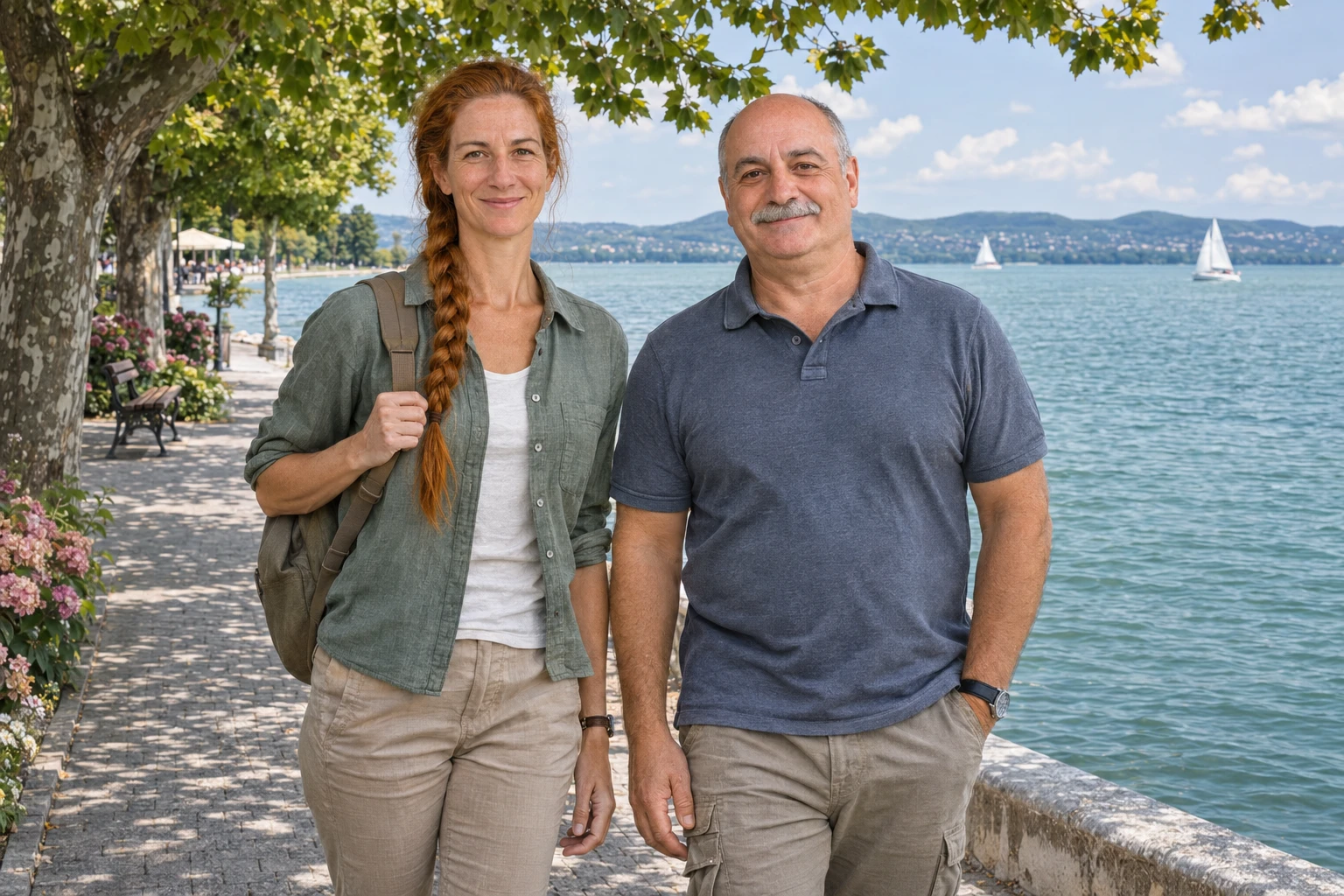
Cycling the shores of Lake Balaton
The route around Lake Balaton is just over 200 kilometers long. It follows bike paths and stretches of road shared with traffic, sometimes veering away from the water. If you only have an afternoon, you can ride along the waterfront in Siófok and return the same way. If you want to explore the Tihany Peninsula, set aside a separate leg of the ride for it and factor in the climbs when estimating your riding time.
On the southern shore, Balatonlelle and Balatonboglár are good examples of how to plan a ride with two different stops. In Balatonlelle, the route takes you through town. In Balatonboglár, you can leave the route and climb to the spherical lookout for a view of the shoreline you just rode along. Farther on, Fonyód harbor is a place to rest by the lake.
If you’re staying overnight, choose your stop based on what you’d like to see before dark. A shorter ride gives you time to put your bike away, walk up to a lookout, and get back for dinner. If you’re cycling with children, check the map to see where the path is separated from traffic and where it crosses streets before deciding how far to ride.
Two ways to explore Hungary underground
In Budapest, a guided tour of Pál-völgyi Cave takes you through some of the passages beneath the city. The lighting reveals calcite crystals and mineral deposits on the walls. There are changes in elevation, narrow passages, and a steep staircase. The distance on a map tells you little about how strenuous the walk is, especially if you need support on stairs.
In Lillafüred, part of Miskolc, Szent István Cave has limestone formations that resemble objects and figures. One looks like a frozen waterfall. When the group stops, take a moment to trace its outline with your eyes and listen to how water deposits minerals over time. The tour follows the section of the cave equipped for visitors.
Choose the cave that fits your plans above ground. Pál-völgyi is a good choice if you’re staying in the capital. Szent István makes sense if you’re already going to Miskolc and can set aside part of the day for Lillafüred. When looking into a tour, ask what language the guide will use and whether any materials are available to help you follow along.
The forest of Gemenc and the birds of Tokaj
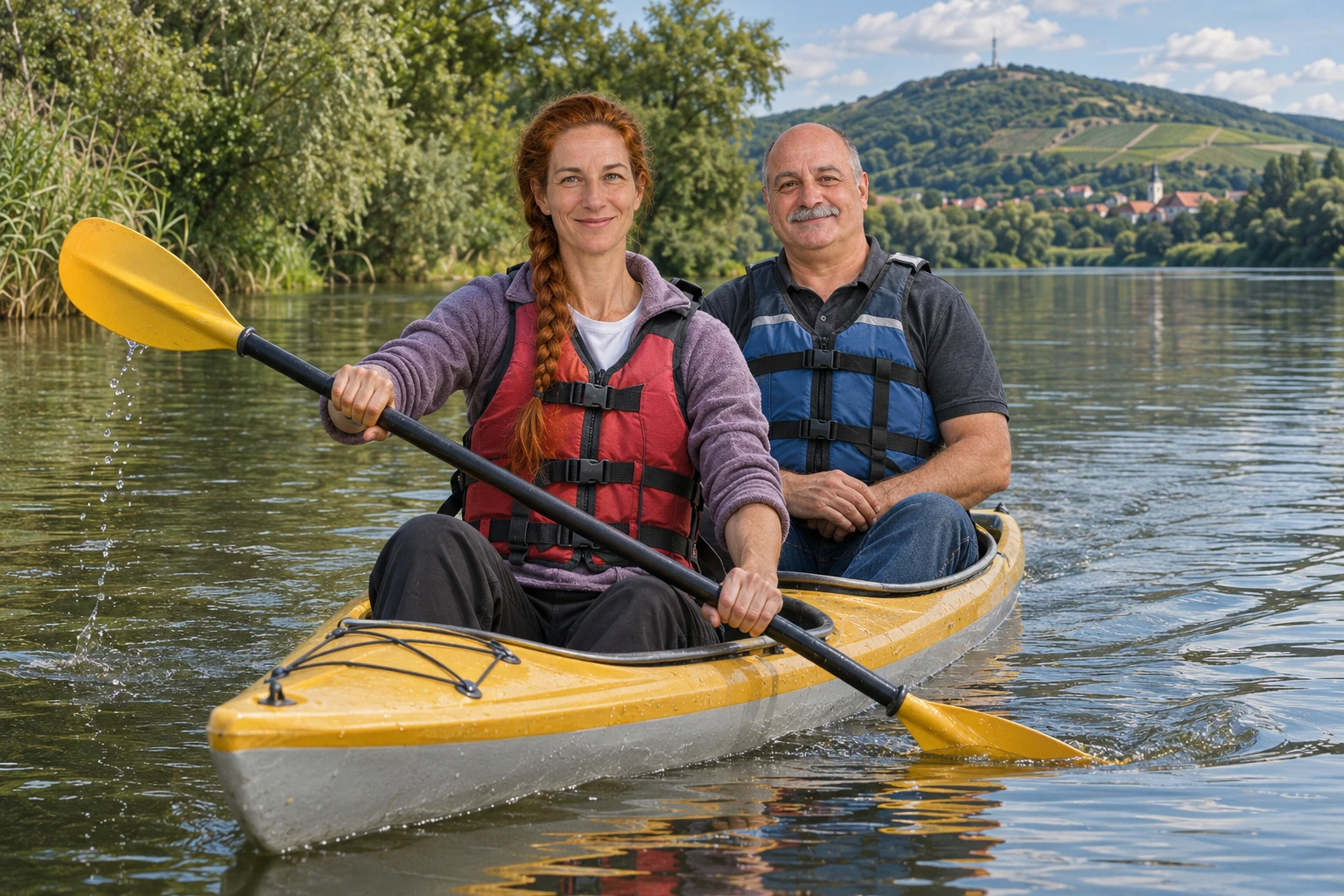
Baja is a gateway to Gemenc, a floodplain forest along the Danube. When the river rises, water fills the lower parts of the forest, leaving marks on the tree trunks as it recedes. Black storks find shelter here, and the forest is also home to deer. A single track in the mud may be the only sign of an animal you see on the whole walk.
At Tokaj, the Tokaj-Bodrogzug floodplain stretches along the Bodrog and Tisza rivers where they meet. The landscape includes fields that flood, reed beds, and open water. From the designated path, watch the edge of the vegetation, where a movement may reveal a bird. Look farther out, too, for birds crossing the sky or landing on the water.
Both areas call for patience and a check on access. The same high water that brings birds close to a strip of land can also cover the path leading to it. Check which routes are open that day. A local guide can help you choose where to wait and identify a bird by sound before you can make it out among the leaves.
How to choose an outing for your group
If you like to stop when you choose, an out-and-back bike ride lets you change your plans along the way. Underground, everyone stays with the guide until they reach the exit. Ask about stairs and any restrictions on who can join before booking for a child or someone with limited mobility. Even a short route can have several climbs and descents in quick succession.
For a first birdwatching outing, plan a stop at a designated spot with a view of the water. It’s easier to teach a child to use binoculars once they’ve spotted the bird with the naked eye. This kind of outing also suits anyone who prefers to spend more time enjoying the scenery and less time walking. Check what the ground is like on the way to the viewing spot.
How weather and river levels affect your plans
At Lake Balaton, a headwind can make the return ride harder, even on a mostly flat stretch of shore. Check the forecast before setting out and decide where you could shorten your ride. In hot weather, allow time to rest in the shade. When planning your time, factor in any detour to the peninsula or climb to a lookout, not just the distance around the lake.
On the floodplains, river levels and conservation restrictions matter more than a particular date on the calendar. Ask which habitats you’ll be able to see at the time of your visit. In the cave, the air stays cool even when it’s hot at the entrance. Bring a warm layer that fits in your bag and wear closed-toe shoes with good grip on damp surfaces.
Simple precautions for each setting
At the lake, use existing access points to reach the water and choose a place to stop that keeps the bike path clear. In the cave, hold on to the handrail when you need support. The guide’s light helps you see the outlines of the formations without touching them. Put your phone away on stretches where you need both hands.
When watching wildlife, binoculars let you see details while keeping your distance. If a deer stops what it’s doing and turns its attention to the group, back away slowly. To listen for birds in the forest, silence your phone and avoid playing recordings of bird calls. Even if you return along the same path, the changing light may help you spot something different.
Frequently asked questions
Where can I start exploring Hungary’s natural attractions on a trip to Budapest?
Pál-völgyi Cave is in the capital itself. Check what the stairs are like and when the guided tour starts before planning how to get around that day.
Do I need to cycle all the way around Lake Balaton?
You can choose a town as your base and cycle just part of the route. Siófok gives you access to the southern shore, and Balatonalmádi has the marker for the start of the circuit.
Where can I see animals in the wild in Hungary?
Baja is a base for exploring the Gemenc floodplain forest, home to black storks and deer. From Tokaj, you can visit designated observation points on the Tokaj-Bodrogzug floodplain.
What should you ask before booking a nature tour?
For a cave visit, check the conditions along the underground route. On the floodplain, ask which areas are open to visitors on the day you plan to go. For a bike ride, check the route, the elevation changes, and how to get back with your bike.
Beyond the guide


