Debrecen

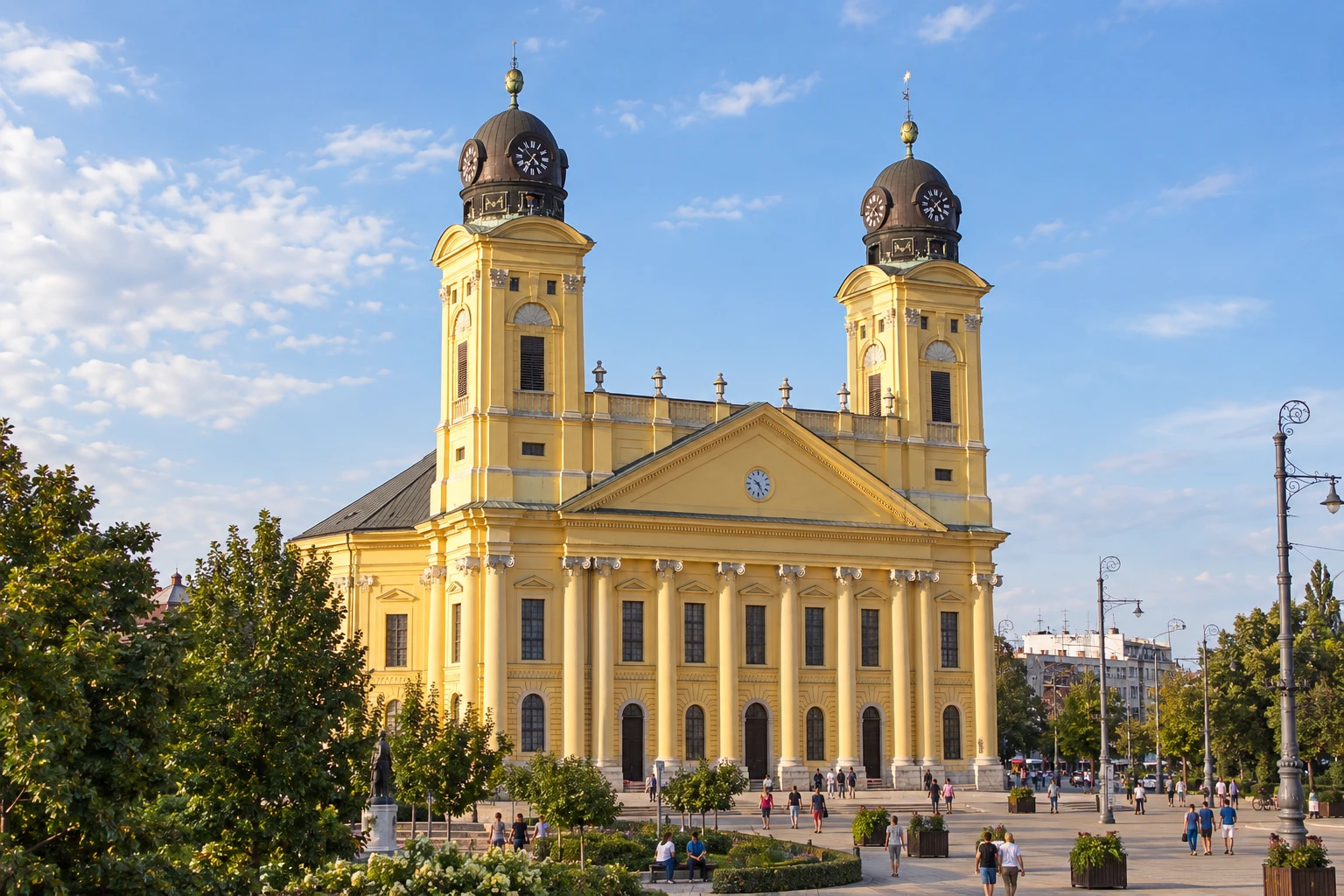
In the photo: Református Nagytemplom Church

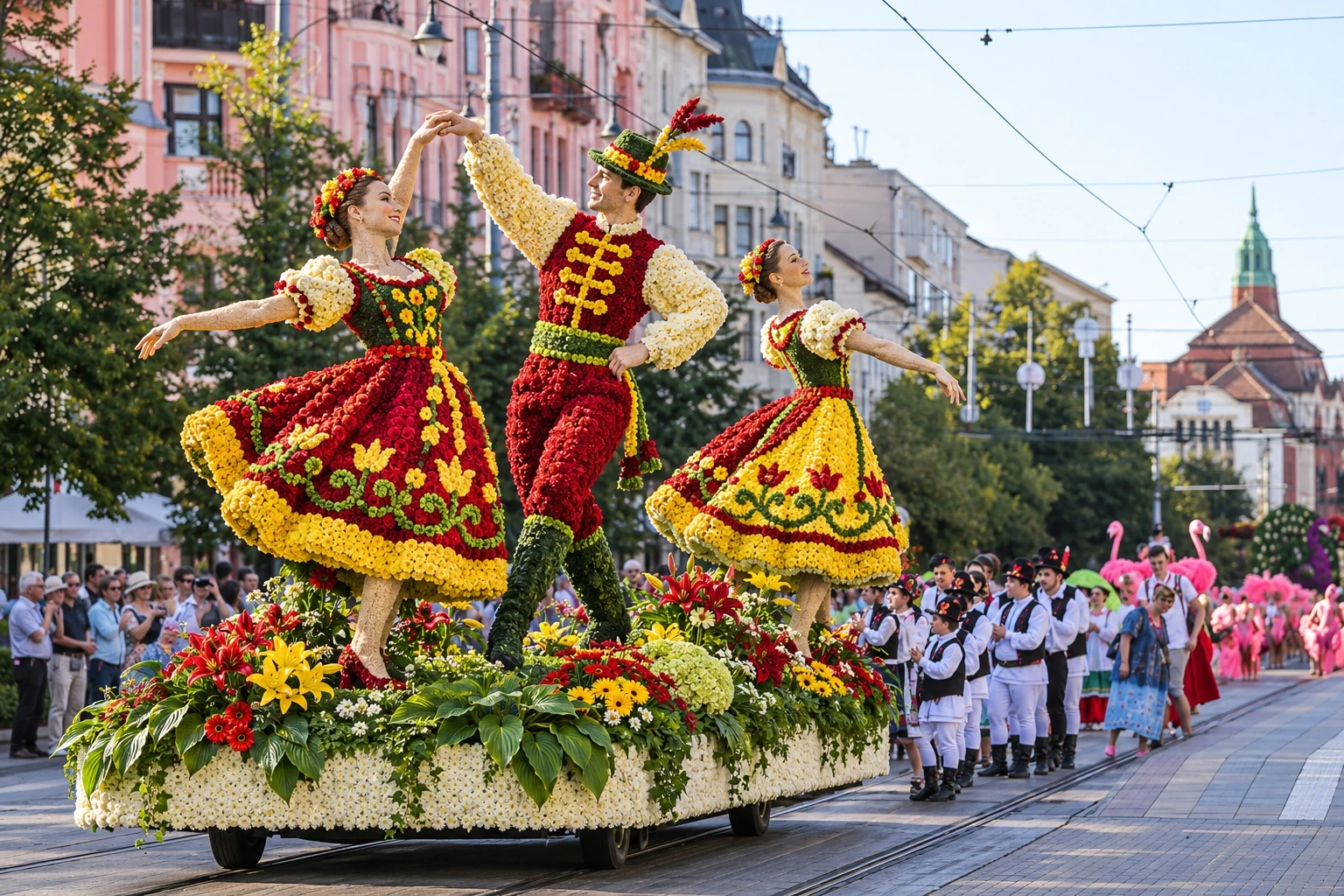
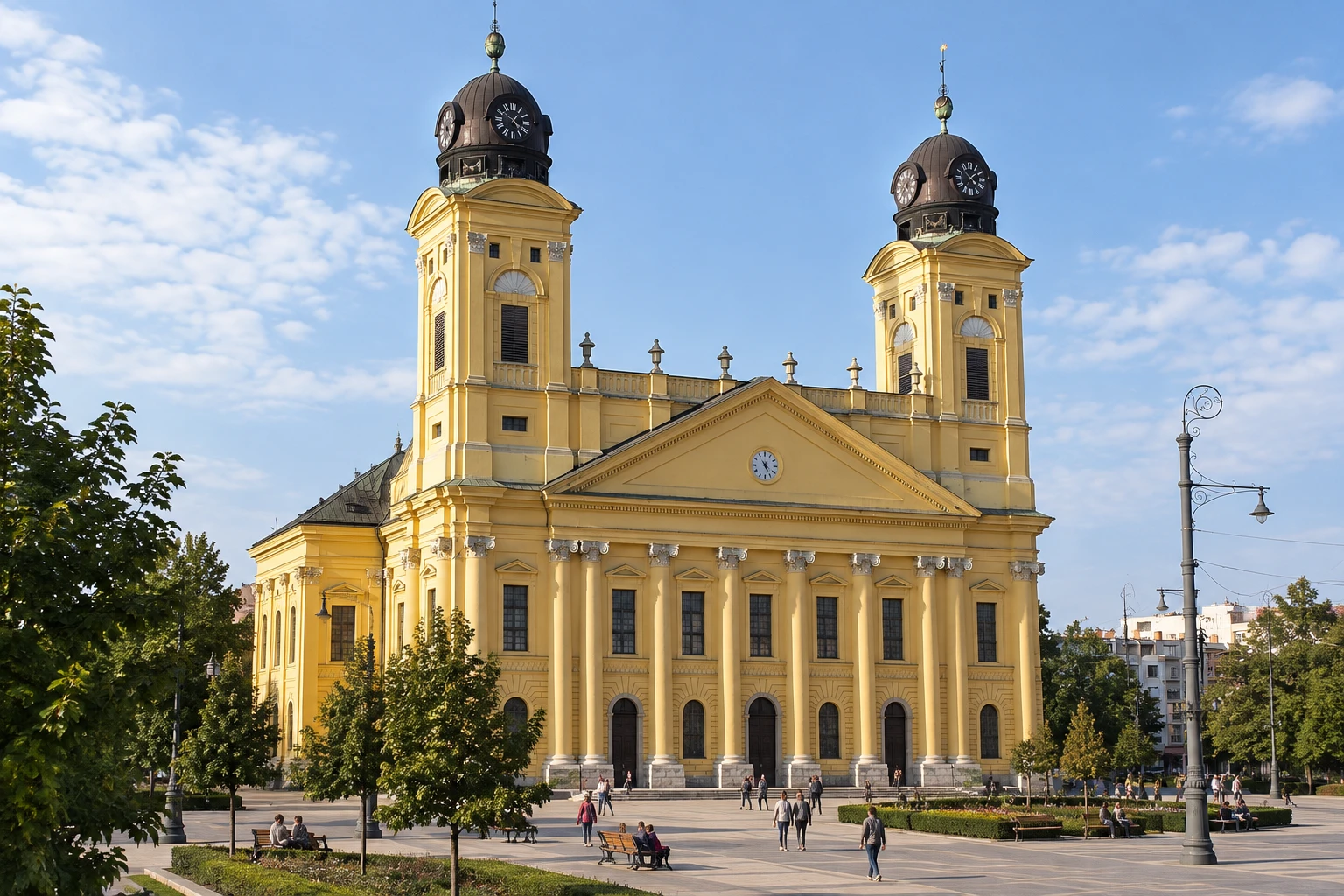
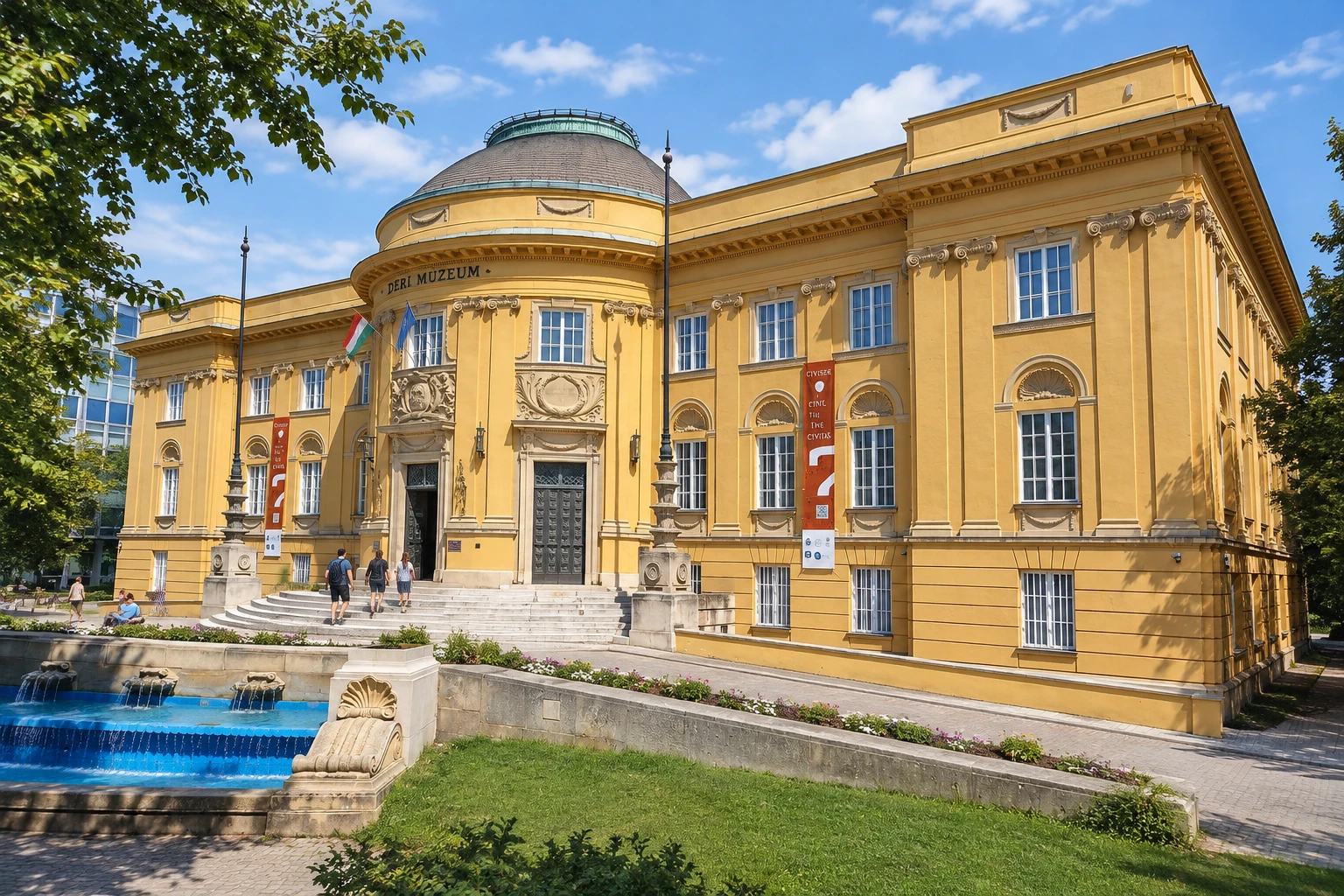
Illustrative images. The pictures in this guide are illustrations based on the real place, not photographs, and may differ from it.

Get it on Google Play

The city

What to expect from Debrecen.

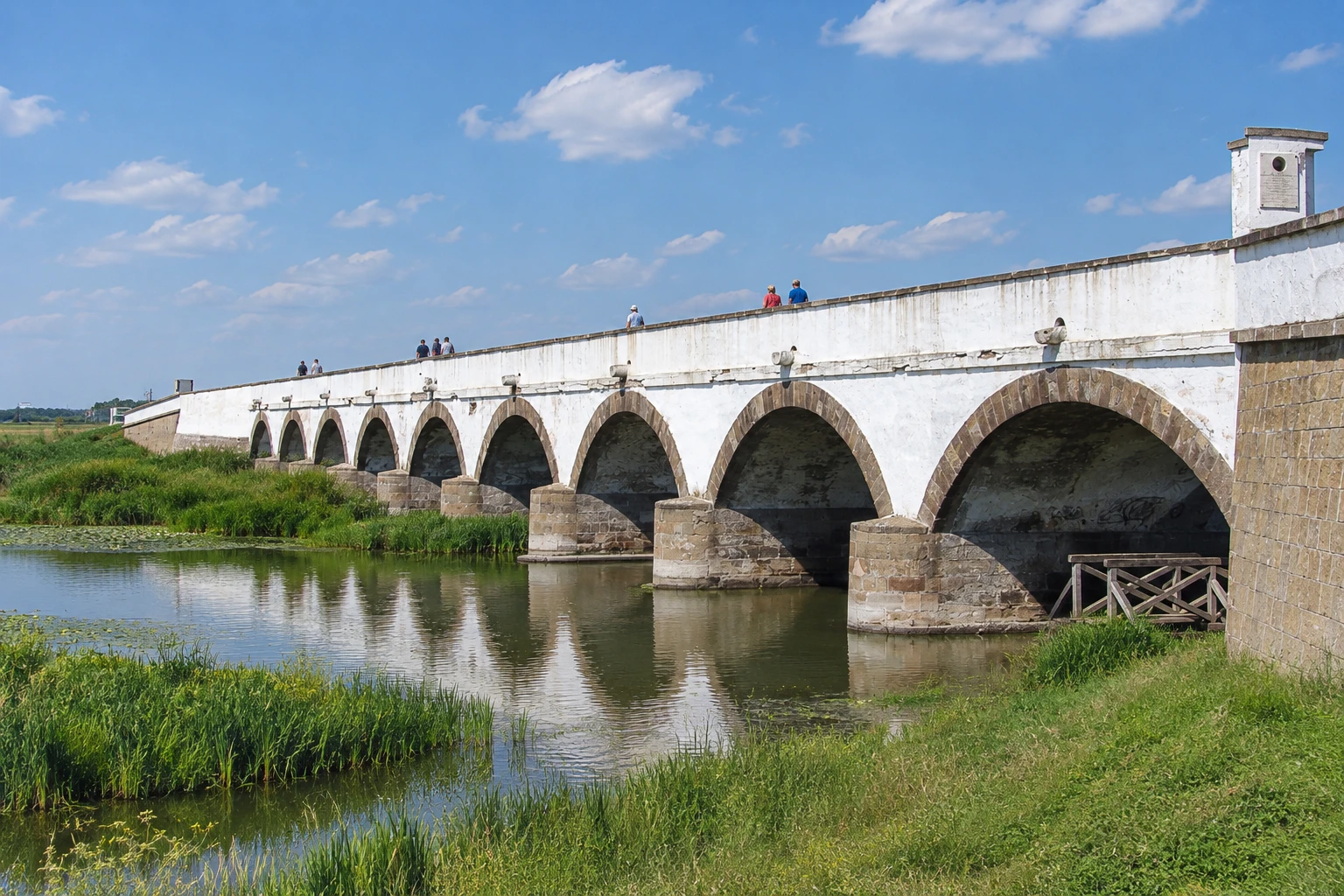
Debrecen is the seat of Hajdú-Bihar and a cultural base in eastern Hungary. The Great Reformed Church and the Déri Museum are close together in the center. The outing to Hortobágy adds the pastoral plain and the Nine-Arch Bridge, on a separate regional day.

Debrecen is Hungary’s second-largest city and the commercial, administrative, cultural and university center of the east. It stands on the Great Plain (Alföld), about 230 kilometers from Budapest, in a flat region rich in thermal waters. Twice it served as Hungary’s capital, in 1849 and at the turn of 1944 to 1945. The Great Reformed Church and the Reformed College were at the heart of events on both occasions.

Known as the “Calvinist Rome” for its role in the Hungarian Reformation, Debrecen concentrates much of that history into a few blocks. The yellow twin-towered Great Church (Református Nagytemplom) is where Lajos Kossuth read the declaration of independence on April 14, 1849. Behind it are the Memorial Garden and the Reformed College, continuously active since 1538 and home to a library of more than 600,000 volumes. The Déri Múzeum, a short walk away, holds Mihály Munkácsy’s Christ Trilogy.

For visitors, Debrecen has two main areas. Downtown centers on Piac utca, the main street that hosted the city’s fairs for three centuries. It runs from the railway station to Kossuth Square, much of it reserved for pedestrians and trams. Merchant houses from the turn of the 20th century line it, along with small squares with fountains and cafés. You can walk to all the main downtown sights.

The other area is Nagyerdő, the Great Forest, Hungary’s first nature conservation area, about ten minutes from downtown by tram. Beneath century-old oaks are the Aquaticum thermal baths, the zoo and amusement park, Lake Békás, the water tower with its lookout, the stadium, the university’s main building and the botanical garden. Locals spend summer afternoons here and several festivals take place in the park.

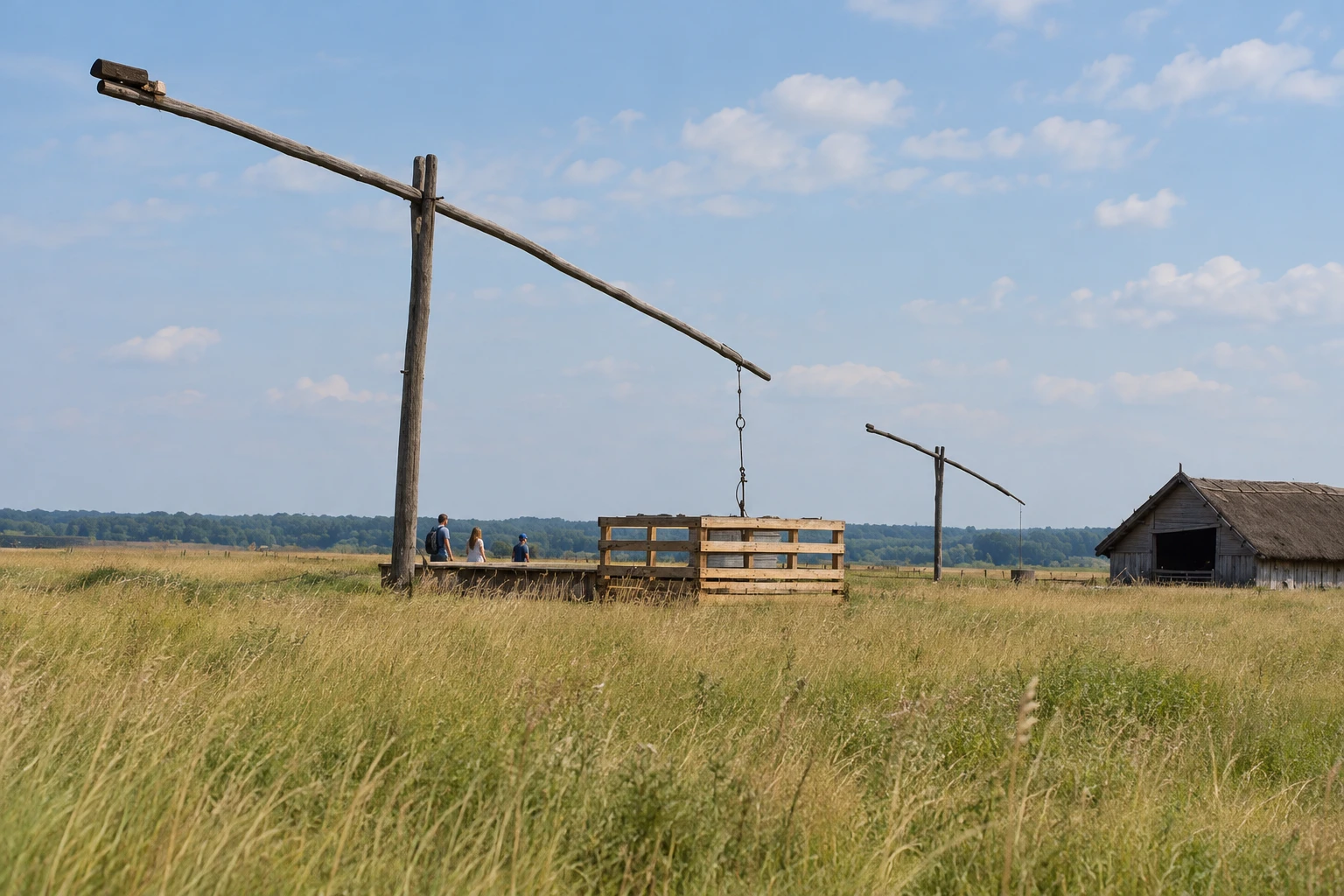
Beyond the built-up area but still within the municipality, the Erdőspuszták form a semicircle of woods, lakes and picnic areas about 10 kilometers east, accessible by the Zsuzsi narrow-gauge railway. Farther out, about 36 kilometers away, the village of Hortobágy is the gateway to the national park on the puszta grasslands and the Nine-Arch Bridge. Allow a separate full day.

The climate is continental. Winters are cold, with January averages near freezing. Summers are hot, with average highs near 28°C in July and August. Rainfall is moderate and heaviest from May through July. The week of August 20, when the Flower Carnival takes place, is the busiest of the year. Advent fills Kossuth Square with lights, a market and an ice rink.

Highlights include the Great Church and the climb to its towers, the Reformed College library, the Déri Múzeum, a walk along Piac utca and an afternoon in Nagyerdő, ideally with a thermal bath.

Share: WhatsApp

Where to stay

30 places to stay in Debrecen.

Where to eat

30 places to eat in Debrecen.

Mapa de Debrecen

Hotéis e restaurantes da cidade no mapa.

Festivals and events

Festivals Debrecen

Dates change every year: check this year's date before you travel.

Festival calendar in Hungary

The local experience

Things to do in Debrecen

Debrecen · Hungary · Museum

Déri Museum

Debrecen’s central museum with collections of art, archaeology and cultural history, housed in a building surrounded by a garden.

Explore Déri Museum

To choose before you go

Tours in Debrecen

Where each tour starts, how long it takes, how it is done, what is included and the price range.

Kossuth Square and the Great Reformed Church: the interior and the climb up the towers

From Kossuth Square (Kossuth tér) On foot 1 hour 30 minutes to 2 hours Morning Easy, with stairs in the towers

Kossuth Square is Debrecen’s center and meeting place. It has a group of statues honoring Lajos Kossuth, the Millennium Fountain and, underfoot, the city coat of arms in a mosaic of 180,000 pieces of Venetian glass. The pedestrian area around the square hosts street festivals and, at the end of the year, the Christmas market. At the far end stands the Great Reformed Church, the city’s symbol and one of Hungary’s largest Reformed churches. The neoclassical building rose between 1805 and 1821 after the great fire of 1802, on the site of the Gothic Church of St. Andrew. Here on April 14, 1849, Lajos Kossuth read the declaration of independence dethroning the Habsburgs. The armchair he used that day is among the relics kept inside. The church is a national monument and a site of Hungarian national remembrance. The interior is restrained in keeping with Calvinist tradition. Two visitor routes are available. One stays at nave level for exhibitions on the history of the church and congregation. The other climbs to the galleries and towers, taking in a display of models illustrating Bible history, the attic, the 4.6-ton Rákóczi bell, the panoramic walkway connecting the towers and the west tower lookout. From the top you can see the whole length of Piac utca and the surrounding plain. An elevator serves part of the route. The church also holds regular services, organ concerts and occasional evening openings of the walkway.

Stops: Kossuth tér, Református Nagytemplom, Panoramic walkway between the towers, Rákóczi Bell, Lajos Kossuth Monument, Mosaic of the city’s coat of arms.

Includes: Self-guided visit. Tickets vary by route: nave only, or nave and towers. Check current prices.

Tip: Sunday visits begin after morning worship, and Saturday visiting hours usually end earlier. Check ahead. On clear days choose the route that includes the towers.

Best time: Year-round. Choose a clear day for the best view from the top.

Reformed College and Memorial Garden: the library, the Oratory, and the Reformation tree

From Kálvin tér, behind the Great Church On foot 1 hour 30 minutes to 2 hours Morning Easy

Between the Great Church and the Reformed College lies the Memorial Garden, a tree-shaded block with two monuments. The 1906 statue of István Bocskai, prince of Transylvania, commemorates the defender of Protestant religious freedom who settled the Hajdú warriors around Debrecen. A column erected in 1895 honors Protestant pastors condemned to the galleys for their faith and freed by Dutch admiral Michiel de Ruyter. In 1991 Pope John Paul II laid flowers here as a gesture of reconciliation between Christian churches. Debrecen’s Reformed College has operated continuously since 1538 and educated many Hungarian thinkers. Its 19th-century neoclassical building now houses the Reformed theological university, the Great Library and museums. A staircase covered with murals leads to the library, with more than 600,000 volumes, the Csokonai Room and the Oratory. The lower house of Hungary’s National Assembly met in the Oratory from January to May 1849, approving on April 13 the declaration of independence read the following day in the Great Church. Permanent exhibitions explore the school’s history, student life and Reformed religious art from the region beyond the Tisza. At the corner of Múzeum and Füvészkert streets grows the lícium tree, a shrub associated with a theological debate during the Reformation. According to tradition, the Catholic participant stuck a branch into the ground and declared that the new faith would amount to something only when the branch grew into a tree.

Stops: Emlékkert (Memorial Garden), Statue of István Bocskai, Column commemorating the pastors condemned to the galleys, Debreceni Református Kollégium, Great Library, Oratory, Líciumfa (lycium tree).

Includes: Self-guided visit. The college museum charges separate admission. Check current prices.

Tip: The college museum usually opens only on weekdays. Plan a weekday visit and check before going.

Best time: Year-round.

The museum district: Déri Museum, Déri Square, MODEM, and the House of Literature

From Déri tér, a short walk from the Great Church On foot 3 to 4 hours Afternoon Easy

Déri Square is one of downtown’s quieter corners. Once a small lake, then a botanical garden used for Reformed College classes, it took its present shape in 1928 when the museum was built. The garden lies just below street level, with a fountain and four large allegorical bronzes by Ferenc Medgyessy depicting Ethnography, Art, Science and Archaeology. They won awards at the 1937 Paris World’s Fair. Other sculptures by the same artist stand on the square, including a seated figure of writer Zsigmond Móricz. The Déri Múzeum is known for Mihály Munkácsy’s Christ Trilogy, displayed together in one room: Christ Before Pilate from 1882, Golgotha from 1884 and Ecce Homo from 1896. The other exhibits draw on Frigyes Déri’s collection and local holdings, covering art, archaeology and city history. A three-part arms collection represents Christian Europe from the 15th through 18th centuries, the Ottoman Empire and Persia, and the Far East, with Japanese pieces from the Edo period. Allow half a day to explore. A short walk away, MODEM, the modern and contemporary art center opened in 2006, hosts temporary exhibitions. On Péterfia Street, the Debrecen House of Literature traces the city’s literary history through manuscripts, objects and virtual games. The Ferenc Medgyessy Memorial Museum displays the sculptor’s most important works.

Stops: Déri tér, Déri Múzeum, MODEM Modern és Kortárs Művészeti Központ, Debreceni Irodalom Háza, Medgyessy Ferenc Emlékmúzeum.

Includes: Self-guided visit. Each museum charges its own admission. Check current prices.

Tip: If time is short, focus on the Déri Museum and the square. Check each museum's opening days before visiting.

Best time: Year-round. A good choice on cold or rainy days.

Piac utca on foot: from the Small Church to Kossuth Square via Hal köz and Csapó Street

From Révész tér, on Piac utca On foot About 2 hours Morning or afternoon Easy

Piac utca is Debrecen’s main street. From the 16th century it hosted the fairs that made the city prosperous for 300 years. The merchant houses you see today went up around the turn of the 20th century. Look for the pink former First Savings Bank at Kossuth Street and the twin copper-towered buildings on the corner of Simonffy Street. In the 1600s a raised wooden walkway 650 meters long carried people across the muddy street. A section of this “mud bridge” is on display beside the square. Begin at the Little Reformed Church on Révész Square. A storm in 1907 took the onion dome off the Baroque church, and a crenellated parapet replaced it. Locals have called it Csonka, the truncated church, ever since. The tower occasionally opens for climbing. Farther along is the neoclassical Old City Hall. It housed the national defense committee during the 1848–1849 war of independence and sheltered Hungary’s Holy Crown. The tourist information office occupies the same building. In a courtyard off the street, a bicycle museum displays around 100 pieces from a private collection. Two short detours are worthwhile. Hal köz, formerly the fish and dairy market, is a small square of cafés, terraces and fountains. Csapó utca, among the city’s oldest streets, takes its name from 15th-century wool workers. Its pedestrian section has shops, the main market and the flower market. On Kossuth Street, the Csokonai National Theatre opened in 1865. Statues of the muses and Hungarian writers decorate its Romantic facade.

Stops: Piac utca, Református Kistemplom (Csonkatemplom), Régi Városháza, Hal köz, Csapó utca, Csokonai Nemzeti Színház, Kerékpár Múzeum.

Includes: Self-guided outing. Any museum and tower admission fees are separate.

Tip: The tourist office in the old town hall offers maps, guided walks, and bike rentals. The tram runs along the street. Watch the tracks when crossing.

Best time: April to October for the terraces, or Advent for the lights and market

Other faiths in Debrecen: St. Anne's Cathedral, the Pásti Street synagogues, and the Red Church

From Szent Anna utca, one block from Piac utca On foot 2 to 3 hours Afternoon Easy

Other faiths have also left their mark on the “Calvinist Rome,” all within a short walk of Piac utca. Cardinal Imre Csáky commissioned St. Anne’s Cathedral from Milanese architect Giovanni Battista Carlone in the early 18th century. The Baroque church was dedicated to St. Anne in 1746 and raised to cathedral status by Pope John Paul II in 1993. Light draws the eye toward the altar and painted ceiling. Three statues on the facade depict St. Emeric, St. Stephen and the Virgin and Child, with a relief of the cardinal over the entrance. A certified replica of the Shroud of Turin is on display. Debrecen has Hungary’s largest Jewish community outside the capital. The restored late 19th-century Orthodox synagogue on Pásti Street serves as a place of worship, a cultural center and a place to learn about the history, faith and traditions of the city’s Jews. In its courtyard, a concrete and black metal wall is engraved with the names of around 6,000 Jews from Debrecen murdered in the Holocaust. The complex also includes a study house, the former ritual bath and a former butcher’s shop now used for exhibitions. The synagogue on Kápolnási Street, built in 1909–1910, is used for major holidays. The neo-Byzantine Greek Catholic church on Attila Square dates to 1910 and unusually has no iconostasis. Mosaics decorate the altar and pulpit. On Méliusz Square, the Red Church is a neo-Gothic brick Reformed church by Samu Petz. Its murals of biblical symbols painted by Jenő Haranghy in 1936 are unique among Calvinist churches.

Stops: Szent Anna Székesegyház, Pásti Street Orthodox Synagogue, Holocaust Memorial, Kápolnási Street Synagogue, Greek Catholic church on Attila Square, Verestemplom (Red Church).

Includes: Self-guided visit. The synagogues charge separate admission. Check current prices.

Tip: Churches and synagogues have their own visiting hours and close to visitors during services and on religious holidays. Check ahead.

Best time: Year-round.

Nagyerdő, the Great Forest: Lake Békás, the water tower, the university, and the botanical garden

From Tram 1 stop in Nagyerdő Tram and walking 3 to 4 hours Afternoon Easy

Nagyerdő was Hungary’s first nature conservation area and serves as the city park, around ten minutes by tram from downtown. Landscaped paths beneath century-old oaks pass works of land art made from materials found in the forest itself. Lake Békás, created in 1932, is surrounded by lawns, benches and paths and hosts summer food, wine, jazz and beer festivals. The open-air theater is beside it. Near the stadium, the Mist Theater operates from spring to fall. By day, a 30-meter water jet alternates with a curtain of mist 30 meters wide, with stepping stones across the reflecting pool. At night from May through September, the mist becomes a screen for a film about Debrecen. Still in service after more than a century, the Nagyerdő water tower has become a recreation center with a café, garden, climbing wall, exhibitions, outdoor concerts and a lookout more than 30 meters above the park and stadium. A 1,100-meter elevated walkway and running track circle the 20,000-seat Nagyerdei Stadion several meters above ground. On Medgyessy promenade, a sculpture park honors writers associated with the city. Across the forest stands the main University of Debrecen building, completed in 1932 in an eclectic, neo-Baroque style. It has a glass-roofed ceremonial courtyard and a formal French garden with a fountain in front. Beside it is the Reformed university church. Behind it, the 13.7-hectare botanical garden, founded in 1928, has greenhouses, a palm house and one of Central and Eastern Europe’s largest cactus and succulent collections.

Stops: Nagyerdei park, Békás-tó, Ködszínház (Mist Theater), Nagyerdei Víztorony, Nagyerdei Stadion, Medgyessy sétány, Debreceni Egyetem, Botanikus Kert.

Includes: Self-guided outing. The park is free. The water tower lookout, botanical garden, and attractions cost extra.

Tip: From April to early November, a sightseeing train connects downtown with Nagyerdő on a roughly one-hour ride via the university. Tram 1 follows the same route year-round.

Best time: May to September for the Fog Theater, or fall for the colors in the woods

See 3 more tours

Nagyerdő thermal baths: inside Aquaticum and at the summer lido

From Nagyerdei park, by the stop for tram 1 Tram and walking Half a day Afternoon Easy

Debrecen sits above one of Hungary’s richest thermal-water regions. The place to enjoy the springs is Aquaticum in Nagyerdő. The water feeding the baths emerges at 65°C and contains chlorides, bicarbonate, iodide and bromide. The thermal baths have a domed hall, water pools at three temperatures, and indoor and outdoor swimming and soaking pools with underwater jets and pressure showers. The adjoining health center uses the water in nearly 40 kinds of treatment under specialist supervision. The sauna area includes Finnish saunas, steam rooms, a tepidarium, an infrared sauna, a cold plunge, Kneipp pools and relaxation rooms. An indoor passage connects the baths to the Mediterranean water park, open year-round under a roof with tropical vegetation. It has artificial waves, children’s pools, 12 slides, a climbing wall, whirlpools and grottoes. It suits families and cold-weather visits. In summer, Aquaticum’s Debrecen Strand opens outdoors. Designed to fit among the forest trees, it has 15 pools, eight slides, a lazy river, a diving pool, 50-meter and 30-meter swimming pools, a children’s area and a glass-bottomed relaxation pool atop the main building.

Stops: Aquaticum Gyógyfürdő (thermal baths), Aquaticum Mediterrán Élményfürdő, Sauna World, Aquaticum Debrecen Strand.

Includes: Separate tickets cover the thermal baths, indoor water park, and summer lido. Check current prices.

Tip: Bring swimwear, flip-flops, and a towel. The outdoor lido opens only in warm weather. The thermal baths and indoor park operate year-round. Check before visiting.

Best time: Thermal baths and indoor park year-round. Outdoor beach in summer.

With kids: the zoo, the amusement park, and the Agora science center

From Ady Endre út, in Nagyerdő Tram and walking Half a day to a full day Full day Easy

Debrecen Zoo was the first in Hungary outside the capital and shares its grounds with a classic amusement park, the only one of its kind in the country. It has around 900 animals from 200 species across five continents and more than 700 kinds of plants. The zoo opens every day of the year. The amusement park has 24 rides and operates from the spring school break through late October, daily in high summer and on weekends and holidays at the edges of the season. Scheduled feedings and close-up encounters with some species are part of the program. Across the forest by the university, Agora is a three-story science center with more than thirty interactive games and experiments explaining everyday phenomena. At the top is an observatory for viewing the Sun, planets and other celestial bodies. Admission to Agora includes the botanical garden next door. Between visits, the Mist Theater is a popular stop with children in warm weather, with its water jet and stepping stones across the reflecting pool. The forest also has outdoor playgrounds.

Stops: Debreceni Állatkert és Vidámpark, Agóra Tudományos Élményközpont, Botanikus Kert, Ködszínház.

Includes: The zoo and amusement park have a separate ticket from Agora. Check current prices.

Tip: The Agora entrance is on the Móricz Zsigmond Avenue side. Outside summer, check the amusement park's opening days before visiting.

Best time: May to August, when the amusement park opens daily

Erdőspuszták: Lake Vekeri, Bánk Arboretum, and the Zsuzsi narrow-gauge railway

From Zsuzsi railway station on Ruyter utca By narrow-gauge railway, car, or bike Half a day to a full day Full day Easy

The Erdőspuszták, or “wooded plains,” form a semicircle of woods about 10 kilometers east of the center, still within the municipality. Locals come for trails, bike paths, observation towers, playgrounds, picnic areas, camping and fishing. Part of the region belongs to the Hajdúság Landscape Protection Area. An unusual way to get here is aboard Zsuzsi, Hungary’s oldest narrow-gauge railway, more than 130 years old. The train departs from its own city station and terminates at Hármashegyalja among sand dunes anchored by woodland, high enough for locals to call them hills. Here you will find trails, a fishing lake, lookouts, playgrounds, picnic areas and a forest school. Along the way, Nagycsere stop serves a recreation wood with tables and an arboretum of oak, ash and elm. Near Csereerdő stop are reconstructed remains of the Ördögárok, or “Devil’s Ditch,” an ancient system of trenches. Lake Vekeri is the most popular area for relaxing, with picnic spots, a playground, a snack bar, rowing, fishing and camping. In Bánk, the exhibition house and arboretum explore local flora and the lives of the vákáncsos, poor peasants who lived in shelters dug into the forest floor. There is a Trees of the Year trail and a small demonstration farm. On the way to Bánk, a rise known as Church Hill has the ruins of the Romanesque church of Fancsika, built before 1170 in a village destroyed in the 16th century.

Stops: Zsuzsi Erdei Vasút, Hármashegyalja, Vekeri-tó, Bánki Arborétum és Tájház, Nagycsere, Ördögárok, Fancsika church ruins.

Includes: Self-guided outing. The Zsuzsi train ticket and any site admission fees are separate.

Tip: The Zsuzsi runs seasonally, usually May to September on Wednesdays, weekends, and public holidays. Check the schedule before setting out. City bus 9 serves the Fancsika ruins.

Best time: May to September, when the Zsuzsi railway is running

Day by day

1, 2 and 3-day itinerary in Debrecen

Suggestions to plan the trip. Change the order of the days according to the weather and tour availability.

1 day · 1 day in Debrecen: Calvinist Rome and an afternoon in Nagyerdő

For Visitors arriving from Budapest or a nearby town with just one day · Based in Central Debrecen
  1. Day 1 · From Kossuth Square to the Great Forest

    Start on Kossuth Square and enter the Great Reformed Church. On a clear day take the tower route. The panoramic walkway overlooks the whole length of Piac utca and the surrounding plain. Cross the Memorial Garden with the Bocskai statue and pastors’ column, then visit the Reformed College for its mural-covered staircase, Great Library and Oratory, where the Hungarian assembly met in 1849. On your way out, look for the lícium tree on the corner of Múzeum Street. Before lunch there is still time for the Déri Múzeum, at least the room with Munkácsy’s Christ Trilogy, and the Medgyessy bronzes in the square outside. Eat downtown. Debrecen sausage and the cauldron dishes of the plain appear on many menus. In the afternoon, take tram 1 to Nagyerdő. Walk to Lake Békás, climb to the water tower lookout and see the stadium and Mist Theater. For a more restful afternoon, swap the walk for two hours at the Aquaticum thermal baths. Return downtown toward evening and walk along Piac utca to the Little Church, stopping at Hal köz.

2 days · 2 days in Debrecen: the historic center, museums, and thermal baths
For Visitors who want to explore at a relaxed pace and enjoy a thermal bath · Based in Central Debrecen or Nagyerdő
  1. Day 1 · Downtown: the church, college, museums and Piac utca

    In the morning, visit the Great Reformed Church and climb the towers, then explore the Memorial Garden and the Reformed College with its library and Oratory. Schedule the college for a weekday. After lunch, spend the afternoon in the museum district at the Déri Múzeum for the Christ Trilogy and arms collection. If you have energy, add MODEM or the House of Literature. Late in the afternoon, walk down Piac utca past Old City Hall, the merchant houses, Hal köz, Csapó Street and the Little Church. In the evening check the Csokonai National Theatre program. Some plays have English surtitles.

  2. Day 2 · Nagyerdő: woodland, the university and thermal waters

    Take tram 1 early. Start at the main university building and the botanical garden with its greenhouses and cactus collection. With children, choose the zoo or Agora instead. Walk through the forest to Lake Békás and the water tower lookout. In warm weather, stop at the Mist Theater. Reserve the afternoon for Aquaticum. Relax in the thermal baths and saunas, enjoy the indoor water park for a more active visit or, in summer, use the outdoor pools. If time remains before dinner, visit St. Anne’s Cathedral or the Pásti Street synagogues downtown.

3 days · Three days in Debrecen: the city, the Great Forest and a day trip
For Visitors using Debrecen as a base who want a day in nature · Based in Central Debrecen
  1. Day 1 · The Calvinist Rome

    In the morning, see the Great Reformed Church with its towers, the Memorial Garden and the Reformed College. In the afternoon, visit the Déri Múzeum and Déri Square, then follow Piac utca to the Little Church, detouring through Hal köz and Csapó Street. Finish on illuminated Kossuth Square.

  2. Day 2 · Nagyerdő and other faith traditions

    Spend the morning at St. Anne’s Cathedral, the Pásti Street synagogues with the Holocaust memorial, and the Red Church. After lunch, take tram 1 to Nagyerdő for the university, botanical garden, Lake Békás and water tower. End the day at the Aquaticum thermal baths.

  3. Day 3 · A day trip to the Erdőspuszták or the Hortobágy grasslands

    Choose one of two full-day outings. The first stays within the municipality in the Erdőspuszták. In season, ride the Zsuzsi narrow-gauge train to Hármashegyalja, explore the trails and lookouts and have a picnic lunch. By car or bicycle, include Lake Vekeri and the Bánk arboretum. The second takes you out of town to the village of Hortobágy, about 36 kilometers along Route 33 and also served by train and bus. The national park visitor center has exhibitions on the wildlife and herding traditions of the puszta. The 167.3-meter Nine-Arch Bridge was built between 1827 and 1833. Horse-drawn wagon tours of the grasslands start at the Máta stud farm, 2.5 kilometers from the village, last just over an hour and require reservations. They operate from spring to fall. Check the schedule before leaving Debrecen.

Best time to go

When to go: Debrecen month by month

The seasons shown are the most usual ones; nature doesn't always follow the calendar.

January Low rain

Winter · Coldest month

The coldest month. The 1991–2020 climate normals show an average of -0.8°C, highs near 2°C, lows around -4°C and about 25 mm of precipitation, the year’s lowest total, which can fall as snow. Days are short and gray. Explore museums, the Reformed College and the thermal baths. Aquaticum’s warm pools and indoor water park operate year-round. Bring a heavy coat, hat and gloves. The Zsuzsi train and amusement park close.

February Low rain

Winter

It remains cold, averaging 0.9°C, with highs near 5°C, lows below freezing and about 32 mm of precipitation. Visitors are few and museums have no lines. Combine indoor sights such as the Déri Múzeum, MODEM and the Great Church with an afternoon at the thermal baths. The zoo opens daily with reduced hours.

March Low rain

Early spring · Windiest month

Temperatures rise to an average of 5.8°C, with highs near 11°C, lows around 1°C and about 30 mm of rain. It is the windiest month of the year. The Nagyerdő trees are still bare, but a coat is enough for comfortable downtown walks. Seasonal attractions such as the Mist Theater and Zsuzsi train have yet to open.

April Some rain

Spring · Easter when it falls this month · Sightseeing train starts running

Spring averages 11.9°C, with highs near 18°C, lows near 6°C and about 45 mm of rain. Nagyerdő turns green, downtown terraces reopen and the sightseeing train between the center and the forest resumes. The amusement park opens for spring school break and on weekends afterward. Bring a layer for mornings and evenings.

May Some rain

Spring · Season begins for the Zsuzsi train and the Mist Theater

Pleasant days average 16.8°C, with highs near 22°C and lows near 11°C. Rain increases to about 59 mm in showers. This is one of the best-balanced months for visiting. You can walk all day, the Mist Theater resumes, the Zsuzsi train returns to the Erdőspuszták and the amusement park opens daily. Keep a raincoat handy.

June High rain

Early summer · Debrecen Gourmet Festival in Nagyerdő

Early summer averages 20.3°C, with highs near 26°C and lows near 15°C. It is one of the wettest months, with around 67 mm, usually in late-afternoon showers. Days are long. Nagyerdő hosts the three-day Debrecen Gourmet Festival, and the outdoor concert season begins at the water tower and forest theater. Aquaticum’s outdoor pools are usually open.

July High rain

Summer · Wettest month

High summer averages 21.9°C, with highs near 28°C, lows near 16°C and about 70 mm of rain, the highest total of the year, in brief storms. On very hot days, explore downtown in the morning and spend the afternoon in Nagyerdő’s shade, at Aquaticum’s outdoor pools or beside Lake Vekeri. An evening projection at the Mist Theater makes an easy outing.

August Some rain

Flower Carnival (week of August 20) · Wine and Jazz Days

The hottest and busiest month averages 21.8°C, with highs near 28°C and about 48 mm of rain. Wine and Jazz Days fill Nagyerdő early in the month. During the week of August 20, the Flower Carnival takes over the city. Flower-covered floats nearly 5 meters high parade along Piac utca to the university with dancers and bands. There is also a night parade, concerts and a beer festival at the lake. Reserve accommodations well ahead.

September Some rain

Late summer · Final weeks of the Zsuzsi train and Mist Theater season

Days remain mild, averaging 16.5°C, with highs near 23°C, lows near 11°C and about 47 mm of rain. The city returns to its usual rhythm as university classes begin. It is a good month to combine downtown, Nagyerdő and a day in the Erdőspuszták. The Zsuzsi train usually runs through late September. The amusement park switches to weekends only.

October Some rain

Fall · Autumn colors in Nagyerdő

Fall brings an average of 11.0°C, highs around 17°C, lows near 6°C and about 41 mm of rain. The oaks of Nagyerdő and the trees around Lake Békás change color. The sightseeing train still runs and the amusement park opens on weekends and during the fall school break. Bring a coat for the evenings.

November Some rain

Start of Advent · Ice Flower Carnival

It gets colder quickly, averaging 5.5°C, with highs near 10°C, lows near 2°C, about 41 mm of rain, fog and short days. Debrecen Advent begins in the second half of the month with a market, lights and a downtown ice rink. The Ice Flower Carnival brings a nighttime parade of illuminated floats. Otherwise, it is a month for museums and thermal baths.

December Some rain

Debrecen Advent celebrations through Christmas Eve

Winter averages 0.4°C, with highs near 3°C, lows near -2°C and about 41 mm of precipitation, sometimes snow. Until Christmas Eve, Kossuth Square and the downtown streets host the Advent market, ice rink, light park and children’s activities. Many attractions close or shorten hours on the 24th and 31st. Check ahead.

Plan the journey

How to get there: Debrecen

By air via Debrecen Airport

Debrecen International Airport (DEB) lies about 5 kilometers south of downtown. It is Hungary’s second-busiest airport after Budapest, with flights from several European cities and Mediterranean destinations. Routes vary by season, so check with the airport and airlines when planning.

The drive downtown takes about ten minutes. The Airport city bus connects the terminal with town, generally timed to flight arrivals and departures. Standard city tickets are valid. Taxis wait at the terminal entrance and car rental is available.

If you cannot find a flight to Debrecen, fly into Budapest and continue overland by train, bus or car.

By train to Nagyállomás station

Debrecen is on the Hungarian rail network with connections to Budapest. It is the transfer point for the regional Debrecen–Füzesabony line via Hortobágy village.

The main station, Nagyállomás or Great Station, stands at the southern end of Piac utca. Both city tram routes start here and cross the downtown pedestrian area, with route 1 continuing to Nagyerdő. To walk to Kossuth Square, follow the same street straight ahead.

Check timetables and tickets in the Hungarian railway system. Book ahead on festival weekends, especially the week of August 20.

By car on the M35 highway

Debrecen is around 230 kilometers east of Budapest. The highway trip takes about two hours, with the final stretch on the M35 into the city.

Downtown, Piac utca and Kossuth Square are reserved for pedestrians and trams. The city has thousands of street spaces, underground lots and parking garages. Rates depend on the zone, with payment at meters or by phone. Park your car and explore the center on foot.

A car is useful for excursions. The Erdőspuszták are around 10 kilometers away, Hajdúszoboszló is half an hour away and Hortobágy village lies about 36 kilometers along Route 33.

Getting around Debrecen

Downtown sights are a few minutes’ walk from one another. Farther out, the same municipal company operates 2 tram routes, 5 trolleybus routes and around 50 bus routes.

Tram 1 is the most useful for visitors. It leaves the railway station, follows Piac utca through Kossuth Square and reaches Nagyerdő about ten minutes from downtown. Tram 2 serves the northwestern neighborhoods. Buy tickets at machines, sales outlets or through the city transit app. Buying on board costs more.

The city is flat and has bike paths beside the sidewalks. Bicycles can be rented at the tourist office and some hotels. From April to early November, a sightseeing train runs between downtown and Nagyerdő, with tickets sold on board.

Getting to Hortobágy and the surrounding area

Hortobágy village, the national park gateway, lies about 36 kilometers from Debrecen between kilometer markers 72 and 74 on Route 33 to Füzesabony. Driving takes about half an hour.

Without a car, choose the Debrecen–Füzesabony train stopping at Hortobágy or the Debrecen–Eger bus. Services are limited. Check outbound and return times before leaving. The visitor center and Nine-Arch Bridge are close together in the village. The Máta stud farm, where wagon tours begin, is 2.5 kilometers away.

The neighboring spa town of Hajdúszoboszló is half an hour away by car. Within the municipality, the Erdőspuszták are served in season by the Zsuzsi narrow-gauge train and in part by city buses.

Your questions

Frequently asked questions about Debrecen

Is Debrecen the gateway to the puszta?

The city serves as a base to organize a regional day trip to Hortobágy.

Do I need to choose between church and museum?

Central sights can be combined on the same day, allowing your own time for each visit.

What is the role of the Nine-Arches Bridge in the itinerary?

It is a heritage stop in the core of Hortobágy, complementary to the park activities.

Is it reasonable to promise birdwatching?

No. Presence and visibility depend on the season, conditions, and the sector chosen.

How many days should I spend in Debrecen?

One day covers the essentials: the Great Reformed Church, Reformed College, Déri Museum and a walk in Nagyerdő. With two days, explore the other museums, take your time on Piac utca and spend an afternoon at the thermal baths. With three, plan a day trip to the Erdőspuszták within the municipality or the Hortobágy grasslands about 36 km away.

Can I visit Debrecen on a day trip from Budapest?

Yes, but it makes for a long day. The cities are about 230 km apart, around two hours by highway each way, and trains also connect them. One day covers the Great Church, Reformed College, Déri Museum and Piac utca. Stay at least one night to include Nagyerdő, the thermal baths or Hortobágy.

Why is Debrecen called the Calvinist Rome?

It was the center of the Reformation in Hungary. The Hungarian Reformed Church took shape at synods held here. The Reformed College has trained pastors and teachers since 1538, and a printing house founded in 1561 produced many of the Protestant books published in Hungarian. A marked Reformation trail links the Great Church, the college, the Memorial Garden and the lycium tree.

Can I climb the towers of Debrecen’s Great Church?

Yes. A visitor route climbs to the galleries and towers, with a panoramic walkway between them, the 4.6-ton Rákóczi Bell and a lookout in the west tower. You need a different ticket from the one for the nave alone. On Sundays, visits begin after the service. Check ahead.

How do I get from downtown Debrecen to Nagyerdő?

Take tram 1. It starts at the train station, follows Piac utca through Kossuth Square and reaches Nagyerdő in about ten minutes from downtown. A sightseeing train also runs from April to early November. The city is flat, and bike paths make the ride an option too.

Where are Debrecen’s thermal baths?

At the Aquaticum complex in Nagyerdő, the Great Forest. The thermal baths, saunas and indoor water park with tropical plants and waterslides open year-round. The outdoor bathing area opens in summer. The thermal water emerges at 65 °C and feeds pools at various temperatures. Each section has its own admission ticket.

How do I get from Debrecen Airport to downtown?

The airport is about 5 km from downtown, roughly ten minutes by car. A city bus called Airport links the terminal with town, generally timed to flights, and accepts a regular city transit ticket. Taxis wait at the terminal entrance and take cash or cards.

When is Debrecen’s Flower Carnival?

The main parade is on August 20, with events throughout the surrounding week. Floats nearly 5 m tall and 12 m long, covered in hundreds of thousands of flowers, follow Piac utca to the university with more than 1,500 dancers and musicians. Street viewing is free, and grandstand seats are sold separately. There’s also an evening parade, live shows and a beer festival. Book accommodations ahead.

Is Debrecen worth visiting in winter?

Yes, if you’re comfortable with the cold. Average temperatures hover around freezing in December and January. From the second half of November to Christmas Eve, Debrecen Advent brings a market, lights, an ice rink and children’s events downtown. Museums, the Great Church and the thermal baths open year-round. The Zsuzsi train, Mist Theater, amusement park and outdoor bathing area close for the season.

What should I eat in Debrecen?

The city’s namesake sausage is served in pairs and recognized as Hungarian heritage, a hungarikum. Hajdúság regional cooking has shepherd and farming roots, with soup at almost every meal, stuffed cabbage, smoked meats, yeast doughs and slambuc, a shepherds’ dish cooked in a cauldron over a fire. Look for Debrecen pretzels at the markets too.

How can I get from Debrecen to Hortobágy without a car?

Take a train or bus. Hortobágy village is about 36 km away, on the Debrecen–Füzesabony railway and the Debrecen–Eger bus route. The national park visitor center and Nine-Arch Bridge are close together in the village. Service is limited, so check your return time before setting out.

Traveler, share your experiences through photos Up to 5 photos of each place you visited.
See the destination Debrecen and Hortobágy Find another city