Balatonfüred
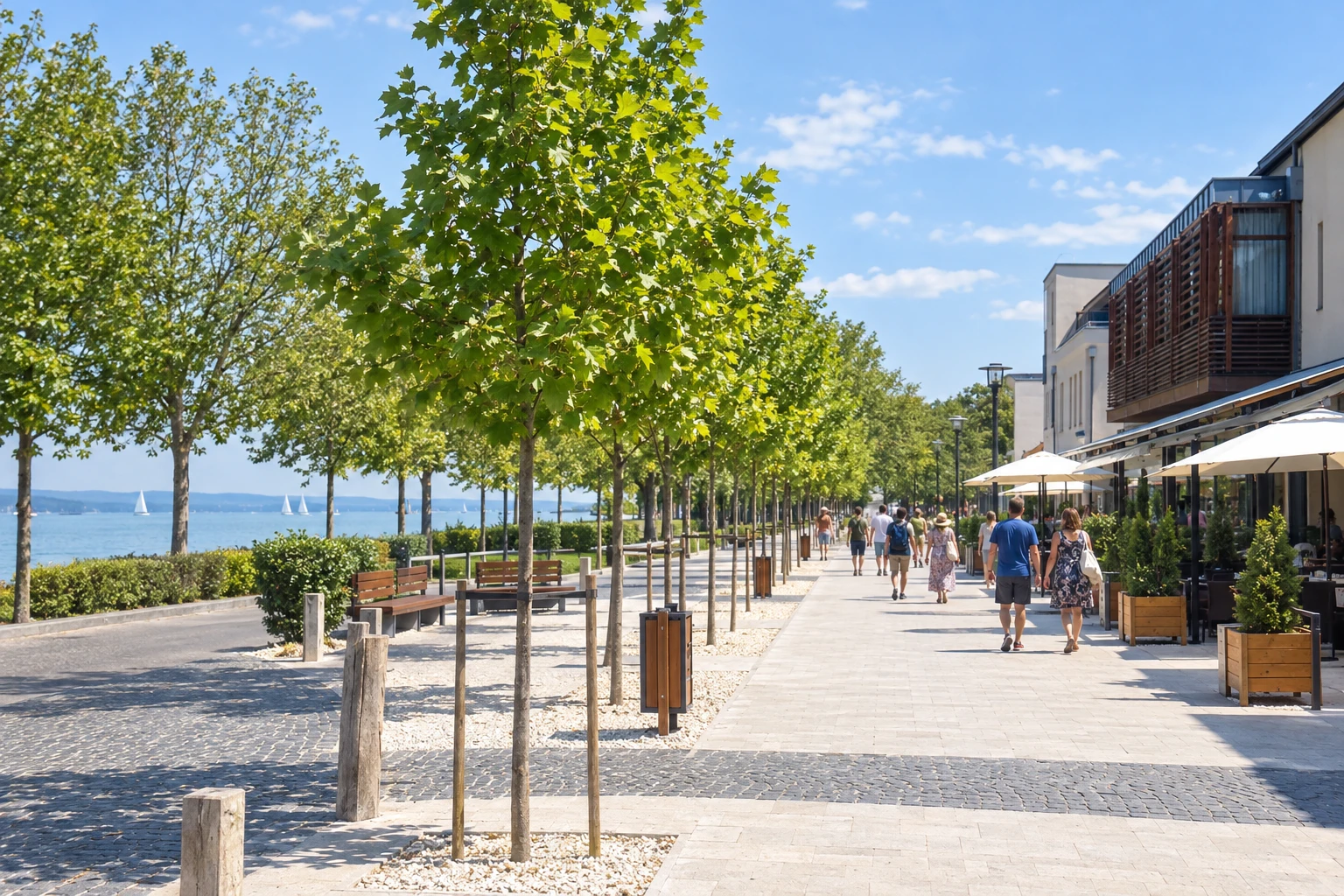
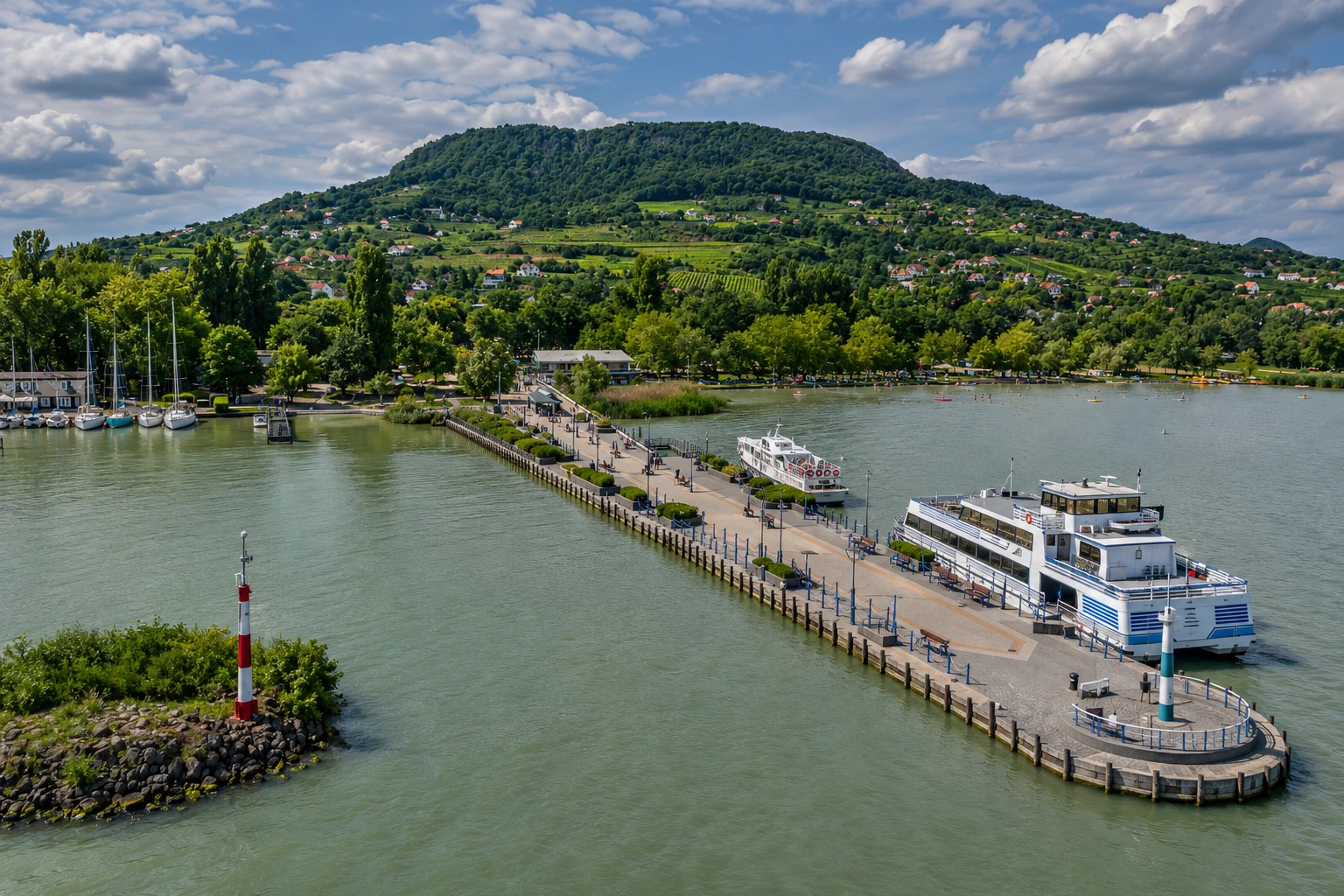
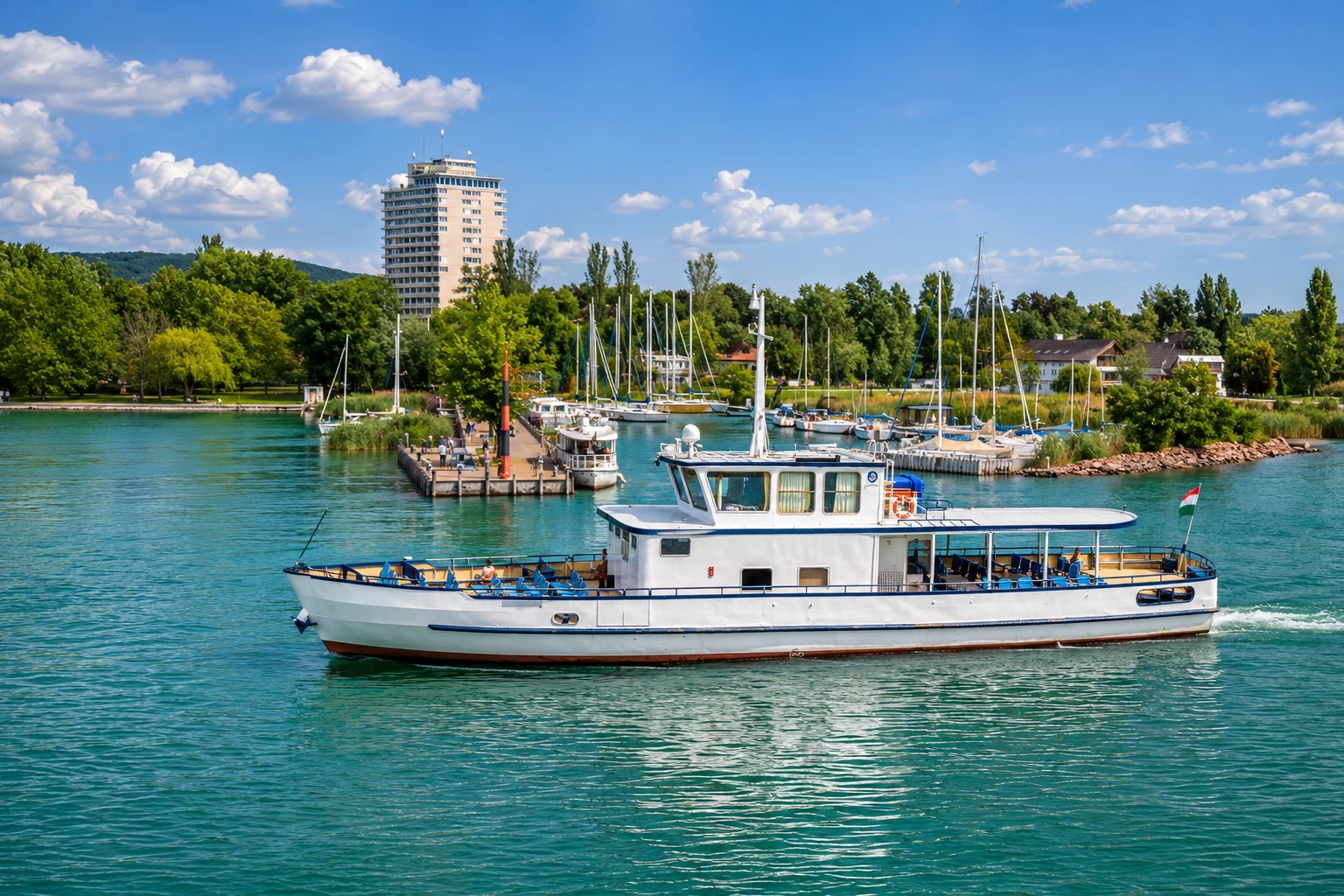
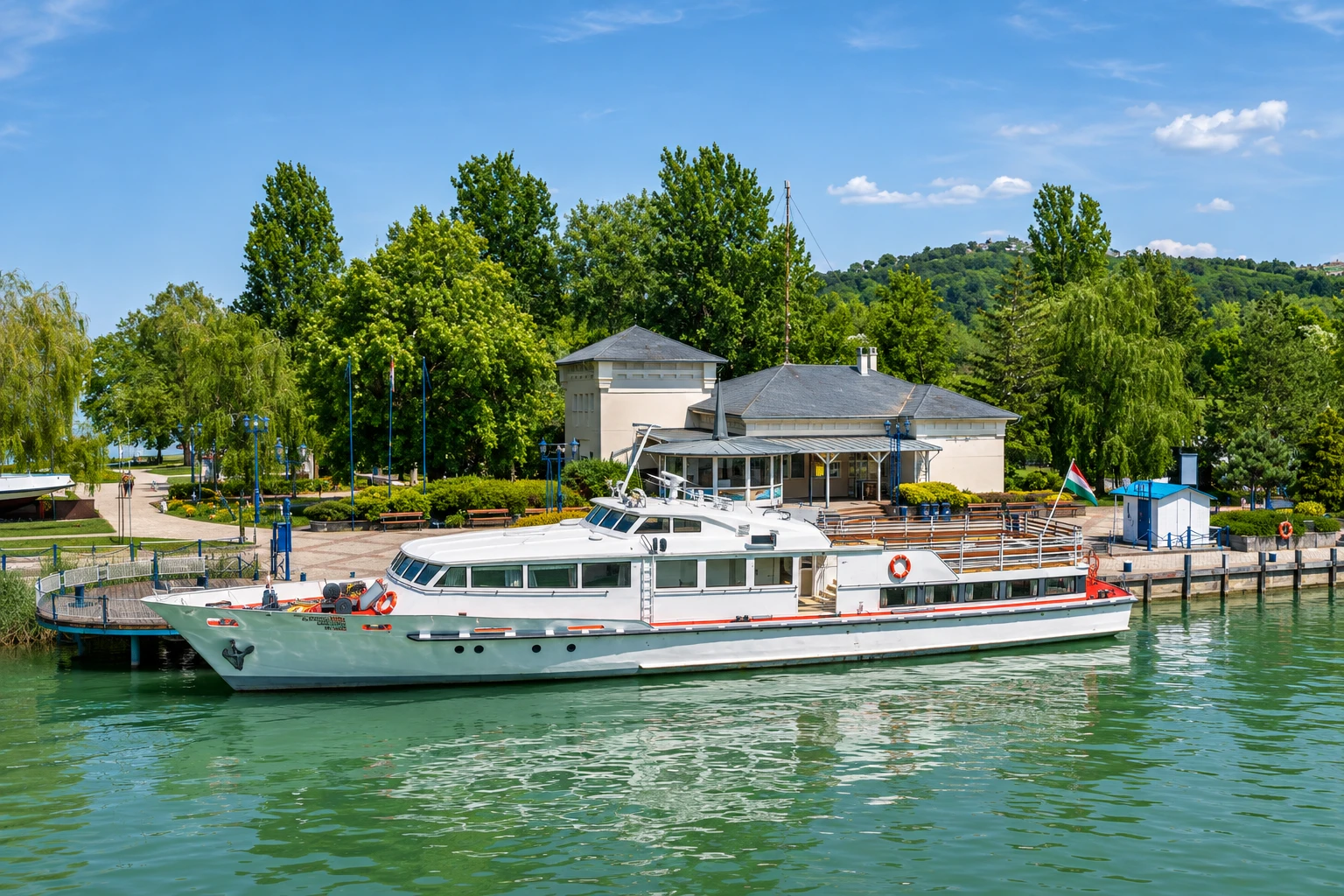
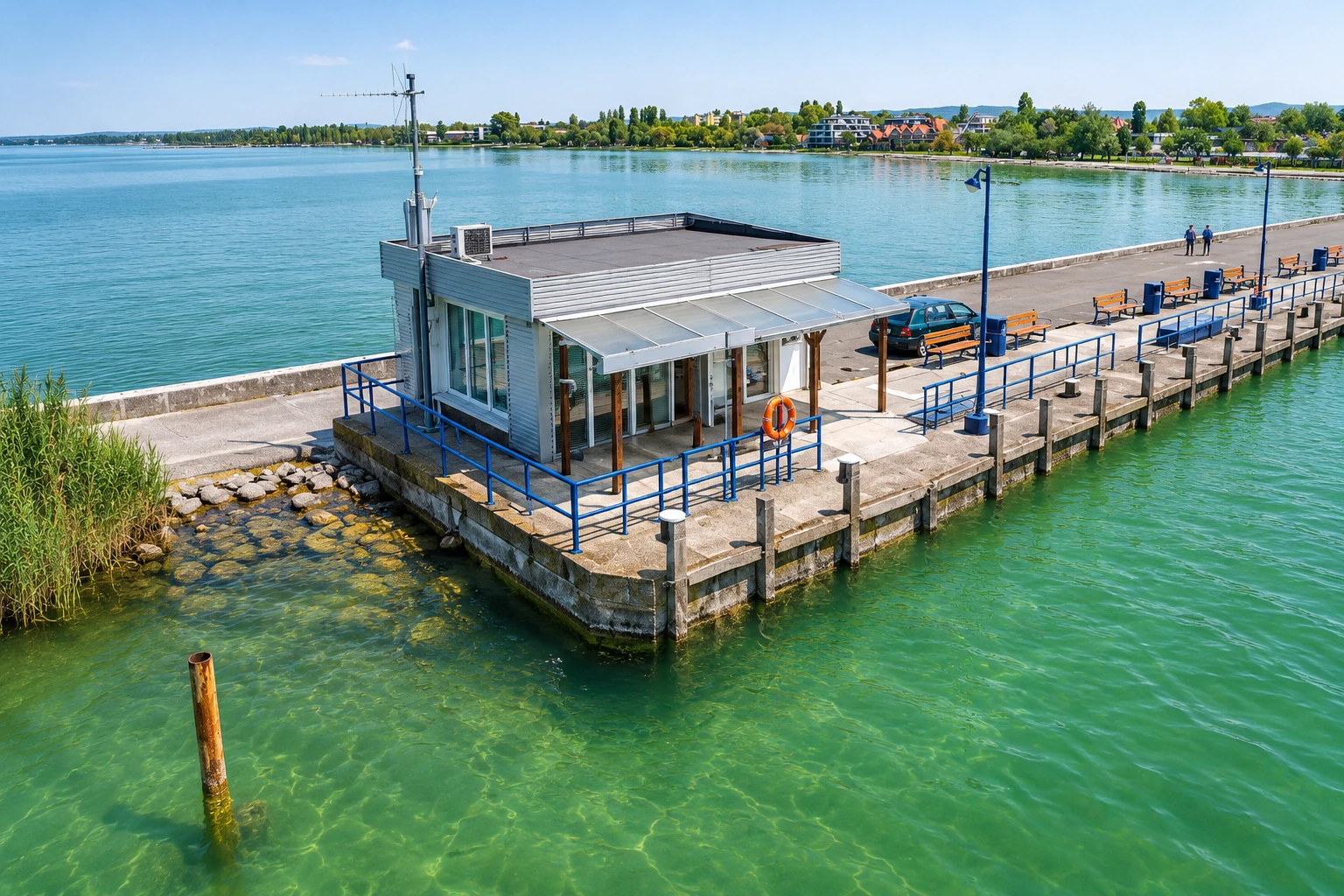
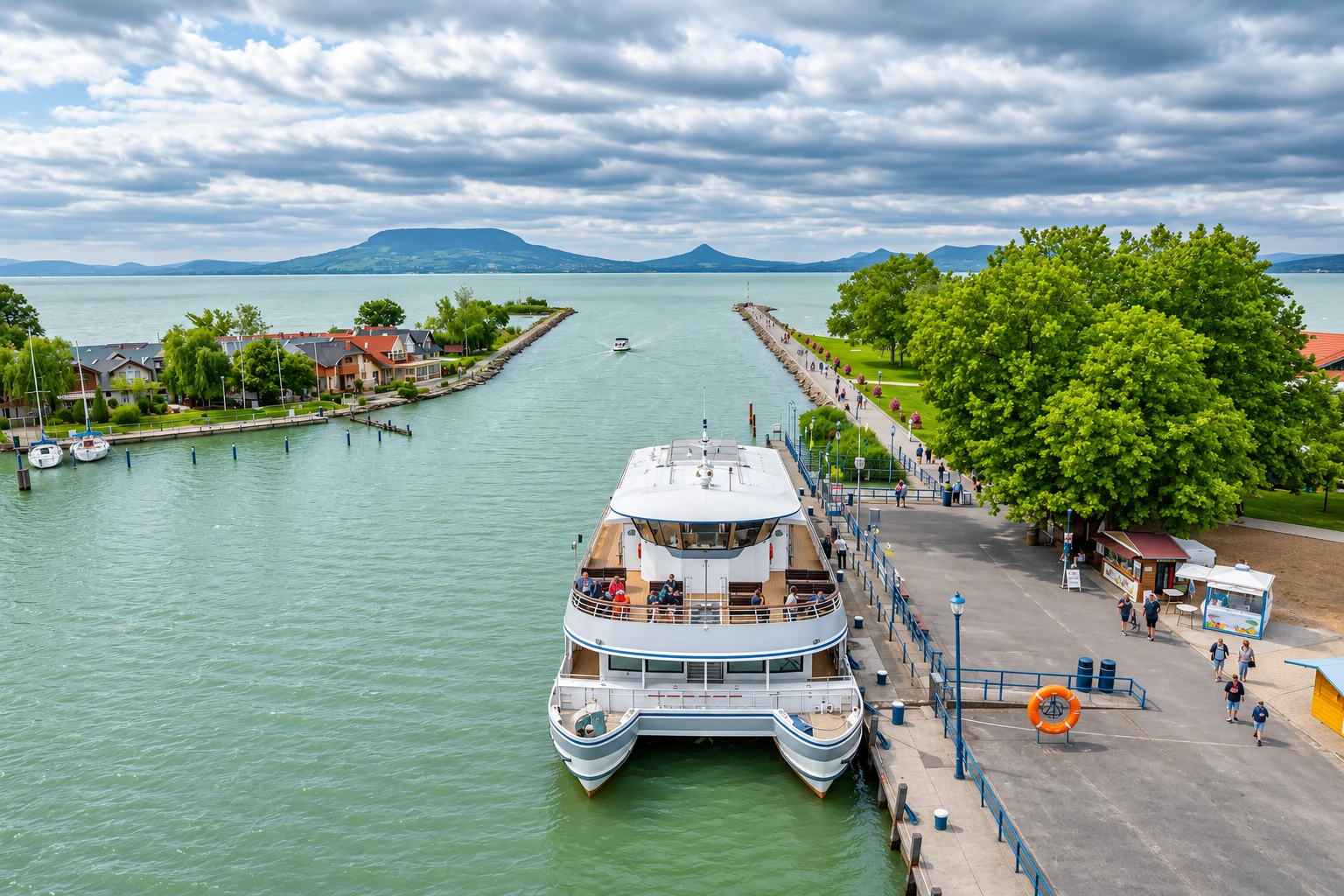
Balatonfüred is a base on Balaton’s north shore. The Tagore sétány combines a waterside promenade, gardens and contact with boating activity. Train access makes it easy to reach from Budapest and continue to other stops in the region.
Antarctica
Veszprém · Zala · Somogy
Balatonfüred waterfronts, Tihany abbey, Keszthely palace and thermal water in Hévíz.
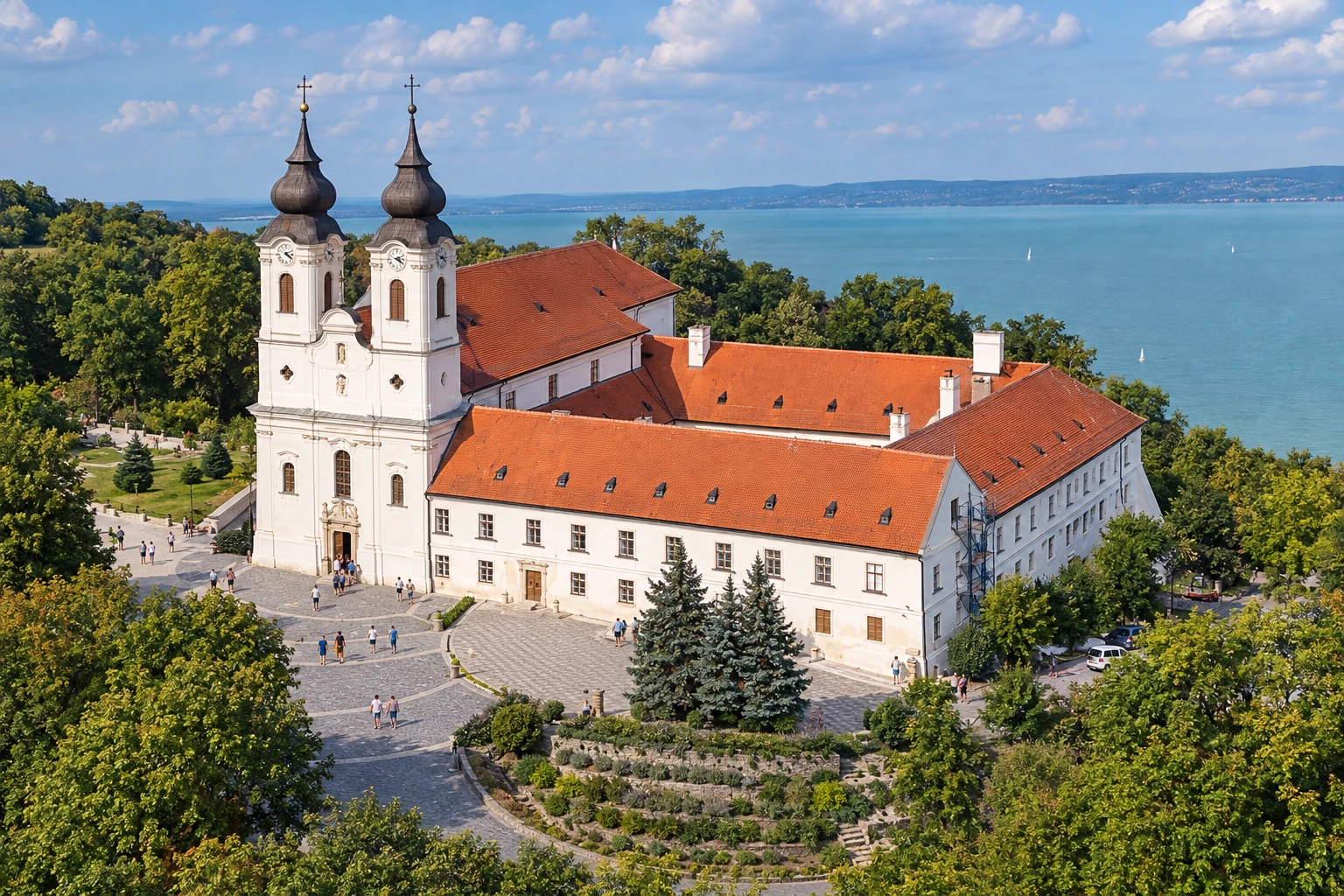
In the photo: Tihanyi Bencés Apátság
Illustrative images. The pictures in this guide are illustrations based on the real place, not photographs, and may differ from it.
Get to know the place
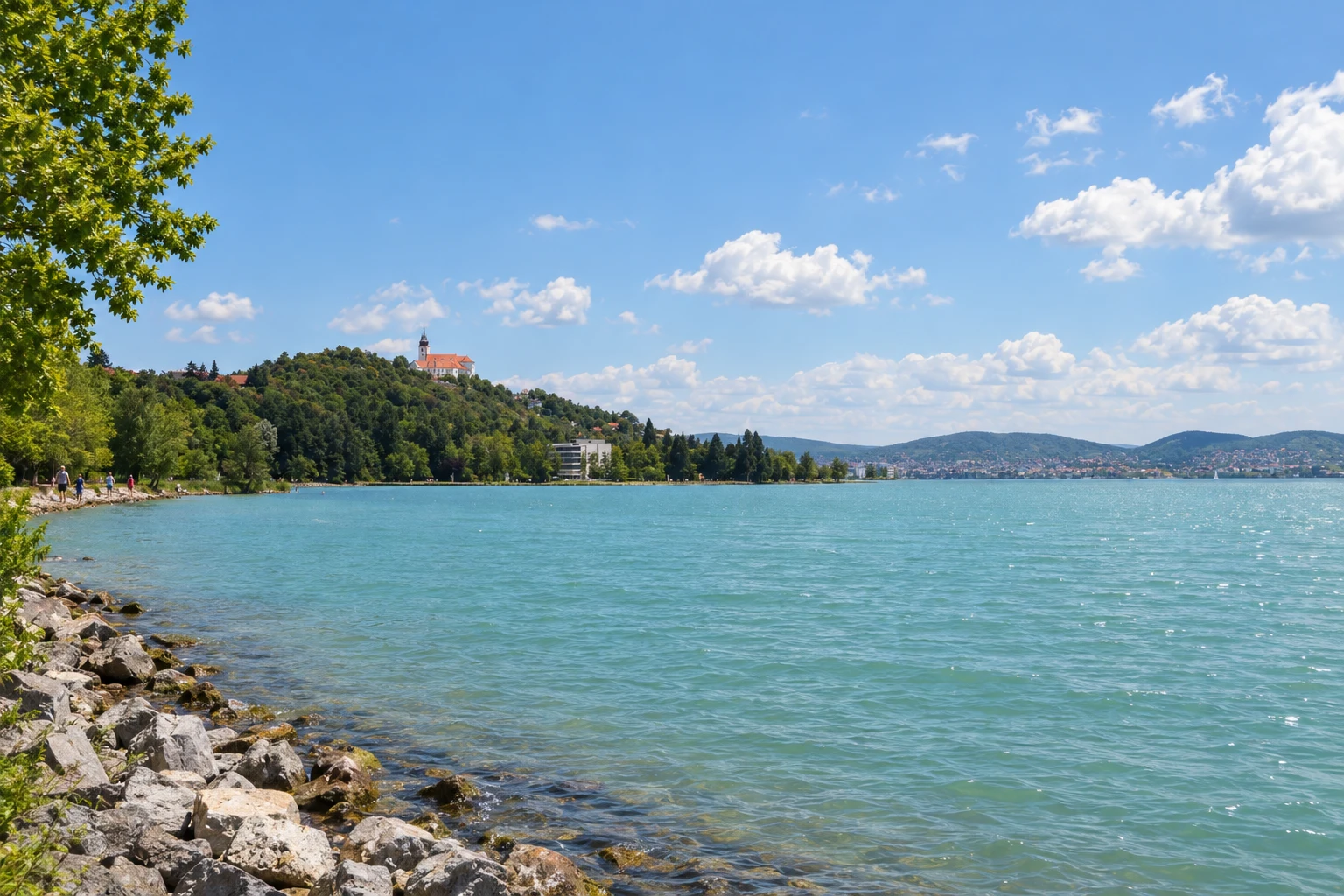
The Balaton spans a wide strip of western Hungary. The north shore combines resort towns, low hills and the Tihany peninsula. Balatonfüred serves as the arrival point for those coming by train, with the Tagore promenade along the water.
Tihany deserves a day on its own for the abbey and surroundings. Further west, Keszthely hosts the Festetics Palace and the lake museum. Hévíz is outside Lake Balaton, but the short road connection makes it possible to add a thermal bathing experience.
The season greatly affects the trip. Summer, from June to August, typically has more water activities and long days; winter, from December to February, requires prioritizing indoor activities and short outings. For Brazilians, it’s useful to think of Balaton as a region with several bases rather than a single beach to be quickly traversed.
This destination brings together 11 cities: Balatonfüred, Tihany, Keszthely, Hévíz, Badacsonytomaj, Balatonalmádi, Balatonboglár, Balatonlelle, Fonyód, Siófok, Veszprém.

One destination, many paths
Start with one city or combine several in your itinerary.
Outlines: Natural Earth (public domain) e geoBoundaries (CC0). Adapted by Cidade Turismo.
Connections from Brazil usually involve a stopover in another city. Confirm before booking. From Budapest, take a train or bus to the towns around Balaton. Balatonfüred suits the suggested arrival; buses cover the legs to Tihany and Hévíz.
Suggested arrival point: Balatonfüred

Balatonfüred is a base on Balaton’s north shore. The Tagore sétány combines a waterside promenade, gardens and contact with boating activity. Train access makes it easy to reach from Budapest and continue to other stops in the region.

Tihany occupies a peninsula on the north shore of Lake Balaton. The Benedictine abbey rises above the water, with a Baroque church and a medieval crypt. The small center and surroundings allow combining the religious visit with scenic walks.

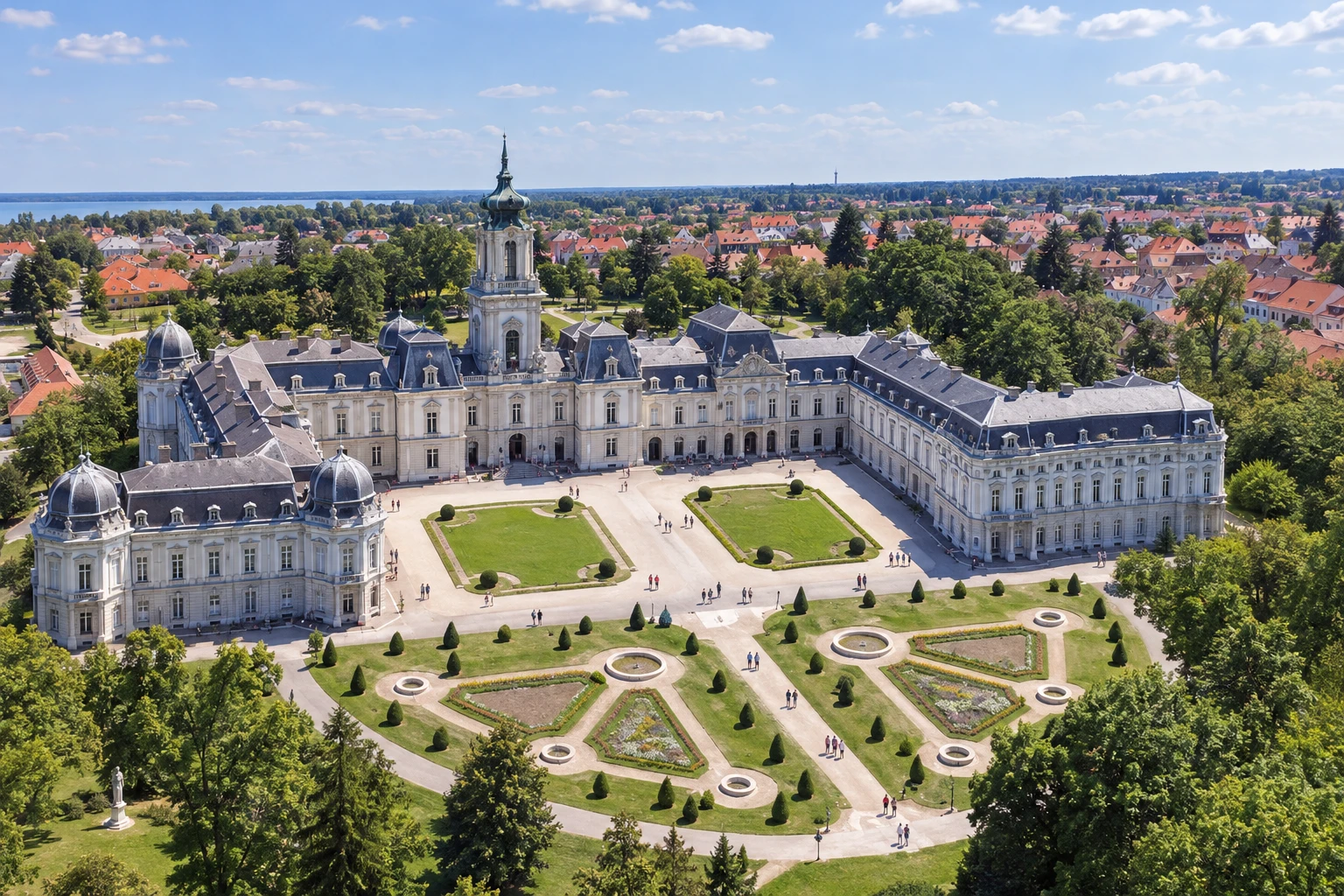
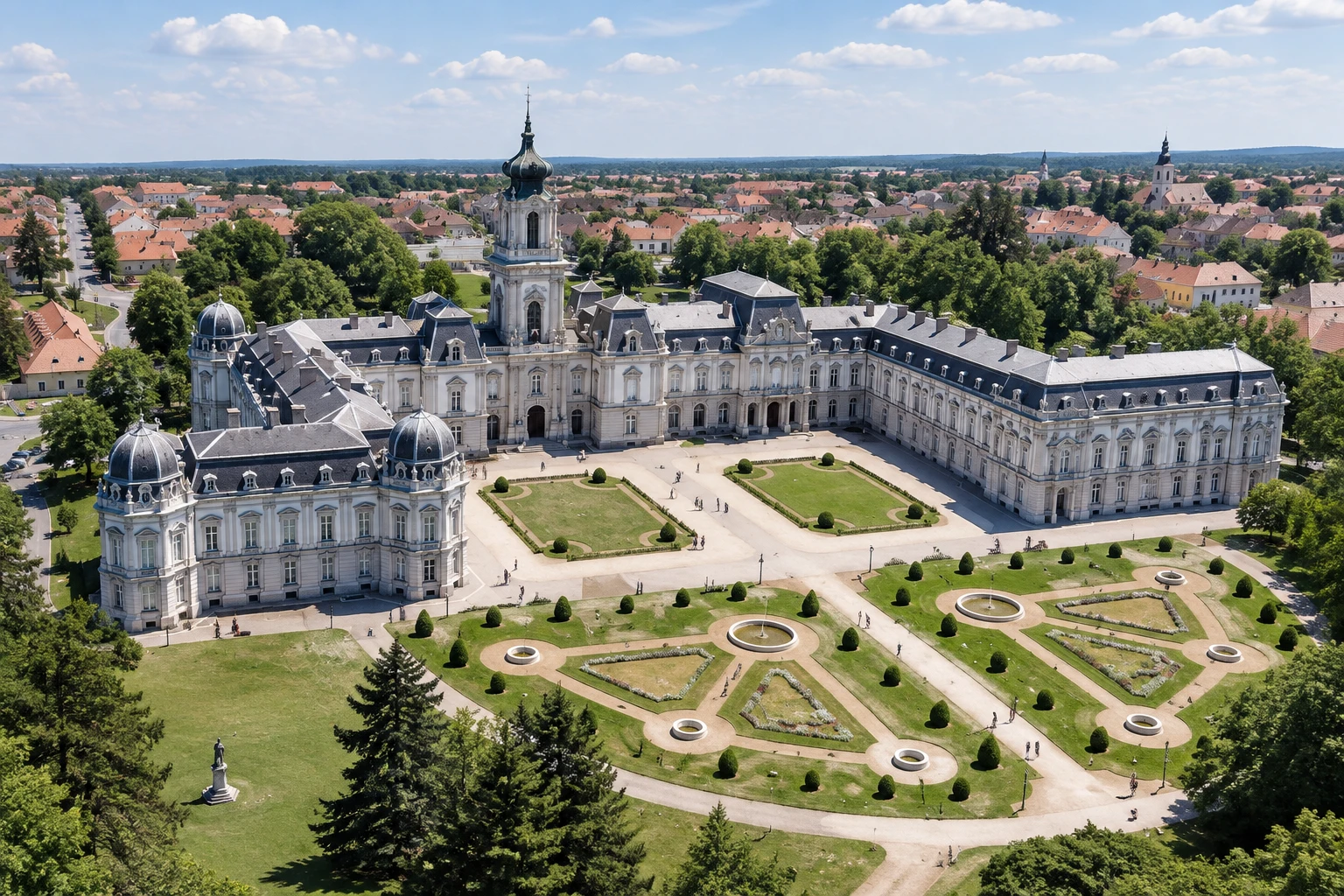
Keszthely combines the Festetics Palace and its park with the lake’s history presented at the Balatoni Múzeum. The town center links those two references in a town on the western edge of the Balaton, near the Hévíz thermal area.

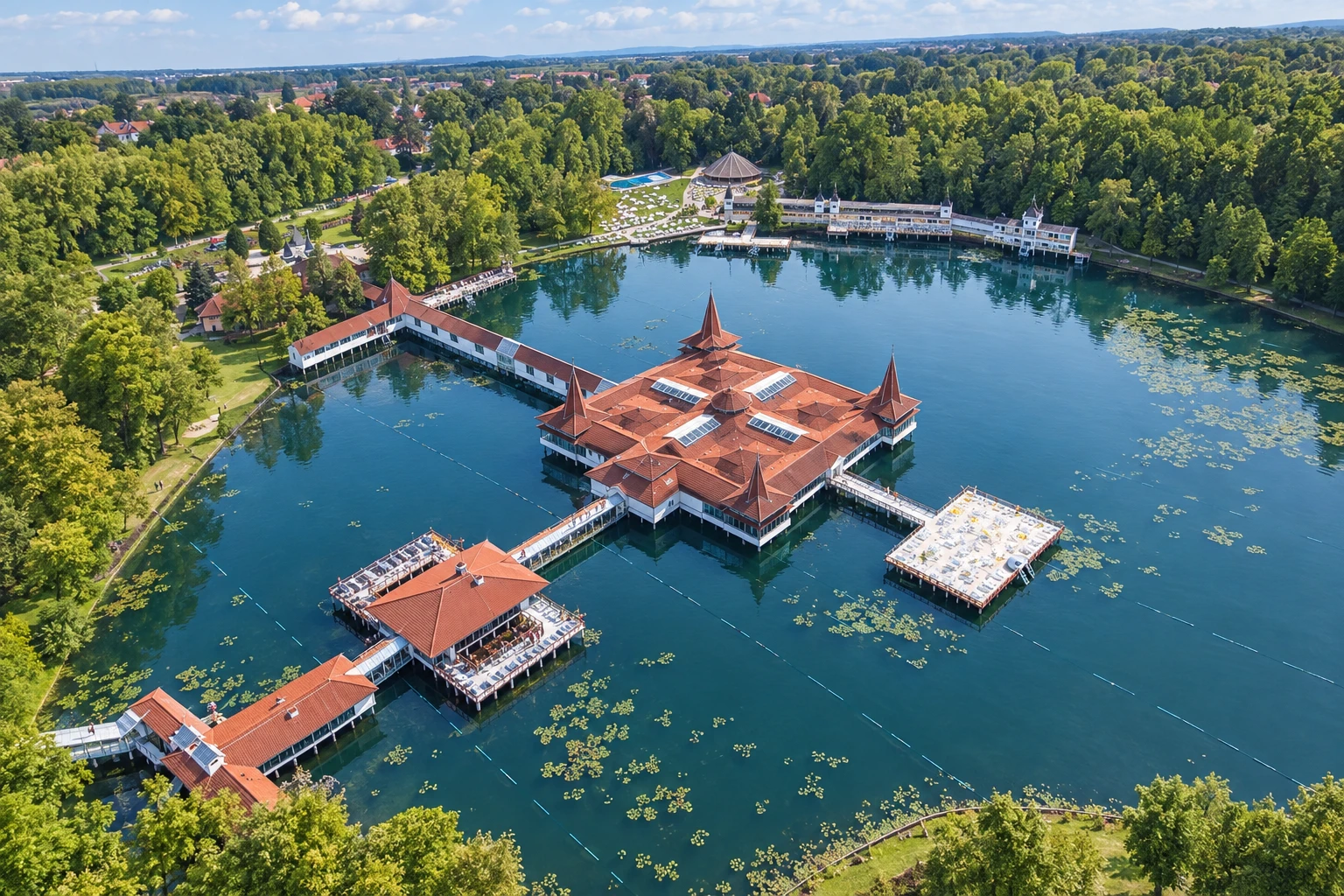
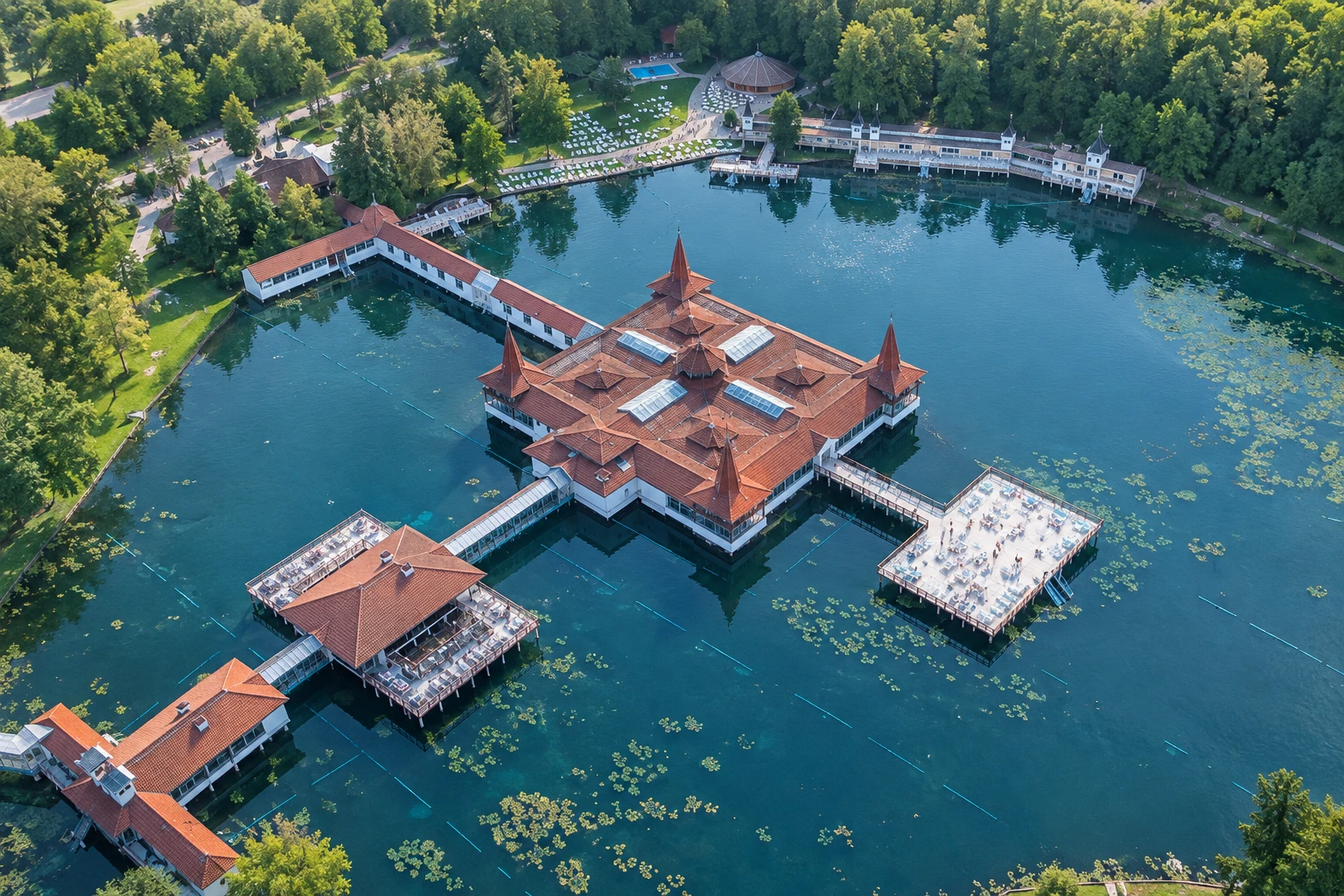
Hévíz is centered around a natural thermal lake in a wooded area west of the Balaton. Outdoor bathing is the main activity. Proximity to Keszthely allows you to combine time in the water with a cultural stop in another town.

Badacsonytomaj sits at the foot of a broad-topped volcanic hill. Vineyards cover part of the slope, below the basalt band that marks the relief. The Badacsony neighborhood has a port on the lake and access to the trails that lead up to the Kisfaludy lookout.

Balatonalmádi occupies the northeast shore, where the railway runs close to the water. Szent Erzsébet liget park connects the pier area to Wesselényi strand, a beach with lawns and a sandy section for children.

Balatonboglár is a wine region on the southern shore of Lake Balaton. Next to the harbor, Platán Strand offers stretches of lawn, shaded areas and paths that connect to the cycling ring.

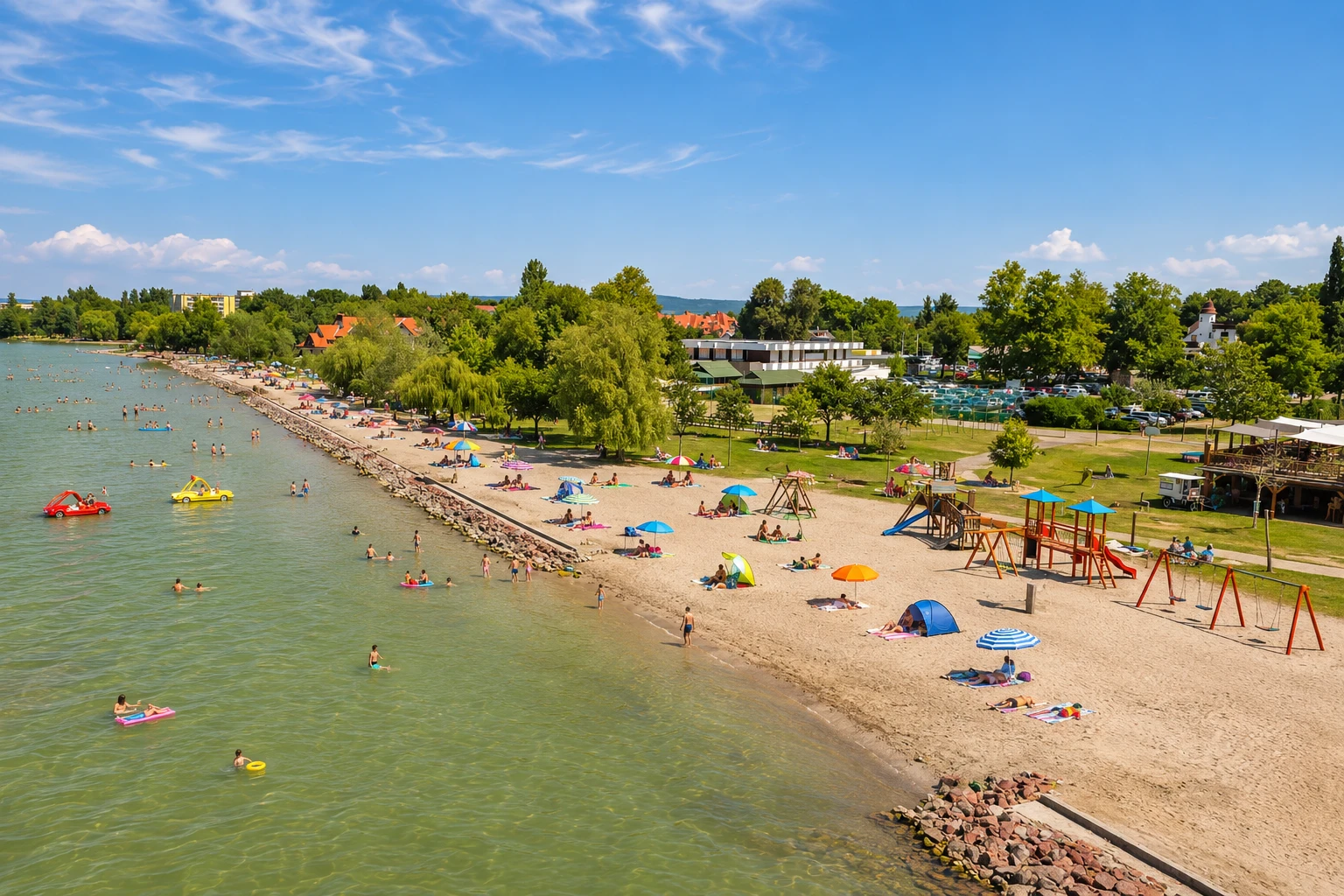
Balatonlelle has its center by the railway and the pier. The Napfény strand gained a sandy stretch made from material dredged from the bottom of Lake Balaton. The shallow water near the shore and the pools attract families between June and August.

Fonyód is on the south shore, facing the Badacsony hill. The harbor opens between two breakwaters and the shore rises to Sipos-hegy, where a tower amid the woods lets you view the width of the lake.

Siófok grew as a seaside resort at the outlet of the Sió canal. The old water tower stands on Fő tér and offers a view above the rooftops. On the shore, the breakwaters separate the harbor from the town’s promenades and beaches.

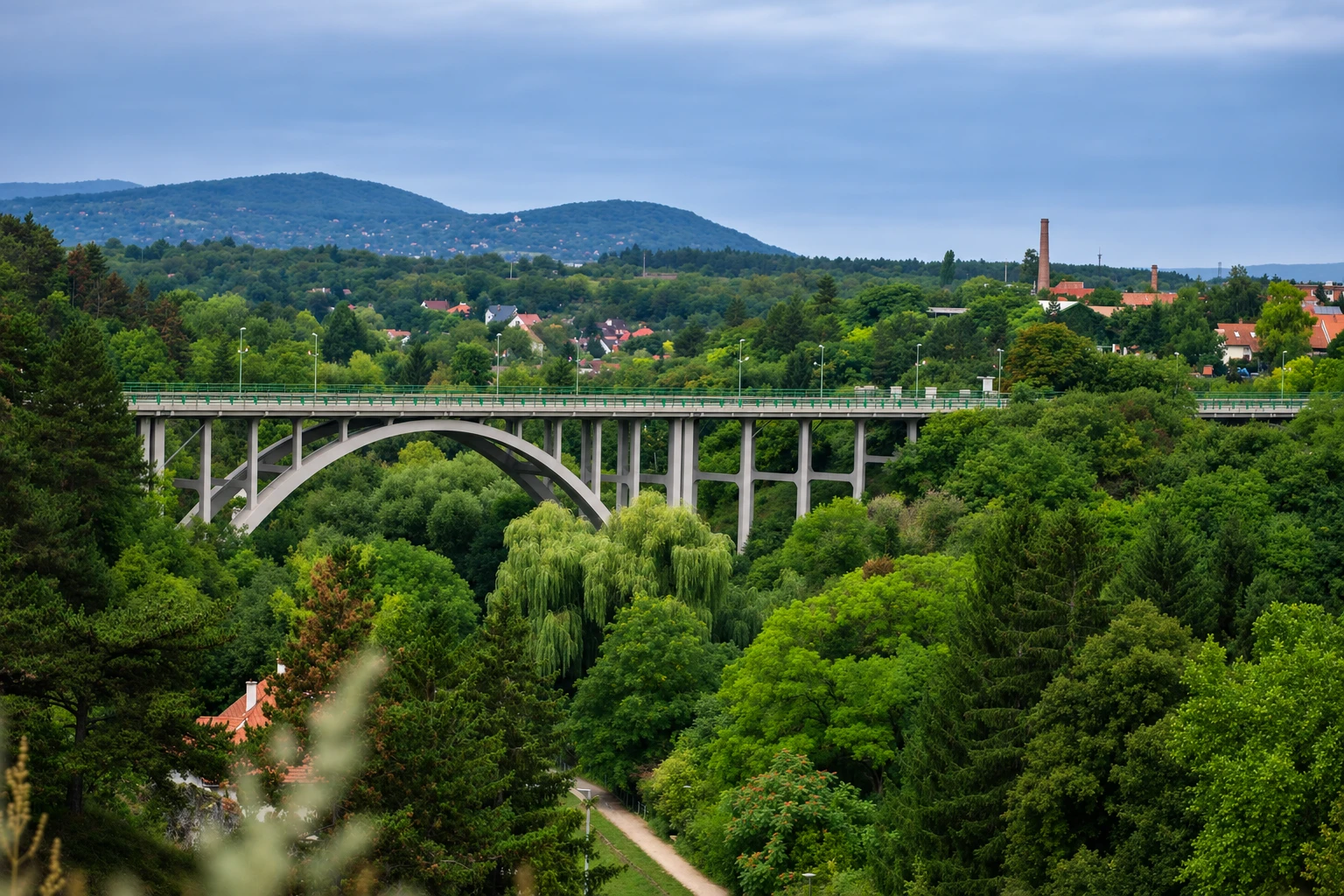
Veszprém spreads across the hills of the Séd Valley. The Castle District occupies a rocky ridge above the city center. The Fire Tower stands at the entrance to the historic district. Farther along the ridge, Gizella Chapel stands among the archdiocesan buildings and preserves traces of medieval paintings.
The local experience
Keszthely palace with a Baroque façade, historic library, period rooms and park.
Thermal-origin lake in a wooded area of Hévíz, offering an outdoor bathing experience.
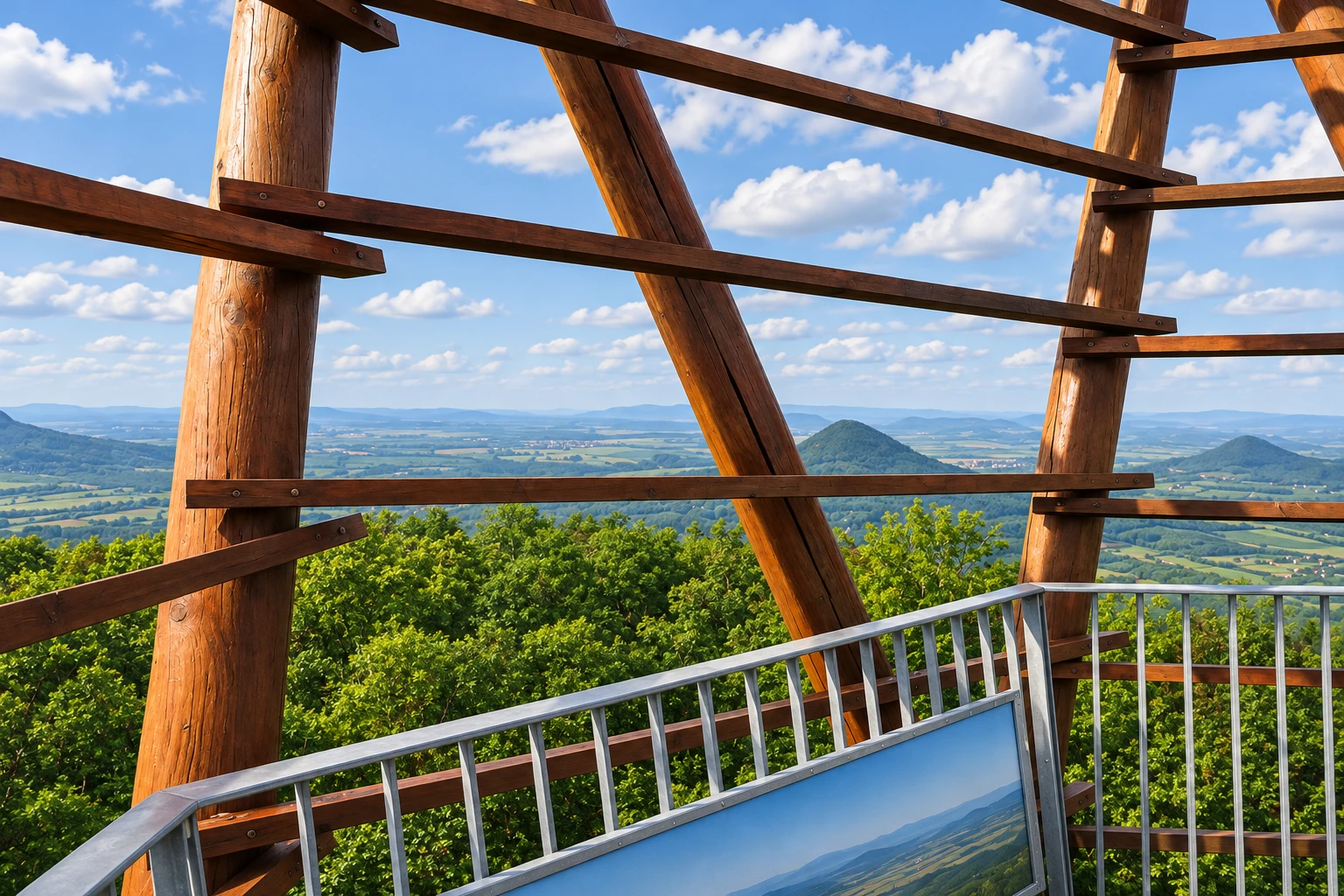
Wooden lookout on the summit of the Badacsony volcanic hill, with views of the Balaton and the isolated reliefs of the Tapolca basin.
Balatonlelle beach with a sandy stretch, shallow entry to Lake Balaton and a pool sector behind the shore.
Your base to explore
Before you go
A little planning leaves more time to enjoy the journey.
May to September usually offers more shoreline and boating activities. April and October can be mild for towns and palaces. June to August concentrates the summer, with heat and possible showers. In winter the days are short.
The seasons shown are the most usual ones; nature doesn't always follow the calendar.
Four to five days: two on the north shore, one for travel to the west, one for Keszthely and another for Hévíz. With less time, choose one side of the lake and avoid crossing the whole region on a day trip.
Balatonfüred brings together the train station, the waterfront and buses to Tihany. Tihany’s center is good for walks on the top of the peninsula. Keszthely works for the palace and museum, and Hévíz for a stay focused on the thermal baths. Dividing bases reduces back-and-forth along the shore.
Take your trash with you, follow the signs and support local businesses. In natural areas, follow the visiting guidelines.
Beyond the guide
Your questions
The north shore lets you combine Balatonfüred and Tihany; adding the west requires more days for Keszthely and Hévíz.
Choose a base or a nearby pair. Visiting all four towns turns the day into travel time.
No. The thermal experience takes place in a different lake in the town adjacent to the western end.
Trains serve the shores and buses cover some connections; a car makes it easier to combine distant stops, but it is not mandatory.
No. Hungarian summer runs from June to August, and boating availability varies by month and by route.
Routes in Hungary
From Balatonfüred to Balatonfüred, via the cycling ring that links the vineyard side to the beaches on the lake’s southern shore.