Amsterdam · the Netherlands · Museum
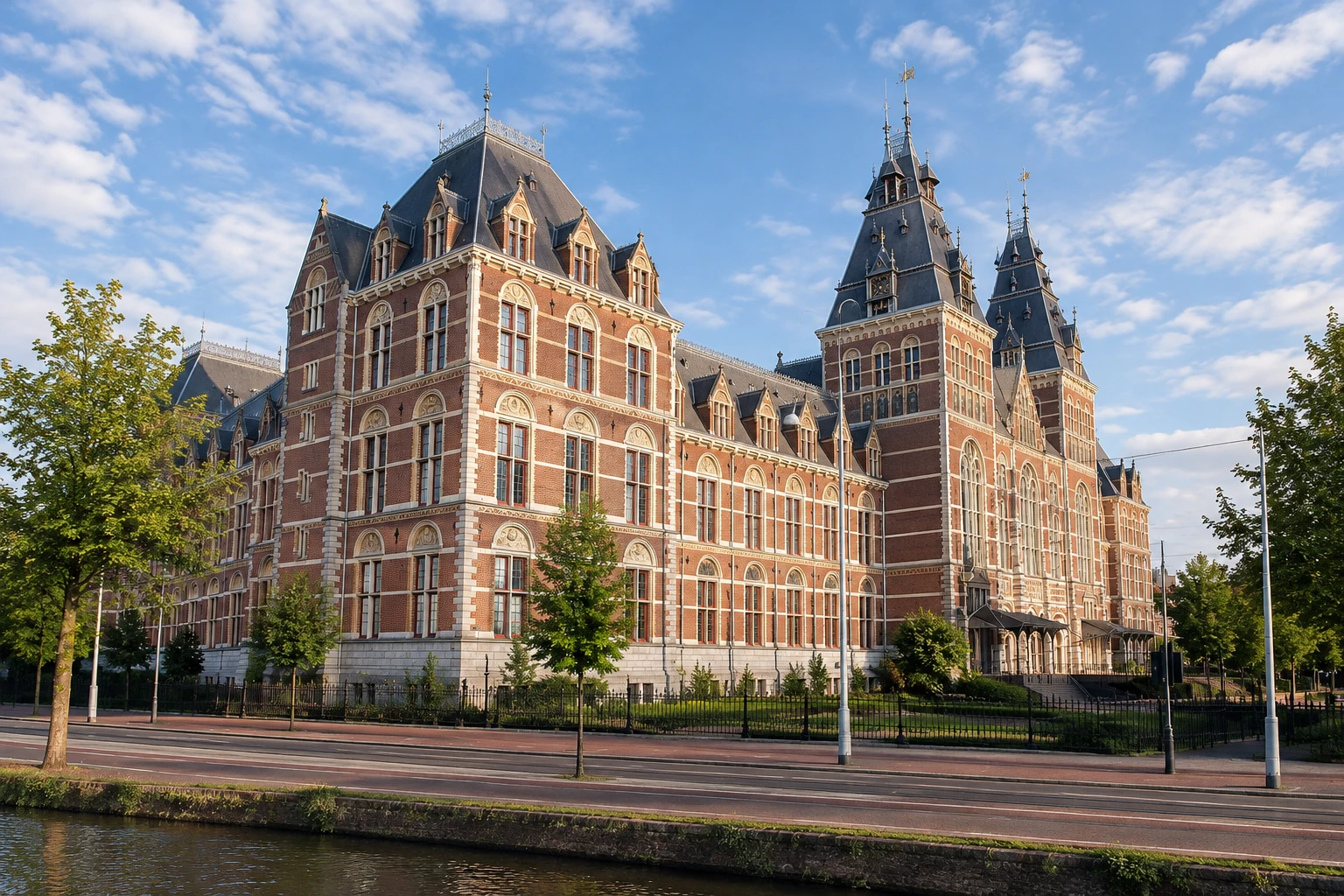
Rijksmuseum
The national museum of Holanda houses The Night Watch by Rembrandt, The Milkmaid by Vermeer and eight centuries of the country's art and history in an 1885 building on the Museumplein.

 Search
 Brazil
 Antarctica
 Argentina
 Bolivia
 Chile
 Colombia
 Ecuador
 Falkland Islands (Malvinas)
 French Guiana
 Guyana
 Paraguay
 Peru
 Suriname
 Uruguay
 Venezuela
 Austria
 Belgium
 Croatia
 Denmark
 Finland
 France
 Germany
 Greece
 Hungary
 Iceland
 Ireland
 Italy
 Luxembourg
 Norway
 Poland
 Portugal
 Slovakia
 Slovenia
 Spain
 Sweden
 Switzerland
 the Czech Republicthe Netherlands
 the United Kingdom
 Turkey
 Bermuda
 Canada
 Greenland
 Mexico
 Saint Pierre and Miquelon
 the United States
 the Dominican Republic
 JapanTurkey
 Egypt
 South Africa
 Australia
 Fiji
 New Zealand
 Papua New Guinea
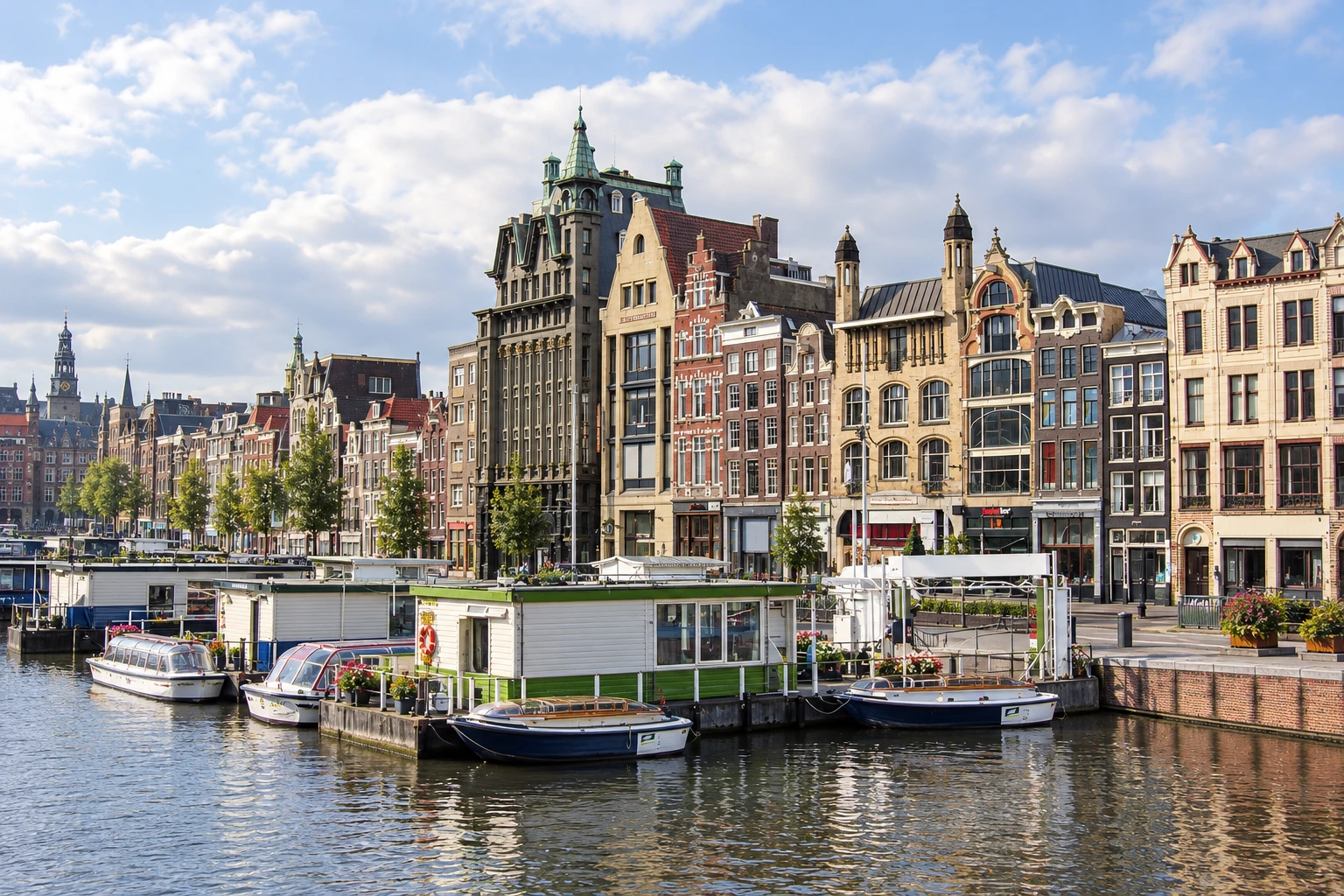
In the photo: Damrak, Amsterdã
Illustrative images. The pictures in this guide are illustrations based on the real place, not photographs, and may differ from it.

The city
Capital of the Netherlands, Amsterdã grew around Dam square and the canals of the Grachtengordel, a World Heritage Site. It brings together the Rijksmuseum, the Van Gogh Museum and the Stedelijk Museum on the Museumplein, the Anne Frank Huis, the Rembrandthuis, the Koninklijk Paleis and the Nieuwe Kerk. Allow time as well for the Jordaan, the Begijnhof, Vondelpark and the ferry to the A'DAM Lookout.
There's no accommodation in the guide yet in Amsterdam.
Do you run a hotel, guesthouse or vacation rental here? List itThere are no restaurants in the guide yet in Amsterdam.
Know a good one? Recommend it to usThe city's hotels and restaurants on the map.
how to get there · how many days · itinerary · questions
Cross-border routes
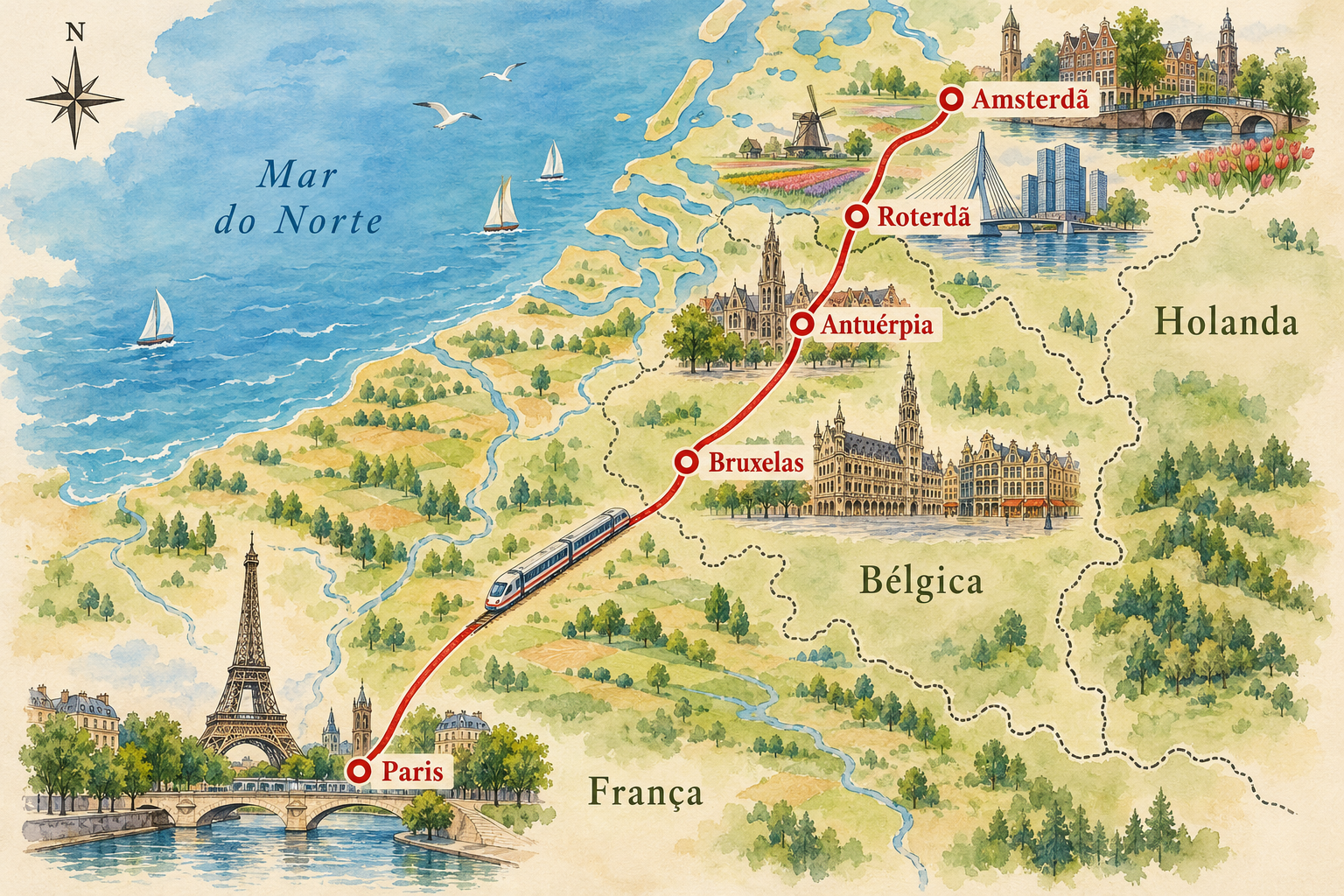
By train through the centers of Paris, Brussels, Antwerp, Rotterdam and Amsterdam: three countries in just over three hours, from central station to central station.
Cross-border routes
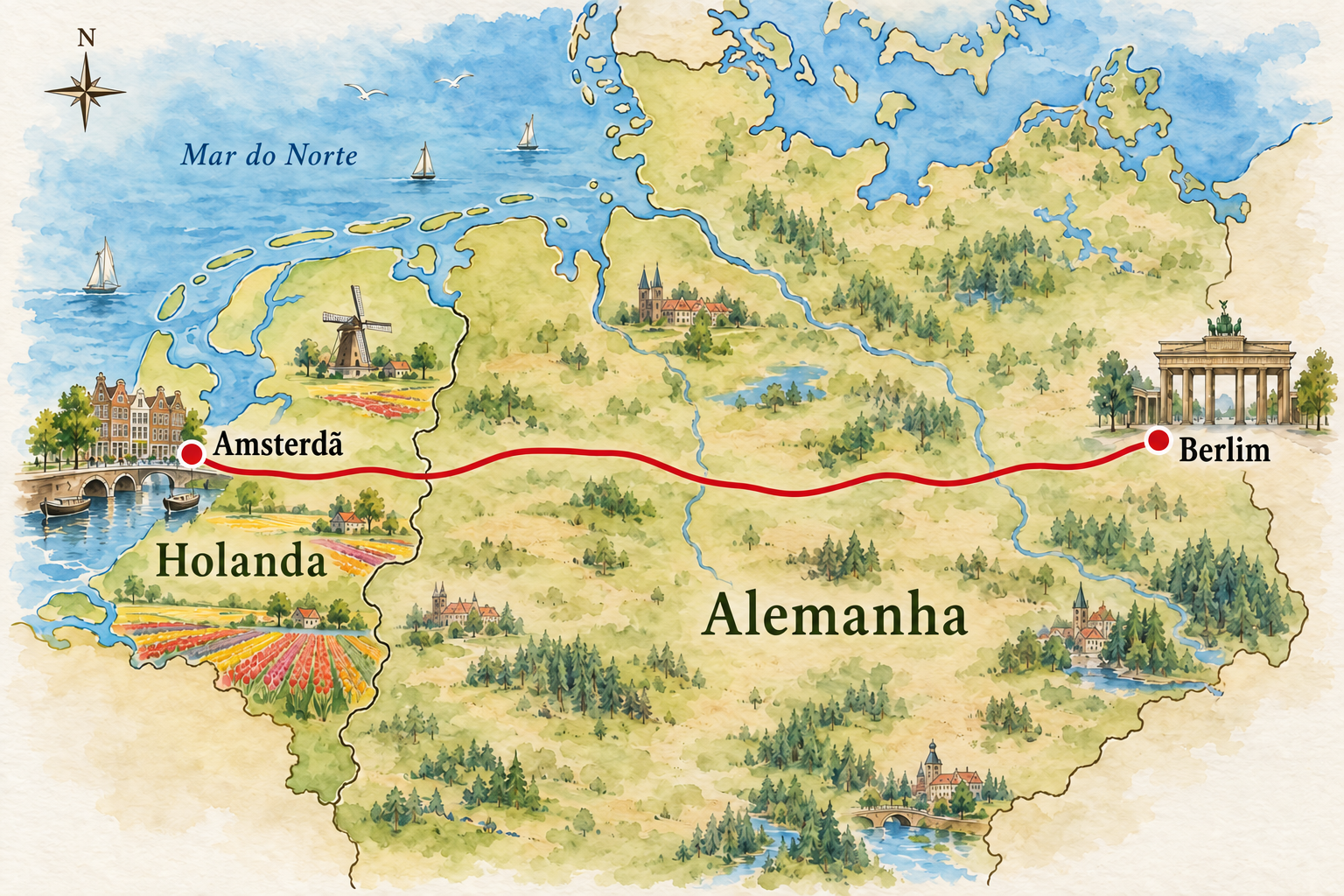
By train from the Netherlands to Berlin: about six hours nonstop, through the Dutch interior and northern Germany, from central station to central station.
Cross-border routes
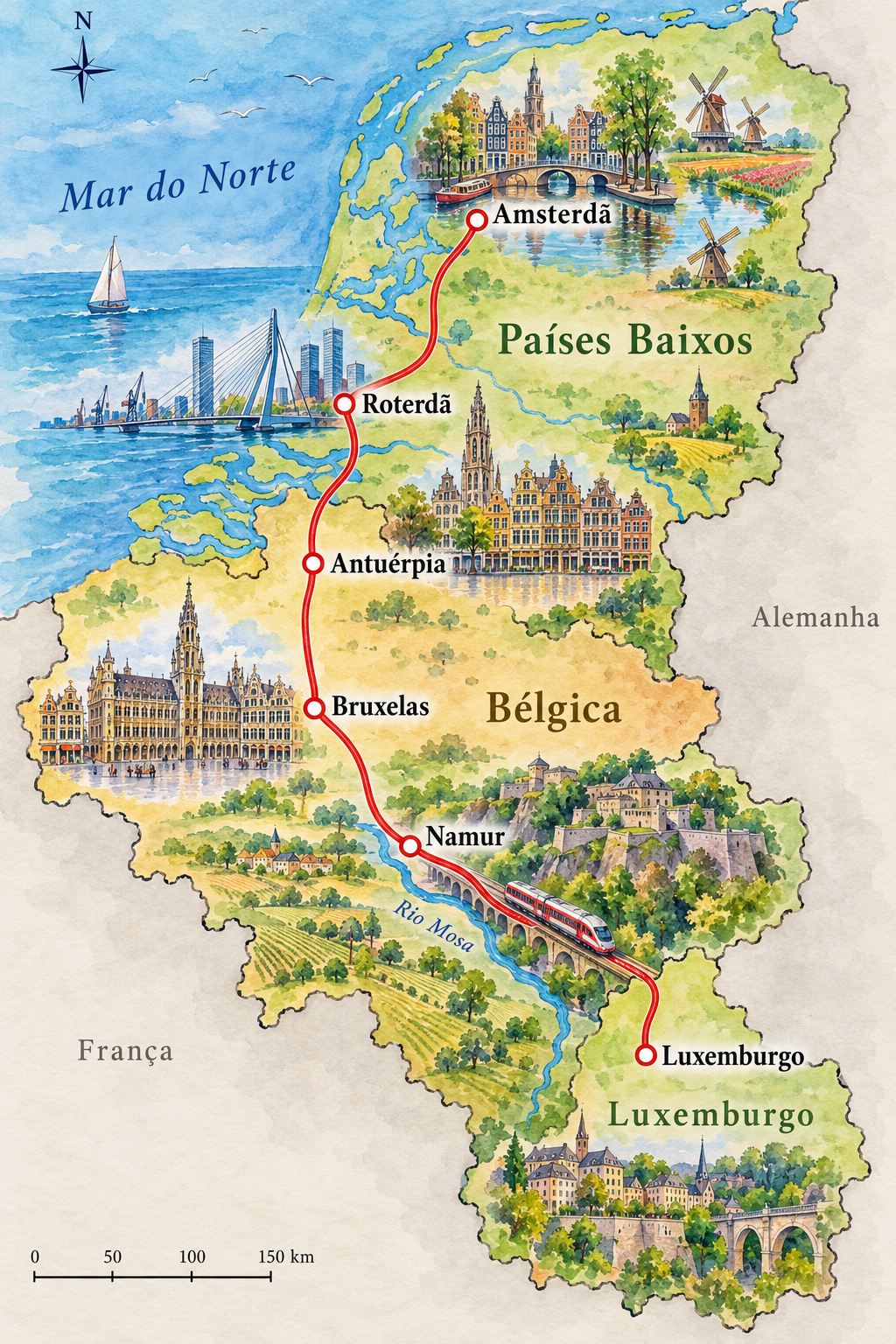
The three Benelux countries by train: from Amsterdam to Brussels in about two hours, and from Brussels to Luxembourg via the Ardennes, with Rotterdam, Antwerp and Namur along the way.
The local experience
The national museum of Holanda houses The Night Watch by Rembrandt, The Milkmaid by Vermeer and eight centuries of the country's art and history in an 1885 building on the Museumplein.
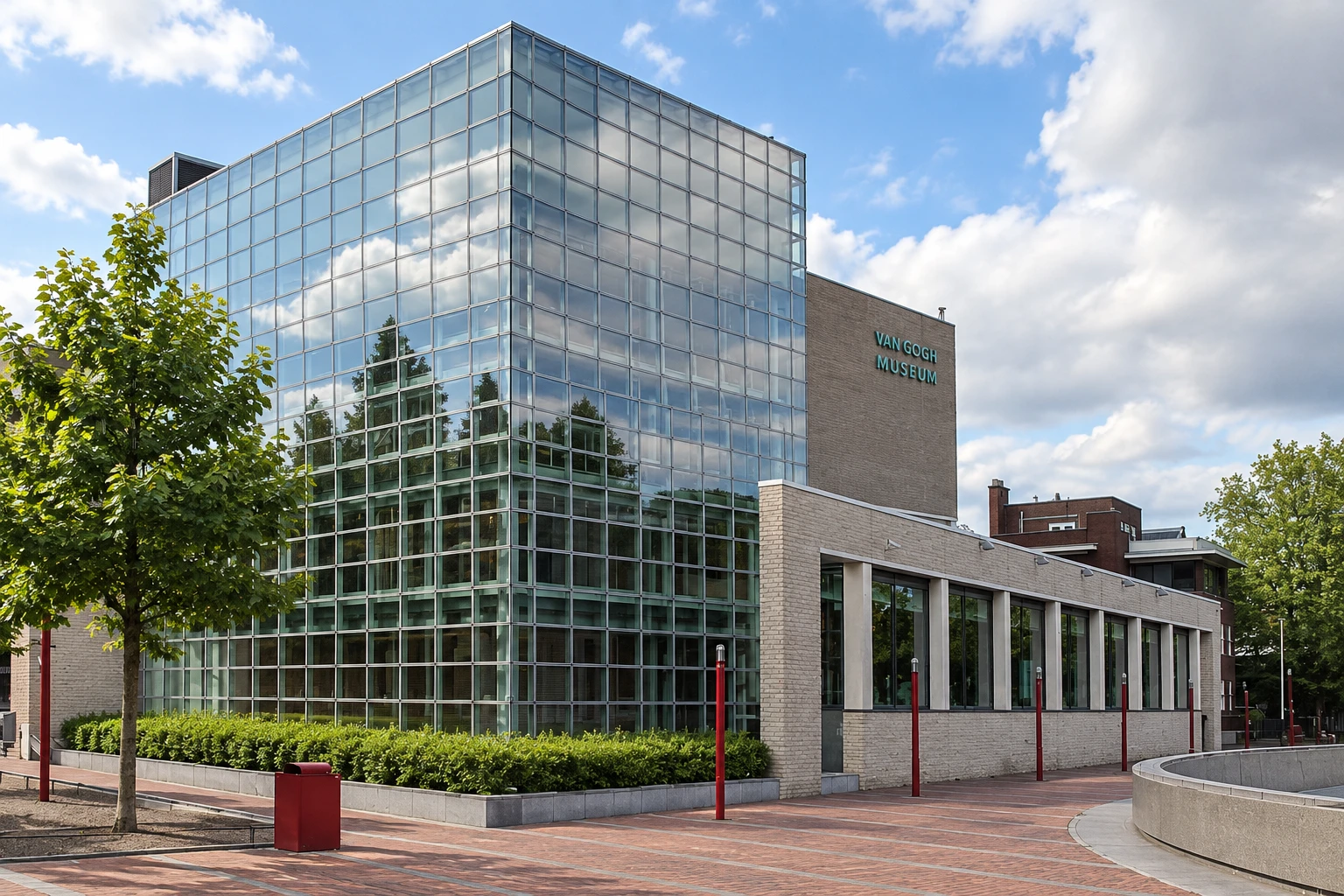
The largest collection of Vincent van Gogh's works in the world, including Sunflowers, The Potato Eaters and Almond Blossom, as well as the painter's letters and drawings.
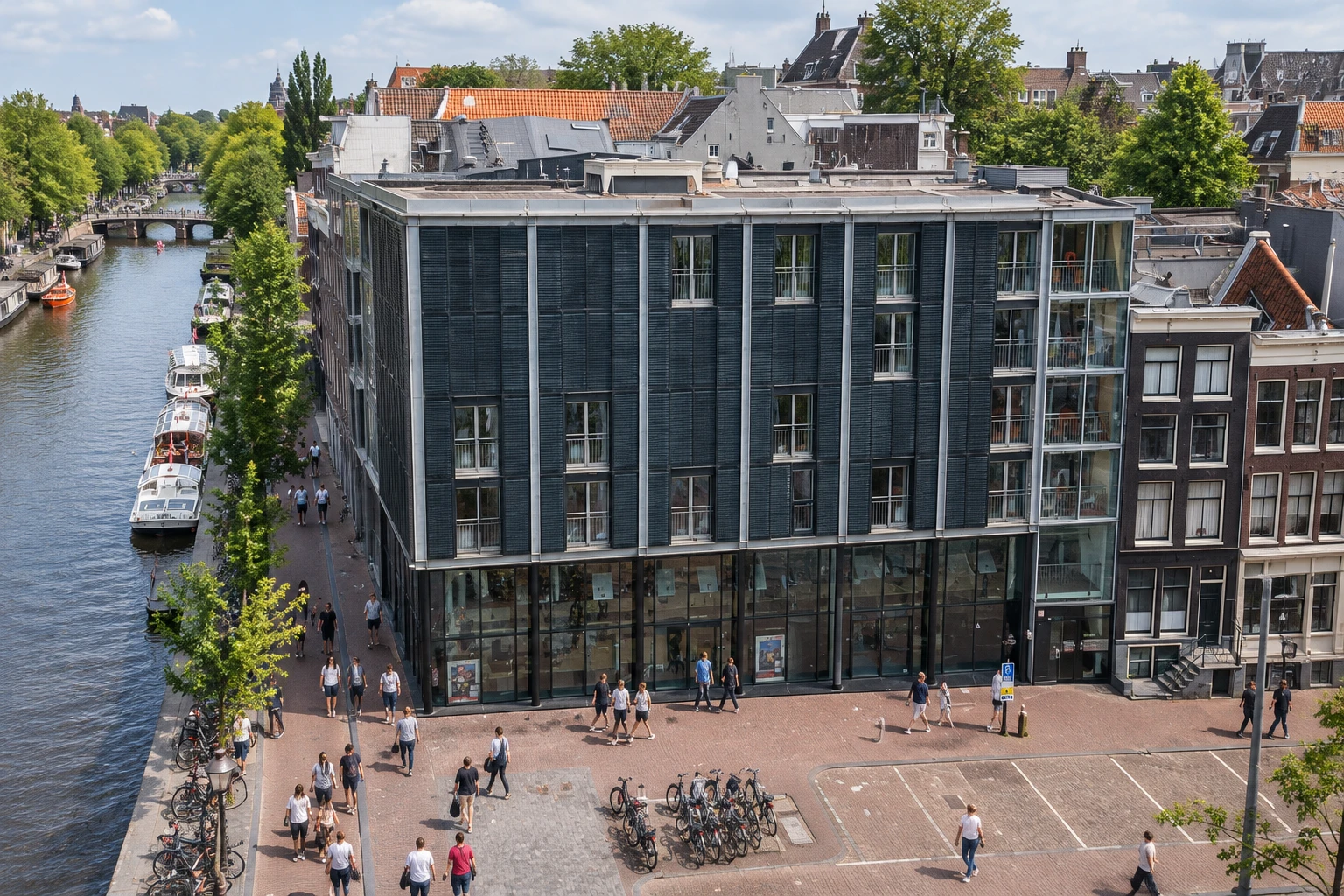
The house on Prinsengracht where Anne Frank and seven others hid from the Nazis between 1942 and 1944. Visits are only with an online ticket, with a set day and time.
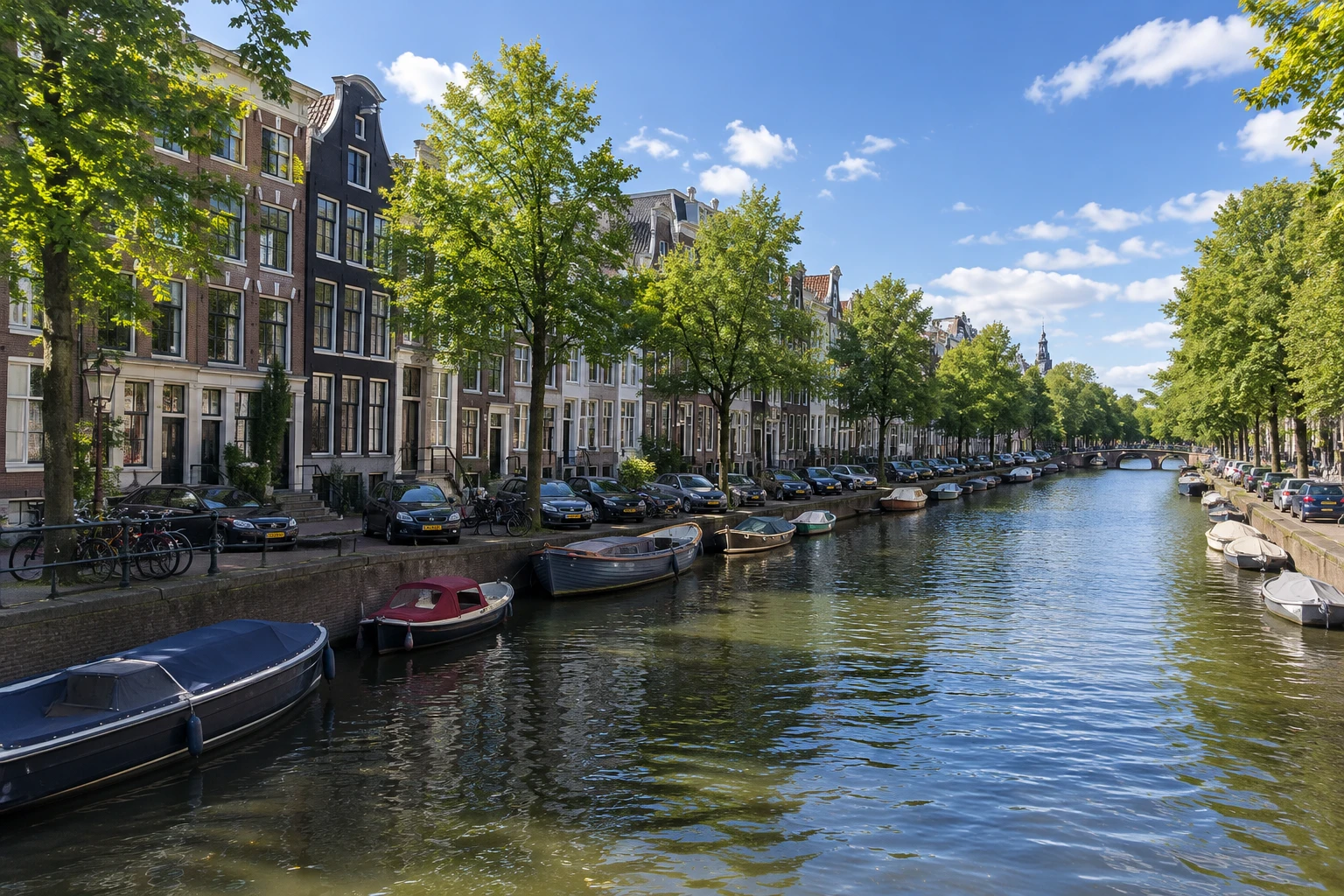
The four 17th-century semi-circular canals that form the center of Amsterdã, a UNESCO World Heritage Site. You can walk along the banks or take a boat tour.
Before you go
Amsterdam – the Netherlands about 20 km from Haarlem
Approximate distances. Check flights and bus, train or boat schedules before you travel.
Planes land at Amsterdam Airport Schiphol, which has a train station inside the terminal: the train to Amsterdam Centraal takes about 15 minutes. Connections with Brazil can be direct or with a stopover, depending on the season and the airline. Check before buying. Those coming from other Dutch cities or neighbouring countries arrive by train at Amsterdam Centraal, a ten-minute walk from Dam square.
Three days is the most balanced amount of time: one for the museums at Museumplein, one for the historic center, the Anne Frank Huis and the boat tour, and one for the Jordaan, the Rembrandthuis and Amsterdam-Noord. With one day, stay in the center and choose just one museum. Add extra days for day trips to Haarlem, Zaanse Schans and Volendam.
From April to September the days are longer and milder; at the end of June it gets dark around 10 p.m. Summer (June to August) draws more tourists, and timed-entry museums sell out earlier. From December to February it's cold, windy and the days are short, but museums operate normally. It can rain at any time of year, so bring a raincoat.
The seasons shown are the most usual ones; nature doesn't always follow the calendar.
No. Amsterdam is explored on foot, by tram, metro and bicycle. Parking in the center is expensive and the streets are narrow. On public transport you can pay by tapping a contactless bank card on entry and exit (OVpay system); check whether your card is accepted. If you rent a bike you must follow the rules: the cycle lane belongs to cyclists and pedestrians should not walk on it.
Suggested itinerary
Built with the places on this page. No rush: it's paced so you have time to see them.
Start at the Rijksmuseum at opening and go straight to the Gallery of Honour, where Rembrandt's The Night Watch and Vermeer's The Milkmaid are. On the way out, cross the Museumplein, the lawn between the major museums.
Walk along the canal belt toward the center, passing the Bloemenmarkt, the flower market on the Singel. Enter the Begijnhof through the Spui gate and continue to Dam square, with the Koninklijk Paleis and the Nieuwe Kerk.
Book a timed entry in advance at the Anne Frank Huis, on the Prinsengracht. Afterwards, walk through the Jordaan's streets to the Noordermarkt.
End the day with a canal boat tour that departs from the quays in front of Amsterdam Centraal and on the Damrak. At night the bridges are lit. Have dinner early, from 6 p.m.
Day 1
Set aside the morning for the Rijksmuseum, allowing time for the Gallery of Honour and the Dutch Golden Age rooms. The garden around the building has free access.
Cross the Museumplein to the Van Gogh Museum at the time indicated on your ticket. Afterwards, relax in Vondelpark, a few minutes' walk away.
Return to the center via the canal belt and pass the Bloemenmarkt on the Singel. Continue along the Herengracht to the Begijnhof, if it's still open.
Take the canal boat tour departing from the center. Night tours show the lit bridges and the facades with their windows glowing.
Day 2
Start at Dam square. Visit the Koninklijk Paleis, if it's open to the public on that date, and the Nieuwe Kerk, which hosts exhibitions.
Visit the Anne Frank Huis at your reserved time. Then enter the Jordaan via the smaller streets and canals such as the Bloemgracht and the Egelantiersgracht, up to the Noordermarkt.
Behind Amsterdam Centraal, take the ferry to the other side of the IJ; the crossing is free. Go up to the A'DAM Lookout to see the city from 100 meters up.
Dine at the A'DAM itself or on the north bank of the IJ, or take the ferry back to the center. The ferries cross the river all the time.
Day 1
Devote the morning to the Rijksmuseum, which requires at least three hours. Start in the Gallery of Honour, featuring Rembrandt, Vermeer and Frans Hals.
On the other side of the Museumplein, visit the Van Gogh Museum at your scheduled time. Sunflowers, The Potato Eaters and Almond Blossom are in the collection.
Those who like modern art head to the Stedelijk Museum next door. Those who prefer the outdoors can walk or cycle through Vondelpark.
Return to the center by tram and take the canal boat tour of the Grachtengordel, with its illuminated bridges.
Day 2
Start at Dam square with the Koninklijk Paleis, if it's open to the public on that date, and the Nieuwe Kerk. Walk to the Oude Kerk, the city's oldest building.
Enter the Begijnhof via the Spui and then head to the Bloemenmarkt. Walk along the Herengracht and the Keizersgracht and through the alleyways of the Negen Straatjes.
Use your reserved time at the Anne Frank Huis. Allow time after the visit for a leisurely walk along the Prinsengracht.
Dine in one of the neighborhood cafés (bruin cafés) and restaurants in the Jordaan, a short walk from the Anne Frank Huis.
Day 3
Walk through the Jordaan in the morning. On Monday mornings and Saturdays there is a market at the Noordermarkt, at the foot of the Noorderkerk; on Saturdays an organic market also takes place.
Visit the Rembrandthuis, the painter's house and studio. Afterwards head to the Het Scheepvaartmuseum, where the replica of the ship Amsterdam is moored.
Behind Amsterdam Centraal, take the ferry to Amsterdam-Noord; the crossing is free. Go up to the A'DAM Lookout to see the city and the port from above.
Dine on the north bank of the IJ with views of Amsterdam Centraal, or take the ferry back to the center for a final walk along the canals.
Check before you go. Opening hours and days change, and places may close for renovations, holidays or events. This itinerary is a suggestion from Cidade Turismo, not a commitment: plan yours by checking directly with each place you intend to visit.
Before you go
Yes, for the most popular attractions. The Anne Frank Huis only sells tickets online with a set date and time, and batches sell out weeks in advance. The Van Gogh Museum also uses timed tickets. Buy these two before finalizing your itinerary.
On foot in the center. For longer distances use the tram, the metro and the ferries across the IJ. You can pay by tapping a contactless bank card on entry and exit (OVpay system); check if your card is accepted and remember to register your exit.
Yes, the bicycle (fiets) is the local way of getting around and there are rentals across the city. Respect the rules: ride only in the cycle lane, signal with your arm before turning and beware of tram tracks. Even as a pedestrian, pay attention: the cycle lane belongs to cyclists and pedestrians should not walk on it.
Any day will do. Boats run year-round from the piers in front of Amsterdam Centraal, on the Damrak and near the Rijksmuseum, and many are covered for rainy days. The night cruises show the bridges lit up.
Yes, English is widely spoken in hotels, museums, restaurants and on transport. The country's language is Dutch (Nederlands), and a few words help: gracht means canal, plein means square, kerk means church and centraal means the central station.