Museum
Rijksmuseum
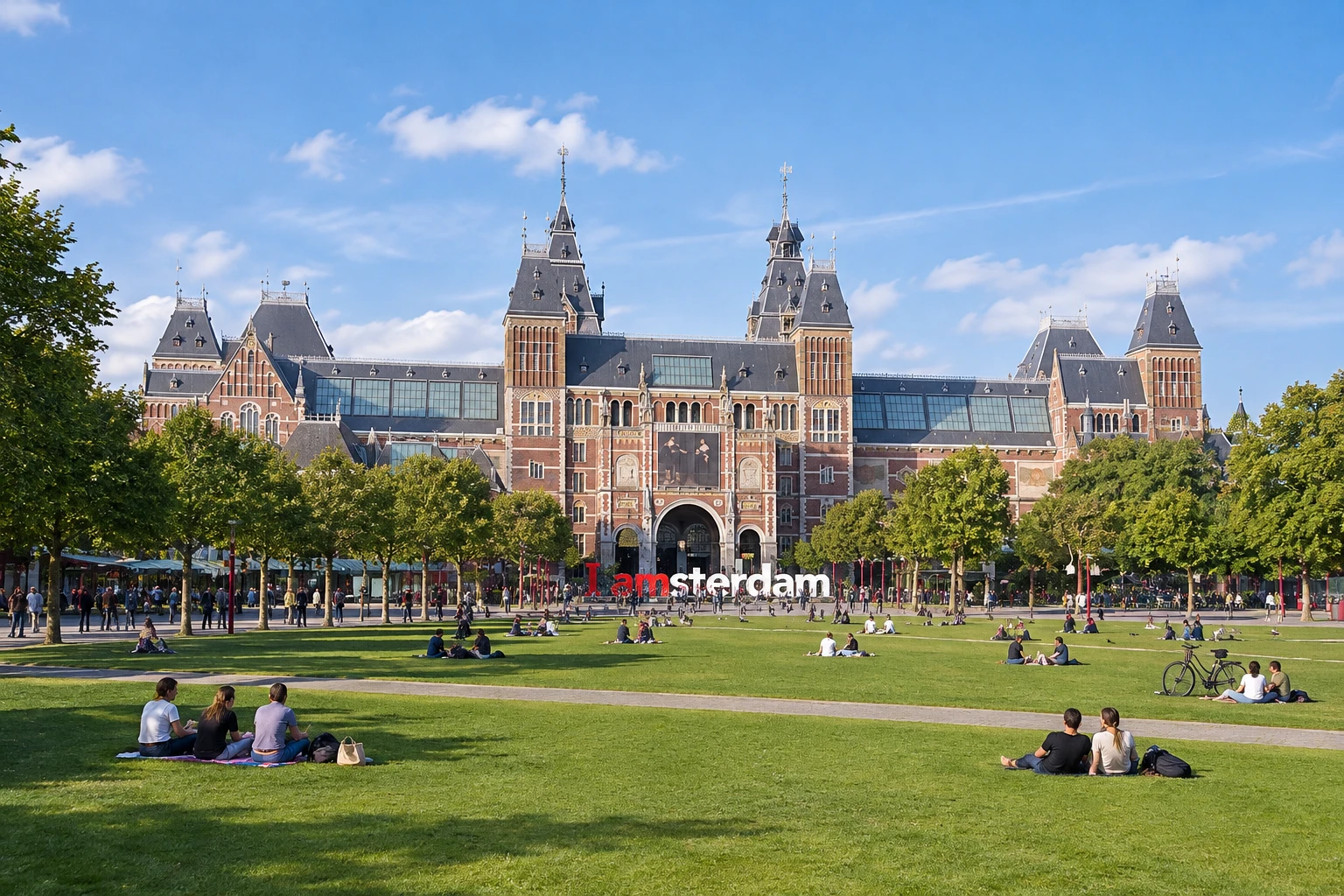
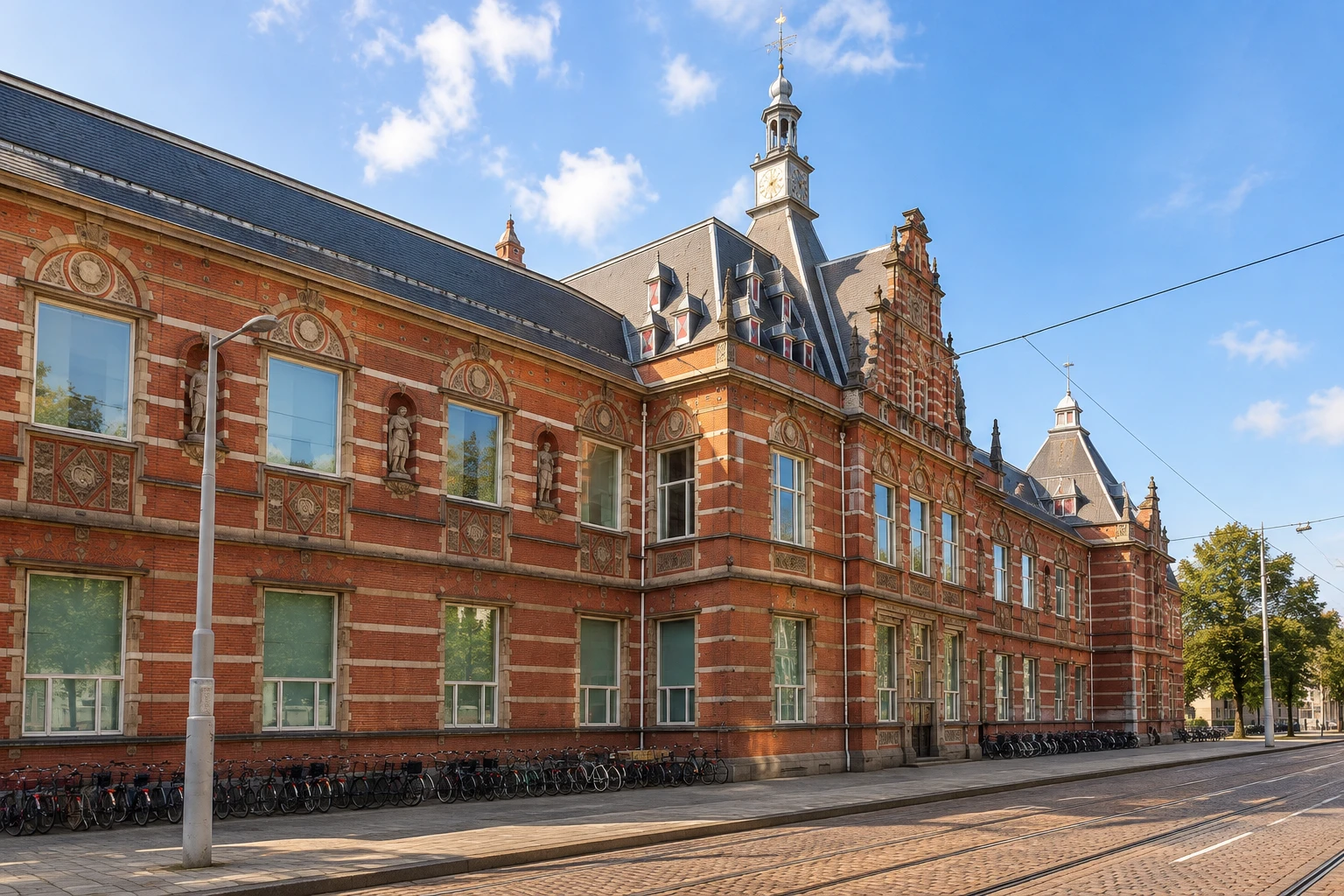
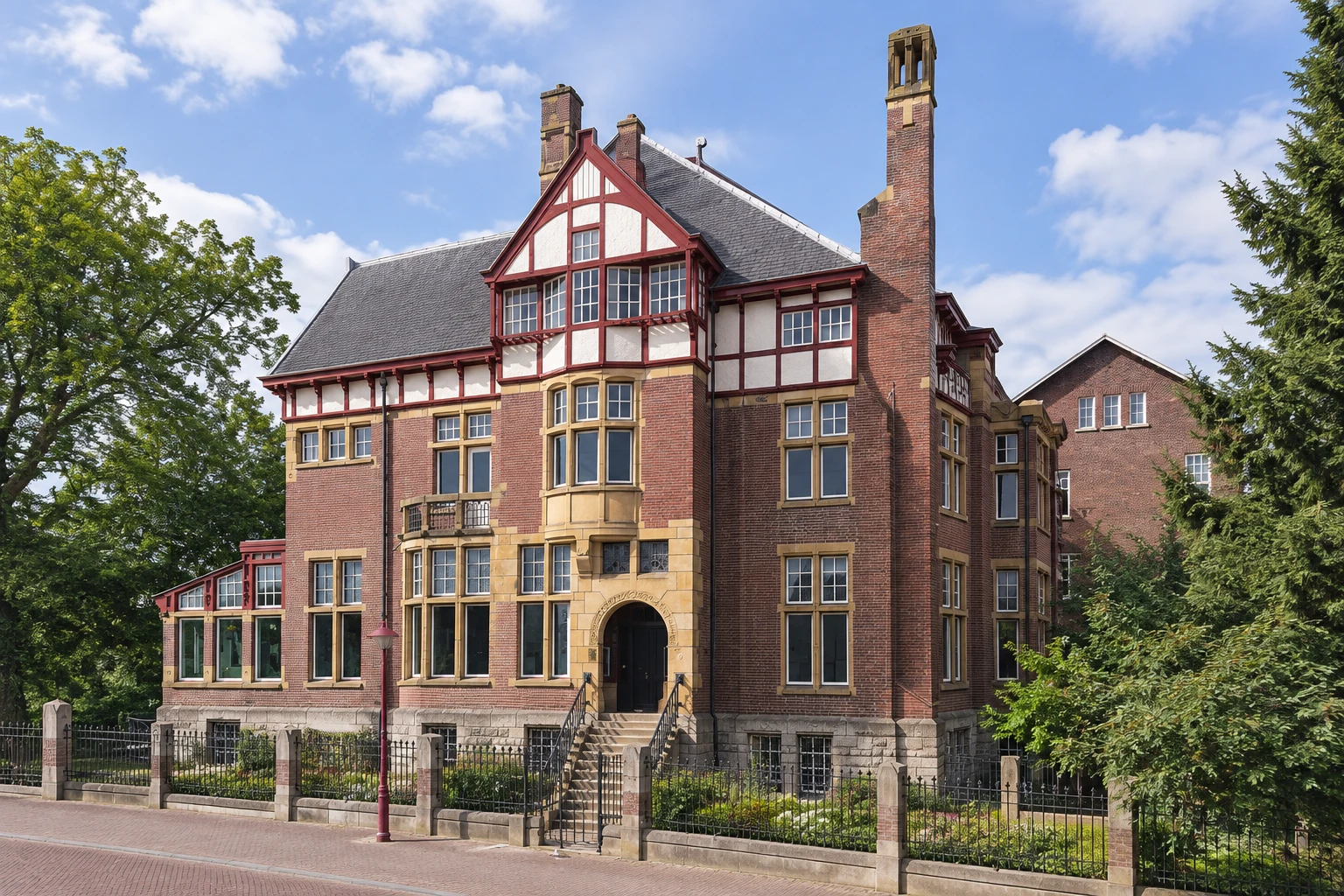
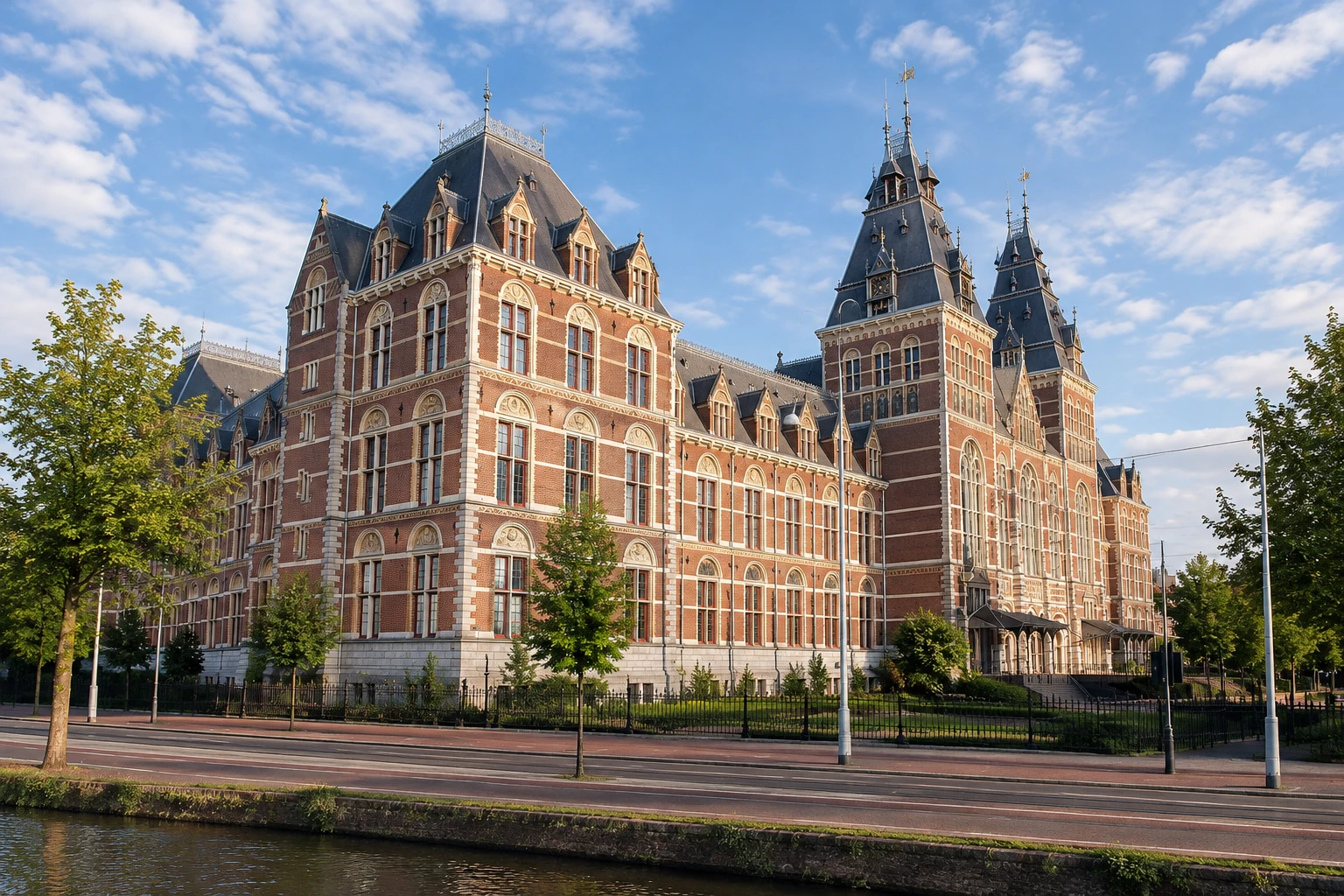
The national museum of Holanda houses The Night Watch by Rembrandt, The Milkmaid by Vermeer and eight centuries of the country's art and history in an 1885 building on the Museumplein.

 Search
 Brazil
 Antarctica
 Argentina
 Bolivia
 Chile
 Colombia
 Ecuador
 Falkland Islands (Malvinas)
 French Guiana
 Guyana
 Paraguay
 Peru
 Suriname
 Uruguay
 Venezuela
 Austria
 Belgium
 Croatia
 Denmark
 Finland
 France
 Germany
 Greece
 Hungary
 Iceland
 Ireland
 Italy
 Luxembourg
 Norway
 Poland
 Portugal
 Slovakia
 Slovenia
 Spain
 Sweden
 Switzerland
 the Czech Republicthe Netherlands
 the United Kingdom
 Turkey
 Bermuda
 Canada
 Greenland
 Mexico
 Saint Pierre and Miquelon
 the United States
 the Dominican Republic
 JapanTurkey
 Egypt
 South Africa
 Australia
 Fiji
 New Zealand
 Papua New Guinea
North Holland
33 places to visit Amsterdam (the Netherlands), chosen by the Cidade Turismo guide.
Illustrative images. The pictures in this guide are illustrations based on the real place, not photographs, and may differ from it.
To start
One by one
The national museum of Holanda houses The Night Watch by Rembrandt, The Milkmaid by Vermeer and eight centuries of the country's art and history in an 1885 building on the Museumplein.
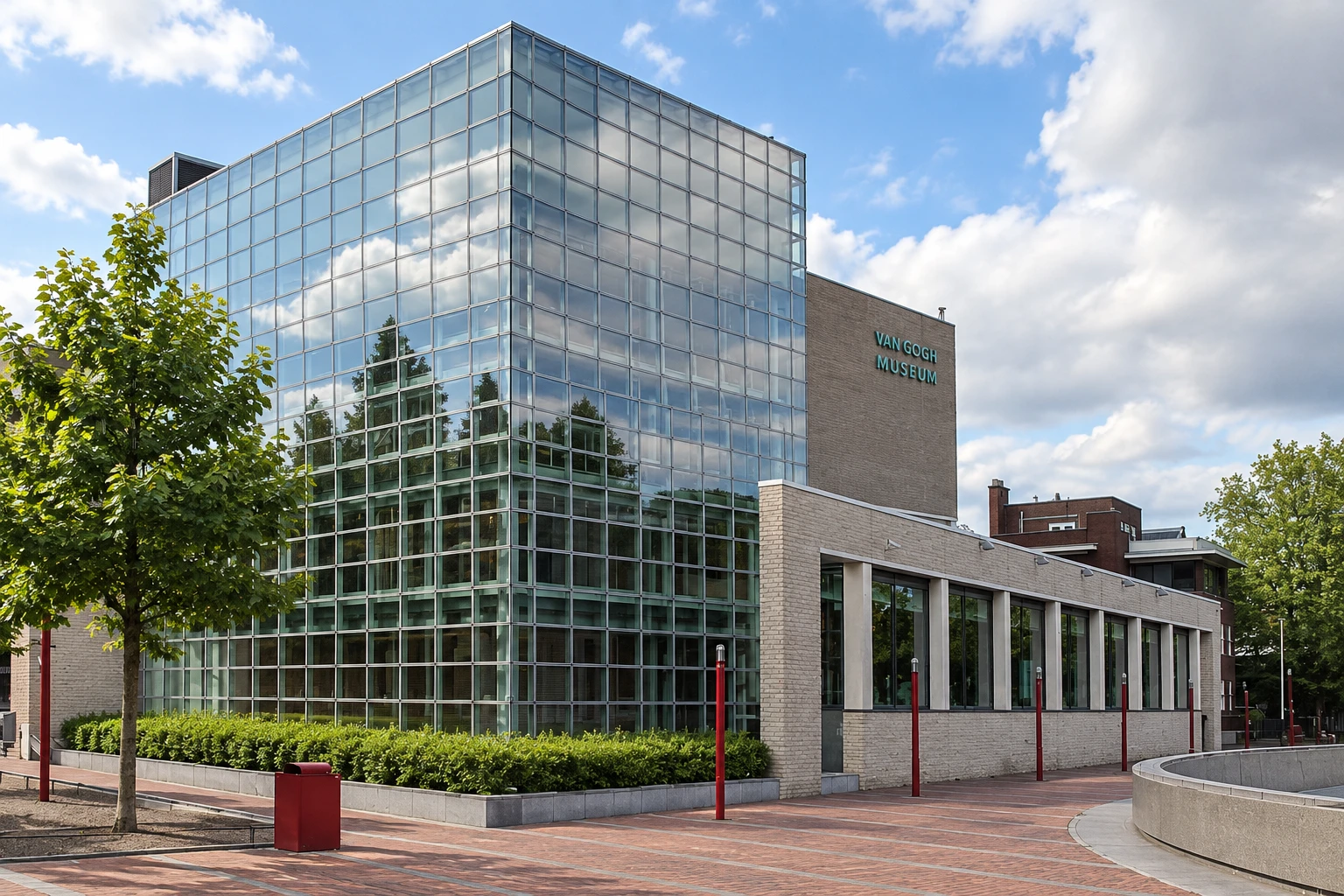
The largest collection of Vincent van Gogh's works in the world, including Sunflowers, The Potato Eaters and Almond Blossom, as well as the painter's letters and drawings.
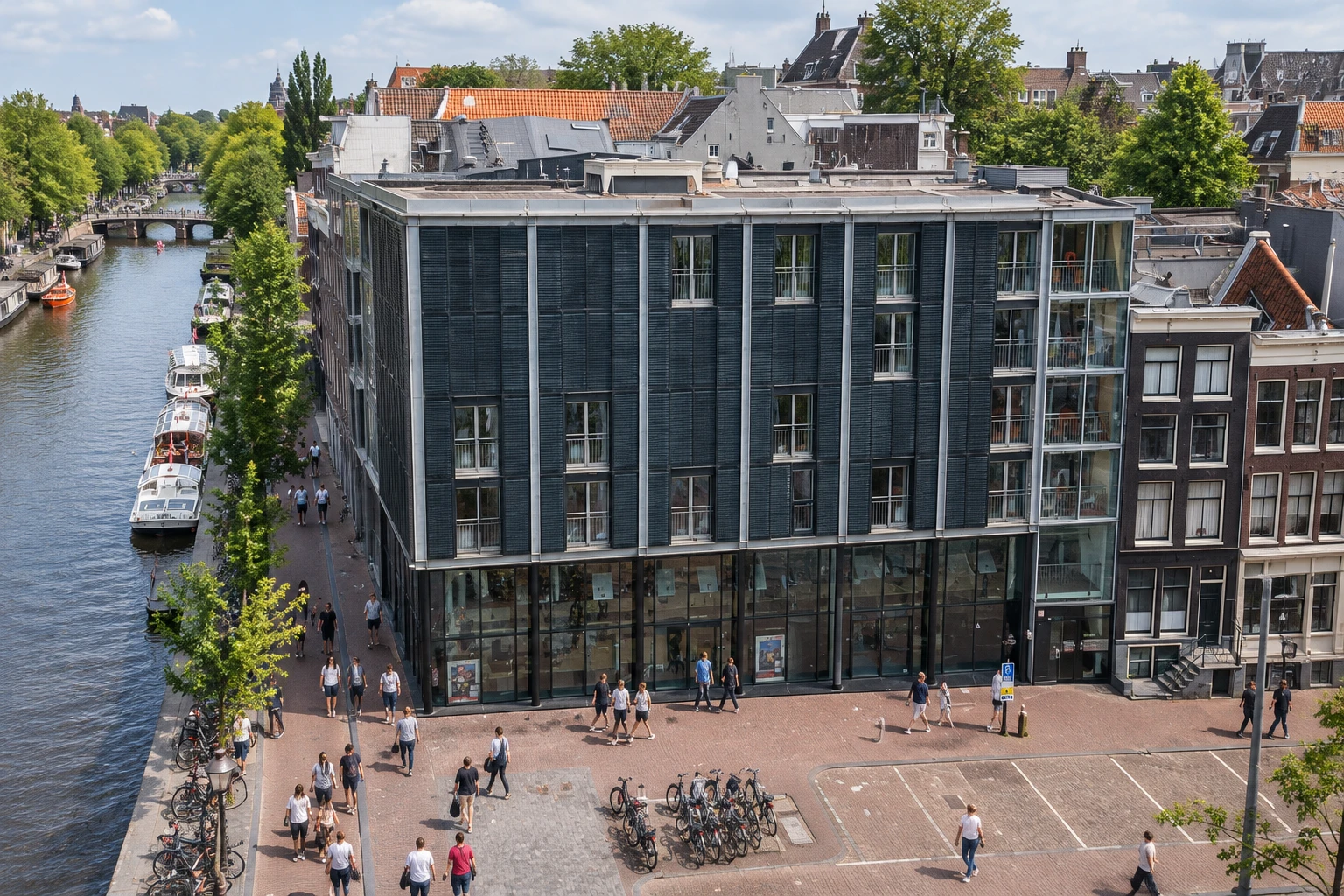
The house on Prinsengracht where Anne Frank and seven others hid from the Nazis between 1942 and 1944. Visits are only with an online ticket, with a set day and time.
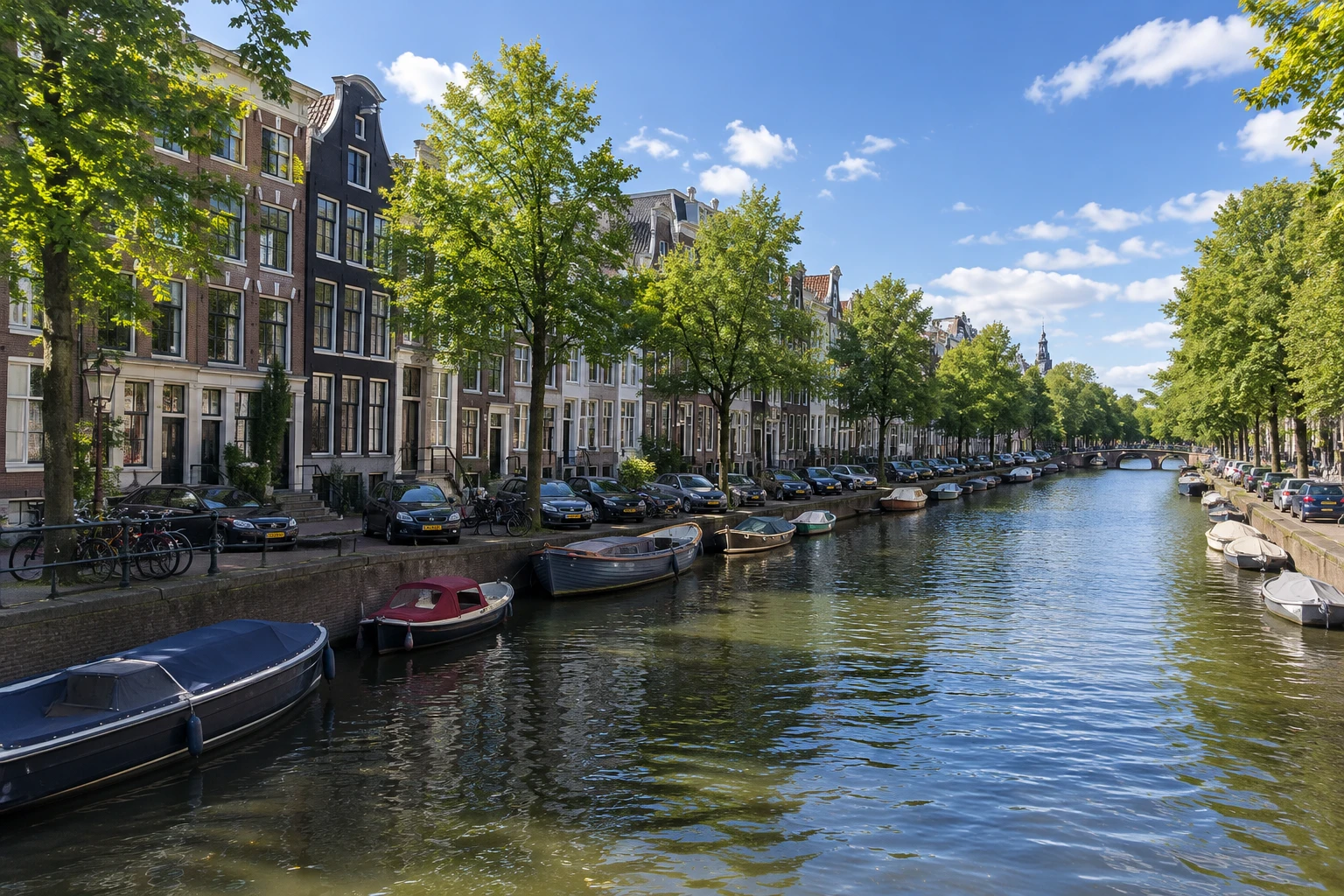
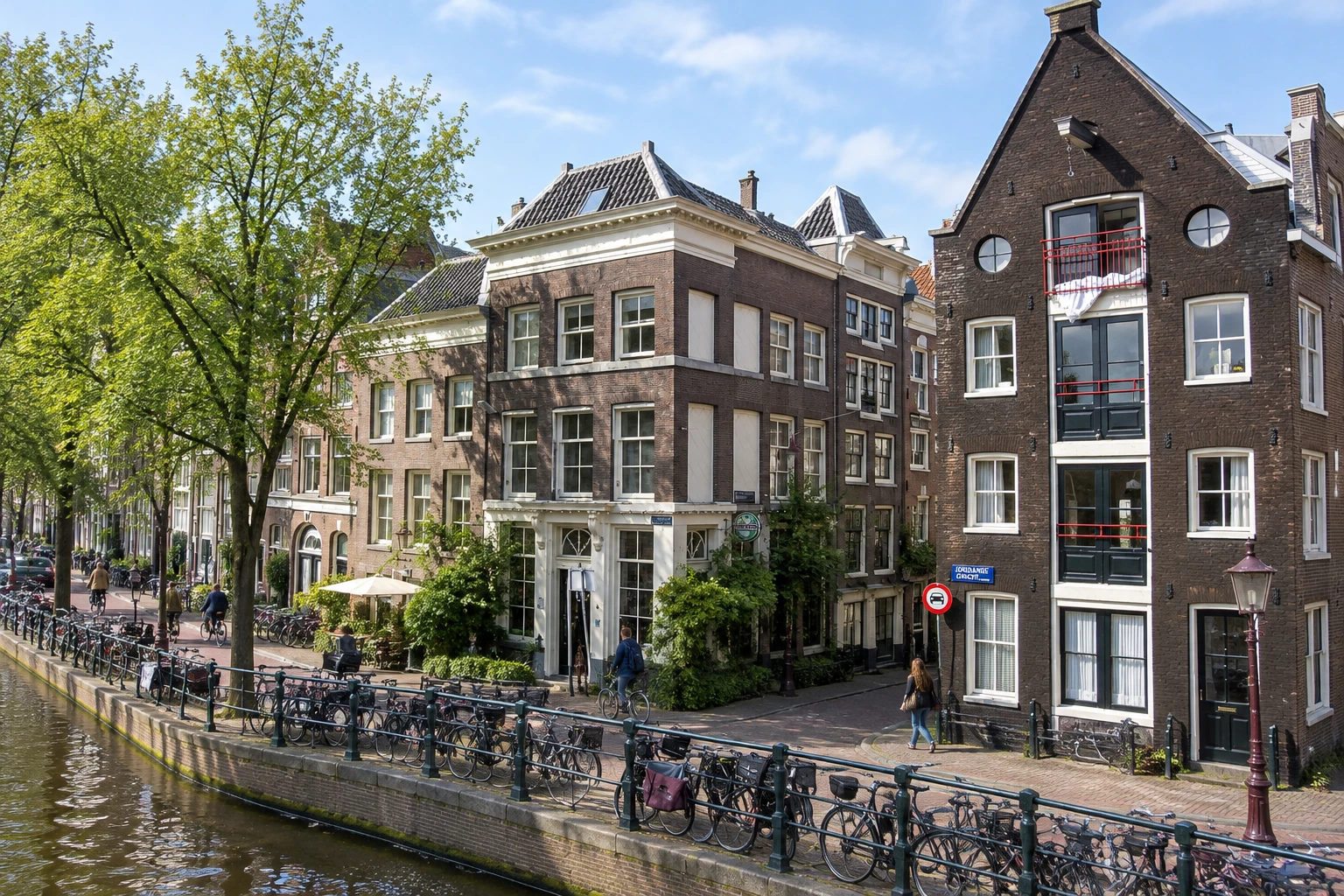
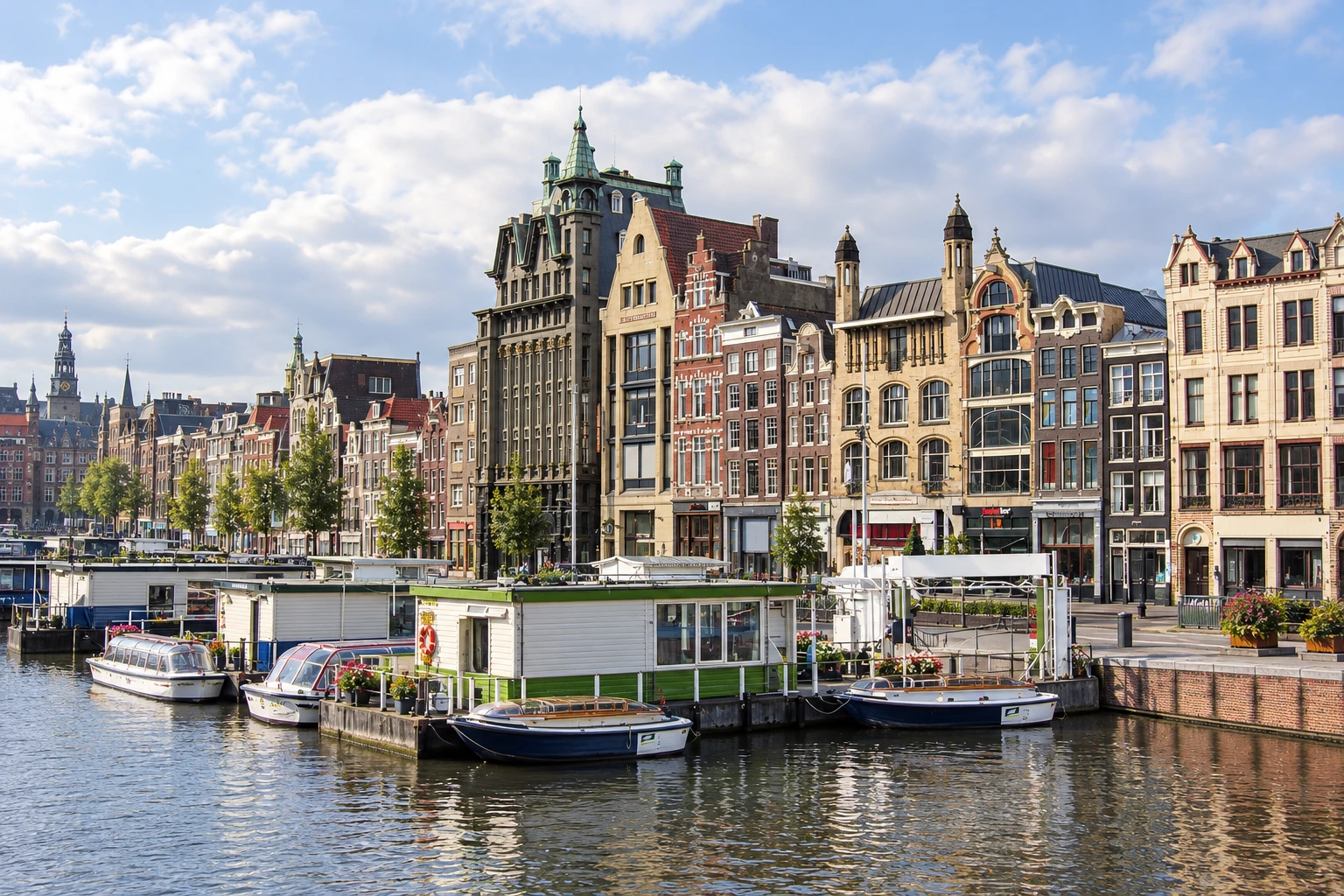
The four 17th-century semi-circular canals that form the center of Amsterdã, a UNESCO World Heritage Site. You can walk along the banks or take a boat tour.
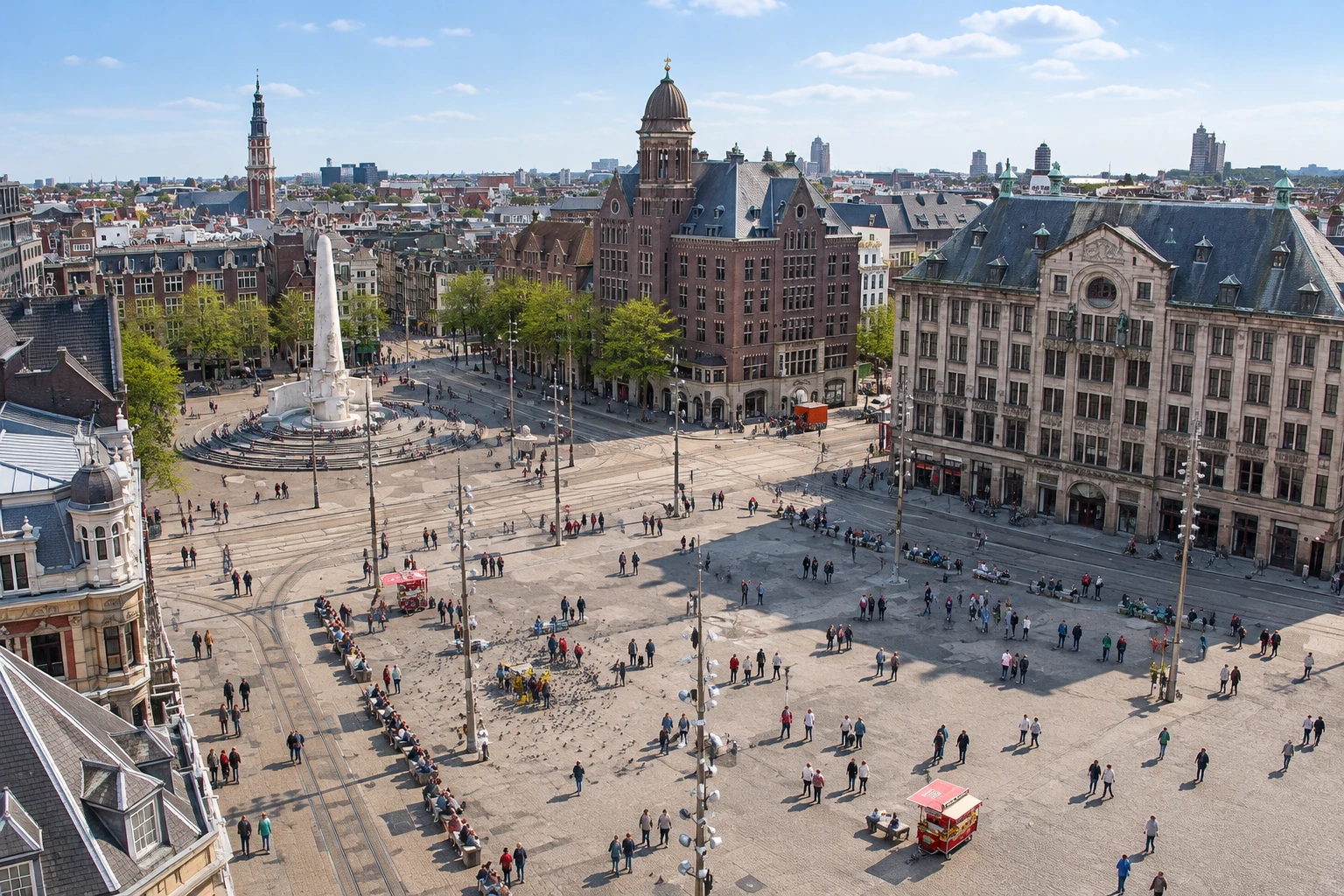
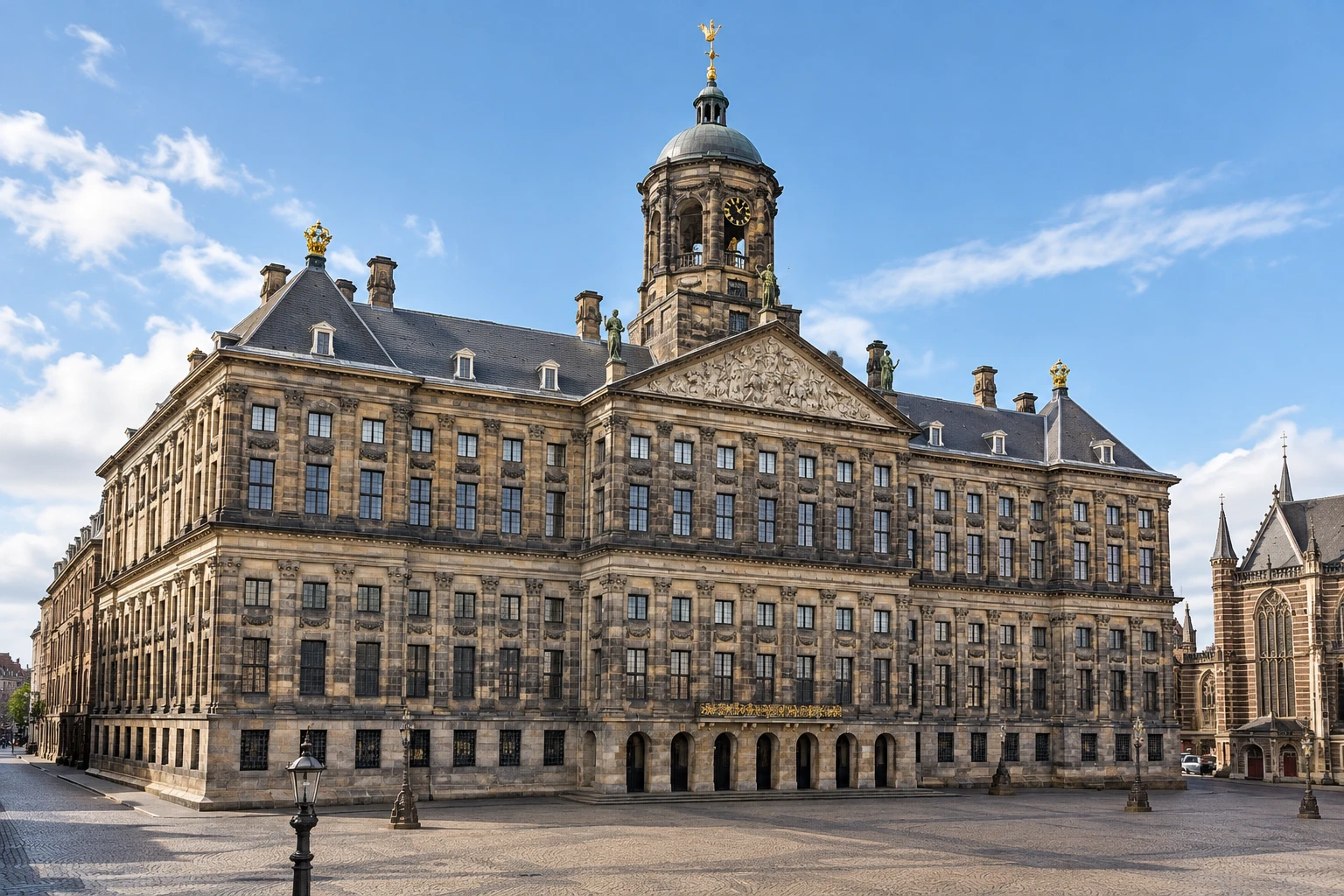
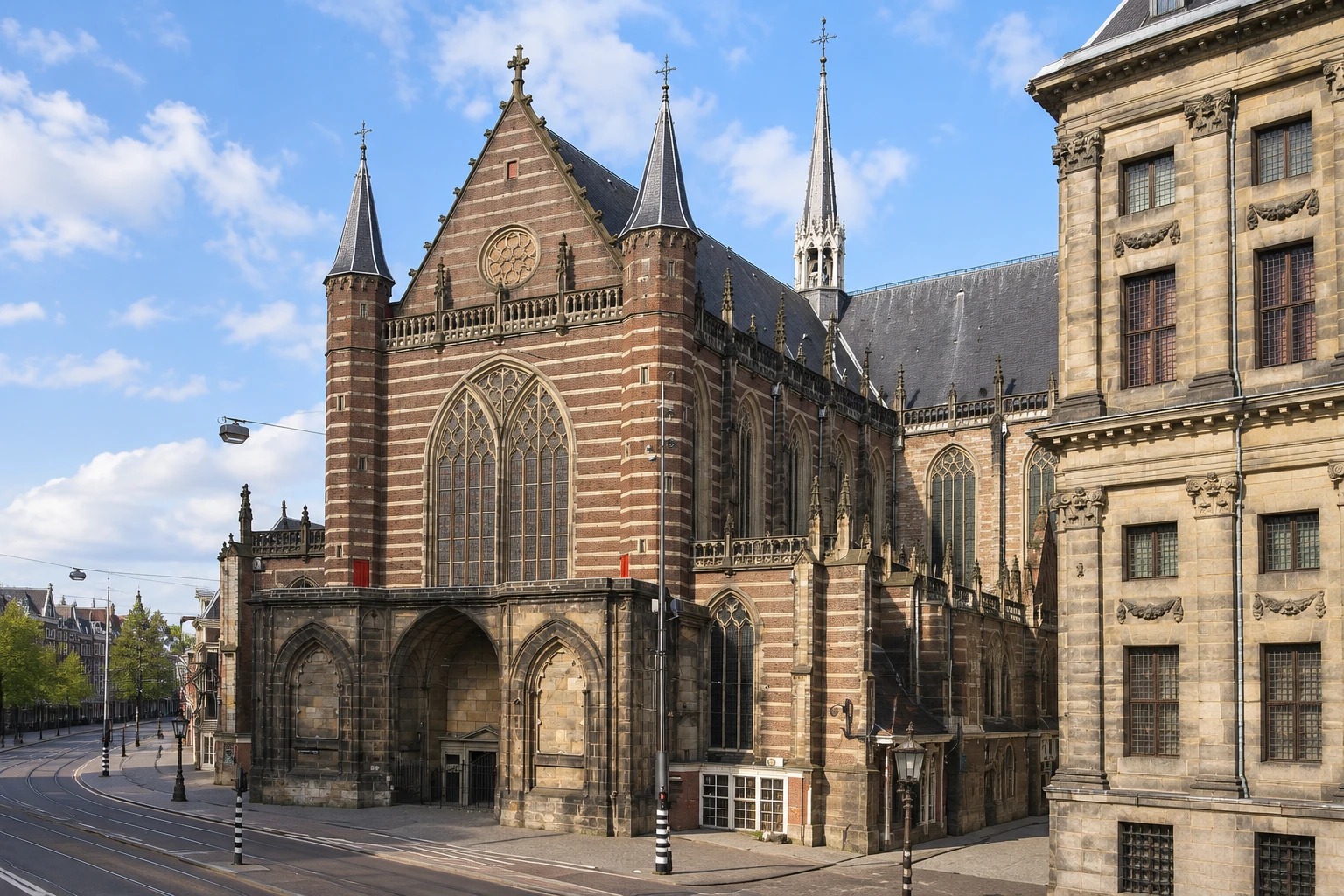
The central square of Amsterdã, born from the dam built on the river Amstel that gave the city its name. There stand the Koninklijk Paleis, the Nieuwe Kerk and the Monumento Nacional.
Built in the 17th century as a city hall, it is now the king's reception palace on the Dam. It is open to visitors outside dates of official ceremonies.
15th-century Gothic church on Dam Square where the kings of the Netherlands are sworn in. Today it hosts major exhibitions of art, photography and history.
The large lawn of Oud-Zuid surrounded by the Rijksmuseum, the Van Gogh Museum, the Stedelijk Museum and the Concertgebouw concert hall.
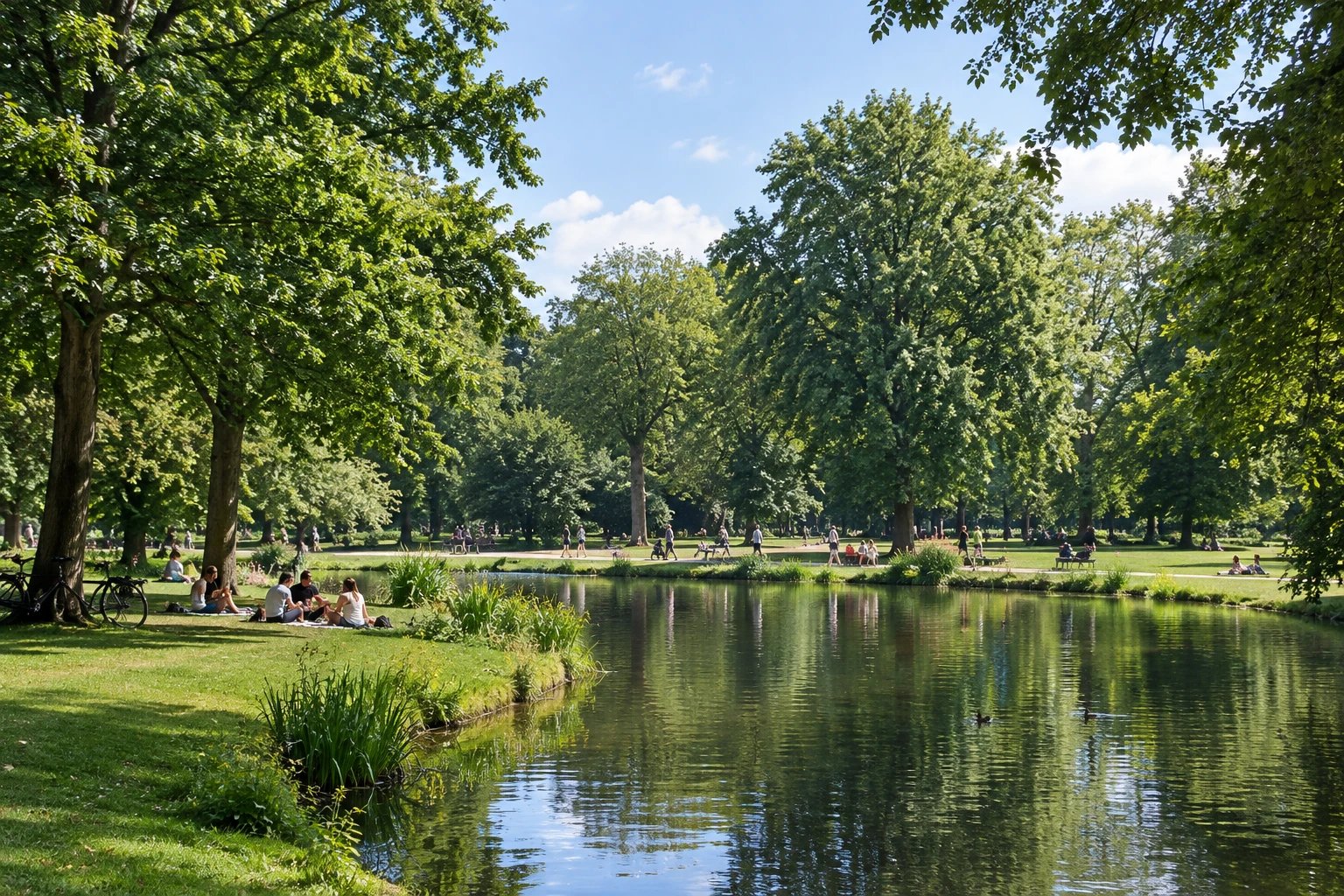
Amsterdam's best-known park, opened in 1865, with lakes, lawns and avenues where residents walk, run and cycle. It lies next to the Museumplein.
Former 17th-century working-class neighborhood west of the Prinsengracht, with narrow streets, smaller canals, inner courtyards and the Noordermarkt market.
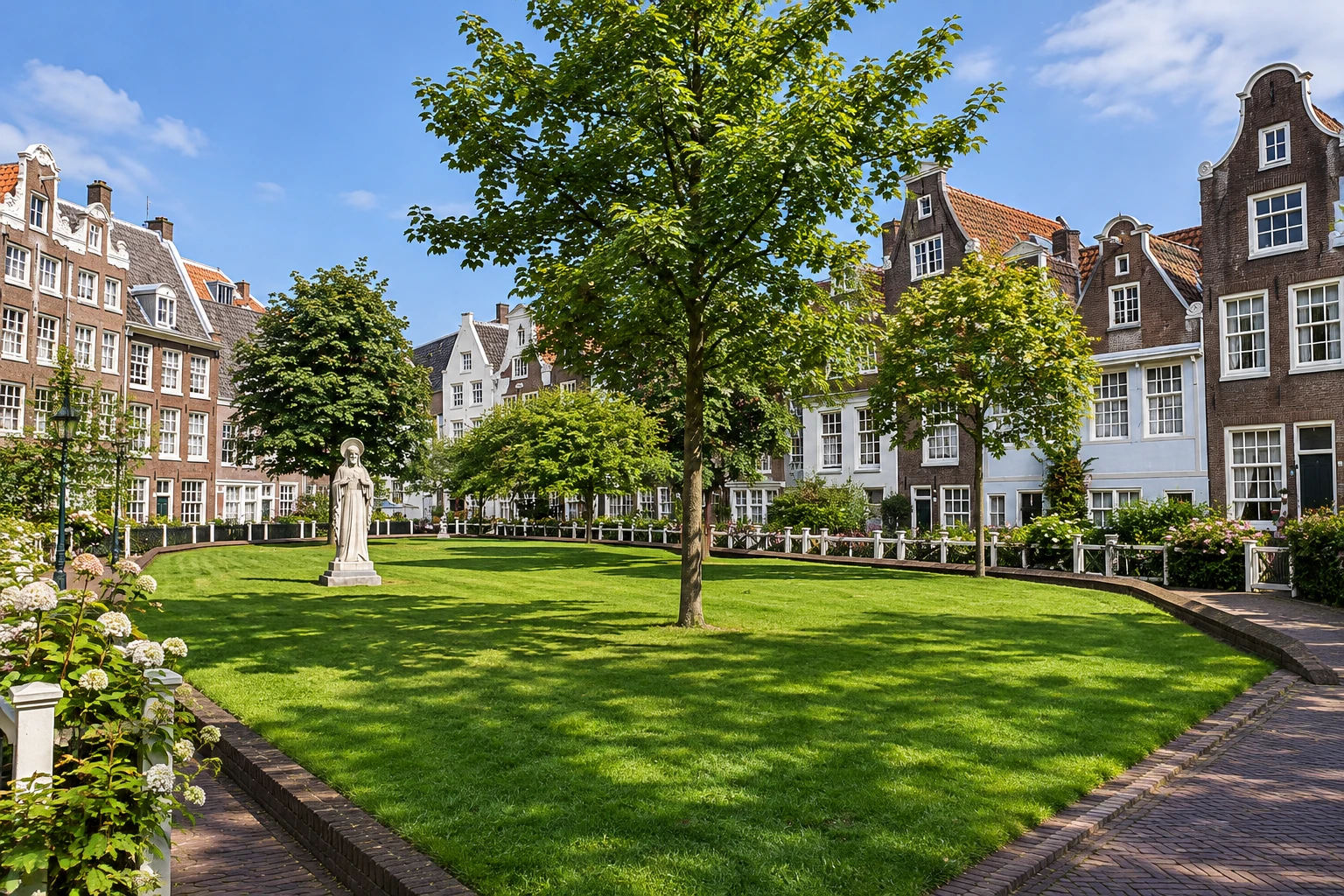
Medieval courtyard hidden behind a door on the Spui, where the beguines used to live. It has houses from the 17th and 18th centuries, one of the city's oldest wooden houses and two churches.
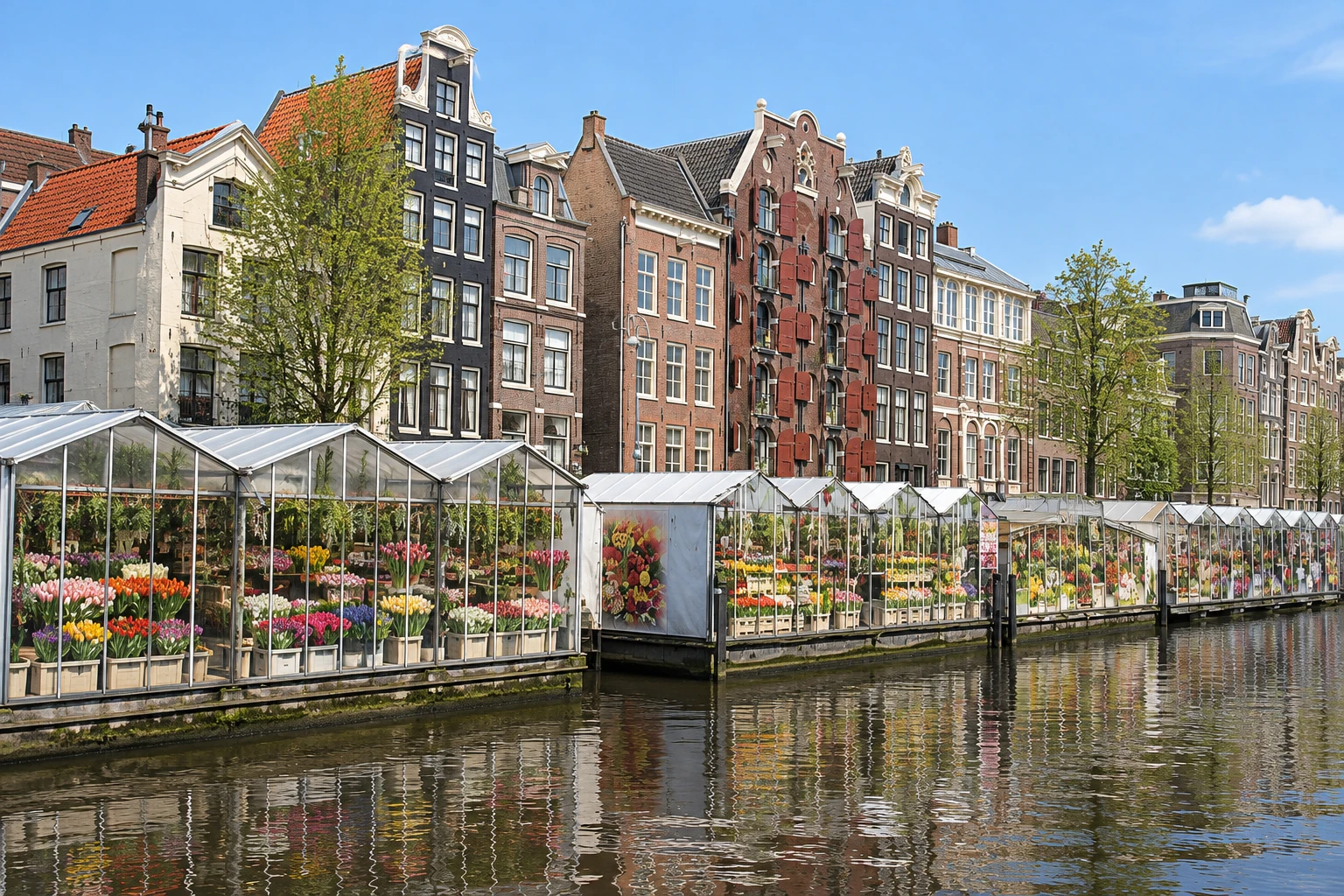
Flower and bulb market on the Singel canal, between Koningsplein and Muntplein, with stalls set up on structures at the water’s edge.
Amsterdam’s museum of modern and contemporary art and design, on Museumplein, with works by Mondrian, Malevich, Rietveld, Karel Appel and Warhol.
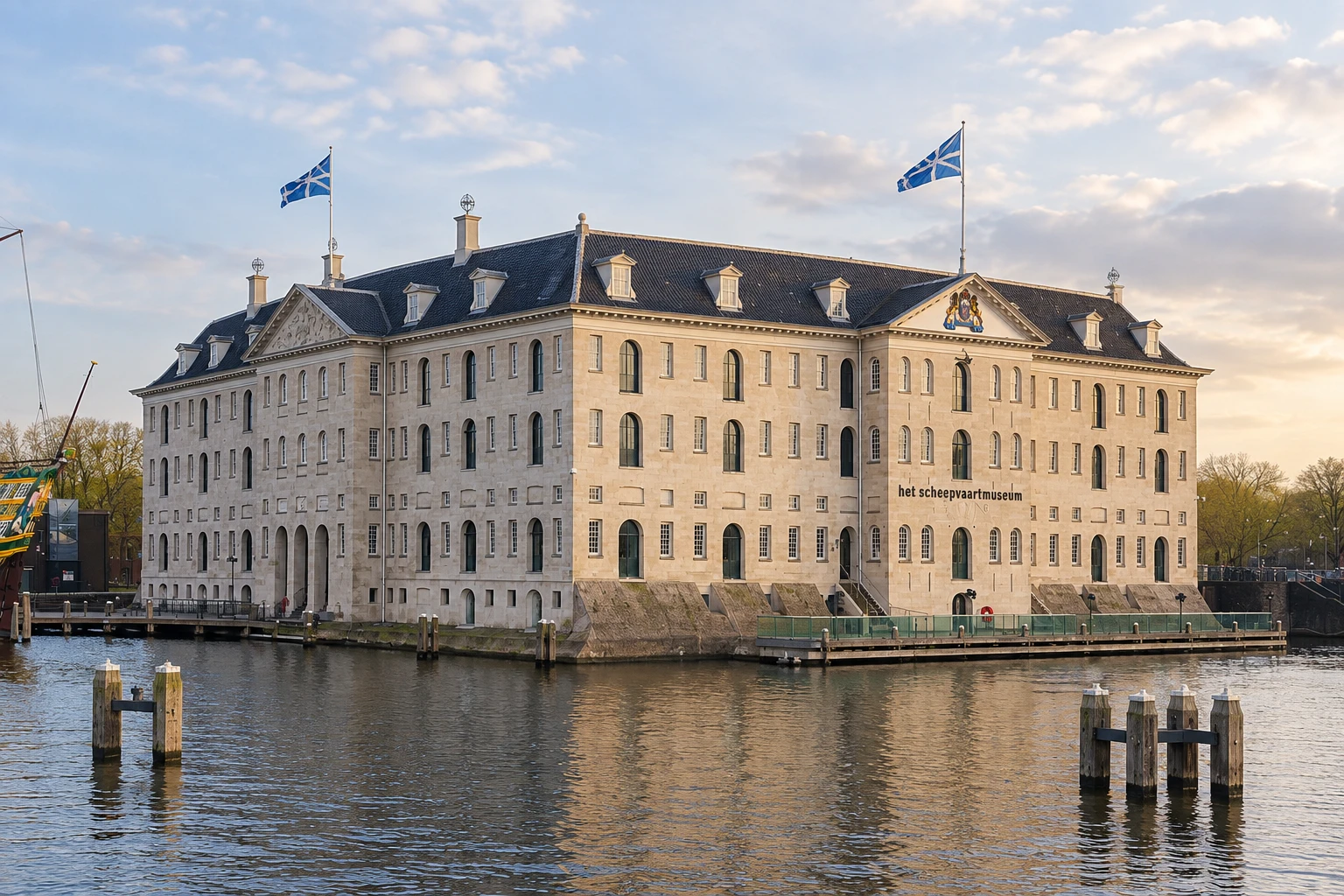
The national maritime museum, in a Navy warehouse from 1656, tells 500 years of Dutch seafaring. Docked beside it is the replica of the ship Amsterdam, from the Dutch East India Company.
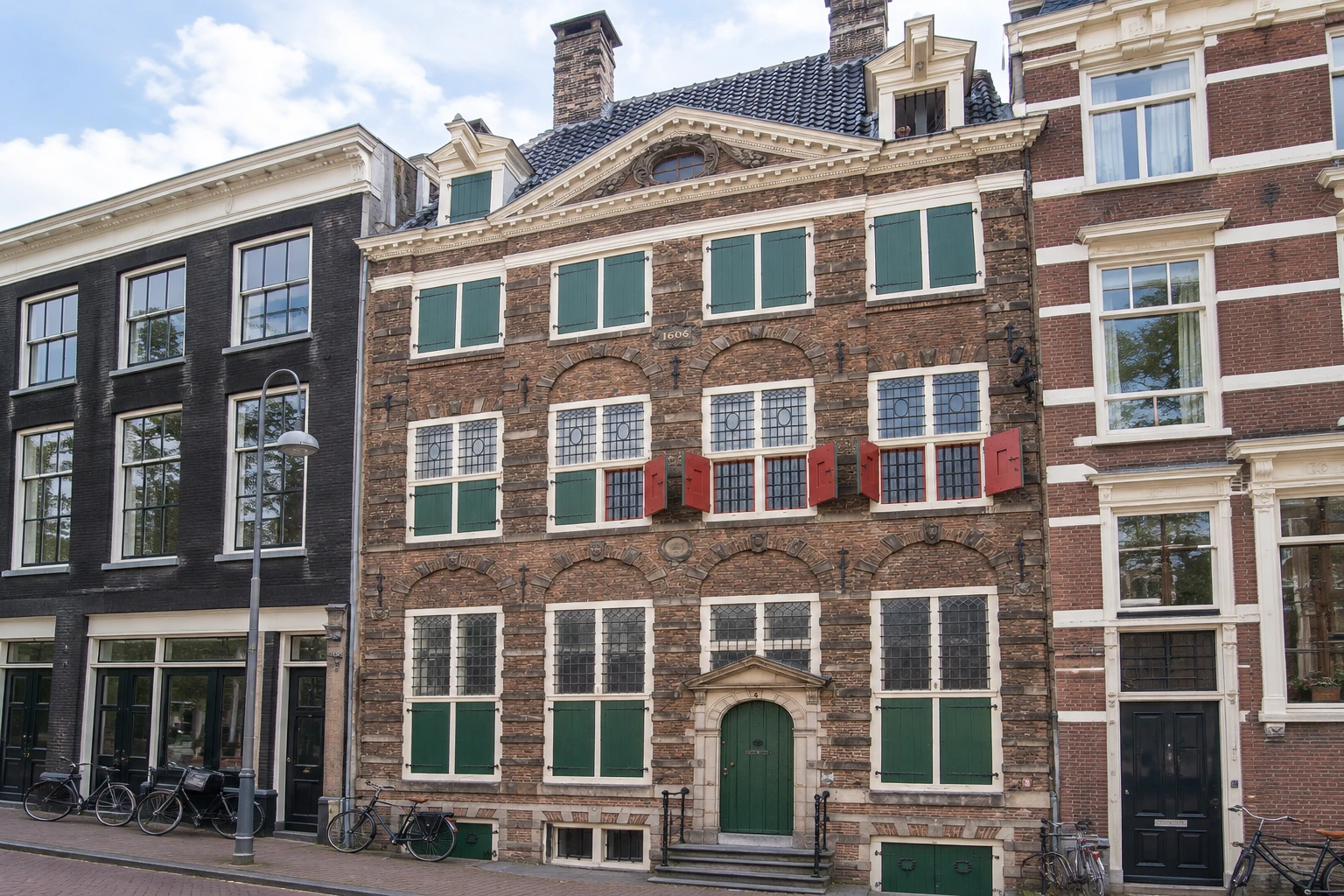
The house where Rembrandt lived and painted from 1639 to 1658, set up as it was in the 17th century, with the studio, the cabinet of curiosities and the largest collection of the artist’s prints.
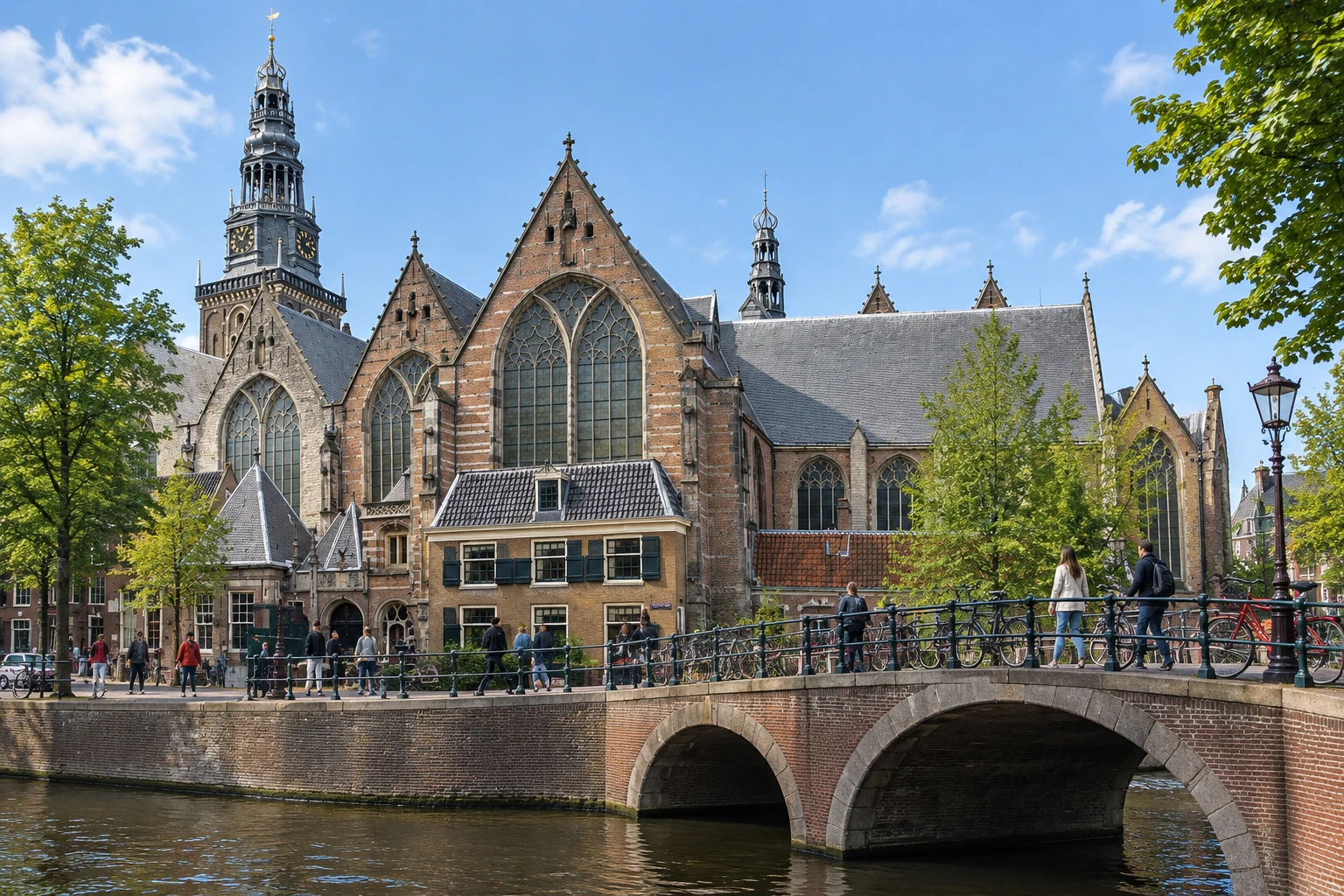
The oldest building in Amsterdam, a church consecrated in 1306. It has a medieval wooden ceiling, a floor of tombstones, the tomb of Saskia, Rembrandt's wife, and contemporary art exhibitions.
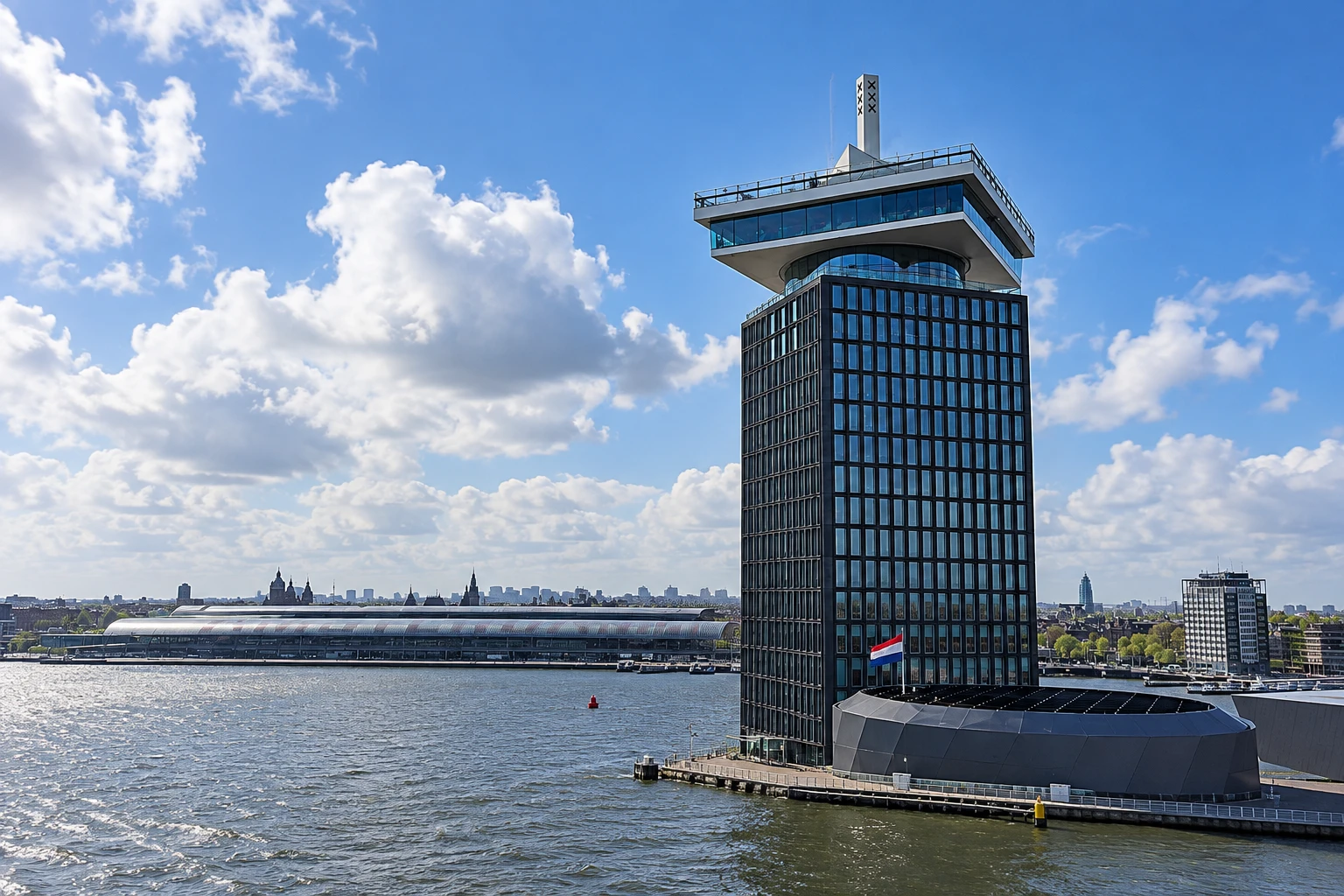
Observation deck 100 metres high atop the A'DAM tower in Amsterdam-Noord, with 360-degree views and a swing on the edge of the terrace. You reach it by the ferry that departs behind Amsterdam Centraal.
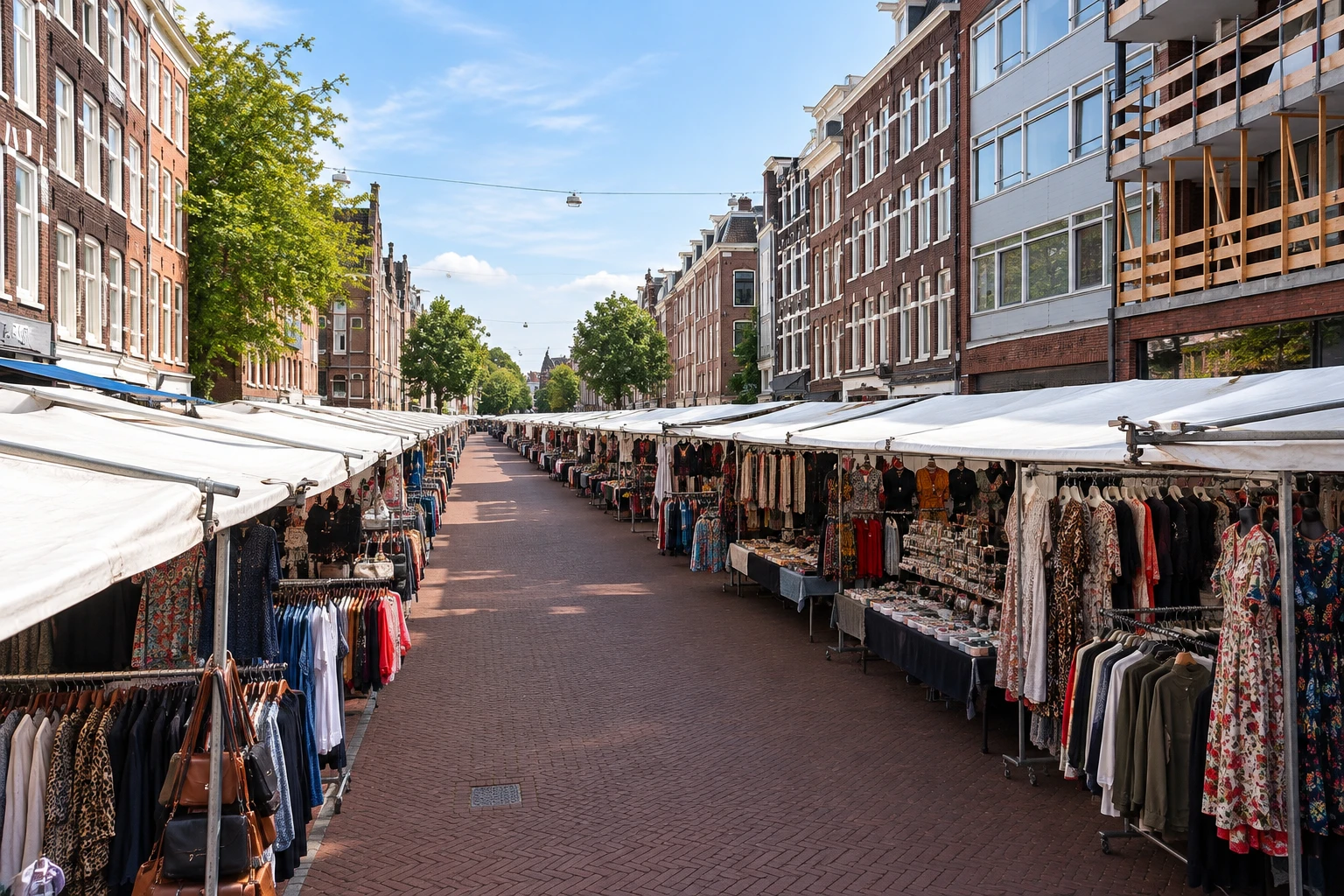
Street market of De Pijp, established since 1905 on Albert Cuypstraat, with about 260 stalls selling fruit, fish, flowers, clothing and street food. It runs Monday to Saturday and is the gateway to the most diverse neighborhood in the southern part of the city centre.
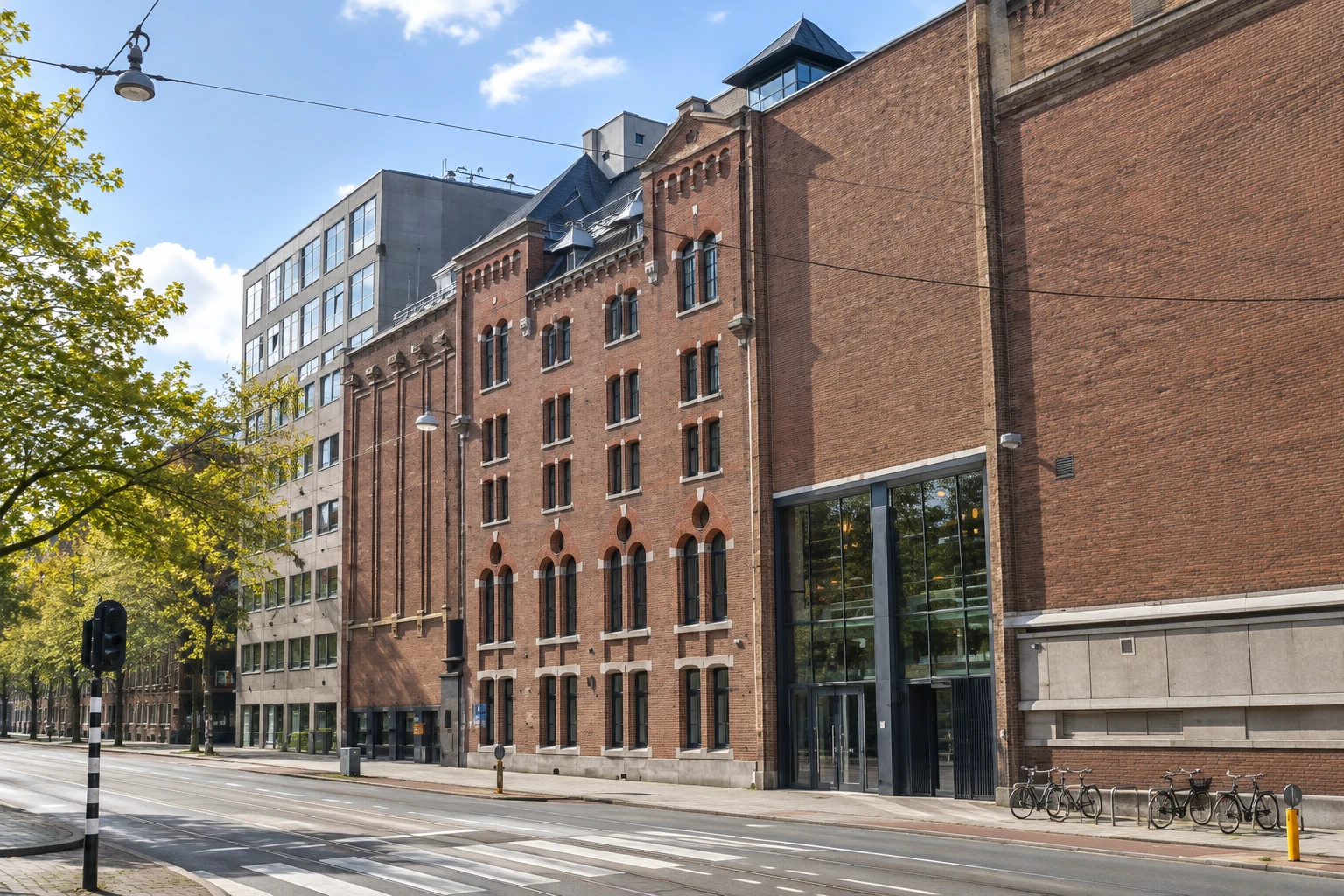
Visit to Heineken's first brewery, from 1867, on the edge of De Pijp. The tour tells the story of the brand and shows how pilsner beer is made, with a tasting at the end for those aged 18 and over.
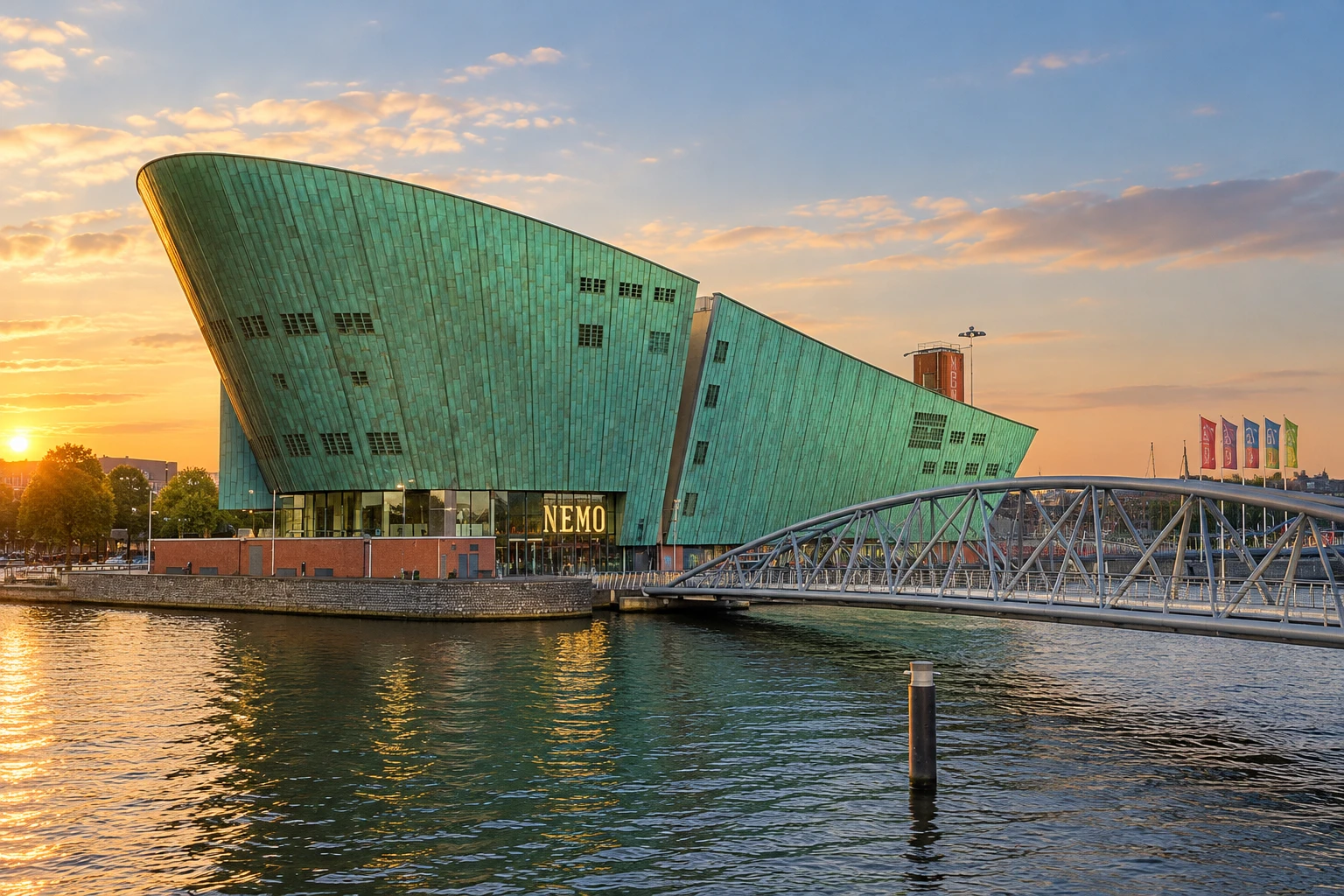
Interactive science museum in the green building shaped like a ship's prow, designed by Renzo Piano, near Central Station. Five floors of hands-on experiments and a terrace with views over the port and the city center.
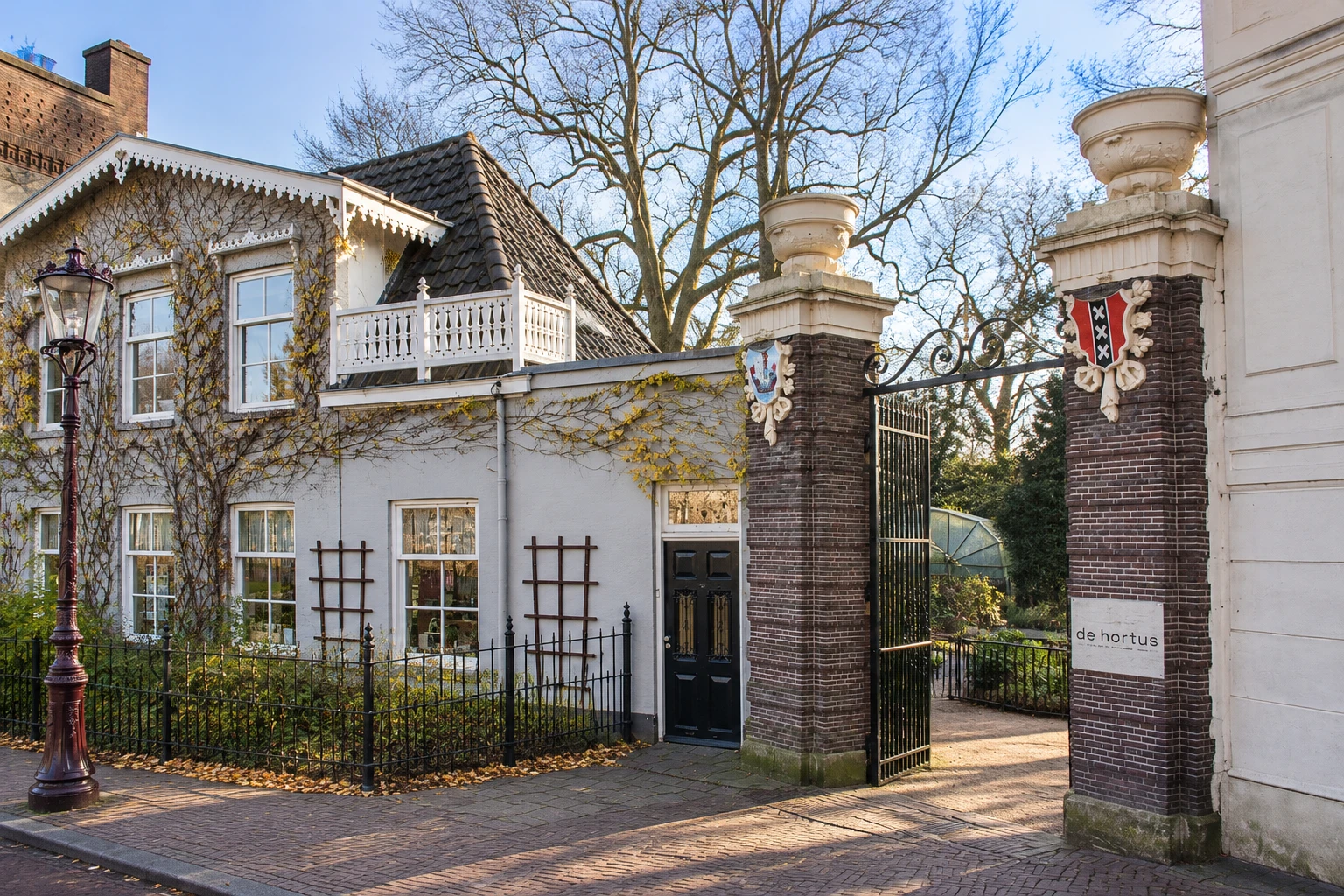
Botanical garden founded in 1638 in the Plantage district, one of the oldest in the world. It has tropical greenhouses, a butterfly house and a Casa das Palmeiras from 1912.
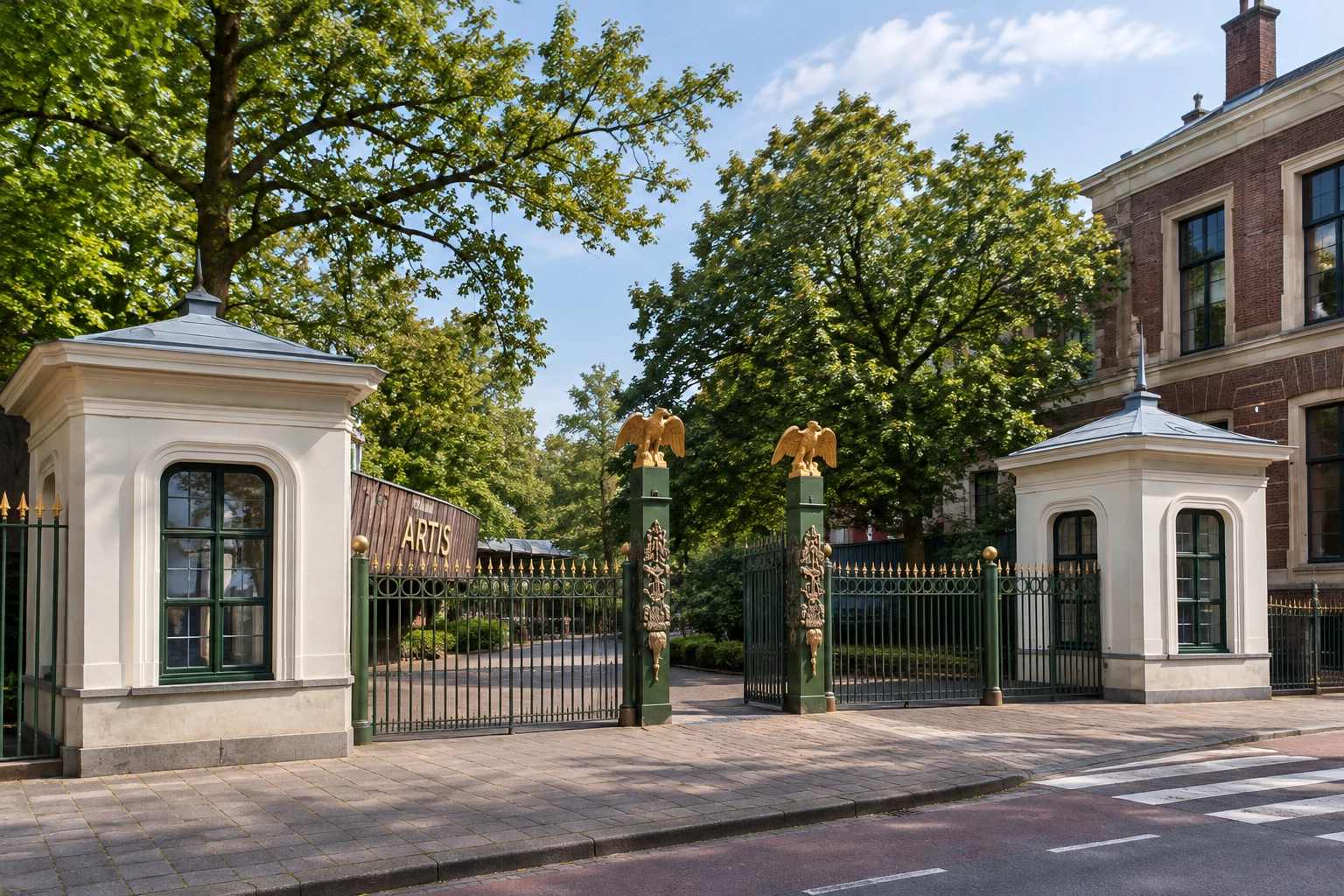
The oldest zoo in the Netherlands, founded in 1838 in the Plantage district. It brings together animals, a botanical garden, an aquarium, a planetarium and two museums: Micropia, dedicated to microbes, and the Groote Museum.
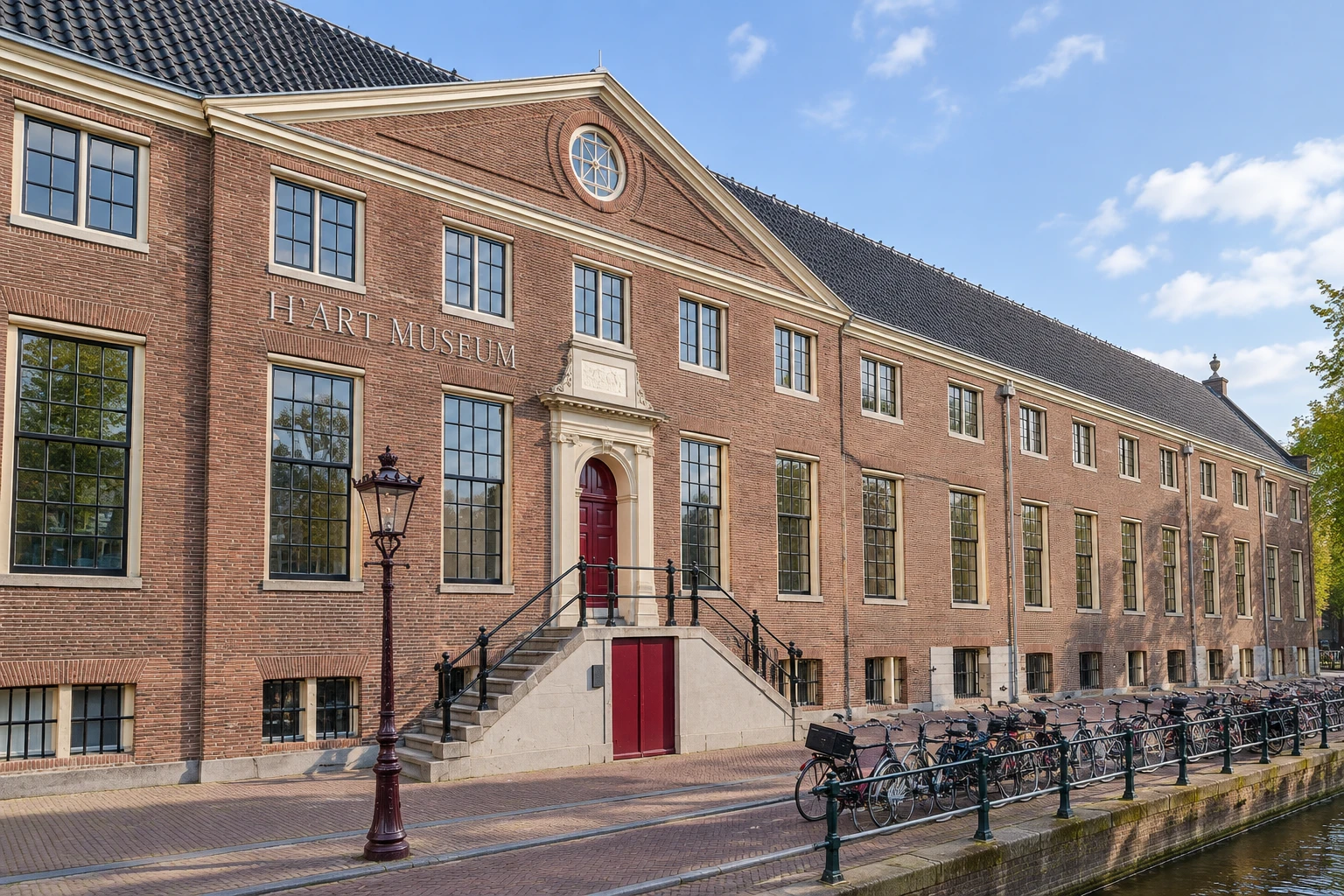
Museum of temporary exhibitions on the banks of the river Amstel, in the Amstelhof, a 17th-century former asylum. It hosts shows organized with major foreign museums such as the Centre Pompidou and the British Museum.
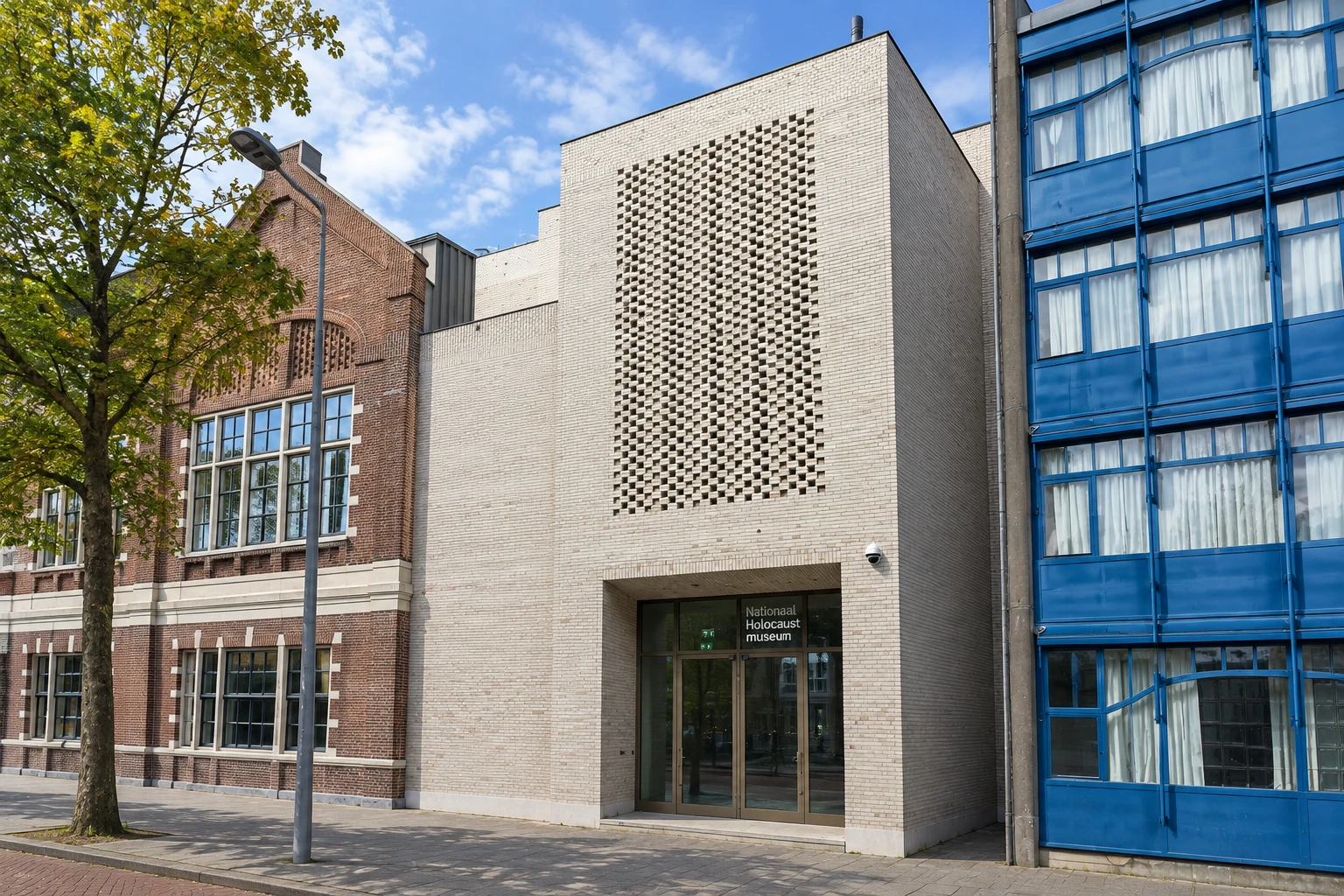
The first official museum in the Netherlands about the Holocaust, located in the Jewish Cultural Quarter. It tells the story of the persecution of Jews during the Nazi occupation through the accounts of ordinary people. Opposite it is the Hollandsche Schouwburg, a place of remembrance.
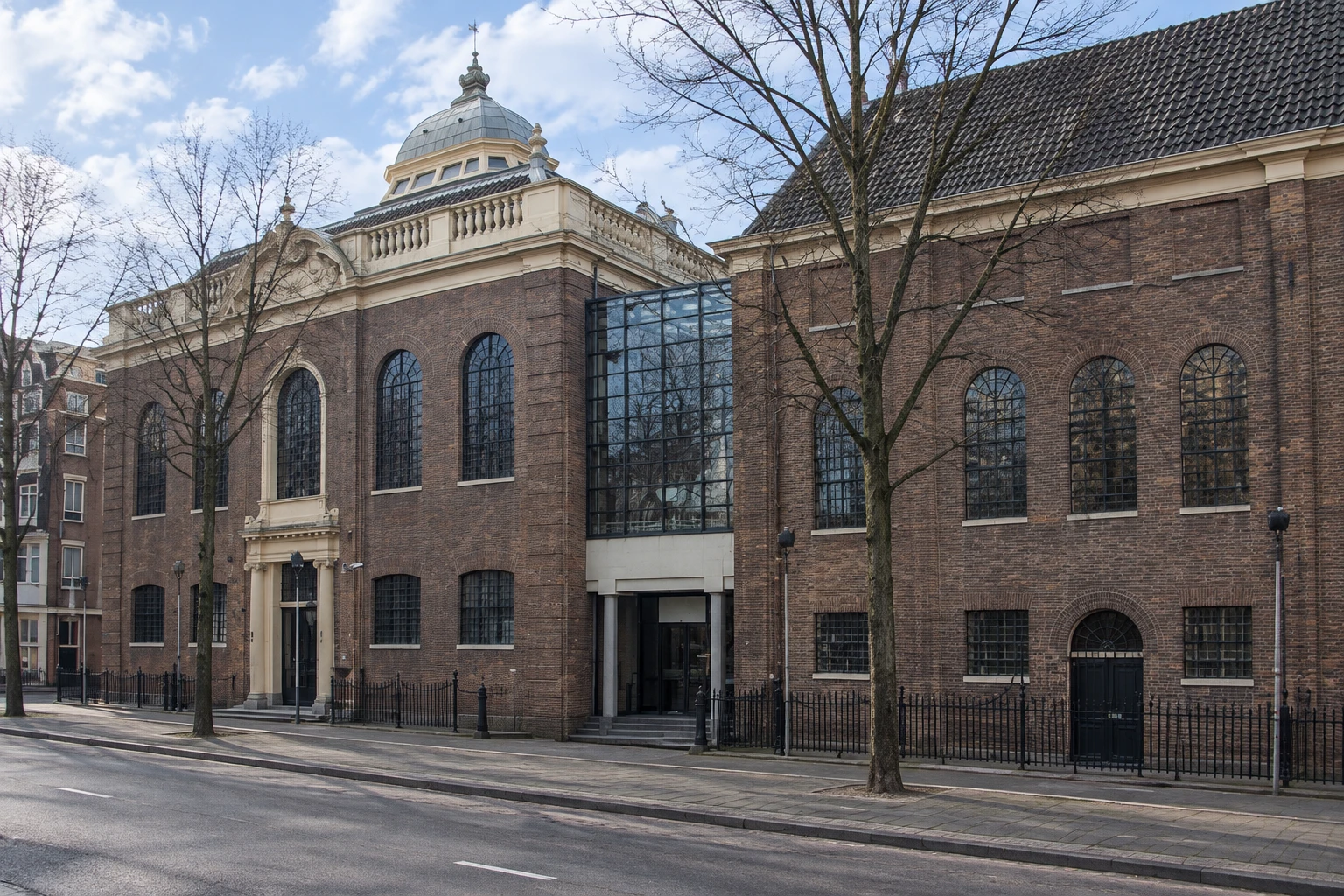
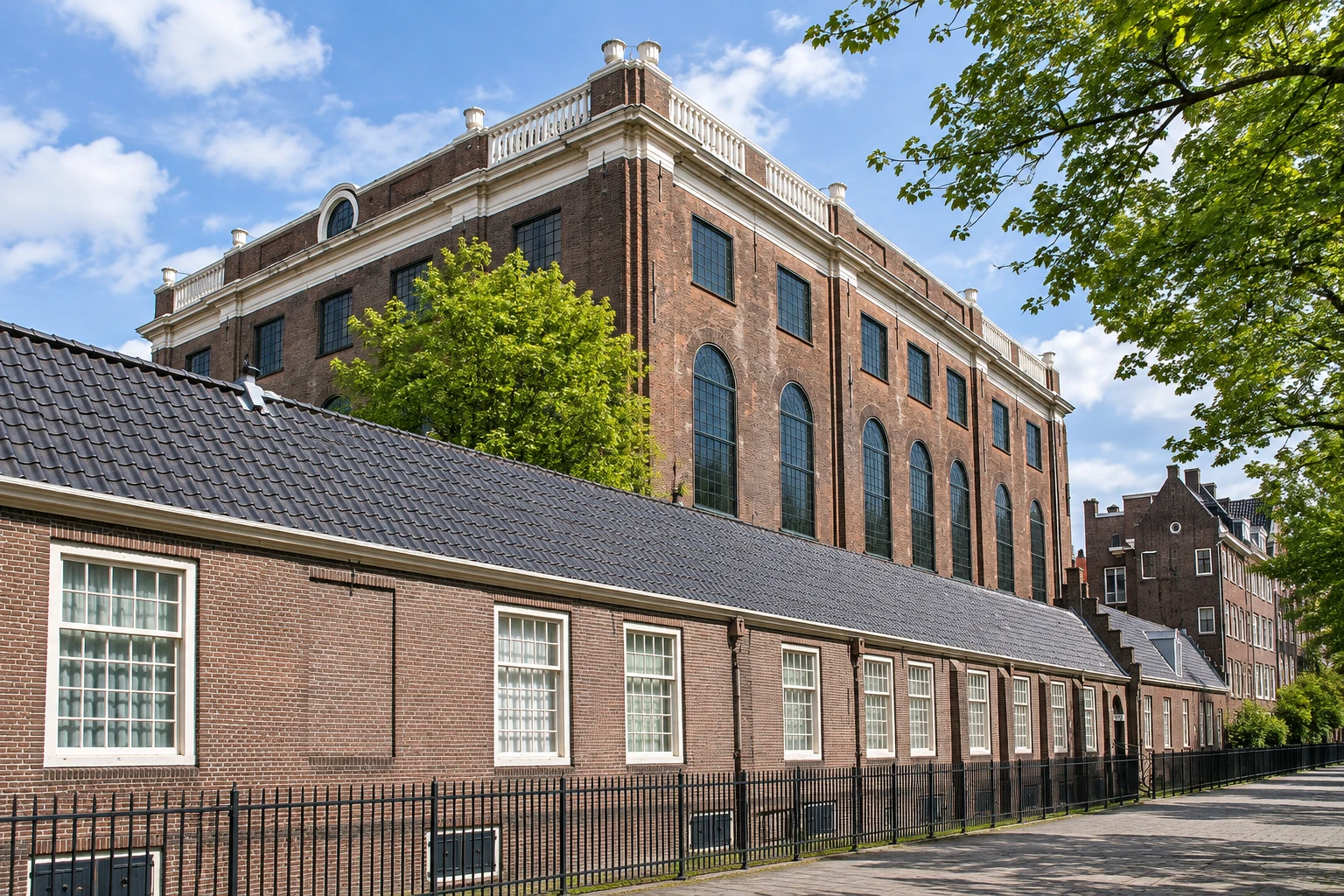
Museum of Jewish history and culture in the Netherlands, housed in four interconnected former Ashkenazi synagogues, opposite the Portuguese Synagogue. It has a dedicated area for children.
Synagogue of Jews of Portuguese and Spanish origin, inaugurated in 1675 and still in use. There is no electric lighting: it is lit by hundreds of candles and the floor is covered with sand.
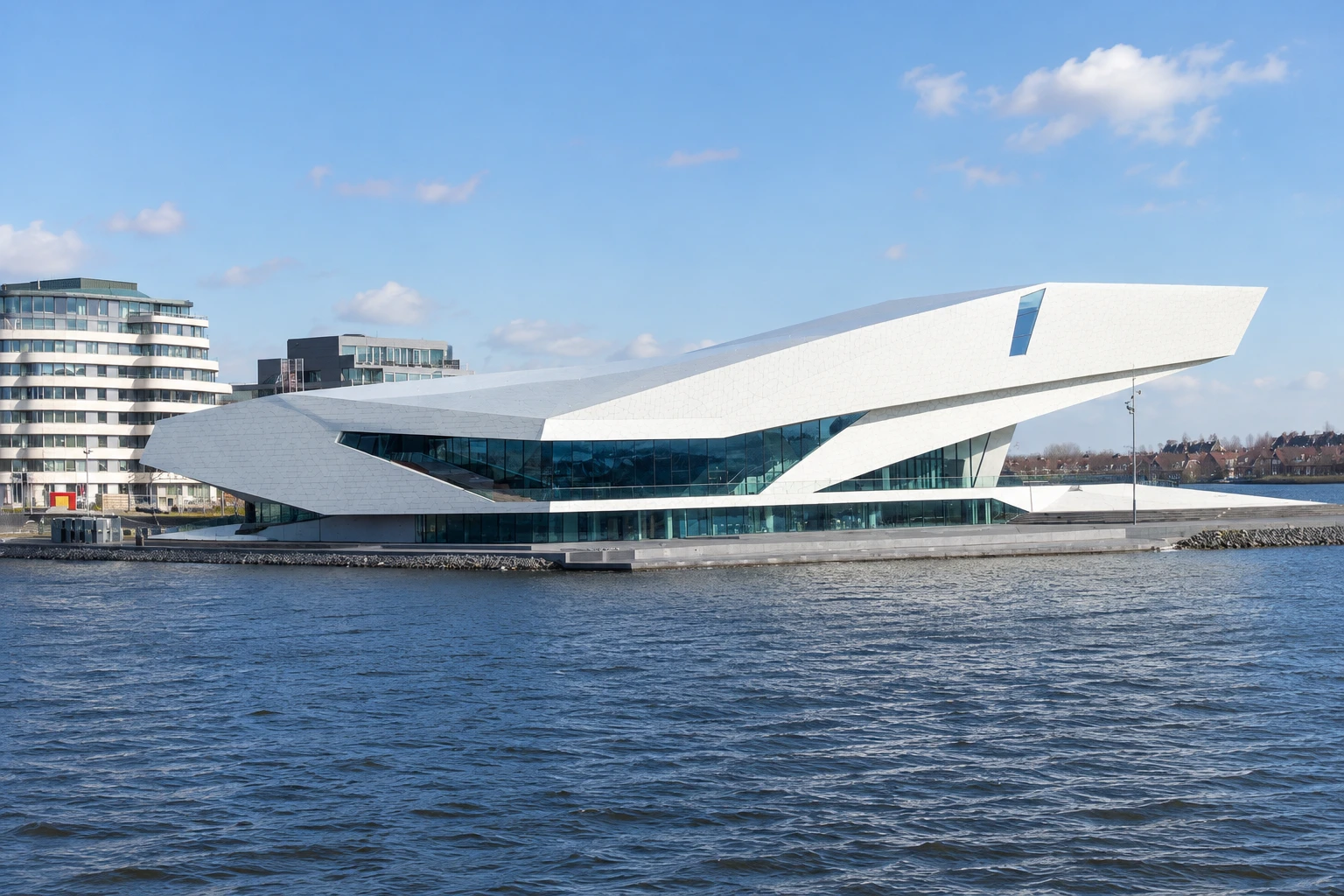
The national film museum and cinematheque of Holanda, in a white, angular building on the north bank of the IJ river, opposite the central station. It has exhibitions, four cinema screens and a café-restaurant with views over the water.
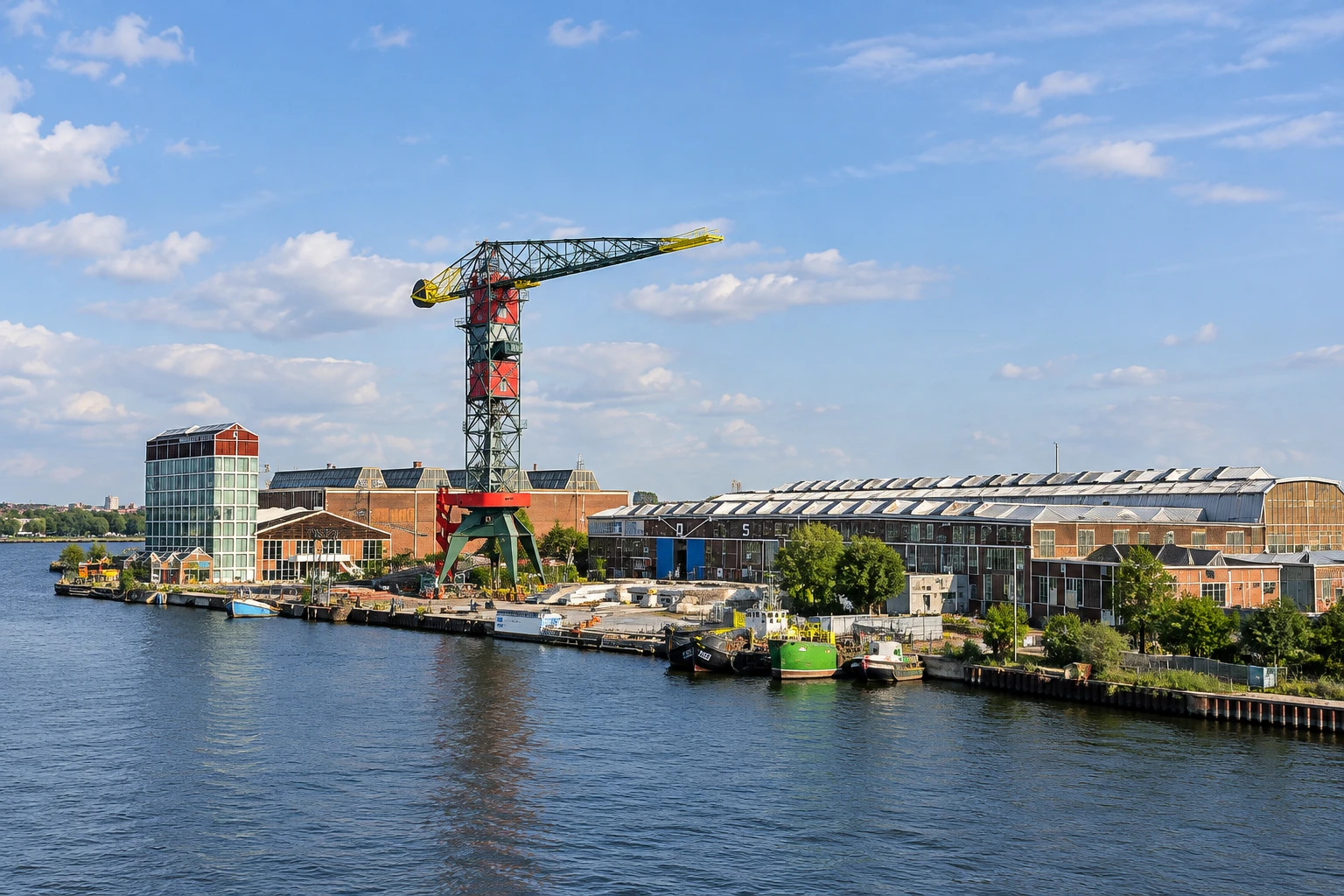
Former shipyard in Amsterdam-Noord turned into a hub of art, culture and gastronomy, with industrial sheds, graffiti, studios, festivals and one of the largest secondhand markets in Europe. You reach it by ferry from the central station.
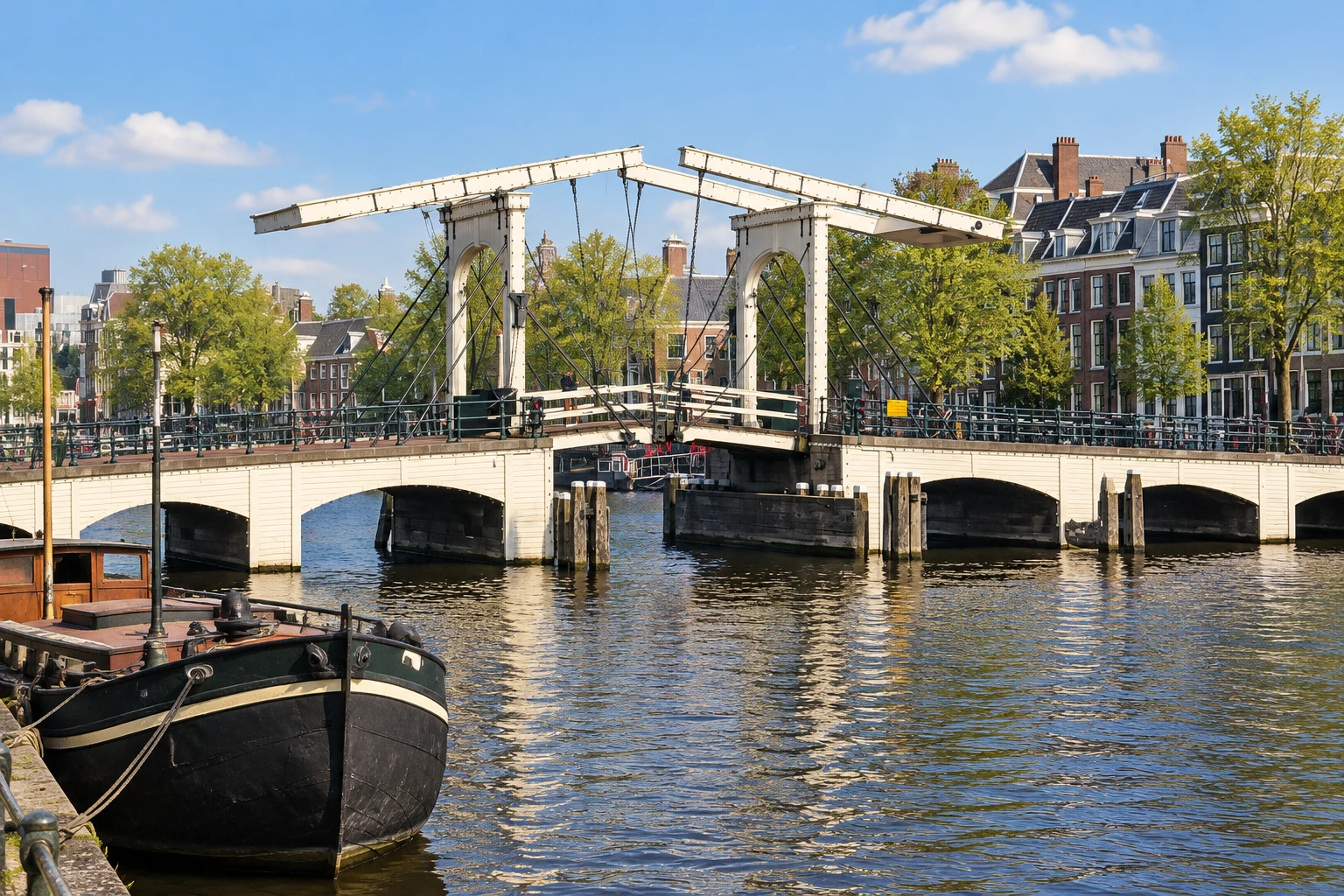
A white-painted wooden drawbridge over the Amstel, the most photographed in Amsterdam. At night it is lit by hundreds of lamps.
Private museum of modern and contemporary art in a 1904 house on the Museumplein, between the Rijksmuseum and the Van Gogh. It features works by Banksy, Warhol, Basquiat, Haring and Kusama, as well as digital art rooms.
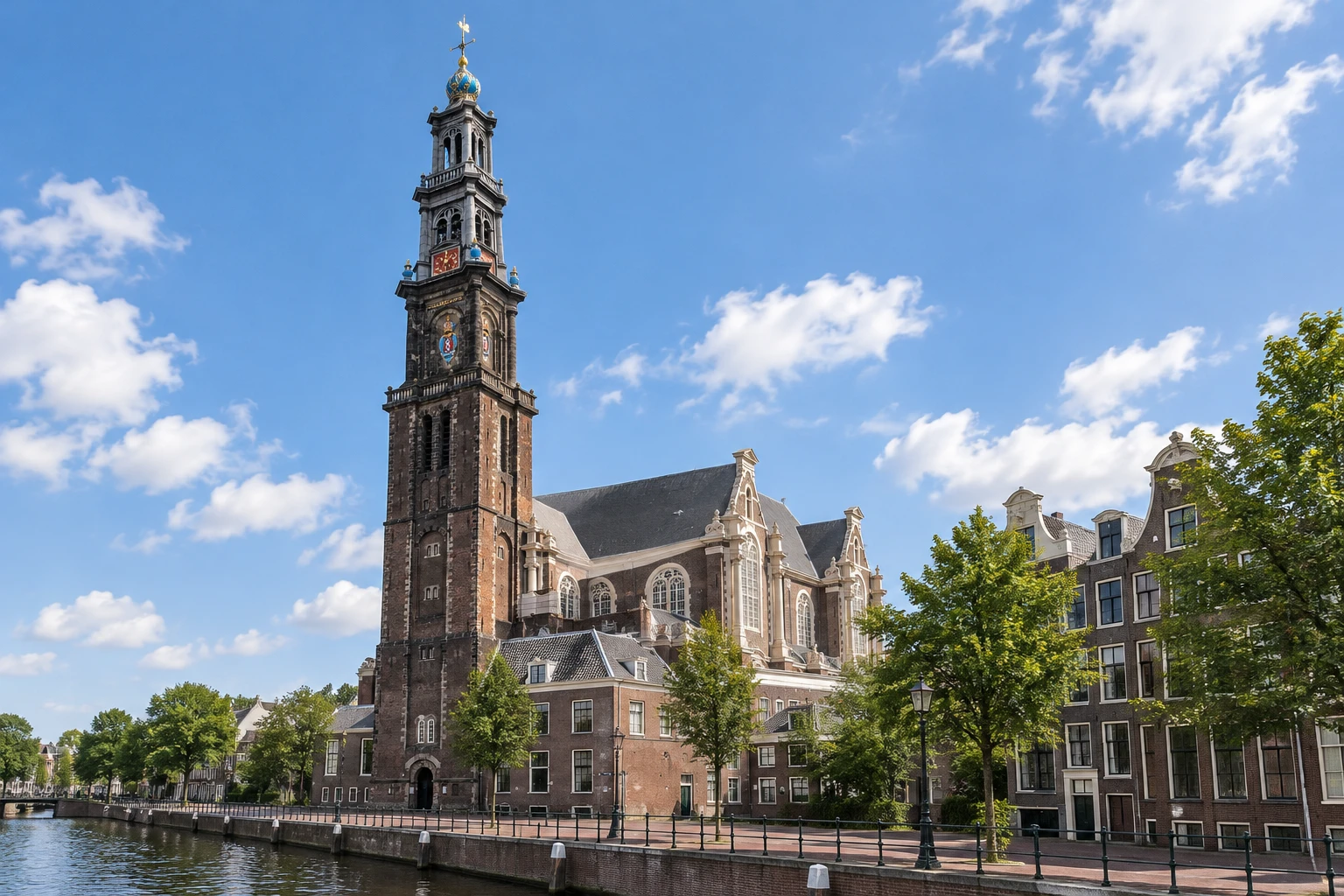
Protestant church from 1631 on the banks of the Prinsengracht, with Amsterdam's tallest tower, the Westertoren, at 85 metres. Rembrandt is buried there, and the tower's bell is mentioned in Anne Frank's diary.
Urban forest of about 1,000 hectares in the south of the city, roughly three times the size of New York's Central Park. It has trails, lakes, a rowing course, a cherry blossom park and boat rides.
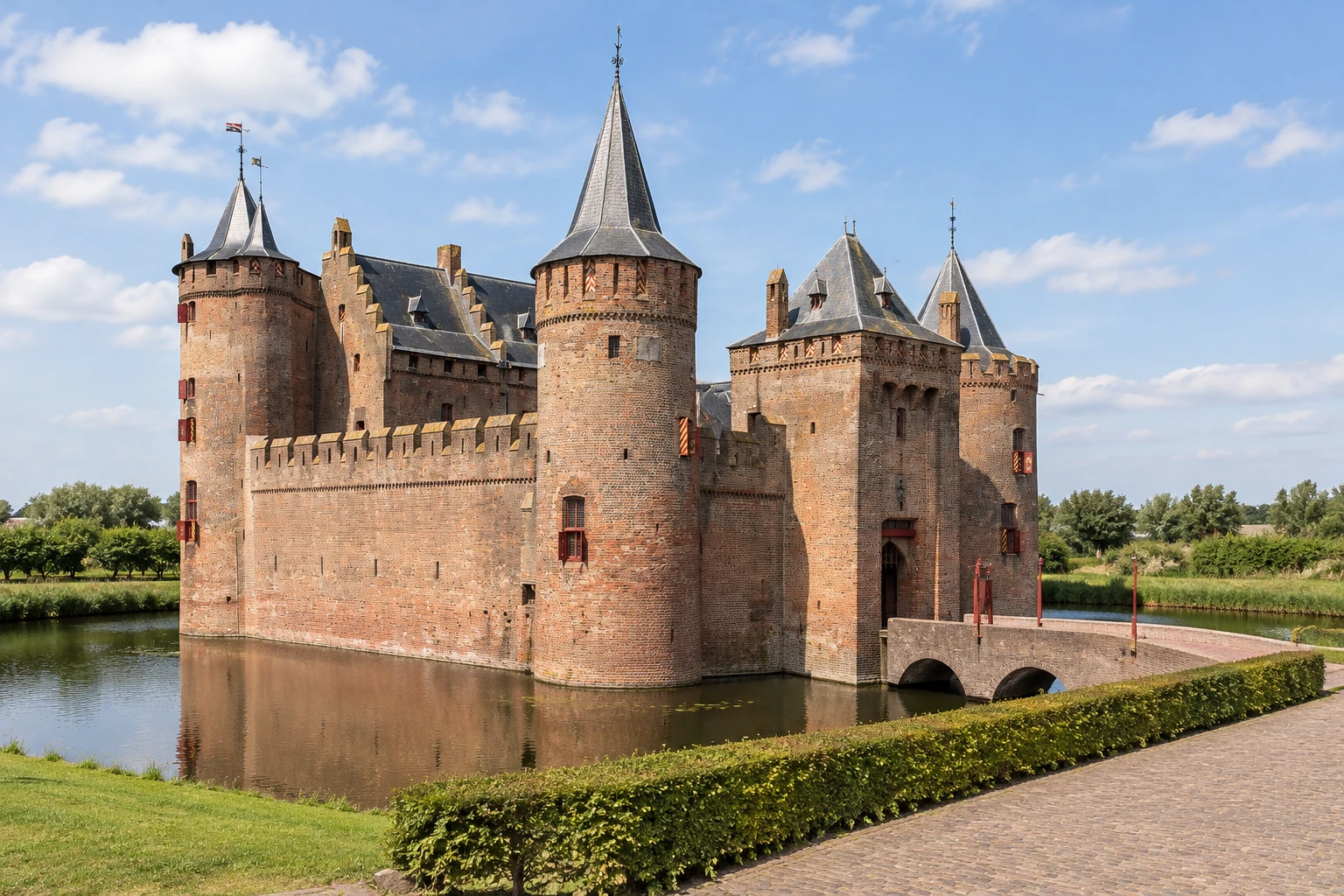
Medieval brick castle with a moat at the mouth of the river Vecht, in Muiden, about 15 km from Amsterdam. Erected in the 13th century and rebuilt in the 14th, it has furnished rooms, suits of armour, gardens and an audio guide included.
To plan