27 places to visit, chosen by the Cidade Turismo guide.
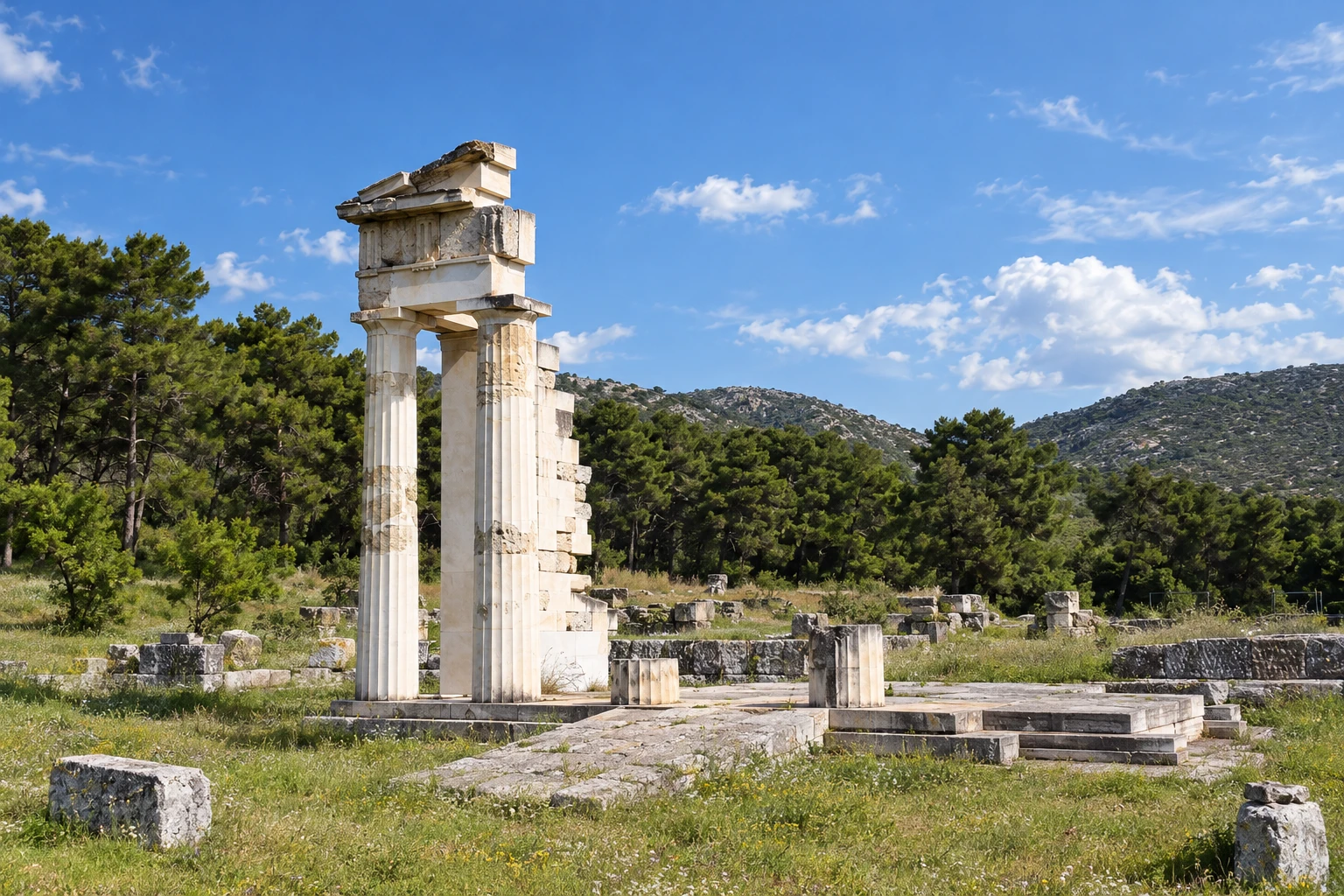
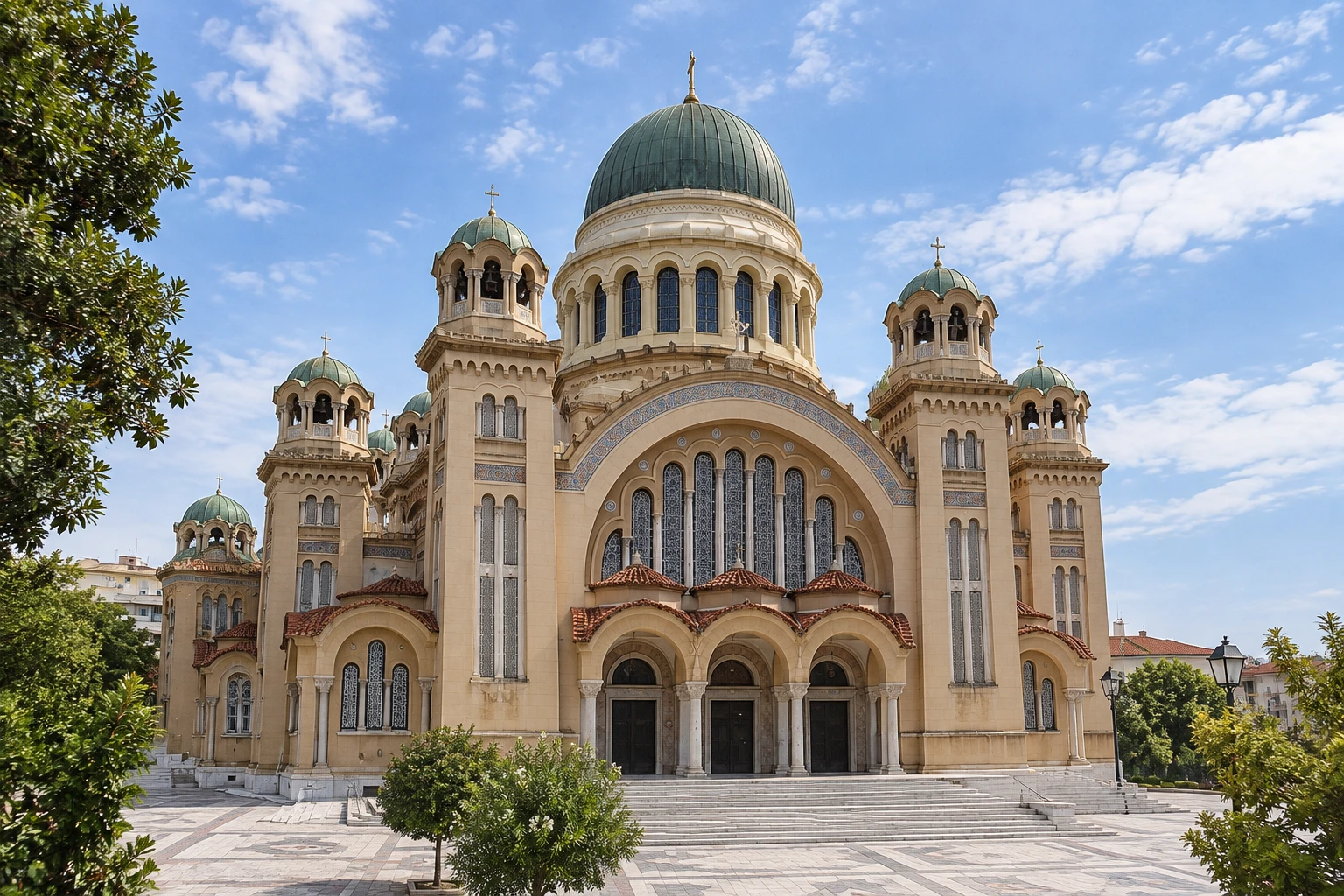
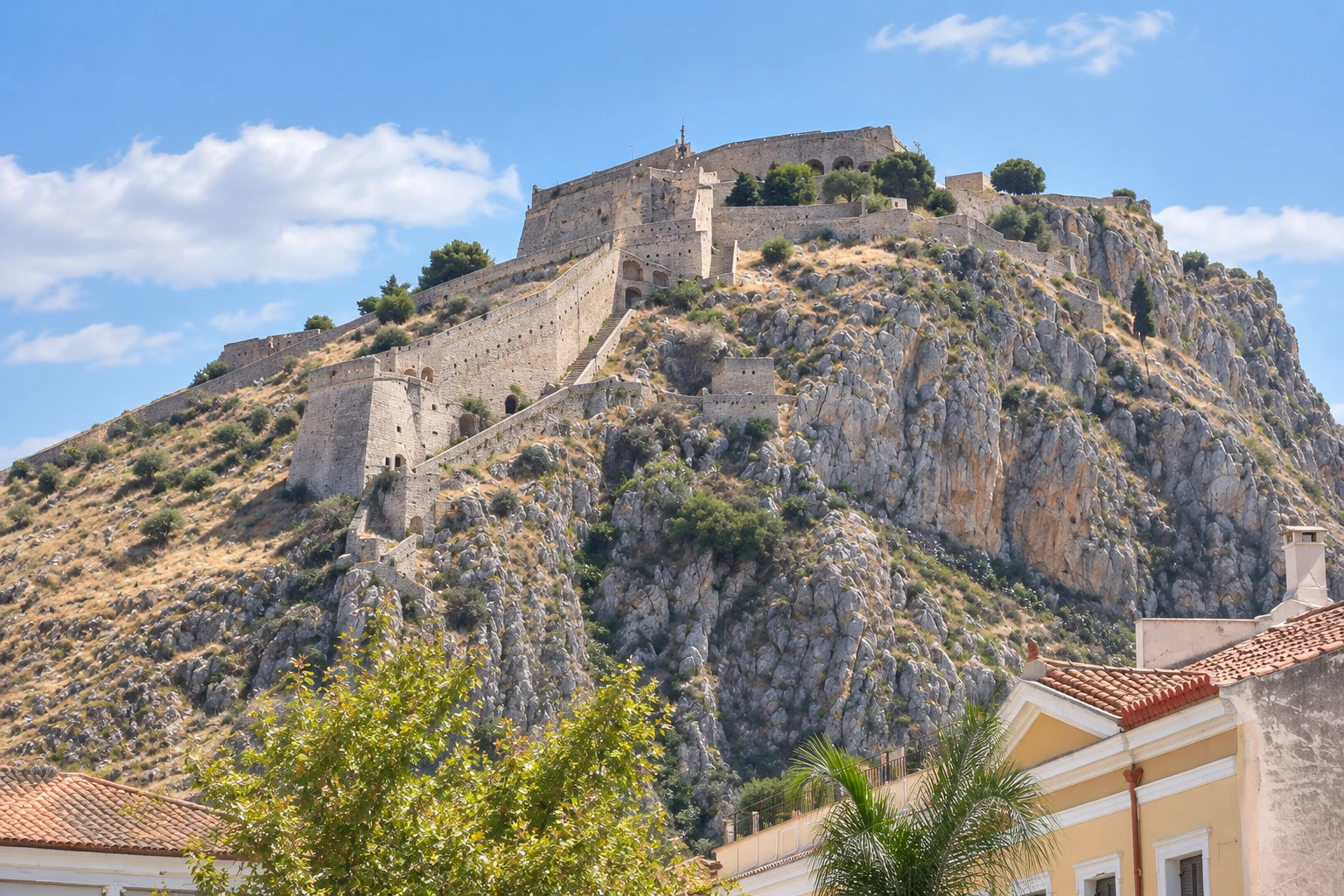
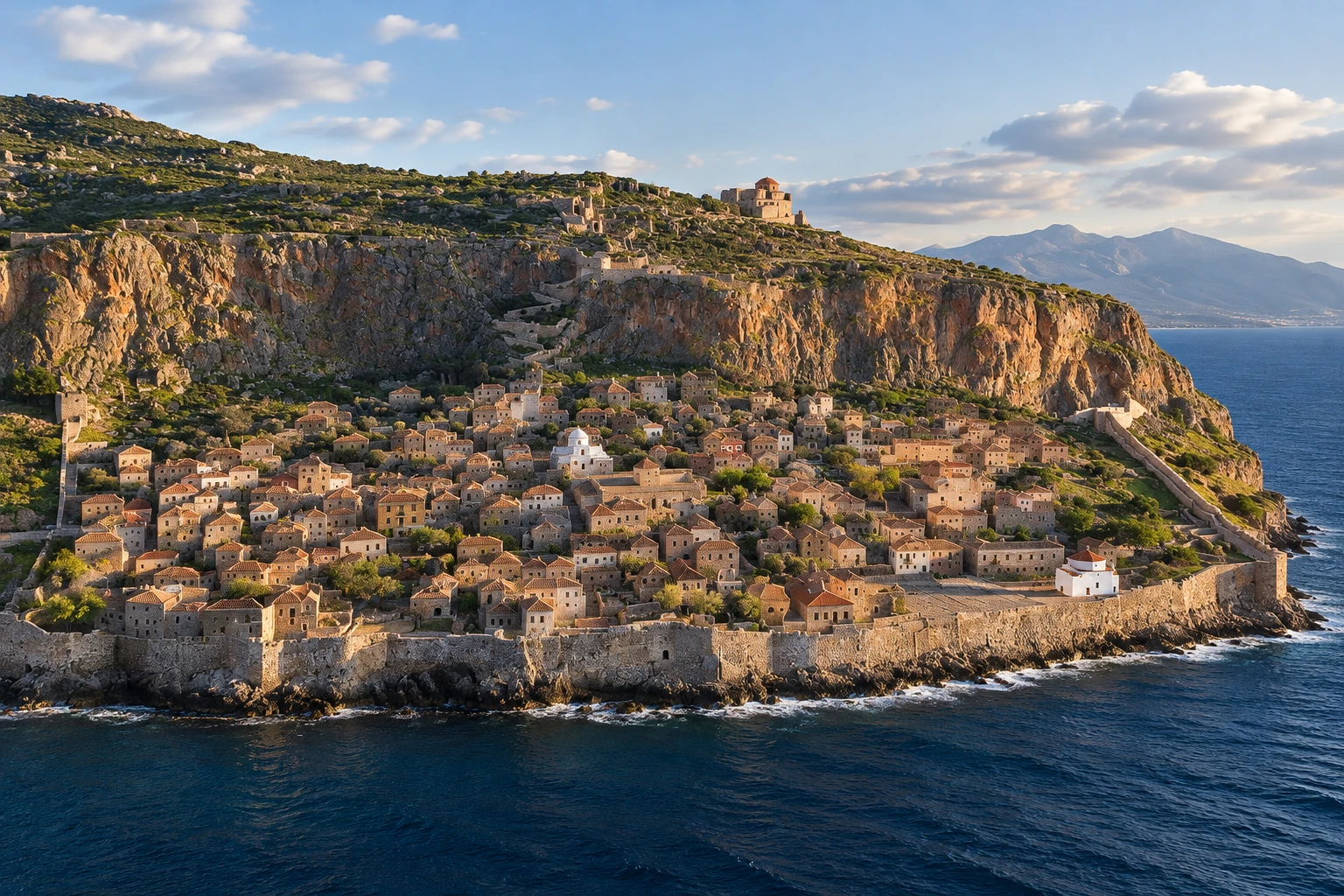
Illustrative images. The pictures in this guide are illustrations based on the real place, not photographs, and may differ from it.
To start
The 10 main places Peloponnese
St. Andrew’s Cathedral, Patras · PatrasThe large church of Santo André, on the seafront, inaugurated in 1974, housing the relics of the apostle who was martyred in Patras, and beside it the old 19th-century church.
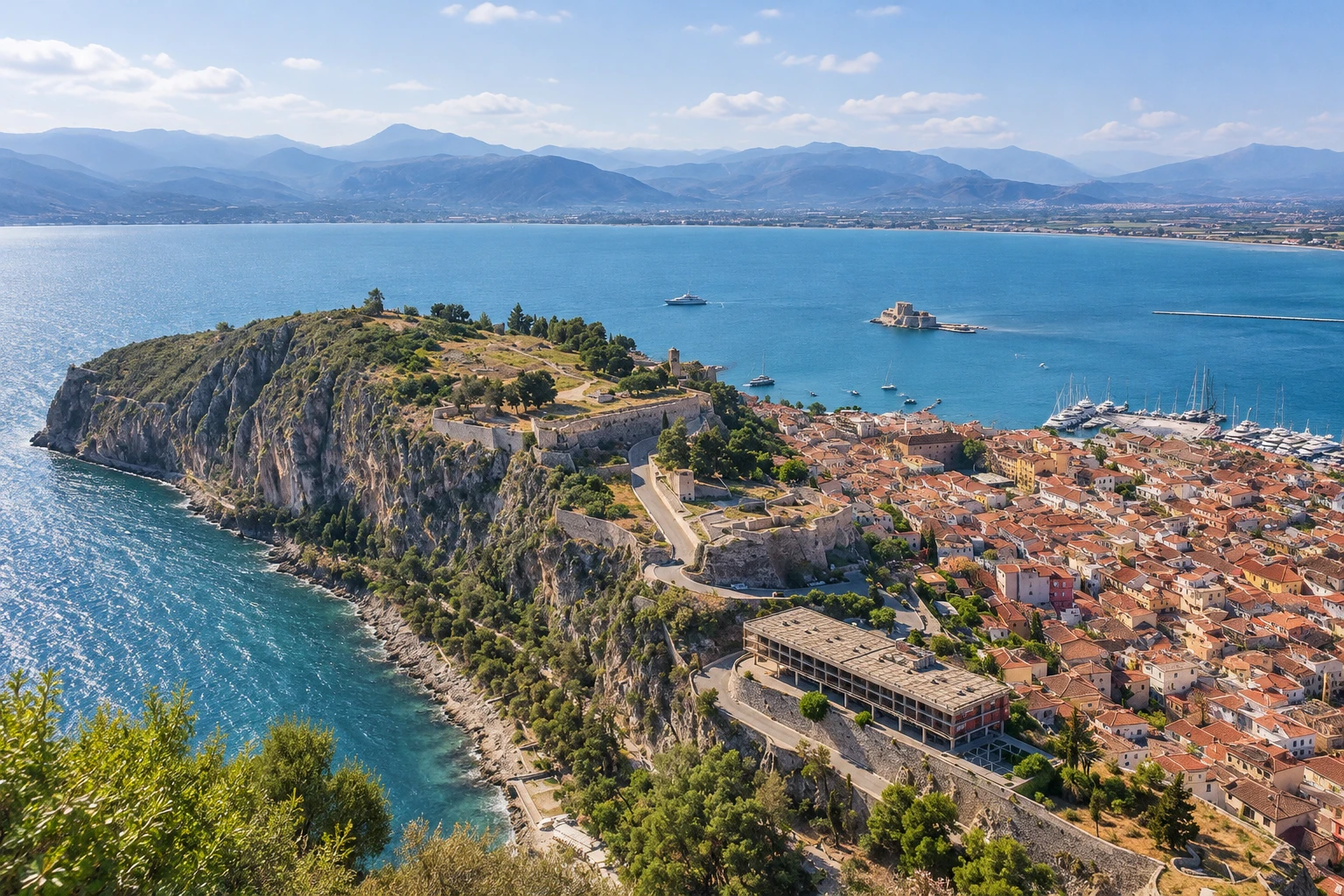
Palamidi Fortress · NafplioVenetian fortress built between 1711 and 1714 on top of a hill 216 metres above Náuplia, with eight bastions, the cell where the hero Kolokotronis was imprisoned and a staircase...
Monemvasia Castle (Lower Town) · MonemvasiaThe walled lower town of Monemvasia, clinging to a sea rock and closed to cars: a main stone street, alleys, restored Byzantine and Venetian houses, forty churches and the wall...
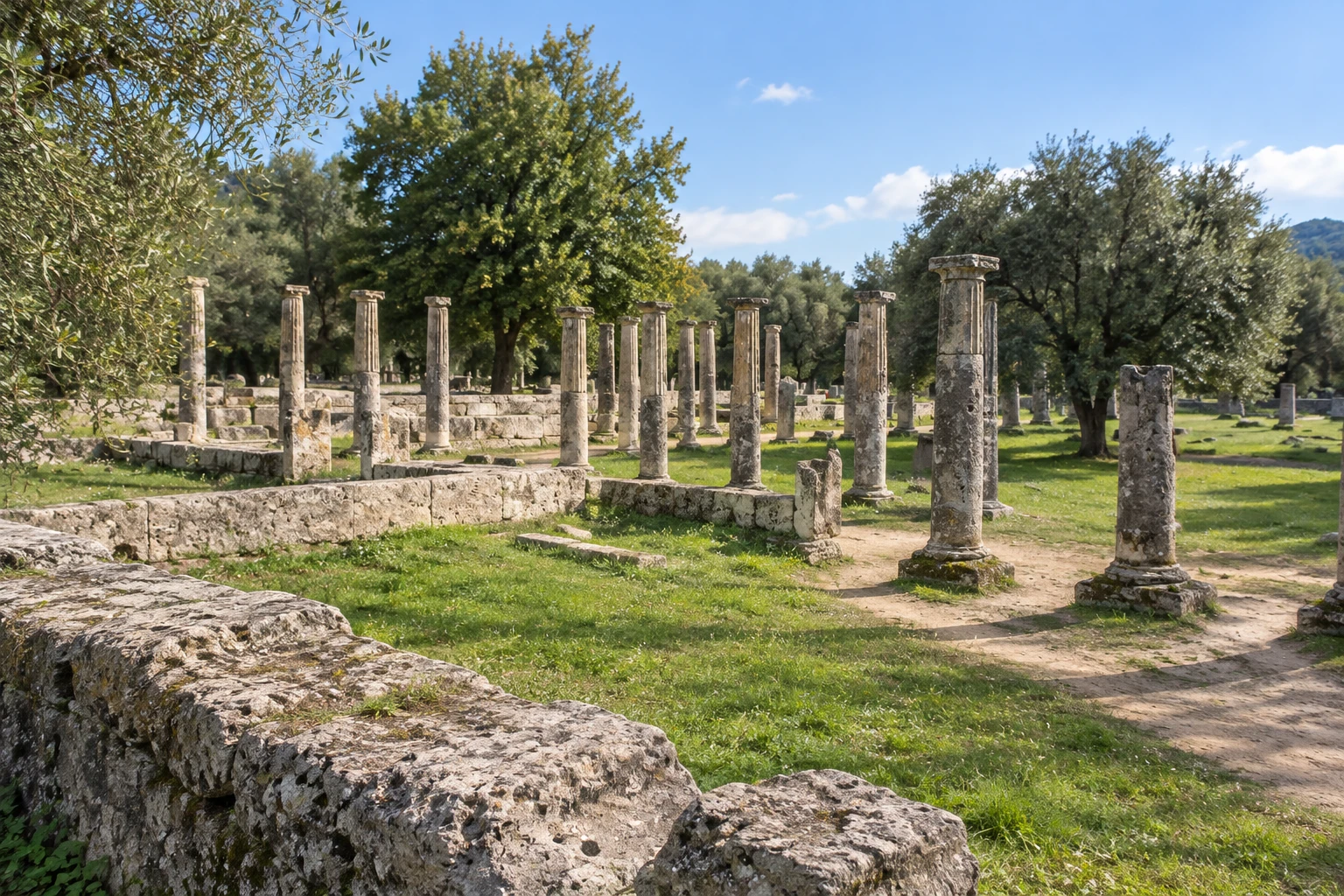
Archaeological Site of Olympia (Archaia Olympia) · OlympiaThe sanctuary of Zeus where the Olympic Games began in 776 BC: the stadium with the starting line, the fallen Templo de Zeus, the Templo de Hera where the Olympic flame is lit,...
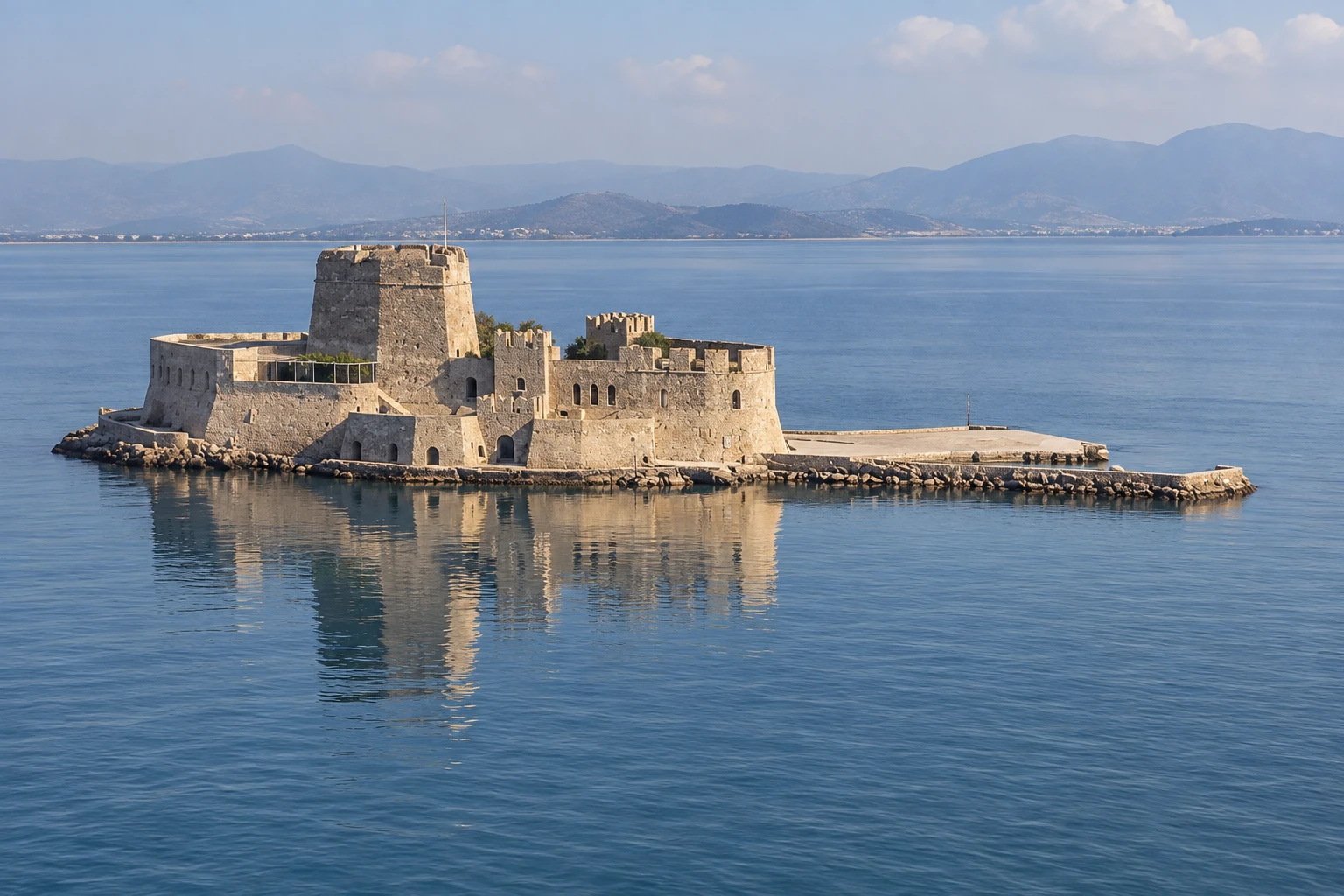
Bourtzi Castle · NafplioSmall Venetian fortress on an islet in the middle of the port of Náuplia, begun in 1471, which has served as a prison, the executioner's house and a hotel.
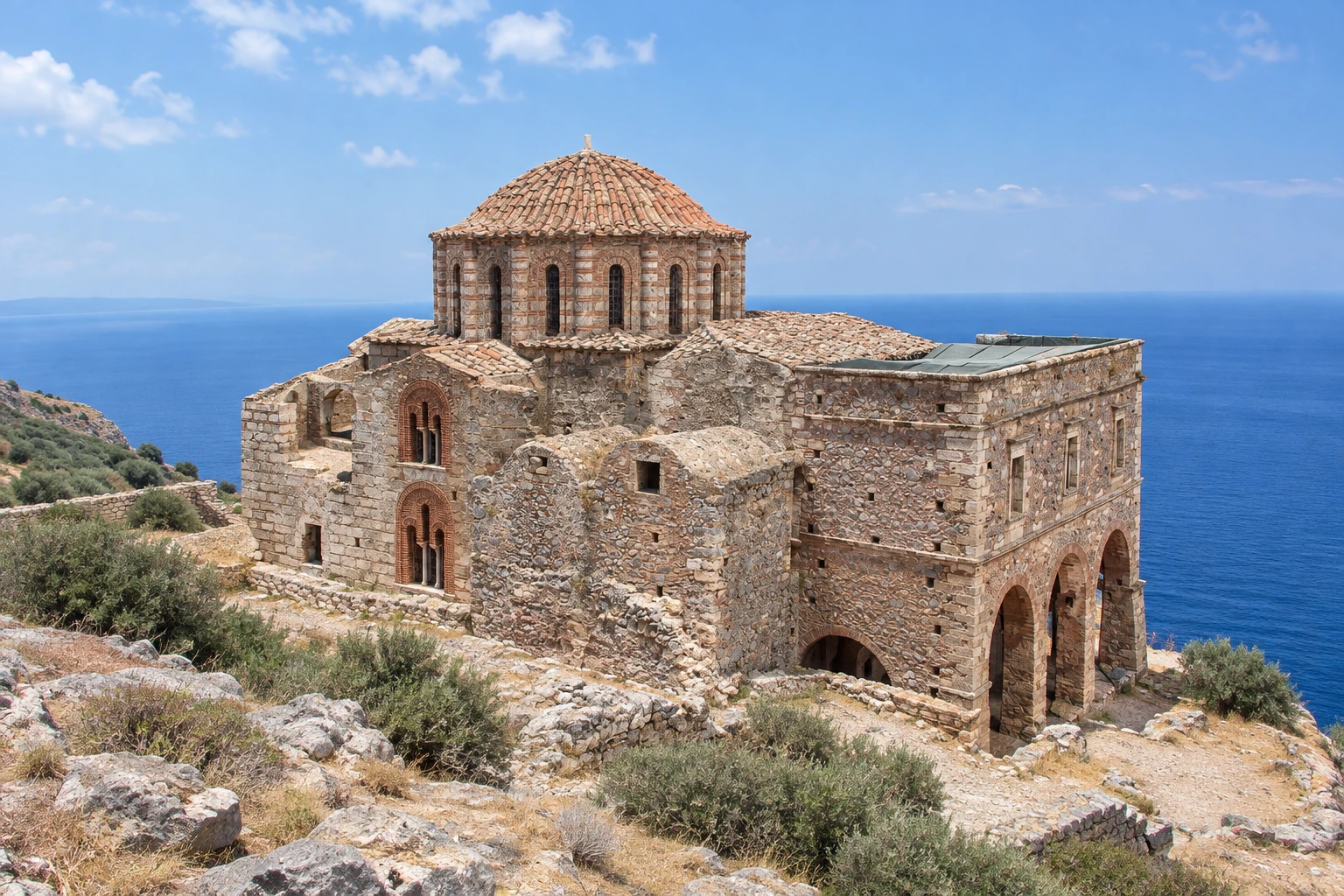
Upper Town and Church of Hagia Sophia · MonemvasiaByzantine church from the 12th century on the edge of the cliff, atop the rock, amid the ruined upper town: a dome with 16 windows, frescoes and, around it, cisterns, walls and...
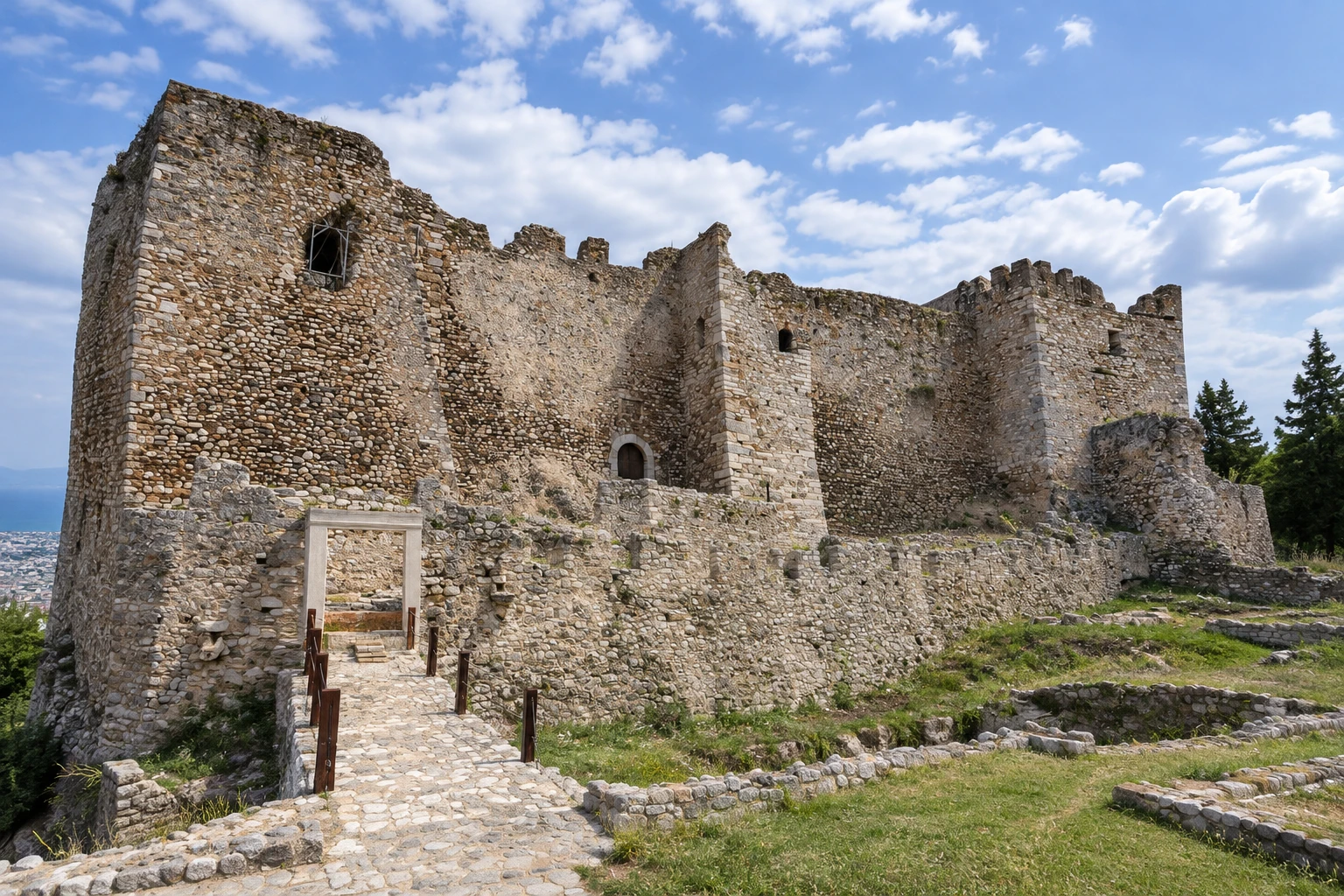
Patras Castle · PatrasCastle erected in the 6th century on the ancient acropolis of Patras, used by Byzantines, Franks, Venetians and Ottomans, with walls, gardens and views of the gulf.
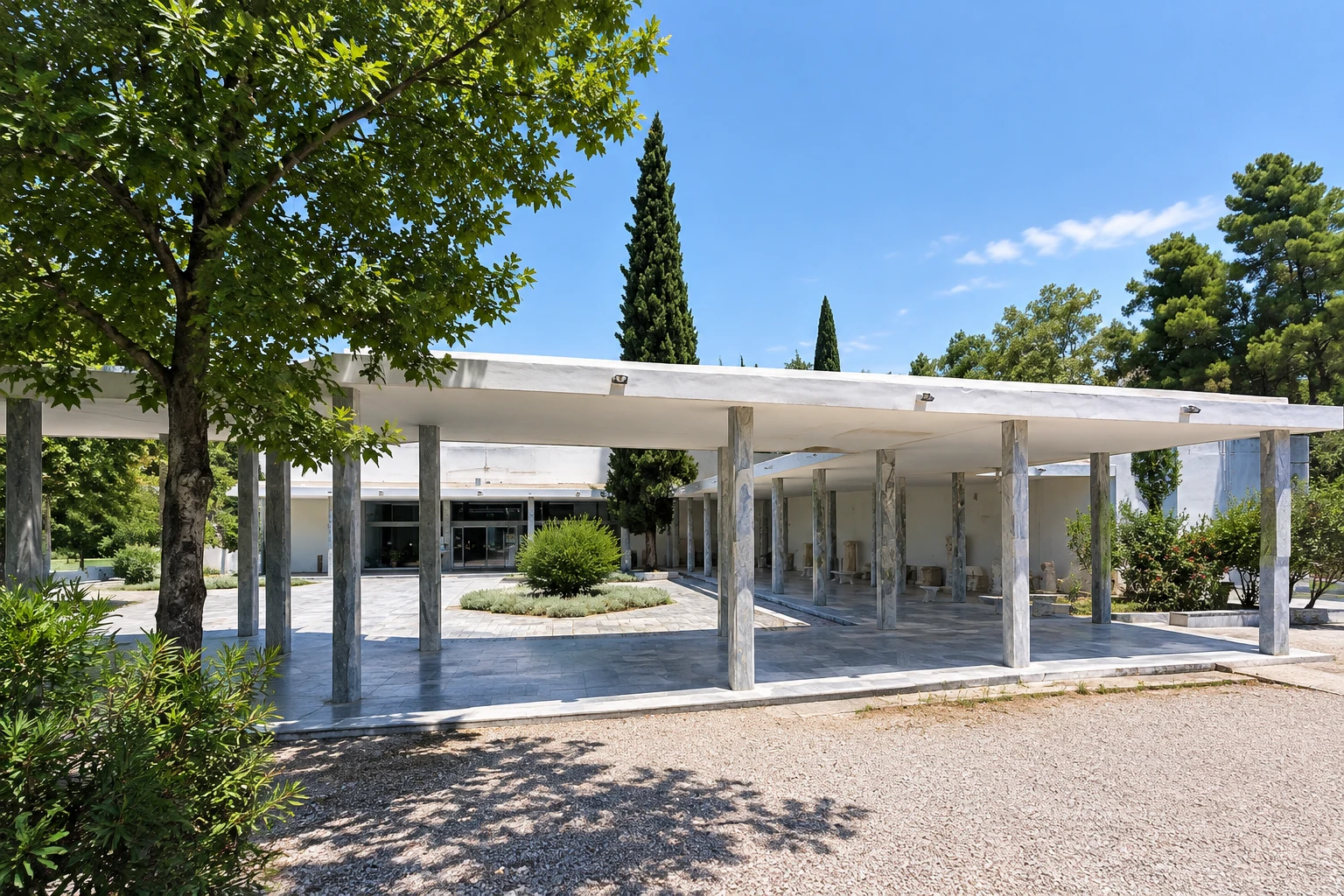
Archaeological Museum of Olympia · OlympiaOne of the major museums in Greece, next to the site: the Hermes of Praxíteles, the Nike of Peônio, the pediments and metopes of the Temple of Zeus gathered in one room, and the...
Acronauplia (Akronafplia) · NafplioNáuplia's oldest rocky promontory, with walls dating from Antiquity through the Venetians, three linked castles, the Porta de Terra and views over the old town and the praia de...
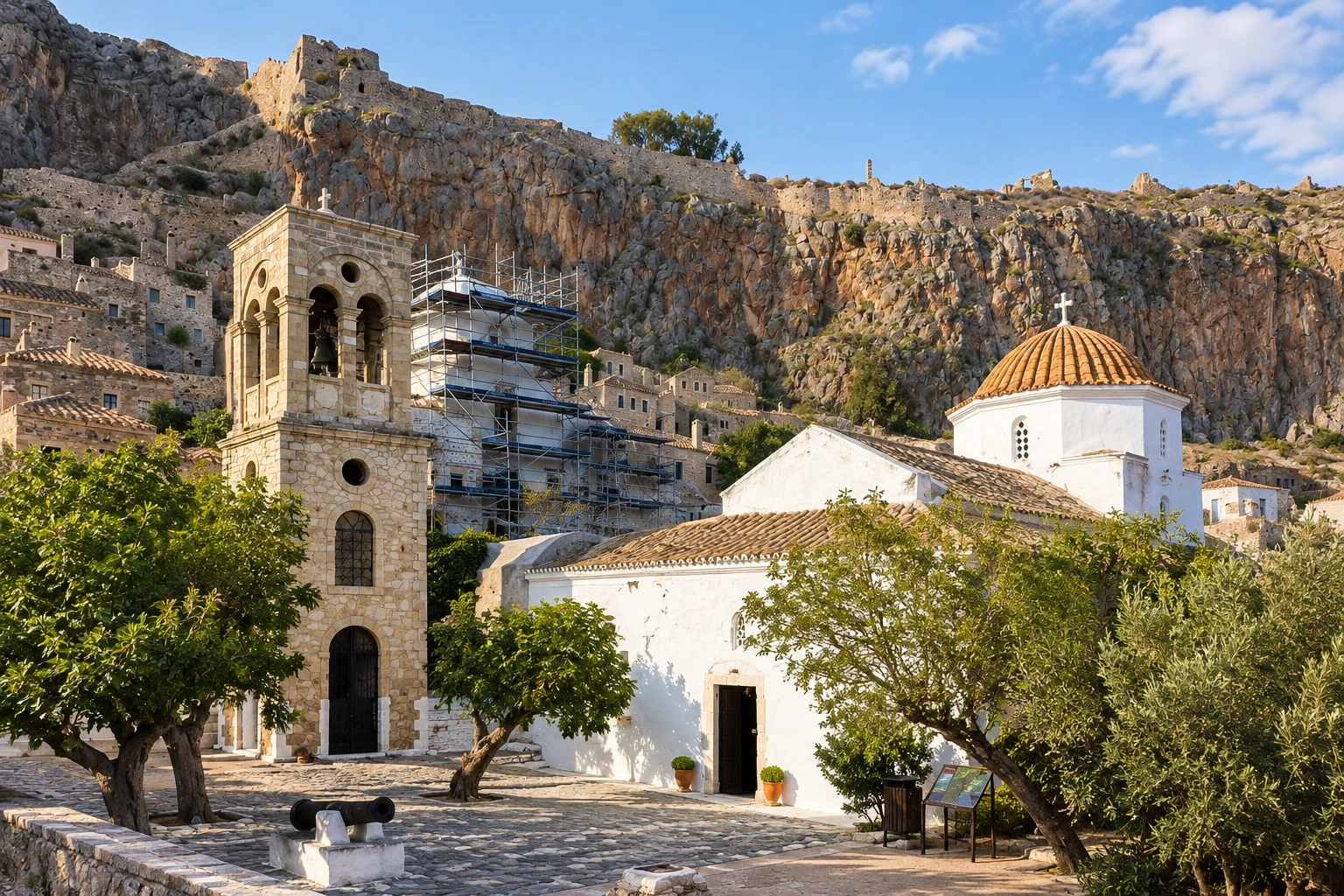
Church of Christos Elkomenos and Archaeological Collection · MonemvasiaThe central square of the lower town, with the metropolitan church of Christos Elkomenos, originating in the 6th century with a separate bell tower, and opposite it the Ottoman...
The large church of Santo André, on the seafront, inaugurated in 1974, housing the relics of the apostle who was martyred in Patras, and beside it the old 19th-century church.
Venetian fortress built between 1711 and 1714 on top of a hill 216 metres above Náuplia, with eight bastions, the cell where the hero Kolokotronis was imprisoned and a staircase of hundreds of steps rising from the old town.
The walled lower town of Monemvasia, clinging to a sea rock and closed to cars: a main stone street, alleys, restored Byzantine and Venetian houses, forty churches and the wall with a gate to the sea.
The sanctuary of Zeus where the Olympic Games began in 776 BC: the stadium with the starting line, the fallen Templo de Zeus, the Templo de Hera where the Olympic flame is lit, Fídias's workshop and the Filipeion.
Small Venetian fortress on an islet in the middle of the port of Náuplia, begun in 1471, which has served as a prison, the executioner's house and a hotel. It is reached by boat from the pier.
Byzantine church from the 12th century on the edge of the cliff, atop the rock, amid the ruined upper town: a dome with 16 windows, frescoes and, around it, cisterns, walls and a 300-meter view over the sea.
Castle erected in the 6th century on the ancient acropolis of Patras, used by Byzantines, Franks, Venetians and Ottomans, with walls, gardens and views of the gulf.
One of the major museums in Greece, next to the site: the Hermes of Praxíteles, the Nike of Peônio, the pediments and metopes of the Temple of Zeus gathered in one room, and the country's largest collection of ancient bronzes.
Náuplia's oldest rocky promontory, with walls dating from Antiquity through the Venetians, three linked castles, the Porta de Terra and views over the old town and the praia de Arvanitia.
The central square of the lower town, with the metropolitan church of Christos Elkomenos, originating in the 6th century with a separate bell tower, and opposite it the Ottoman mosque of 1540 that houses the Monemvasia archaeological collection.
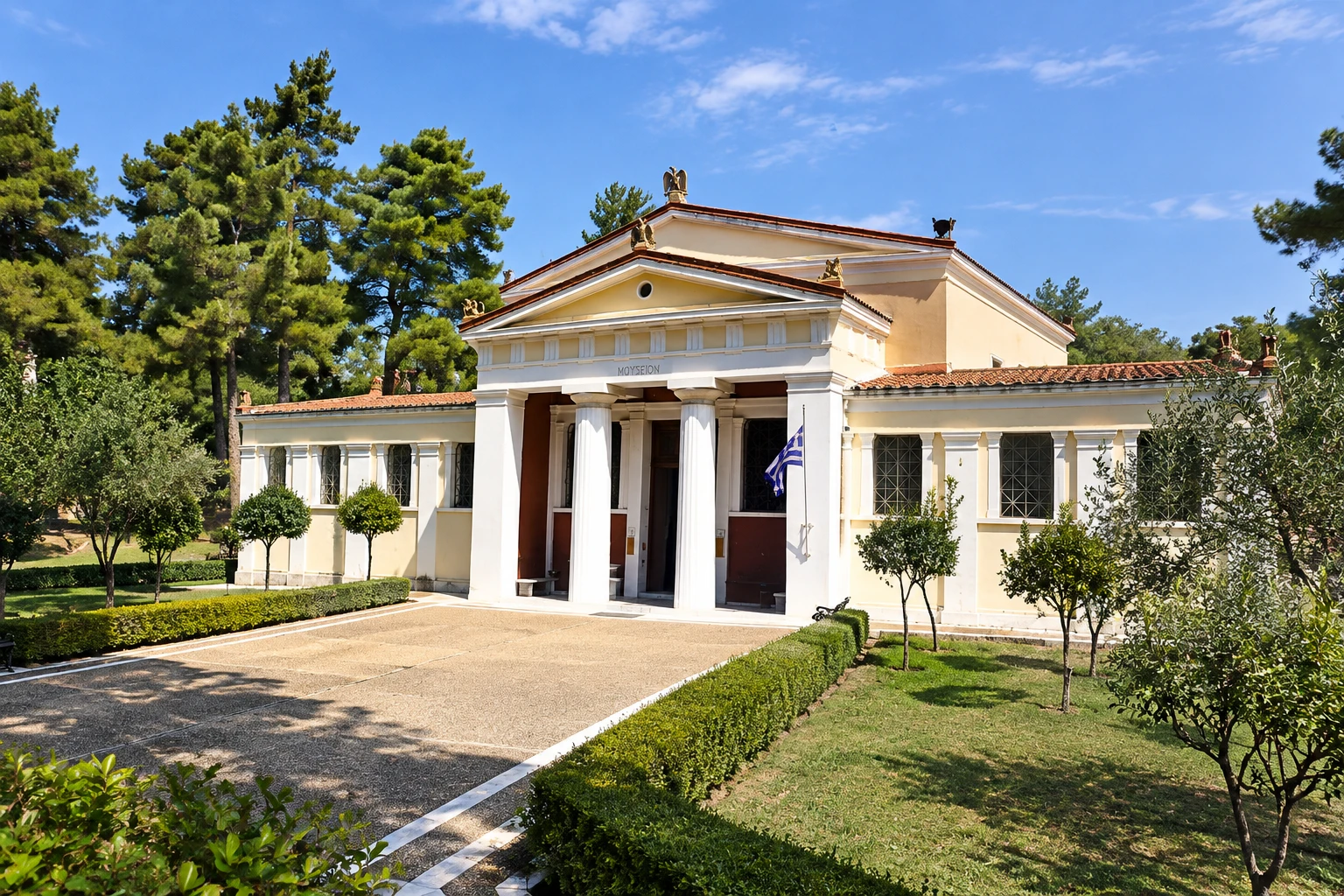
In the 1888 neoclassical building that was Olímpia's first museum, an exhibition about the ancient Games: the events, the victors, women in sport, Zeus and the other pan-Hellenic games, with pieces on loan from museums across Greece.
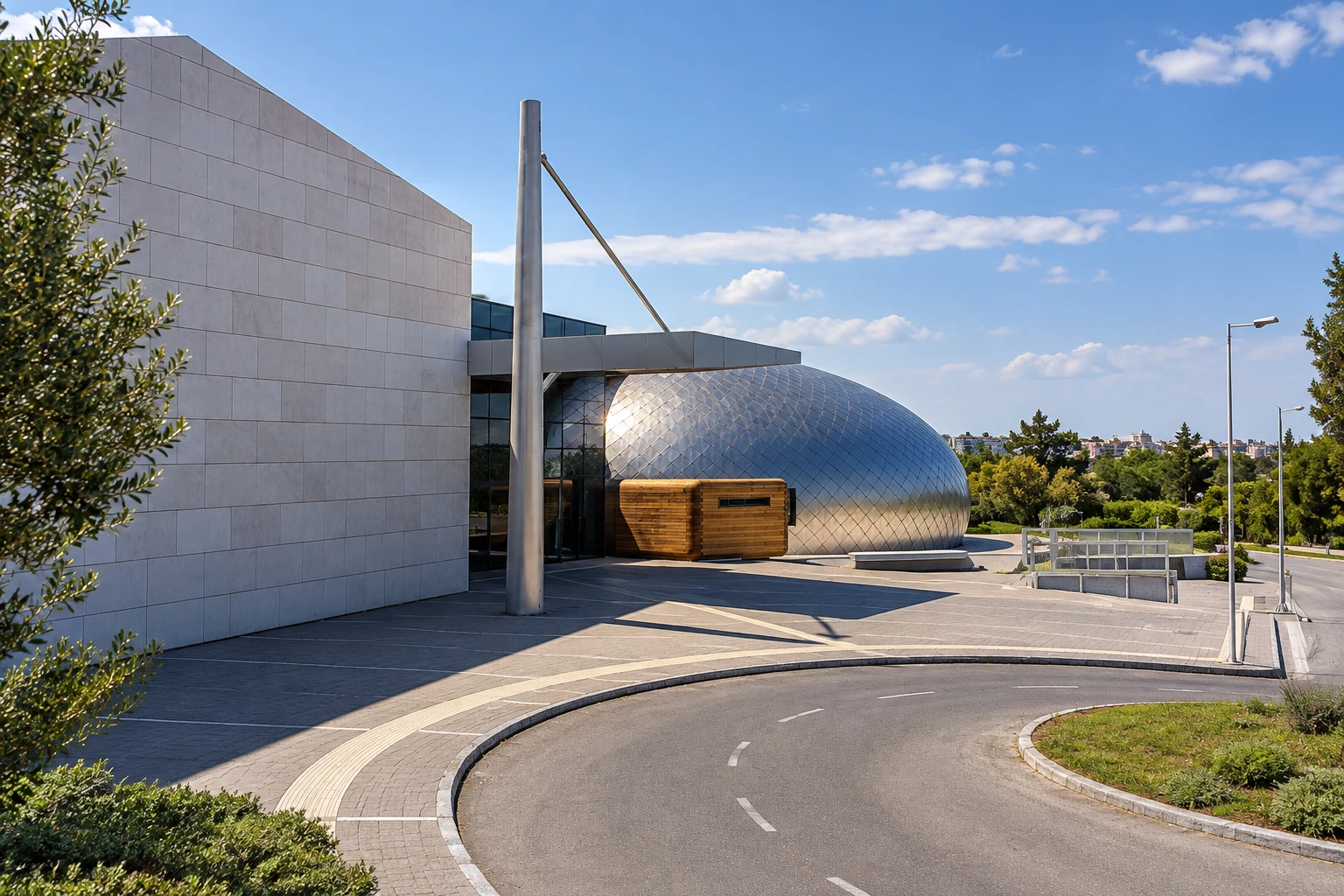
Museum opened in 2009 in a modern building with a metallic dome, with Roman mosaics displayed vertically, reconstructed Roman houses and Mycenaean tombs at full scale.
Private museum in the centre of the village with working reconstructions of inventions by Archimedes and other ancient Greek engineers: the Antikythera mechanism, the water clock, the Archimedes screw, pumps and automata, with explanations in English.
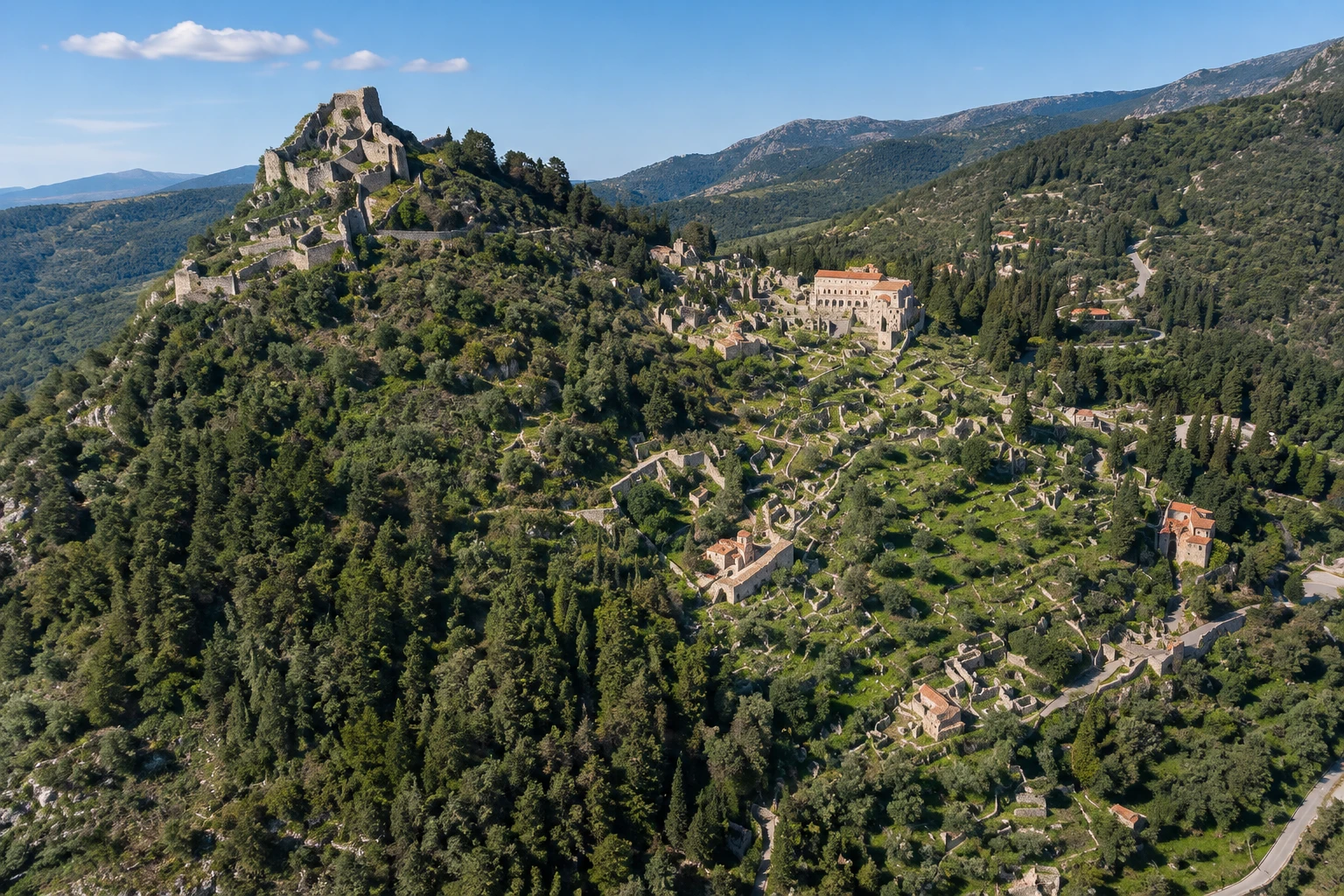
Byzantine town in ruins on the slope of Taígeto, 8 km from Esparta and about 95 km from Monemvasia: Frankish castle of 1249 at the top, Palácio dos Déspotas, churches with frescoes and the monastery of Pantanassa, still inhabited by nuns. World Heritage.
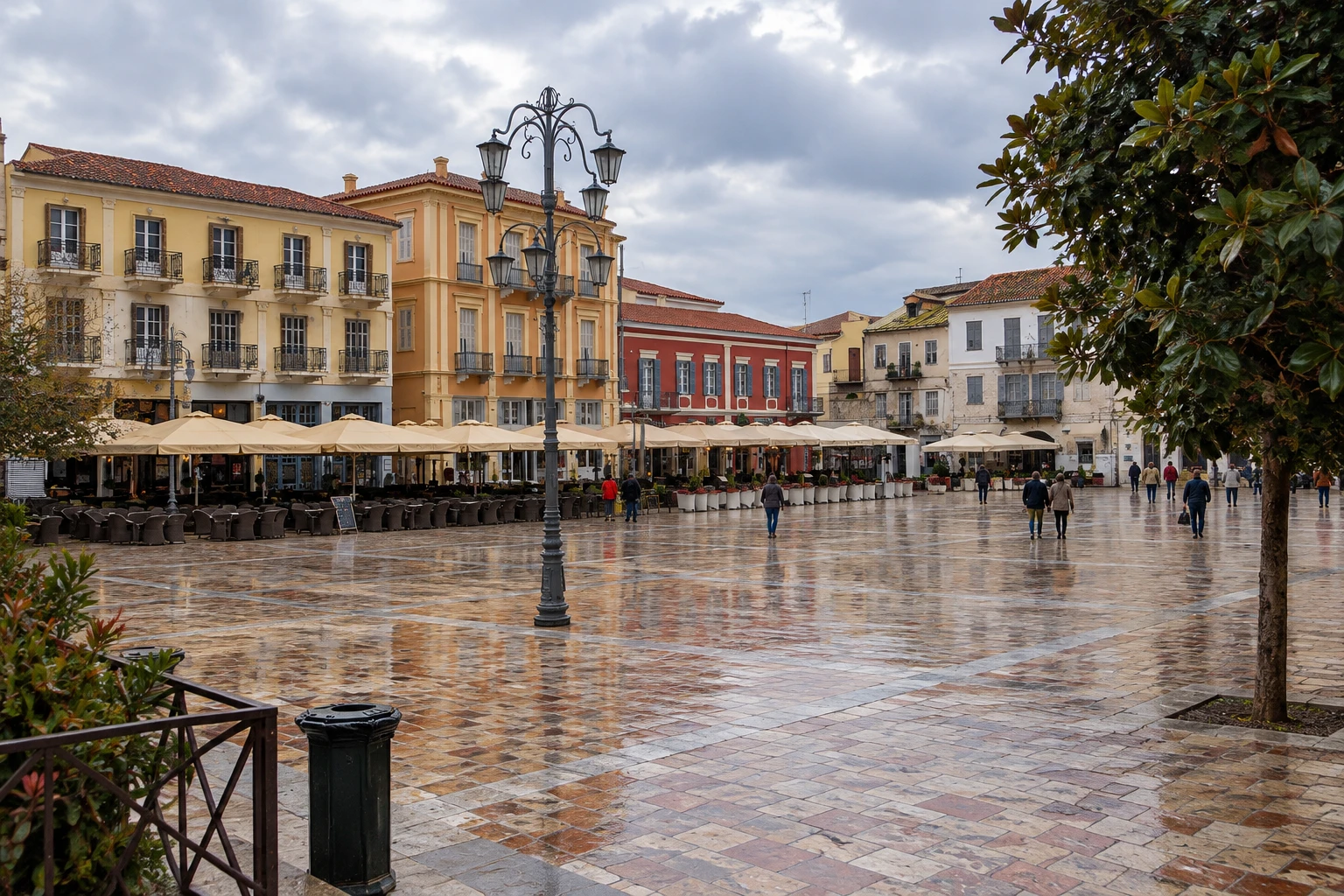
The main square of Náuplia's old town, surrounded by Venetian and Ottoman buildings, where the Archaeological Museum is housed in a former naval warehouse from 1713, containing the bronze panoply of Dendra and finds from the Franchthi cave.
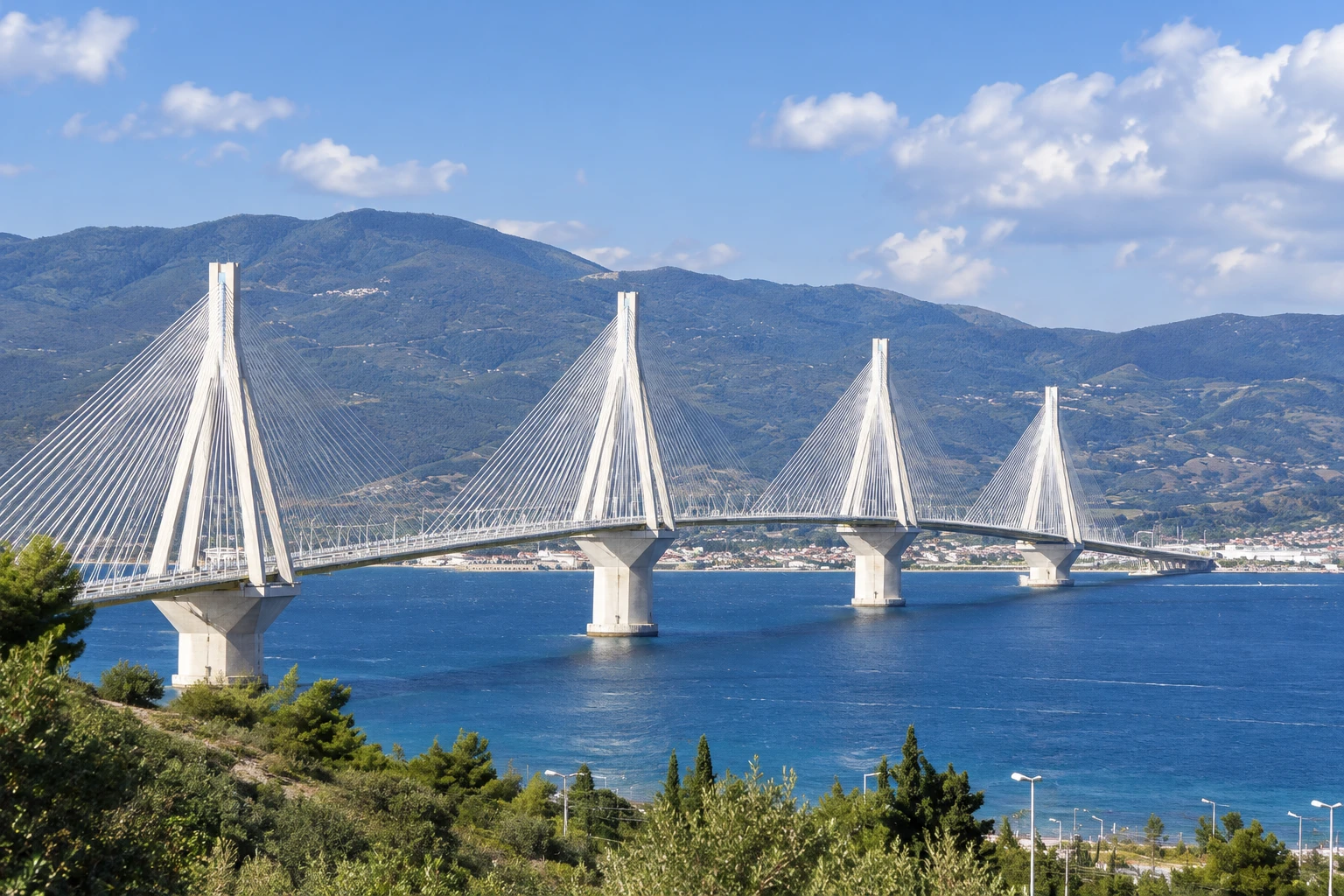
Cable-stayed bridge nearly 3 km long over the entrance to the Gulf of Corinth, inaugurated in 2004, between Rio, north of Patras, and Antirrio, with Venetian castles at both ends.
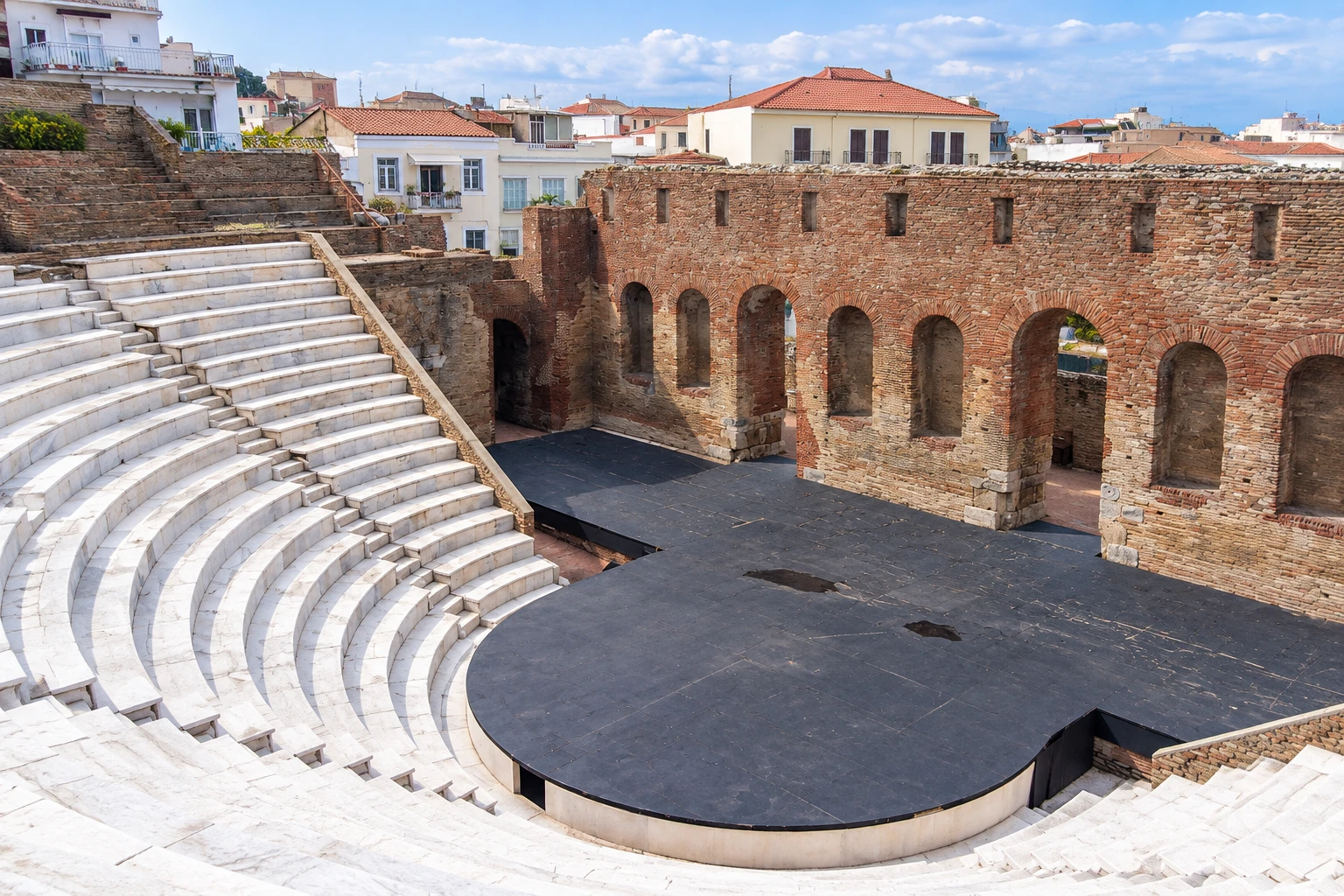
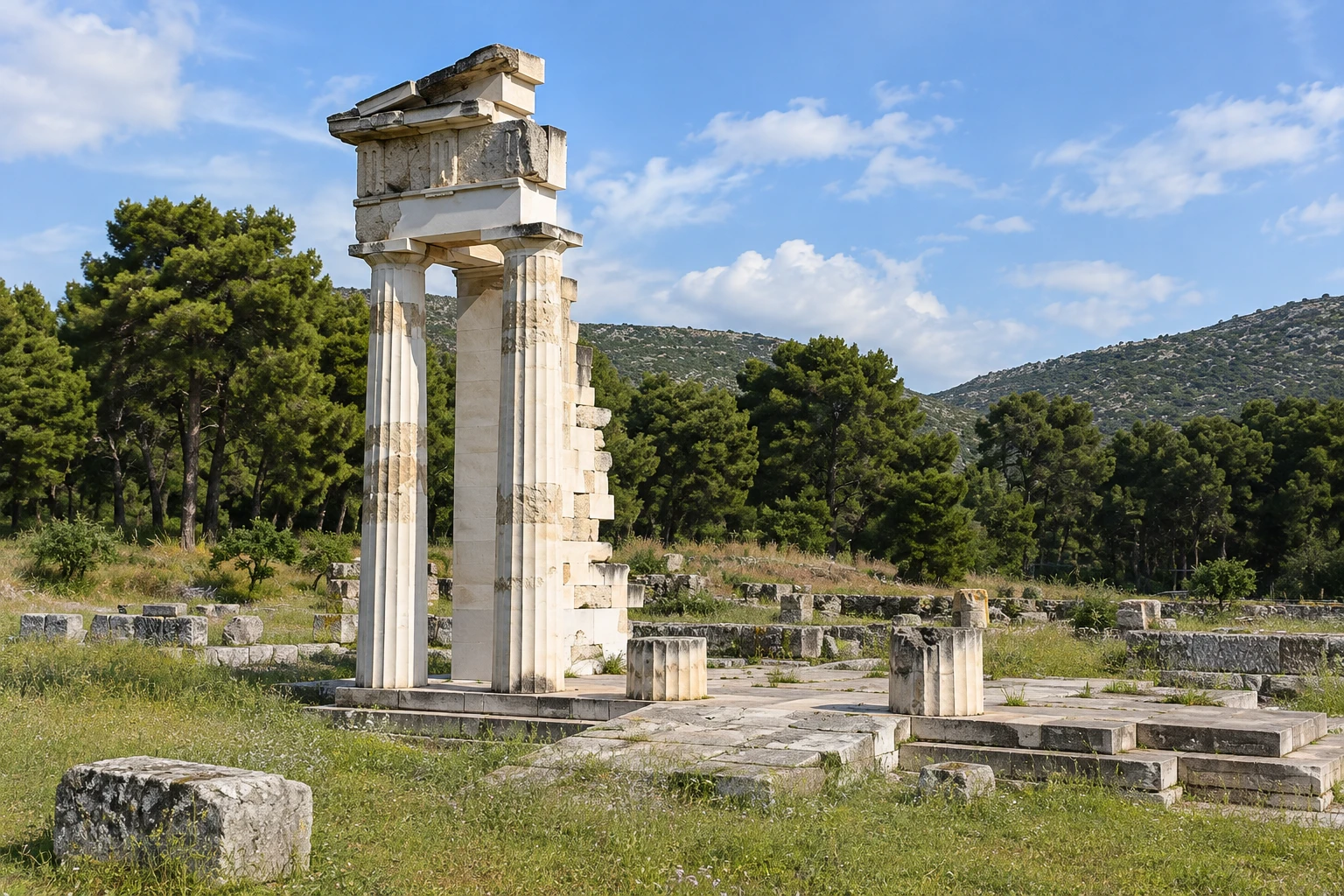
Sanctuary of Asclepius, god of medicine, with Greece's best-preserved 4th-century BC theatre, famed for its acoustics and seating about 13,000 people, where an ancient drama festival usually takes place in summer.
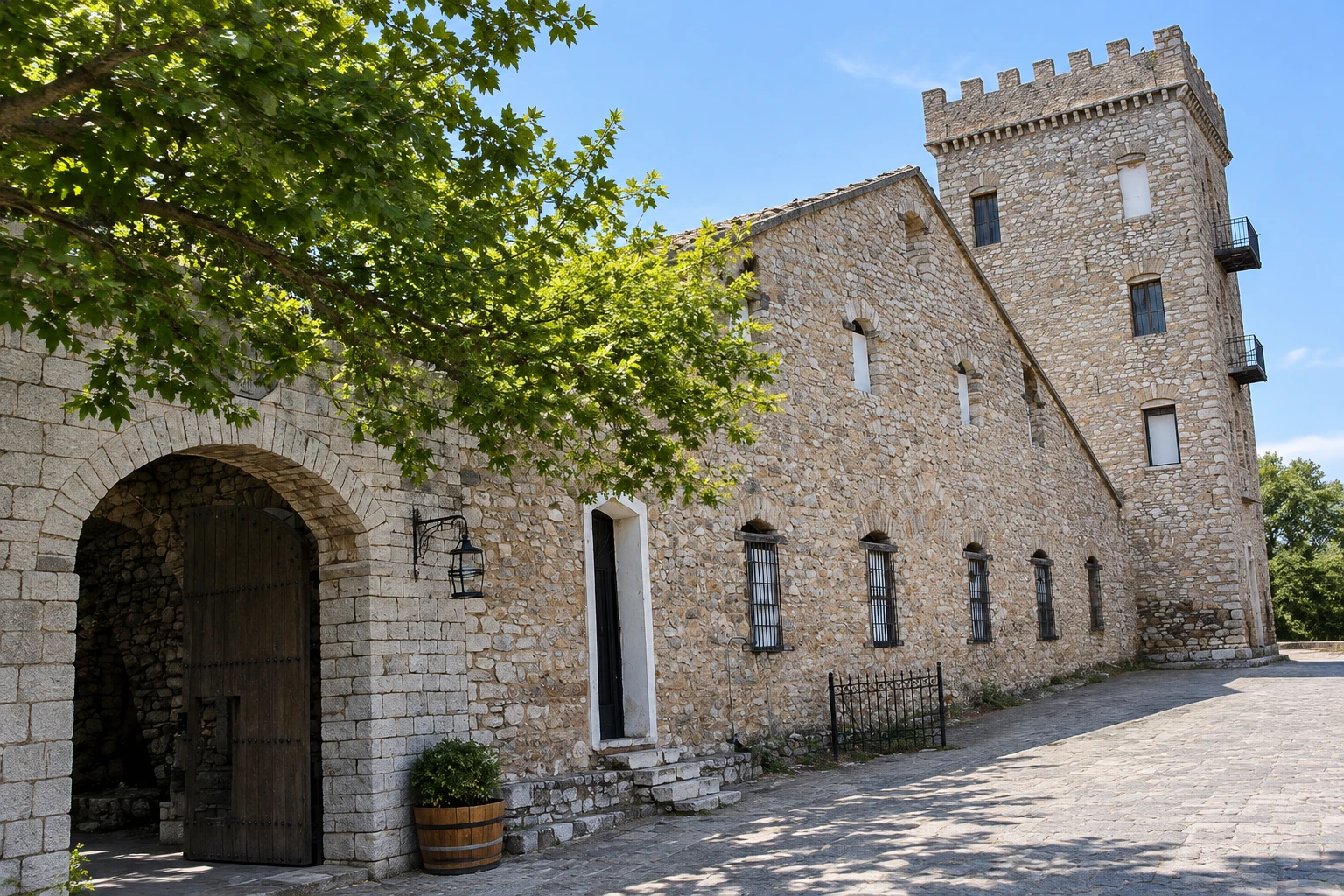
Winery founded in 1861 by the Bavarian Gustav Clauss in the hills southeast of Patras, with stone buildings in a castle style, old cellars and the wine Mavrodaphne.
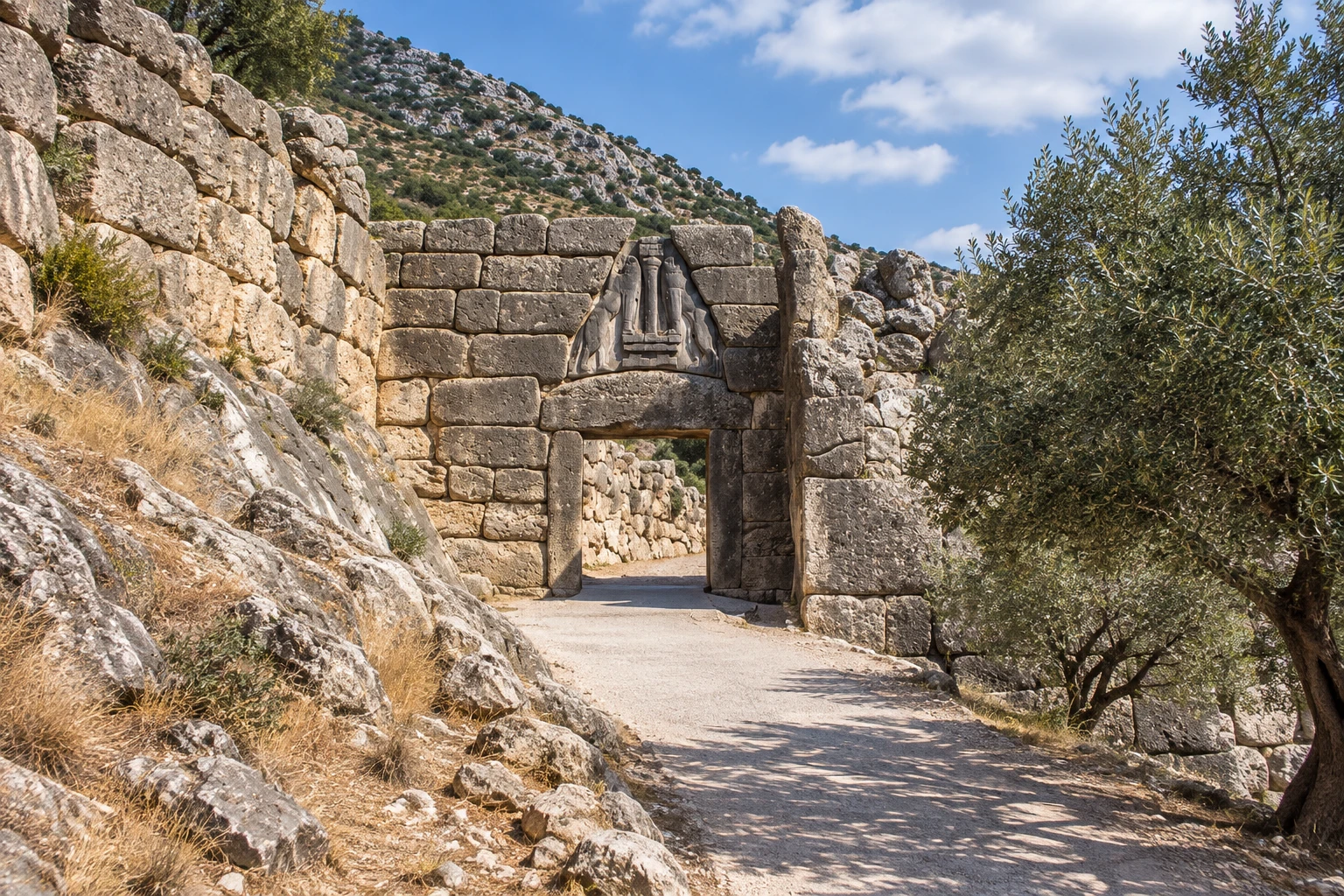
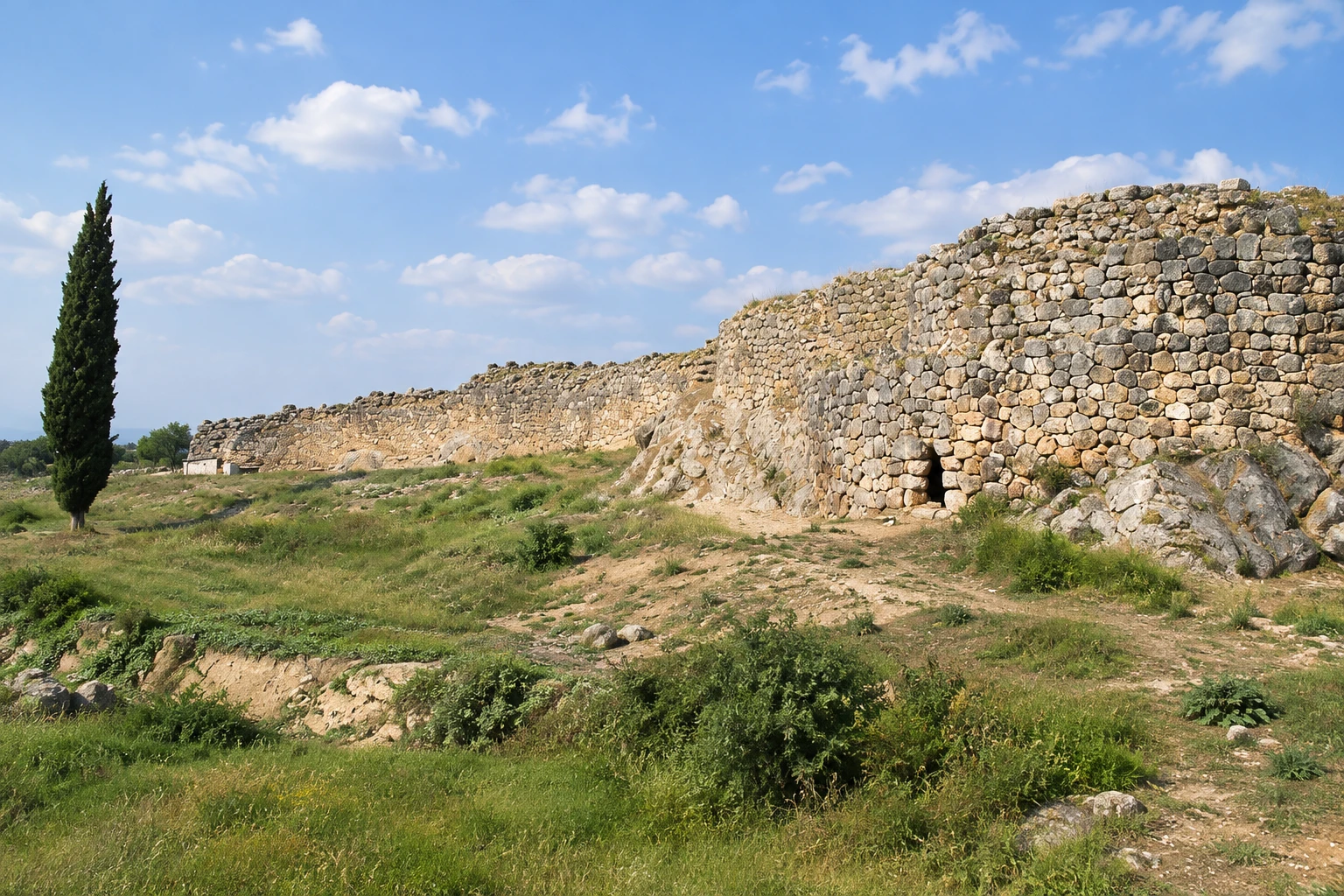
The citadel of King Agamemnon of the Iliad: cyclopean walls, the Lion Gate from 1250 BC, the royal tombs where Schliemann found the gold mask and the Treasury of Atreus, with a museum on site.
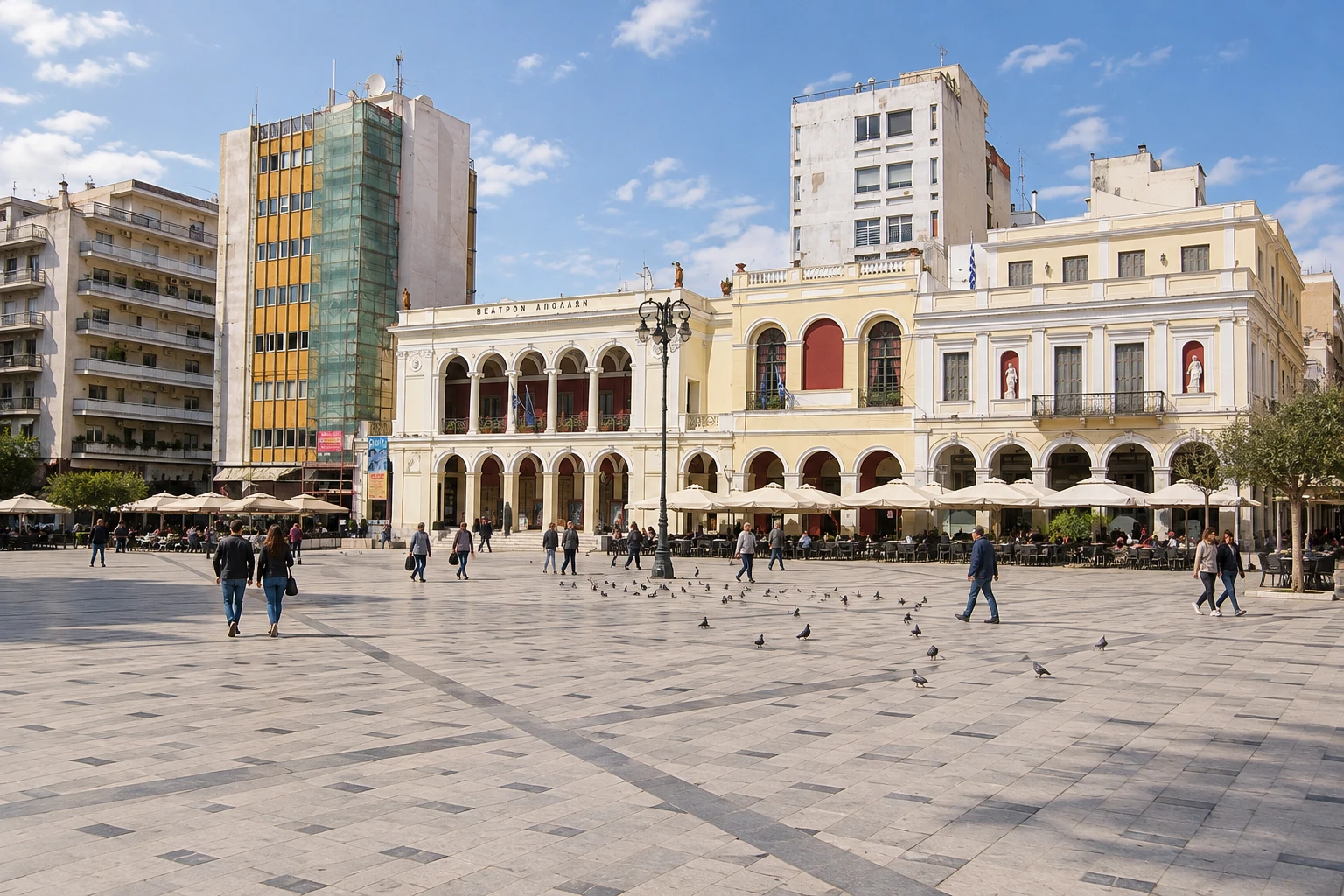
Patras's main square, with fountains, neoclassical buildings and the Apollon theatre (1872), designed by Ernst Ziller; the center of the city's carnival.
Mycenaean citadel on a low hill 8 km from Náuplia, with cyclopean walls up to 17 meters thick and vaulted galleries, linked to the myth of Heracles. World Heritage Site with Micenas.
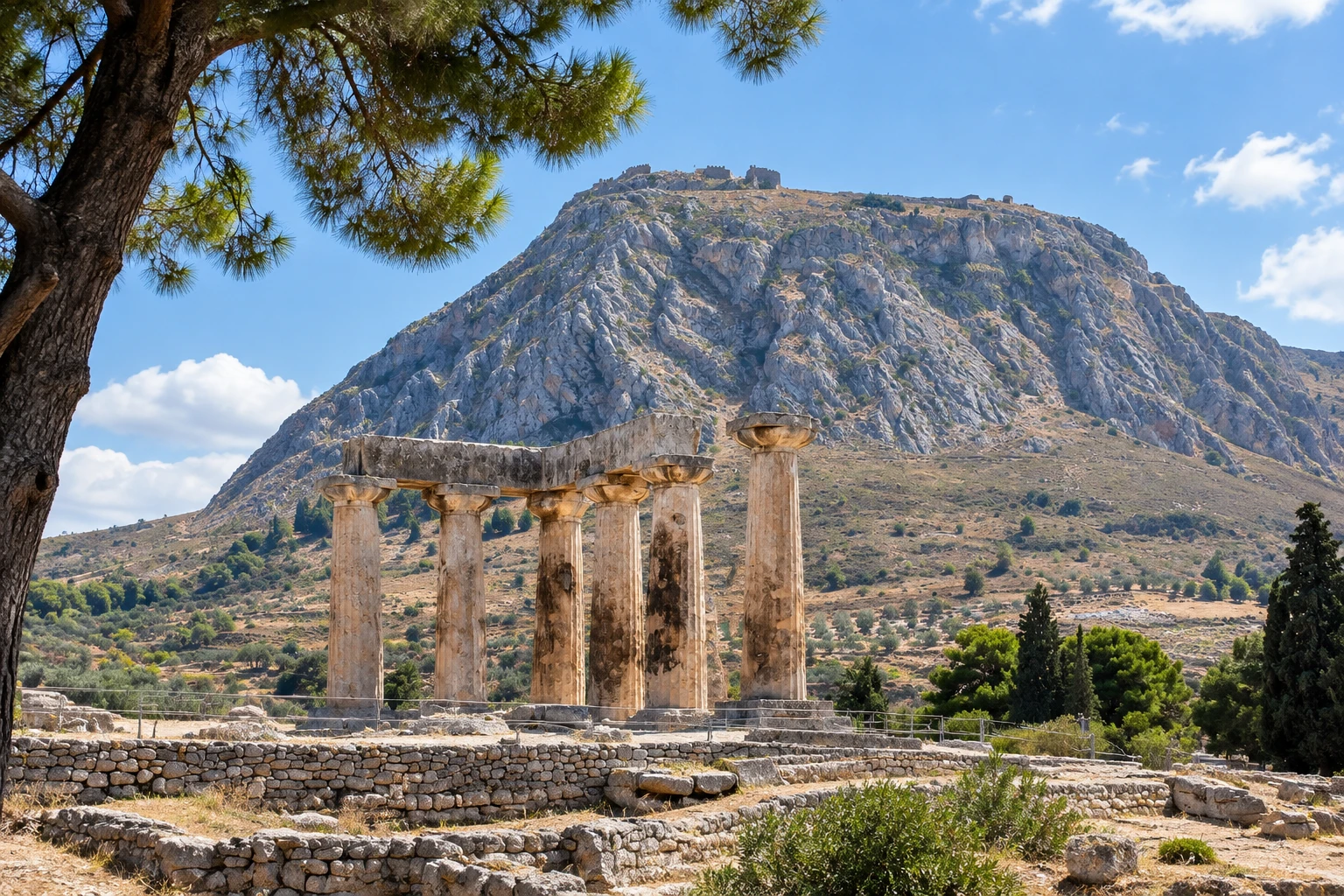
The commercial city of Antiquity that received the apostle Paul, with the seven columns of the Templo de Apolo from the 6th century BCE, the Roman forum, the Pirene fountain and a museum with mosaics and sculptures.
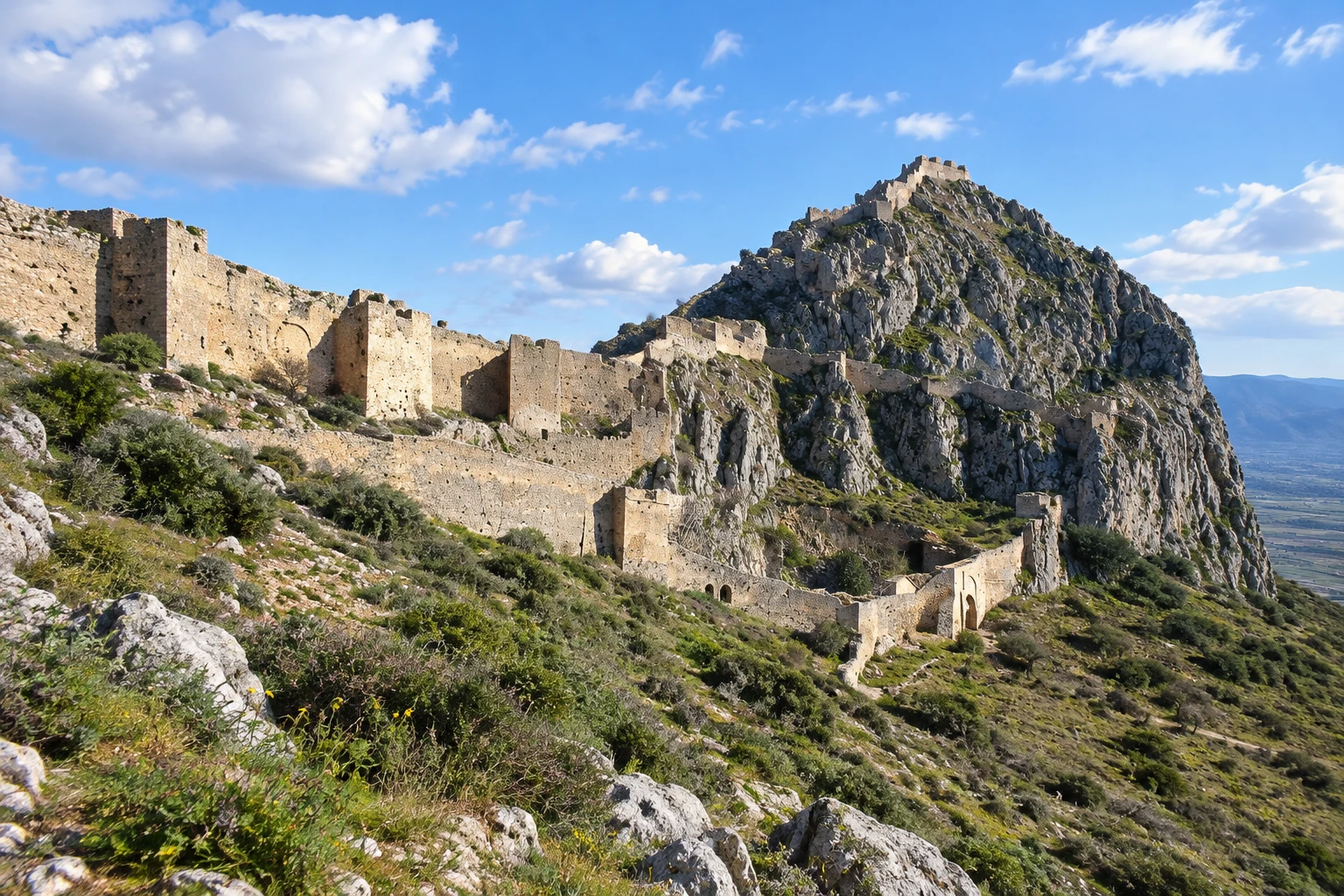
Rock 575 meters above Corinto Antiga, with one of the largest fortresses of the Peloponeso: three gates, 3 km of walls, the high spring of Pirene and, on the summit, the remains of the temple of Afrodite. View over the two gulfs.
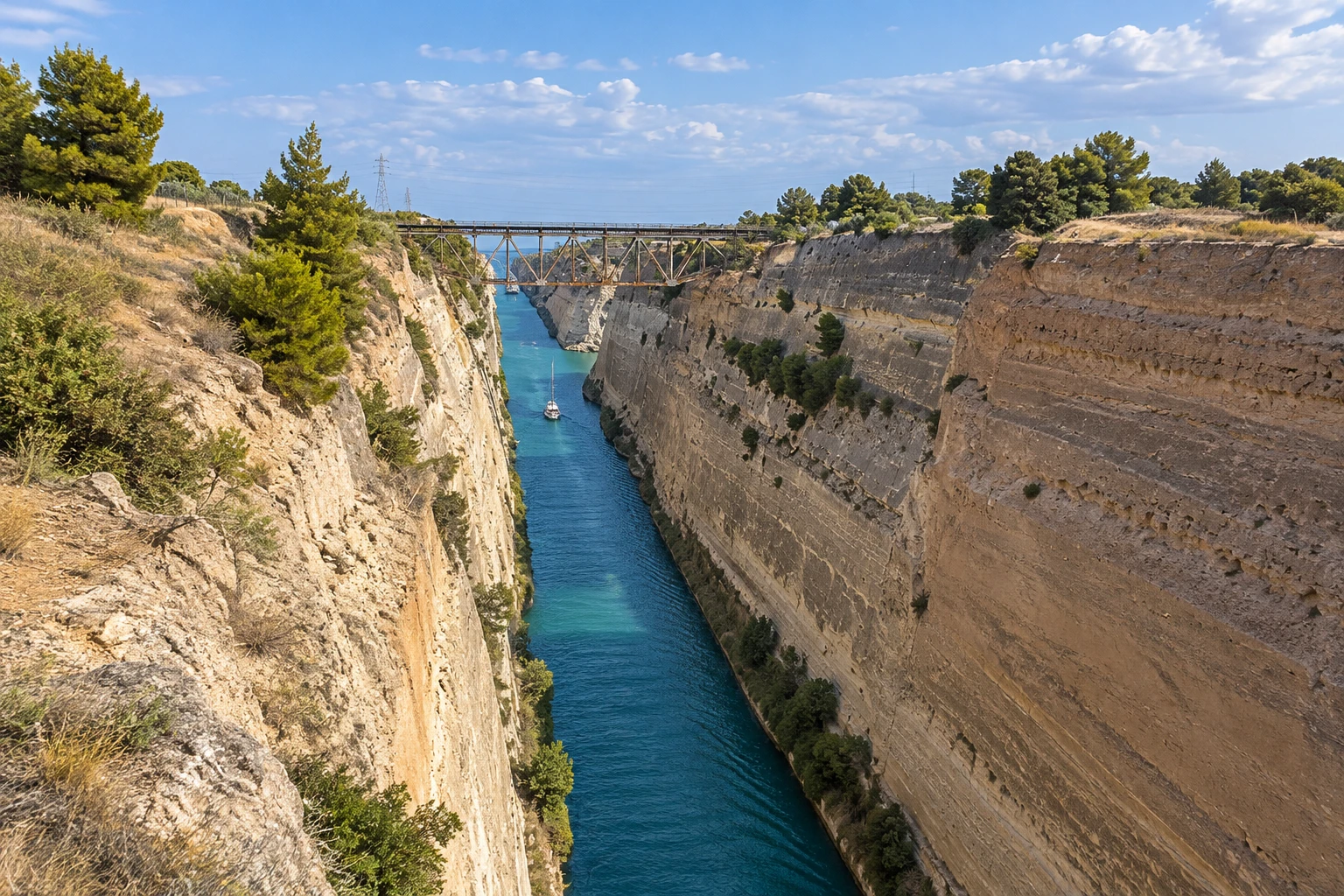
A 6.3 km cut, 24 meters wide, opened between 1881 and 1893 on the isthmus of Corinto, with rock walls up to 90 meters high, seen from above at the national road bridge or at water level from the submersible bridges.
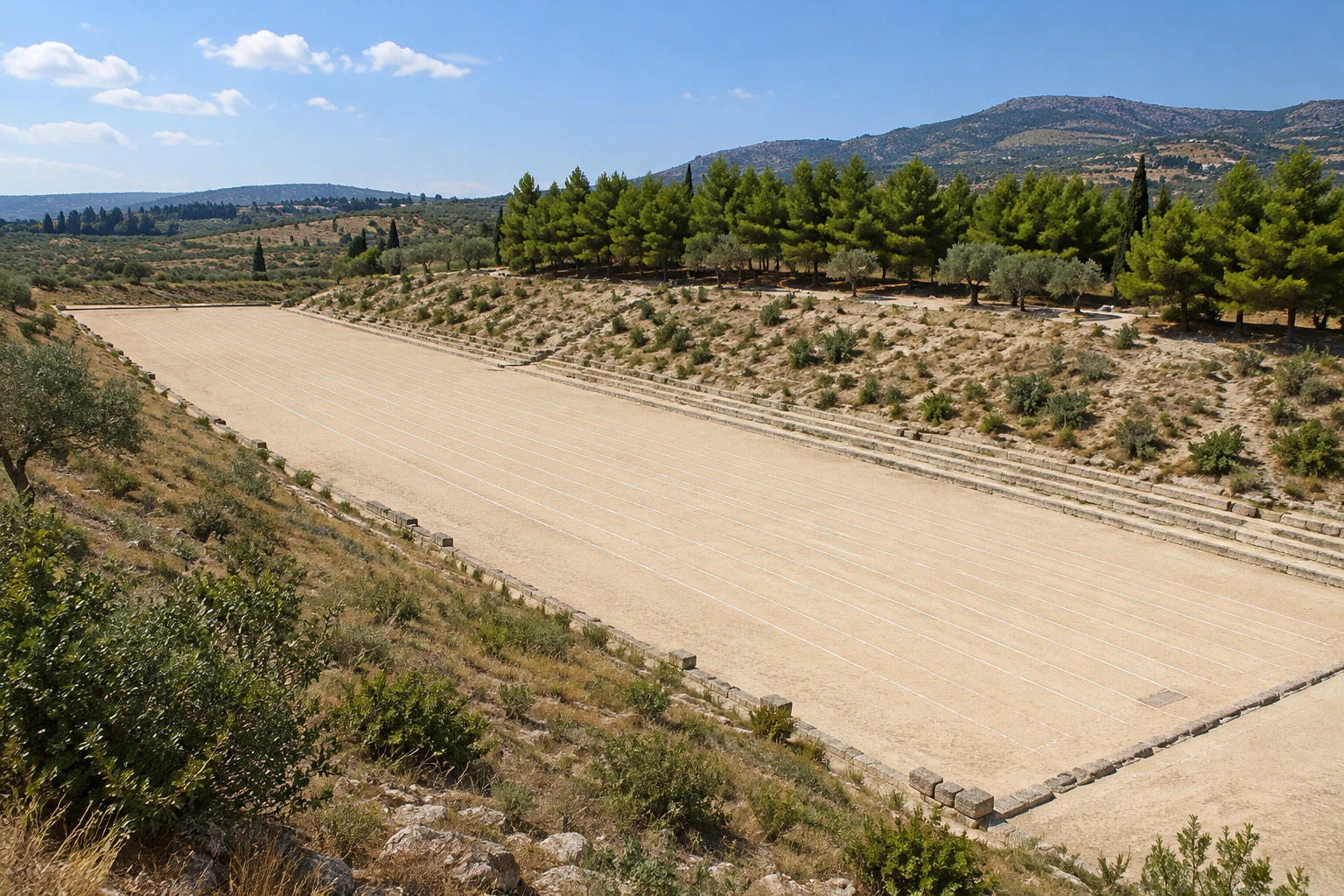
Sanctuary of Zeus where the Nemean Games were held, with the Temple of Zeus with re-erected columns, the stadium with a vaulted tunnel for the athletes' entrance, and a museum, in the middle of the Nemea wine region.
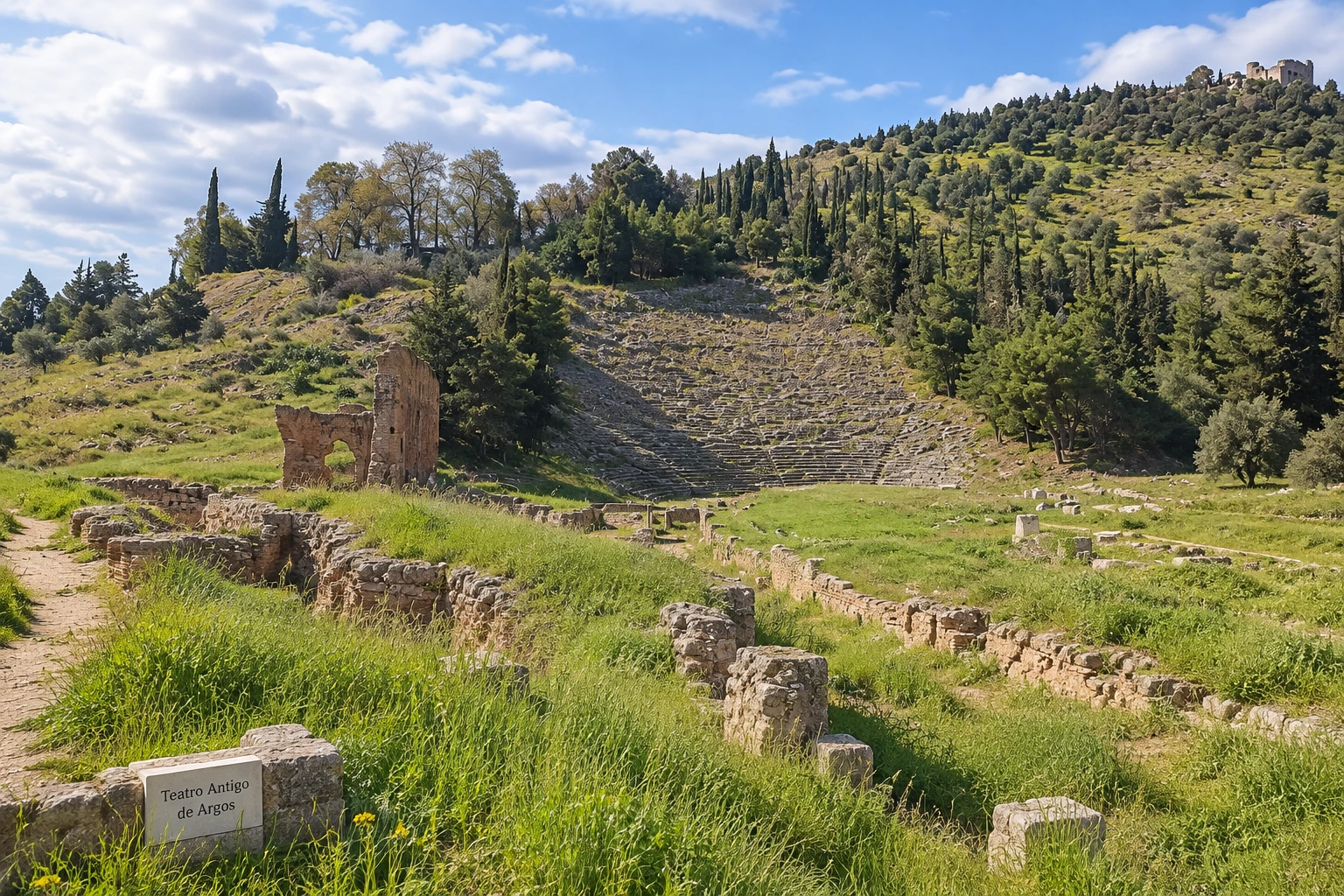
3rd-century BC theatre excavated into the slope of the Larissa hill in Argos, seating 20,000, next to the ancient agora and Roman baths, in a city inhabited for seven thousand years.


 Brazil
 Antarctica
 Argentina
 Bolivia
 Chile
 Colombia
 Ecuador
 Falkland Islands (Malvinas)
 French Guiana
 Guyana
 Paraguay
 Peru
 Suriname
 Uruguay
 Venezuela
 Austria
 Belgium
 Croatia
 Denmark
 Finland
 France
 Germany
 Hungary
 Iceland
 Ireland
 Italy
 Luxembourg
 Norway
 Poland
 Portugal
 Slovakia
 Slovenia
 Spain
 Sweden
 Switzerland
 the Czech Republic
 the Netherlands
 the United Kingdom
 Turkey
 Bermuda
 Canada
 Greenland
 Mexico
 Saint Pierre and Miquelon
 the United States
 the Dominican Republic
 Japan
 Egypt
 South Africa
 Australia
 Fiji
 New Zealand
 Papua New Guinea