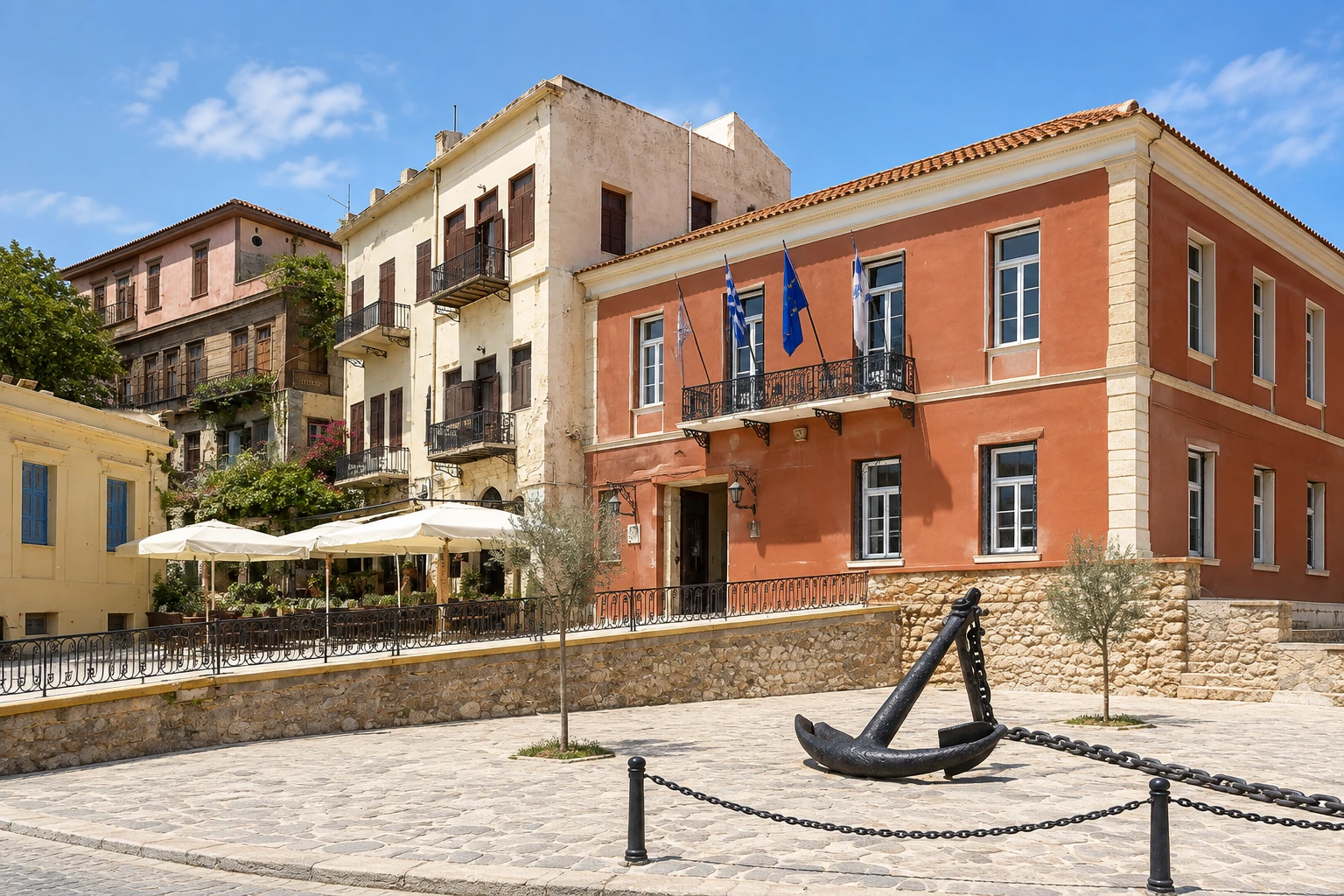
Boureki
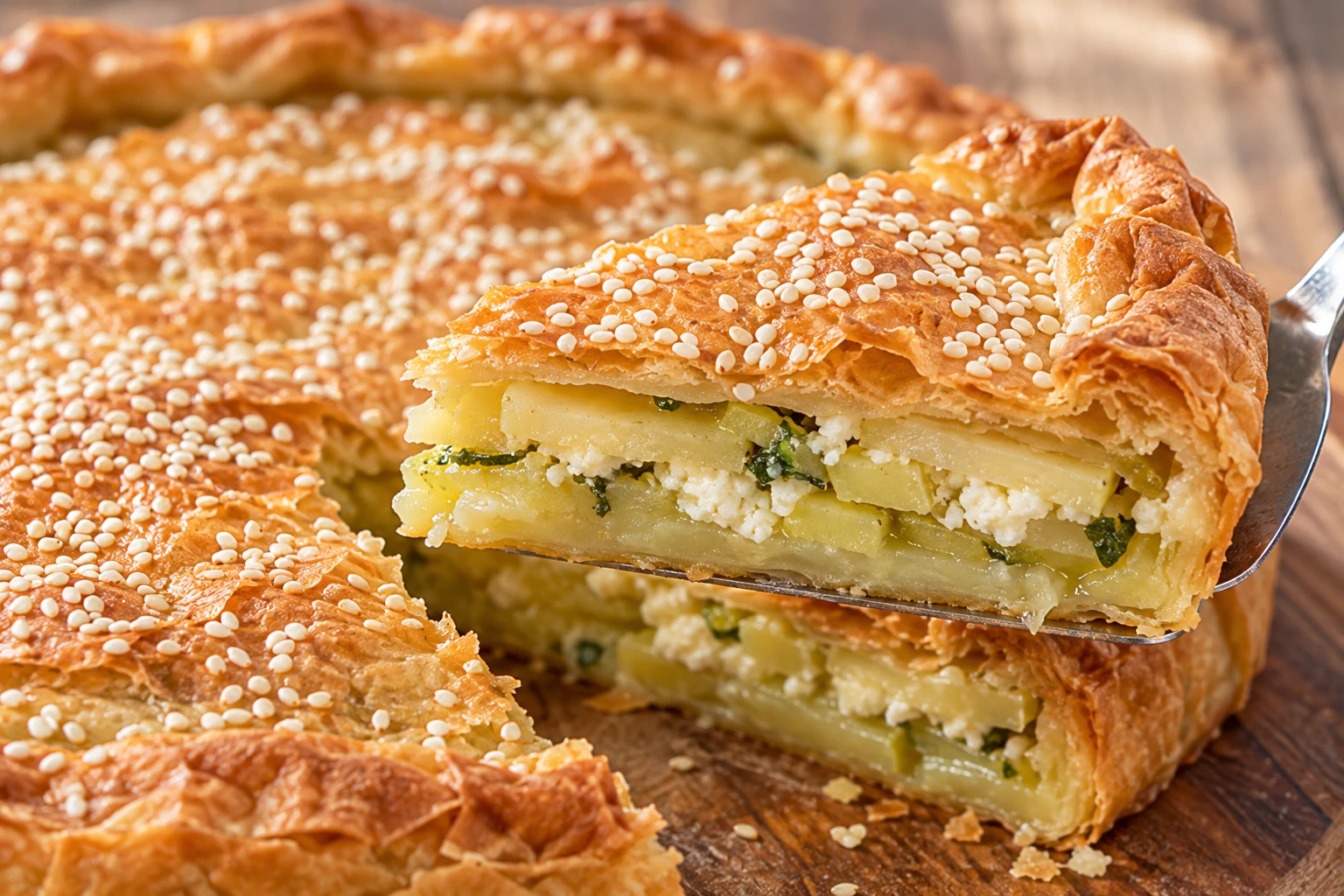
Layered baked tart of thinly sliced zucchini and potato, with mizithra cheese and mint, sometimes topped with pastry. It is named for Chania, in western Crete, and is a summer dish (June to August), when zucchini are in season.
Antarctica
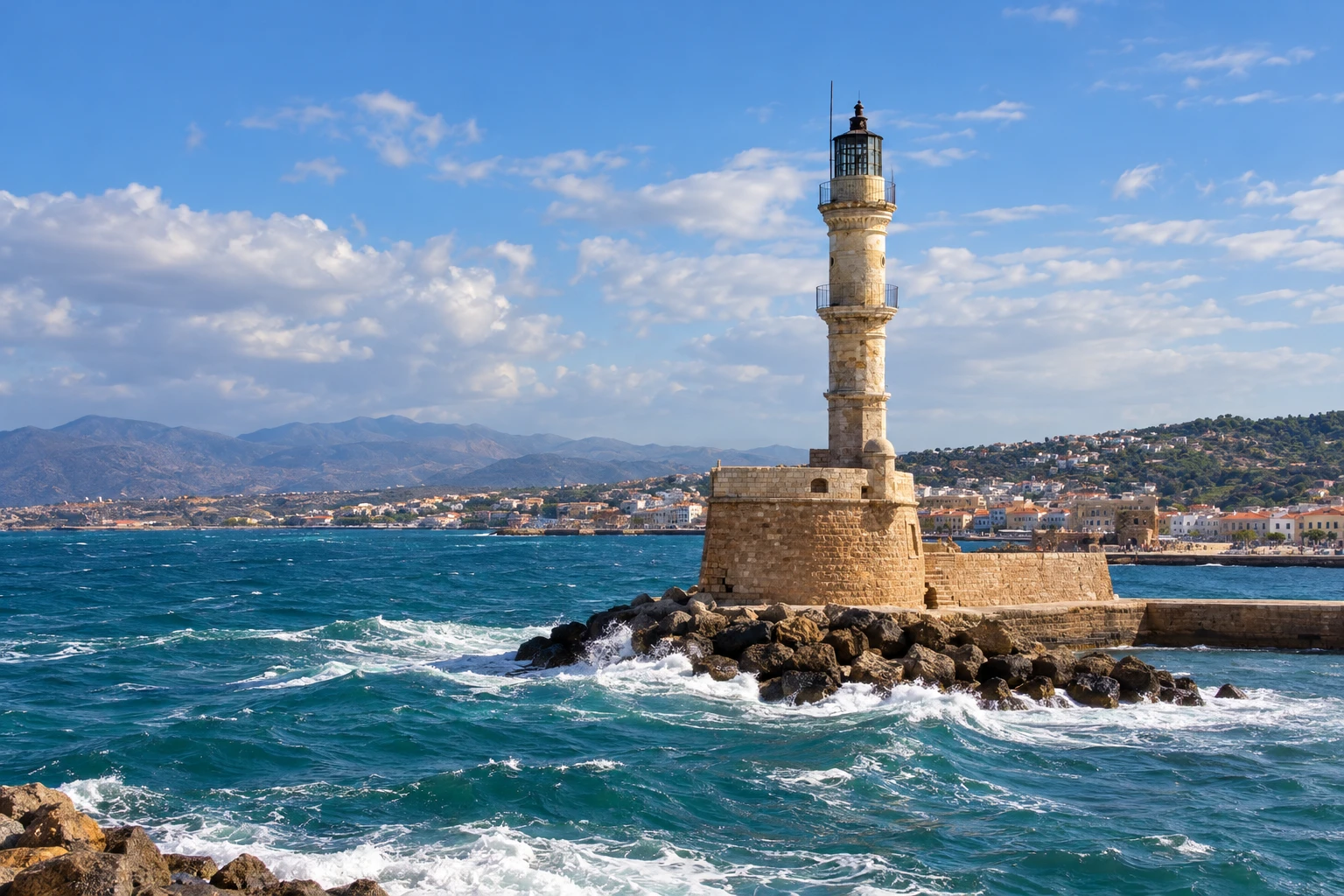
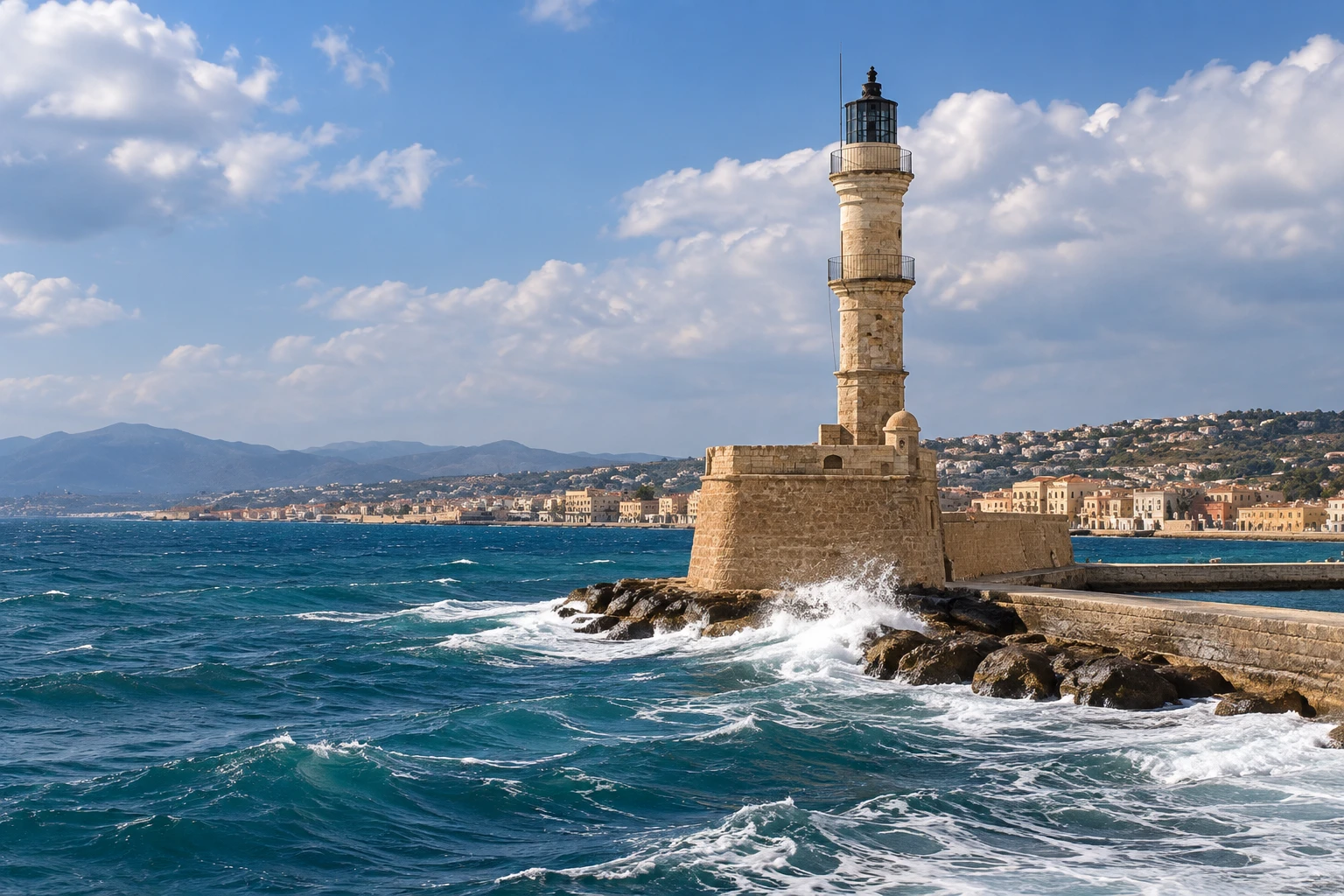
In the photo: Farol veneziano de Chania
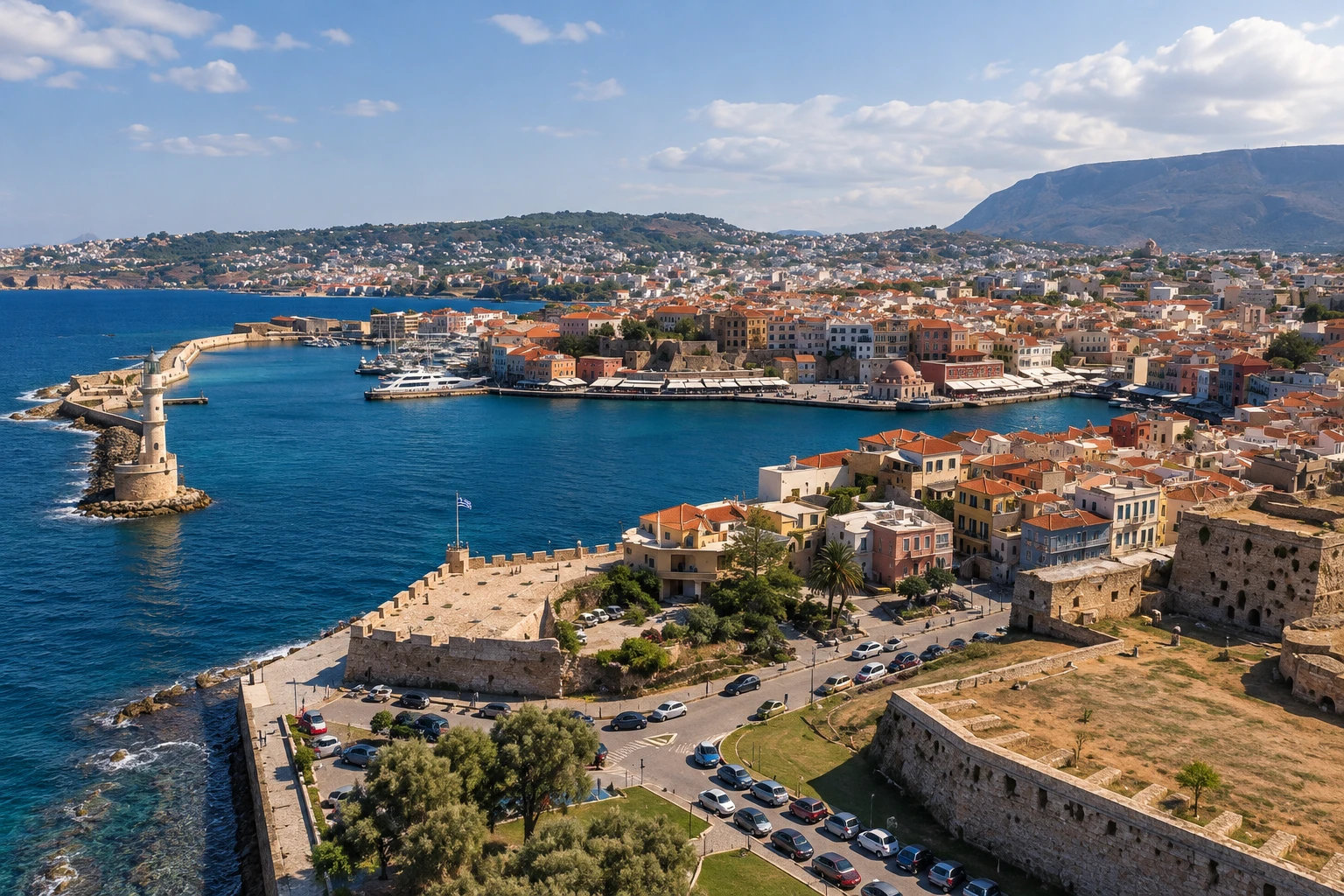
Illustrative images. The pictures in this guide are illustrations based on the real place, not photographs, and may differ from it.
The city
Chania is the second city of Creta and the most beautiful place to stay: the crescent-shaped Venetian harbour, with the lighthouse at the end of the breakwater and the old mosque of the janissaries on the waterfront, is the centre of an old town of narrow lanes, Venetian and Ottoman houses, neighbourhoods such as Topanas and Splantzia and the Etz Hayyim synagogue. It is the base for the west of the island: the Samaria Gorge, the beaches of Elafonisi, Balos and Falasarna, and the Akrotiri peninsula, with monasteries and the beach of Stavros.
There's no accommodation in the guide yet in Chania.
Tem hotel, pousada ou casa de temporada aqui? Cadastre a suaThere are no restaurants in the guide yet in Chania.
Know a good one? Recommend it to usHotéis e restaurantes da cidade no mapa.
how to get there · how many days · itinerary · questions
Flavors of Greece
The local experience
The porto veneziano in a crescent, with the mesquita dos janízaros on the water’s edge, the arcades of the shipyards and the 1864 lighthouse at the tip of the breakwater: Chania's iconic image.
The old town behind the port: Topanas, with Venetian and Ottoman houses, the old Jewish quarter with the synagogue Etz Hayyim, Splantzia and the hill of Kastelli, where Chania began.
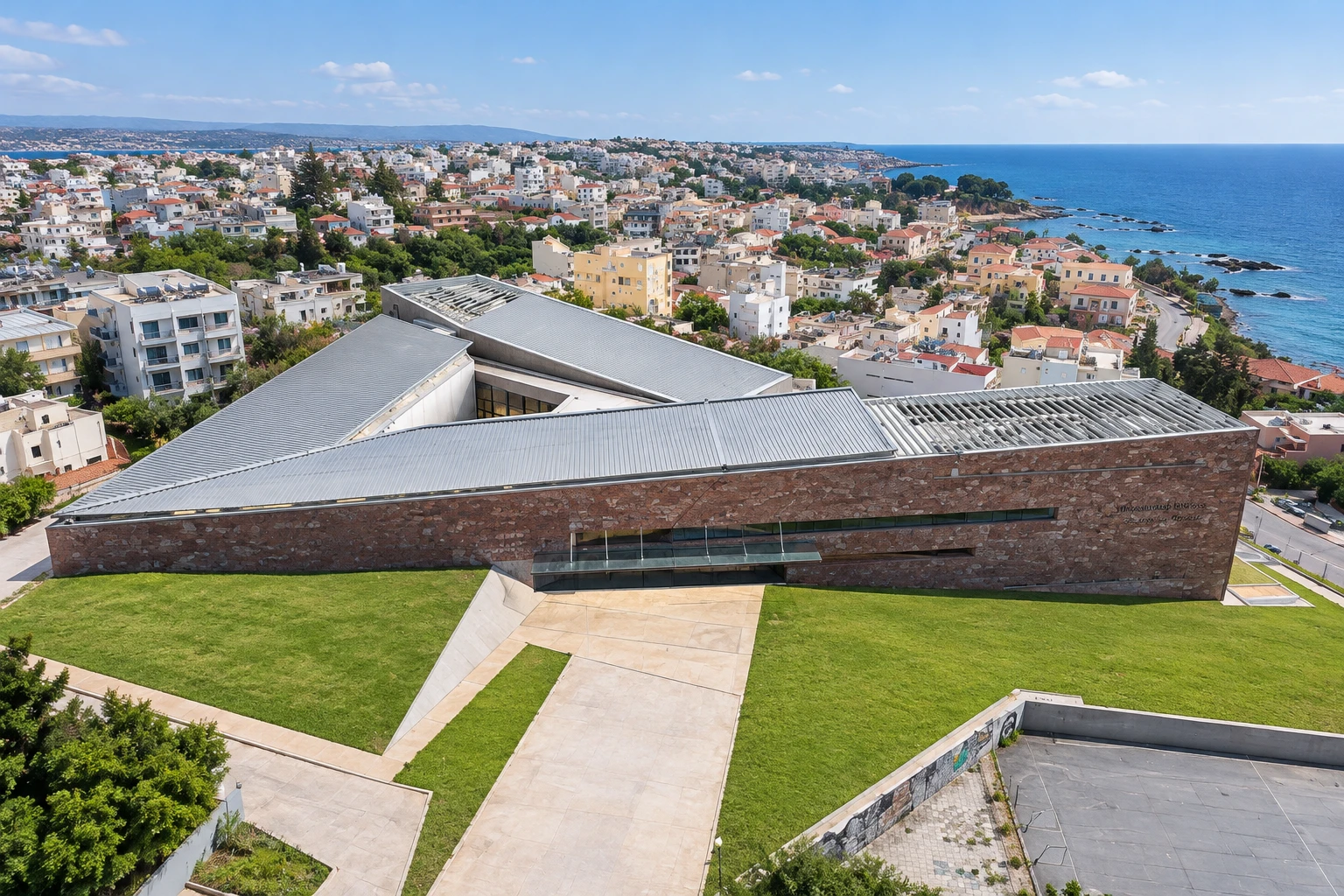
The archaeological museum of western Crete, in a new building in the Halepa district, with finds from Kydonia, Minoan Chania, Aptera and other ancient towns in the region.
The maritime museum in the Venetian fortress Firkas, at the western entrance of the port, with ship models, navigation instruments and the story of the Battle of Crete; on the other side of the port, the replica of a Minoan ship.
Before you go
Chania – Greece Destination Crete about 140 km from Heraklion
Approximate distances. Check flights and bus, train or boat schedules before you travel.
Flights to Brazil usually connect through another city. Confirm before buying. From Atenas, the flight to Chania airport takes about an hour; the airport is on the Akrotiri peninsula, about 14 km from the centre, with buses and taxis. The overnight ferry from Pireu arrives at Souda port, 7 km away, where there are buses to the city. From Heraclião, KTEL buses take nearly three hours along the northern highway; from Rethymno, about an hour.
Three days: one for the old town and the museums, one for the Samaria Gorge or Elafonisi, and another for Balos and Falasarna or the Akrotiri peninsula. With five days you can do all this unhurriedly and still sample the cuisine of the inland villages.
From May to October for the beaches and for the Samaria Gorge, which usually opens in that period. June and September are very hot without the crowds of July and August. April and October are good for the town and for walks, with the sea still cold for many. In winter the old town is quiet and the mountains behind it often show snow.
The seasons shown are the most usual ones; nature doesn't always follow the calendar.
You don't need a car for the town, which is walked, nor for the Samaria Gorge, which has KTEL buses and tours. For Elafonisi, Balos, Falasarna and the Akrotiri peninsula, a car or an organized excursion makes a difference. In summer buses reach Elafonisi and Kissamos, but with limited schedules; check in advance.
Suggested itinerary
Built with the places on this page. No rush: it's paced so you have time to see them.
Start at the puerto veneziano, in the square by the mesquita dos janízaros. Walk along the breakwater to the lighthouse and return on the west side, where the Firkas fortress is located, housing the Museu Marítimo de Creta.
Have lunch at a taverna in the alleys behind the harbour and lose yourself in Topanas and the old Jewish quarter, with the Etz Hayyim synagogue. Head east to Splantzia, quieter, with the square and the church of Agios Nikolaos, which has both a bell tower and a minaret.
Take a taxi or walk to the Halepa neighbourhood to visit the Museu Arqueológico de Chania in the new building, and return along the waterfront.
The tavernas on the harbour and those on Zambeliou Street and Splantzia square serve fish and Cretan dishes. The lighthouse is lit up.
Day 1
Harbour, breakwater to the lighthouse and Museu Marítimo de Creta in the Firkas fortress.
Topanas, the Jewish quarter and Etz Hayyim synagogue, then Splantzia and Kastelli, the hill where the town began.
The museum in Halepa, with the Minoan finds from Kydonia, the ancient name of Chania.
Dinner with a view of the lighthouse.
Day 2
Leave early by bus or tour for Omalos and walk the 16 km of the gorge to Agia Roumeli on the Libyan Sea. Bring water and snacks; the descent takes about five to seven hours.
Swim in Agia Roumeli while waiting for the boat to Chora Sfakion or Sougia.
The boat takes you to the port where a bus waits to return to Chania; arrival is usually at night.
Light dinner near your accommodation.
Day 3
By car, head west: Balos, with the lagoon visible from the top of the trail, or Elafonisi, with its pink sand and shallow lagoon. Arrive before 10:00 a.m. to find parking.
On the way back from Balos, stop at Falasarna for the wide beach and the ruins of the ancient city. If you went to Elafonisi, stay there for the entire afternoon.
Coffee in Kissamos before returning to Chania via the northern road.
Last night in the old town.
Check before you go. Opening hours and days change, and places may close for renovations, holidays or events. This itinerary is a suggestion from Cidade Turismo, not a commitment: plan yours by checking directly with each place you intend to visit.
Before you go
The airport is on the Akrotiri peninsula, about 14 km away. There are KTEL buses to the central station and taxis at the exit. The journey takes 25 to 40 minutes.
It's about 140 km via the northern highway, roughly two hours by car or almost three by KTEL bus, with a stop in Rethymno. Many people arrive via Heraclião and leave from Chania, or vice versa.
Yes. KTEL buses depart in the early morning for Omalos, and at the end of the day the boat from Agia Roumeli takes you to a port where another bus waits to return to Chania. Organized excursions follow the same route. The gorge usually opens from May to October; check ahead.
Elafonisi is about 75 km away, roughly an hour and a half by car on mountain roads. Balos is about 55 km to the parking area, with the last kilometres on a dirt road and then some 30 minutes of downhill walking; or you can go by boat from Kissamos.
In the old town, around the harbour: Topanas to the west and Splantzia to the east are the most sought-after neighbourhoods. For beaches, the stretch of Nea Chora to the west, or Agia Marina and Platanias a few kilometres away.