Canelé
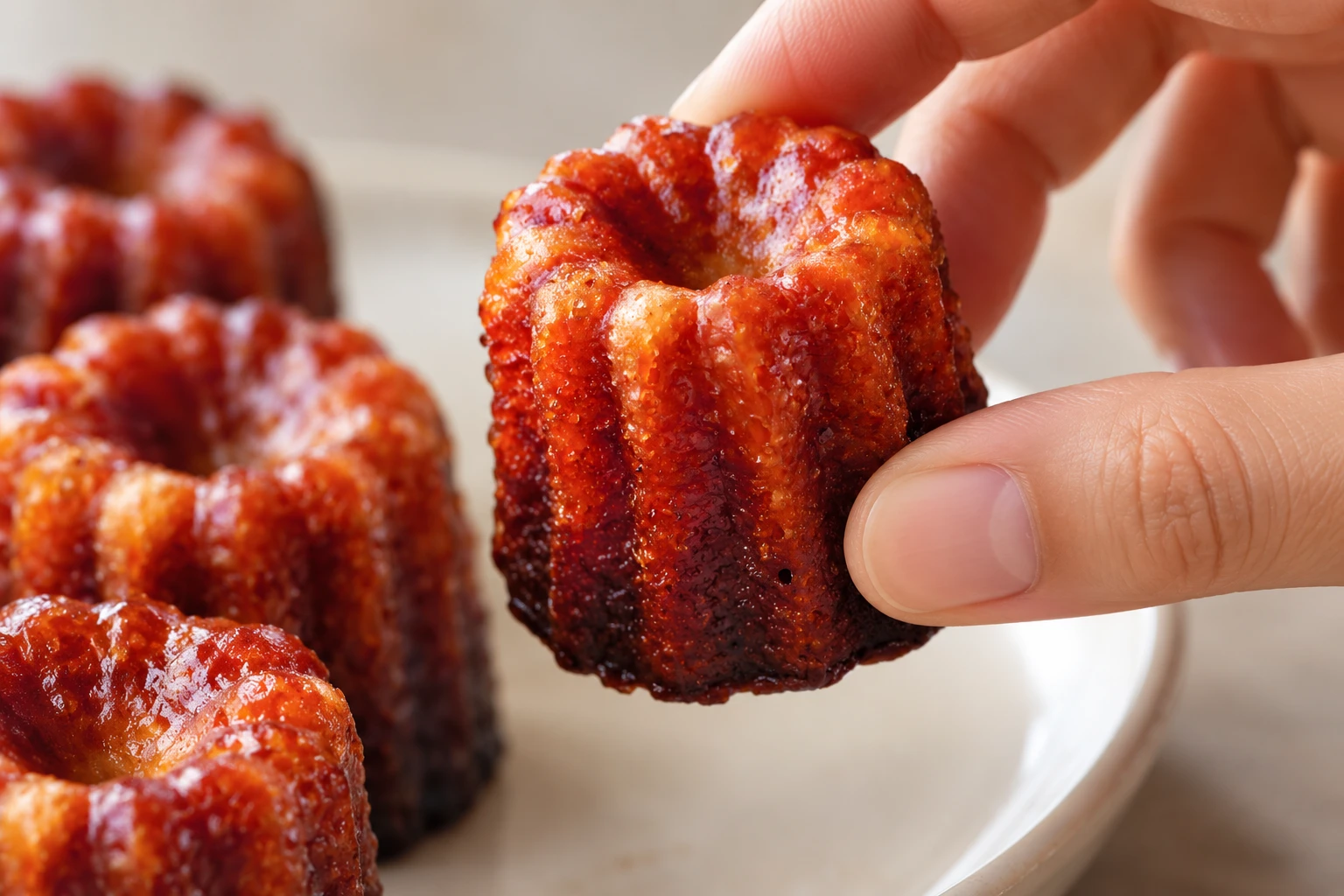
Small cake made from milk, eggs, flour and sugar, scented with rum and vanilla and baked in fluted copper molds, with a dark caramelized crust and creamy interior. It is the sweet symbol of Bordeaux.
Antarctica
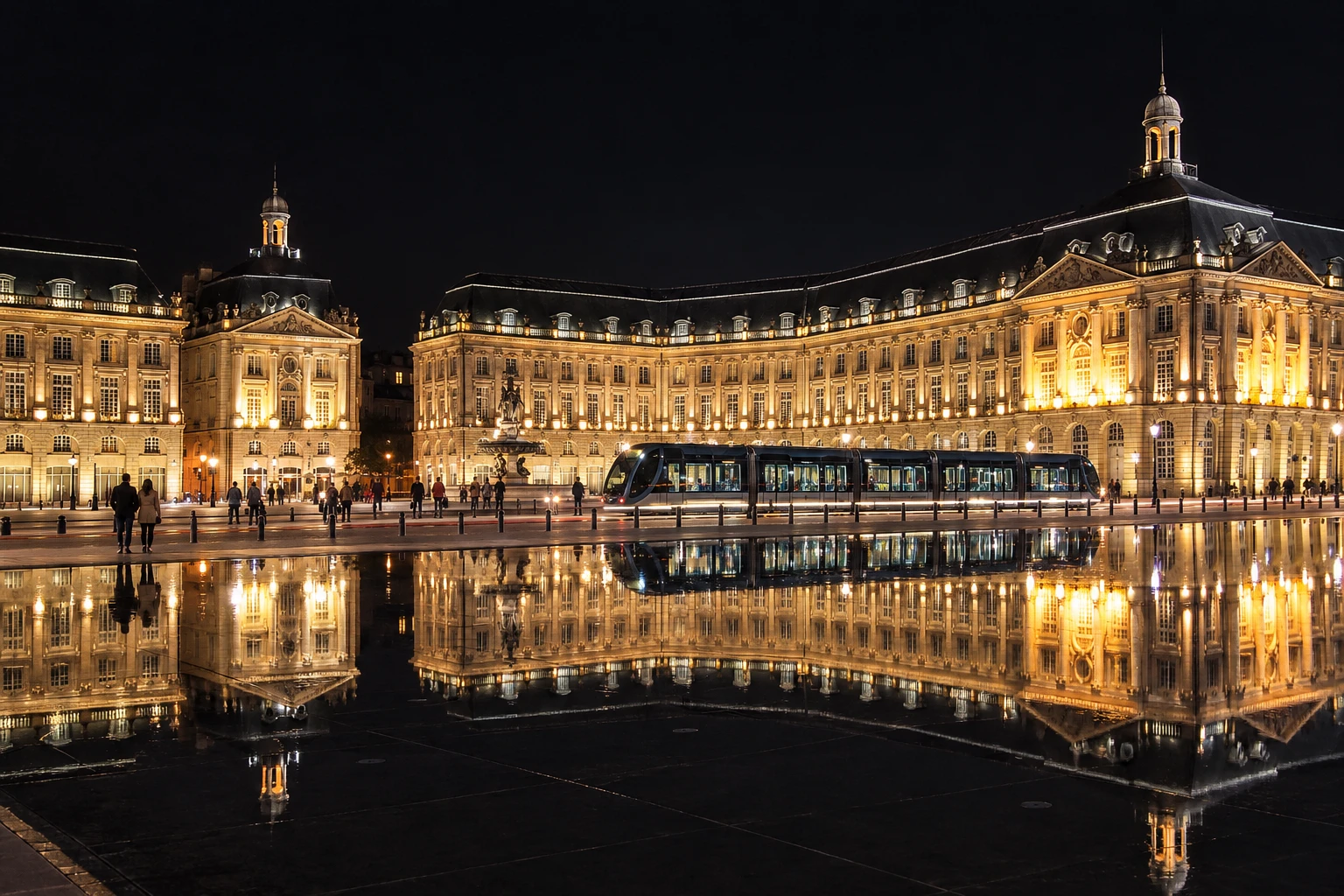
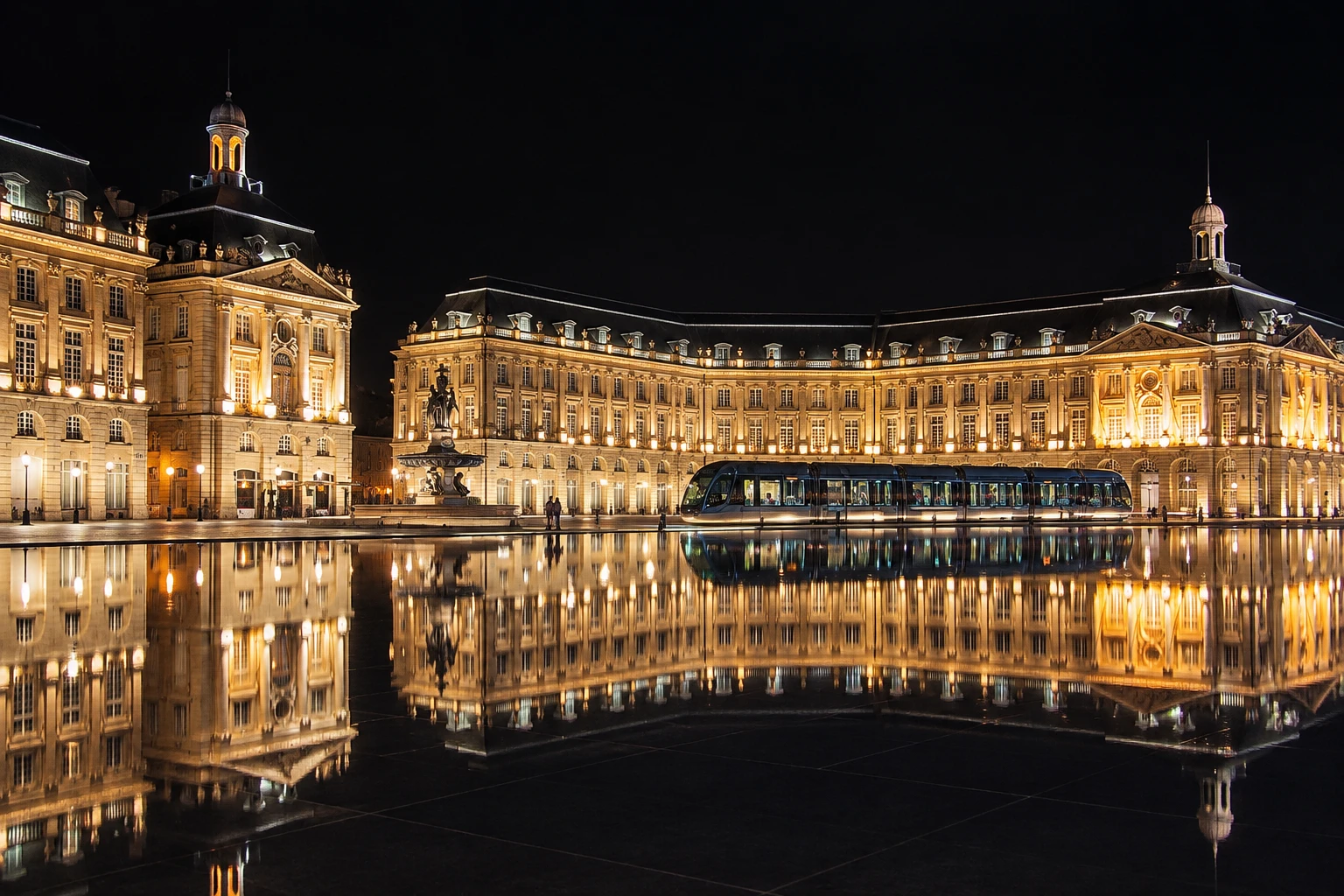
In the photo: Place de la Bourse and Miroir d’eau · Bordeaux
Illustrative images. The pictures in this guide are illustrations based on the real place, not photographs, and may differ from it.
The city
Bordéus is the capital of Nova Aquitânia and the gateway to the vineyards of southwestern France. The center, with pale 18th-century stone façades along the Garonne, is a World Heritage Site under the name Port de la Lune. There you’ll find the Place de la Bourse with the Miroir d'eau, the Grand-Théâtre, the Cathédrale Saint-André with the Tour Pey-Berland, the Grosse Cloche and the Basilique Saint-Michel. Further north are the Cité du Vin and the Bassins des Lumières, and the city is a base for Pauillac in the Médoc and for the Dune du Pilat.
There's no accommodation in the guide yet in Bordeaux.
Tem hotel, pousada ou casa de temporada aqui? Cadastre a suaThere are no restaurants in the guide yet in Bordeaux.
Know a good one? Recommend it to usHotéis e restaurantes da cidade no mapa.
how to get there · how many days · itinerary · questions
Flavors of France
The local experience
18th-century square open to the Garonne, framed by two palaces, with the Miroir d'eau in front: a shallow sheet of water that reflects the façades and emits mist.
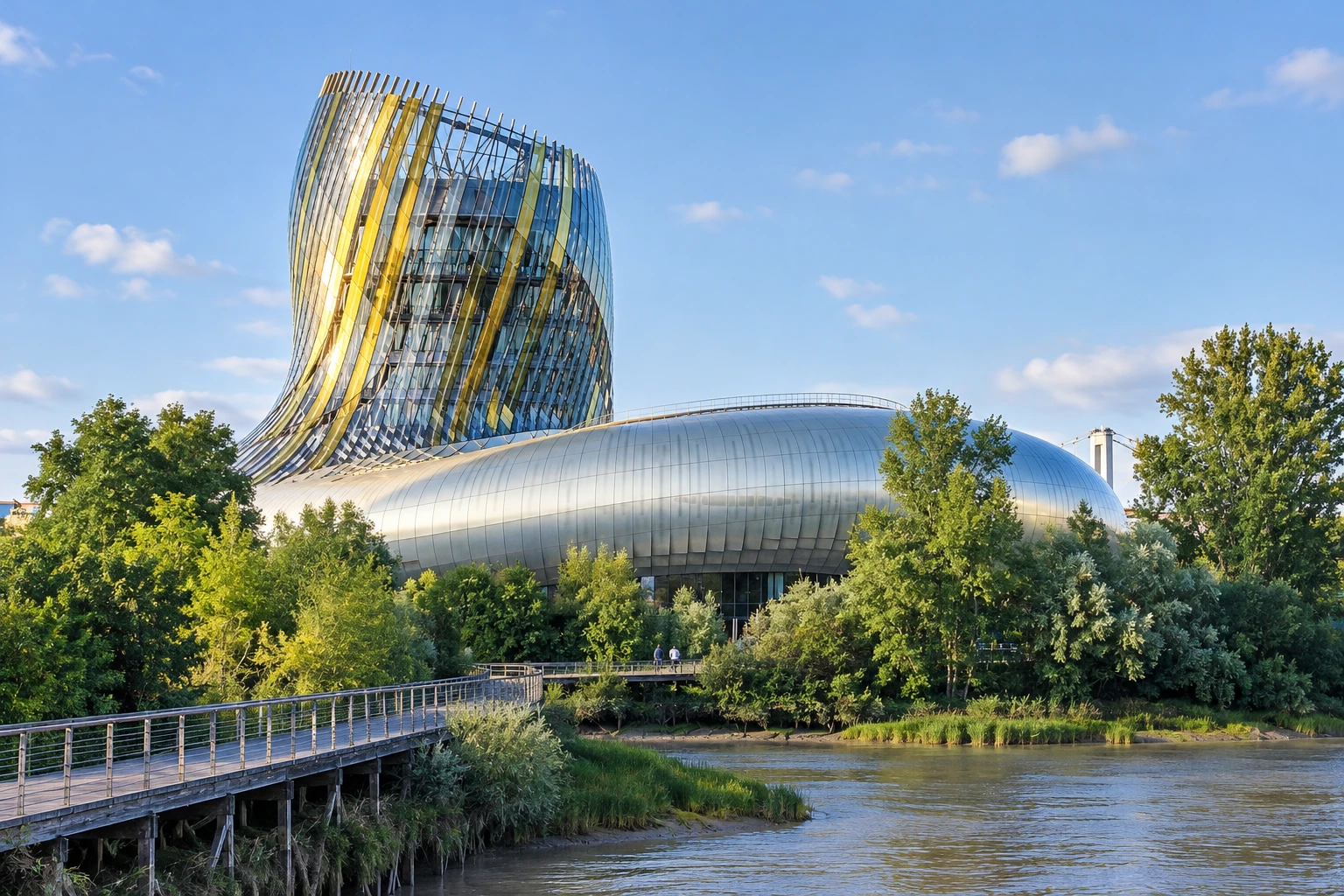
Cultural centre dedicated to wine worldwide, on the banks of the Garonne, with an interactive permanent exhibition, tasting workshops and a belvedere on the 8th floor.
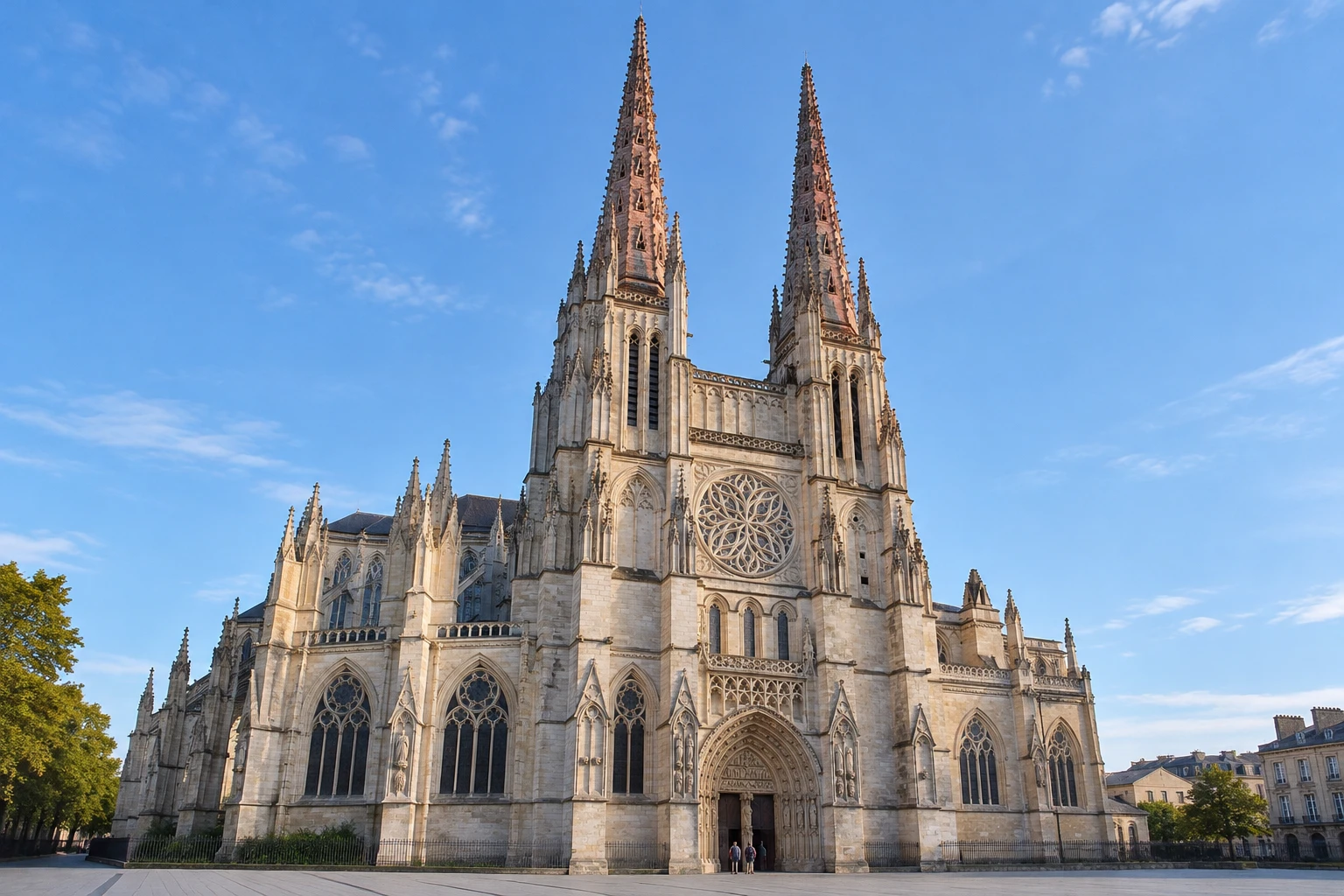
Gothic cathedral where Eleanor of Aquitaine was married in 1137, with a separate bell tower, the Tour Pey-Berland, which has a viewpoint over the centre.
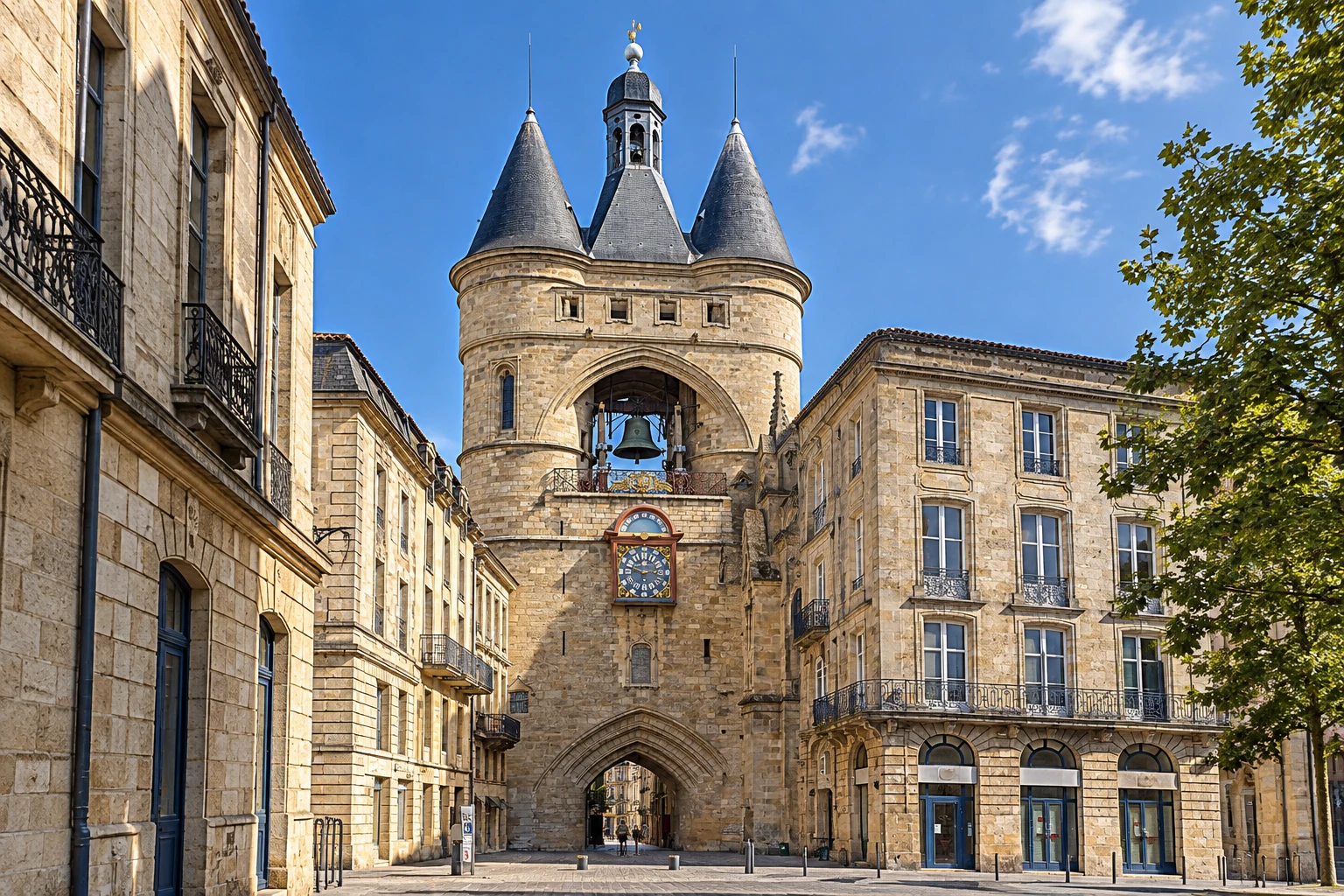
Former gate of the medieval wall and bell tower of the old town hall, with a bell of almost 8 tons that rings only on special dates.
Before you go
Bordeaux – France Destination Bordeaux and Its Vineyards Capital
Approximate distances. Check flights and bus, train or boat schedules before you travel.
The TGV departs from Paris-Montparnasse and reaches the Gare de Bordeaux-Saint-Jean in about 2 hours. Aéroport de Bordeaux-Mérignac (BOD) receives flights from other European cities and has a tram to the station and the center. Connections from Brazil are usually via another city. Check before booking.
One day is enough for the historic center, the quais (riverfront quays) of the Garonne and the Cité du Vin. With two days, add the museums, a climb up one of the towers and the Chartrons neighborhood. Bordéus also serves as a base for day trips to Saint-Émilion, the Médoc and the Dune du Pilat, one per day.
From April to October, with long days and open terraces. The Miroir d'eau usually operates from spring to autumn and stops in winter because of ice. Harvest in the surrounding area typically takes place in September and October. In winter, from December to February, it gets dark early. France is 4 or 5 hours ahead of Brasília, depending on the time of year.
The seasons shown are the most usual ones; nature doesn't always follow the calendar.
Not within the city. The center is explored on foot and the tram connects Gare Saint-Jean, the airport, the Cité du Vin and the Bassins des Lumières. To Saint-Émilion, Pauillac and Arcachon there is a regional train (TER). A car or an organized tour helps to visit several wine estates in the same day.
Suggested itinerary
Built with the places on this page. No rush: it's paced so you have time to see them.
Start at the Cathédrale Saint-André and climb the steps of the Tour Pey-Berland to see the rooftops. Descend along rue Saint-James to the Grosse Cloche, the former gate of the medieval wall.
Have lunch in the center and walk to the Place de la Bourse and the Miroir d'eau. Follow the quays of the Garonne to the Place des Quinconces and pass by the Grand-Théâtre, on the Place de la Comédie.
Take tram B to the Cité du Vin, in the Bacalan district. Go through the permanent exhibition and finish at the belvedere on the 8th floor, with views over the river and the city.
Return to the center and dine near Place du Parlement or rue Saint-Rémi. Dinner usually starts from 19:30. Try the entrecôte à la bordelaise and, for dessert, the canelé, the city's typical pastry.
Day 1
Visit the Cathédrale Saint-André and the Tour Pey-Berland. Then enter the Musée d'Aquitaine, a few blocks away, to understand the history of the city and the port.
Pass by the Grosse Cloche and continue to the Basilique Saint-Michel. The ascent of the spire is usually open from April to October. The neighborhood has cafés on Place Meynard and the Marché des Capucins nearby.
Walk along the quays to the Place de la Bourse and the Miroir d'eau, which reflects the façades at the end of the day. Finish at the Place de la Comédie, in front of the Grand-Théâtre.
Walk a stretch of rue Sainte-Catherine, the long pedestrian street in the center, and dine in the small streets between Place du Parlement and Place Saint-Pierre.
Day 2
Start at the Jardin public and walk to the CAPC, a contemporary art museum in a former warehouse of the Chartrons. The neighborhood preserves the houses of the former wine merchants.
Have lunch in the Chartrons and take tram B to the Cité du Vin. Allow two to three hours for the exhibition and the belvedere on the 8th floor.
Choose between the projections at the Bassins des Lumières, inside the former submarine base, and the Musée Mer Marine. Both are in the Bassins à flot neighborhood, near the Cité du Vin.
Dine in the Bassins à flot neighborhood, around the old docks, or return by tram to the center. Many restaurants close the kitchen between lunch and dinner.
Check before you go. Opening hours and days change, and places may close for renovations, holidays or events. This itinerary is a suggestion from Cidade Turismo, not a commitment: plan yours by checking directly with each place you intend to visit.
Before you go
The Aéroport de Bordeaux-Mérignac is about 12 km from the center. The tram departs from the airport door and goes to Gare de Bordeaux-Saint-Jean. There are also express buses and taxis. Check the line and schedules before you go.
If you plan to use the tram and buses several times, 24-hour or multi-day tickets usually pay off. The city also has a tourist card that bundles transport and entry to museums and monuments. Compare with what you intend to visit before buying.
The canelé, a small cake with a caramelized exterior and a soft interior, is the typical pastry. On restaurant menus you'll find entrecôte à la bordelaise, with red wine and shallot sauce, and oysters from the Arcachon basin. Lunch is usually served from 12:00 to 14:00 and dinner from 19:30.
Partly. The Cité du Vin presents the vineyards of Bordéus and the world, and some wine estates in the metropolitan area are accessible by tram or bus. To see vineyard landscapes, the most common option is a day trip to Saint-Émilion or the Médoc by train, car or tour.
Yes. The regional train links Gare de Bordeaux-Saint-Jean to Arcachon in about 1 hour, and from there local buses go to the dune. By car it's about 65 km. You can do it in a day, including Arcachon's shoreline.