

 Brazil
 Antarctica
 Argentina
 Bolivia
 Chile
 Colombia
 Ecuador
 Falkland Islands (Malvinas)
 French Guiana
 Guyana
 Paraguay
 Peru
 Suriname
 Uruguay
 Venezuela
 Austria
 Belgium
 Croatia
 Denmark
 Finland
 Germany
 Greece
 Hungary
 Iceland
 Ireland
 Italy
 Luxembourg
 Norway
 Poland
 Portugal
 Slovakia
 Slovenia
 Spain
 Sweden
 Switzerland
 the Czech Republic
 the Netherlands
 the United Kingdom
 Turkey
 Bermuda
 Canada
 Greenland
 Mexico
 Saint Pierre and Miquelon
 the United States
 the Dominican Republic
 Japan
 Egypt
 South Africa
 Australia
 Fiji
 New Zealand
 Papua New Guinea
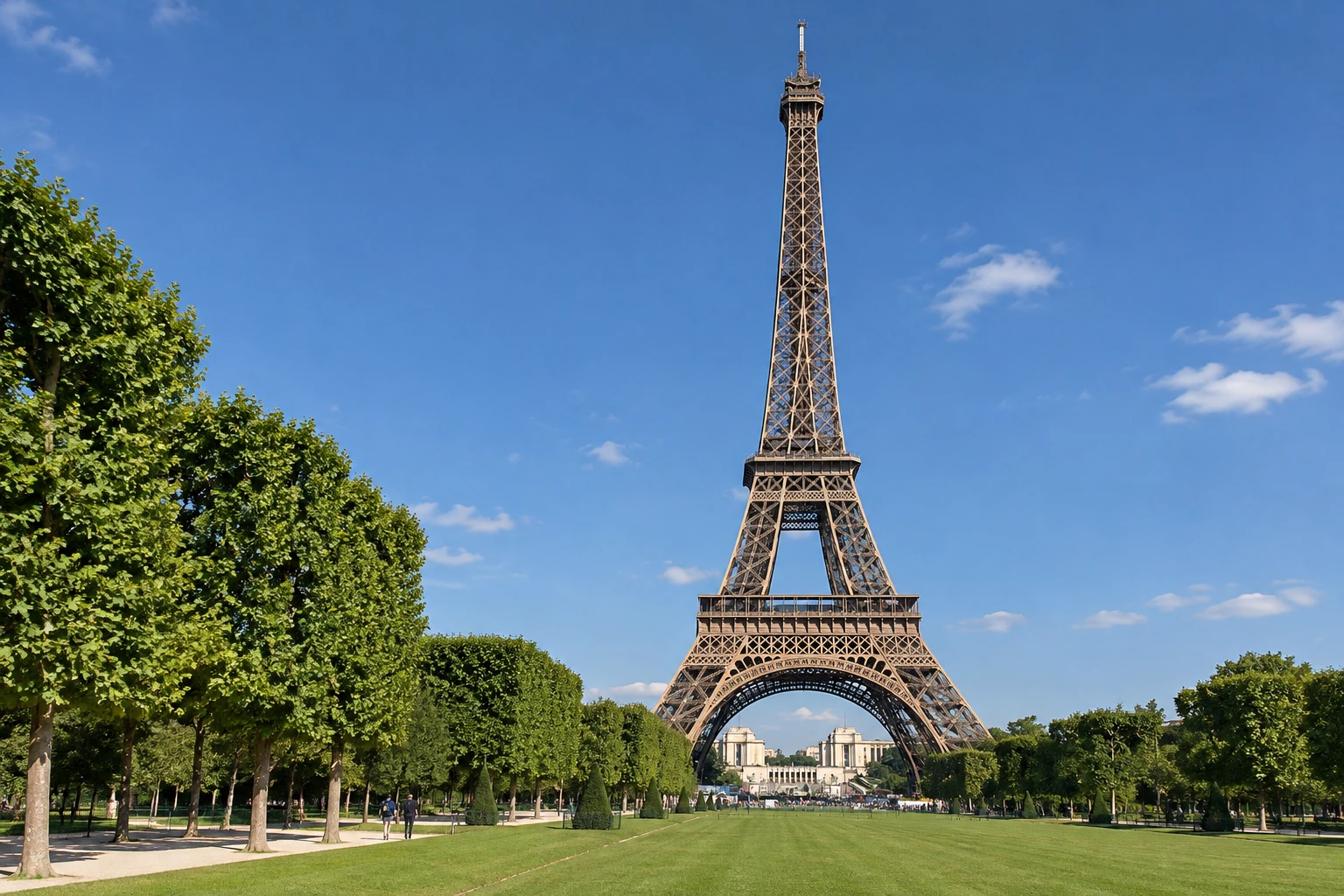
Monument · Paris, France
Eiffel Tower
The 330-metre iron tower built for the 1889 Exposition Universelle, on the banks of the Seine in the Champ-de-Mars. Elevators and stairs take you to the levels and to the top, at 276 metres.
Illustrative images. The pictures in this guide are illustrations based on the real place, not photographs, and may differ from it.

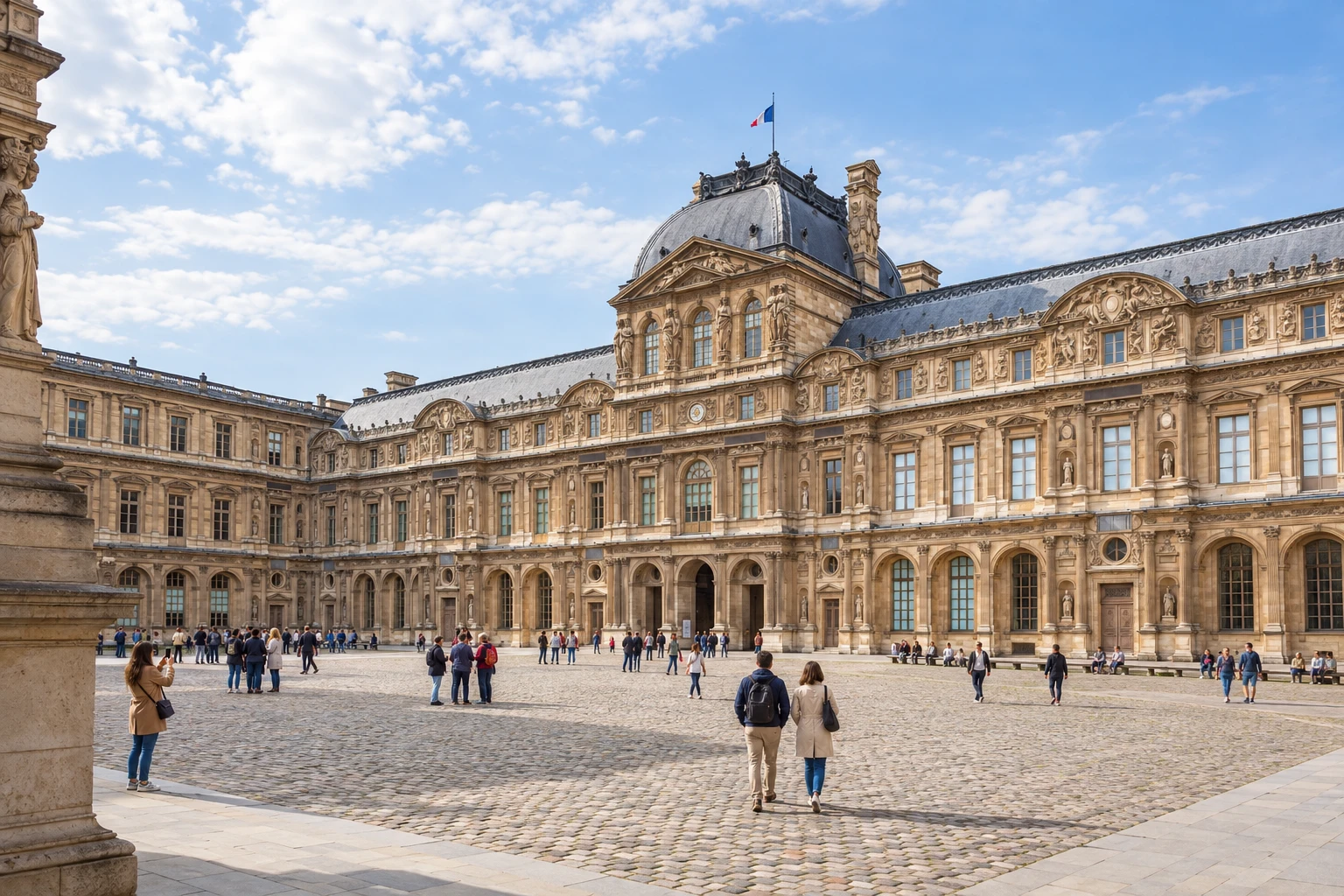
A look at the place
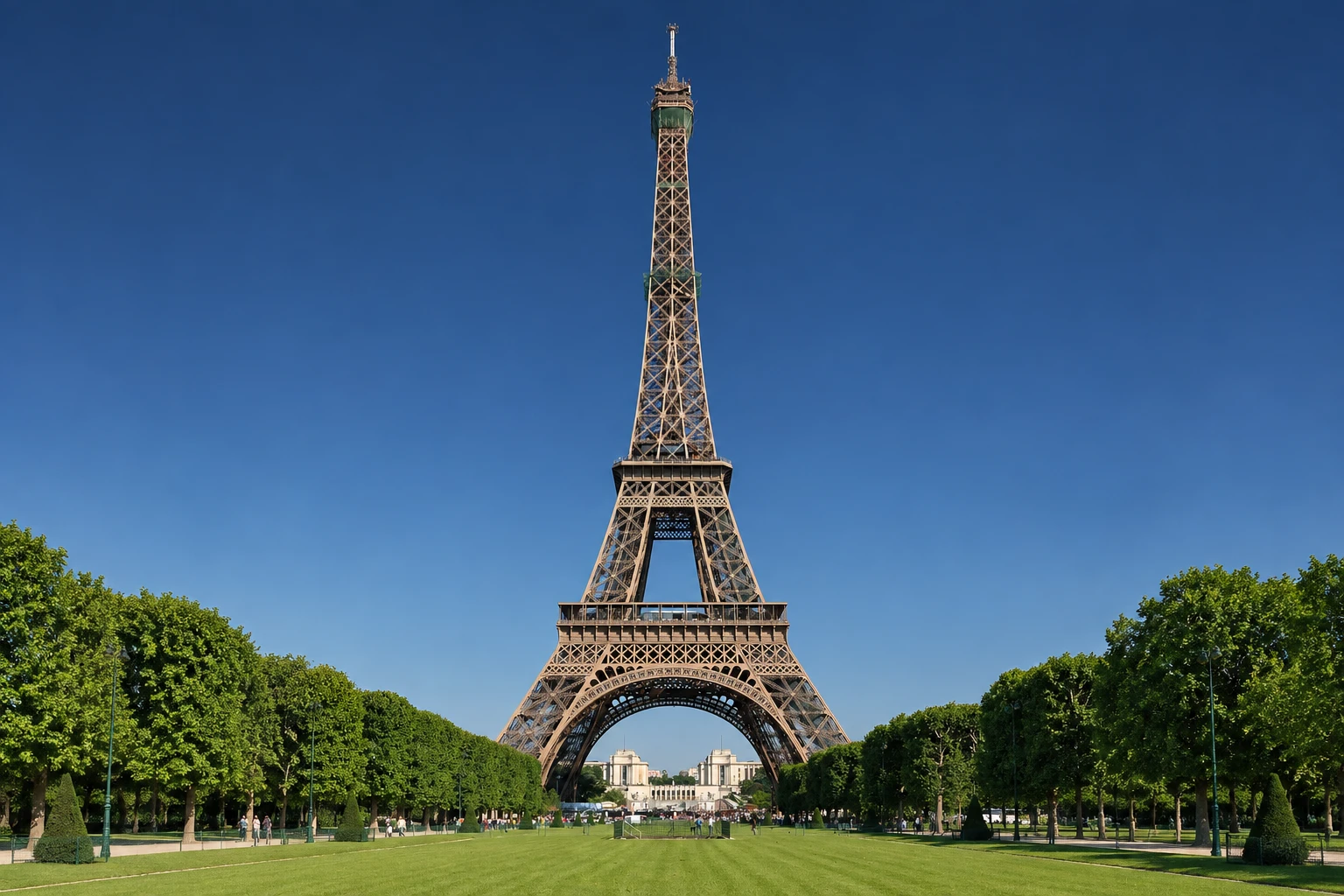
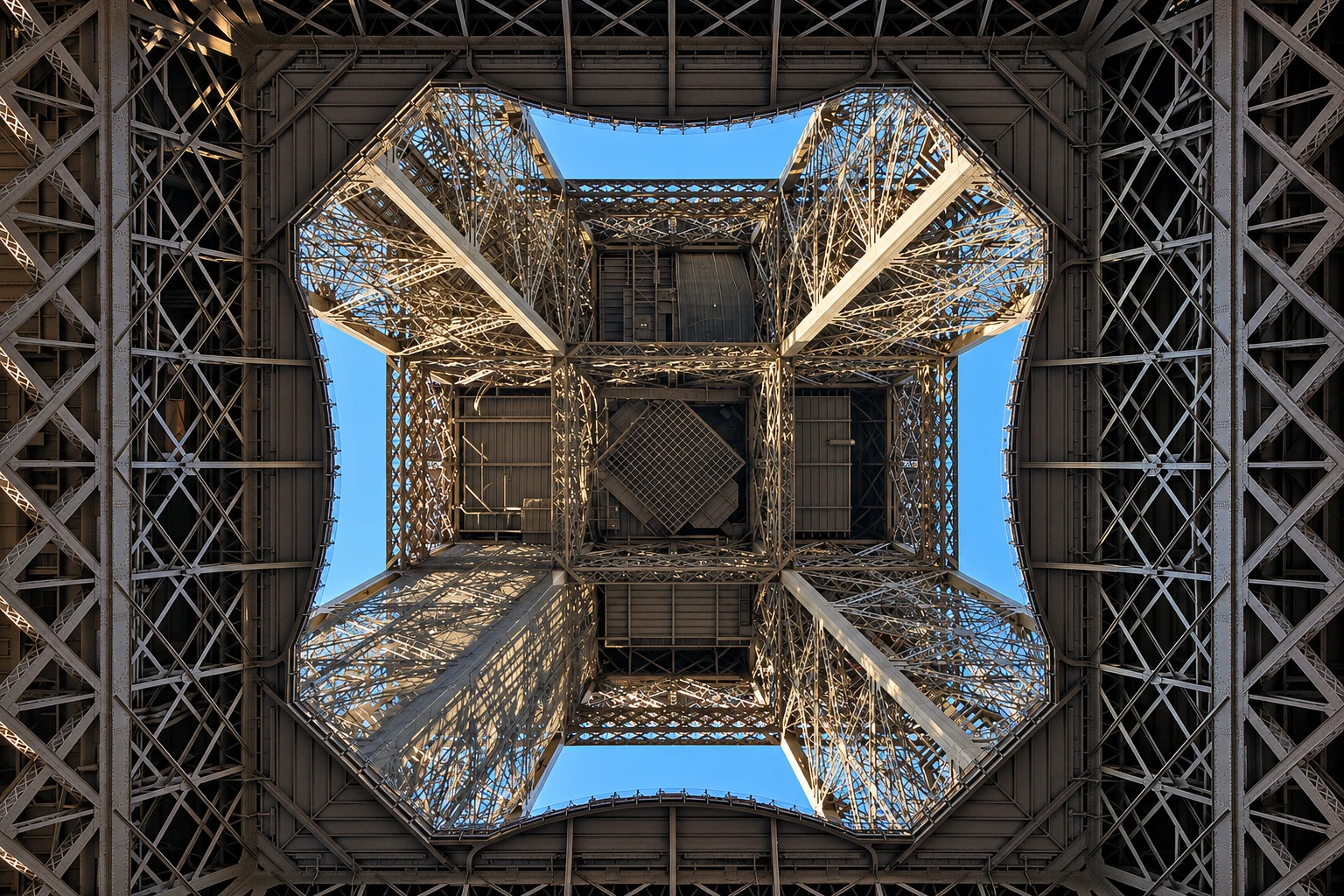
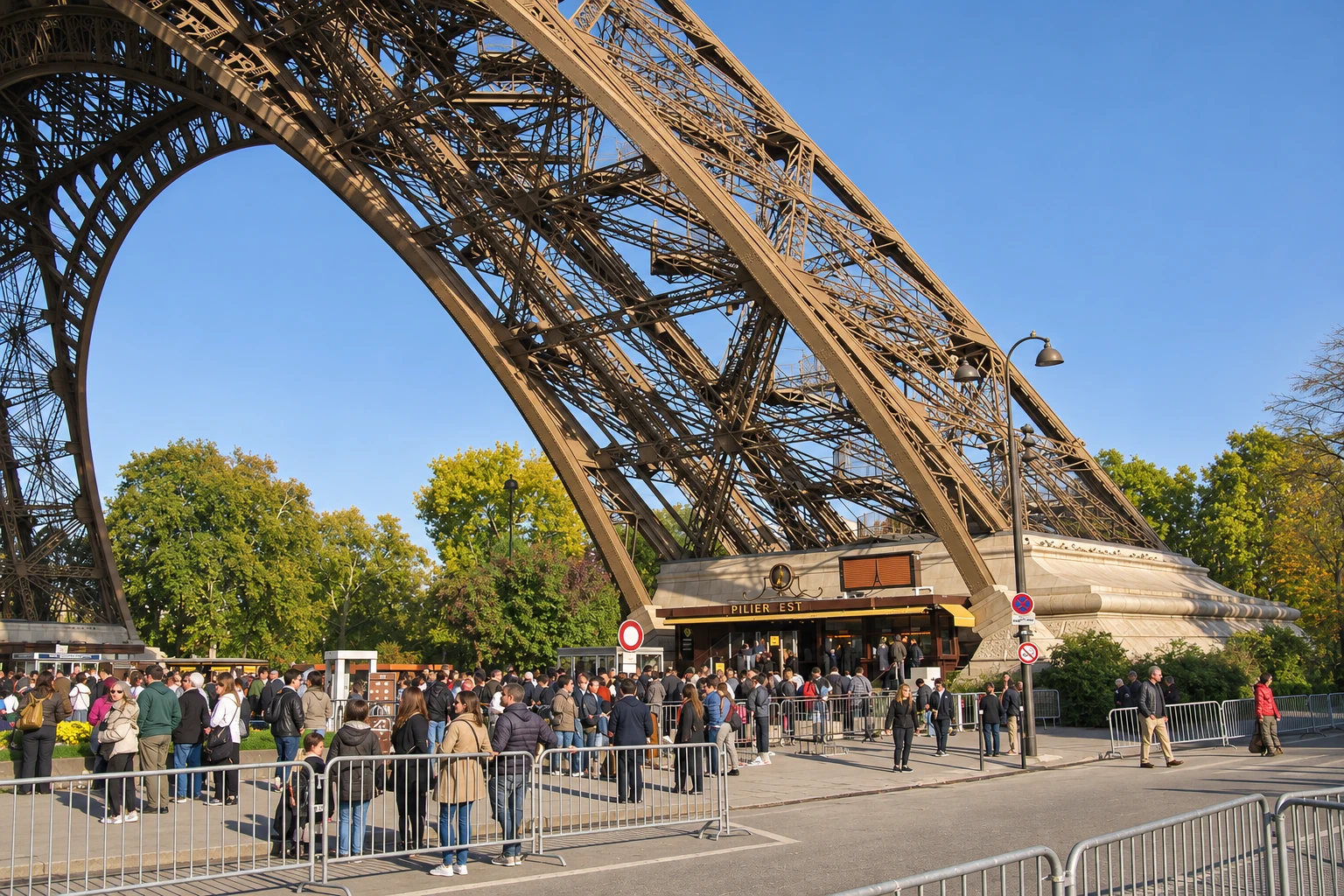
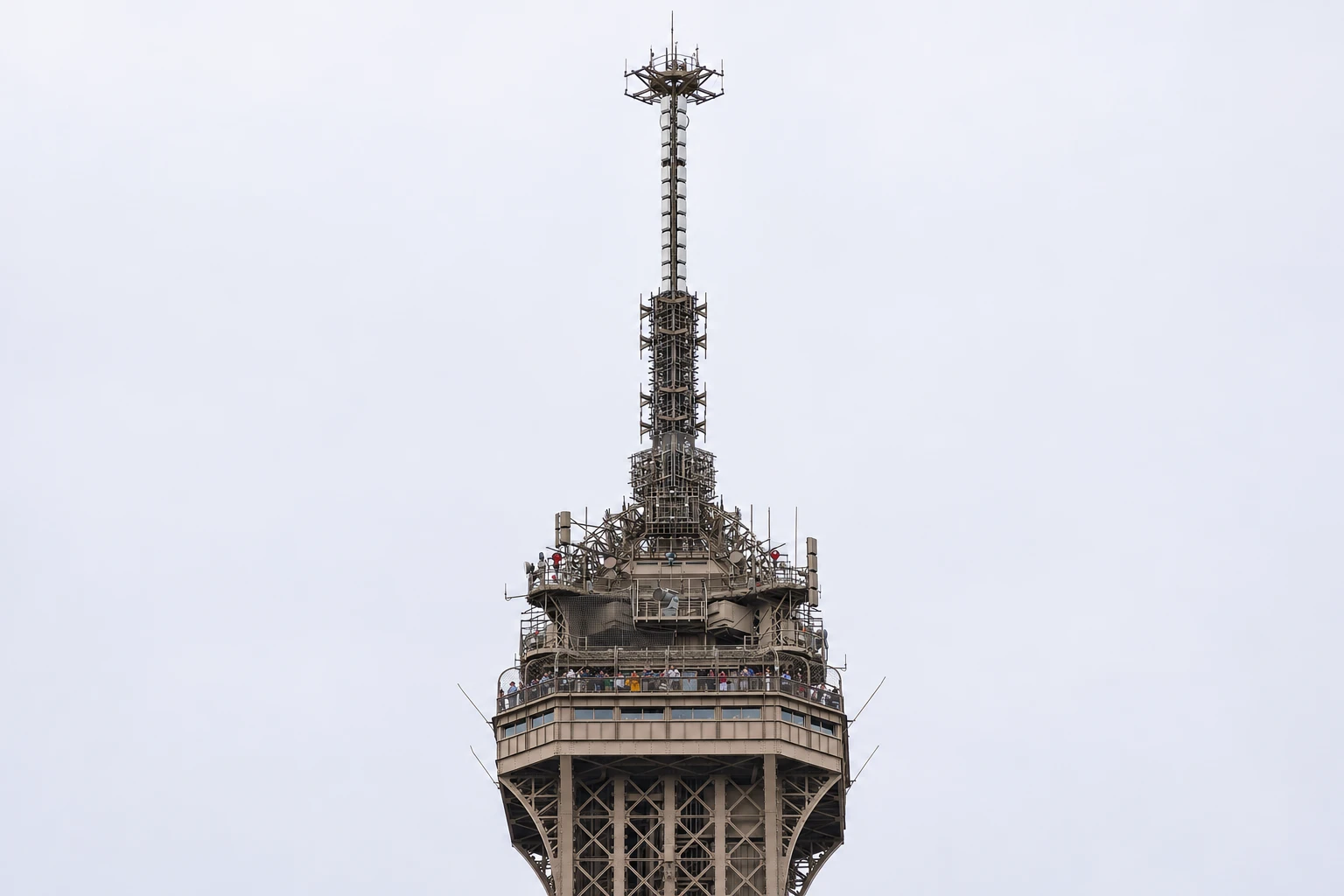
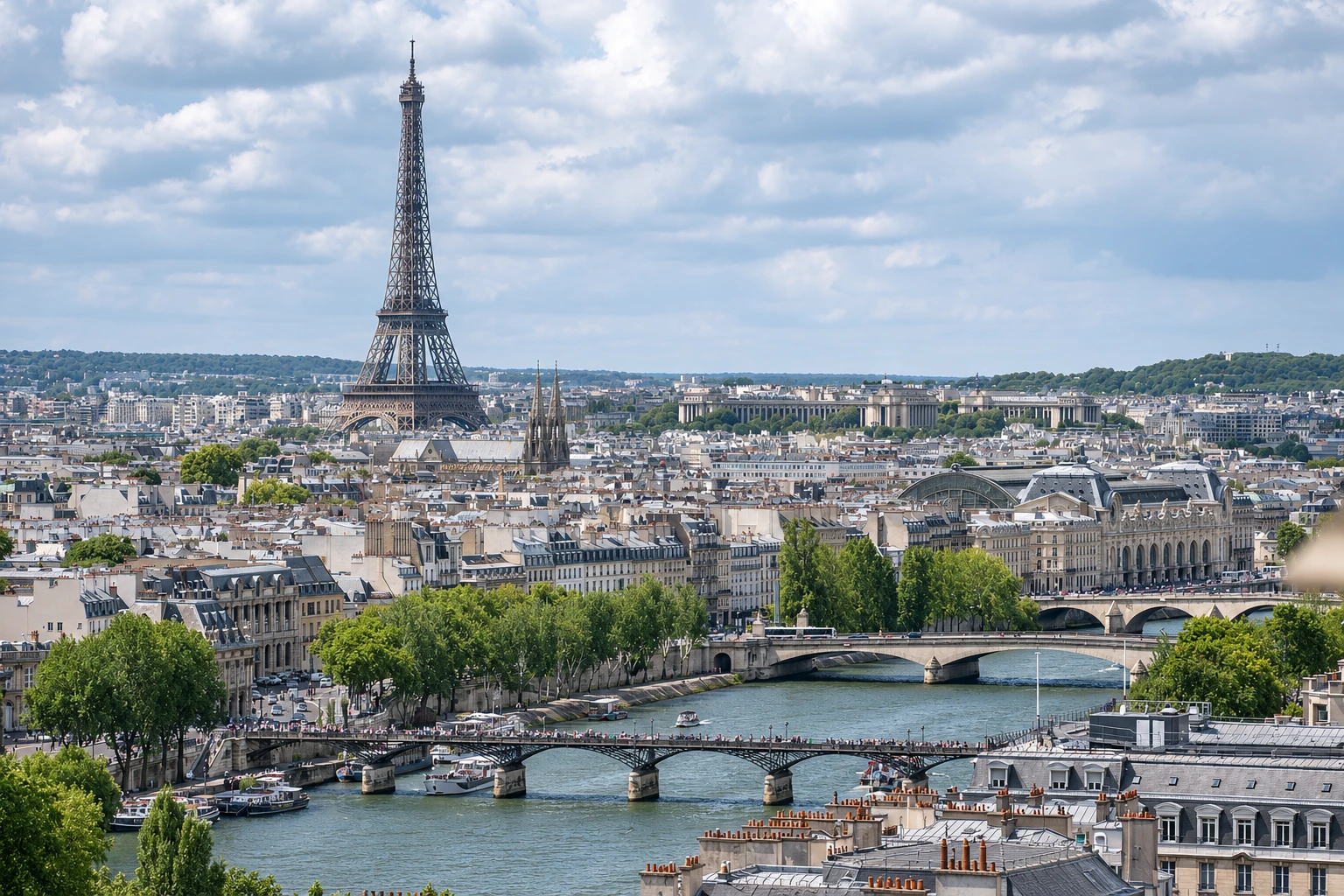
Eiffel Tower in pictures
These pictures are illustrations based on the real place, not photographs. They may differ from the place.
Click the picture to enlarge it.
Discover
About Eiffel Tower
The Tour Eiffel was erected by the company of engineer Gustave Eiffel for the 1889 Exposition Universelle, on the centenary of the French Revolution. It was meant to be temporary, but it stayed. Today it measures about 330 metres including the antennas and is France's best-known symbol. It stands in the 7th arrondissement, at the tip of the Champ-de-Mars, opposite the Seine and the Trocadéro gardens.
Visits have two main ticket options: to the 2nd floor or to the top at 276 metres. You can reach the 2nd floor by elevator or stairs; the final section to the top is always by elevator. From the top you can see the whole city: the Seine, Les Invalides, Montmartre, the Arc de Triomphe and, in the distance, the towers of La Défense.
At night the tower is lit and, after dark, it sparkles with white lights for five minutes at the start of each hour. To see this effect from outside, the best viewpoints are the Trocadéro esplanade on the far side of the river and the Champ-de-Mars lawn.
At the foot of the tower there is a quay where sightseeing boats depart on the Seine. The tower pairs well with the Trocadéro, the Musée du quai Branly and a walk along the riverbank.
Before you go
Practical information
Cidade Turismo reviews its information regularly, but something may have changed. Check with the place before planning your trip.
How much time to set aside
Between 2 and 3 hours to go up to the top, including the security line and the elevators. Just viewing from outside and taking photos takes about 30 to 45 minutes.
Best time
The first morning time slot usually has shorter lines. At dusk you can see the city by day and lit up on the same ascent. In summer it gets dark very late, around 10:00 p.m.; in winter, in the late afternoon. On days of strong wind or storms the top may close temporarily.
How to get there
Metro Bir-Hakeim (line 6), about a 10-minute walk, or Trocadéro (lines 6 and 9), crossing the river via the Pont d'Iéna. The RER C stops at Champ de Mars–Tour Eiffel station. On foot it's about a 20-minute walk from Les Invalides.
Tip
Buy a timed ticket through the official channel, which opens sales in advance; in high season top-level slots sell out. Those who climb the stairs to the 2nd floor pay less and usually face shorter lines. Watch your belongings in the queue area and on the lawns.
Official website
Your questions
Frequently asked questions about Eiffel Tower
Do you need to buy a ticket in advance for the Tour Eiffel?
It’s not mandatory, but it’s recommended. Timed tickets are sold on the official website in advance and avoid the ticket office queue. On very busy days on-site sales for the summit may be suspended for a time.
Can you climb the Tour Eiffel by stairs?
Yes, up to the 2nd floor. To reach the top, those who climb the full staircase take the elevator from the 2nd floor for the final stretch. The stair ticket is cheaper than the elevator ticket.
What time does the Tour Eiffel sparkle at night?
After dark, the white lights sparkle for five minutes at the start of each hour. In summer this starts late because it gets dark around 10 p.m.; in winter it begins in the late afternoon.
What's the best place to photograph the tower?
The Trocadéro esplanade, on the other side of the Seine, offers the most iconic frontal view. The Champ-de-Mars shows the tower from below, and the Pont de Bir-Hakeim provides an angle with the river.