24 places to visit, chosen by the Cidade Turismo guide.
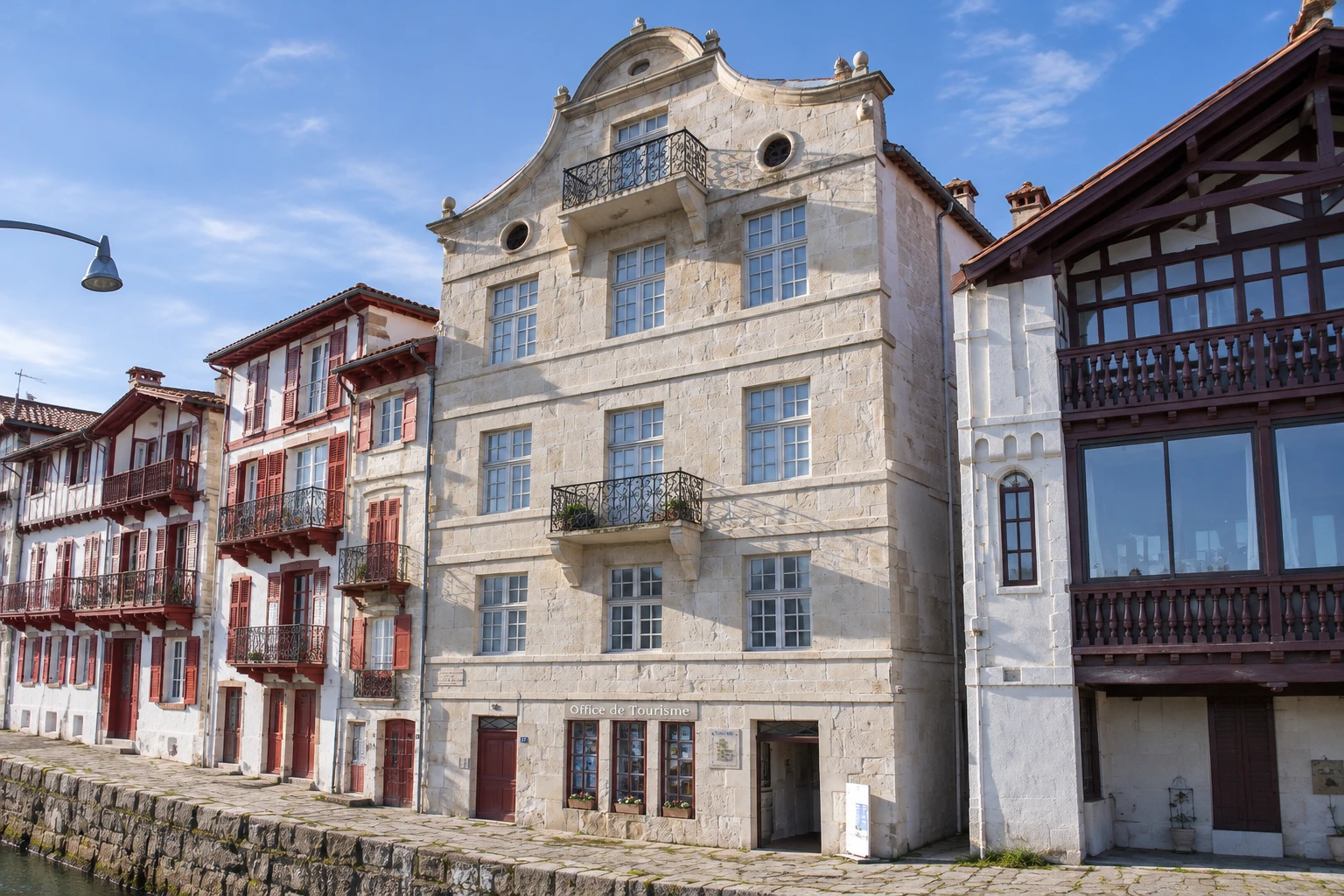
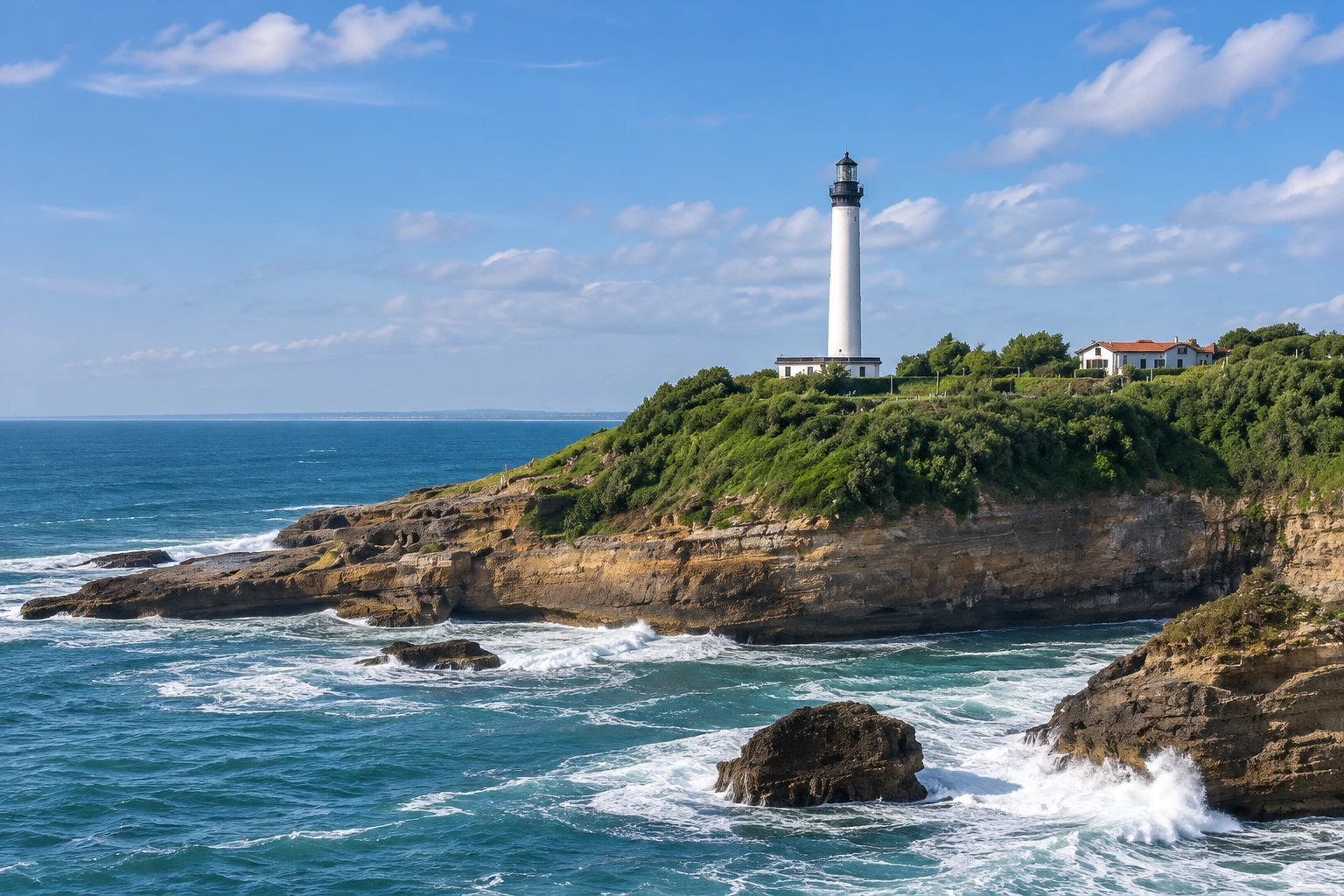
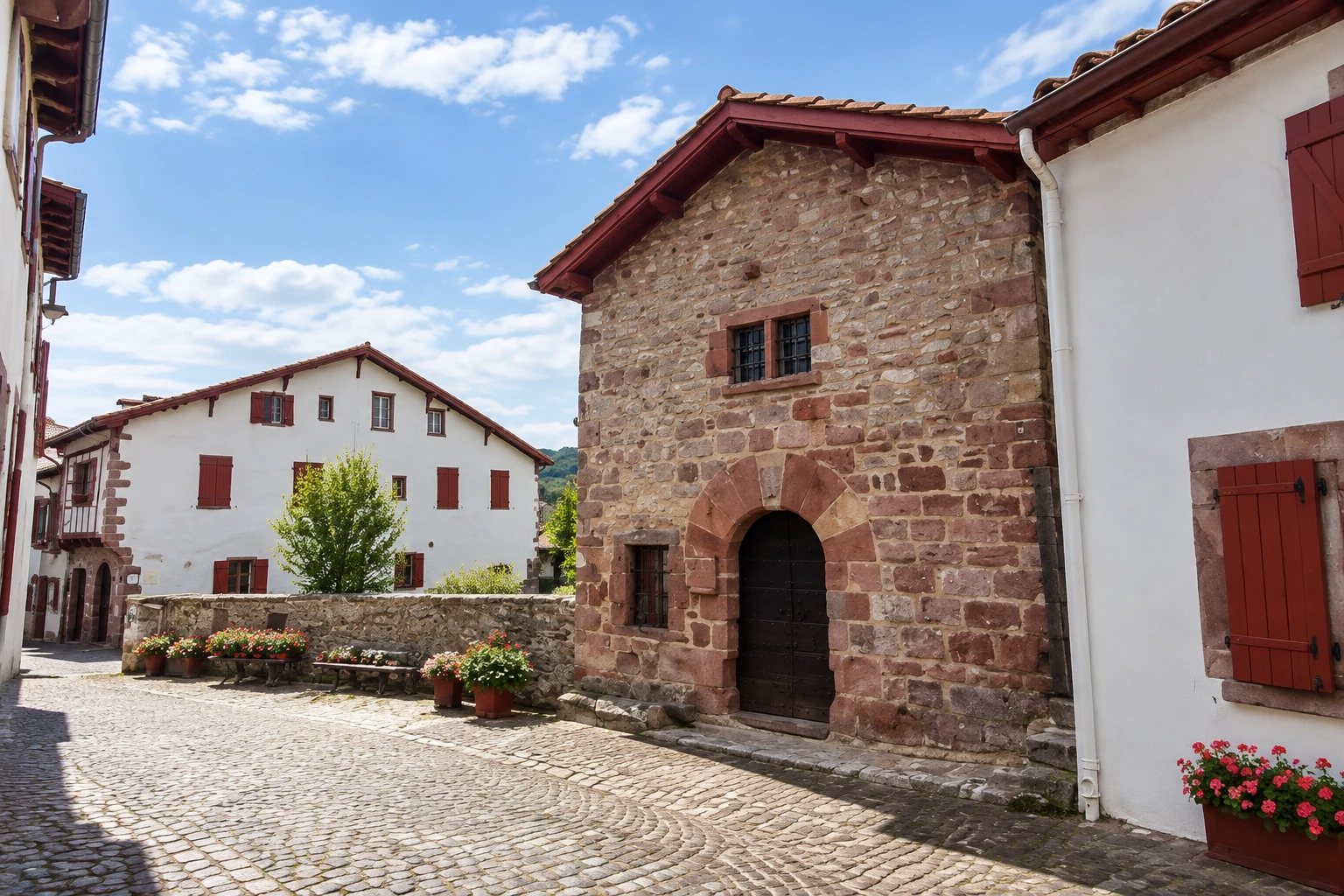
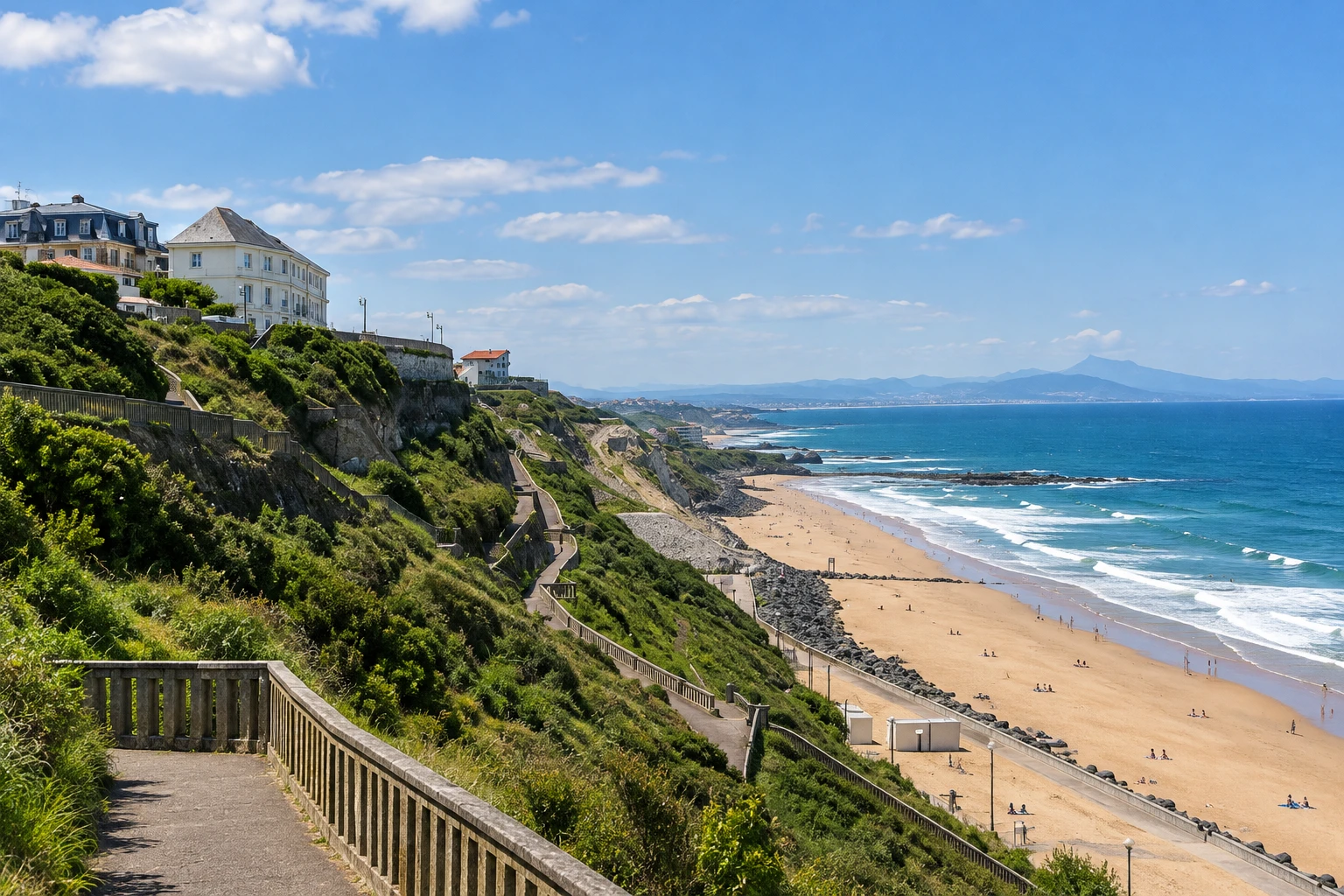
Illustrative images. The pictures in this guide are illustrations based on the real place, not photographs, and may differ from it.
To start
The 10 main places French Basque Country
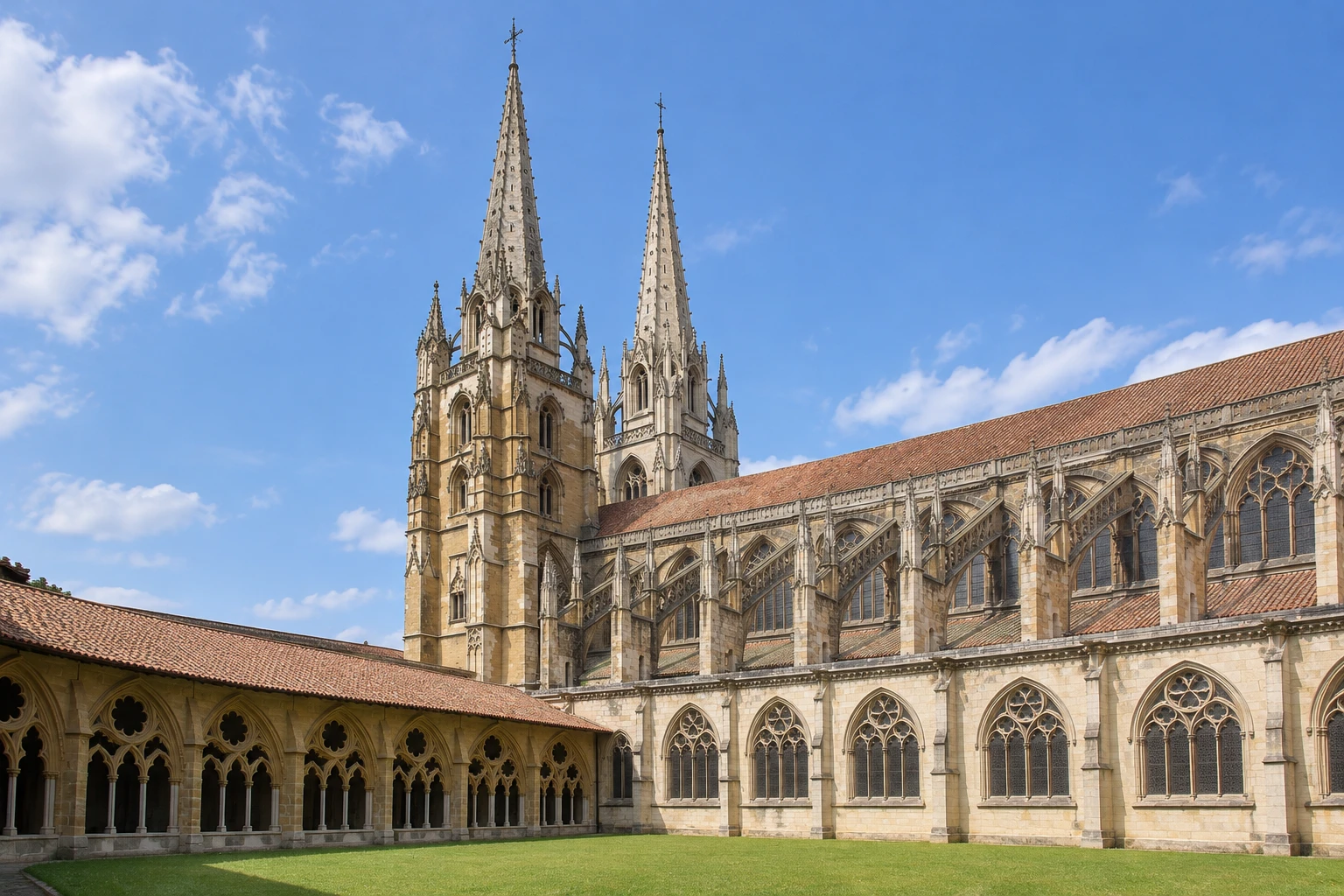
Bayonne Cathedral · BayonneThe Gothic cathedral of Bayonne, with the two pointed towers visible from afar, Renaissance stained glass and one of the largest cloisters in France, a World Heritage site for t...
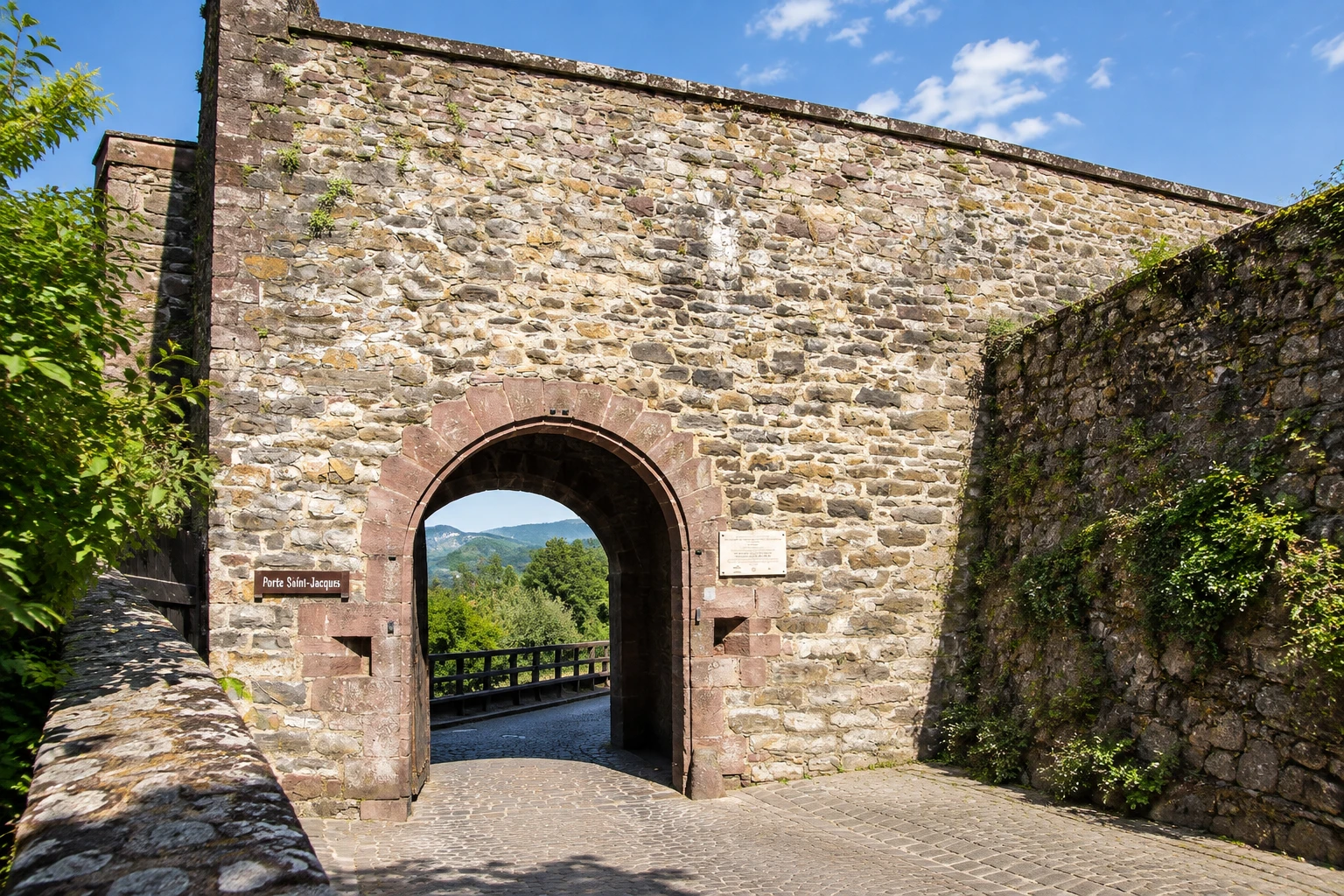
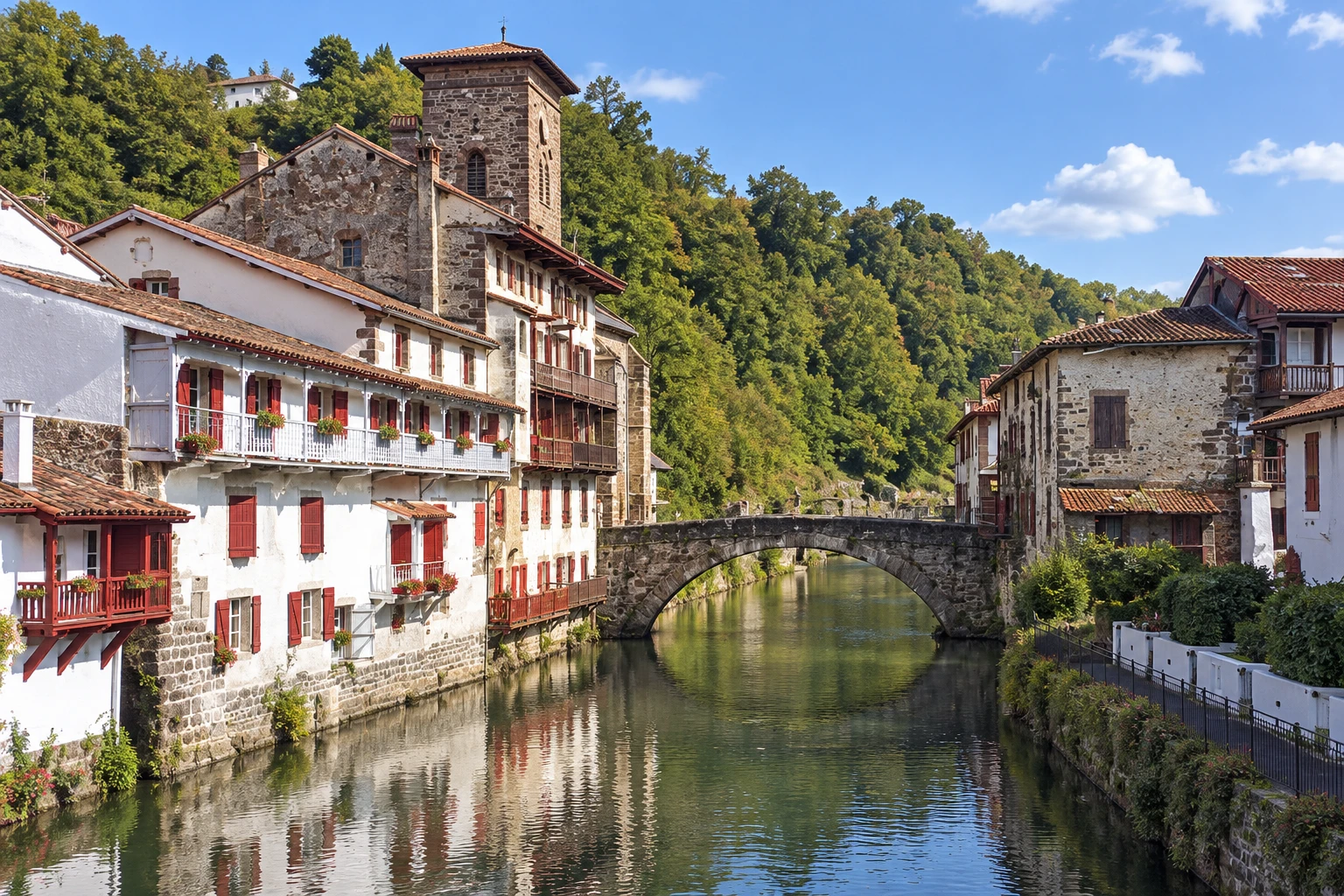
Saint-Jacques Gate and Rue de la Citadelle · Saint-Jean-Pied-de-PortThe medieval gate through which pilgrims enter the village, a World Heritage site within the Routes of Santiago de Compostela in France, and the rua da Cidadela, with pink sands...
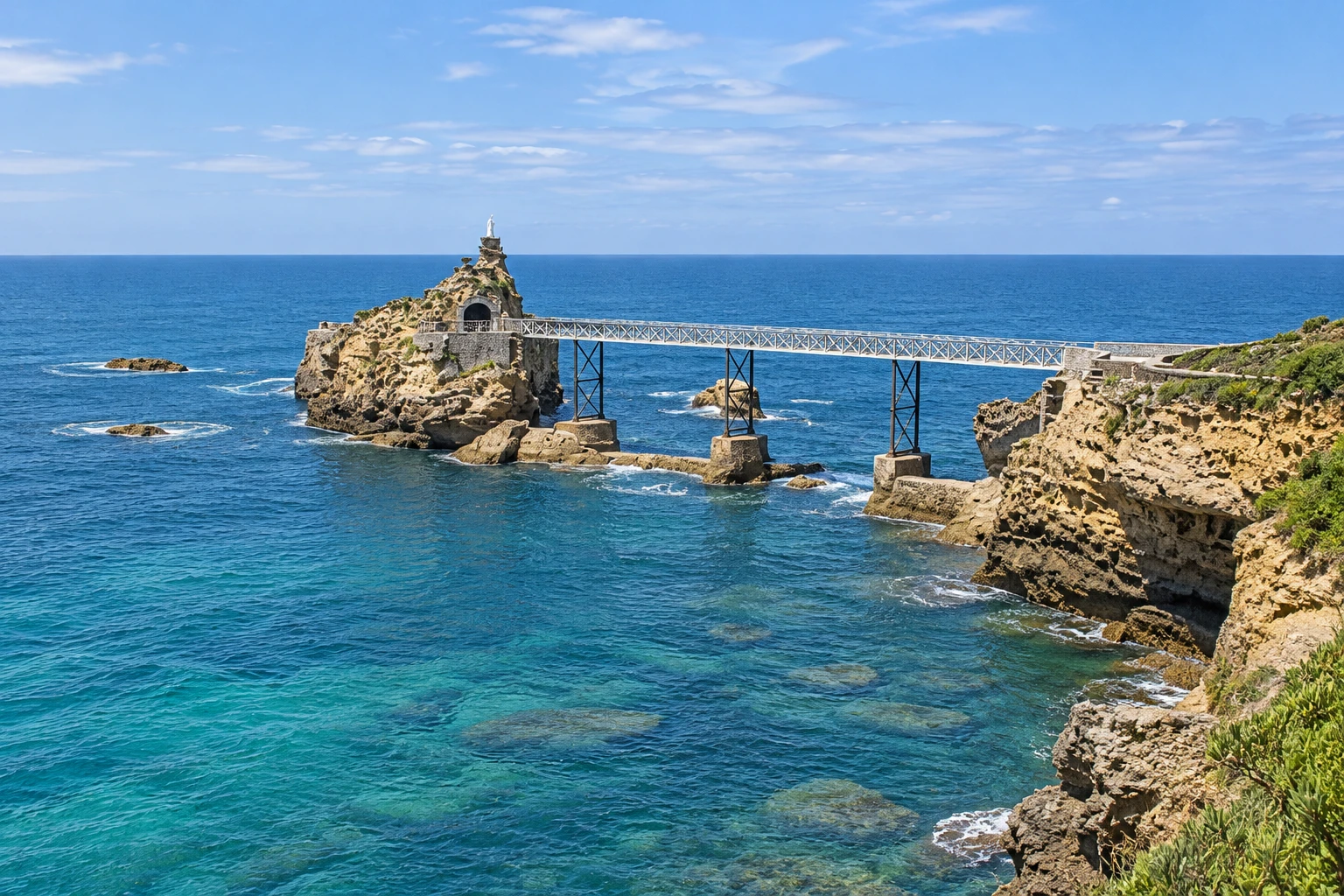
Rock of the Virgin · BiarritzThe rock with the statue of the Virgin, linked to the shore by an iron footbridge over the sea, between the fishermen's harbour and the Port-Vieux: the most iconic image of Biar...
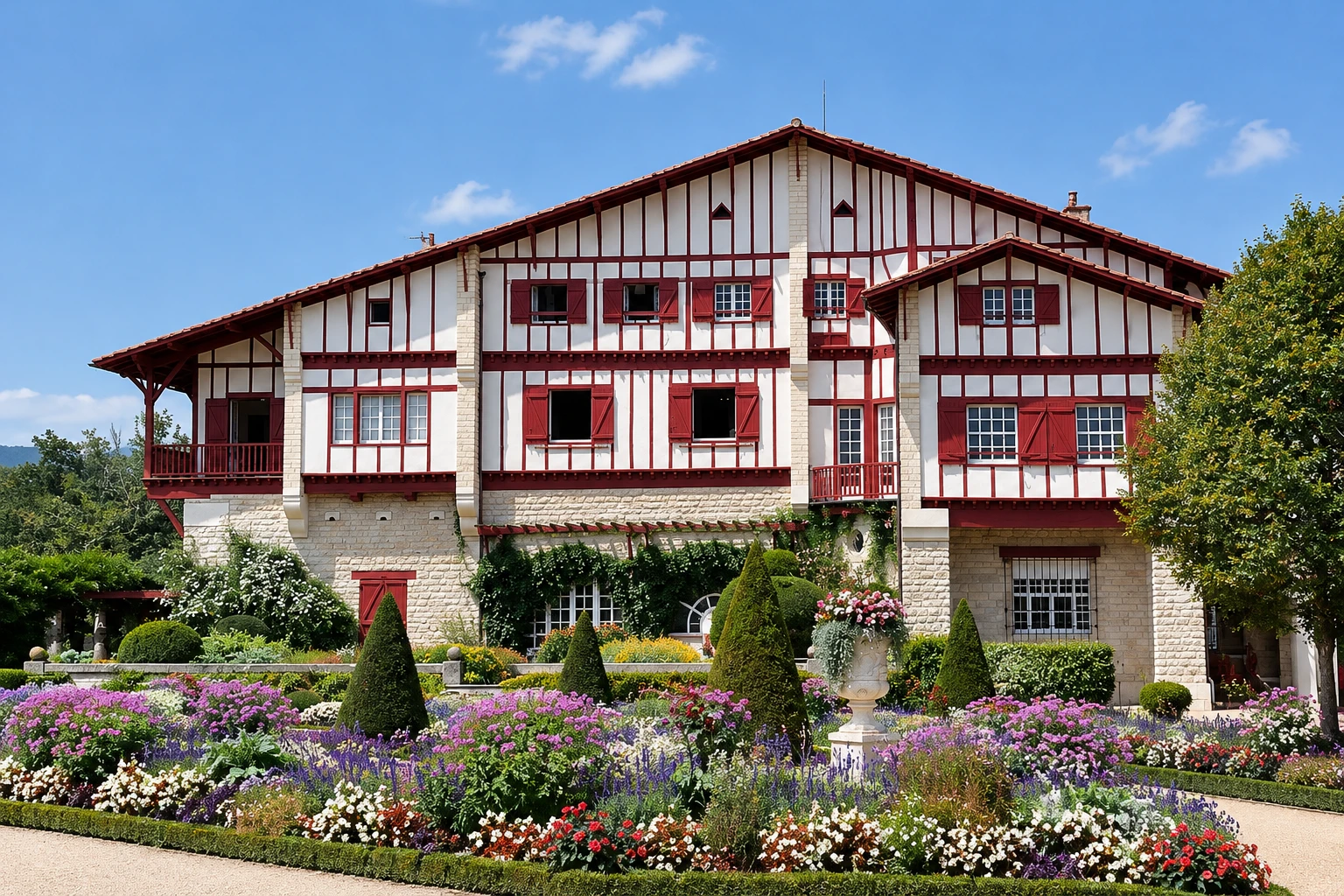
Villa Arnaga · Cambo-les-BainsHouse built from 1903 by writer Edmond Rostand, author of Cyrano de Bergerac, in the style of Basque houses, with French and English gardens.
Church of Saint John the Baptist · Saint-Jean-de-LuzThe church where Louis XIV was married in 1660, with wooden galleries on three sides, a 17th-century gilded altarpiece and a votive ship hanging in the nave.
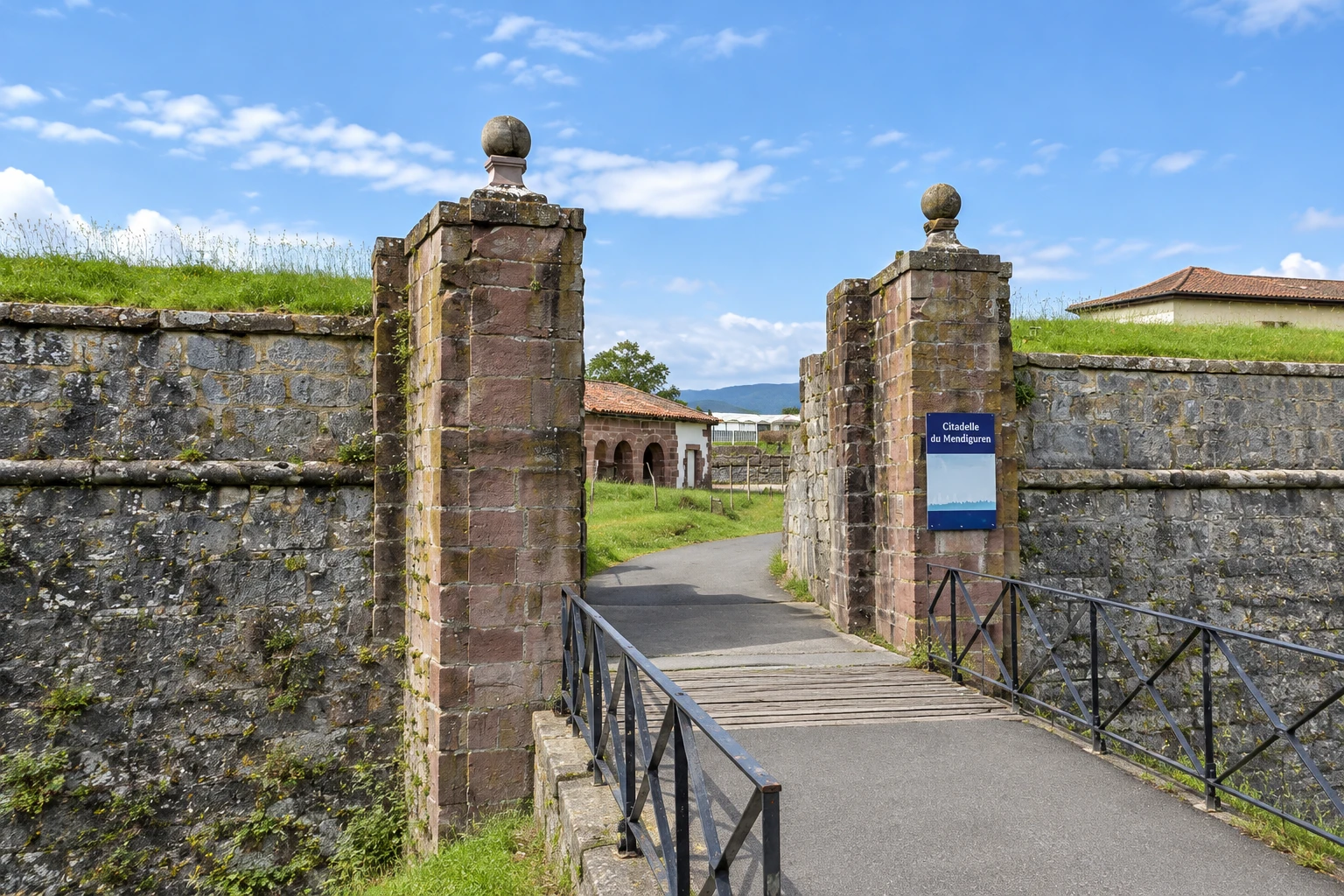
Saint-Jean-Pied-de-Port Citadel · Saint-Jean-Pied-de-Port17th-century fortress on top of Mount Mendiguren above the village, altered by Vauban, with walls and views of the Pyrenees and the Nive valley.
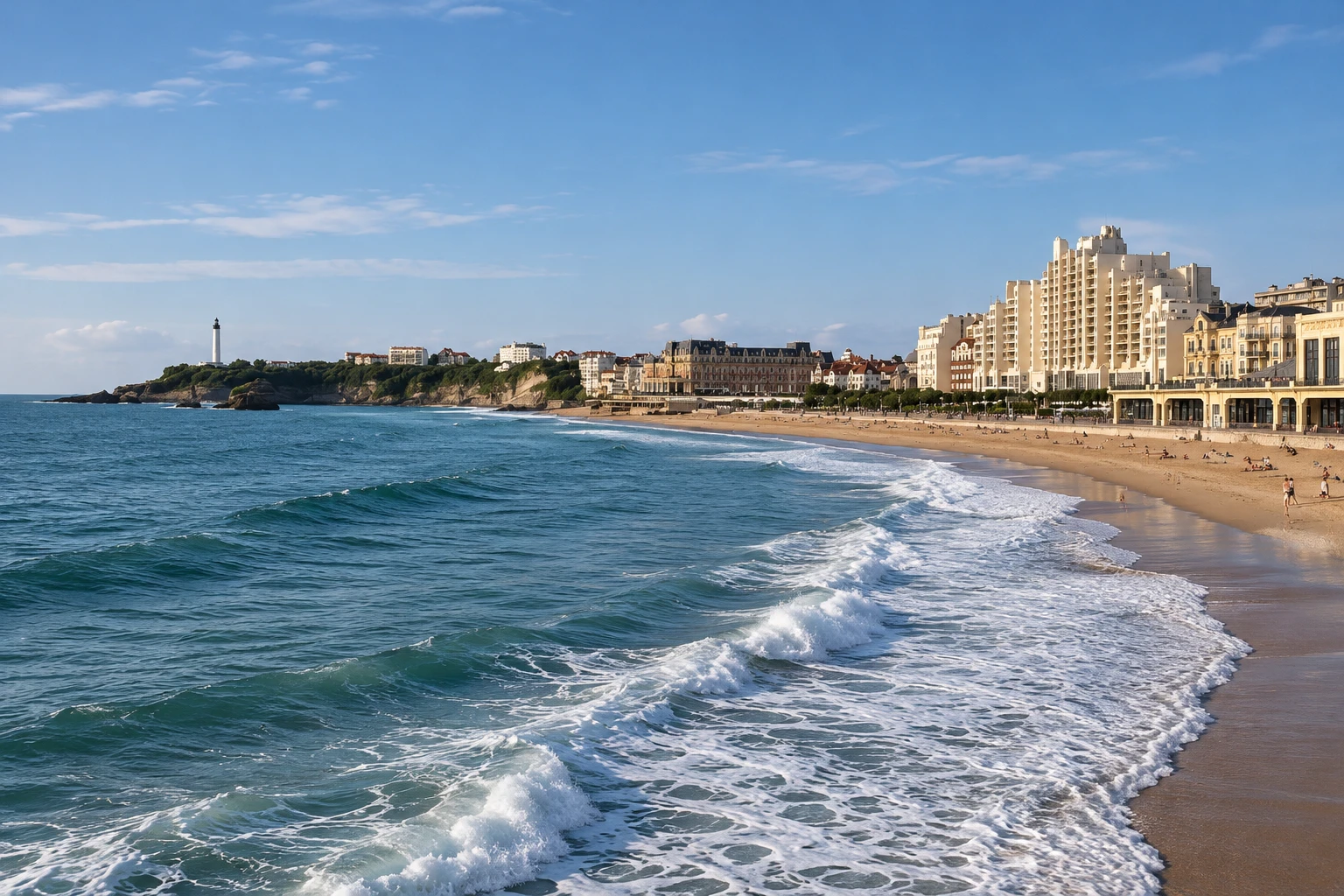
Grande Plage · BiarritzThe central beach of Biarritz, a wide stretch of sand in front of the centre, with the Hôtel du Palais, the former summer residence of Empress Eugénie, at one end and the roched...
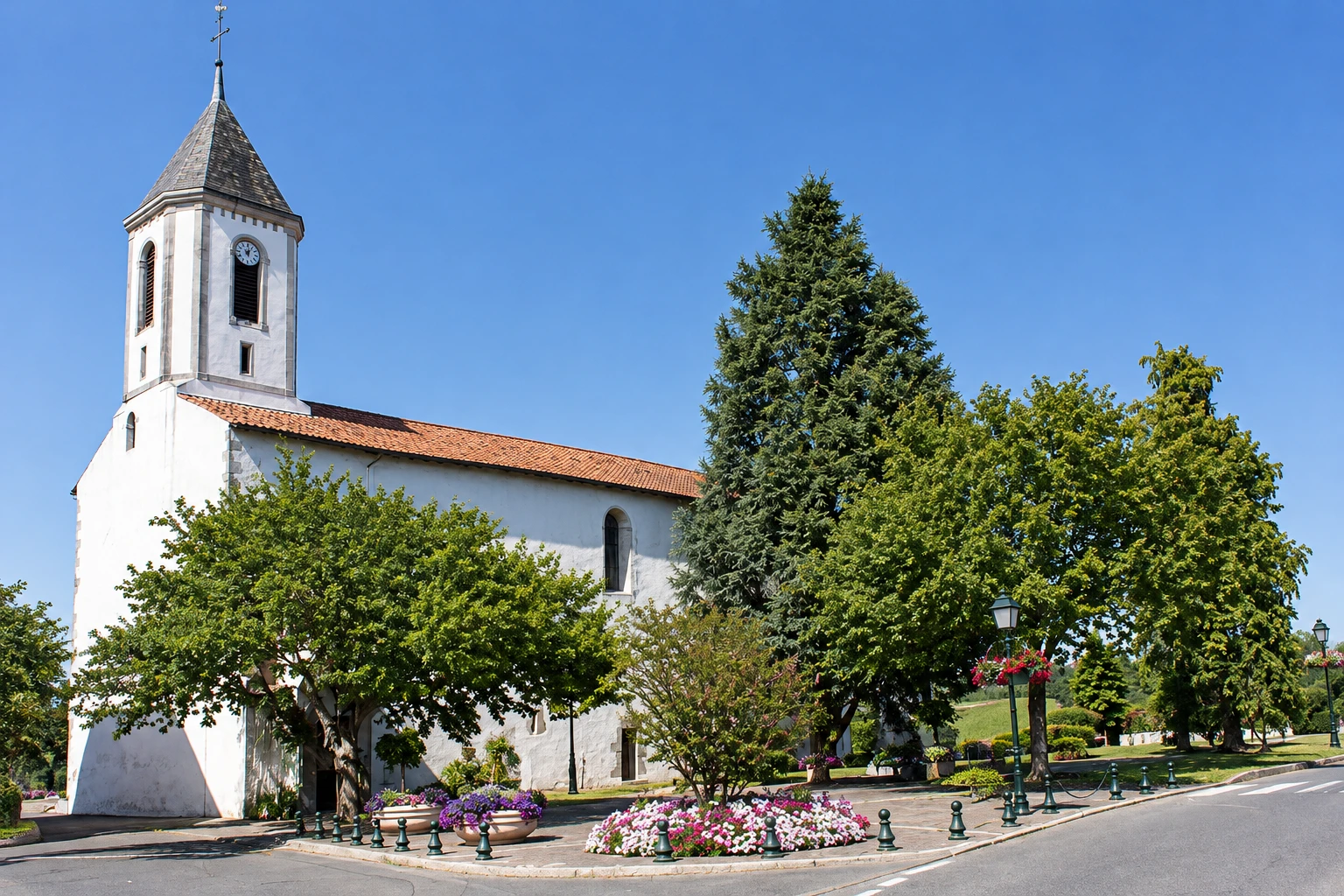
Saint‑Laurent Church of Cambo‑les‑Bains · Cambo-les-BainsBasque church in Upper Cambo, with a single nave, three tiers of wooden galleries and a 17th‑century gilded altarpiece depicting the martyrdom of Saint Lawrence.
Maison Louis XIV · Saint-Jean-de-LuzThe shipowner's house from 1643 where Luís XIV stayed for about 40 days in 1660, before the wedding; it still belongs to the same family and opens for guided visits in season.
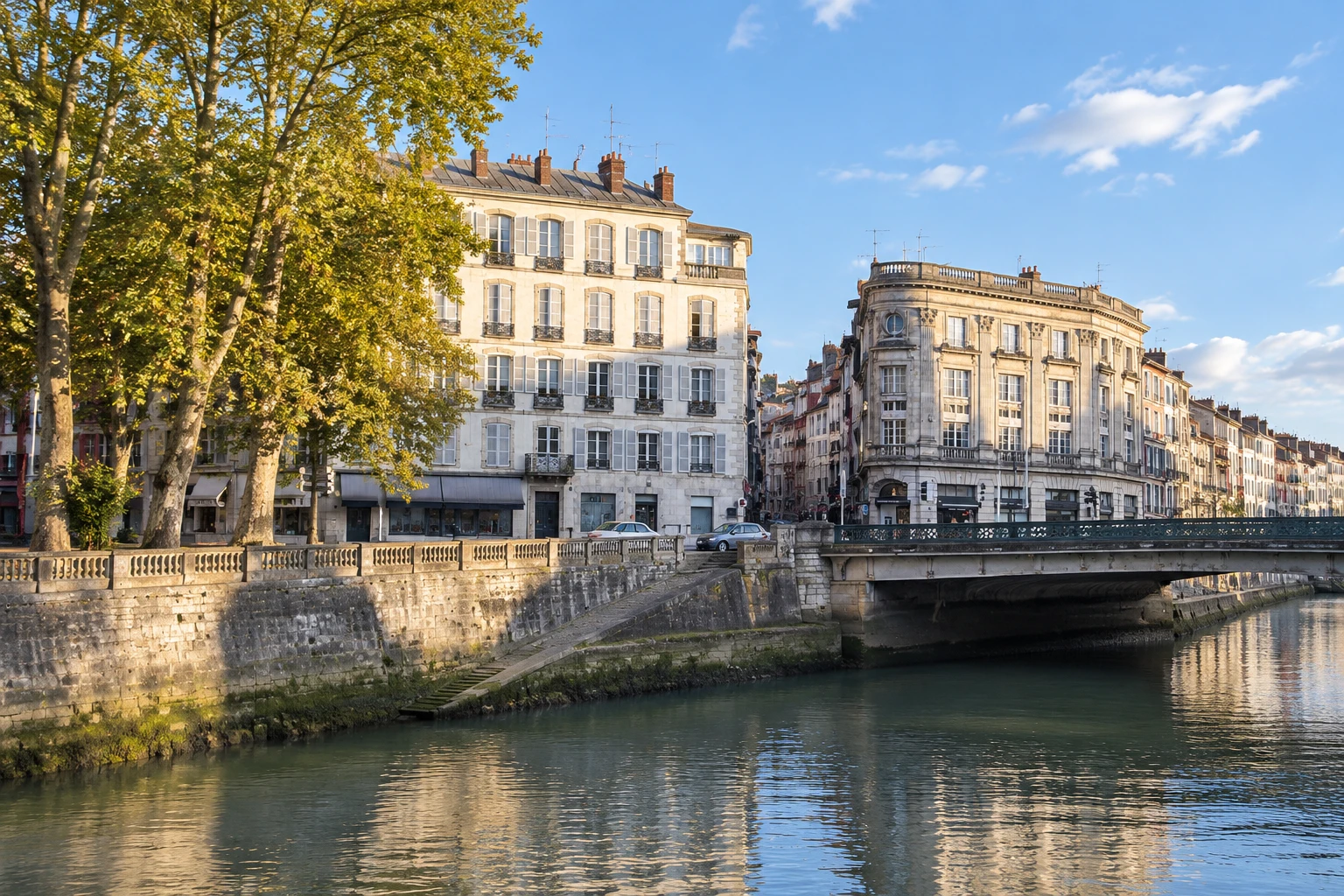
Petit Bayonne · BayonneThe neighbourhood between the Nive and the Adour, with quays lined by tall houses and colourful windows, the city's two major museums, pintxo bars and the centre of the Fêtes de...
The Gothic cathedral of Bayonne, with the two pointed towers visible from afar, Renaissance stained glass and one of the largest cloisters in France, a World Heritage site for the Routes of Santiago.
The medieval gate through which pilgrims enter the village, a World Heritage site within the Routes of Santiago de Compostela in France, and the rua da Cidadela, with pink sandstone houses.
The rock with the statue of the Virgin, linked to the shore by an iron footbridge over the sea, between the fishermen's harbour and the Port-Vieux: the most iconic image of Biarritz.
House built from 1903 by writer Edmond Rostand, author of Cyrano de Bergerac, in the style of Basque houses, with French and English gardens. It is a museum, a listed historic monument and a Remarkable Garden.
The church where Louis XIV was married in 1660, with wooden galleries on three sides, a 17th-century gilded altarpiece and a votive ship hanging in the nave.
The central beach of Biarritz, a wide stretch of sand in front of the centre, with the Hôtel du Palais, the former summer residence of Empress Eugénie, at one end and the rochedo do Bellevue at the other.
Basque church in Upper Cambo, with a single nave, three tiers of wooden galleries and a 17th‑century gilded altarpiece depicting the martyrdom of Saint Lawrence. The adjoining cemetery has Basque steles and views over the Nive valley.
The shipowner's house from 1643 where Luís XIV stayed for about 40 days in 1660, before the wedding; it still belongs to the same family and opens for guided visits in season.
The neighbourhood between the Nive and the Adour, with quays lined by tall houses and colourful windows, the city's two major museums, pintxo bars and the centre of the Fêtes de Bayonne.
The aquarium of Biarritz, in an Art Deco building opposite the Rocher de la Vierge: fish from the Bay of Biscay, the Caribbean and the Indo-Pacific, sharks, turtles and the seals' feeding on the terrace.
The museum of Basque culture, in a late 16th-century house on the banks of the Nive: country life, games, dances, the Basque house and the history of the port of Bayonne.
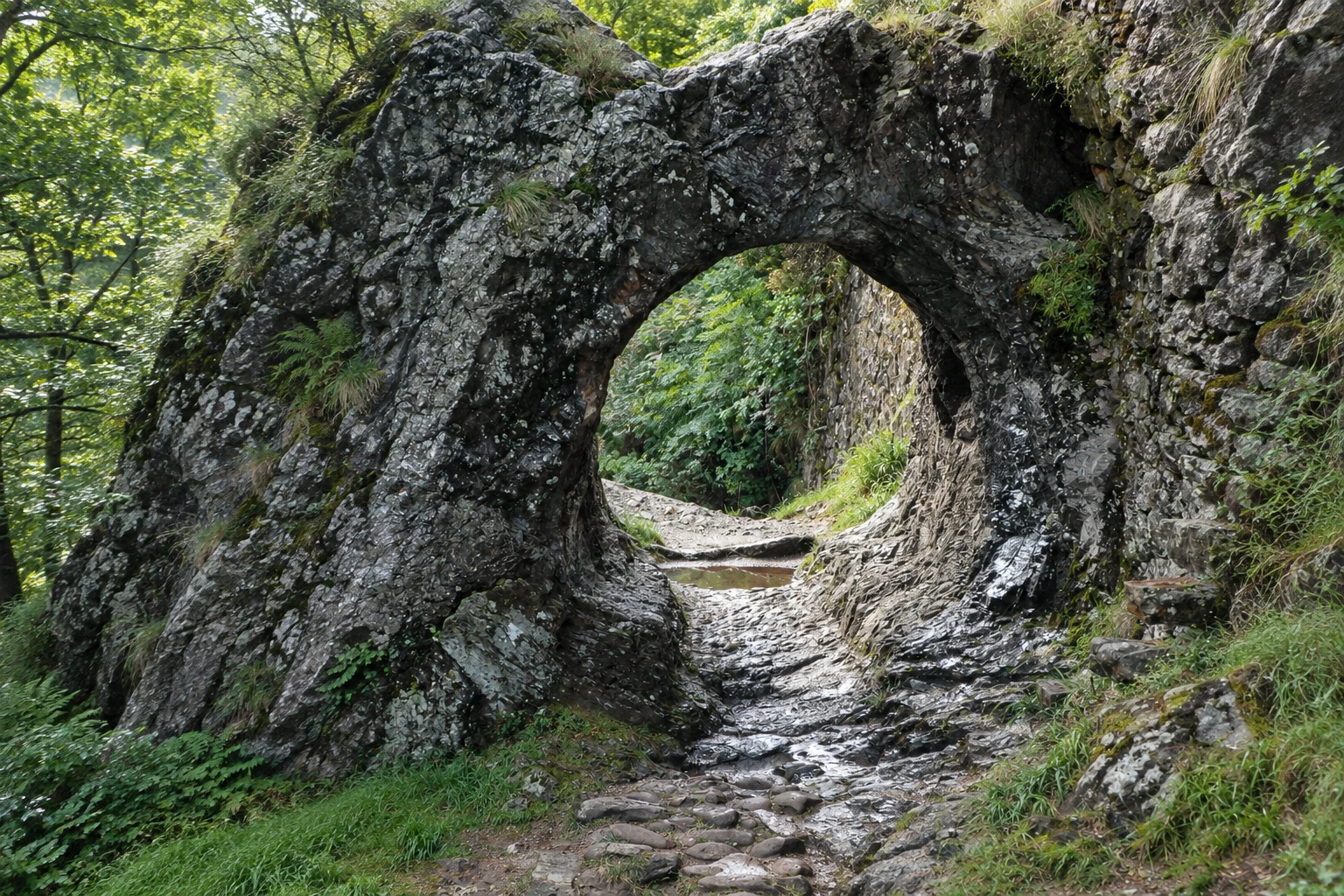
A rock with an opening at the edge of the Nive River, in the gorge between Cambo-les-Bains and Itxassou. According to legend, it was opened by the knight Roland, nephew of Charlemagne, with his sword or with his horse’s hoof.
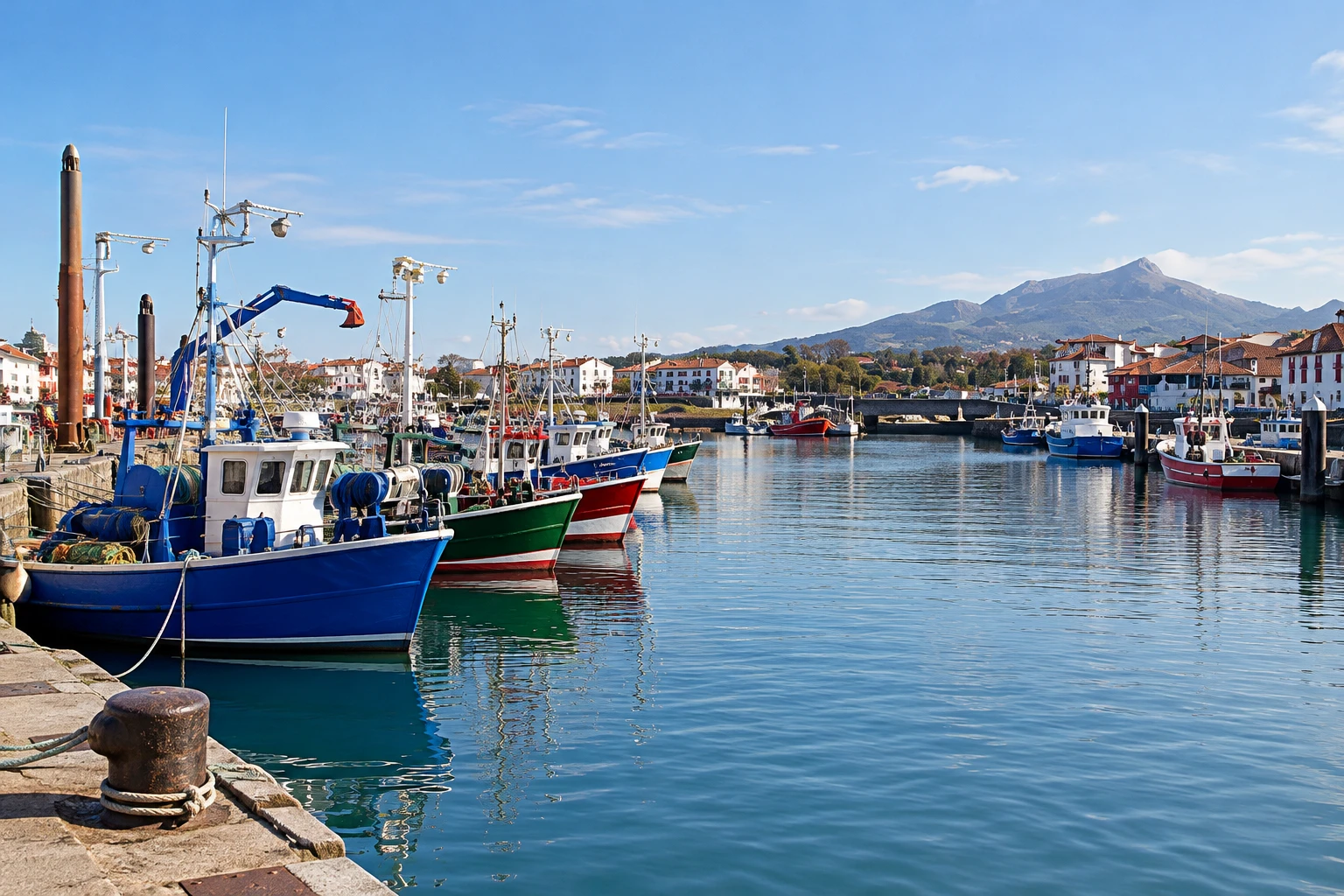
The fishing port, shared with Ciboure, from which the Basques set out for Newfoundland and from where corsairs sailed in service of the king; today it has fishing boats, quays and fish restaurants.
Gothic church next to the gate and the old bridge over the river Nive, at the end of the rua da Cidadela, a stopping point for pilgrims heading into the Pyrenees.
The village on the other side of the port, with painted wooden Basque houses facing the water, the house where Maurice Ravel was born, the church of Saint-Vincent and the fort of Socoa at the bay entrance.
The white lighthouse at Pointe Saint-Martin, dating from the 1830s, with 248 steps up to the gallery and 360-degree views over the Basque coast, the Landes and the Pyrenees.
House on the rua da Cidadela with a vaulted underground chamber from the 13th century, used as the municipal prison from 1795 and during the Second World War.
The beach at the foot of the cliffs in the south of Biarritz, one of Europe's early surf beaches, with views of the Spanish coast and the town's most sought-after sunset.
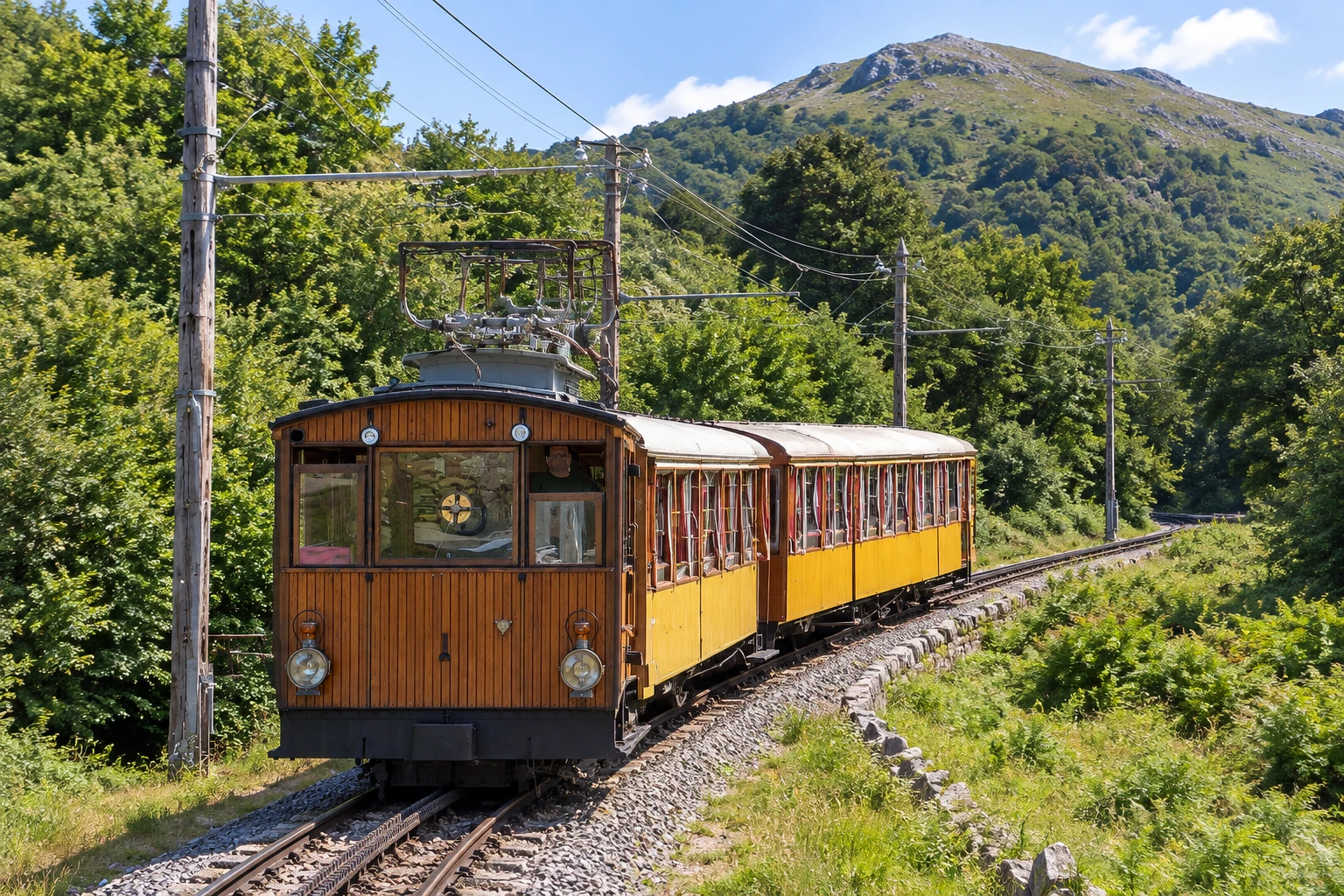
The 1924 rack railway that climbs from col de Saint-Ignace in Sare to the summit of La Rhune at 905 meters, on the border with Spain, with views of the Basque coast and the Pyrenees.
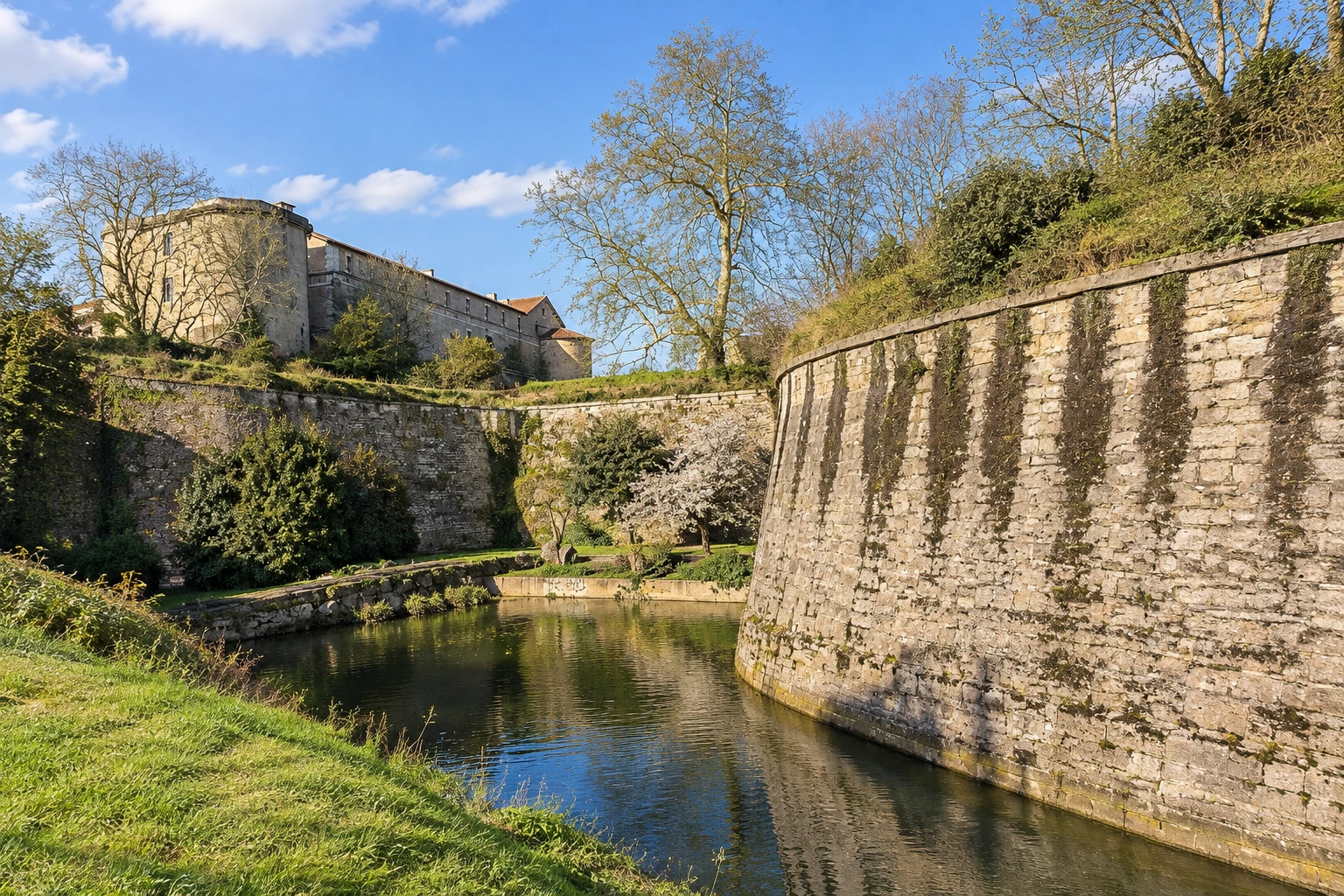
The walls that encircle central Bayonne, from the Roman wall to the medieval Château-Vieux and Vauban's 17th-century bastions, now featuring gardens such as the botanical garden.
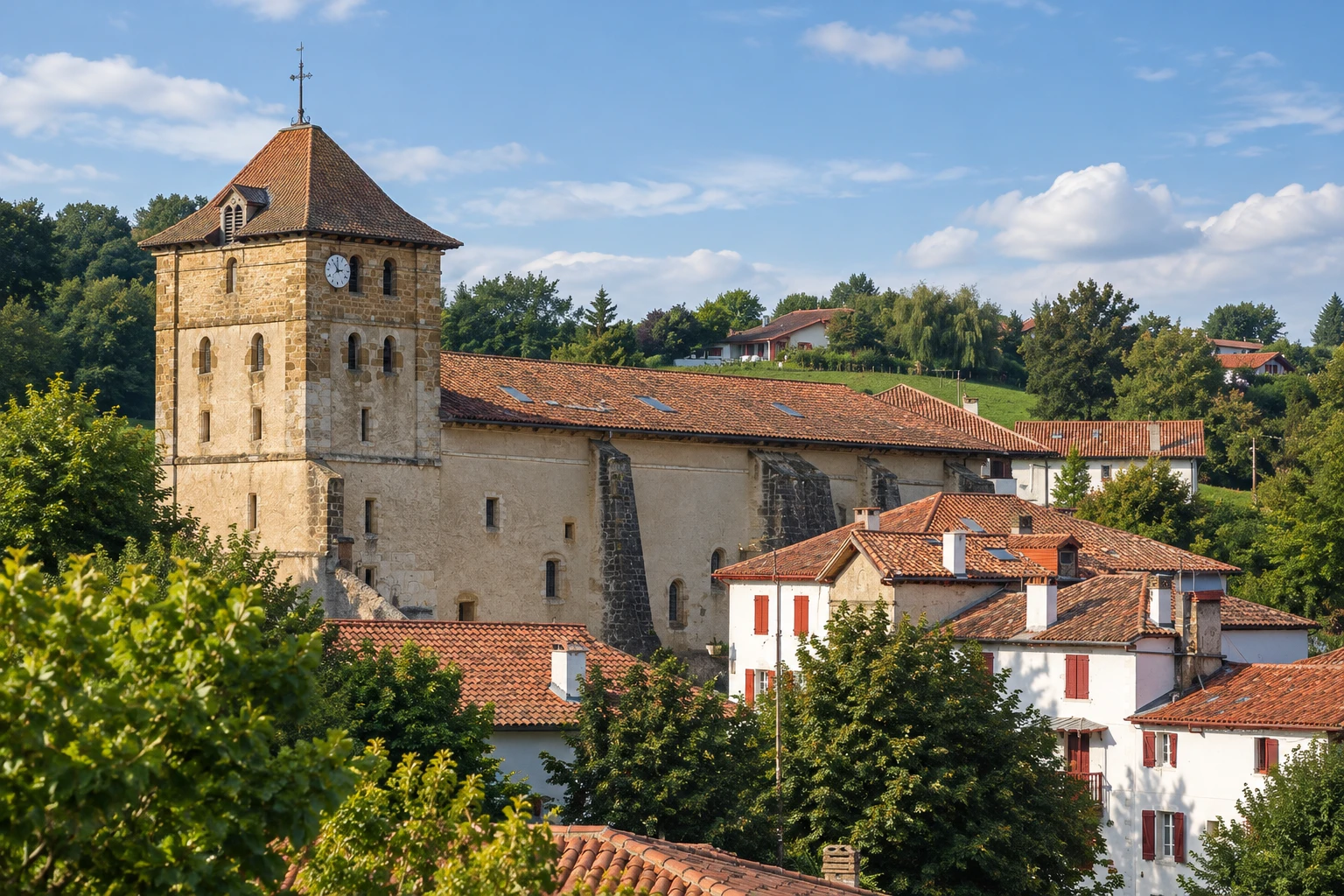
The Basque village famous for its denomination-of-origin pepper, with white houses with red timbering draped in strings of peppers in autumn, the barons' castle and the pepper festival in October.


 Brazil
 Antarctica
 Argentina
 Bolivia
 Chile
 Colombia
 Ecuador
 Falkland Islands (Malvinas)
 French Guiana
 Guyana
 Paraguay
 Peru
 Suriname
 Uruguay
 Venezuela
 Austria
 Belgium
 Croatia
 Denmark
 Finland
 Germany
 Greece
 Hungary
 Iceland
 Ireland
 Italy
 Luxembourg
 Norway
 Poland
 Portugal
 Slovakia
 Slovenia
 Spain
 Sweden
 Switzerland
 the Czech Republic
 the Netherlands
 the United Kingdom
 Turkey
 Bermuda
 Canada
 Greenland
 Mexico
 Saint Pierre and Miquelon
 the United States
 the Dominican Republic
 Japan
 Egypt
 South Africa
 Australia
 Fiji
 New Zealand
 Papua New Guinea