Carcassonne · Occitanie · Historic site
Cité de Carcassonne
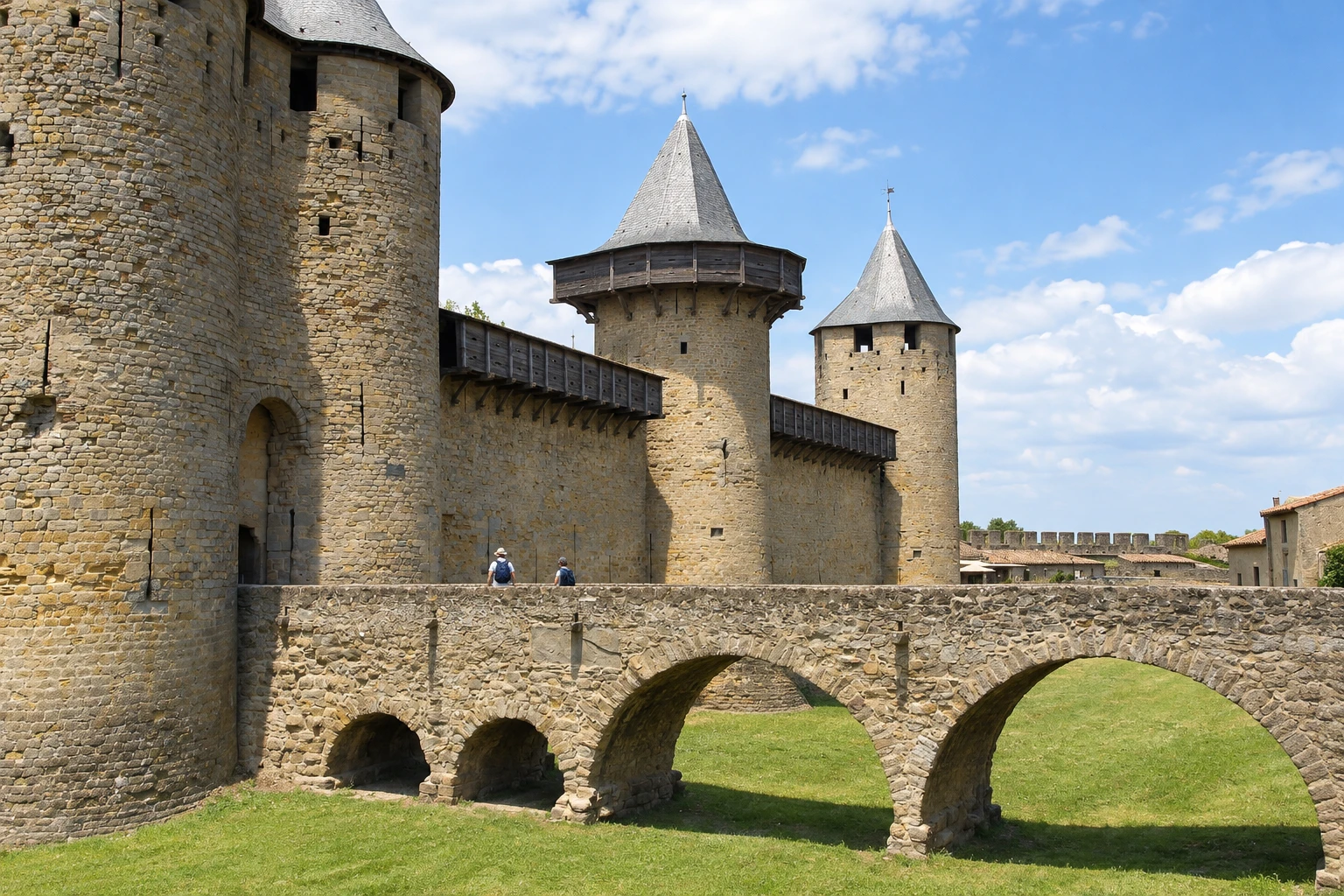
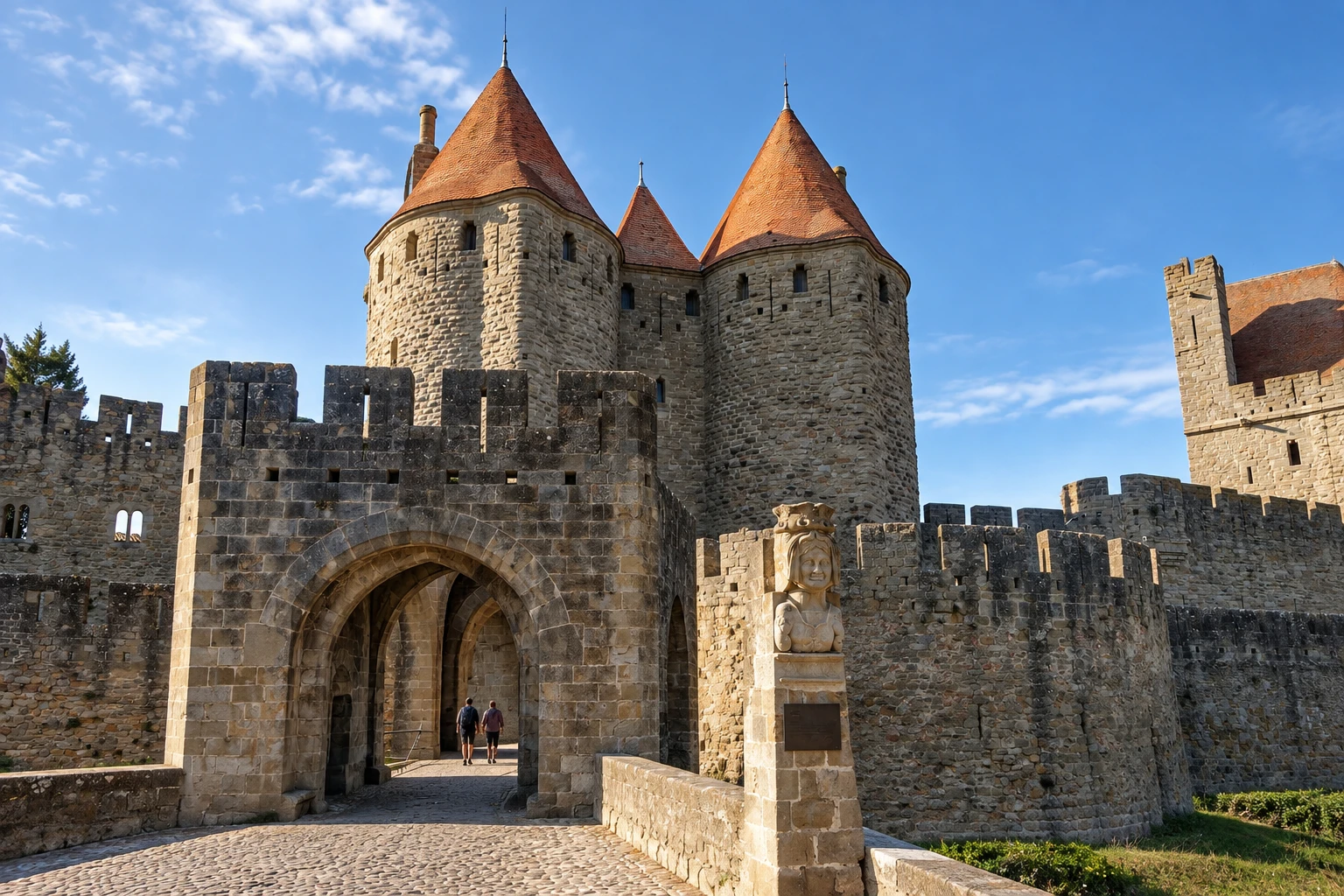
Medieval fortified town on top of a hill, with a double wall of about 3 km and 52 towers, a UNESCO World Heritage Site; access to the streets is free.

 Search
 Brazil
 Antarctica
 Argentina
 Bolivia
 Chile
 Colombia
 Ecuador
 Falkland Islands (Malvinas)
 French Guiana
 Guyana
 Paraguay
 Peru
 Suriname
 Uruguay
 Venezuela
 Austria
 Belgium
 Croatia
 Denmark
 FinlandFrance
 Germany
 Greece
 Hungary
 Iceland
 Ireland
 Italy
 Luxembourg
 Norway
 Poland
 Portugal
 Slovakia
 Slovenia
 Spain
 Sweden
 Switzerland
 the Czech Republic
 the Netherlands
 the United Kingdom
 Turkey
 Bermuda
 Canada
 Greenland
 Mexico
 Saint Pierre and Miquelon
 the United States
 the Dominican Republic
 JapanTurkey
 Egypt
 South Africa
 Australia
 Fiji
 New Zealand
 Papua New Guinea
Occitanie
26 places to visit and 17 tours, chosen by the Cidade Turismo guide.
Updated
Illustrative images. The pictures in this guide are illustrations based on the real place, not photographs, and may differ from it.
To start
One by one
Medieval fortified town on top of a hill, with a double wall of about 3 km and 52 towers, a UNESCO World Heritage Site; access to the streets is free.
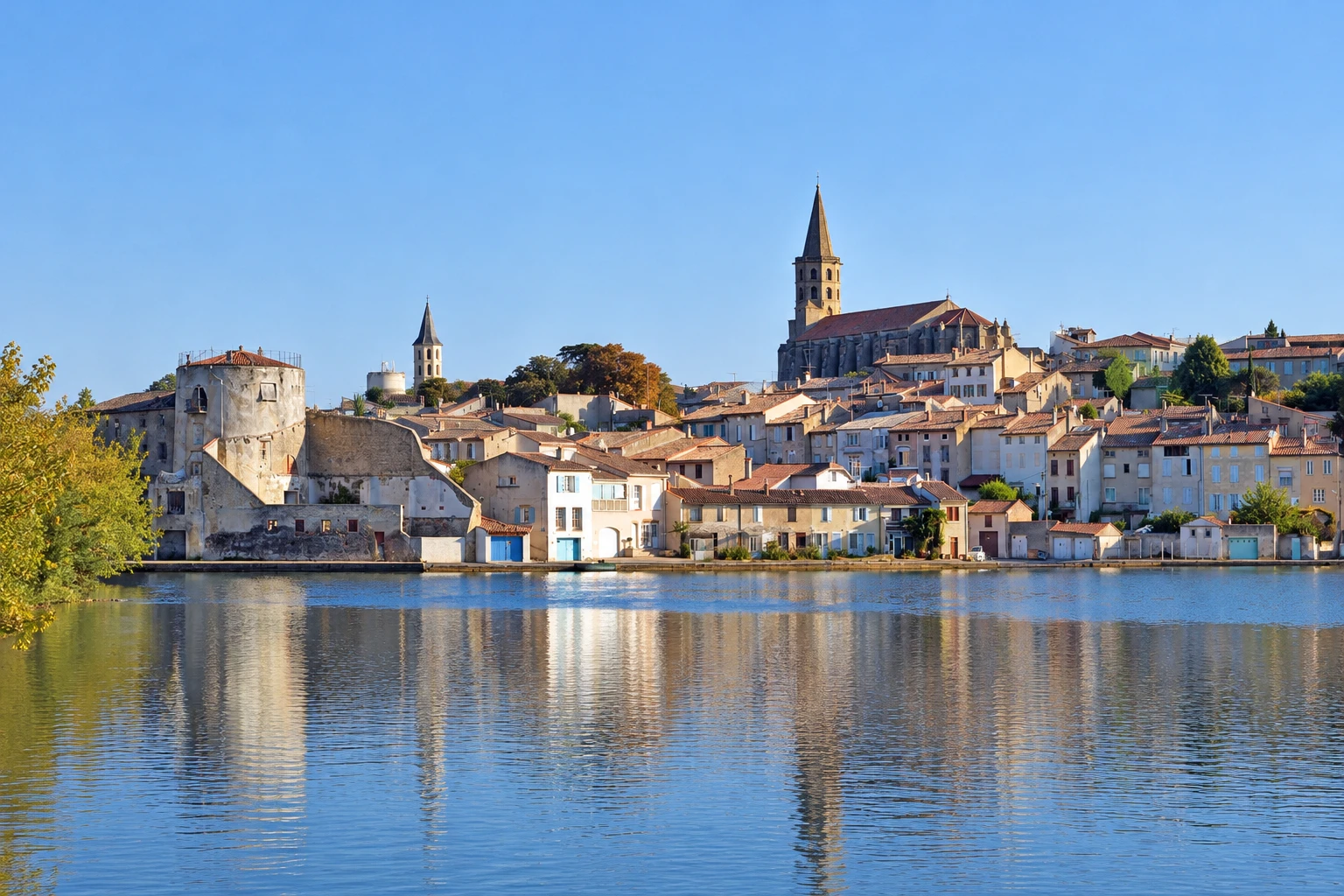
Castelnaudary’s historic port on the Canal du Midi, with about 7 hectares of water, the largest body of the canal. The island of Cybèle sits in the middle. Part of the UNESCO World Heritage listing with the Canal du Midi.
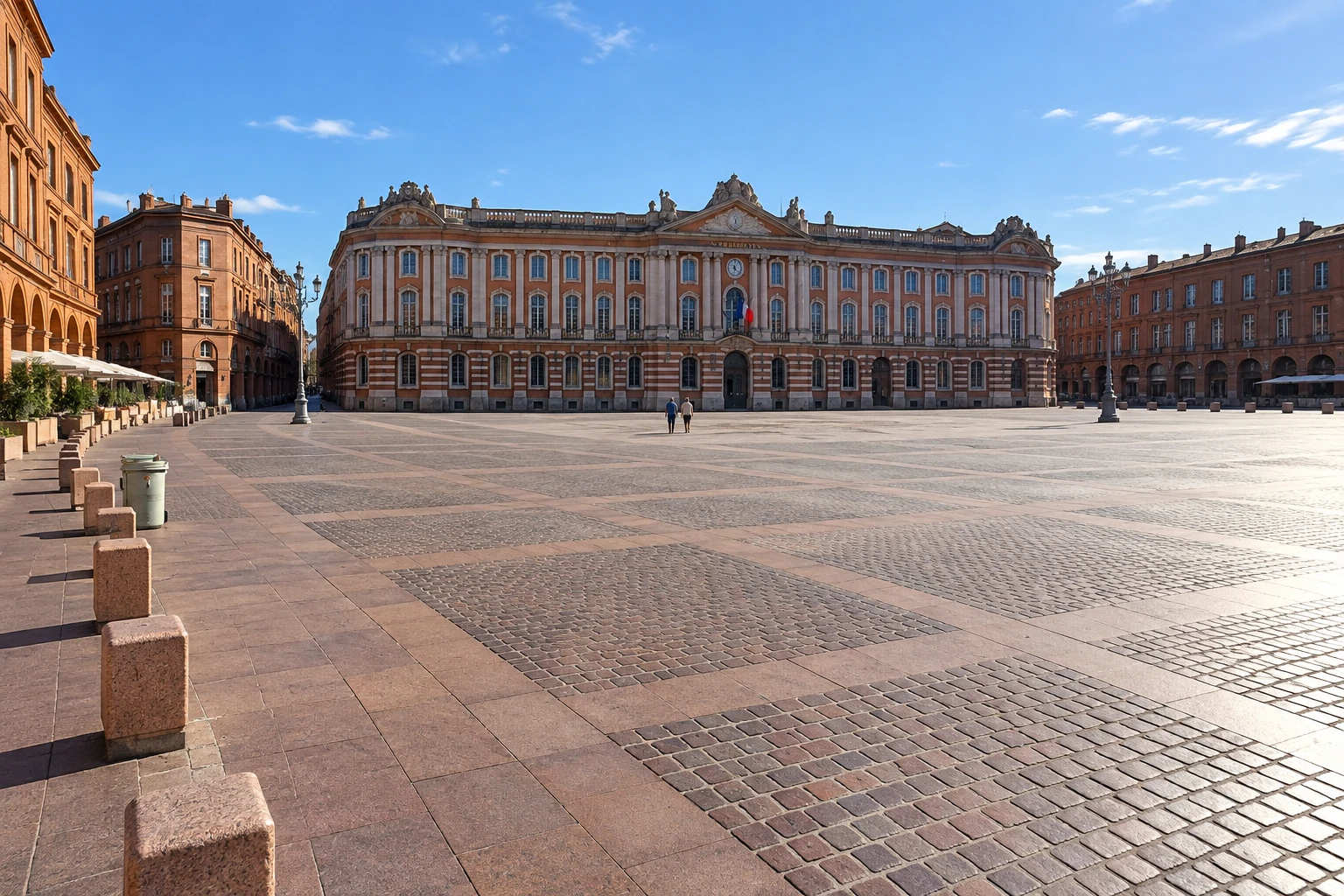
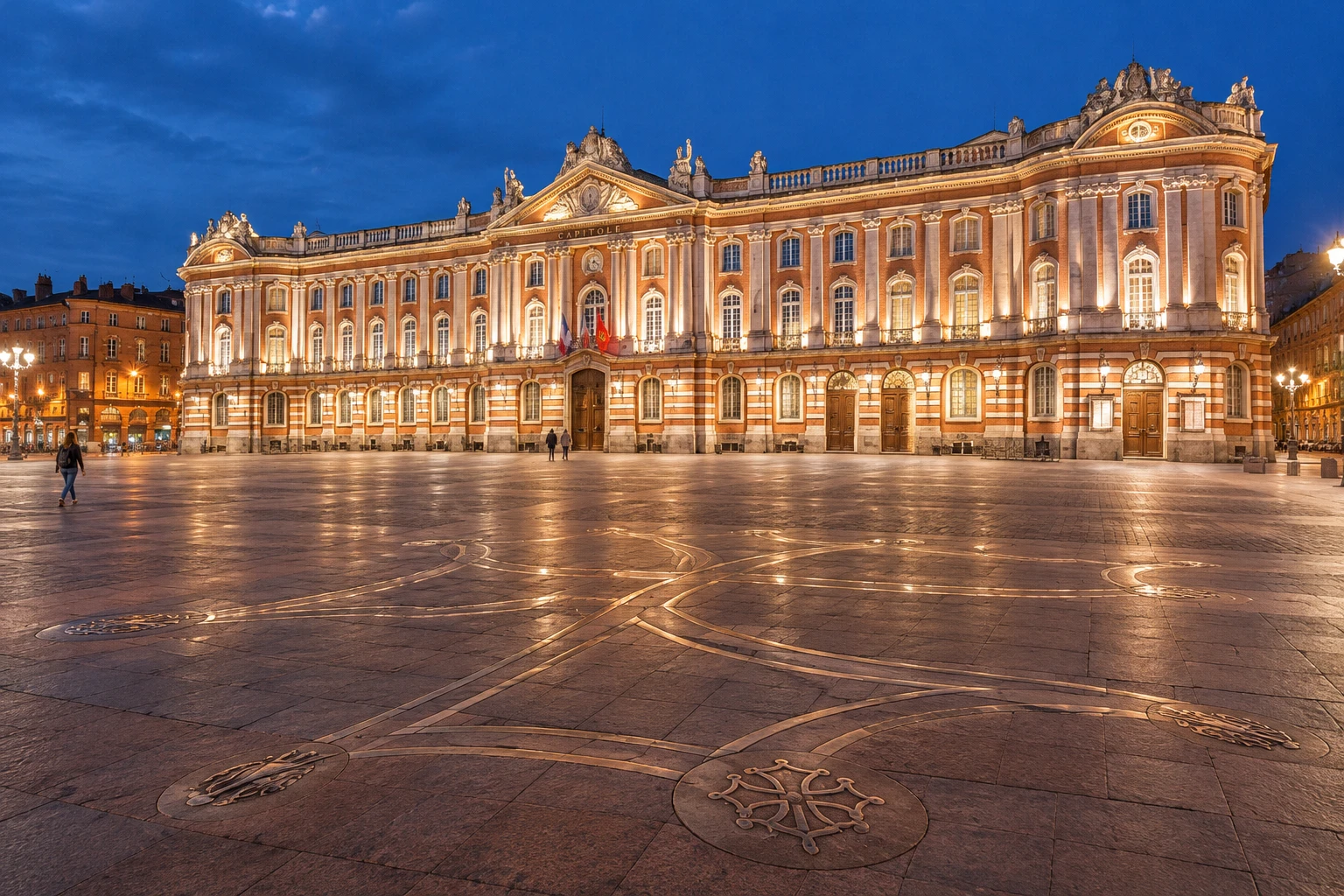
The central square of Toulouse, facing the brick-and-stone façade of the Capitole, with the Occitan cross drawn on the paving and cafés around it.
Seat of Toulouse's city hall for more than eight centuries and also of the opera theatre; the state rooms, such as the Salle des Illustres, can be visited.
The castle of the viscounts of Carcassonne, inside the Cité, and the walk along the ramparts, a national monument with admission.
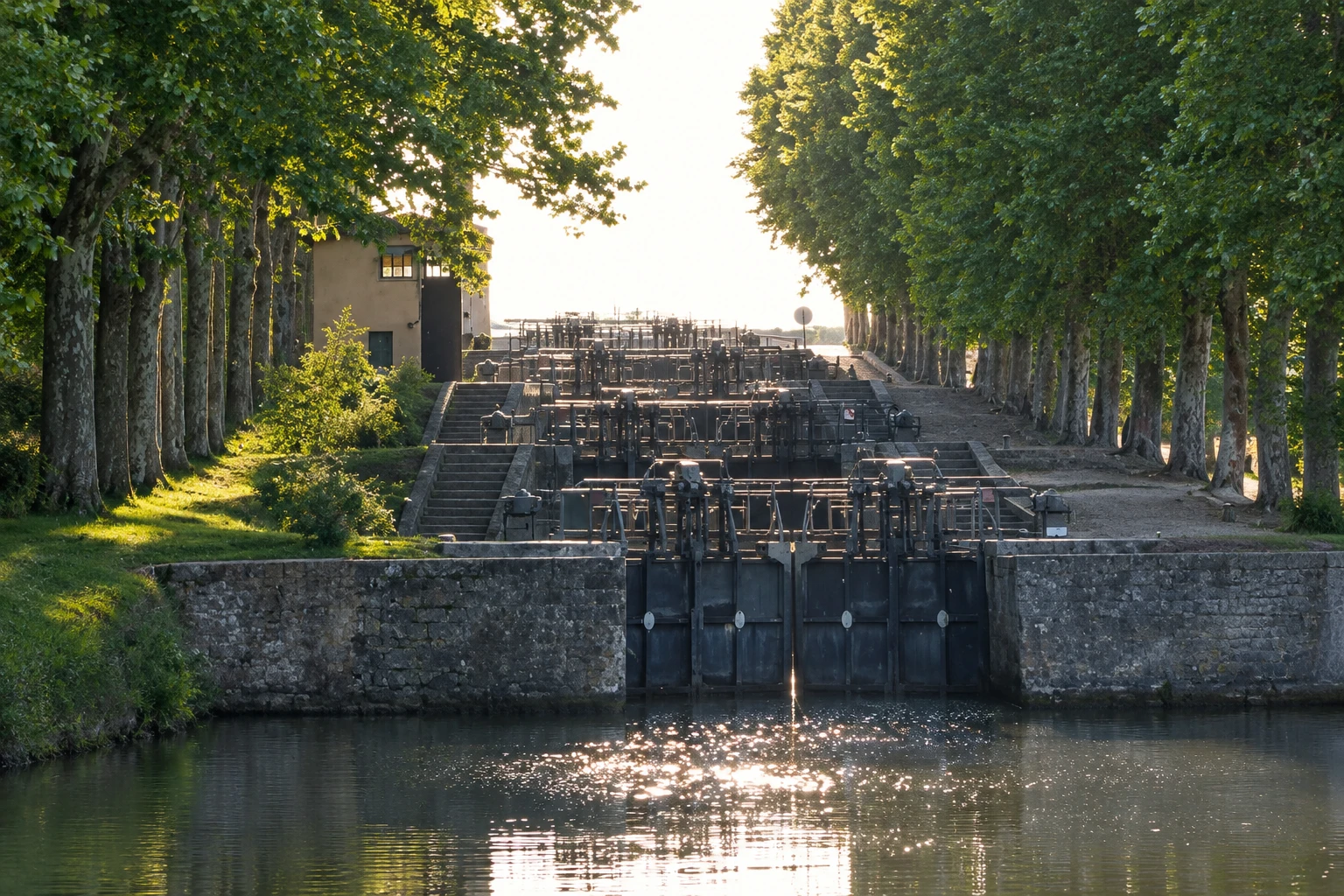
Sequence of four linked locks on the Canal du Midi, built around 1678 at the exit of Castelnaudary’s Grand Bassin, which overcome a drop of about 9 meters.
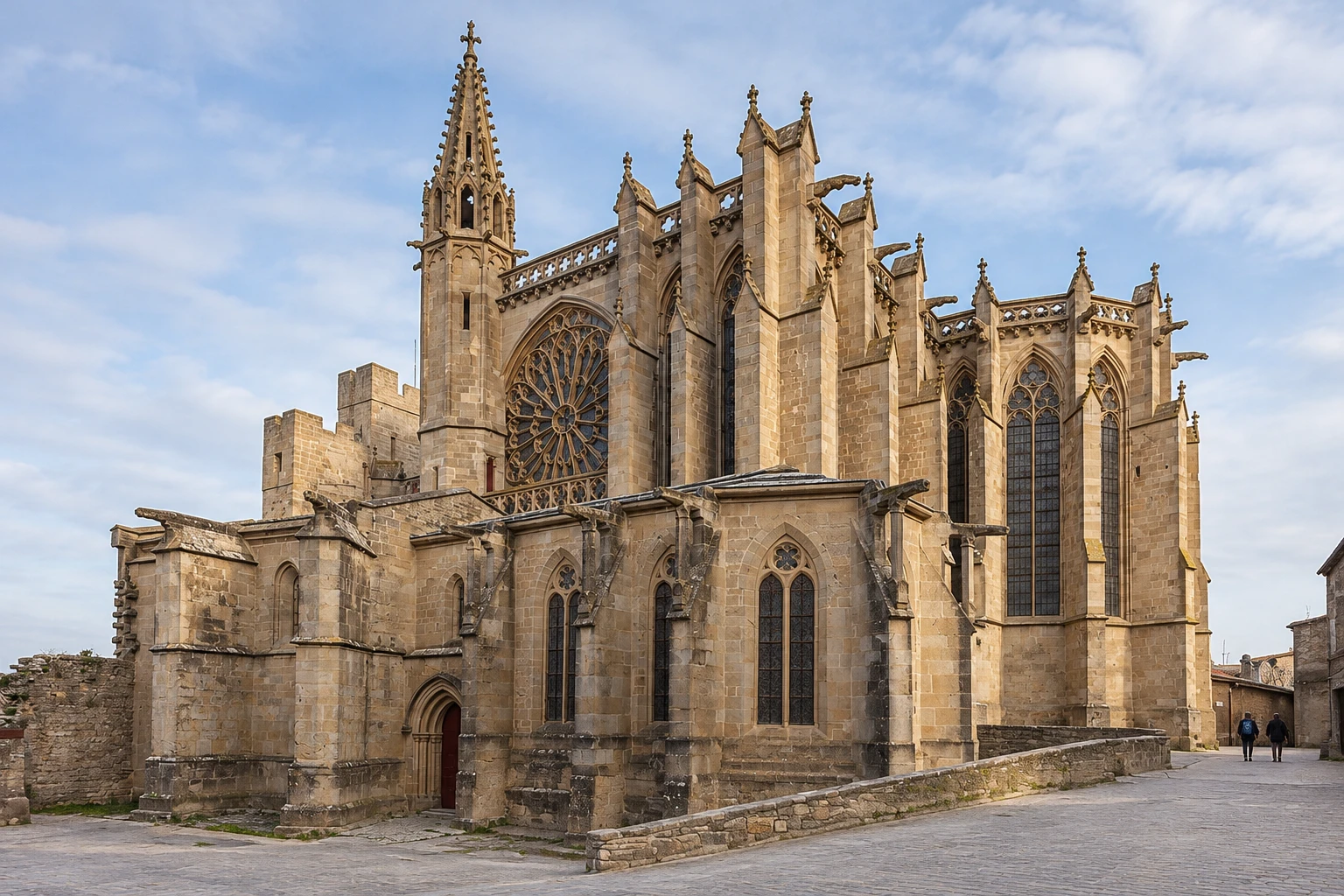
Former cathedral inside the Cité, with a Romanesque nave and a Gothic choir lit by stained glass windows from the 13th and 14th centuries.
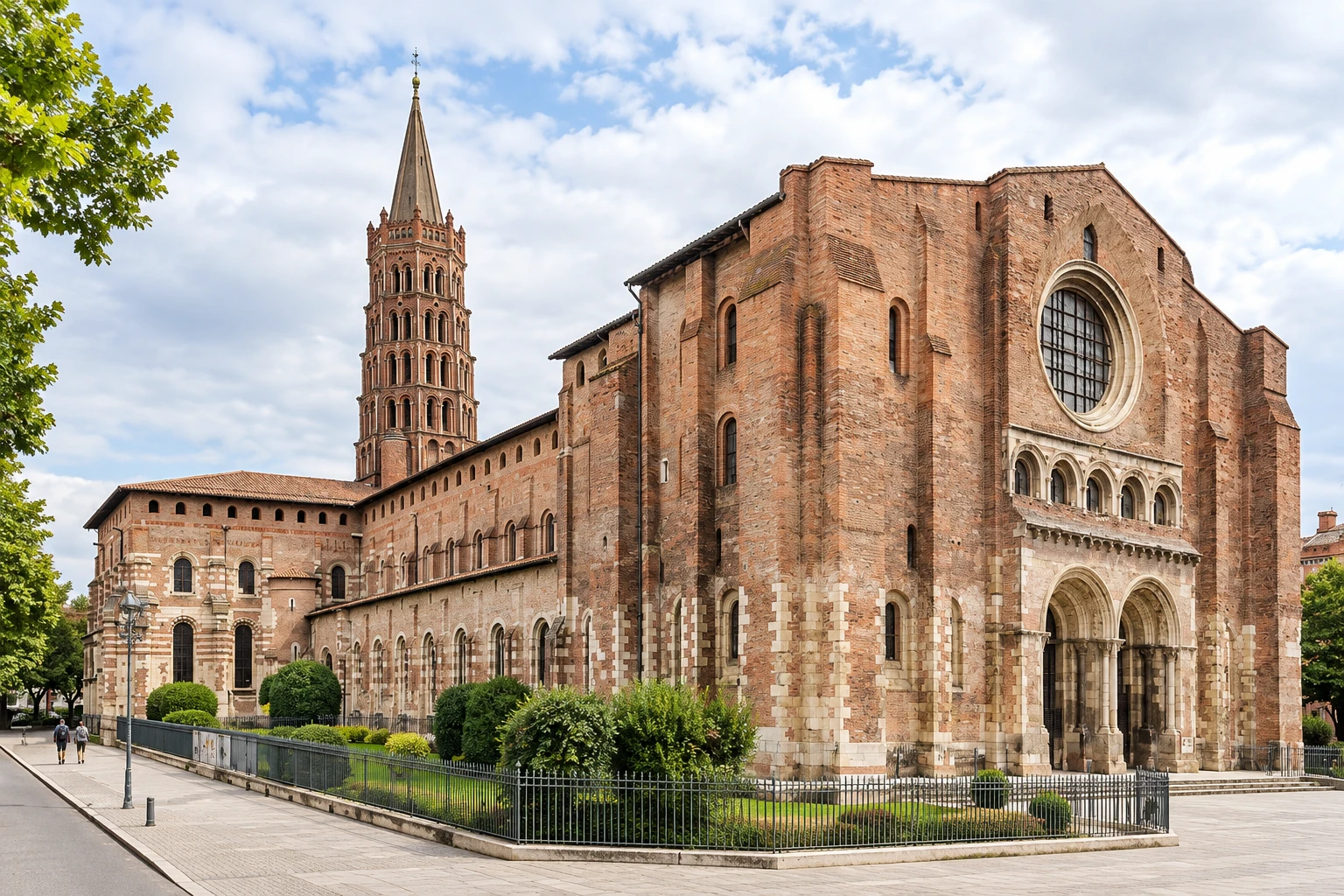
One of the largest Romanesque churches in Europe, built from the end of the 11th century to house the relics of São Saturnino, with an octagonal brick bell tower.
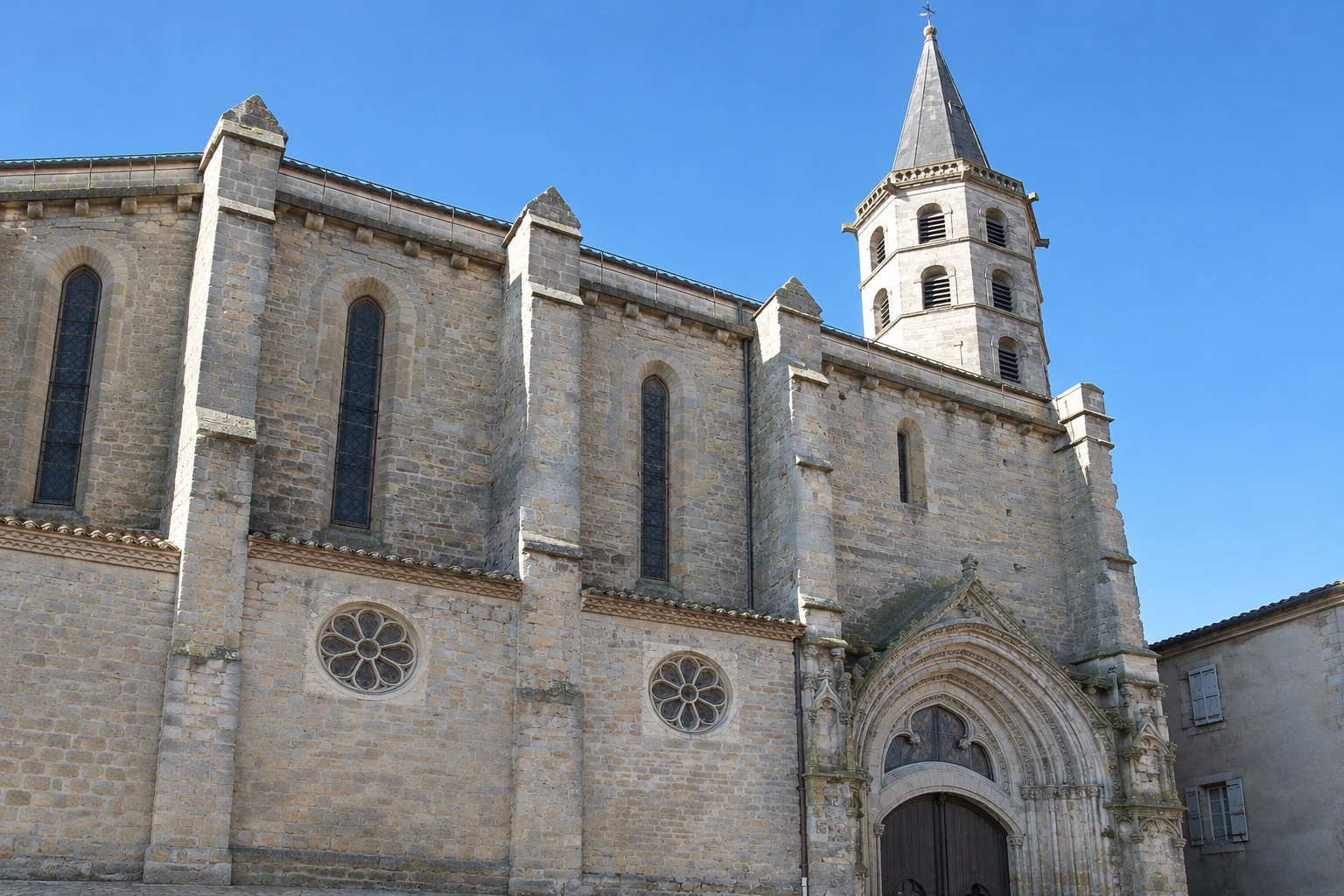
Gothic church high in the old town, raised to collegiate status in 1318, with a bell tower of about 50 meters and an 18th-century organ, protected as a historical monument.
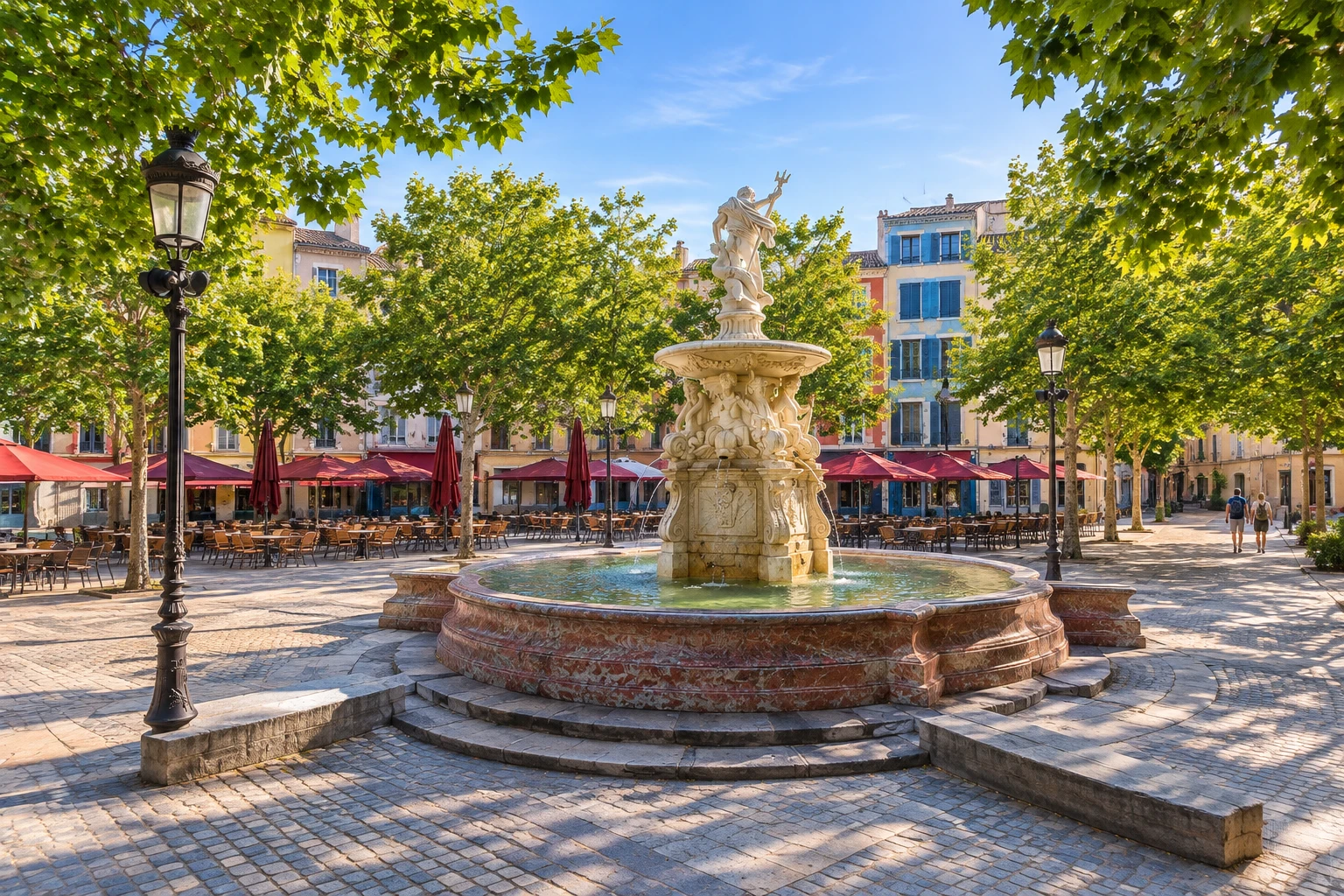
The lower town of Carcassonne, founded in the 13th century with a grid of streets around the Place Carnot, where the shops, restaurants and station are located.
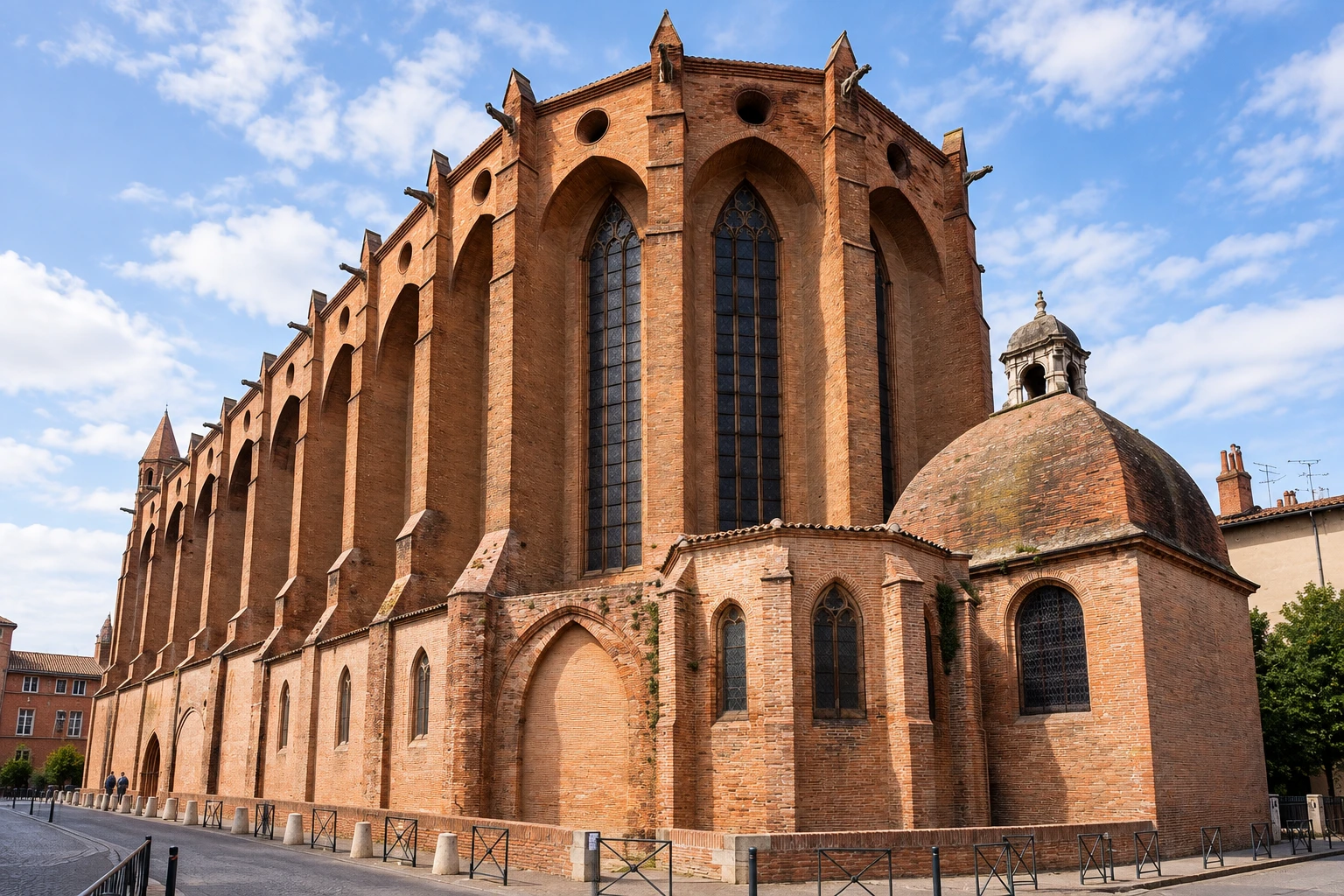
Church and cloister of the Dominicans, all in brick, with the 28-metre palm-shaped column and the tomb of São Tomás de Aquino.
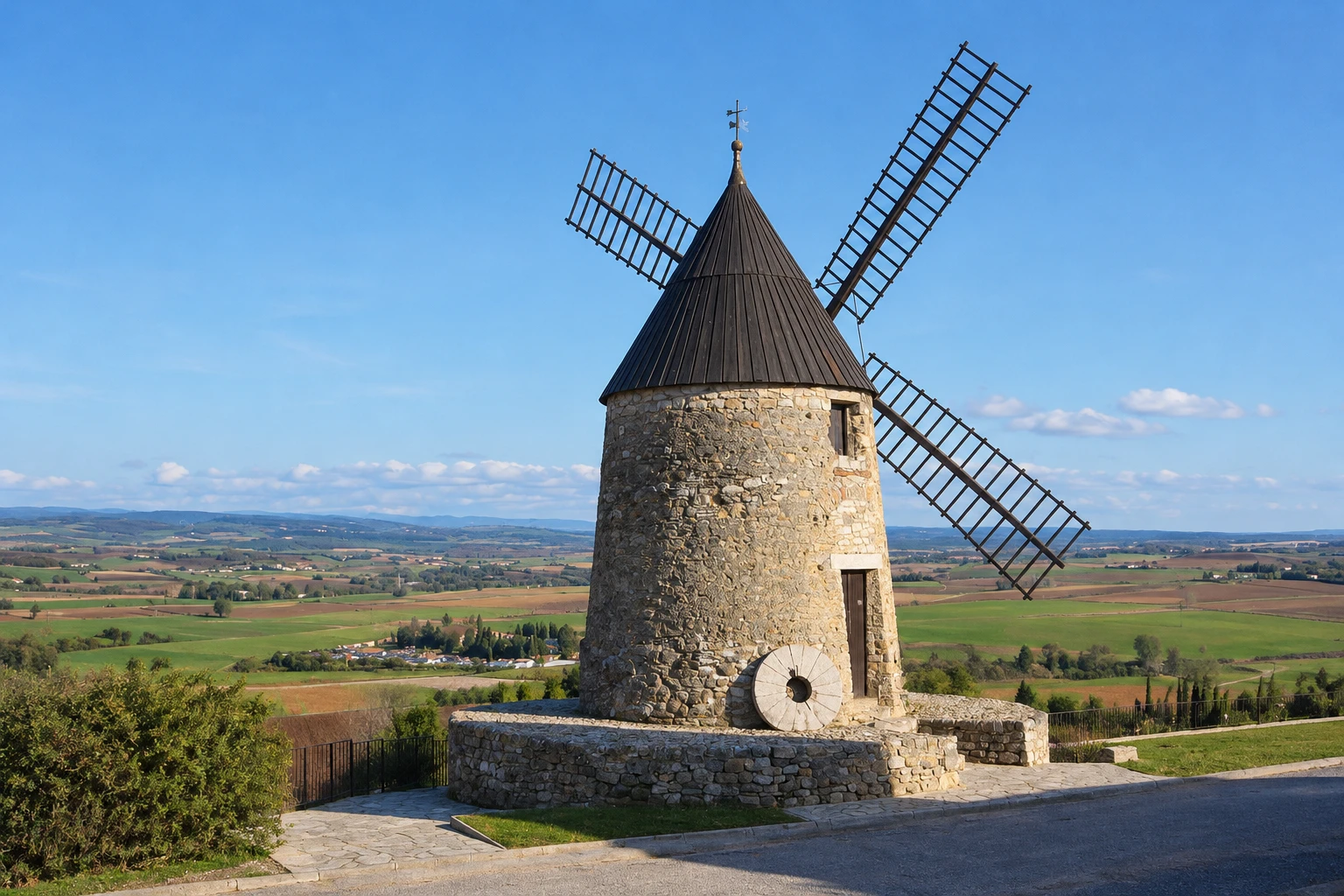
Last of the windmills that once crowned Castelnaudary’s hill, restored in 1962, with views over the Lauragais plain, the Black Mountain and, on clear days, the Pyrenees.
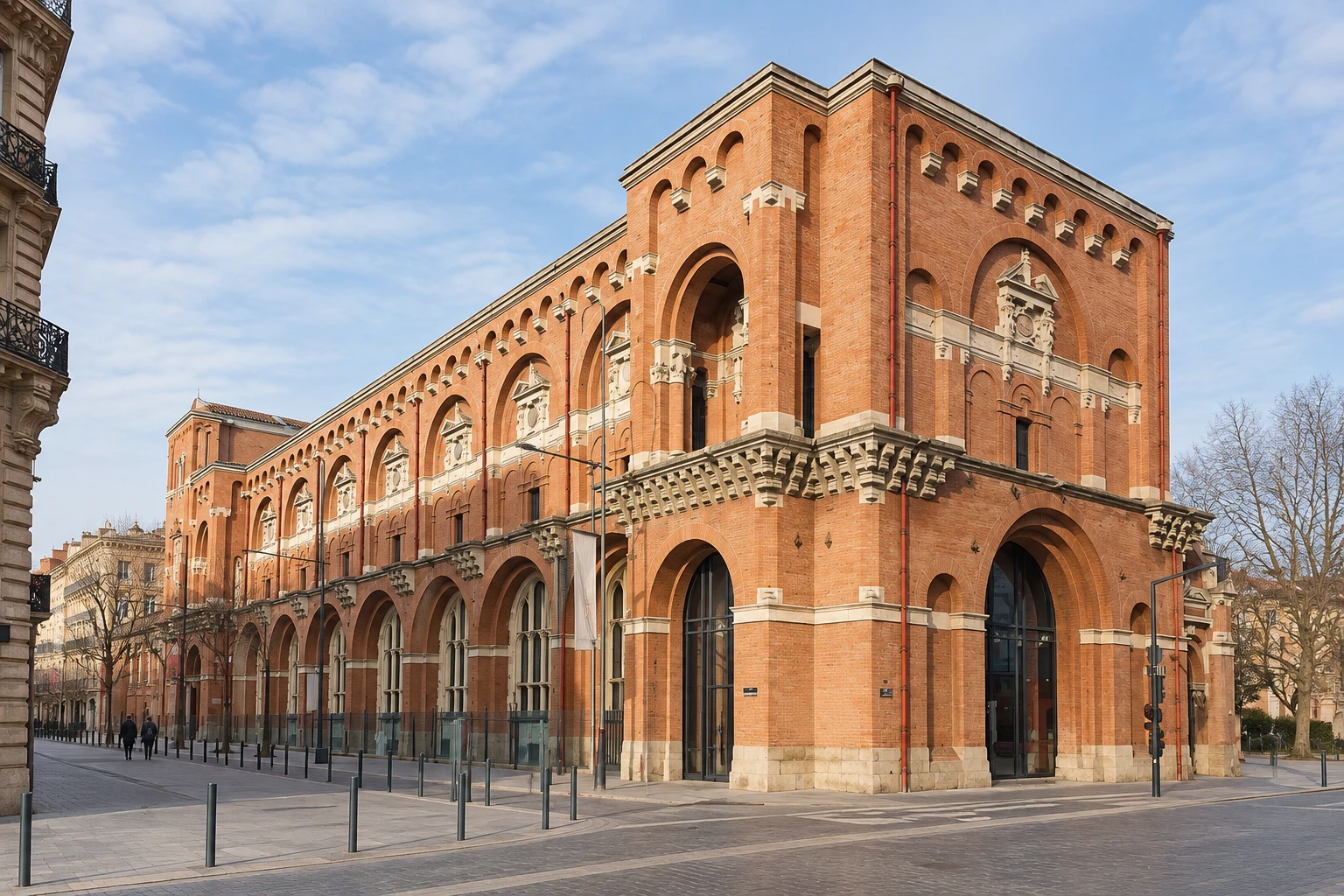
Toulouse's fine arts museum, in a former Gothic Augustinian convent, with European painting and a large collection of Romanesque and Gothic sculpture.
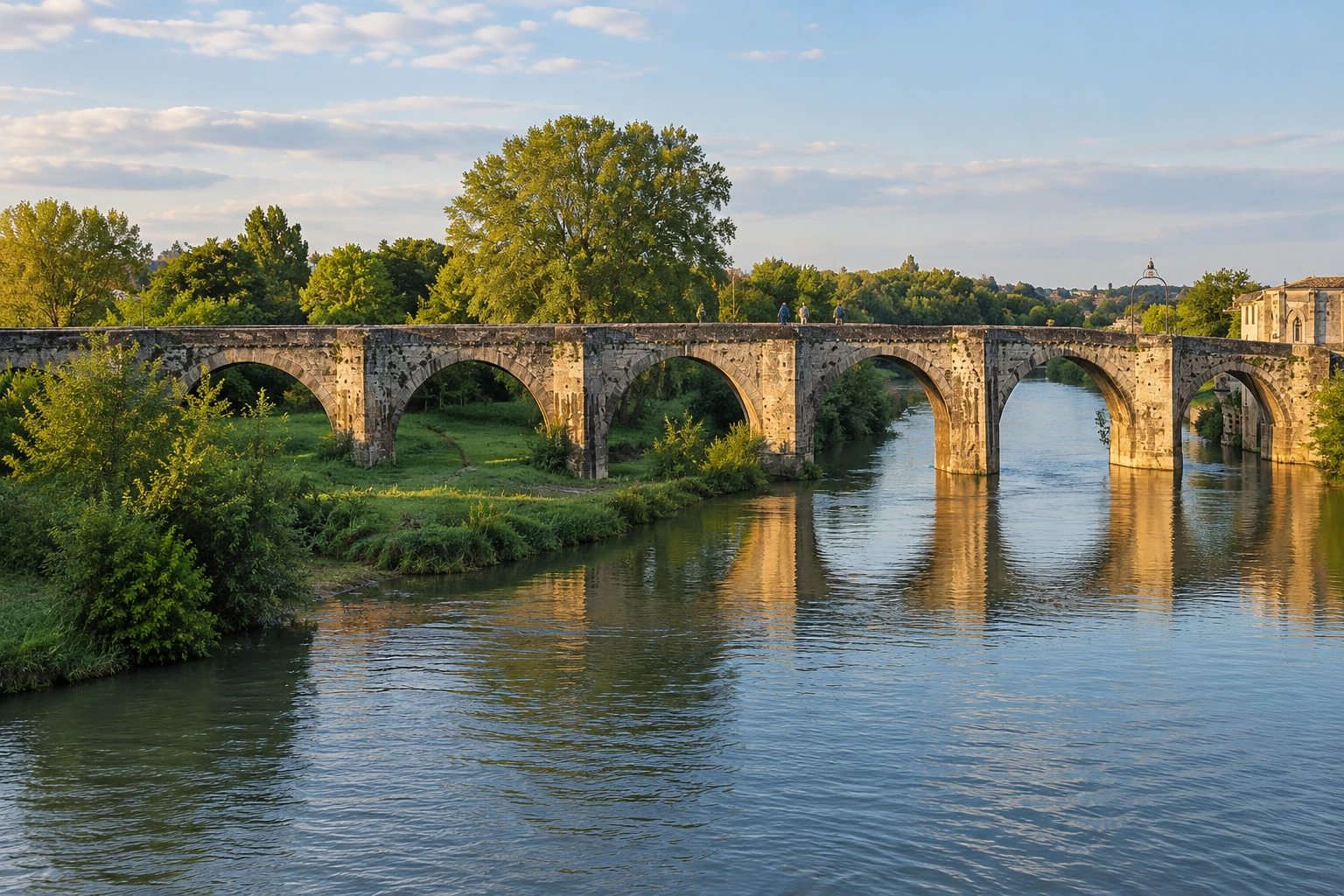
Stone bridge from the 14th century over the Aude river, linking the lower town to the ascent to the Cité, with views of the walls.
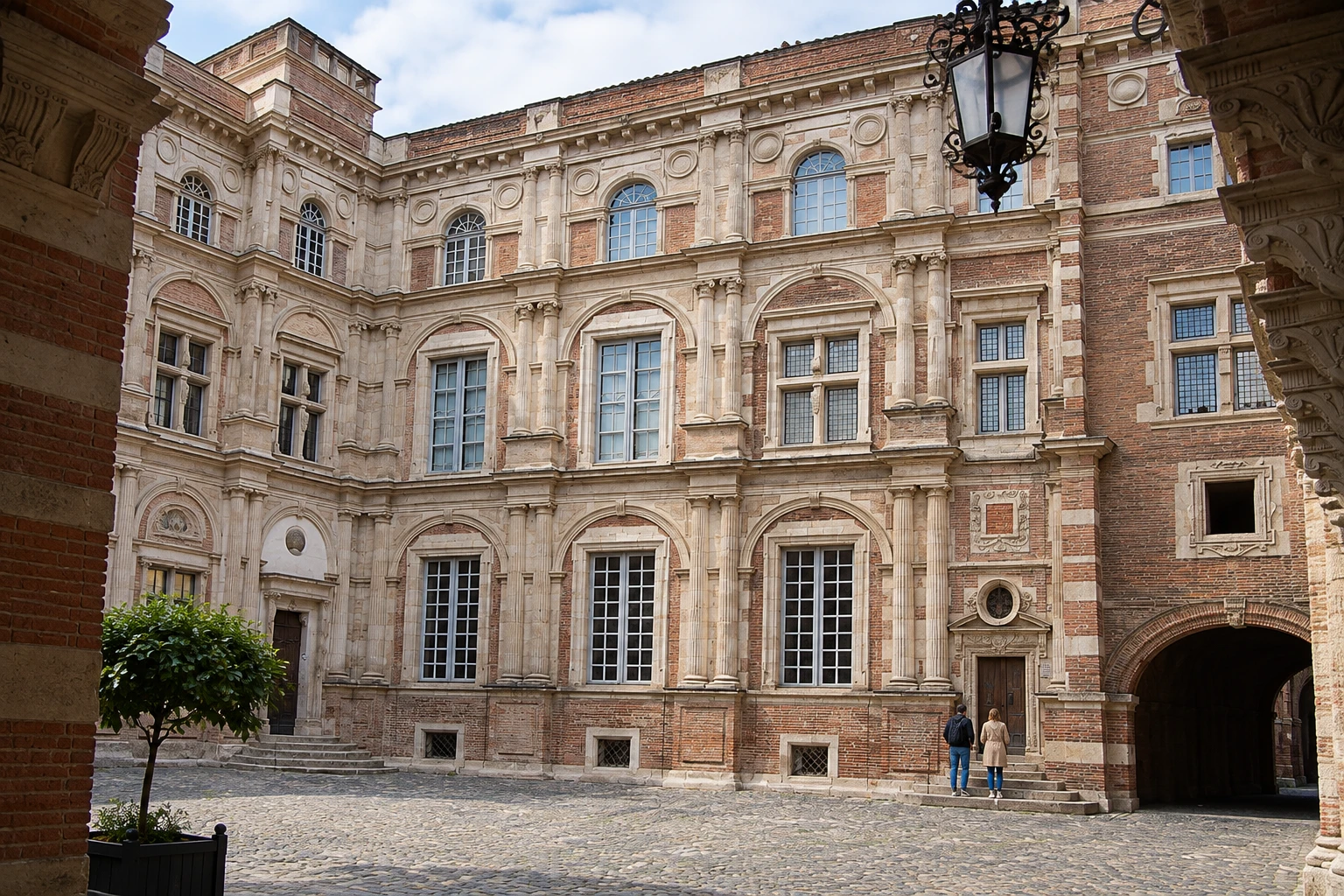
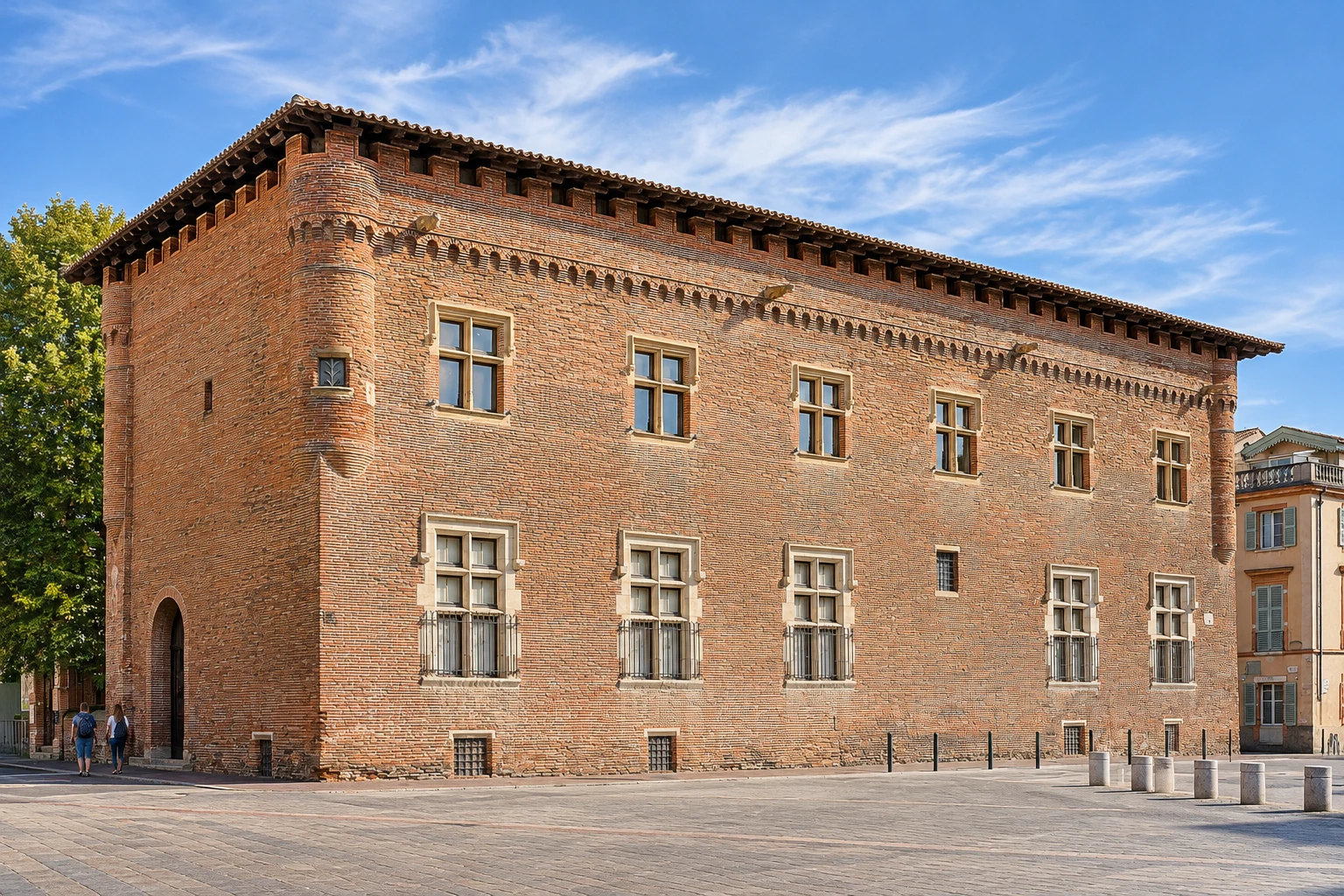
Art collection of collector Georges Bemberg, from Veronese to Picasso, with a large collection of Bonnard, housed in the Hôtel d'Assézat, a Renaissance townhouse from 1555.
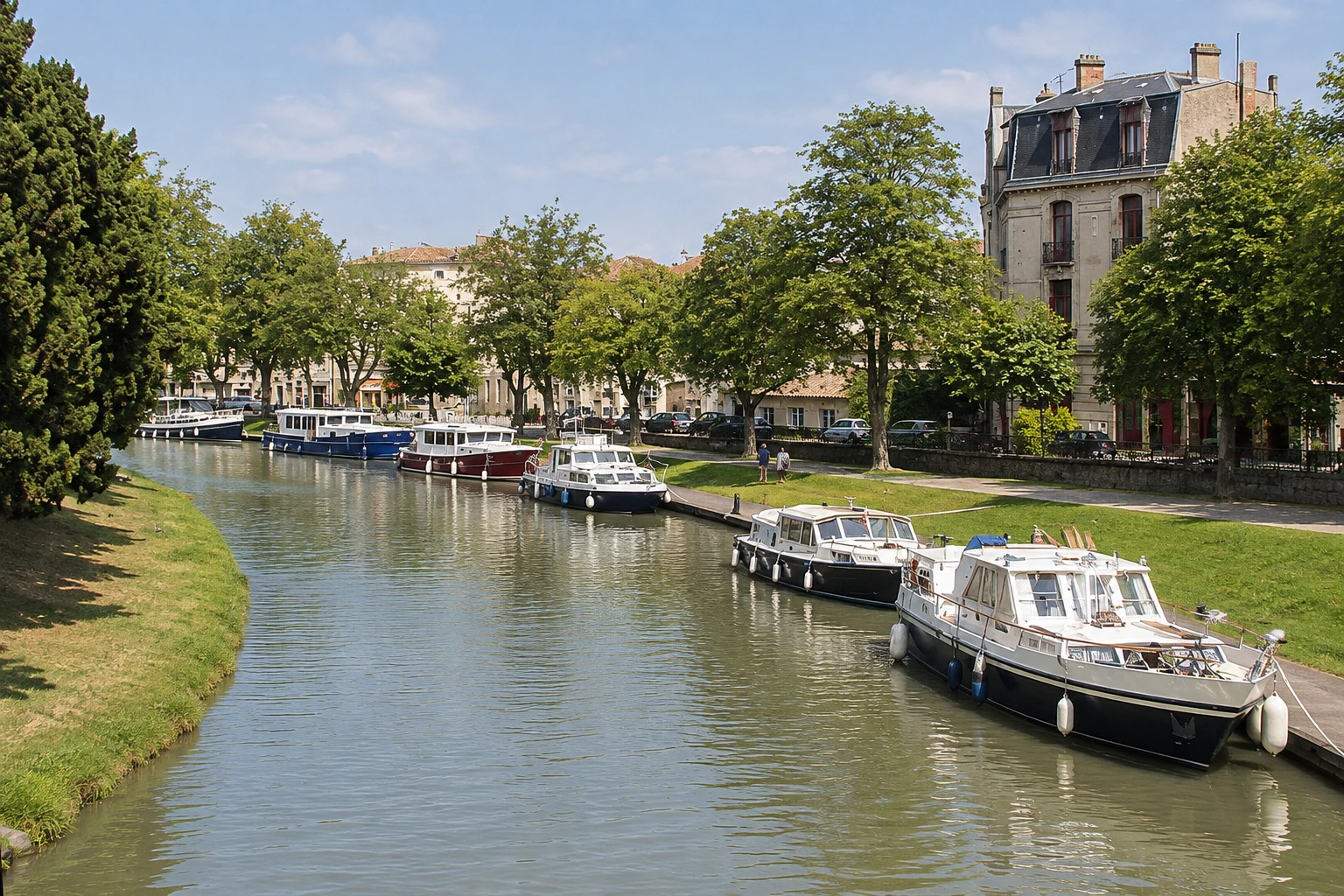
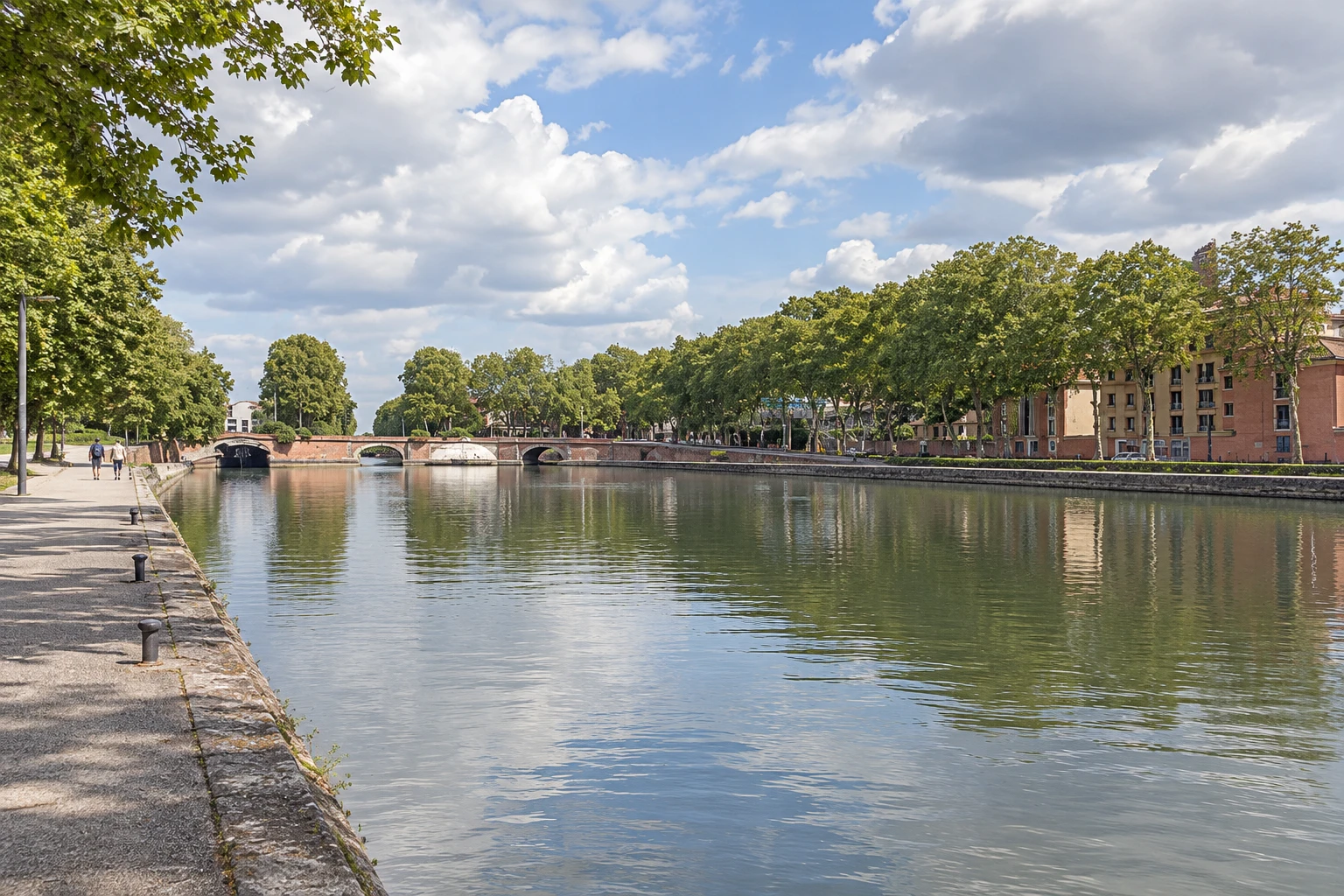
Stretch of the Canal du Midi beside the station, with a lock and a port from which boat trips depart, between the Gare and the Bastide Saint-Louis.
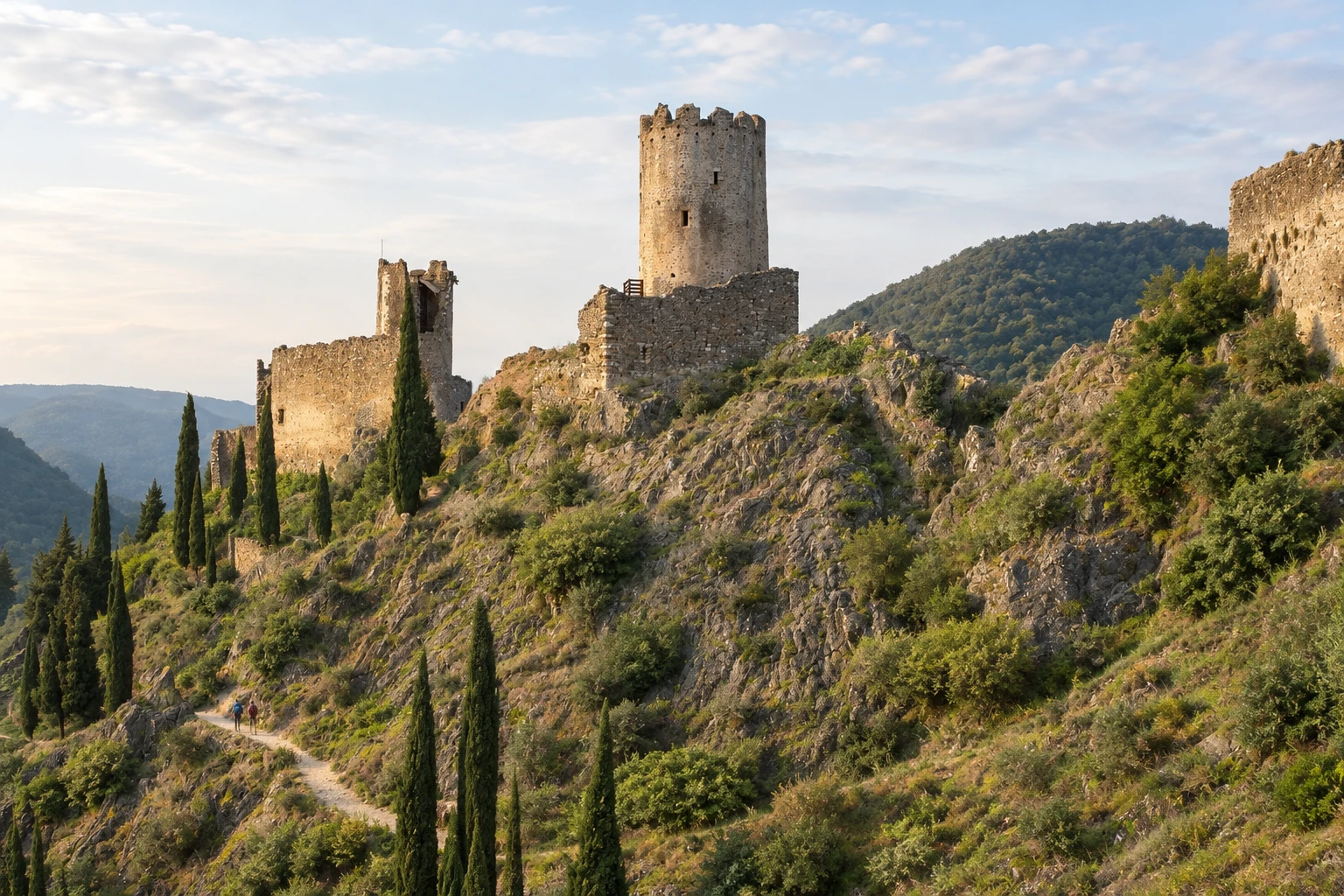
Four medieval ruined castles on a rocky spur above the Orbiel river, about 20 km north of Carcassonne.
Toulouse's archaeology museum, next to Saint-Sernin, with Roman sculptures and pieces from the Celtic world and the early Middle Ages.
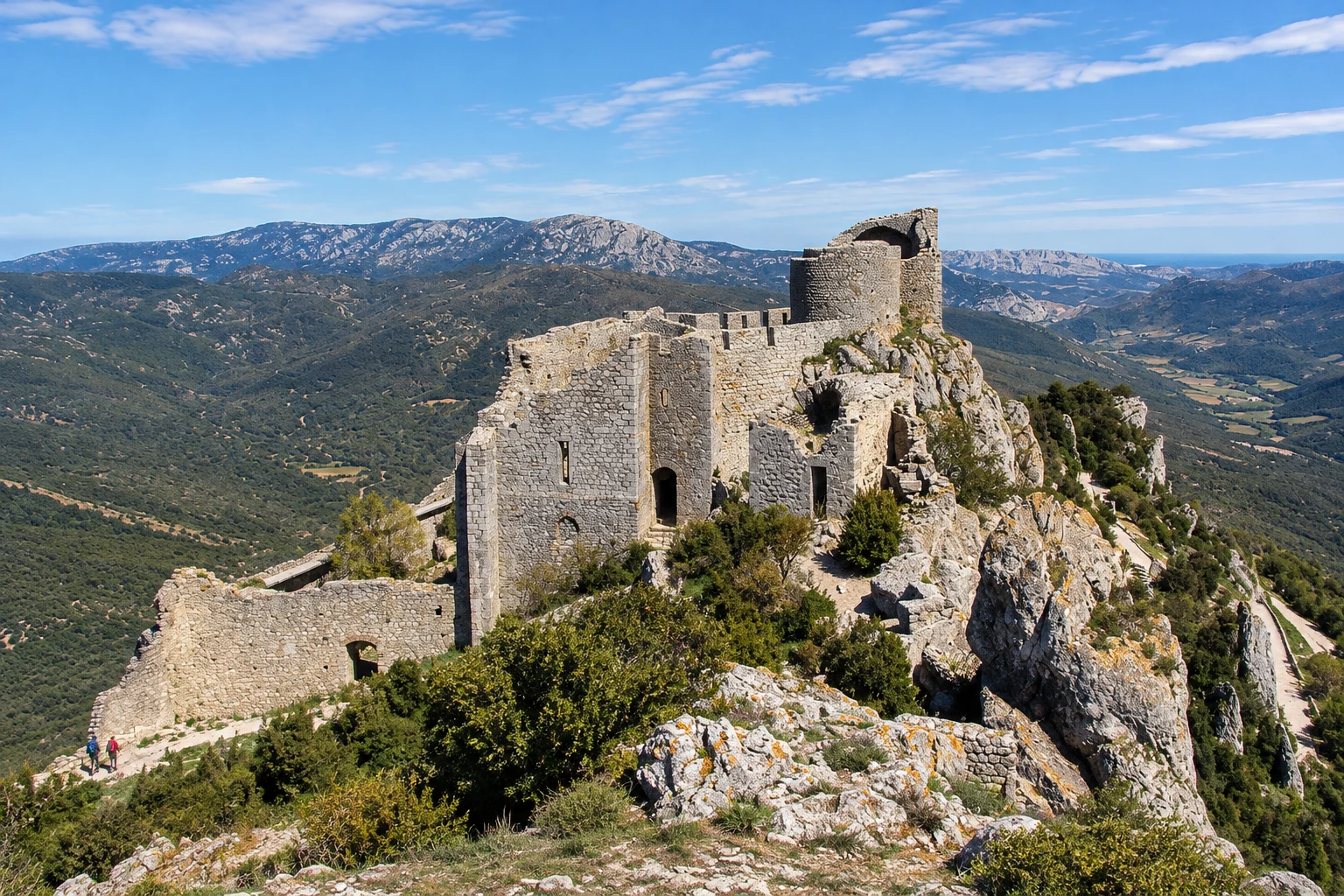
Ruined fortress on a limestone ridge of nearly 800 meters in the Corbières, one of the largest in the region, about 85 km from Carcassonne.
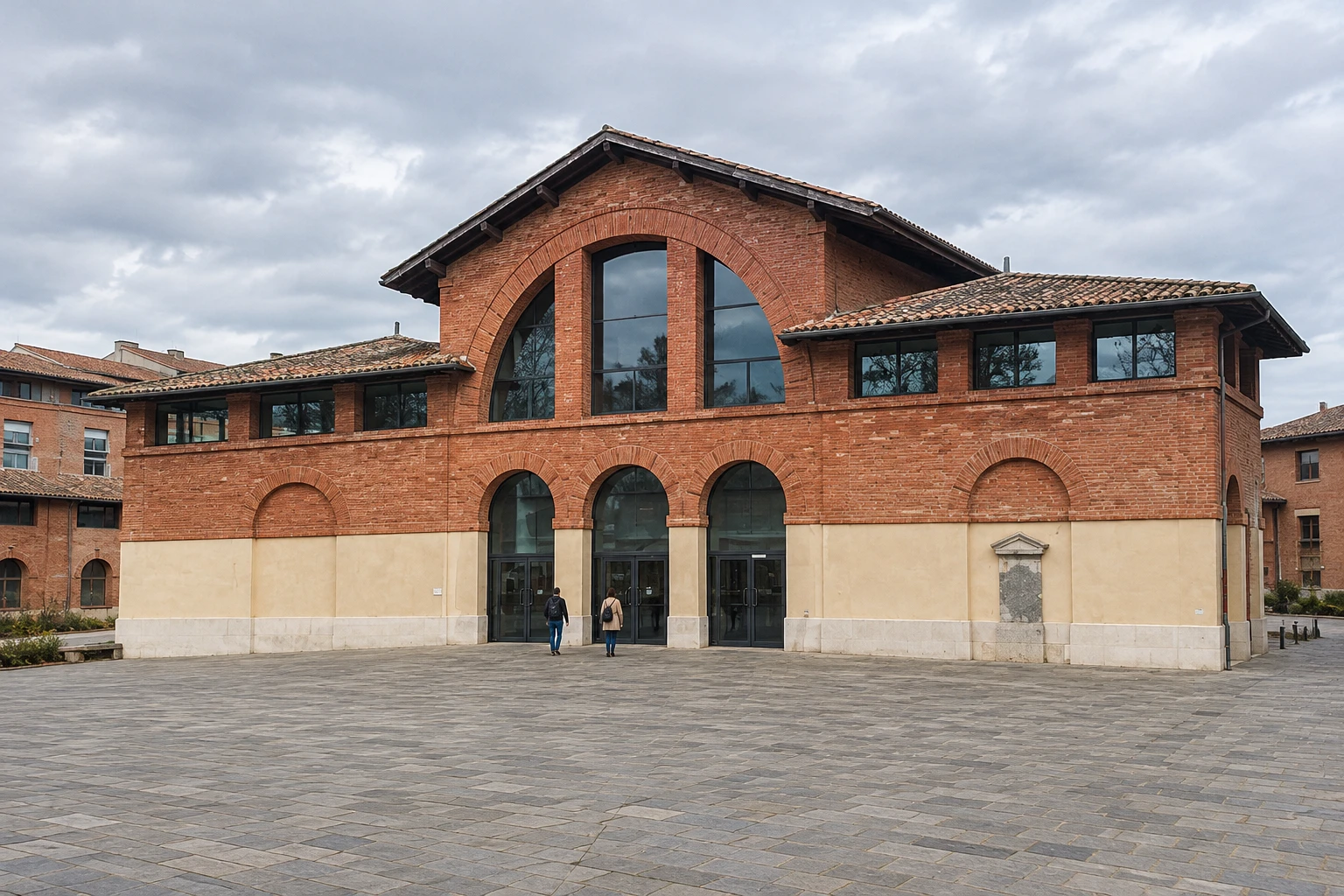
Modern and contemporary art museum installed in the former municipal slaughterhouses, on the left bank of the Garonne.
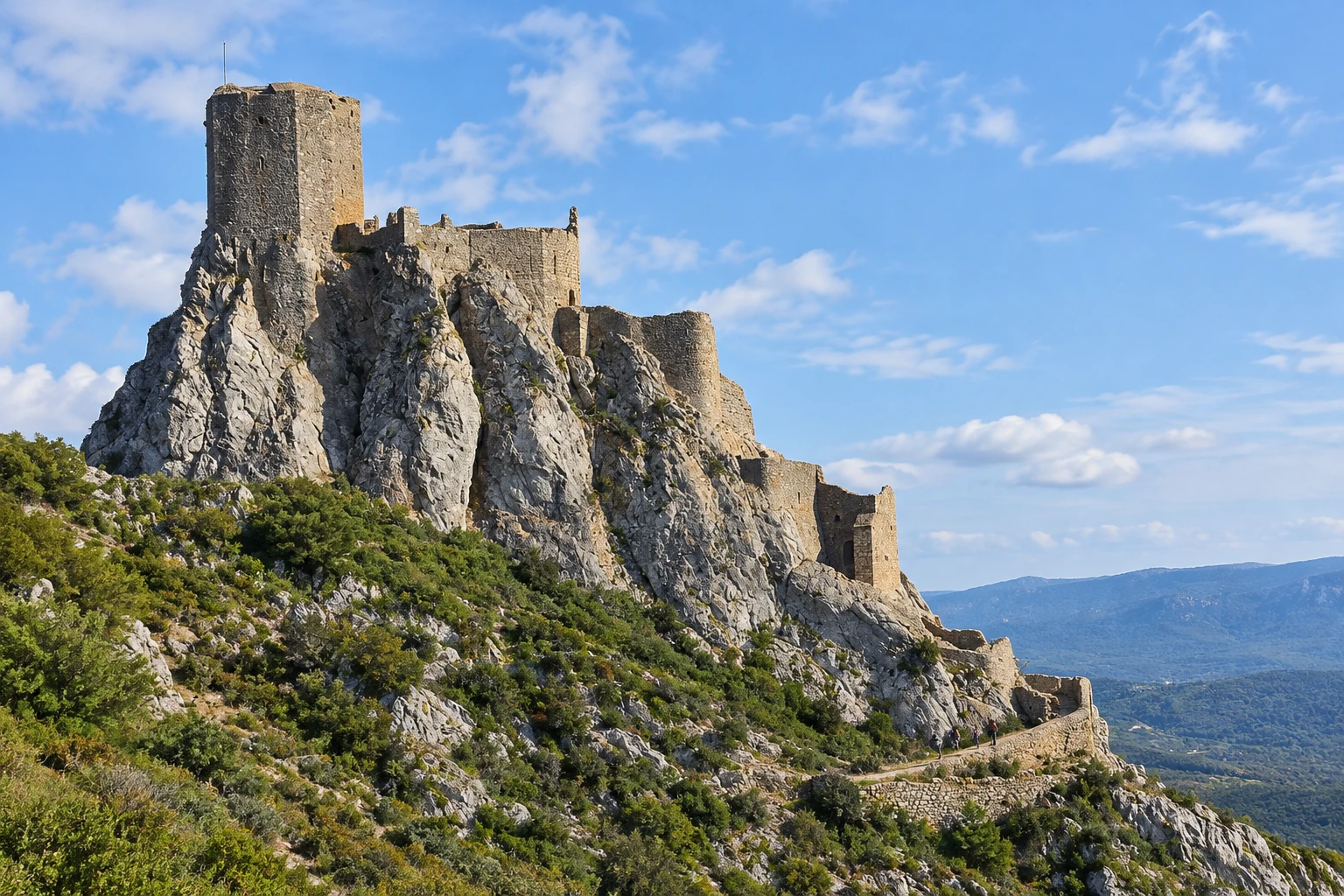
Castle atop a rocky peak at 728 meters, above Cucugnan, with a tower that houses a Gothic hall with a central pillar; views over the Corbières and the Roussillon.
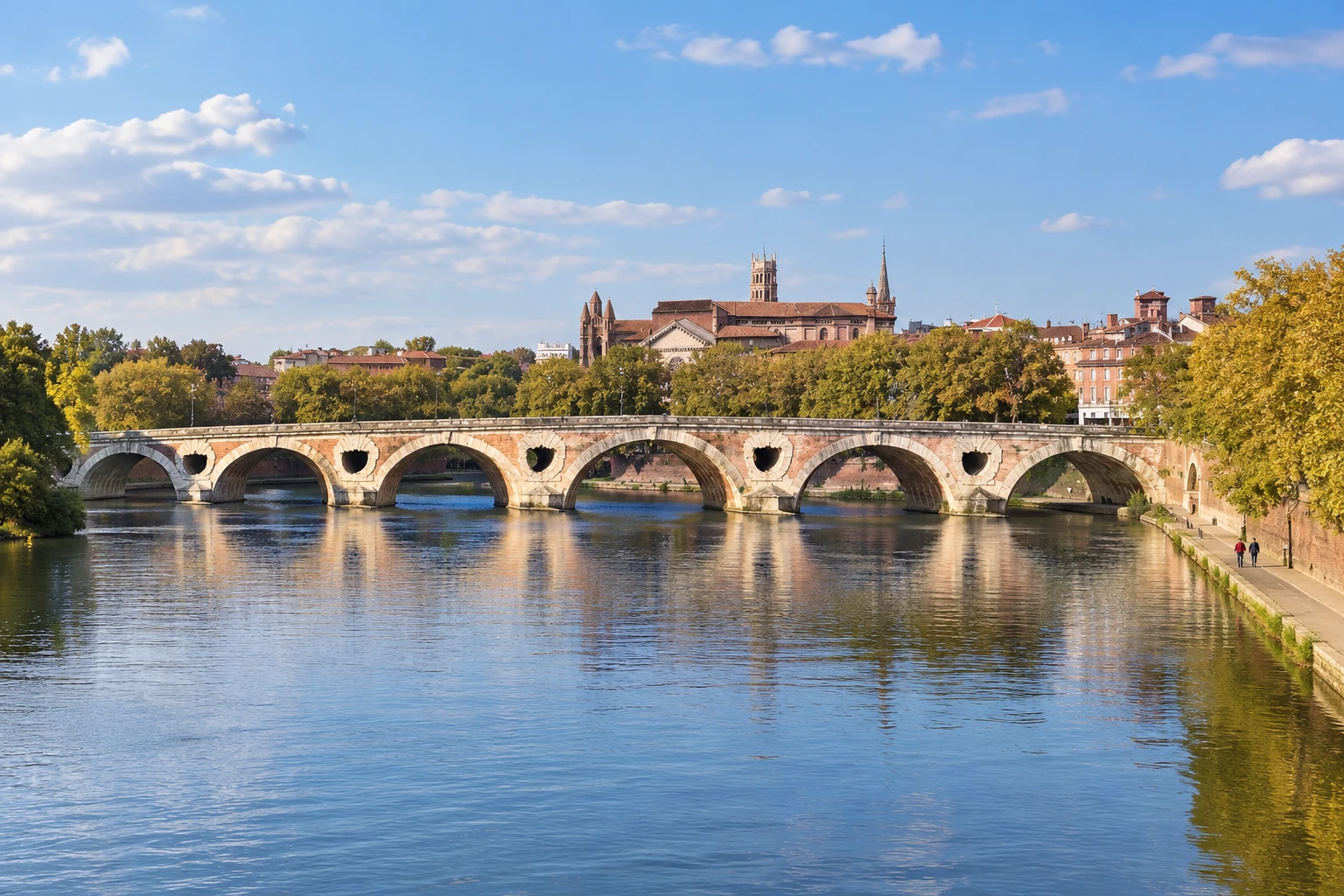
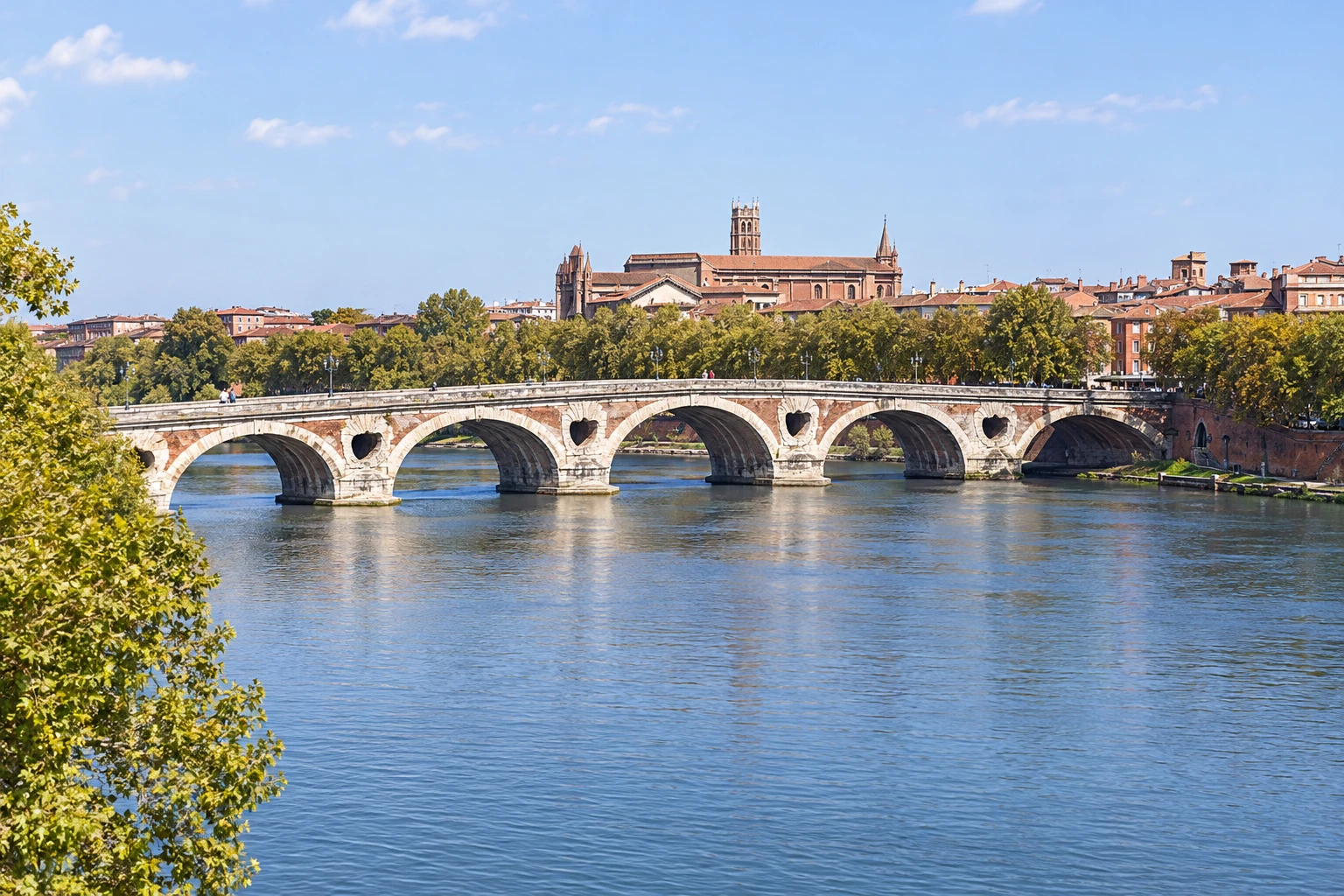
The oldest bridge over the Garonne in Toulouse, despite its name, with seven brick and stone arches; from it you can see the Prairie des Filtres and the Hôtel-Dieu.
River port where the Canal du Midi meets the Canal latéral à la Garonne and the Canal de Brienne, featuring an 18th-century bas-relief.
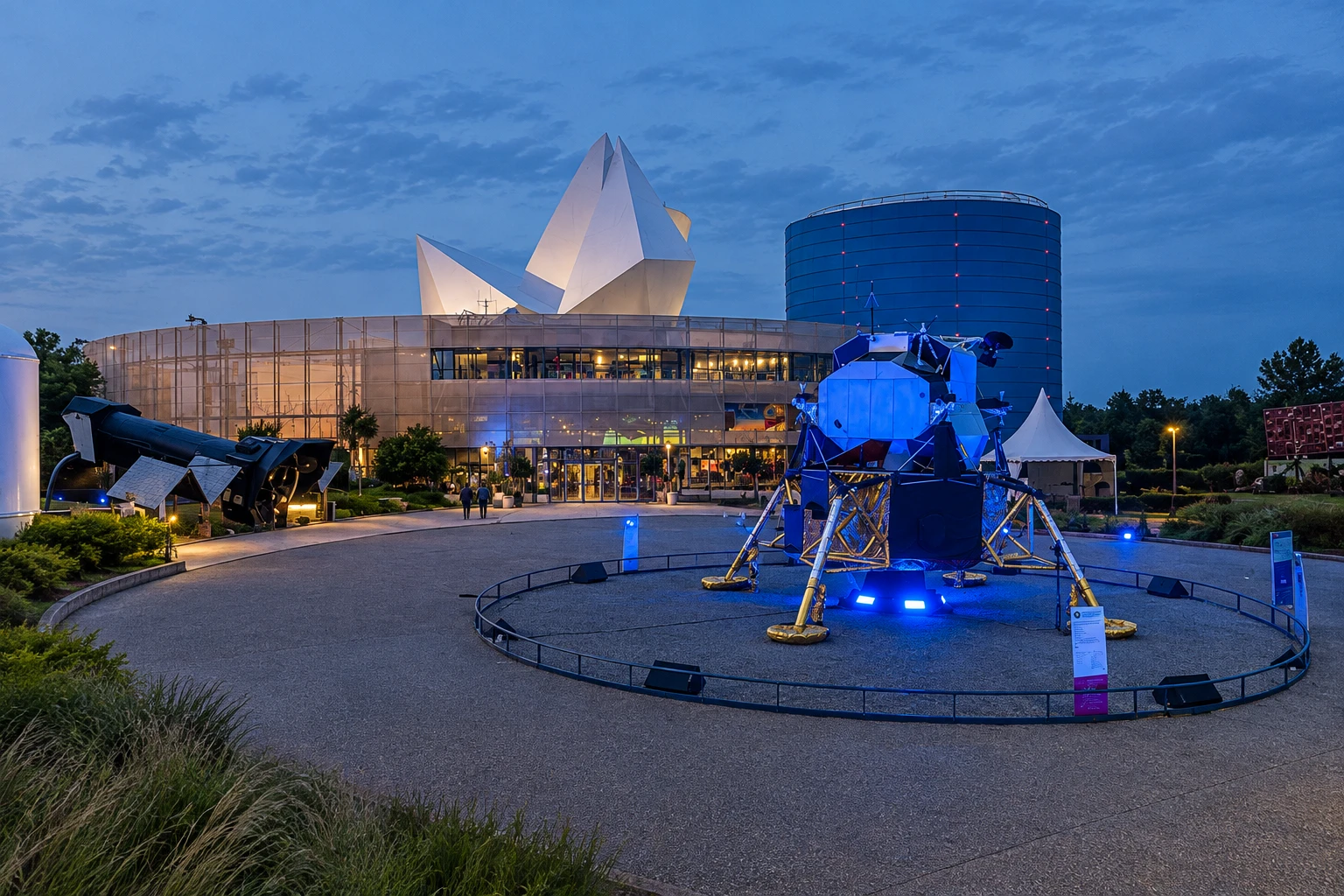
Science park dedicated to space, with a replica of the Ariane 5 rocket, a model of the Mir station, a planetarium and exhibitions on astronomy.
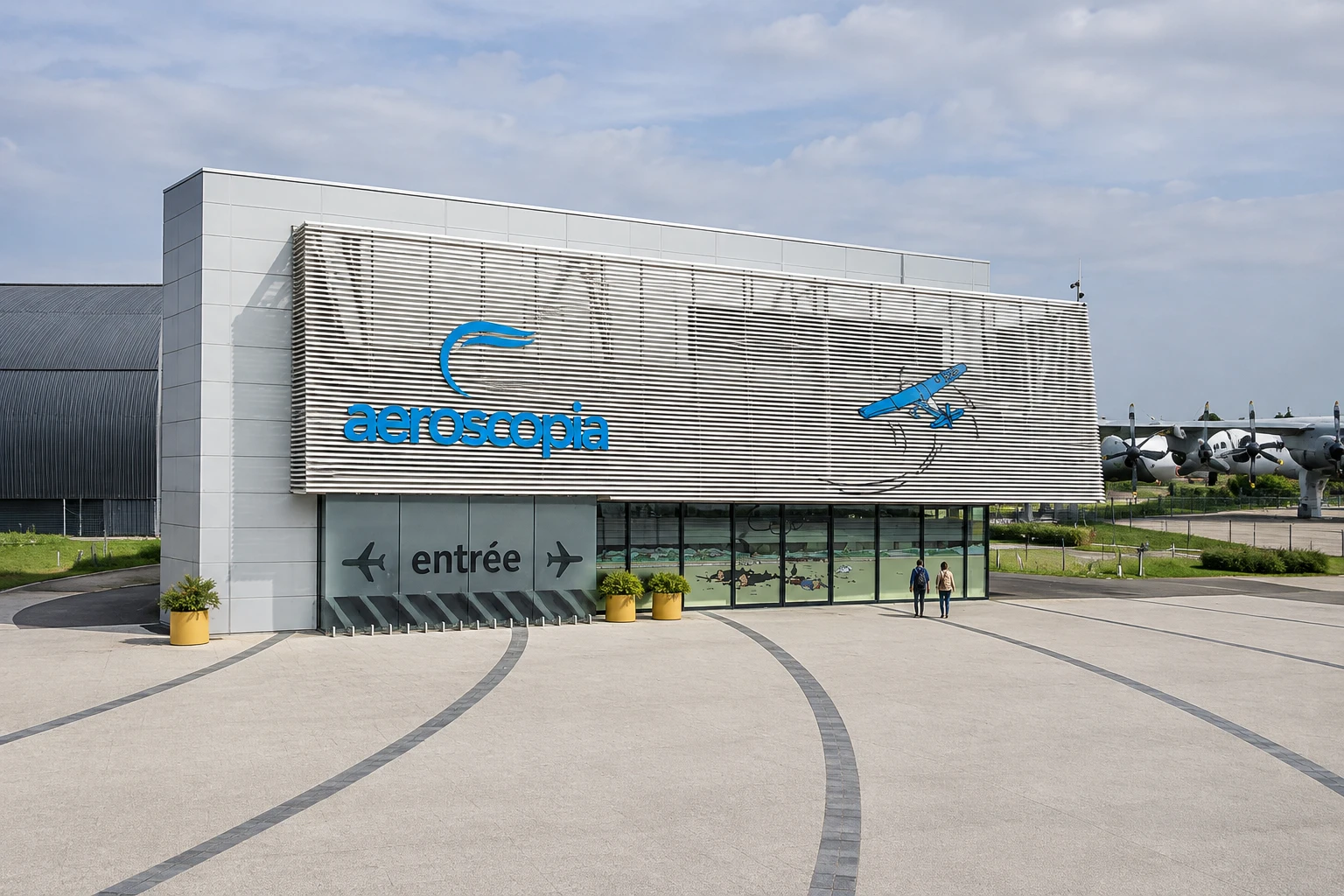
Aviation museum in Blagnac, next to the Airbus factories, with two Concordes, the Super Guppy and over 40 aircraft; the starting point for Airbus tours.
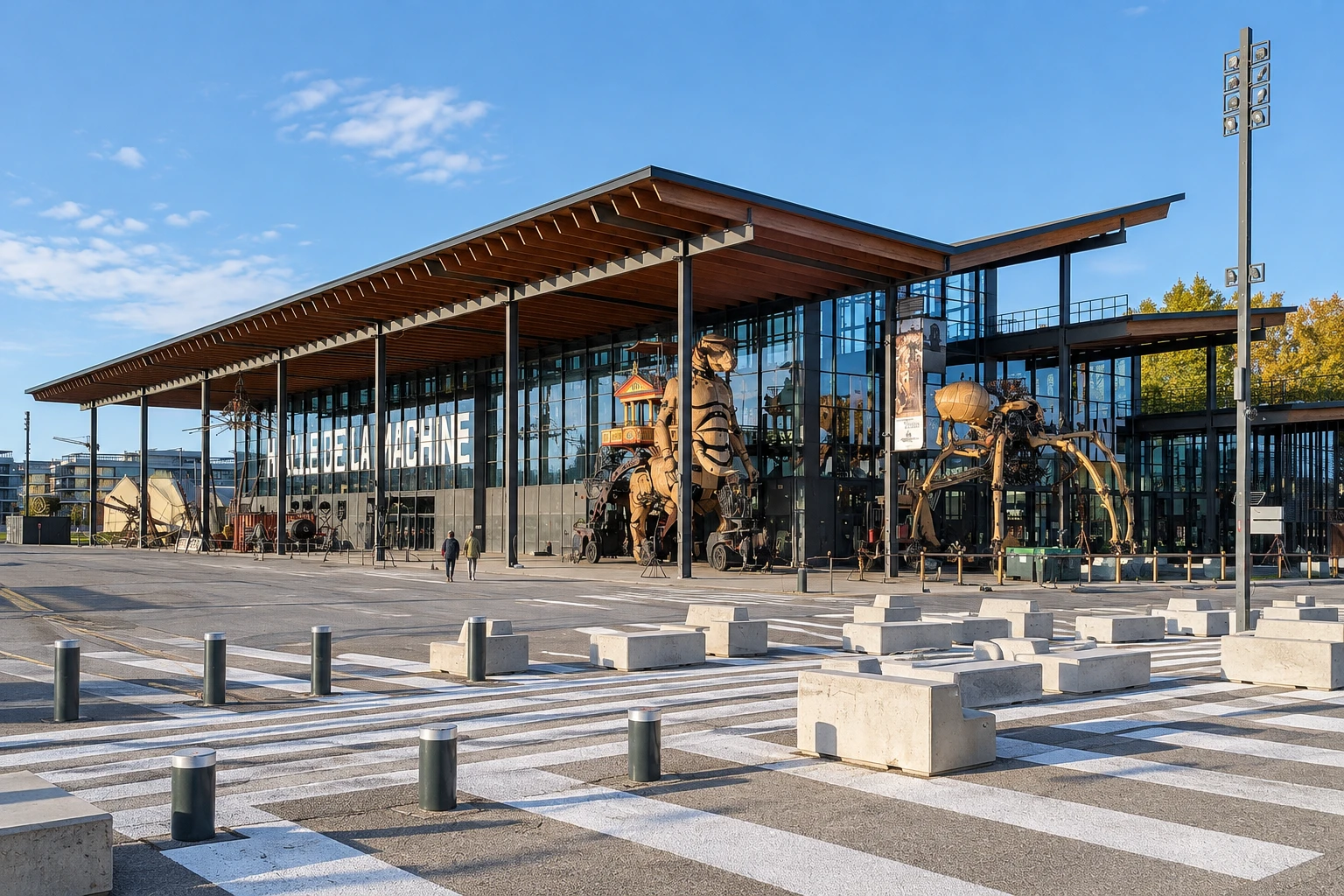
Shed where the company La Machine stores and sets into motion its performance machines, including the 14-metre Minotaur Astérion, which carries passengers.
To choose before you go
The details of each tour (where it leaves from, what it includes, the best time) are in the complete guide.
Get your questions answered
The guide's itineraries cover 2, 3 and 5 days: in 2 days, Capitole, Saint‑Sernin and the medieval Cité; in 3 days, pink city, aviation and the Cité; Toulouse, Albi, Carcassonne and the Cathar castles in 5 days.
Arrival and Toulouse on foot. For travelers arriving from Brazil: the overnight flight lands in the morning at Charles de Gaulle. Continue the same day to Toulouse on a domestic flight to Toulouse‑Blagnac, or reach Toulouse directly with a connection in a European city. From the airport, the Navette Aéroport takes you to the center and Matabiau station in under 25 minutes. In the afternoon, do Toulouse on foot: Place du Capitole, Basilique Saint‑Sernin and Couvent des Jacobins. At the end of the day, go down to Pont Neuf and the banks of the Garonne. Have a cassoulet for dinner. If you prefer to arrive rested, spend the first night in Paris and take the TGV from Paris‑Montparnasse the next morning.
It generally rains less from February to March and from June to October. The guide covers each month, with the weather and what changes on the tours.
To plan