Besançon · Bourgogne-Franche-Comté · Fortress
Citadel of Besançon
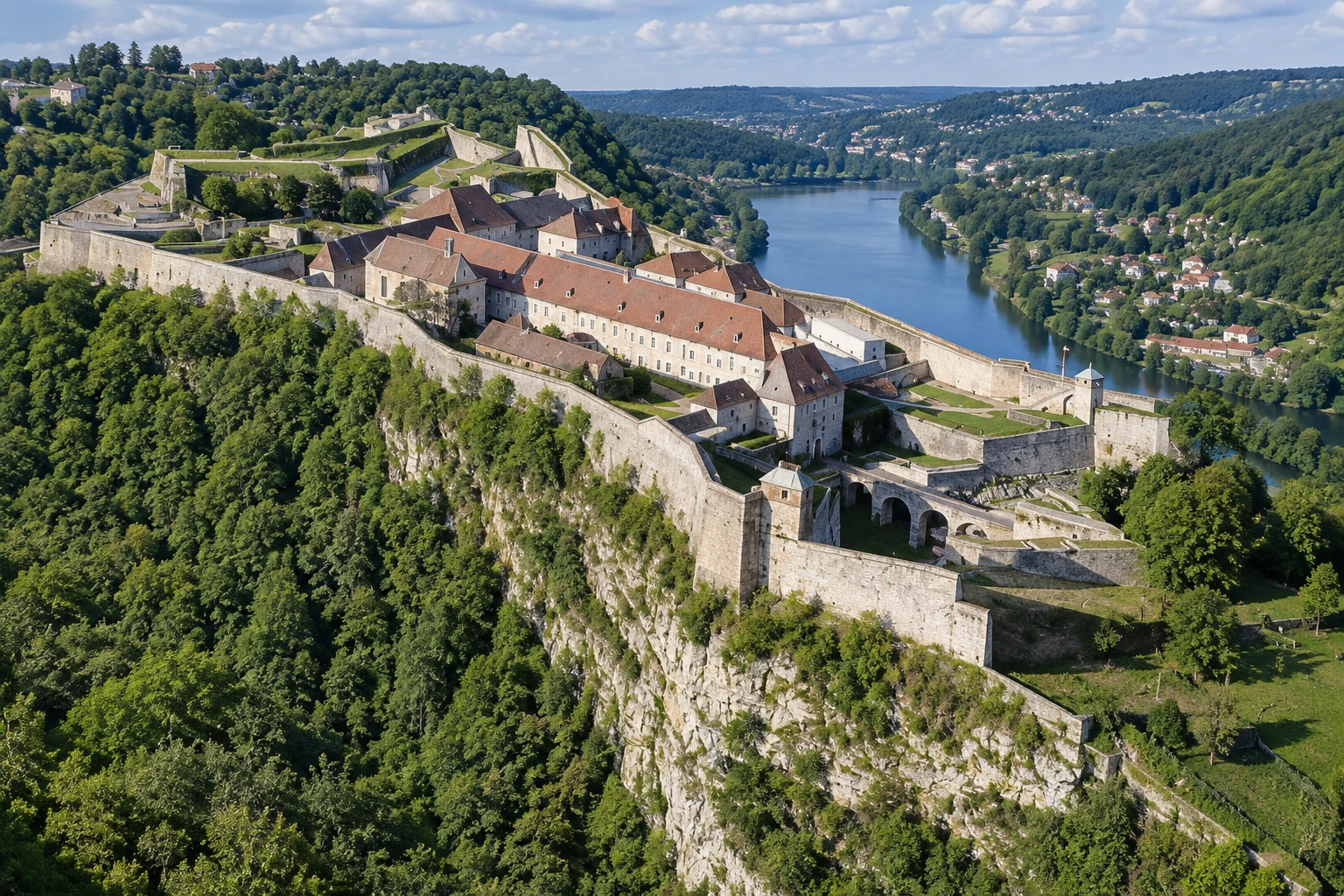
Vauban fortress from the 17th century on top of monte Saint-Étienne, a World Heritage site, with walls above the Doubs bend, three museums and a small zoo.

 Search
 Brazil
 Antarctica
 Argentina
 Bolivia
 Chile
 Colombia
 Ecuador
 Falkland Islands (Malvinas)
 French Guiana
 Guyana
 Paraguay
 Peru
 Suriname
 Uruguay
 Venezuela
 Austria
 Belgium
 Croatia
 Denmark
 FinlandFrance
 Germany
 Greece
 Hungary
 Iceland
 Ireland
 Italy
 Luxembourg
 Norway
 Poland
 Portugal
 Slovakia
 Slovenia
 Spain
 Sweden
 Switzerland
 the Czech Republic
 the Netherlands
 the United Kingdom
 Turkey
 Bermuda
 Canada
 Greenland
 Mexico
 Saint Pierre and Miquelon
 the United States
 the Dominican Republic
 JapanTurkey
 Egypt
 South Africa
 Australia
 Fiji
 New Zealand
 Papua New Guinea
Bourgogne-Franche-Comté
22 places to visit and 15 tours, chosen by the Cidade Turismo guide.
Updated
Illustrative images. The pictures in this guide are illustrations based on the real place, not photographs, and may differ from it.
To start
One by one
Vauban fortress from the 17th century on top of monte Saint-Étienne, a World Heritage site, with walls above the Doubs bend, three museums and a small zoo.
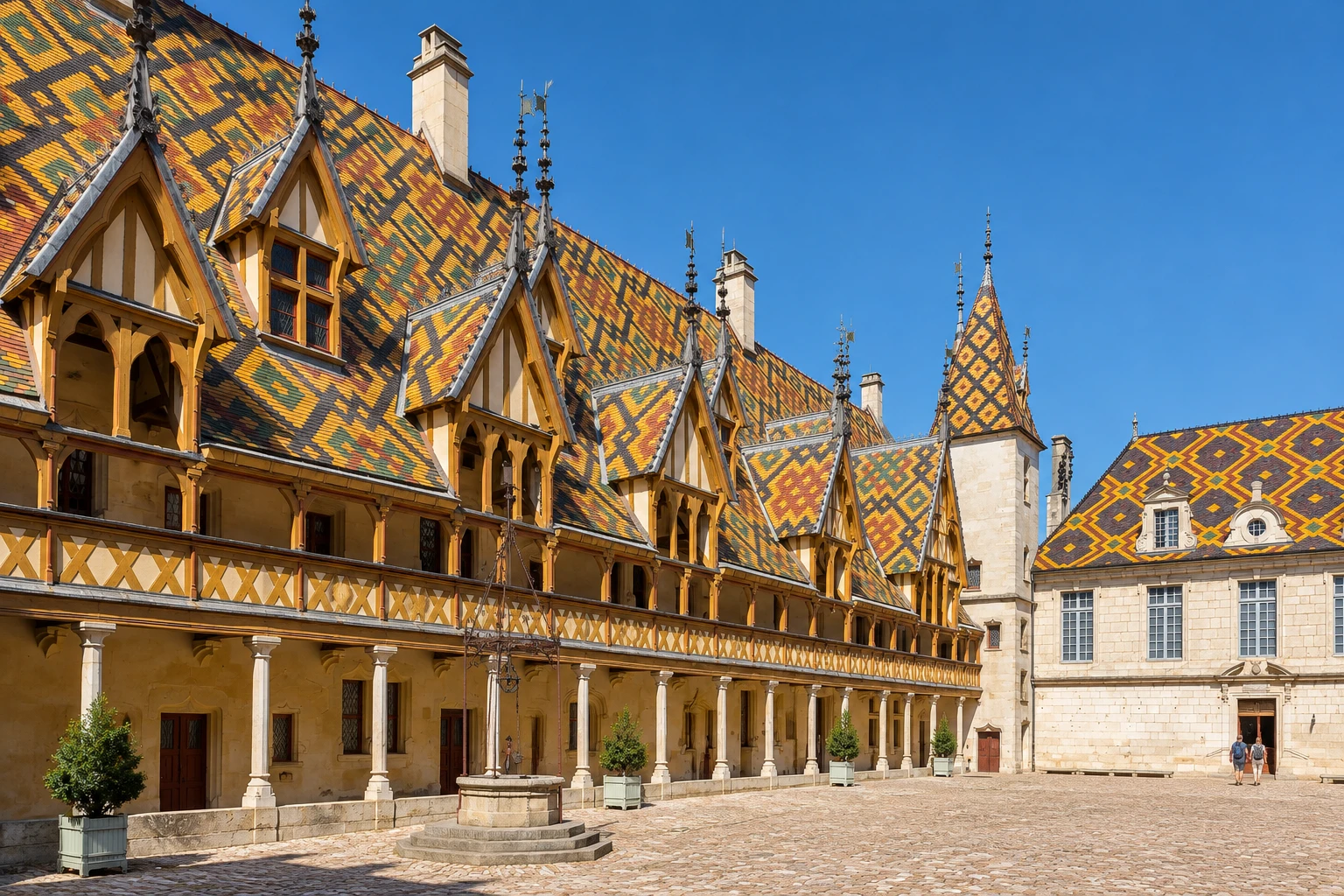
Former hospital founded in 1443 by Nicolas Rolin, chancellor to the Duke of Burgundy, with a courtyard of colorful glazed-tile roofs, the Grande Salle des Pôvres and the polyptych of the Last Judgment by Rogier van der Weyden.
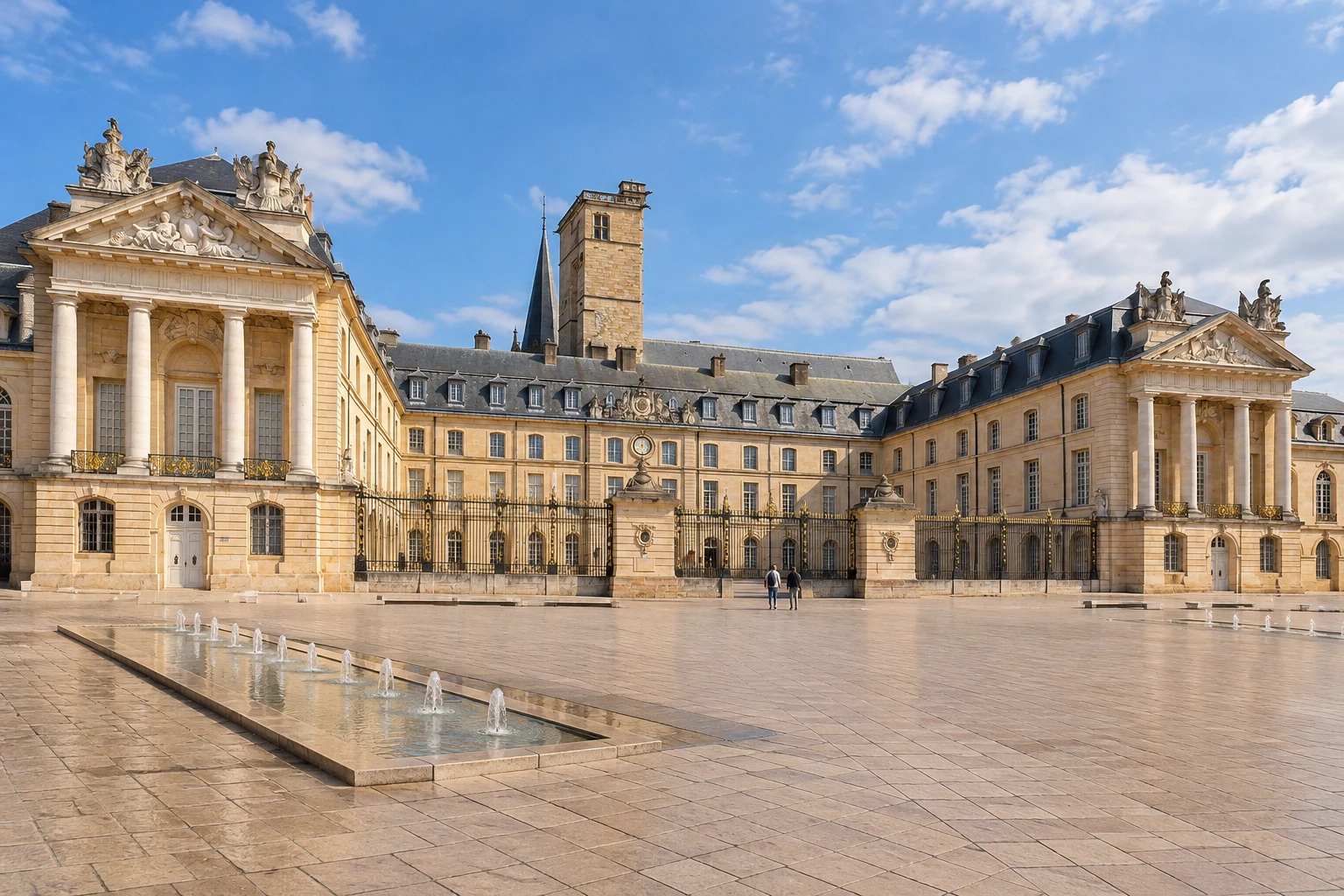
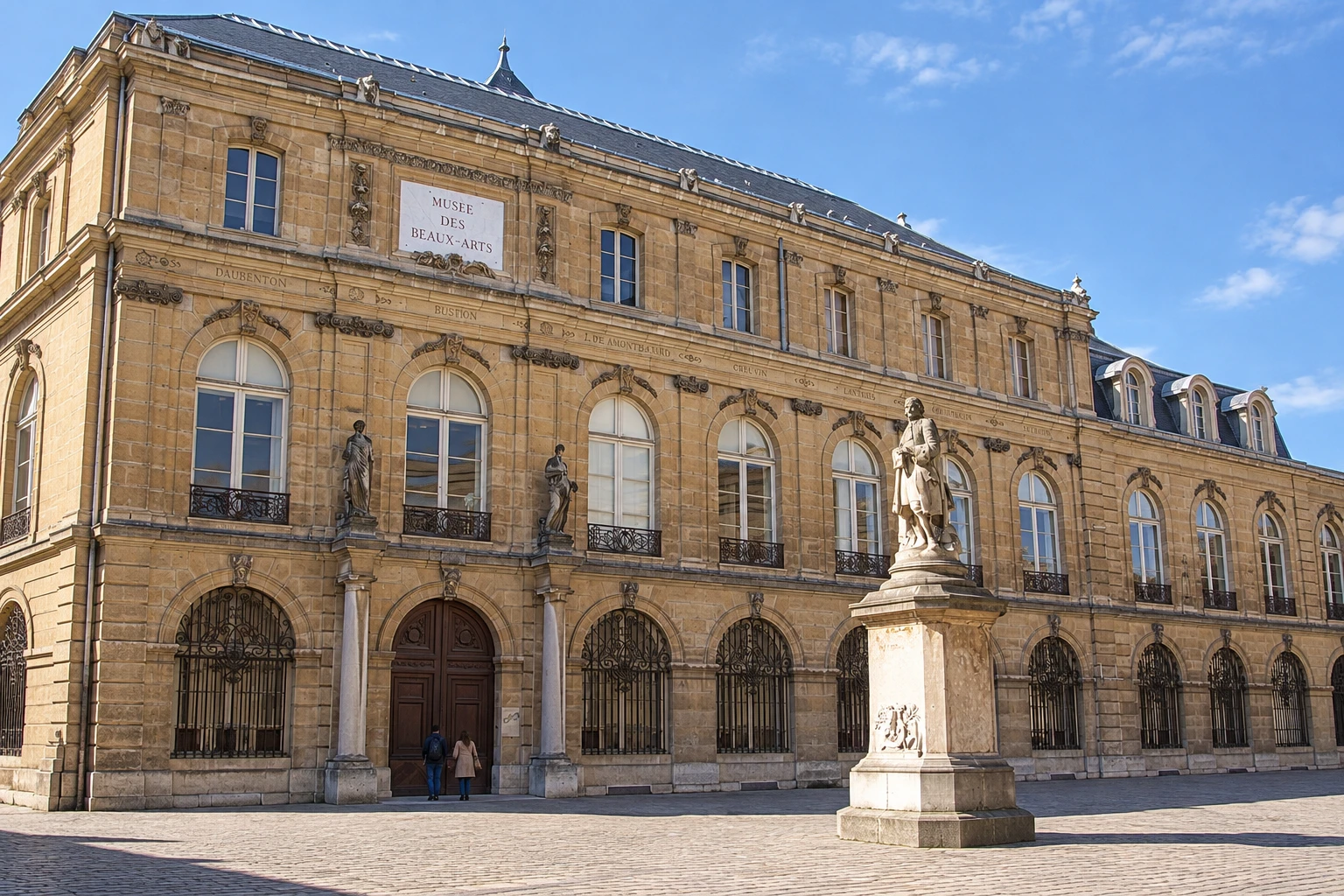
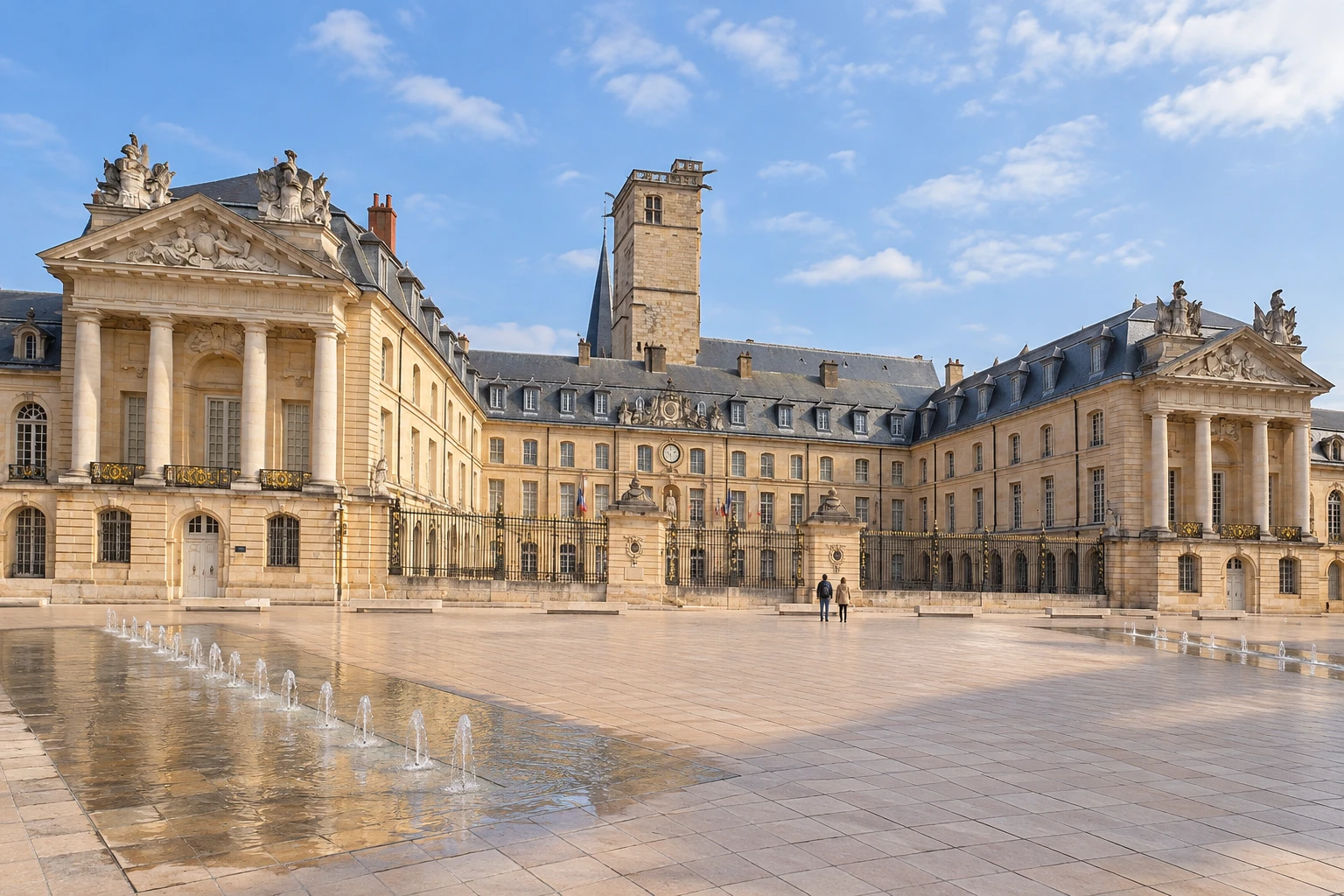
A complex of buildings in the heart of Dijon that brings together the palace of the Dukes of Burgundy, from the 14th and 15th centuries, and the Palace of the States, from the 17th and 18th centuries. Today it houses the town hall and the Musée des Beaux-Arts.
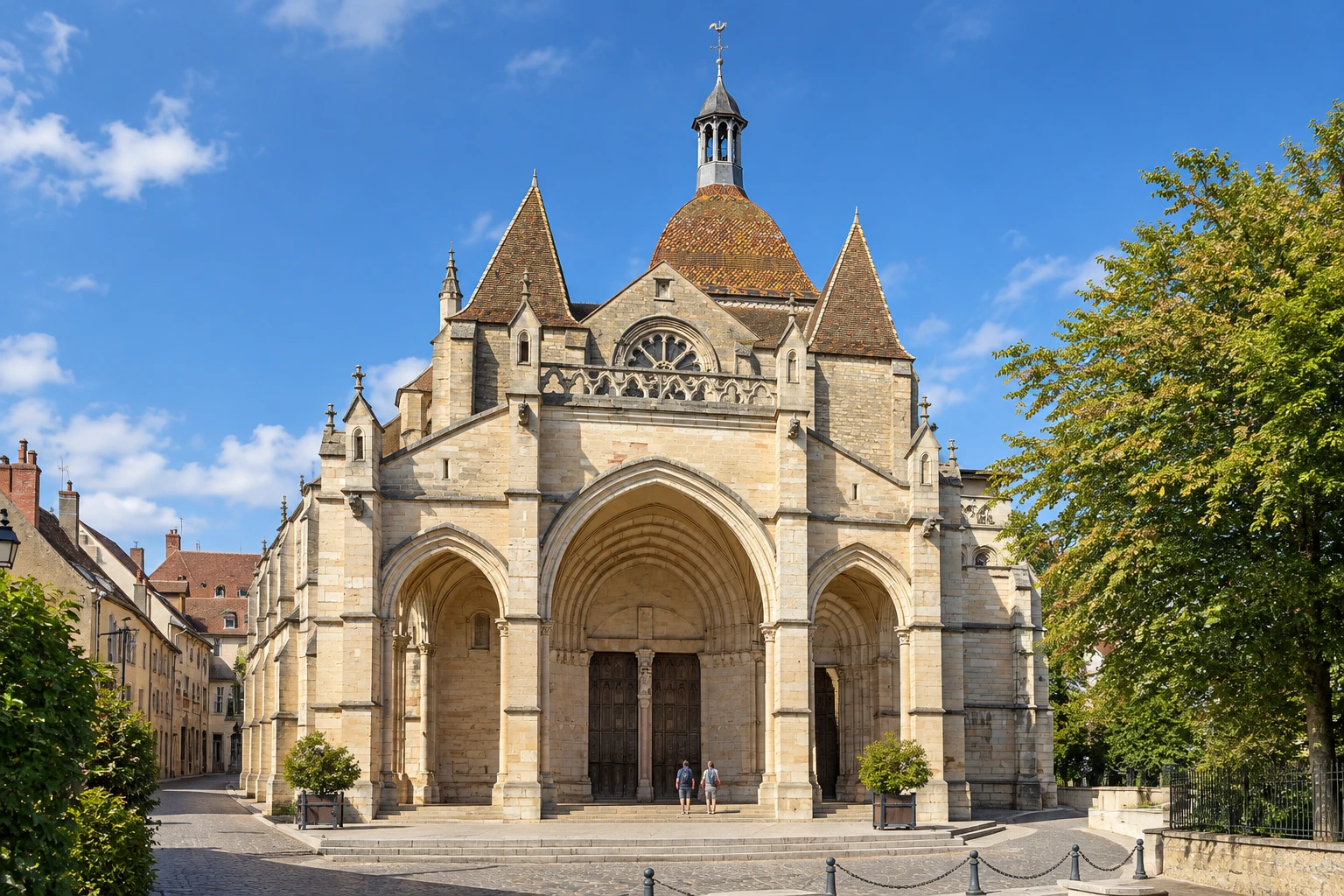
One of the last great Romanesque churches of Burgundy, from the 12th century, with Gothic and Renaissance chapels and a set of tapestries depicting the life of the Virgin.
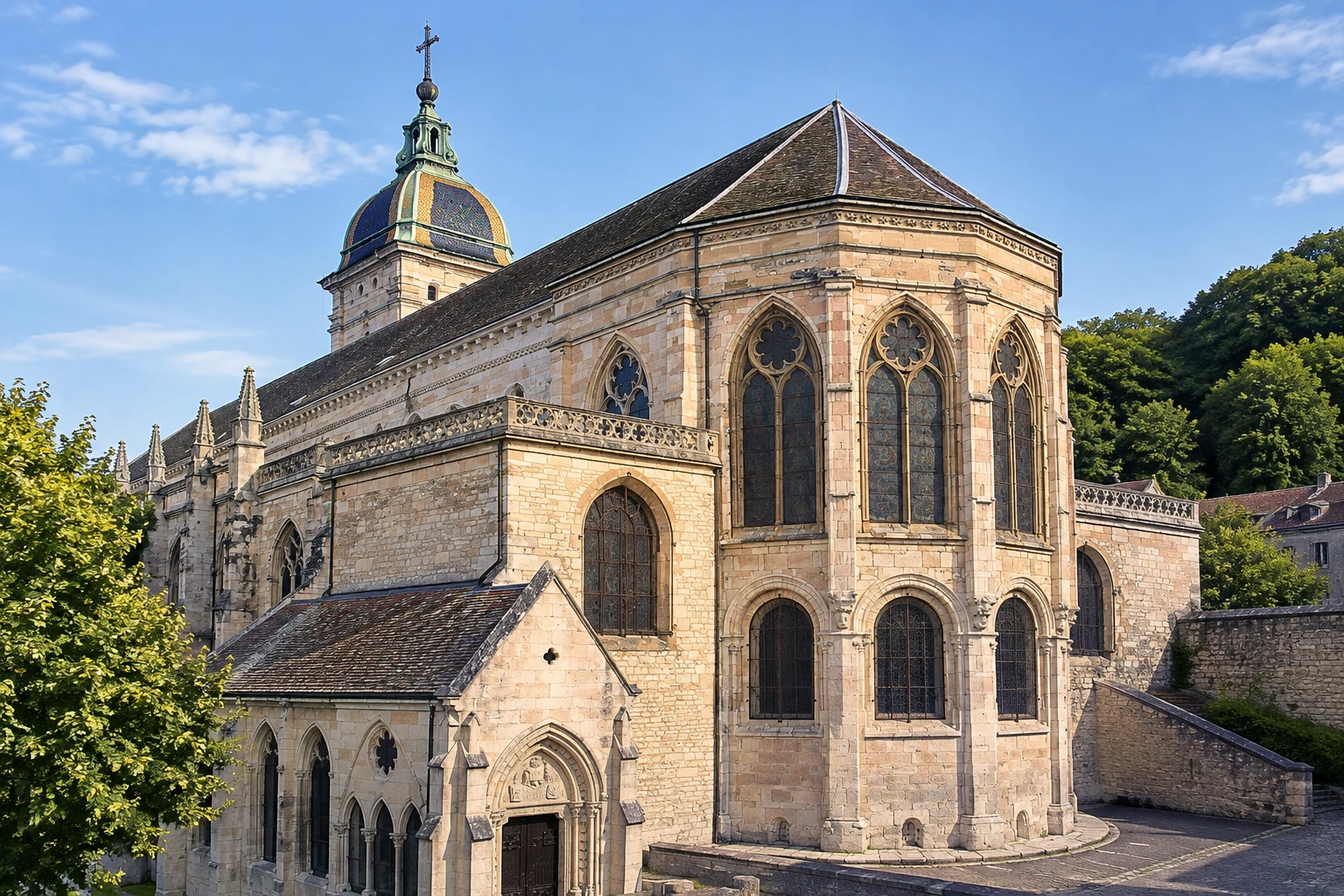
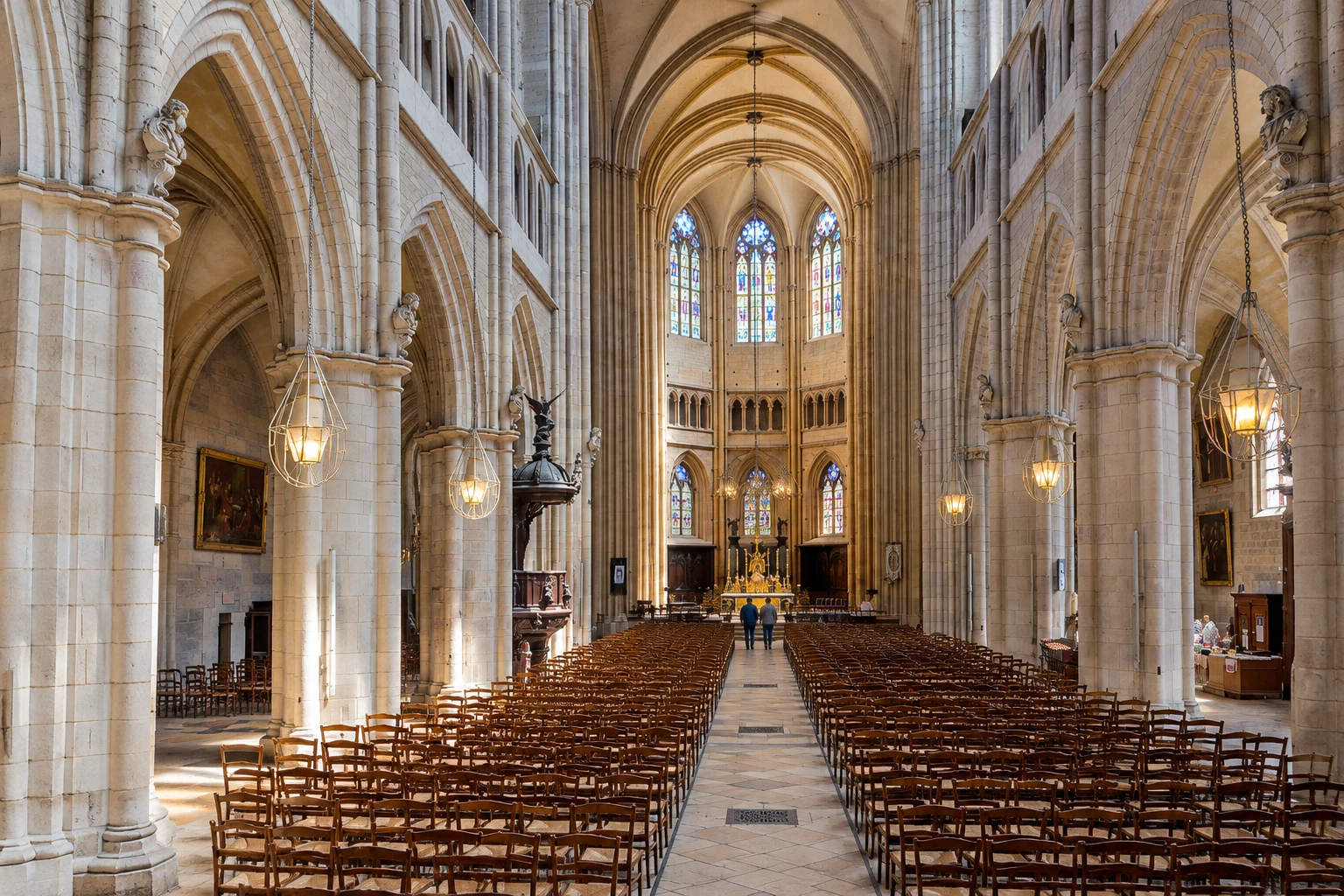
Catedral de São João, with two opposing choirs, Romanesque, Gothic and Baroque parts, and the 1860 astronomical clock, with thousands of pieces and dozens of dials.
One of the oldest museums in France, housed in the ducal palace. It preserves the tombs of the dukes of Burgundy, Fayum funerary portraits and paintings from the Renaissance to the 19th century. Admission to the permanent collections is free.
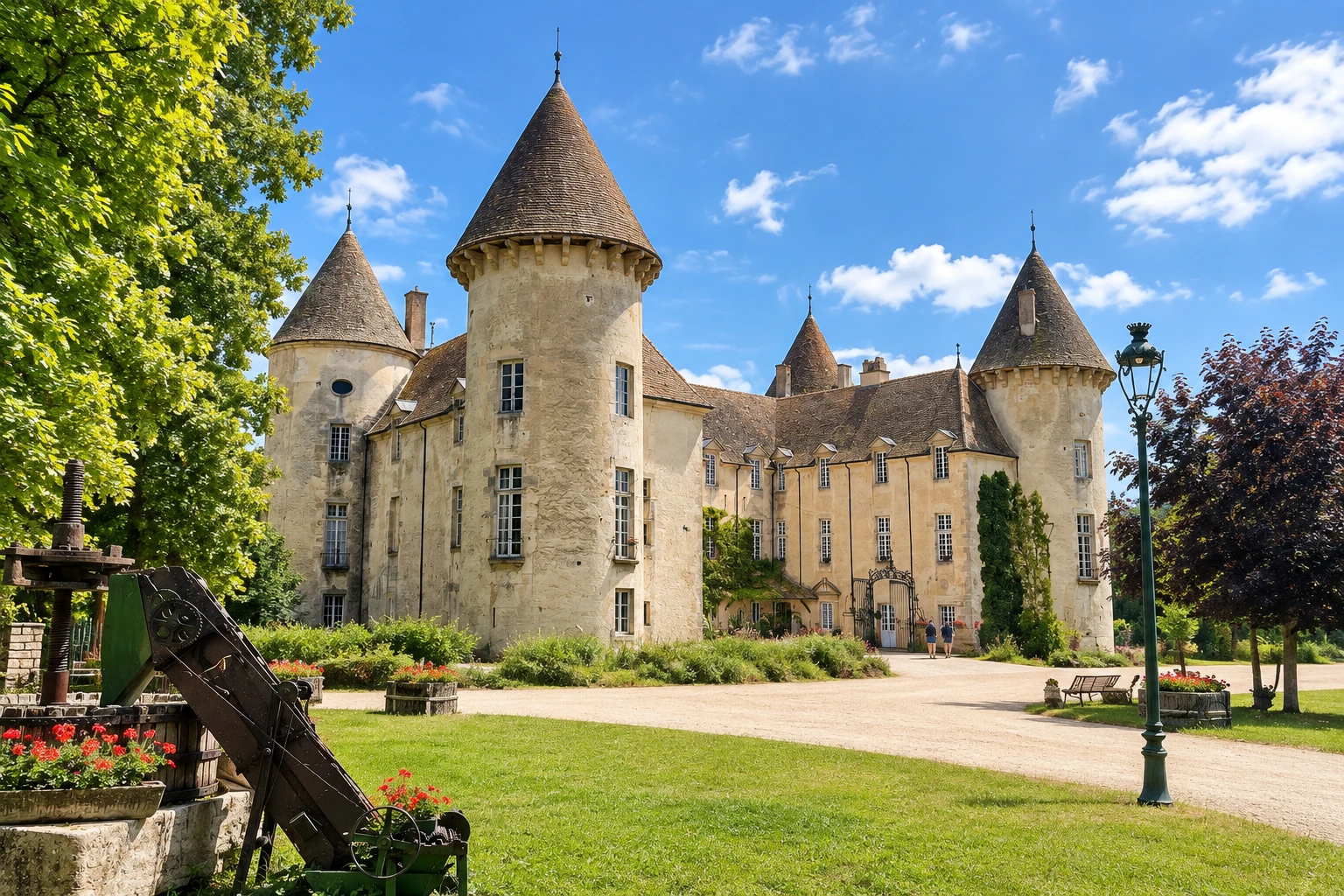
14th-century castle on a vineyard estate 5 km from Beaune, with a tasting cellar and museums of mechanical collections: fighter planes, racing cars, motorcycles and farm machinery.
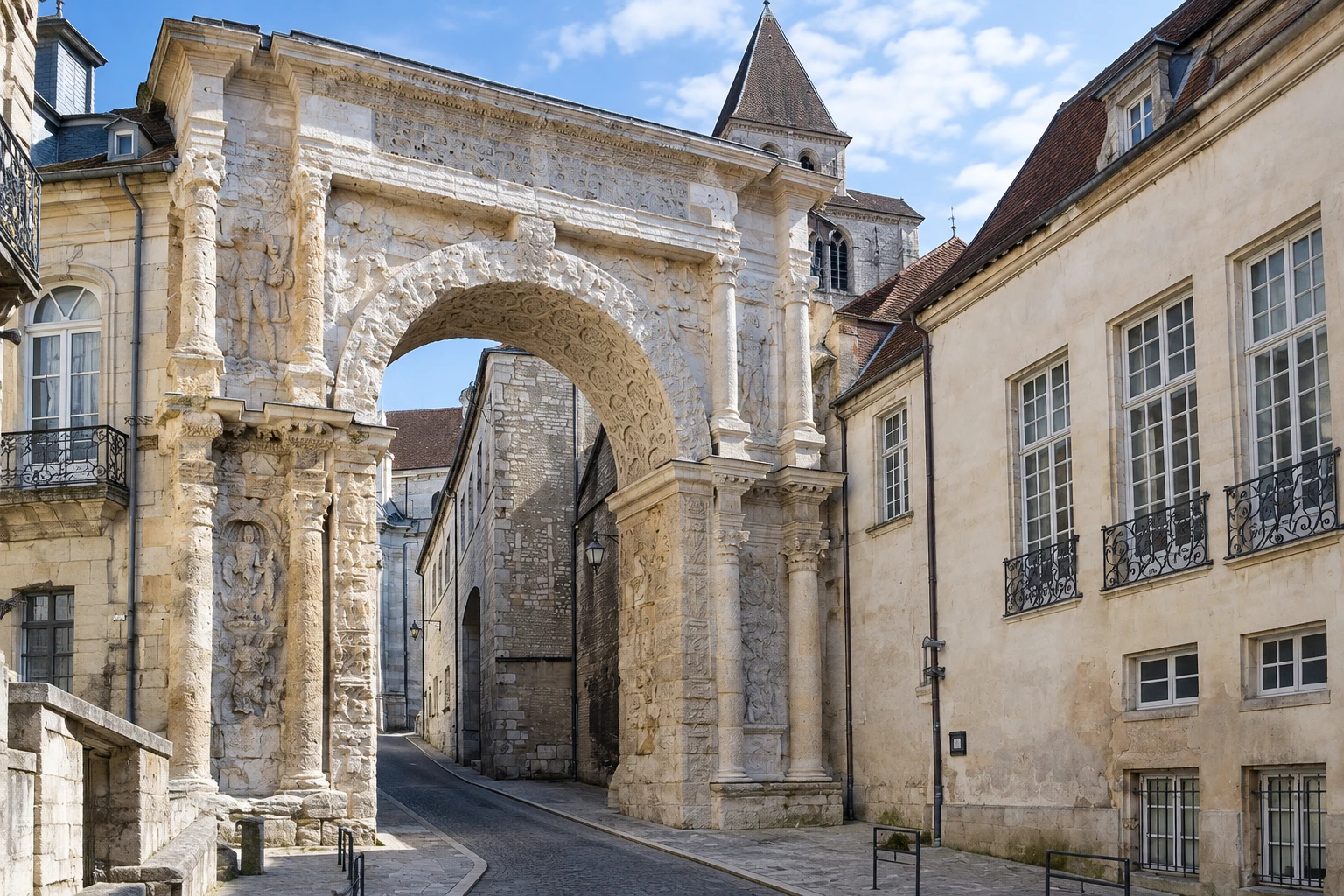
Roman triumphal arch from the 2nd century, from the time of Marcus Aurelius, about 16 metres tall, decorated with mythological figures and battle scenes, at the foot of the cathedral.
46-metre tower of the ducal palace, built between 1450 and 1460. There are 316 steps to the terrace, with a 360-degree view over Dijon’s roofs and, on clear days, as far as the Côte de Nuits. Ascent only on guided tours.
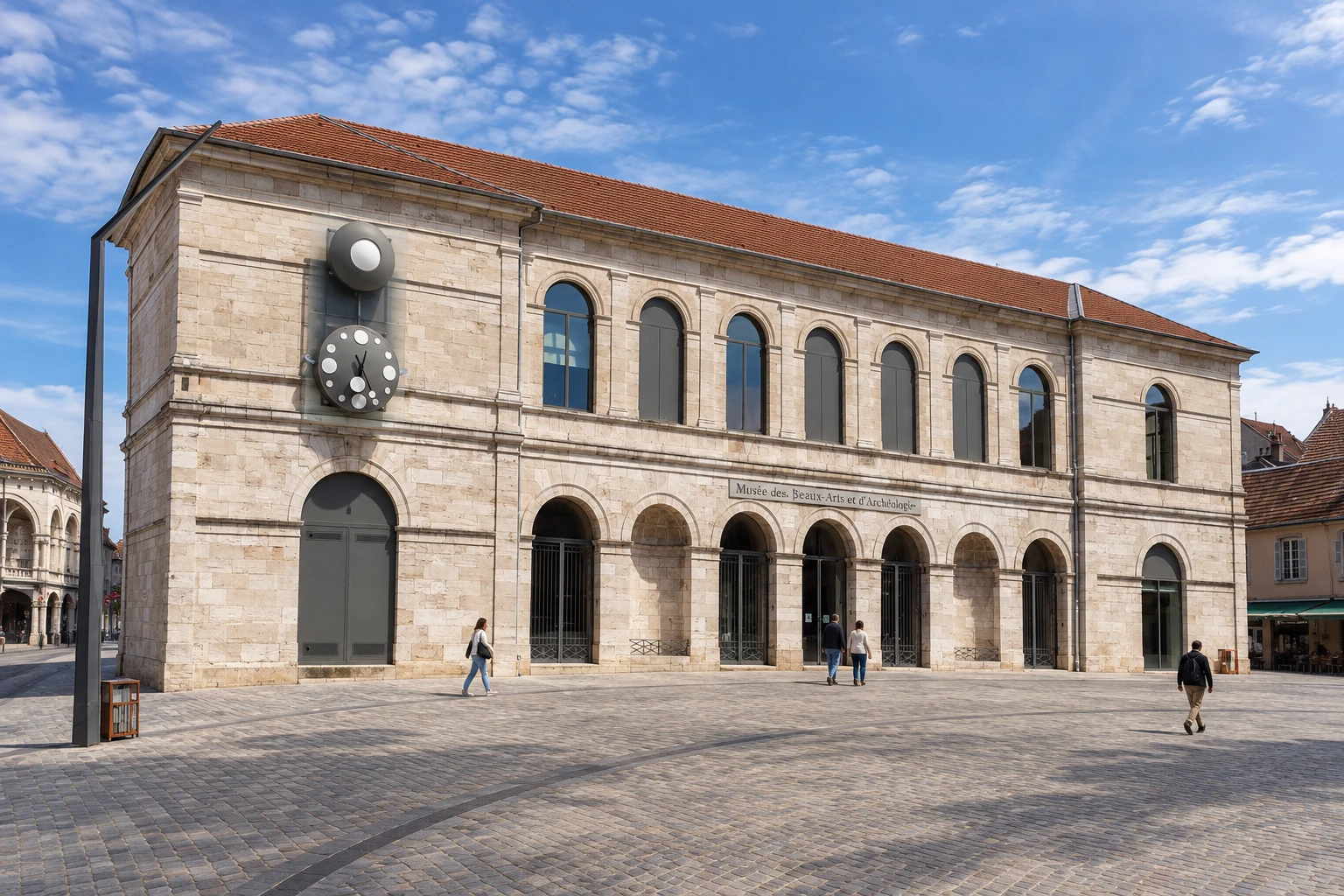
The oldest public museum in France, founded in 1694, in the former halle aux grains on the praça da Revolução, with European painting, an Egyptian collection and archaeology.
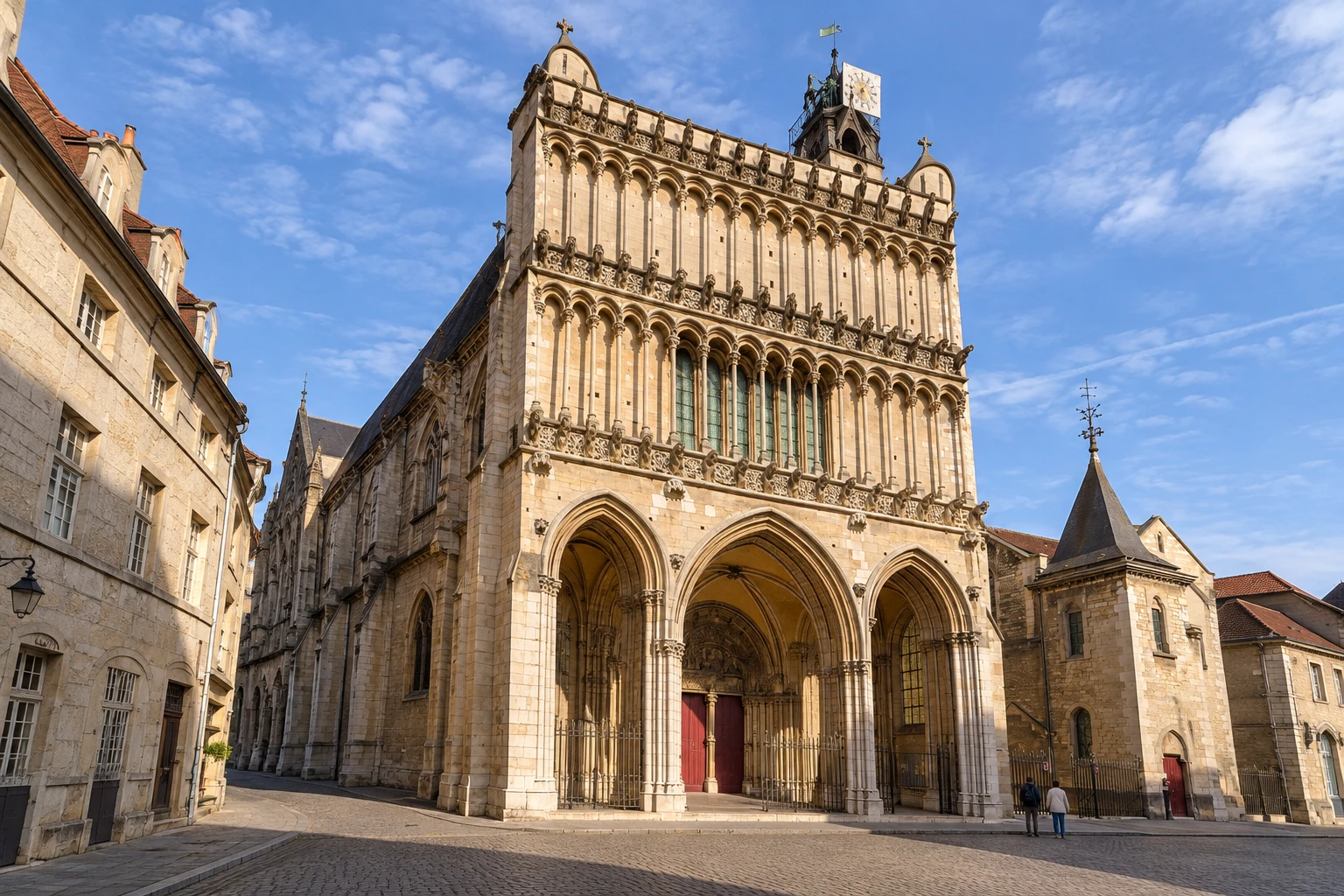
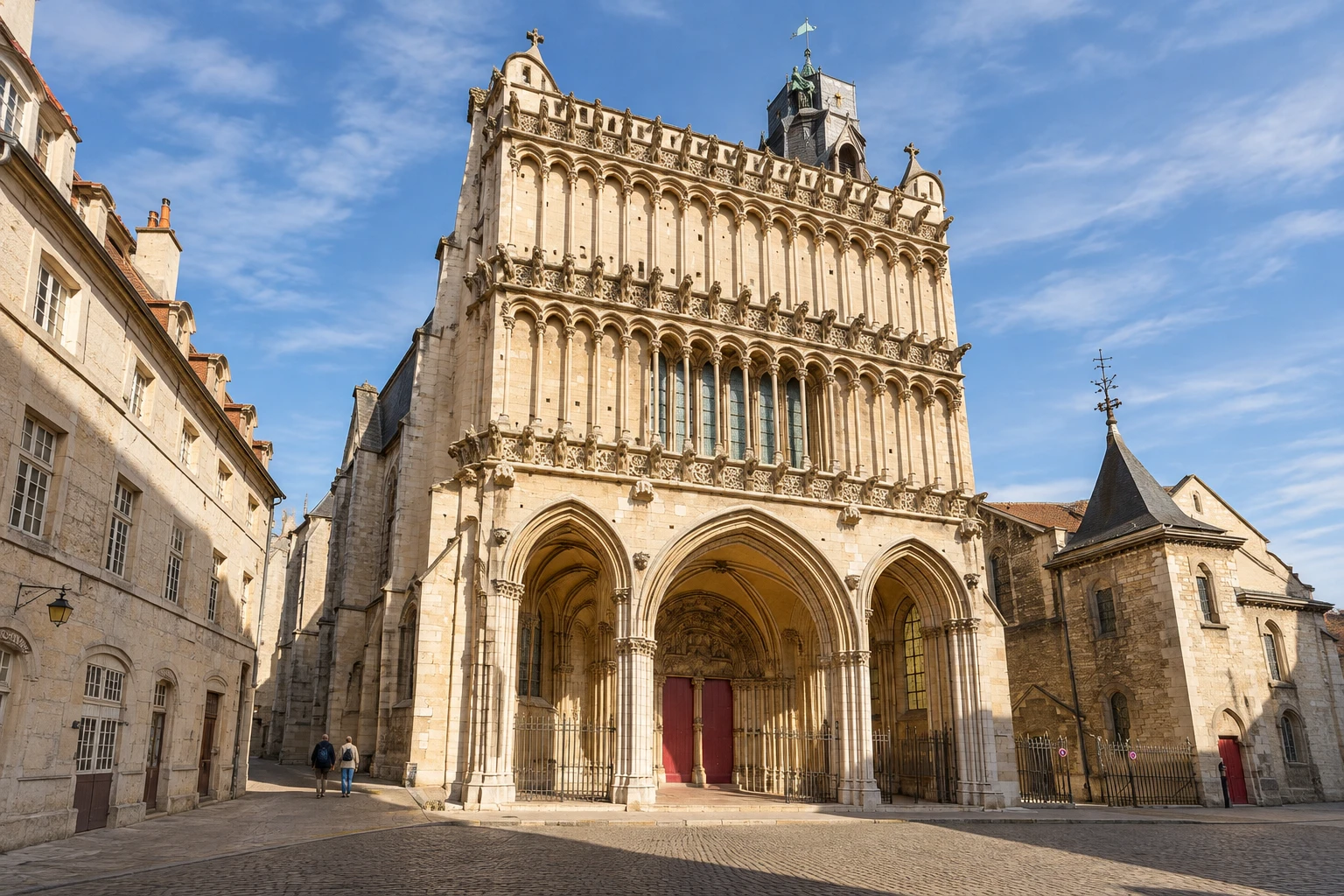
13th-century Gothic church with a façade of fake gargoyles, the Jacquemart clock, and on the side wall the small stone owl that Dijon locals touch with their left hand to make a wish.
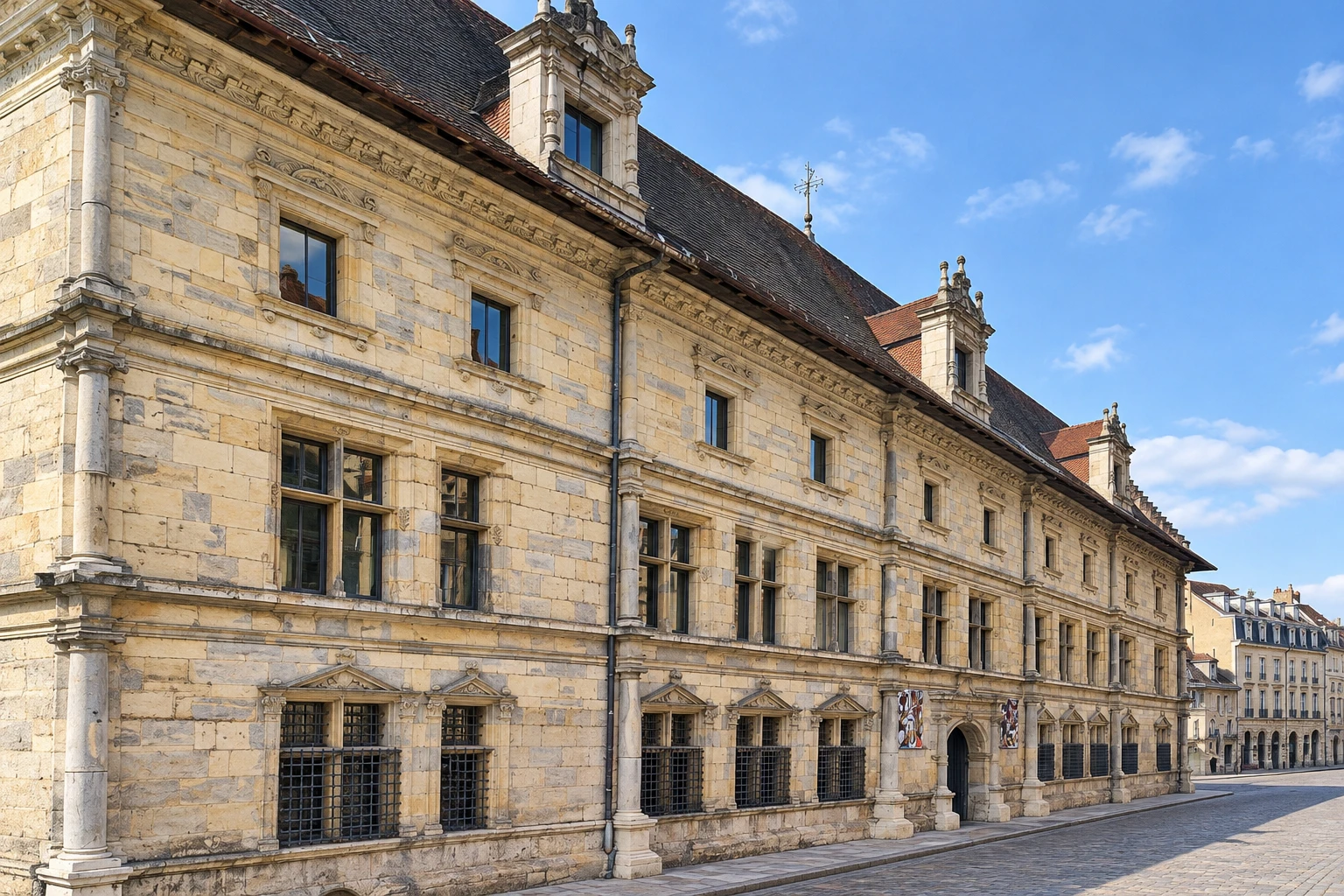
Renaissance palace from the 16th century on the Grande Rue, built by the chancellor of Carlos V, with an arcaded courtyard and the Museu do Tempo, about clockmaking and the measurement of time.
Walking circuit through Dijon’s historic centre, marked by triangular bronze arrows with an owl on the pavement. It passes the Palais des ducs, Notre-Dame, the Rue des Forges, the Halles and townhouses from the 15th to 18th centuries.
13th-century Gothic cathedral, with a roof of colourful glazed tiles and a Romanesque crypt from the year 1000, the only remaining part of a large three-storey rotunda.
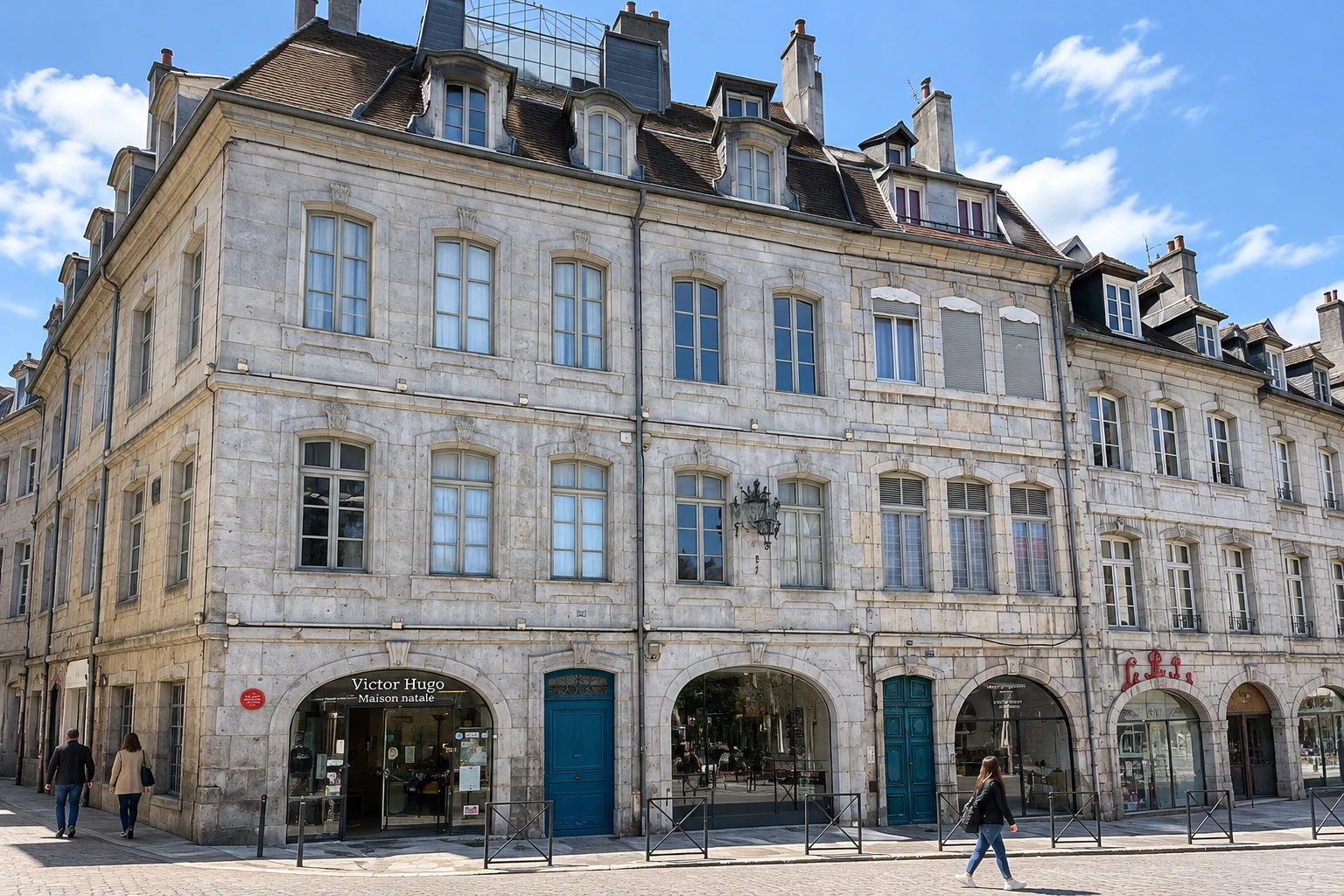
The Grande Rue apartment where Victor Hugo was born in 1802, now a museum about the writer and his fights for freedom, on the square where the Lumière brothers were also born.
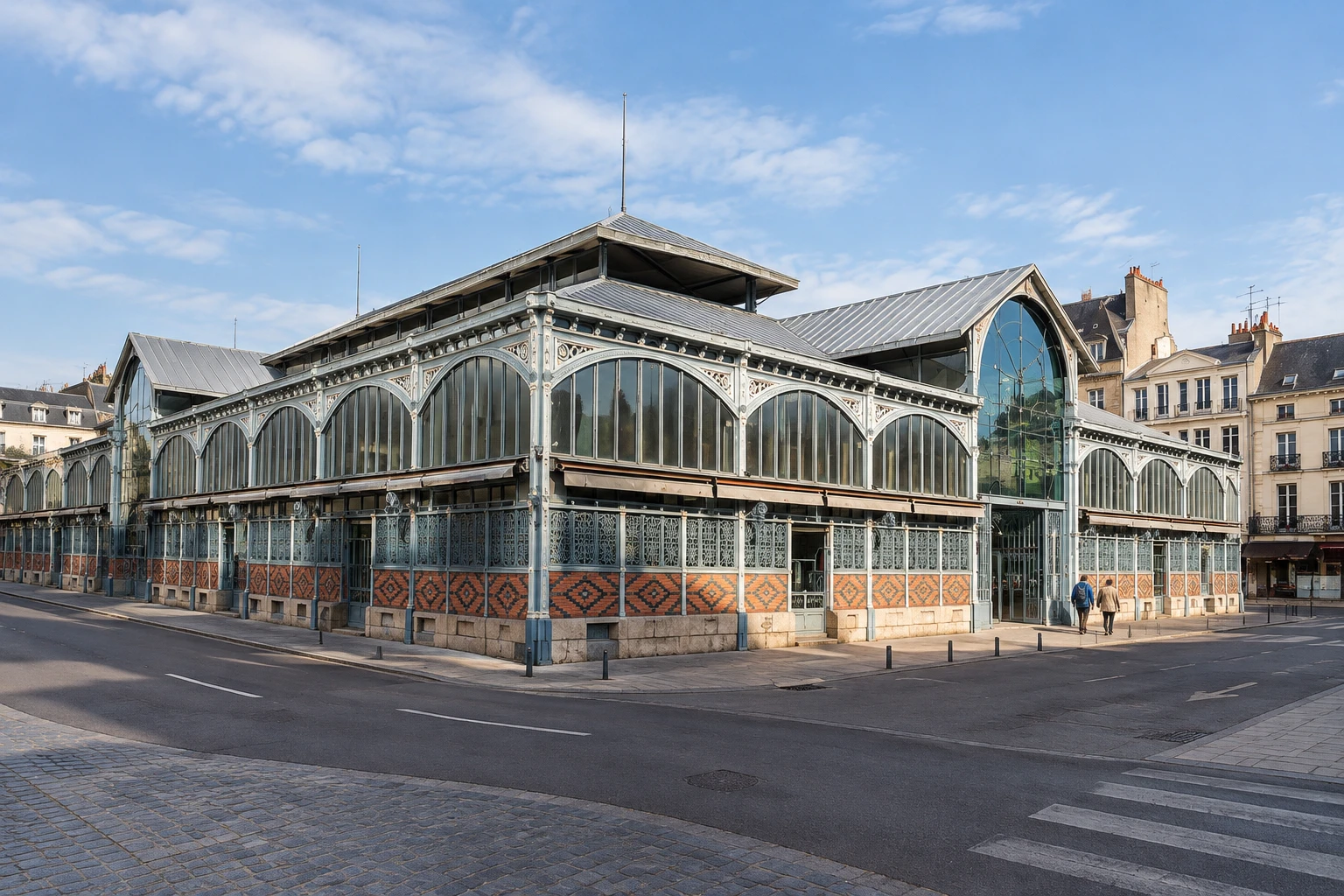
19th-century covered market of iron and glass, connected to the workshops of Dijon native Gustave Eiffel. It opens on market mornings with cheeses, charcuterie, escargots, mustard and products from Borgonha.
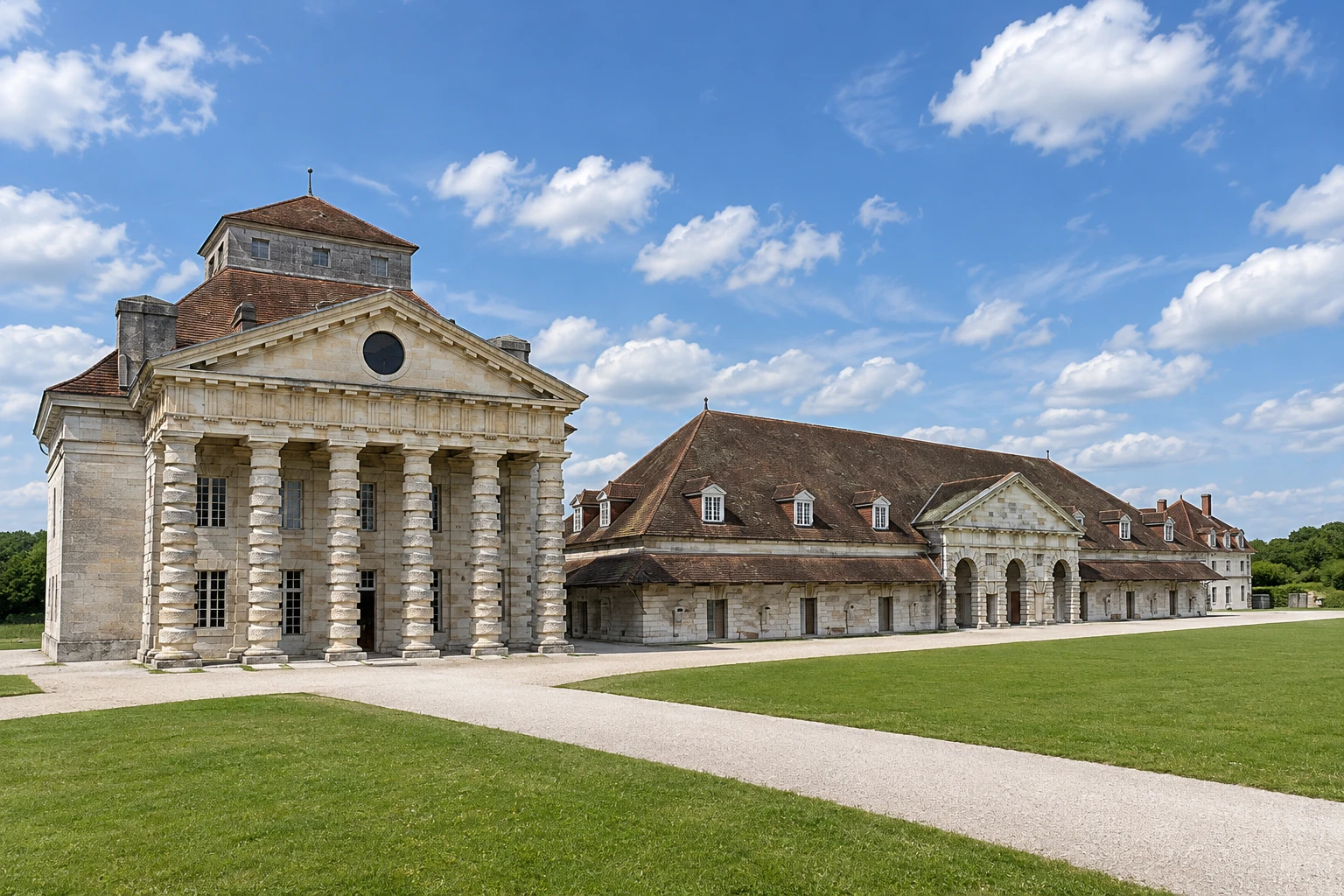
18th-century royal saltworks designed by Claude-Nicolas Ledoux, laid out in a semicircle, about 35 km from Besançon, a World Heritage site with gardens and exhibitions.
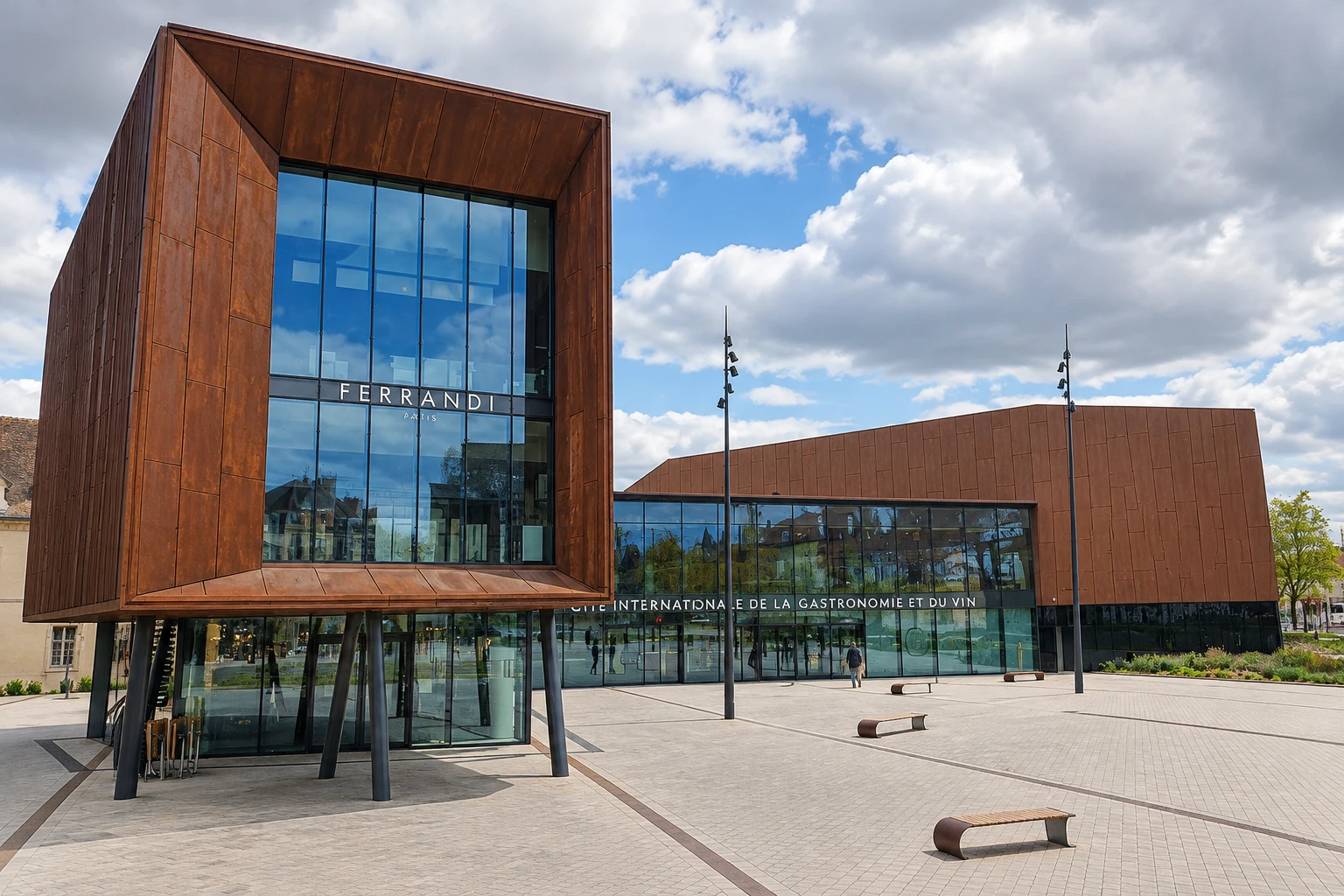
Complex installed in the former general hospital of Dijon, at kilometer zero of the Route des Grands Crus, with exhibitions about wine and French cuisine, the Chapelle des Climats and tasting workshops of the École des Vins de Bourgogne.
Base of a calvary carved between 1396 and 1405 by Claus Sluter for the Chartreuse de Champmol, the ducal monastery-necropolis. Six life-size prophets, with a realism rare for the time.
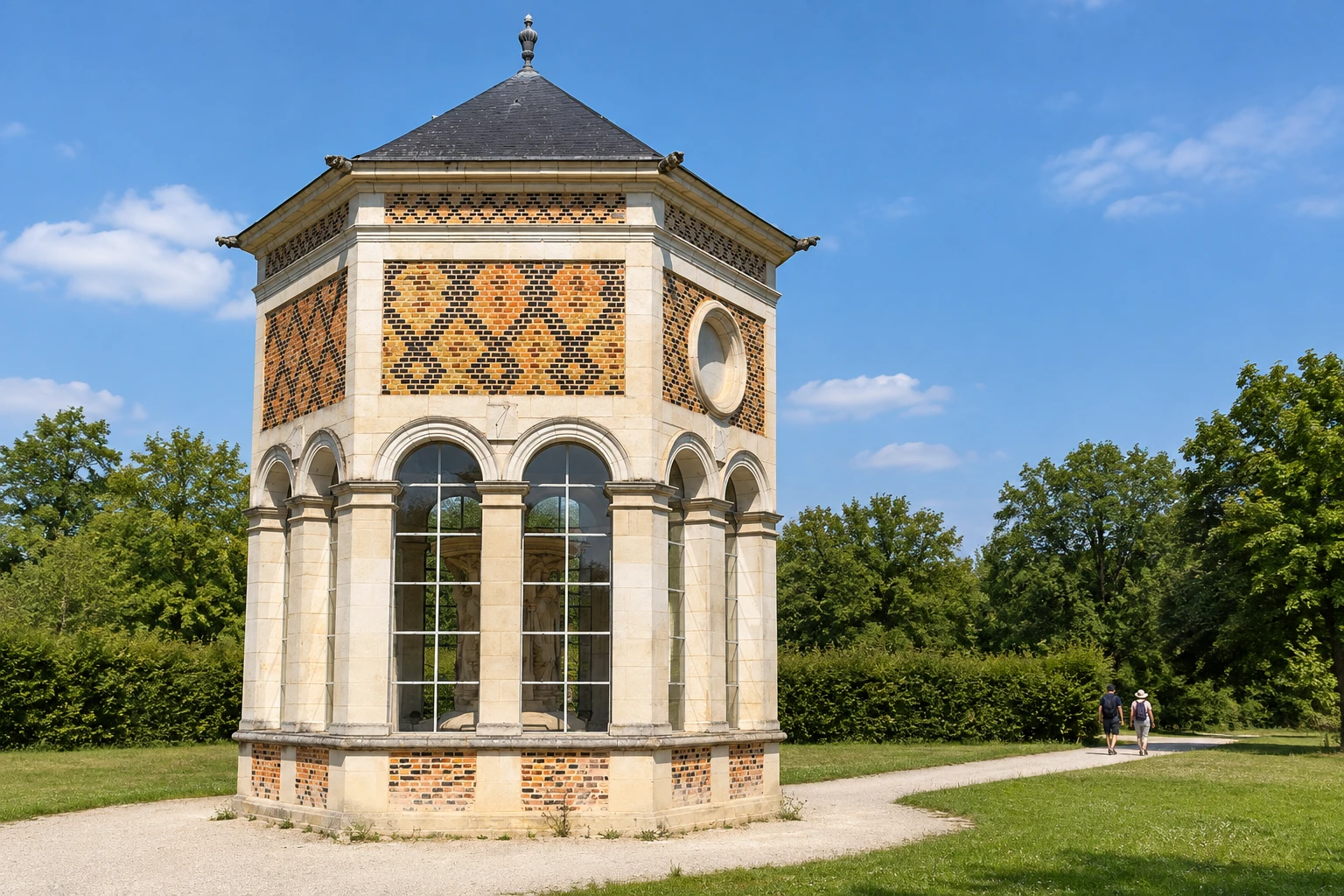
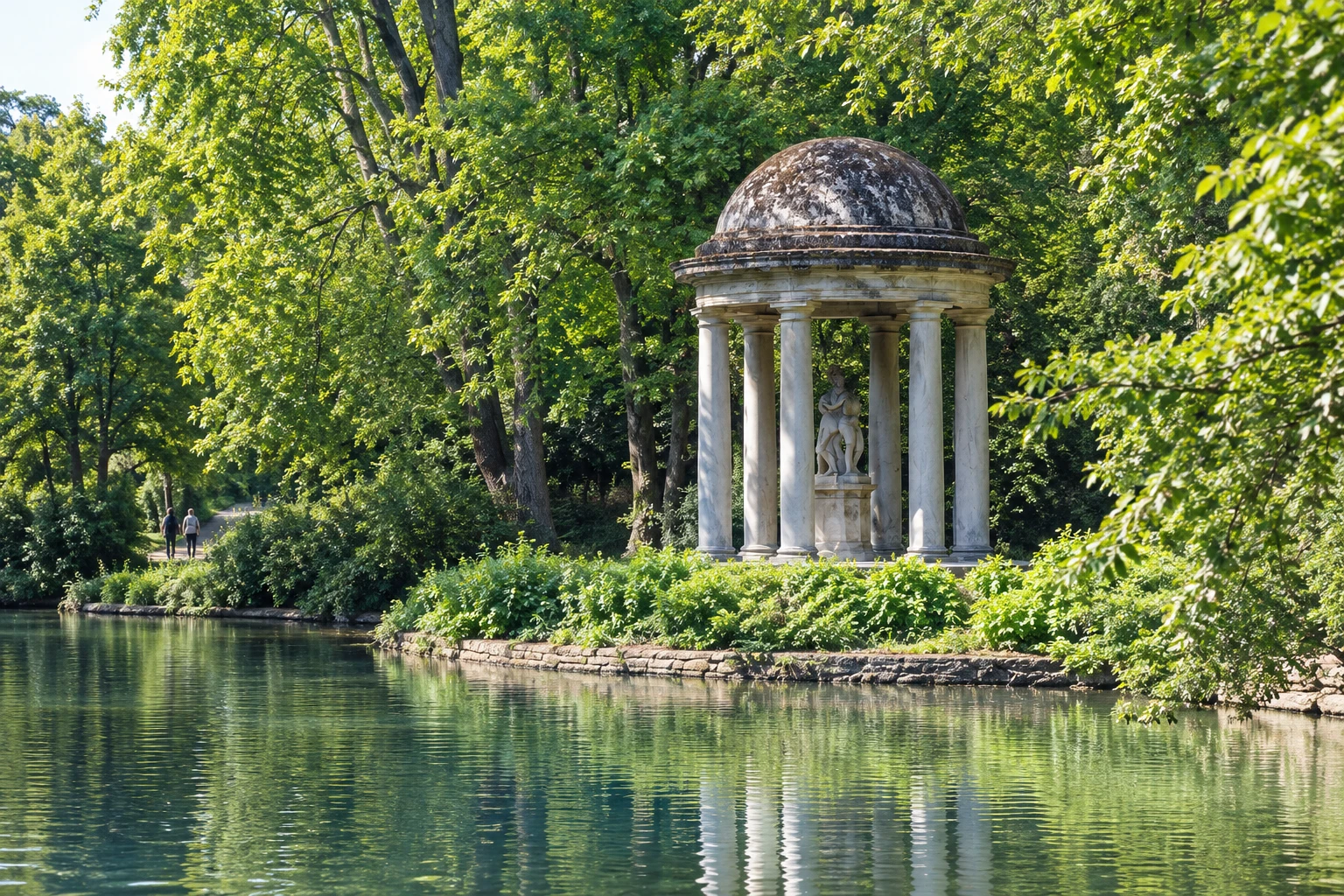
Park with a botanical garden of about 3,500 species, an arboretum, a rose garden, a natural history museum and a planetarium, next to Dijon-Ville station. It used to be called Jardin des Sciences.
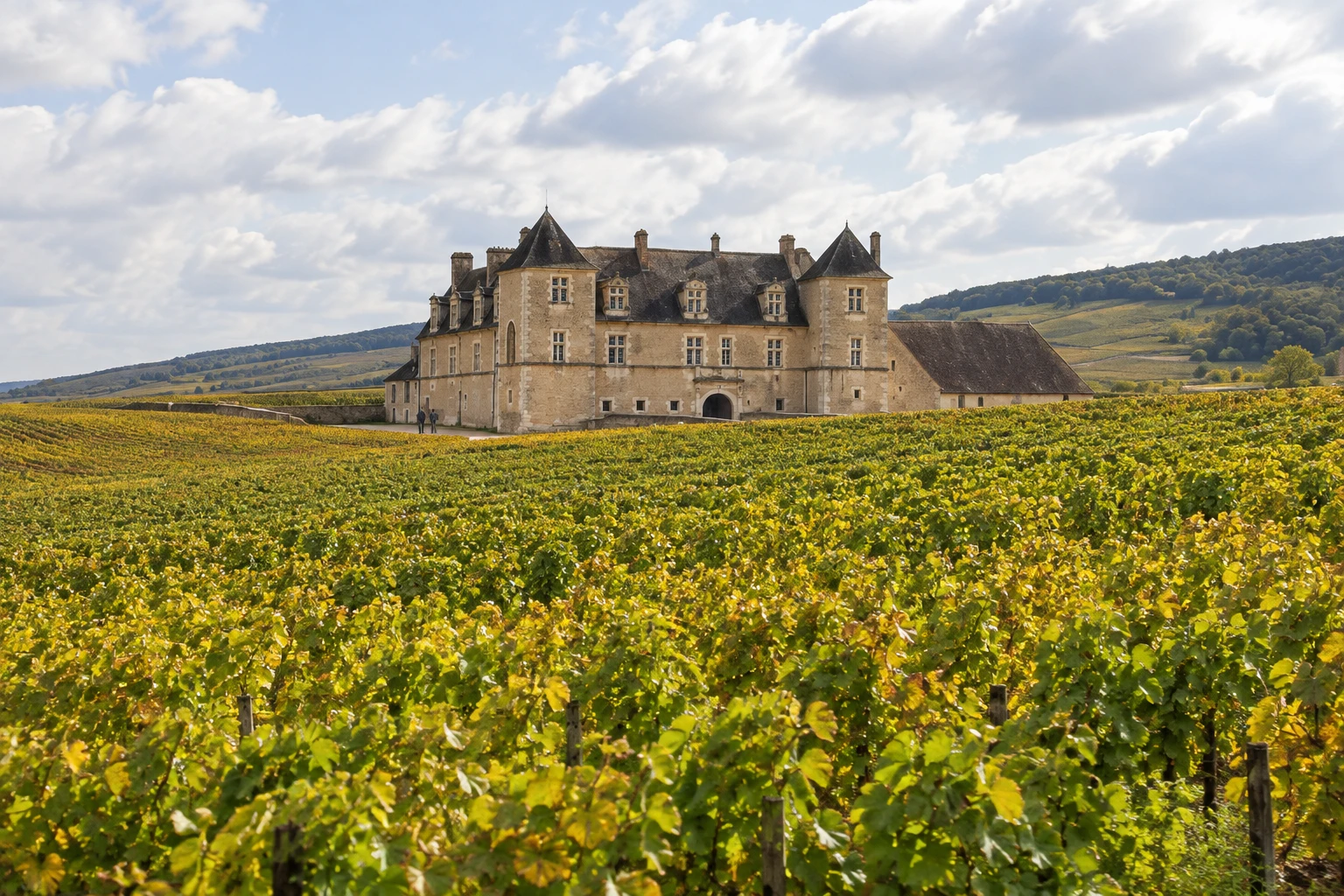
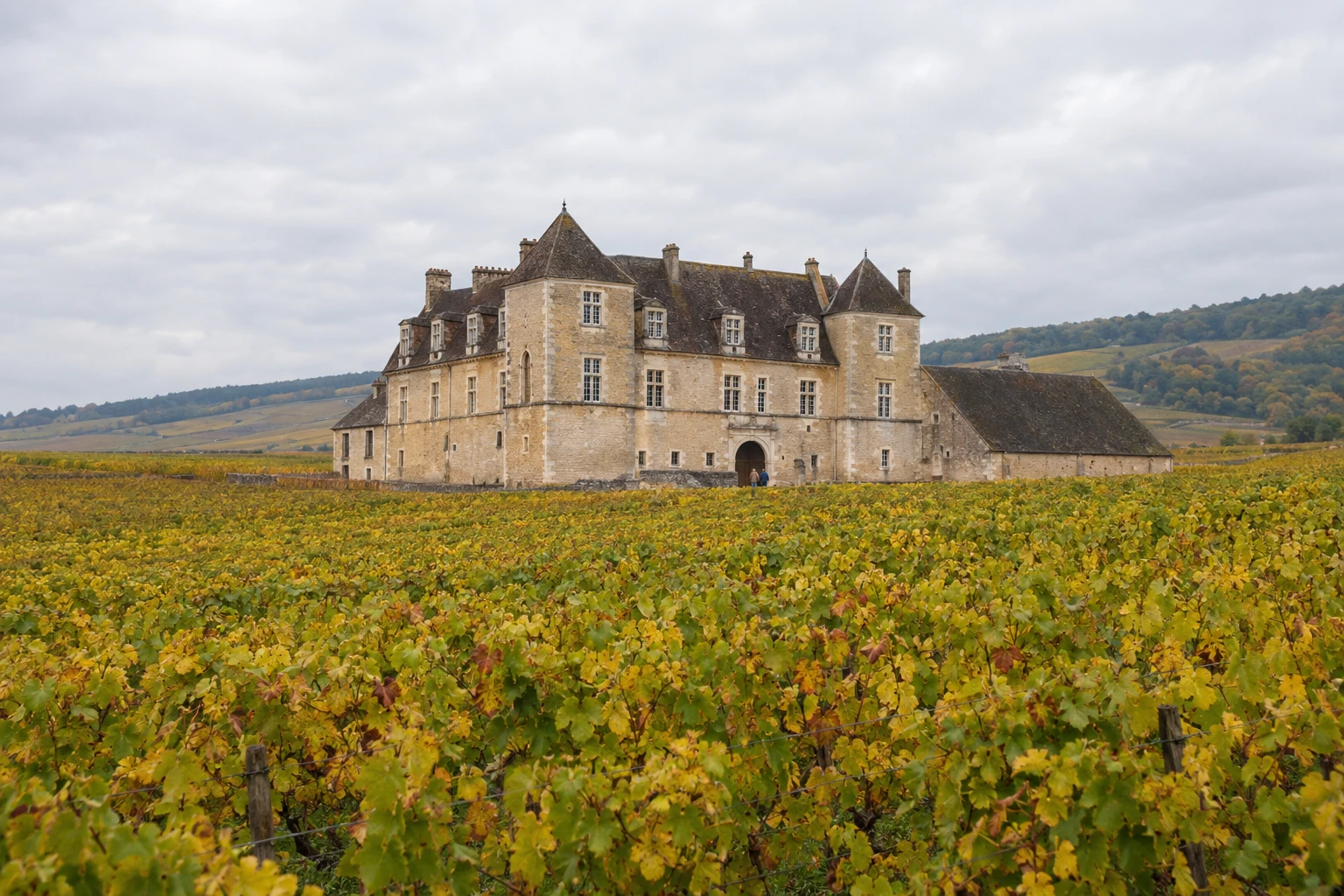
Castle built by monks of Cîteaux in the middle of a walled vineyard of the Côte de Nuits, on the Route des Grands Crus. It houses four giant medieval wine presses and is the seat of the Confrérie des Chevaliers du Tastevin.
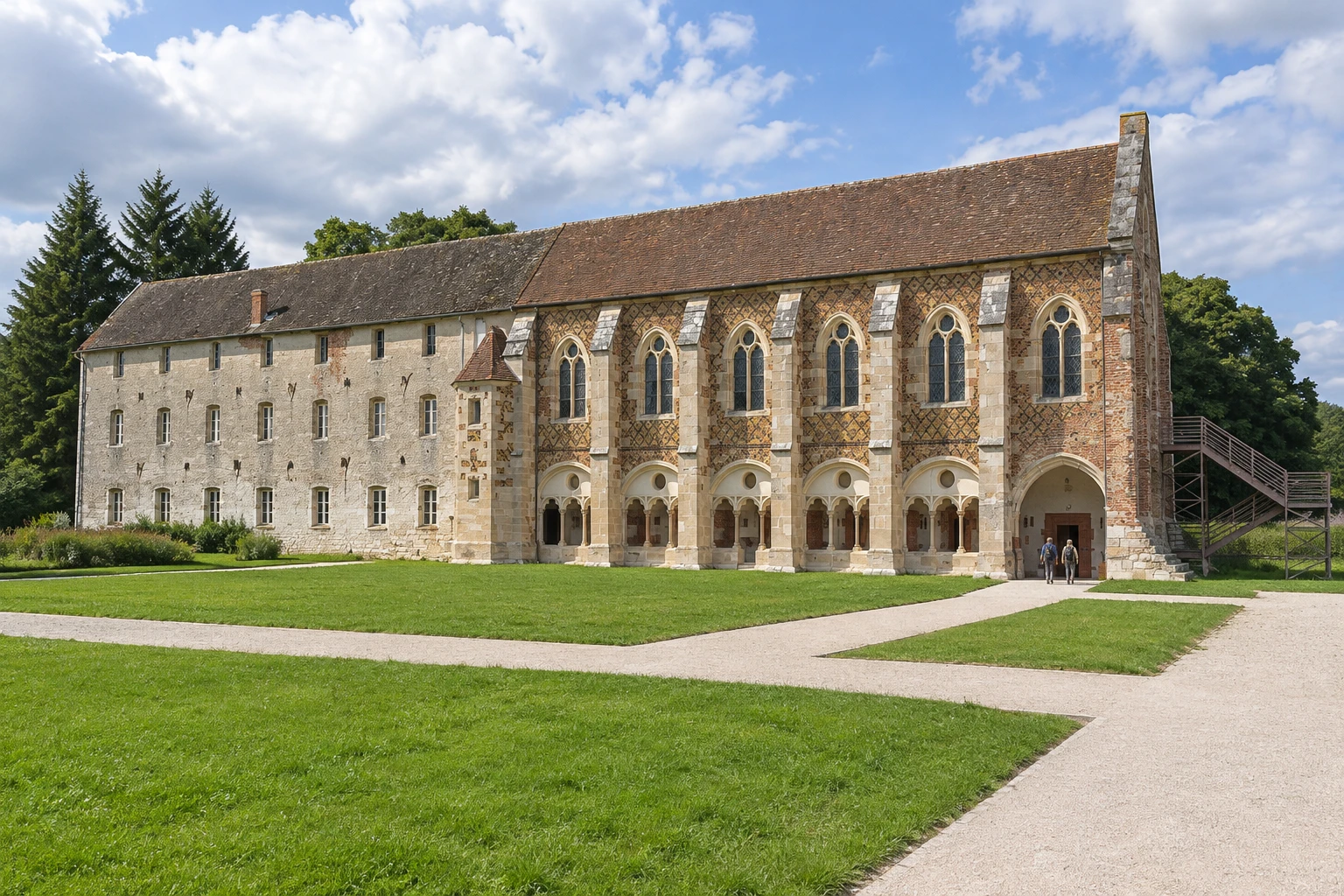
Abbey founded in 1098, birthplace of the Cistercian order, still inhabited by monks. Visits are always guided, in French, with mandatory reservation, within the monastic enclosure.
To choose before you go
The details of each tour (where it leaves from, what it includes, the best time) are in the complete guide.
Get your questions answered
The guide's itineraries cover 2, 3 and 5 days: in 2 days, Dijon and Beaune by train; in 3 days, Dijon, Beaune and the Côte vineyards; in 5 days, Dijon, Route des Grands Crus, Beaune, Fontenay and Vézelay.
Arrival and Dijon historic center. For travellers arriving from Brazil: the overnight flight arrives in the morning at Charles de Gaulle airport. There is no direct train from the airport to Dijon: go to Paris-Gare de Lyon and take the TGV to Dijon, a journey of about 1 h 35 min; from the airport to Dijon, allow 4 to 5 hours. In the afternoon, walk the historic center of Dijon via the Parcours de la Chouette, from Place Darcy to Église Notre-Dame, finishing at Place de la Libération in front of the Palais des ducs. Overnight in Dijon. If you prefer to arrive well rested, spend the first night in Paris and take the TGV early the next day.
It generally rains less from February to March. The rainiest months are usually May and from October to November. The guide covers each month, with the weather and what changes on the tours.
To plan