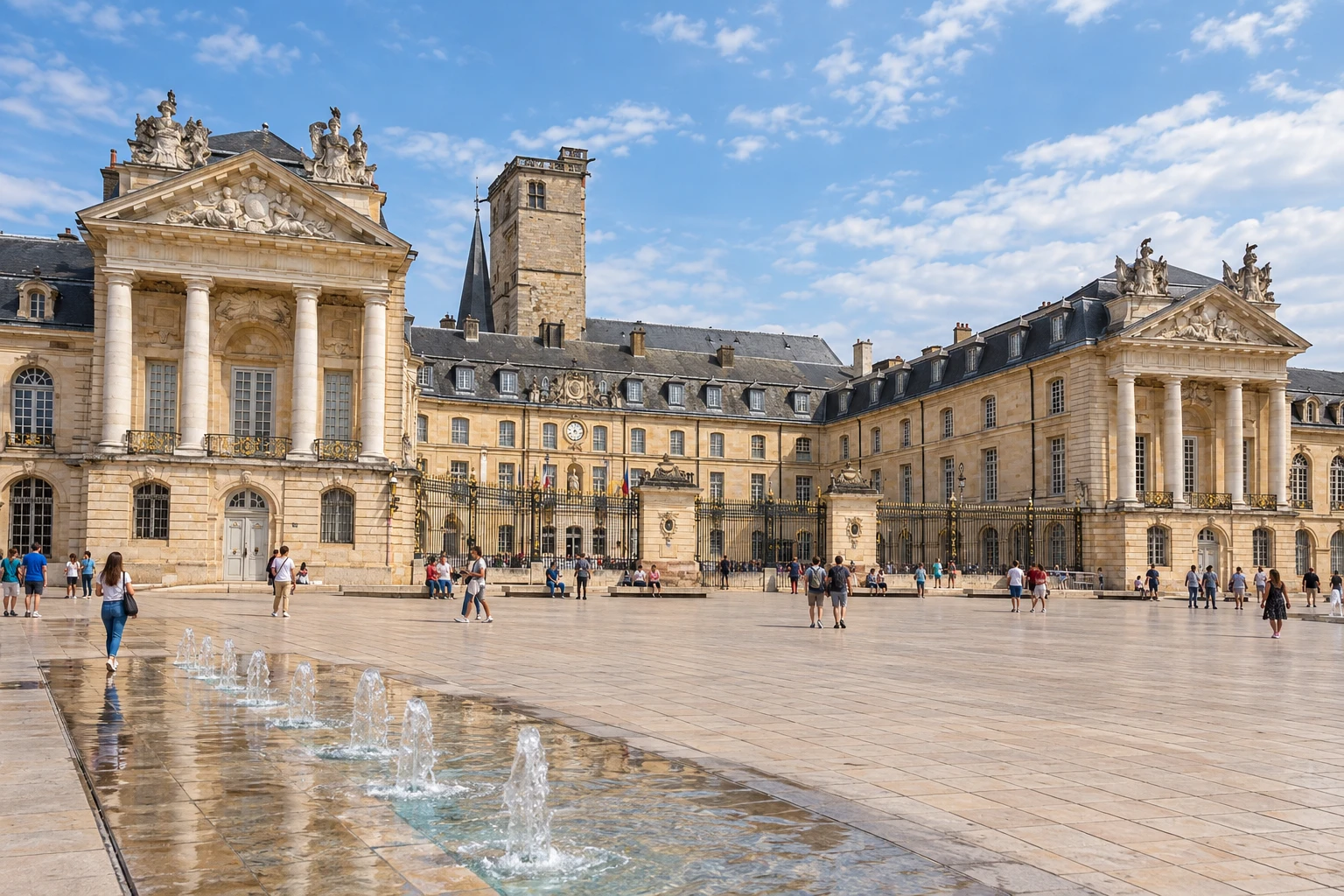
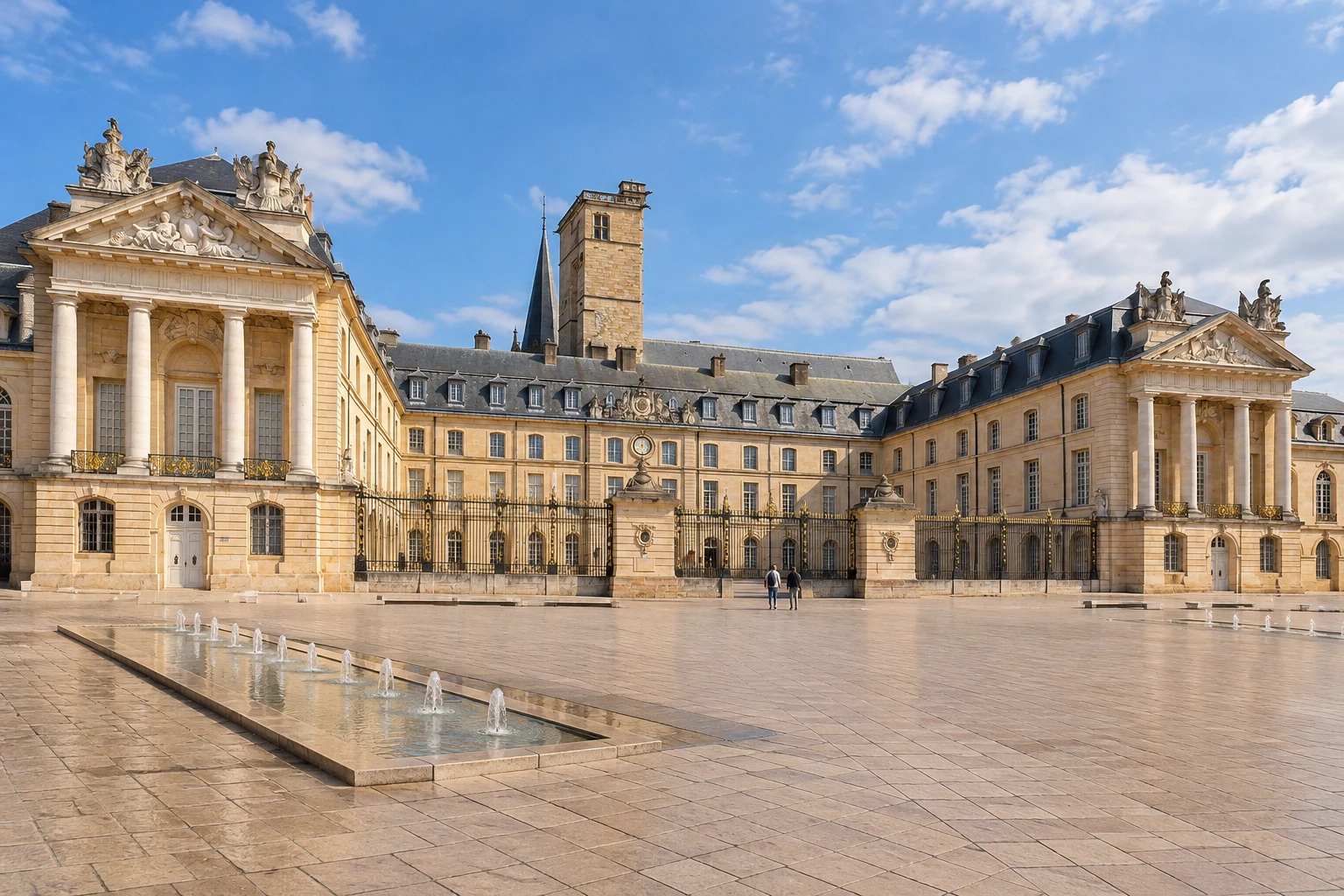
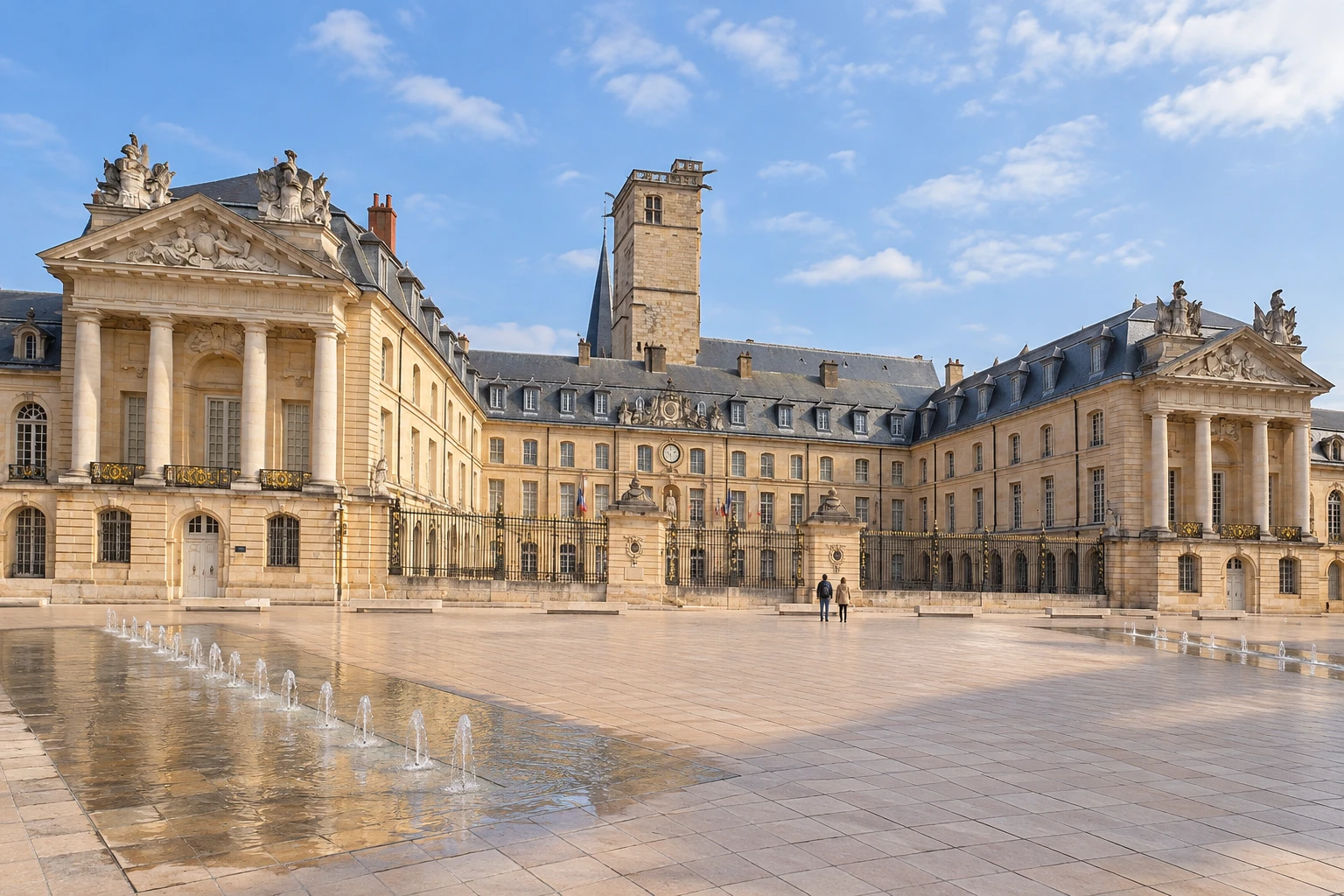
12 places to visit Dijon (France), chosen by the Cidade Turismo guide.
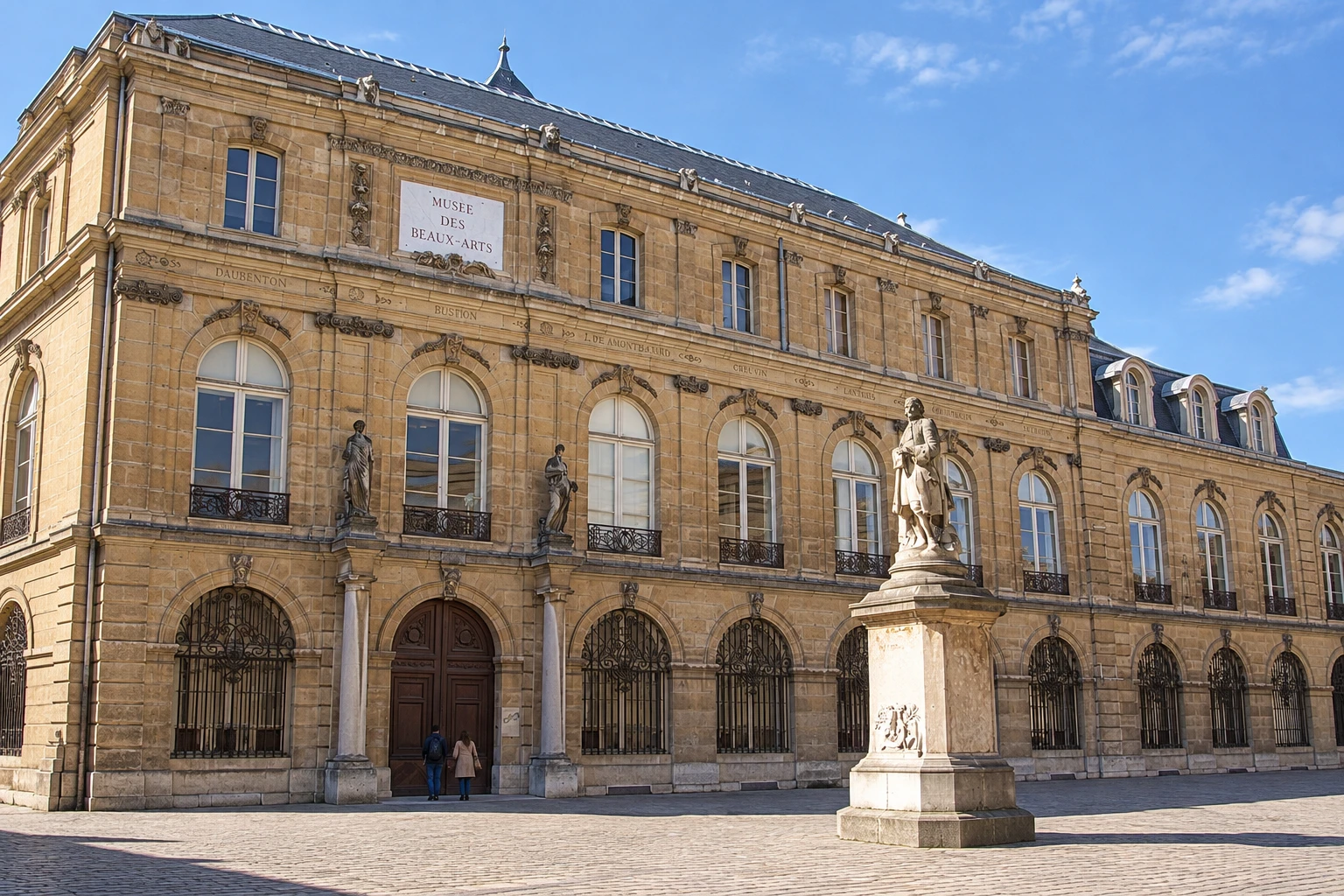
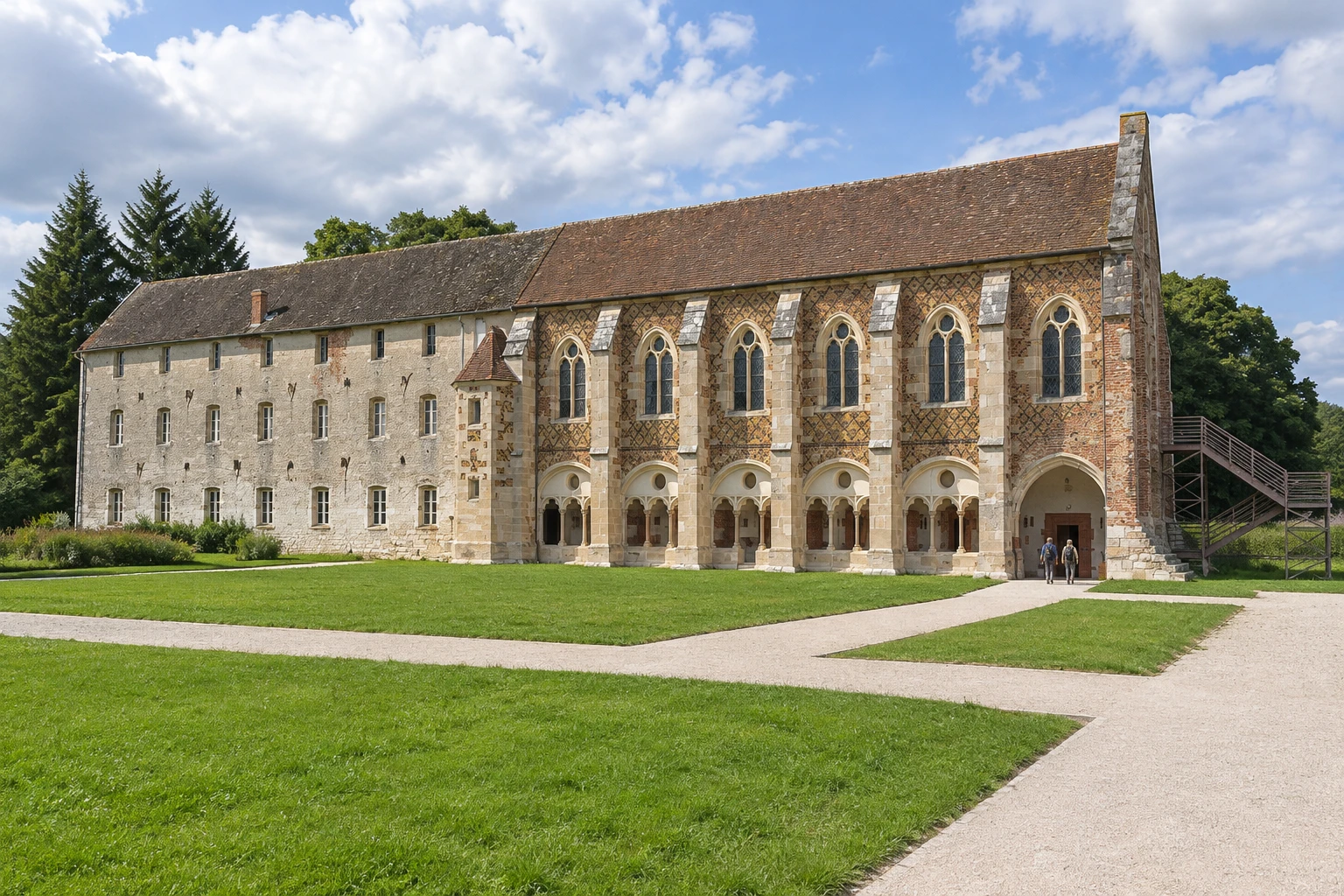
Illustrative images. The pictures in this guide are illustrations based on the real place, not photographs, and may differ from it.
To start
The 10 main places Dijon
Palace of the Dukes and Estates of BurgundyA complex of buildings in the heart of Dijon that brings together the palace of the Dukes of Burgundy, from the 14th and 15th centuries, and the Palace of the States, from the 1...
Philippe le Bon Tower46-metre tower of the ducal palace, built between 1450 and 1460.
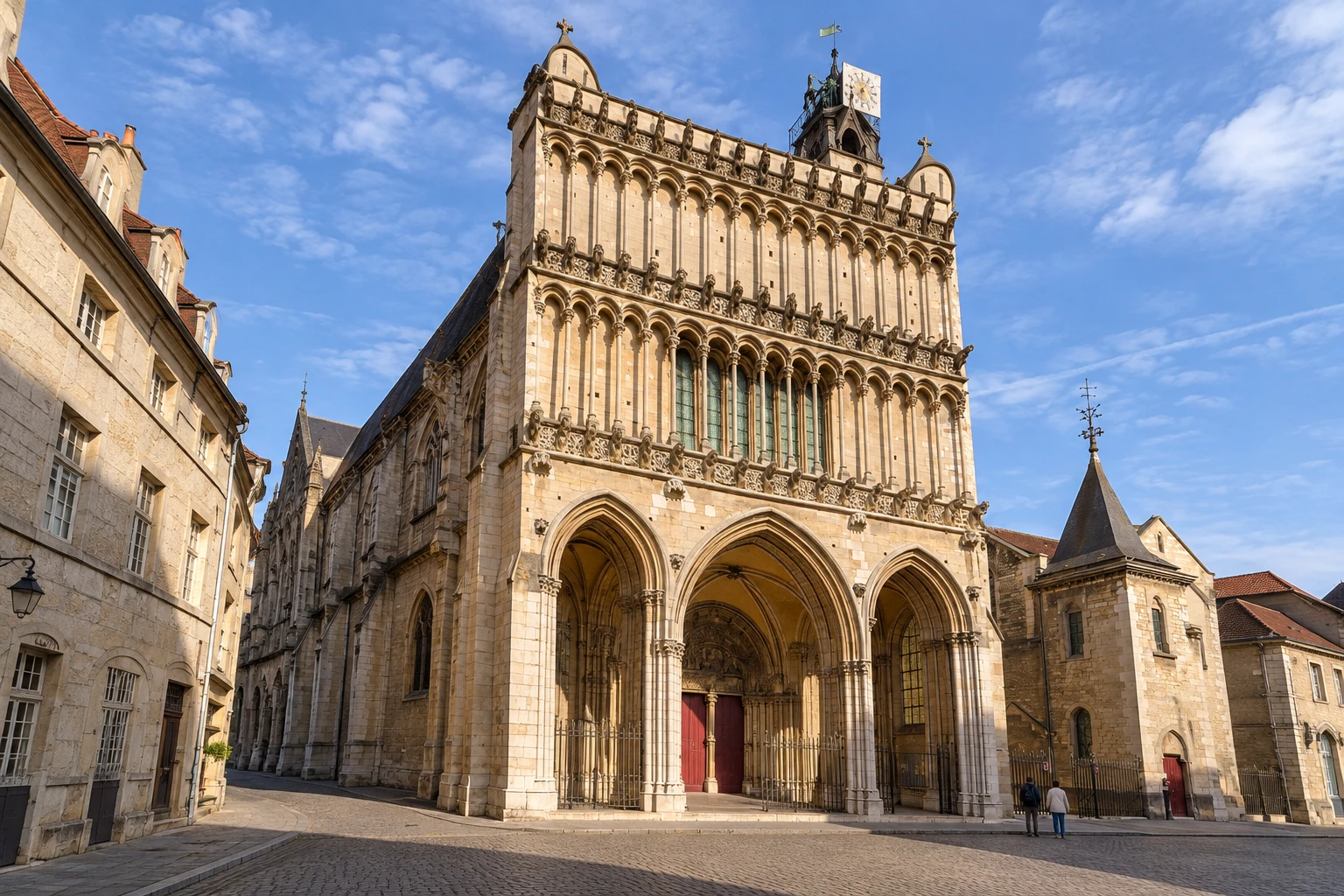
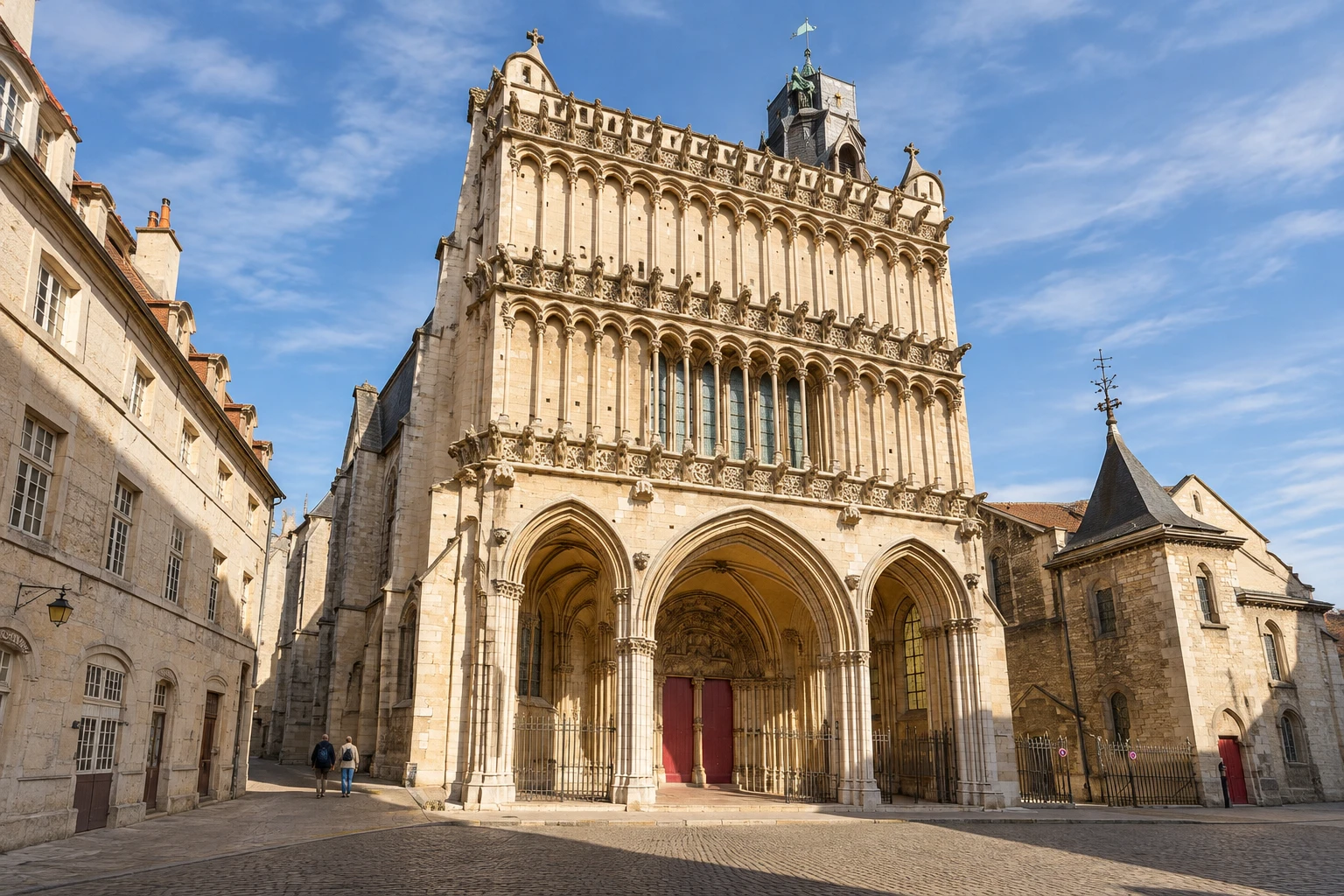
Church of Notre-Dame of Dijon13th-century Gothic church with a façade of fake gargoyles, the Jacquemart clock, and on the side wall the small stone owl that Dijon locals touch with their left hand to make a...
Owl's TrailWalking circuit through Dijon’s historic centre, marked by triangular bronze arrows with an owl on the pavement.
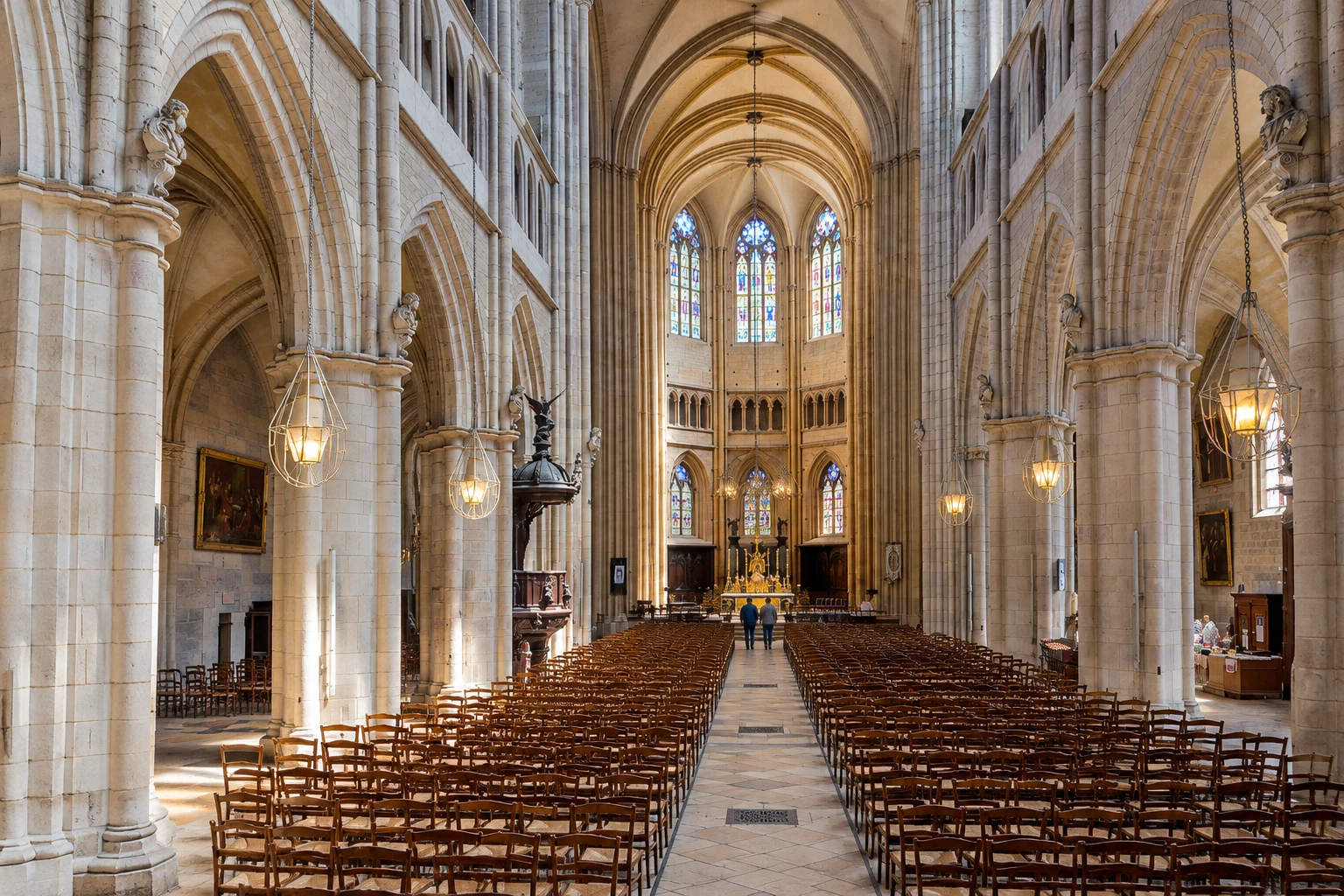
Dijon Cathedral13th-century Gothic cathedral, with a roof of colourful glazed tiles and a Romanesque crypt from the year 1000, the only remaining part of a large three-storey rotunda.
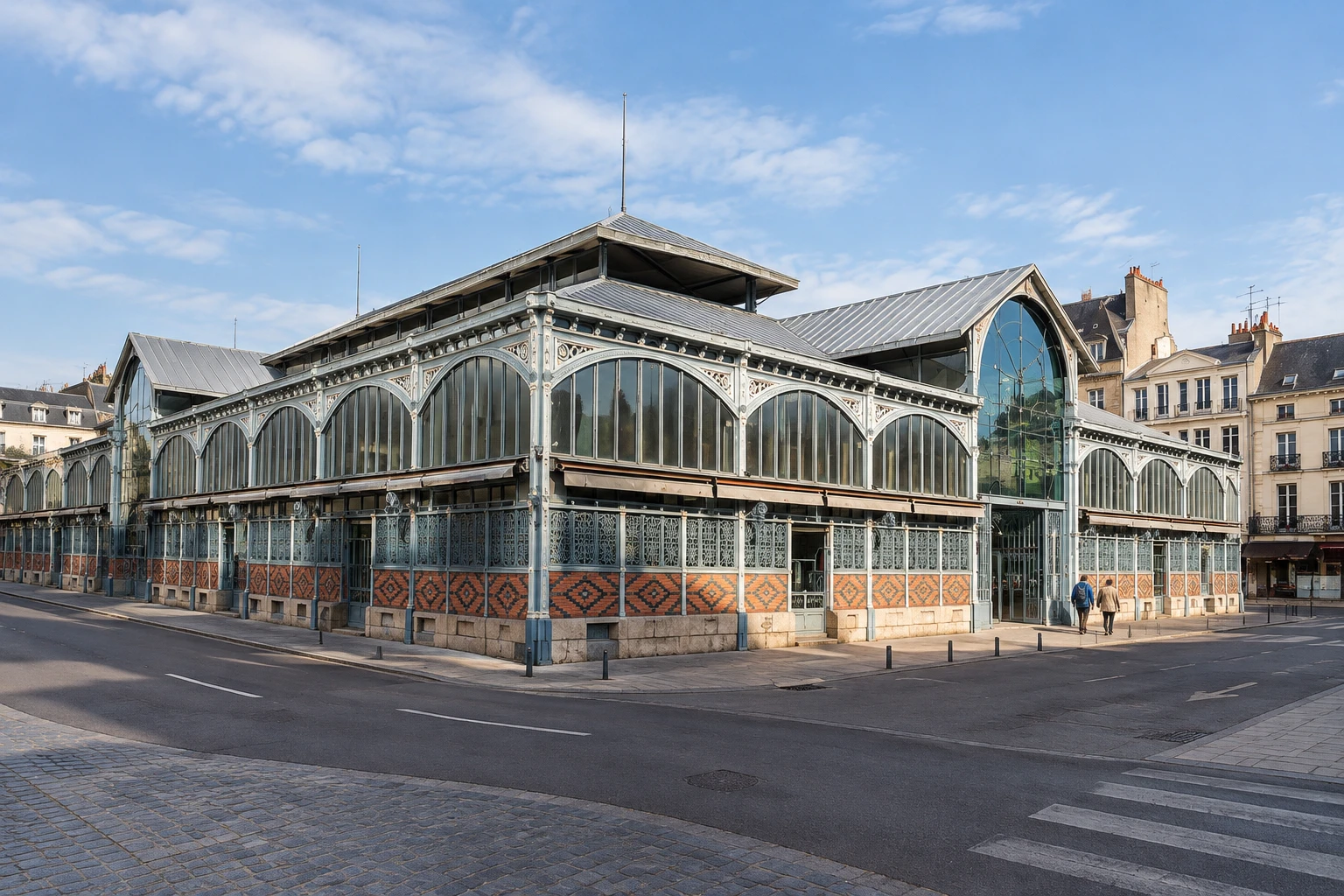
Les Halles de Dijon19th-century covered market of iron and glass, connected to the workshops of Dijon native Gustave Eiffel.
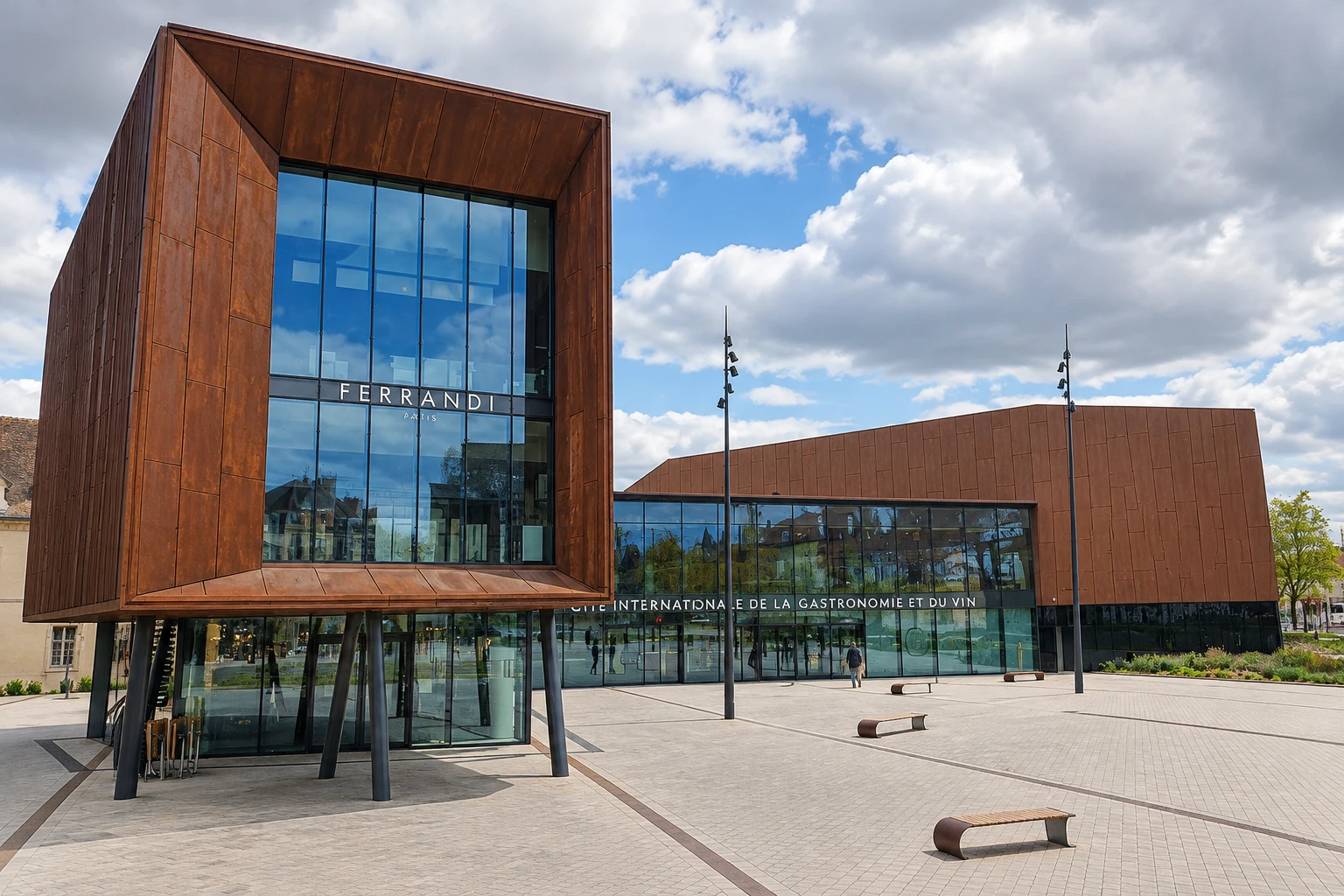
International City of Gastronomy and WineComplex installed in the former general hospital of Dijon, at kilometer zero of the Route des Grands Crus, with exhibitions about wine and French cuisine, the Chapelle des Clima...
Well of MosesBase of a calvary carved between 1396 and 1405 by Claus Sluter for the Chartreuse de Champmol, the ducal monastery-necropolis.
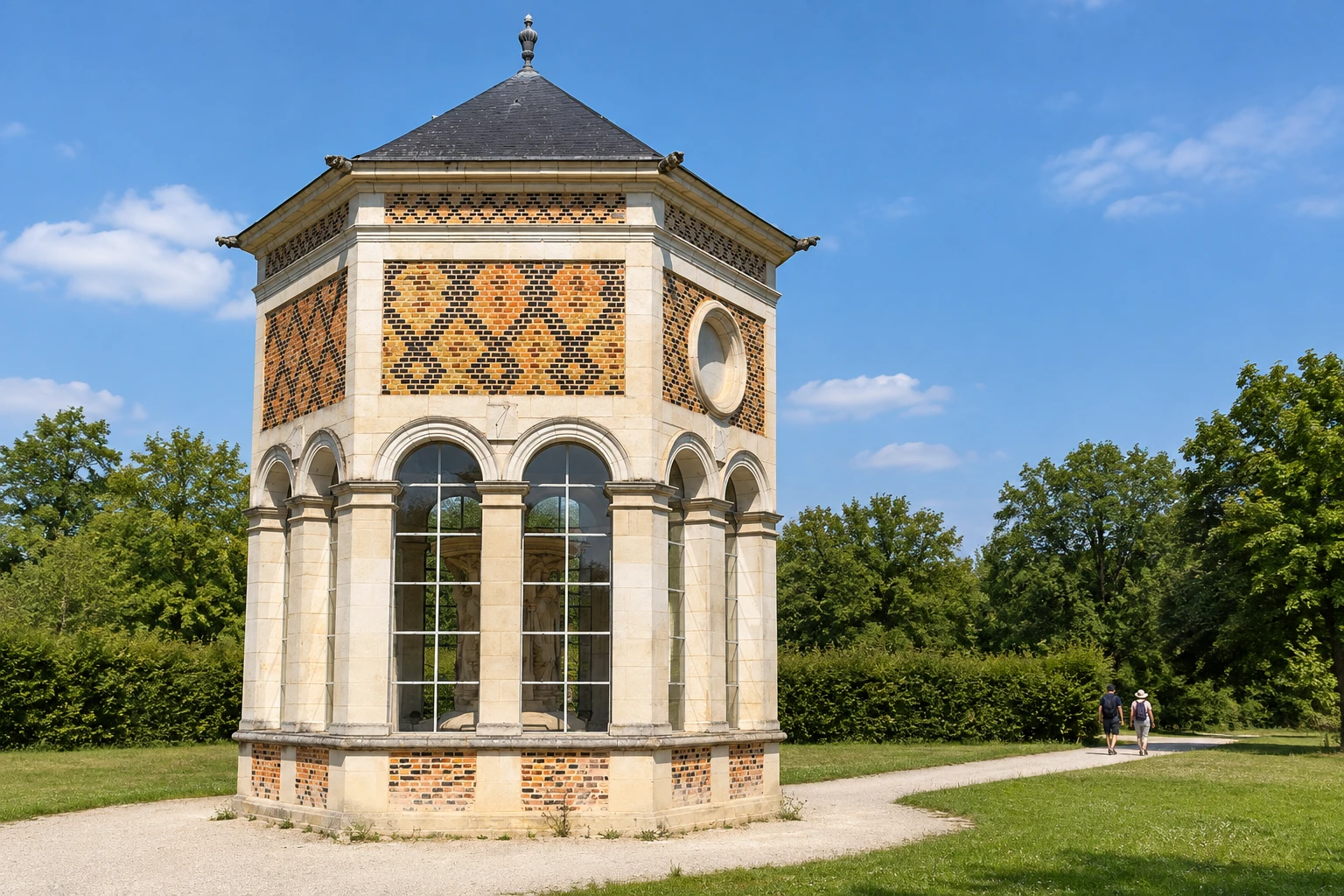
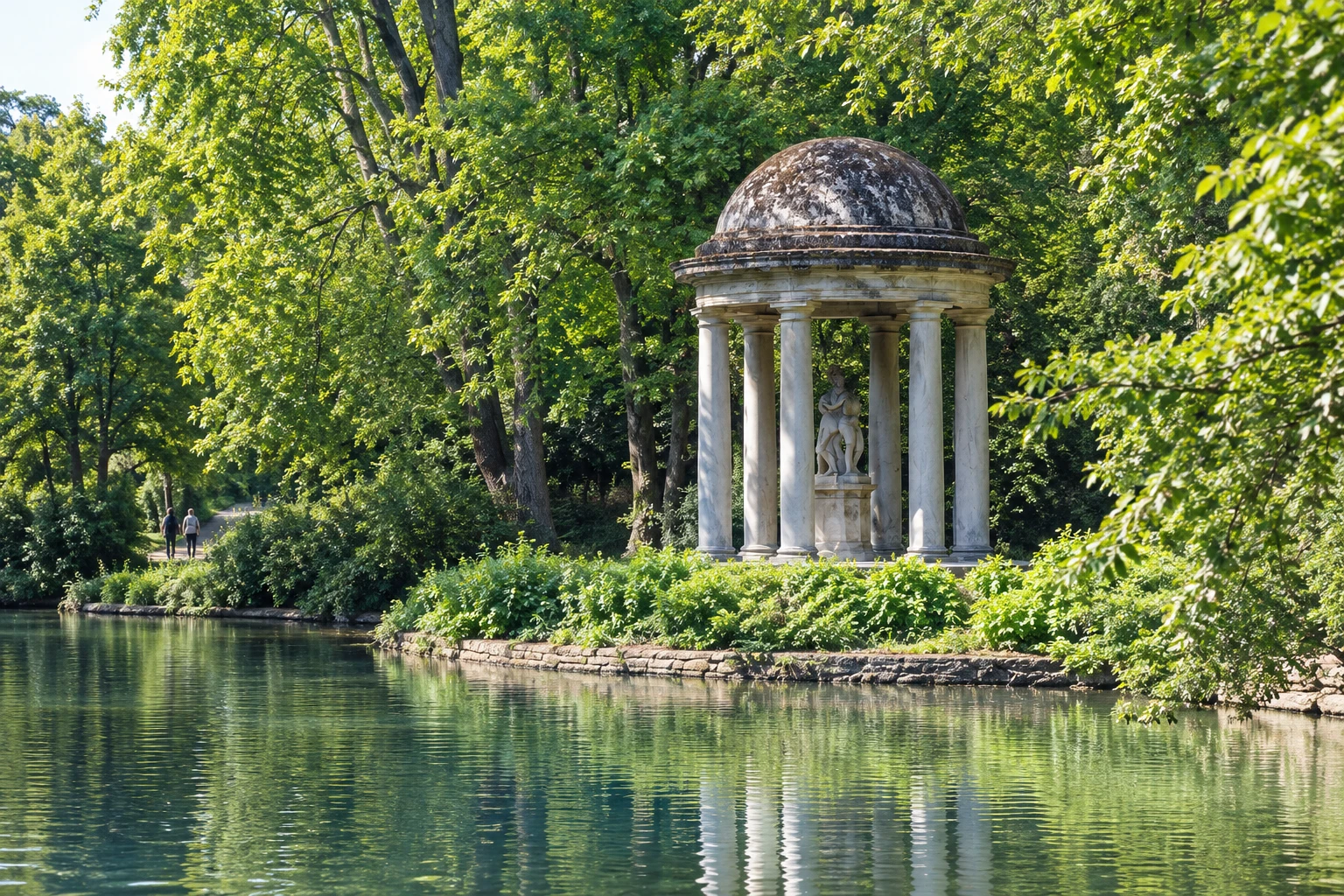
Jardin de l'ArquebusePark with a botanical garden of about 3,500 species, an arboretum, a rose garden, a natural history museum and a planetarium, next to Dijon-Ville station.
A complex of buildings in the heart of Dijon that brings together the palace of the Dukes of Burgundy, from the 14th and 15th centuries, and the Palace of the States, from the 17th and 18th centuries. Today it houses the town hall and the Musée des Beaux-Arts.
One of the oldest museums in France, housed in the ducal palace. It preserves the tombs of the dukes of Burgundy, Fayum funerary portraits and paintings from the Renaissance to the 19th century. Admission to the permanent collections is free.
46-metre tower of the ducal palace, built between 1450 and 1460. There are 316 steps to the terrace, with a 360-degree view over Dijon’s roofs and, on clear days, as far as the Côte de Nuits. Ascent only on guided tours.
13th-century Gothic church with a façade of fake gargoyles, the Jacquemart clock, and on the side wall the small stone owl that Dijon locals touch with their left hand to make a wish.
Walking circuit through Dijon’s historic centre, marked by triangular bronze arrows with an owl on the pavement. It passes the Palais des ducs, Notre-Dame, the Rue des Forges, the Halles and townhouses from the 15th to 18th centuries.
13th-century Gothic cathedral, with a roof of colourful glazed tiles and a Romanesque crypt from the year 1000, the only remaining part of a large three-storey rotunda.
19th-century covered market of iron and glass, connected to the workshops of Dijon native Gustave Eiffel. It opens on market mornings with cheeses, charcuterie, escargots, mustard and products from Borgonha.
Complex installed in the former general hospital of Dijon, at kilometer zero of the Route des Grands Crus, with exhibitions about wine and French cuisine, the Chapelle des Climats and tasting workshops of the École des Vins de Bourgogne.
Base of a calvary carved between 1396 and 1405 by Claus Sluter for the Chartreuse de Champmol, the ducal monastery-necropolis. Six life-size prophets, with a realism rare for the time.
Park with a botanical garden of about 3,500 species, an arboretum, a rose garden, a natural history museum and a planetarium, next to Dijon-Ville station. It used to be called Jardin des Sciences.
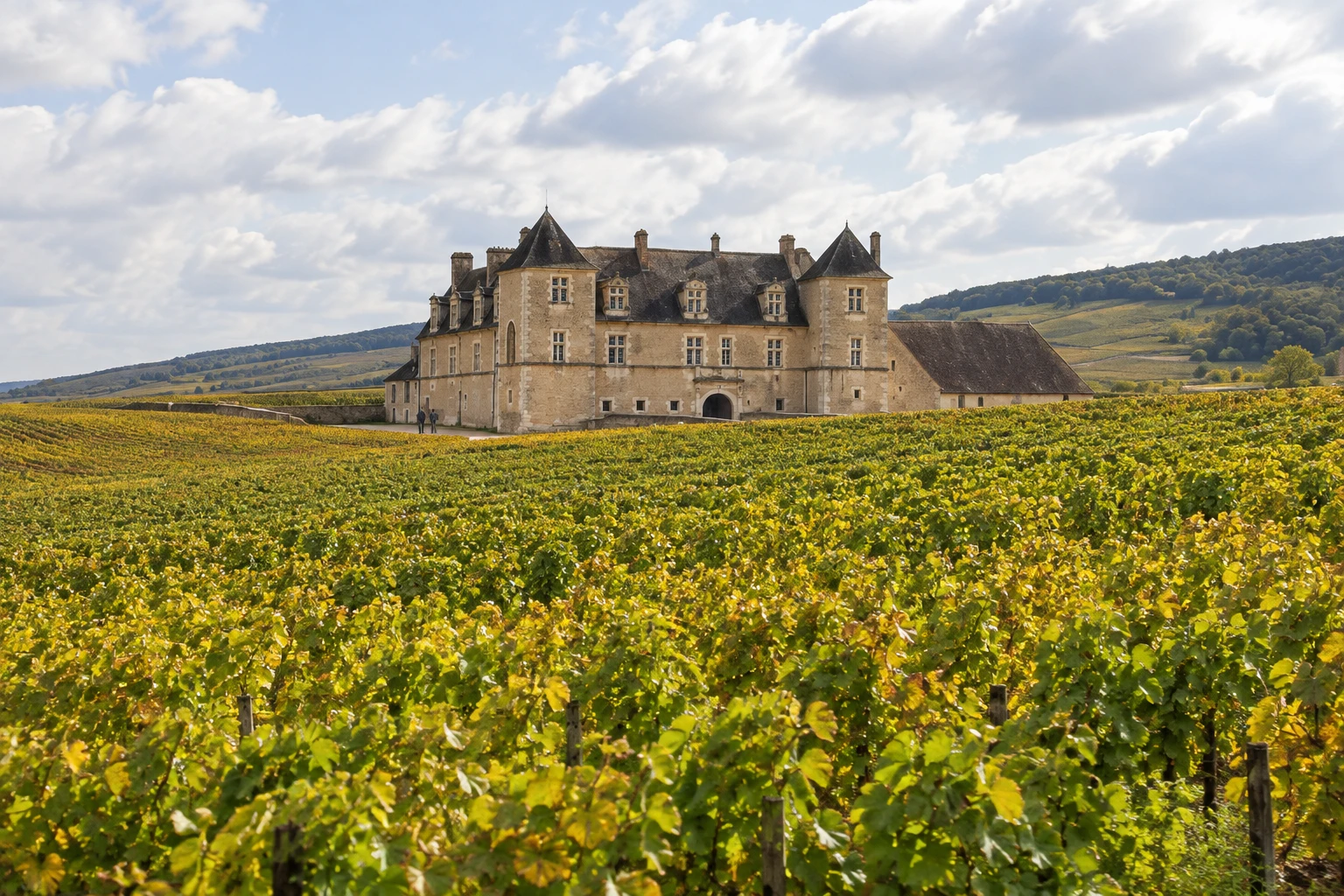
Castle built by monks of Cîteaux in the middle of a walled vineyard of the Côte de Nuits, on the Route des Grands Crus. It houses four giant medieval wine presses and is the seat of the Confrérie des Chevaliers du Tastevin.
Abbey founded in 1098, birthplace of the Cistercian order, still inhabited by monks. Visits are always guided, in French, with mandatory reservation, within the monastic enclosure.


 Brazil
 Antarctica
 Argentina
 Bolivia
 Chile
 Colombia
 Ecuador
 Falkland Islands (Malvinas)
 French Guiana
 Guyana
 Paraguay
 Peru
 Suriname
 Uruguay
 Venezuela
 Albania
 Austria
 Belgium
 Croatia
 Denmark
 Finland
 Germany
 Greece
 Hungary
 Iceland
 Ireland
 Italy
 Luxembourg
 Norway
 Poland
 Portugal
 Slovakia
 Slovenia
 Spain
 Sweden
 Switzerland
 the Czech Republic
 the Netherlands
 the United Kingdom
 Turkey
 Bermuda
 Canada
 Greenland
 Mexico
 Saint Pierre and Miquelon
 the United States
 the Dominican Republic
 Japan
 Egypt
 South Africa
 Australia
 Fiji
 New Zealand
 Papua New Guinea