Birmingham, Montgomery and Selma

Alabama

Birmingham, Montgomery and Selma

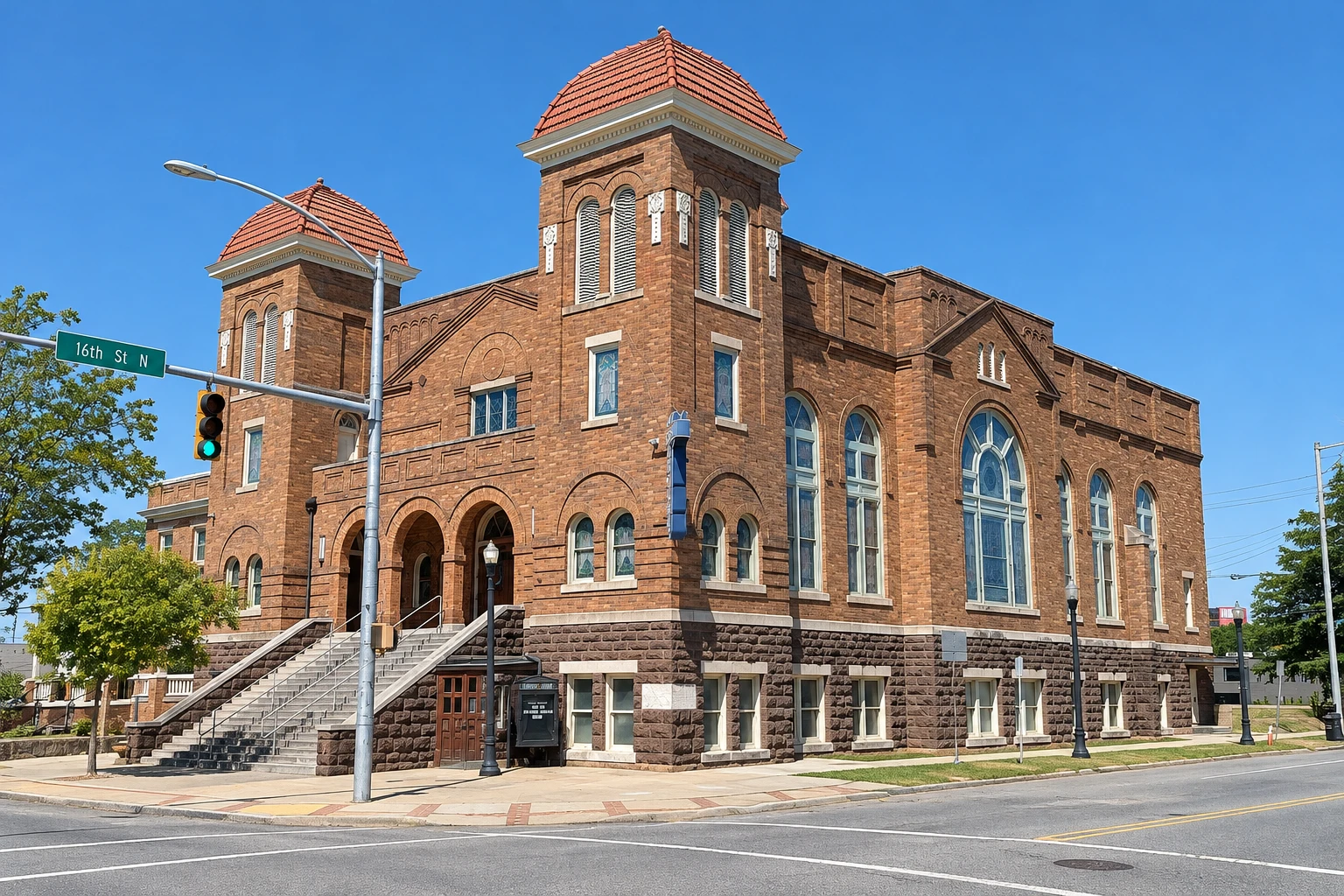
The Civil Rights Trail in Alabama: the Birmingham Institute and 16th Street Baptist Church, the museums and memorials of Montgomery, and the Edmund Pettus Bridge in Selma.

South (Georgia, the Carolinas and Tennessee)

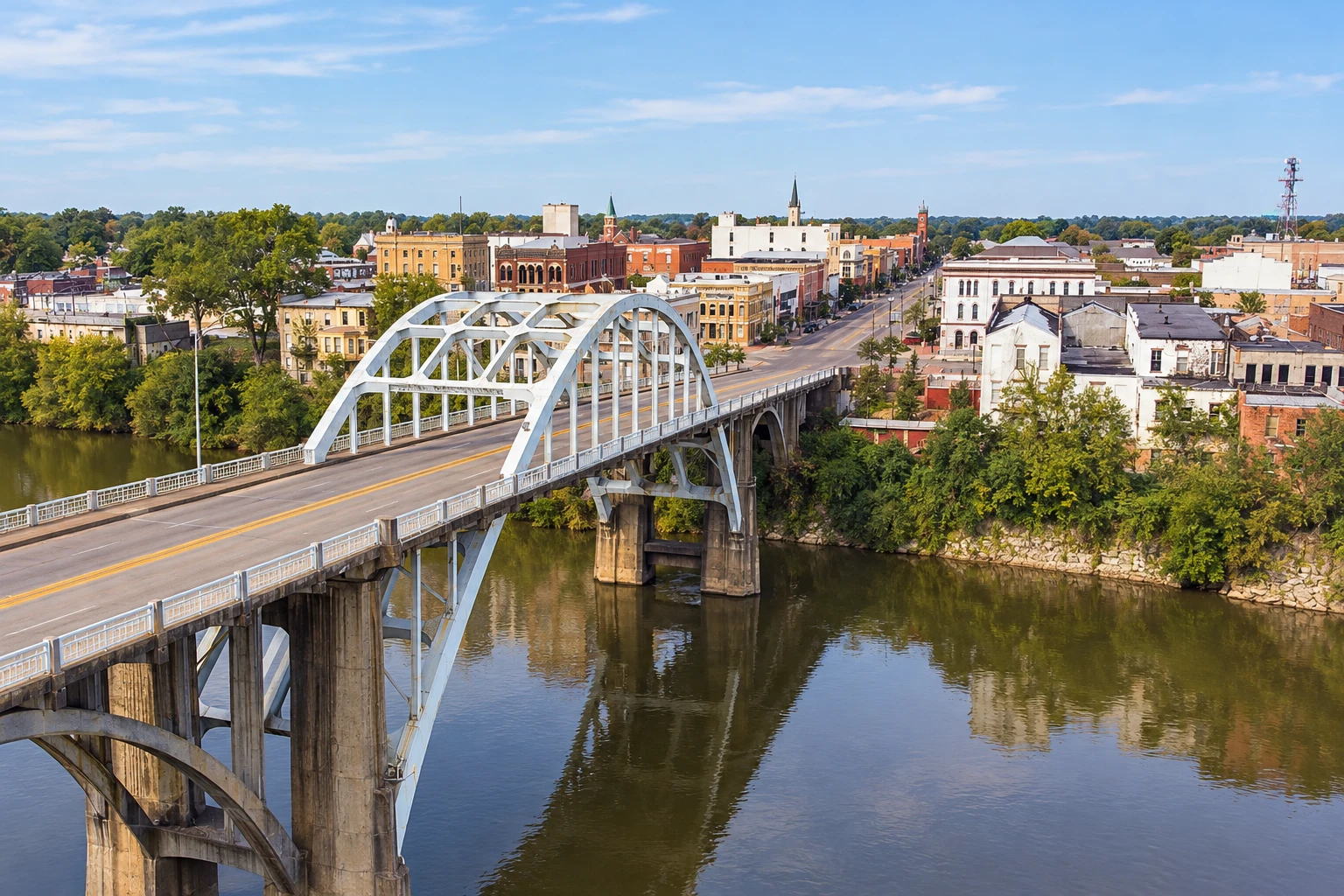
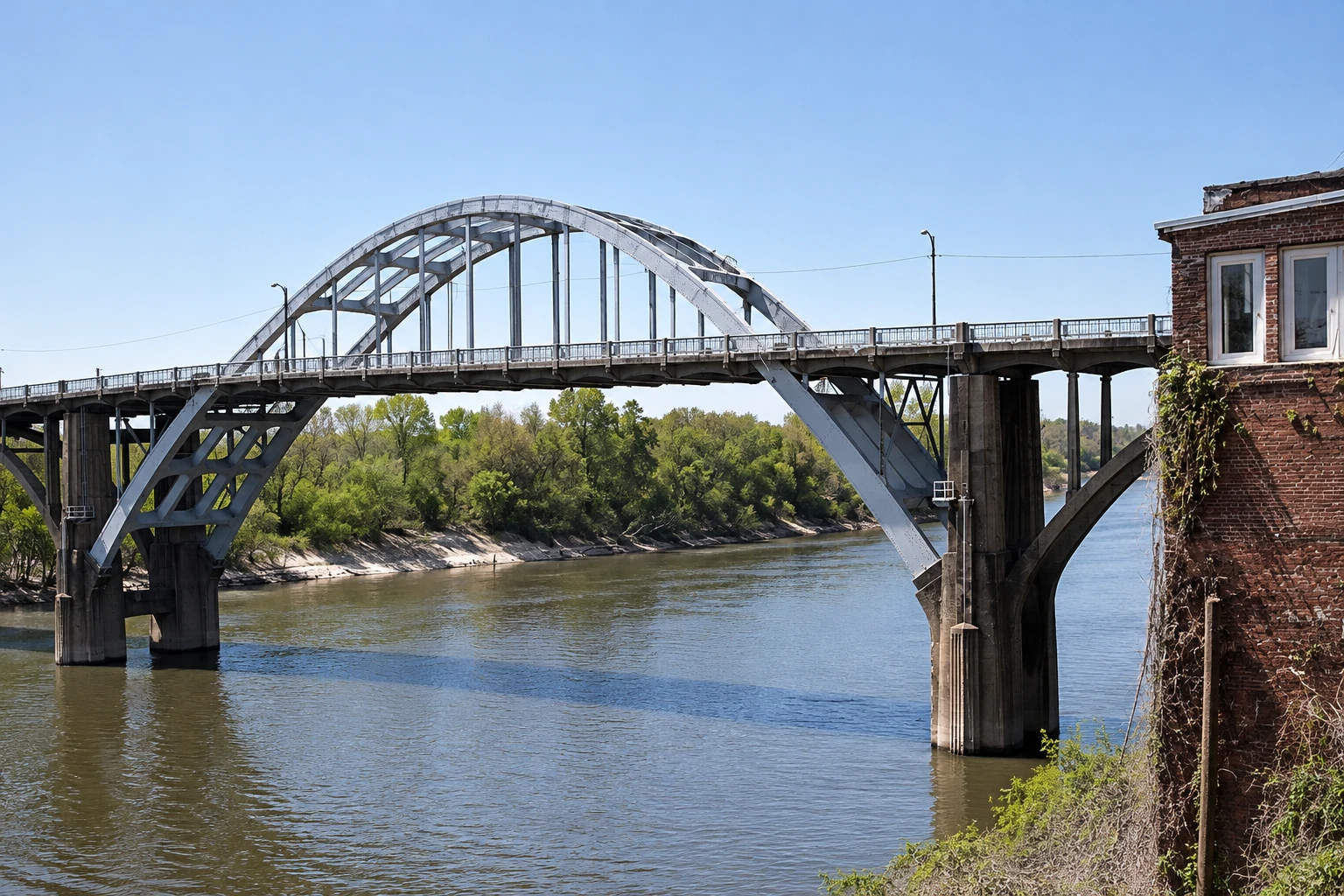
In the photo: Edmund Pettus Bridge over the Alabama River, in Selma.

Illustrative images. The pictures in this guide are illustrations based on the real place, not photographs, and may differ from it.

Get it on Google Play

Get to know the place

A region to enjoy
at your own pace.

Three Alabama cities concentrate some of the most remembered sites of the Black civil rights struggle in the United States during the 1950s and 1960s. They are one to two hours’ drive from each other and form a two- to four-day itinerary.

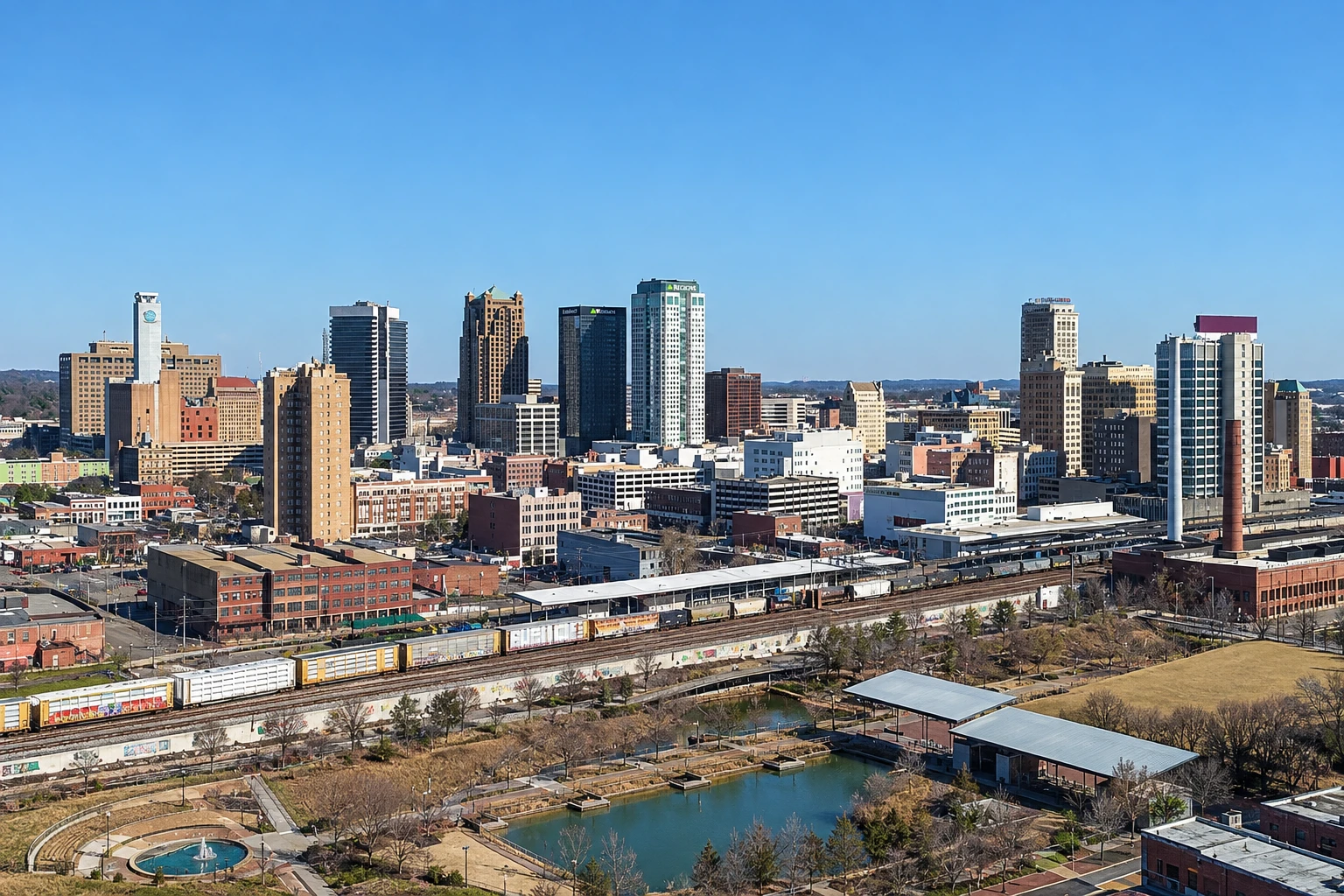
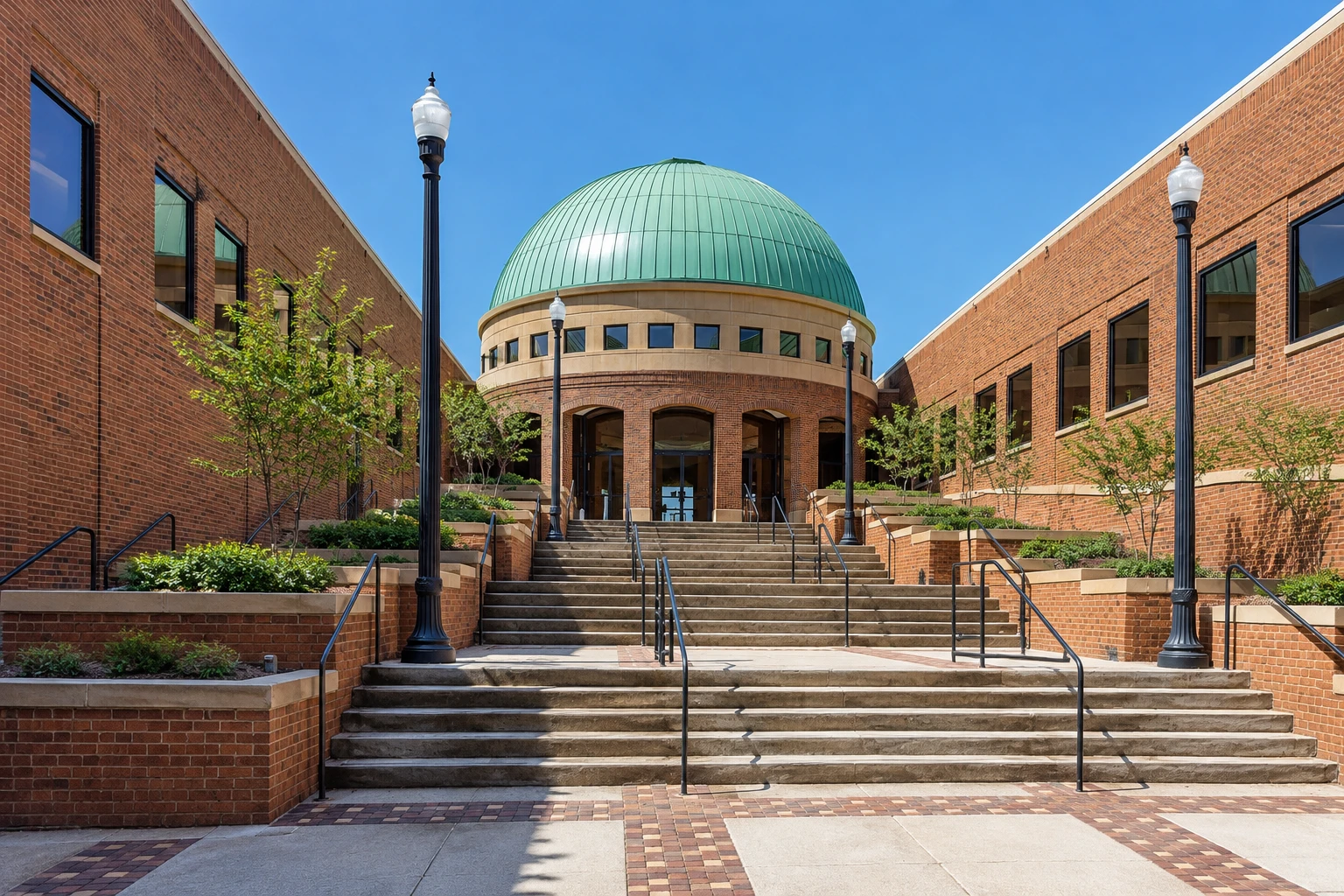
Birmingham, an iron-and-steel industrial city, was the scene of the 1963 marches, when children and young people faced fire hoses and police dogs. An institute, a church and a park, all on the same block, tell the story of that year. The city’s steelmaking past is visible in the old blast furnaces and in an iron statue atop a hill.

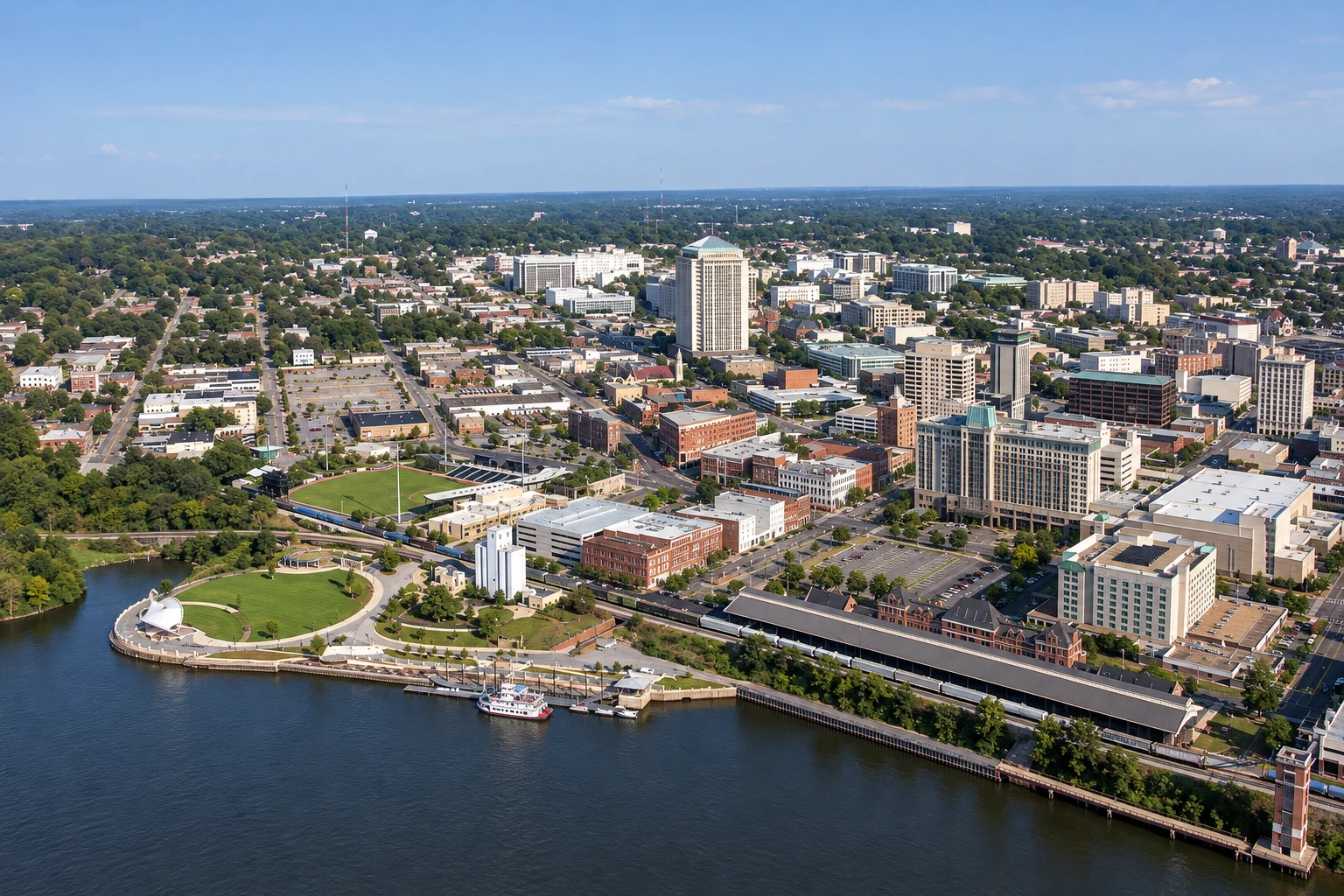
Montgomery, the state capital, is where Rosa Parks refused to give up her seat on a bus in 1955, which sparked a boycott that lasted more than a year. The city has a museum dedicated to her, the state capitol, and a complex of museum, memorial and sculpture park that addresses the history of Black people from the Atlantic slave trade onward.

Selma, on the banks of the Alabama River, is home to the Edmund Pettus Bridge, where marchers demanding voting rights were attacked in March 1965. Weeks later, the march continued from Selma to the Montgomery capitol.

This destination brings together 3 cities: Birmingham, Montgomery, Selma.

Share: WhatsApp
Traveler, share your experiences through photos Up to 5 photos of each place you visited.

One destination, many paths

The cities on this trip

Start with one city or combine several in your itinerary.

Where Birmingham, Montgomery and Selma is The star marks the capital, Montgomery.
MontgomeryBirminghamSelma

Boundaries: U.S. Census Bureau / geoBoundaries (public domain). Adapted by Cidade Turismo.

How to get there: Birmingham, Montgomery and Selma

Birmingham-Shuttlesworth International Airport (BHM) · 8 km to Birmingham

The airports are Birmingham (BHM), the region’s largest, and Montgomery (MGM). I-65 links Birmingham to Montgomery in about two hours; Selma is roughly 80 km west of Montgomery. Entry requirements depend on nationality: confirm the requirements before traveling.

Suggested arrival point: Birmingham

The local experience

Things to do in Birmingham, Montgomery and Selma

Montgomery · Alabama · Museum

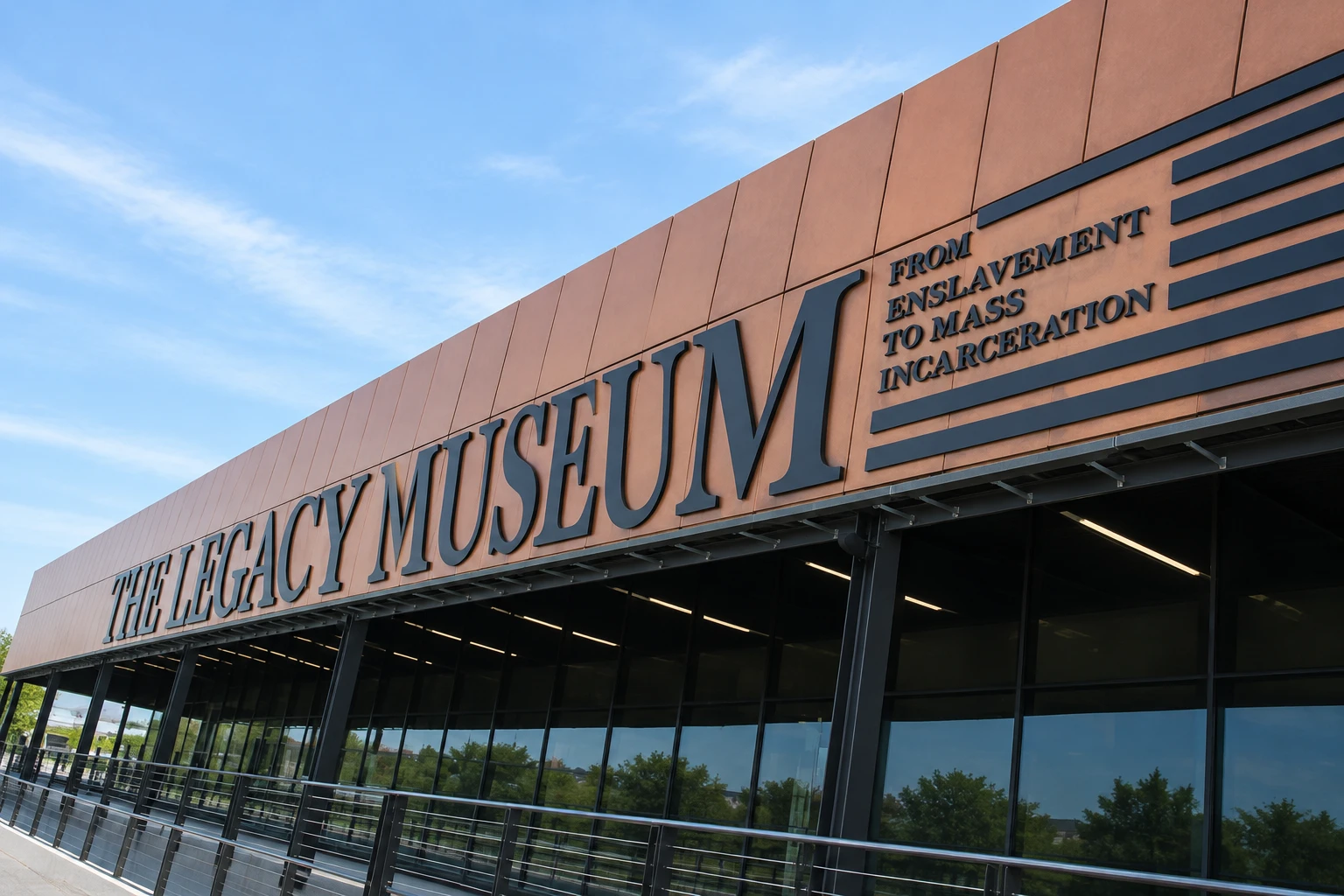
Legacy Museum

The Equal Justice Initiative museum about the history of Black people in the United States, from slavery to segregation and to the present day, near where an enslaved people’s market once operated.

Explore Legacy Museum

See 8 more places in Birmingham, Montgomery and Selma

Before you go

Practical information

A little planning leaves more time to enjoy the journey.

When to go

Spring and mid-autumn are the most comfortable times to walk between the memorials. From June to September, the muggy heat calls for early visits, and winter is short and cool. In early March, Selma holds its annual bridge-crossing commemoration.

The seasons shown are the most usual ones; nature doesn't always follow the calendar.

How many days to stay

Three days allow one day in Birmingham, one in Montgomery, and one for Selma and the march road. With two days, combine Montgomery and Selma in the same day.

Which city to stay in

In Birmingham: downtown and the Southside neighborhood, near restaurants on Fifth Avenue South. In Montgomery: downtown, near the riverfront and a few blocks from the Legacy Museum. Selma has few options; many visitors stay in Montgomery and visit Selma on a day trip.

Respect the place

Take your trash with you, follow the signs and support local businesses. In natural areas, follow the visiting guidelines.

Beyond the guide

Your questions

Frequently asked questions about Birmingham, Montgomery and Selma

What’s the recommended order for doing the Civil Rights Trail in Alabama?

A common order is to start in Birmingham, continue to Montgomery and do Selma as a day trip, following the 1965 march route. The reverse order also works, starting from Montgomery airport.

Do you need a car to visit Birmingham, Montgomery and Selma?

Yes. There is no practical public transport between the three cities, and Selma does not have a regular bus or train connection for visitors.

How many days should I allocate for the Civil Rights Trail?

Three days let you visit the three cities at a relaxed pace. Montgomery’s museums take almost a full day.

Are the visits suitable for children?

The museums address racial violence with strong images and accounts. Many families visit with older children and teenagers; check each museum’s guidance on age suitability.

What time zone is Alabama in?

Central Time: UTC−6 in winter and UTC−5 during daylight saving time, from March to November.

Explore other destinations Search by state and city