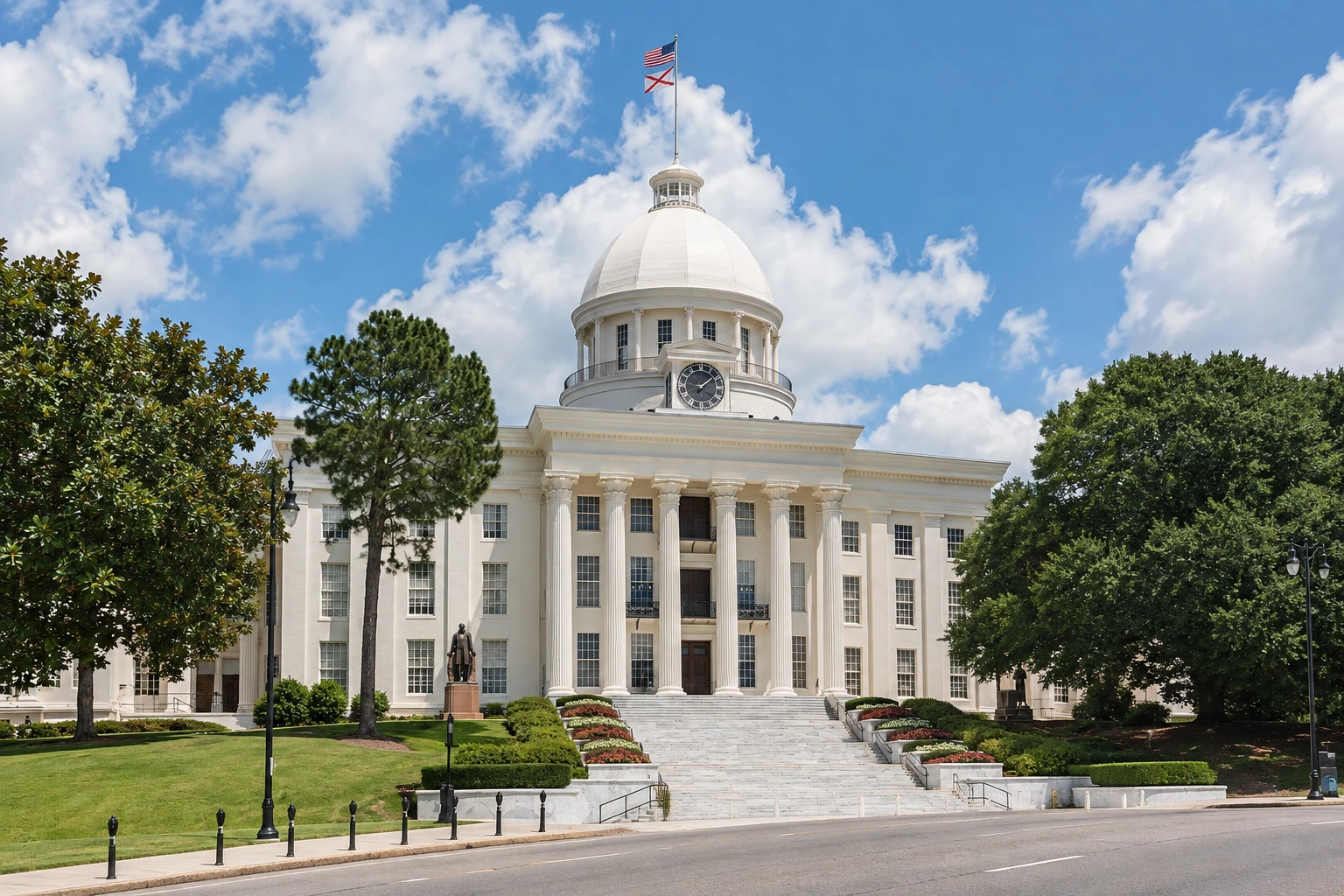
12 places to visit, chosen by the Cidade Turismo guide.
Illustrative images. The pictures in this guide are illustrations based on the real place, not photographs, and may differ from it.
To start
The 10 main places Birmingham, Montgomery and Selma
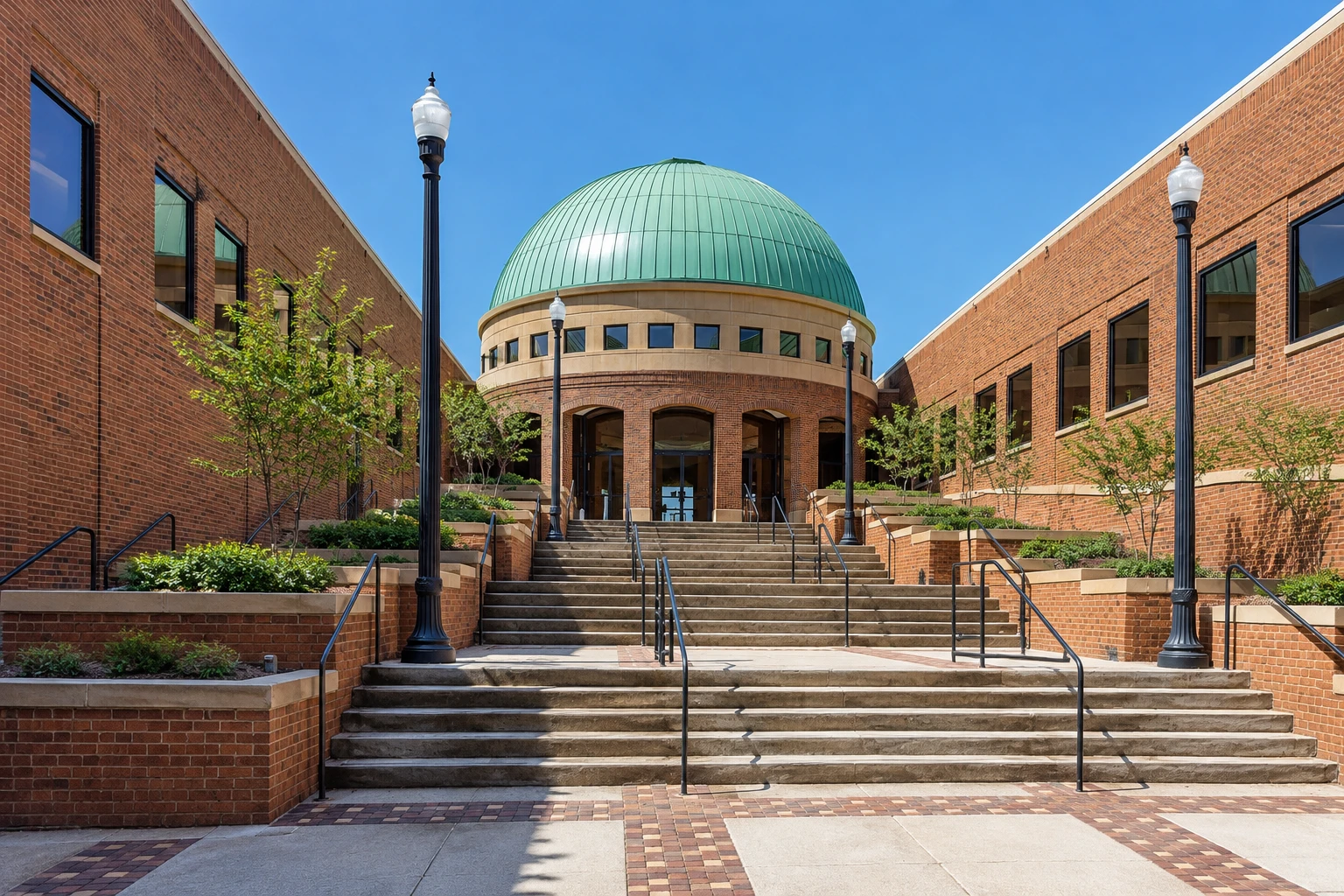
Birmingham Civil Rights Institute · BirminghamMuseum and research center about the civil rights movement, facing Kelly Ingram Park, with galleries covering segregation through the 1963 marches and the door of the cell where...
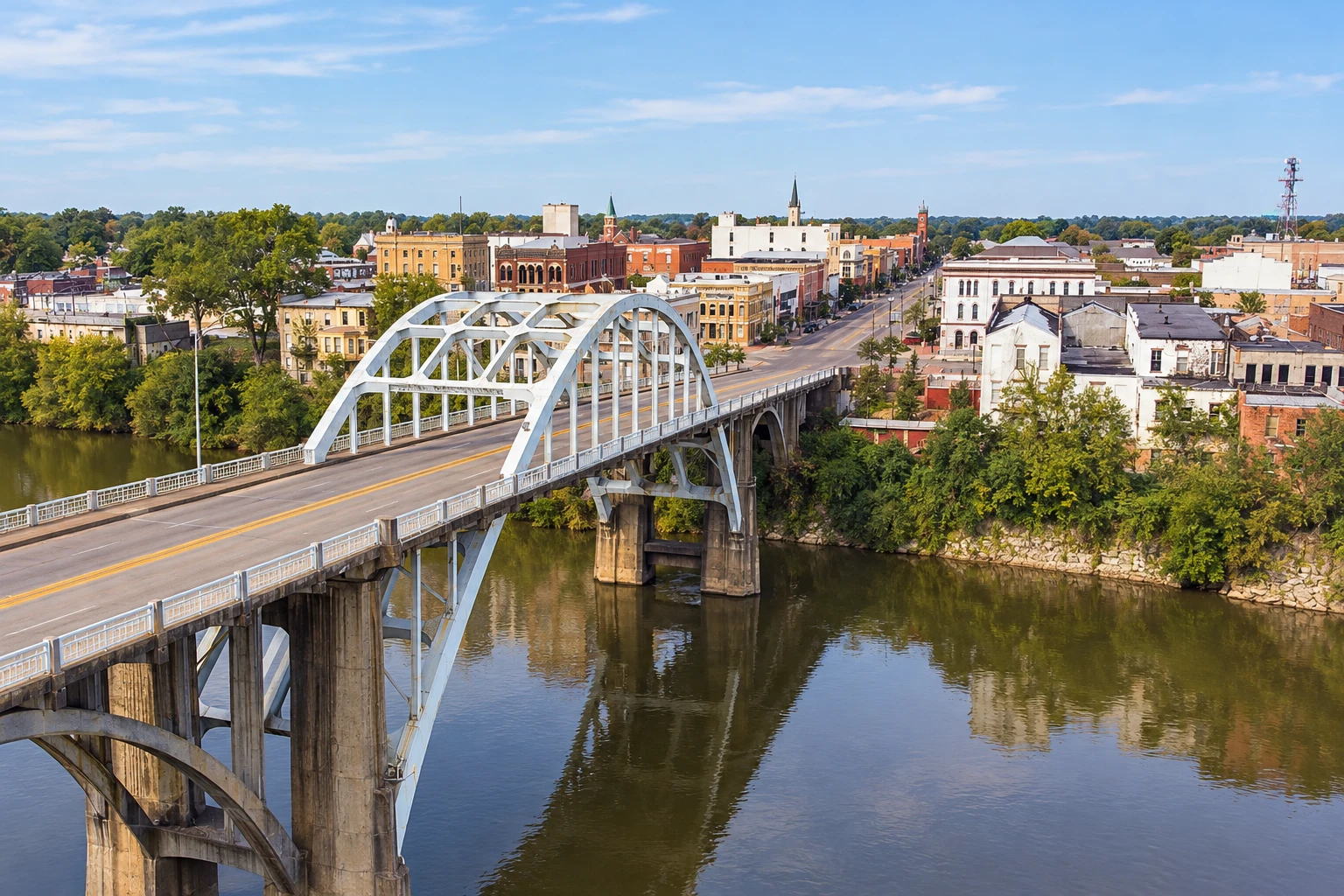
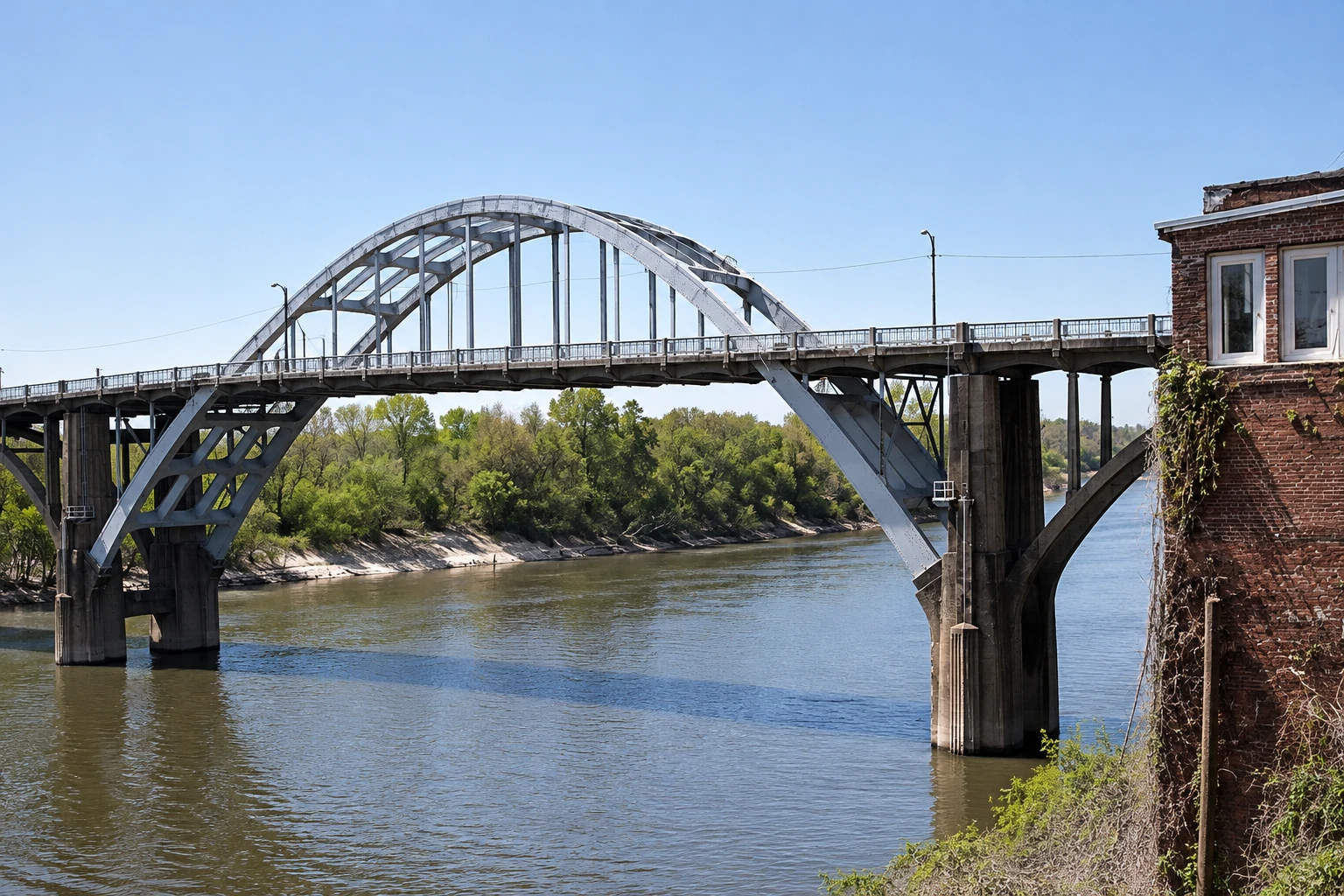
Edmund Pettus Bridge · Selma1940 steel bridge over the Alabama River where voting-rights marchers were attacked on Bloody Sunday in March 1965.
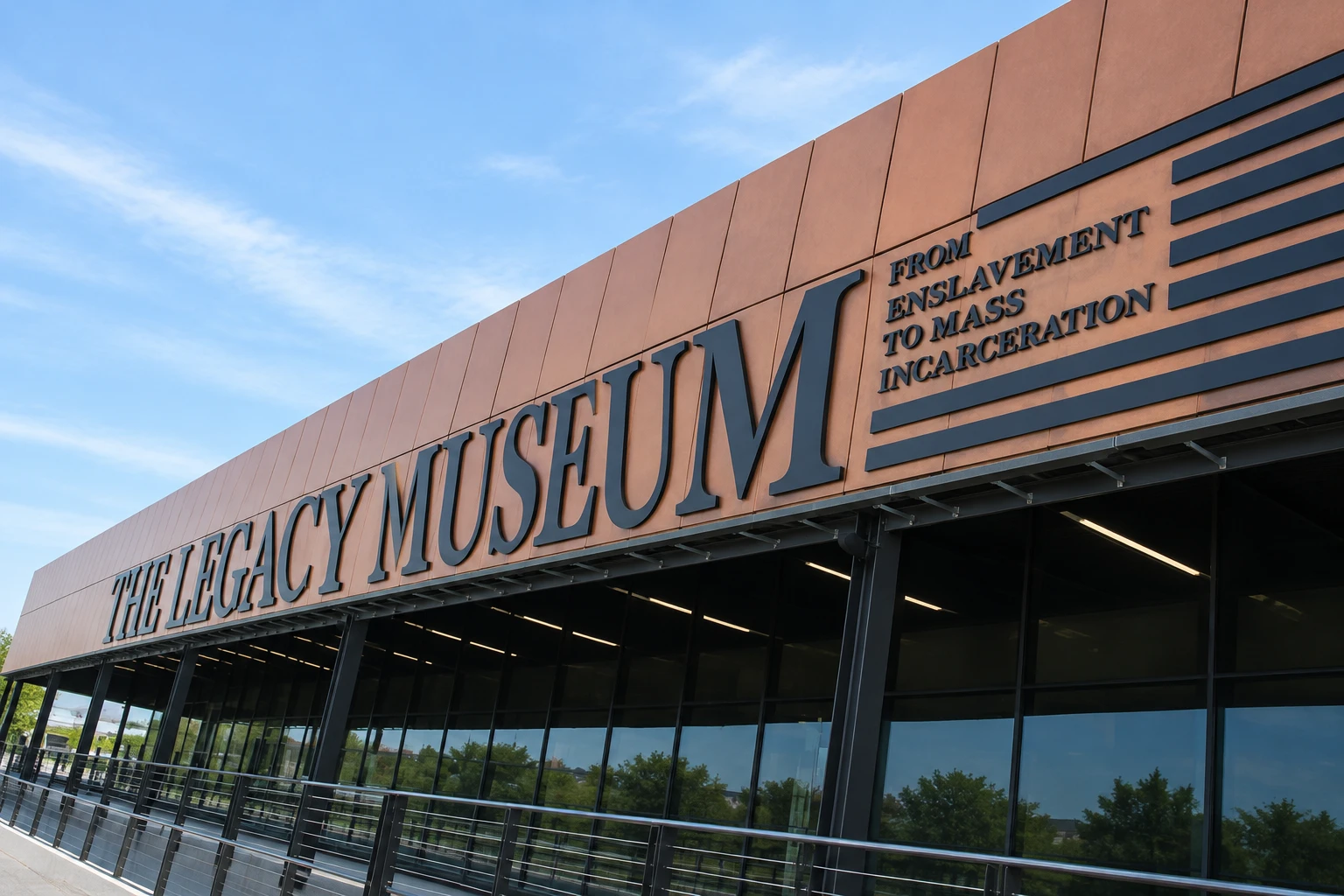
Legacy Museum · MontgomeryThe Equal Justice Initiative museum about the history of Black people in the United States, from slavery to segregation and to the present day, near where an enslaved people’s m...
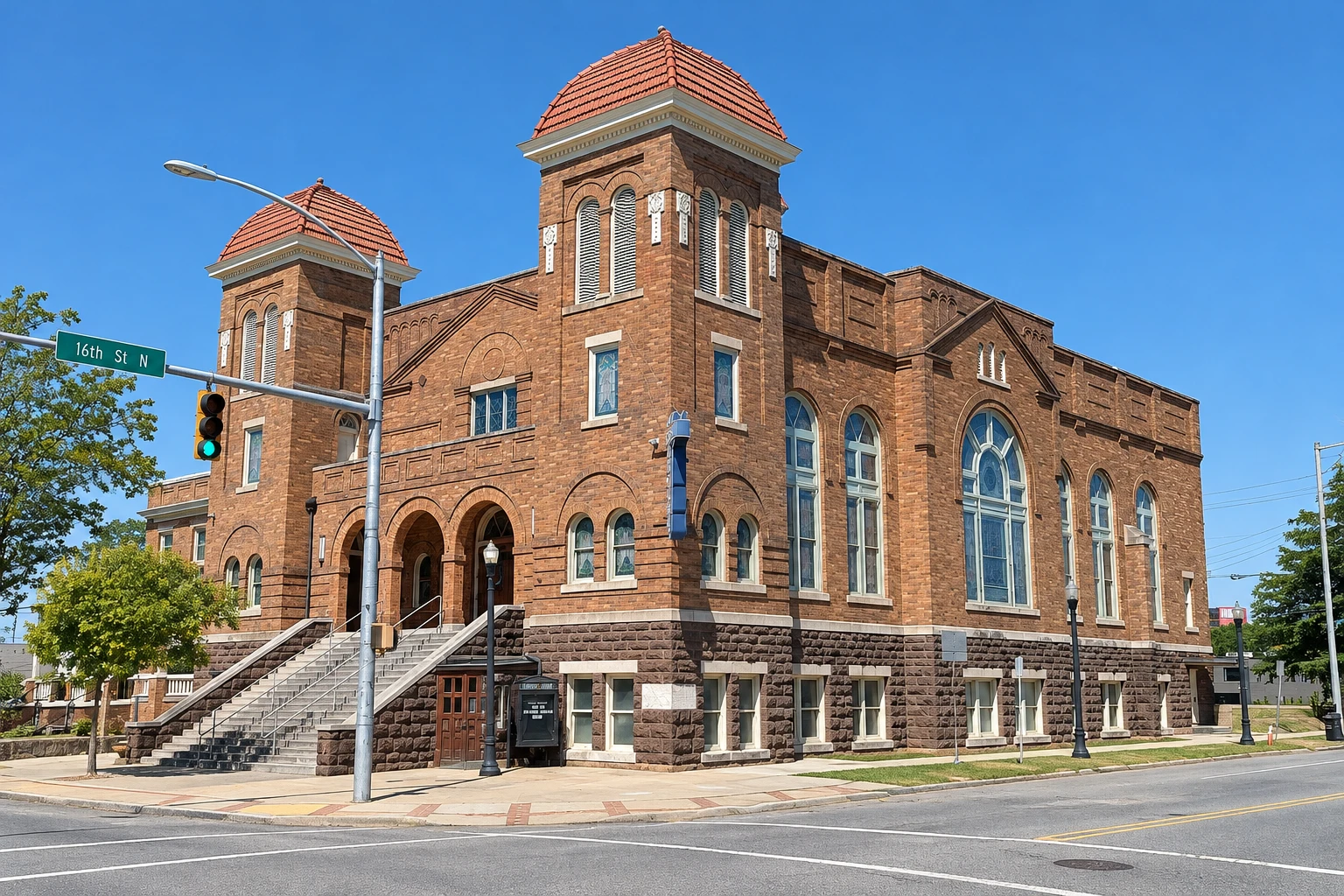
Sixteenth Street Baptist Church · BirminghamA 1911 Baptist church where four girls died in a 1963 bombing, facing Kelly Ingram Park, with sculptures that recall the marches of that year.
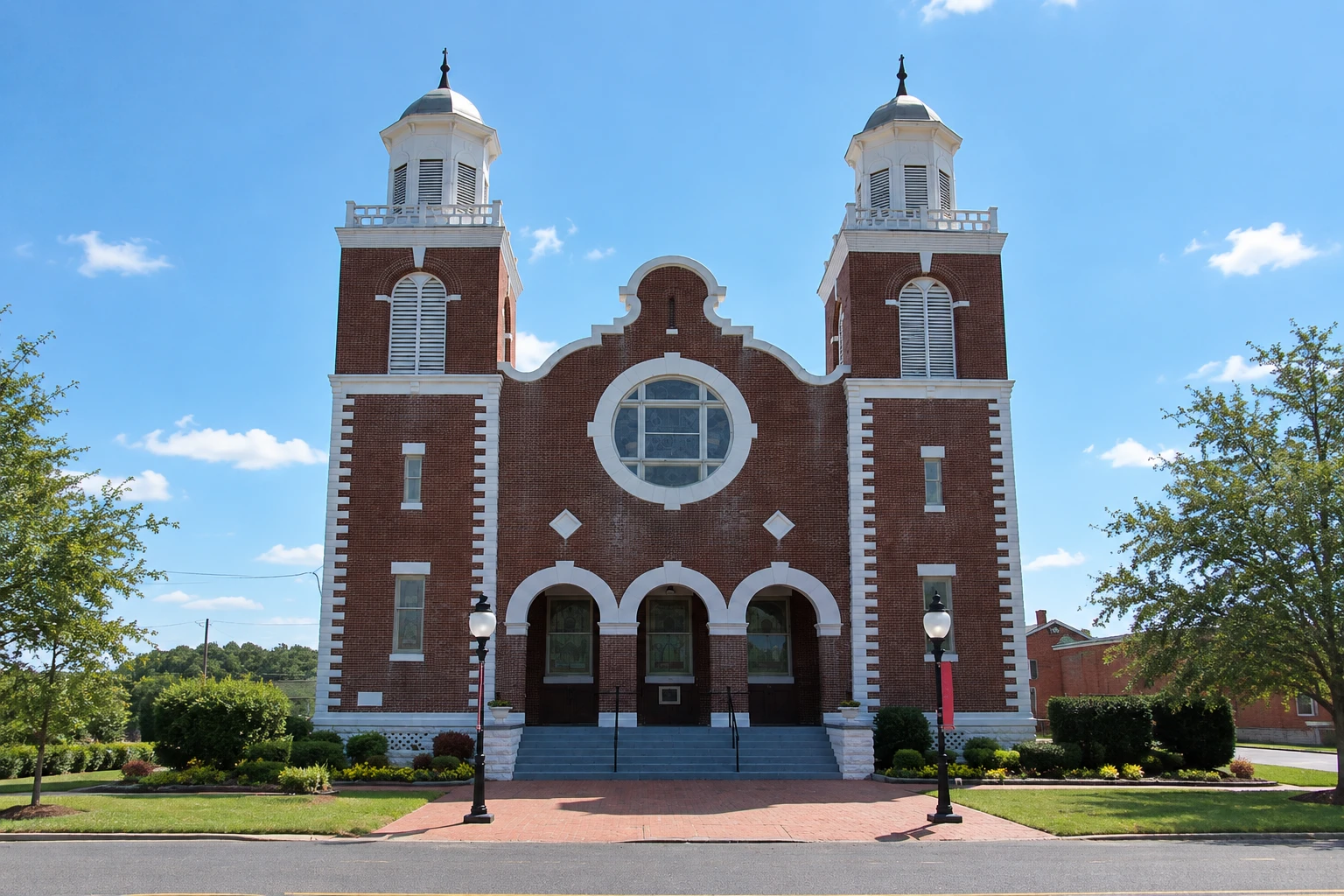
Brown Chapel AME Church · SelmaAfrican Methodist Episcopal church from 1908, from which the Selma marches began in 1965.
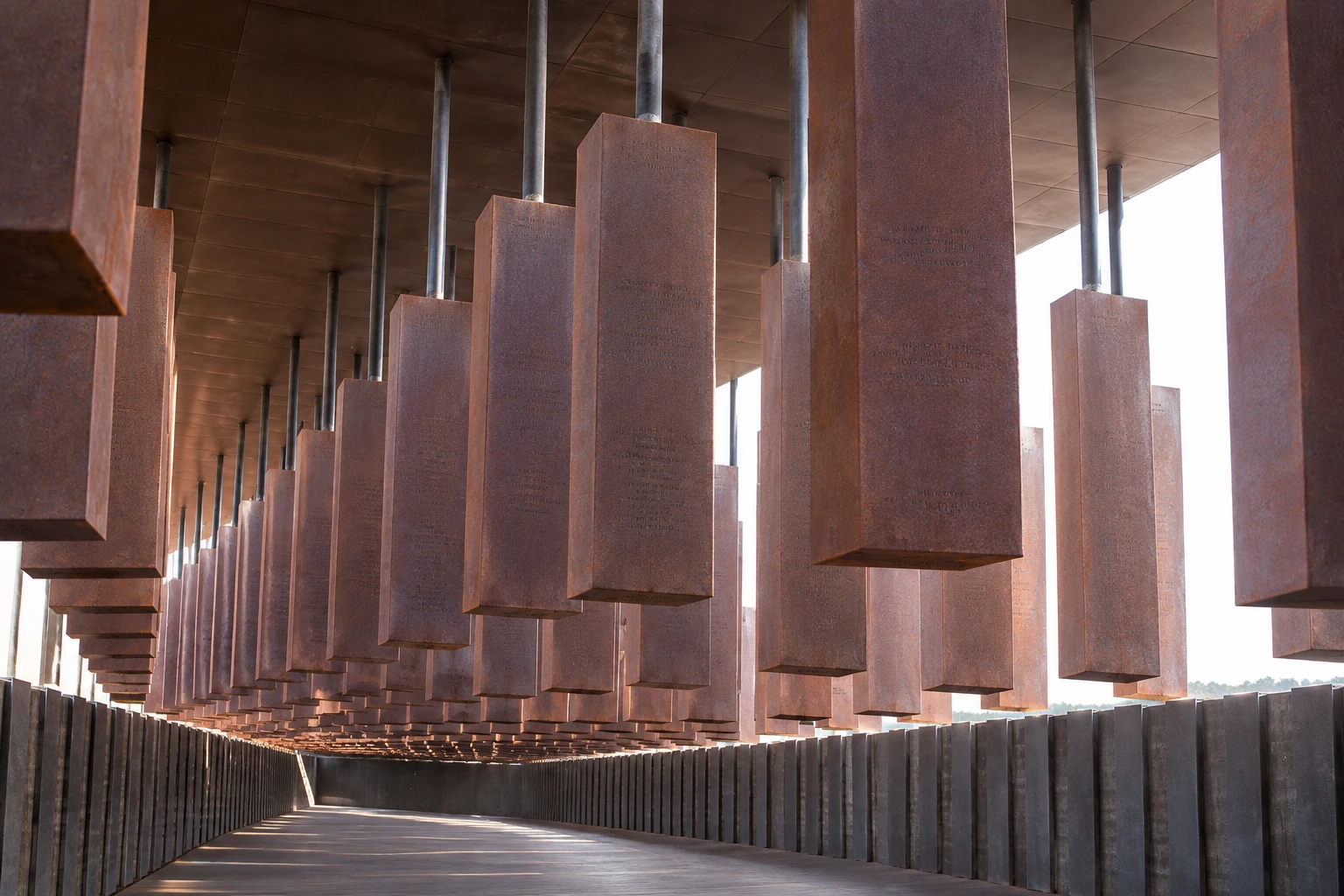
National Memorial for Peace and Justice · MontgomeryAn outdoor memorial dedicated to more than 4,400 victims of racial lynching in the United States, with 800 suspended steel columns, one for each county where killings occurred.
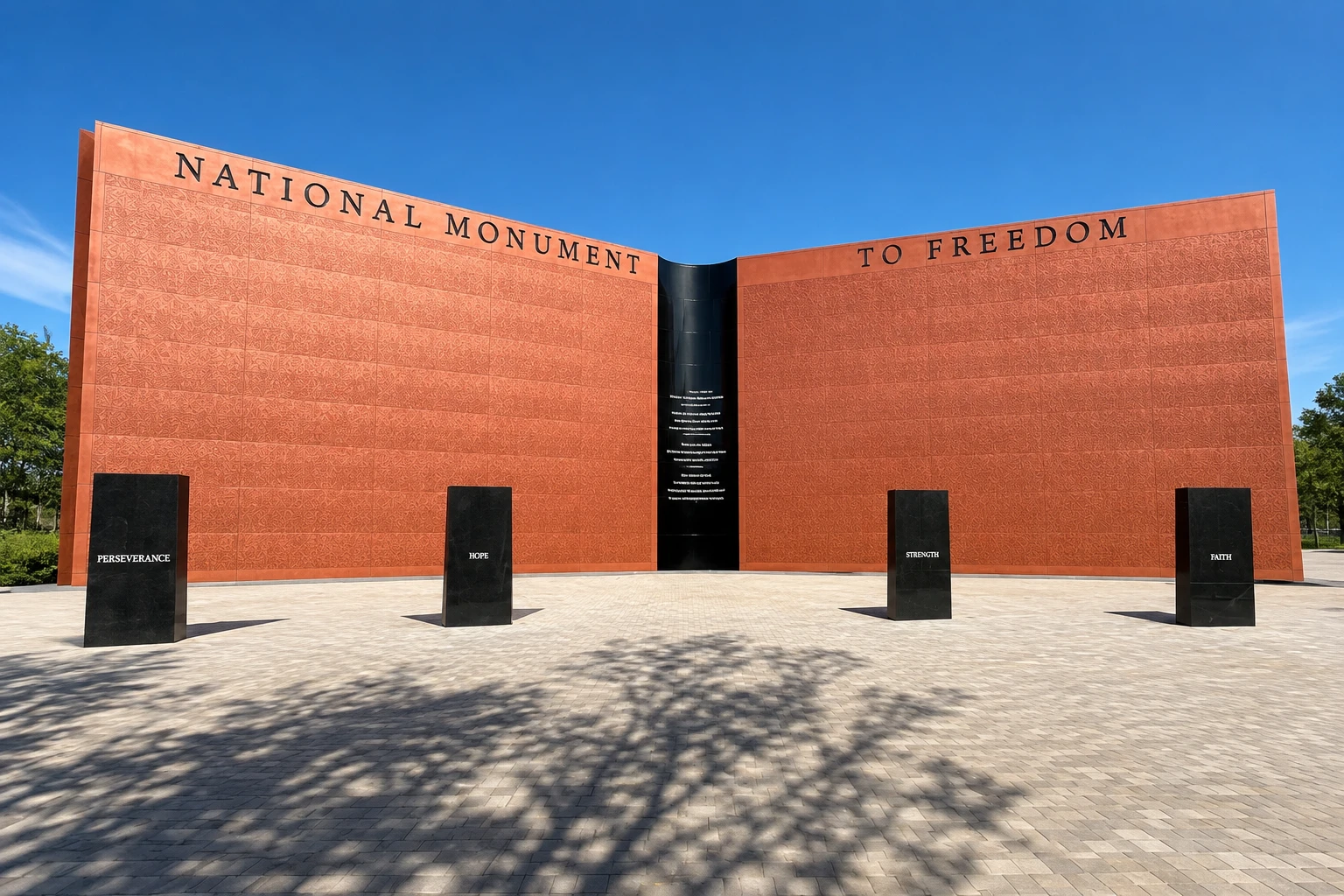
National Monument to Freedom · MontgomeryA roughly 7-hectare riverside sculpture park on the Alabama River about slavery and the lives of enslaved people, featuring the National Monument to Freedom.
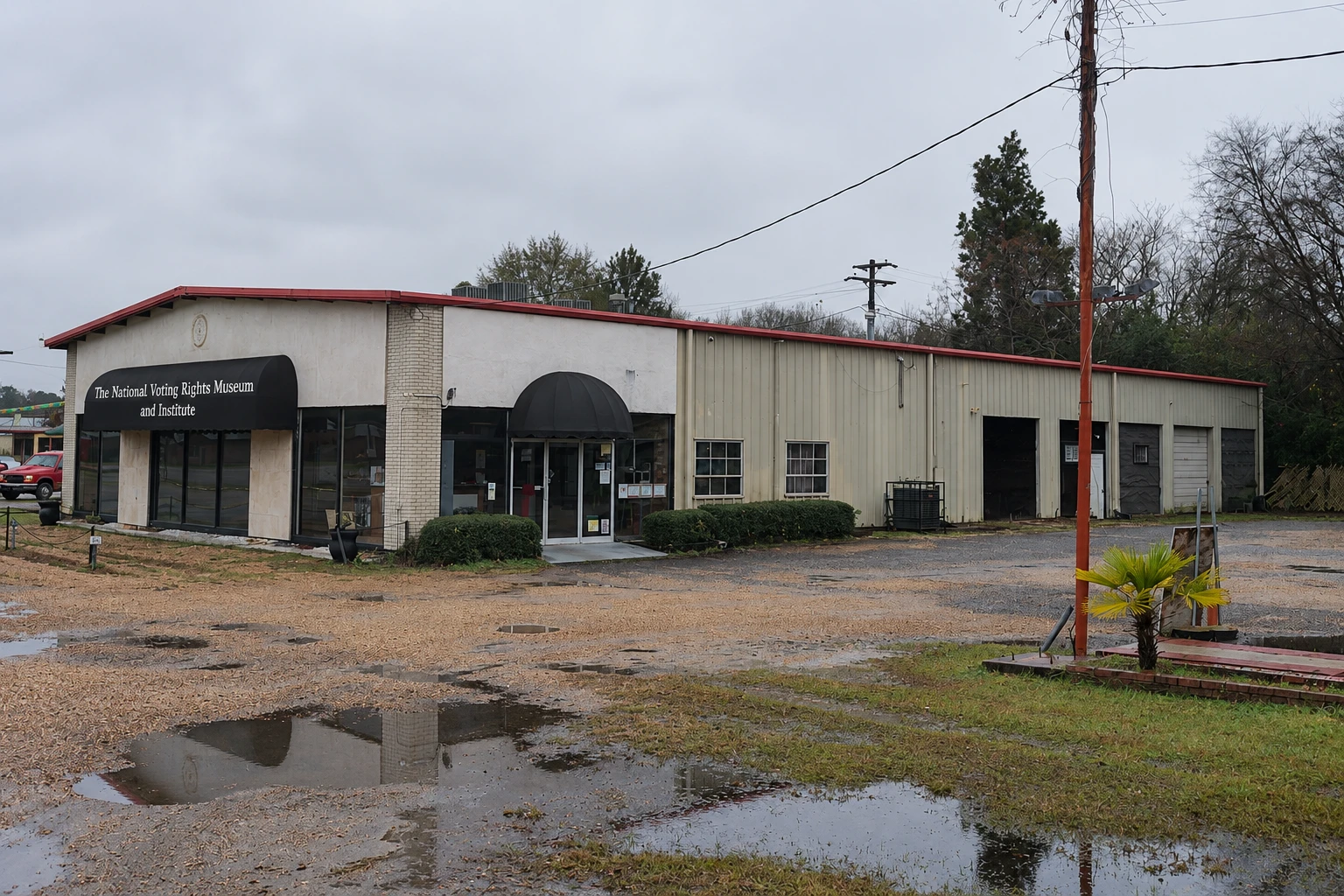
National Voting Rights Museum and Institute · SelmaMuseum at the foot of the Edmund Pettus Bridge, on the east side of the river, about the struggle for voting rights, with photos, objects and testimony from participants in the...
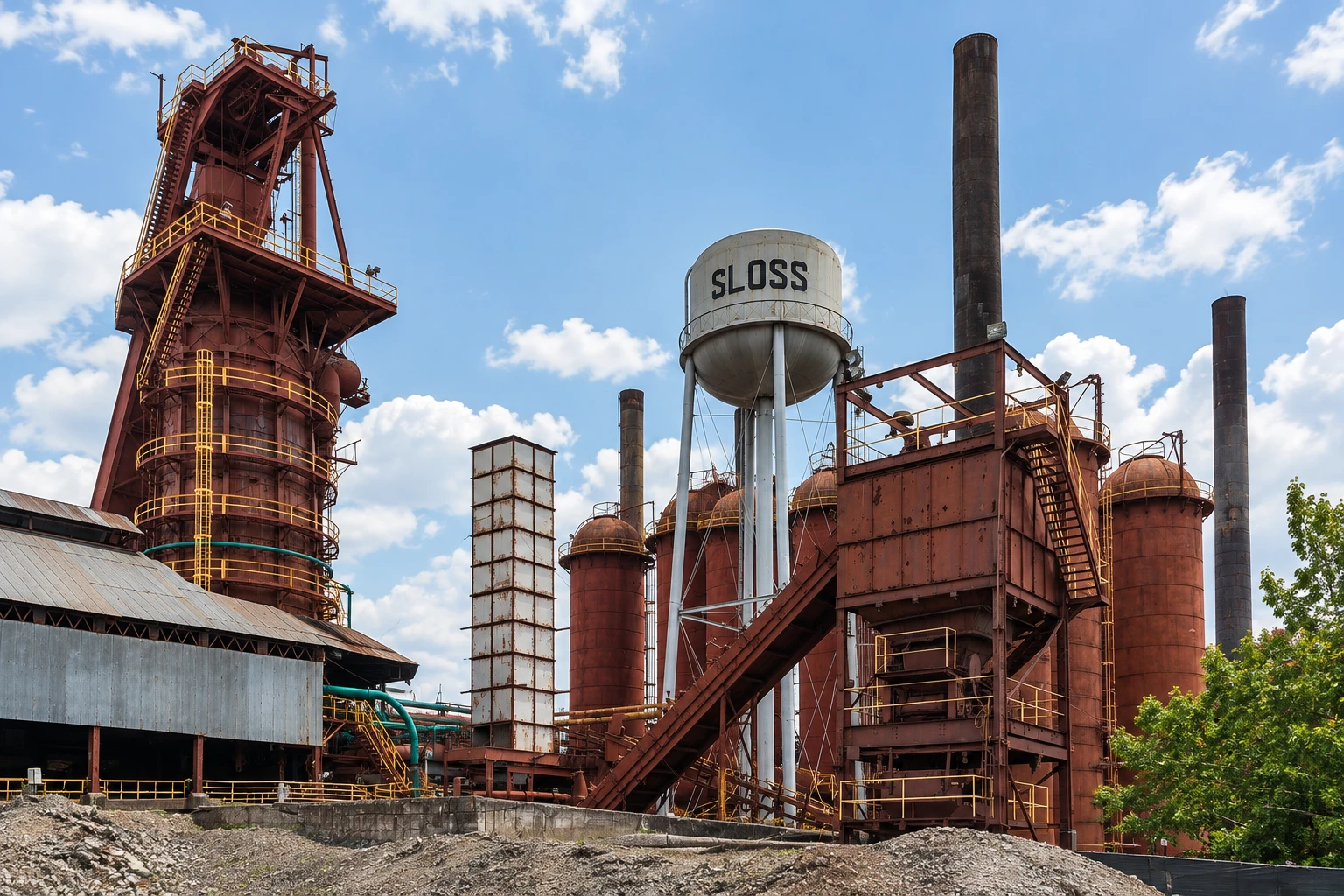
Sloss Furnaces · BirminghamBlast furnaces that operated from 1882 to 1970 and were preserved as an open-air museum, with boilers, smokestacks and machinery from Birmingham’s industrial era.
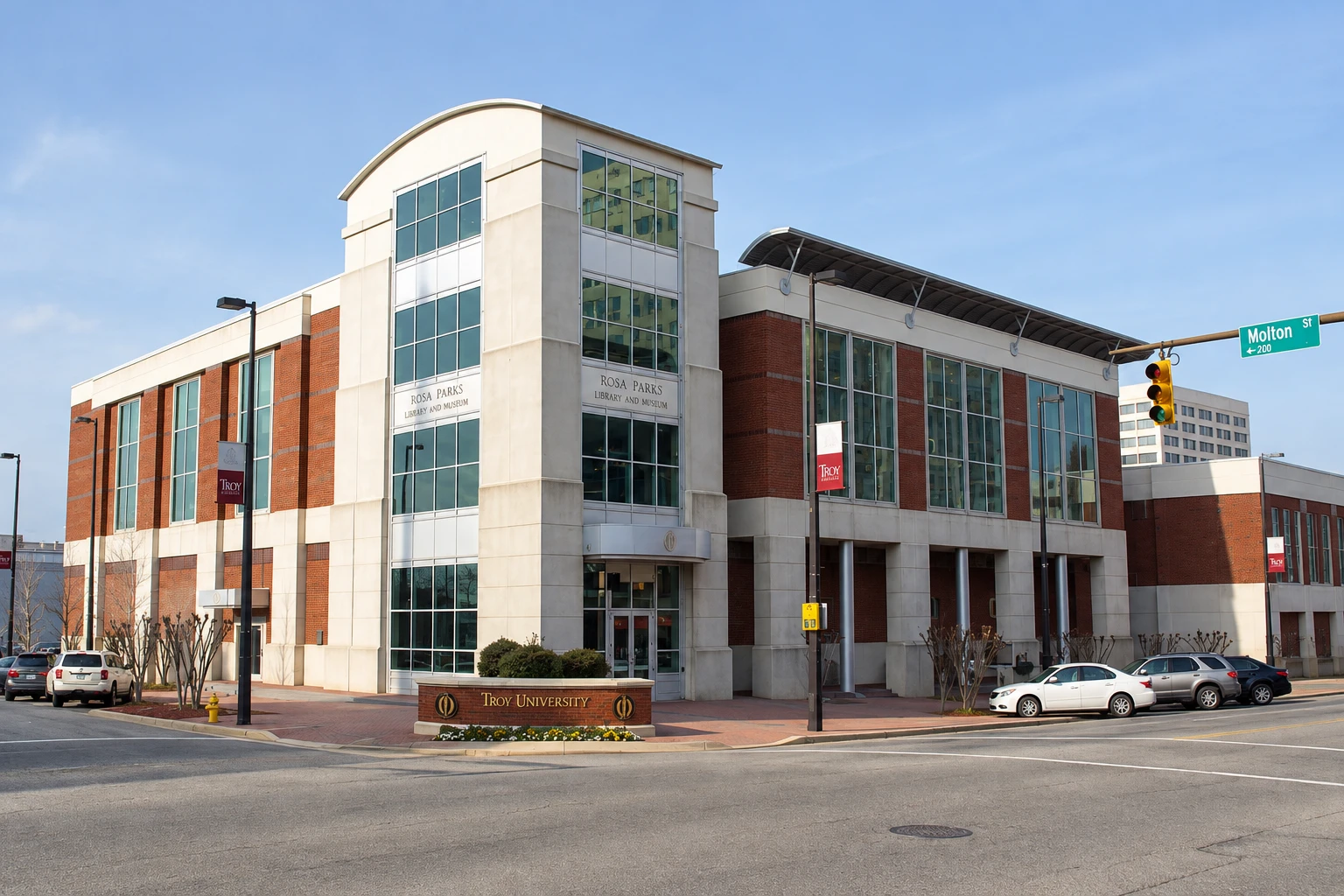
Rosa Parks Museum · MontgomeryMuseum at the downtown spot where Rosa Parks was arrested in 1955, featuring a reconstruction of the bus incident and the story of the boycott that lasted more than a year.
Museum and research center about the civil rights movement, facing Kelly Ingram Park, with galleries covering segregation through the 1963 marches and the door of the cell where Martin Luther King Jr. wrote a famous letter.
1940 steel bridge over the Alabama River where voting-rights marchers were attacked on Bloody Sunday in March 1965. It is a national historic landmark.
The Equal Justice Initiative museum about the history of Black people in the United States, from slavery to segregation and to the present day, near where an enslaved people’s market once operated.
African Methodist Episcopal church from 1908, from which the Selma marches began in 1965. It was the gathering point for the local voting-rights movement.
An outdoor memorial dedicated to more than 4,400 victims of racial lynching in the United States, with 800 suspended steel columns, one for each county where killings occurred.
A roughly 7-hectare riverside sculpture park on the Alabama River about slavery and the lives of enslaved people, featuring the National Monument to Freedom.
Museum at the foot of the Edmund Pettus Bridge, on the east side of the river, about the struggle for voting rights, with photos, objects and testimony from participants in the 1965 marches.
Blast furnaces that operated from 1882 to 1970 and were preserved as an open-air museum, with boilers, smokestacks and machinery from Birmingham’s industrial era.
Museum at the downtown spot where Rosa Parks was arrested in 1955, featuring a reconstruction of the bus incident and the story of the boycott that lasted more than a year.
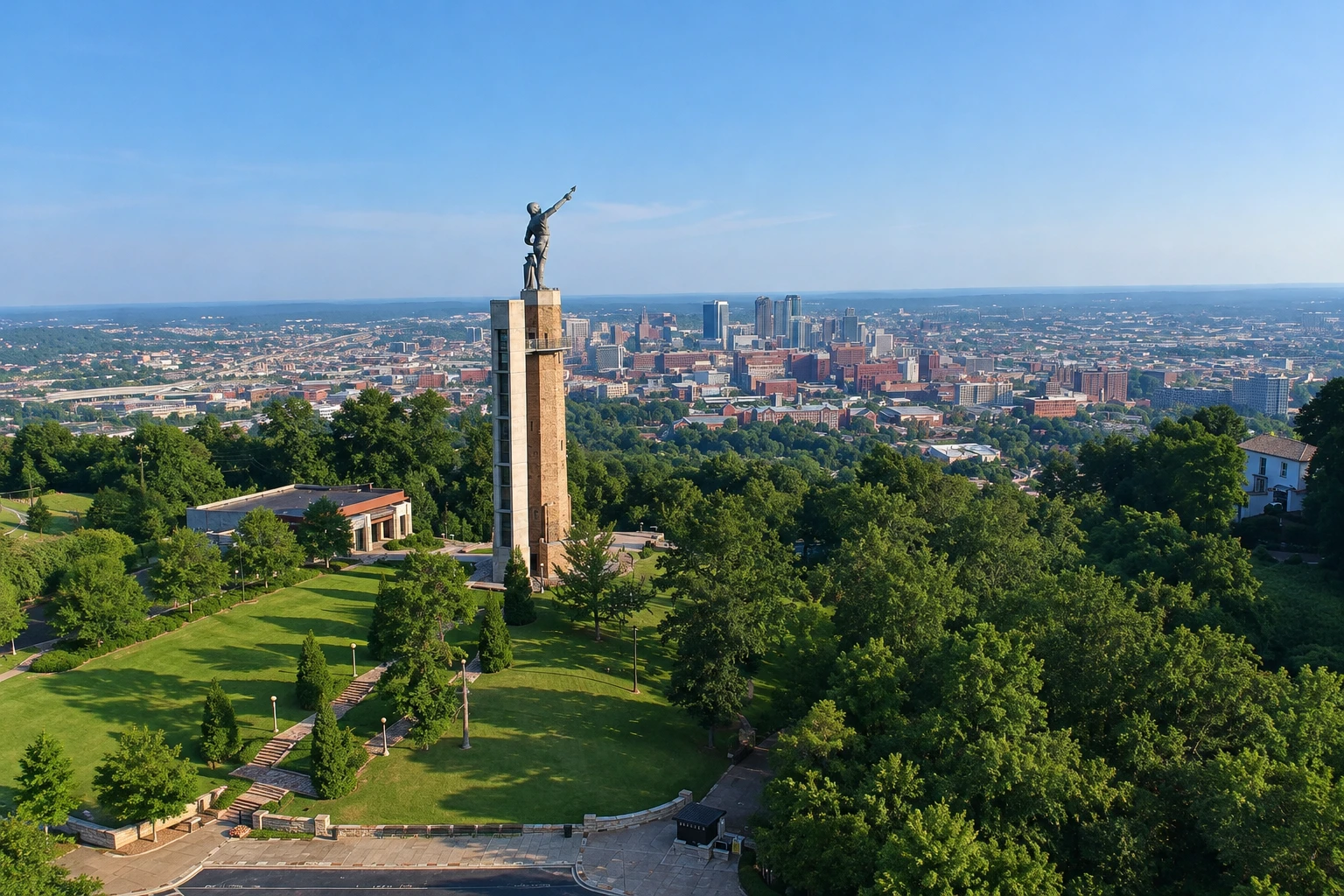
A park on top of Red Mountain with a cast-iron statue of Vulcan, made for the 1904 World’s Fair, a local history museum and a viewpoint over Birmingham.


 Brazil
 Antarctica
 Argentina
 Bolivia
 Chile
 Colombia
 Ecuador
 Falkland Islands (Malvinas)
 French Guiana
 Guyana
 Paraguay
 Peru
 Suriname
 Uruguay
 Venezuela
 Albania
 Austria
 Belgium
 Croatia
 Denmark
 Finland
 France
 Germany
 Greece
 Hungary
 Iceland
 Ireland
 Italy
 Luxembourg
 Norway
 Poland
 Portugal
 Slovakia
 Slovenia
 Spain
 Sweden
 Switzerland
 the Czech Republic
 the Netherlands
 the United Kingdom
 Turkey
 Bermuda
 Canada
 Greenland
 Mexico
 Saint Pierre and Miquelon
 the Dominican Republic
 Japan
 Egypt
 South Africa
 Australia
 Fiji
 New Zealand
 Papua New Guinea