16 places to visit and 19 tours, chosen by the Cidade Turismo guide.
Updated
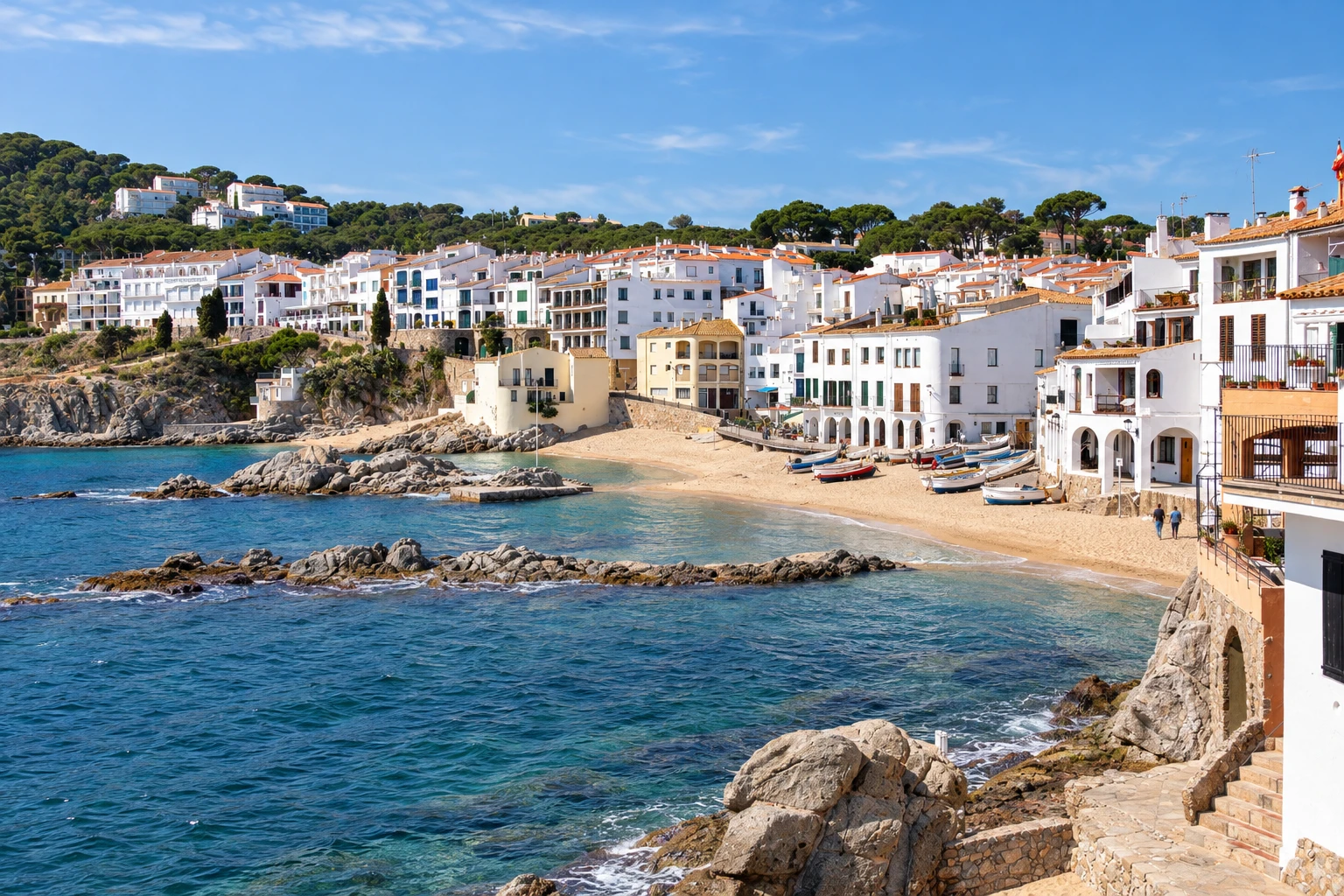
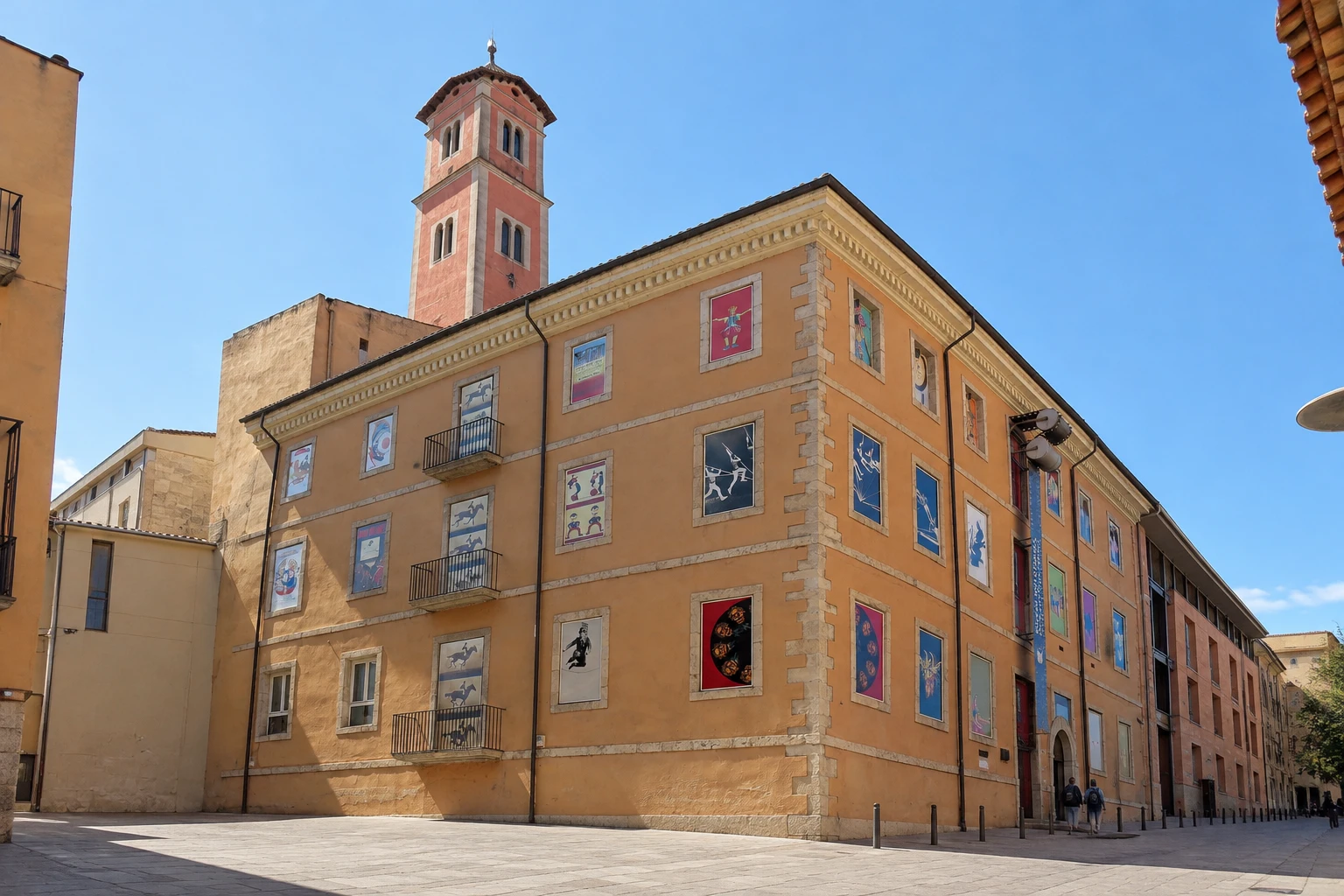
Illustrative images. The pictures in this guide are illustrations based on the real place, not photographs, and may differ from it.
To start
The 10 main places Costa Brava and Girona
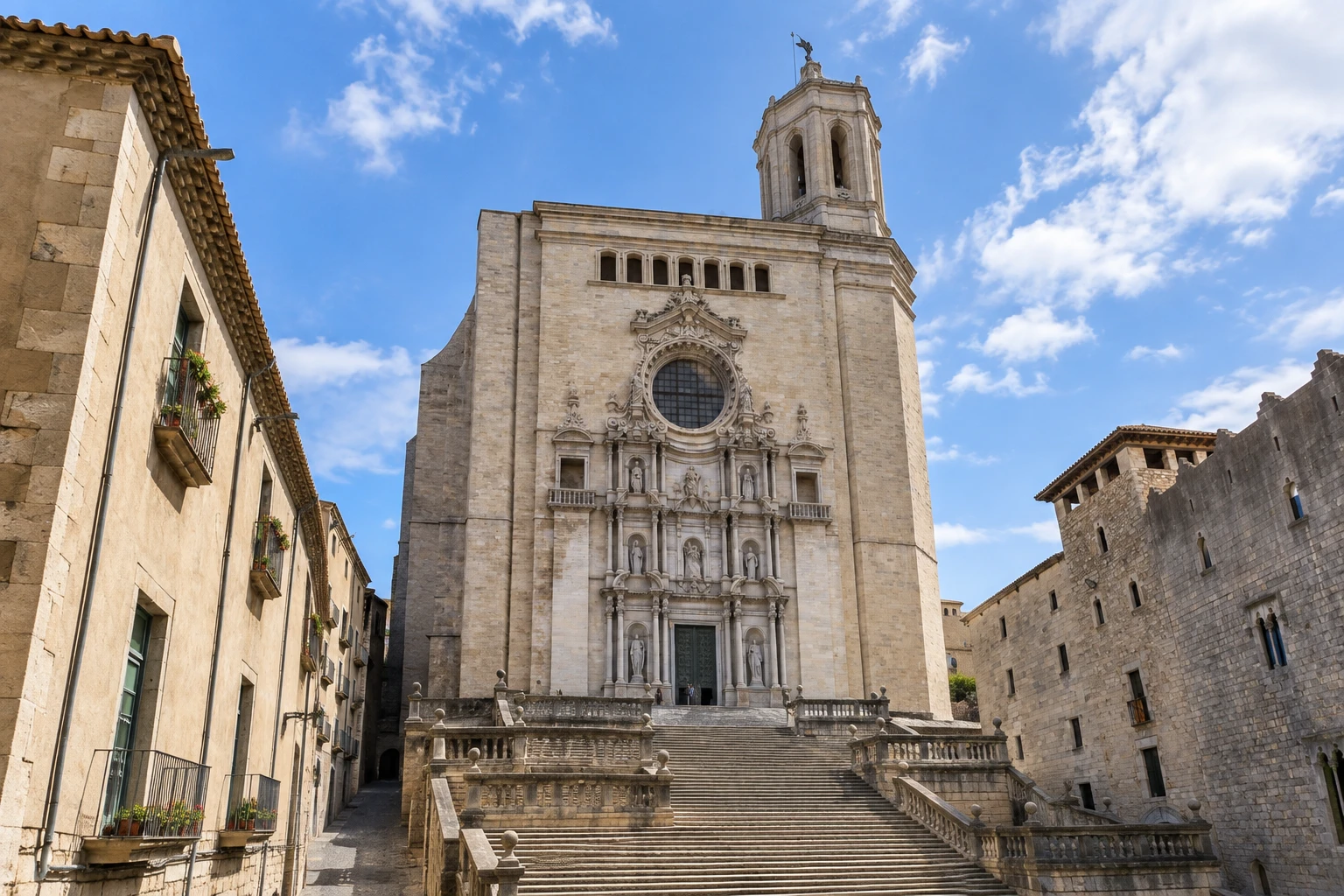
Girona Cathedral · GironaCatedral de Santa Maria, at the top of the Barri Vell, with a baroque staircase of 90 steps and the widest Gothic nave in the world, at 22.98 metres.
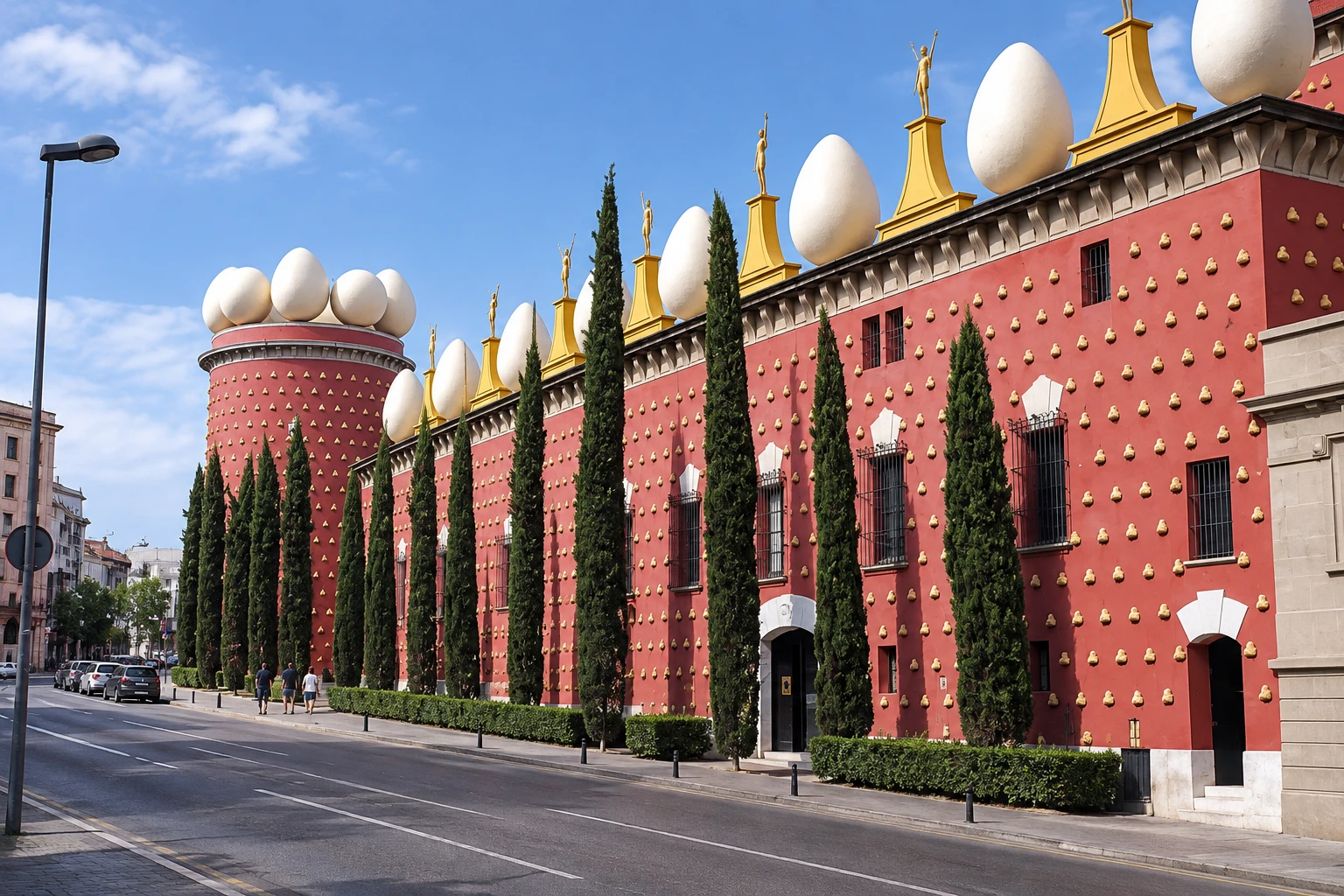
Dalí Theater-Museum · FigueresMuseum conceived by Salvador Dalí over the ruins of the old Figueres theatre, opened in 1974 and crowned by a geodesic dome.
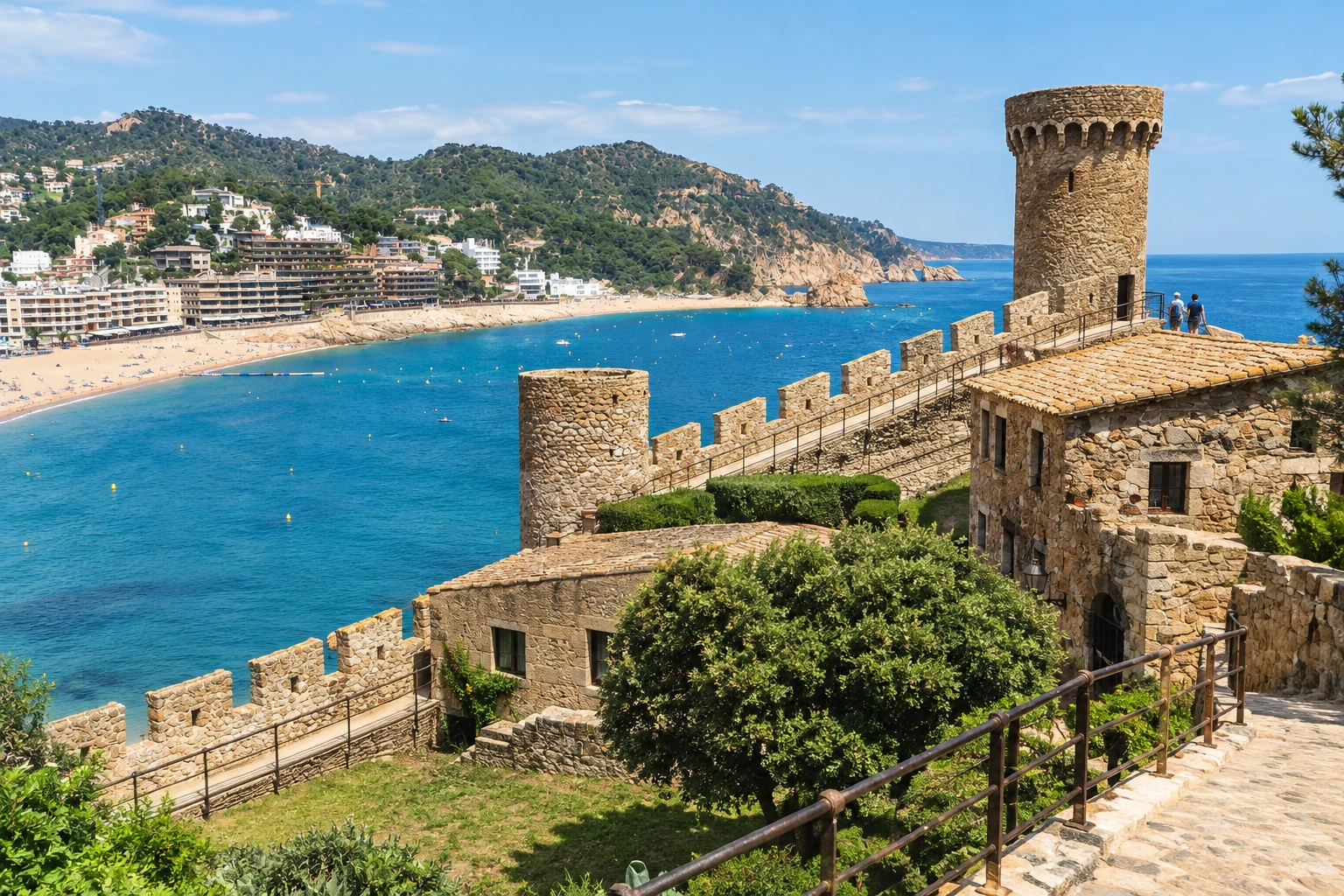
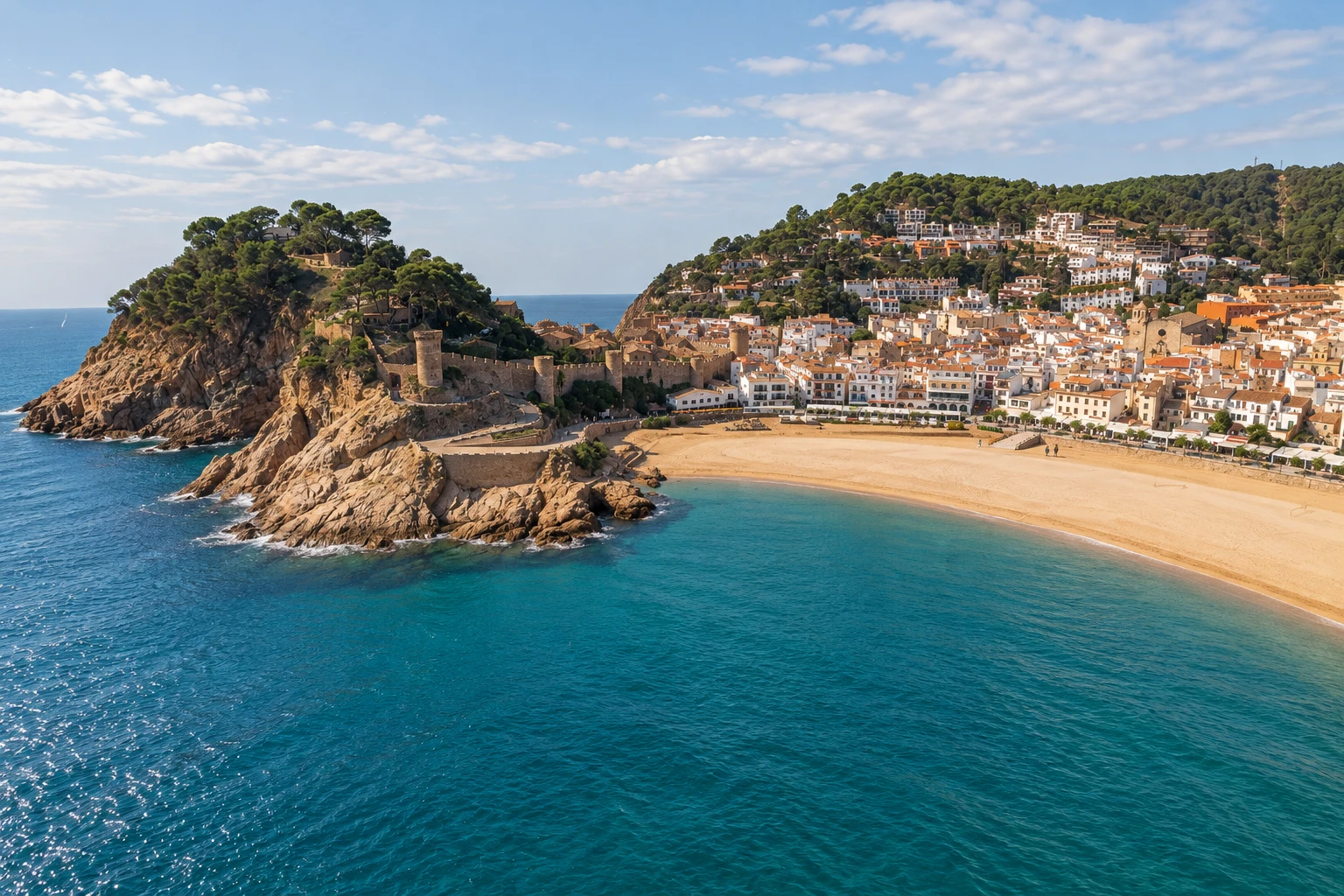
Tossa de Mar Old Town · Tossa de MarWalled enclosure from the 12th to 14th centuries on the cabo de Tossa, the only fortified medieval settlement remaining on the Catalunha coast.
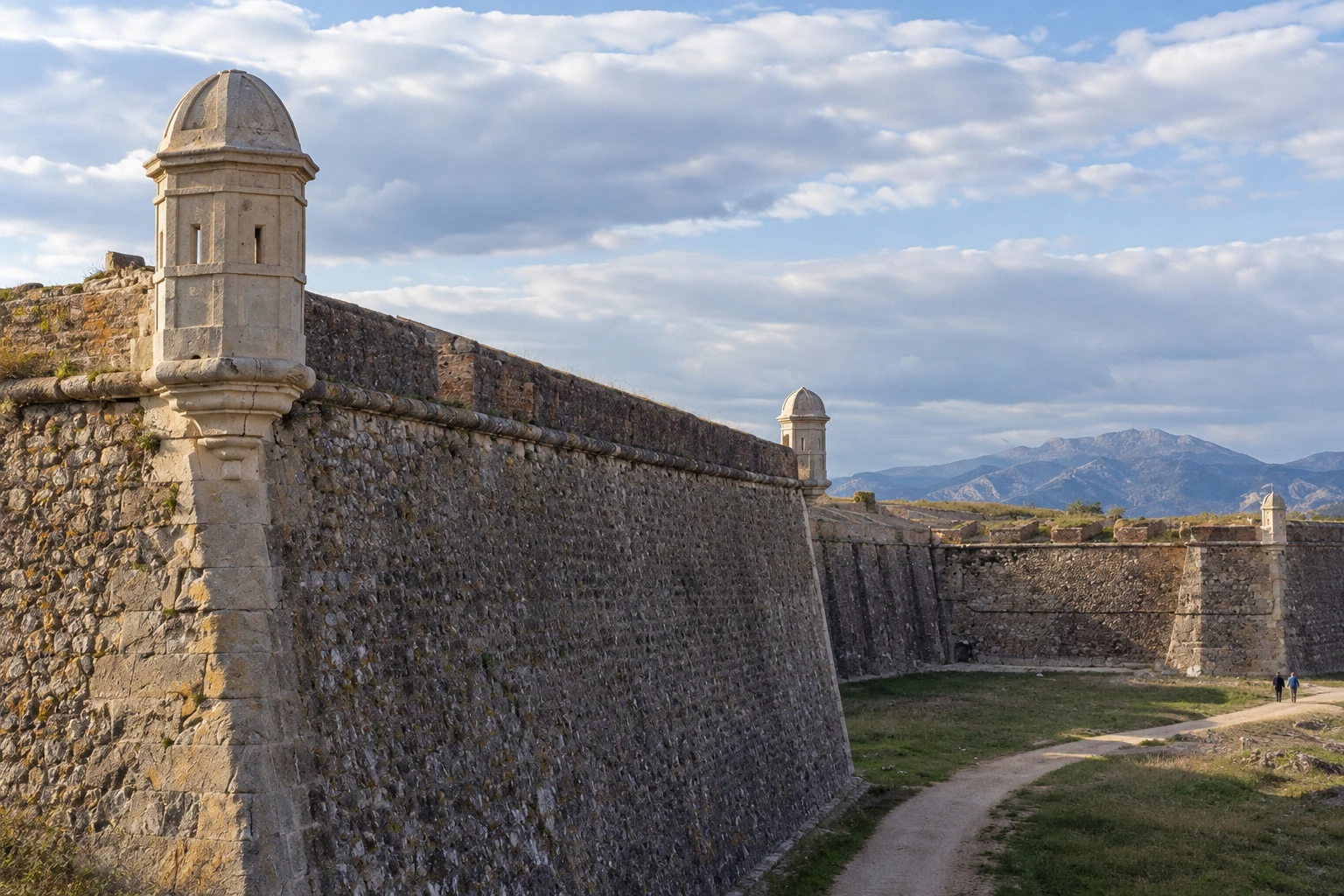
Sant Ferran Castle · Figueres18th-century military fortress on a hill in Figueres, covering 32 hectares with a perimeter of 3,125 meters.
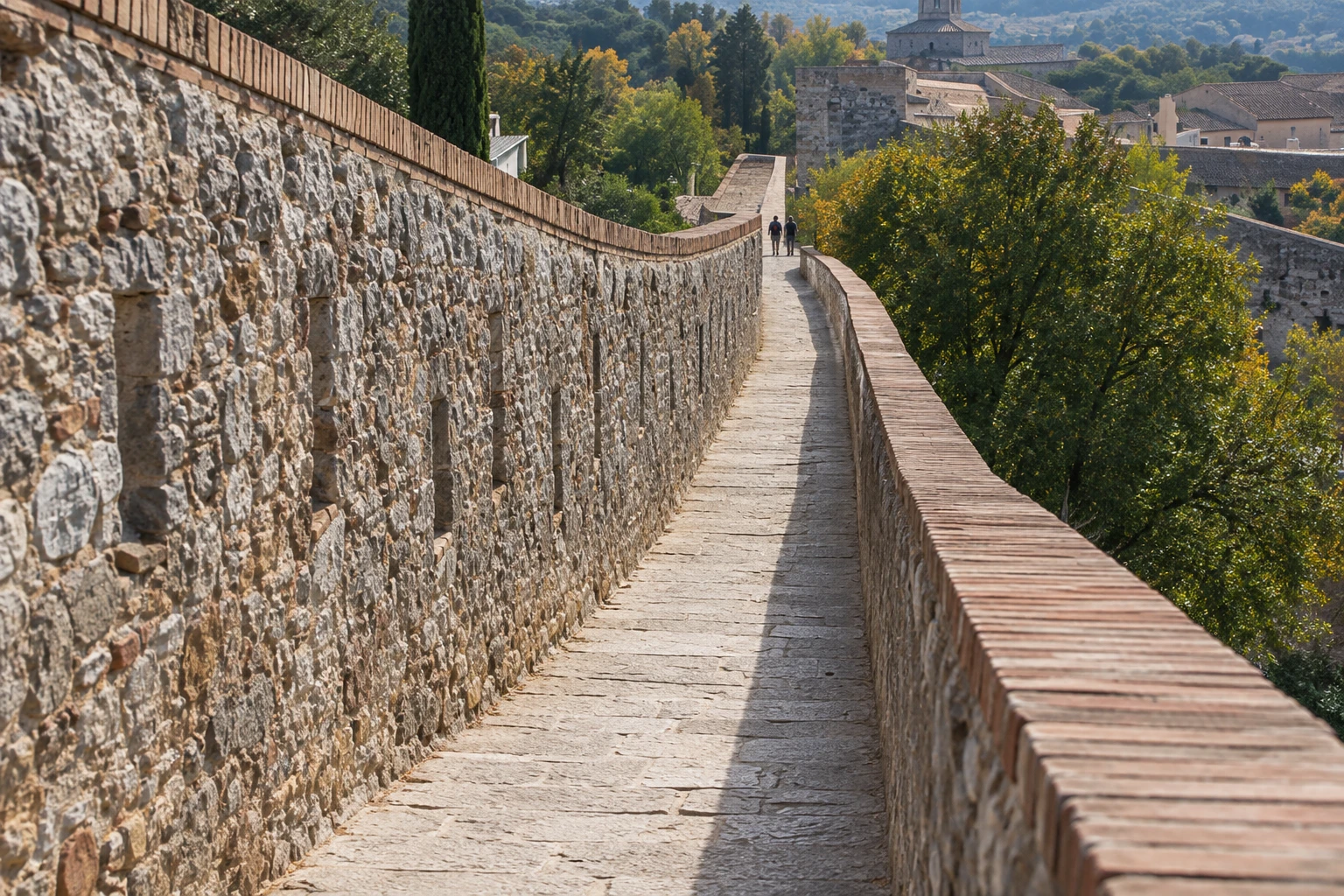
Passeig de la Muralla · GironaWalk along the wall that skirts the east and south of the Barri Vell, with open towers that serve as viewpoints for the cathedral, the old town roofs, and the surrounding hills.
Platja Gran de Tossa de Mar · Tossa de MarTossa's main beach, with 381 meters of coarse pink sand, framed by the cape and the walls of the Vila Vella.
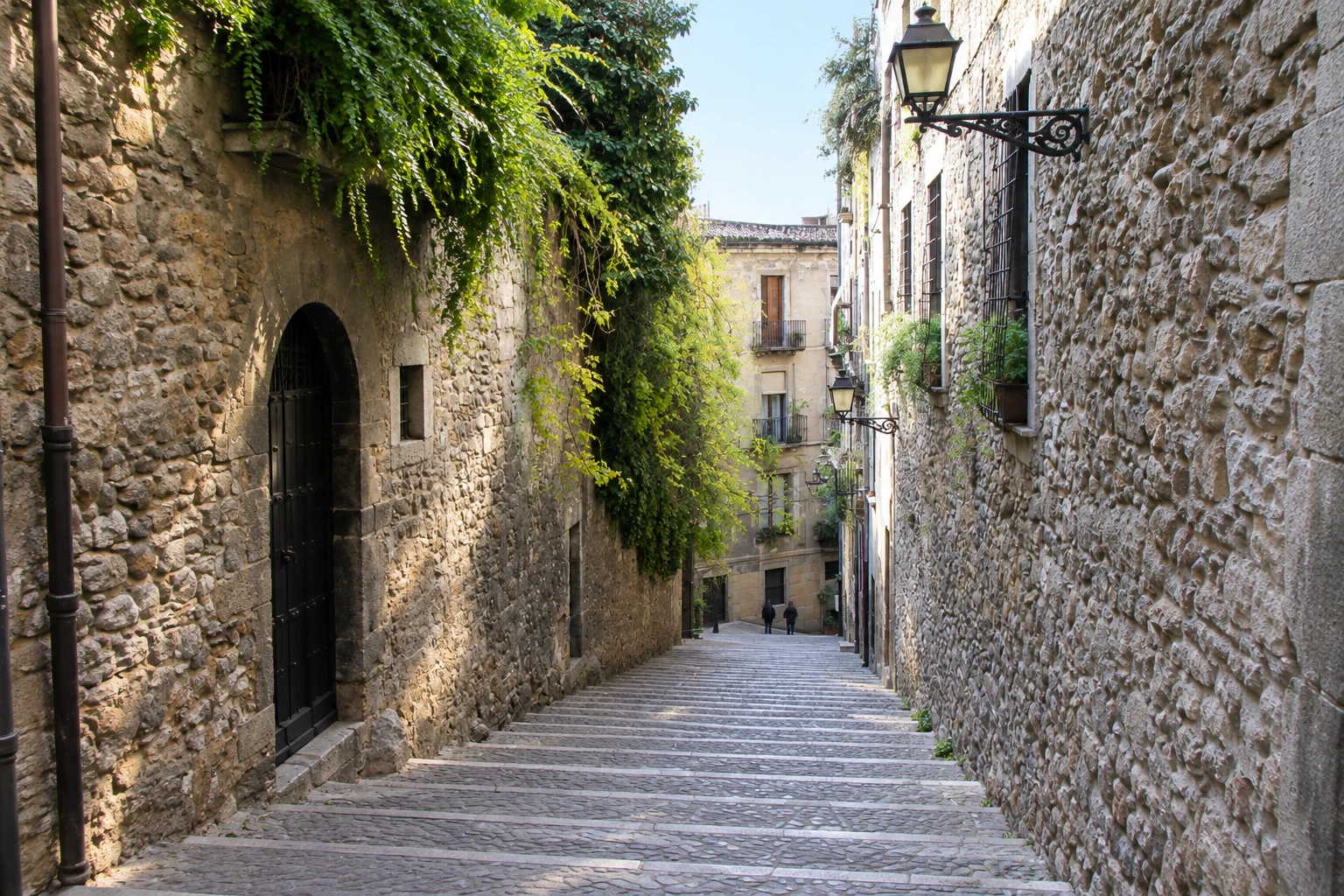
Girona Jewish Quarter · GironaFormer Jewish quarter of Girona, around the Carrer de la Força, one of the best preserved in Europe.
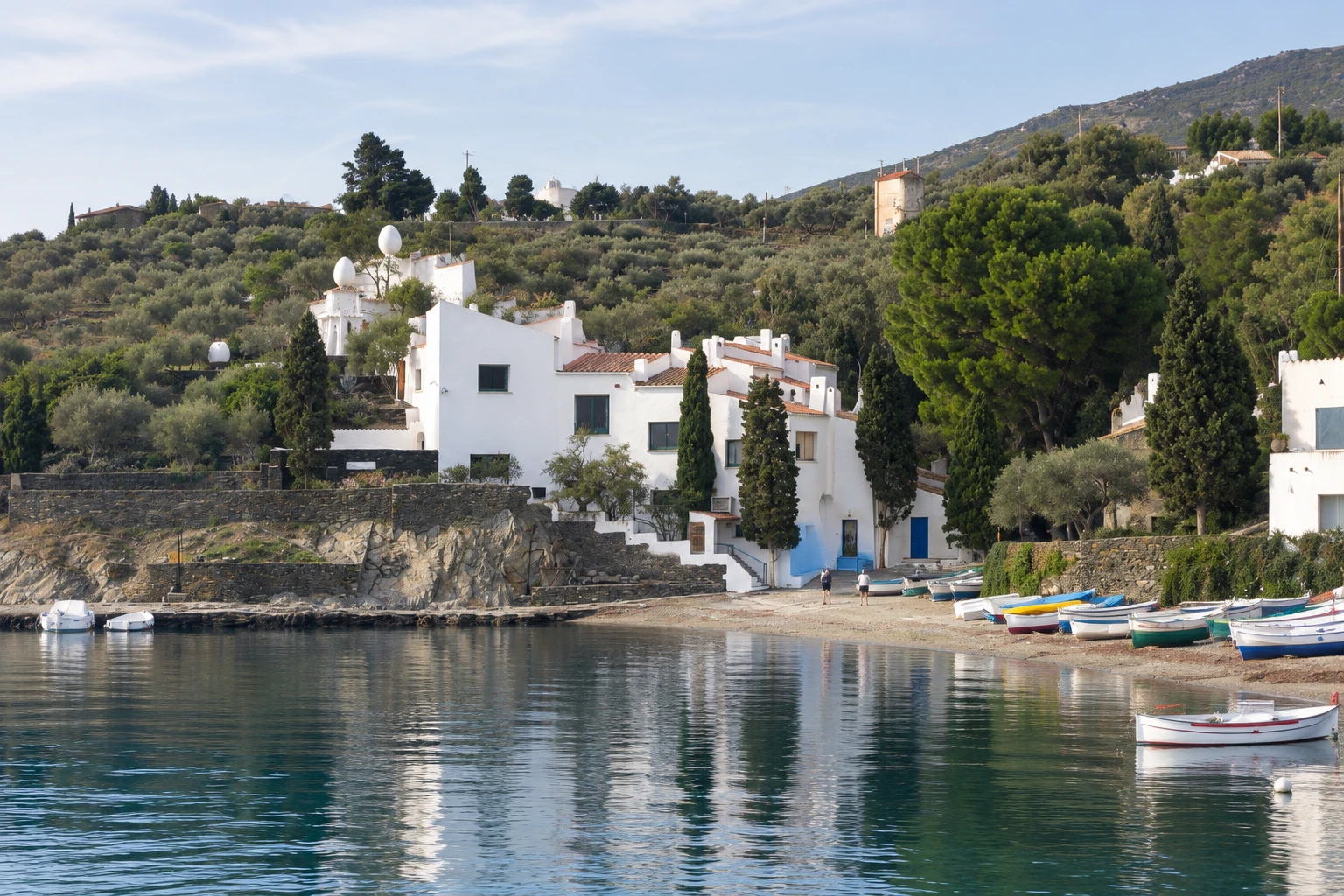
Salvador Dalí House-Museum · FigueresHouse where Dalí lived and worked from 1930 to 1982, formed from old fishermen's huts in the Portlligat cove, next to Cadaqués.
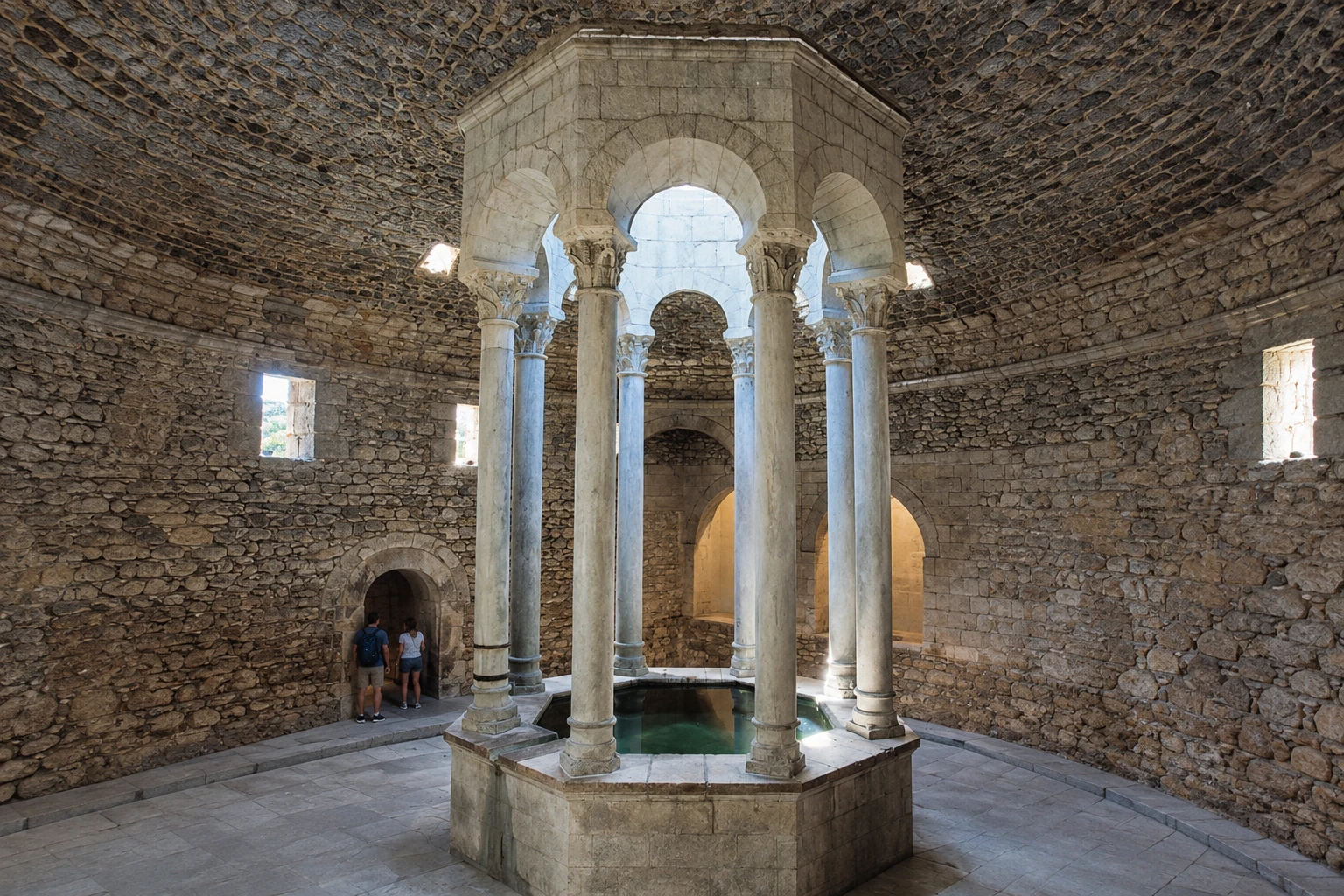
Arab Baths · GironaMedieval public baths from the late 12th century, Romanesque in style but inspired by North African baths.
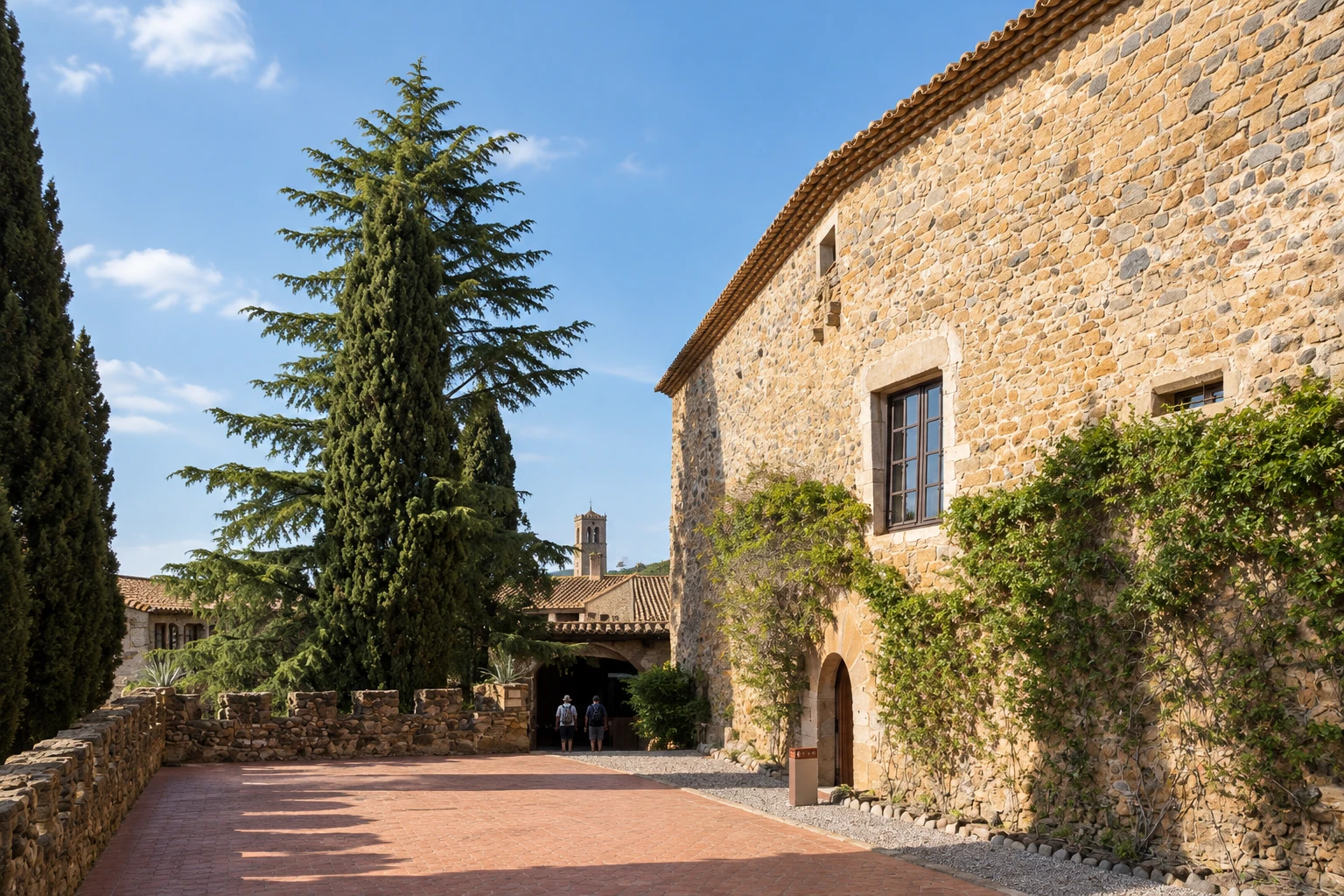
Gala Dalí Castle · FigueresMedieval castle in Púbol that Dalí bought and decorated for Gala in the 1970s.
Catedral de Santa Maria, at the top of the Barri Vell, with a baroque staircase of 90 steps and the widest Gothic nave in the world, at 22.98 metres. It houses a 12th-century Romanesque cloister and the tower of Carlos Magno.
Museum conceived by Salvador Dalí over the ruins of the old Figueres theatre, opened in 1974 and crowned by a geodesic dome. It houses the largest collection of the artist's works, who is buried in the crypt, and includes the Dalí·Joies jewelry rooms.
Walled enclosure from the 12th to 14th centuries on the cabo de Tossa, the only fortified medieval settlement remaining on the Catalunha coast. It has about 300 meters of wall, seven round towers, stone lanes and, at the top, the Far de Tossa.
18th-century military fortress on a hill in Figueres, covering 32 hectares with a perimeter of 3,125 meters. It is the largest monument in Catalonia. The visit goes through the parade ground, the stables and, with a guide, the moat and the cisterns.
Walk along the wall that skirts the east and south of the Barri Vell, with open towers that serve as viewpoints for the cathedral, the old town roofs, and the surrounding hills.
Tossa's main beach, with 381 meters of coarse pink sand, framed by the cape and the walls of the Vila Vella. It has a promenade with restaurants, lifeguards in season and glass-bottom boats.
Former Jewish quarter of Girona, around the Carrer de la Força, one of the best preserved in Europe. The Centre Bonastruc ça Porta houses the Museu d'Història dels Jueus, which covers the history of Jewish communities in Catalonia.
House where Dalí lived and worked from 1930 to 1982, formed from old fishermen's huts in the Portlligat cove, next to Cadaqués. The visit shows the studio, Gala's rooms and the garden with the swimming pool. Reservation with a specific date and time is required.
Medieval public baths from the late 12th century, Romanesque in style but inspired by North African baths. The highlight is the cold room, with an octagonal basin surrounded by eight columns and a lantern in the ceiling.
Medieval castle in Púbol that Dalí bought and decorated for Gala in the 1970s. She lived there and is buried in the crypt. It houses furniture, paintings, Gala's haute couture dresses, elephants in the garden and a Cadillac in the garage.
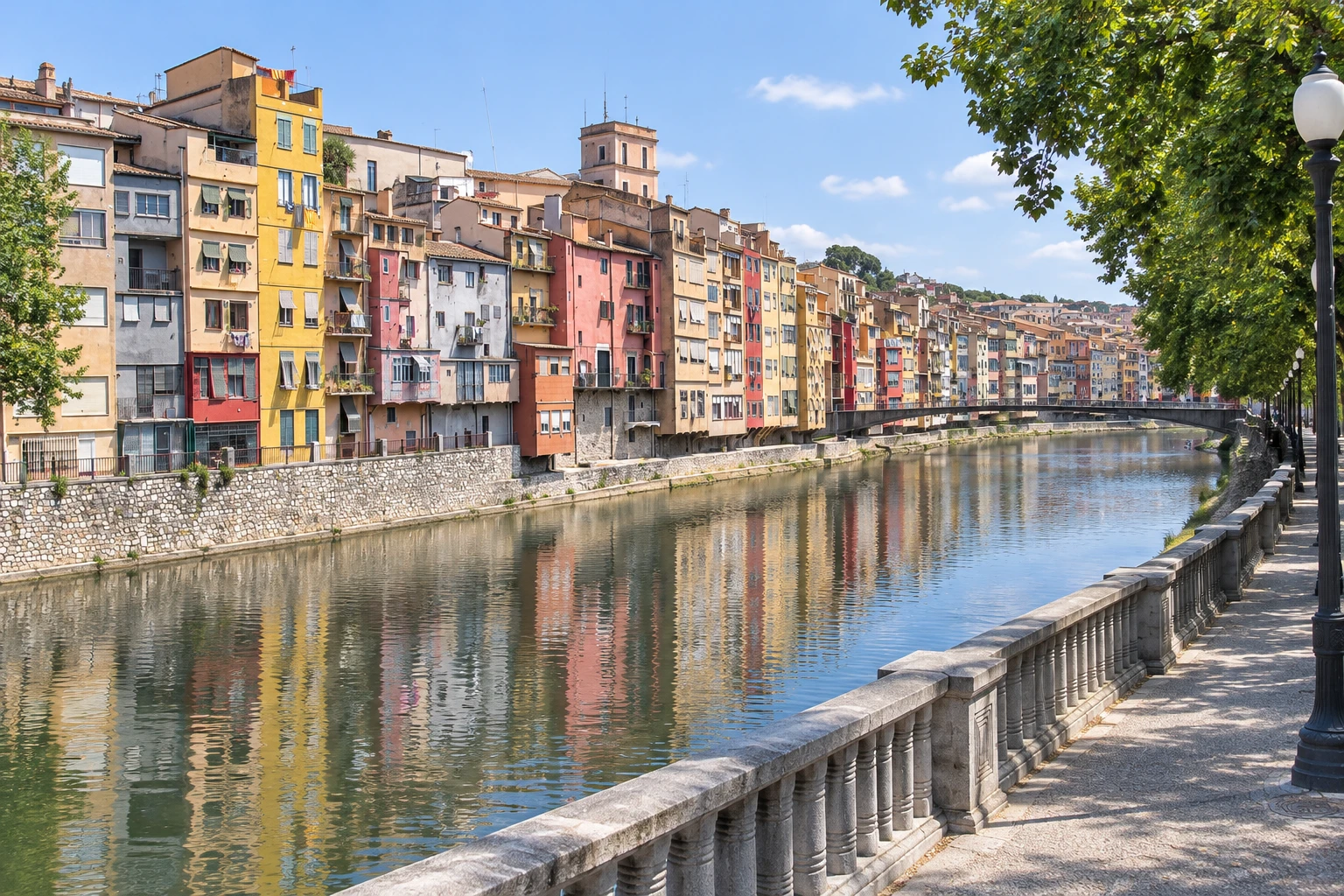
A row of colourful houses overlooking the Onyar river, the best-known image of Girona. The best view is from the bridges, especially the Pont de les Peixateries Velles, the iron bridge made by Gustave Eiffel's company in 1877.
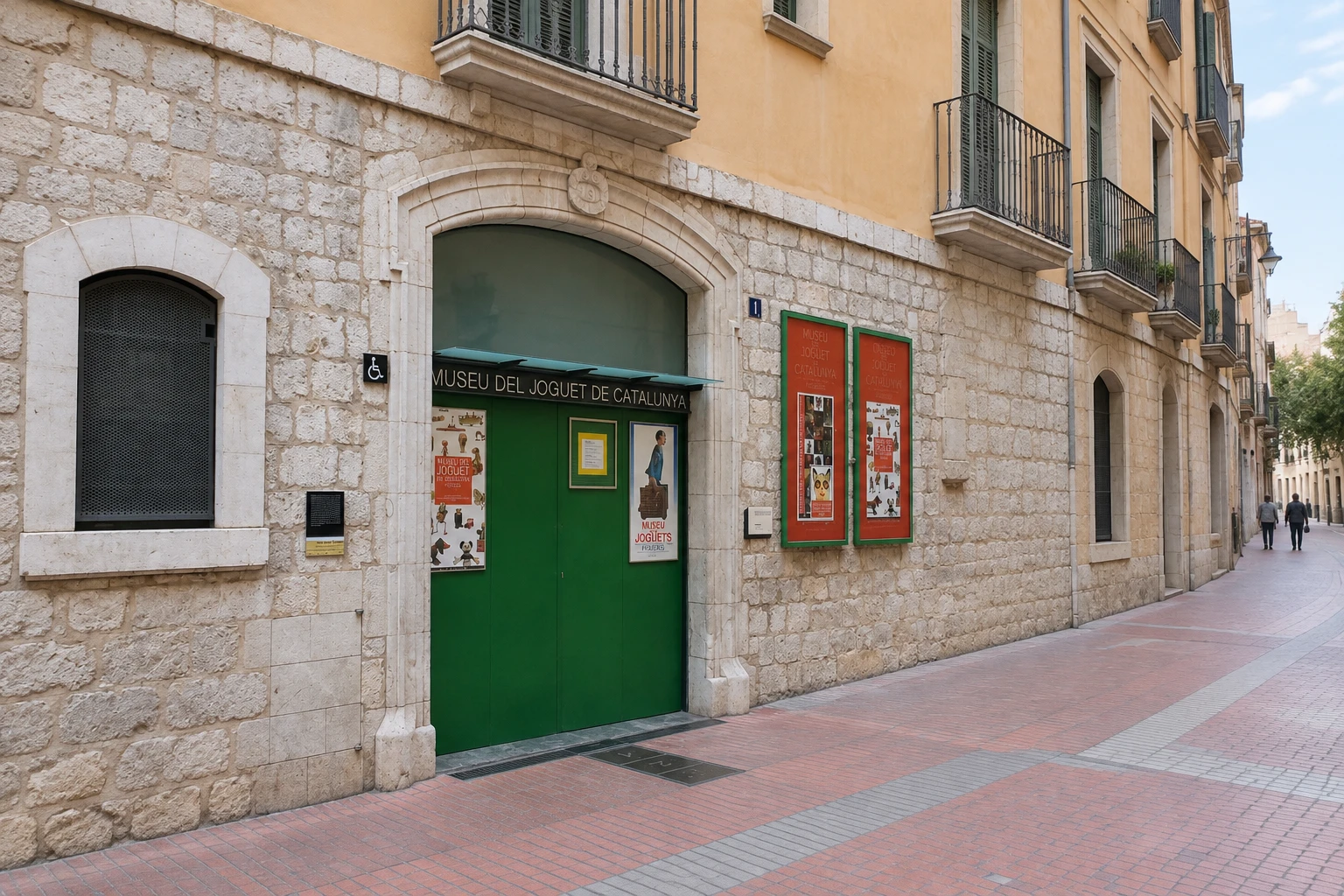
Toy museum on the Rambla de Figueres, opened in 1982 in a former hotel. It displays more than 4,000 pieces, from zoetropes to trains and dolls, some of which belonged to Dalí, Federico García Lorca and Joan Miró.
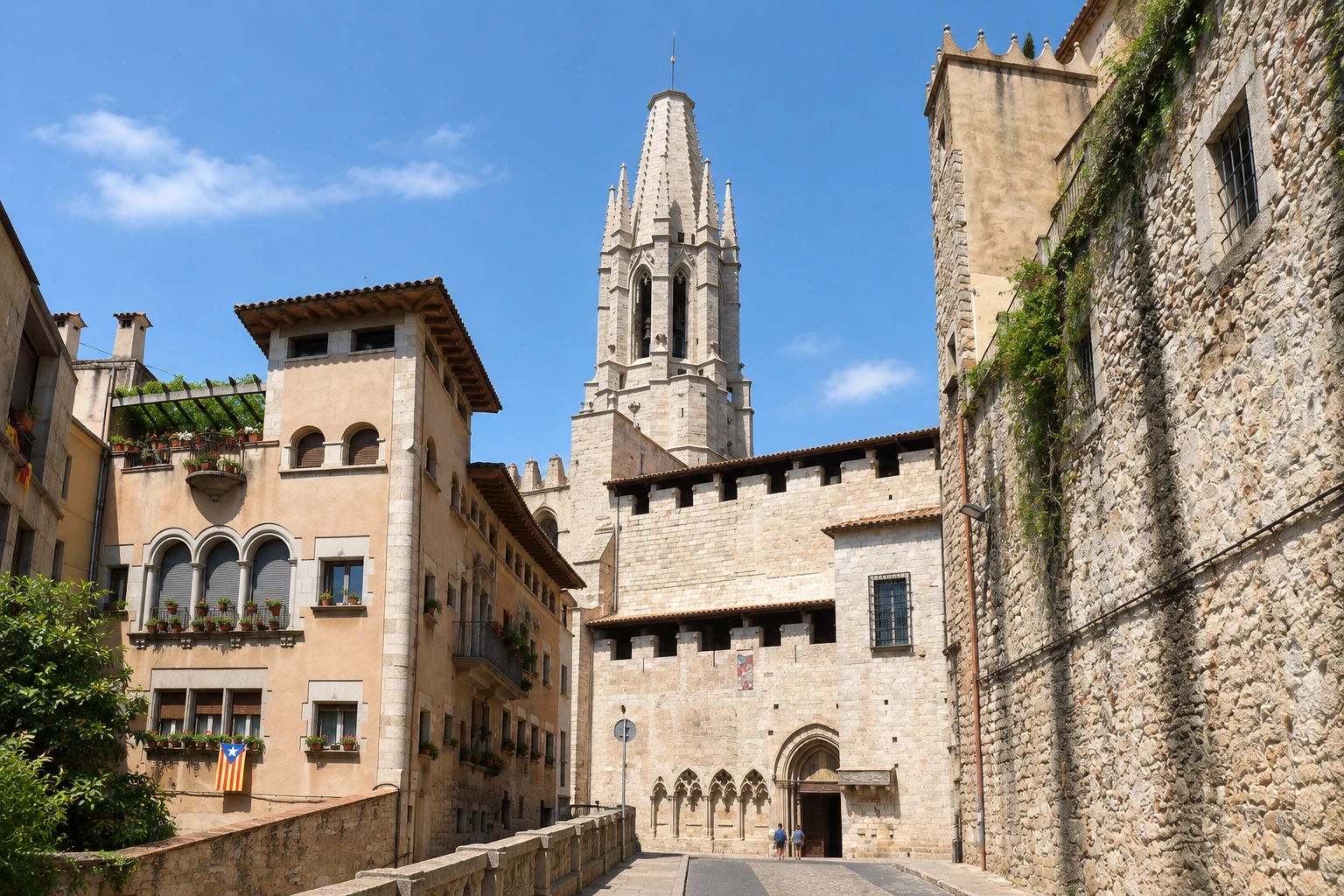
Church documented since 882, the main temple of Girona before the cathedral. It has a pointed Gothic tower that shapes the city's skyline, eight Roman and paleochristian sarcophagi, and the Gothic tomb of Sant Narcís.
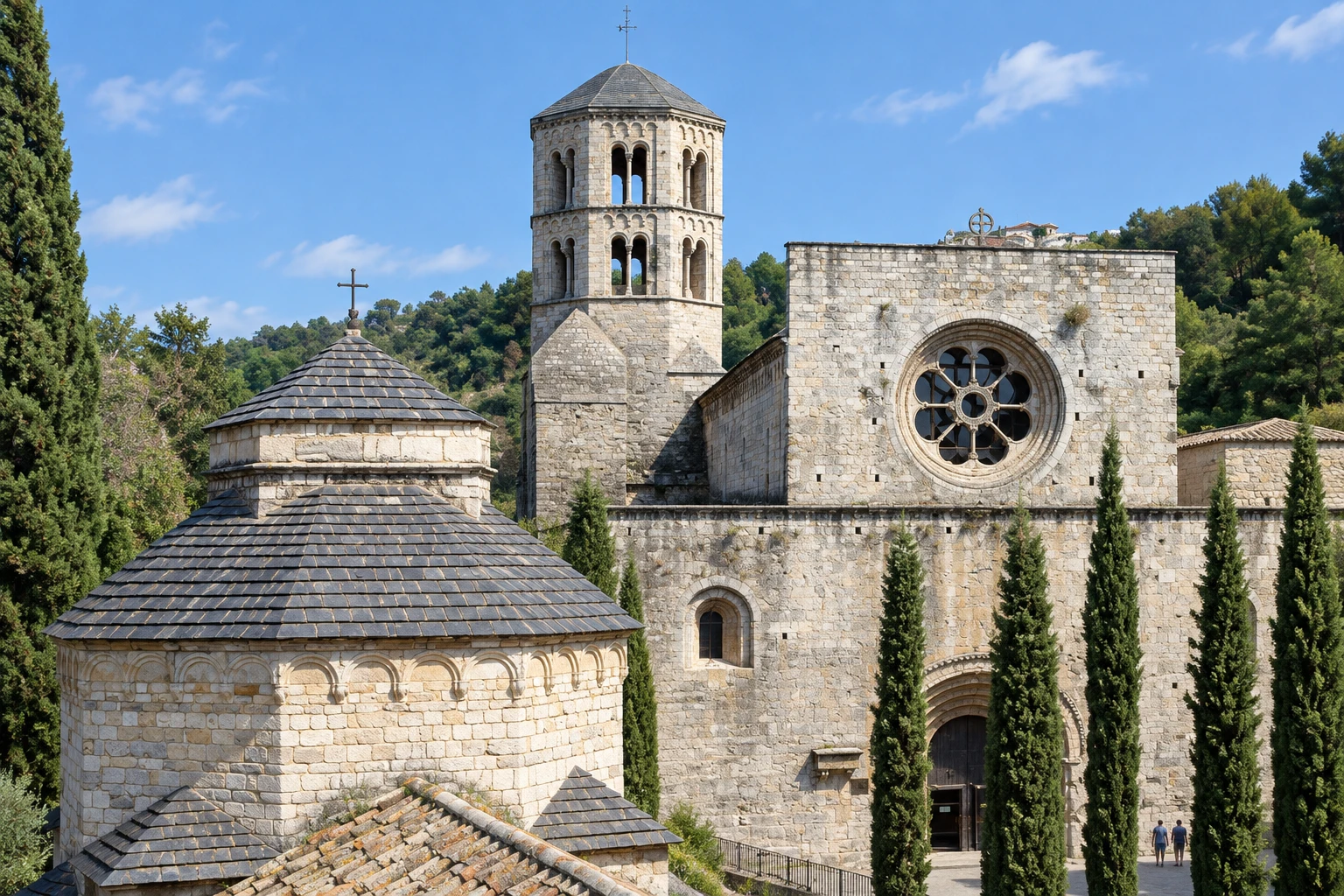
Former Benedictine abbey with a Romanesque church and cloister from the 12th century, beside the Galligants stream. Since 1857 it has housed the Museu d'Arqueologia de Catalunya in Girona, with pieces ranging from prehistory to the Middle Ages.
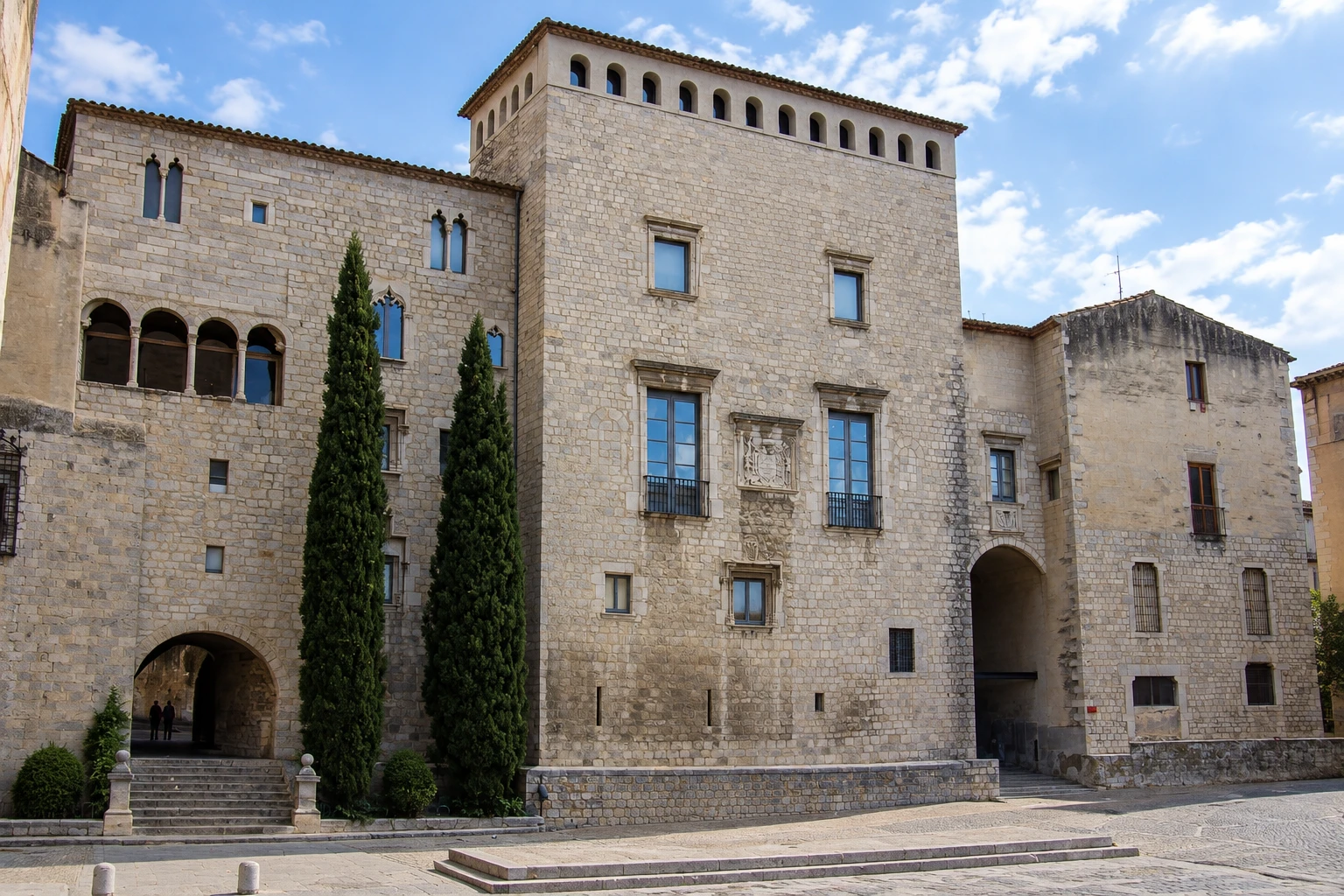
Museum in the old episcopal palace, attached to the cathedral, with art from the region from the Romanesque to the early 20th century. Highlights: the portable altar of Sant Pere de Rodes, from the 10th century, and the altarpiece of Sant Pere de Púbol, from the 15th century.
Museum opened in 1998 with the collection of Tomàs Mallol: optical devices, cameras and projectors that tell 400 years of moving images, from shadow theatre to the arrival of television.
How many days should you set aside to see Costa Brava and Girona?
The guide's itineraries cover 3, 5 and 7 days: Girona and Dalí in 3 days; Girona, Dalí and Costa Brava in 5 days; Complete Costa Brava in 7 days.
What to do Costa Brava and Girona in one day?
Arrival via Barcelona and Girona’s Barri Vell. The overnight flight from Brazil arrives in Barcelona in the morning. From the airport, train or bus to Barcelona Sants and AVE to Girona, about 40 minutes. Drop your bags and walk to Girona’s Barri Vell: Rambla de la Llibertat, the houses on the Onyar, the Call jueu and the Passeig de la Muralla in the late afternoon. Eat an early dinner at Plaça de la Independència to overcome the jet lag.
When is the best time to go to Costa Brava and Girona?
It generally rains less in February and July. The rainiest months are usually from September to October. The guide covers each month, with the weather and what changes on the tours.


 Brazil
 Antarctica
 Argentina
 Bolivia
 Chile
 Colombia
 Ecuador
 Falkland Islands (Malvinas)
 French Guiana
 Guyana
 Paraguay
 Peru
 Suriname
 Uruguay
 Venezuela
 Austria
 Belgium
 Croatia
 Denmark
 Finland
 France
 Germany
 Greece
 Hungary
 Iceland
 Ireland
 Italy
 Luxembourg
 Norway
 Poland
 Portugal
 Slovakia
 Slovenia
 Sweden
 Switzerland
 the Czech Republic
 the Netherlands
 the United Kingdom
 Turkey
 Bermuda
 Canada
 Greenland
 Mexico
 Saint Pierre and Miquelon
 the United States
 the Dominican Republic
 Japan
 Egypt
 South Africa
 Australia
 Fiji
 New Zealand
 Papua New Guinea