5 places to visit Figueres (Spain), chosen by the Cidade Turismo guide.
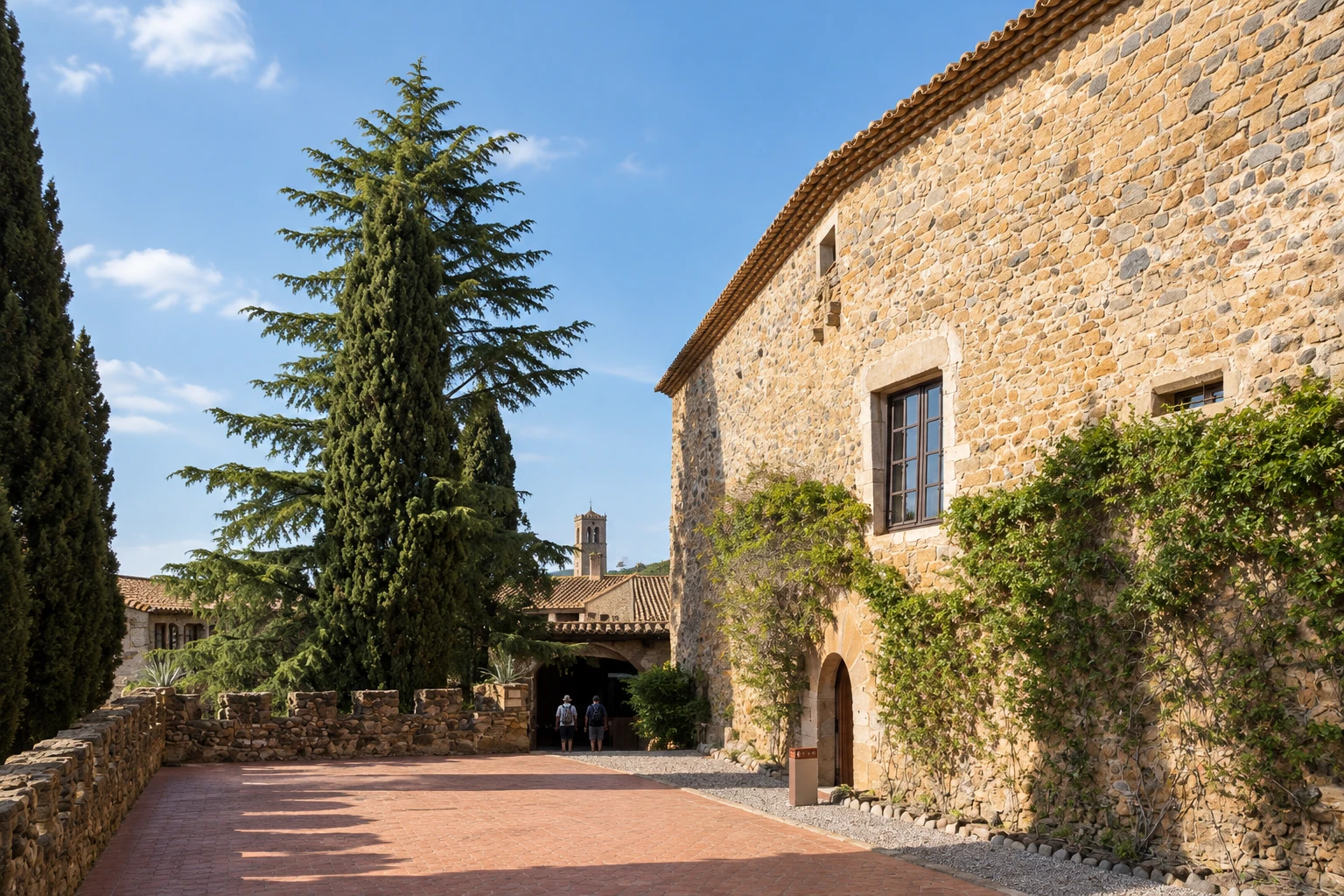
Illustrative images. The pictures in this guide are illustrations based on the real place, not photographs, and may differ from it.
To start
The 5 main places Figueres
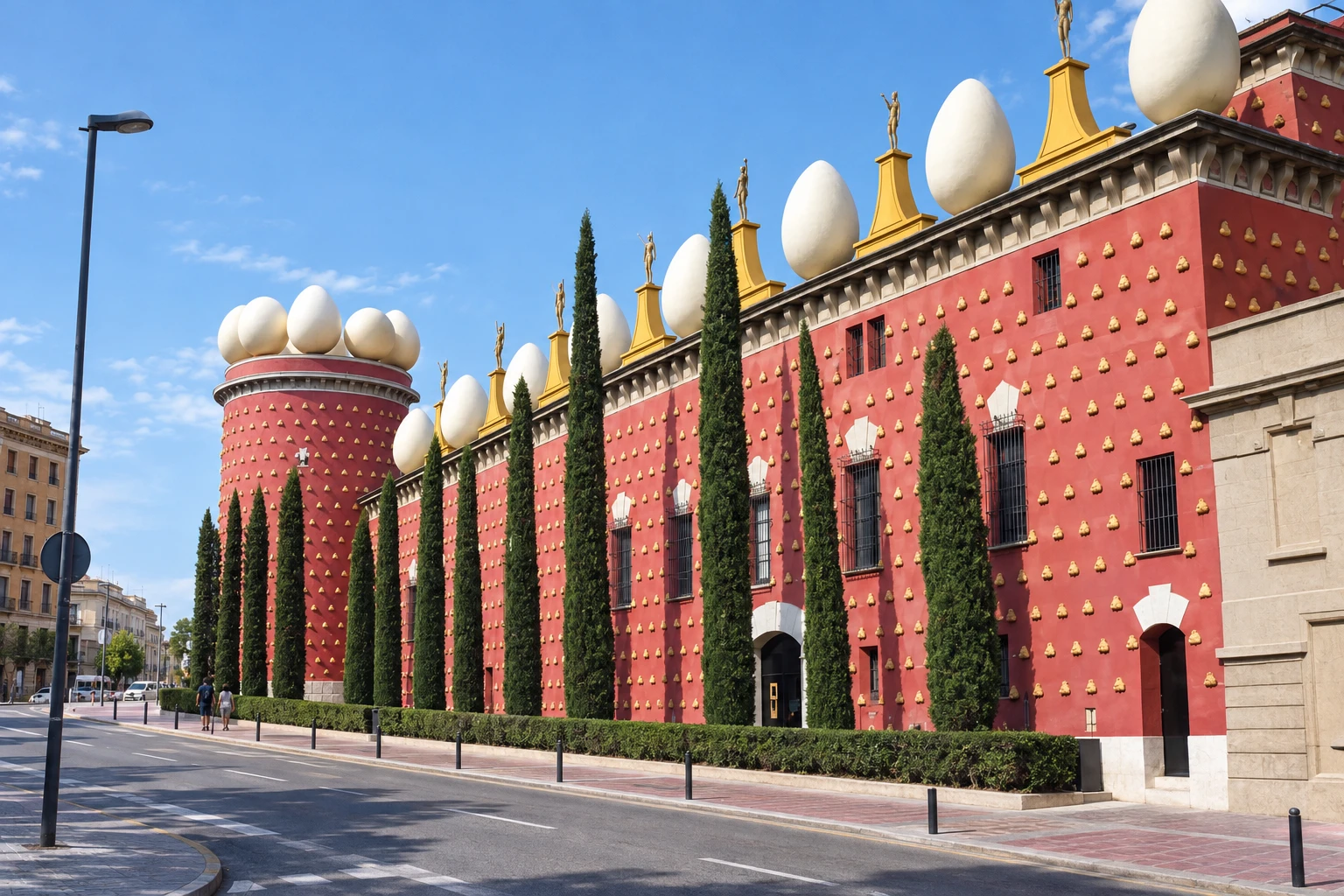
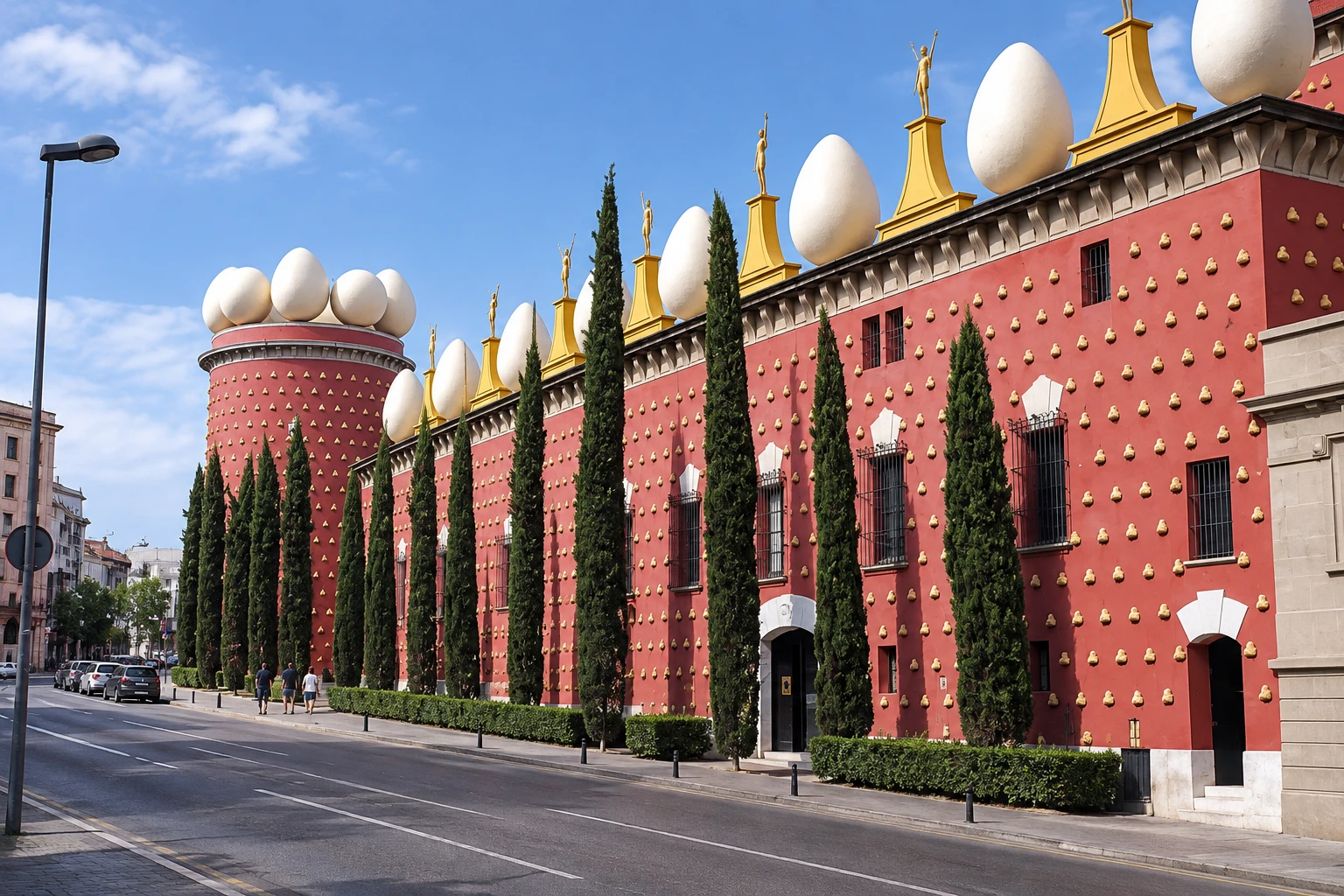
Dalí Theater-MuseumMuseum conceived by Salvador Dalí over the ruins of the old Figueres theatre, opened in 1974 and crowned by a geodesic dome.
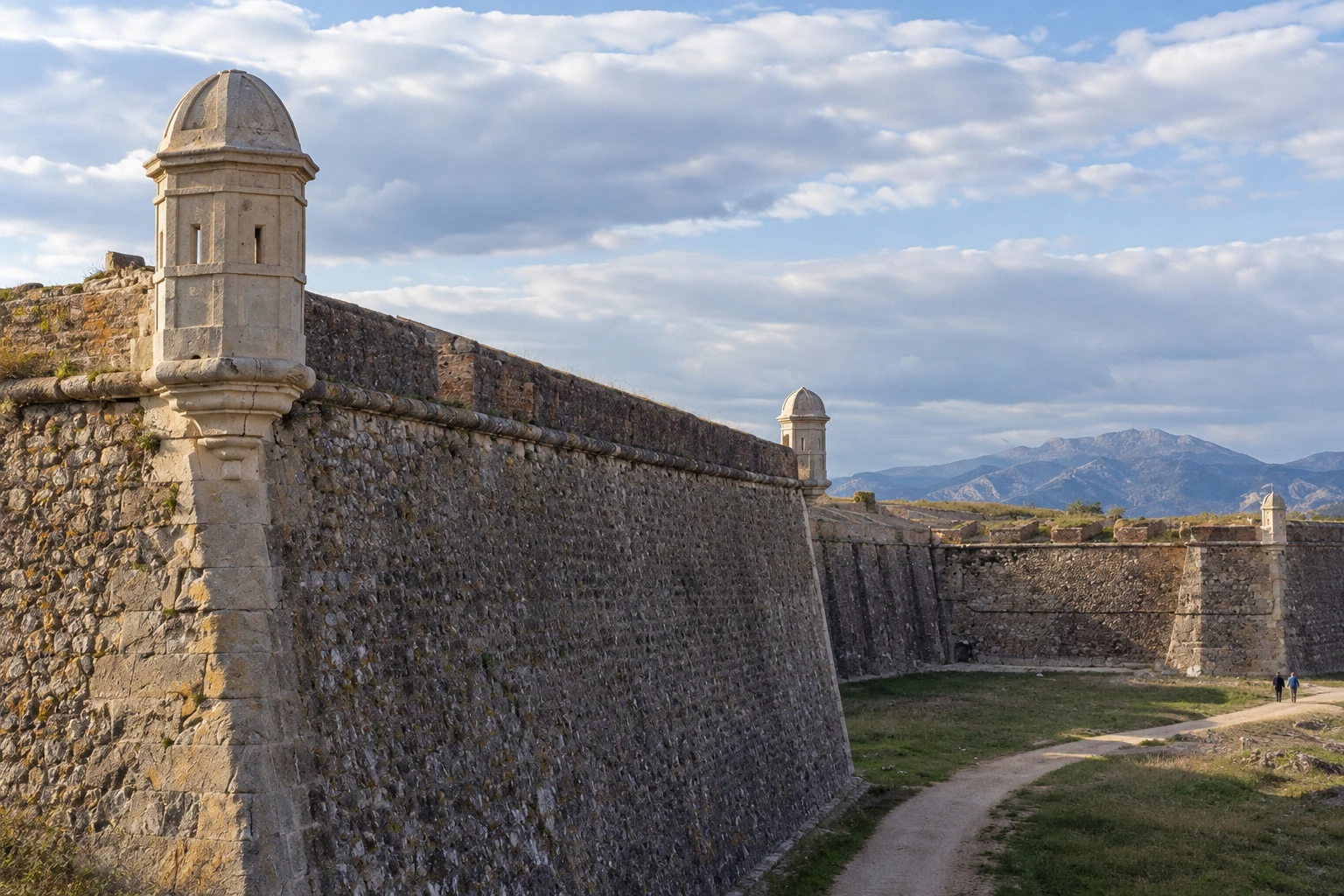
Sant Ferran Castle18th-century military fortress on a hill in Figueres, covering 32 hectares with a perimeter of 3,125 meters.
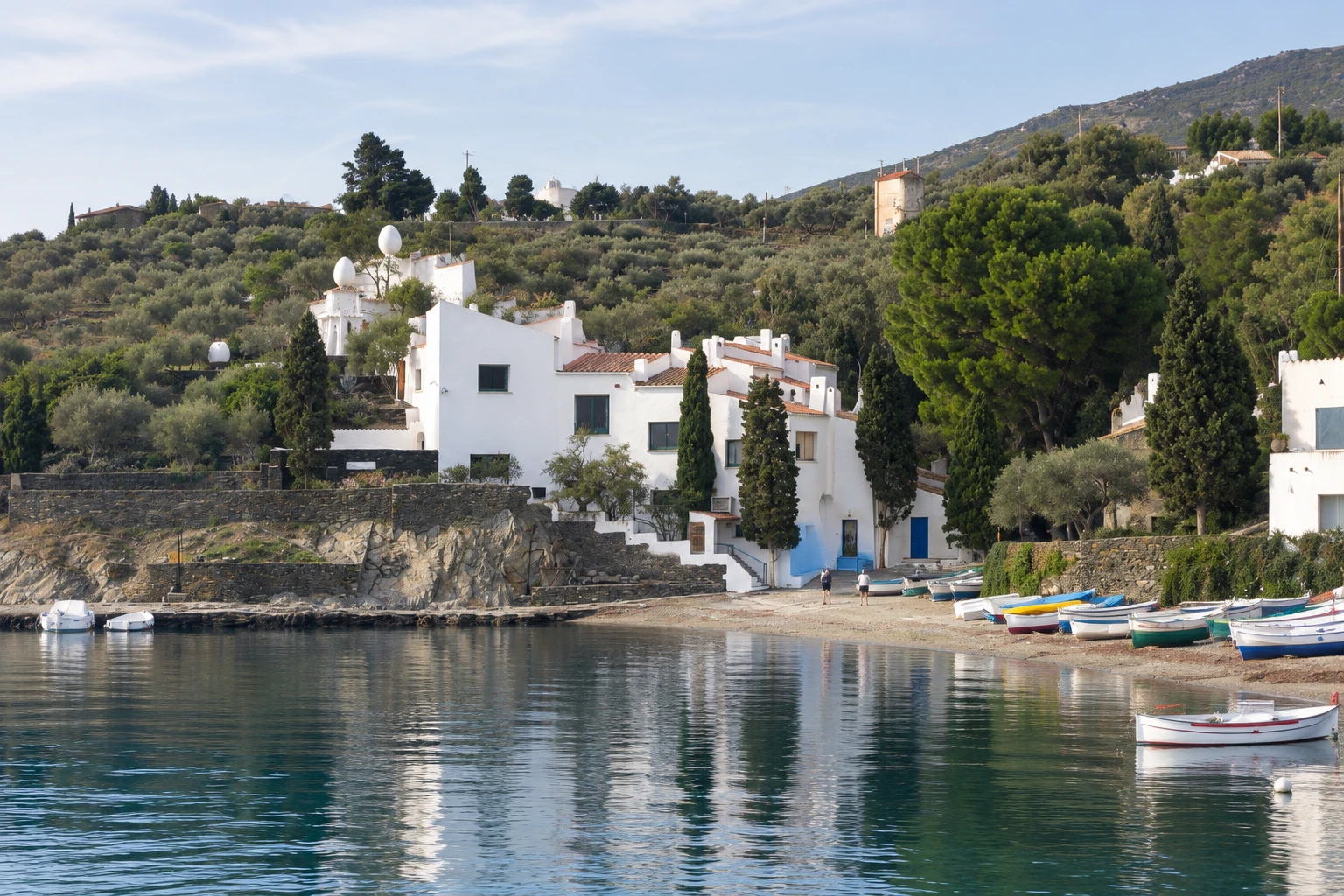
Salvador Dalí House-MuseumHouse where Dalí lived and worked from 1930 to 1982, formed from old fishermen's huts in the Portlligat cove, next to Cadaqués.
Gala Dalí CastleMedieval castle in Púbol that Dalí bought and decorated for Gala in the 1970s.
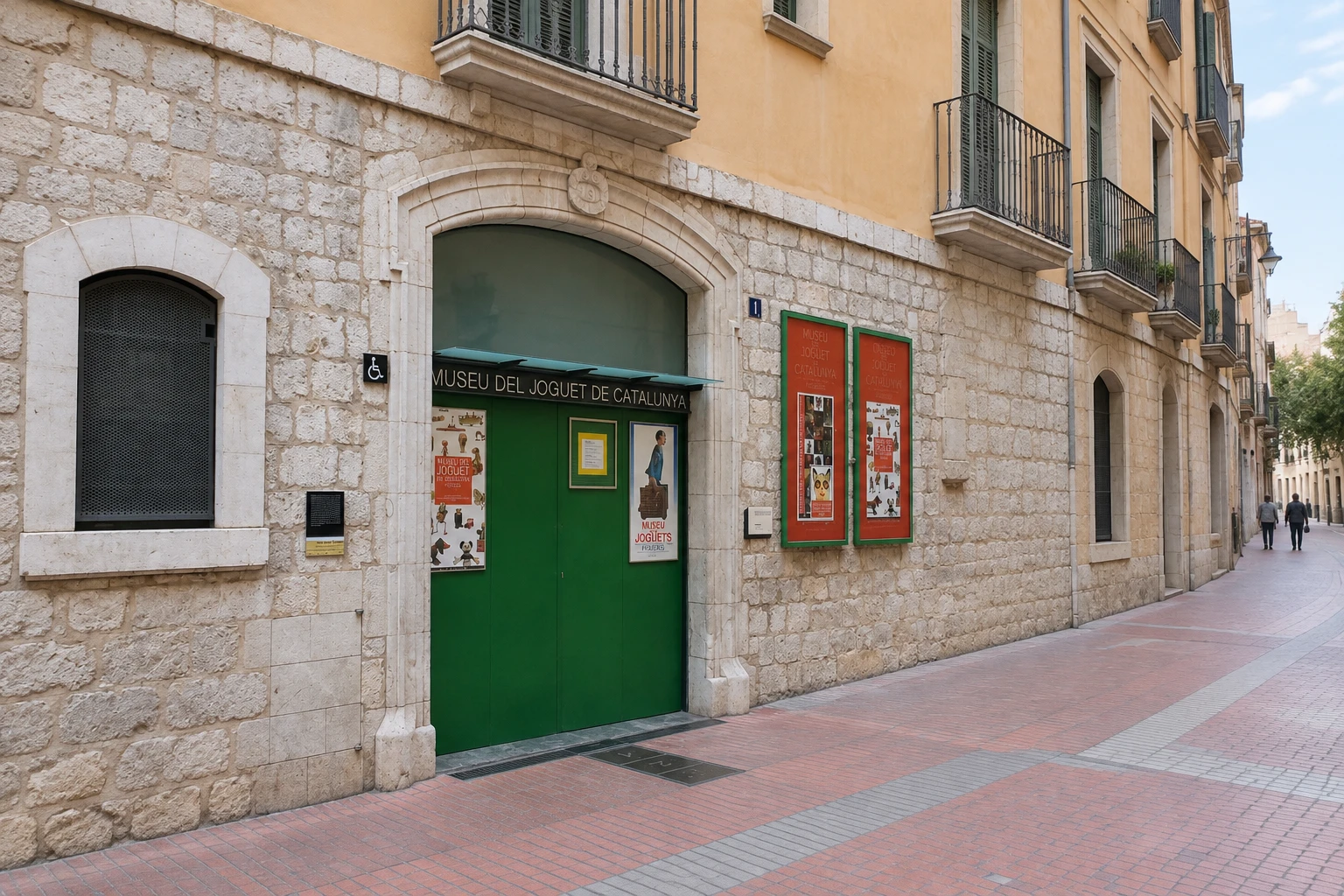
Toy Museum of CataloniaToy museum on the Rambla de Figueres, opened in 1982 in a former hotel.
Museum conceived by Salvador Dalí over the ruins of the old Figueres theatre, opened in 1974 and crowned by a geodesic dome. It houses the largest collection of the artist's works, who is buried in the crypt, and includes the Dalí·Joies jewelry rooms.
18th-century military fortress on a hill in Figueres, covering 32 hectares with a perimeter of 3,125 meters. It is the largest monument in Catalonia. The visit goes through the parade ground, the stables and, with a guide, the moat and the cisterns.
House where Dalí lived and worked from 1930 to 1982, formed from old fishermen's huts in the Portlligat cove, next to Cadaqués. The visit shows the studio, Gala's rooms and the garden with the swimming pool. Reservation with a specific date and time is required.
Medieval castle in Púbol that Dalí bought and decorated for Gala in the 1970s. She lived there and is buried in the crypt. It houses furniture, paintings, Gala's haute couture dresses, elephants in the garden and a Cadillac in the garage.
Toy museum on the Rambla de Figueres, opened in 1982 in a former hotel. It displays more than 4,000 pieces, from zoetropes to trains and dolls, some of which belonged to Dalí, Federico García Lorca and Joan Miró.


 Brazil
 Antarctica
 Argentina
 Bolivia
 Chile
 Colombia
 Ecuador
 Falkland Islands (Malvinas)
 French Guiana
 Guyana
 Paraguay
 Peru
 Suriname
 Uruguay
 Venezuela
 Austria
 Belgium
 Croatia
 Denmark
 Finland
 France
 Germany
 Greece
 Hungary
 Iceland
 Ireland
 Italy
 Luxembourg
 Norway
 Poland
 Portugal
 Slovakia
 Slovenia
 Sweden
 Switzerland
 the Czech Republic
 the Netherlands
 the United Kingdom
 Turkey
 Bermuda
 Canada
 Greenland
 Mexico
 Saint Pierre and Miquelon
 the United States
 the Dominican Republic
 Japan
 Egypt
 South Africa
 Australia
 Fiji
 New Zealand
 Papua New Guinea