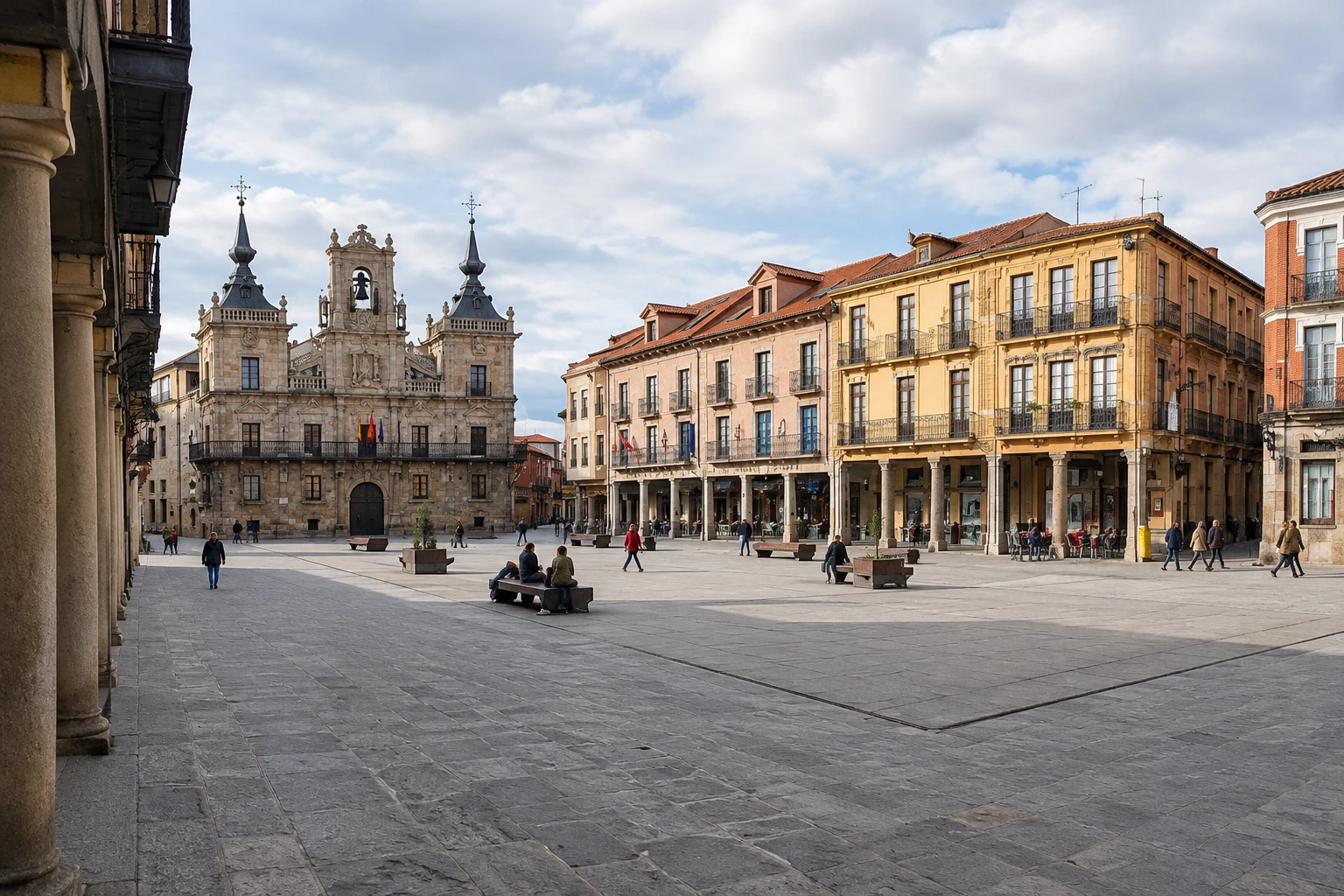
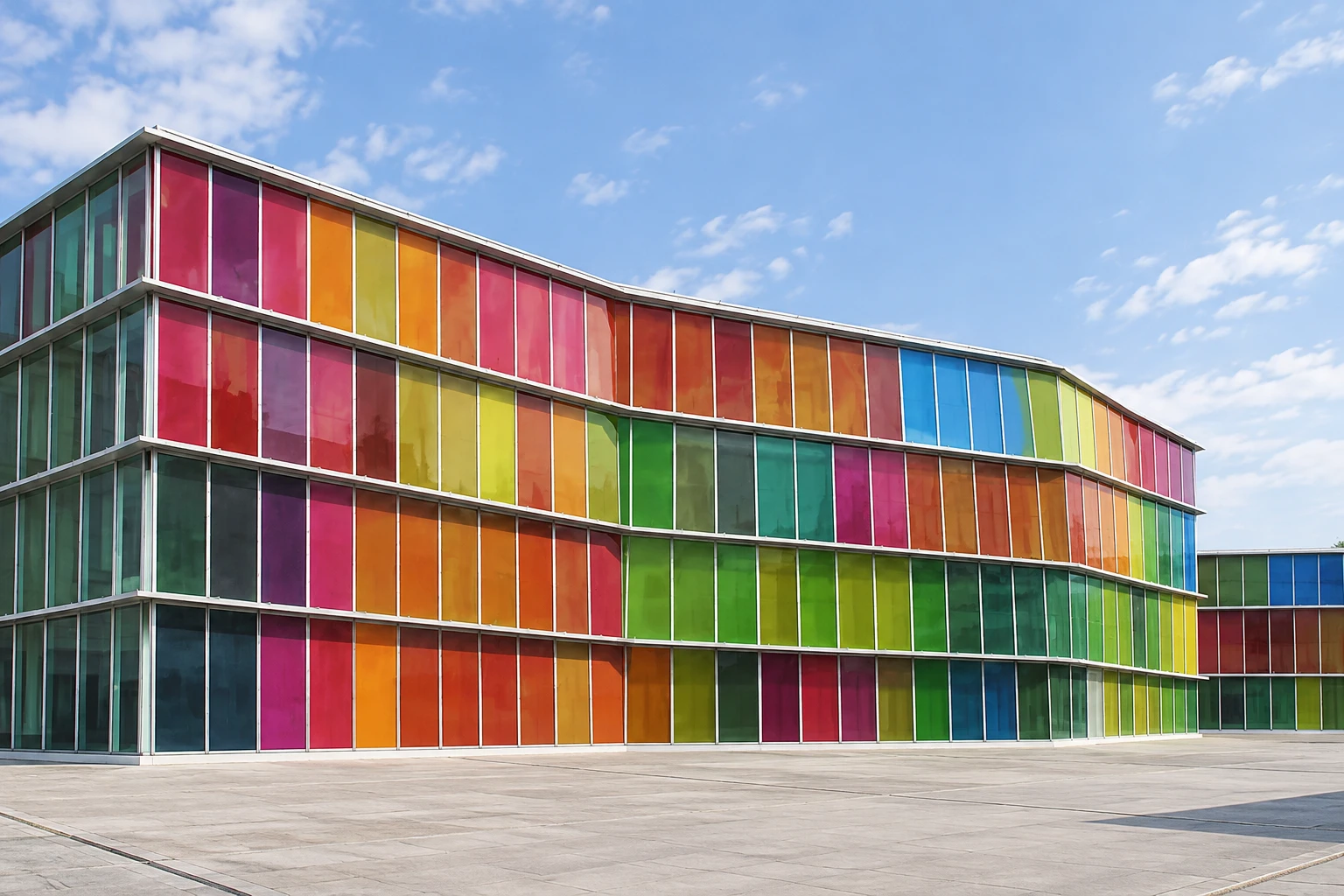
28 places to visit, chosen by the Cidade Turismo guide.
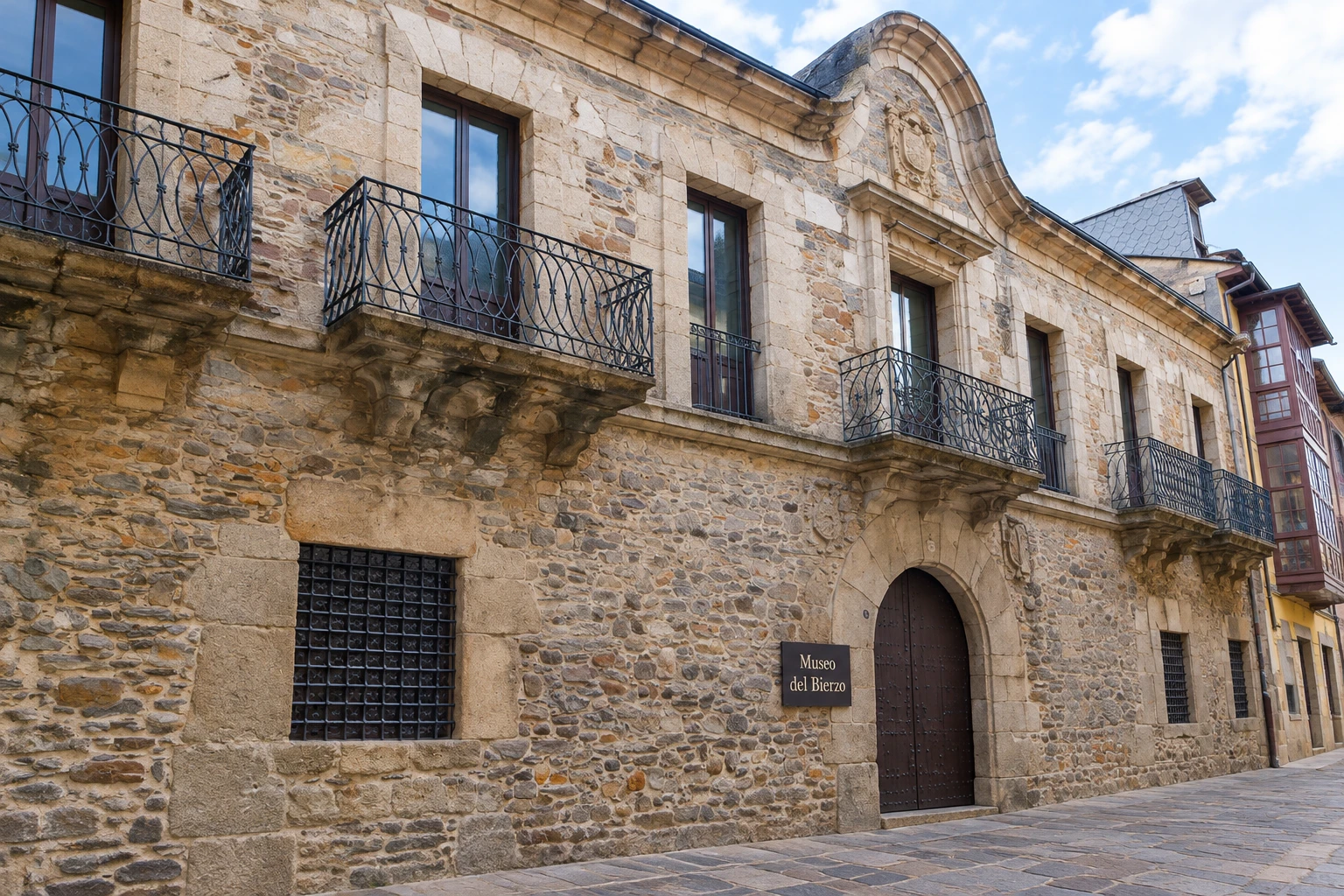
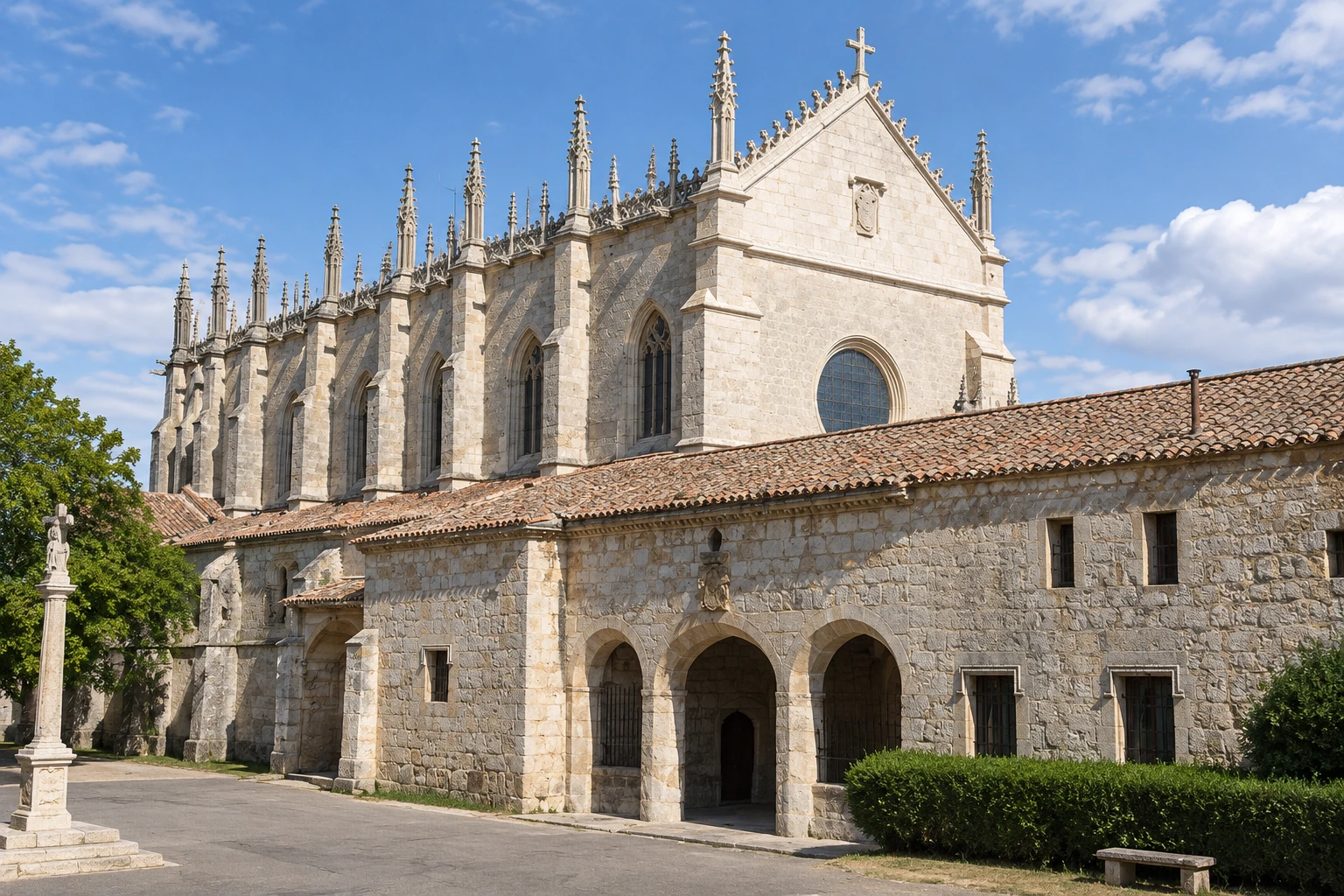
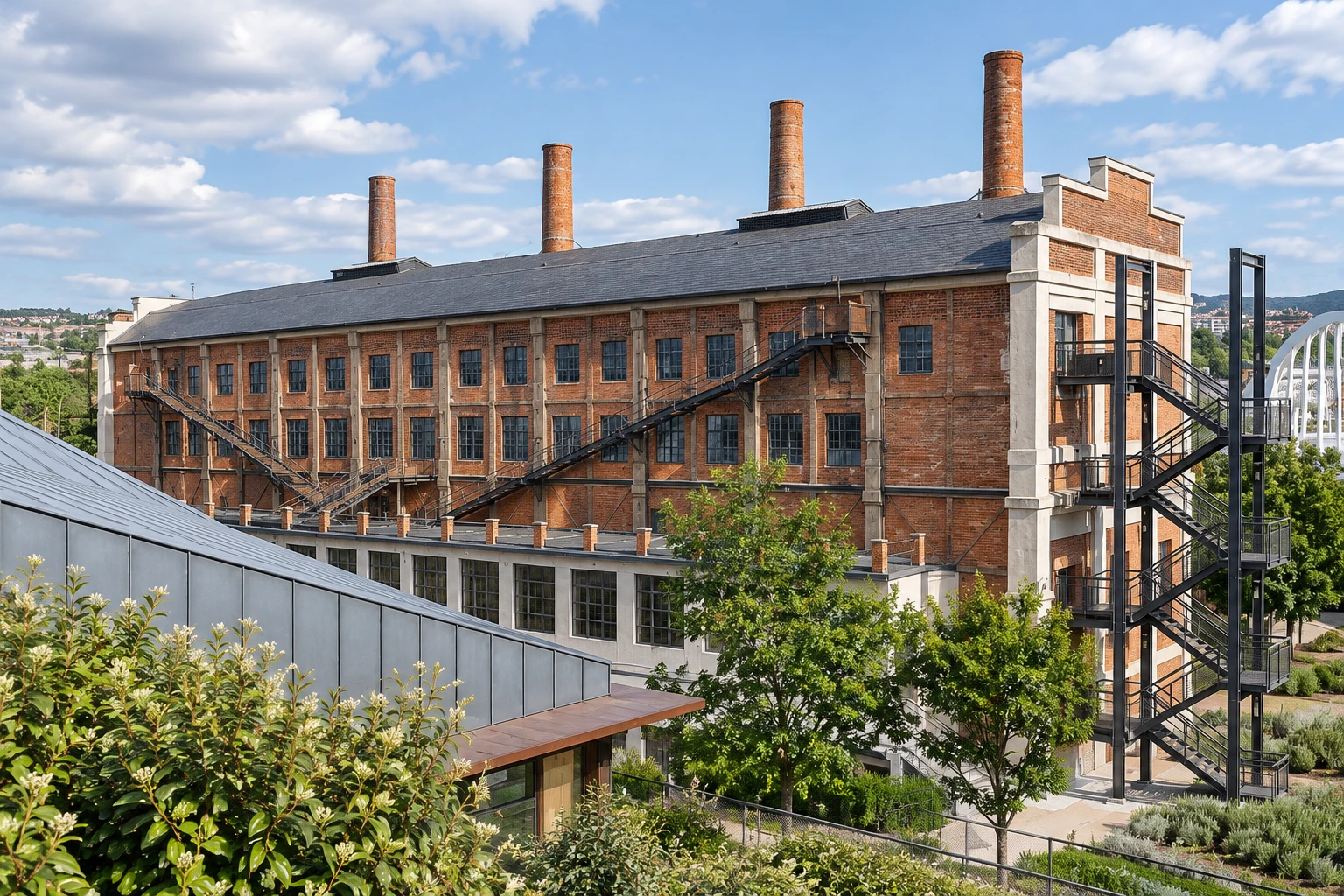
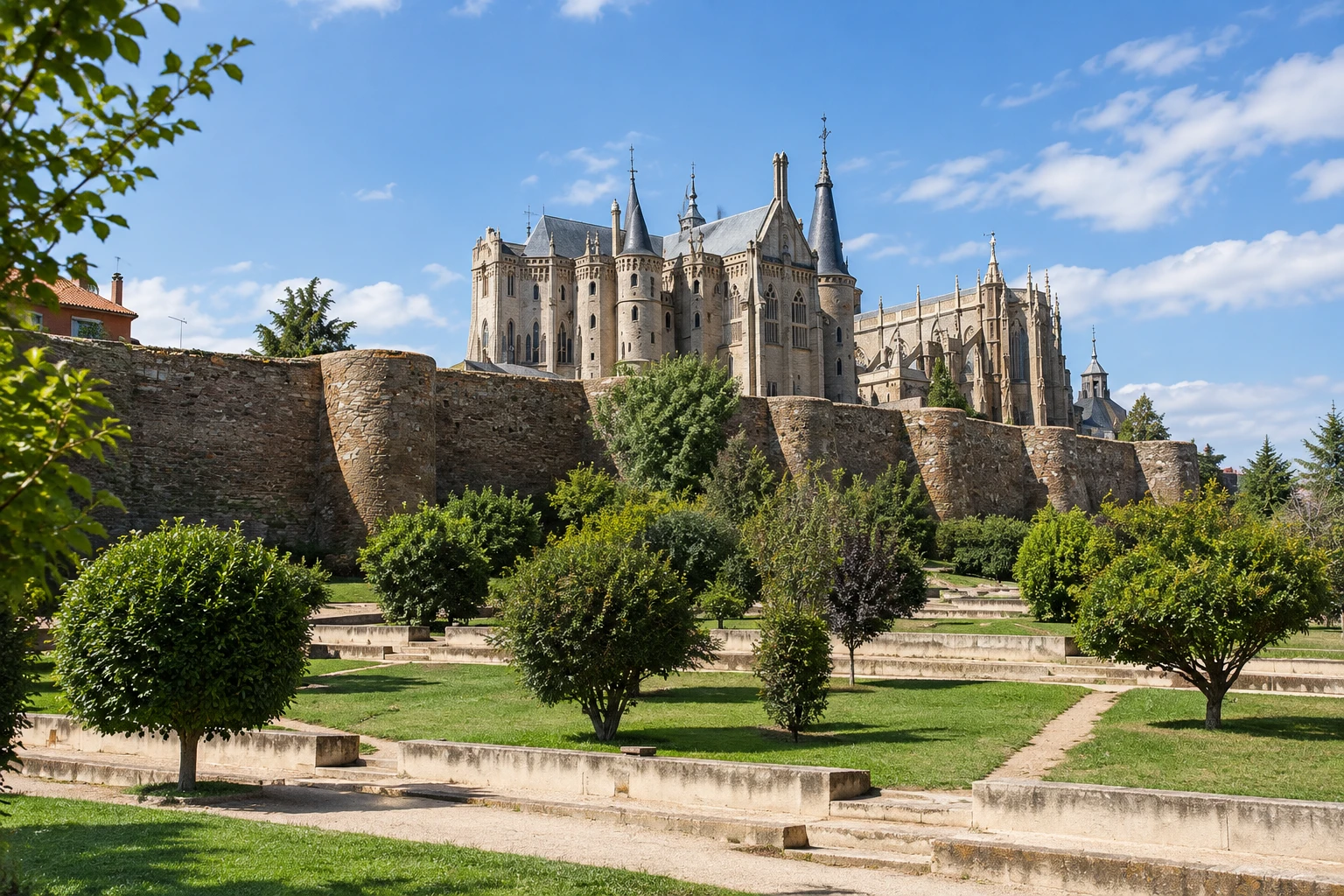
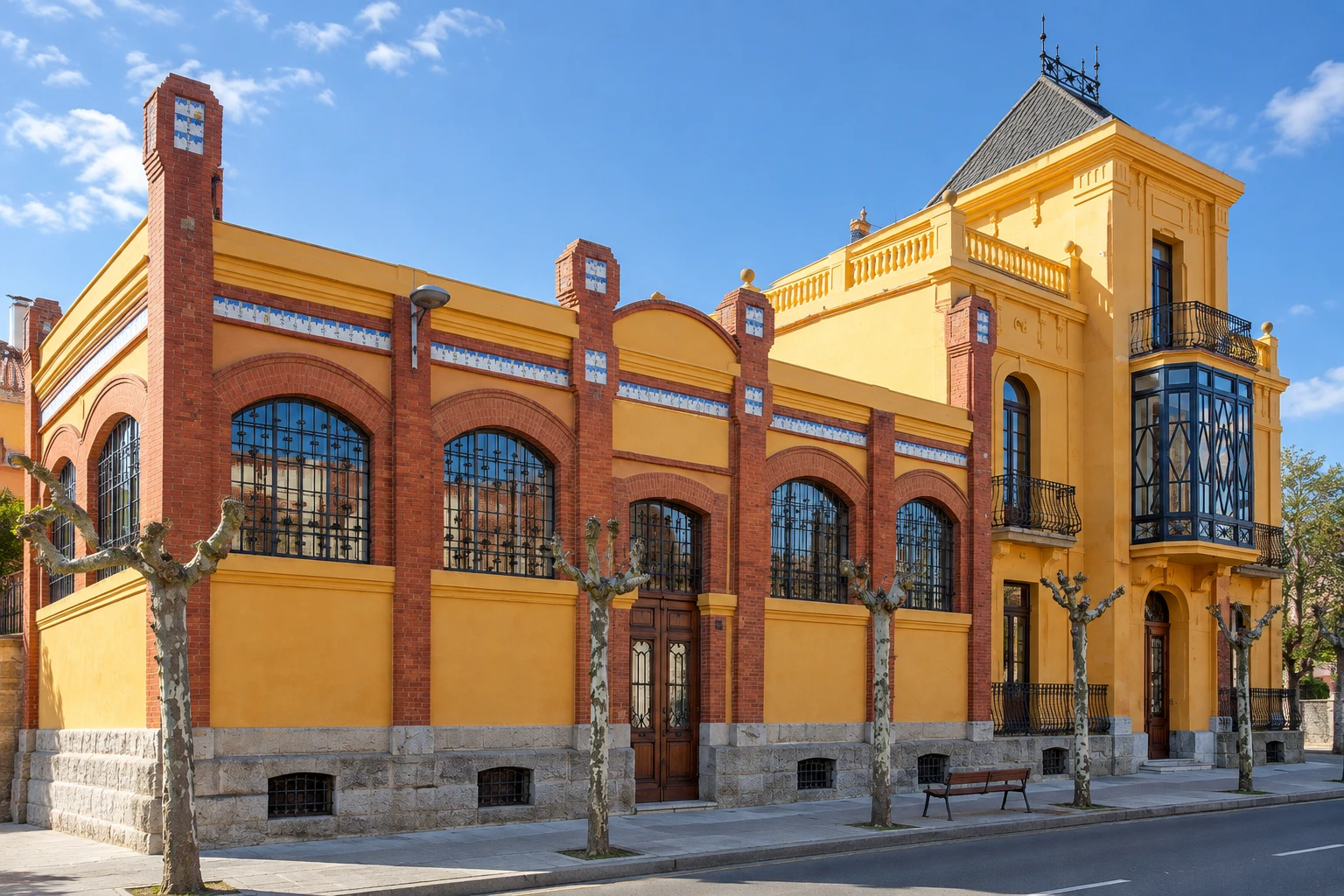
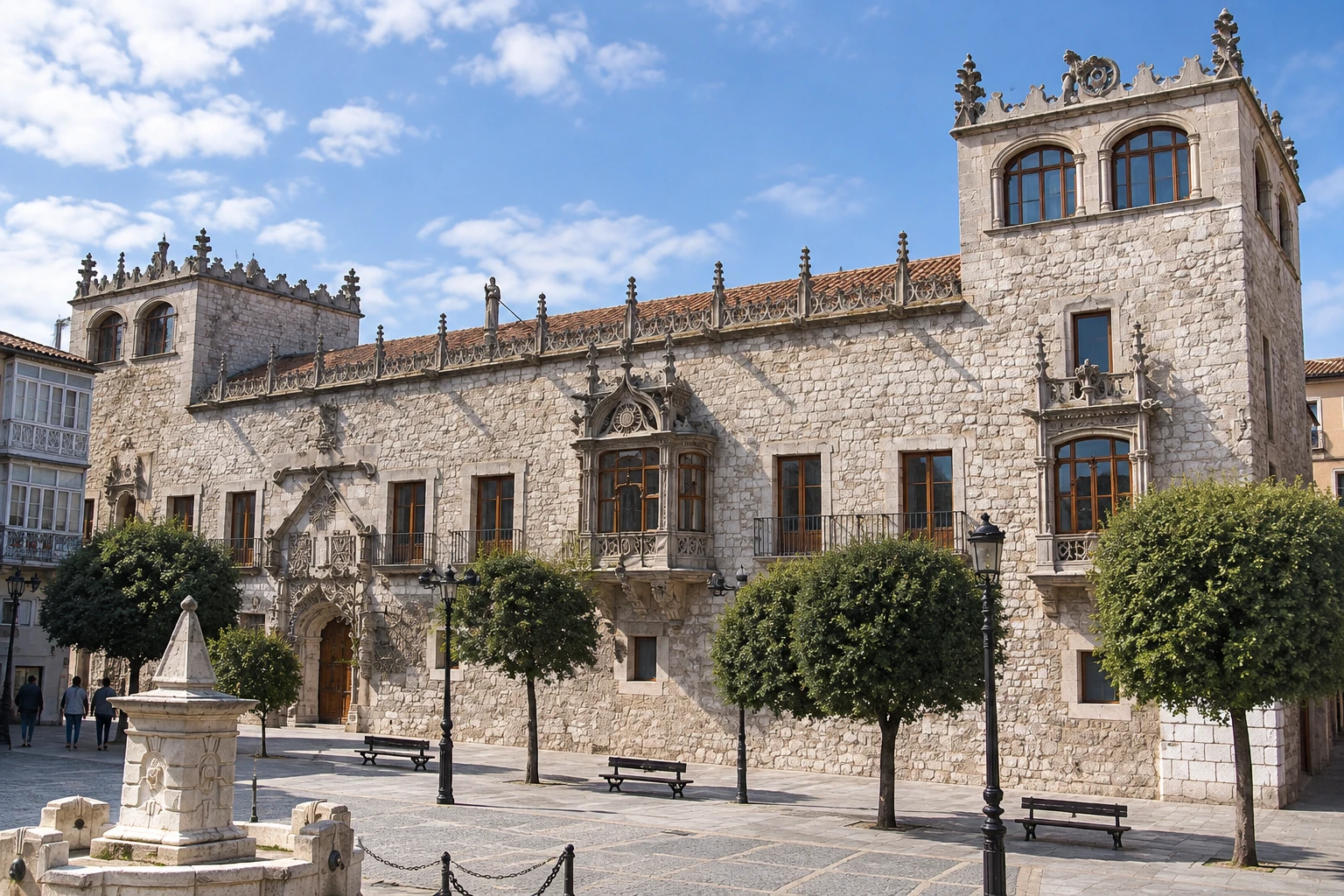
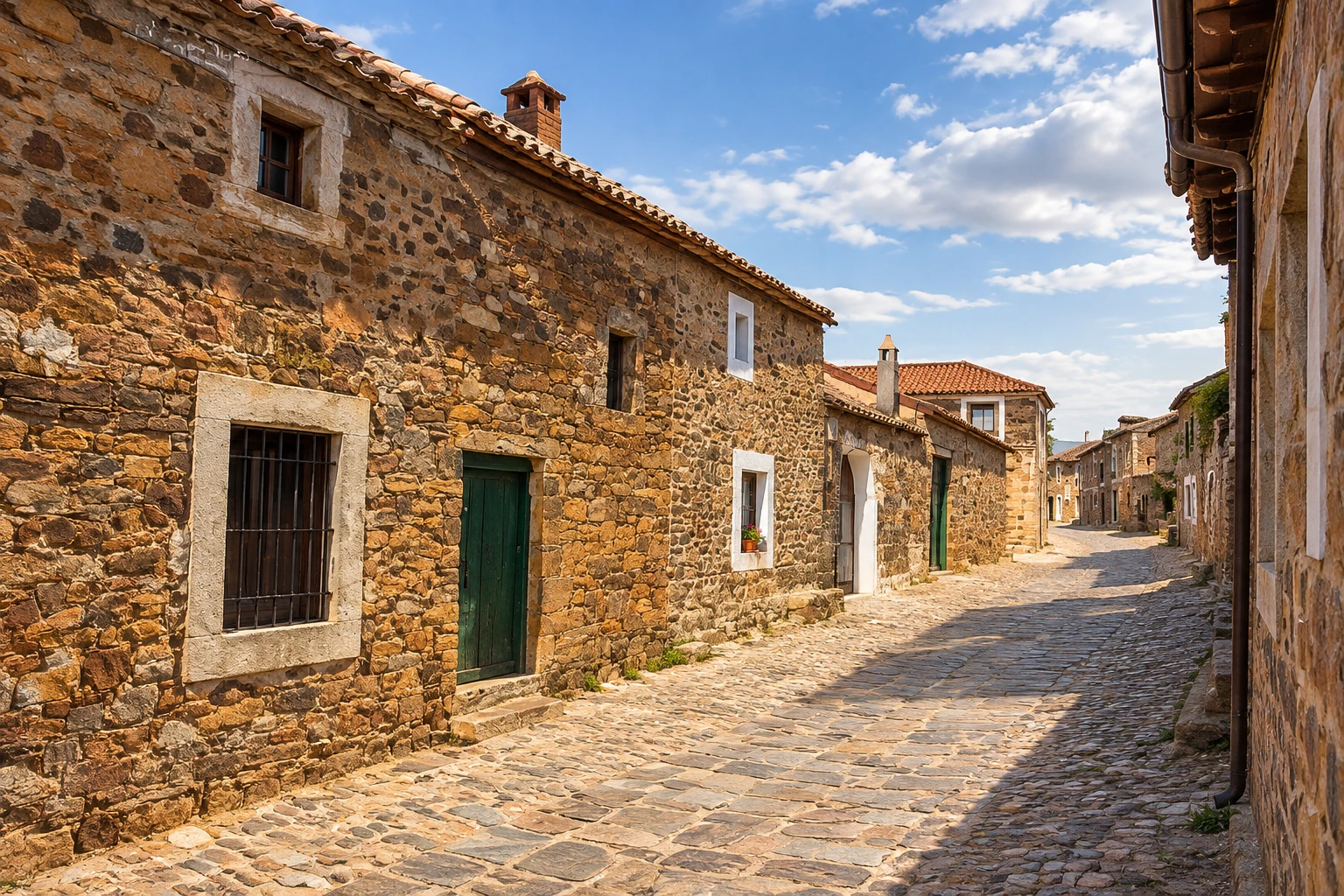
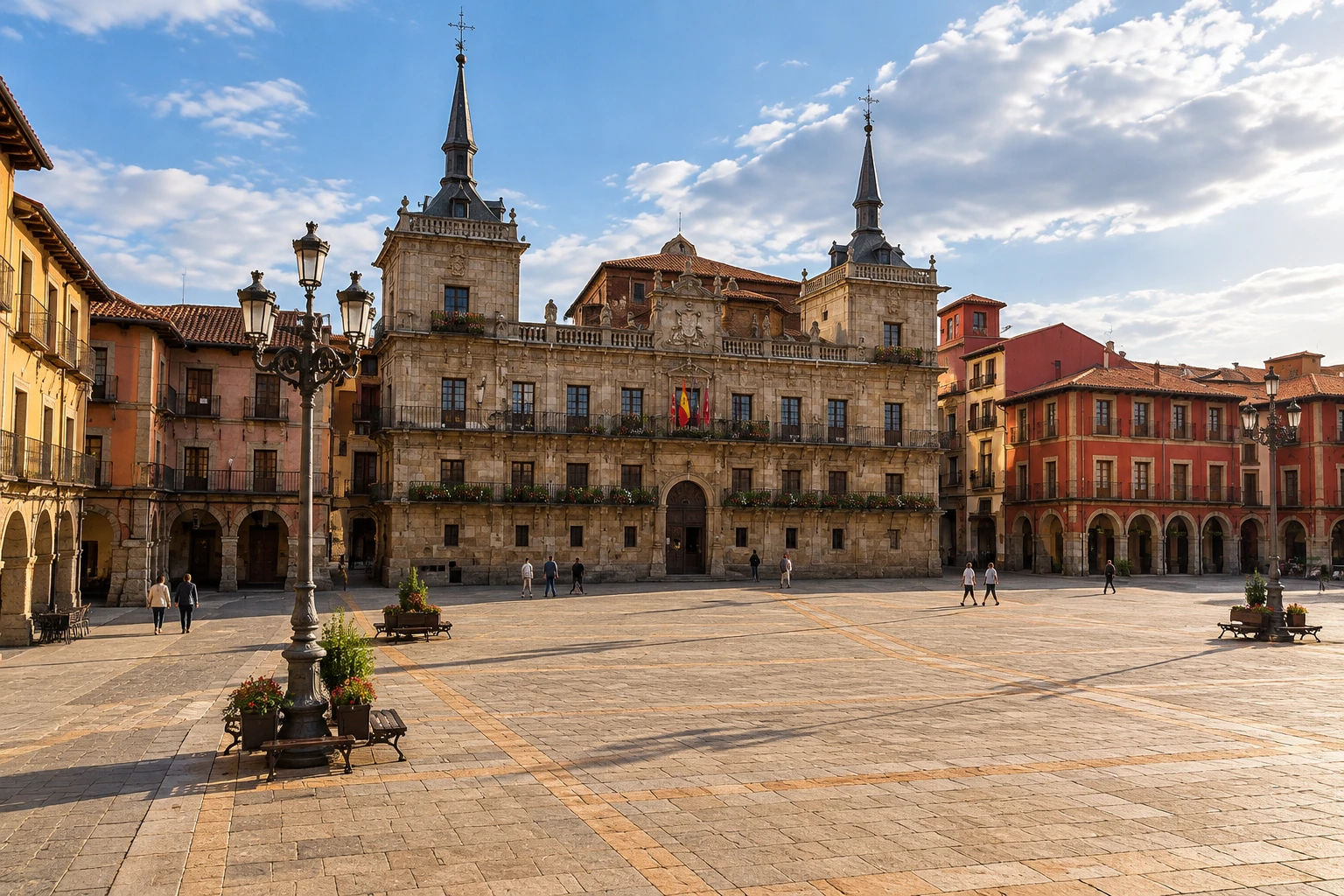
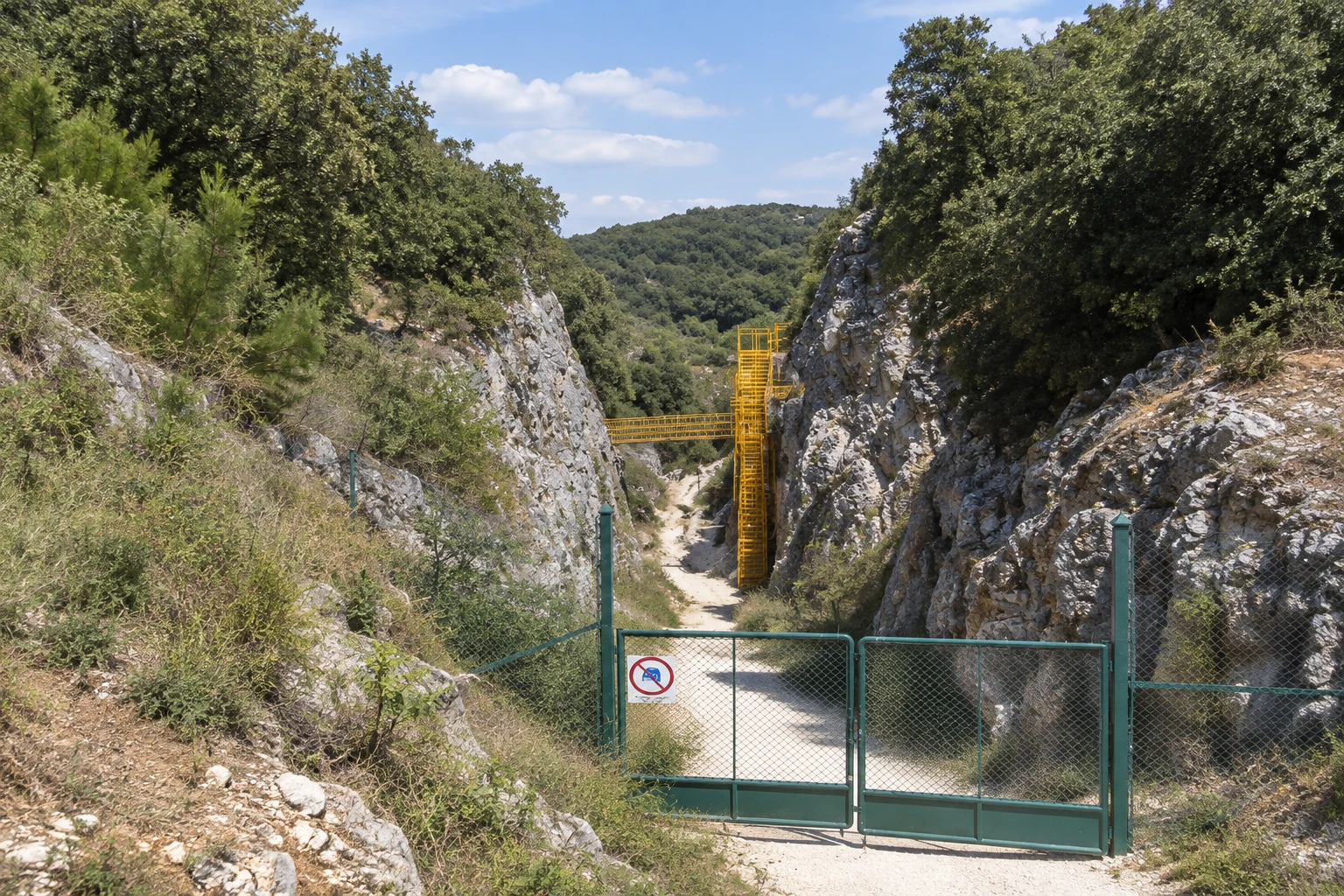
Illustrative images. The pictures in this guide are illustrations based on the real place, not photographs, and may differ from it.
To start
The 10 main places Burgos and León
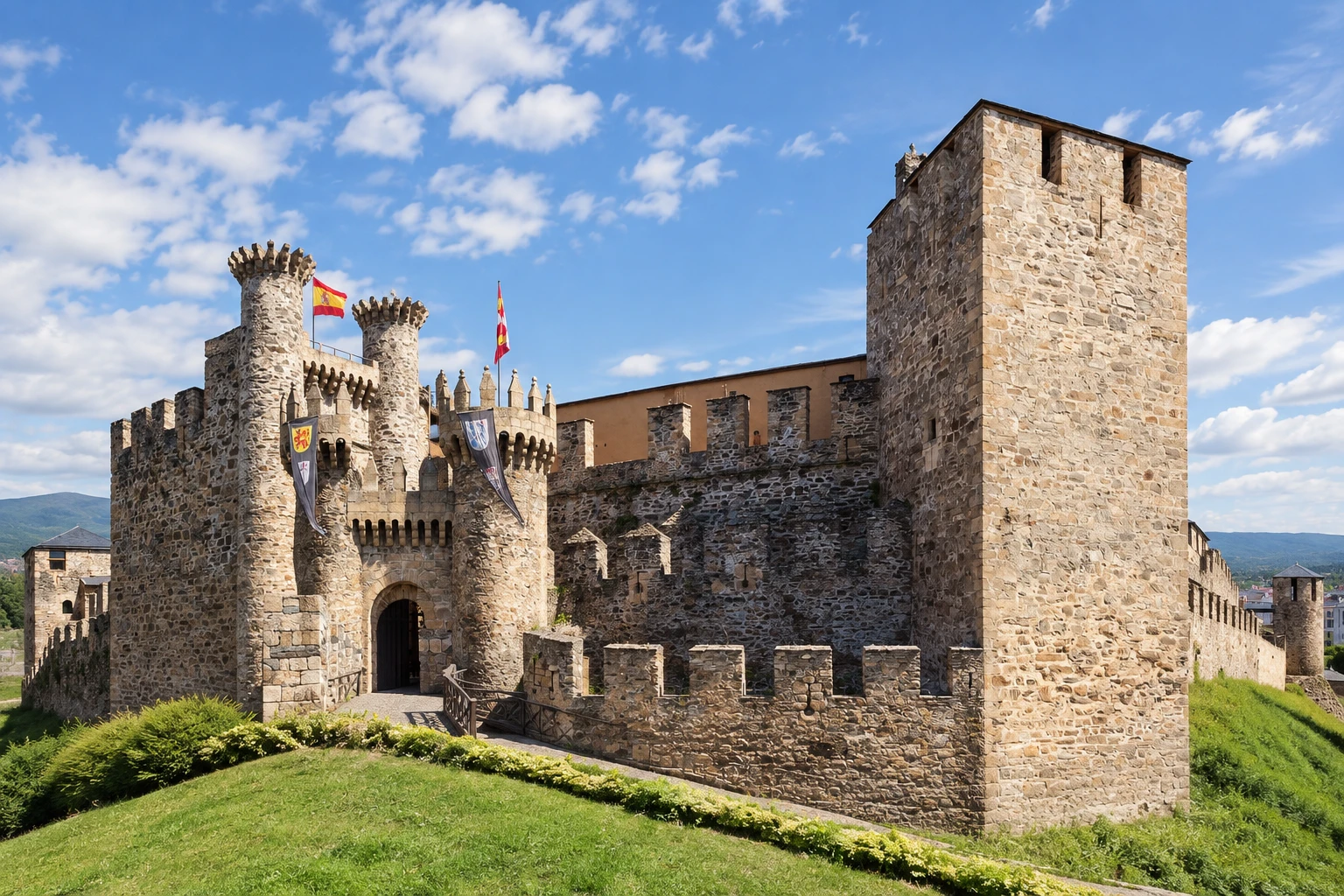
Templars' Castle · PonferradaFortress from the 12th to 15th centuries at the confluence of the Sil and Boeza rivers, linked to the Order of the Temple, with walls, towers, courtyards and a library of reprod...
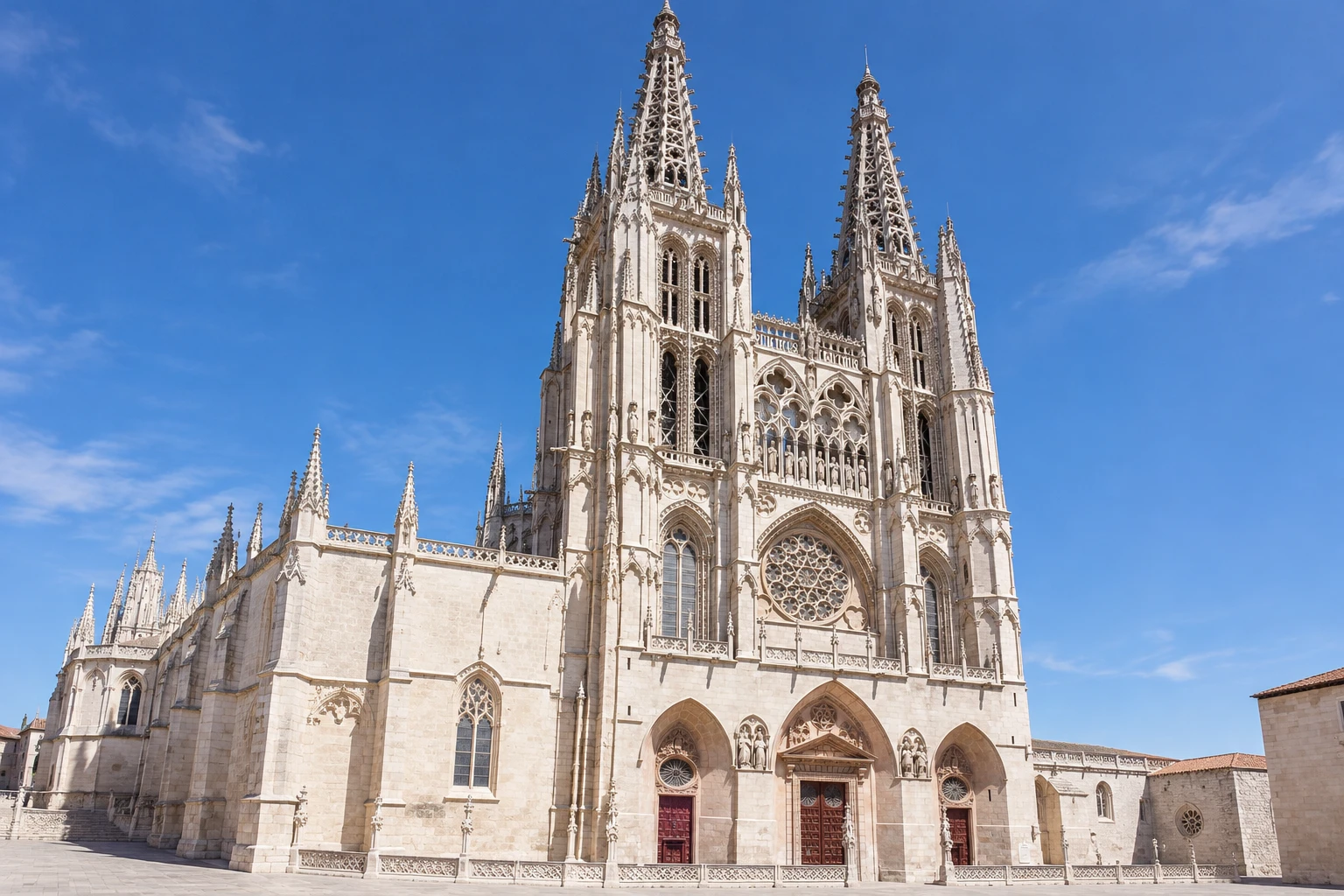
Burgos Cathedral · BurgosGothic cathedral begun in 1221, a World Heritage Site, with lace-like spires, the capela do Condestável, the Escada Dourada and El Cid's tomb.
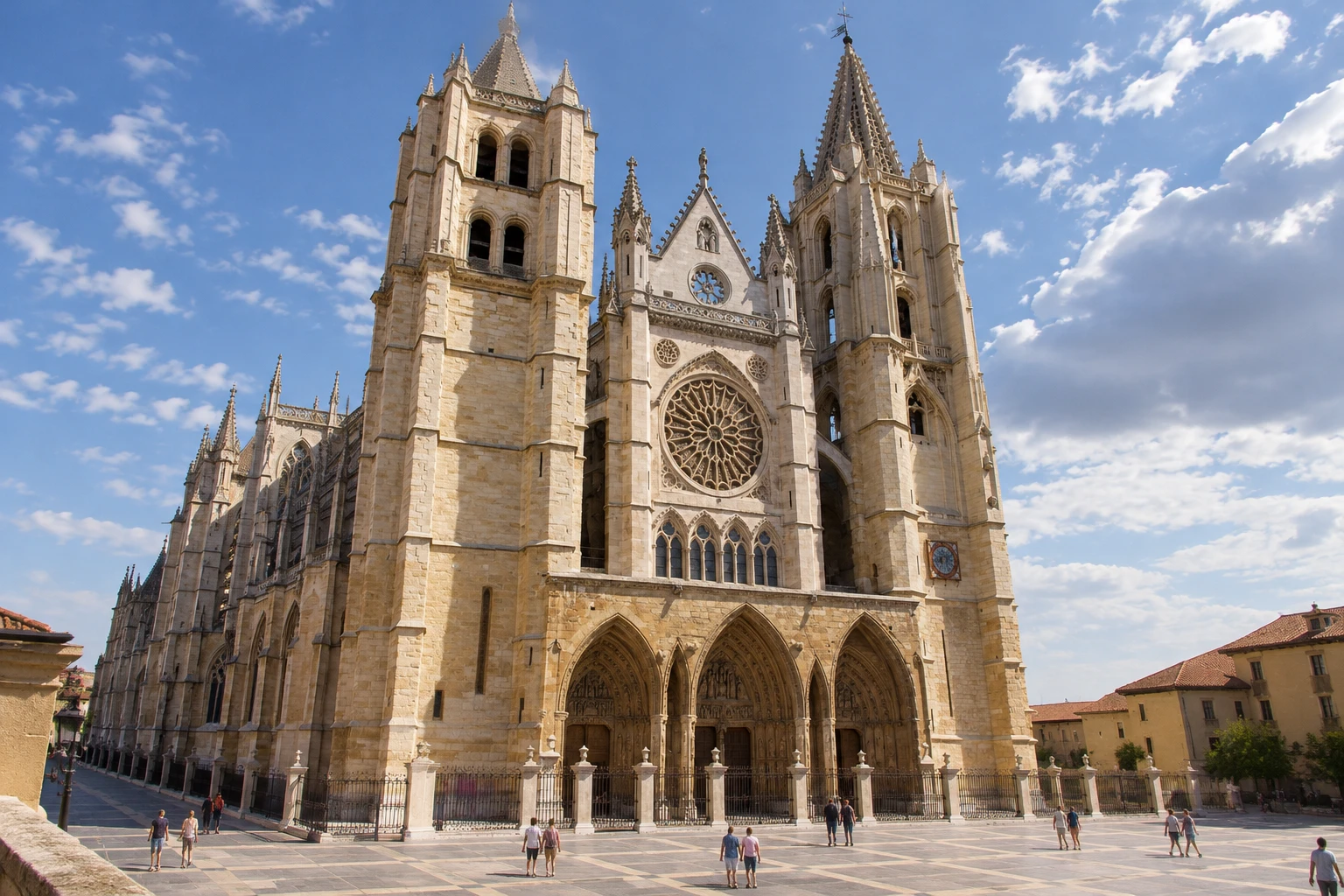
León Cathedral · León13th-century Gothic cathedral, the Pulchra Leonina, known for the medieval stained-glass windows that replace almost all the walls and fill the nave with colour.
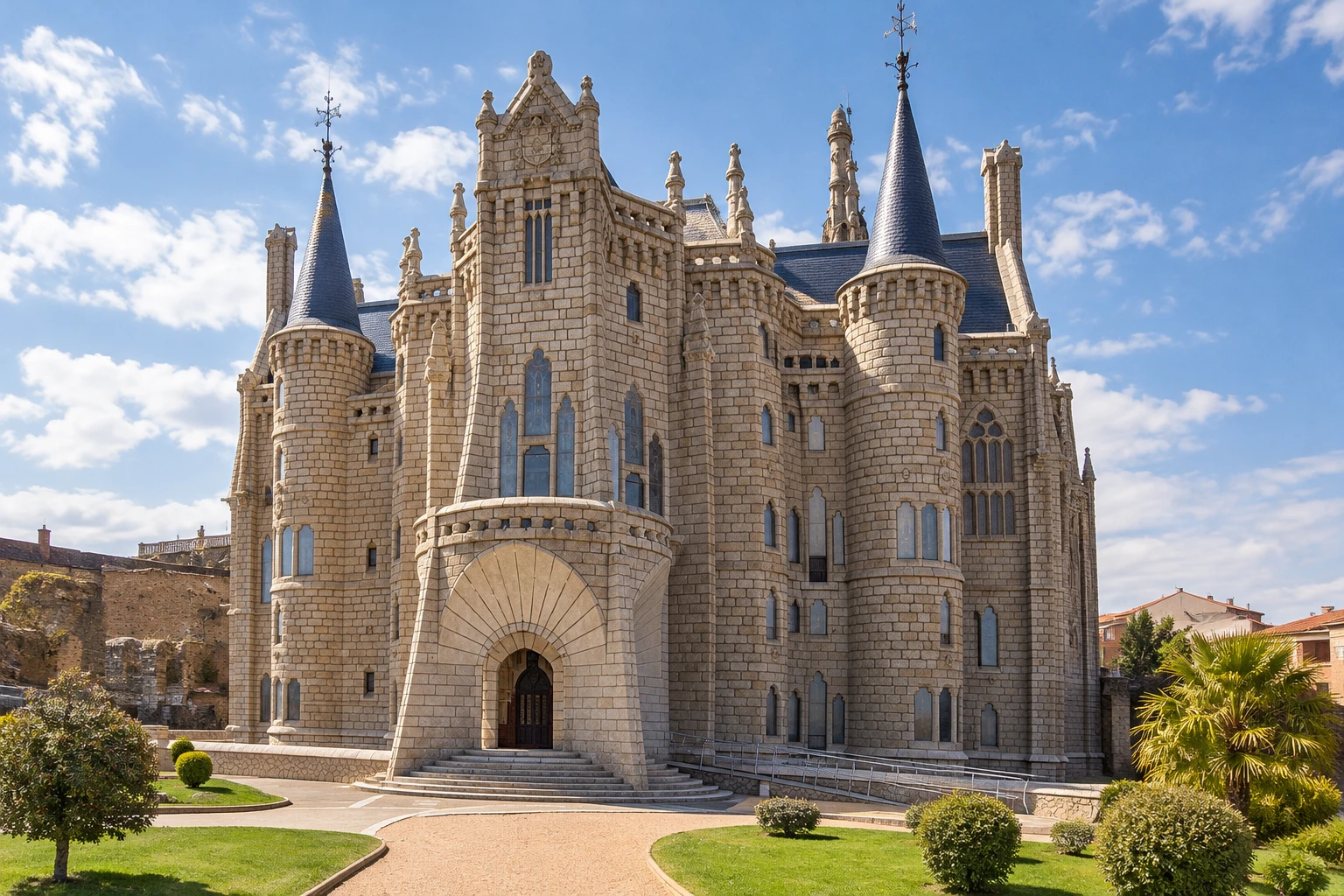
Episcopal Palace of Astorga · AstorgaNeogothic Palace designed by Gaudí, built between 1889 and 1915, of white granite with towers, which houses the Museu dos Caminhos, about the Caminho de Santiago.
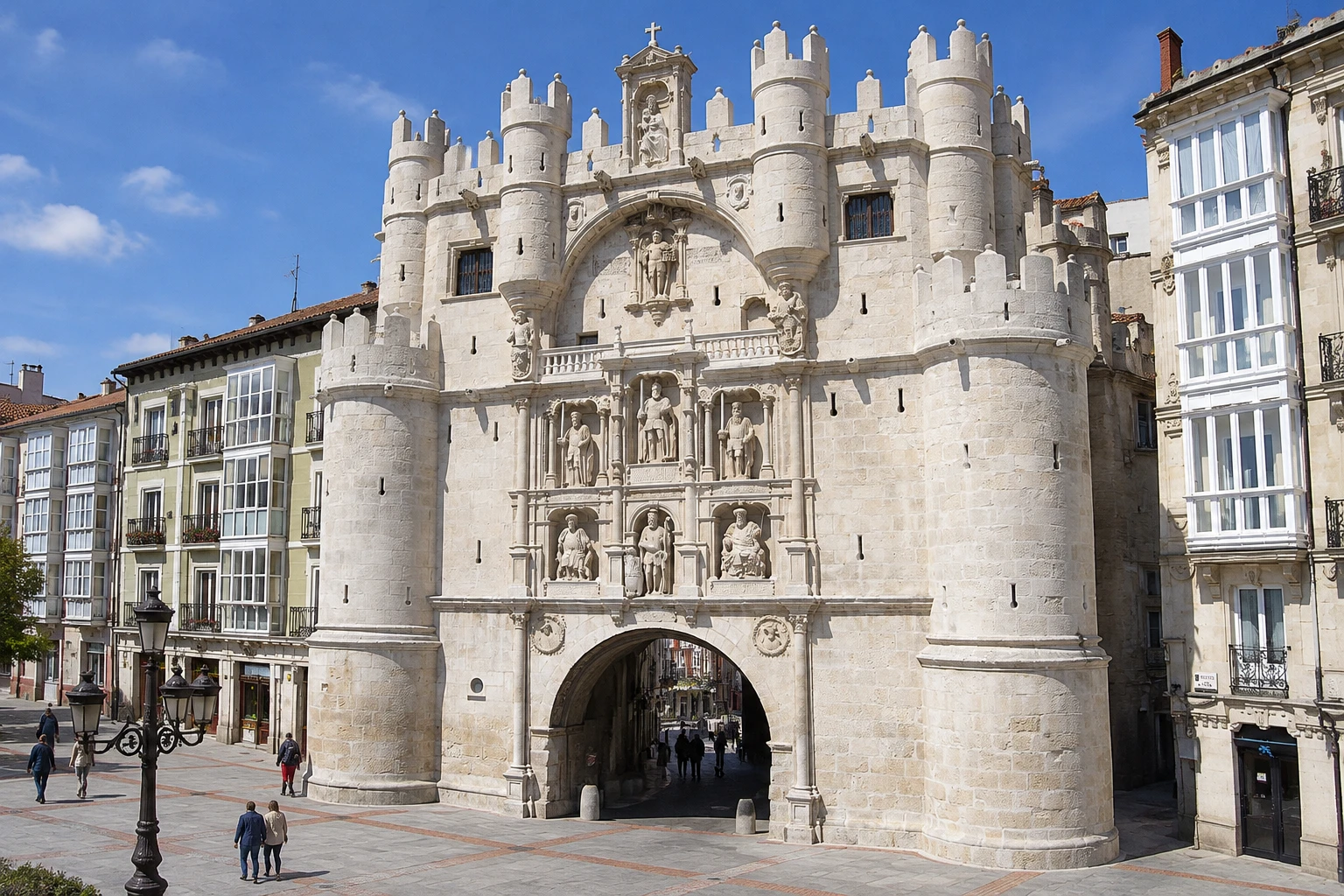
Arco de Santa María · BurgosThe former main gate of the wall, rebuilt in the 16th century as a triumphal arch with statues of El Cid, Count Fernán González and Carlos V, through which pilgrims enter the ce...
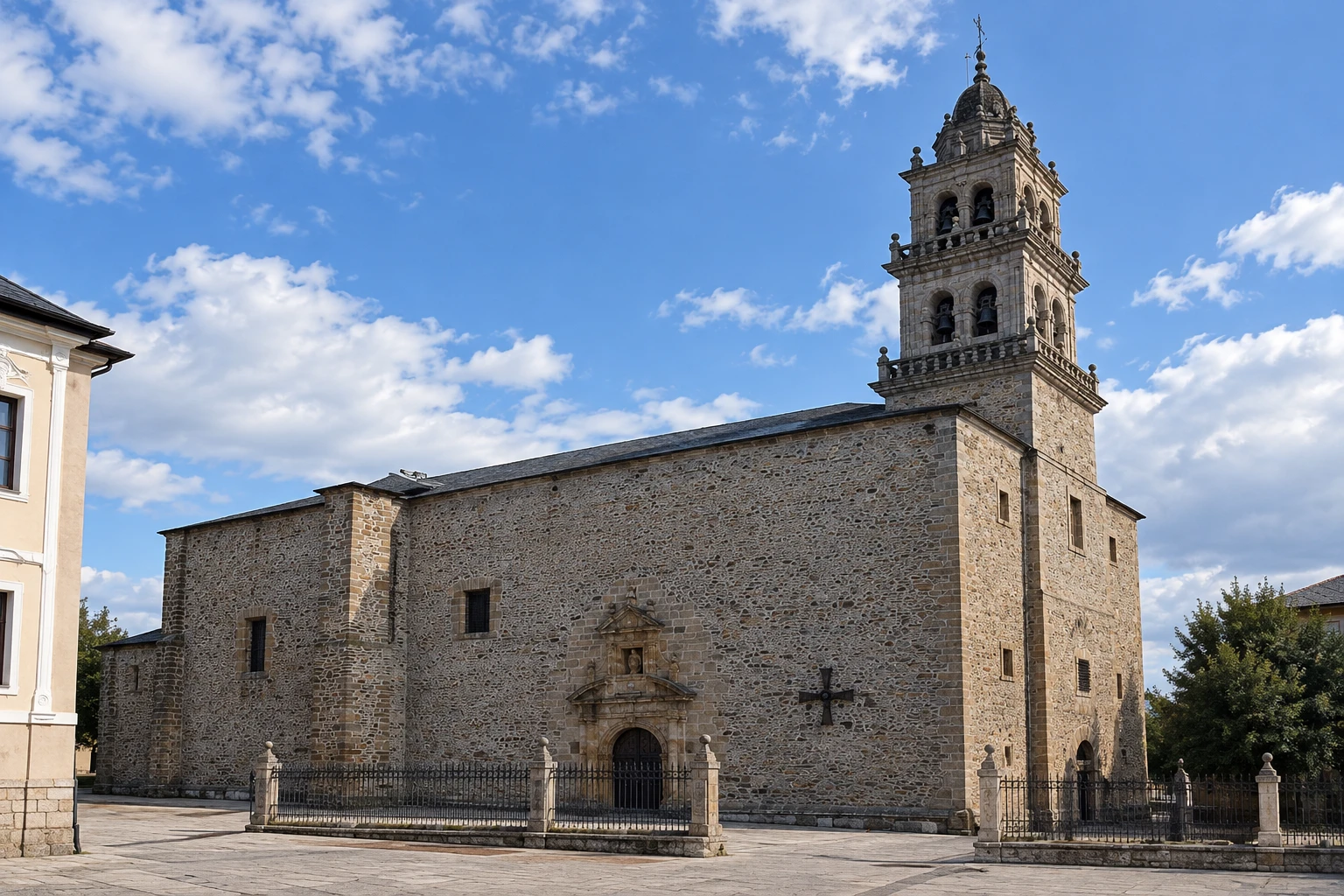
Basilica of Nuestra Señora de la Encina · PonferradaRenaissance and Baroque basilica from the 16th and 17th centuries, dedicated to the patroness of Bierzo, with a tall tower and the image of the Virgem da Azinheira in the sacristy.
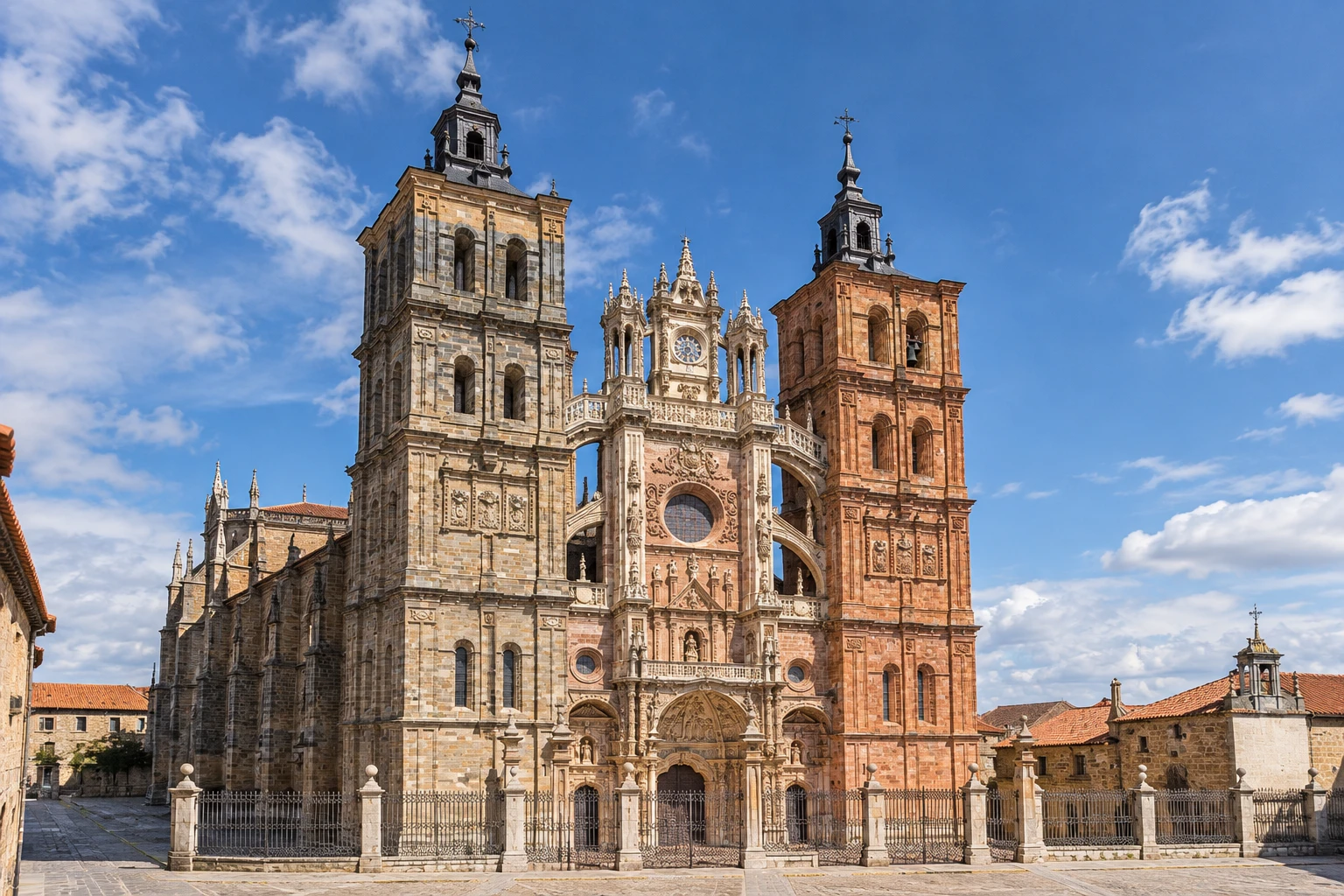
Astorga Cathedral · AstorgaGothic cathedral begun in 1471, with a baroque façade, towers over 60 metres and the Renaissance altarpiece by Gaspar Becerra.
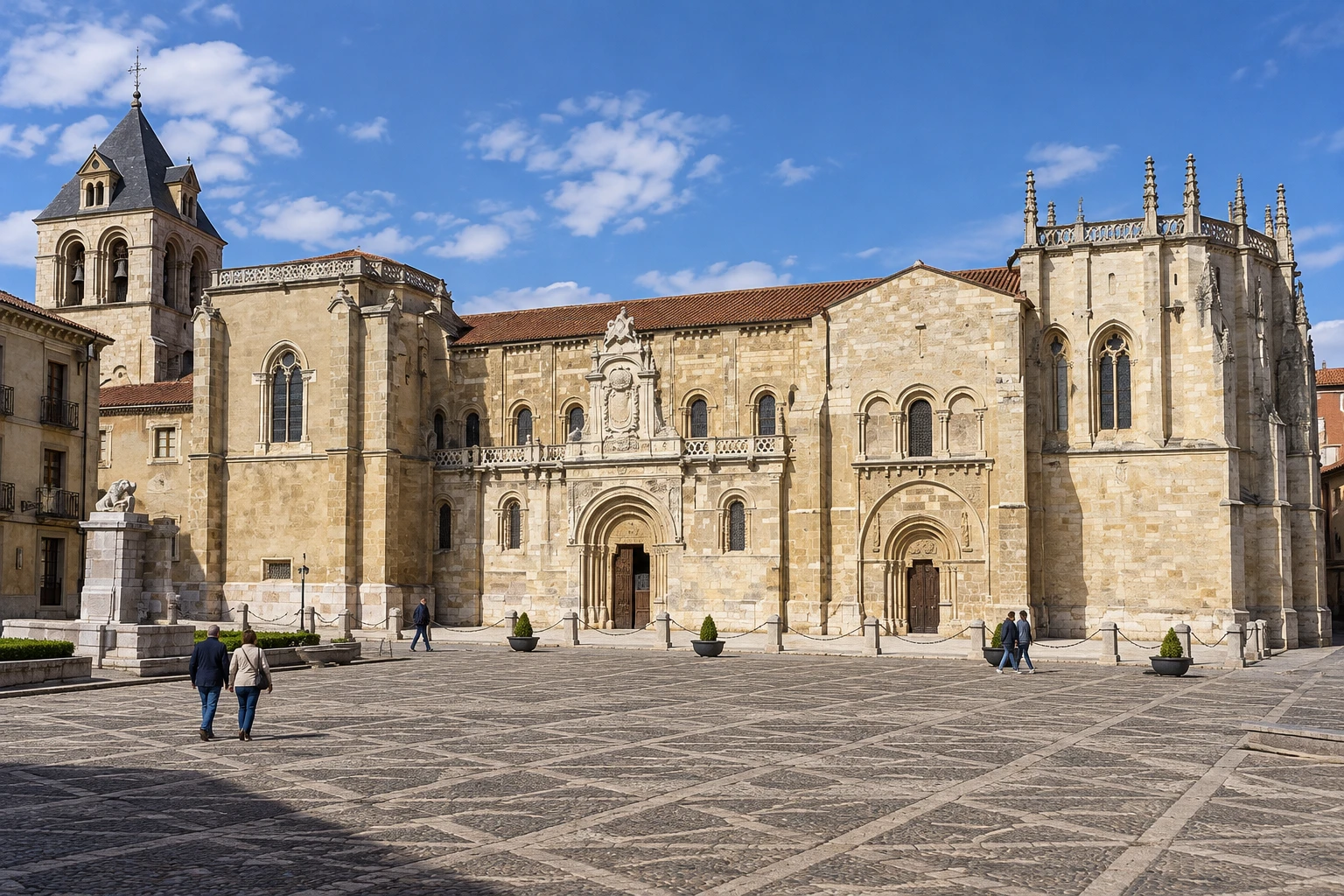
Royal Collegiate Church of San Isidoro · LeónRomanesque complex from the 11th and 12th centuries with the Pantheon of the Kings of León, covered with 12th‑century mural paintings, and the museum housing the chalice of Doña...
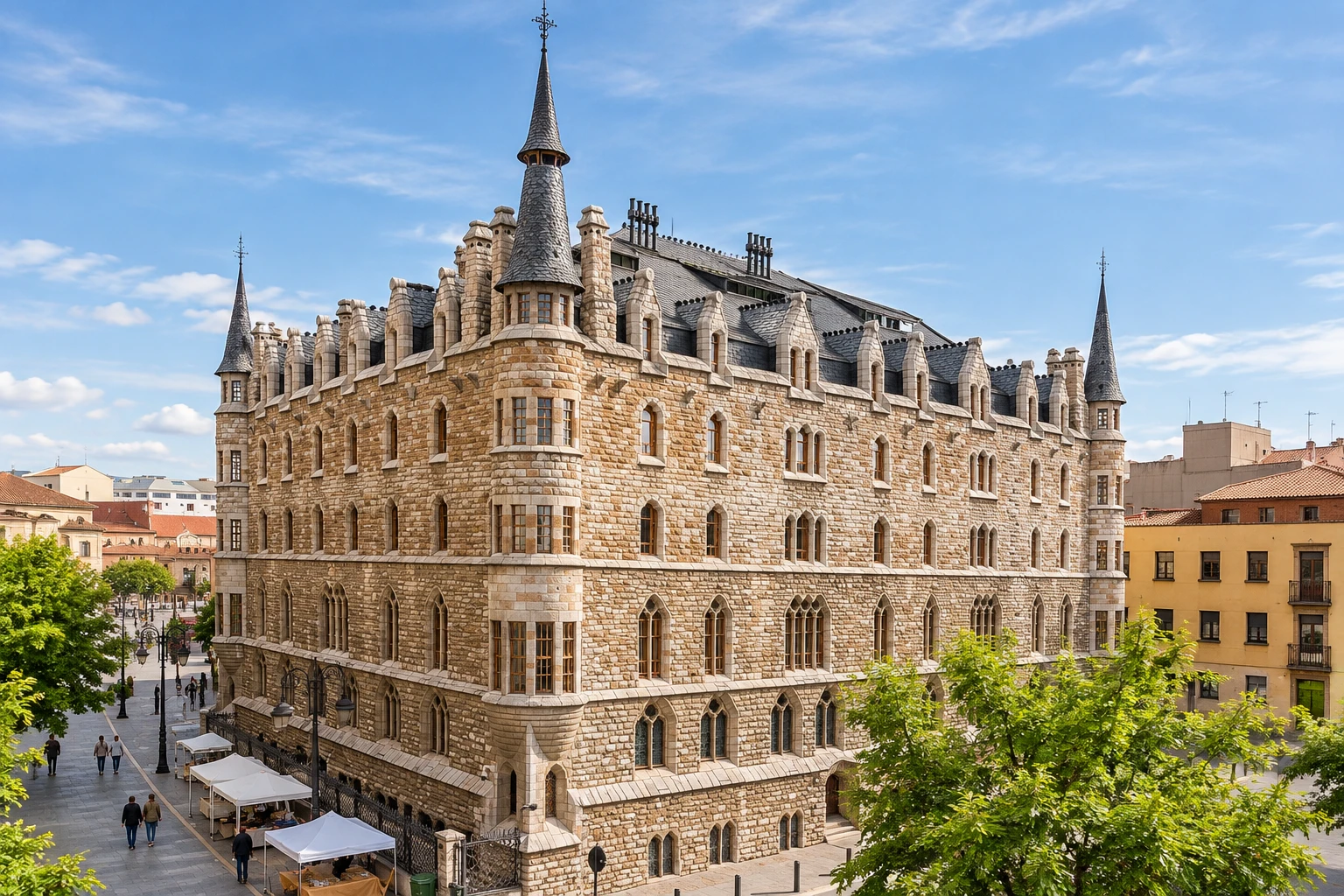
Casa Botines · LeónBuilding by Gaudí constructed between 1891 and 1892, with corner towers and a castle-like appearance, today a museum with the interiors and an art collection.
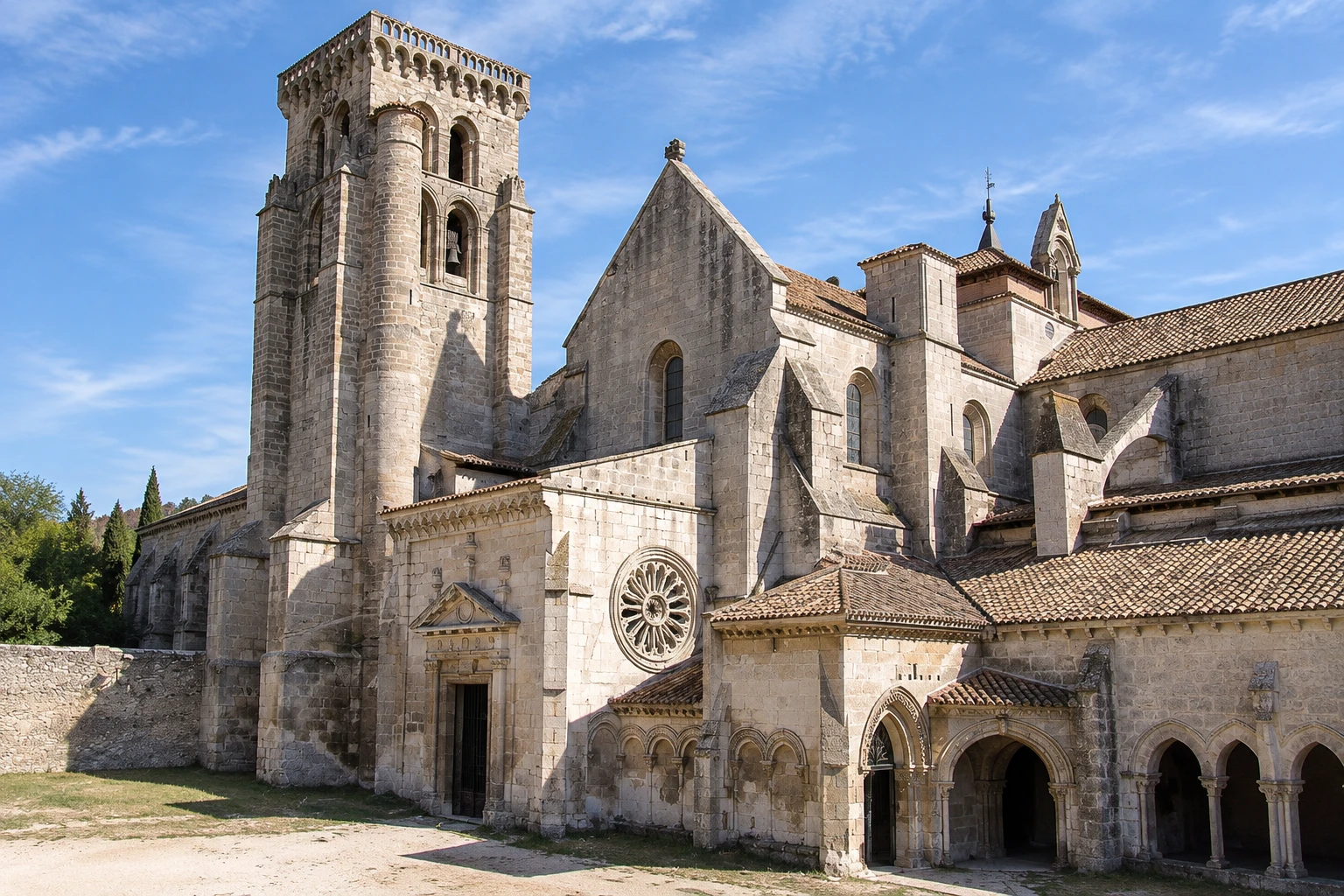
Abbey of Santa María la Real de Las Huelgas · BurgosCistercian nunnery founded in 1187 by King Alfonso VIII and Eleanor of England, royal pantheon of Castela, with a museum of medieval textiles.
Fortress from the 12th to 15th centuries at the confluence of the Sil and Boeza rivers, linked to the Order of the Temple, with walls, towers, courtyards and a library of reproductions of old books.
13th-century Gothic cathedral, the Pulchra Leonina, known for the medieval stained-glass windows that replace almost all the walls and fill the nave with colour.
Neogothic Palace designed by Gaudí, built between 1889 and 1915, of white granite with towers, which houses the Museu dos Caminhos, about the Caminho de Santiago.
The former main gate of the wall, rebuilt in the 16th century as a triumphal arch with statues of El Cid, Count Fernán González and Carlos V, through which pilgrims enter the centre.
Renaissance and Baroque basilica from the 16th and 17th centuries, dedicated to the patroness of Bierzo, with a tall tower and the image of the Virgem da Azinheira in the sacristy.
Romanesque complex from the 11th and 12th centuries with the Pantheon of the Kings of León, covered with 12th‑century mural paintings, and the museum housing the chalice of Doña Urraca.
Building by Gaudí constructed between 1891 and 1892, with corner towers and a castle-like appearance, today a museum with the interiors and an art collection.
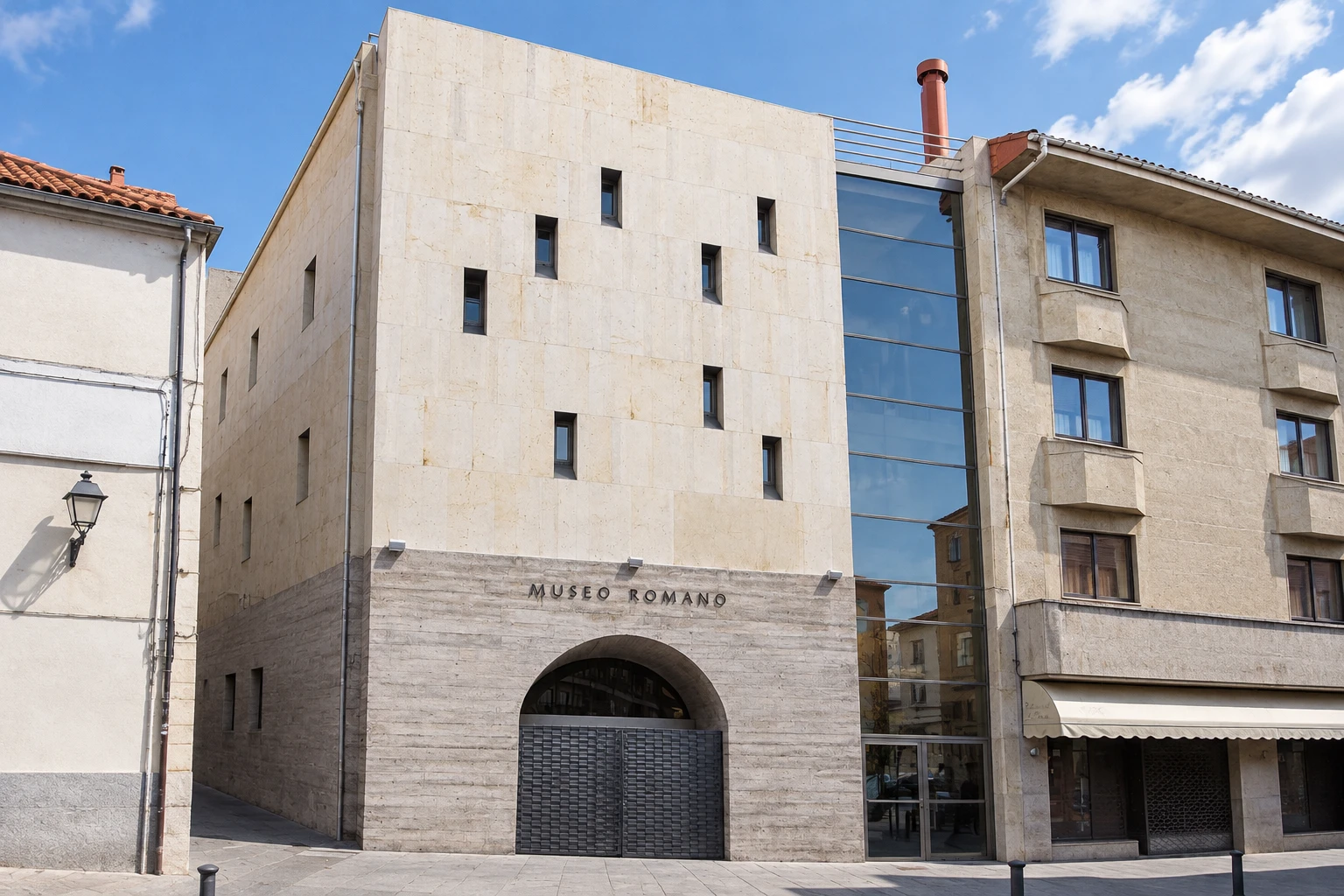
Museum of the ancient Asturica Augusta in the ergástula, a Roman gallery with a vault, starting point of the Roman route that goes past baths, sewers and mosaics in the centre.
Carthusian monastery from the late 15th century about 3 km from the centre, with a Gothic church, a gilded reredos and the alabaster tombs of Juan II and Isabel of Portugal, carved by Gil de Siloé.
Museum in the former coal-fired power station of the Minero Siderúrgica de Ponferrada, which operated from 1920 to 1971, featuring the original machines and the history of coal in Bierzo.
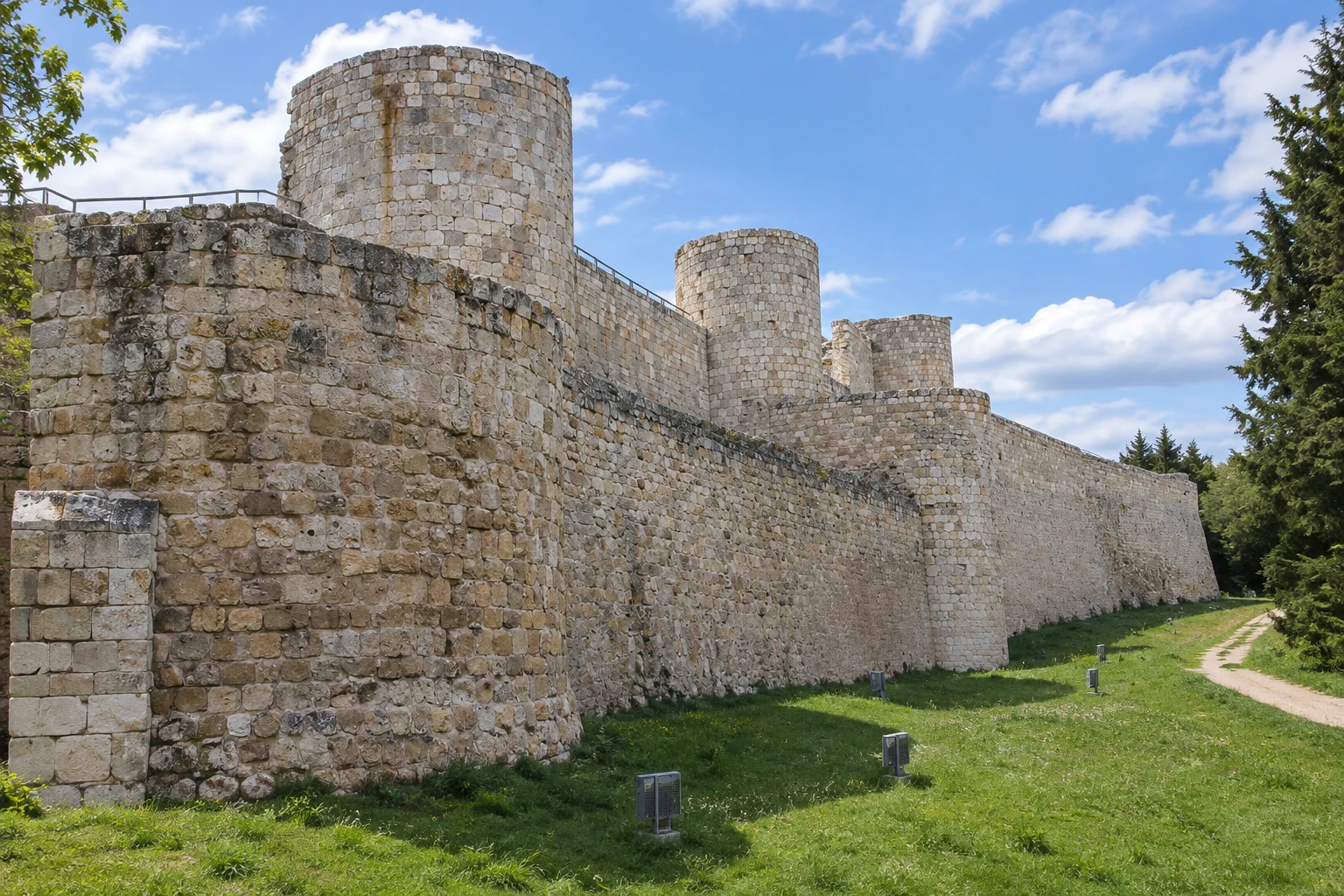
Wall of Roman origin, from the 3rd and 4th centuries, over 2 km around the old town, with semicircular towers (cubos) and a walkway on top of part of it.
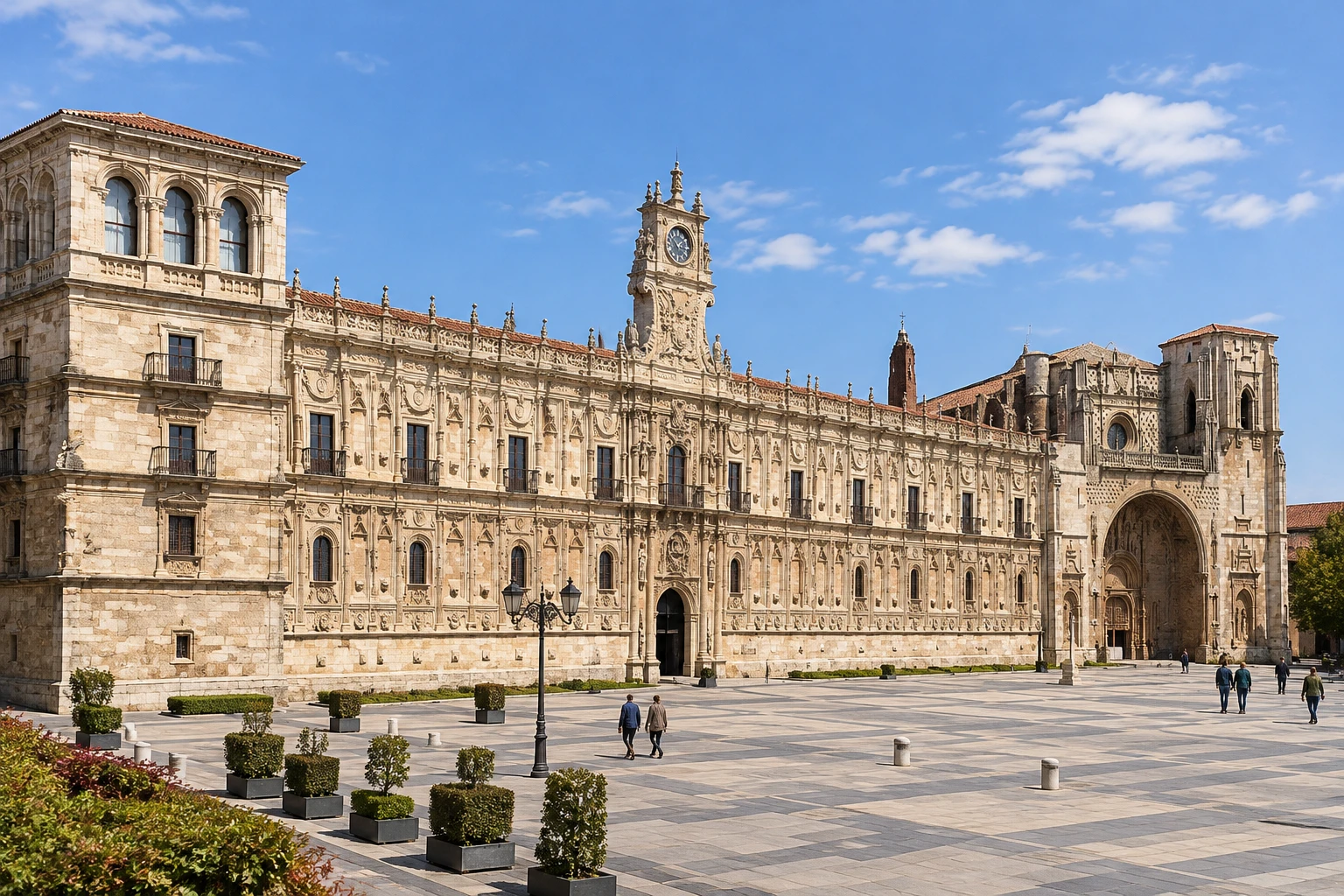
Former pilgrims' hospital and seat of the Ordem de Santiago on the banks of the Bernesga river, with a long 16th-century plateresque façade, today a parador, with the church open to visitors.
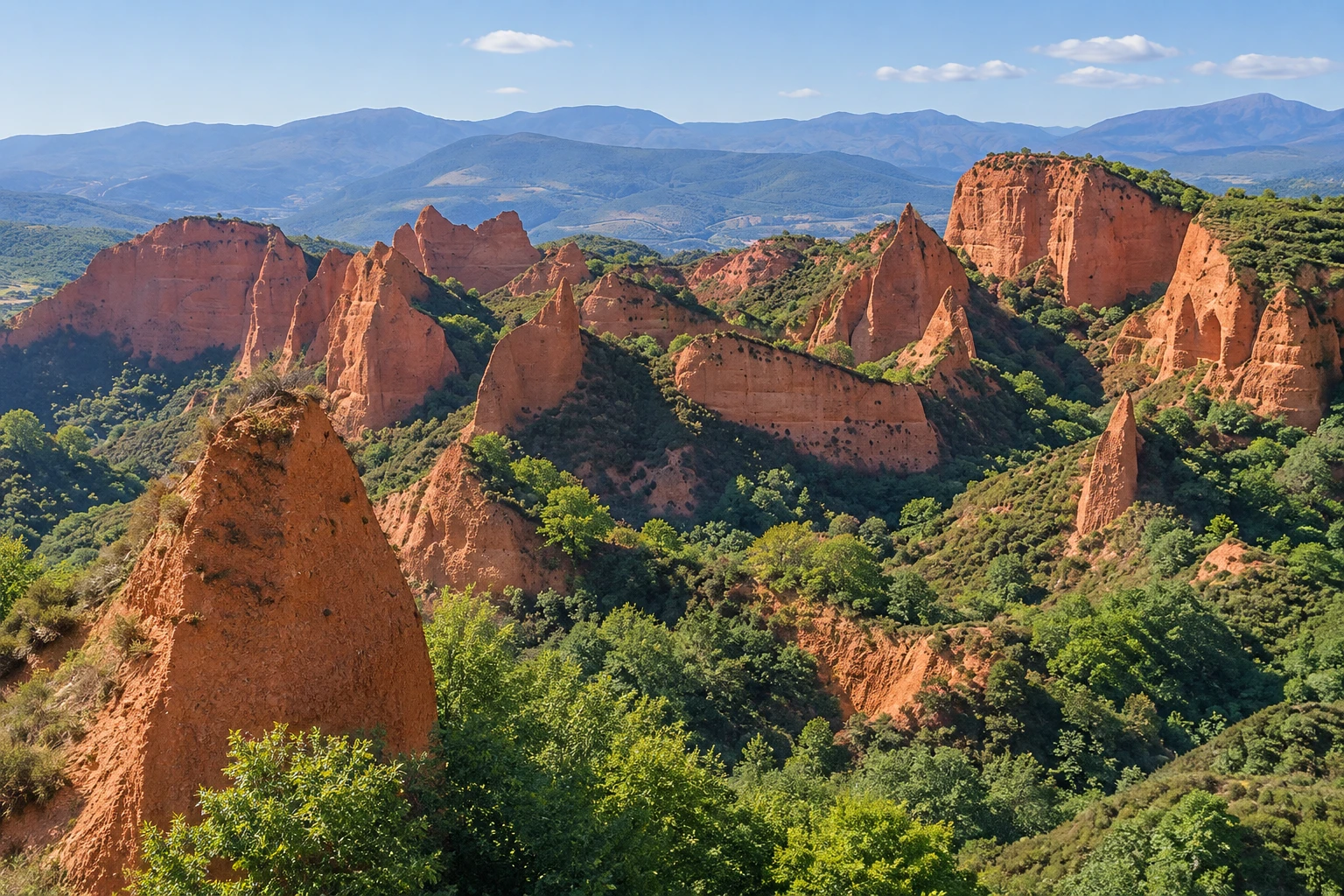
The largest open‑pit gold mine of the Roman Empire, about 25 km from Ponferrada, a World Heritage Site, with red earth formations among chestnut woods, galleries and the Orellán viewpoint.
Ruins of the castle on the hill behind the cathedral, dating back to the 9th century, with underground galleries and a viewpoint offering views of the city and the cathedral's spires.
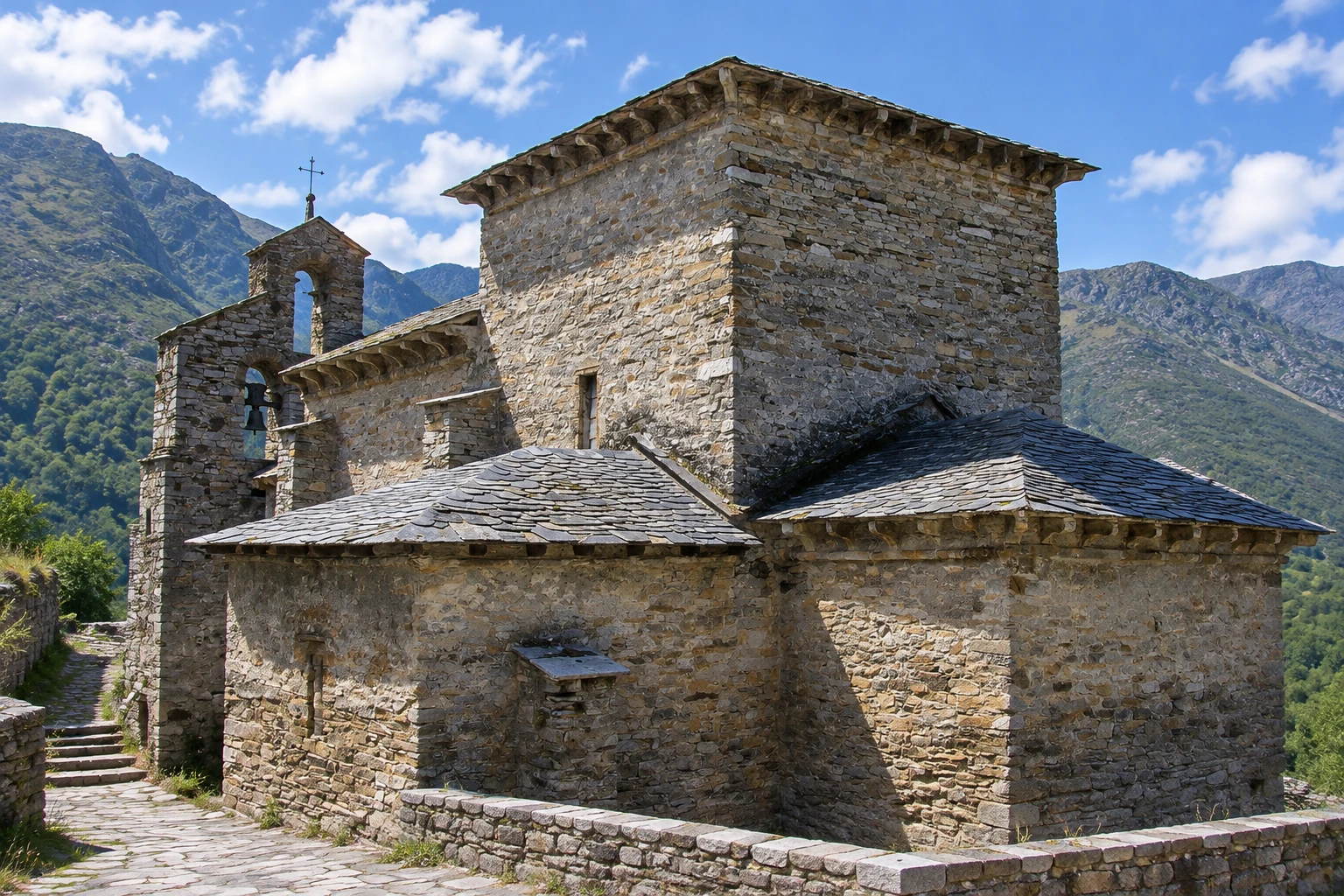
Mozarabic church inaugurated in 937 in the mountain village of Peñalba de Santiago, about 20 km from Ponferrada, with horseshoe arches, in the vale do Silêncio.
Museum about Astorga's chocolate industry, which once had dozens of factories, with machines, utensils, labels and vintage posters, and a tasting at the end.
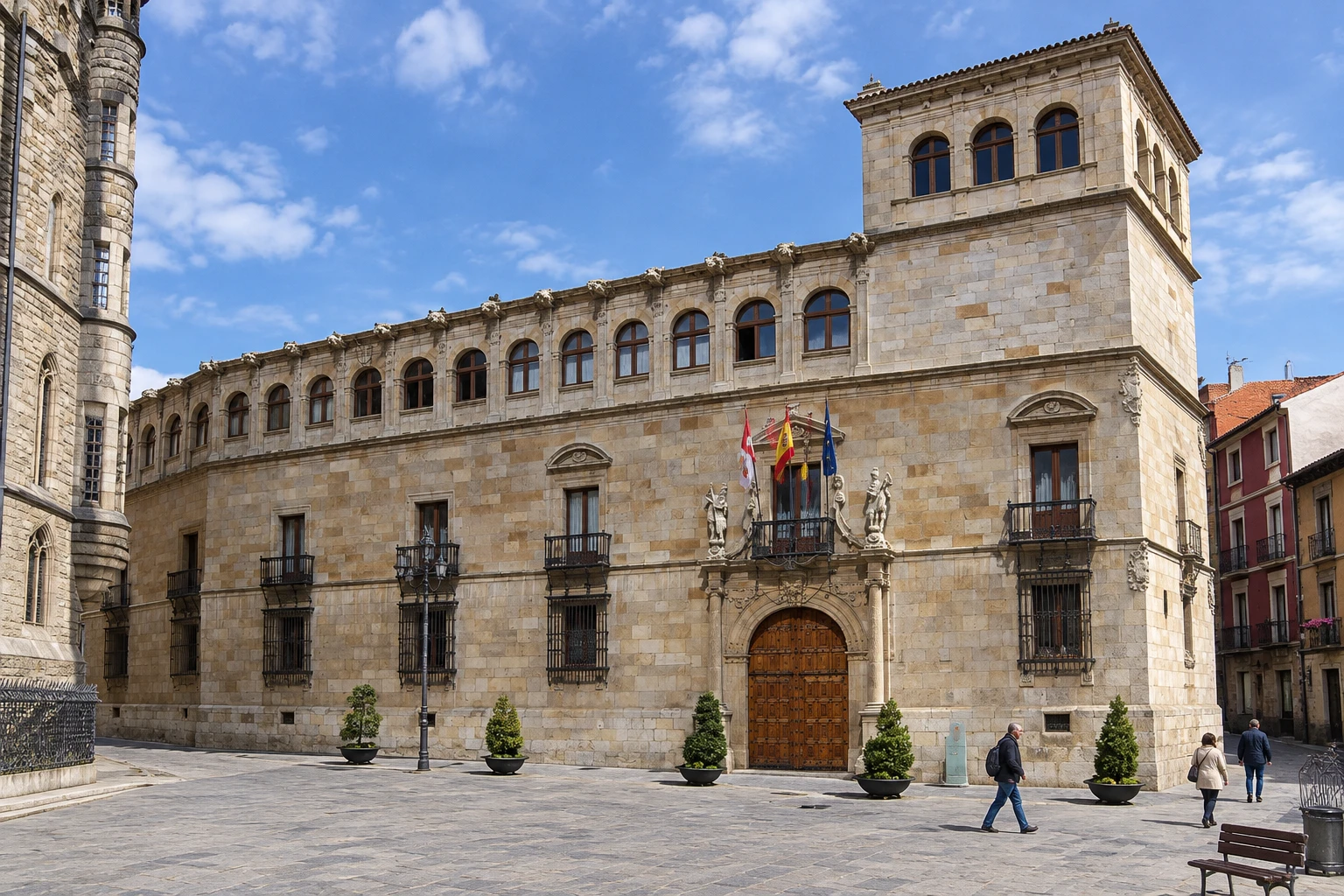
15th-century Gothic palace of the Constables of Castile, with the Franciscan cord carved into the façade, where the Catholic Monarchs received Columbus after his second voyage to America.
Maragato village 5 km from Astorga, a historic ensemble of reddish stone houses, cobbled streets and large gates from the old muleteers, known for the cozido maragato.
Prehistoric sites in the sierra of Atapuerca, about 15 km from Burgos, Patrimônio Mundial, with caves where some of the oldest human remains in Europe were found.


 Brazil
 Antarctica
 Argentina
 Bolivia
 Chile
 Colombia
 Ecuador
 Falkland Islands (Malvinas)
 French Guiana
 Guyana
 Paraguay
 Peru
 Suriname
 Uruguay
 Venezuela
 Austria
 Belgium
 Croatia
 Denmark
 Finland
 France
 Germany
 Greece
 Hungary
 Iceland
 Ireland
 Italy
 Luxembourg
 Norway
 Poland
 Portugal
 Slovakia
 Slovenia
 Sweden
 Switzerland
 the Czech Republic
 the Netherlands
 the United Kingdom
 Turkey
 Bermuda
 Canada
 Greenland
 Mexico
 Saint Pierre and Miquelon
 the United States
 the Dominican Republic
 Japan
 Egypt
 South Africa
 Australia
 Fiji
 New Zealand
 Papua New Guinea