

 Brazil
 Antarctica
 Argentina
 Bolivia
 Chile
 Colombia
 Ecuador
 Falkland Islands (Malvinas)
 French Guiana
 Guyana
 Paraguay
 Peru
 Suriname
 Uruguay
 Venezuela
 Albania
 Austria
 Belgium
 Croatia
 Denmark
 Finland
 France
 Germany
 Greece
 Hungary
 Iceland
 Ireland
 Italy
 Luxembourg
 Norway
 Poland
 Portugal
 Slovakia
 Slovenia
 Sweden
 Switzerland
 the Czech Republic
 the Netherlands
 the United Kingdom
 Turkey
 Bermuda
 Canada
 Greenland
 Mexico
 Saint Pierre and Miquelon
 the United States
 the Dominican Republic
 Japan
 Egypt
 South Africa
 Australia
 Fiji
 New Zealand
 Papua New Guinea
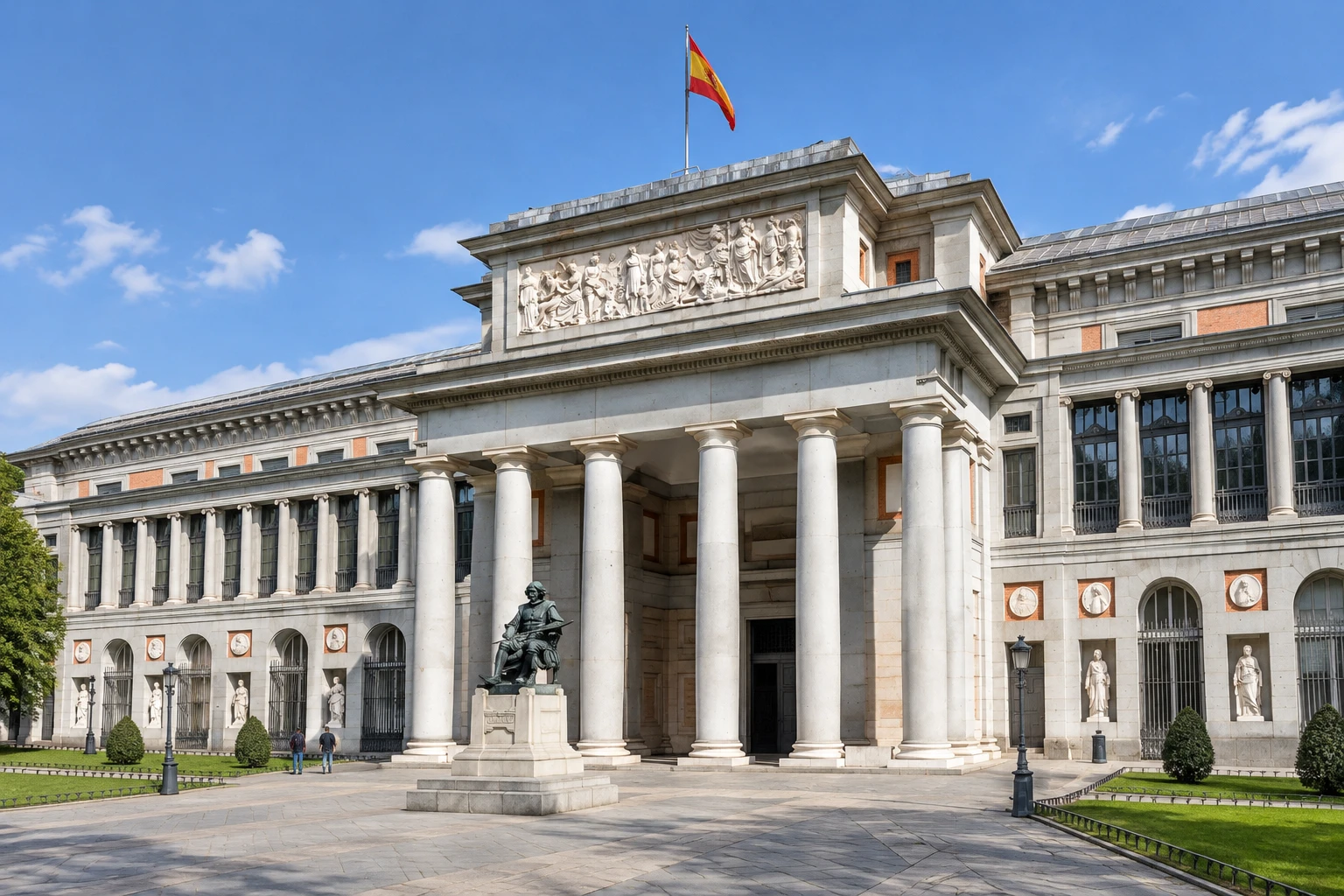
Museum · Madrid, Spain
Prado Museum
One of the largest collections of European painting in the world, with Velázquez, Goya, El Greco, Bosch, Titian and Rubens, in a neoclassical building by Juan de Villanueva on the Paseo del Prado.
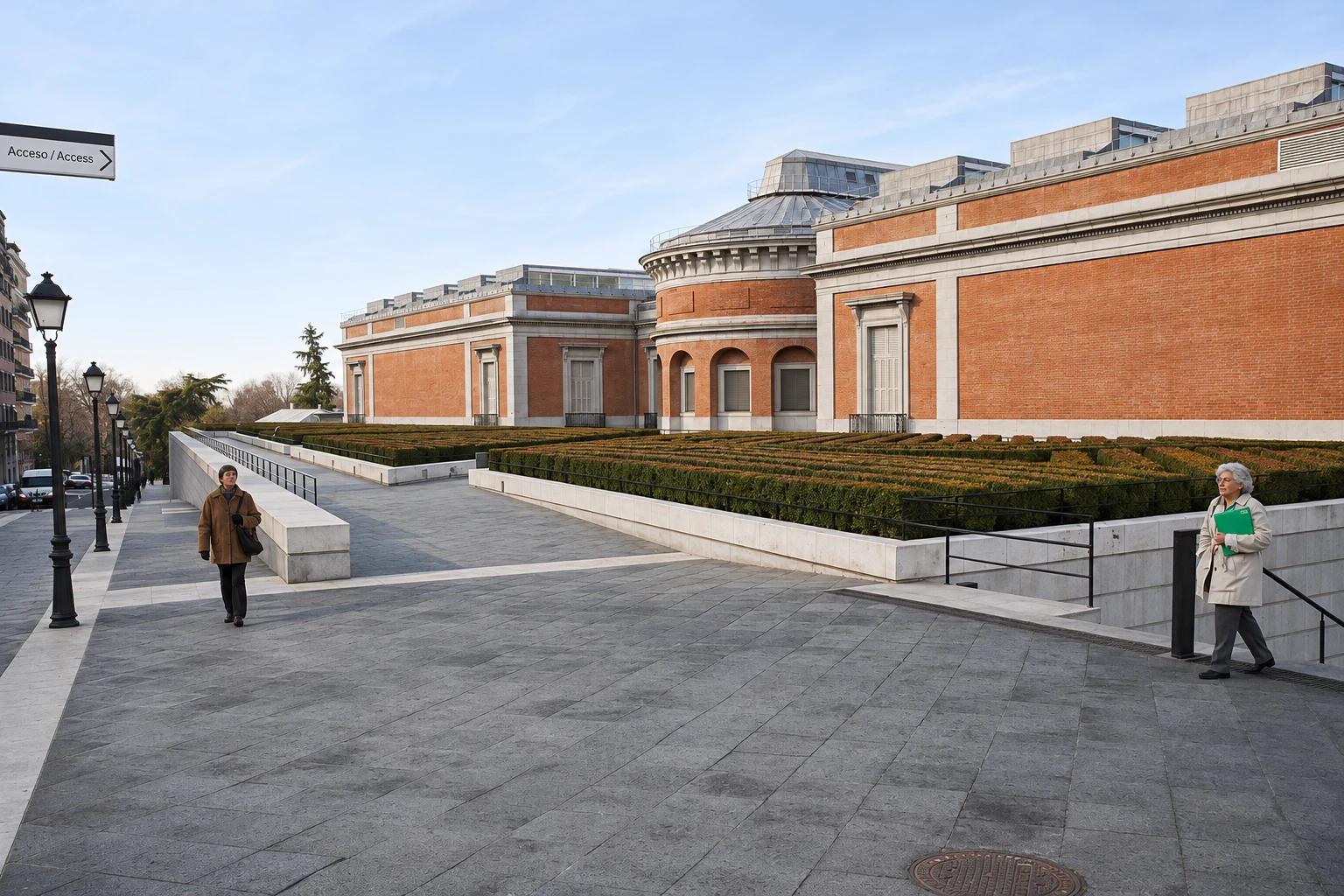
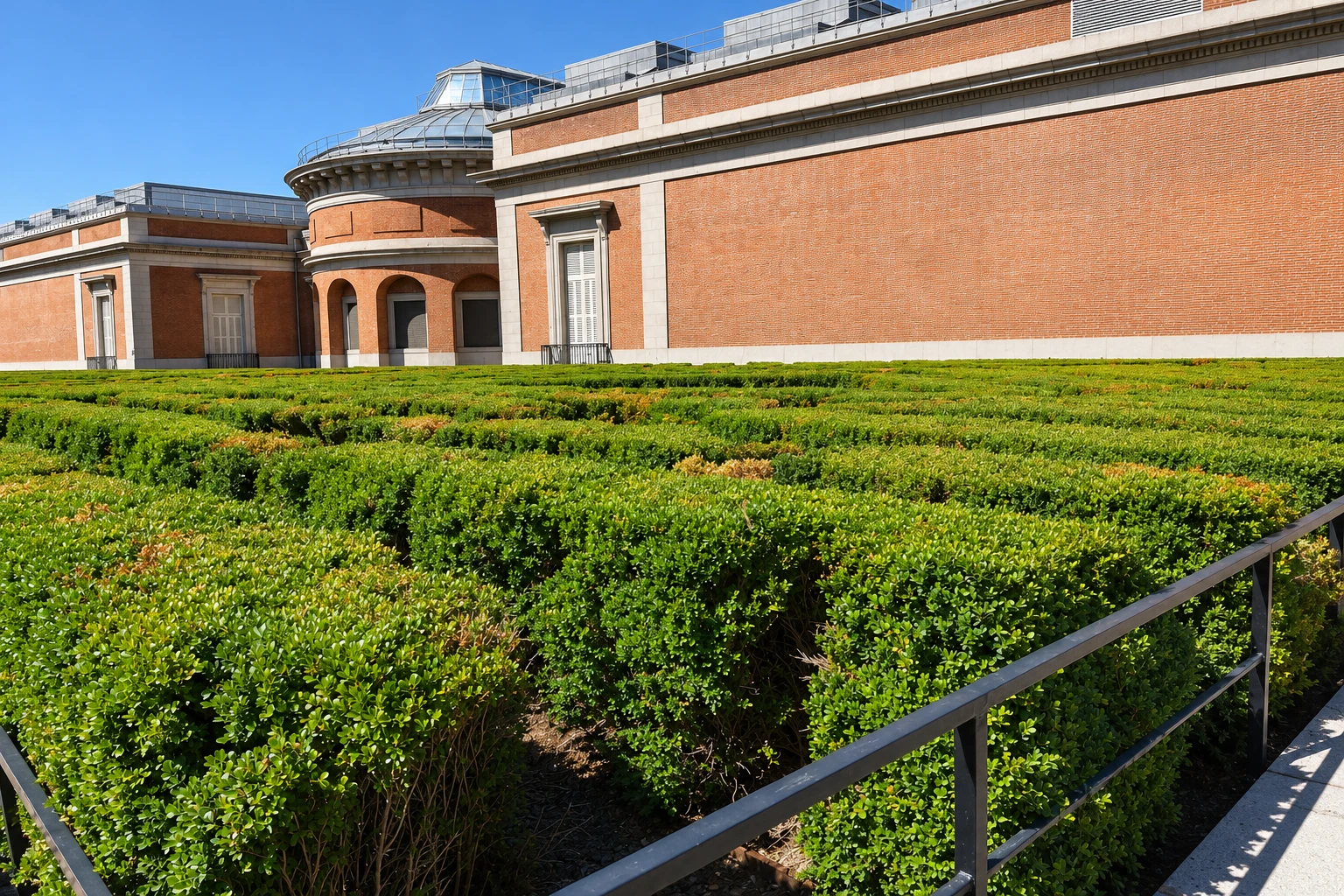
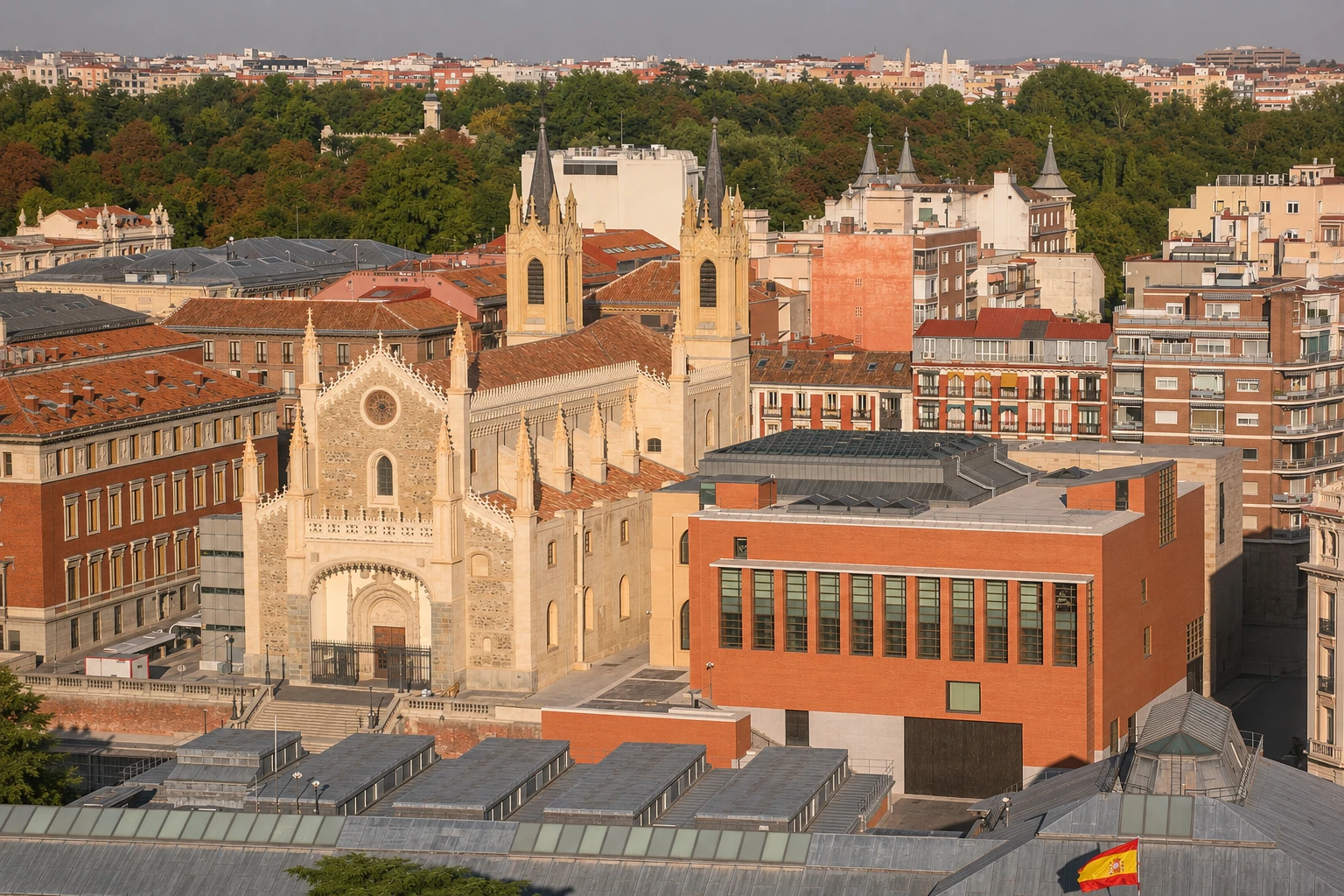
Illustrative images. The pictures in this guide are illustrations based on the real place, not photographs, and may differ from it.

A look at the place
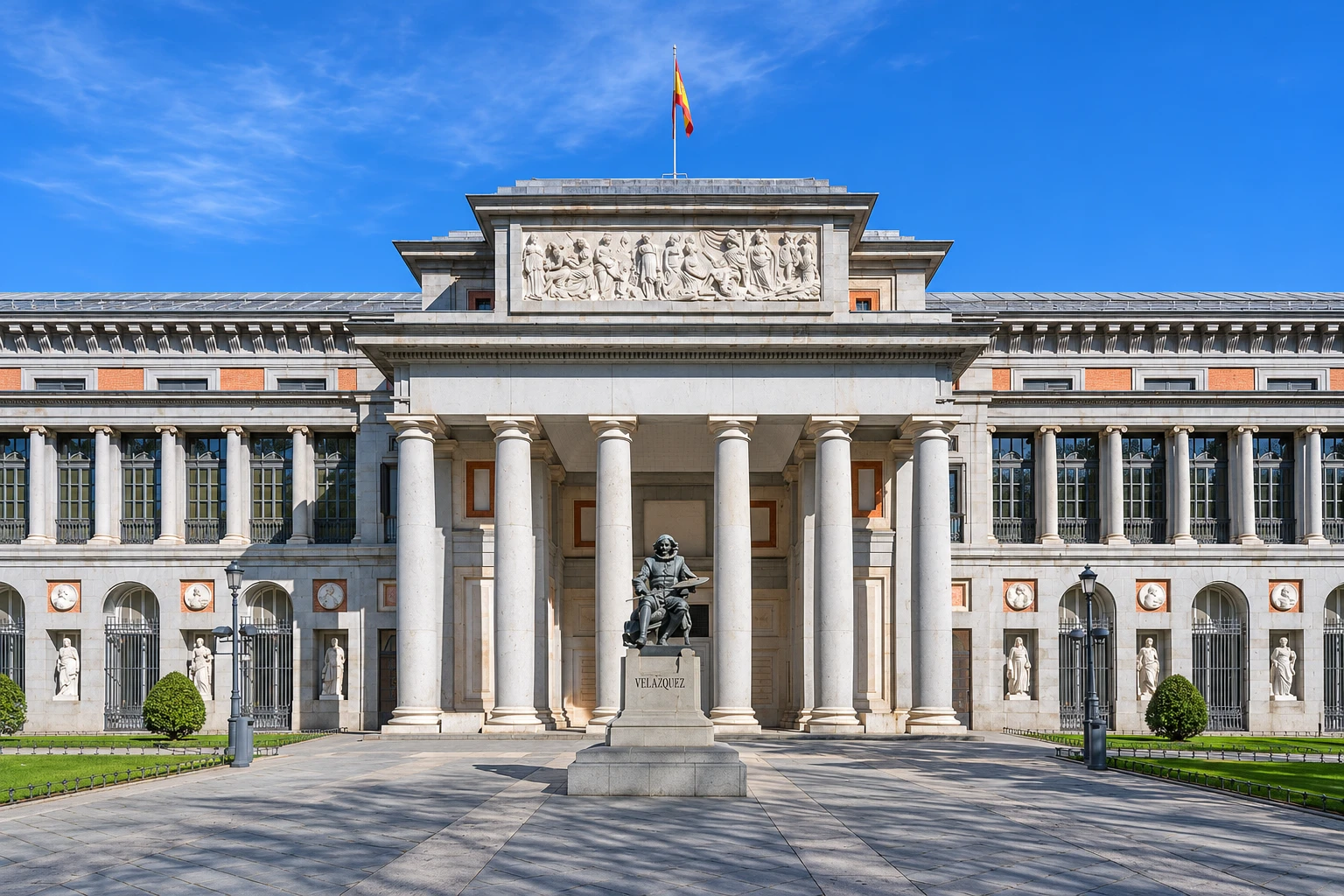
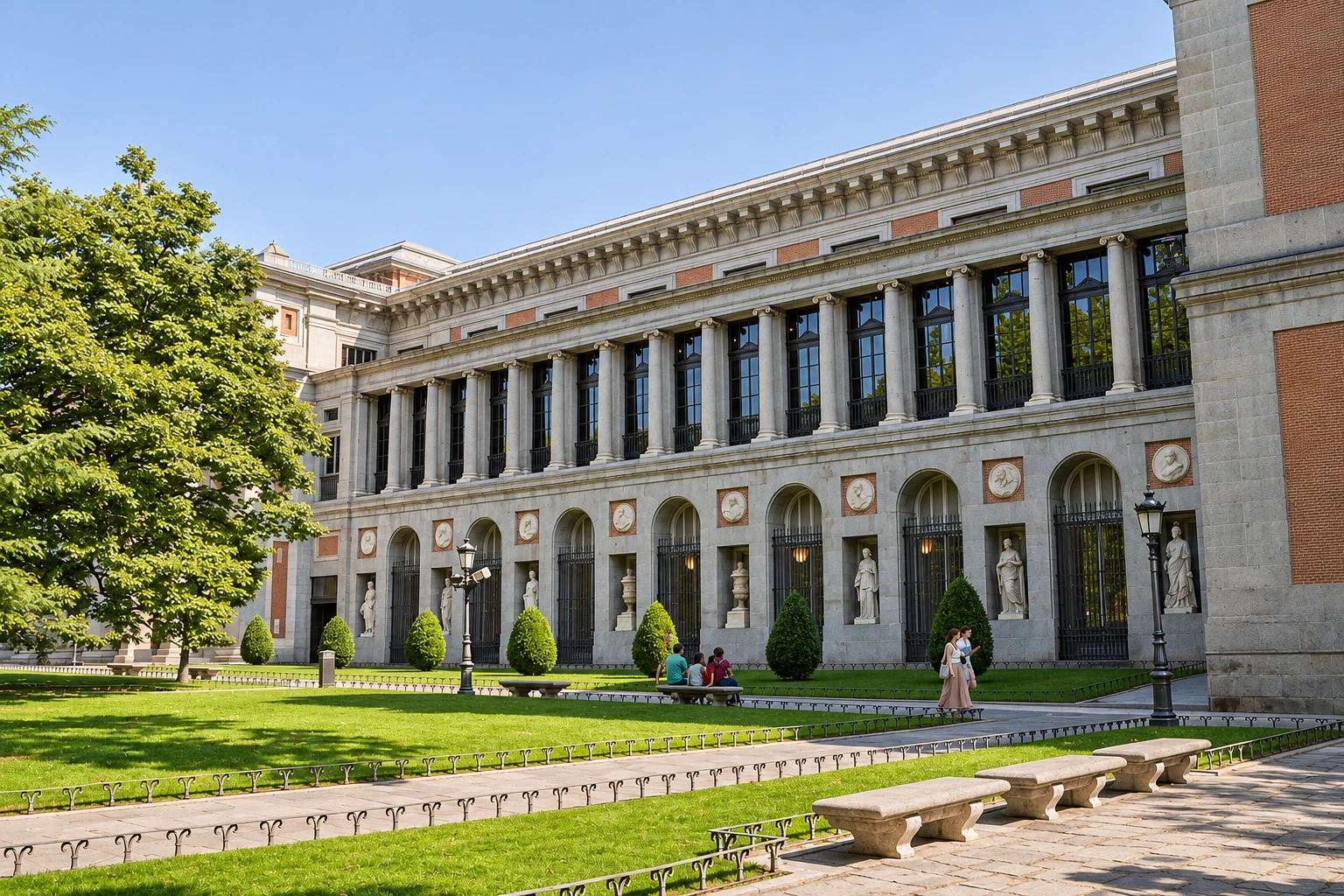
Prado Museum in pictures
These pictures are illustrations based on the real place, not photographs. They may differ from the place.
Click the picture to enlarge it.
Discover
About Prado Museum
The building was commissioned by Charles III in 1785 from the architect Juan de Villanueva. The original idea was to house a cabinet of natural history. Ferdinand VII decided to turn it into a royal museum, and its doors opened to the public on 19 November 1819.
The collection has about 8,600 paintings and more than 700 sculptures, but only part is on display. Velázquez is represented by over 40 canvases, including Las Meninas and The Spinners. From Goya, who is the artist with the most works in the museum, are The Third of May 1808 and The Family of Charles IV.
Other rooms hold The Garden of Earthly Delights by Bosch; The Descent from the Cross by Van der Weyden; The Nobleman with his Hand on his Chest by El Greco; the equestrian portrait of Charles V by Titian; and The Three Graces by Rubens.
In 2007, an expansion designed by Rafael Moneo linked Villanueva’s building to a new wing built around the old Jerónimos cloister. The museum is part of the Paseo del Prado and the Buen Retiro landscape, a UNESCO World Heritage site.
Before you go
Practical information
Cidade Turismo reviews its information regularly, but something may have changed. Check with the place before planning your trip.
How much time to set aside
Three to four hours for the main works. If you like painting, you can come back another day.
Best time
Right at opening, in the morning, the Velázquez and Goya rooms are quieter. At the end of the day there is a free-admission period that usually has a long line. The museum is open every day except January 1, May 1 and December 25; check before you go.
How to get there
It's on the Paseo del Prado, about a 15-minute walk from the Puerta del Sol. The nearest metro stations are Banco de España (line 2) and Estación del Arte (line 1). Atocha train station is about a ten-minute walk away.
Tip
Buy your ticket online in advance, with a date and time selected, to avoid the ticket-office line. Make a short list of works and follow the museum map: the building is large and tiring. There is a combined ticket with the Thyssen and the Reina Sofía called Paseo del Arte.
Official website
Your questions
Frequently asked questions about Prado Museum
What are the most famous works in the Prado?
Las Meninas, by Velázquez; The Third of May 1808, by Goya; The Garden of Earthly Delights, by Bosch; and The Descent from the Cross, by Van der Weyden are among the most sought-after.
Do I need to buy a ticket in advance?
It is the most recommended. Buying online reserves a date and time and avoids the ticket-office line. Check prices and conditions on the official website.
Does the Prado close any day of the week?
No. It is open every day, closing only on January 1, May 1 and December 25. On some year-end dates the opening hours are reduced.
Can you see the Prado and the Reina Sofía on the same day?
Yes, because they are about a ten-minute walk from each other, but the day can be tiring. It's best to reserve the morning for one and the afternoon for the other, with a long break for lunch.