Burgos · Spain · Church
Burgos Cathedral
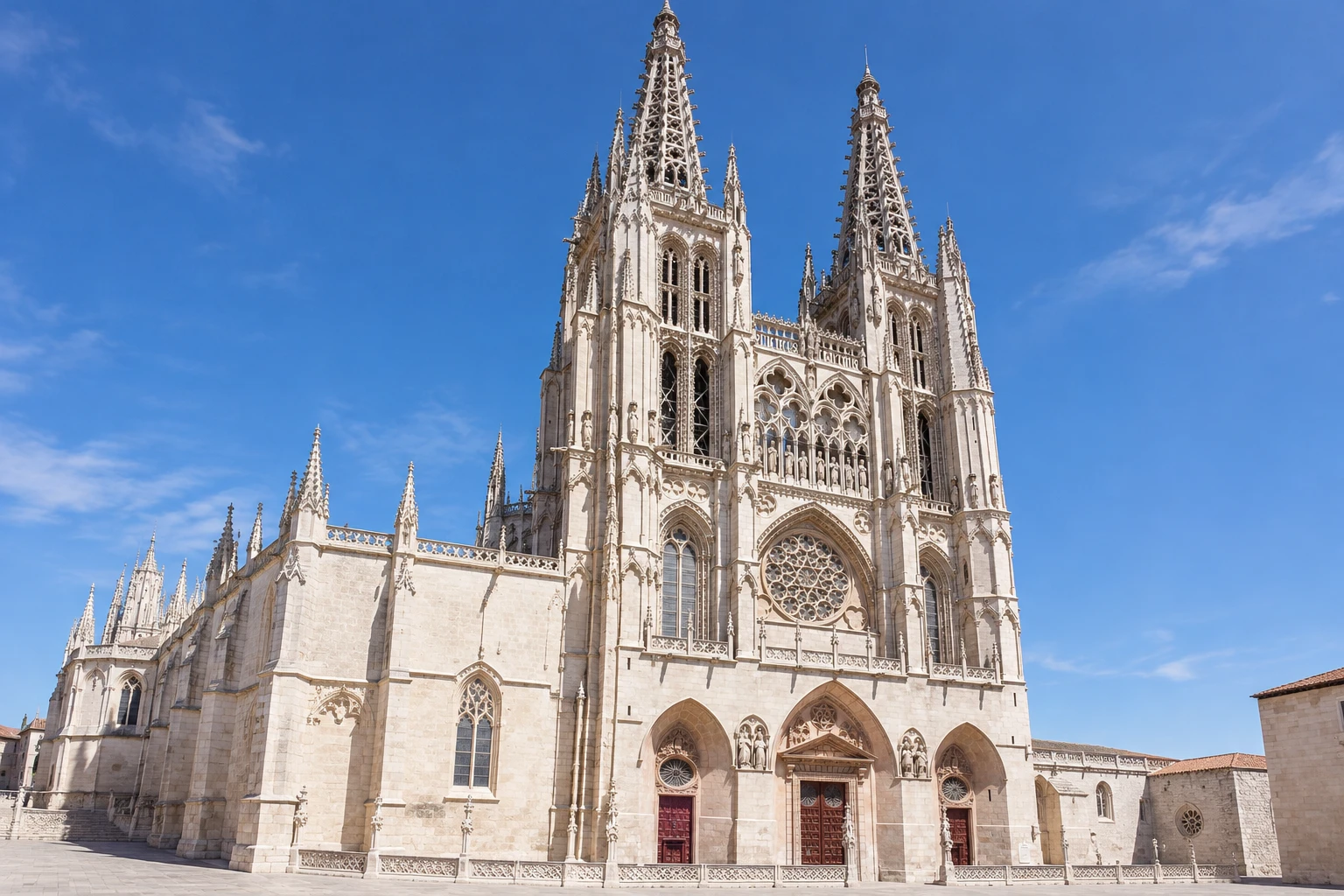
Gothic cathedral begun in 1221, a World Heritage Site, with lace-like spires, the capela do Condestável, the Escada Dourada and El Cid's tomb.

 Search
 Brazil
 Antarctica
 Argentina
 Bolivia
 Chile
 Colombia
 Ecuador
 Falkland Islands (Malvinas)
 French Guiana
 Guyana
 Paraguay
 Peru
 Suriname
 Uruguay
 Venezuela
 Austria
 Belgium
 Croatia
 Denmark
 Finland
 France
 Germany
 Greece
 Hungary
 Iceland
 Ireland
 Italy
 Luxembourg
 Norway
 Poland
 Portugal
 Slovakia
 SloveniaSpain
 Sweden
 Switzerland
 the Czech Republic
 the Netherlands
 the United Kingdom
 Turkey
 Bermuda
 Canada
 Greenland
 Mexico
 Saint Pierre and Miquelon
 the United States
 the Dominican Republic
 JapanTurkey
 Egypt
 South Africa
 Australia
 Fiji
 New Zealand
 Papua New Guinea
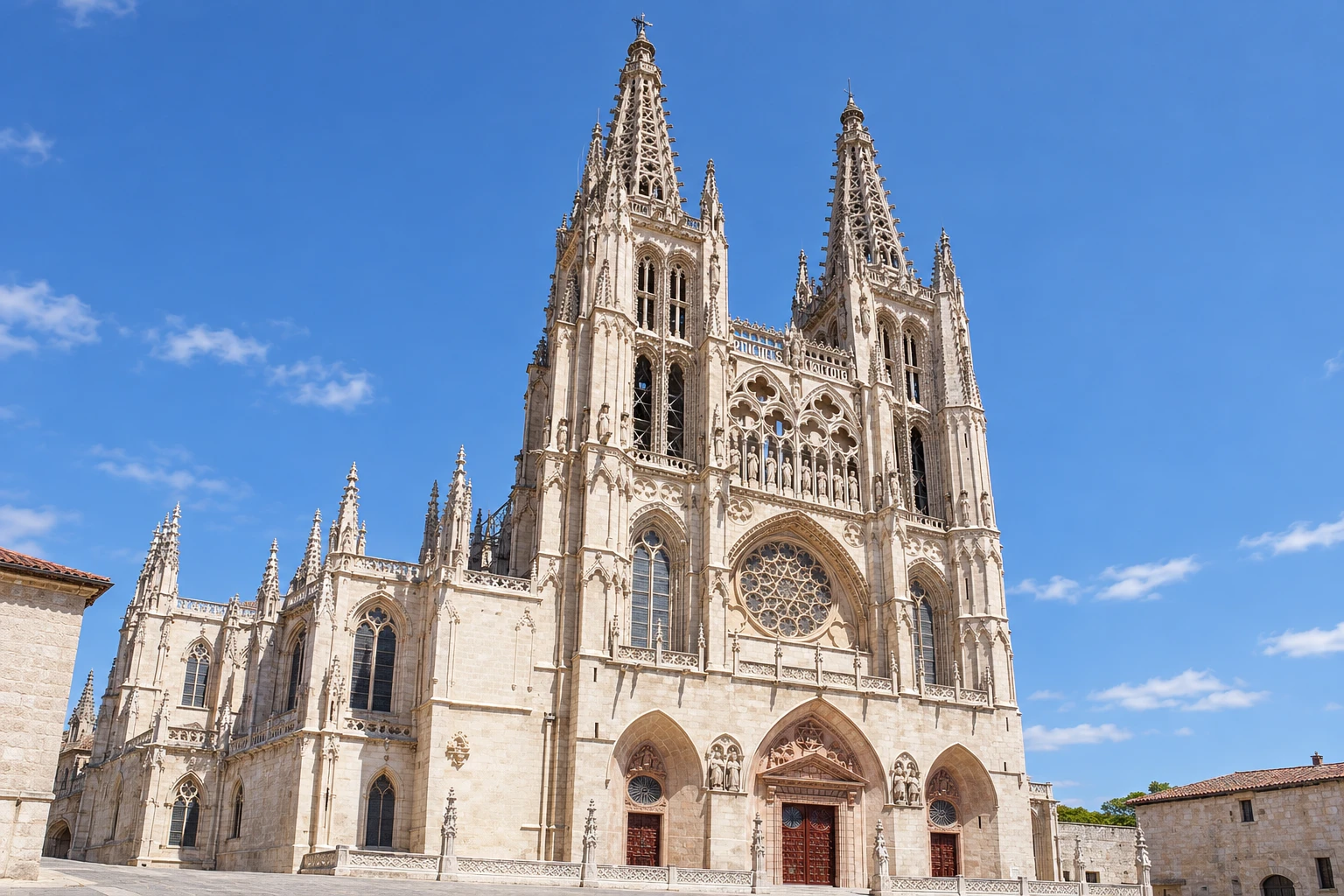
In the photo: Catedral de Burgos, in Burgos.
Illustrative images. The pictures in this guide are illustrations based on the real place, not photographs, and may differ from it.

The city
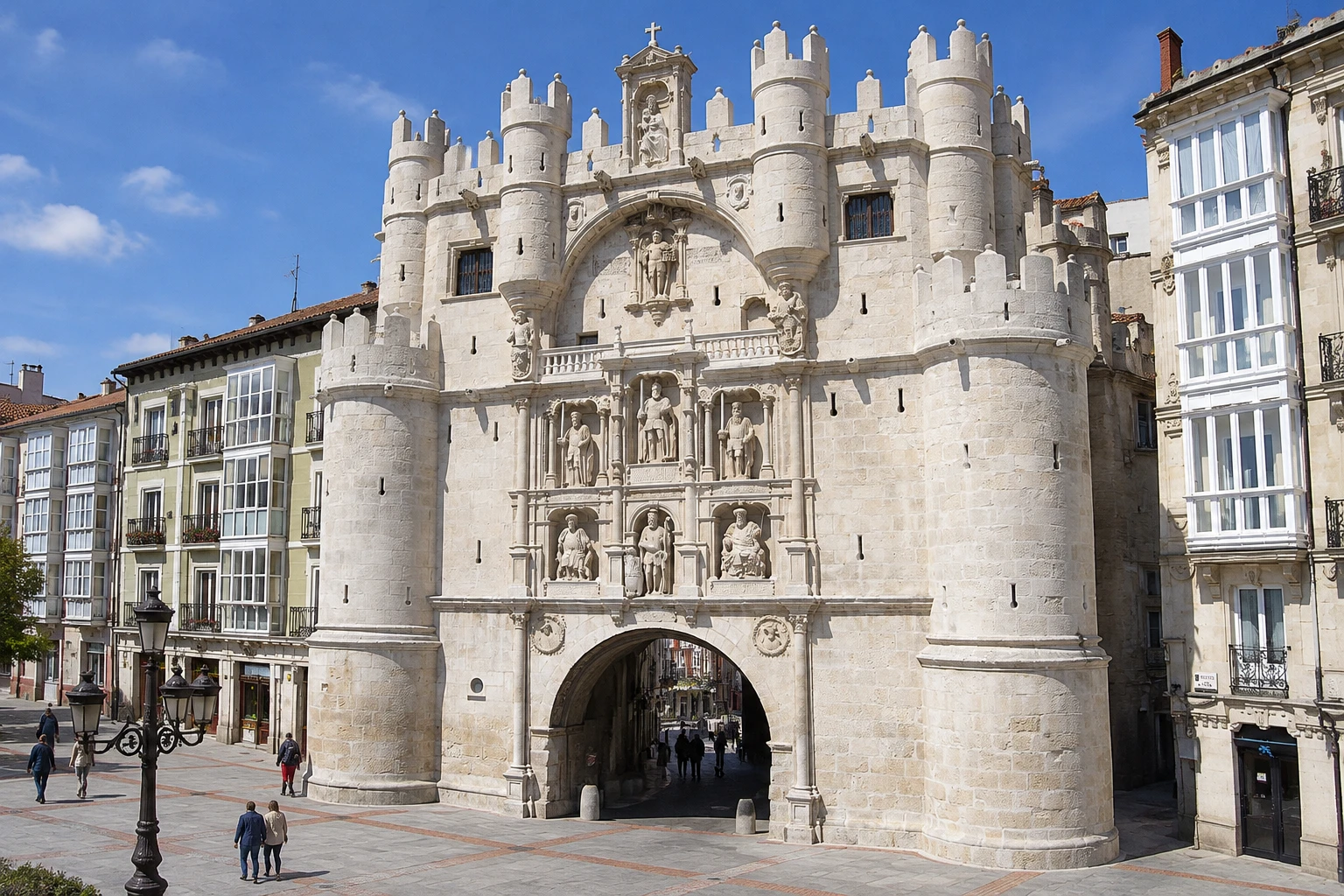
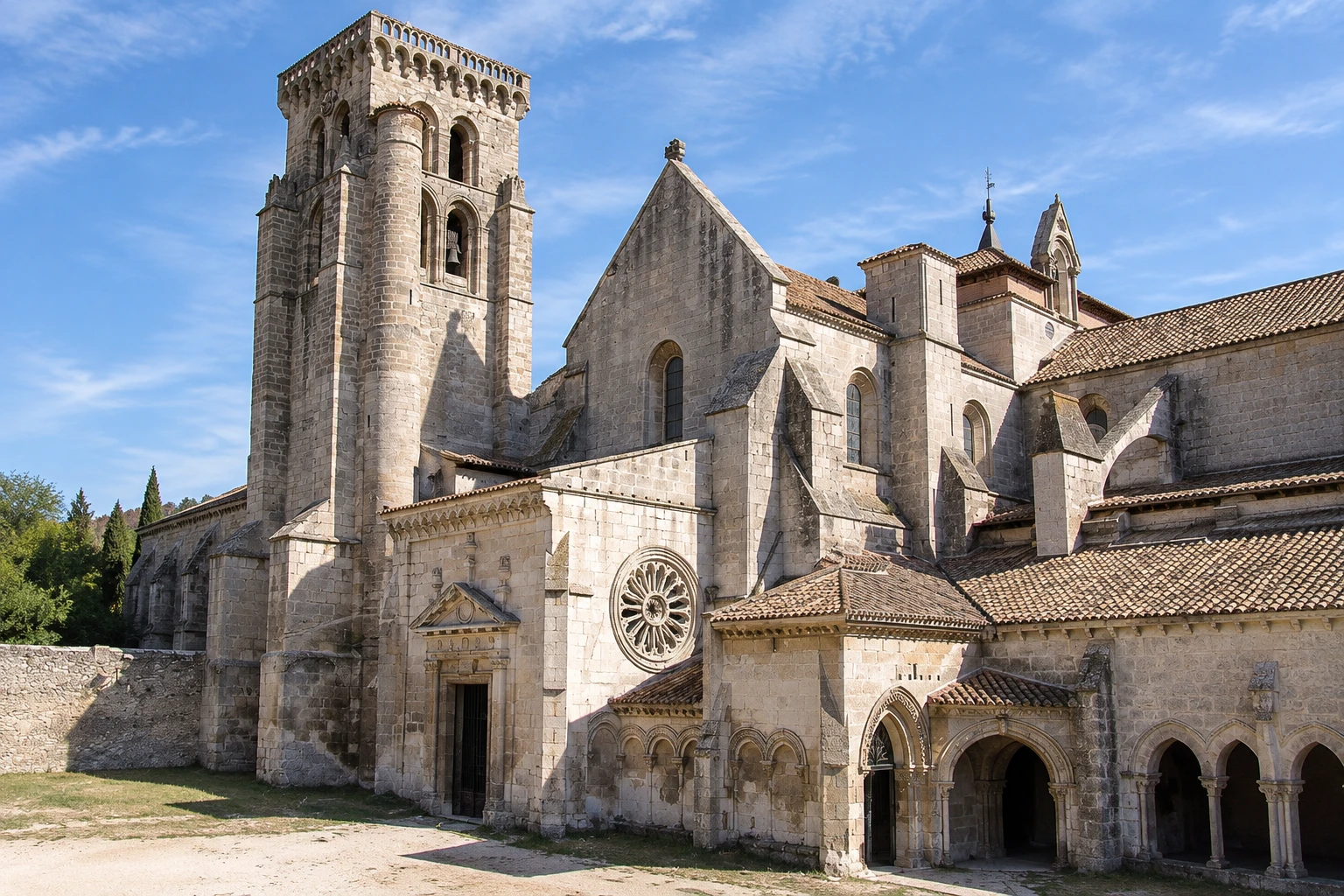
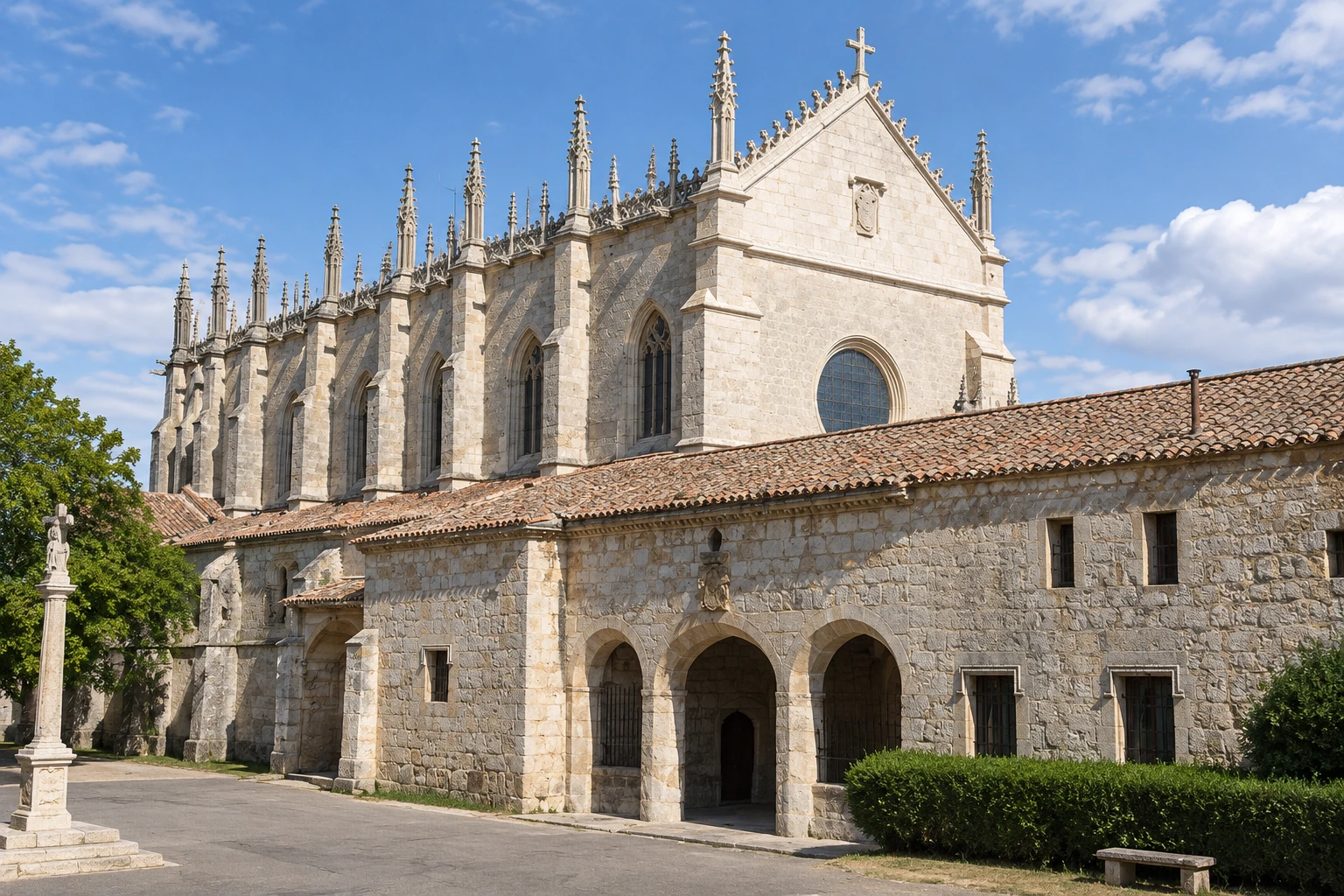
Burgos is a city in Castilla y León on the banks of the rio Arlanzón, the former capital of Castilla and the land of El Cid. The Gothic cathedral, a World Heritage Site, features lace-like spires, the capela do Condestável and El Cid's tomb. Pilgrims enter the centre through the Arco de Santa María. The city also has the royal monastery of Las Huelgas, the cartuxa de Miraflores, the Casa del Cordón and the castle on the hill. The Museu da Evolução Humana displays the Atapuerca fossils, a prehistoric World Heritage site about 15 km away. Spanish is spoken.
There's no accommodation in the guide yet in Burgos.
Tem hotel, pousada ou casa de temporada aqui? Cadastre a suaThere are no restaurants in the guide yet in Burgos.
Know a good one? Recommend it to usHotéis e restaurantes da cidade no mapa.
how to get there · how many days · itinerary · questions
The local experience
Gothic cathedral begun in 1221, a World Heritage Site, with lace-like spires, the capela do Condestável, the Escada Dourada and El Cid's tomb.
The former main gate of the wall, rebuilt in the 16th century as a triumphal arch with statues of El Cid, Count Fernán González and Carlos V, through which pilgrims enter the centre.
Cistercian nunnery founded in 1187 by King Alfonso VIII and Eleanor of England, royal pantheon of Castela, with a museum of medieval textiles.
Carthusian monastery from the late 15th century about 3 km from the centre, with a Gothic church, a gilded reredos and the alabaster tombs of Juan II and Isabel of Portugal, carved by Gil de Siloé.
Before you go
Burgos – Spain Destination Burgos and León
Approximate distances. Check flights and bus, train or boat schedules before you travel.
The connection from Brazil is usually via a stopover in another city. Check before you buy. International flights arrive to Madri, about 240 km away, and to Bilbao, about 160 km. By train, Burgos has services to Madri, taking roughly 1h30 to 2h30 depending on the train, and to Bilbao, Valladolid and León; Burgos Rosa de Lima station is about 5 km from the centre, with local buses. The bus station in the centre has buses to several towns on the Camino. By car, via the A-1 motorway coming from Madri.
One day is enough for the cathedral, the Arco de Santa María, the Espolón and the castle. With two days, you can add the monastery of Las Huelgas, the cartuxa de Miraflores and the Museu da Evolução Humana. With three days, visit the Atapuerca sites.
From May to October, with long days and more visiting slots for Atapuerca. Summers are hot by day and cool at night; winters are cold, with frost and sometimes snow, and the city is quiet. Remember that the seasons are the opposite of Brazil and that Spain is 4 to 5 hours ahead of Brasília depending on the time of year, and that meals are served later than in Brazil.
The seasons shown are the most usual ones; nature doesn't always follow the calendar.
Not needed for the centre, which is walked. Las Huelgas is about a 20-minute walk and the cartuxa de Miraflores is 3 km away, served by a city bus. For Atapuerca there are buses that depart from the Museu da Evolução Humana on visiting days; a car gives more freedom.
Suggested itinerary
Built with the places on this page. No rush: it's paced so you have time to see them.
Begin with the cathedral, including the capela do Condestável, the Escada Dourada, El Cid's tomb under the crossing, and the Papamoscas, the clock automaton that opens its mouth on the hour.
Climb the castle hill behind the cathedral for views over the city and the cathedral's spires, passing the viewpoint.
Walk down to the Arco de Santa María and along the Espolón, the tree-lined promenade on the banks of the rio Arlanzón, to the statue of El Cid and the Casa del Cordón.
Bars on the streets San Lorenzo and Sombrerería serve tapas, including Burgos morcilla made with rice and the local fresh cheese.
Day 1
Full visit to the cathedral.
Ascent to the castle hill and the viewpoint.
Arco de Santa María, Espolón and Casa del Cordón.
Streets San Lorenzo and Sombrerería.
Day 2
Visit the Museu da Evolução Humana, on the riverbank, with the fossils from Atapuerca.
Walk to the monastery of Las Huelgas for the guided visit to the royal pantheon and the museum of medieval textiles.
Take a bus or taxi to the cartuxa de Miraflores, 3 km away, to see the alabaster tombs by Gil de Siloé.
Castilian cuisine, with roast lamb and Castilian soup.
Check before you go. Opening hours and days change, and places may close for renovations, holidays or events. This itinerary is a suggestion from Cidade Turismo, not a commitment: plan yours by checking directly with each place you intend to visit.
Before you go
The cathedral, the castle with its viewpoint, the Arco de Santa María, the Espolón promenade and the Casa del Cordón.
In the catedral de Burgos, beneath the crossing, together with his wife, Dona Jimena.
By train, in about 1h30 to 2h30 depending on the type of service, or by car via the A-1 in roughly 2h30. It's about 240 km.
Yes. The sites are about 15 km away, with guided tours and buses that depart from the Museu da Evolução Humana on visiting days. Book in advance.
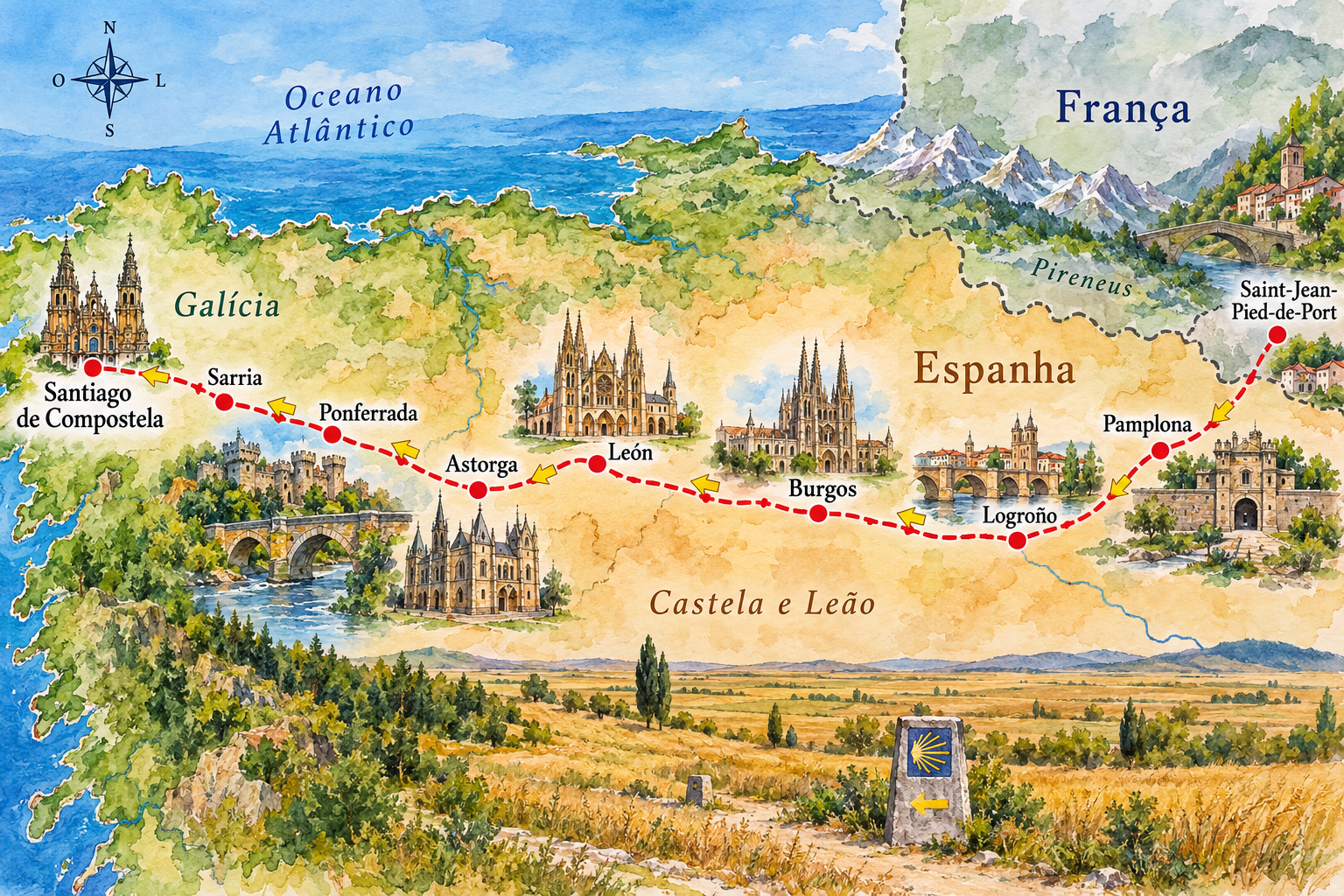
Yes. It is one of the major cities on the Camino Francés, and pilgrims enter the centre through the Arco de Santa María.
Cross-border routes
The most travelled pilgrimage route to Santiago de Compostela: from the French Pyrenees to Galicia, on foot, via Pamplona, Burgos and León, following the yellow arrows.