Astorga

Castile and León

Astorga

In the destination Burgos and León.

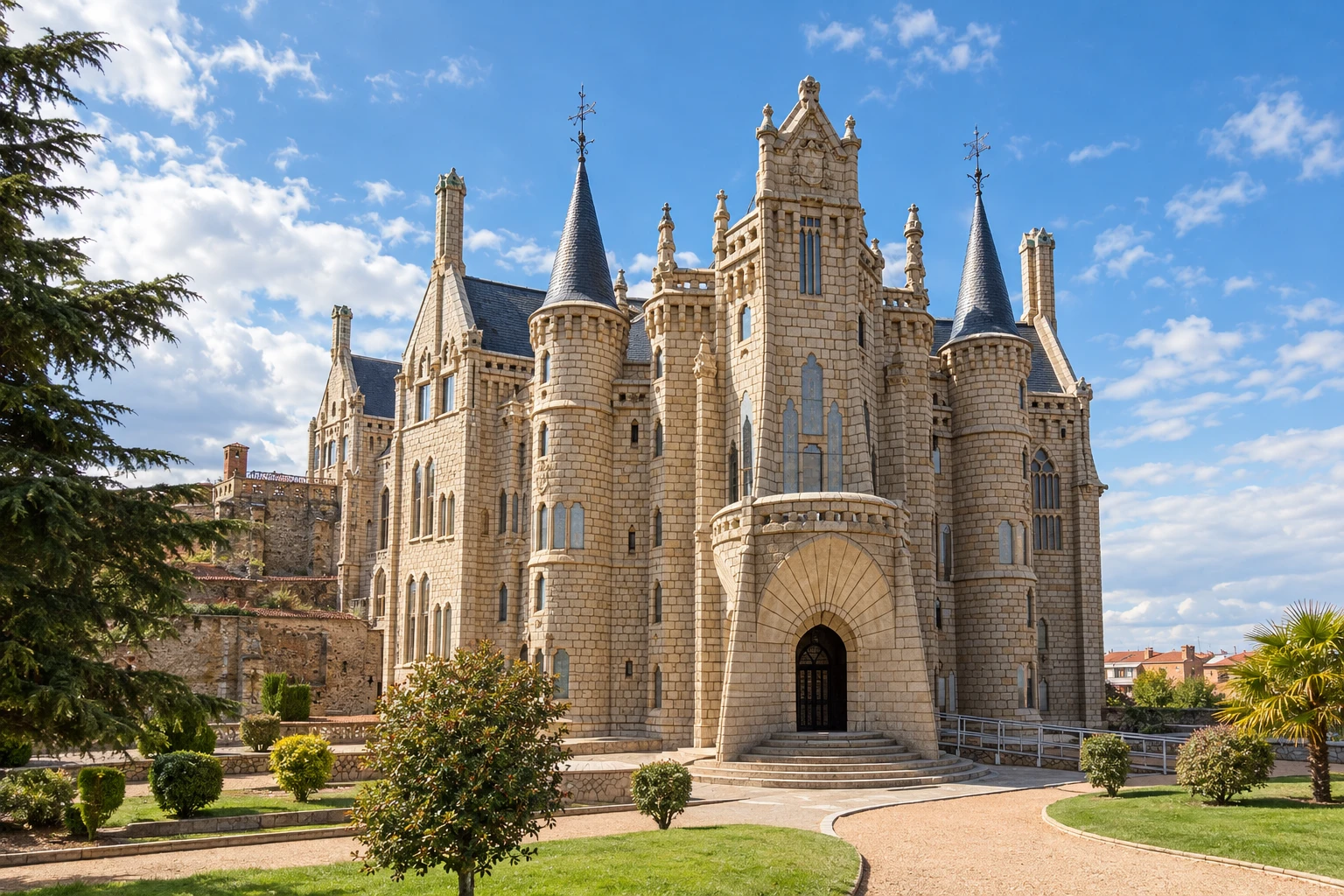
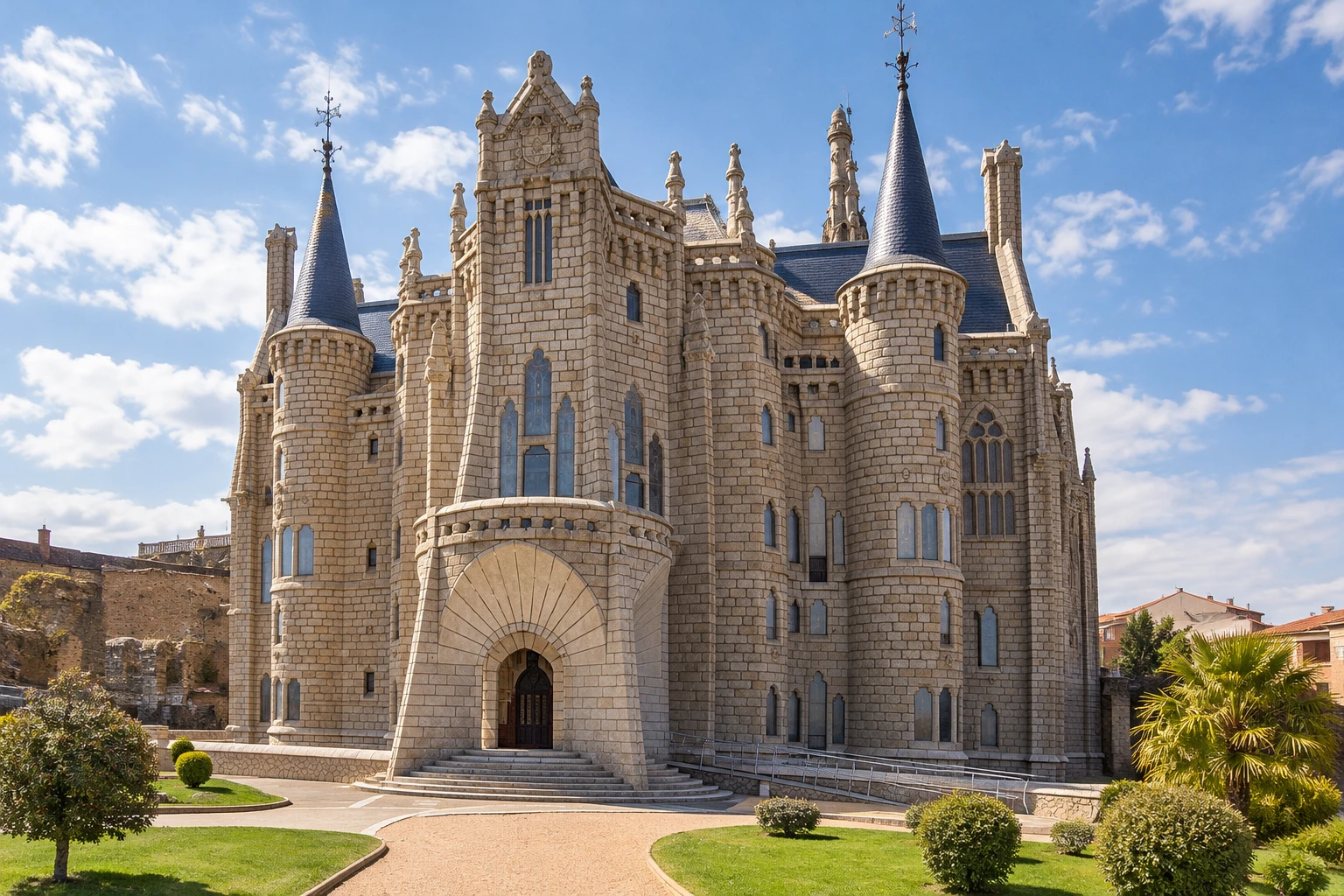
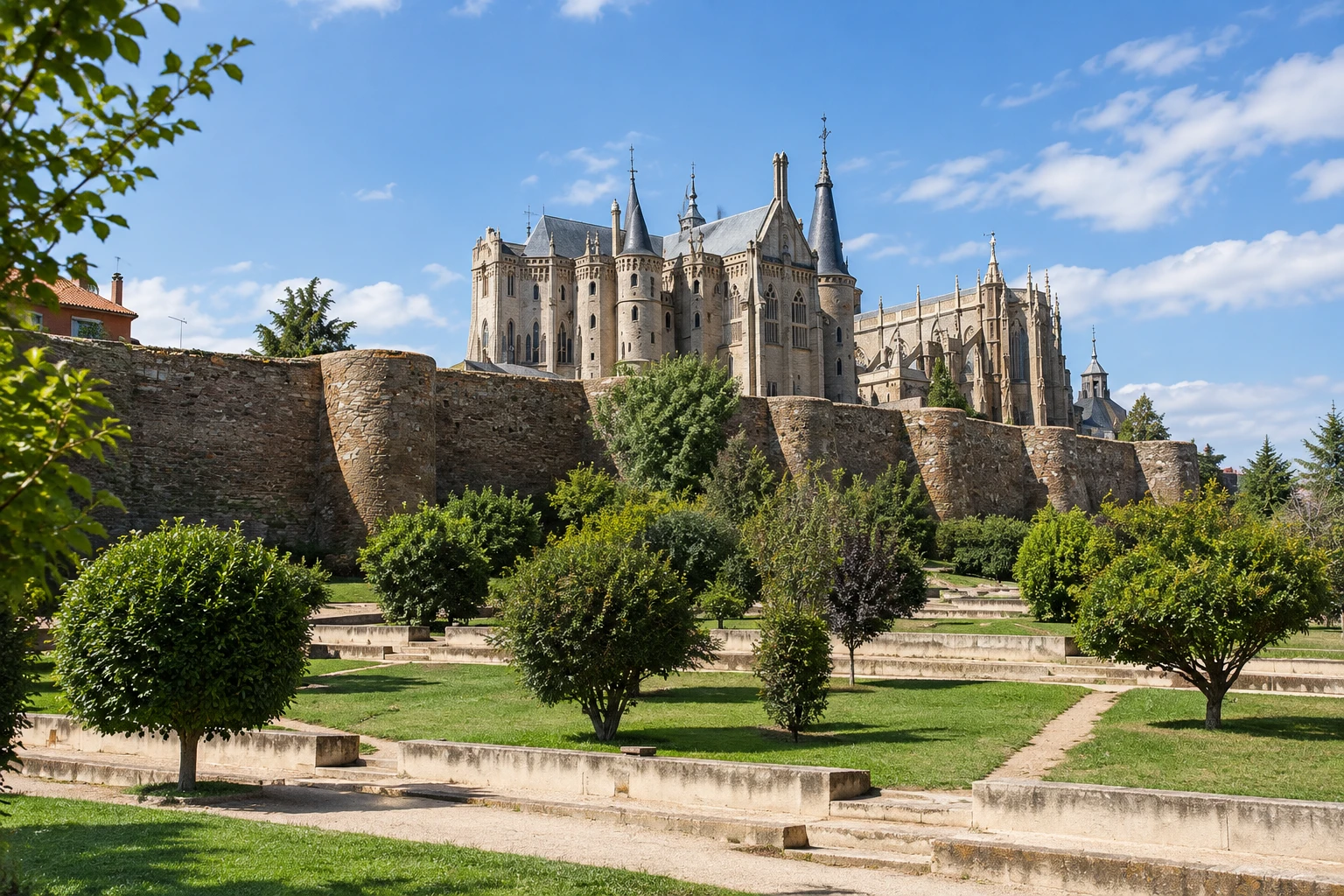
In the photo: Palacio Episcopal de Gaudí in Astorga.

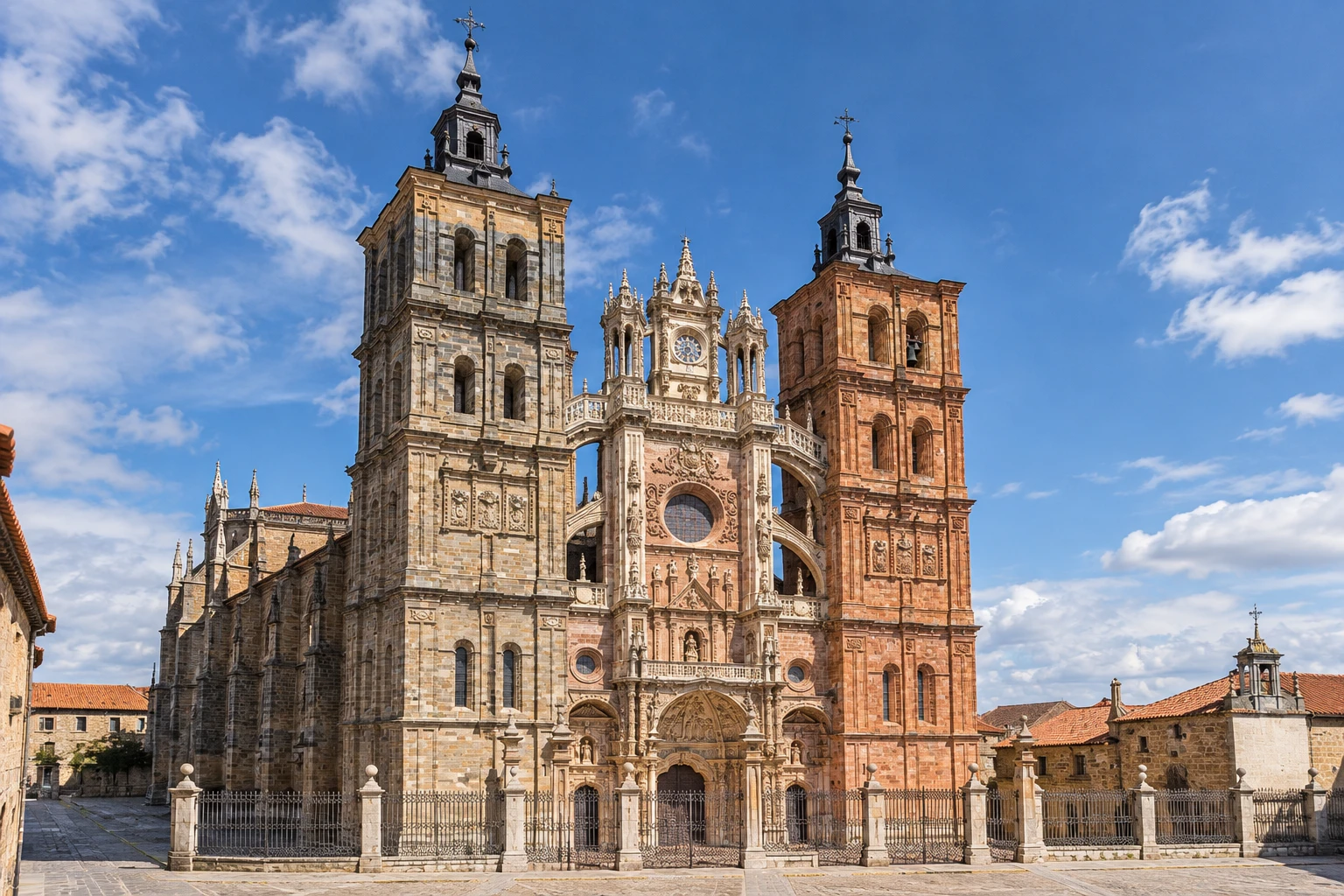
Illustrative images. The pictures in this guide are illustrations based on the real place, not photographs, and may differ from it.

Get it on Google Play

The city

What to expect from Astorga.

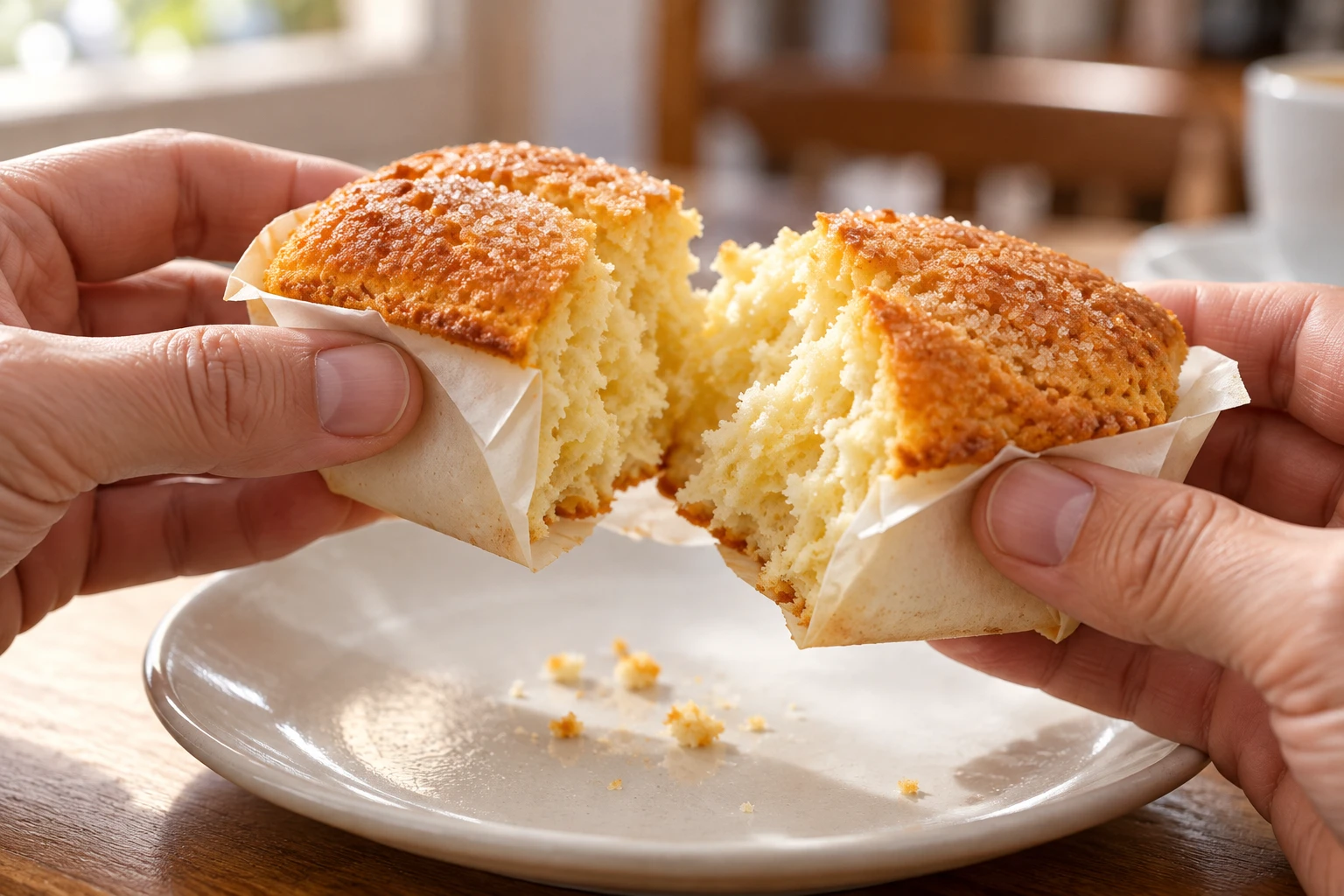
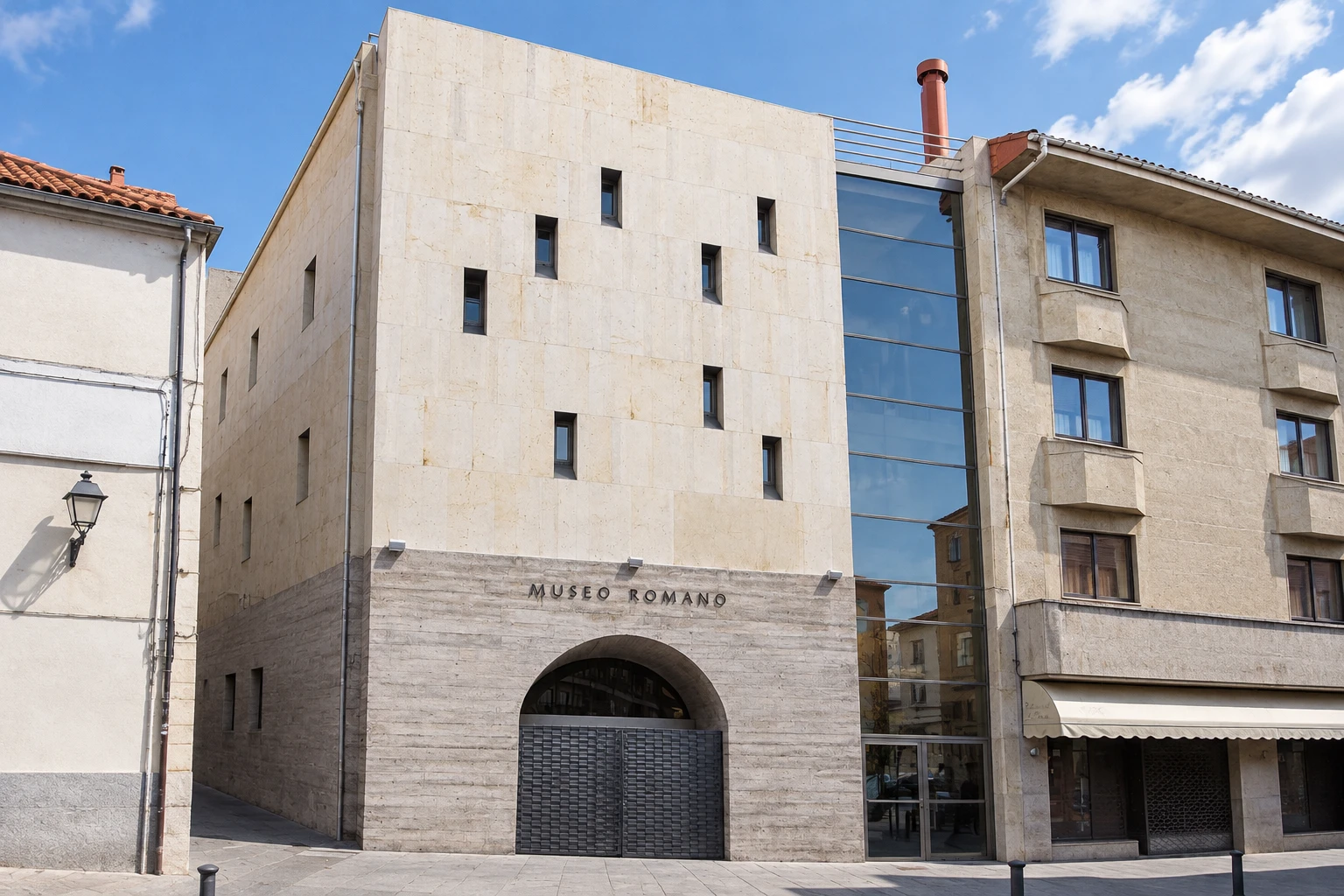
Astorga is a small town in the province of León, capital of the Maragatería, on a hill surrounded by more than 2 km of Roman-origin wall. Founded as Asturica Augusta, it preserves Roman remains and a museum in the former ergástula. The Palácio Episcopal de Gaudí stands next to the Gothic cathedral, and in the Plaza Mayor two maragato figures strike the hours. The town is known for chocolate, mantecadas and the cozido maragato. It is where the Caminho Francês meets the Via de la Plata. The village of Castrillo de los Polvazares is 5 km away. Spanish is spoken.

Share: WhatsApp

Where to stay

There's no accommodation in the guide yet in Astorga.

Tem hotel, pousada ou casa de temporada aqui? Cadastre a sua

Where to eat

There are no restaurants in the guide yet in Astorga.

Know a good one? Recommend it to us

Mapa de Astorga

Hotéis e restaurantes da cidade no mapa.

Your trip

how to get there · how many days · itinerary · questions

Flavors of Spain

To try Astorga

Discover other flavors of Spain

The local experience

Things to do in Astorga

See 3 more places in Astorga

Before you go

Your trip to Astorga

Astorga – Spain Destination Burgos and León

How to get there

  • Aeroporto de Madri-Barajas (Aeropuerto Adolfo Suárez Madrid-Barajas) (MAD) Madri · 330 km
  • Aeroporto de León (Aeropuerto de León) (LEN) La Virgen del Camino · 45 km
  • Estação de trem de Astorga (Estación de Astorga) 1 km
  • Rodoviária de Astorga (Estación de Autobuses de Astorga) 1 km

Approximate distances. Check flights and bus, train or boat schedules before you travel.

Connections from Brazil usually involve a stop in another city. Check before buying. International flights arrive at Madri; from there, high-speed train (AVE) to León and regional train or bus to Astorga, about 50 km from León. Astorga station has trains to León and Ponferrada, and the bus station has services to León, Ponferrada and other towns. By car, take the A-6 motorway, which links Madri to Galicia.

How many days

One day is enough for the Palácio de Gaudí, the cathedral, the Roman museum, the wall, the Plaza Mayor and the chocolate museum. With an overnight stay you can have the cozido maragato for lunch and spend an afternoon in Castrillo de los Polvazares.

When to go

From May to October the days are long. Summer is warm by day and cool at night, and winter is cold with frosts. At the end of August the Astúricos and Romanos festivals recreate the town's Roman history. Remember that the seasons are reversed compared with Brazil and that Spain is 4 to 5 hours ahead of Brasília depending on the time of year, and that meals are generally later than in Brazil.

The seasons shown are the most usual ones; nature doesn't always follow the calendar.

Do you need a car?

Not within the town—Astorga is walkable inside the walls. For Castrillo de los Polvazares, 5 km away, a car or taxi helps; it's also reachable on foot. Trains and buses link Astorga with León and Ponferrada.

Suggested itinerary

An order that works

Built with the places on this page. No rush: it's paced so you have time to see them.

One day in Astorga
  1. manhã
    Palácio de Gaudí and cathedral

    Start at the Palácio Episcopal de Gaudí, which houses the Museu dos Caminhos, then continue to the cathedral next door, with the altarpiece by Gaspar Becerra.

  2. tarde
    Cozido maragato and Roman museum

    Have lunch on cozido maragato, served the other way around: first the meats, then the chickpeas and the kale, and the soup at the end. Then visit the Roman museum, in the ergástula, and some points of the Roman route.

  3. fim de tarde
    Plaza Mayor and the city wall

    In Plaza Mayor, wait for the hour to see the maragato figures strike the town-hall bell. Finish with a walk along the promenade on the wall, with views of the Montes de León.

  4. noite
    Chocolate and mantecadas

    Try the hot chocolate and the mantecadas, typical small cakes of the town, in one of the cafés in the centre.

Check before you go. Opening hours and days change, and places may close for renovations, holidays or events. This itinerary is a suggestion from Cidade Turismo, not a commitment: plan yours by checking directly with each place you intend to visit.

Before you go

Frequently asked questions

What to see in Astorga?

The Palácio Episcopal de Gaudí, the cathedral, the Roman museum, the city wall, Plaza Mayor with the maragato clock figures and the chocolate museum.

What is cozido maragato?

It is the typical dish of the Maragatería, served backwards: first the meats, then the chickpeas with kale and, finally, the soup.

How to get from León to Astorga?

By regional train or bus in about 45 minutes, or by car about 50 km via the A-6.

Why is Astorga known for chocolate?

At the end of the 19th century and the beginning of the 20th, the town had dozens of chocolate factories. Some are still operating, and there is a museum about that history.

Is Astorga on the Caminho de Santiago?

Yes. Astorga is a point on the Caminho Francês and the place where it meets the Via da Prata, which comes from Sevilha.

Traveler, share your experiences through photos Up to 5 photos of each place you visited.

Cross-border routes

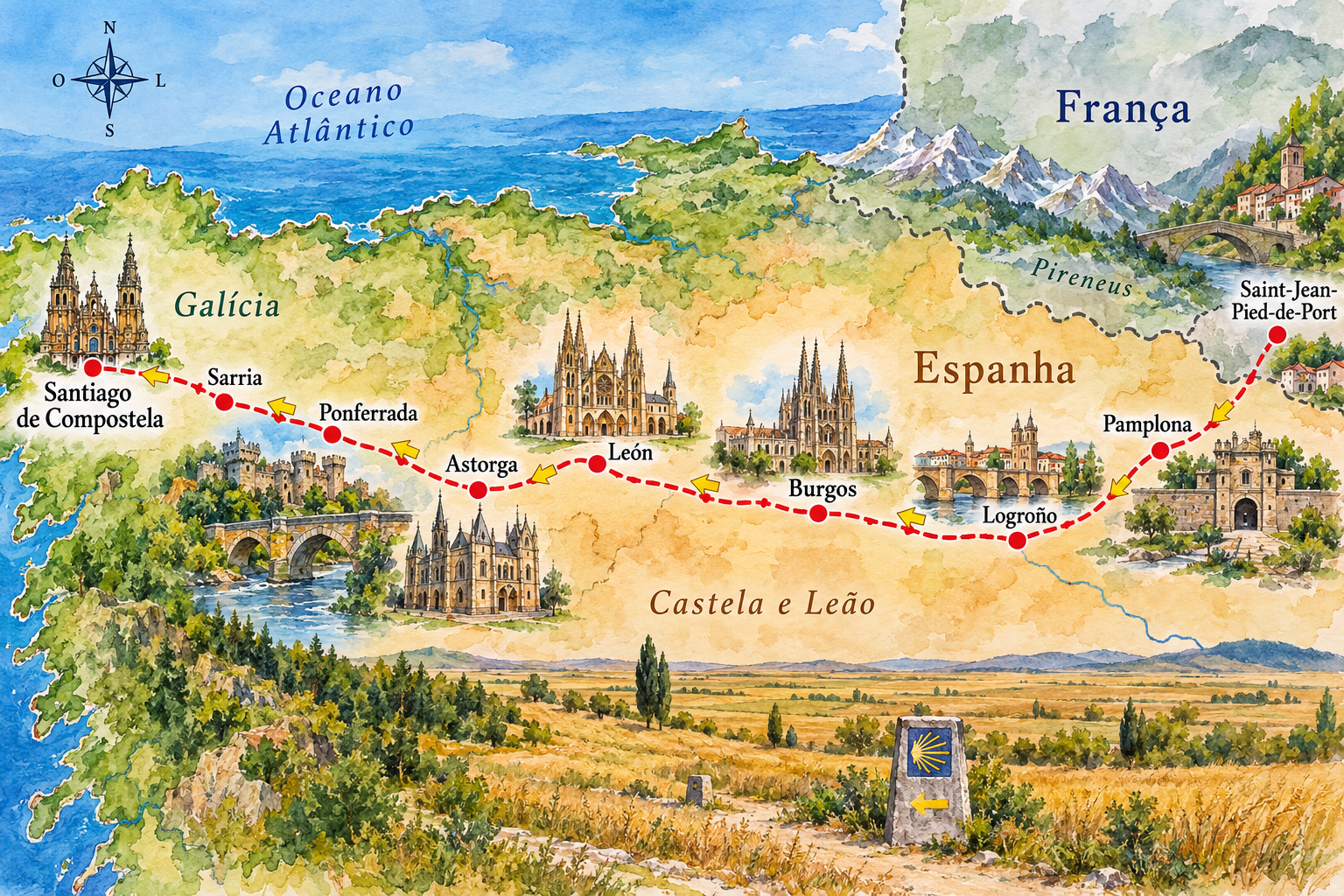
Astorga is part of the French Way (Camino Francés) to Santiago on foot

The most travelled pilgrimage route to Santiago de Compostela: from the French Pyrenees to Galicia, on foot, via Pamplona, Burgos and León, following the yellow arrows.

Illustrative map, not to scale. Tap a city to open its page.
Illustrated map of French Way (Camino Francés) to Santiago on foot
See the destination Burgos and León Find another city