Palace
Alhambra
Palatial city of the Nasrid kings on the Sabika hill, with the Alcazaba fortress and the Palacios Nazaríes, where the Patio de los Arrayanes and the Patio de los Leones are located. World Heritage Site since 1984.

 Search
 Brazil
 Antarctica
 Argentina
 Bolivia
 Chile
 Colombia
 Ecuador
 Falkland Islands (Malvinas)
 French Guiana
 Guyana
 Paraguay
 Peru
 Suriname
 Uruguay
 Venezuela
 Austria
 Belgium
 Croatia
 Denmark
 Finland
 France
 Germany
 Greece
 Hungary
 Iceland
 Ireland
 Italy
 Luxembourg
 Norway
 Poland
 Portugal
 Slovakia
 SloveniaSpain
 Sweden
 Switzerland
 the Czech Republic
 the Netherlands
 the United Kingdom
 Turkey
 Bermuda
 Canada
 Greenland
 Mexico
 Saint Pierre and Miquelon
 the United States
 the Dominican Republic
 JapanTurkey
 Egypt
 South Africa
 Australia
 Fiji
 New Zealand
 Papua New Guinea
Andalusia
18 places to visit Granada (Spain), chosen by the Cidade Turismo guide.
Illustrative images. The pictures in this guide are illustrations based on the real place, not photographs, and may differ from it.
To start
One by one
Palatial city of the Nasrid kings on the Sabika hill, with the Alcazaba fortress and the Palacios Nazaríes, where the Patio de los Arrayanes and the Patio de los Leones are located. World Heritage Site since 1984.
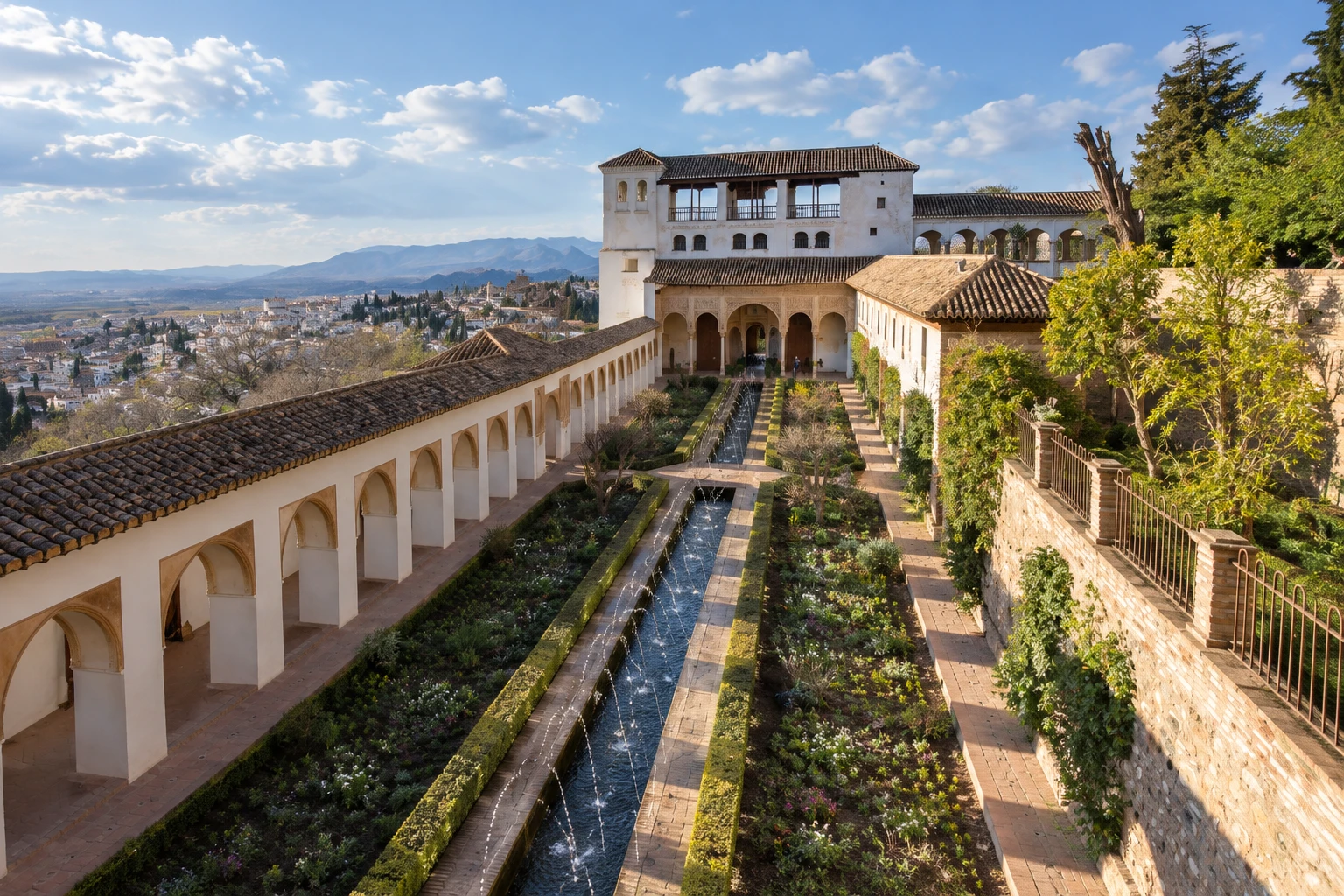
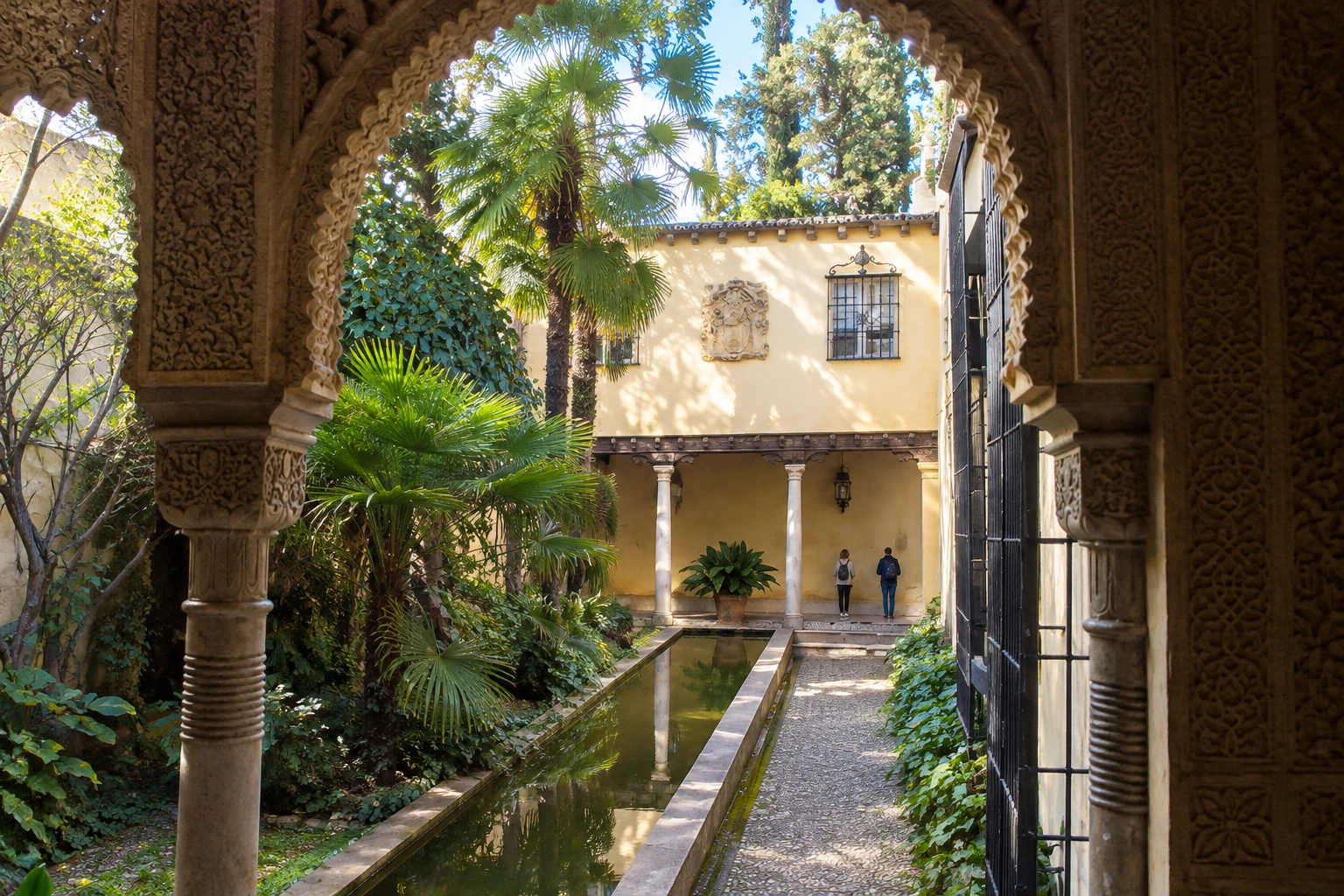
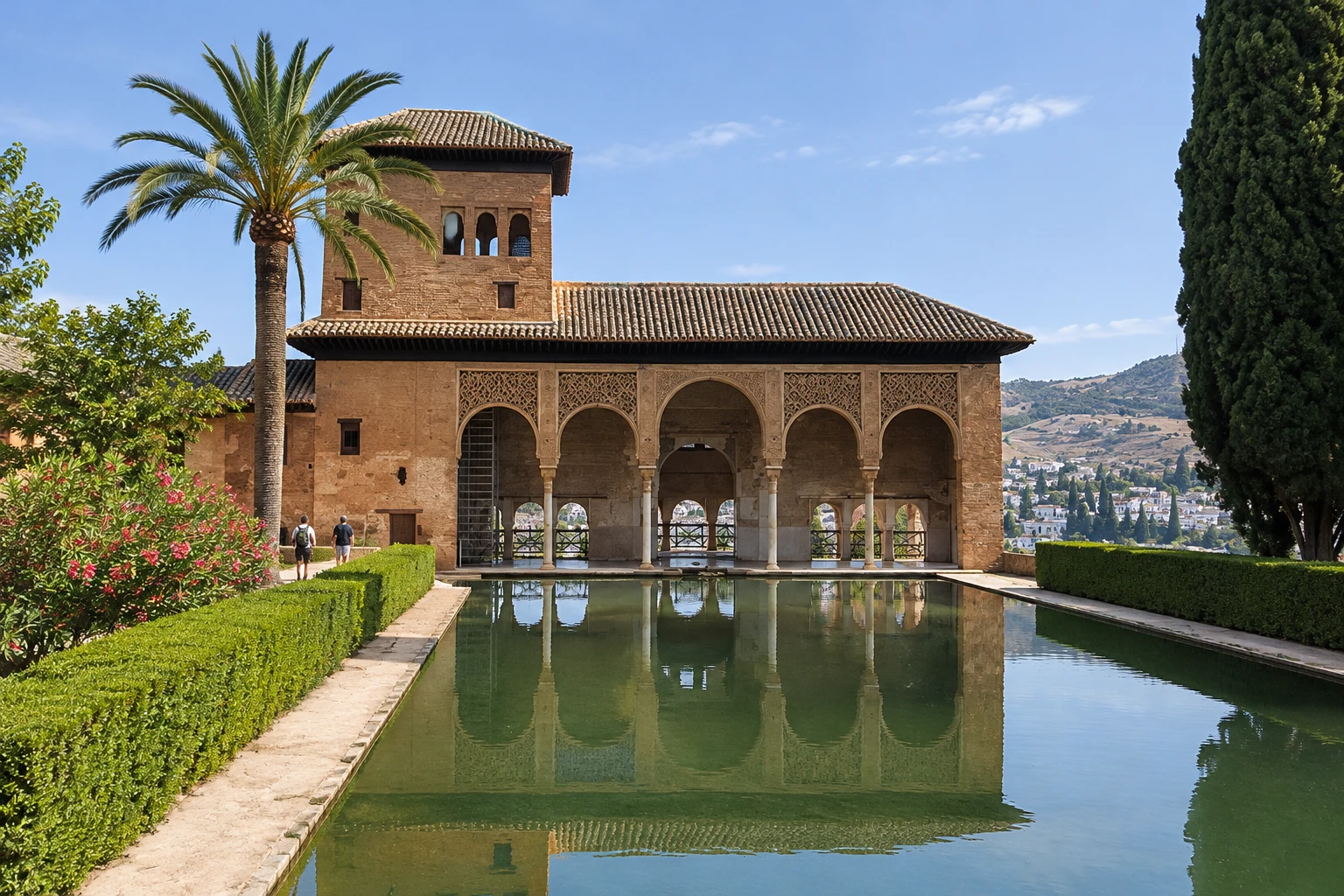
Country retreat of the Nasrid sultans on the slope of the Cerro del Sol, next to the Alhambra, with the Patio de la Acequia, the Patio del Ciprés de la Sultana and terraced gardens overlooking the Albaicín.
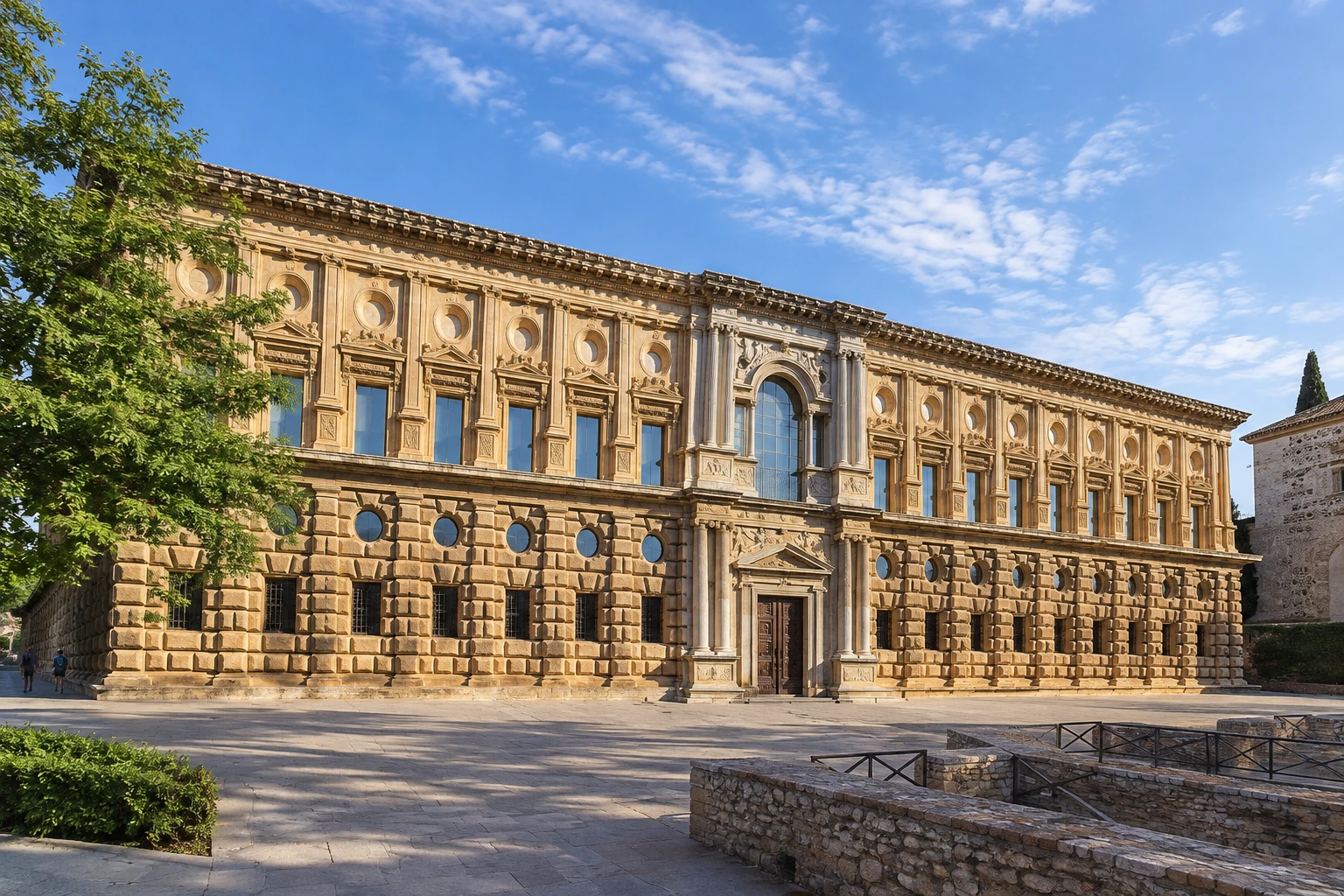
Renaissance palace within the Alhambra, with a square plan and circular courtyard, designed by Pedro Machuca for Emperor Charles V. It houses the Museo de la Alhambra and the Museo de Bellas Artes de Granada.
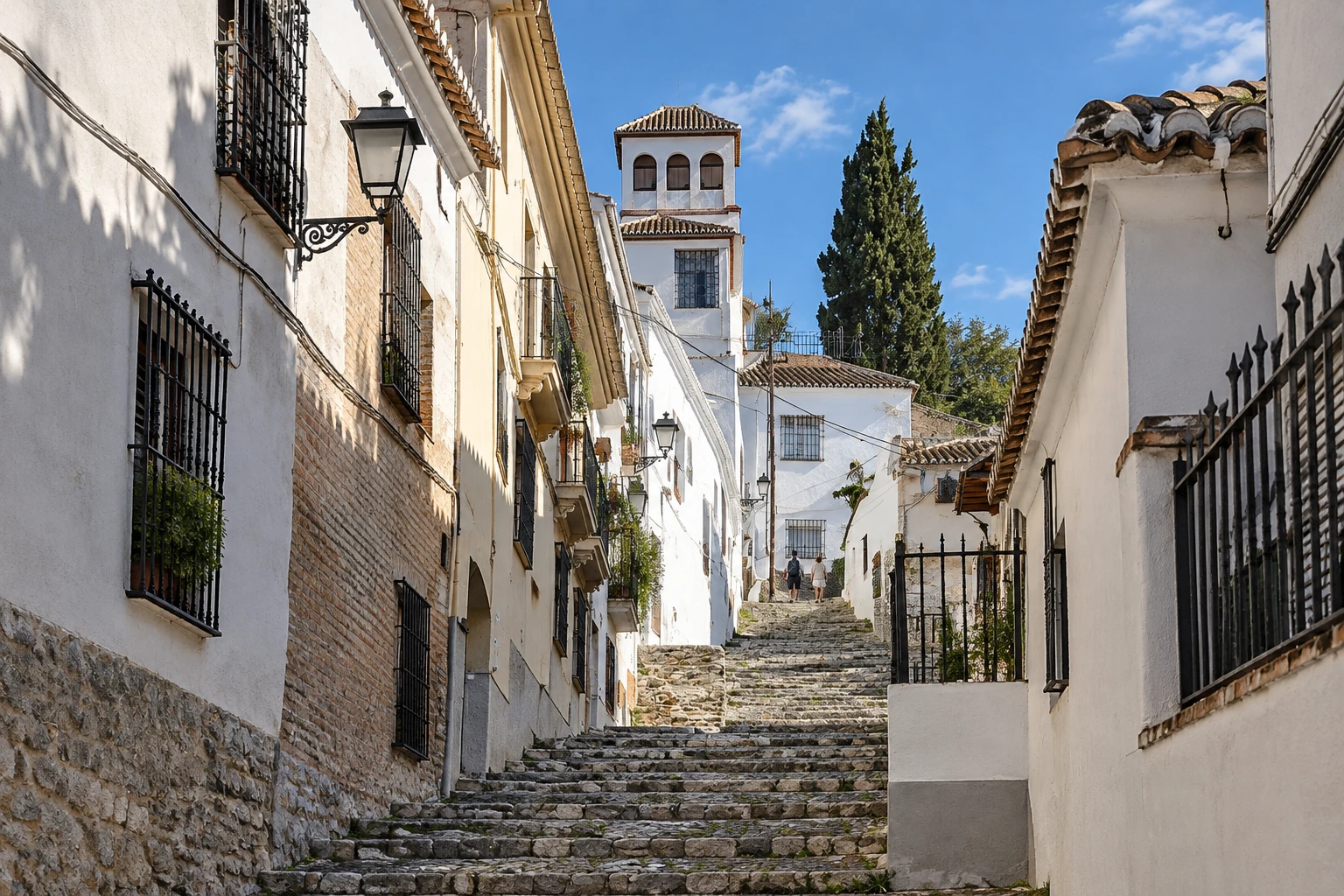
A Moorish-origin neighbourhood on the hill opposite the Alhambra, with stone streets, white houses with walled gardens—the cármenes—and cisterns from the Nasrid period. World Heritage since 1994.
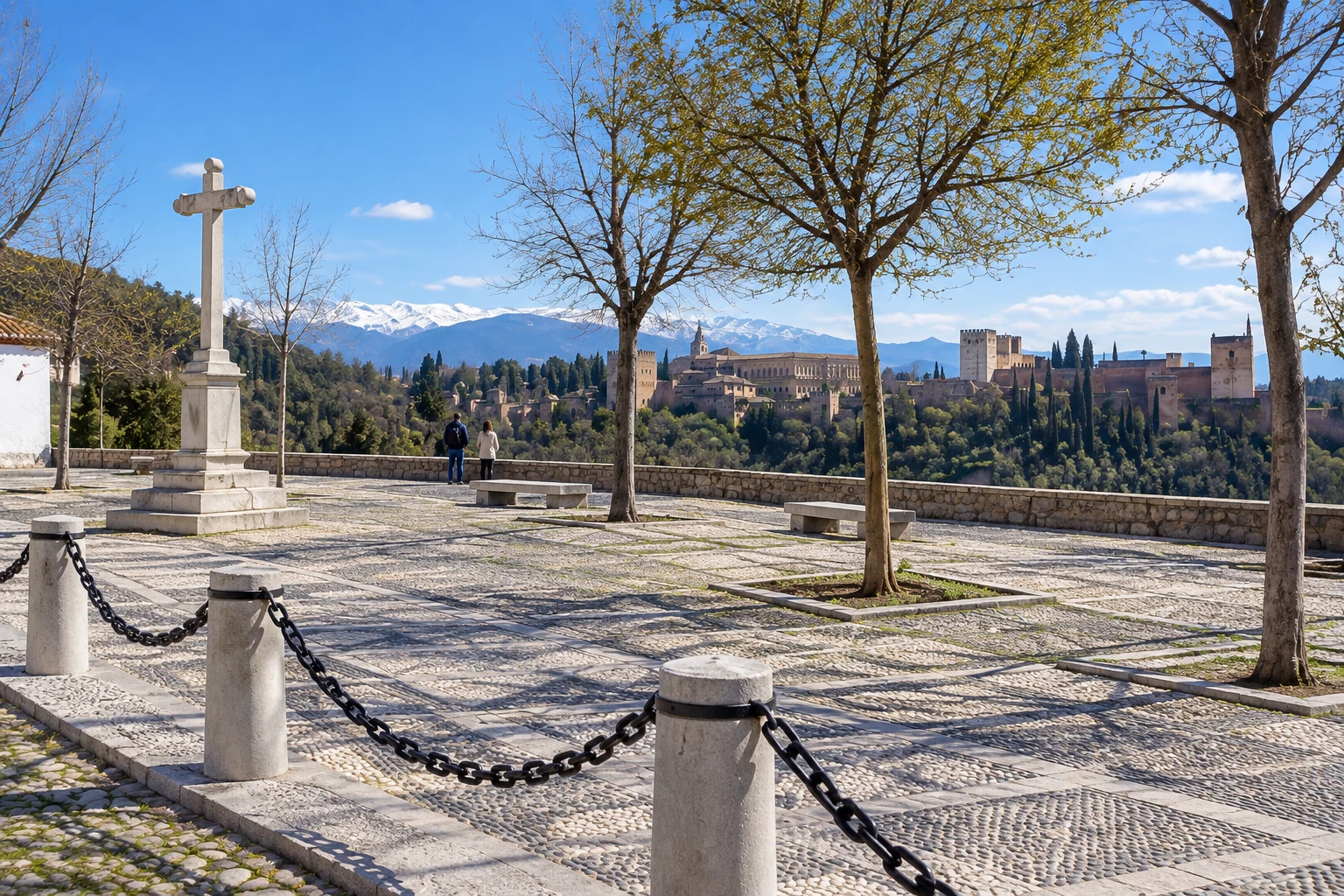
Square at the top of the Albaicín, next to the church of San Nicolás, with the best-known view of the Alhambra and the Generalife, and the Sierra Nevada in the background.
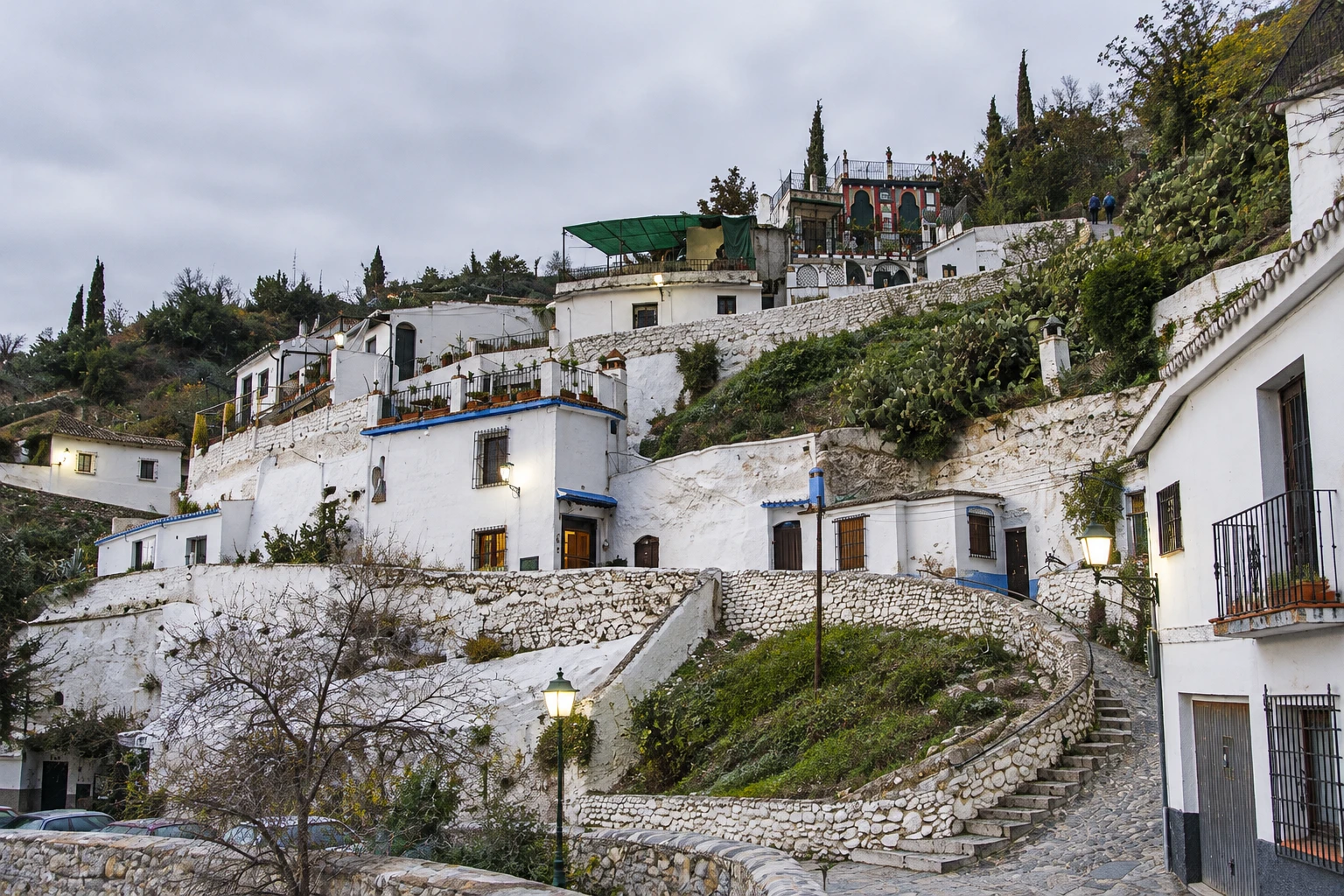
A neighbourhood of cave houses dug into the slope of the Darro valley, birthplace of Granadan flamenco, with the Museo Cuevas del Sacromonte and views of the Alhambra.
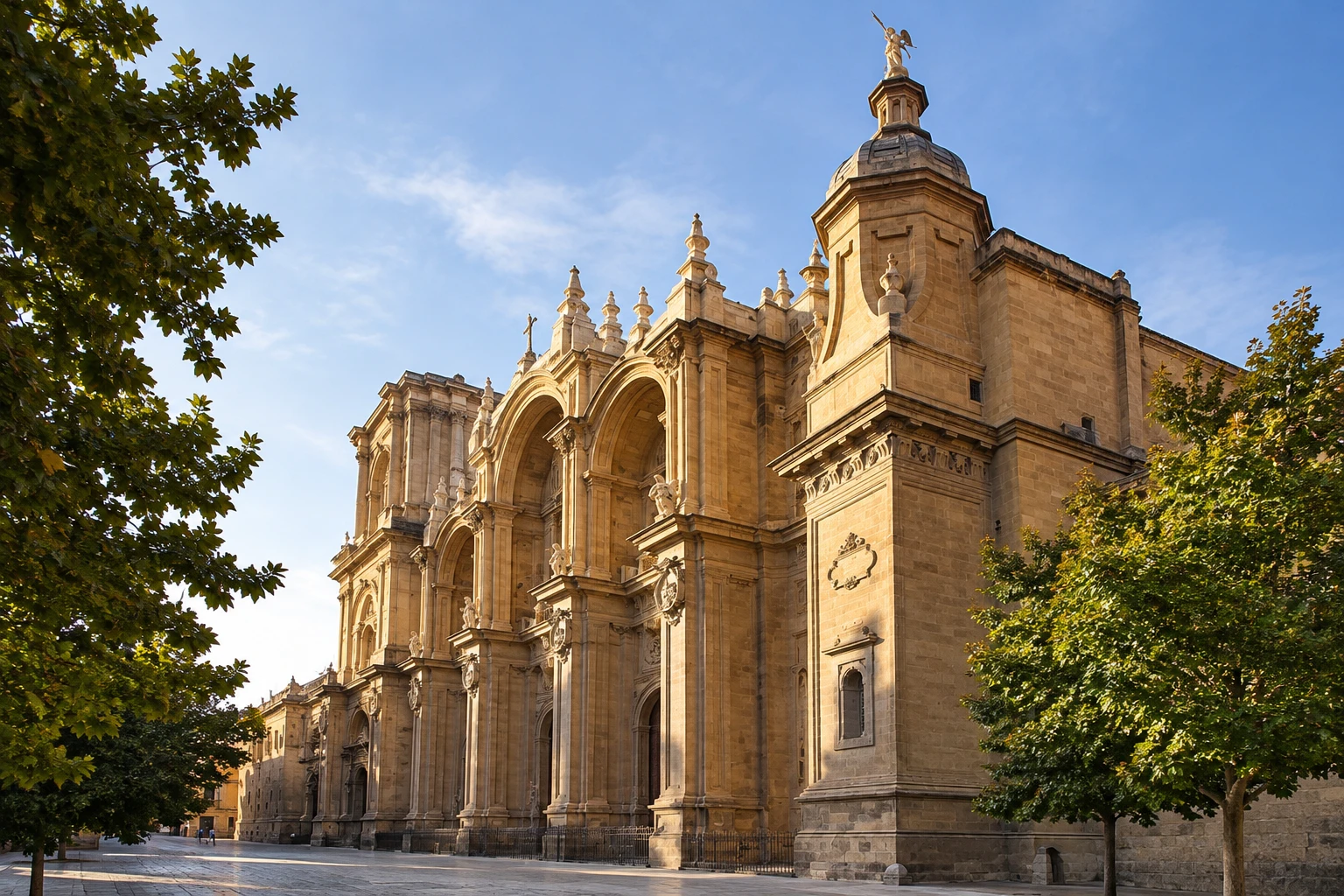
Renaissance cathedral dedicated to the Incarnation, begun in 1523 and redesigned by Diego de Siloé, with a circular presbytery under a dome and a façade by Alonso Cano.
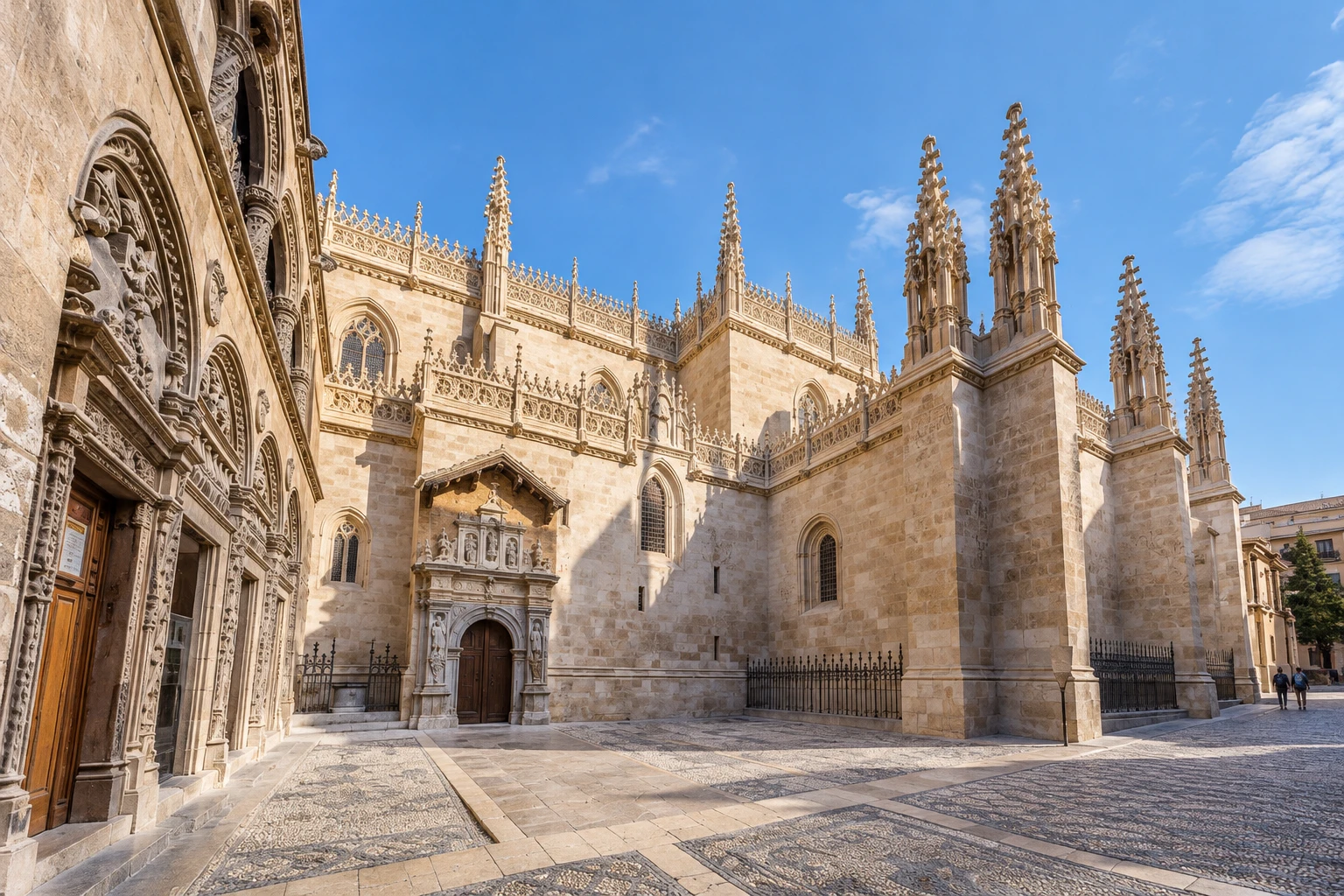
Gothic chapel built between 1505 and 1517 to bury the Catholic Monarchs, with marble tombs of Isabel and Ferdinand, of Joanna and Philip, a crypt and a museum housing Early Netherlandish painting.
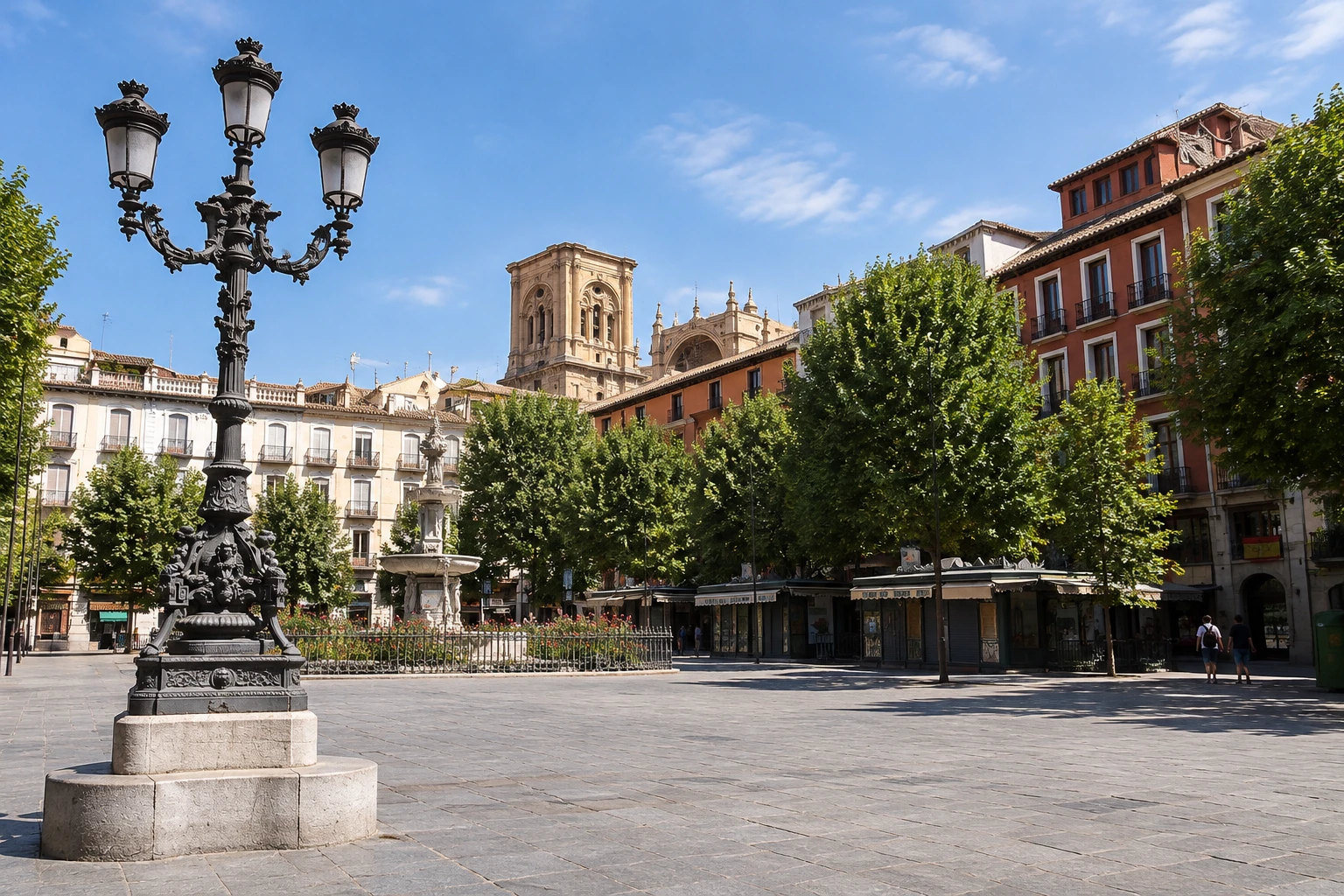
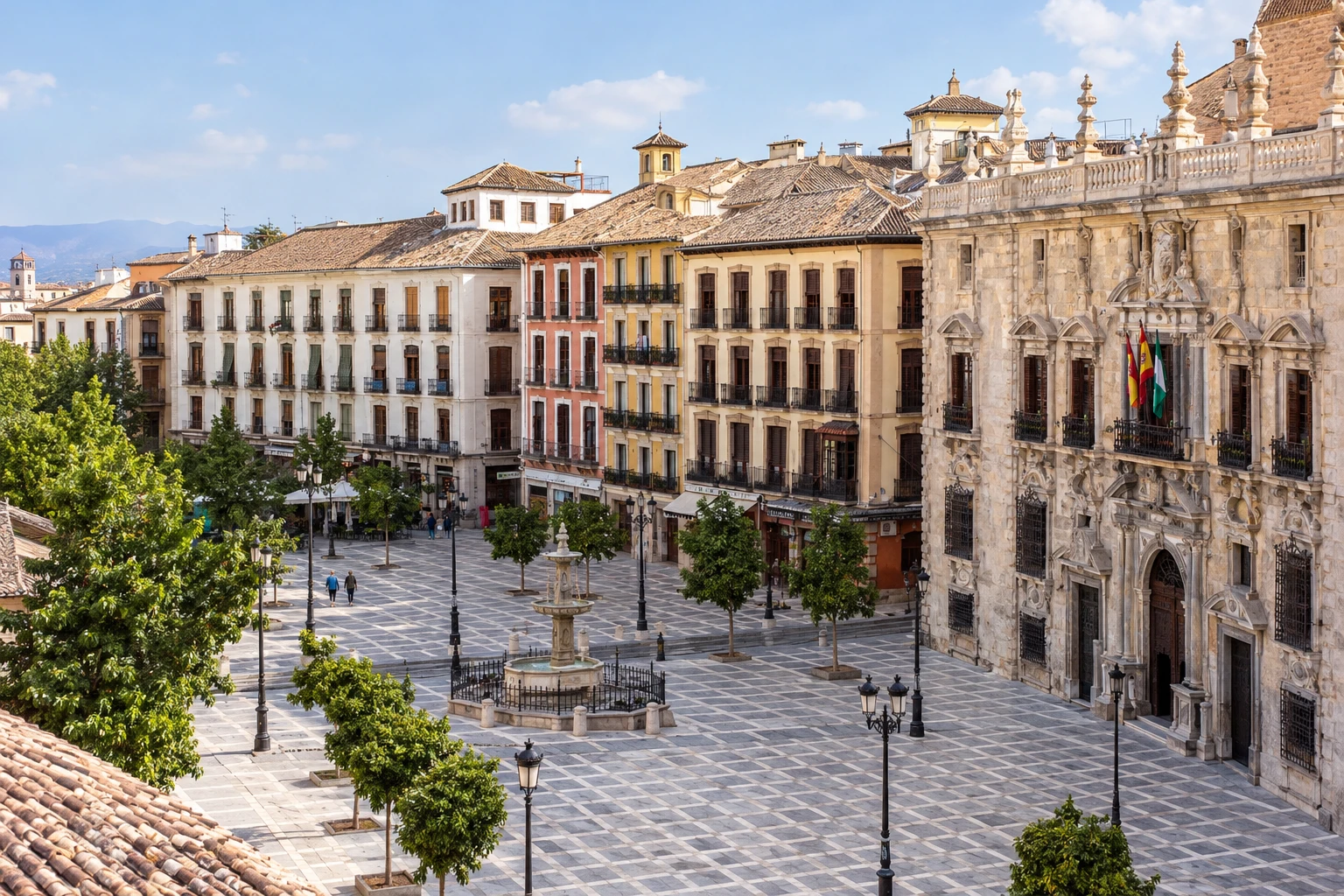
Former silk market of Nasrid Granada, today a maze of alleys with craft shops, next to Plaza de Bib-Rambla, a rectangular square with the Fuente de los Gigantes and flower stalls.
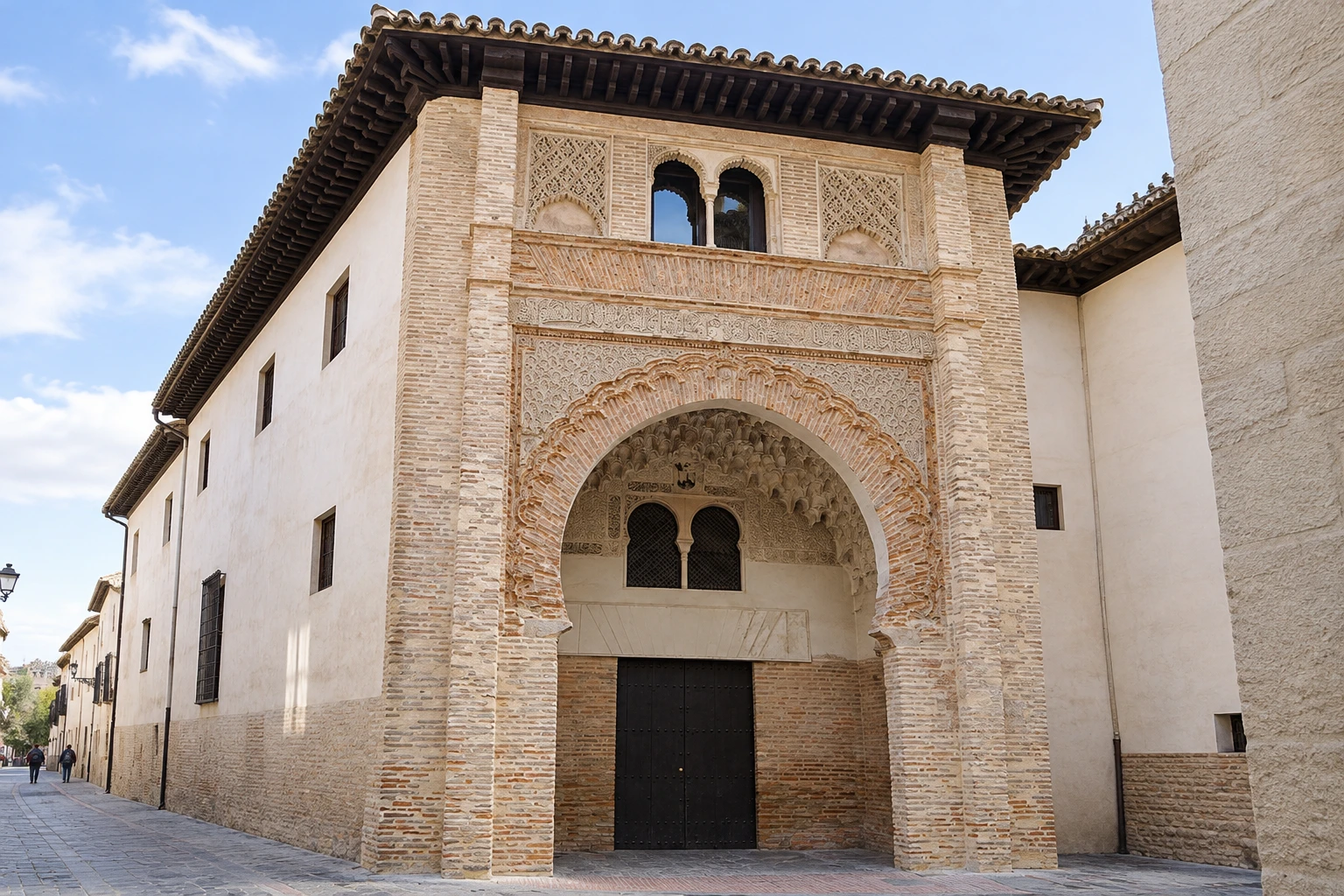
Former inn and merchants' warehouse from the 14th century, the only alhóndiga nazari preserved intact on the Iberian Peninsula, with a decorated portal and a vestibule covered with muqarnas.
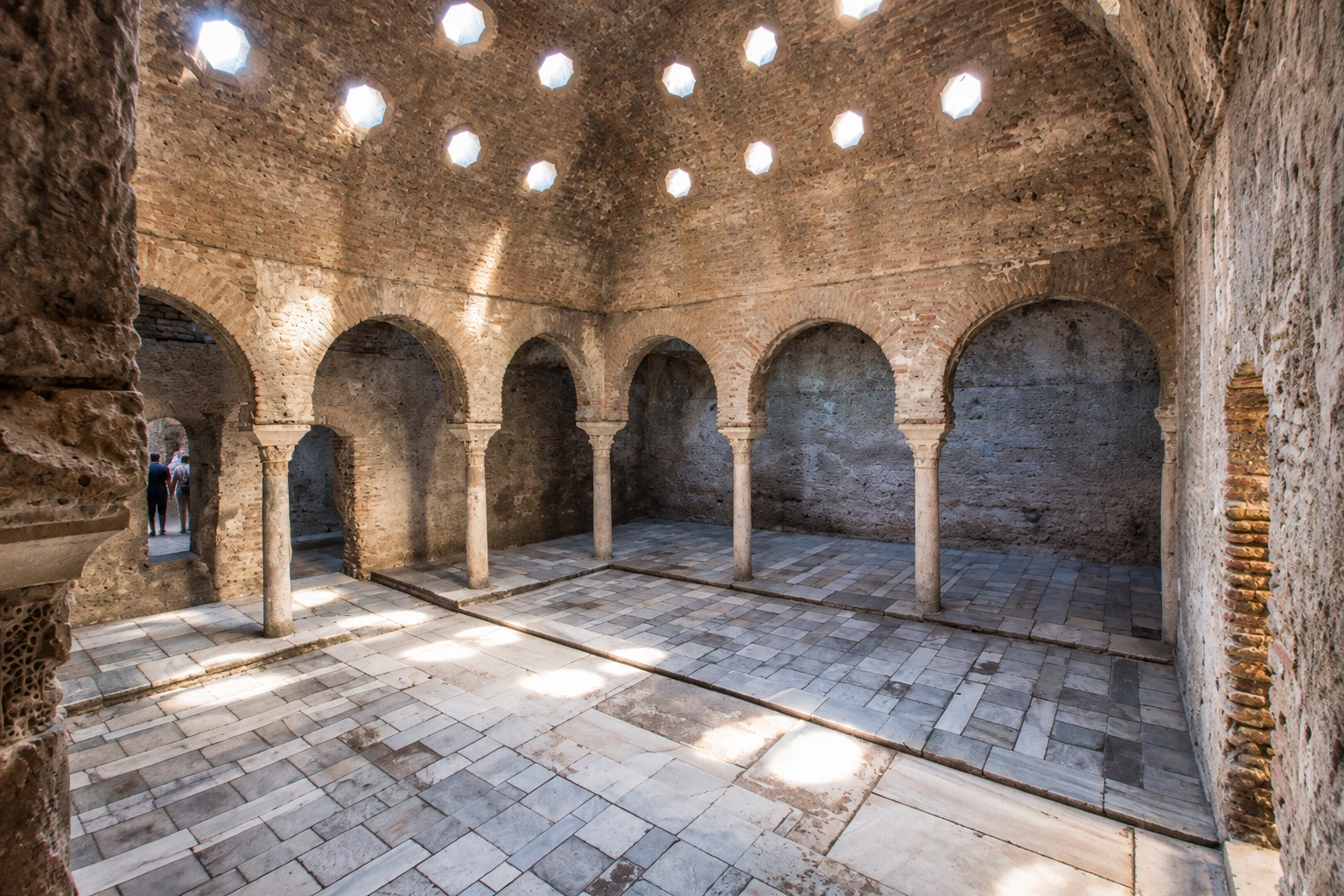
11th-century Arab bath on Carrera del Darro, with vaulted rooms and star-shaped skylights.
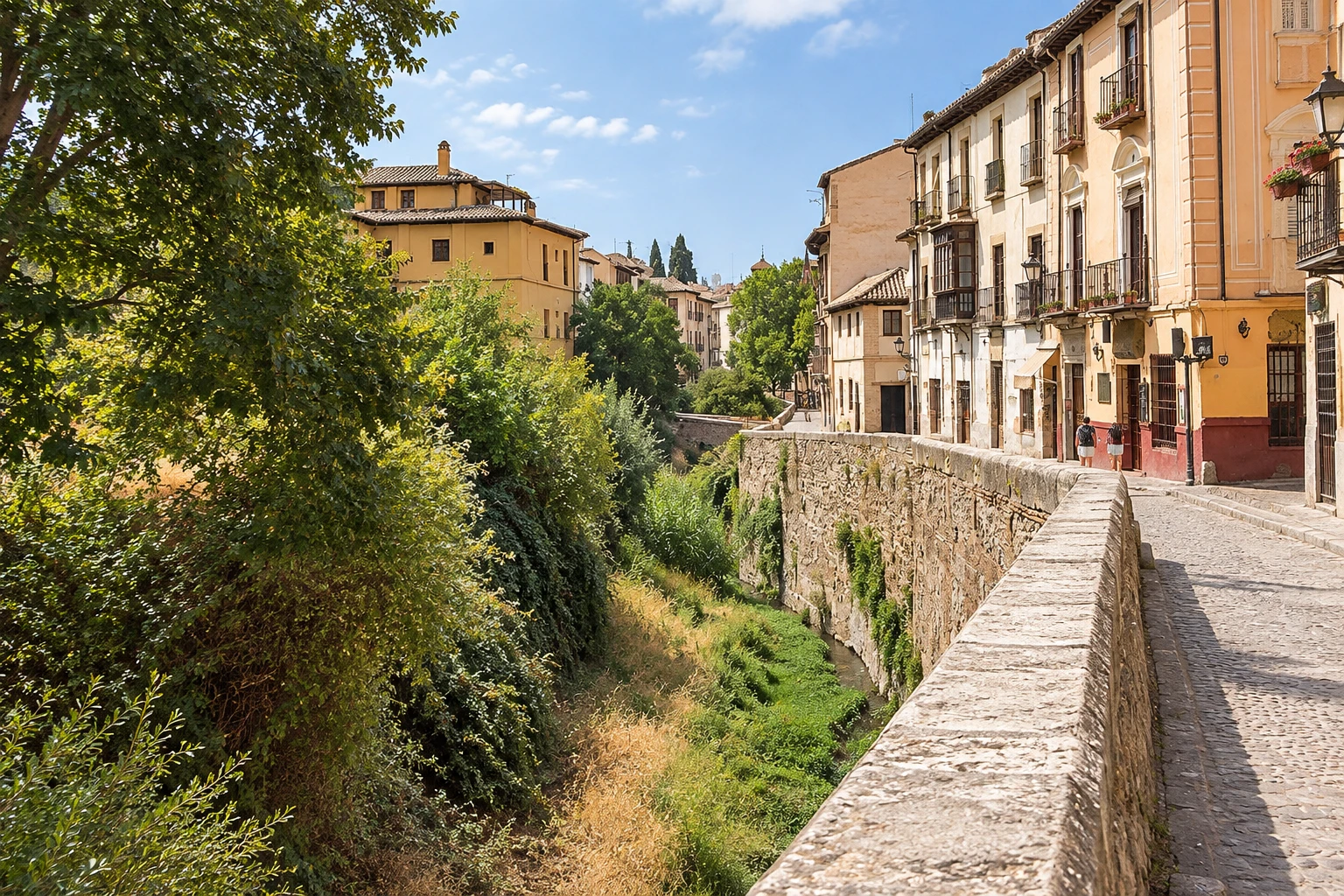
Stone-paved street that runs along the Darro river, between Plaza Nueva and Paseo de los Tristes, with old bridges, Moorish houses and views of the Alhambra's walls.
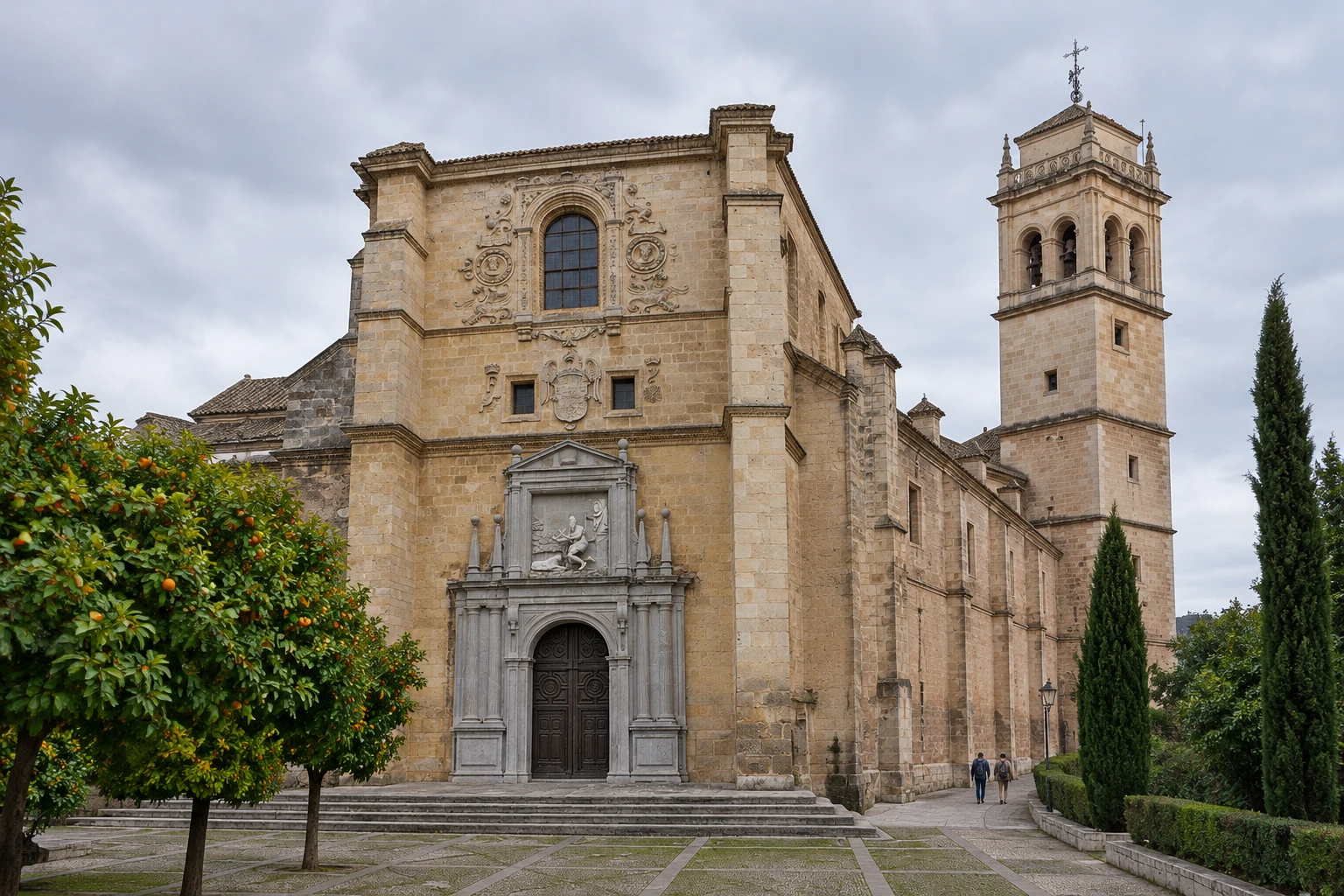
Renaissance monastery from the 16th century, largely the work of Diego de Siloé, where the Gran Capitán is buried; it has a main altarpiece by Pablo de Rojas and two cloisters.
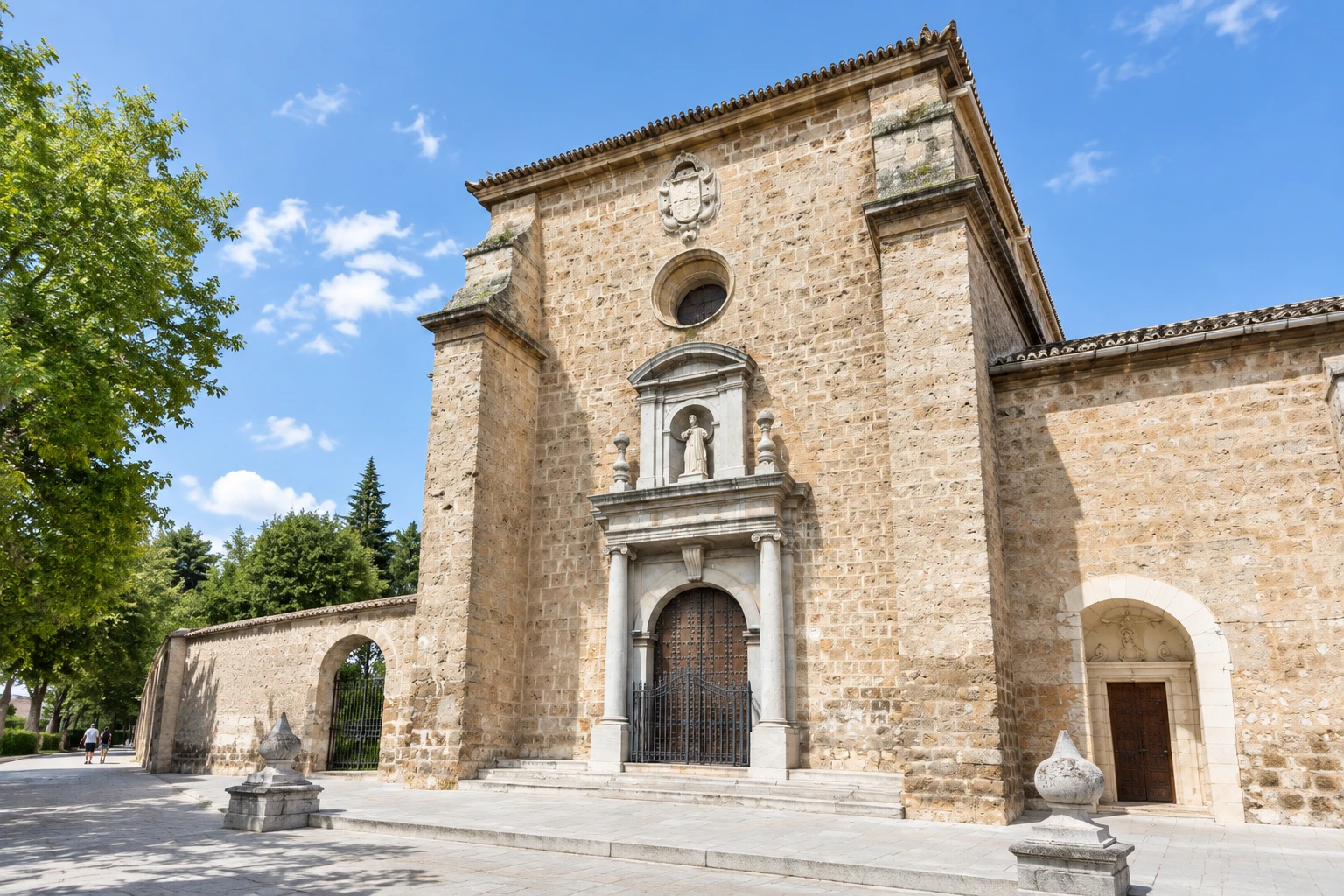
Carthusian monastery begun in 1506, with an austere interior and a church, a Sagrario, and a sacristy in exuberant Baroque by Francisco Hurtado Izquierdo and Antonio Palomino.
The largest carmen in Granada, with over seven hectares of romantic gardens, a 19th-century small palace, a lake with an island and views over the city, the Vega and the Sierra Nevada.
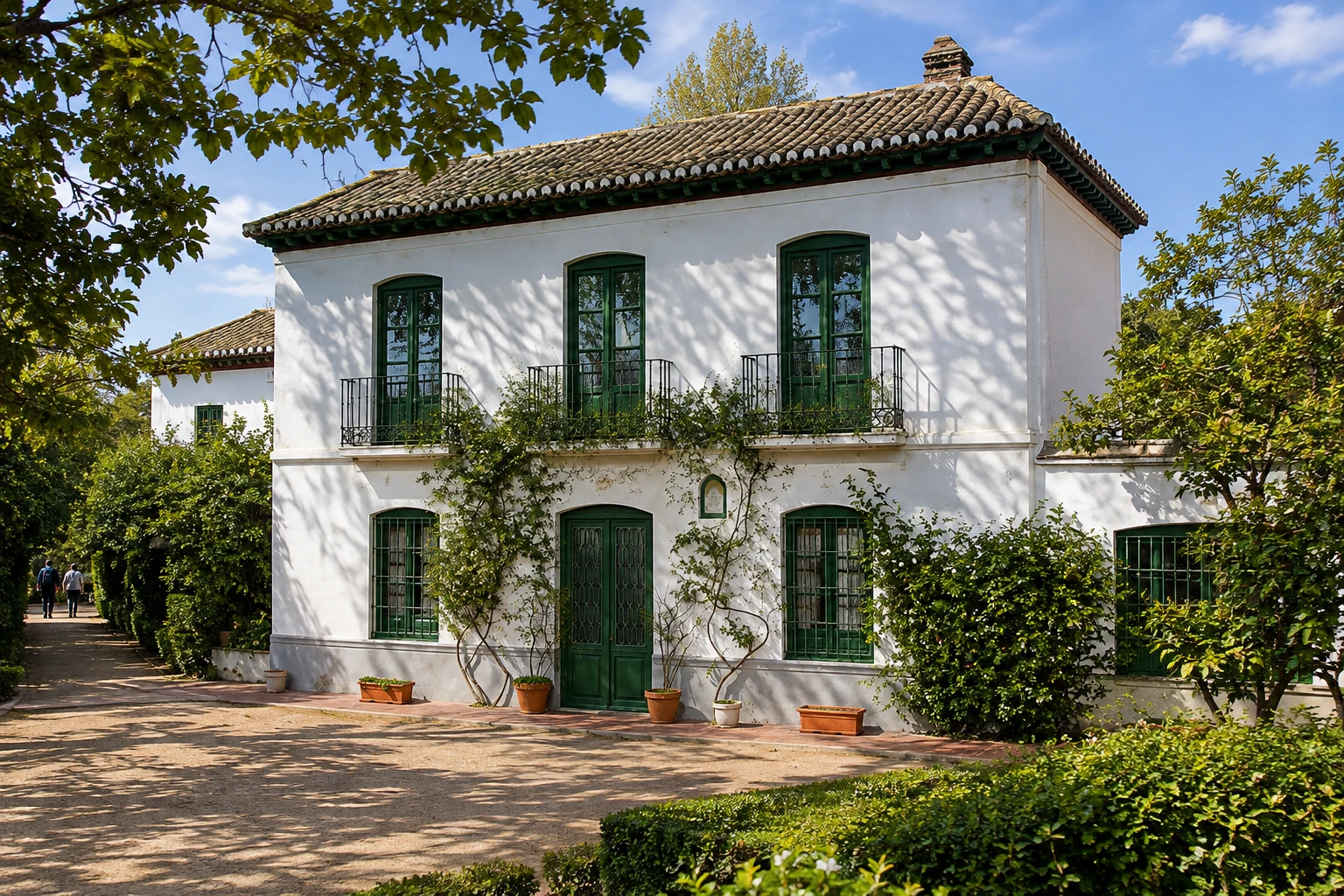
Summer house of Federico García Lorca's family from 1926 to 1936, now a house-museum with furniture, objects and artworks from the period, in the middle of Parque Federico García Lorca.
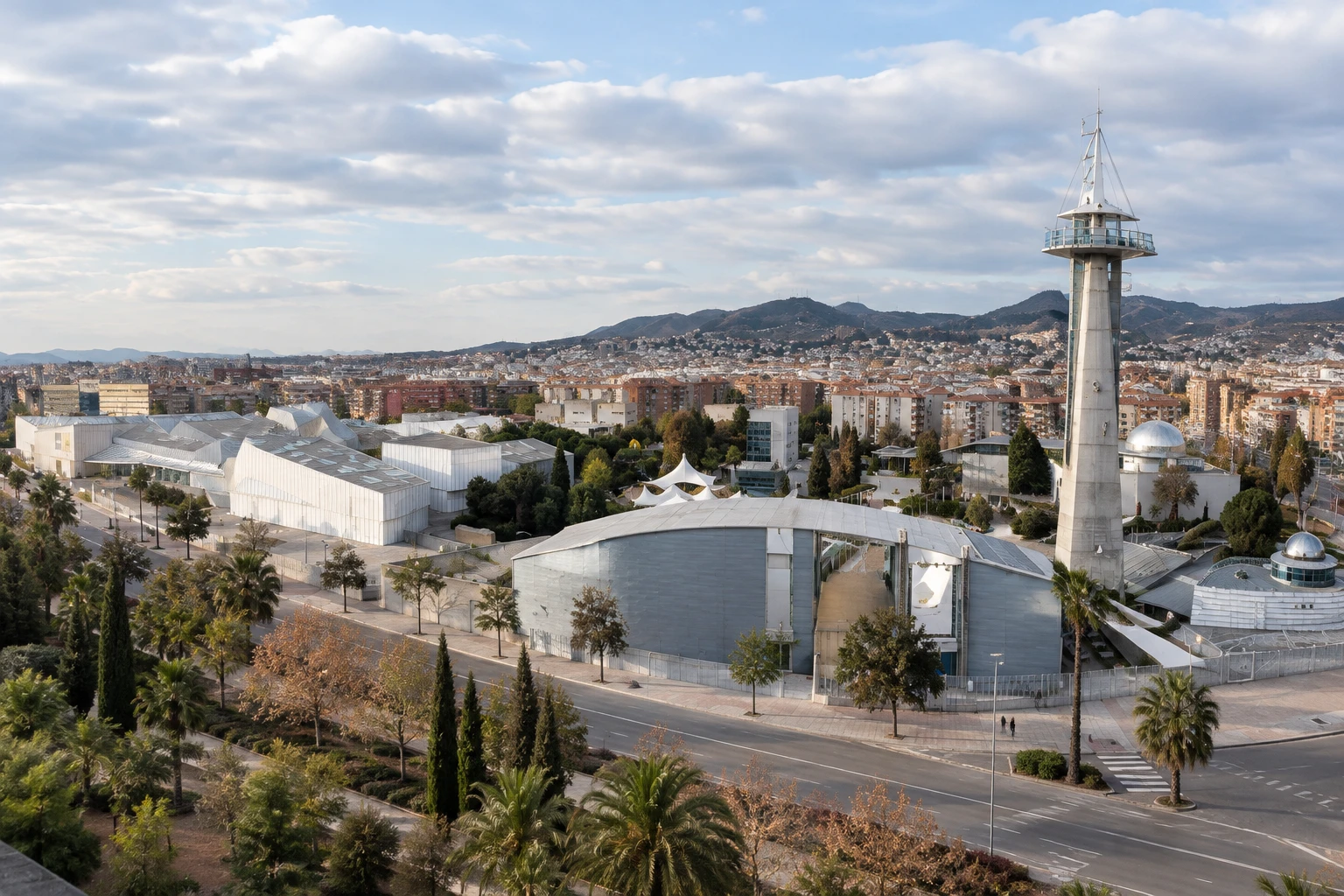
Interactive science museum opened in 1995, with pavilions on the human body, the Earth and the Universe, a planetarium and outdoor area — a good program for families.
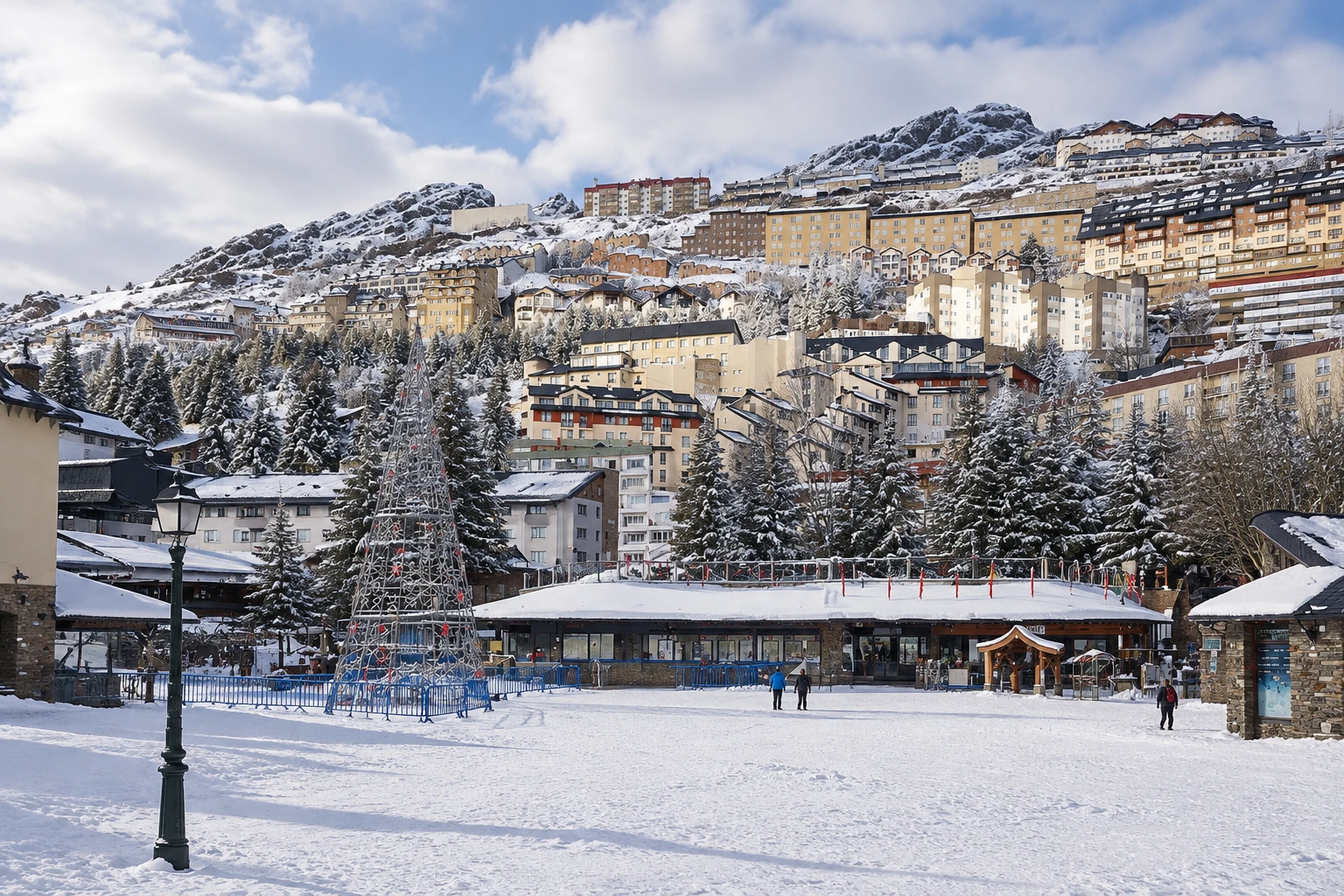
The southernmost ski resort in Europe and the highest in Spain, about 30 km from Granada, with the village of Pradollano at 2,100 meters and a snow season that typically runs from December to April.
To plan