Tomaž Godec Museum
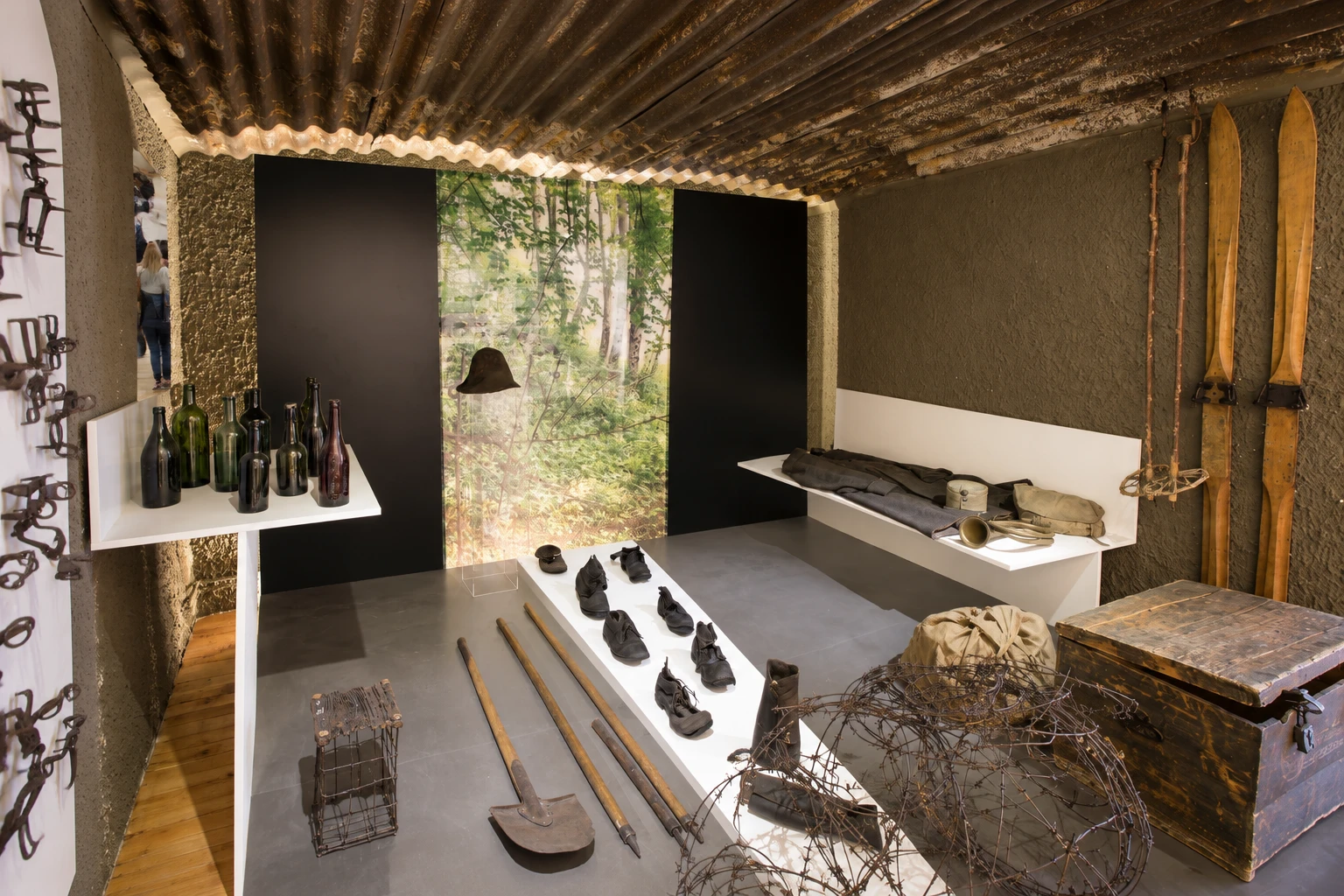
The museum in Bohinjska Bistrica is housed in an old tannery by the stream, with exhibits on the valley’s leather and iron industries and a display about the Isonzo front in World War I.
Antarctica
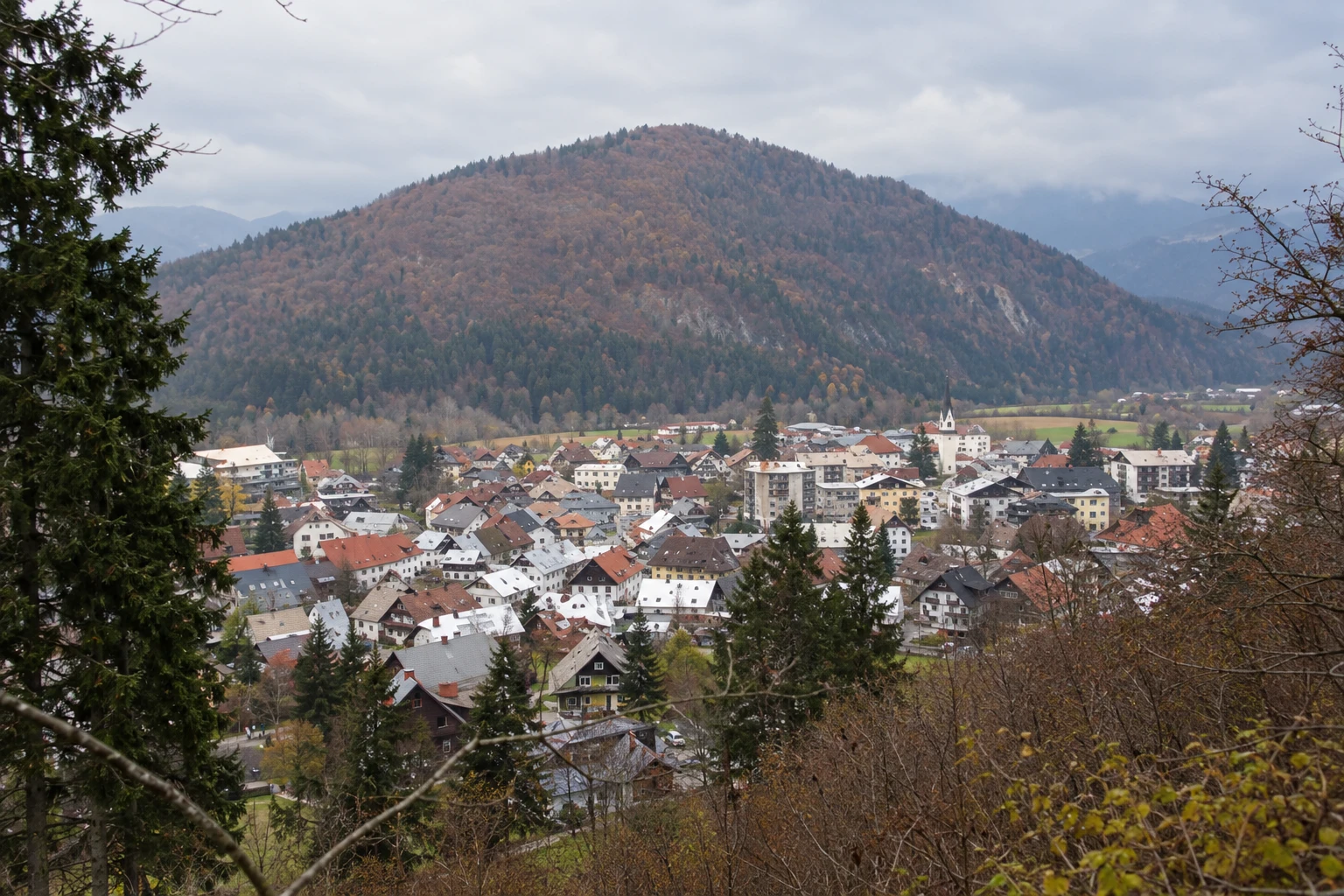
In the photo: Bohinjska Bistrica.
Illustrative images. The pictures in this guide are illustrations based on the real place, not photographs, and may differ from it.
The city
The administrative center of the Bohinj municipality, about 6 km from the lake, on the banks of the Sava Bohinjka. It has the Bohinj railway station near the tunnel mouth that crosses the mountains, shops and services, the Tomaž Godec Museum in an old tannery, and the Ajdovski gradec archaeological site. It’s a practical base for those arriving by train.
Bohinjska Bistrica is the largest settlement and administrative center of Bohinj, the valley in the Julian Alps that is home to Lake Bohinj. It has about 1,700 residents and sits on the floor of the lower valley, between the Sava Bohinjka River, the hills of Dobrava and Ajdovski gradec, and the Bistrica and Belica streams. The street leading from the train station divides the village into two parts: Zgornja vas (upper village) and Spodnja vas (lower village).
It’s a village people come to for services rather than postcard views. This is where you’ll find the town hall, tourist information center, market, cultural center, indoor water park, and a station on the Bohinj Railway. If you want to be by the lake, head to Ribčev Laz, about 6 km away. Staying in Bohinjska Bistrica gives you better access to transportation and shops.
Ironworking and the railway shaped the village’s history. From the Iron Age to the end of the Roman Empire, a community of miners and iron smelters lived on Ajdovski gradec hill. In the early 20th century, the construction of the 6,327 m Bohinj Tunnel beneath Mount Kobla connected the village to the railway between Jesenice and Nova Gorica. The line opened in 1906 and is still in use. A train on the same line carries cars to the other side of the mountain. The Muzej Tomaža Godca, in a former tannery beside the stream, tells this story.
The surrounding area offers short, quiet outings. You can follow the trail to the source of the Bistrica, climb to the villages of Nemški Rovt and Ravne for views of the Triglav massif, explore the Dobrava meadows, or take the bike path along the Sava Bohinjka to the lake. For fit hikers, the local mountain is the 1,844 m Črna prst, known for its alpine flowers for more than 200 years. The river is used for rafting, kayaking, and fly-fishing.
The village has a mountain climate. Winters are cold, with snow in the valley for part of the season and average January highs of 3 °C. The small Kozji hrbet ski slope and the ice rink are open in winter, as are the Dobrava cross-country ski trails when there’s snow. Spring arrives with the thaw in April. The meadows bloom in May and June, both rainy months. Summer has average highs of 25 °C and is the season for river activities, bike rides, and Saturday concerts in the village. Fall is the wettest time of year, and the forests change color in October. The weather changes quickly in any season, so pack an umbrella and a raincoat.
Bled, Ribčev Laz, Stara Fužina, and the Pokljuka Plateau are other destinations you can reach from Bohinjska Bistrica by bus, train, bike, or car.
27 places to stay in Bohinjska Bistrica.
7 places to eat in Bohinjska Bistrica.
5 places on the map: where to stay and where to eat, by neighborhood.
The local experience
The museum in Bohinjska Bistrica is housed in an old tannery by the stream, with exhibits on the valley’s leather and iron industries and a display about the Isonzo front in World War I.
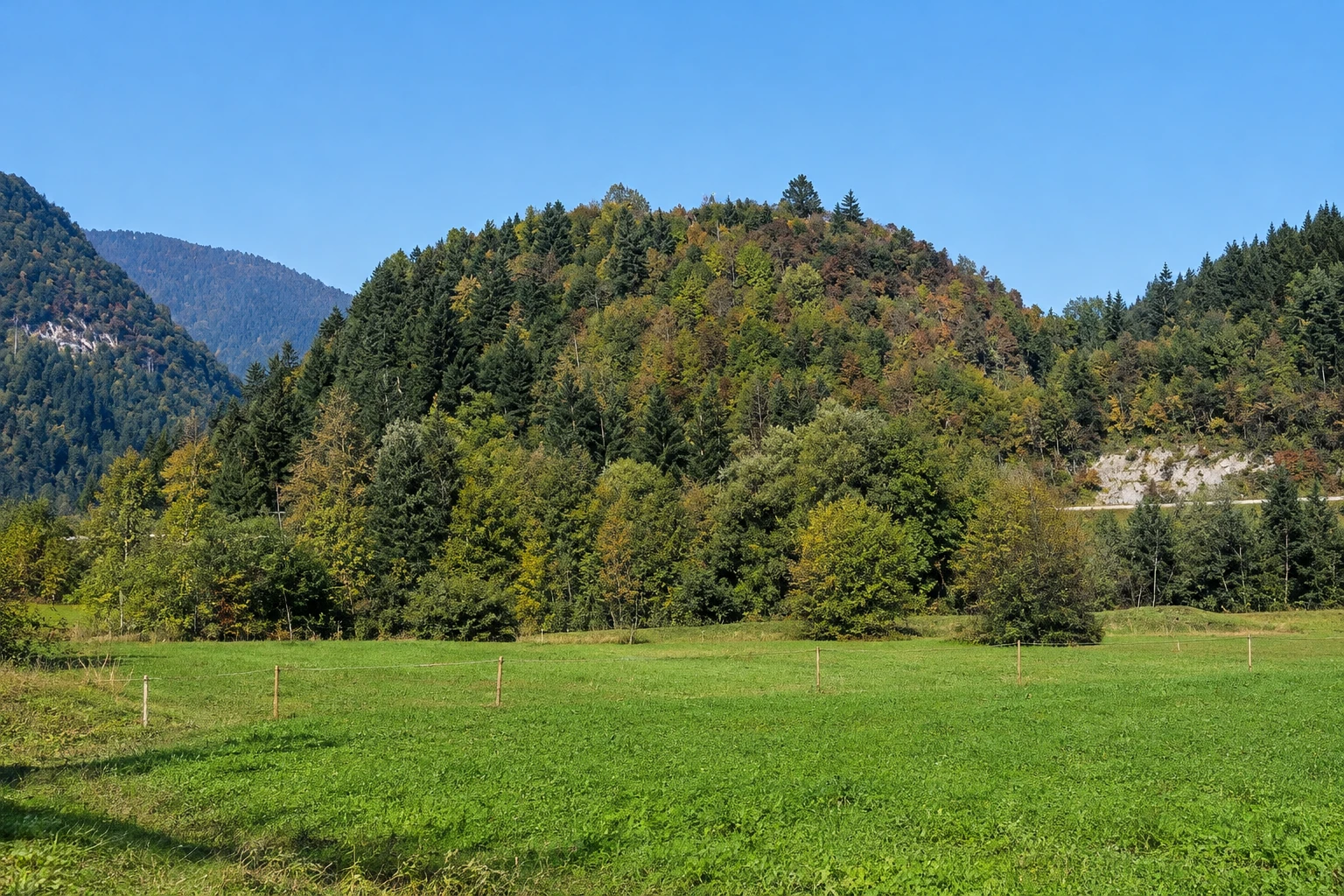
The archaeological site on a hill near Bohinjska Bistrica, with remains of a wall and the base of a gate from an ancient fortified settlement, reached by a short forest trail.
To choose before you go
Where each tour starts, how long it takes, how it is done, what is included and the price range.
Bohinj’s history museum is in the house where Tomaž Godec (1905–1942) was born. A tanner, skier, and sports organizer, he is remembered as Bohinj’s first partisan. A cross-country ski race named for him is held in his memory. The renovated galleries trace the valley’s history from its earliest prehistoric settlements through World Wars I and II, exploring Bohinj’s trades, customs, and local dialect. One section is devoted to leatherworking, the family trade. The museum also hosts temporary exhibitions, museum nights, and workshops. Round out your visit with a walk through the village. On summer Saturday evenings, BistricaFest holds outdoor concerts in front of the Joža Ažman Cultural Center, alongside art, record, and used-book fairs. At the market, the Ugrizni Bohinj event brings together cooks from Bohinj and the Julian Alps to prepare street food with local ingredients, accompanied by live music. The village tourist information office is the first one you come to in Bohinj when arriving by road from Ljubljana.
Stops: Tomaž Godec Museum, Joža Ažman Cultural Center, Bohinjska Bistrica Market.
Includes: Museum admission is separate and payable in cash only. A combined ticket is available for this museum and the other museums in Bohinj. Check the current prices.
Tip: Check the museum’s opening season and days before you go: it isn’t open every day. BistricaFest concerts are free. In bad weather, they move inside the cultural center.
Best time: Year-round; in July and August, combine your visit with a Saturday concert.
Ajdovski gradec is the name of an ancient settlement on a hill east of Bohinjska Bistrica. It was inhabited for more than a thousand years, from the beginning of the Iron Age to the fall of the Roman Empire. It was home to miners and smelters who built their houses on terraces they leveled by hand and protected their foundries with stone walls. You can still see the remains of foundations, foundries, and sites where iron was melted down. The hill also has a place in literature. Slovenia’s best-known poet, France Prešeren, set the opening of his epic poem The Baptism on the Savica here. That is why Ajdovski gradec is remembered in Slovenia as a symbol of independence and freedom. The route starts with a leisurely walk through the village, followed by a short, easy climb through the woods to the hilltop, where you can see how the settlement overlooked the valley.
Stops: Ajdovski gradec, Bohinjska Bistrica.
Includes: You can hike independently, and there’s no entrance fee.
Tip: Visit the Muzej Tomaža Godca first. Its exhibit on Bohinj’s earliest settlements will help you make sense of the remains on the hill. Wear sturdy shoes, as the wooded section of the trail gets slippery after rain.
Best time: From spring to fall, or in winter when the trail is free of snow and ice.
The Bistrica rises at a spring called Pod Luknjo, at the foot of the mountains in southern Bohinj. It flows through the village and carries more water than any other tributary of the Sava Bohinjka. After heavy rain, the waterfall near the spring usually flows strongly. The trail starts in Pozabljeno and climbs along the right bank of the stream, in the shade of birches and pines, past willows, alders, ferns, and the broad leaves of coltsfoot. On hot summer days, cool air from the stream makes the walk refreshing. The Bistrica once powered mills and forge hammers. During construction of the Bohinj Tunnel, water from the spring was channeled to run the machinery at a small power plant. The site is now a fish hatchery. Water from the same spring supplies the village. The trail as far as the spring is suitable for all ages. Beyond the spring, the climb to the pass is very steep and is not recommended for young children or older adults. The simplest option is to return the way you came. If you continue up to the pass, the route back to the starting point takes you through the sunny meadows of Dobrava, with views of the surrounding mountains.
Stops: Source of the Bistrica, Bistrica Stream, Dobrava.
Includes: The trail is open to the public, with no entrance fee.
Tip: Go after a few days of rain to see more water flowing from the spring, but wear shoes that can handle mud. In the fall, cattle graze in the meadows of Dobrava: keep your distance from them.
Best time: May to October.
Nemški Rovt and Ravne lie on the hillside above Bohinjska Bistrica, with open views of the Bohinj Valley and the surrounding mountains. The route follows stretches of paved road, dirt road, and mountain trail. The climb to Nemški Rovt is not difficult. Nemški Rovt is a compact village, with houses lining its main street, which runs east to west. The first residents appear to have come from eastern Tyrol. In the center stands the Church of St. Acacius (sv. Ahac), dating to 1492. It has a relief depicting the meeting of Joachim and Anne. Locals call Anne St. Hema. At the edge of the village is a small, well-kept lake with an information board. From there, the route leads through meadows and woods to Ravne, which offers one of the widest views of the Triglav massif. The village is known for its four surviving old granaries, or kašče: Pavlova, Cjanova, Rožmanova, and Pongrčeva. The idle ski lifts are a reminder of the former Kobla ski resort. To descend to Bohinjska Bistrica, follow the mountain trail that leads up to Črna prst in the opposite direction.
Stops: Nemški Rovt, Church of St. Acacius (sv. Ahac), Ravne.
Includes: There is no fee for this walk.
Tip: Choose a clear day for this loop so you can enjoy the view from Ravne. Bring water and a snack, as the villages are small. Ravne is also the starting point for the trail to Orožnova koča, an uphill walk of about 1 hour and 45 minutes.
Best time: May through October.
This loop links the village to the lake by two different routes and covers about 15 km in total. On the way to the lake, a gravel road crosses the meadows of Dobrava, a low plateau that stretches from Bohinjska Bistrica to the village of Polje at the foot of the Bohinj and Tolmin mountains, with views of the Julian Alps and Mount Triglav. The route passes through the village of Žlan and goes past the Hansen ski jump, built in 1929 and one of the largest in the world at the time. From Polje, the road is paved all the way to Ribčev Laz and the shore of Lake Bohinj. The return route follows the Bohinj bike path along the left bank of the Sava Bohinjka to the Danica campground in Bohinjska Bistrica. The bike path follows the route of a railway that was planned to connect Bohinj’s two valleys but was never built. The path is paved almost all the way and is suitable for any bike. If you only want the easy section, take the bike path both ways. The bike path also takes you to Brod, Stara Fužina, Studor, and Srednja vas in the upper valley. The section between Češnjica and Brod runs through the Senožeta meadows on gravel and calls for a mountain bike.
Stops: Dobrava, Žlan, Polje, Bohinj bike path, Sava Bohinjka.
Includes: The route is free to use. Bike rental costs extra.
Tip: Cycling is not allowed along the north shore of the lake as far as Ukanc. The train carries bikes, but space is limited.
Best time: May through October.
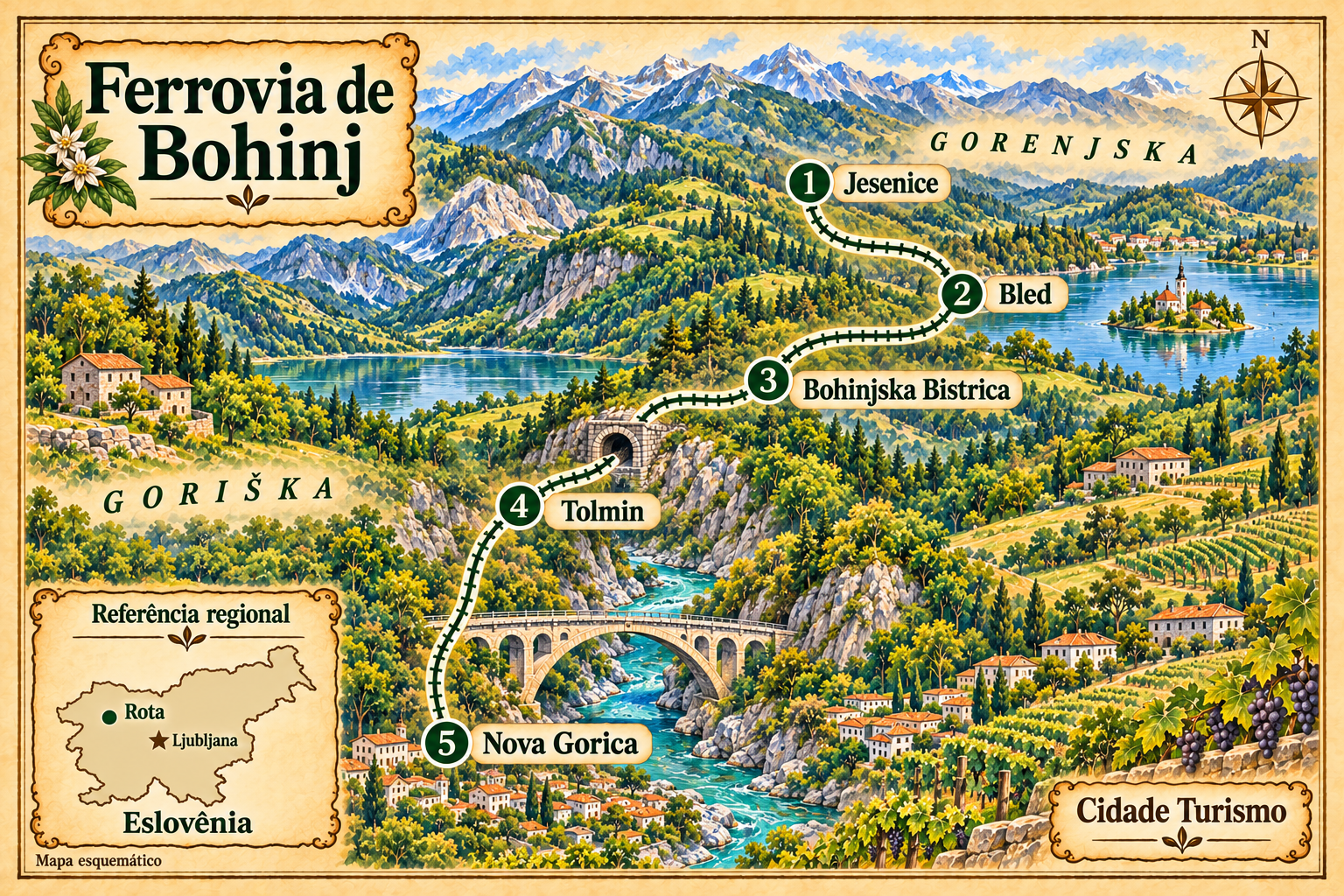
Austria-Hungary built the Bohinj Railway between 1900 and 1906 to connect the empire’s interior to the port of Trieste. Local tourism authorities describe it as one of Slovenia’s most scenic and historic rail lines. The line’s main engineering feat is the 6,327 m Bohinj Tunnel, which starts in Bohinjska Bistrica, passes beneath Mount Kobla, and emerges at Podbrdo in the Baška grapa valley on the Primorska side. During World War I, the railway carried most of the Austrian supplies bound for the Isonzo Front. The shortest trip is to ride through the tunnel to Podbrdo and take the next train back. If you have more time, you can continue down the valley to Most na Soči or as far as Nova Gorica, about 1 hour and 30 minutes from Bohinjska Bistrica. In the opposite direction, the line passes through Nomenj, the municipality’s other station, and Bled Jezero before reaching Jesenice. A car-carrying train also runs daily on the same line, taking vehicles through the tunnel on the route between Bohinjska Bistrica, Podbrdo, and Most na Soči so drivers can avoid the mountain road.
Stops: Bohinjska Bistrica train station, Bohinj Tunnel, Podbrdo, Most na Soči.
Includes: Train tickets are paid for separately. Check the current fares from Slovenian Railways.
Tip: Check the timetable before you set out. The summer timetable runs from late June to late September. If you’re taking the car train, arrive at the station at least 20 minutes before departure.
Best time: Year-round.

The Sava Bohinjka begins where the Jezernica, which flows out of Lake Bohinj, meets the Mostnica. From there, it flows through a narrow valley that tightens into a gorge in places before reaching Soteska. Bohinjska Bistrica lies midway along this stretch. The upper rafting section runs 6 km from the lake to Camp Danica in Bohinjska Bistrica. You can ride in a raft for 6 to 8 people steered by a guide, or in a smaller raft for 2 or 3 that you steer yourselves, with a guide paddling alongside in a kayak. It’s an easy route suited to beginners and families. The activity takes about 3 hours 30 minutes, including 1 hour 30 minutes of paddling, and is recommended for those over 14. The larger rafts need high water levels, which are more common in spring and fall. The smaller rafts can also make the trip in summer. The lower section at Soteska has a stronger current and requires experience. Guided kayak trips also run from the lake to Brod, Bohinjska Bistrica, or Soteska. The river is home to brown trout, rainbow trout, and grayling. Only fly fishing is allowed, and you need a license in your own name. A daily catch limit applies. The road bridge downstream of Bohinjska Bistrica marks the boundary between the river’s two fishing areas. In summer, people also swim in the Sava Bohinjka.
Stops: Sava Bohinjka, Camp Danica, Soteska.
Includes: Rafting and kayaking with a local operator cost extra and include equipment and transportation. A fishing license costs extra.
Tip: Book your rafting trip in advance. Outside July and August, most trips run on weekends. Bring a swimsuit, a towel, and a T-shirt. Everyone must know how to swim to raft the Soteska section.
Best time: Rafting from May to September; fishing from April 1 to November 14.
At 1,844 m, Črna prst towers over Bohinjska Bistrica. Its name means “black earth” and comes from an unusual outcrop of dark slate just below the summit. It is part of the range between Bohinj and Primorska, where the milder conditions of the Alpine foothills allow whole gardens of rare alpine flowers to grow among the gray rocks. The mountain has been known for its flora for more than 200 years, and mountaineer Julius Kugy described it as a botanical garden. In early summer, you can see the different species along a botanical trail. The classic route starts in the village, passes through Ravne, and climbs through beech forest to Orožnova koča, a mountain hut on the Za Liscem pasture. The hut stands on the site of the first Slovenian mountain hut, built in 1894 by the country’s alpine association and named after its first president, Fran Orožen. From here you can see the Bohinj Valley, Lake Bohinj, and Mount Triglav. The climb from Ravne to the hut takes about 1 hour and 45 minutes, with an elevation gain of 600 m. Another hut, Koča Zorka Jelinčiča, stands at the summit and is a starting point for hikes along the ridge to Rodica and Vogel. You can return via the Za Črno goro pasture, where old herders’ huts still stand.
Stops: Črna prst, Orožnova koča, Planina Za Liscem, Koča Zorka Jelinčiča.
Includes: The trail is free. Meals and overnight stays at the mountain huts are charged separately.
Tip: Attempt this hike only in settled weather. Wear hiking boots, start early, and check beforehand that the mountain huts are open. For a shorter hike, go only as far as Orožnova koča. There may still be snow near the summit in late spring.
Best time: June to September; the alpine flowers are usually at their best in early summer.
In winter, Bohinjska Bistrica has plenty for beginners to do on the snow. Kozji hrbet is the lower part of the former Kobla ski area. Its easy blue run is 440 m long, ranges in elevation from 555 m to 633 m, and has a T-bar lift. It’s well suited to families and beginners and opens when there’s enough snow. In the village center, next to the shopping center and Aquapark Bohinj, there’s a refrigerated ice rink measuring 30 m by 15 m, with skate and helmet rentals and skating aids for beginners. In Dobrava, on the edge of the village, cross-country trails are groomed when conditions allow. There’s a short 1 km loop for beginners and children, along with longer loops of 5 km or more for both classic and skate skiing. The longer loops climb to the top of the plateau, with views of the mountains. For longer runs, the Bohinj ski bus takes you to Vogel, Soriška planina, and the Pokljuka Plateau. Soriška planina, at elevations between 1,307 m and 1,550 m, has 8 km of runs, five lifts, snowmaking, and nighttime sledding on a lighted run. With heated pools, water slides, saunas, and bowling, Aquapark Bohinj is a good option at the end of the day or on a day without snow.
Stops: Kozji hrbet, Bohinjska Bistrica ice rink, Dobrava, Aquapark Bohinj.
Includes: Ski passes, ice skating, equipment rentals, ski bus fares, and water park admission all cost extra. Check the current rates.
Tip: The cross-country ski trails are groomed only when snow and weather conditions are suitable, so check the day’s conditions. For cross-country skiing, park in the Danica parking lot. For the larger ski areas, leave your car in the village and take the ski bus.
Best time: December to March, depending on snow conditions.
Day by day
Suggestions to plan the trip. Change the order of the days according to the weather and tour availability.
Start at the Muzej Tomaža Godca in the former tannery to explore Bohinj’s history from the earliest settlements through both world wars. Then walk to Ajdovski gradec and climb the wooded hillside to the remains of the Iron Age settlement. Have lunch in town, which has more grocery stores and restaurants than the lakeside villages. Local menus feature Bohinj cheese, mohant, and trout. In the afternoon, cycle along the bike path on the left bank of the Sava Bohinjka. The path is mostly paved and takes you to Lake Bohinj at Ribčev Laz, about 6 km away. Return the same way or, if you have a touring bike, ride back through the Dobrava meadows. On Saturday evenings in July and August, end the day at the outdoor concert in front of the cultural center. If you have a train to catch, check the return schedule before heading out on the bike path.
In the morning, visit the Muzej Tomaža Godca and climb Ajdovski gradec. After lunch, take the trail to the source of the Bistrica. Start in Pozabljeno and follow the shady right bank of the stream to the spring at Pod Luknjo, then return the same way. It’s a short walk that stays cool even on hot days. If the weather takes a turn for the worse in the late afternoon, Aquapark Bohinj has heated pools and saunas. In summer, you can swim in the Sava Bohinjka.
Set out early for a loop through the upper villages. The climb to Nemški Rovt is gentle. Visit St. Acacius Church, which dates to 1492, and the small lake at the edge of the village, then cross the meadows to Ravne for its four old barns and views of the Triglav massif. Follow the mountain trail back down to town. In the afternoon, take the train through the Bohinj Tunnel to Podbrdo, on the other side of the mountain, or stay on until Most na Soči. Take the next train back. Check the timetable before you leave. If you're fit and the weather is settled, you can spend the day hiking up Črna prst instead. The hike takes a full day. In winter, spend the second day at the Kozji hrbet ski slope, ice skating, and cross-country skiing in Dobrava.
Best time to go
The seasons shown are the most usual ones; nature doesn't always follow the calendar.
winter · skiing at Kozji hrbet and ice skating
Winter. In the Bohinj Valley, highs average 3 °C and lows average -6 °C, with an average of about 18 cm of snow on the ground. This is the coldest month, with frequent morning fog. The ice rink in town is open. When there's enough snow, the Kozji hrbet ski slope and the cross-country ski trails in Dobrava are open too. The ski bus serves Vogel, Soriška planina, and Pokljuka. Bring snow gear and waterproof footwear.
winter · month with the deepest snow in the valley
Winter. Highs average 6 °C and lows average -6 °C. This is usually when the snow is deepest in the valley, averaging about 21 cm, which makes for good conditions for cross-country skiing in Dobrava and on the Kozji hrbet ski run. The trails to the source of the Bistrica and to Ajdovski gradec can be icy. The indoor water park and the museum are options for later in the day.
late winter
Late winter. Highs average 10 °C and lows average -2 °C. There’s still snow in the valley for part of the month, with an average depth of about 14 cm. The days grow longer, and the snow lasts longer at higher-elevation resorts than in the village. The lower trails get wet as the snow melts. It’s a quiet month, with little activity in the village.
spring · start of the fishing season on the Sava Bohinjka
Spring. Highs average 14 °C and lows average 2 °C. The snow melts on the valley floor but remains in the mountains. The Bistrica and the Sava Bohinjka usually run high as the snow melts, and the fly-fishing season on the Sava Bohinjka opens on the 1st. It’s a good month to visit Ajdovski gradec and the source of the Bistrica or to explore the bike path. The weather changes quickly, so pack an umbrella and a waterproof jacket.
spring · meadows in bloom · start of the rafting season
Spring. Highs average 19 °C and lows average 7 °C, with frequent rain. The Dobrava meadows bloom, and the International Wild Flower Festival begins late in the month, with botanical walks in several places around Bohinj. Rafting trips begin on the Sava Bohinjka, mainly on weekends. There may still be snow near the summit of Črna prst.
early summer · alpine flowers · summer train schedule
Early summer. Highs average 23 °C and lows average 10 °C, with frequent rain. The Wild Flower Festival runs into the beginning of the month, and the alpine flowers on Črna prst are usually at their peak. The summer schedule starts on the Bohinj Railway in late June, with more trains running. It’s a good month for hikes to Nemški Rovt and Ravne.
summer · BistricaFest on Saturdays · daily rafting trips
Summer. Highs average 25 °C and lows average 12 °C. This is the hottest and busiest month in Bohinj: parking lots by the lake fill up early, and Bohinjska Bistrica is a transfer point for seasonal buses. The village has outdoor concerts on Saturday evenings and rafting trips every day. It’s the season for hiking up Črna prst. Get an early start on the trails.
summer · BistricaFest on Saturdays · river swimming
Summer. Highs average 25 °C and lows average 12 °C. Warm days are good for swimming in the Sava Bohinjka, riding the bike path, and hiking shaded trails such as the one to the source of the Bistrica. Saturday concerts and daily rafting trips continue. Many people take their bikes on the trains on weekends, and bike spaces are limited. Book your accommodations in advance.
early fall · last month of the summer train schedule
Early fall. Highs average 20 °C and lows average 9 °C. The wettest time of the year begins. On the third Sunday, the valley holds the Cow Ball (Kravji bal) to celebrate the cattle’s return from the mountain pastures. Trains run on the summer schedule through the end of the month, and the last rafting trips of the season take place. The cattle move into the Dobrava meadows.
fall · fall colors
Fall. Highs average 15 °C and lows average 5 °C. This is the peak of the rainy season, with days of heavy rain. The first snow may fall in the mountains. The beech woods around town change color, and the flow at the Bistrica spring is usually stronger. It's a good month to visit the museum, ride the train through the tunnel, and try Bohinj cheese, mohant, and trout.
late fall · end of the fishing season
Late fall. Highs average 8 °C and lows are near 0 °C, with frequent rain and the first snowfalls in the valley. The days are short. The fishing season on the Sava Bohinjka ends on the 14th. It's low season: shops in town stay open, and trains and buses run as usual, but some tourist services in Bohinj take a break. Check what's open and running before you go.
winter · start of the ski season
Winter. Highs average 3 °C and lows average -4 °C, with an average of about 9 cm of snow on the ground in the valley. The ski season in Bohinj usually starts this month, depending on snow conditions, and the ski bus starts running between the village and the resorts. The ice rink brings the village center to life. Days are short; pack clothes for the snow.
Plan the journey
Bohinjska Bistrica has no airport. The nearest is Ljubljana Jože Pučnik Airport, about 50 km from Bohinj. From there, you can continue by rental car, taxi, or bus. Other options are Klagenfurt Airport in Austria, 70 km away, where you can continue by car, taxi, or train, and Trieste Airport in Italy, 200 km away.
Check routes and schedules before booking.
Bohinjska Bistrica is Bohinj’s main train station, on the line between Jesenice and Nova Gorica. Nomenj, farther down the valley, is the municipality’s other stop. From Ljubljana, change trains in Jesenice. From the coast, Italy, or the Soča Valley, the route takes you via Nova Gorica and Most na Soči, then through the Bohinj Tunnel just before you reach the village. The trip from Nova Gorica takes about 1 hour and 30 minutes. Bled Jezero is one of the stops on the line.
You can buy tickets on the train, online, or from the ticket machine at the station. You can take a bike on the train, but you need a separate ticket for it, and bike spaces are limited. The summer schedule runs from late June to late September, with more frequent trains. From the station, you can continue to the lake by bus or taxi.
The regular bus from Ljubljana’s bus station passes through Bled and Bohinjska Bistrica before reaching Ribčev Laz on the lakeshore and then Ukanc. Buses leave almost every hour, every day of the year. The trip to the lake takes about 2 hours, and Bohinjska Bistrica is the stop before the lake. Buses from Jesenice also follow the same route.
Extra buses run between Bled and Ukanc in summer. On late summer afternoons, buses back to Bled and Ljubljana fill up. An alternative is to go from the lake to Bohinjska Bistrica station and continue by train. You can buy tickets for the regular bus on board or online. Check the schedules before you travel.
The usual route is to take the A2 highway to the Bled exit, then follow the road through Bled and the Soteska Gorge. Bohinjska Bistrica is the first large village you reach in Bohinj when coming from this direction, about 6 km before the lake. It’s about 80 km from Ljubljana to Bohinj. You need an electronic vignette to use the highways.
From western Slovenia, you can drive via Podbrdo and the Soriška planina mountain road or take your car on the train. It runs daily between Most na Soči, Podbrdo, and Bohinjska Bistrica, passing through the Bohinj Tunnel. You must be at the station at least 20 minutes before departure.
In Bohinj, you can park only in marked spaces. A sign before Bohinjska Bistrica shows parking availability in the valley. The Danica and Kobla parking lots in the village are usually less busy than those at the lake and the ski resorts. Overnight stays in motorhomes are allowed only in designated areas, including the one at the train station and the Danica campground.
You can get around the village on foot. Regular buses run to the lake year-round, heading to Ribčev Laz and Ukanc. The municipality also runs seasonal bus routes, including one from Bohinjska Bistrica train station to the lake. Tickets are valid for 24 hours and must be bought in advance, either online or at the ticket machines at the train station or at Danica. They are not sold on board. These bus schedules are usually timed to connect with arriving and departing trains.
The Bohinj bike path leads out of the village along the bank of the Sava Bohinjka and takes you to the lake and the villages of the upper valley. In winter, ski buses take you to Vogel, Soriška planina, and Pokljuka. Taxis and transfers are available on request.
If you stay at least two nights at a participating property, the Julian Alps: Bohinj guest card covers municipal buses and train travel from Bohinjska Bistrica on designated sections of the railway.
Your questions
Yes, about 6 km, with buses, a bike path, and roughly a 10-minute drive.
On the Bohinj railway, from Jesenice or Nova Gorica. From Ljubljana you must change trains in Jesenice.
A service that transports cars through the Bohinj tunnel, shortening the route to the Soča valley. It operates at limited times; confirm availability beforehand.
Yes, for those arriving by train or needing more services. The lake is just a few minutes away by bus.
One day is enough to explore the village, visit the museum and Ajdovski gradec, and cycle to the lake. With two days, you can also hike to the source of the Bistrica, visit the villages of Nemški Rovt and Ravne, and ride the train through the Bohinj Tunnel. If you’re using the village as a base to explore the whole valley, allow two or three days.
Explore Bohinj’s history at the Tomaž Godec Museum, visit Aquapark Bohinj for its heated pools, water slides, saunas, and bowling, or try the indoor climbing wall at Danica Hall, which stands nearly 11 m tall. Another option is a train ride through the Bohinj Tunnel to Podbrdo or Most na Soči. Check opening days and seasonal schedules before you go.
Regular buses run year-round toward Ribčev Laz and Ukanc. In summer, there’s also a shuttle from the train station; buy your ticket before boarding. By bike, it’s a mostly flat ride of about 6 km along the bike path beside the Sava Bohinjka. Taxis are also available.
Yes. Kozji hrbet is a small, 440 m blue ski run with a surface lift. It’s suitable for families and beginners and opens when there’s enough snow. Cross-country trails are groomed in Dobrava, and there’s an ice rink in the village center. For longer runs, the ski bus takes you to Vogel, Soriška planina, and Pokljuka, generally from December to March, depending on the snow.
Yes. Just beyond the village, the train goes through the Bohinj Tunnel, passes through Podbrdo, and reaches Most na Soči at the entrance to the Soča Valley. The line continues to Nova Gorica, about an hour and a half from Bohinjska Bistrica. If you’re driving, you can take your car on the car train, which runs along the same route daily. Check the timetable before you go.
By bus, take the service from Ljubljana that continues to Lake Bohinj. Buses run almost every hour. By train, leave from Bled Jezero station, which is also on the Bohinj Railway. By car, it’s just over 20 km on the road through Soteska Gorge.
Use the village’s designated parking lots, such as Danica and Kobla, which are usually less busy than the lakeside lots. In summer, it’s worth leaving your car in the village and continuing to the lake by bus or bike. Motorhomes can stay overnight only in designated areas, such as the one at the train station and the Danica campground. Check the current parking rates.
Yes. The classic route up the 1,844 m mountain starts in the village, passes through Ravne and stops at the Orožnova koča mountain hut before reaching the summit, where there’s another hut. It’s a full-day hike with substantial elevation gain. You need to be fit, wear hiking boots, and choose a day with settled weather. The season runs from June to September, and the alpine flowers are usually at their peak in early summer.
June to September is best for hiking, cycling, rafting, and swimming in the river. July and August have outdoor concerts on Saturdays and are also the busiest months. The meadows bloom in May and June, but both months see plenty of rain. From December to March, the village serves as a base for skiing, depending on snow conditions. Fall is the wettest time of year.
Yes. The Bohinjska Bistrica tourist information center is the first one you come to in Bohinj if you arrive by road from Ljubljana. The others are in Ribčev Laz and Stara Fužina. You can also get the Bohinj guest card at these centers.
Routes in Slovenia
From Jesenice to Nova Gorica by train, along the shore of Lake Bled, through the Bohinj Tunnel and the Soča Valley.