Portorož · Obalno-kraška · Park
Forma Viva Portorož
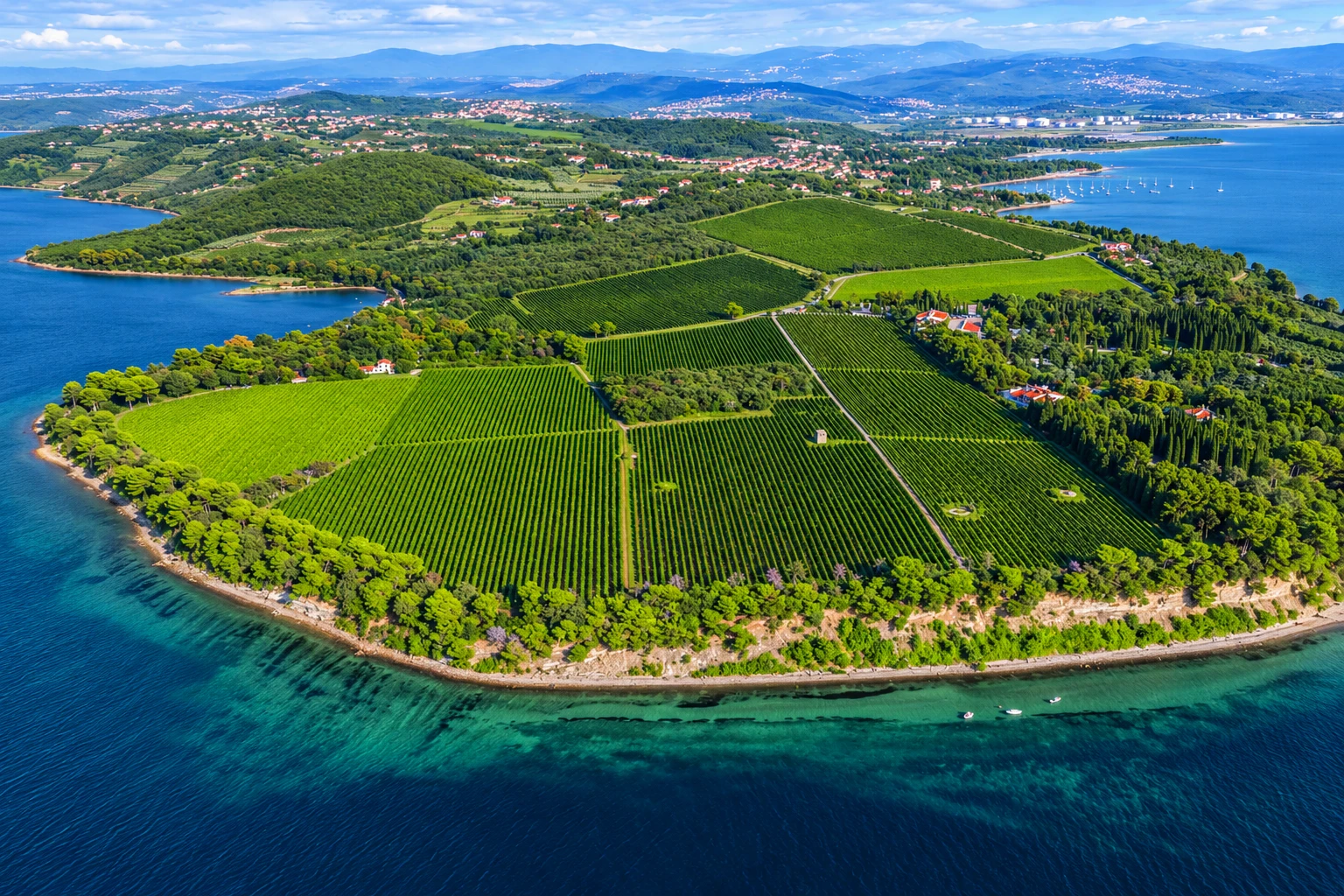
The open-air stone sculpture park on the Seča peninsula in Portorož, with more than 130 works by artists from dozens of countries, among olive trees and with views over the gulf.

 Search
 Brazil
 Antarctica
 Argentina
 Bolivia
 Chile
 Colombia
 Ecuador
 Falkland Islands (Malvinas)
 French Guiana
 Guyana
 Paraguay
 Peru
 Suriname
 Uruguay
 Venezuela
 Austria
 Belgium
 Croatia
 Denmark
 Finland
 France
 Germany
 Greece
 Hungary
 Iceland
 Ireland
 Italy
 Luxembourg
 Norway
 Poland
 Portugal
 SlovakiaSlovenia
 Spain
 Sweden
 Switzerland
 the Czech Republic
 the Netherlands
 the United Kingdom
 Turkey
 Bermuda
 Canada
 Greenland
 Mexico
 Saint Pierre and Miquelon
 the United States
 the Dominican Republic
 JapanTurkey
 Egypt
 South Africa
 Australia
 Fiji
 New Zealand
 Papua New Guinea
Obalno-kraška
14 places to visit and 10 tours, chosen by the Cidade Turismo guide.
Updated
Illustrative images. The pictures in this guide are illustrations based on the real place, not photographs, and may differ from it.
To start
One by one
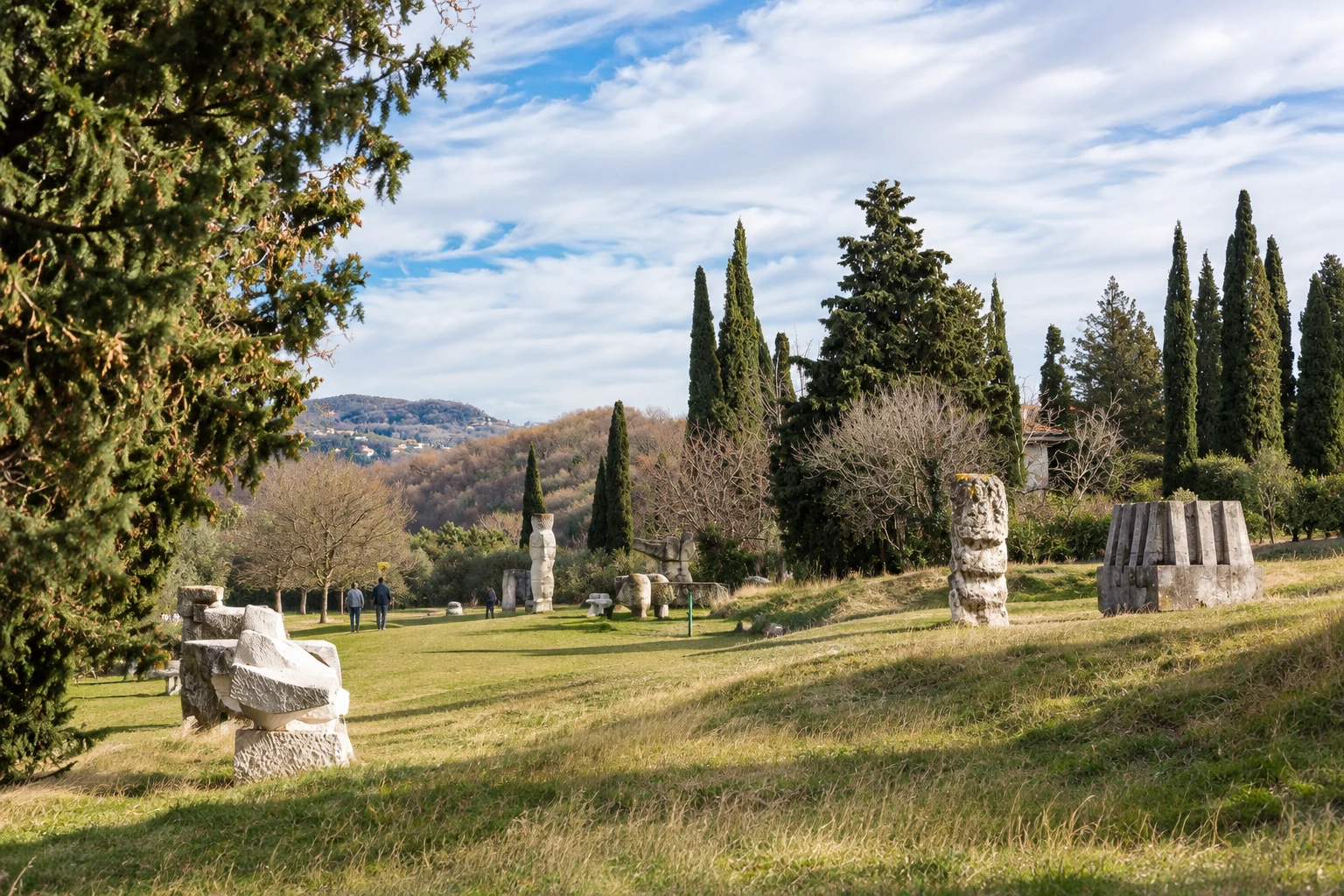
The open-air stone sculpture park on the Seča peninsula in Portorož, with more than 130 works by artists from dozens of countries, among olive trees and with views over the gulf.
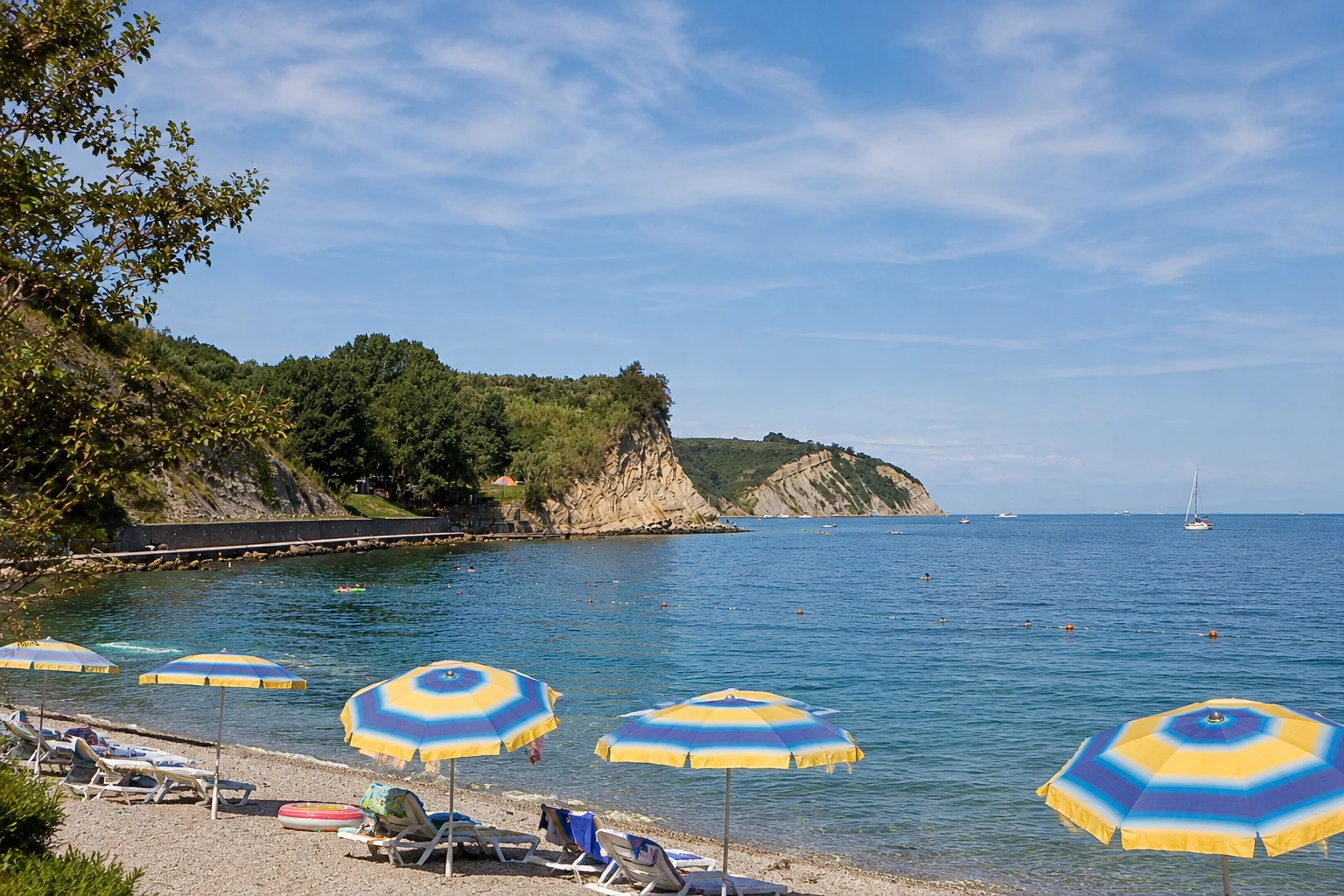
The park protects the tip of the Debeli rtič headland, its sedimentary rock cliffs, and a stretch of the Adriatic.
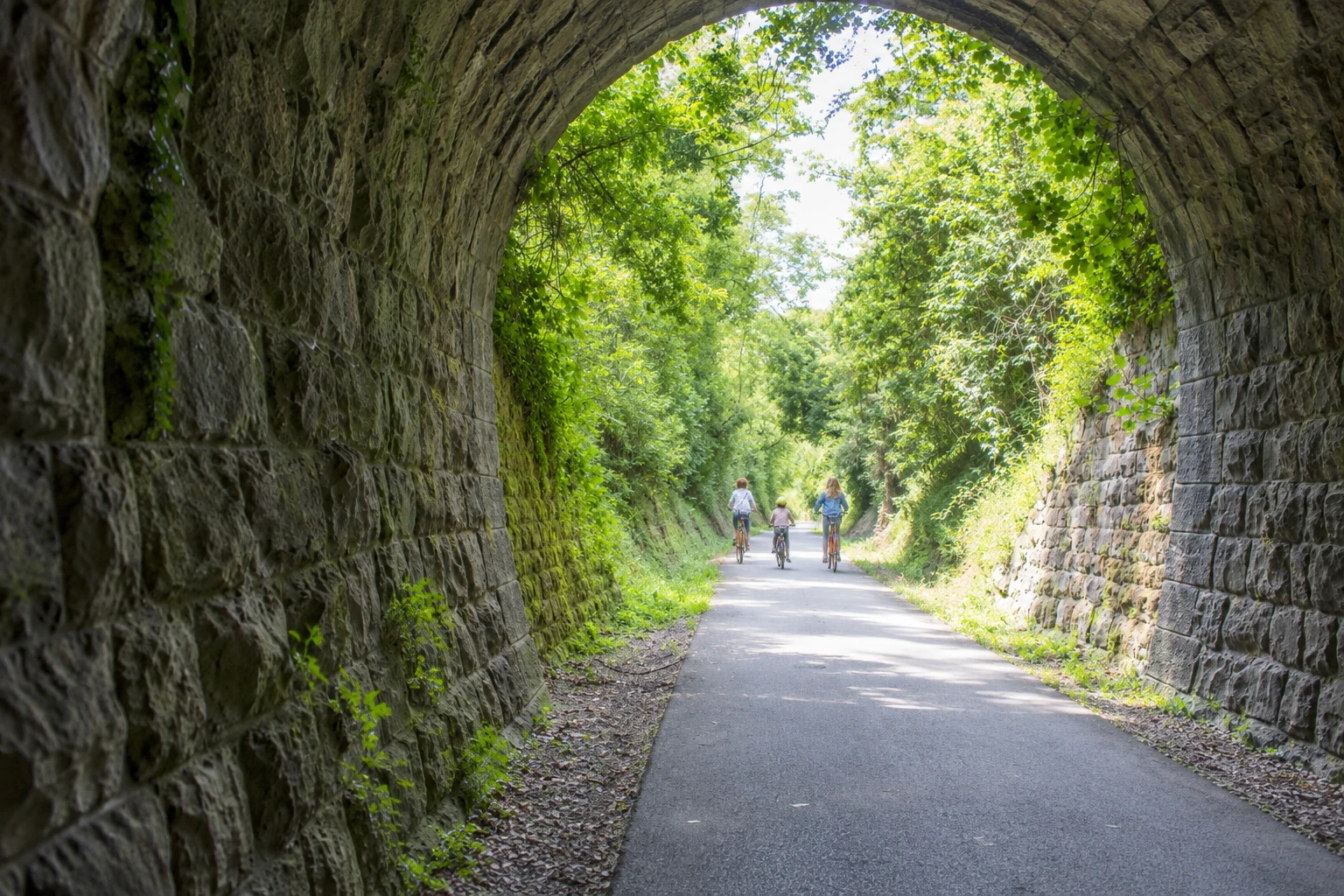
The former narrow-gauge railway between Trieste and Poreč, decommissioned in 1935 and converted into a cycling and walking route. On the Slovenian coast it passes through Izola and tunnels all the way to Portorož.
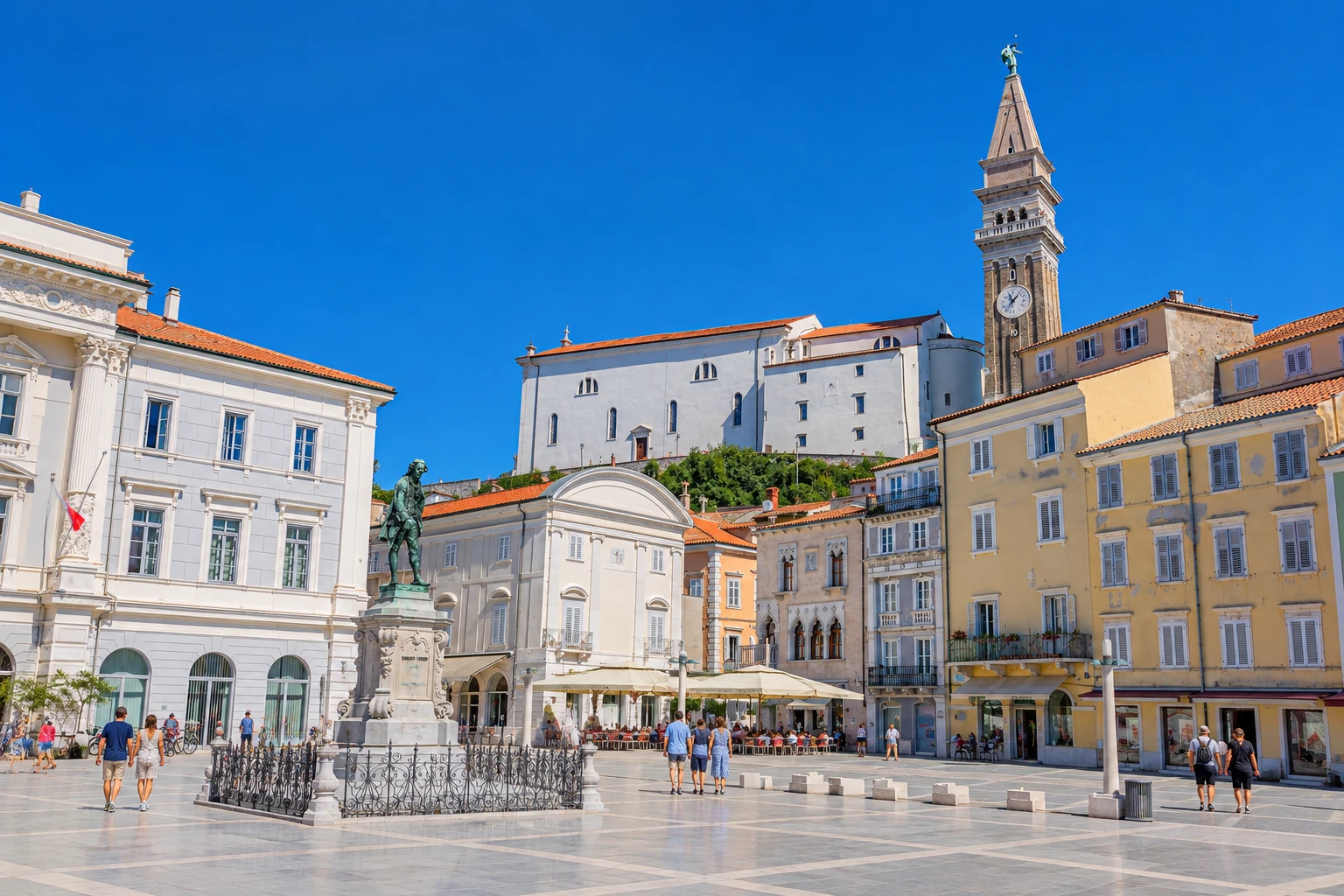
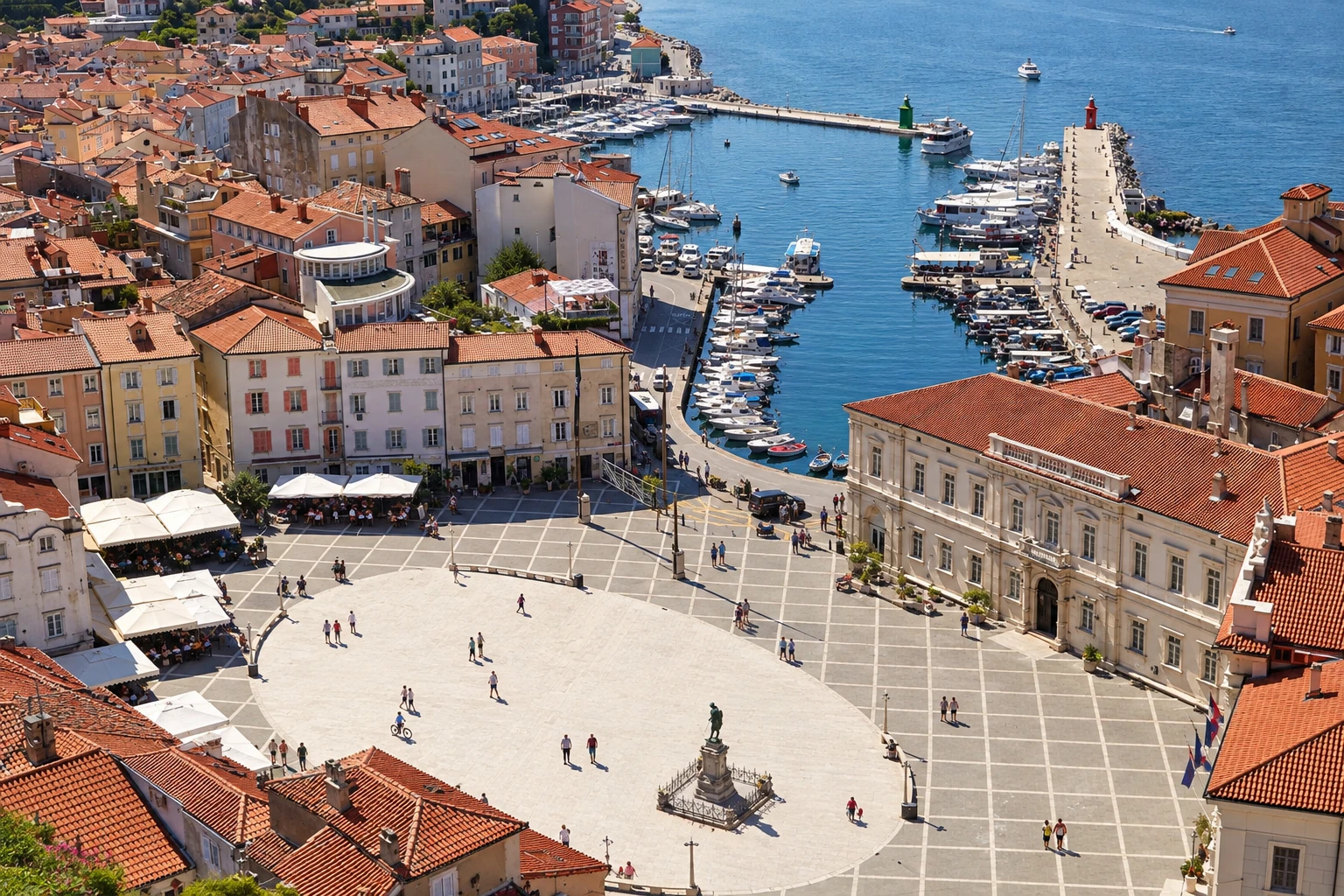
The oval square in the center of Piran, open to the sea, with the statue of composer Giuseppe Tartini, the red Venetian house and the town hall. It was an internal harbour reclaimed in the 19th century.
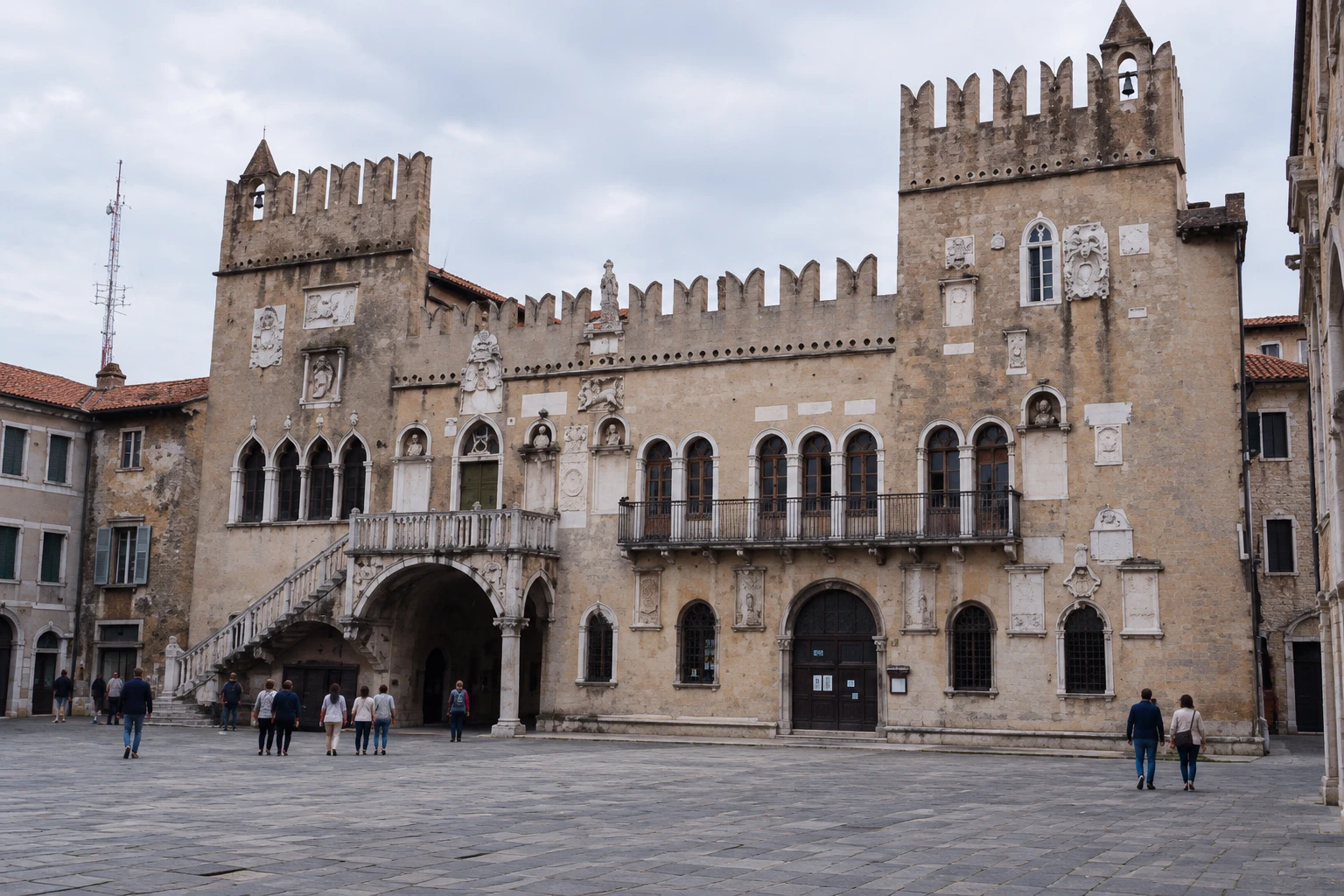
The main square of Koper's historic center, Venetian in appearance, with the Praetor's Palace, the Gothic Loggia of 1463, the cathedral and the bell tower. Closed to cars.
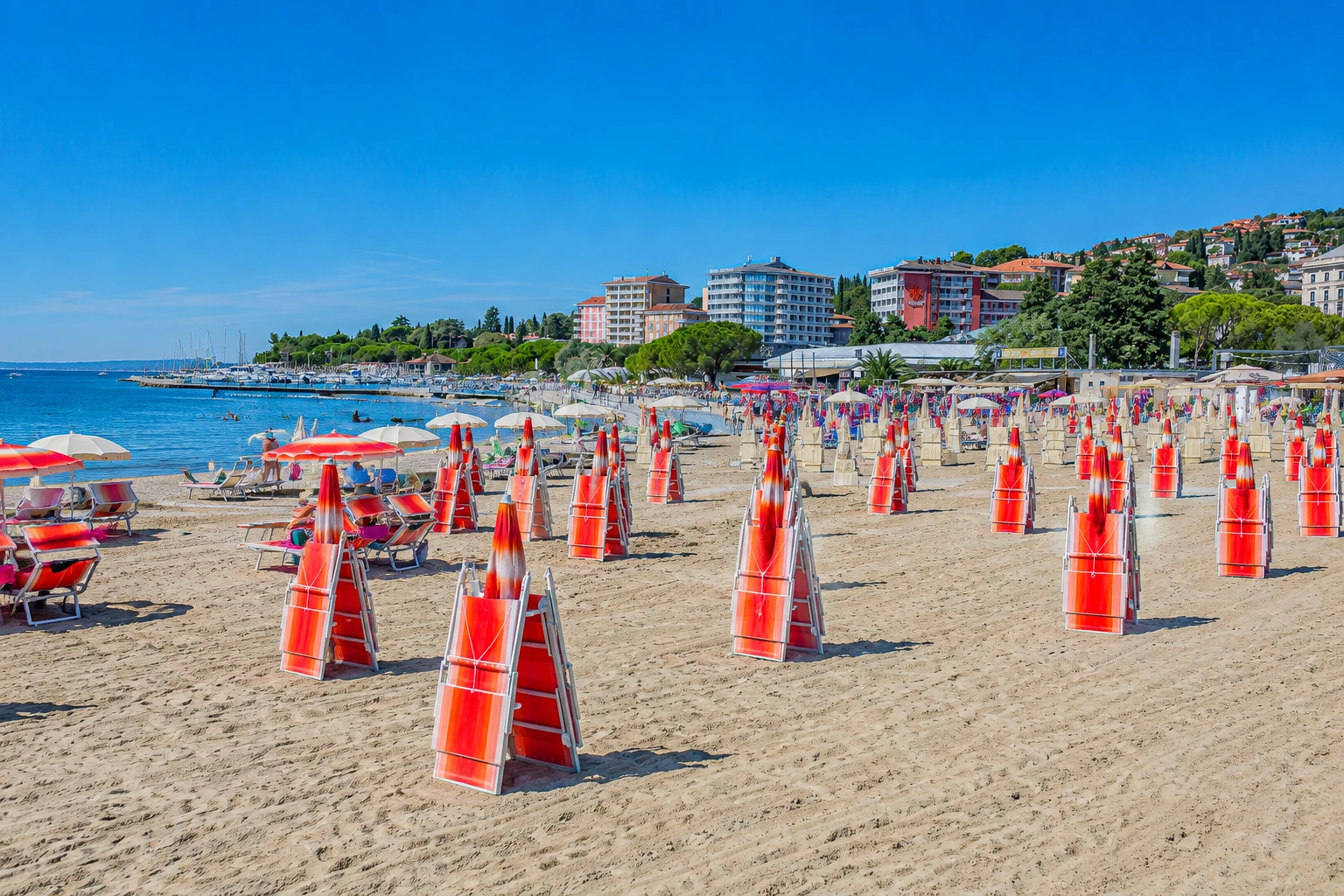
The main urban beach of Portorož and of the Slovenian coast, with a strip of sand, lawns and piers, along the promenade in front of the centre. Calm sea, sheltered by the bay.
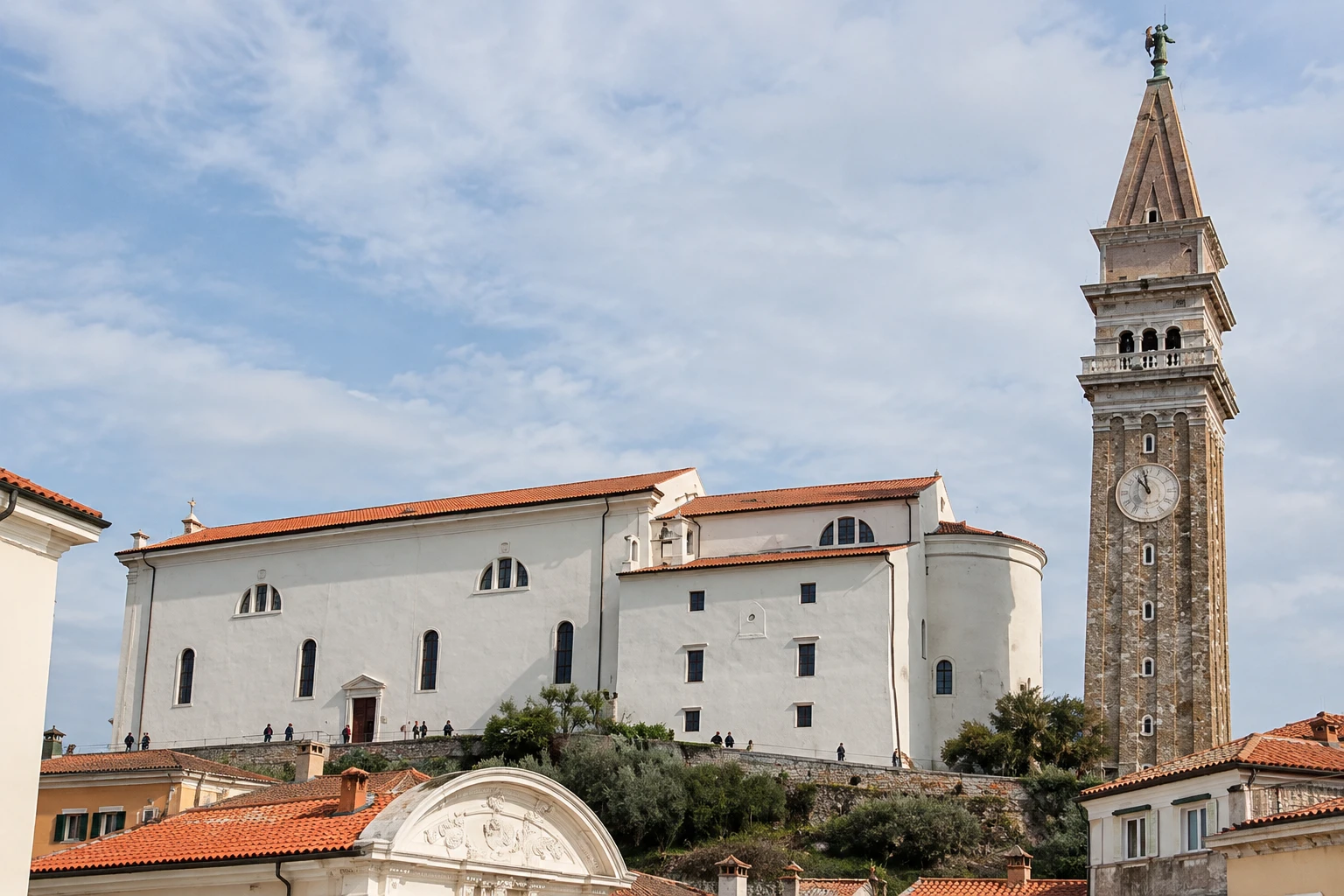
The Church of St. George, on Piran’s hilltop, with a 46-meter tower inspired by St. Mark’s bell tower in Venice. From the top you can see Slovenia, Italy and Croatia.
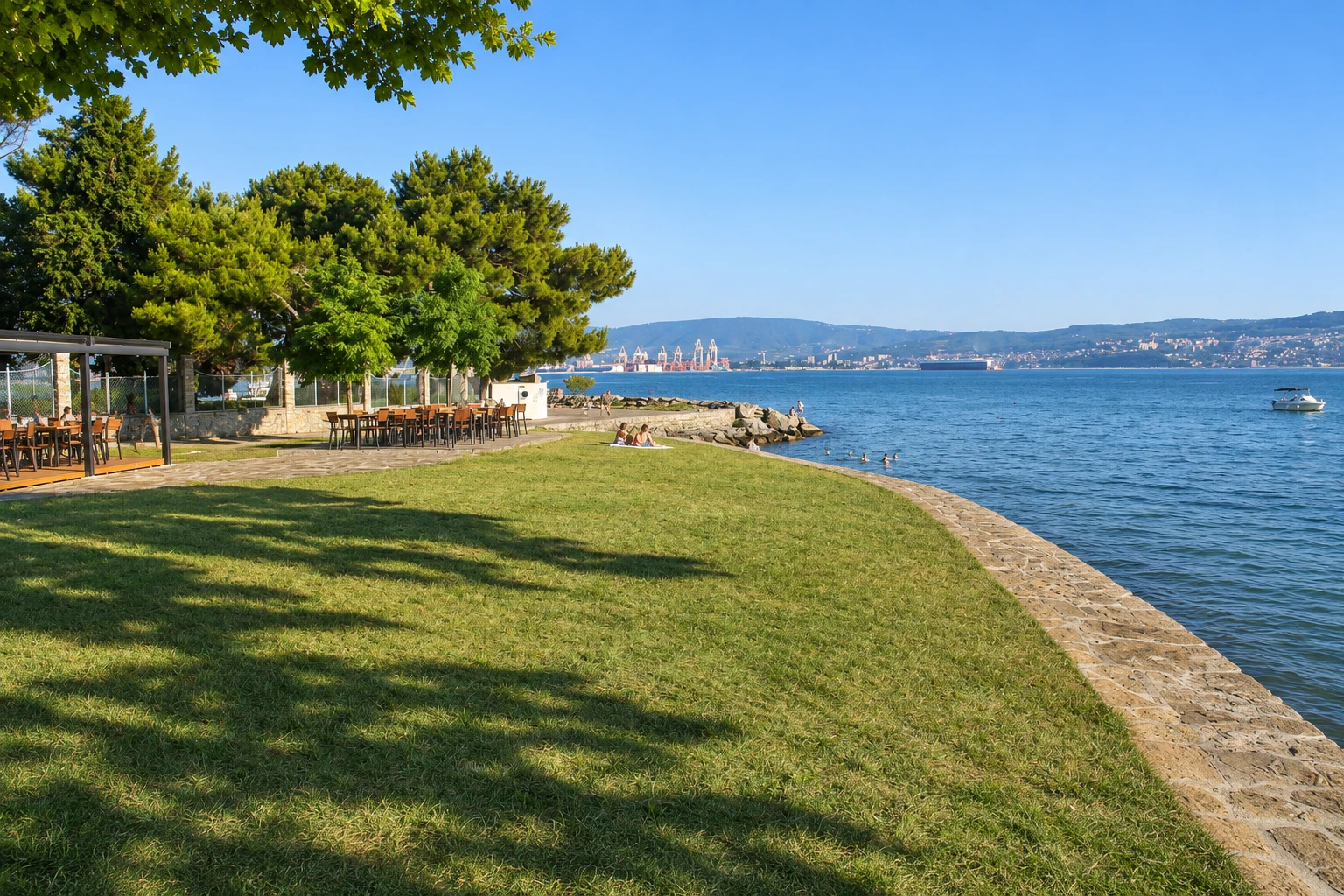
A beach in Ankaran with a lawn dotted with trees and places to enter the Adriatic along the shore.
The cove west of Izola, with a bathing area, lawns and, nearby, the remains of the Roman port of Haliaetum. One of the most popular bathing spots on the Slovenian coast.
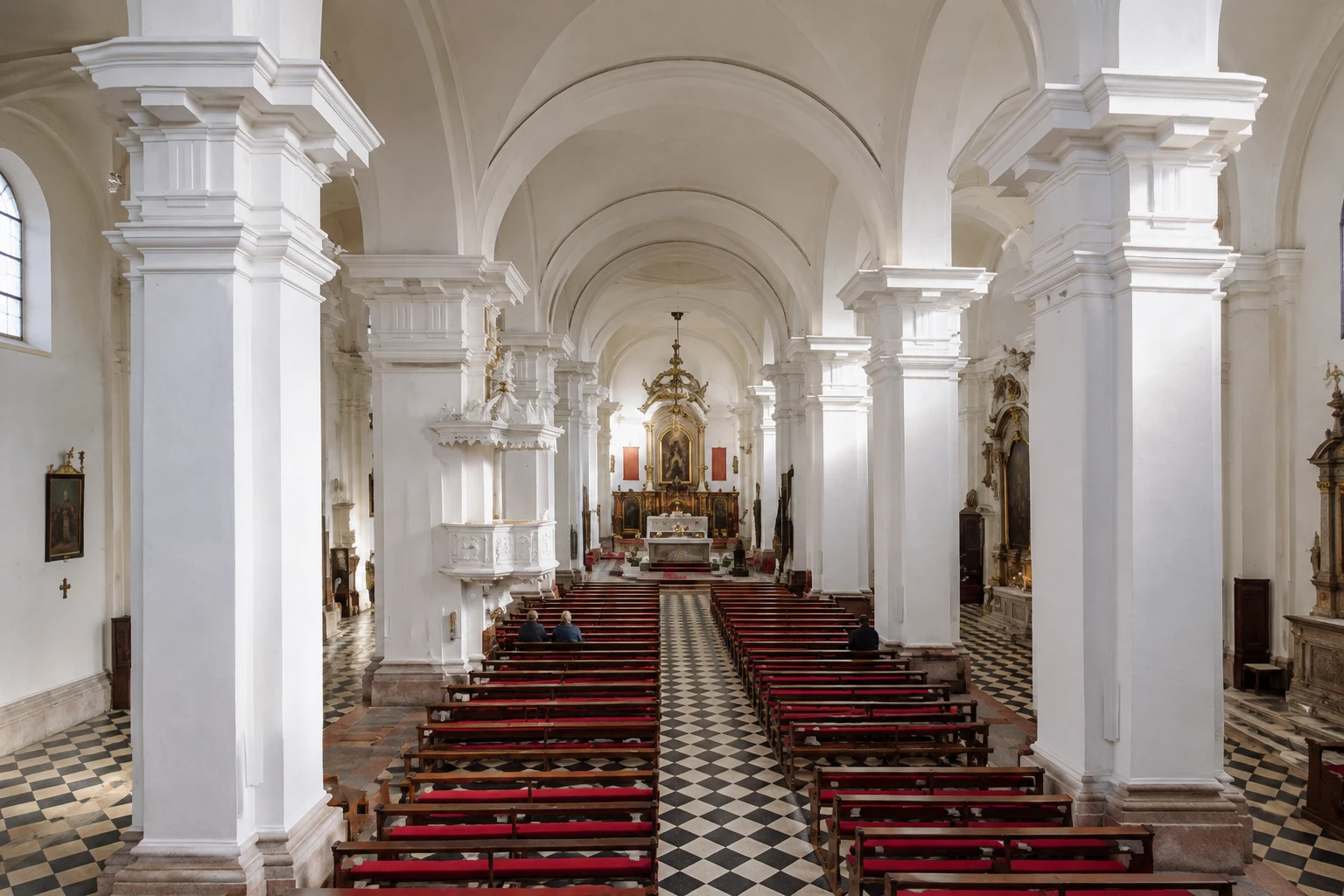
The Assumption Cathedral of Koper, on Tito Square, with Gothic and Renaissance façade, a painting by Vittore Carpaccio and the 204-step bell tower, from which you can see the whole gulf.
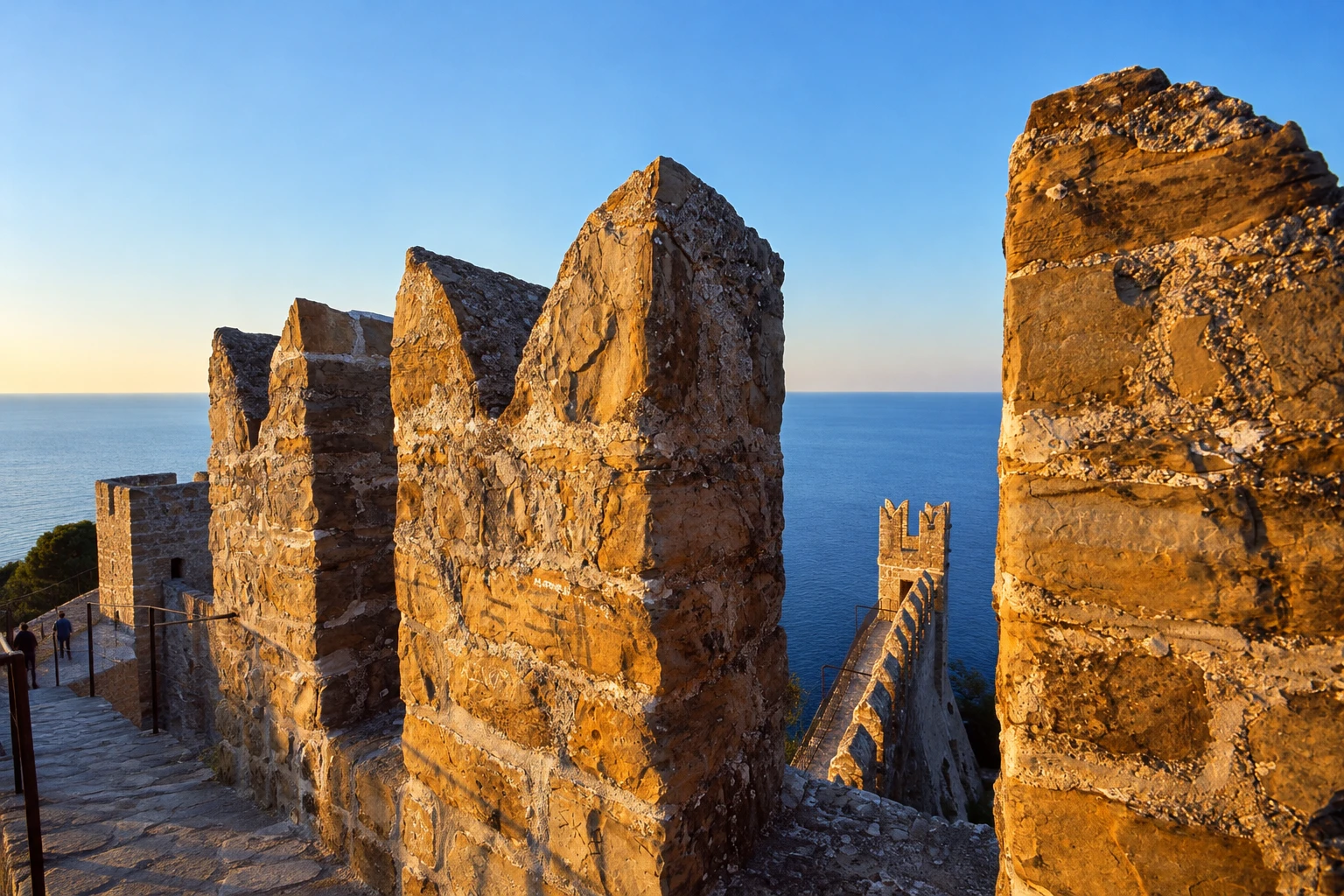
The medieval walls on the hill behind Piran, with towers and battlements you can walk along. From the top you see the whole town on the peninsula, with the tower of St. George.
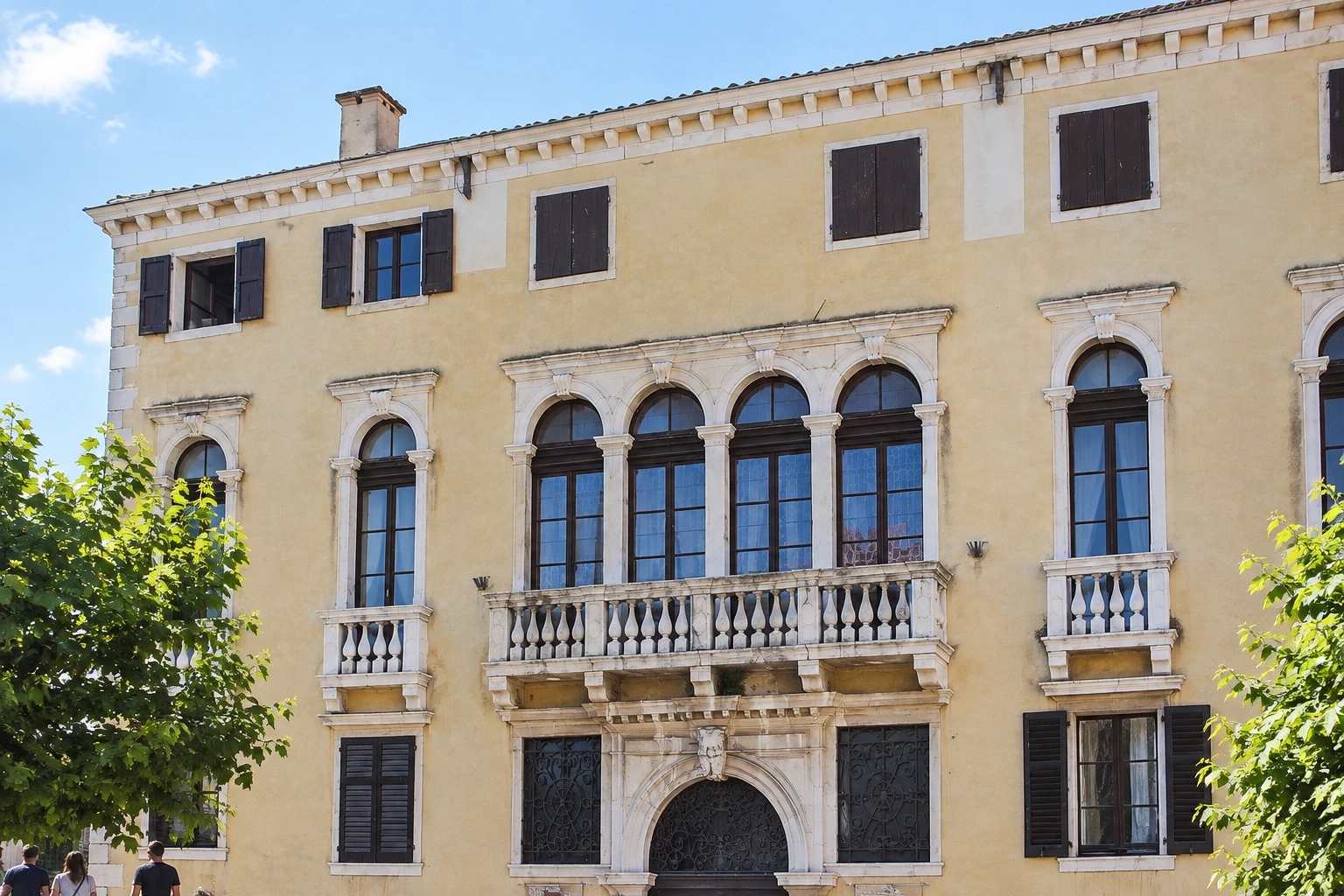
The Koper regional museum, housed in the early 17th-century Belgramoni Tacco Palace, covering the history of Slovenian Istria from prehistory to Venetian rule, as well as sculptures, paintings and weapons.
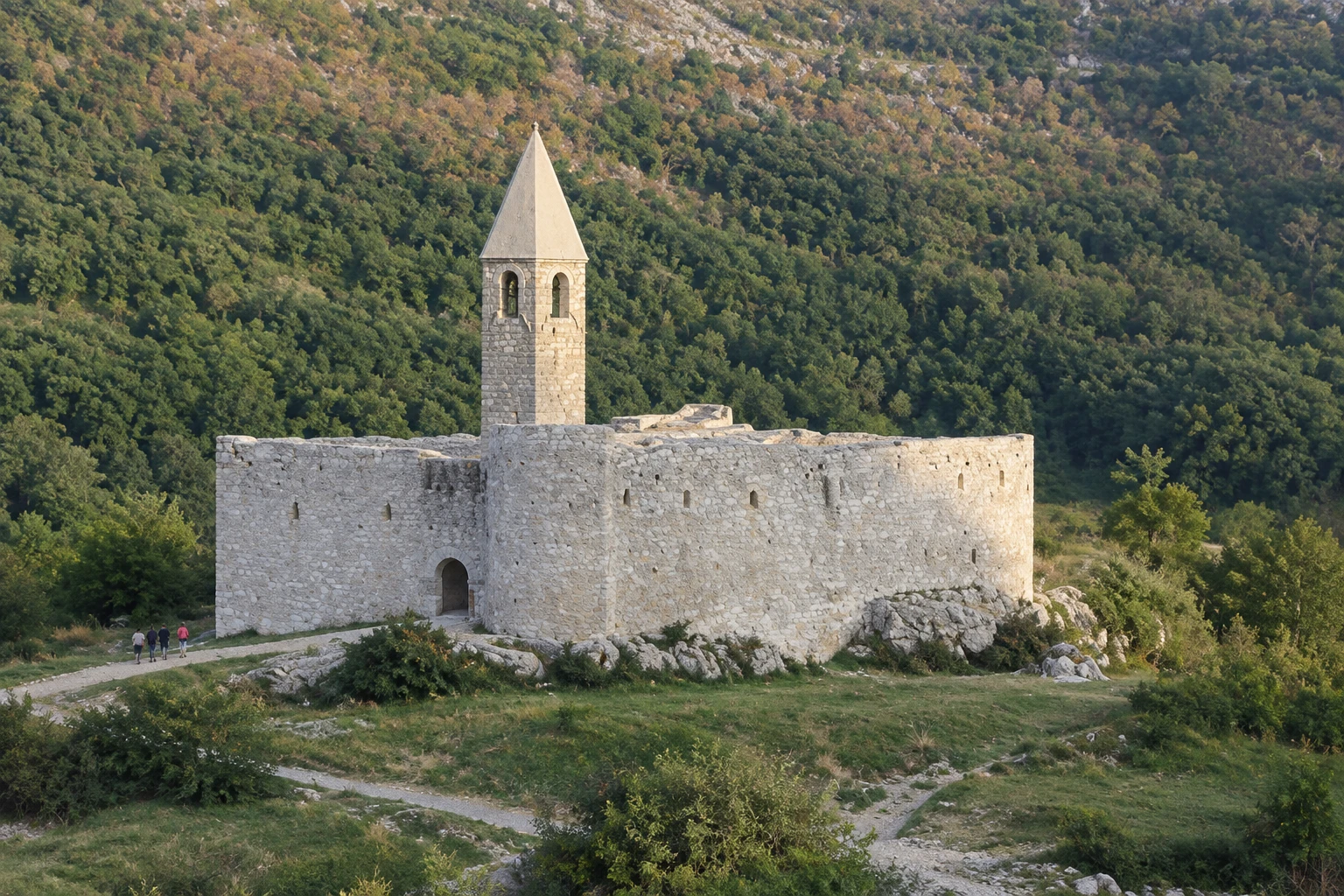
The small fortified church of Hrastovlje, about 20 km from Koper, is surrounded by 16th-century walls and is covered inside with 1490 frescoes, including a Dance of Death.
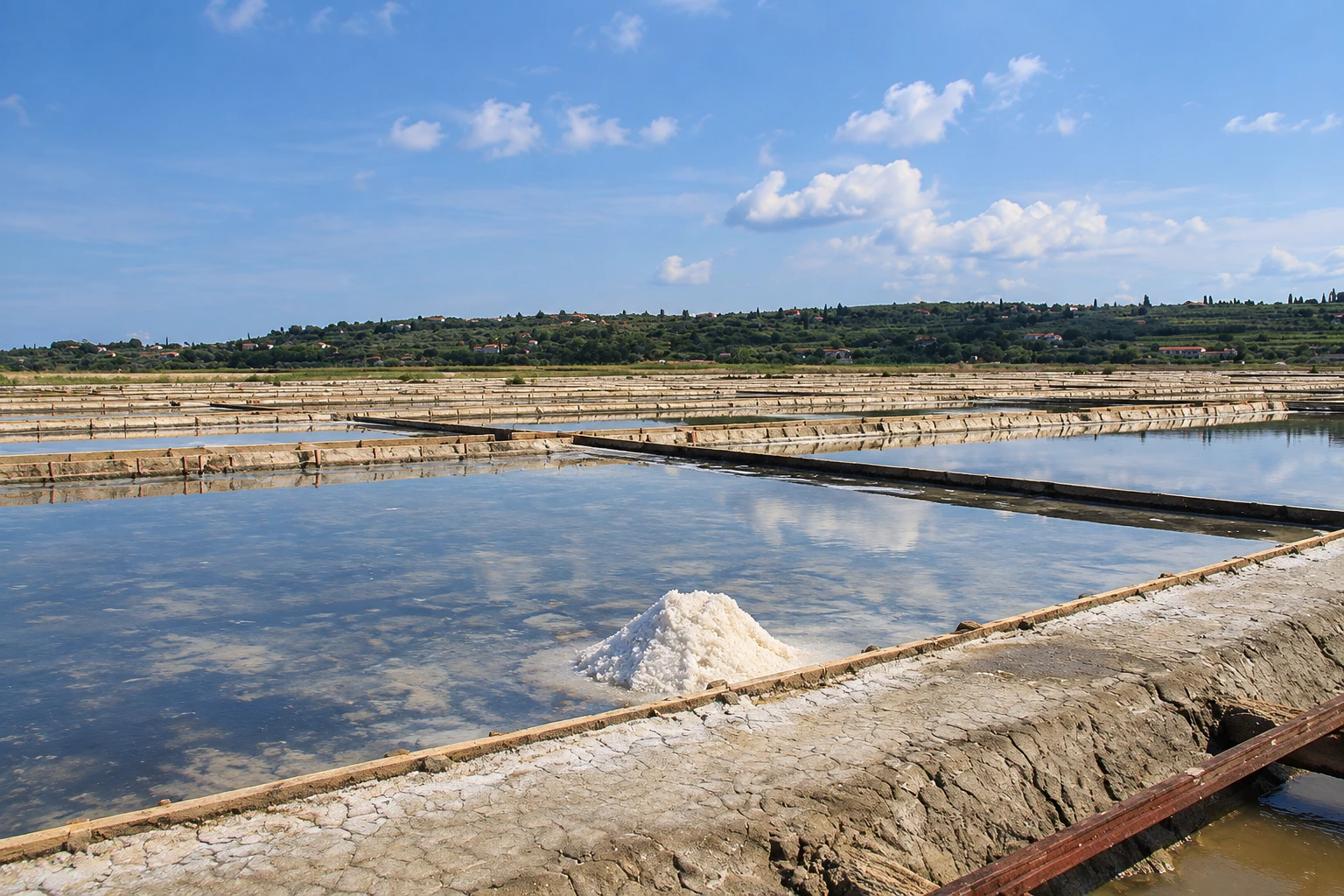
The Sečovlje salt pans, next to the border with Croatia, where salt is still produced by hand using medieval methods. The natural park has channels, levees, birds and a salt museum in the old salt-workers’ houses.
To choose before you go
The details of each tour (where it leaves from, what it includes, the best time) are in the complete guide.
Get your questions answered
The guide's itineraries cover 2, 3 and 5 days: in 2 days, Piran, the salt pans and Portorož; in 3 days, Piran, Strunjan, Izola and Koper; in 5 days, the towns, the parks and the interior of Istria.
Piran from sea level to the top of the walls. Start at Tartinijev trg: the statue of Tartini, the Benečanka and the house where the violinist was born. Follow the alleys to the cloister of the Minorite monastery and walk around the peninsula along the seaside to the Punta lighthouse. After lunch, climb up to Cerkev sv. Jurija, the Church of Saint George, and the 46 m tower; from there, a few more minutes uphill bring you to the walls, with the whole town at your feet. If you have time left, the coastal walk to Fiesa rewards you with a sea swim or a stroll around the two lakes.
It generally rains less from January to April and in July. The rainiest months are usually from September to November. The guide covers each month, with the weather and what changes on the tours.
To plan