Things to do in Goriška Brda and the Vipava Valley
12 places to visit and 13 tours, chosen by the Cidade Turismo guide.
Updated
Illustrative images. The pictures in this guide are illustrations based on the real place, not photographs, and may differ from it.
To start
The 10 main places Goriška Brda and the Vipava Valley
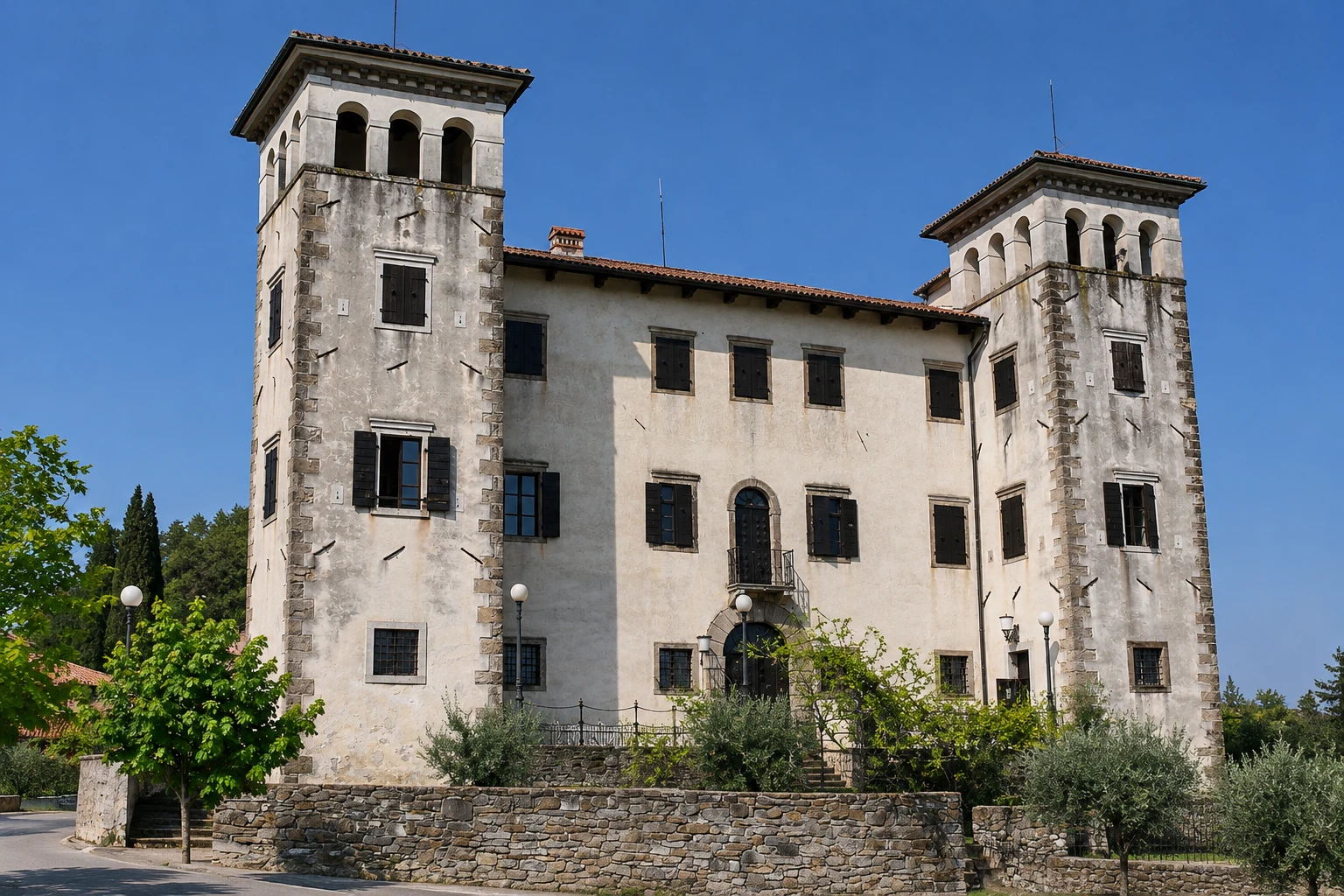
Dobrovo Castle · DobrovoRenaissance castle with a square plan and corner towers, built around 1600 in Dobrovo.
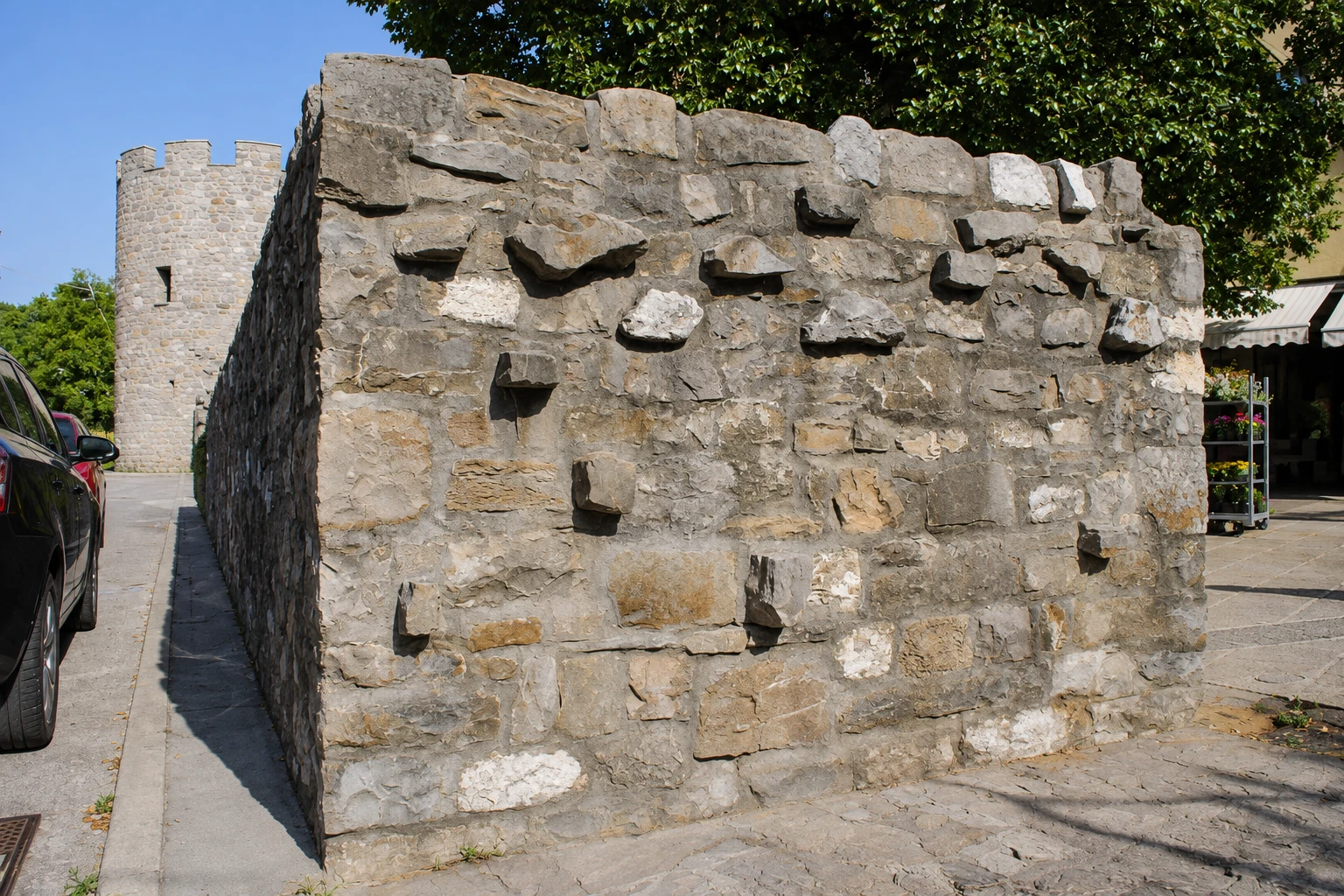
Roman castra (Castra Fortress) · AjdovščinaRemains of the Roman fortification on which Ajdovščina developed, with sections of wall, towers and foundations exposed in the old center.
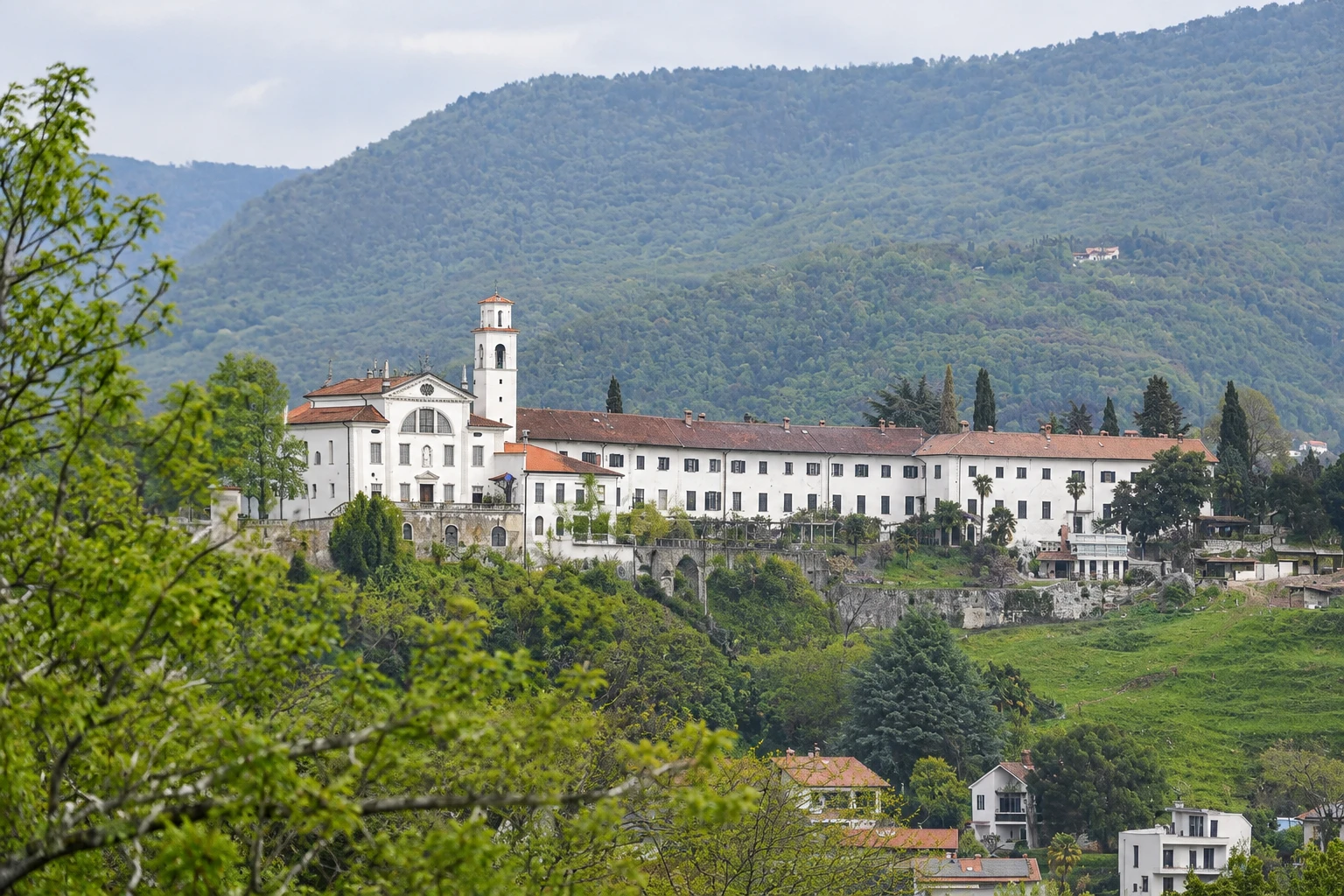
Kostanjevica Monastery · Nova GoricaA 17th-century Franciscan monastery on a hill above Nova Gorica, with the crypt where Charles X and other members of the Bourbon royal family are buried, a historic library and...
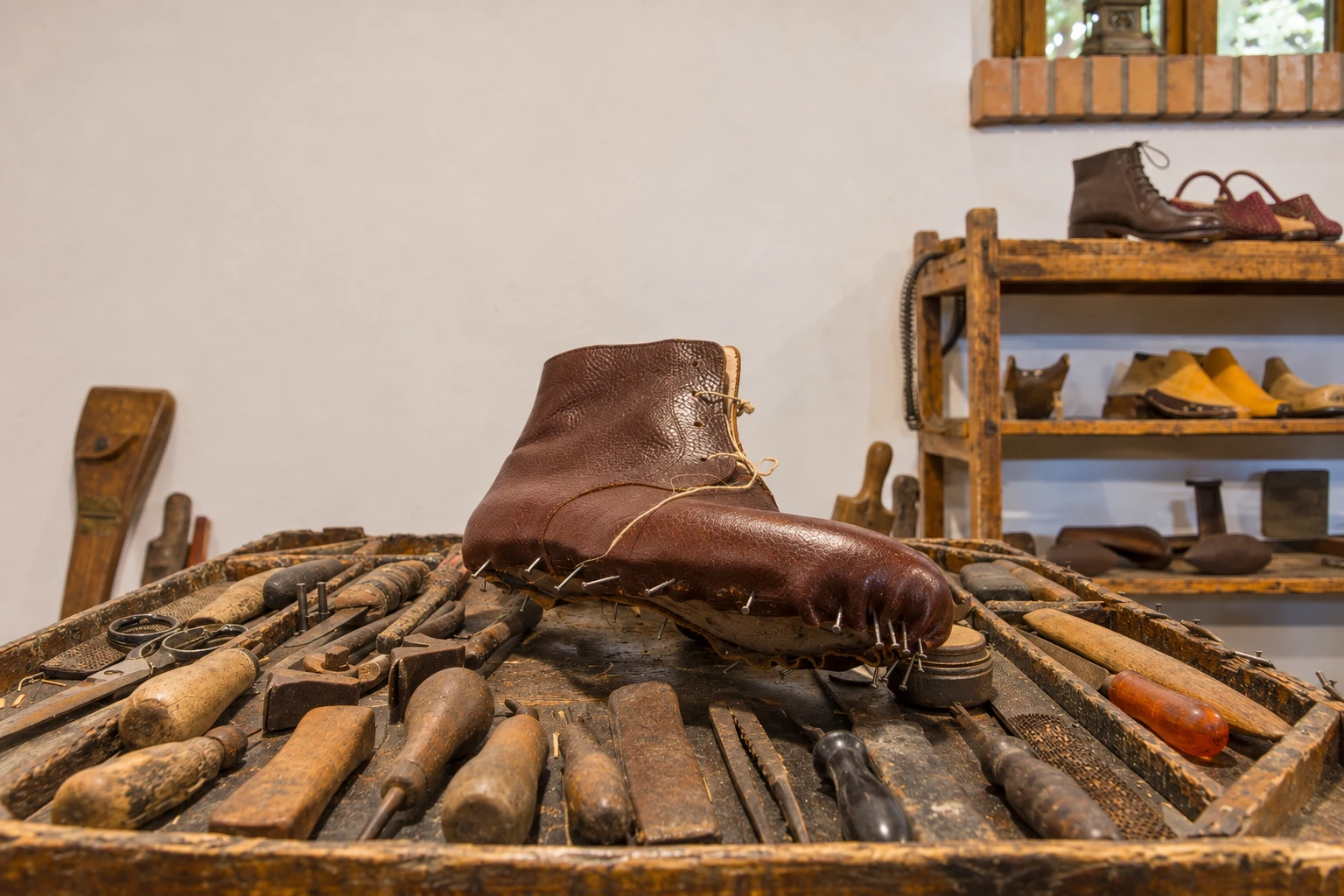
Miren Leather and Shoemaking Museum · MirenA collection of tools, machines, photographs and shoe lasts that documents the work of tanners and shoemakers of Miren.
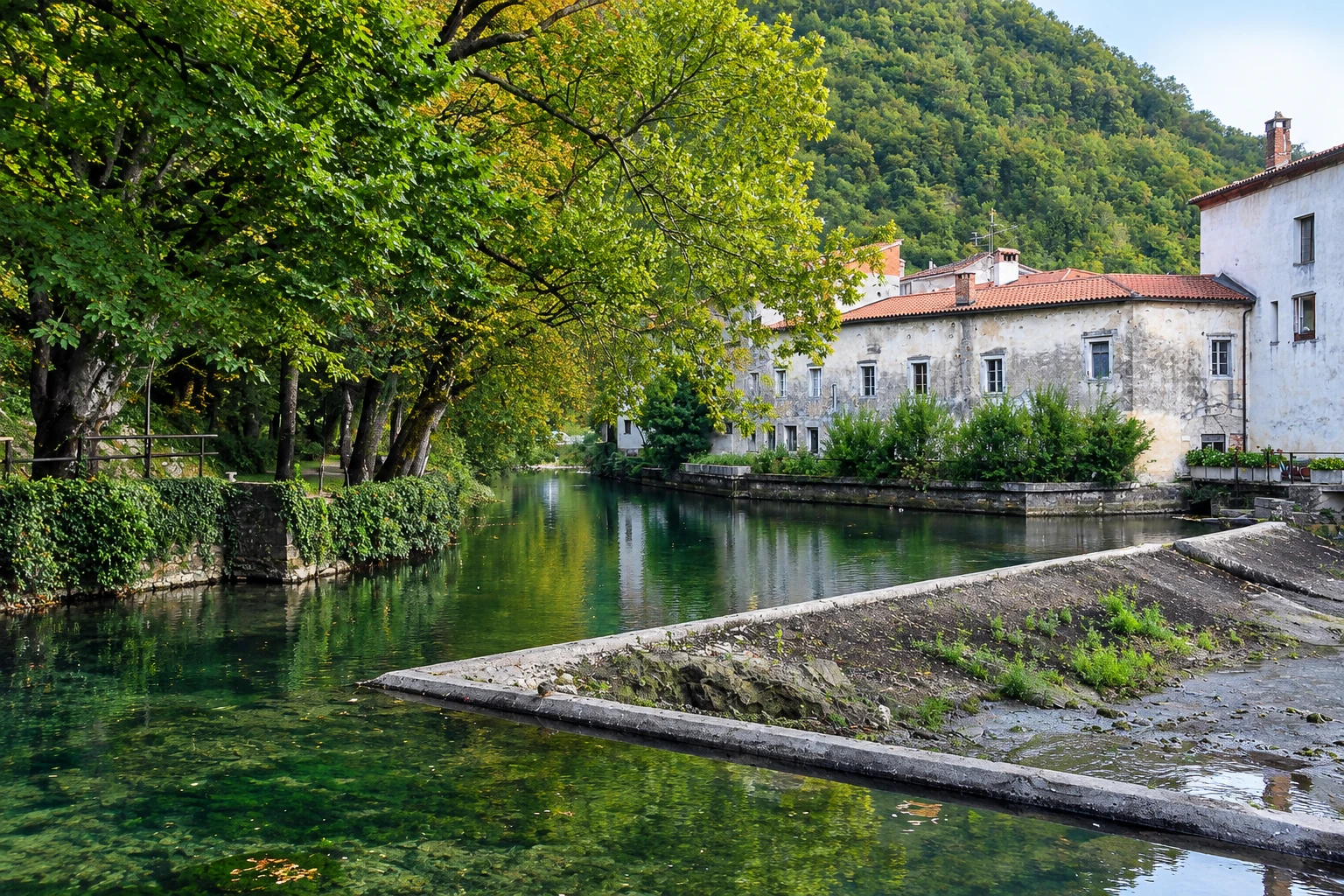
Vipava Springs · VipavaGroups of permanent springs that emerge at the foot of the Nanos, in the center of the town of Vipava, and join in a delta-like shape to form the river.
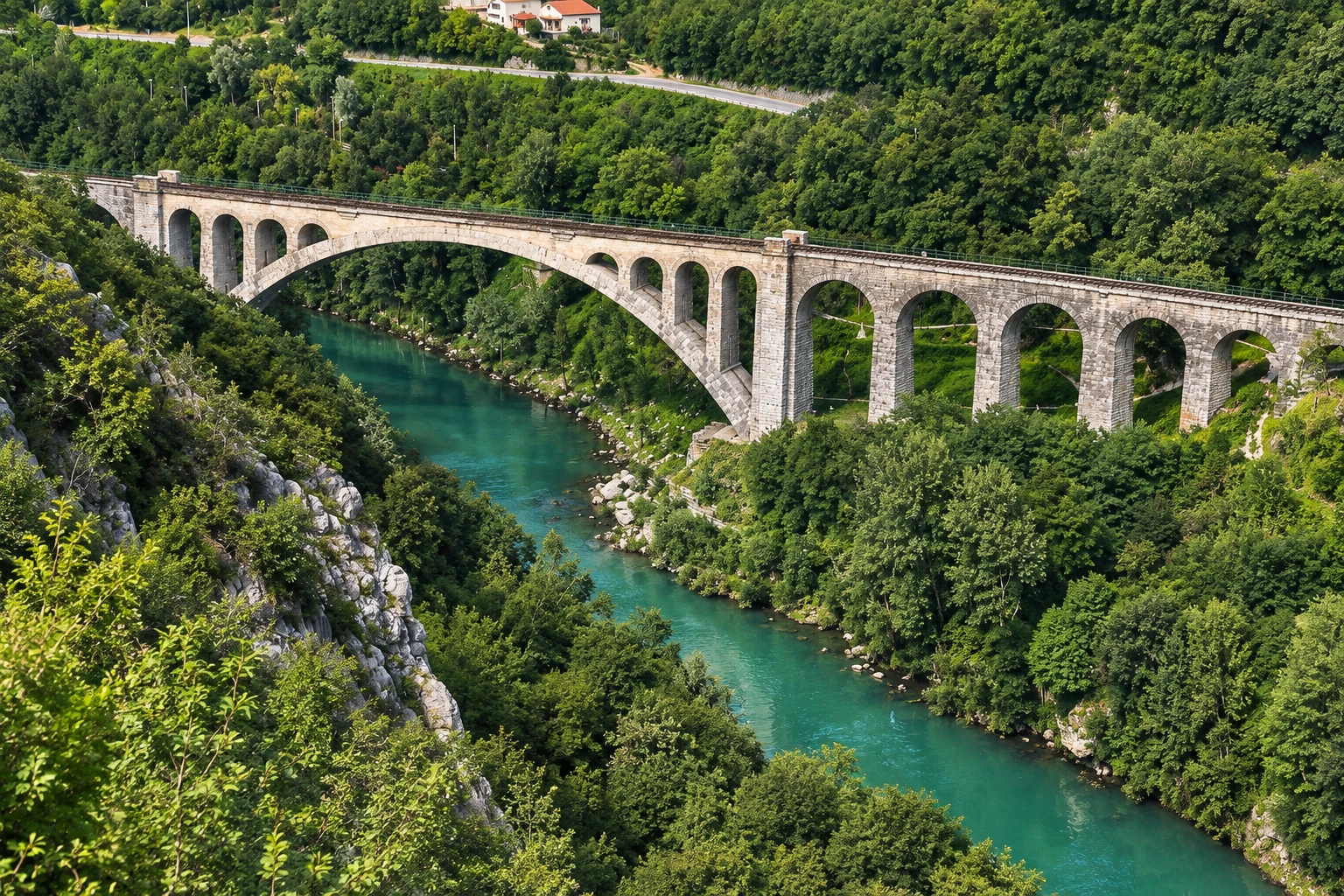
Solkan Bridge · Nova GoricaStone railway bridge over the Soča in Solkan, with an 85-meter arch — the largest arch in the world on a stone railway bridge.
Vipavski Križ · VipavaSmall walled settlement on top of a hill in the middle of the Vipava Valley, with a castle, two churches and a 17th-century Capuchin monastery with an old library.
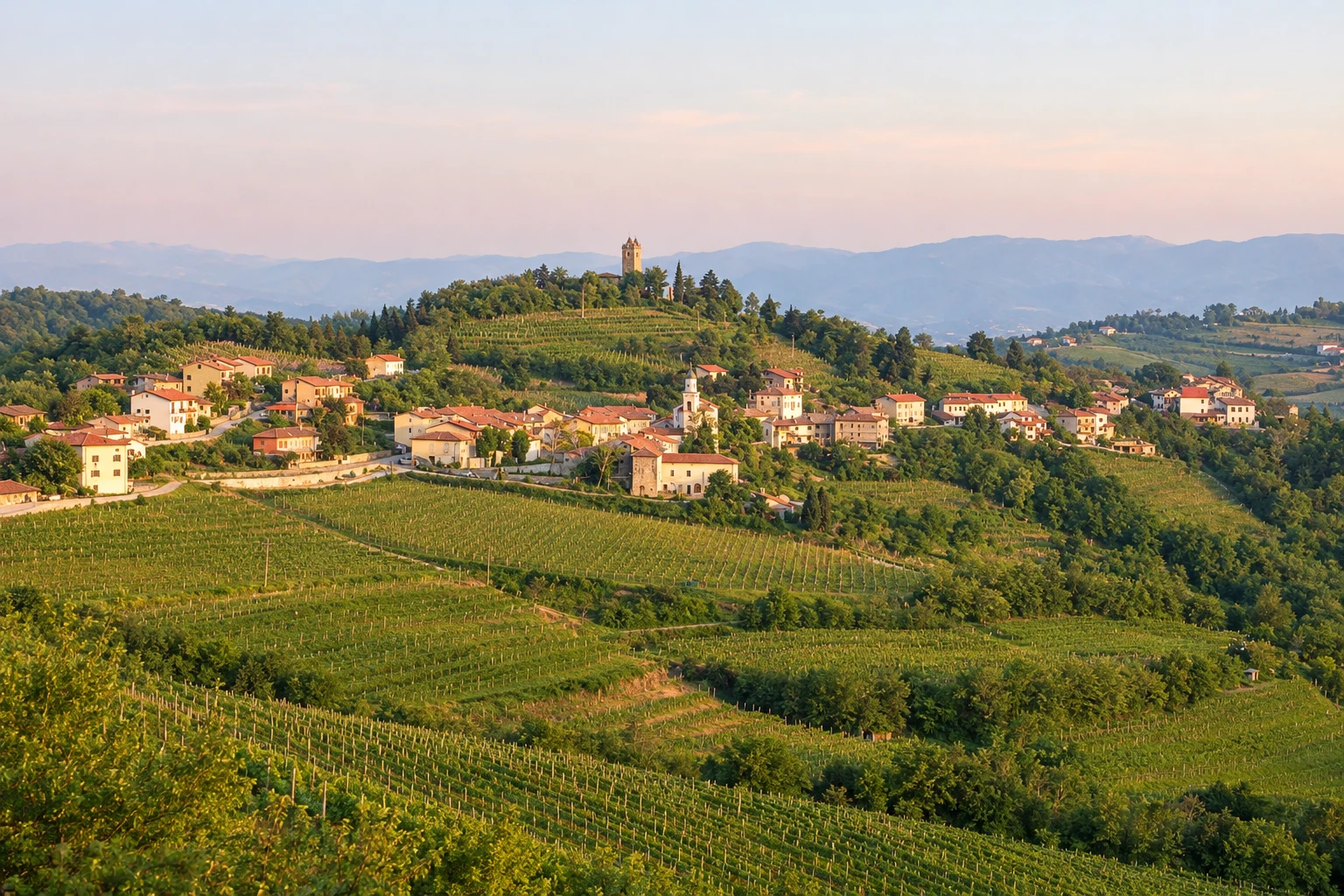
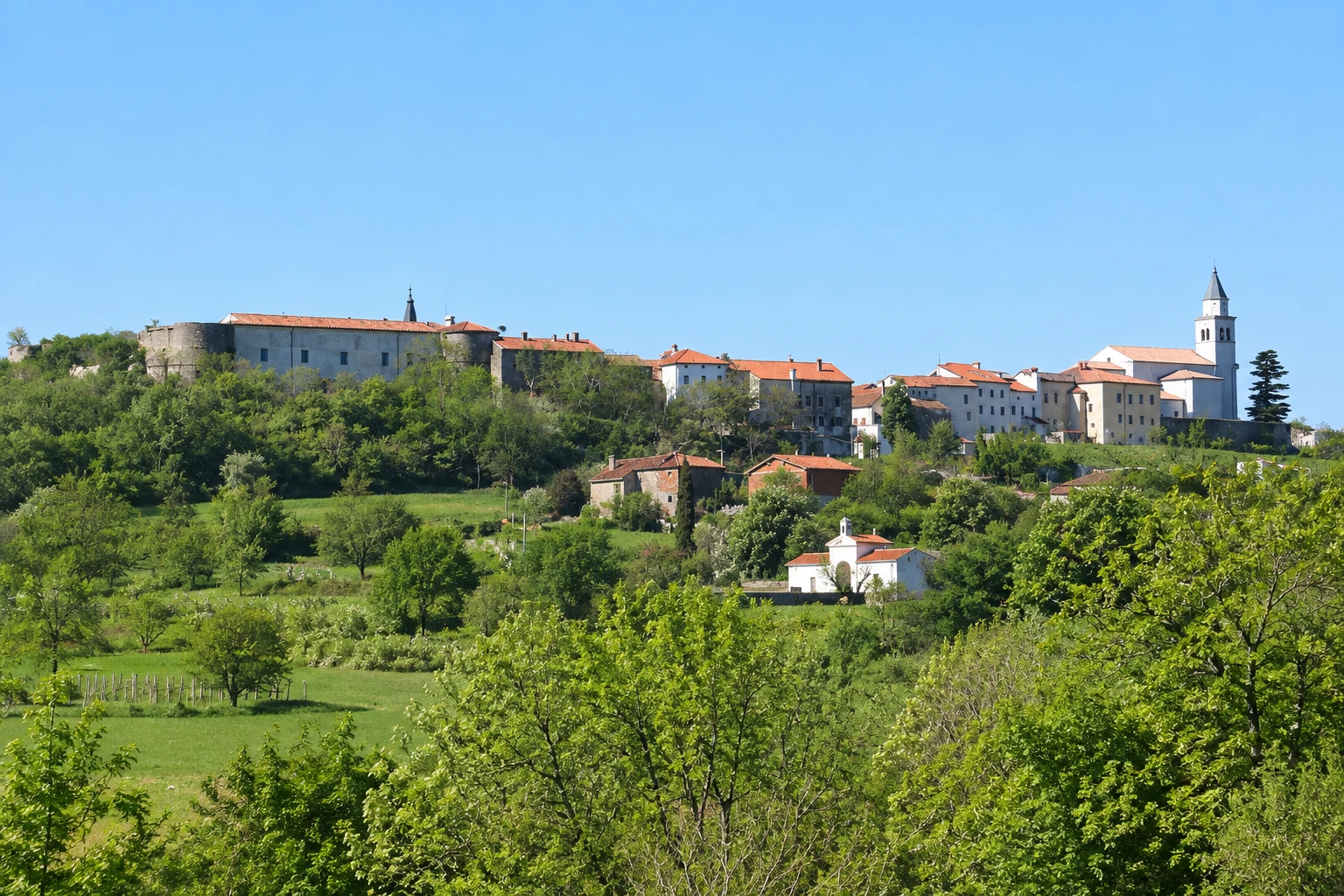
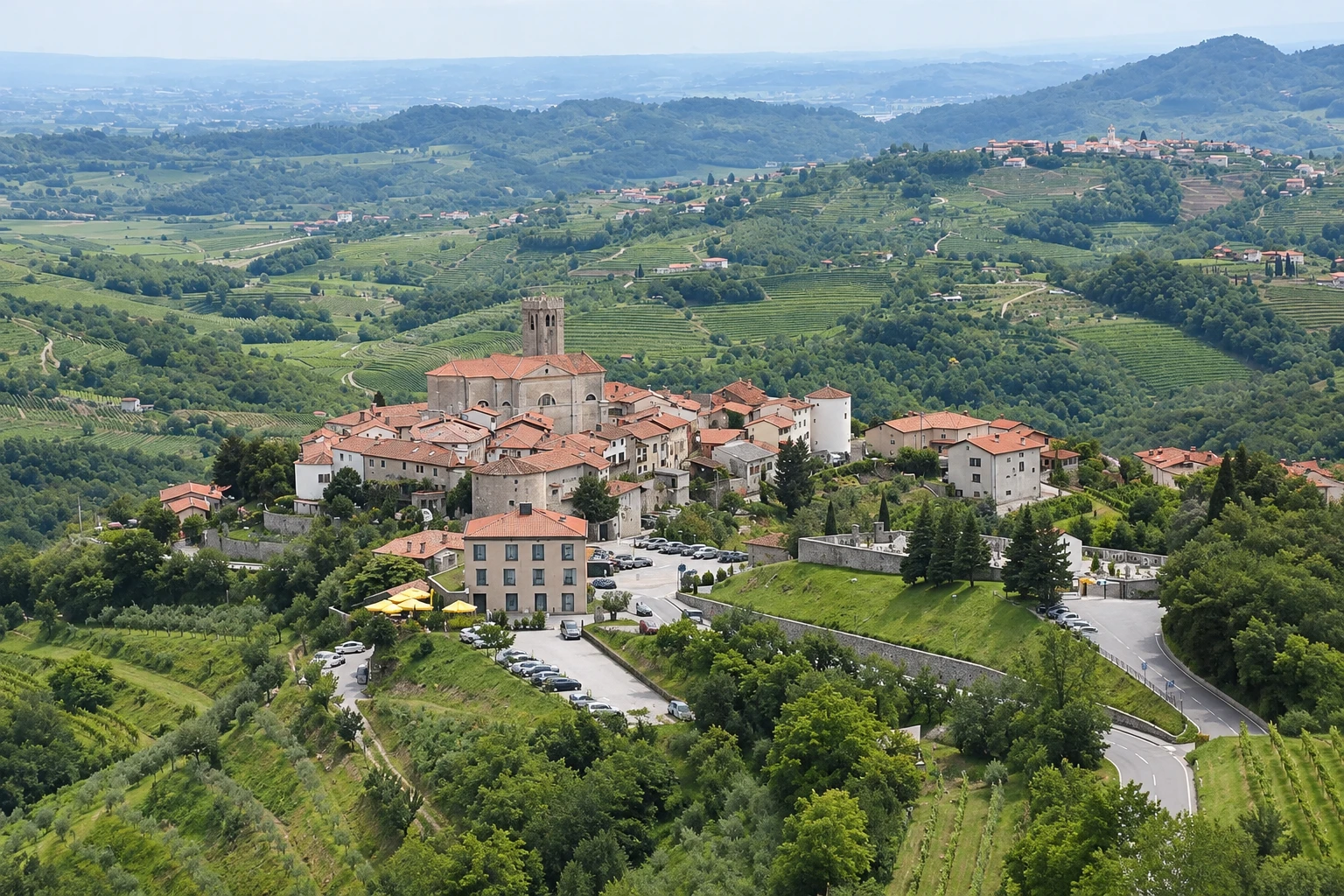
Šmartno · DobrovoA walled village on the top of a hill in the centre of Goriška Brda, first mentioned in 1317, with walls, defensive towers and narrow streets around the church of Saint Martin,...
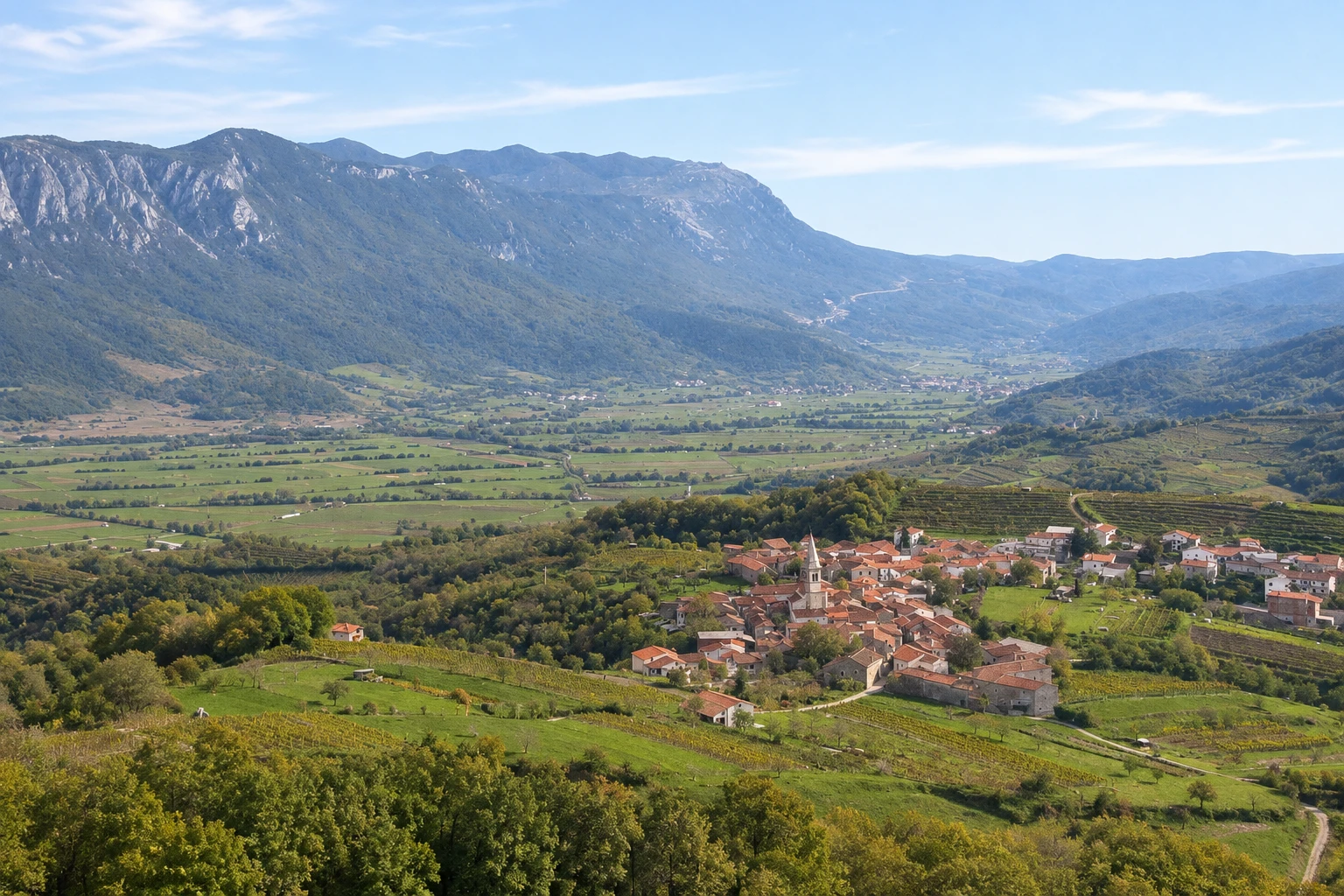
Goče · VipavaVillage of stone houses on the slopes of the upper Vipava Valley, protected as cultural heritage, known for its old cellars beneath the houses and the narrow streets that follow...
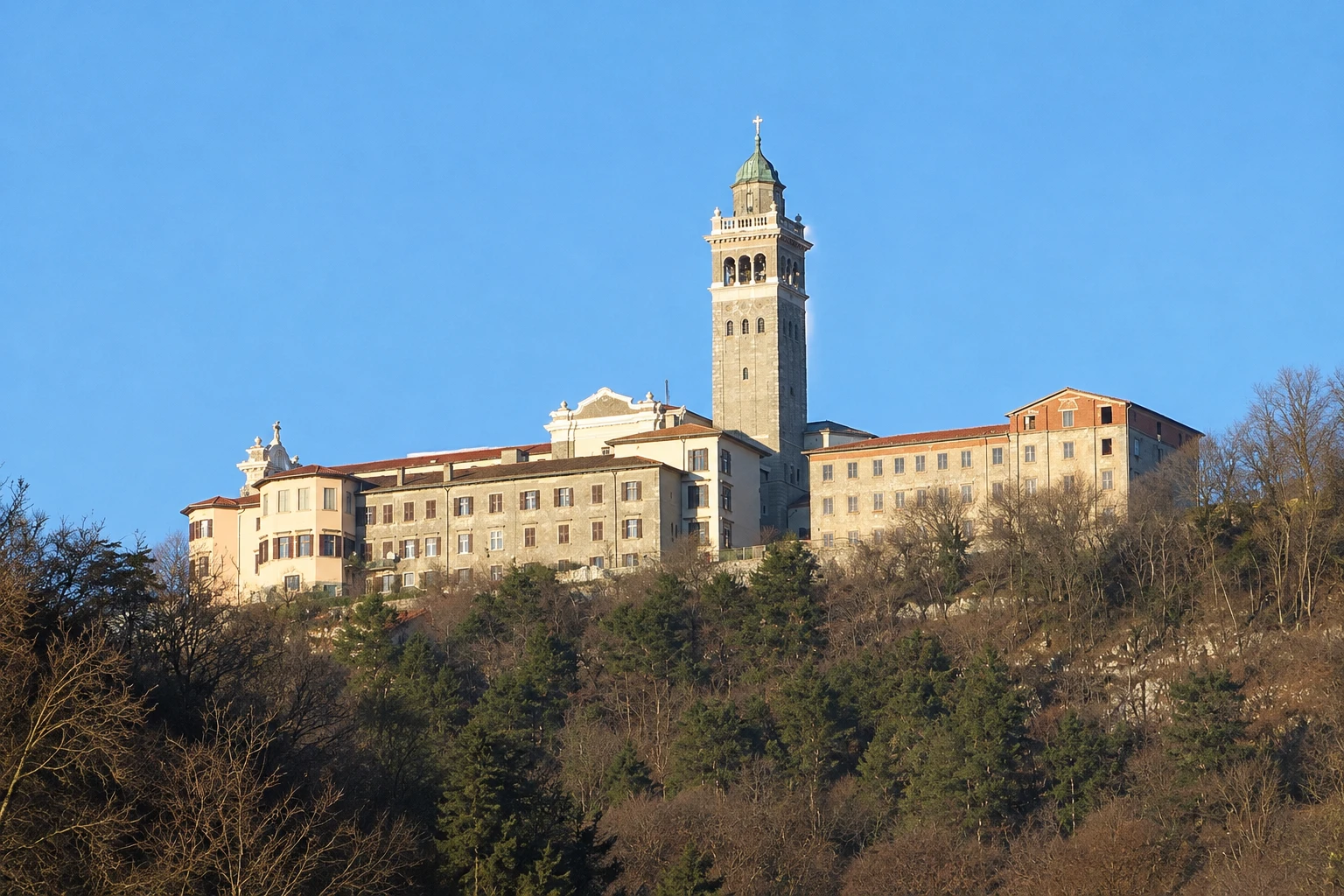
Sveta Gora · Nova GoricaA hill of 682 meters north of Nova Gorica, with a pilgrimage basilica, a Franciscan monastery and a museum about the Isonzo battles.
Renaissance castle with a square plan and corner towers, built around 1600 in Dobrovo. It houses the gallery of painter Zoran Mušič, collections on Brda’s history and a historic winery.
A 17th-century Franciscan monastery on a hill above Nova Gorica, with the crypt where Charles X and other members of the Bourbon royal family are buried, a historic library and a collection of Bourbon roses.
Groups of permanent springs that emerge at the foot of the Nanos, in the center of the town of Vipava, and join in a delta-like shape to form the river. Stone bridges cross the water channels near the main square.
Stone railway bridge over the Soča in Solkan, with an 85-meter arch — the largest arch in the world on a stone railway bridge. It is part of the Bohinj line, opened in 1906.
Small walled settlement on top of a hill in the middle of the Vipava Valley, with a castle, two churches and a 17th-century Capuchin monastery with an old library. It was once one of the smallest towns of the Habsburg Empire.
A walled village on the top of a hill in the centre of Goriška Brda, first mentioned in 1317, with walls, defensive towers and narrow streets around the church of Saint Martin, the largest in Brda.
Village of stone houses on the slopes of the upper Vipava Valley, protected as cultural heritage, known for its old cellars beneath the houses and the narrow streets that follow the hillside.
A hill of 682 meters north of Nova Gorica, with a pilgrimage basilica, a Franciscan monastery and a museum about the Isonzo battles. On clear days, the view reaches the Adriatic and the Alps.
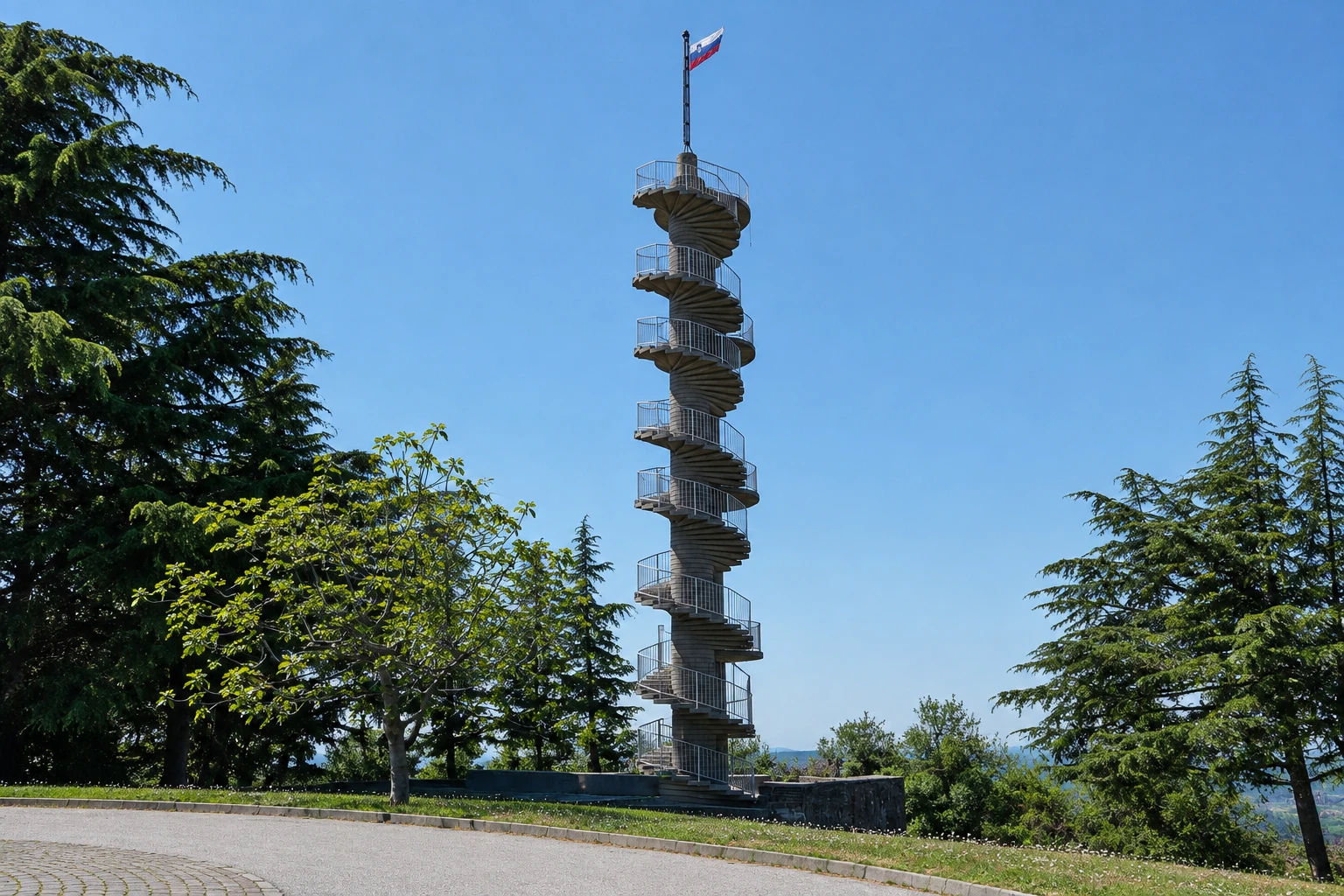
A lookout tower of about 23 metres on top of the Mejnik hill above the village of Gonjače, with a memorial to Brda’s victims of World War II and a 360-degree view over the hills and the Friulian plain.
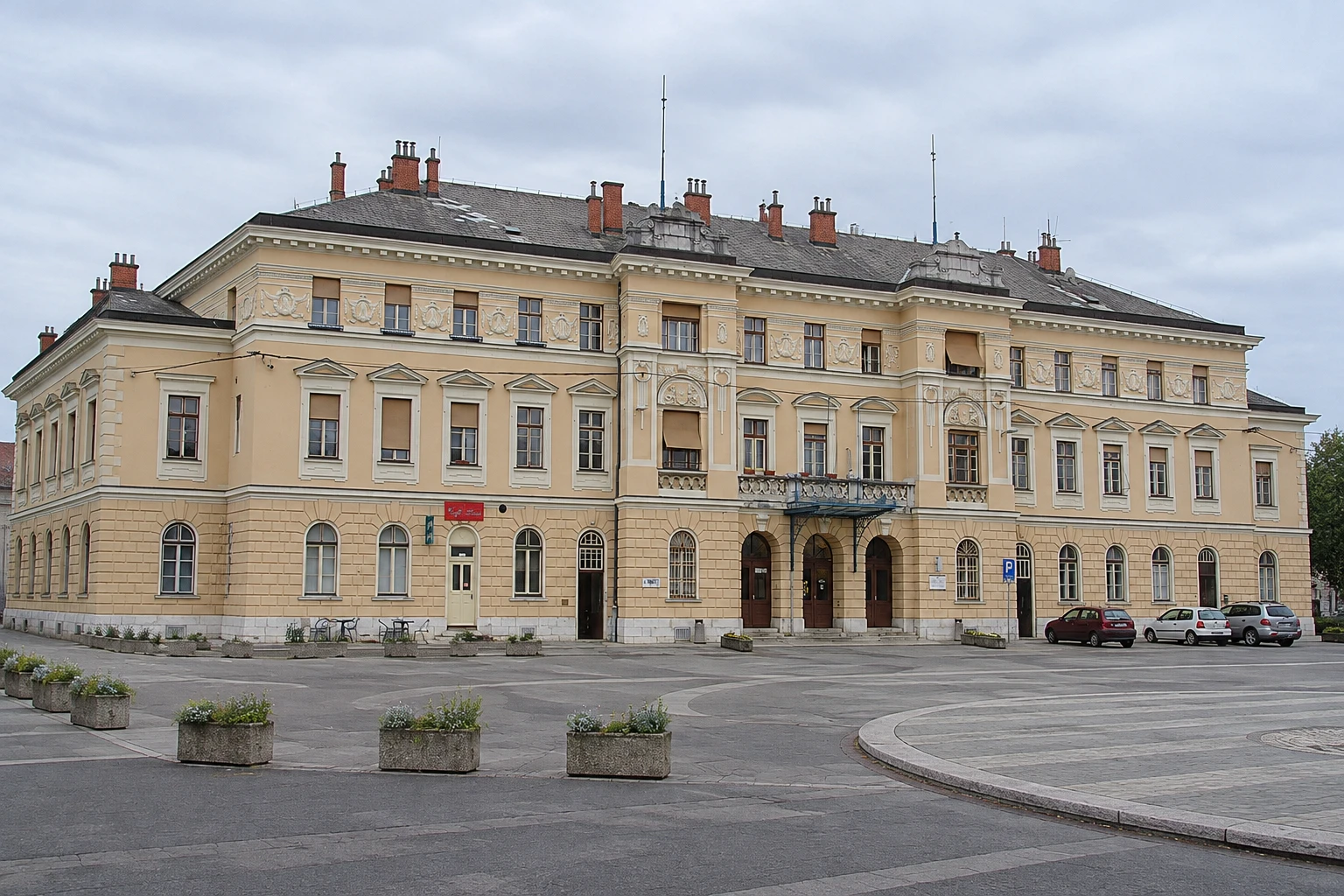
Square in front of Nova Gorica railway station, split between Slovenia and Italy. The closed border used to pass through it after 1947; today you cross freely between the two towns.
How many days should you set aside to see Goriška Brda and the Vipava Valley?
The guide's itineraries cover 2, 3 and 5 days: in 2 days, the border and the wine hills; in 3 days, Nova Gorica, Brda and Vipava; in 5 days, from the border to the springs.
What to do Goriška Brda and the Vipava Valley in one day?
Nova Gorica, Kostanjevica and Solkan. Start at Trg Evrope, in front of the railway station, and see the Kolodvor collection at the Border Museum. Cross on foot to Gorizia if you wish, with your ID in your pocket. Still in the morning, climb to the Kostanjevica Monastery to visit the Bourbon crypt. In the afternoon, go to Solkan to see the Solkan Bridge from the road bridge and the Soča riverbank. If you have time and clear skies, drive about 9 km from Nova Gorica up to Sveta Gora for the basilica and the view.
When is the best time to go to Goriška Brda and the Vipava Valley?
It generally rains less from January to March. The rainiest months are usually from September to November. The guide covers each month, with the weather and what changes on the tours.


 Brazil
 Antarctica
 Argentina
 Bolivia
 Chile
 Colombia
 Ecuador
 Falkland Islands (Malvinas)
 French Guiana
 Guyana
 Paraguay
 Peru
 Suriname
 Uruguay
 Venezuela
 Austria
 Belgium
 Croatia
 Denmark
 Finland
 France
 Germany
 Greece
 Hungary
 Iceland
 Ireland
 Italy
 Luxembourg
 Norway
 Poland
 Portugal
 Slovakia
 Spain
 Sweden
 Switzerland
 the Czech Republic
 the Netherlands
 the United Kingdom
 Turkey
 Bermuda
 Canada
 Greenland
 Mexico
 Saint Pierre and Miquelon
 the United States
 the Dominican Republic
 Japan
 Egypt
 South Africa
 Australia
 Fiji
 New Zealand
 Papua New Guinea