

 Brazil
 Argentina
 Bolivia
 Chile
Chile Colombia
 Ecuador
 Guyana
 French Guiana
 Falkland Islands (Malvinas)
 Paraguay
 Peru
Peru Uruguay
 Venezuela
 Germany
 Belgium
 Denmark
 Spain
Spain France
 Greece
 the Netherlands
 Ireland
 Italy
Italy Luxembourg
 Norway
 Portugal
 the United Kingdom
 Sweden
 Switzerland
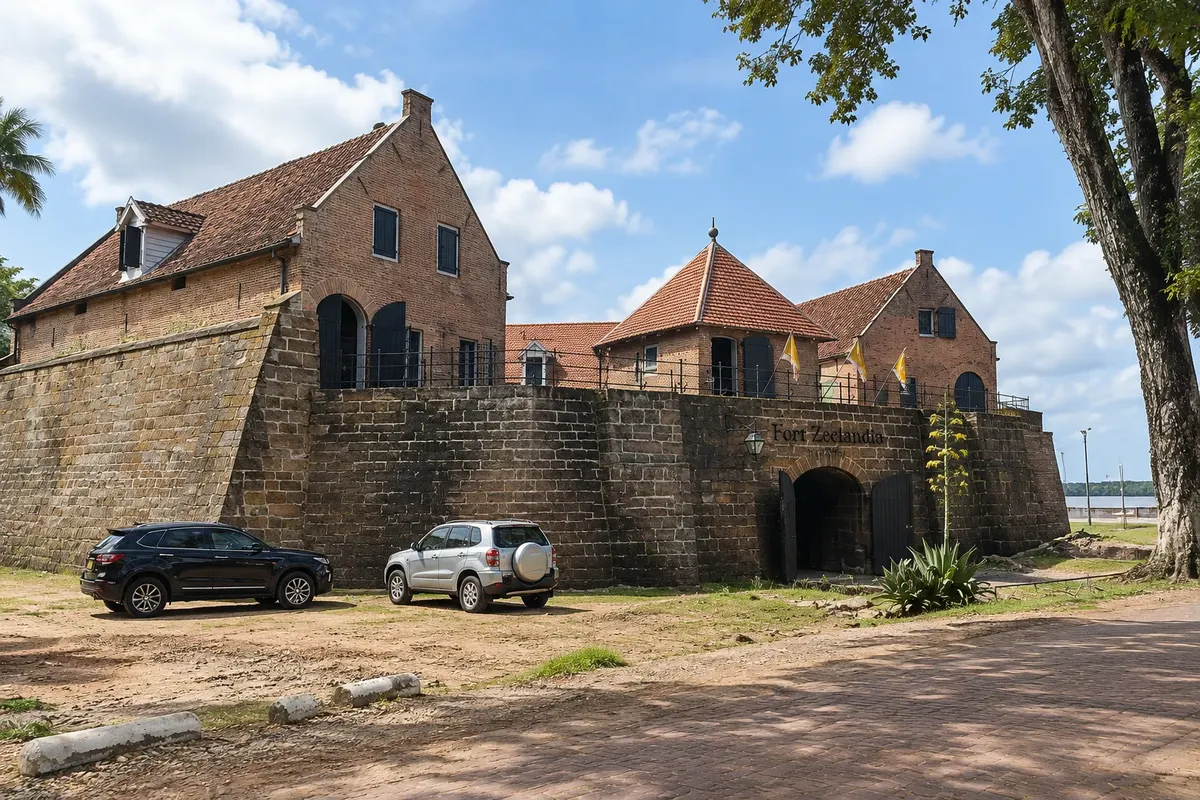
Fortress
Fort Zeelandia
A star-shaped fort on the banks of the Suriname River, built of wood by the French, rebuilt by the English and taken by the Dutch in 1667. It houses the Museu do Suriname.
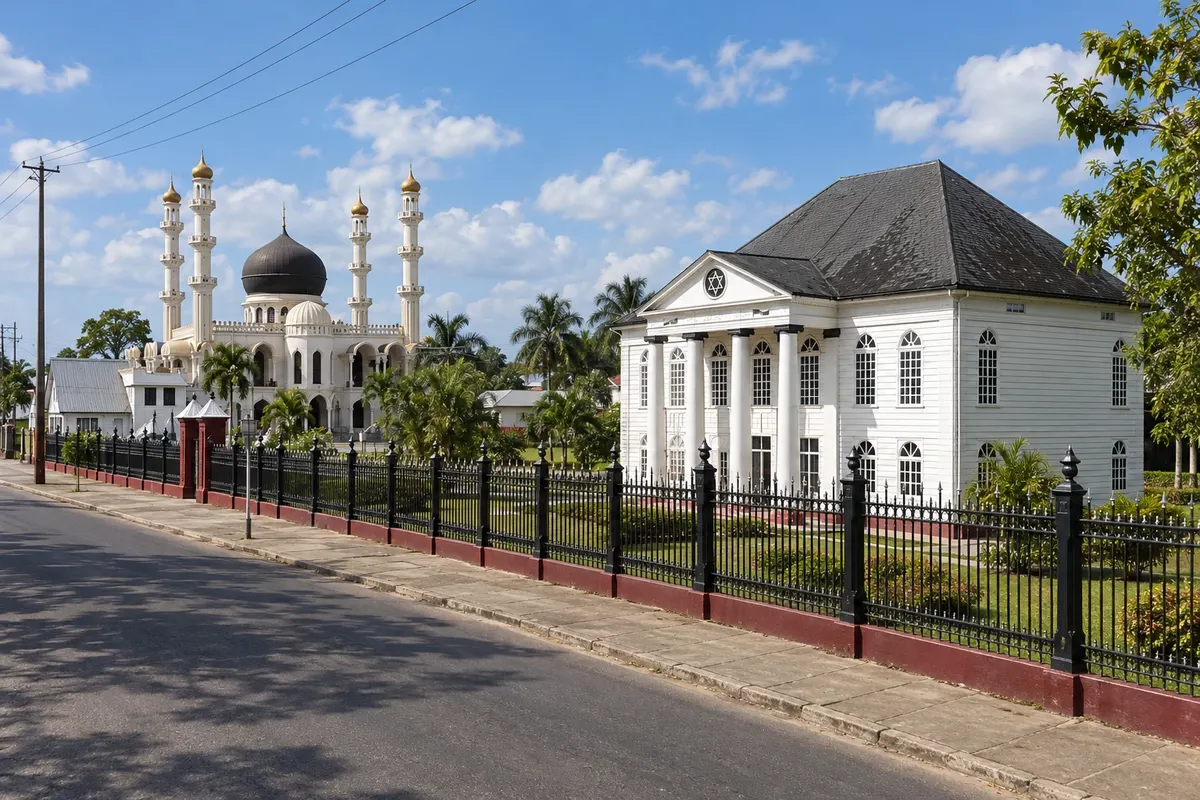
Paramaribo · Suriname Capital
In the destination Paramaribo and the Suriname River.
In the photo: Mesquita Keizerstraat and Sinagoga Neveh Shalom
Illustrative images. The pictures in this guide are illustrations based on the real place, not photographs, and may differ from it.
The city
Paramaribo is the capital of Suriname, on the banks of the Suriname River. The historic centre, a UNESCO World Heritage Site, has white wooden Dutch-period houses, Forte Zeelandia, the Palmentuin, the wooden cathedral and the mosque and synagogue side by side on Keizerstraat. Across the river are the plantations and the fort of Commewijne. The cuisine blends Indian, Javanese, Chinese and Creole influences.
There's no accommodation in the guide yet in Paramaribo.
There are no restaurants in the guide yet in Paramaribo.
Know a good one? Recommend it to ushow to get there · how many days · itinerary · questions
The local experience
A star-shaped fort on the banks of the Suriname River, built of wood by the French, rebuilt by the English and taken by the Dutch in 1667. It houses the Museu do Suriname.
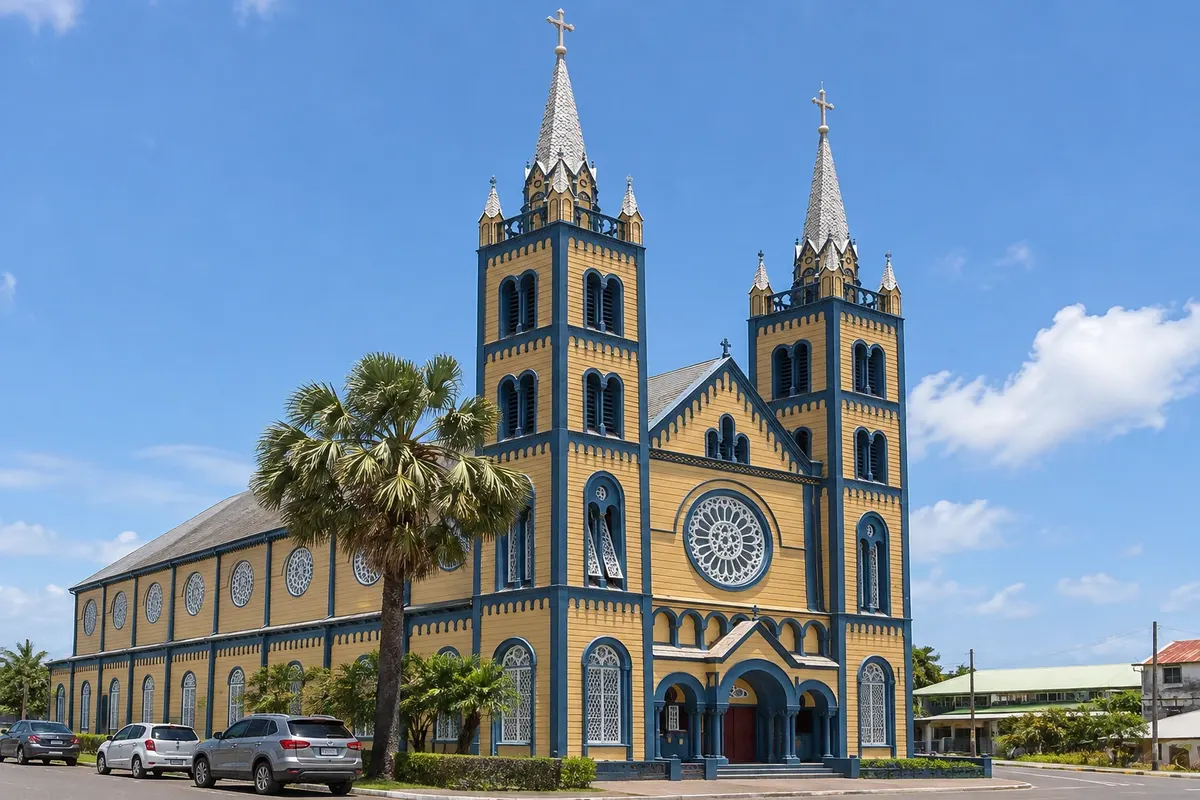
Wooden Catholic cathedral on Gravenstraat, with two towers and 44 metres in height to the cross, built between 1883 and 1901. The interior is entirely Surinamese cedar without paint.
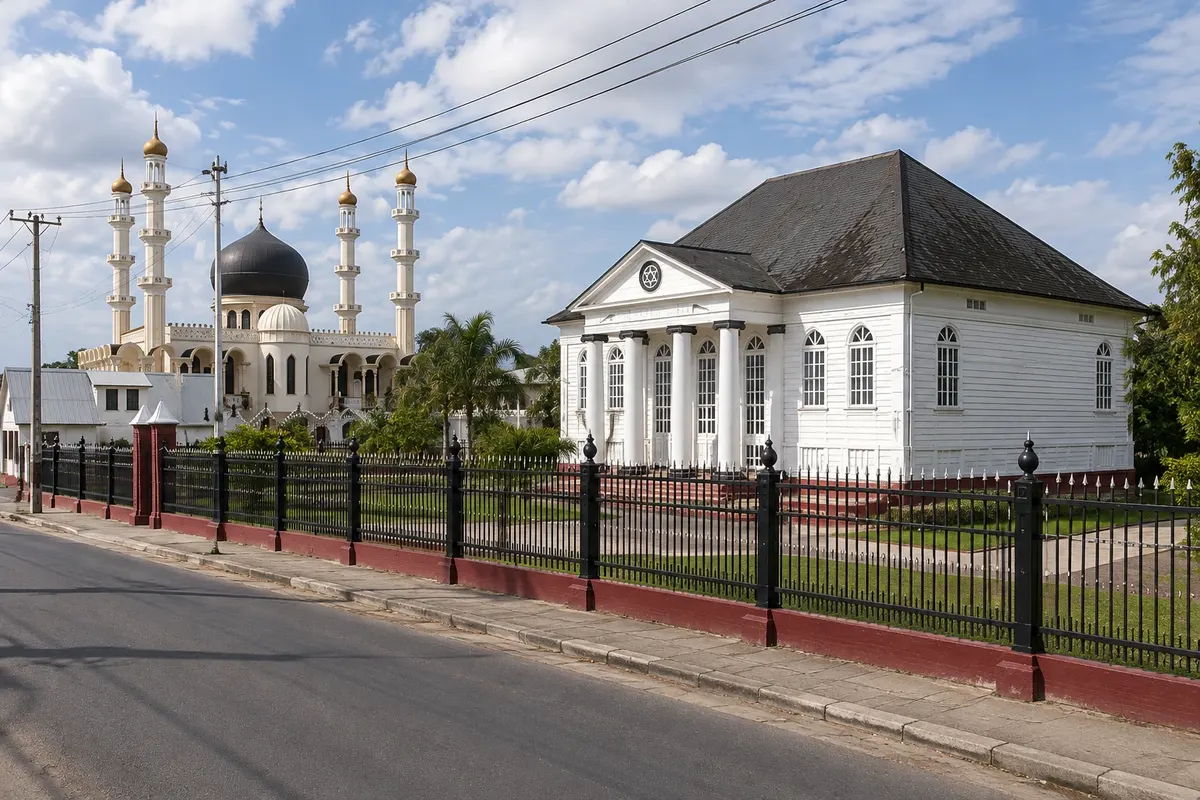
The mosque on Keizerstraat, with a dome and two minarets, is wall‑adjacent to the Sinagoga Neve Shalom. The two side by side have become a symbol of Paramaribo's religious coexistence.
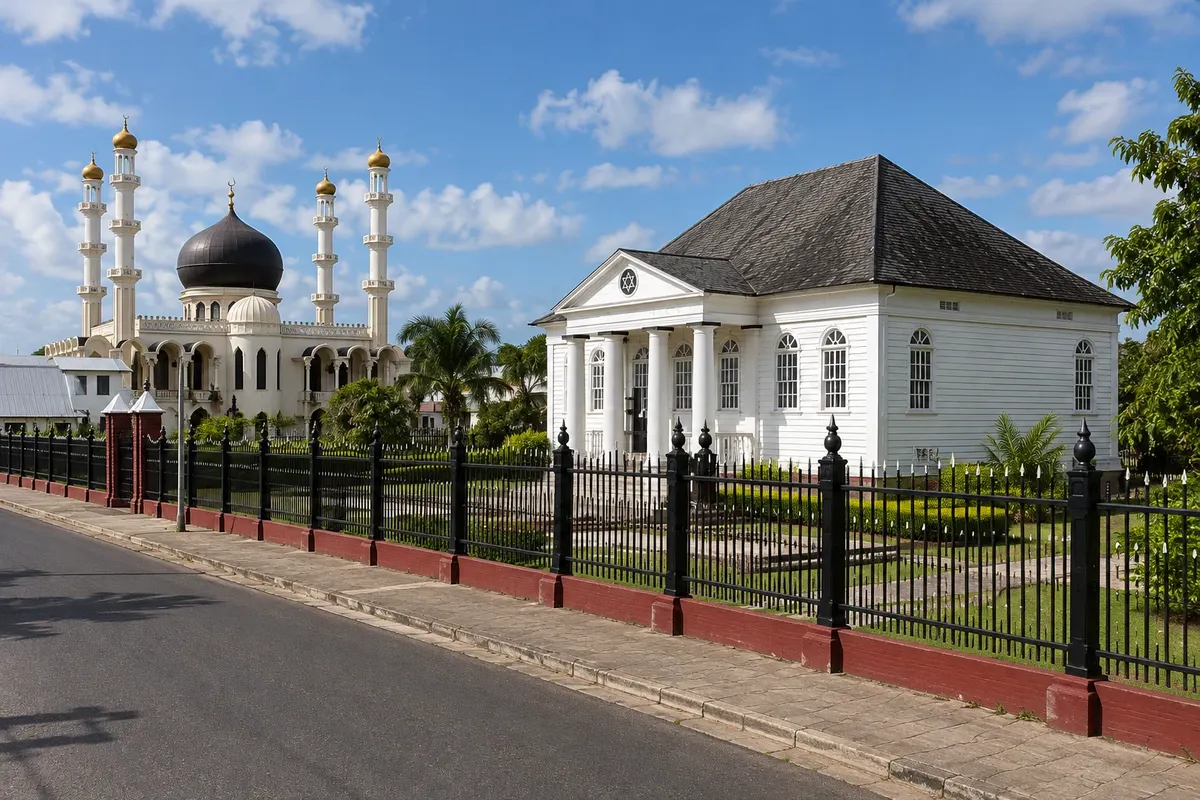
Neoclassical synagogue built between 1835 and 1842 on Keizerstraat, neighboring the Mesquita da Keizerstraat. It houses a small museum about the history of Jews in Suriname.
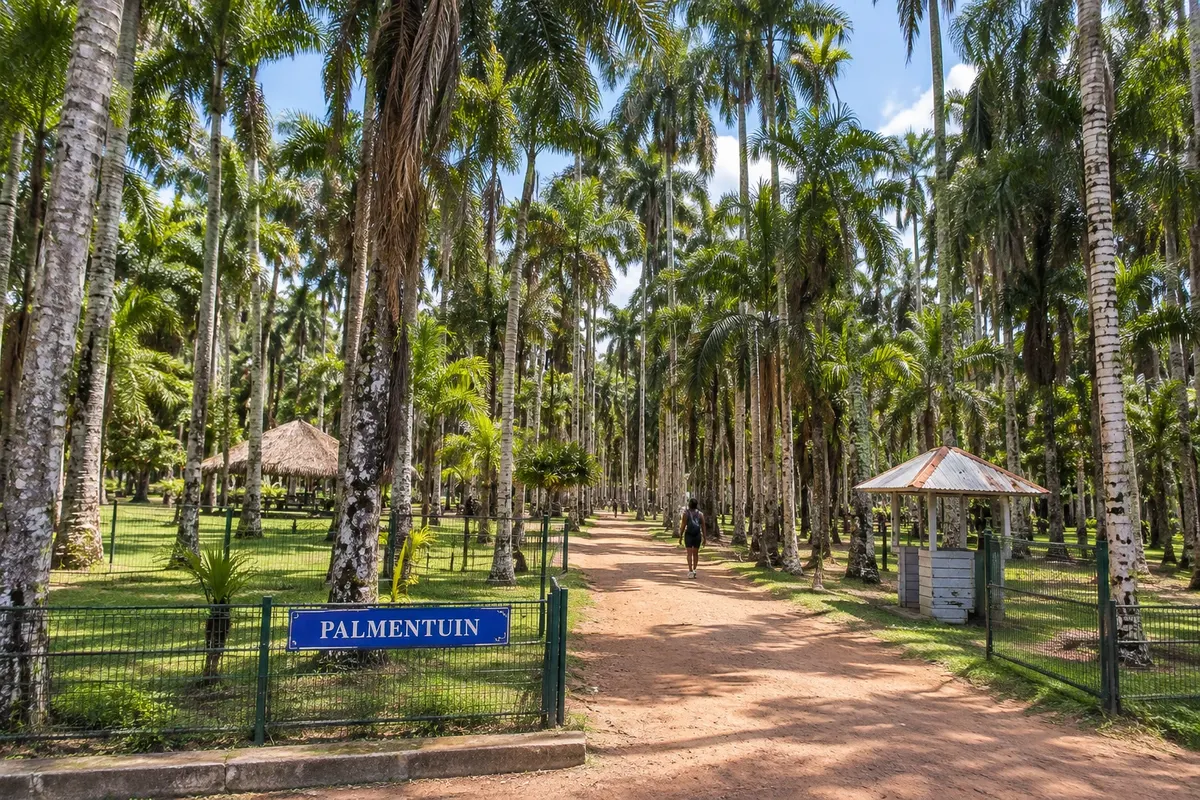
A garden of royal palms behind the presidential palace, opened to the public in 1685, with capuchin monkeys in the crowns, birds and shaded benches, next to the praça da Independência.
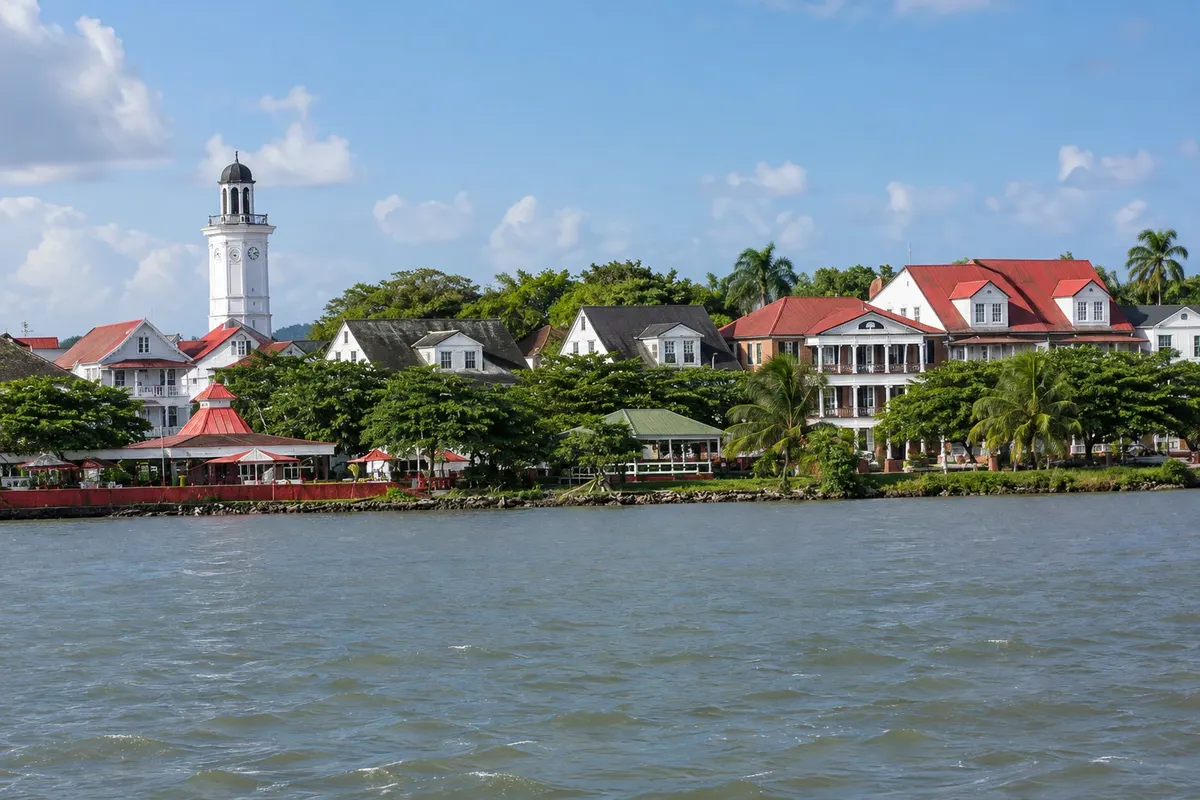
The riverside street with merchants' wooden townhouses, and the two‑storey Mercado Central: on the ground floor, fruit, fish and spices; above, clothing and household goods.
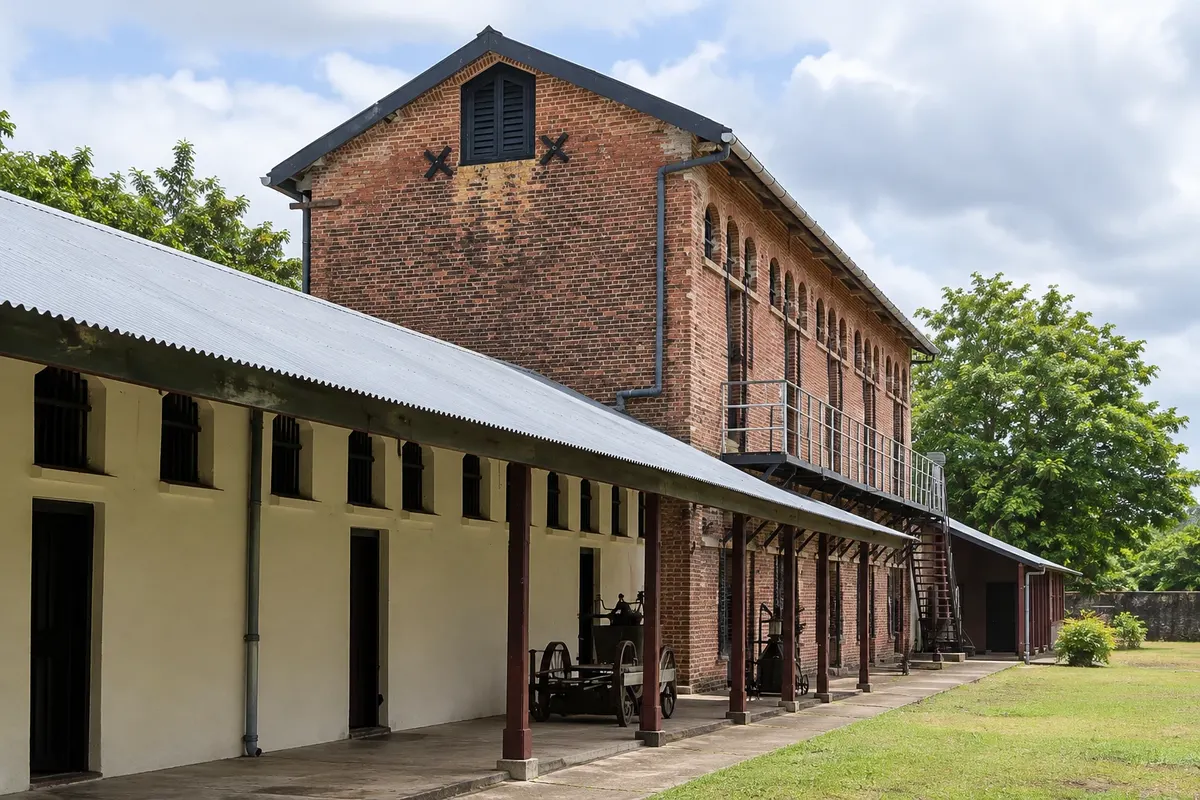
Dutch fort from 1747 at the meeting point of the Suriname and Commewijne rivers, today an open-air museum with ramparts, cannons, magazines and views of the river where gray dolphins often appear.
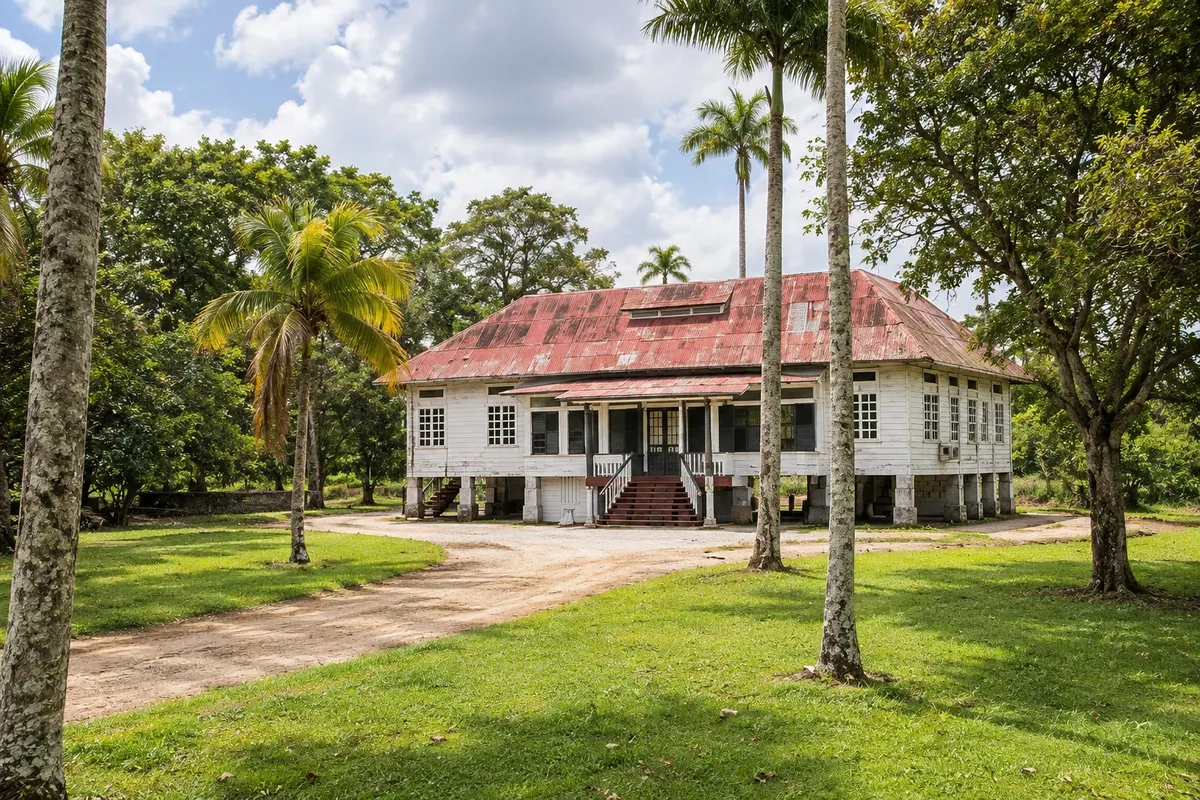
Former plantation and sugar mill in Commewijne, with the chimney, iron sheds and stationary locomotives. It was there that, in 1890, the first contracted Javanese workers arrived.
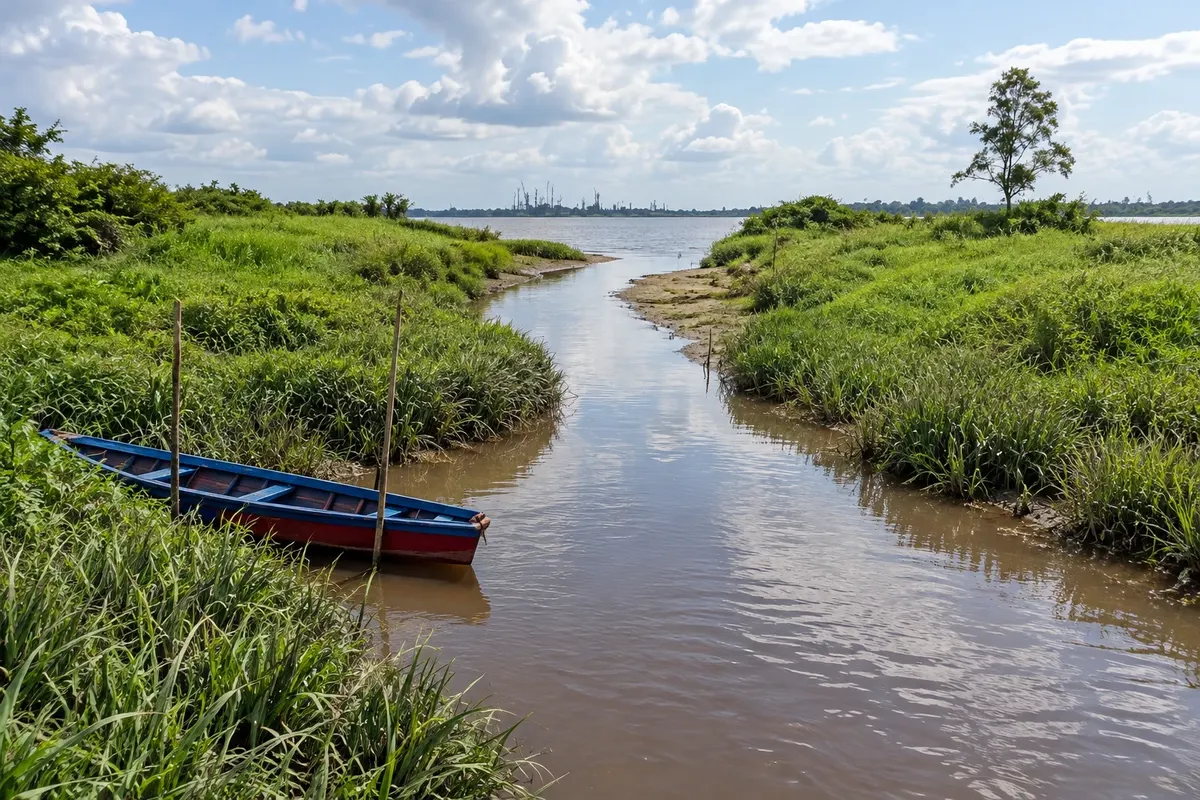
Former coffee plantation south of Meerzorg, which produced from the late 17th century until 1998 and became a 700-hectare nature park, with forest trails, birds and the plantation buildings.
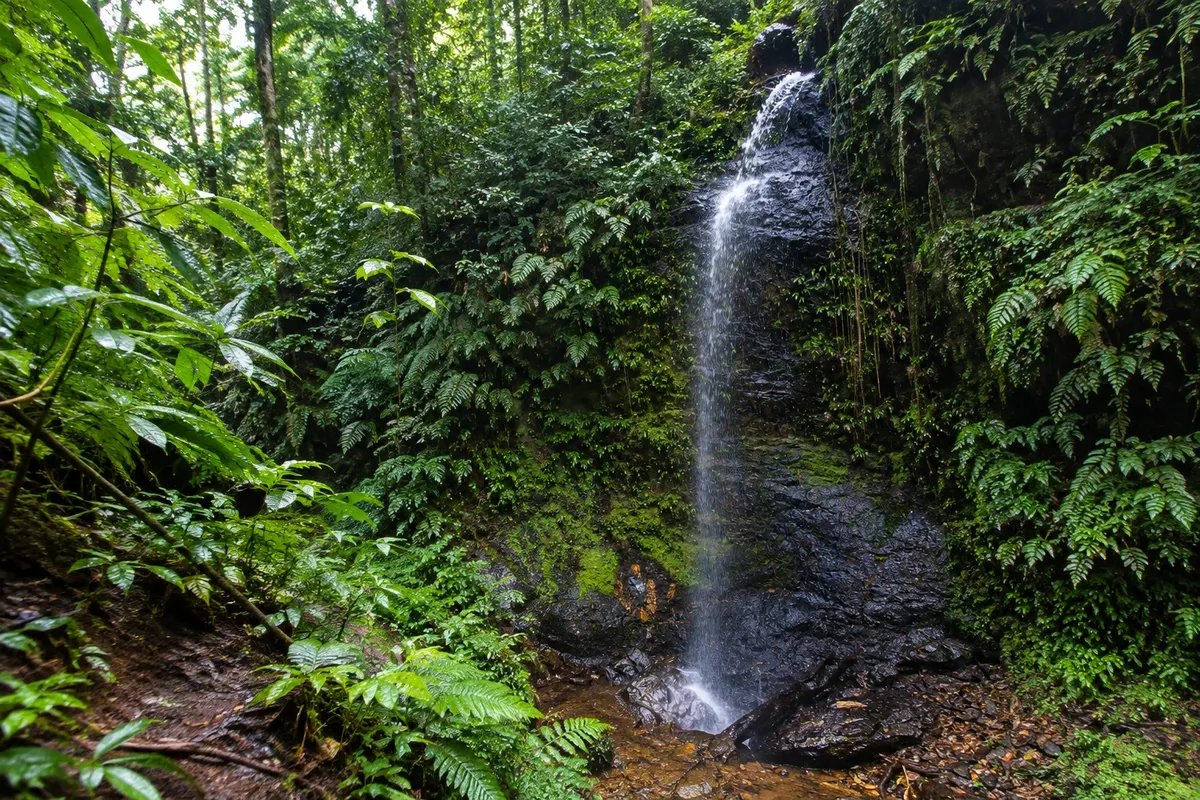
Nature park on a forest plateau about 500 meters above sea level, overlooking the Brokopondo lake, with trails to waterfalls, monkeys and birds. It is about 130 km from Paramaribo by road.