Chiclayo is located on the northern coast of Peru, 14 km from the Pacific, about 770 km north of Lima and 208 km north of Trujillo. It is the capital of the Lambayeque department and one of the country's largest cities, a commercial center known as the city of friendship. 12 km to the north lies Lambayeque, the colonial city that gives the department its name and houses the region's main museums.
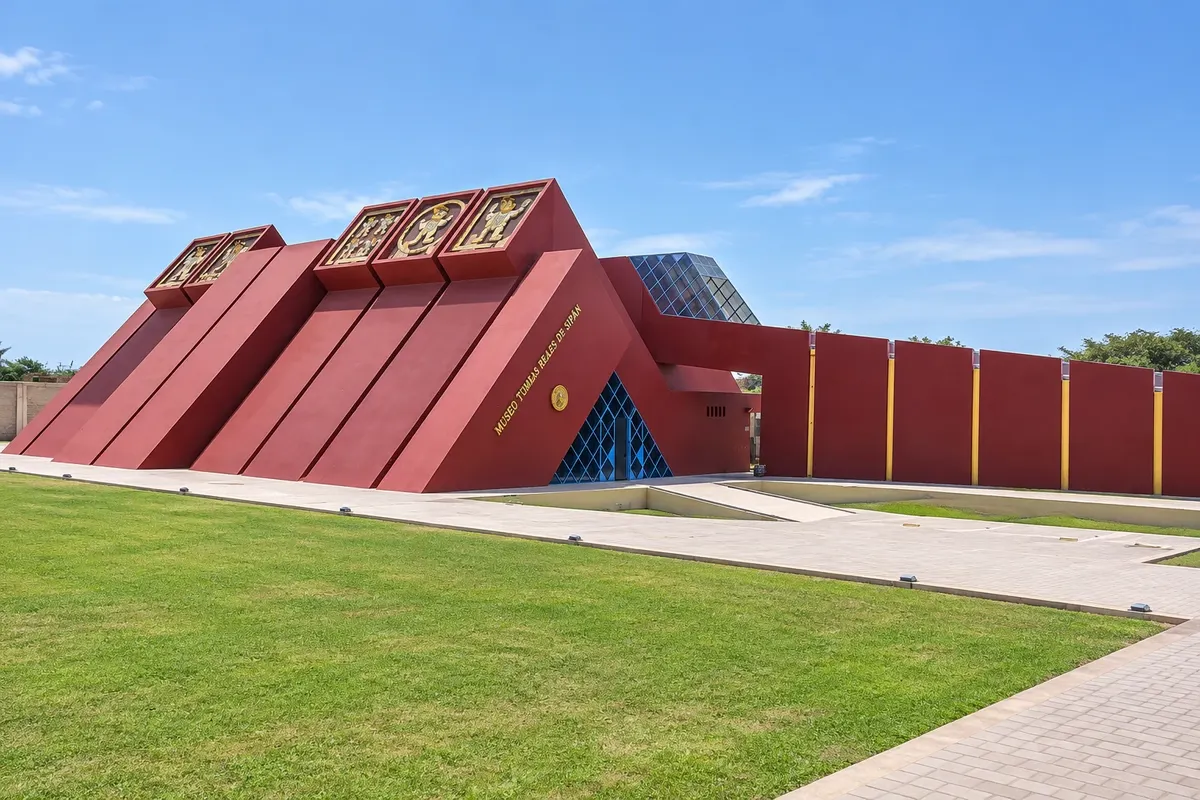
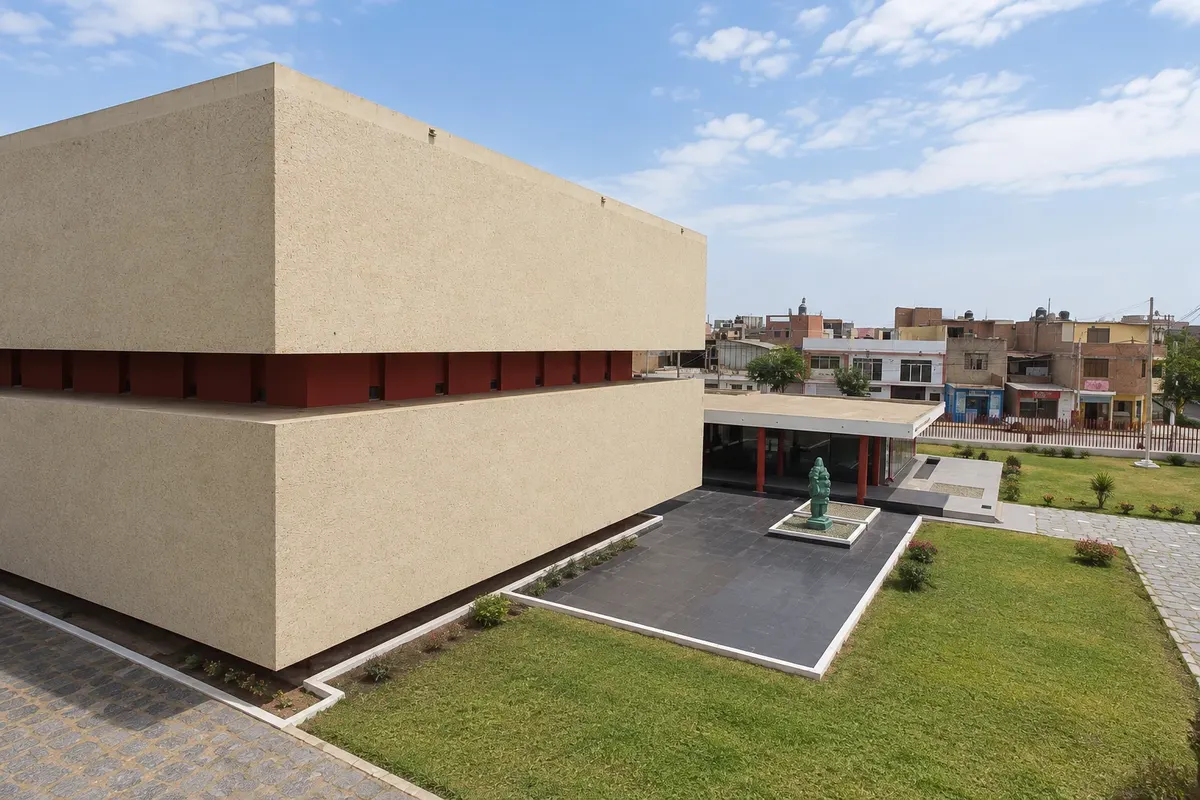
The valley was the territory of the Moche and, later, of the Lambayeque culture, also called Sicán. In 1987, archaeologist Walter Alva found at Huaca Rajada, near the village of Sipán, the intact tomb of the Lord of Sipán, a Moche ruler buried with gold, silver and shells. The pieces are in the Museo Tumbas Reales de Sipán in Lambayeque, which reproduces the tomb. In the same city, the Museo Brüning brings together goldsmithing and ceramics from various cultures, and the Chotuna-Chornancap complex preserves the legend of Ñaimlap, the mythical founder of the Lambayeque dynasty.
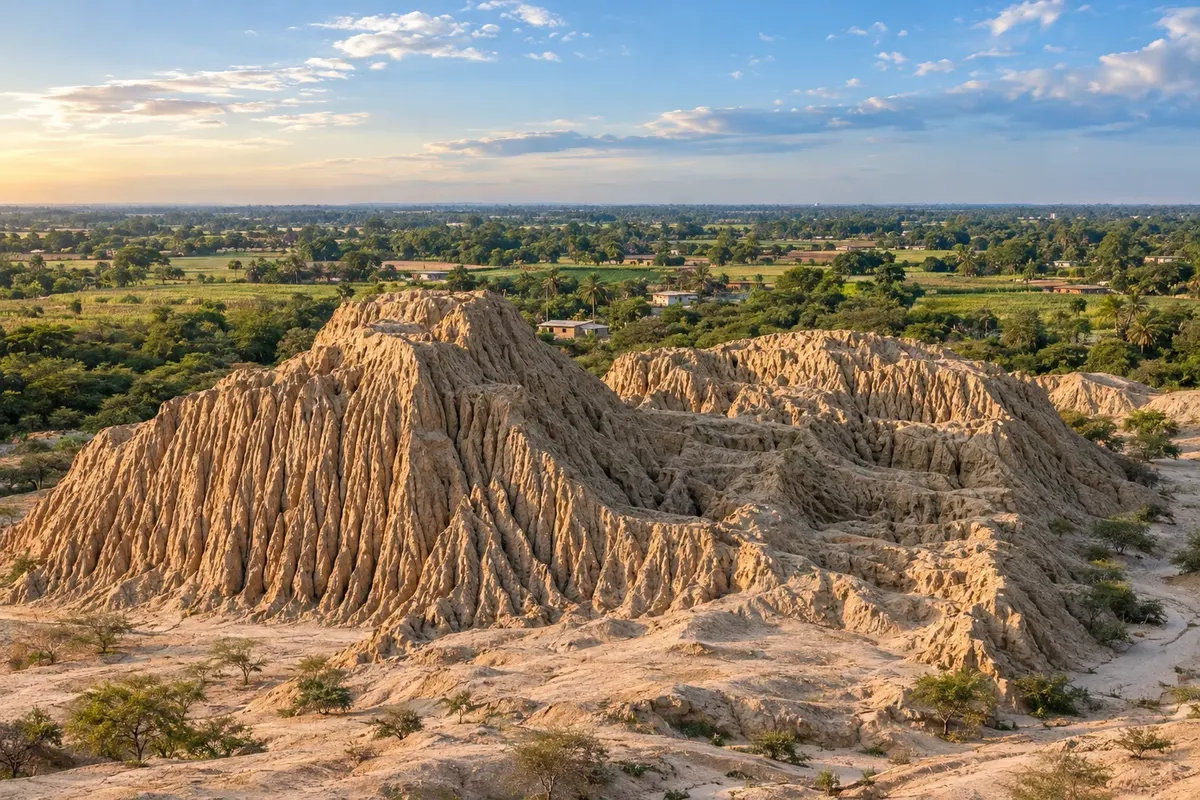
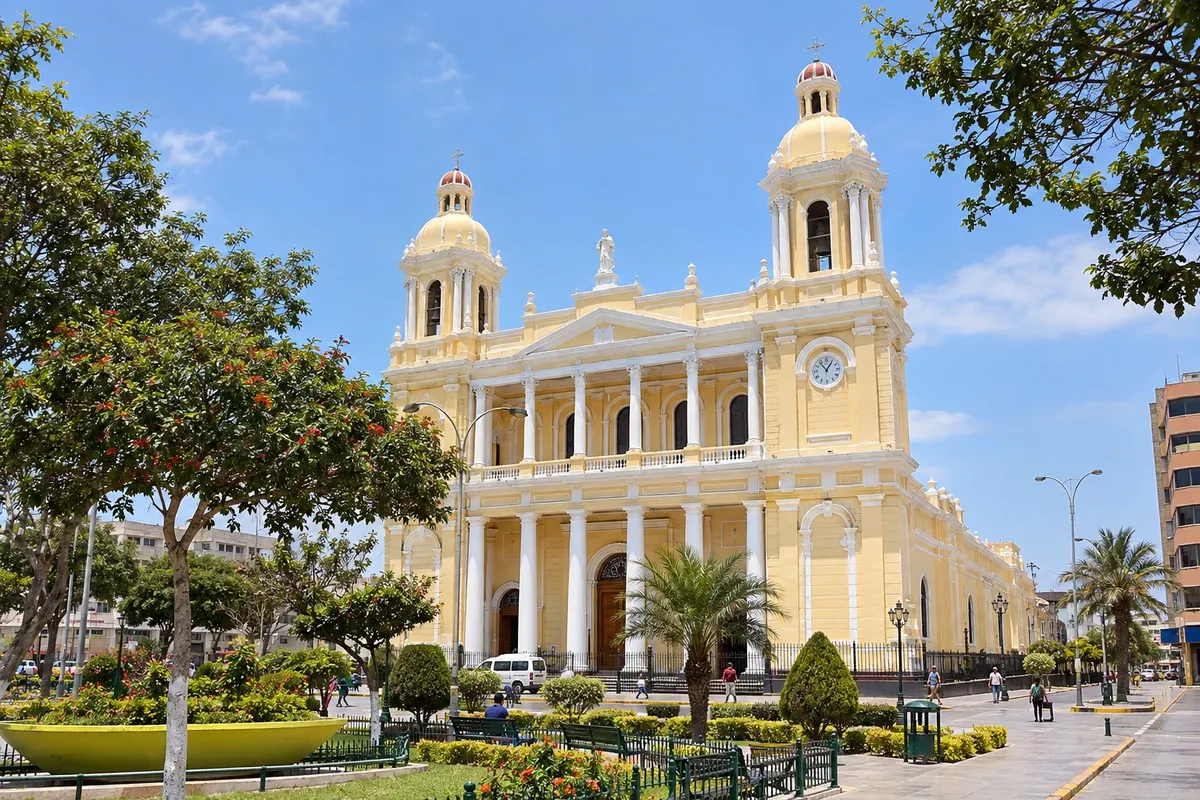
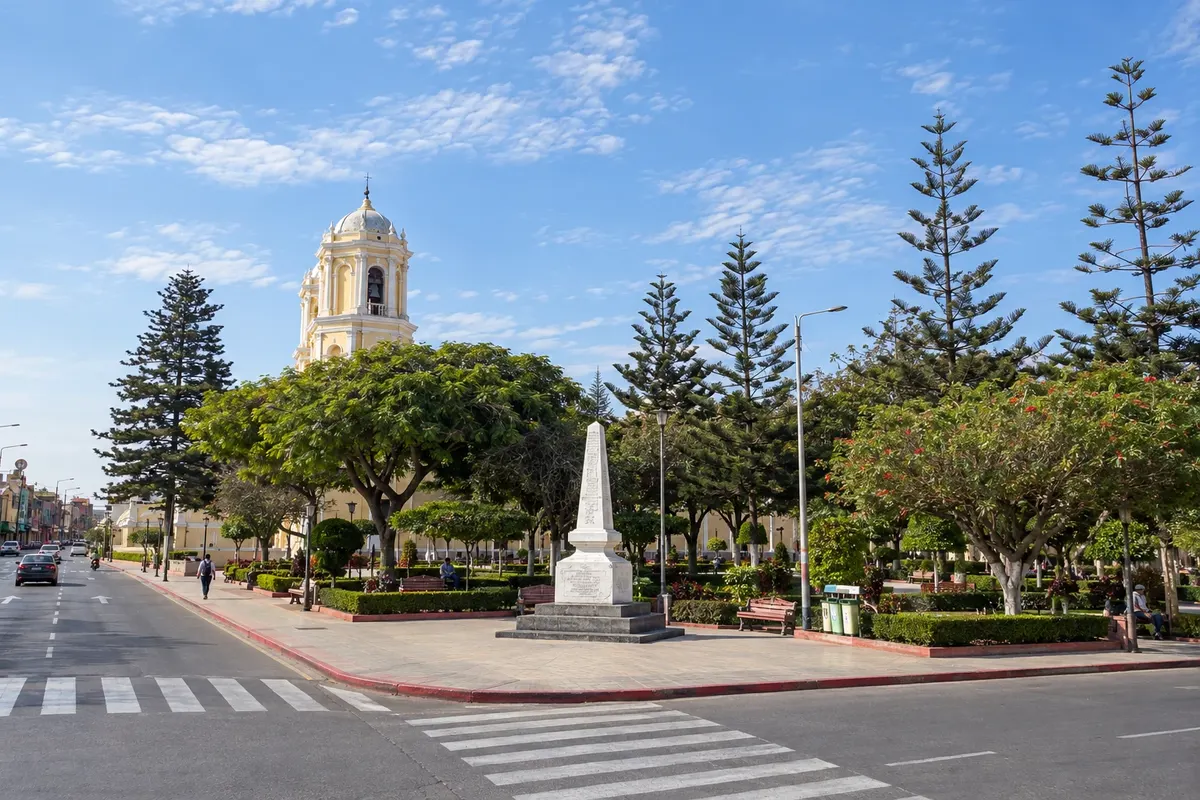
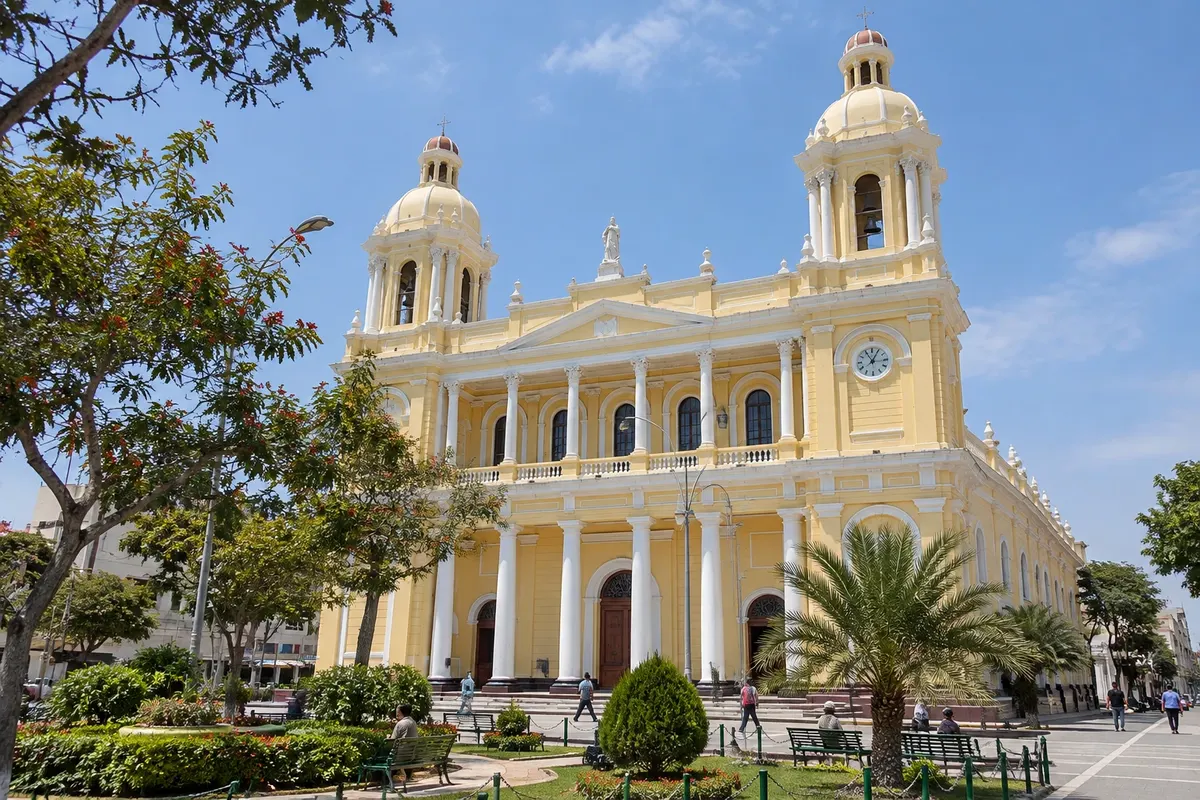
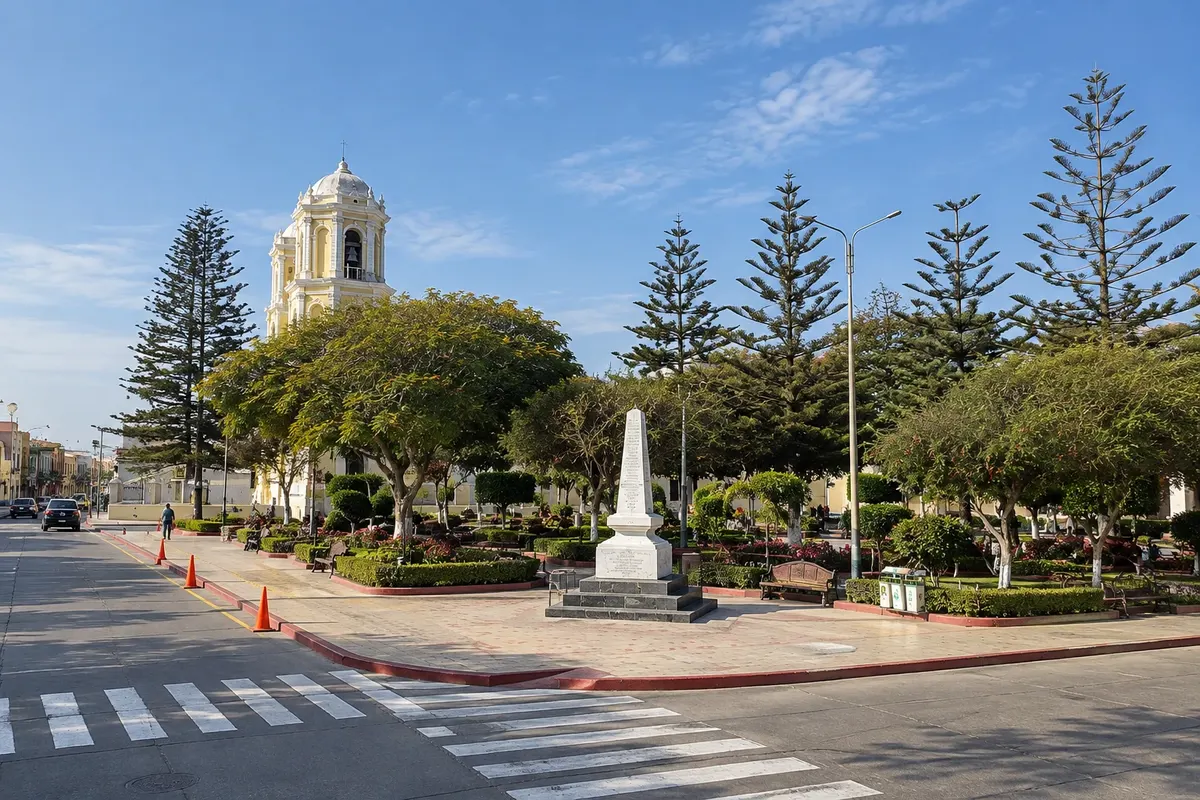
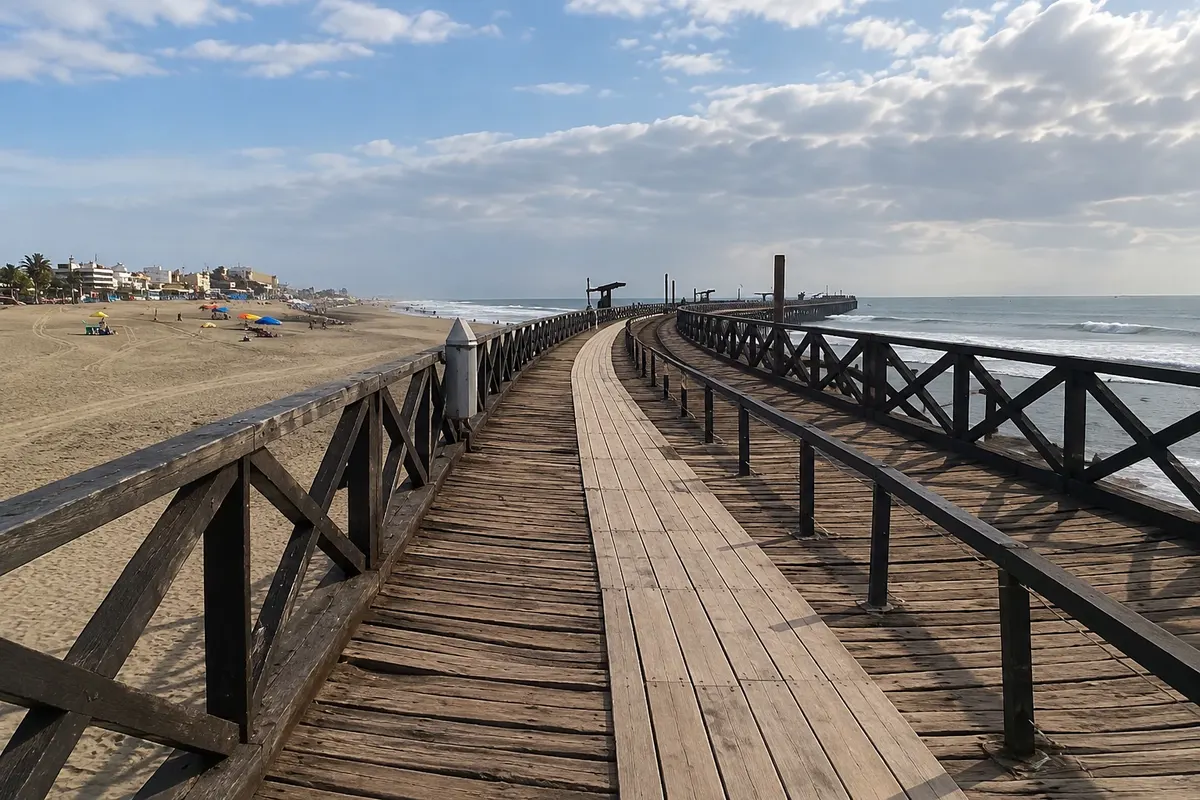
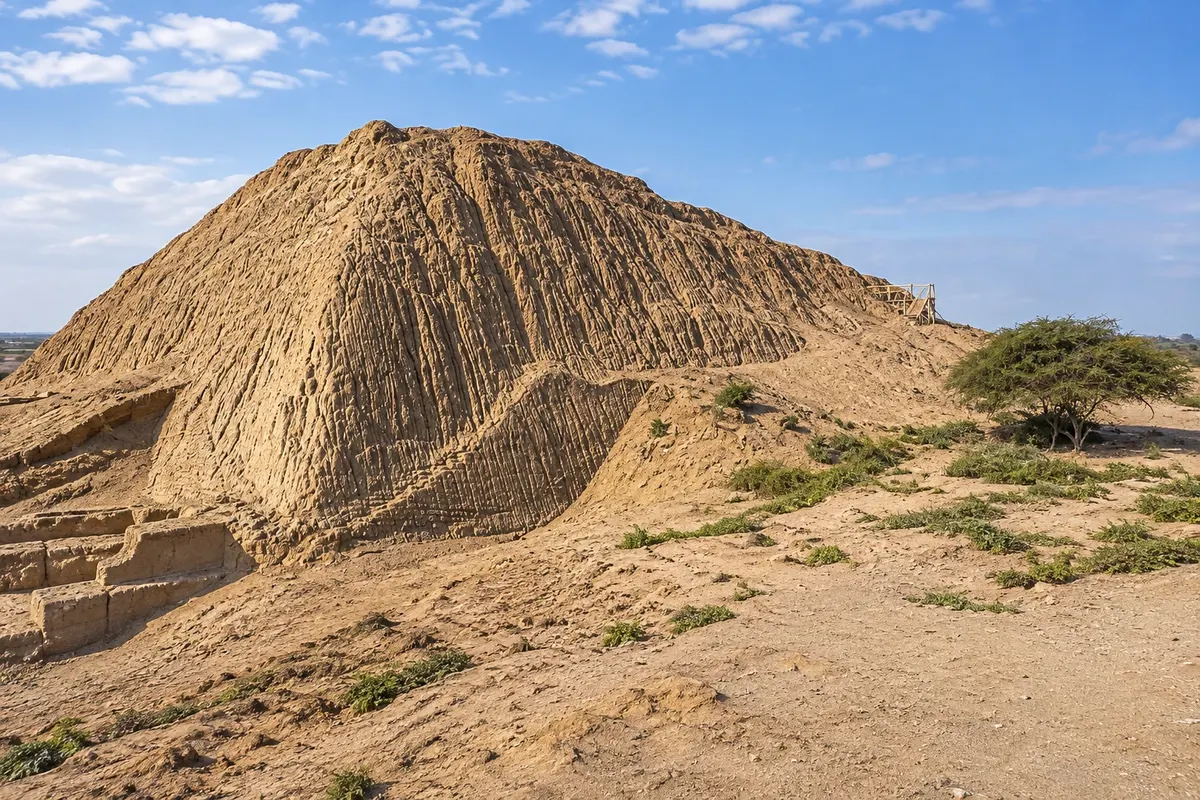
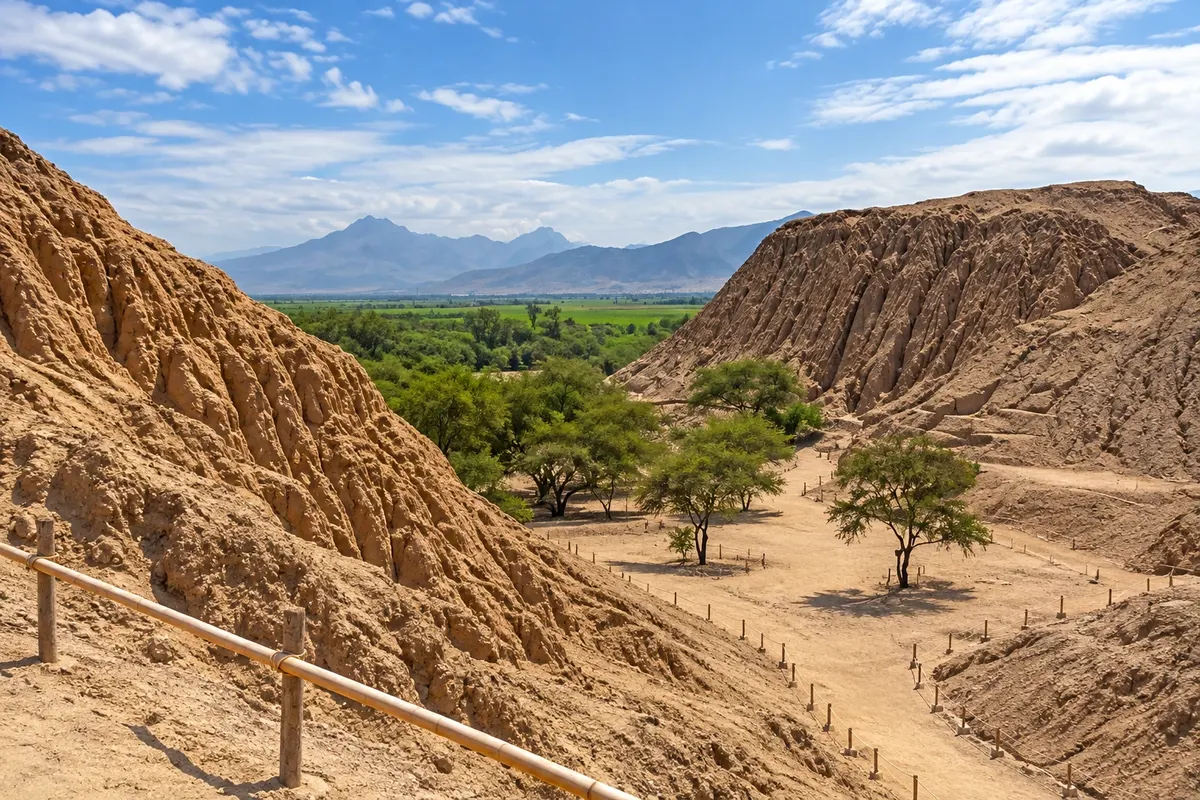
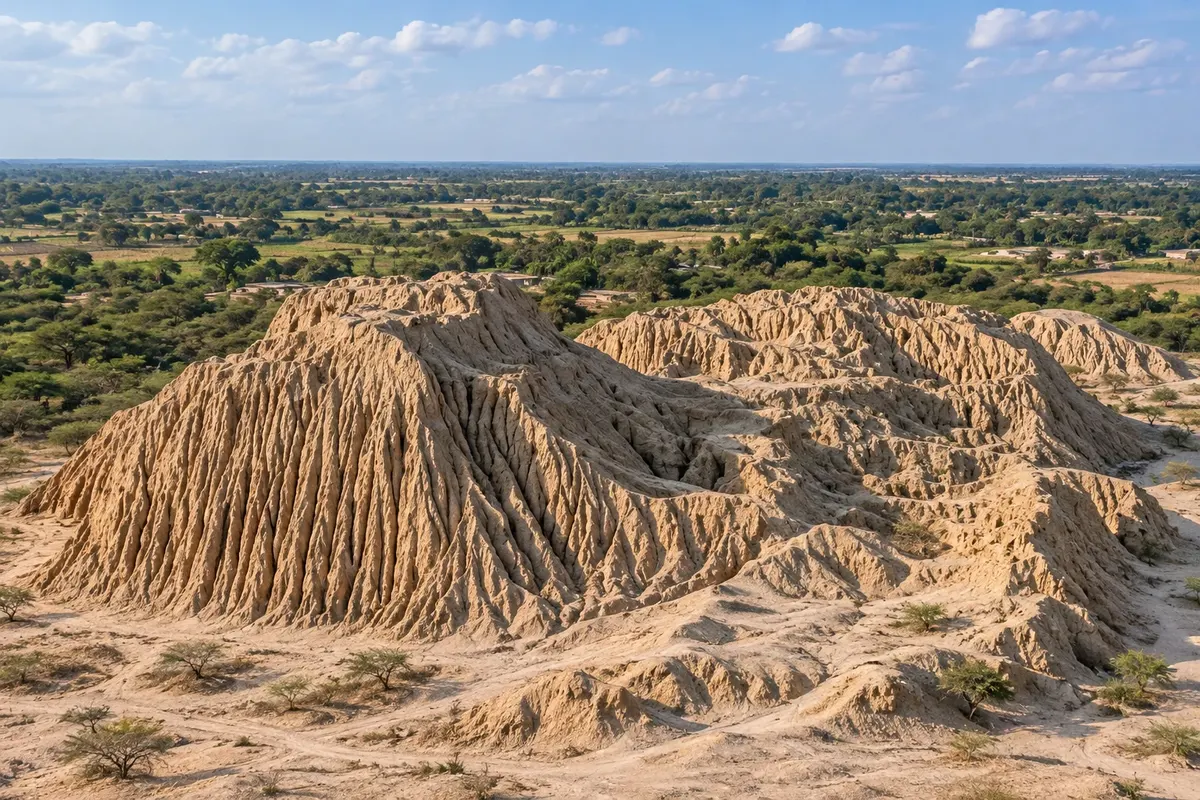
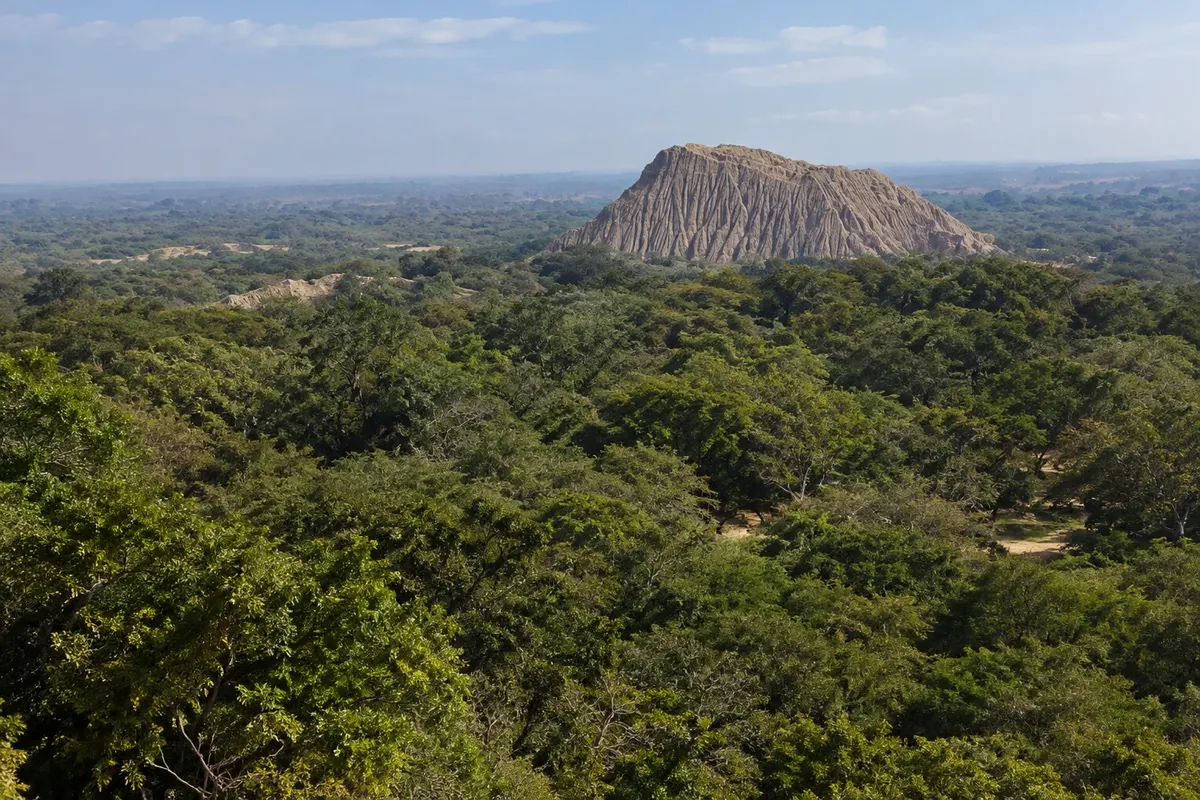
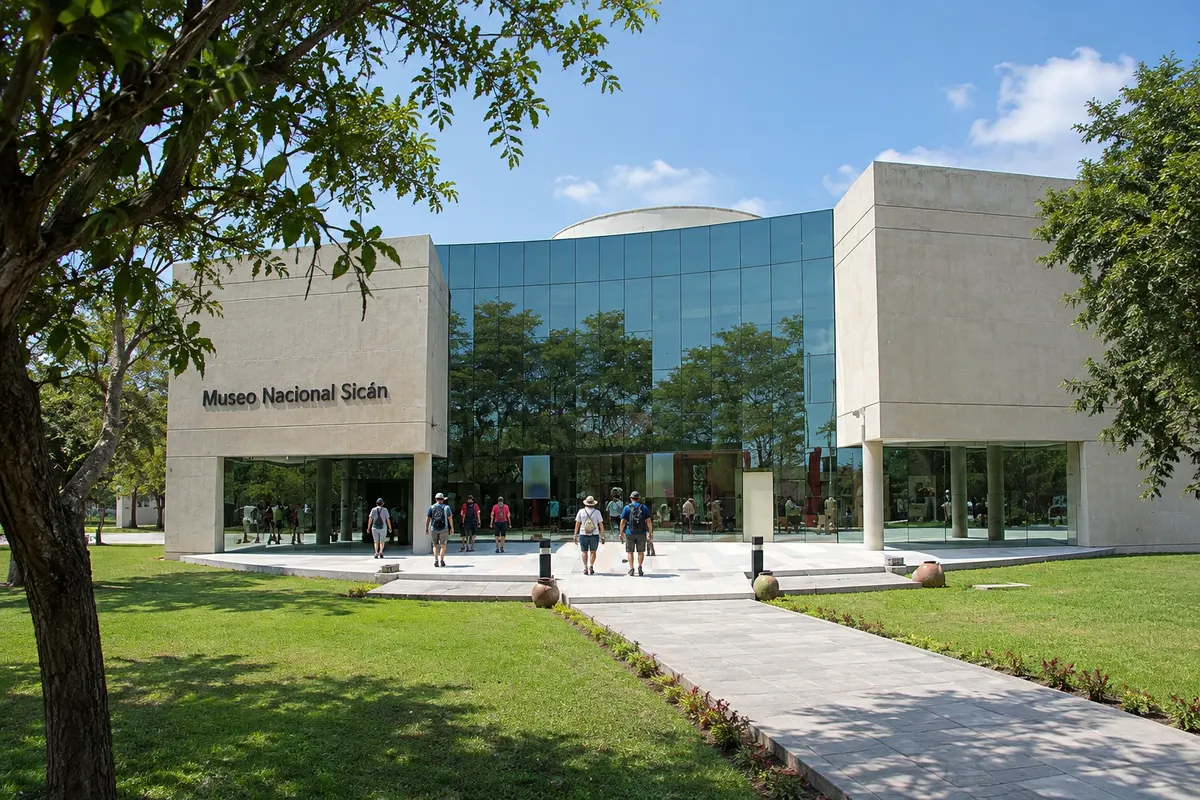
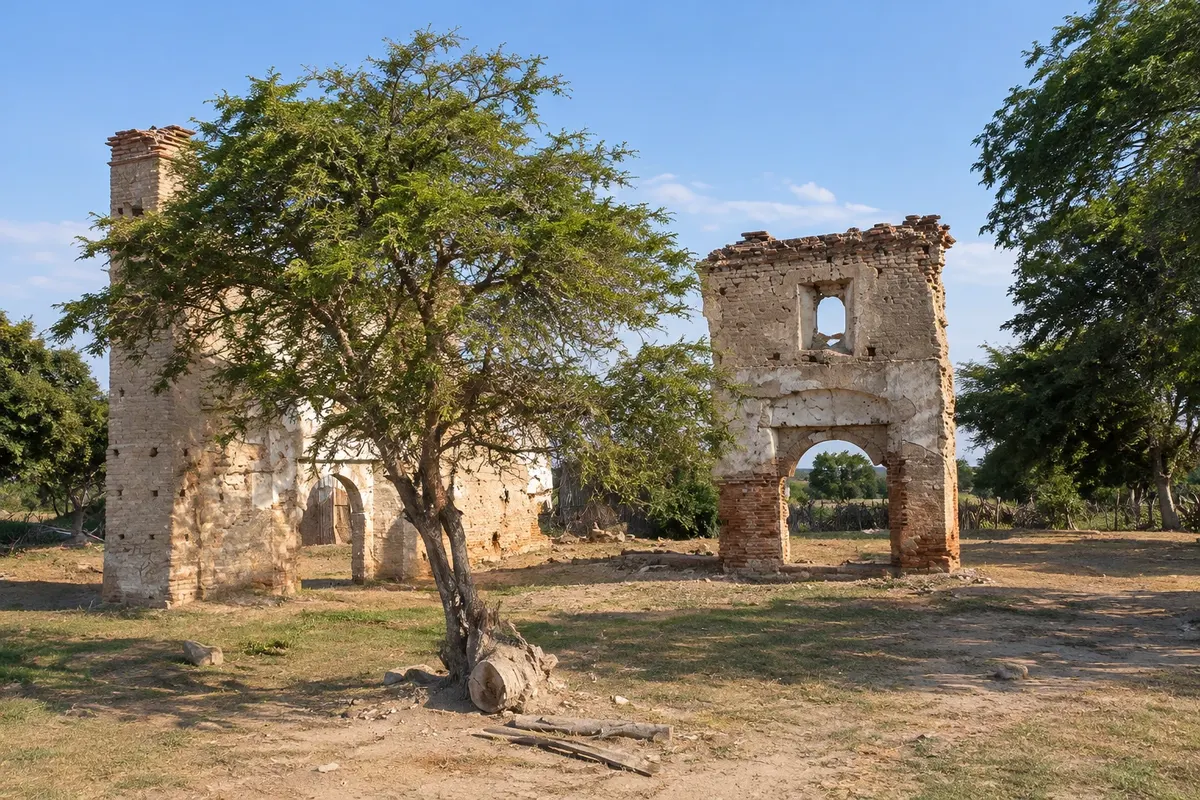
Around Chiclayo there is more to see: the 26 adobe pyramids of Túcume, around Cerro Purgatorio; the Santuario Histórico Bosque de Pómac, a dry forest of carob trees with the pyramids of Batán Grande; the Museo Nacional Sicán in Ferreñafe, with the gold masks of the Sicán culture; and the colonial ruins of Zaña. In the city, the Plaza de Armas, the Catedral and the Mercado Modelo, with herb stalls. On the seafront, Pimentel has a beach, a pier and fishermen with caballitos de totora.
It is on the coast, at no altitude, and the climate is dry, with sun from December to April.
This destination brings together 2 cities: Chiclayo, Lambayeque.


 Brazil
 Argentina
 Bolivia
 Chile
Chile Colombia
 Ecuador
 Guyana
 French Guiana
 Falkland Islands (Malvinas)
 Paraguay
 Suriname
 Uruguay
 Venezuela
 Germany
 Belgium
 Denmark
 Spain
Spain France
 Greece
 the Netherlands
 Ireland
 Italy
Italy Luxembourg
 Norway
 Portugal
 the United Kingdom
 Sweden
 Switzerland