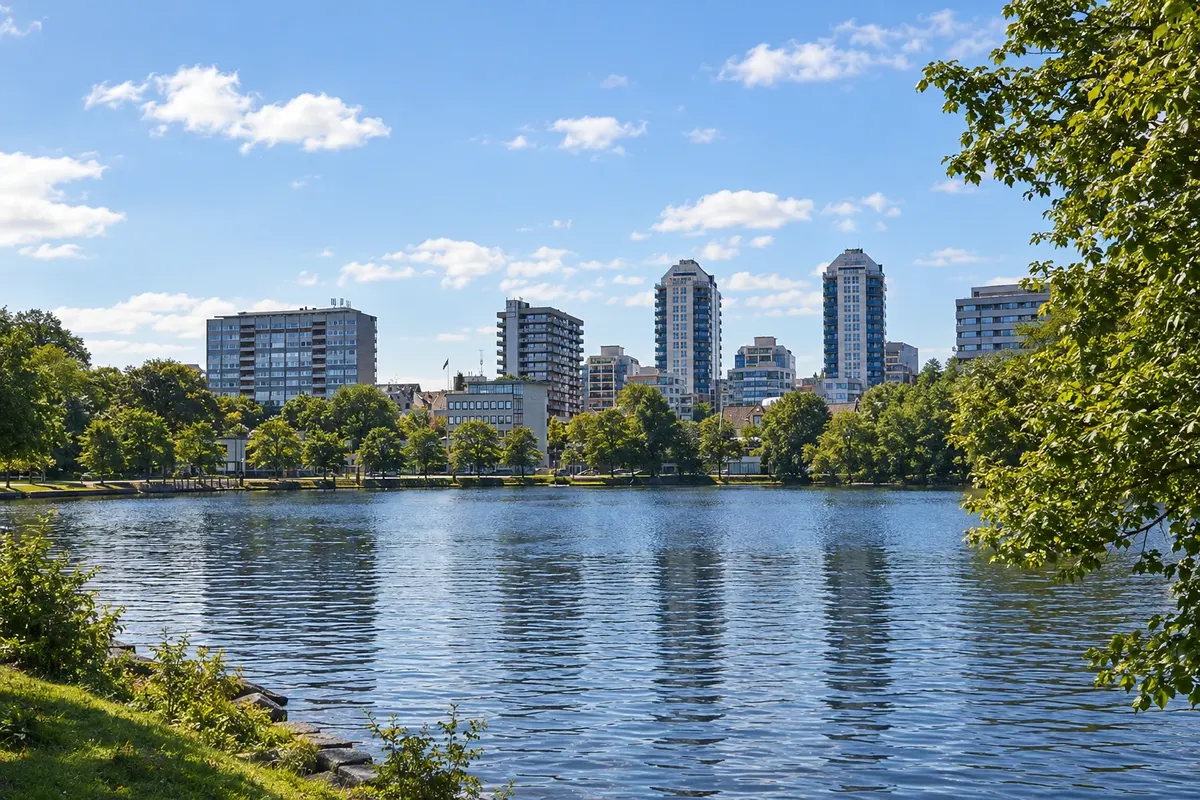
Stavanger is in southwest Norway, on the Rogaland coast, and is the country's oil capital: companies that operate in the North Sea have been based here since the 1970s. Before that, the city lived from herring fishing and canned sardine factories, and that history shows around the centre by the harbour of Vågen.
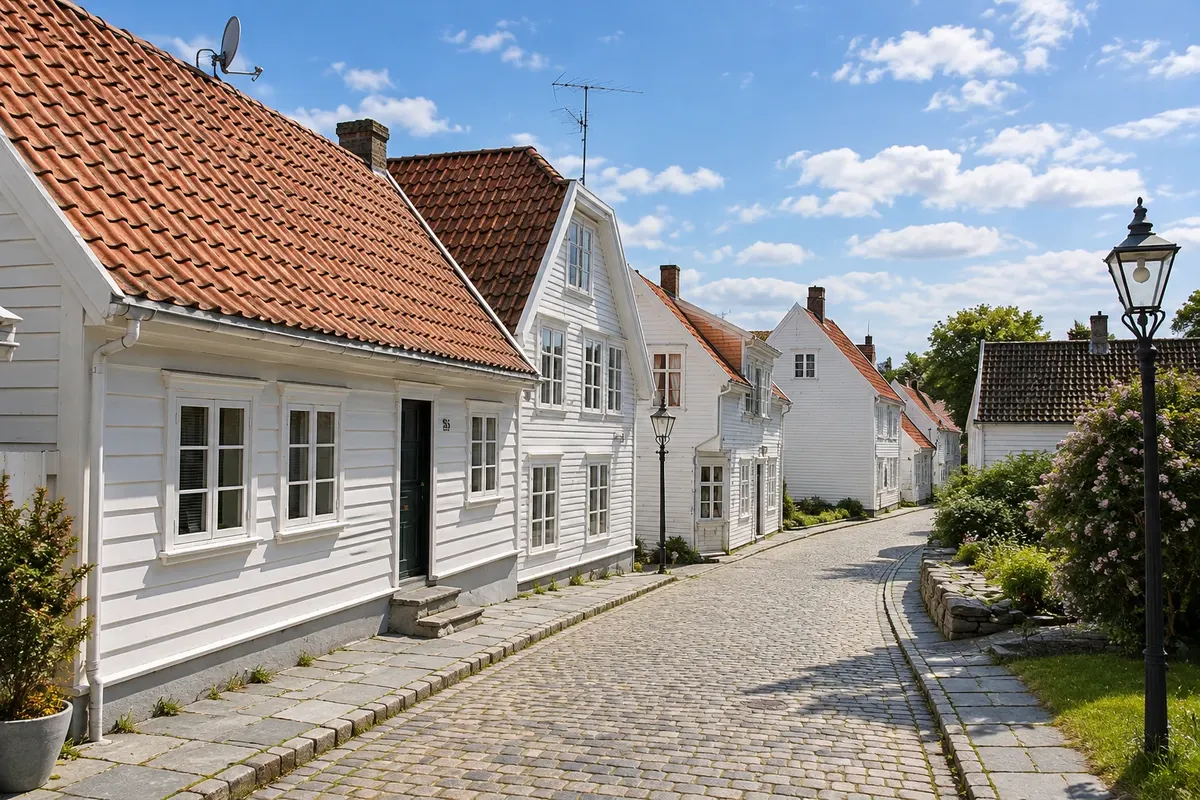
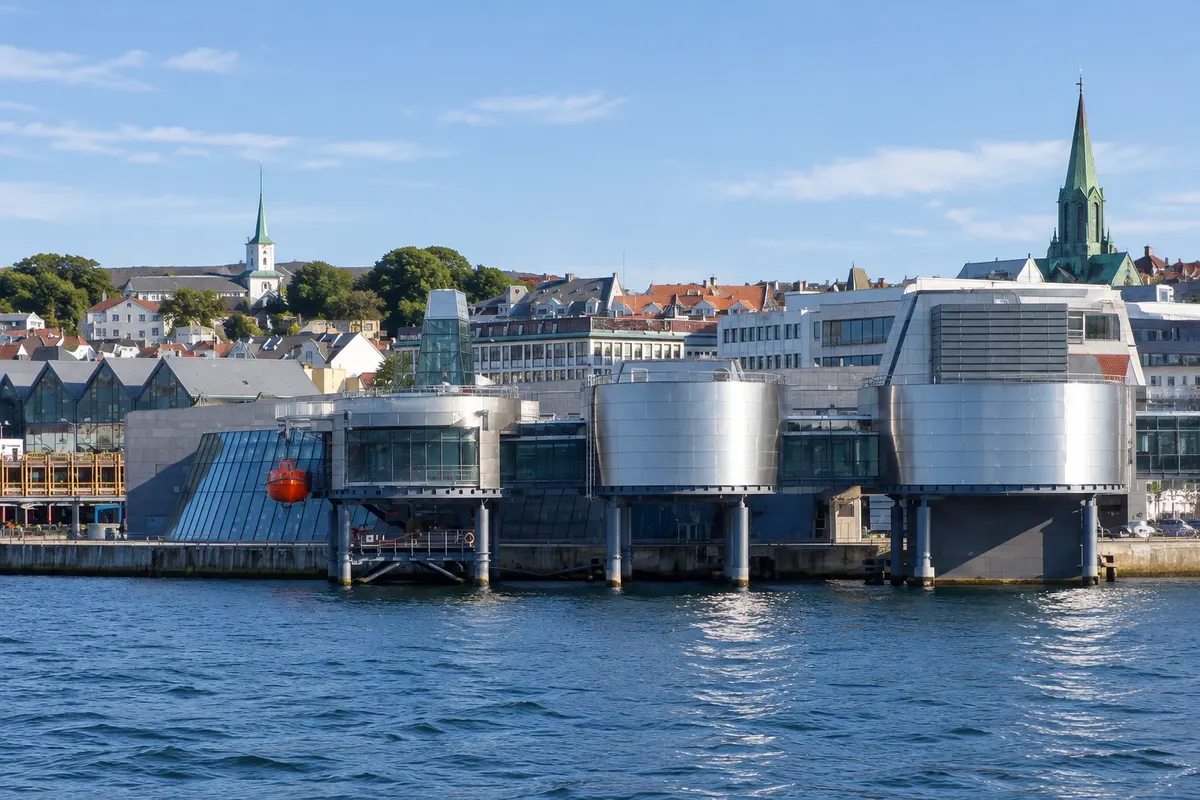
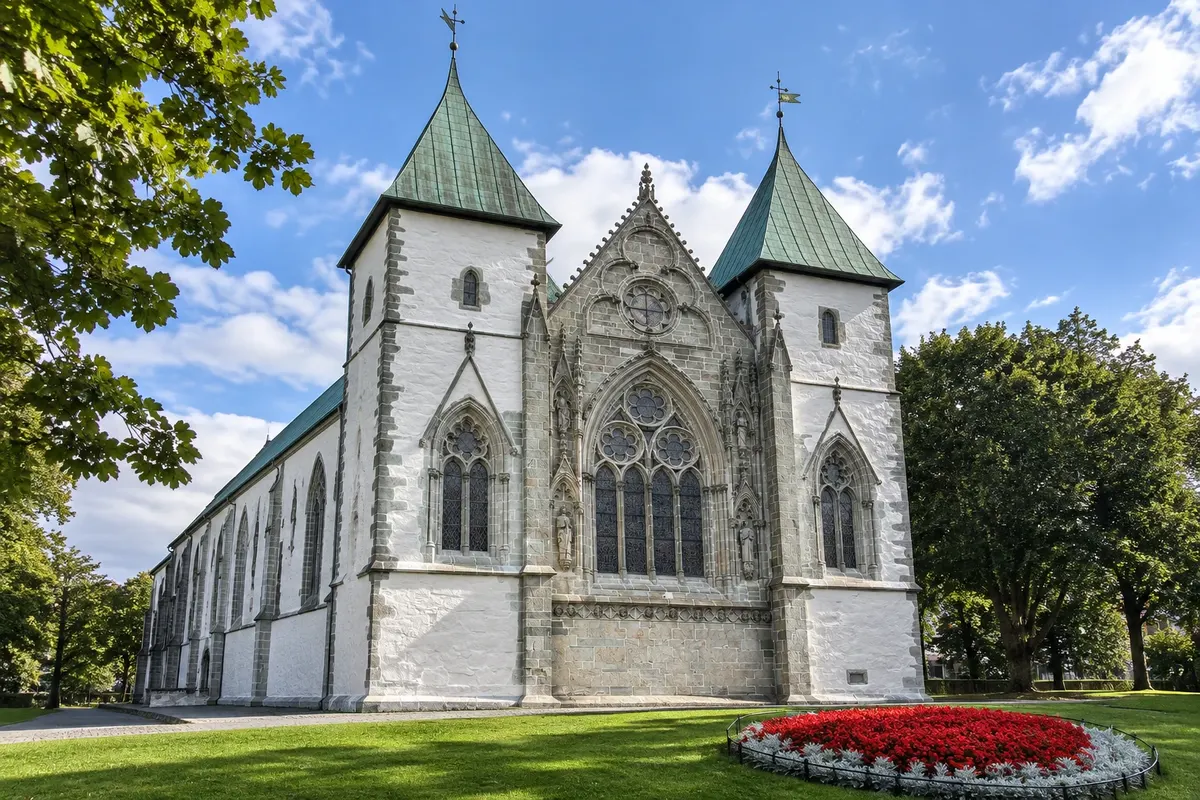
On the west side of the harbour, Gamle Stavanger brings together about 170 white wooden houses from the 18th and 19th centuries, on cobbled streets, with the Museu das Conservas in a former factory. On the other side, Øvre Holmegate has brightly painted facades. The 12th-century cathedral is the oldest in Norway to retain its medieval form, and the Petroleum Museum on the waterfront tells the other half of the city's story.
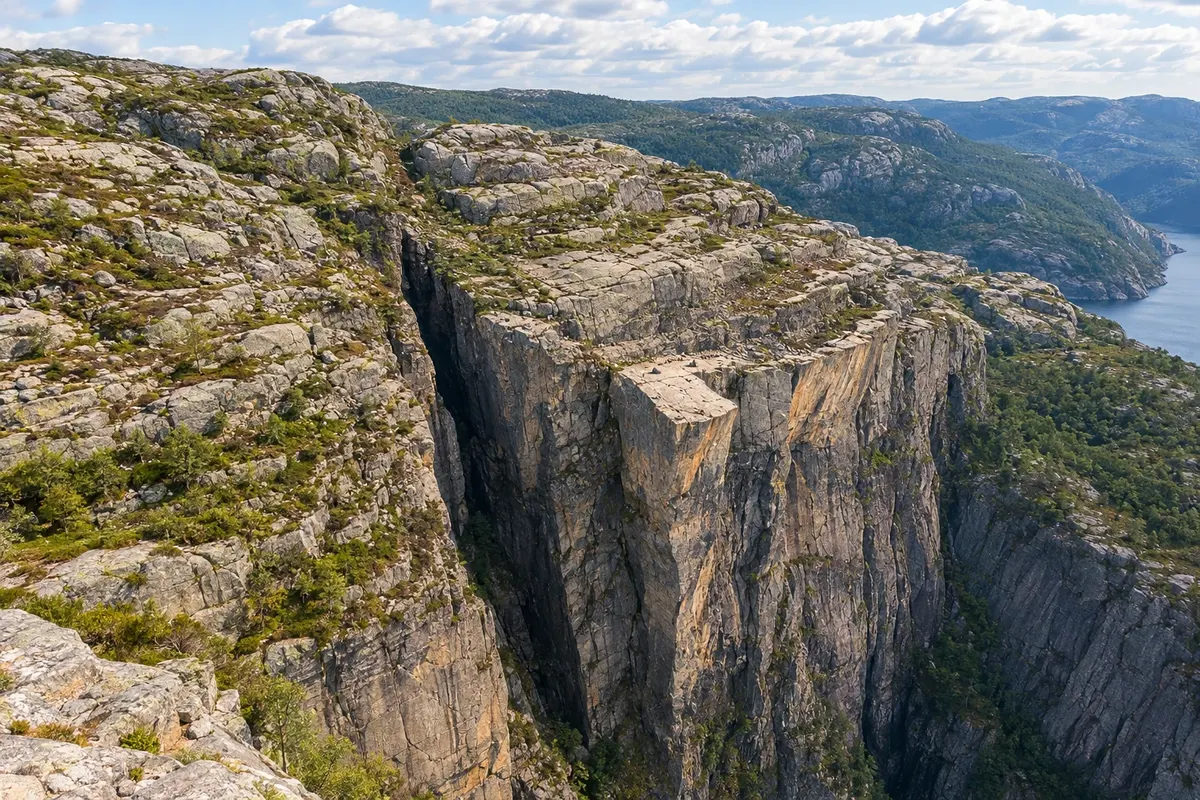
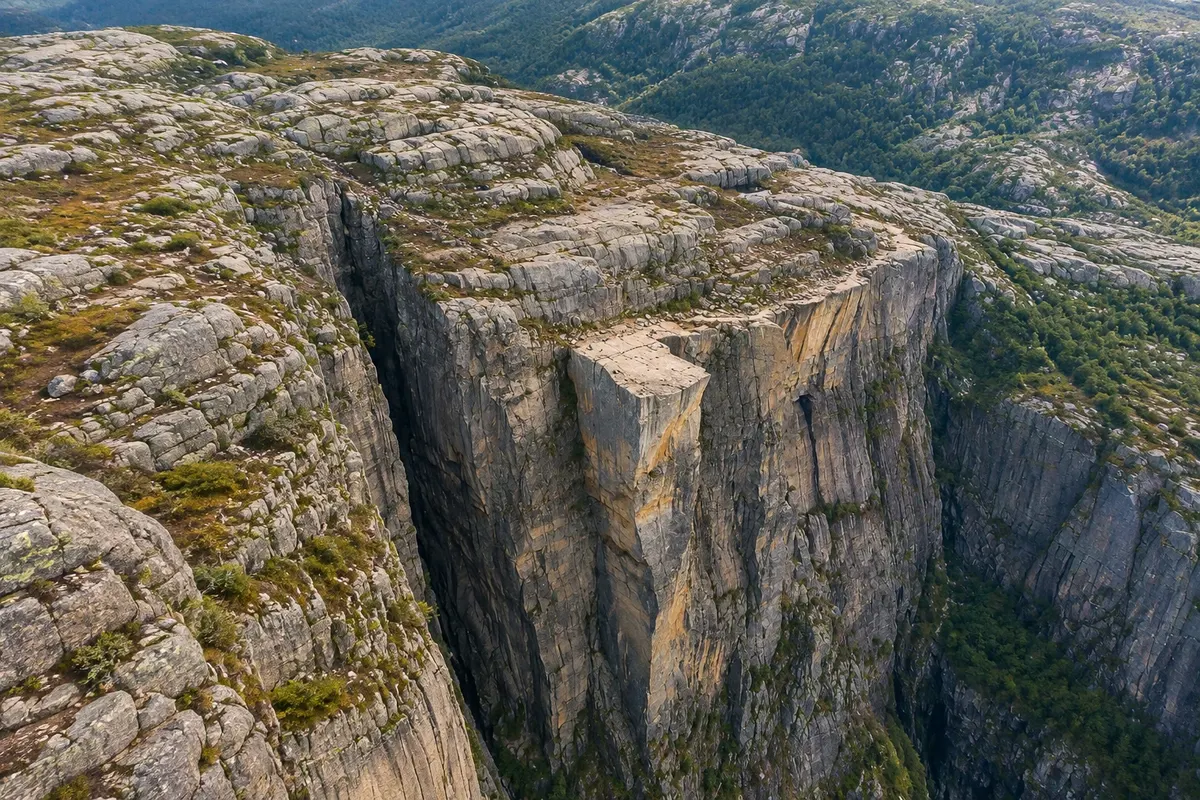
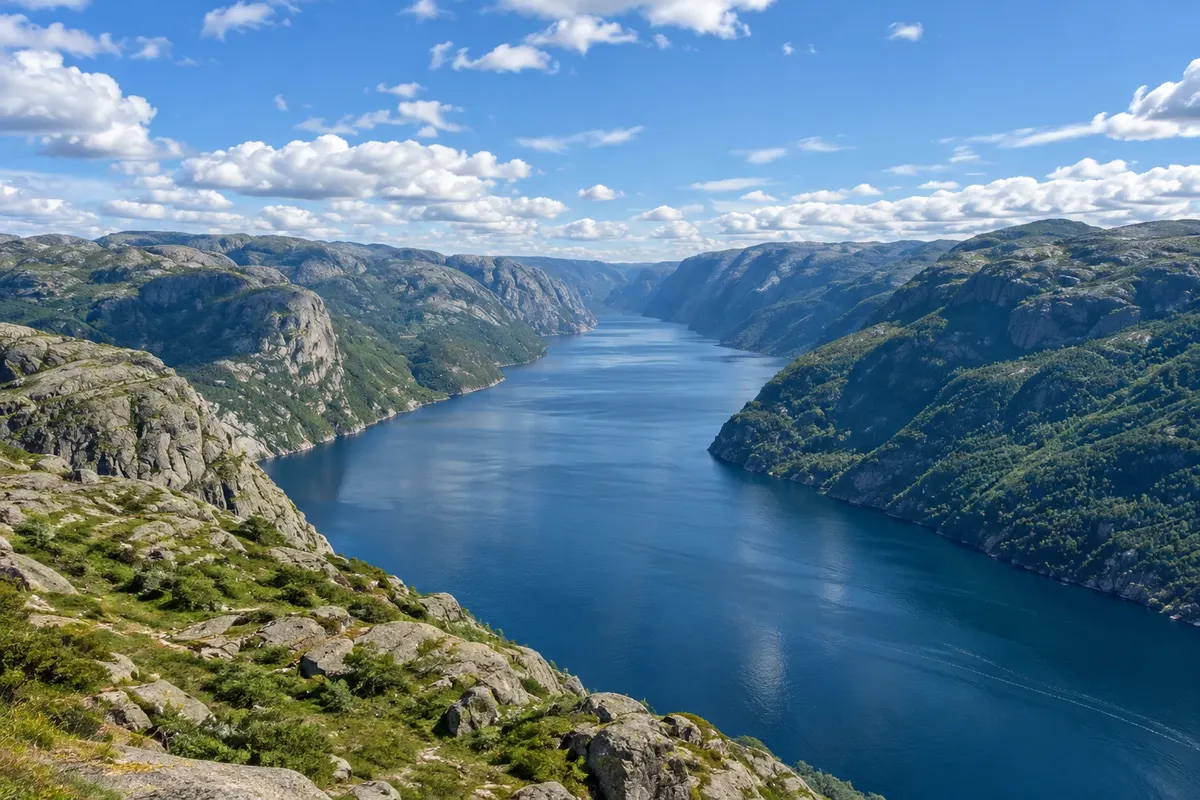
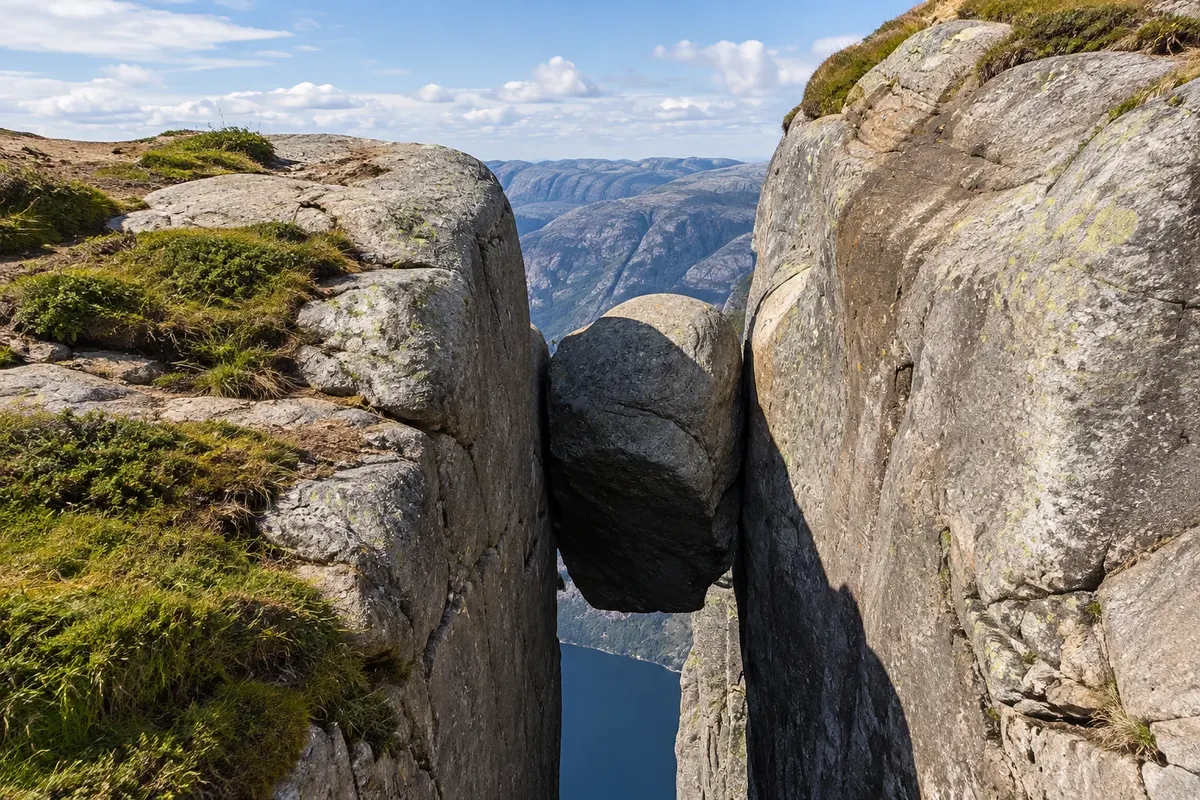
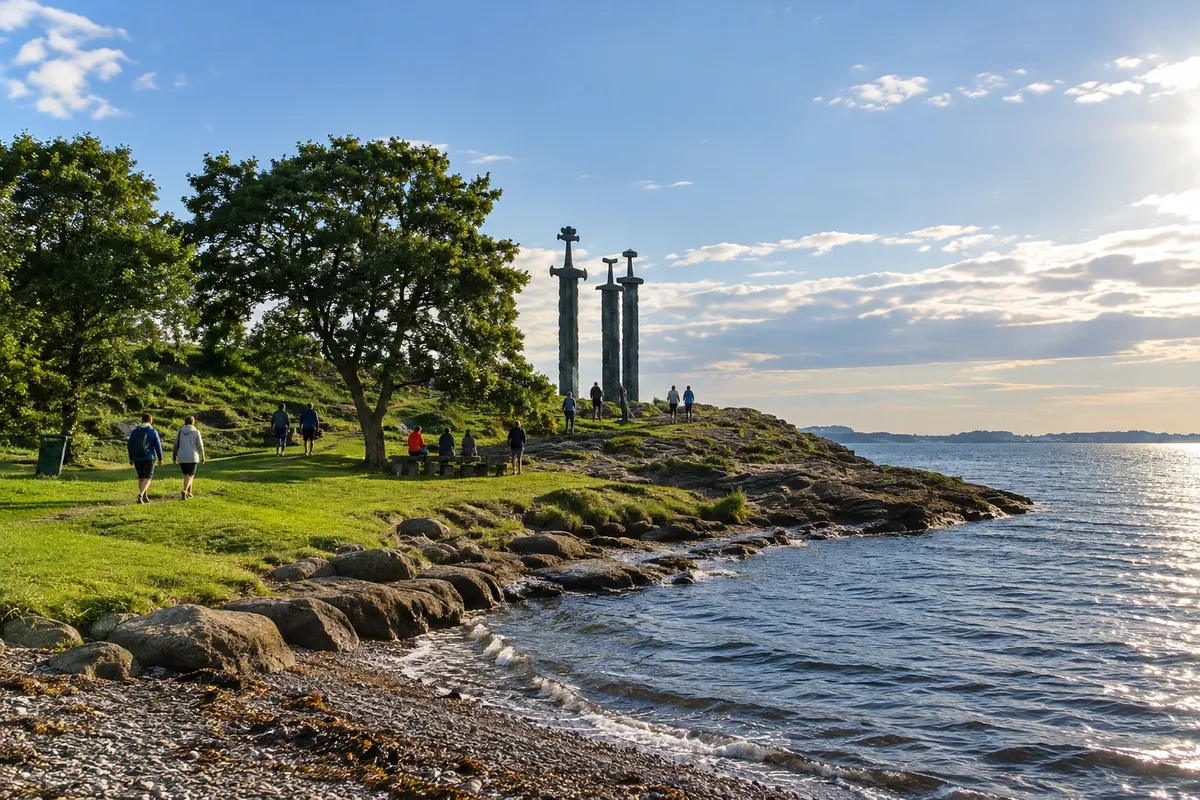
To the east, across the Boknafjord, lies the Lysefjord, 42 km long between granite cliffs. Above it sits Preikestolen, the Pulpit, a rock plateau 604 metres above the water, reached by a trail of about 4 km. At the fjord's head, Kjeragbolten, a rock wedged in a crevice about 1,000 metres up, is the region's most demanding hike. South of the city, the three bronze swords of Hafrsfjord commemorate the battle that, according to tradition, united Norway.
The hike is usually done from April to October; in winter, only with a guide. The Jæren coast to the south has sandy beaches used in summer.
This destination brings together 1 city: Stavanger.


 Brazil
 Argentina
 Bolivia
 Chile
Chile Colombia
 Ecuador
 Guyana
 French Guiana
 Falkland Islands (Malvinas)
 Paraguay
 Peru
Peru Suriname
 Uruguay
 Venezuela
 Germany
 Belgium
 Denmark
 Spain
Spain France
 Greece
 the Netherlands
 Ireland
 Italy
Italy Luxembourg
 Portugal
 the United Kingdom
 Sweden
 Switzerland