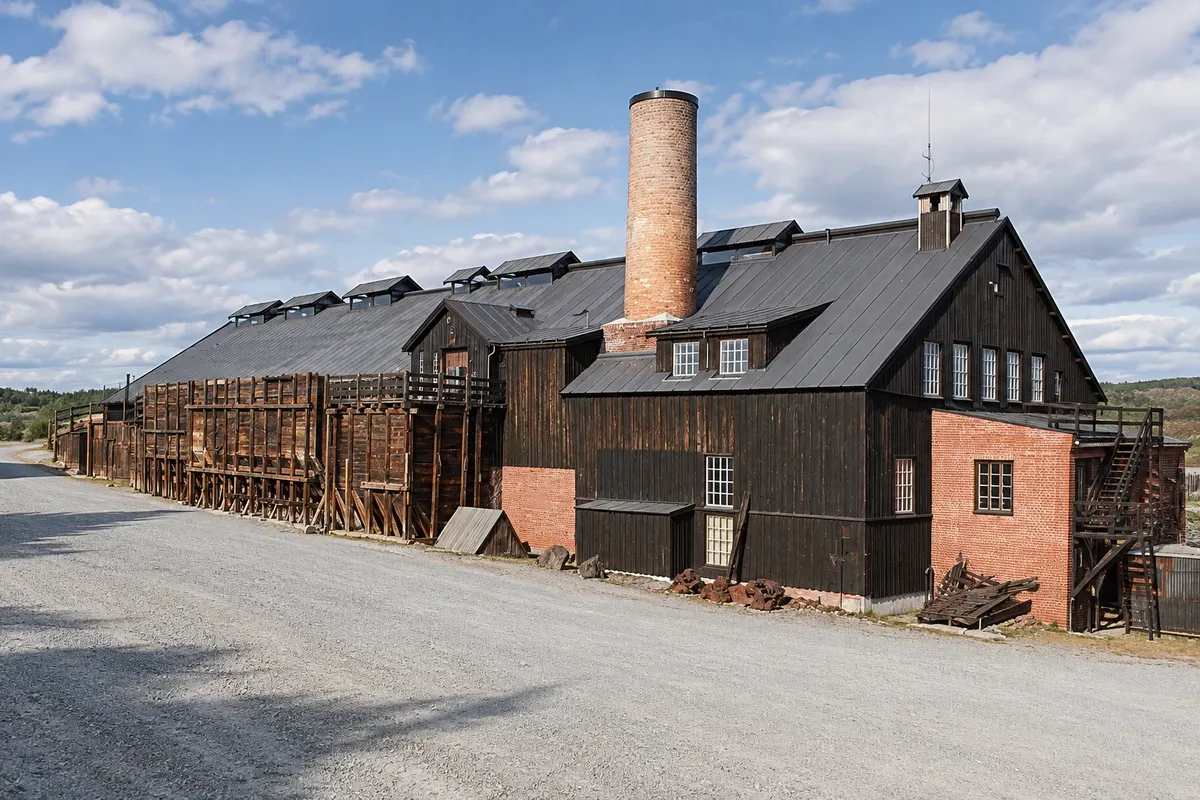
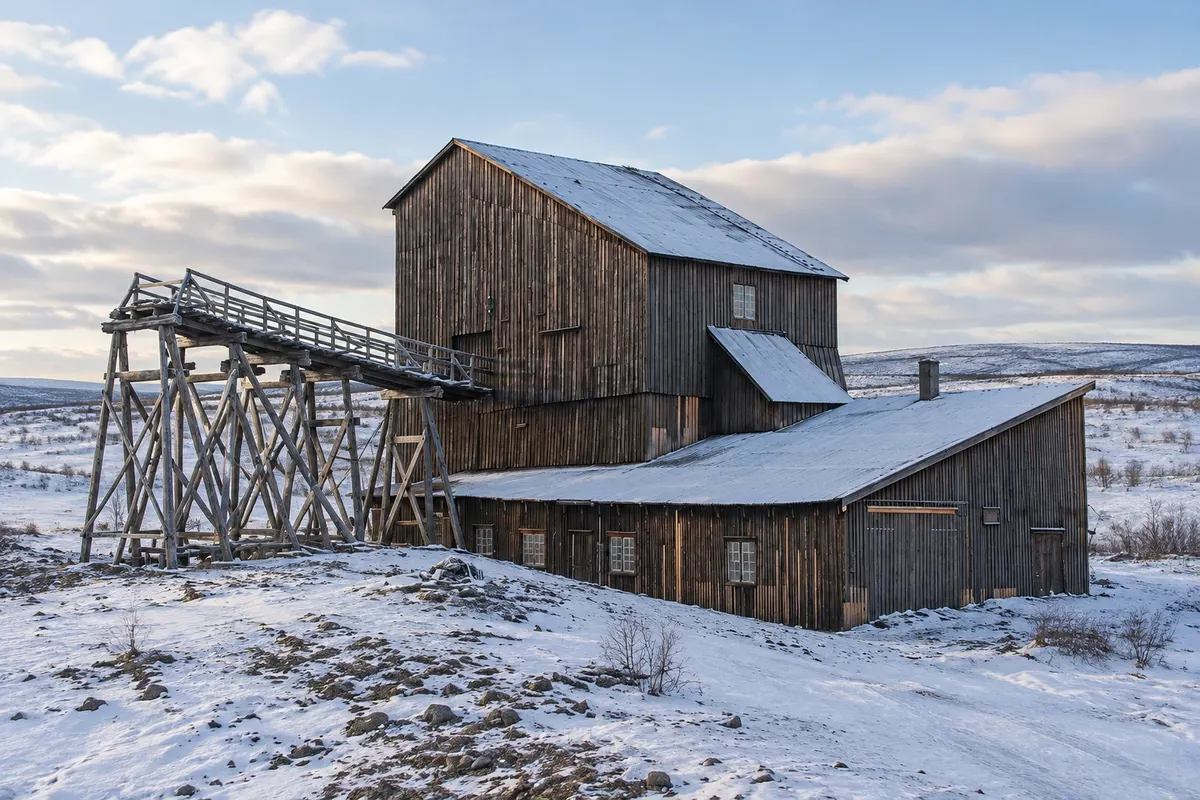
Røros sits on a plateau about 630 metres above sea level, in eastern Trøndelag, near the border with Sweden. The town was founded in 1644 when copper was found in the area, and it relied on mining for more than 330 years until the mining company closed in 1977. During that time, the miners built an entire wooden town, which has survived almost as it was. The town centre and the surrounding mining landscape are a UNESCO World Heritage Site.
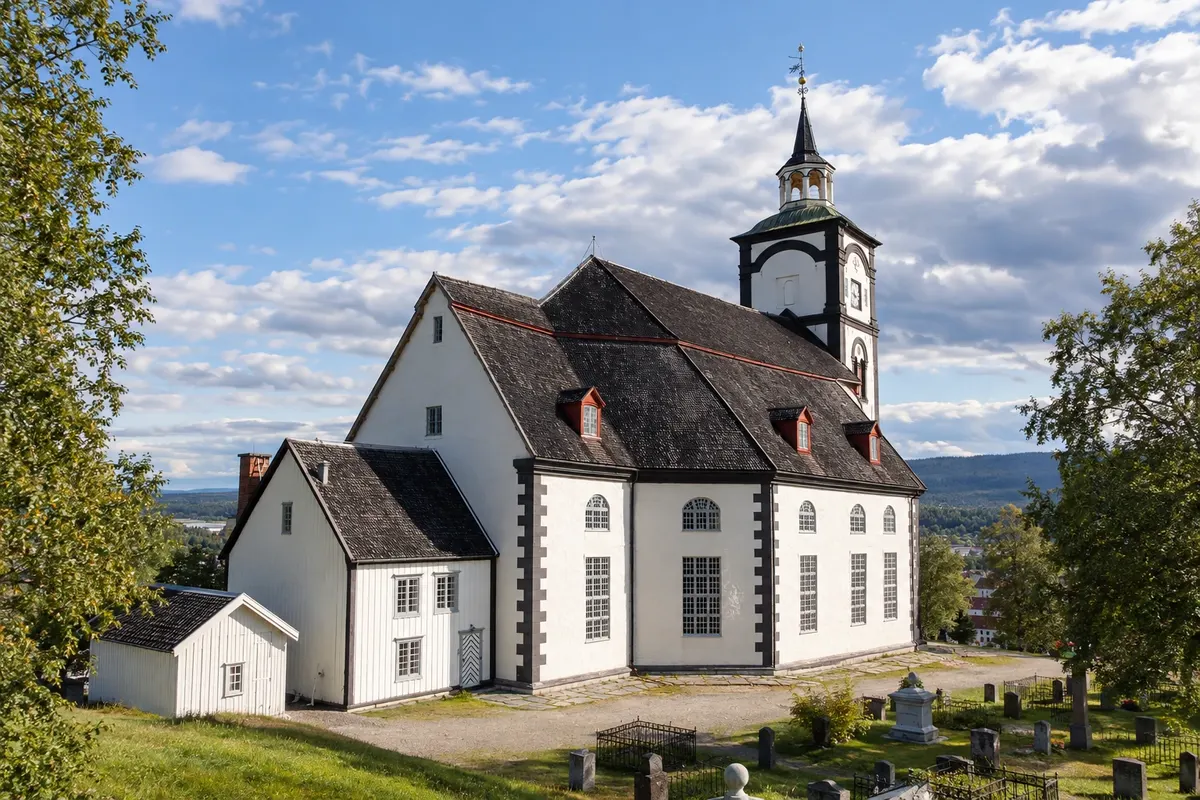
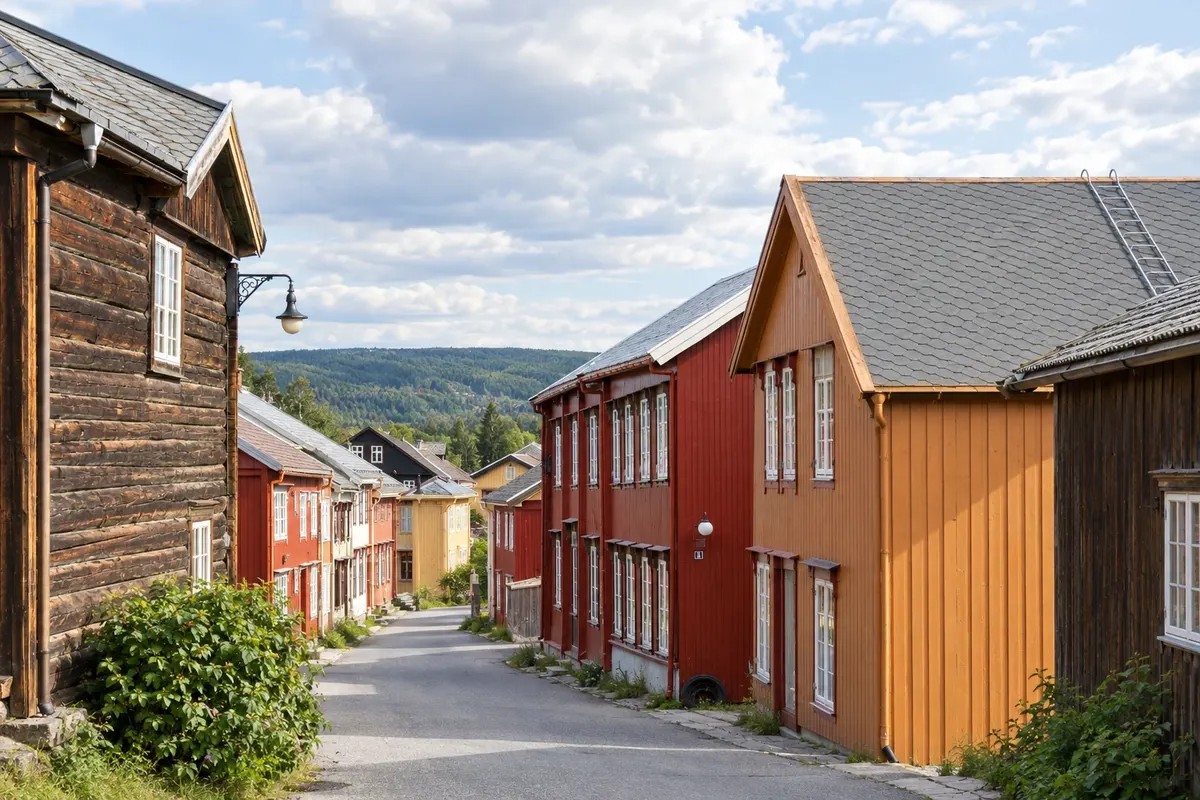
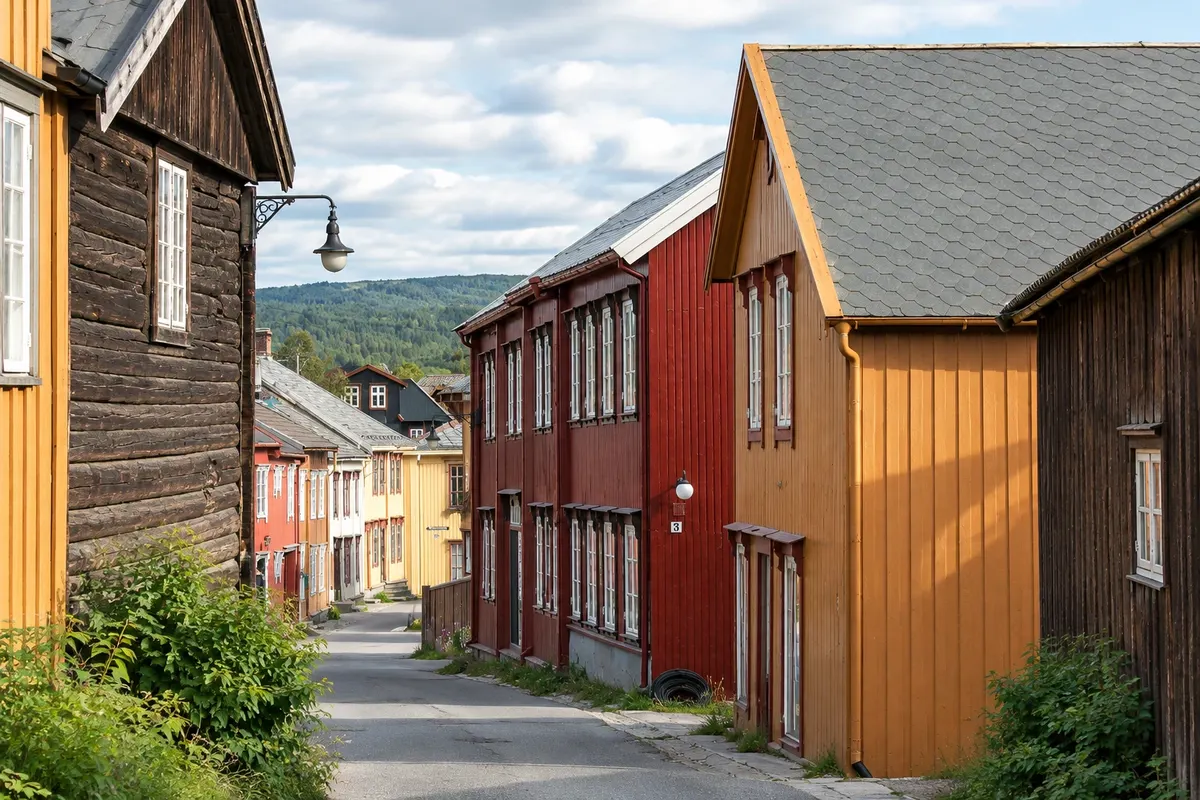
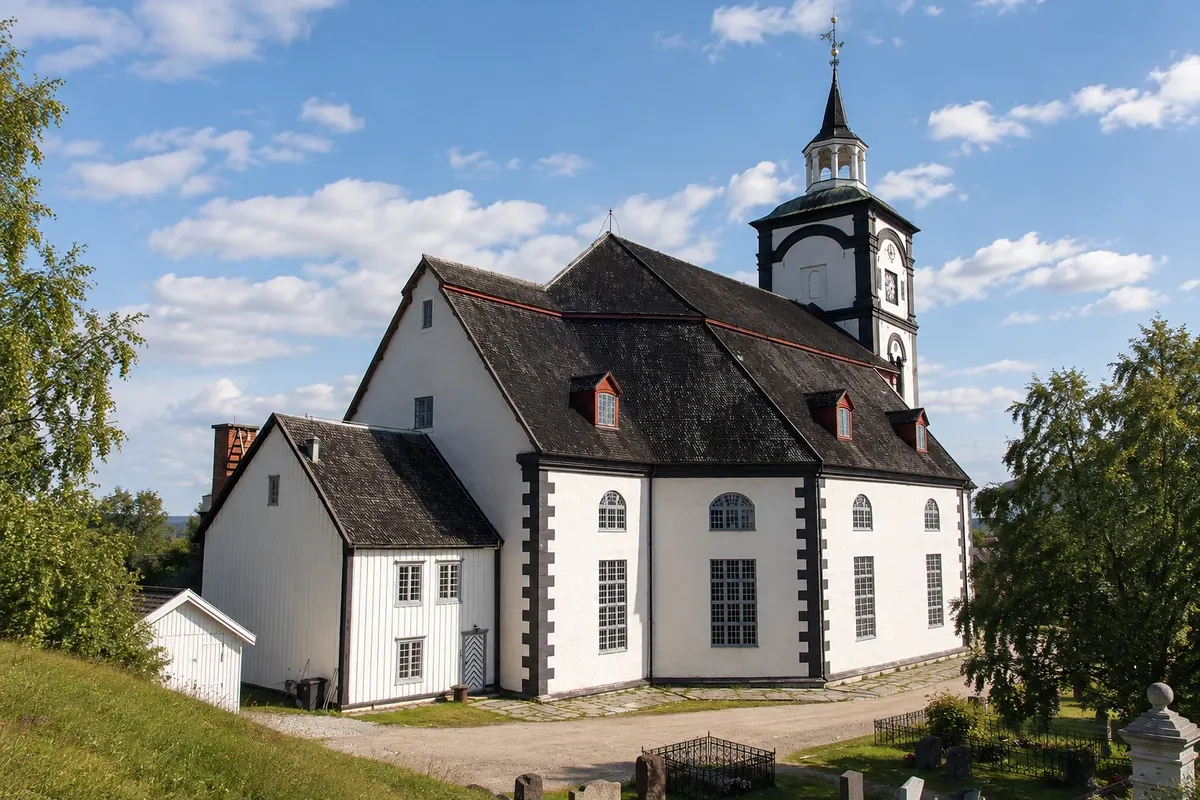
The centre has two main streets, Bergmannsgata and Kjerkgata, with log houses darkened by time, inner courtyards, barns and workshops, many still inhabited. Above the town, the stone church called Bergstadens Ziir, the Pride of the Mining Town, dominates the buildings. By the river, the reconstructed smelter, Smelthytta, houses the mining museum, surrounded by black slag heaps left by copper processing.
Thirteen kilometres away, the Olavsgruva mine shows what work inside the mountain was like, on guided tours. Around the town lie plateaus, lakes and low forests, used by southern Sámi families for reindeer, and the Femundsmarka national park next to Sweden.
Winter is often very cold, with temperatures well below zero and snow from November to April; the town holds a winter fair in February and a Christmas market. In summer the days are generally long and mild.
This destination brings together 1 city: Røros.


 Brazil
 Argentina
 Bolivia
 Chile
Chile Colombia
 Ecuador
 Guyana
 French Guiana
 Falkland Islands (Malvinas)
 Paraguay
 Peru
Peru Suriname
 Uruguay
 Venezuela
 Germany
 Belgium
 Denmark
 Spain
Spain France
 Greece
 the Netherlands
 Ireland
 Italy
Italy Luxembourg
 Portugal
 the United Kingdom
 Sweden
 Switzerland