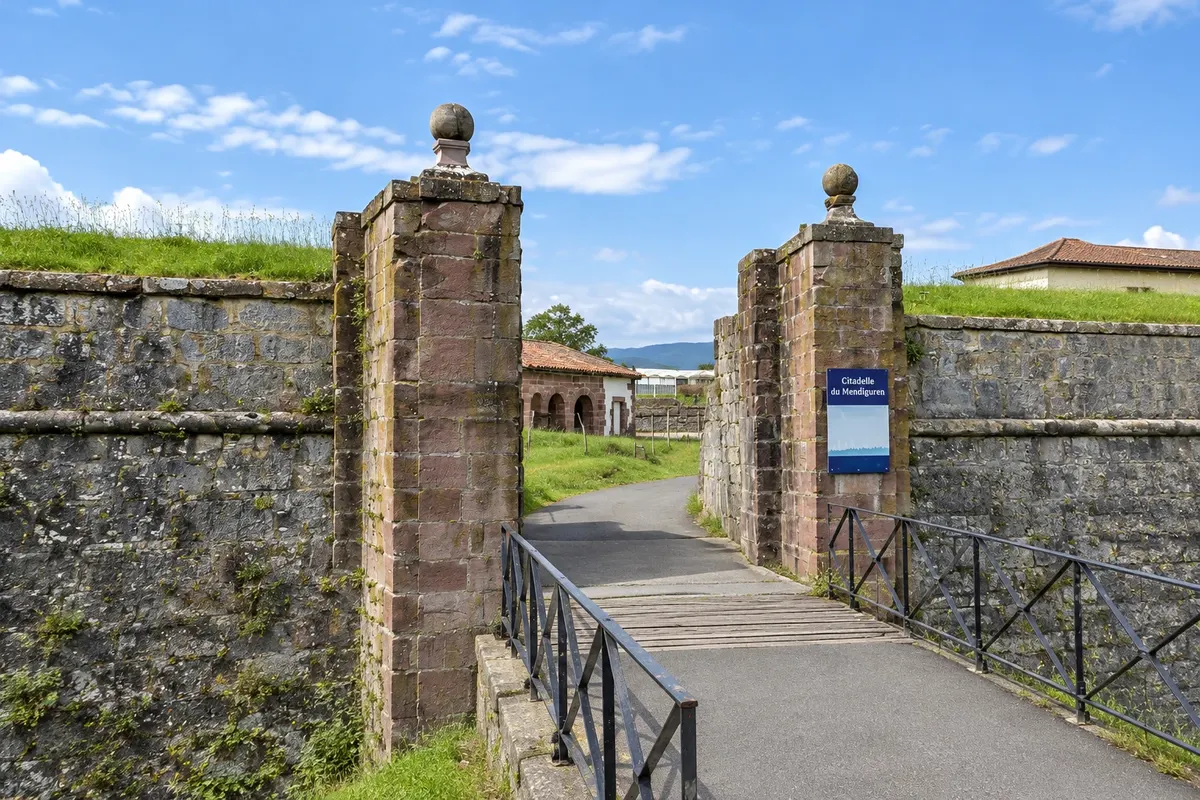
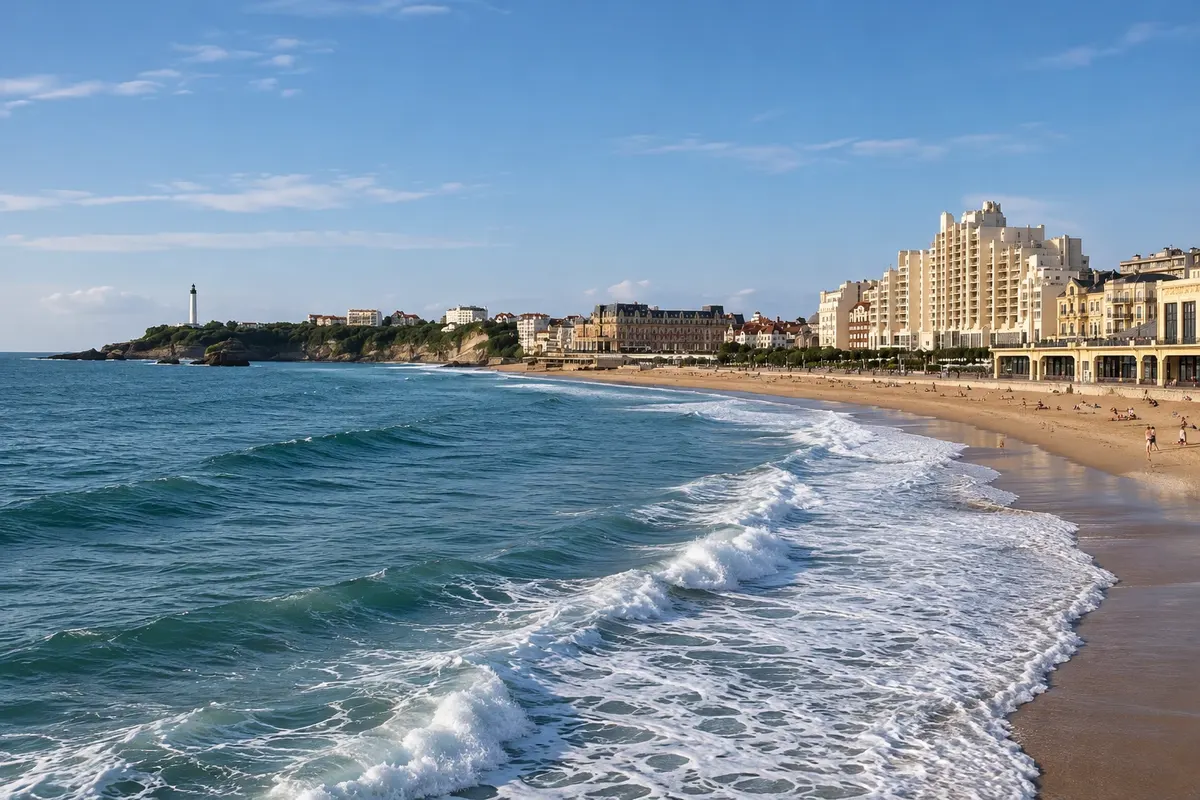
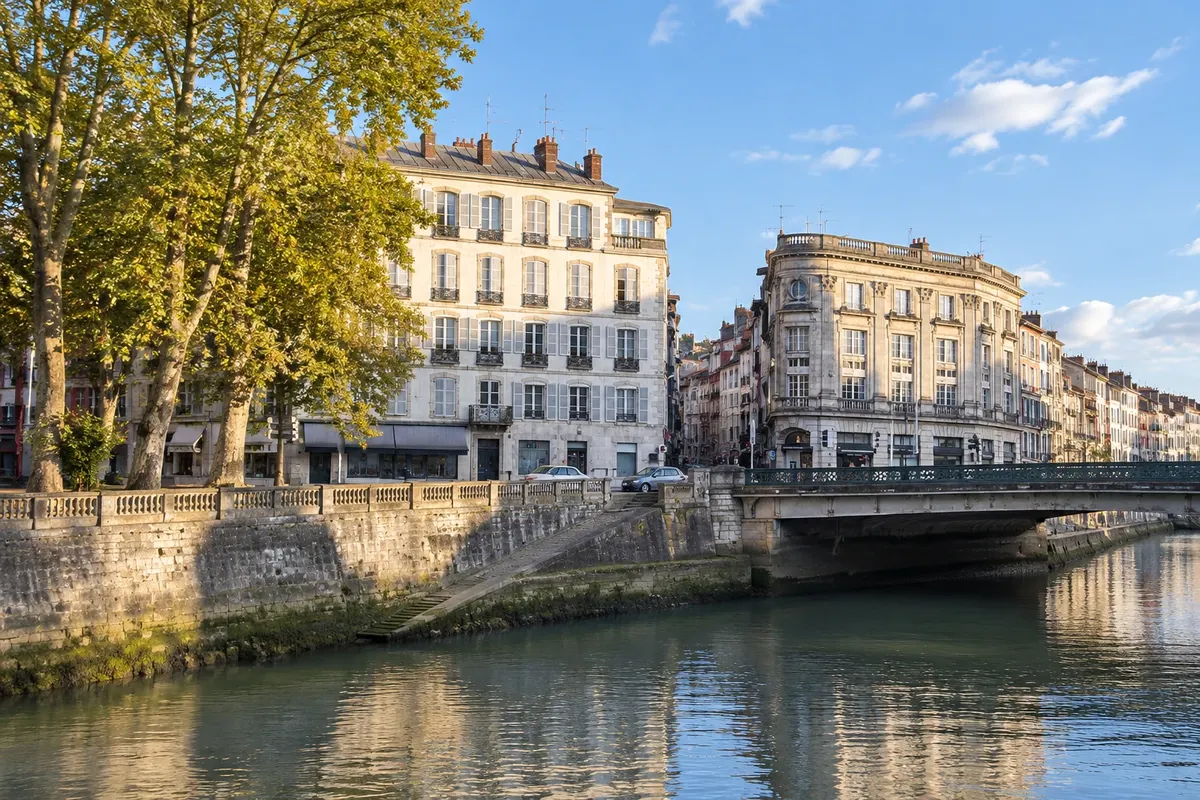
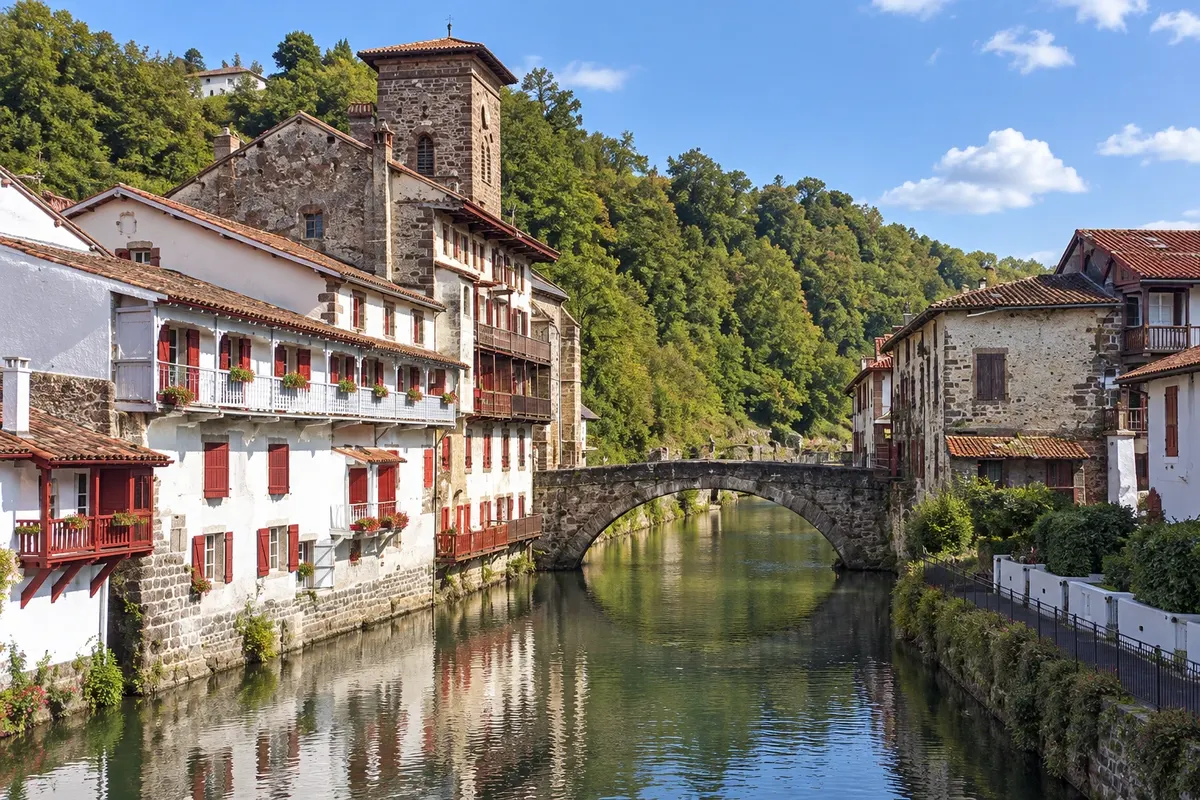
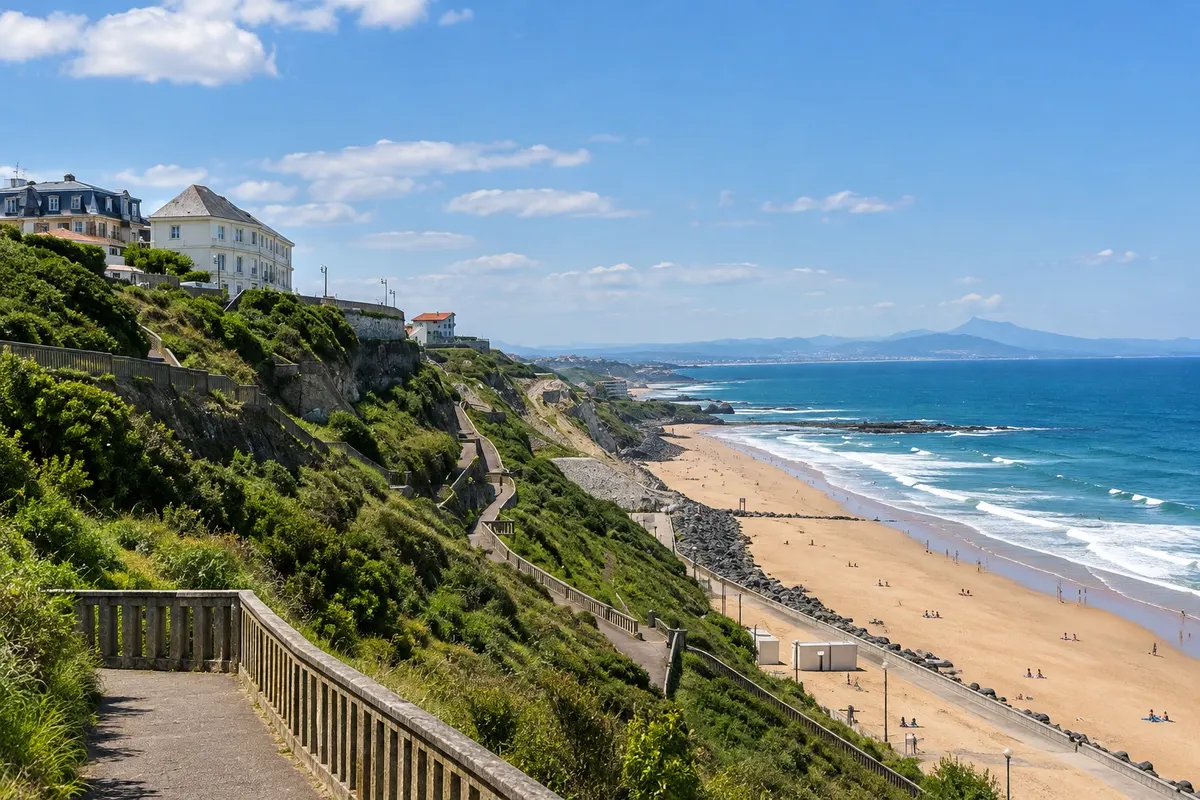
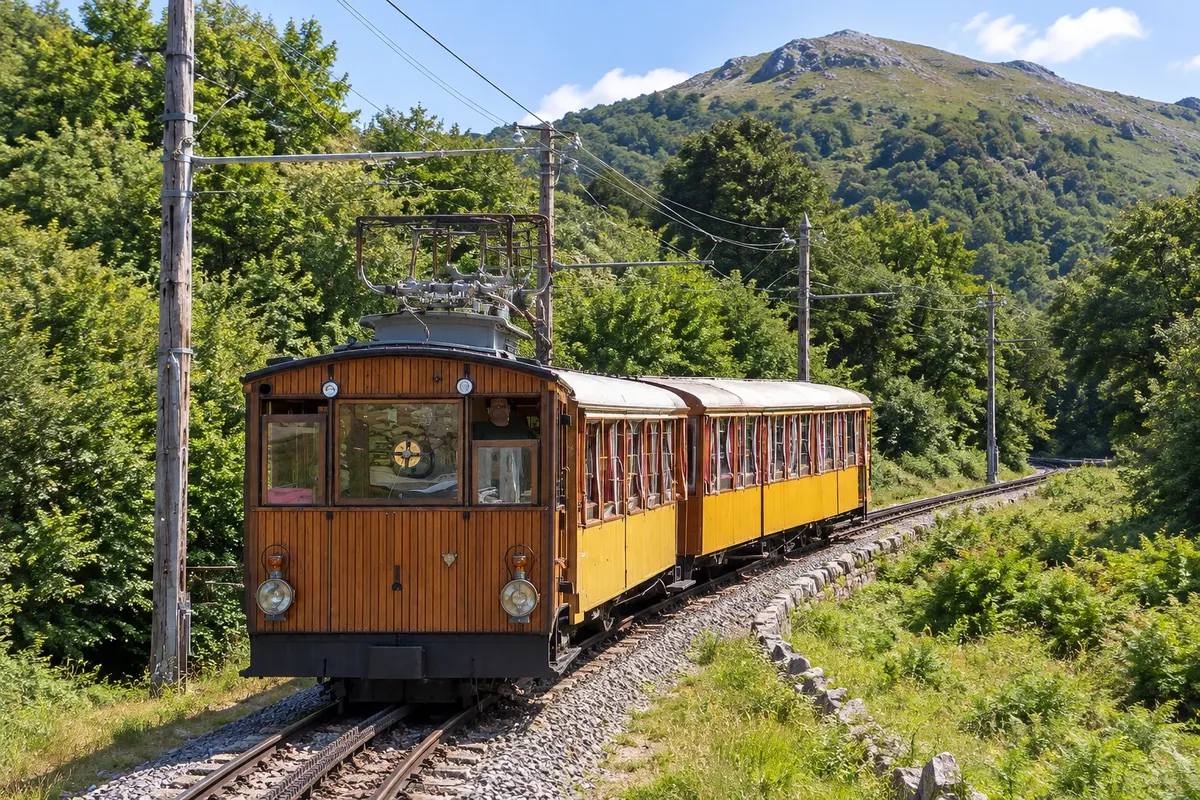
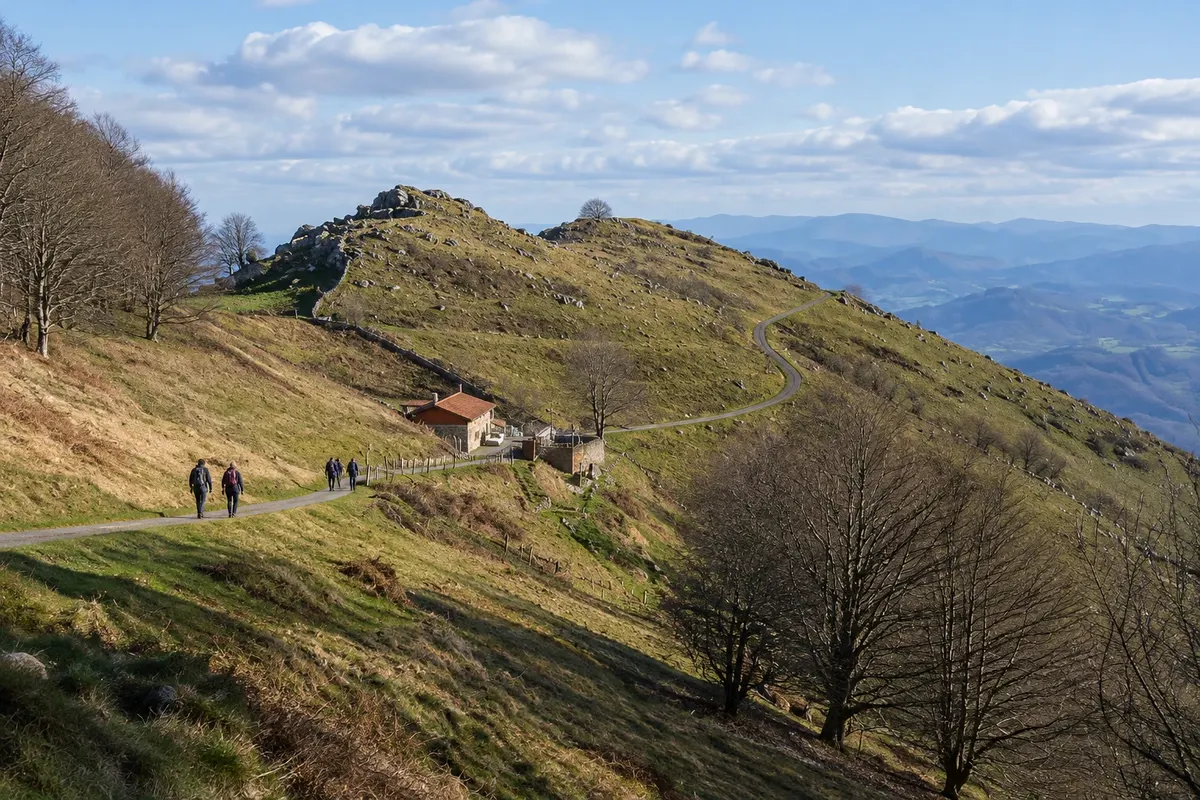
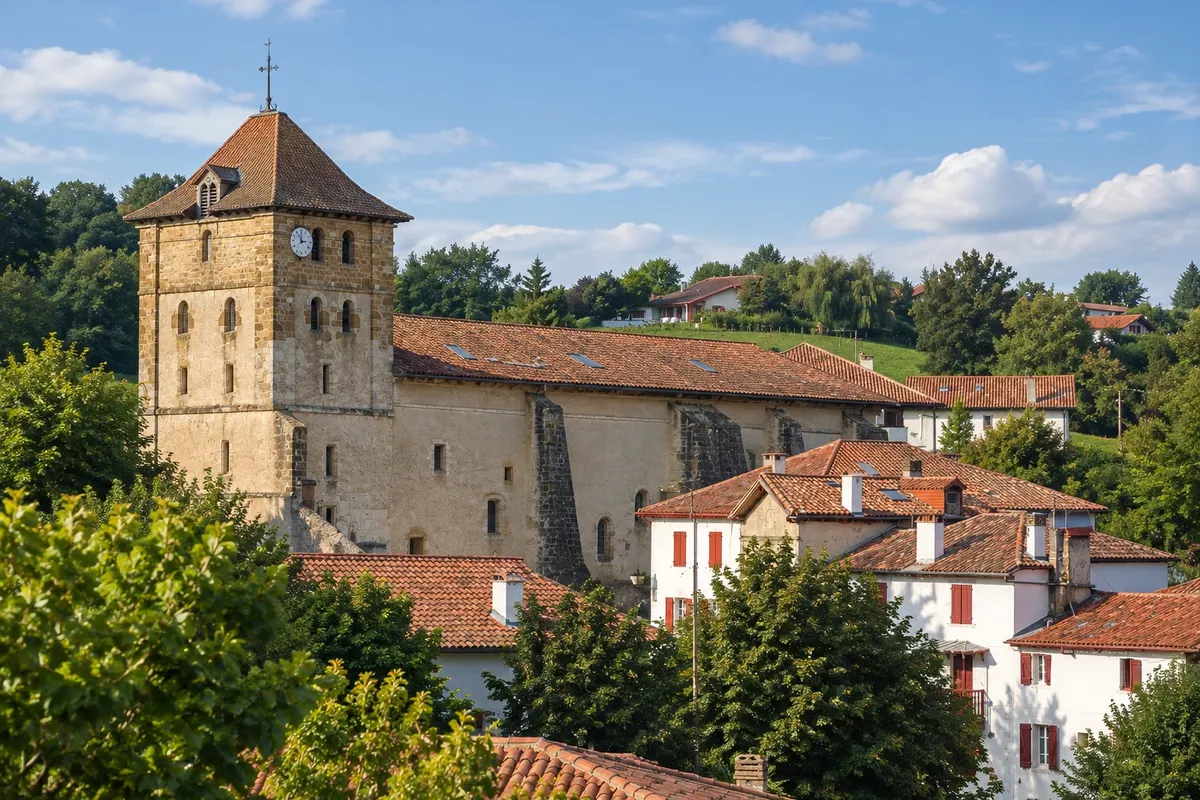
The French Basque Country occupies the southwest corner of France, where the Atlantic coast meets the Pyrenees and the border with Spain. It is the Iparralde, the northern part of the Basque territory, which continues across the border to Bilbao. Here euskara, the Basque language, coexists with French: signs show both names, and Bayonne is also Baiona, Biarritz is Miarritze and Saint-Jean-de-Luz is Donibane Lohizune.
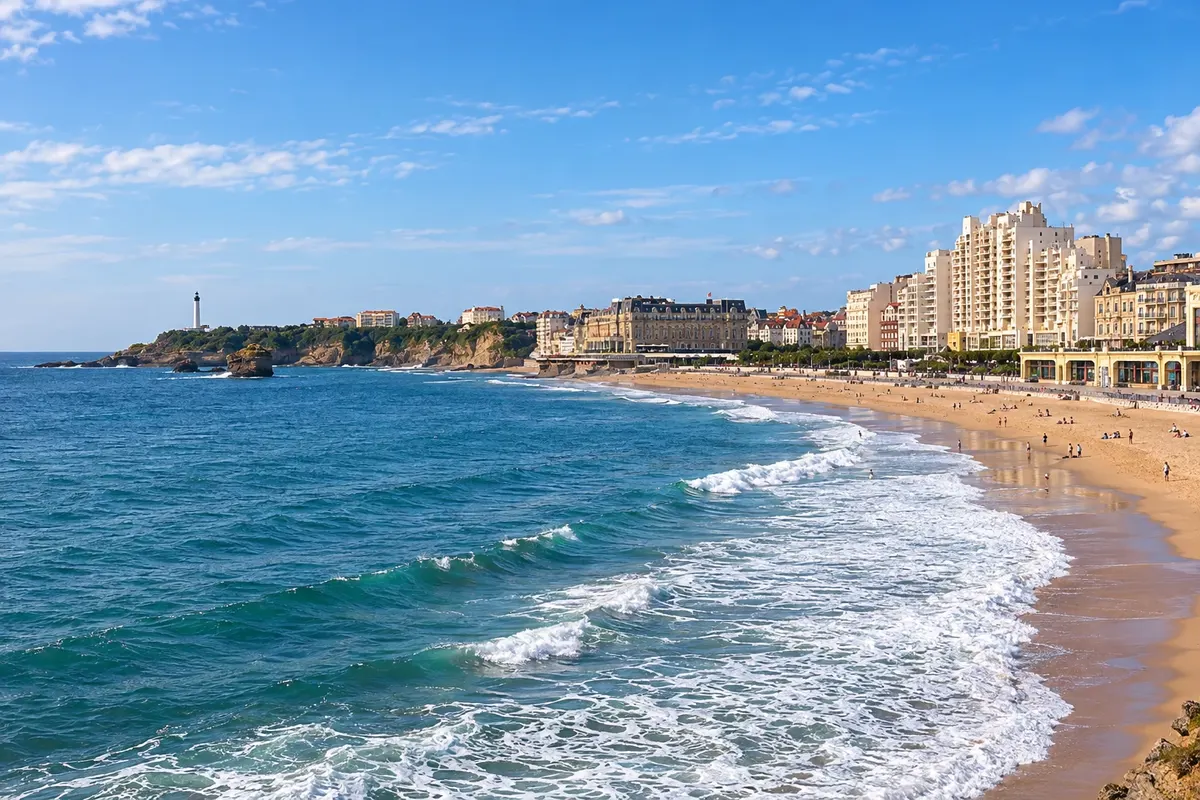
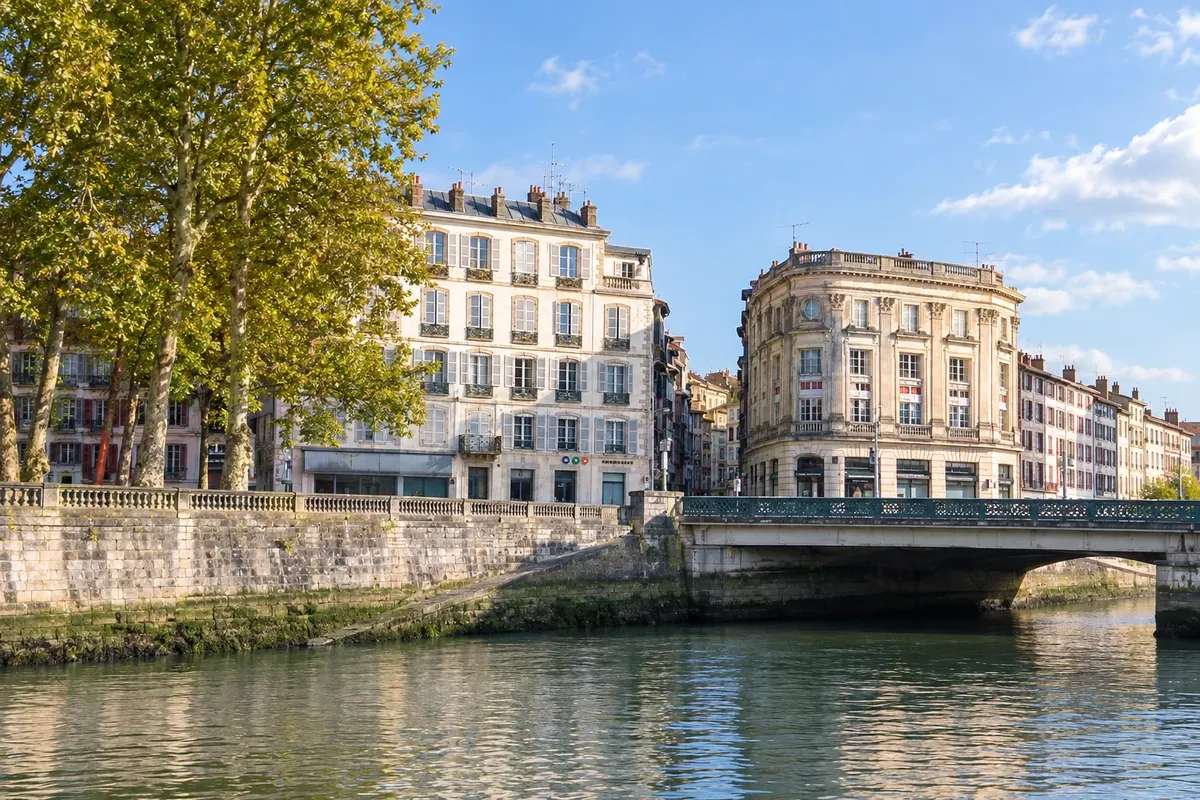
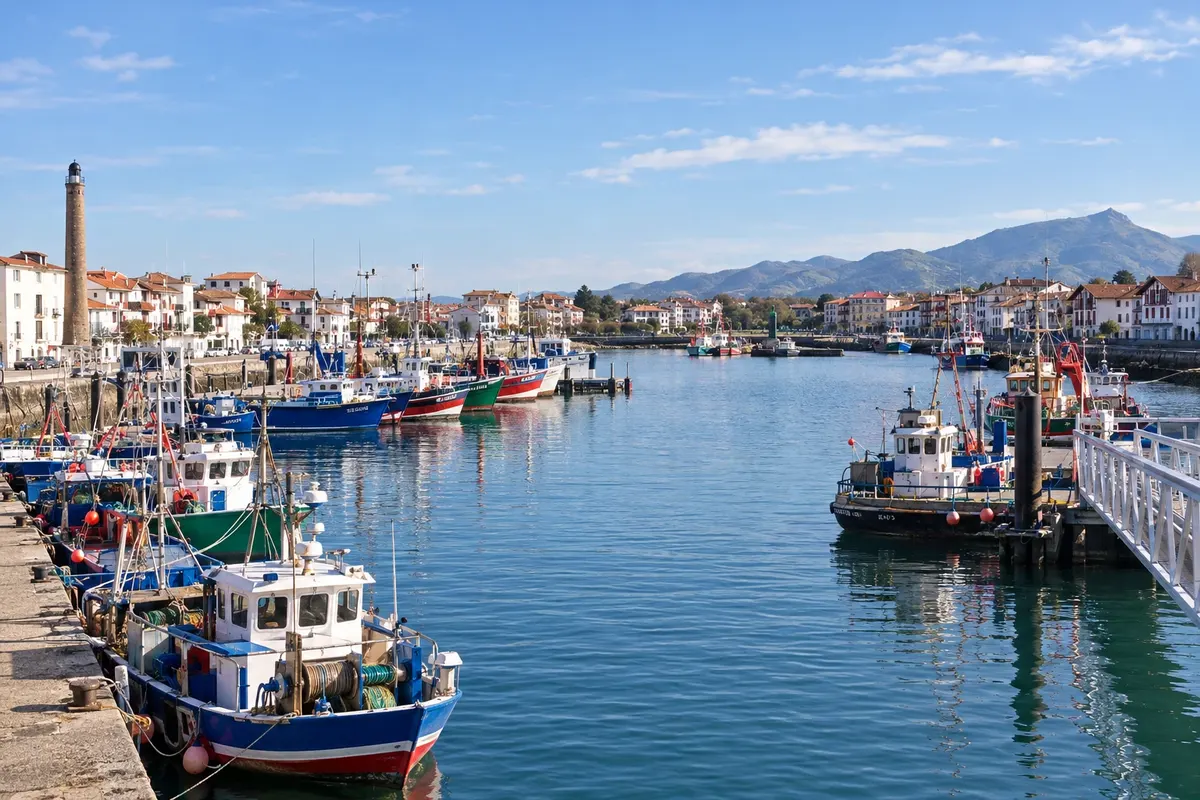
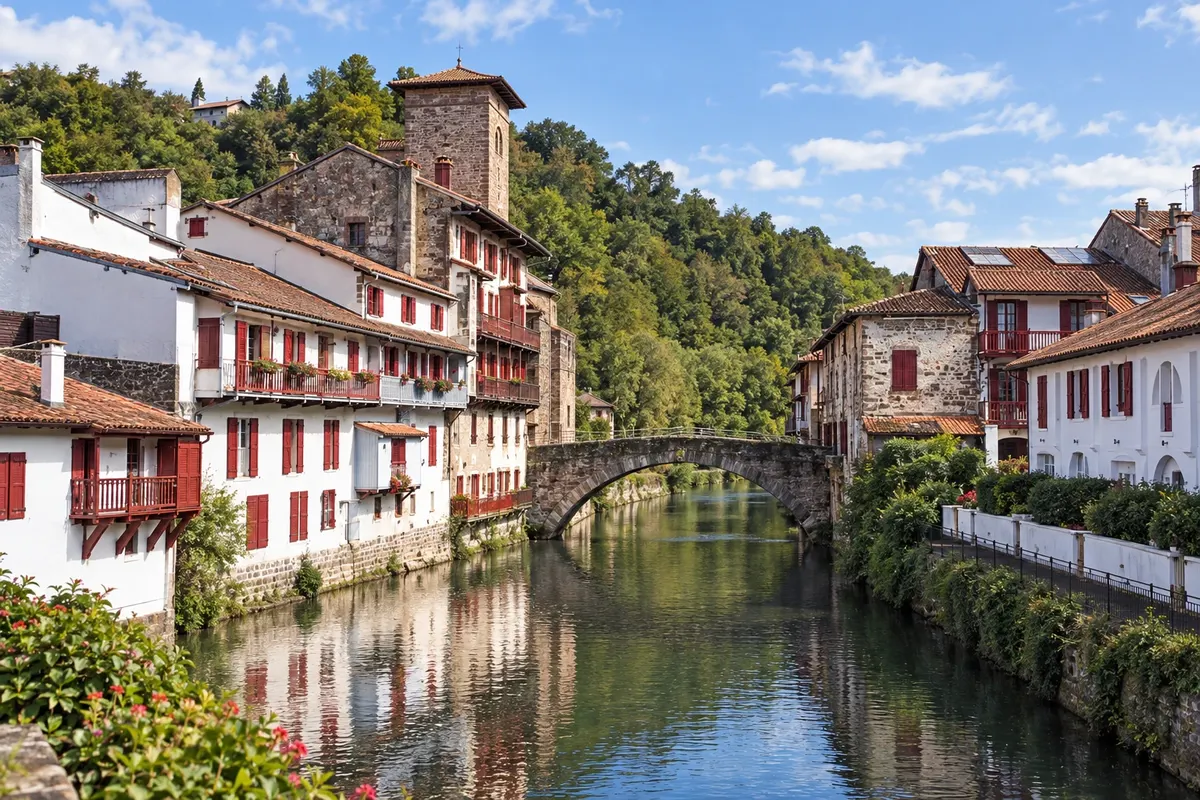
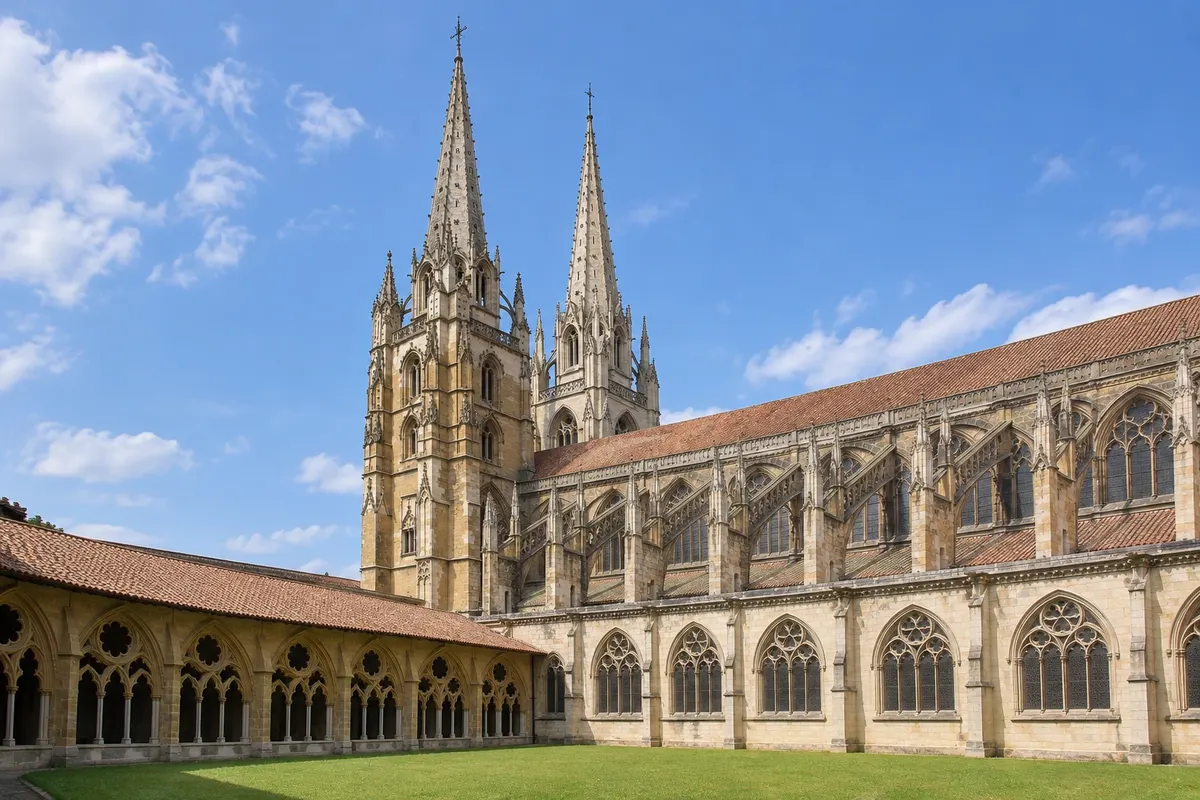
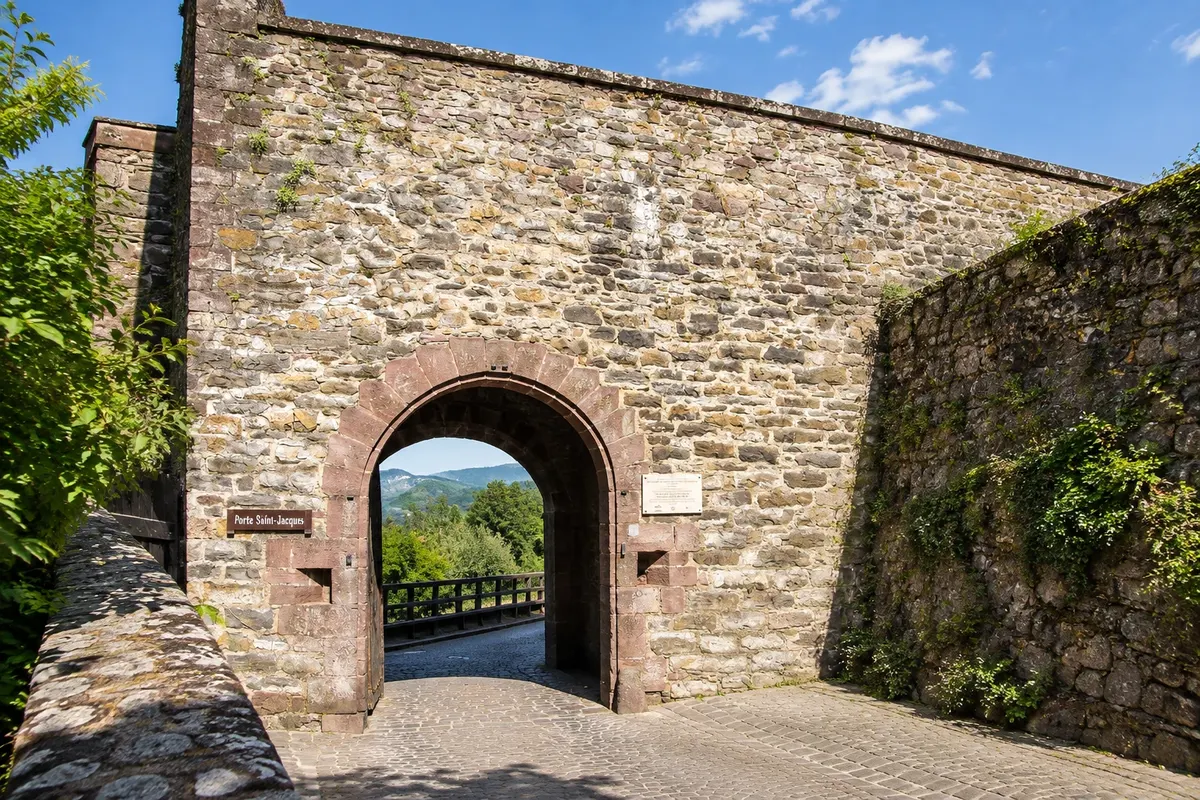
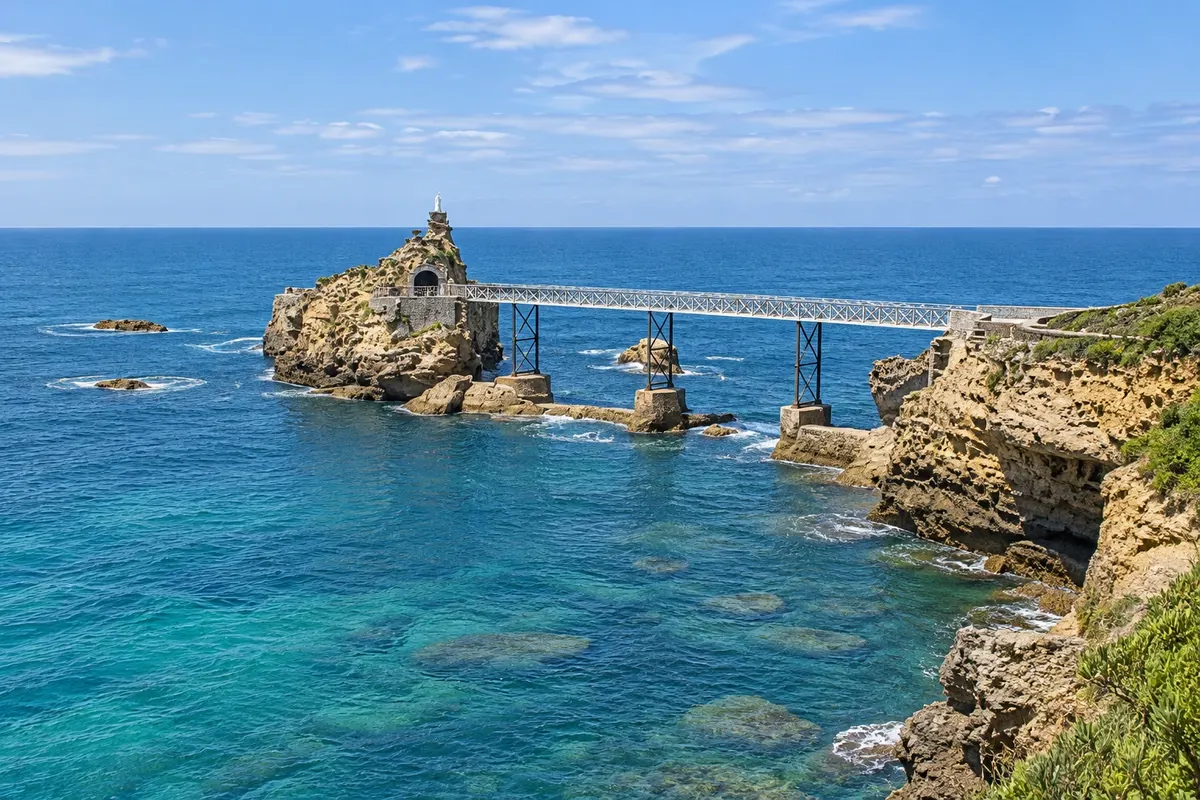
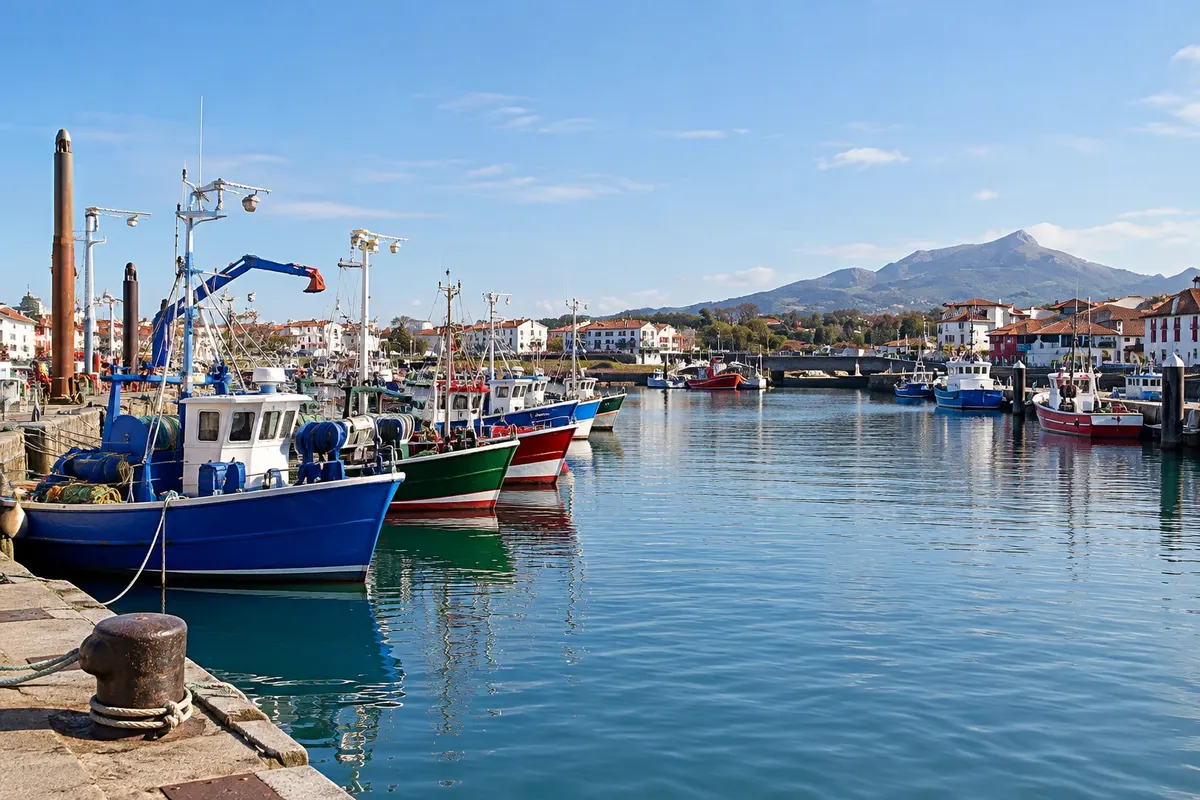
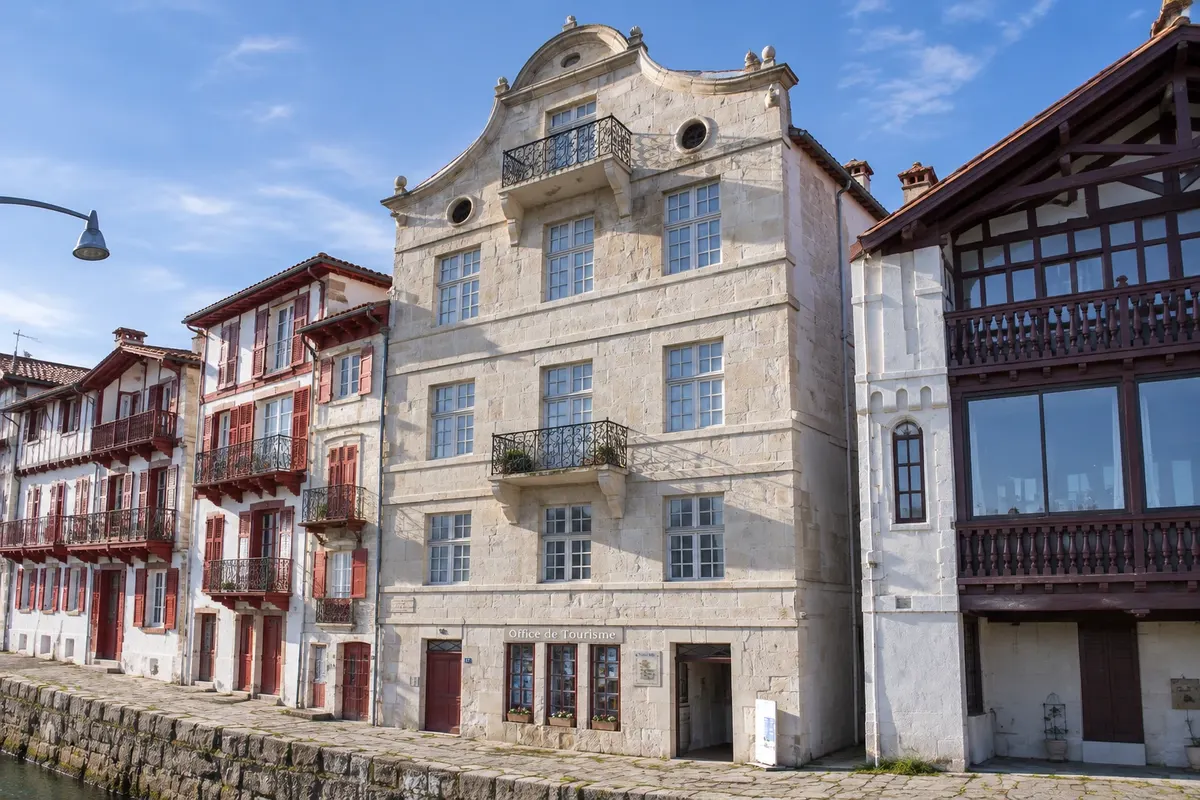
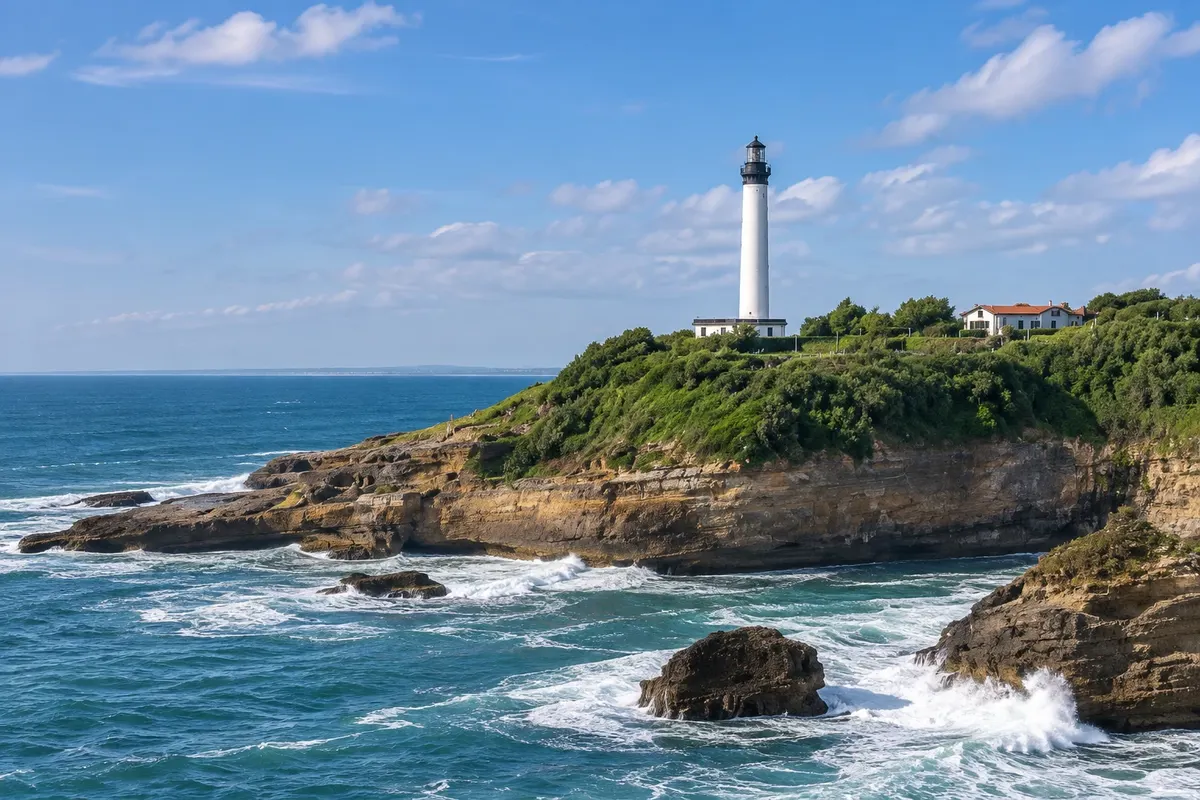
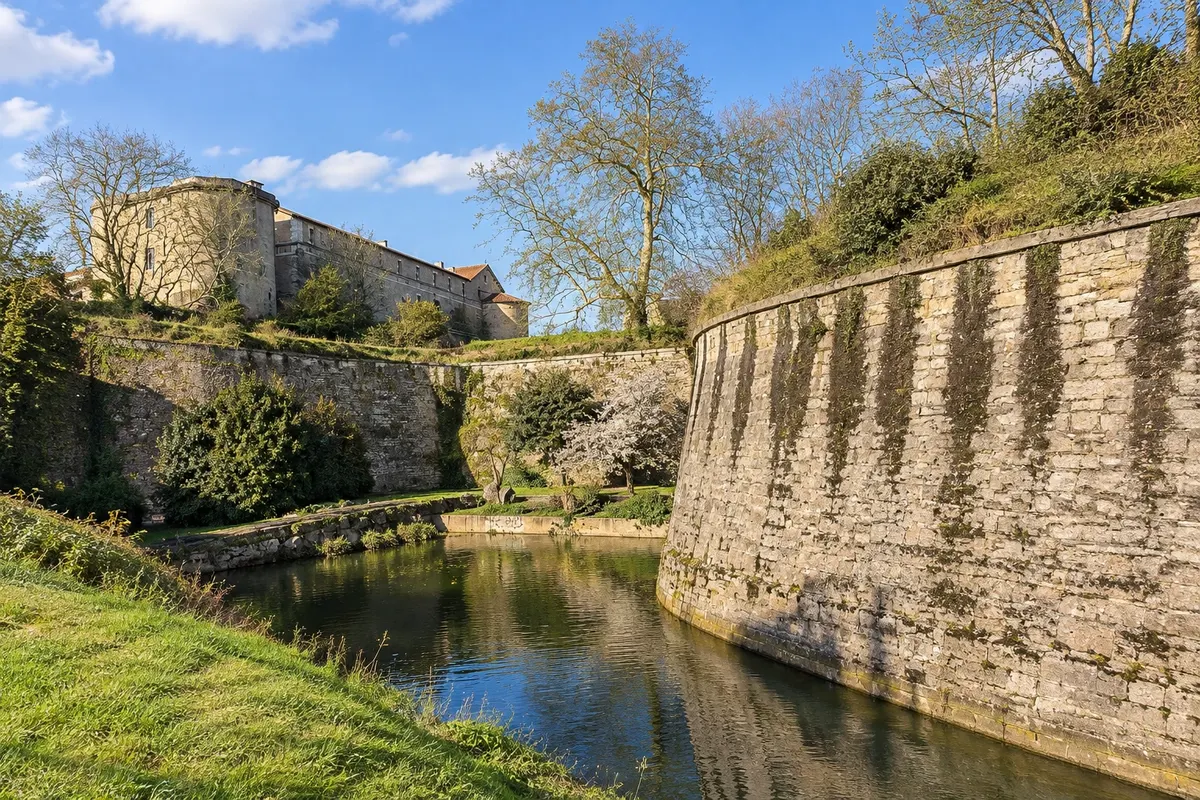
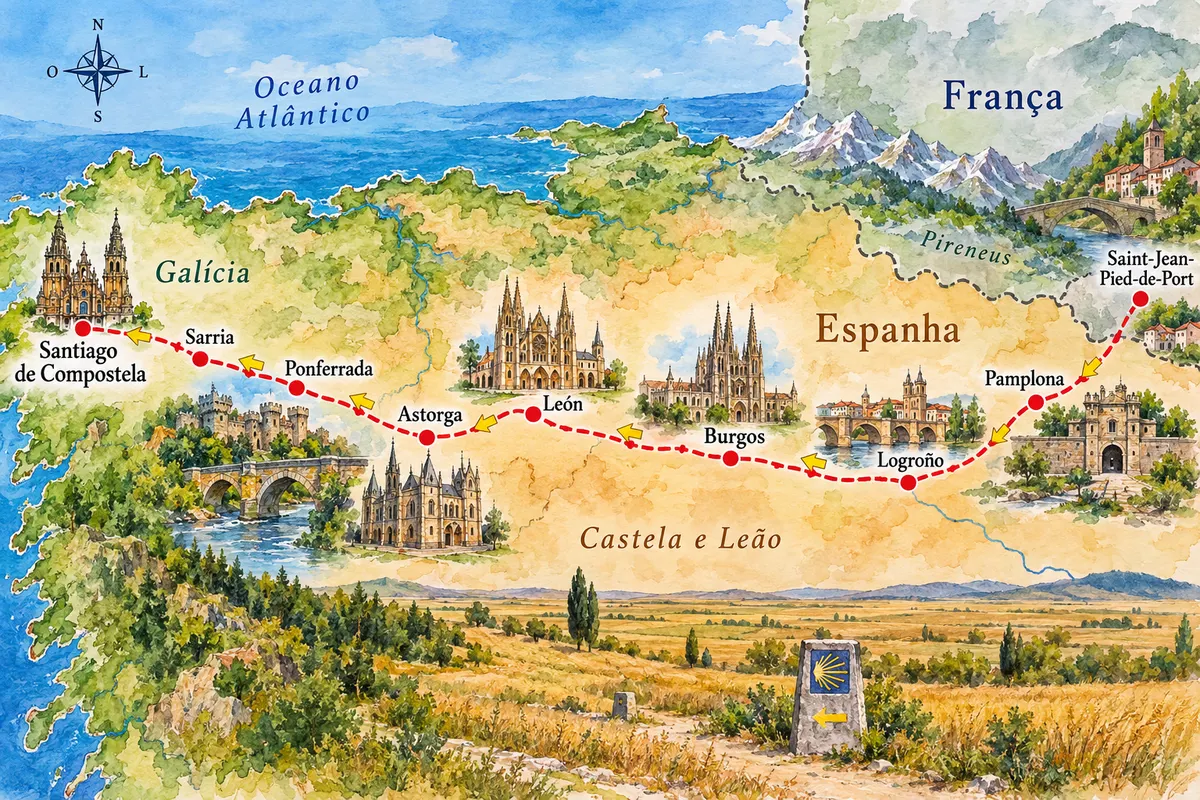
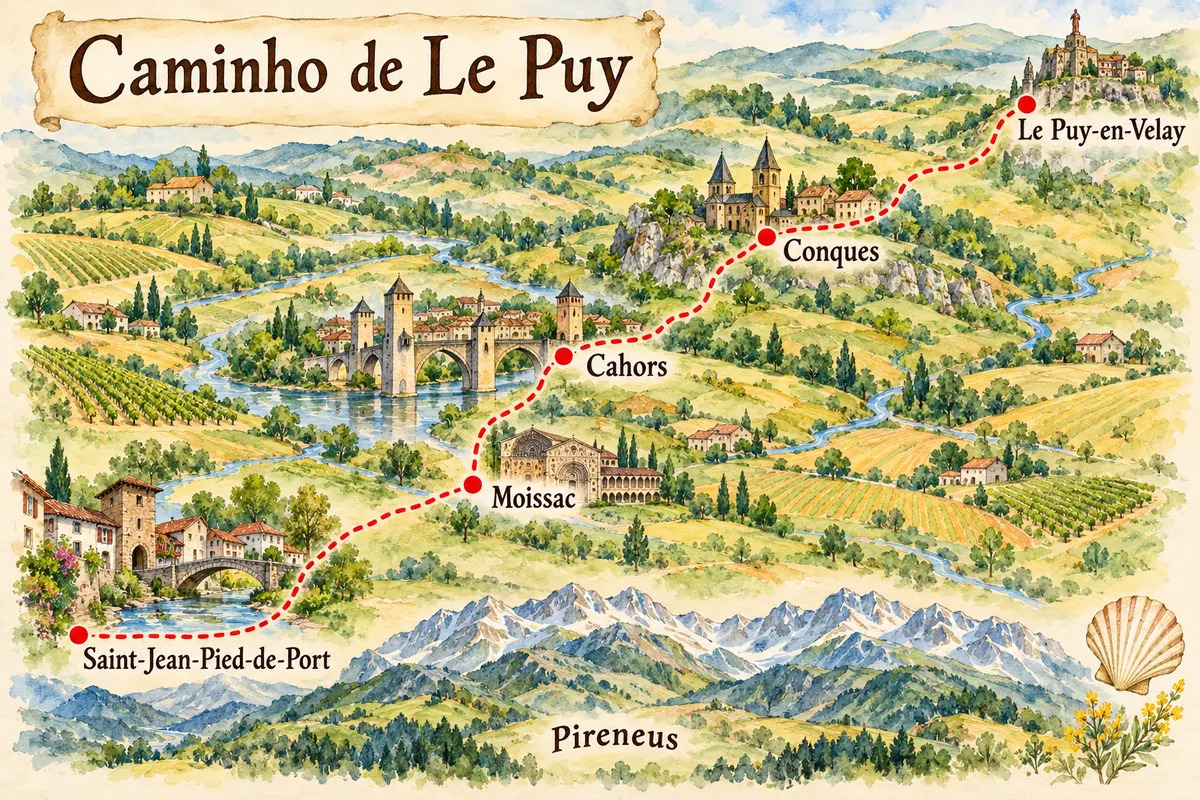
Three towns make up the itinerary, all less than half an hour from each other. Biarritz, the arrival city, was a whaling port and became a seaside resort for the court of Napoleon III and Empress Eugénie in the 19th century; today it is known for surfing, which reached Europe on its beaches at the end of the 1950s. Bayonne, at the junction of the Adour and Nive rivers, has a Gothic cathedral, ramparts, quays with timber-framed houses and colorful windows, and traditions of chocolate and ham. Saint-Jean-de-Luz, in a sheltered bay, is a fishing port where Louis XIV married in 1660. Inland, Saint-Jean-Pied-de-Port, at the foot of the Pyrenees, is the starting point of the French Way of St. James and the end of the route coming from Le Puy-en-Velay.
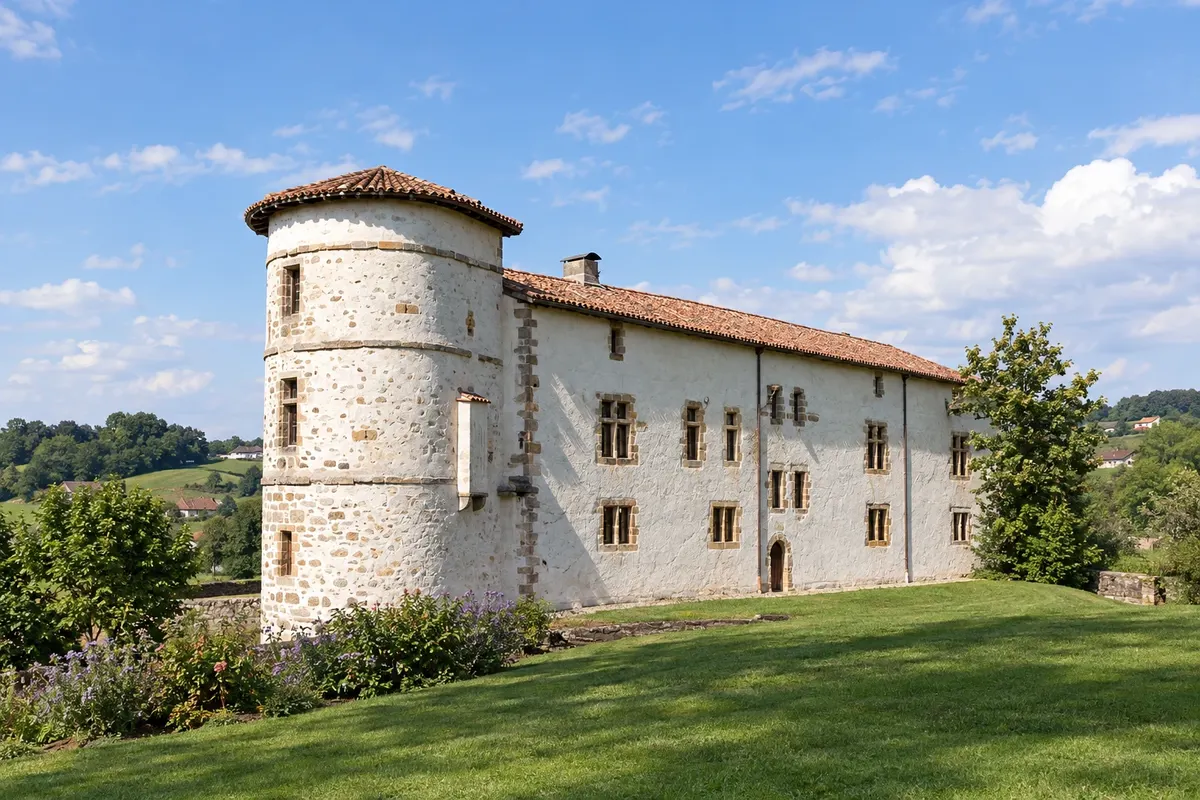
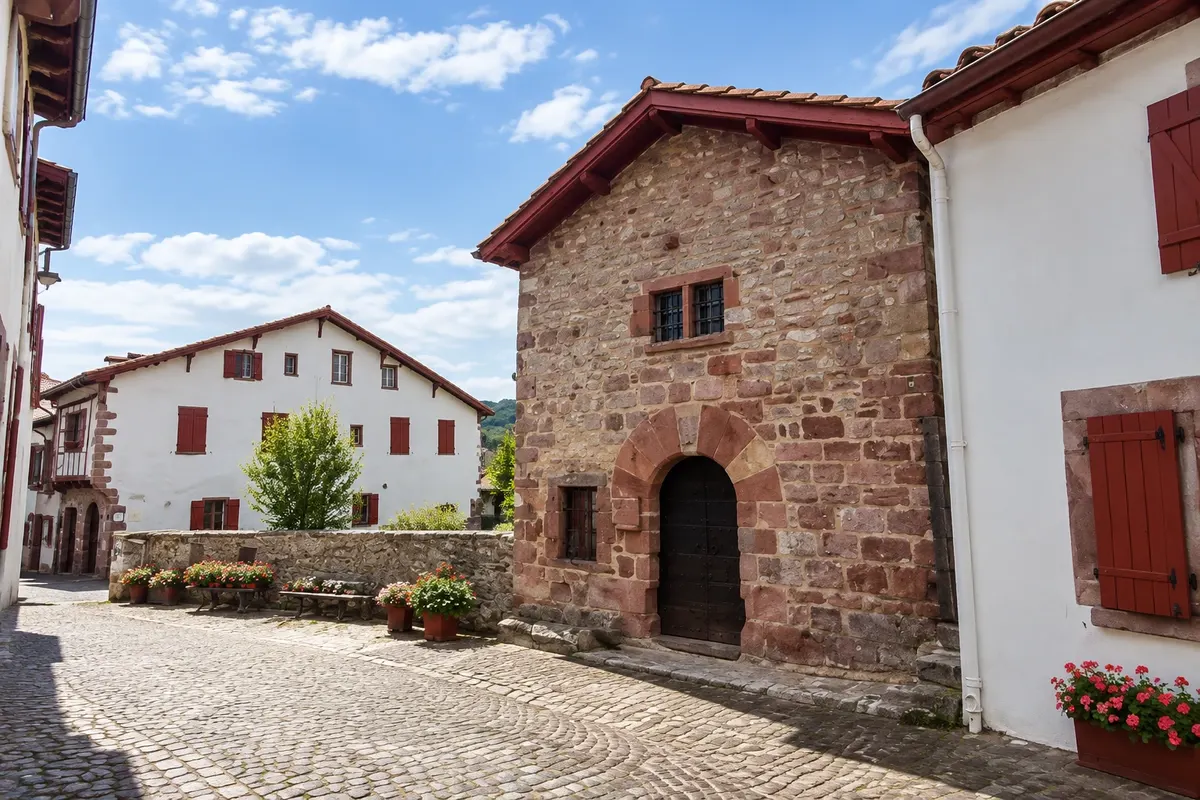
Basque culture appears everywhere: the pelota fronton in every village, white houses with wood painted red or green, berets, summer festivals and the cuisine with piment d'Espelette, the protected-designation pepper that is dried in strings on the façades in Espelette. On the other side of the border, San Sebastián is about 30 km from Saint-Jean-de-Luz, and you can get there by car, bus or train via Hendaye.
The train links the three towns in a few minutes, and the inland villages require a car or regional bus.
This destination brings together 4 cities: Biarritz, Bayonne, Saint-Jean-de-Luz, Saint-Jean-Pied-de-Port.


 Brazil
 Argentina
 Bolivia
 Chile
Chile Colombia
 Ecuador
 Paraguay
 Peru
Peru Uruguay
 Germany
 Belgium
 Spain
Spain Greece
 the Netherlands
 Ireland
 Italy
Italy Luxembourg
 Portugal
 the United Kingdom
 Switzerland