

 Brazil
 Argentina
 Bolivia
 Chile
Chile Colombia
 Ecuador
 Paraguay
 Peru
Peru Uruguay
 Germany
 Belgium
 Spain
Spain Greece
 the Netherlands
 Ireland
 Italy
Italy Luxembourg
 Portugal
 the United Kingdom
 Switzerland
Church
Église Saint-Jean-Baptiste
The church where Louis XIV was married in 1660, with wooden galleries on three sides, a 17th-century gilded altarpiece and a votive ship hanging in the nave.
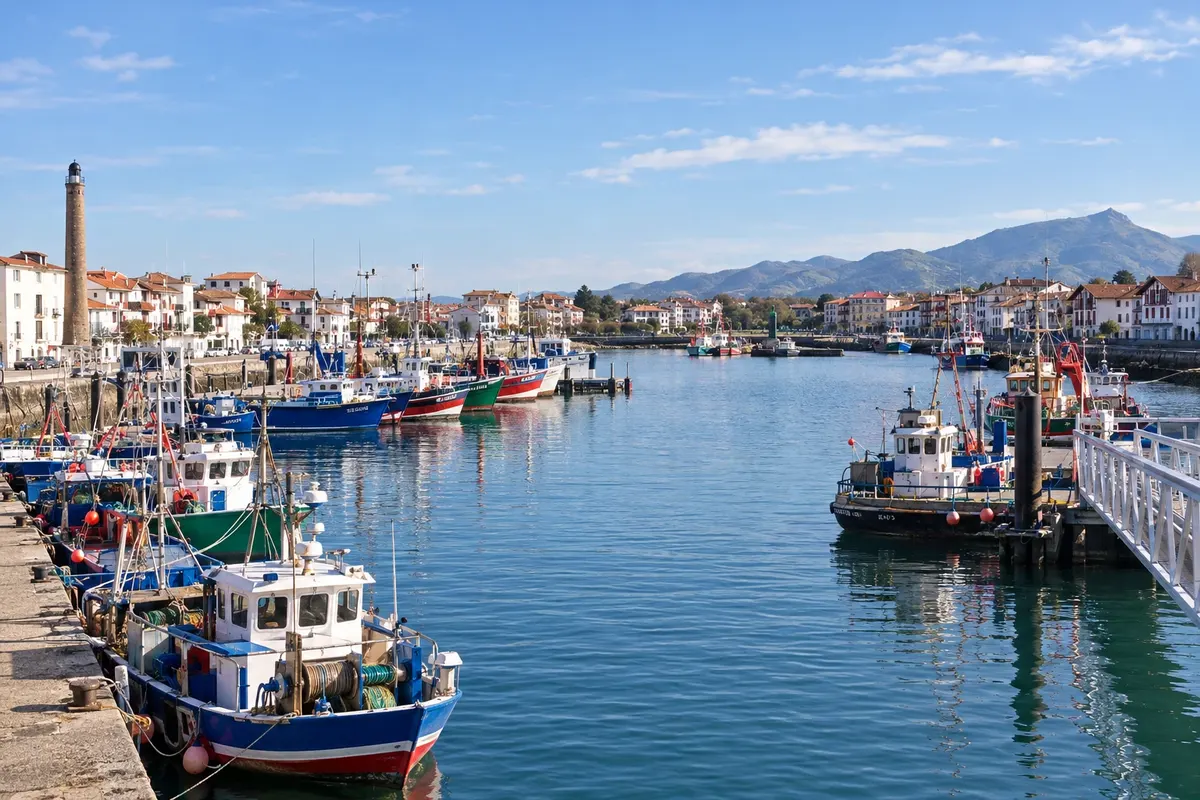
Nova Aquitânia · France
In the destination French Basque Country.
In the photo: Port of Saint-Jean-de-Luz
Illustrative images. The pictures in this guide are illustrations based on the real place, not photographs, and may differ from it.
The city
Saint-Jean-de-Luz (Donibane Lohizune, in Basque) is a fishing port in a bay protected by three breakwaters, shared with Ciboure on the other side of the river Nivelle. Fishermen from here sailed to Newfoundland for cod and whales, and privateers left the port in the king's service. In 1660 Louis XIV married the Infanta Maria Theresa of Spain in the church of Saint-Jean-Baptiste, and the houses where they stayed are still standing. Today the pedestrian center links the port to the beach, and the town is a base for the La Rhune train, for Espelette and for San Sebastián across the border.
There's no accommodation in the guide yet in Saint-Jean-de-Luz.
There are no restaurants in the guide yet in Saint-Jean-de-Luz.
Know a good one? Recommend it to ushow to get there · how many days · itinerary · questions
The local experience
The church where Louis XIV was married in 1660, with wooden galleries on three sides, a 17th-century gilded altarpiece and a votive ship hanging in the nave.
The shipowner's house from 1643 where Luís XIV stayed for about 40 days in 1660, before the wedding; it still belongs to the same family and opens for guided visits in season.
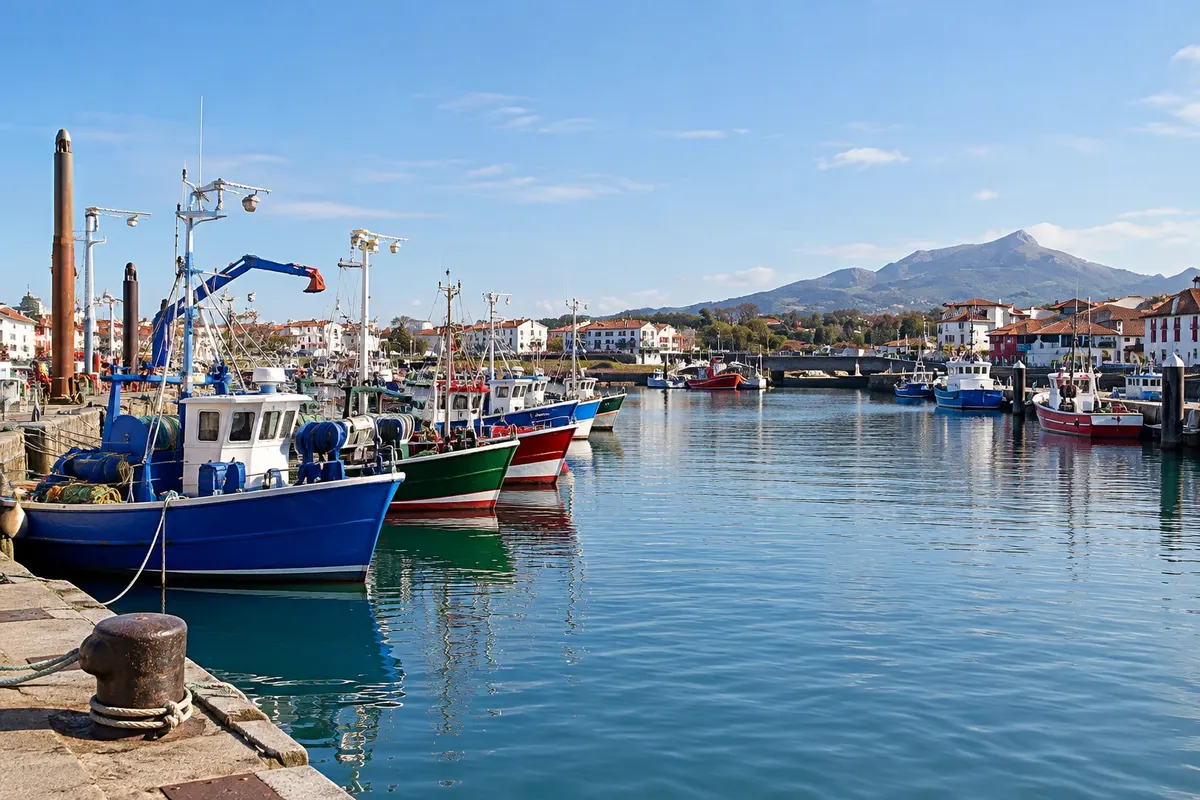
The fishing port, shared with Ciboure, from which the Basques set out for Newfoundland and from where corsairs sailed in service of the king; today it has fishing boats, quays and fish restaurants.
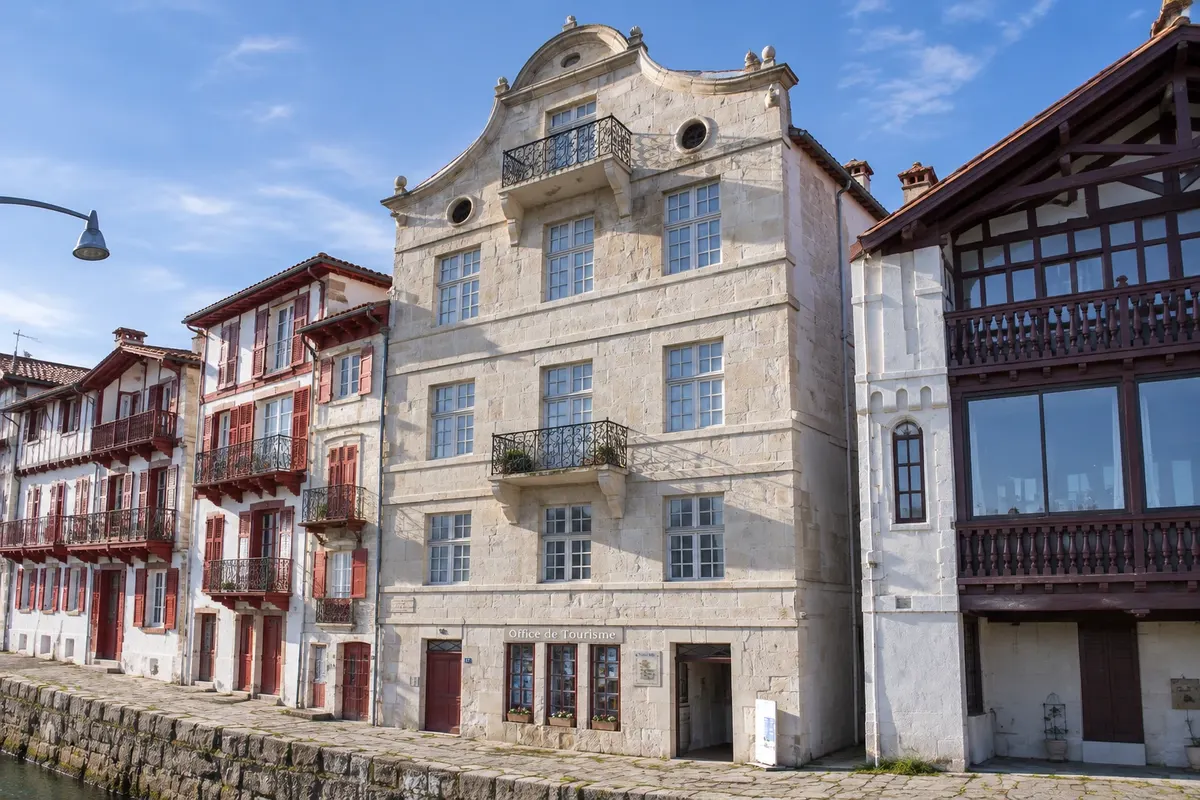
The village on the other side of the port, with painted wooden Basque houses facing the water, the house where Maurice Ravel was born, the church of Saint-Vincent and the fort of Socoa at the bay entrance.
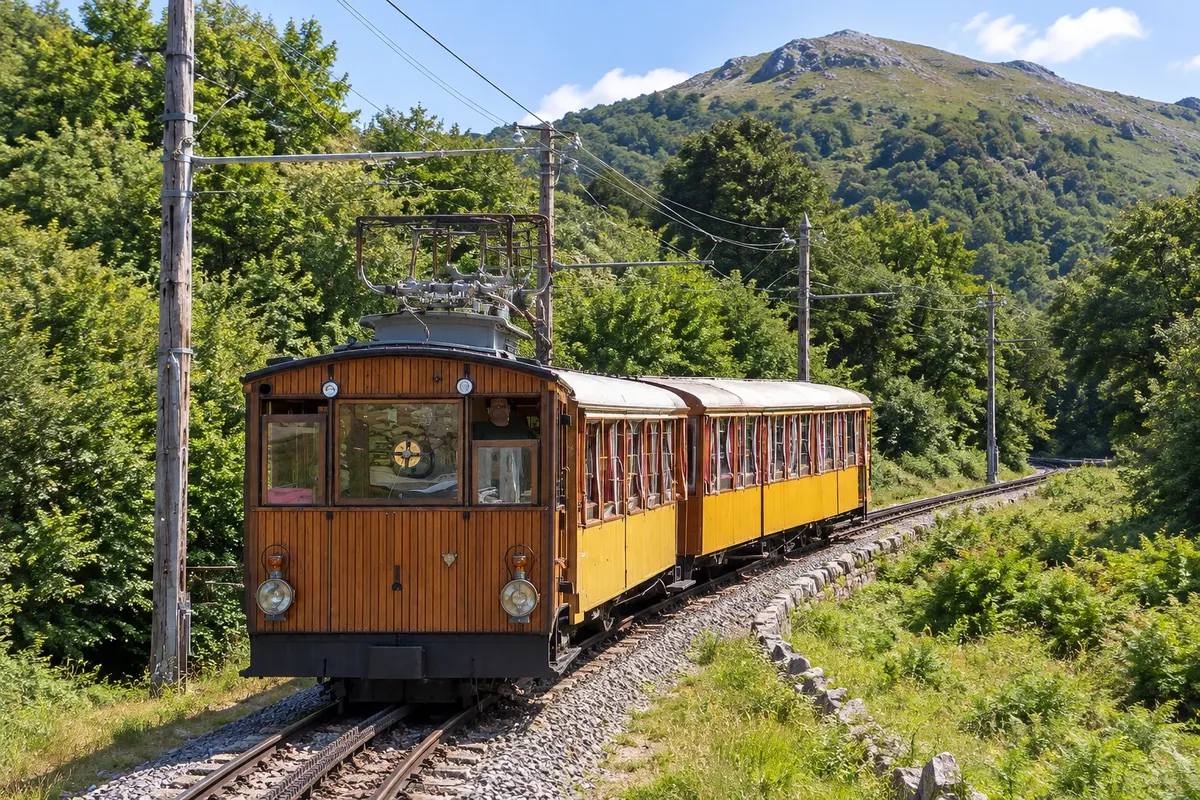
The 1924 rack railway that climbs from col de Saint-Ignace in Sare to the summit of La Rhune at 905 meters, on the border with Spain, with views of the Basque coast and the Pyrenees.
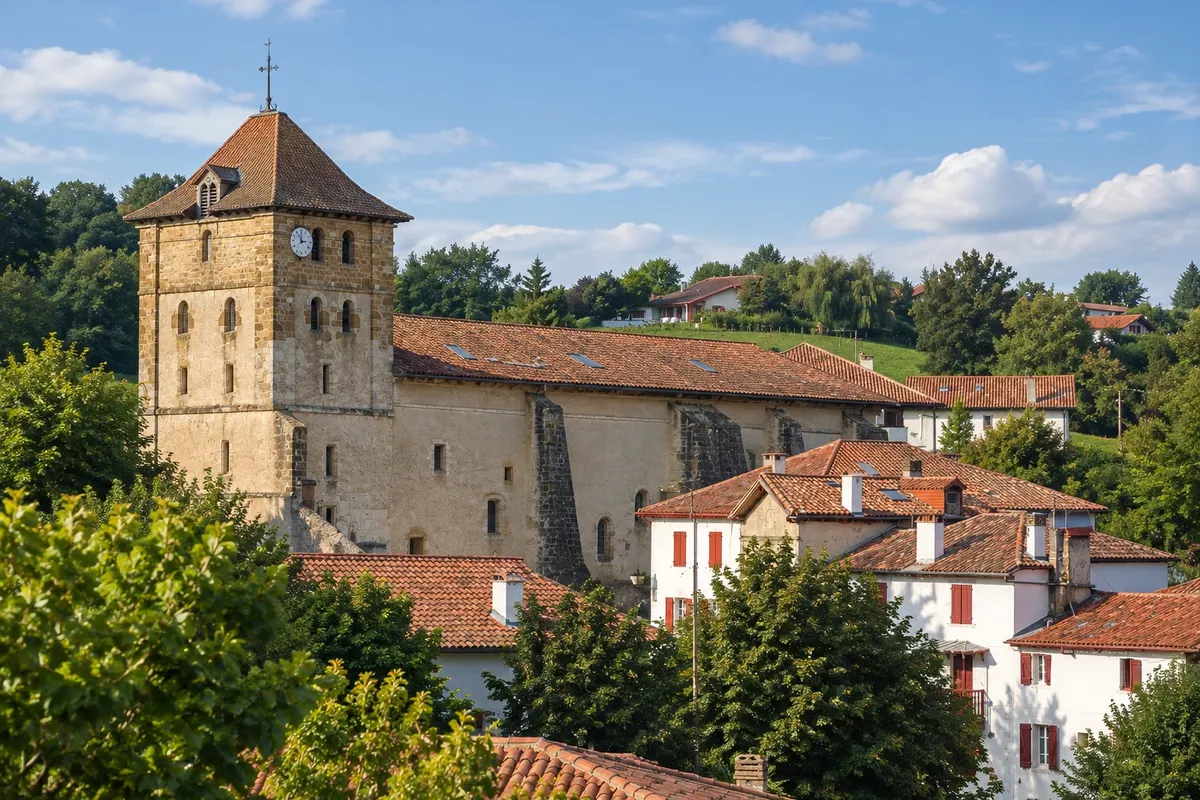
The Basque village famous for its denomination-of-origin pepper, with white houses with red timbering draped in strings of peppers in autumn, the barons' castle and the pepper festival in October.