Church
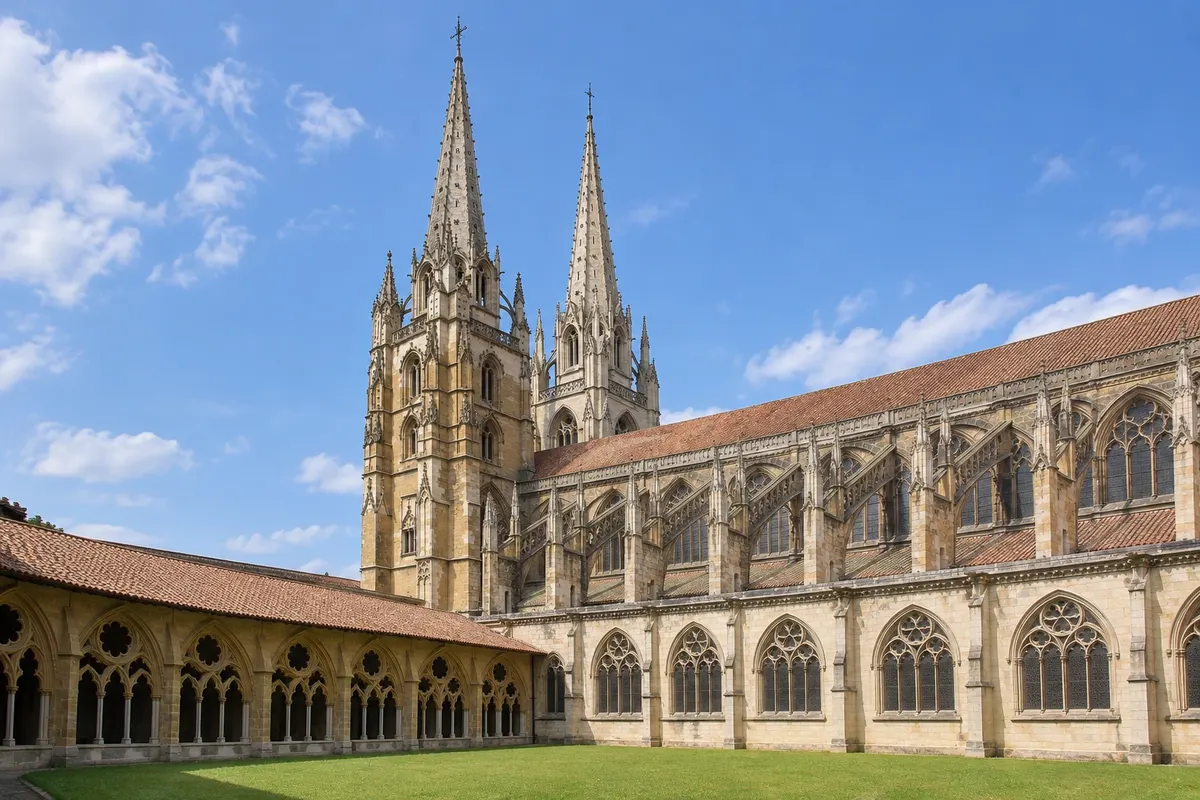
Cathédrale Sainte-Marie de Bayonne
The Gothic cathedral of Bayonne, with the two pointed towers visible from afar, Renaissance stained glass and one of the largest cloisters in France, a World Heritage site for the Routes of Santiago.
Neighborhood
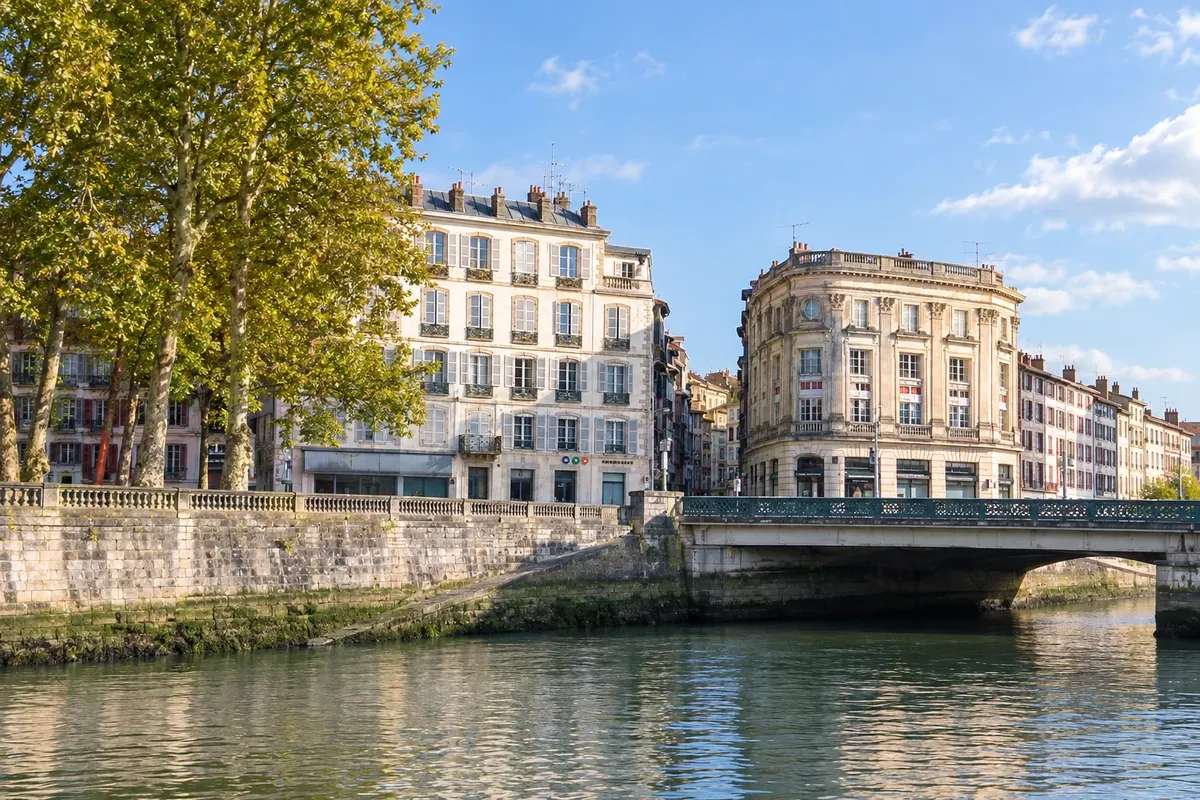
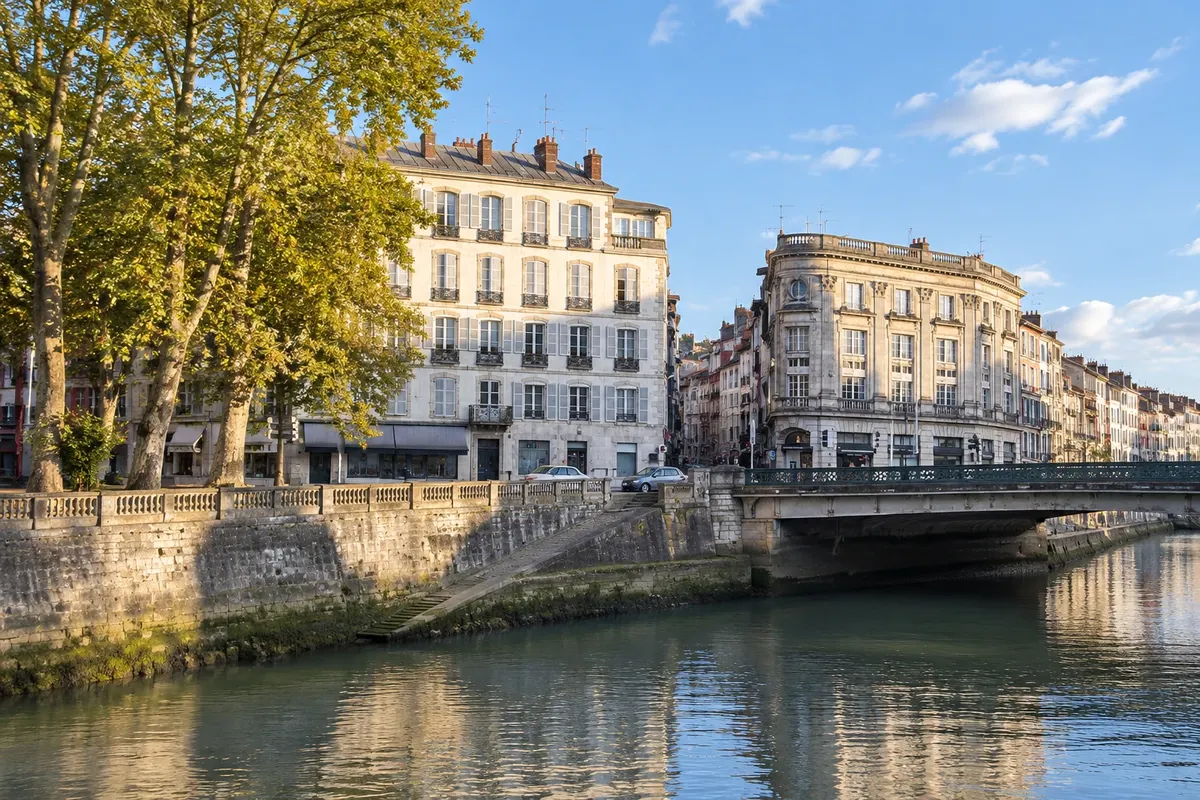
Petit Bayonne
The neighbourhood between the Nive and the Adour, with quays lined by tall houses and colourful windows, the city's two major museums, pintxo bars and the centre of the Fêtes de Bayonne.
Museum
Musée Basque et de l'histoire de Bayonne
The museum of Basque culture, in a late 16th-century house on the banks of the Nive: country life, games, dances, the Basque house and the history of the port of Bayonne.
Museum
Musée Bonnat-Helleu
Bayonne's fine arts museum: paintings and drawings from Antiquity to the 20th century, with works by Goya, Rembrandt and Degas.


 Brazil
 Argentina
 Bolivia
 Chile
Chile Colombia
 Ecuador
 Paraguay
 Peru
Peru Uruguay
 Germany
 Belgium
 Spain
Spain Greece
 the Netherlands
 Ireland
 Italy
Italy Luxembourg
 Portugal
 the United Kingdom
 Switzerland