Guayaquil and the coast

Guayas · Santa Elena · Manabí · Ecuador

Guayaquil and the coast

The port city on the banks of the Guayas River, with the Malecón and the Las Peñas neighborhood, and the Pacific coast: Montañita's surfing and the islands and whales of Puerto López.

Costa

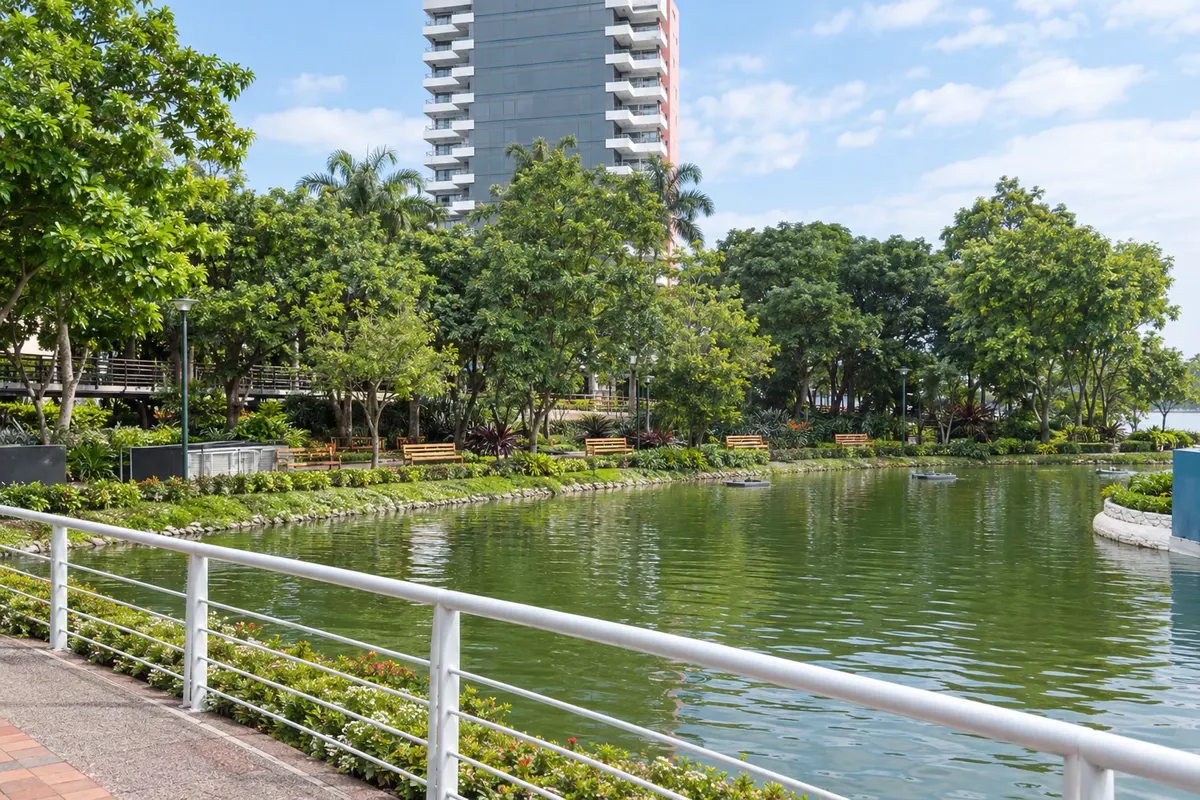
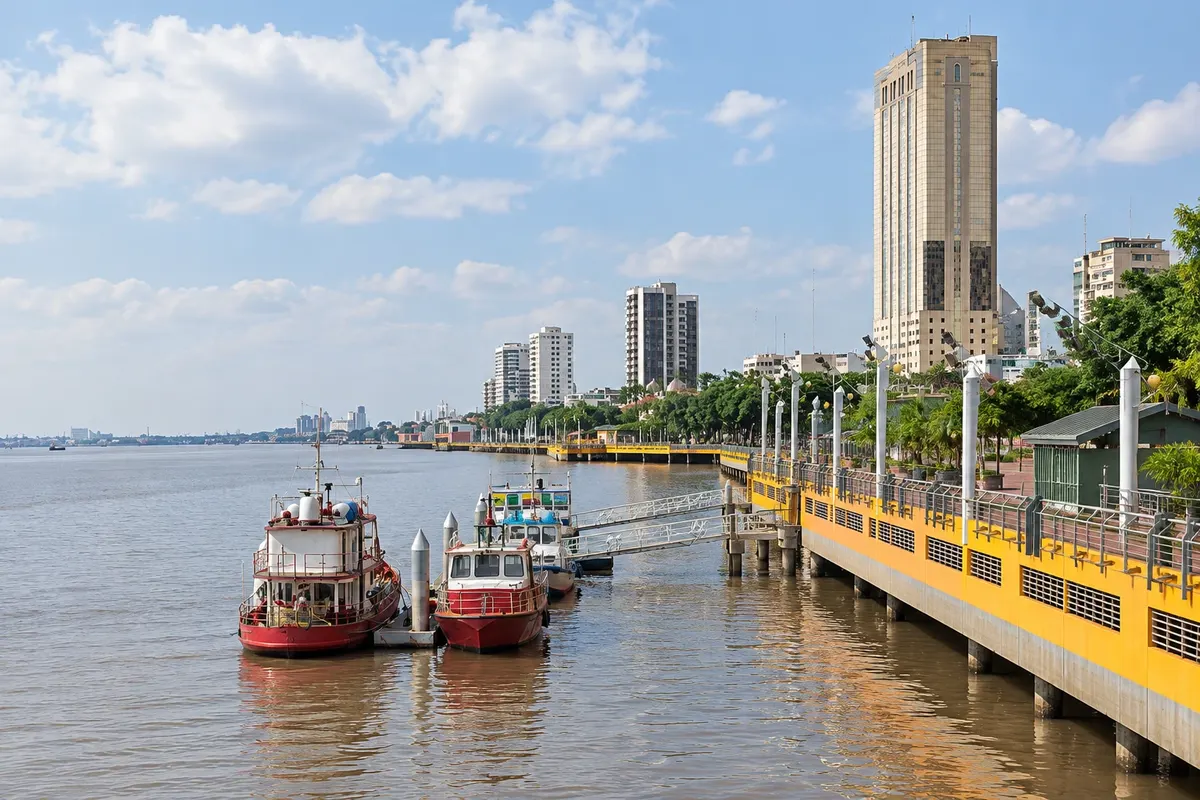
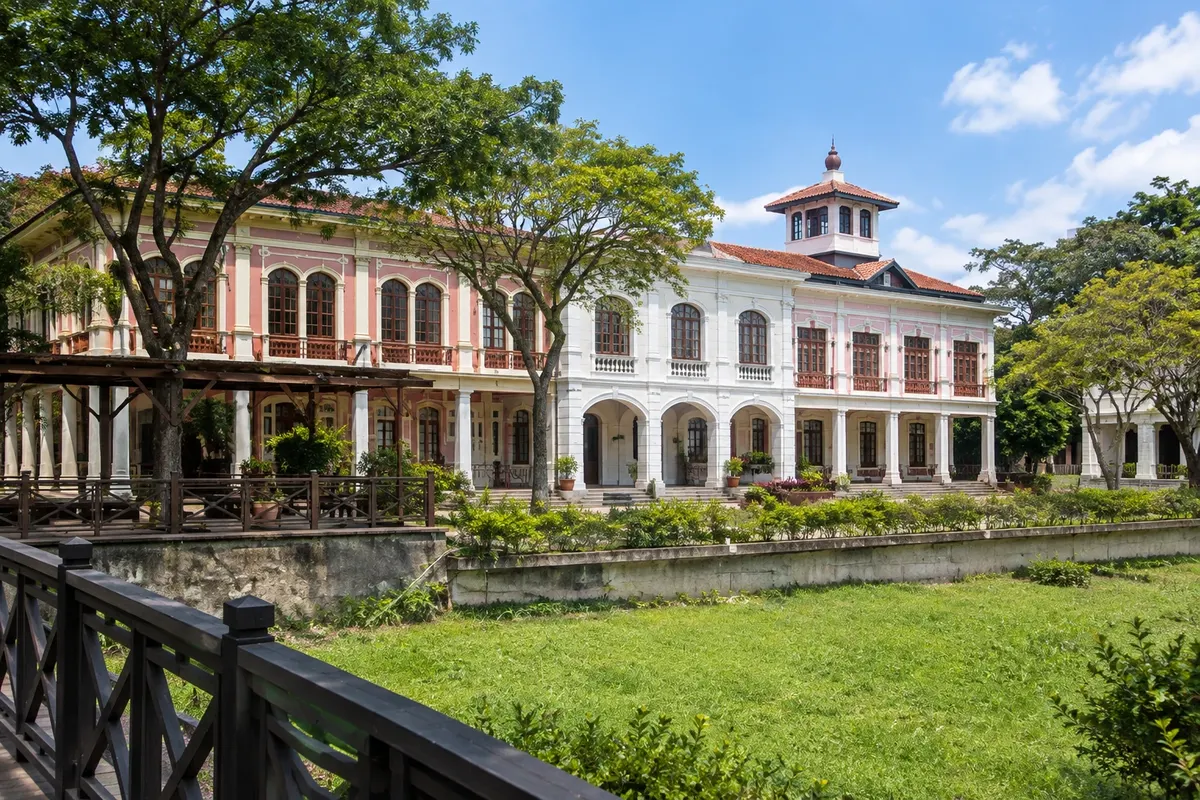
In the photo: Gardens of Malecón 2000

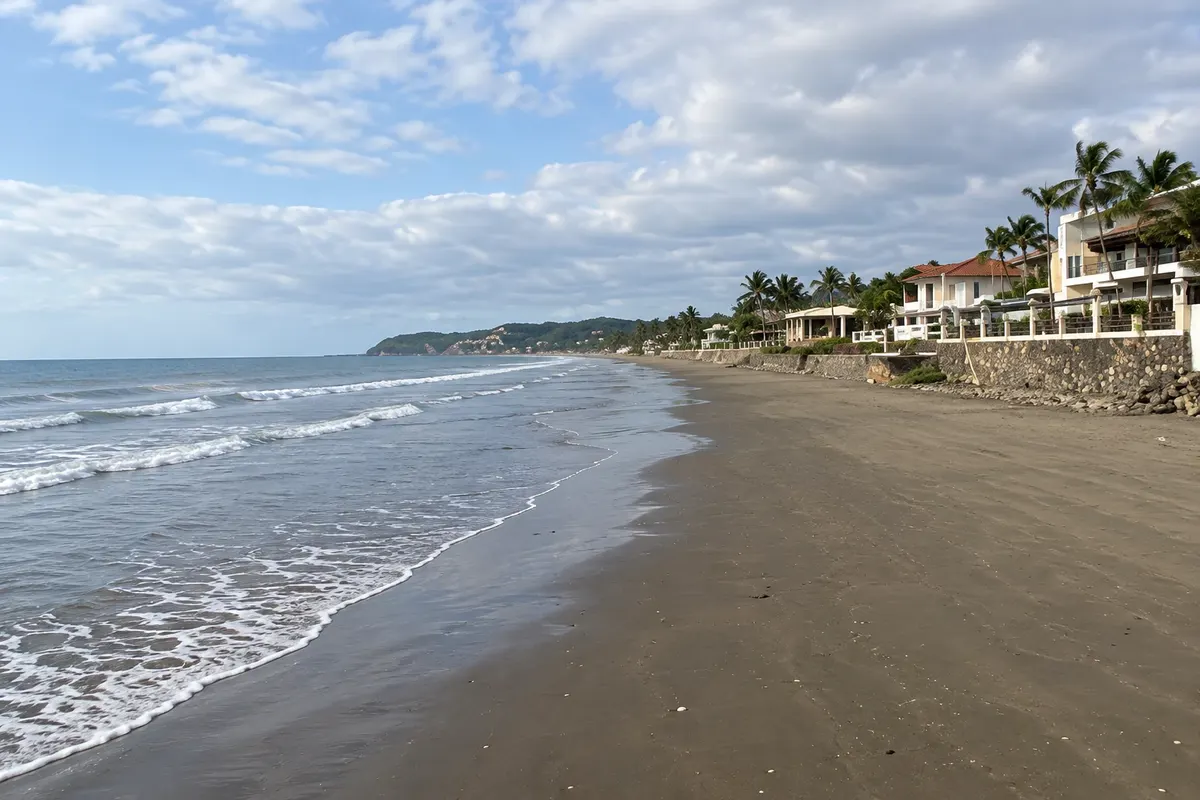
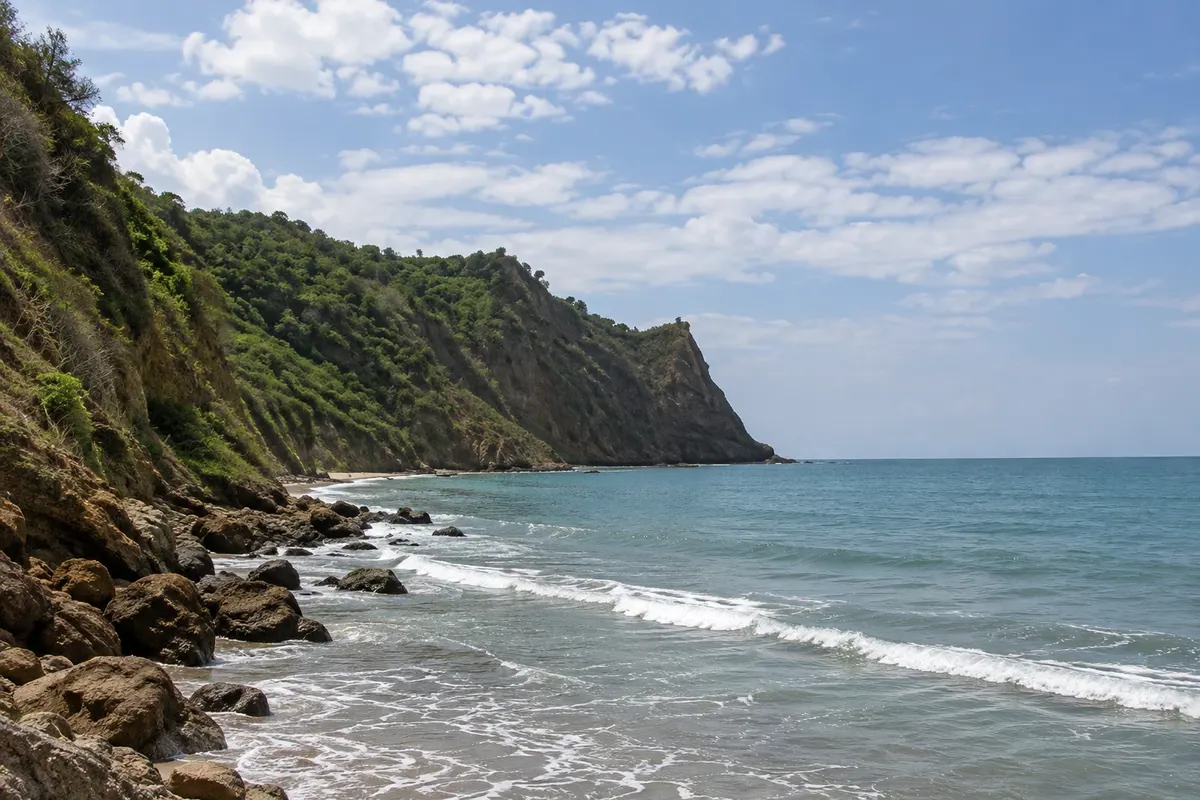
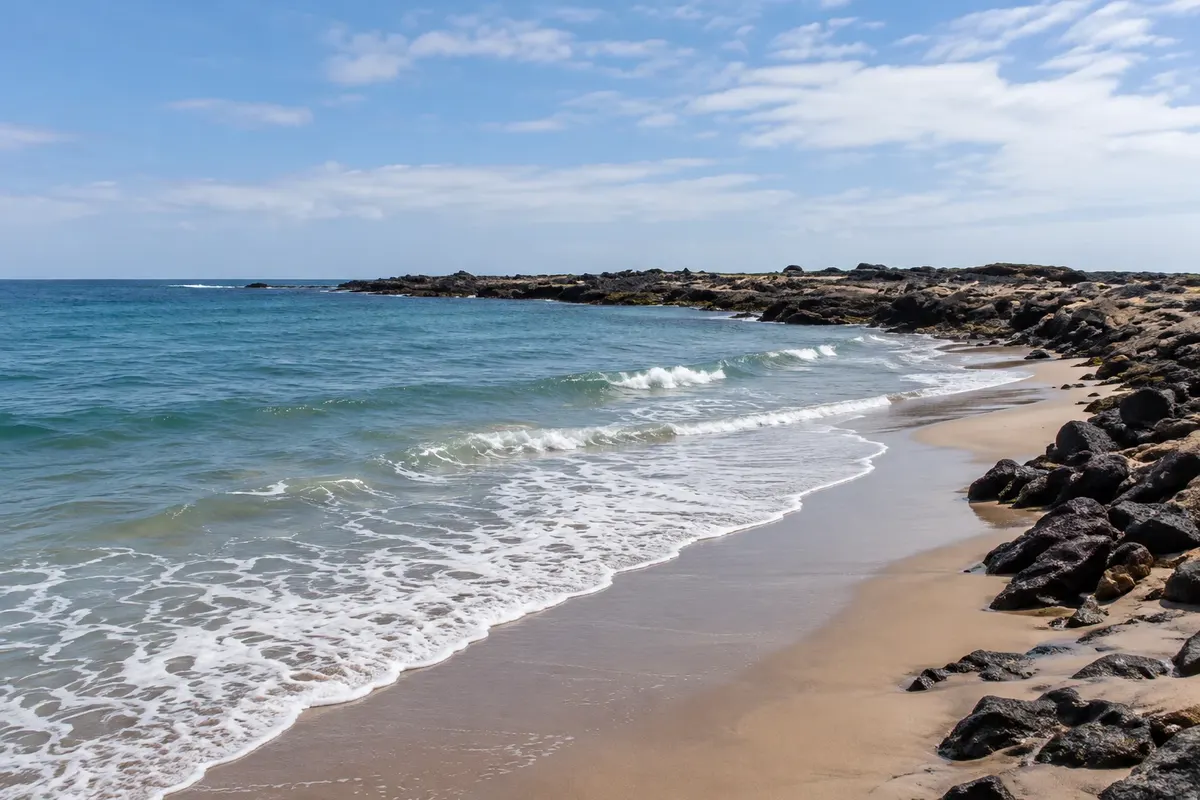
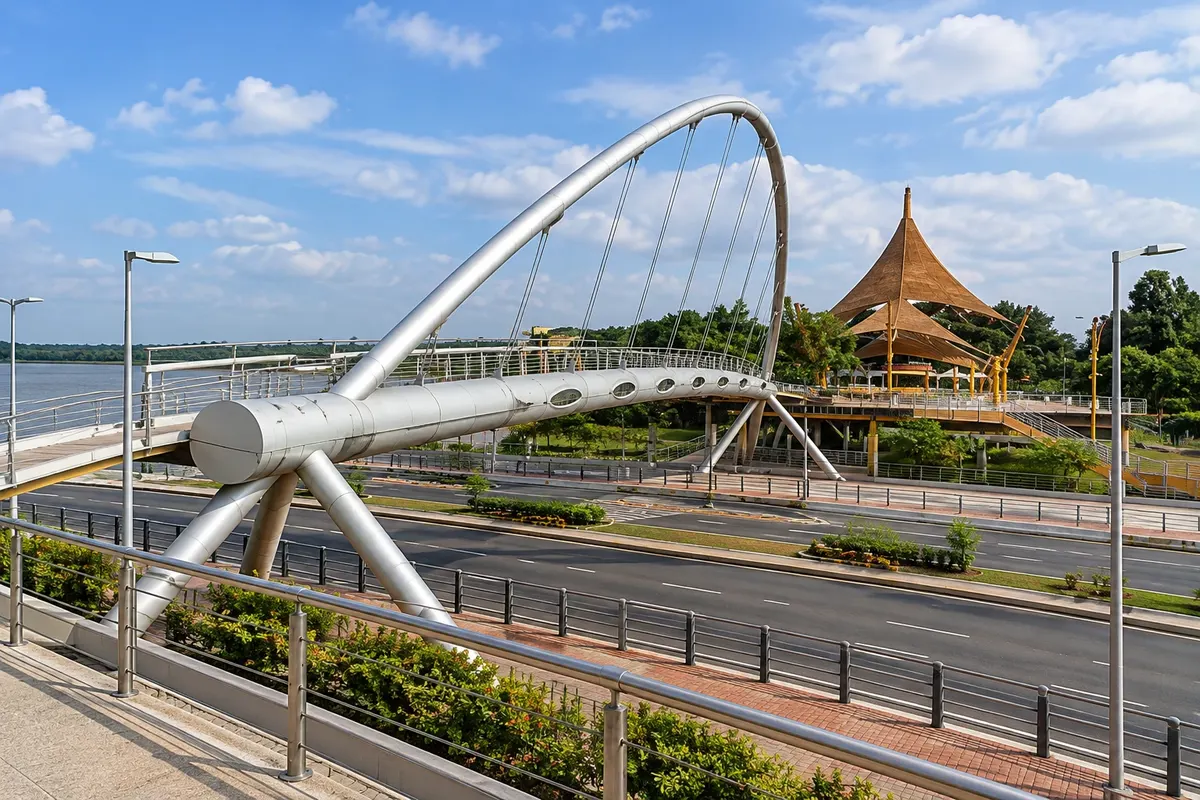
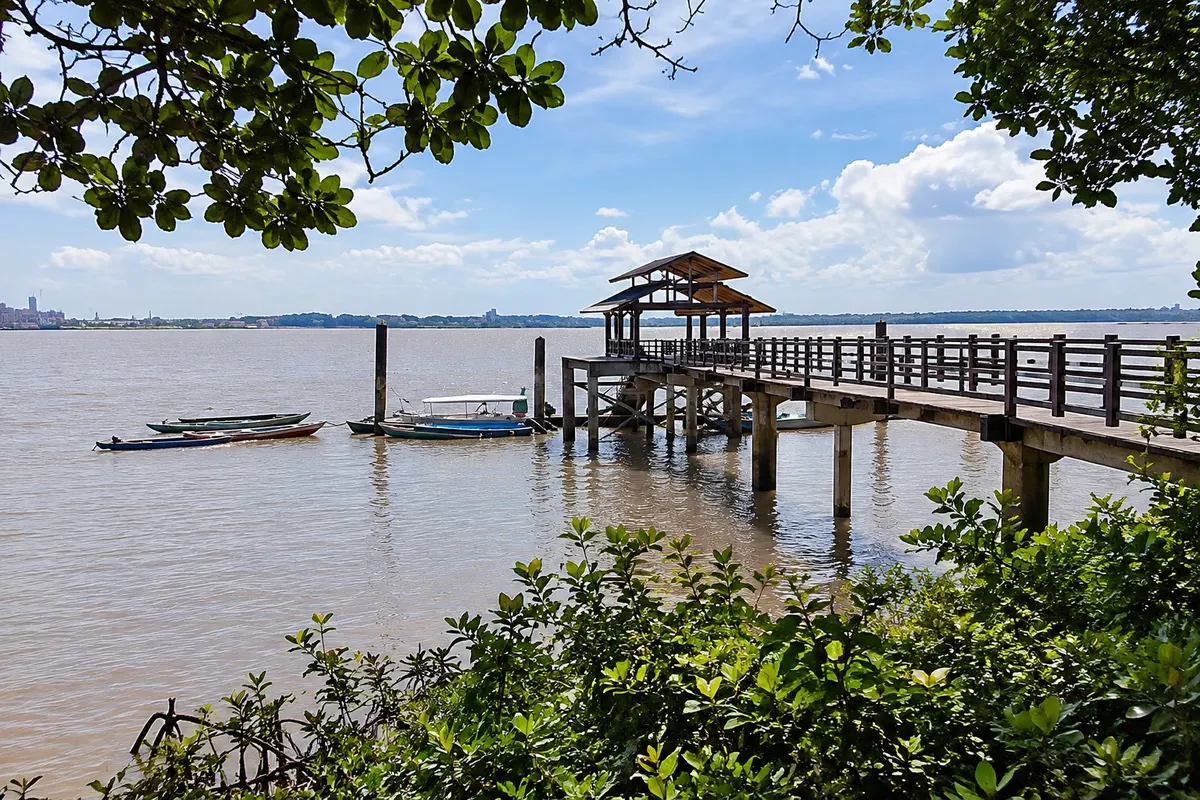
Illustrative images. The pictures in this guide are illustrations based on the real place, not photographs, and may differ from it.

Get it on Google Play Send your photos

Get to know the place

A region to enjoy
at your own pace.

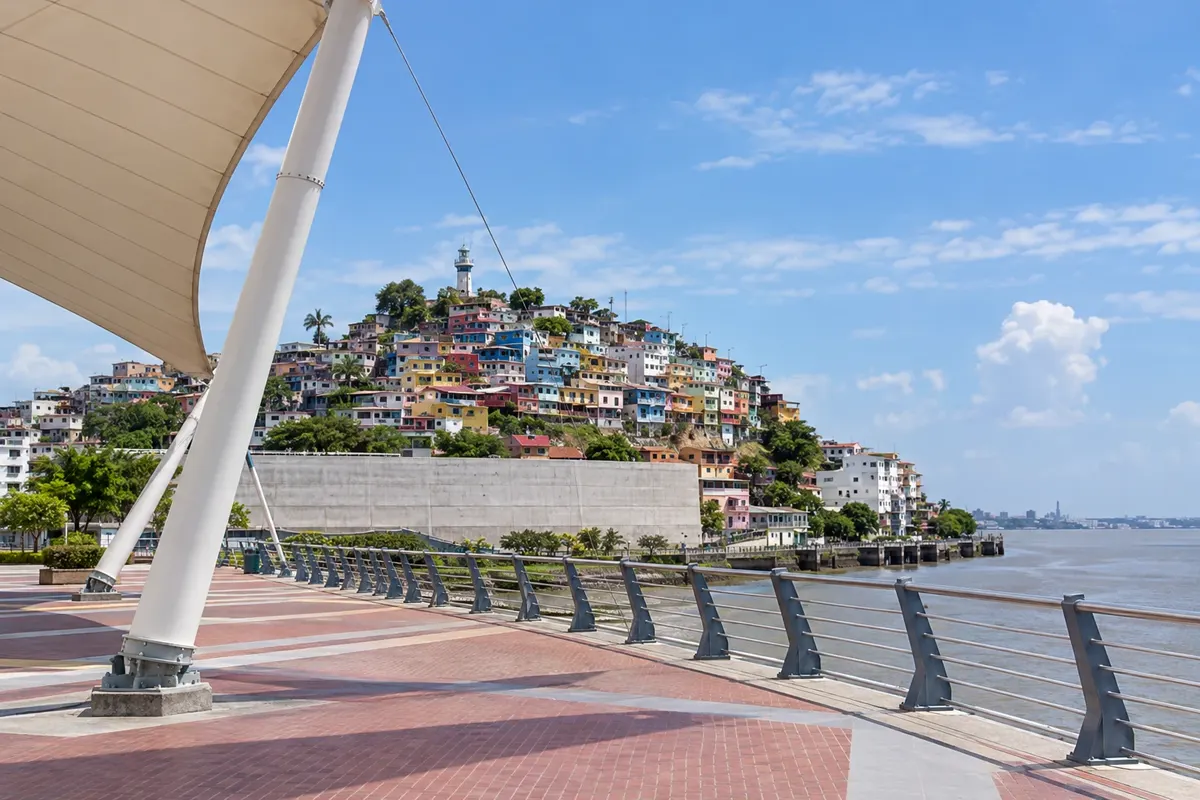
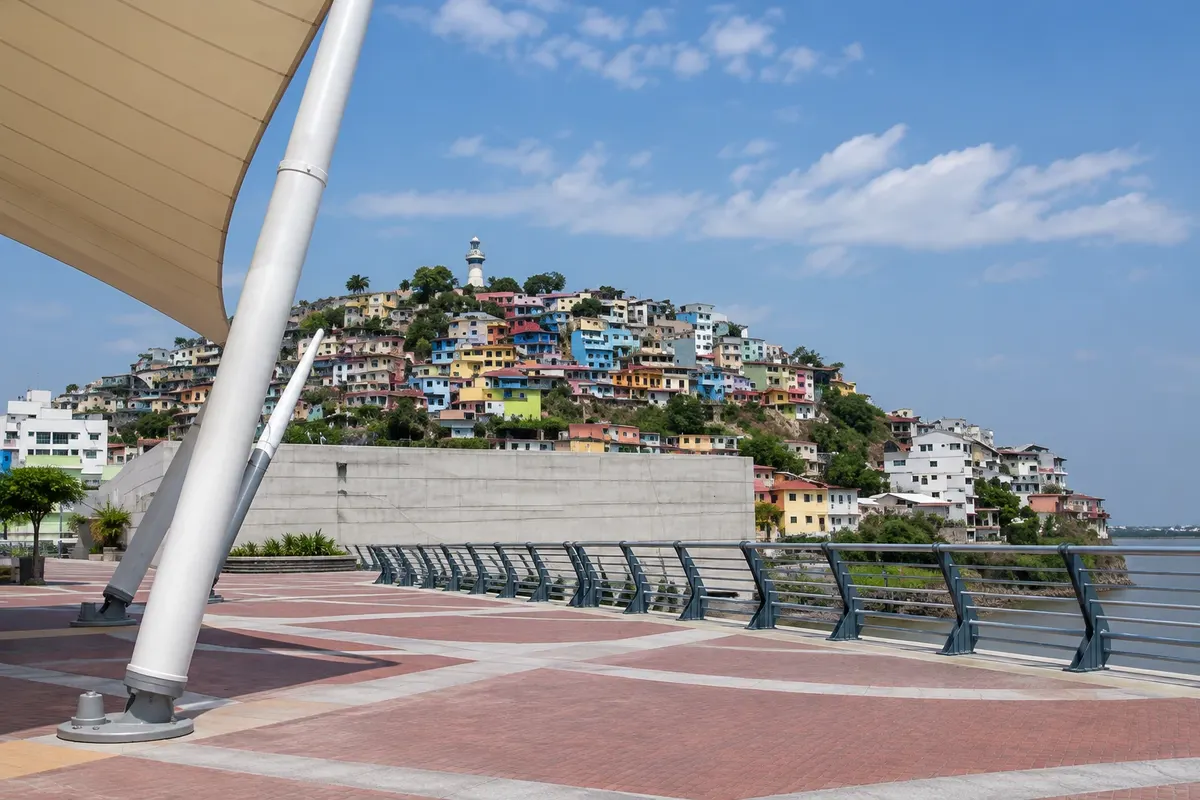
Guayaquil is Ecuador's most populous city and the country's main port, on the banks of the Guayas River, about 20 km from where it meets the Pacific Ocean. City life revolves around the river: the Malecón 2000 runs along the shore for about 2.5 km, with gardens, monuments and the Hemiciclo de la Rotonda, and at the northern end the Las Peñas neighborhood climbs Cerro Santa Ana by 444 steps up to the lighthouse. In the center, the iguanas of Parque Seminario roam in front of the cathedral.

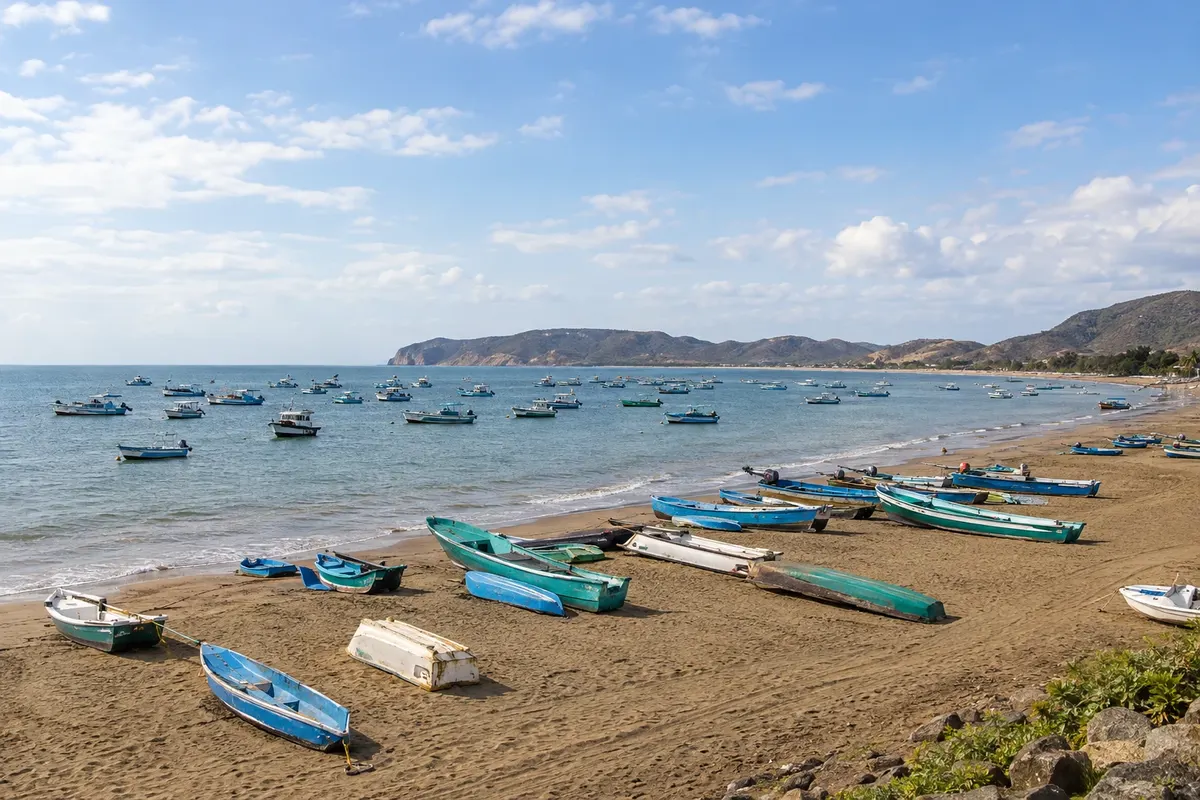
West of Guayaquil, the road reaches the coast of Santa Elena province and continues north along the so-called Ruta del Spondylus, passing fishing villages and open Pacific beaches. Montañita is the surfing village, with waves that attract surfers from many countries, near the wide beach of Olón and the calm bay of Ayangue.

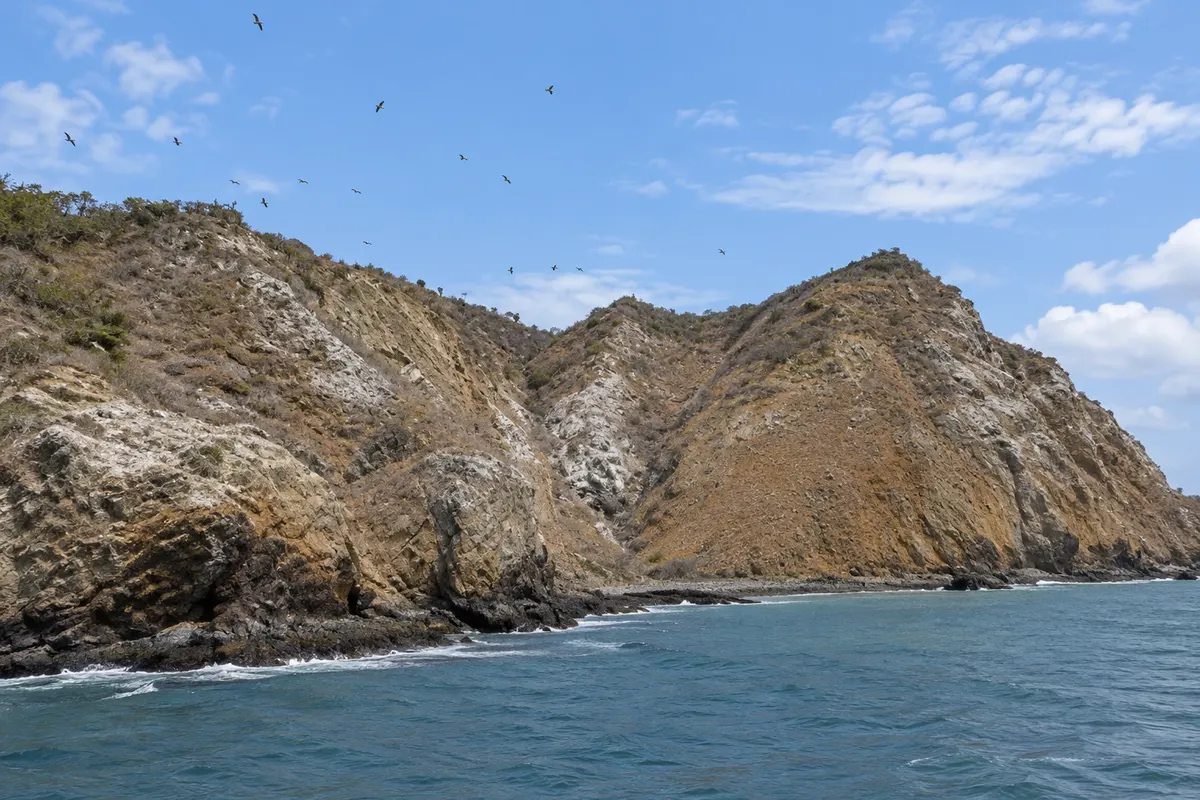
Further north, already in Manabí, Puerto López is the gateway to Parque Nacional Machalilla, with Los Frailes beach, the Agua Blanca community and Isla de la Plata, where blue-footed boobies and frigatebirds live. From June to September humpback whales usually come to this coast to breed, and boat trips depart from Puerto López.

The coast is warm year-round; the difference is between the rainy, hot season and the cooler, cloudier season.

This destination brings together 3 cities: Guayaquil, Montañita, Puerto López.

Share: WhatsApp
Traveler, share your experiences through photos Up to 5 photos of each place you visited.

One destination, many paths

The cities on this trip

Start with one city or combine several in your itinerary.

Where Guayaquil and the coast is
GuayaquilMontañitaPuerto López

Contornos: Natural Earth (domínio público). Adaptação do Cidade Turismo.

How to get there: Guayaquil and the coast

✈ Aeropuerto Internacional José Joaquín de Olmedo (GYE) · 5 km to Guayaquil

Check before you buy. Guayaquil's airport is close to the city center. From Guayaquil, buses leave from the bus terminal next to the airport to Montañita and Puerto López, a three- to four-hour trip.

Suggested arrival point: Guayaquil

The local experience

Things to do in Guayaquil and the coast

Isla de la Plata
Puerto López · Manabí · Island

Isla de la Plata

Island of Parque Nacional Machalilla, about 40 km off the coast, with colonies of blue-footed boobies and frigatebirds, guided trails and snorkeling.

Malecón 2000
Guayaquil · Guayas · Waterfront

Malecón 2000

The waterfront of about 2.5 km along the Guayas River, with gardens, the Hemiciclo de la Rotonda, the Torre Morisca and the old market of the Palacio de Cristal.

Playa de Montañita
Montañita · Santa Elena · Beach

Playa de Montañita

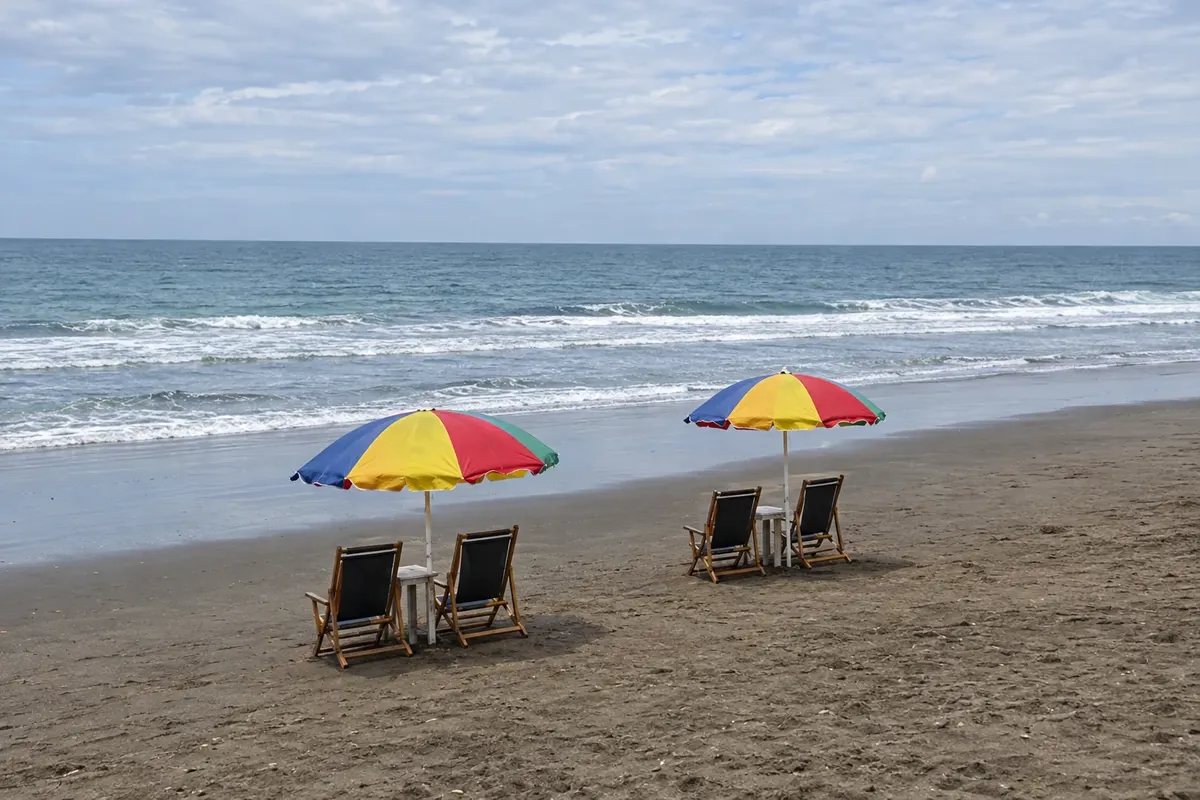
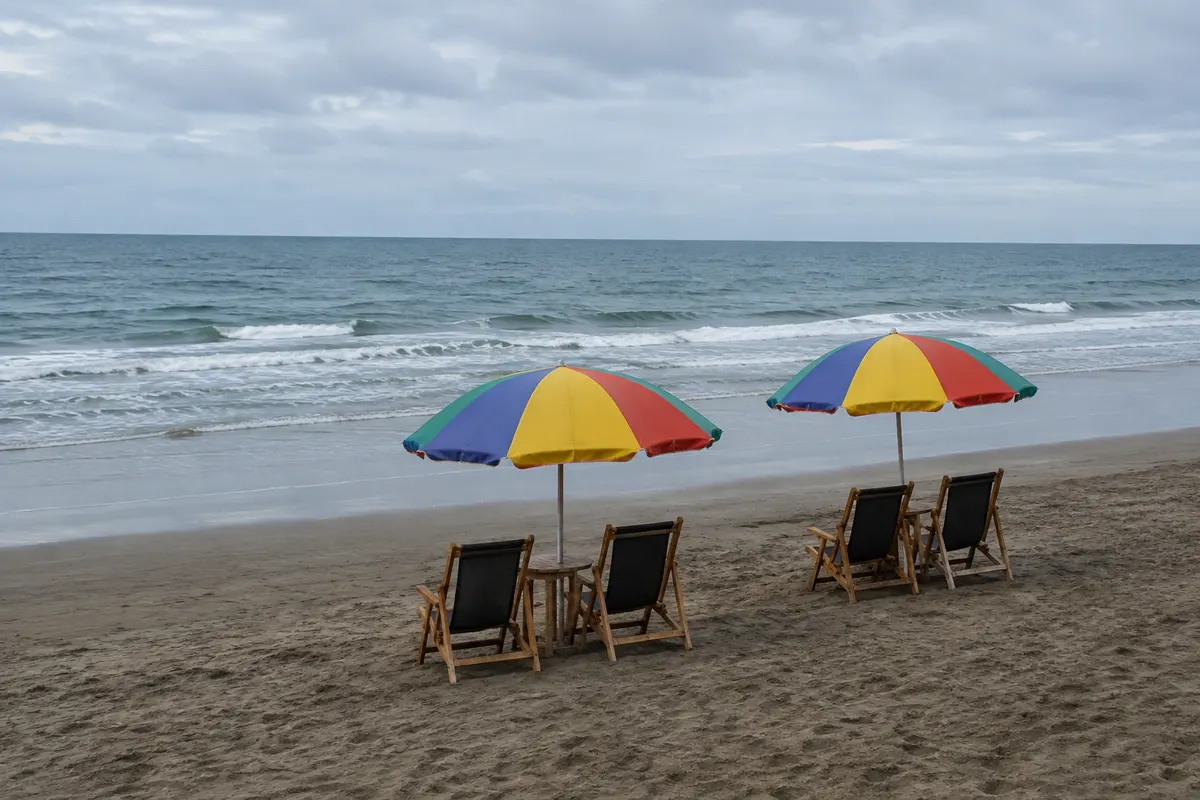
The village beach, with light sand between green hills, featuring the wave of La Punta at the northern tip and surf schools along the shore.

Barrio Las Peñas y Cerro Santa Ana
Guayaquil · Guayas · Historic neighborhood

Barrio Las Peñas y Cerro Santa Ana

The oldest neighborhood in Guayaquil, with colorful wooden houses on the slopes of Cerro Santa Ana, and the climb of 444 steps up to the lighthouse, the chapel and the viewpoint over the river.

See 9 more places in Guayaquil and the coast
Olón
Montañita · Santa Elena · Beach

Olón

Fishing village north of Montañita, with more than 3 km of wide, calm beach and the Santuario Blanca Estrella de la Mar atop the hill.

Playa Los Frailes
Puerto López · Manabí · Beach

Playa Los Frailes

Crescent-shaped beach inside Parque Nacional Machalilla, with no buildings, featuring a trail through dry forest to other beaches and a viewpoint.

Ayangue
Montañita · Santa Elena · Beach

Ayangue

Fishing village in a closed bay between two hills, called the Pacific's pool for its calm waters, with snorkeling and diving.

Puerto López · Manabí · Community

Comuna Agua Blanca

Community inside Parque Nacional Machalilla, with a museum of items from the Manteña culture, ruins of an ancient town and a sulfurous lagoon.

Guayaquil · Guayas · Plaza

Parque Seminario

Guayaquil's former plaza de armas, in front of the cathedral, known as Parque de las Iguanas: hundreds of iguanas roam freely among the trees and benches.

Guayaquil · Guayas · Church

Catedral Metropolitana de Guayaquil

The Cathedral of San Pedro, in neo-Gothic style, in front of Parque Seminario, on the site of the city's first church from the 16th century.

Malecón del Salado
Guayaquil · Guayas · Waterfront

Malecón del Salado

The waterfront of the Estero Salado, a branch of the sea that enters Guayaquil from the west, with a promenade, a bridge and a large water-and-light fountain.

Parque Histórico Guayaquil
Guayaquil · Guayas · Park

Parque Histórico Guayaquil

An 8-hectare park in Samborondón with regional animals, an area showcasing rural traditions, and old Guayaquil houses that were dismantled and reassembled.

Isla Santay
Guayaquil · Guayas · Natural area

Isla Santay

Island of mangroves in the Guayas River, opposite Guayaquil, a protected area and Ramsar site, with an ecological village and boardwalks, connected to the city by a pedestrian and bicycle bridge.

Before you go

Practical information

A little planning leaves more time to enjoy the journey.

When to go

From December to May is the warm, rainy season, with strong sun between showers and warmer sea — good for beach and surfing. From June to November the weather is usually cooler and cloudier, and it's when humpback whales tend to appear on the coast, especially from June to September.

The seasons shown are the most usual ones; nature doesn't always follow the calendar.

How many days to stay

Two days in Guayaquil cover the Malecón, Las Peñas, the center and Parque Histórico. On the coast, two or three days in Montañita and surroundings and two or three in Puerto López, including Isla de la Plata and Los Frailes. One week allows visiting all three places without rush.

Which city to stay in

In Guayaquil, the center near the Malecón and Las Peñas makes walking tours convenient; the Urdesa neighborhood and the area near the airport have many hotels and restaurants. On the coast, Montañita has guesthouses and hostels in the village and on the beach, and Olón is quieter, with seafront accommodations. In Puerto López, lodgings are on the waterfront and nearby streets, close to the pier where boats depart.

Respect the place

Take your trash with you, follow the signs and support local businesses. In natural areas, follow the visiting guidelines.

Get your questions answered

Frequently asked questions about Guayaquil and the coast

Do I need a car to explore the coast?

No. Buses link Guayaquil with Montañita and Puerto López, and they stop at the villages along the Ruta del Spondylus. A car gives more freedom to stop at beaches along the way.

When is the whale season usually?

Humpback whales usually arrive on Ecuador's coast from June to September. Whale-watching trips depart from Puerto López.

What is Ecuador's currency?

The US dollar. Bring small bills, because change may be scarce in villages and on excursions.

Is Guayaquil a base for going to the Galápagos?

Yes. Flights depart from Guayaquil to the islands of Baltra and San Cristóbal. Many travelers combine the city and the coast with the Galápagos on the same trip.

Explore other destinations Search by state and city
Back