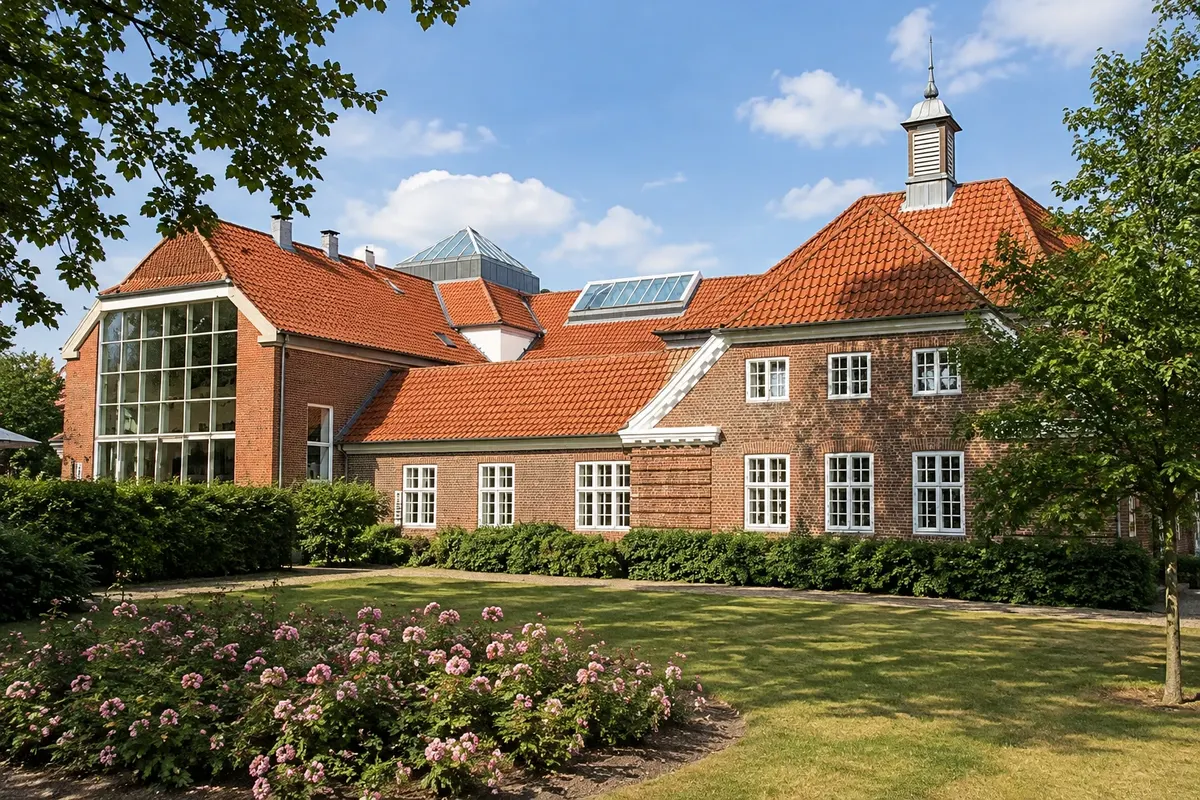
Ribe lies in southwest Jutland, near the North Sea coast, on a plain of pastures and marshes cut by the Ribe river. It is the oldest town in Denmark: at the beginning of the 8th century there was already a Viking market on the riverbank, connected to trade with Frisia and the Rhine. In the 9th century, the missionary Ansgar built one of the country's first churches there.
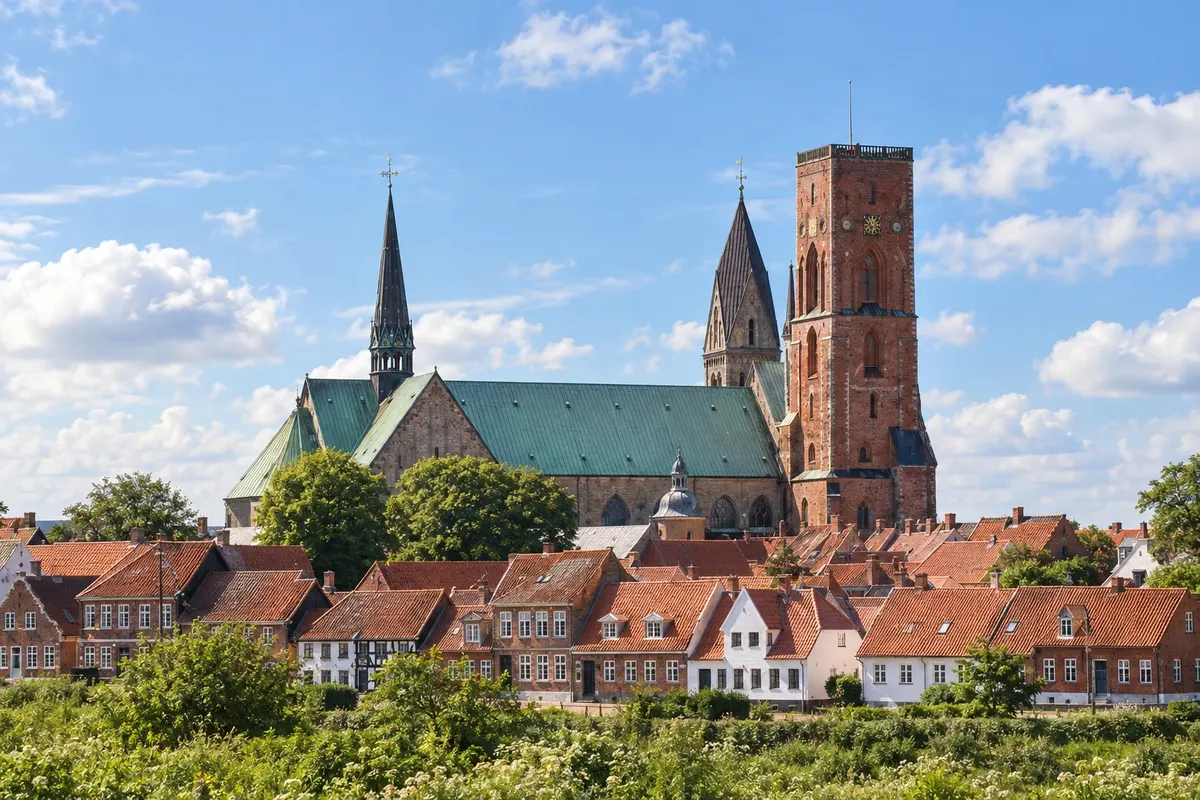
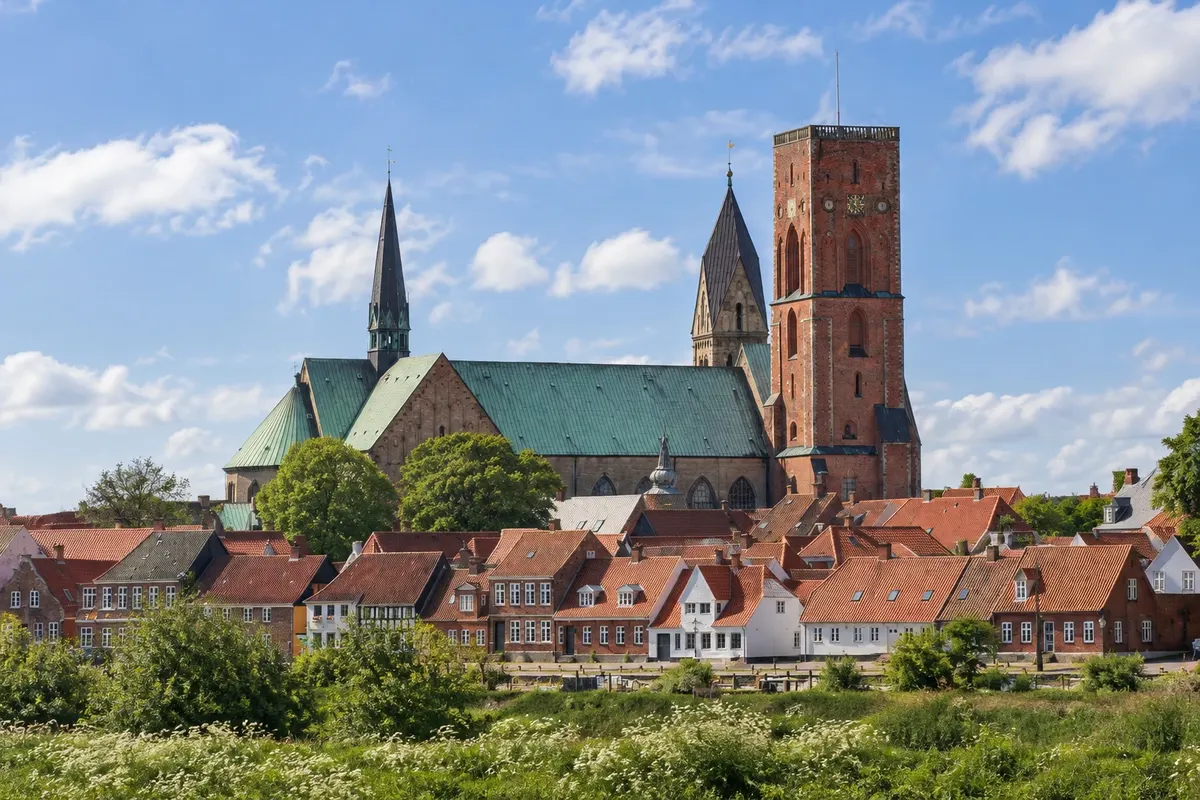
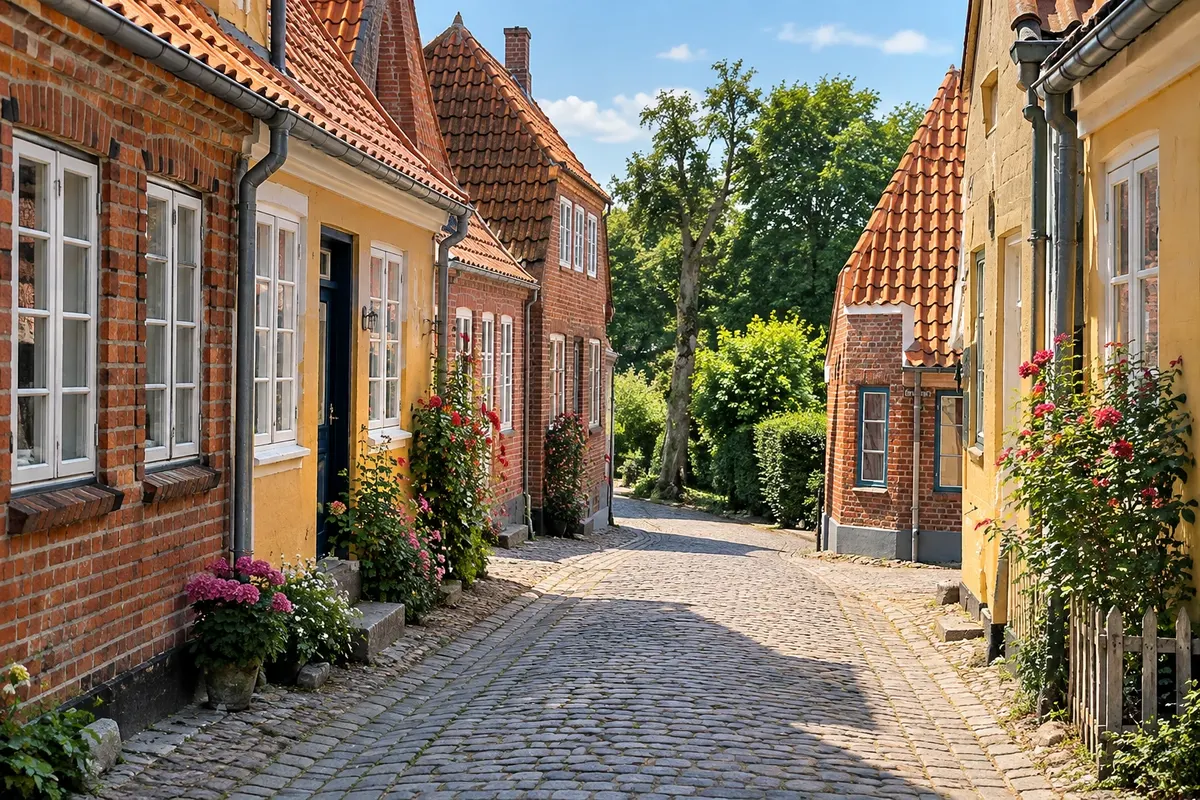
The old center is small and almost entirely preserved: cobbled streets, crooked timber-framed houses from the 16th and 17th centuries, gardens and the river with the old harbour. In the middle stands Ribe Cathedral, the oldest in Denmark, built of volcanic stone brought from the Rhine, with the Tower of the Citizens from which you can see the plain all the way to the sea. At night in summer the night watchman walks the streets singing old verses, a tradition revived for visitors.
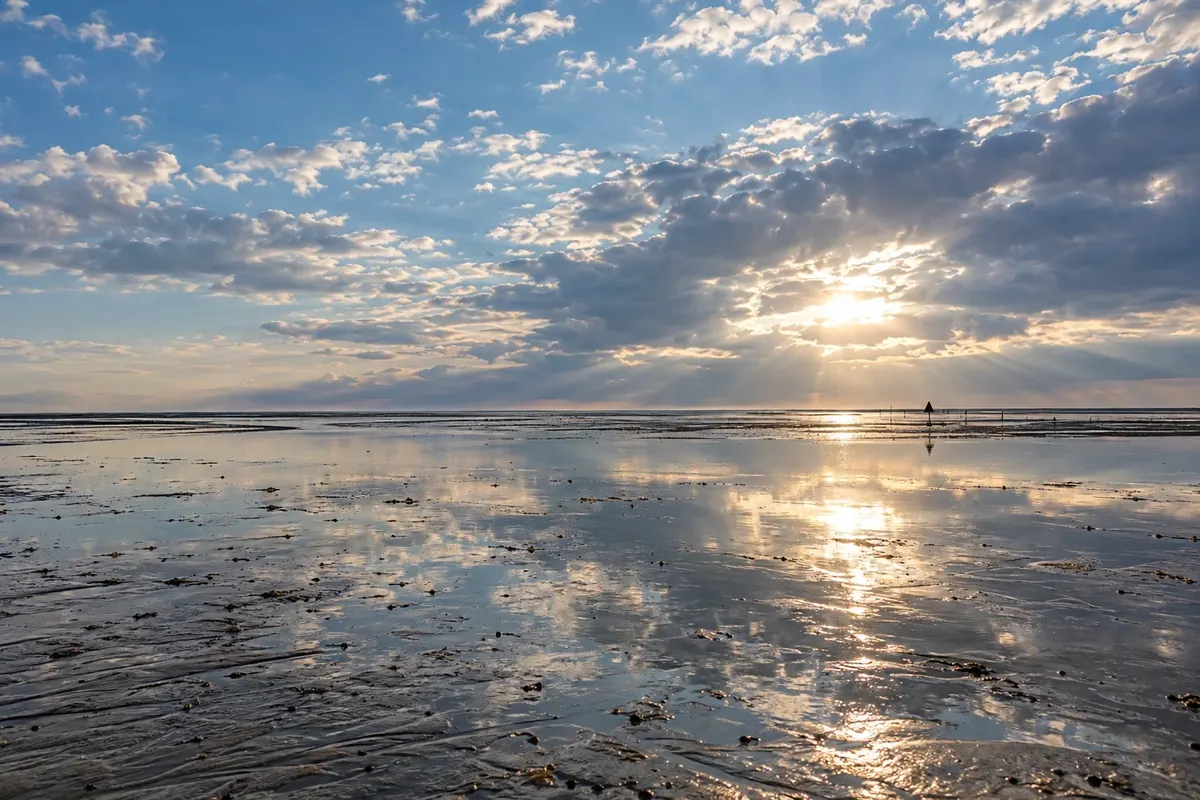
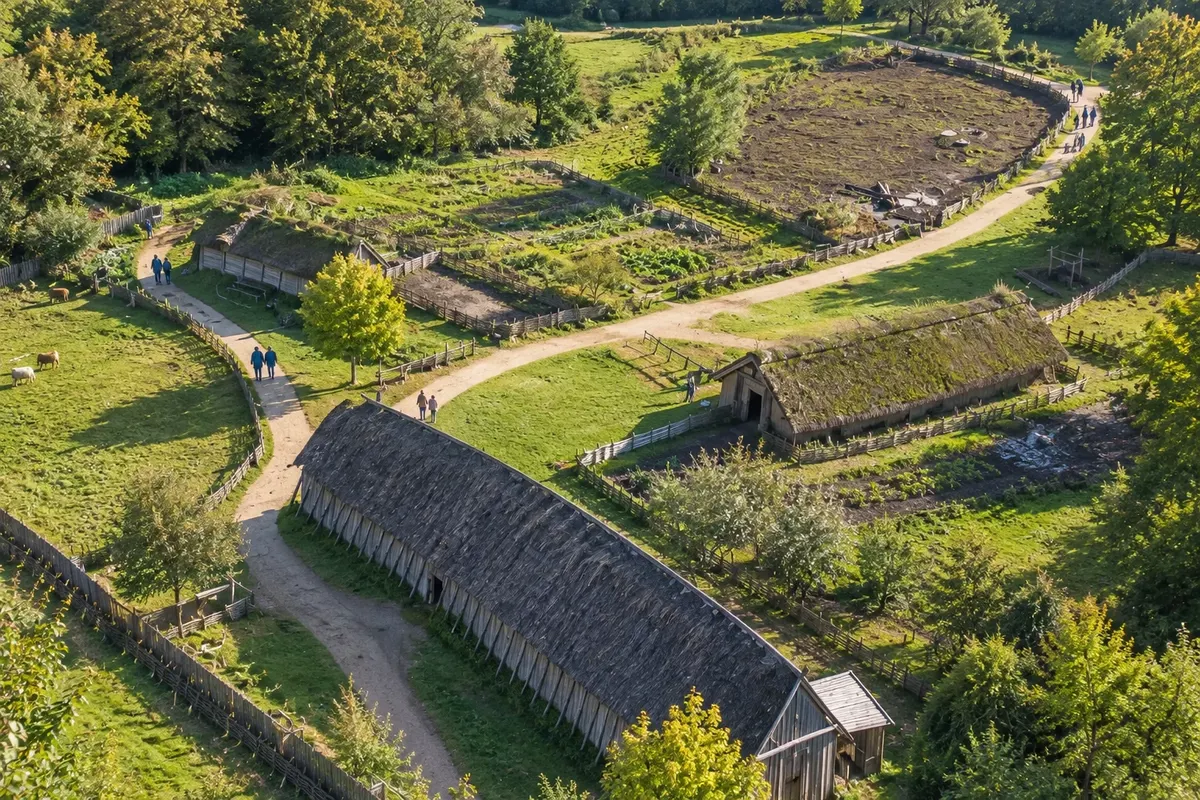
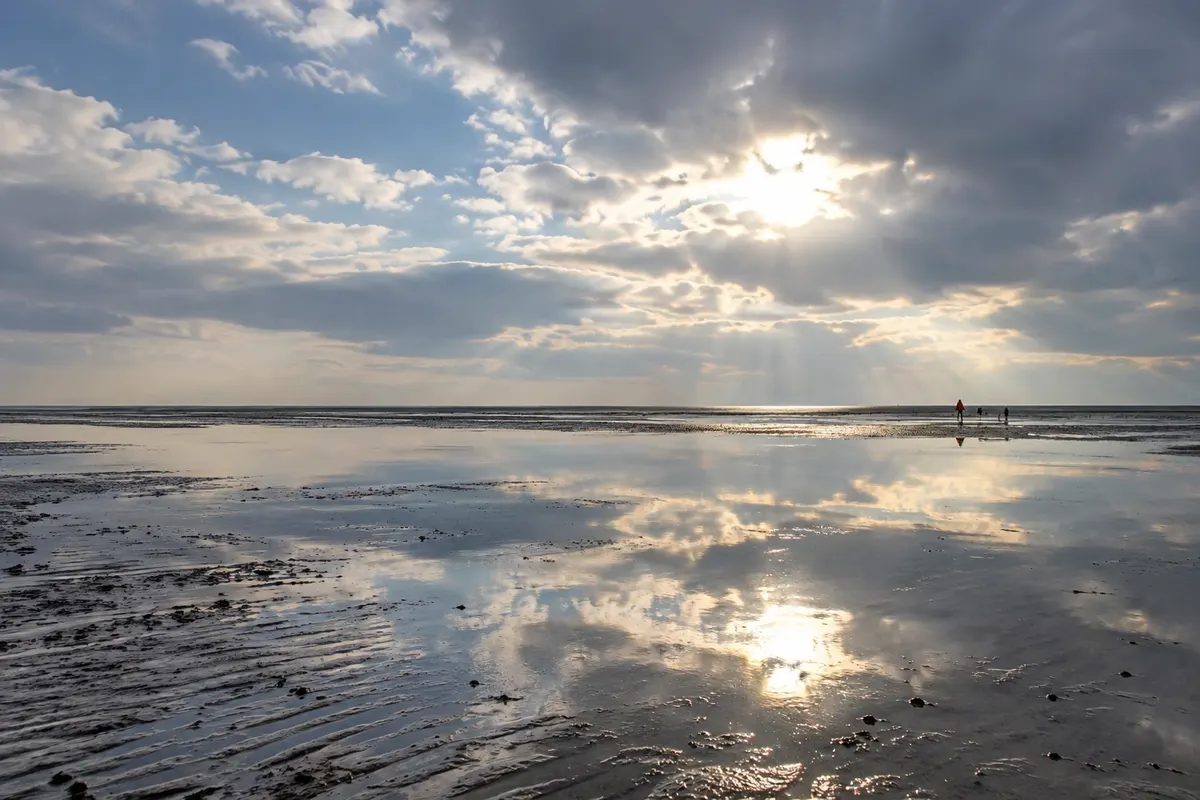
The city's Viking history is told at the Museet Ribes Vikinger, opposite the station, and at the Ribe VikingeCenter to the south, a reconstructed village where people dressed in period clothes cook, forge and tend animals. To the west, the Parque Nacional do Mar de Wadden protects the largest area of tidal flats in the world, shared with Germany and the Netherlands, a UNESCO World Heritage Site. There, in spring and autumn, clouds of starlings form the "sol negro" at dusk, and a bus-tractor crosses the seabed at low tide to the island of Mandø.
The centre can be seen on foot in a few hours, but spending a night in town allows you to join the night watchman and see the streets empty.
This destination brings together 1 city: Ribe.


 Brazil
 Argentina
 Bolivia
 Chile
Chile Colombia
 Ecuador
 Guyana
 French Guiana
 Falkland Islands (Malvinas)
 Paraguay
 Peru
Peru Suriname
 Uruguay
 Venezuela
 Germany
 Belgium
 Spain
Spain France
 Greece
 the Netherlands
 Ireland
 Italy
Italy Luxembourg
 Norway
 Portugal
 the United Kingdom
 Sweden
 Switzerland