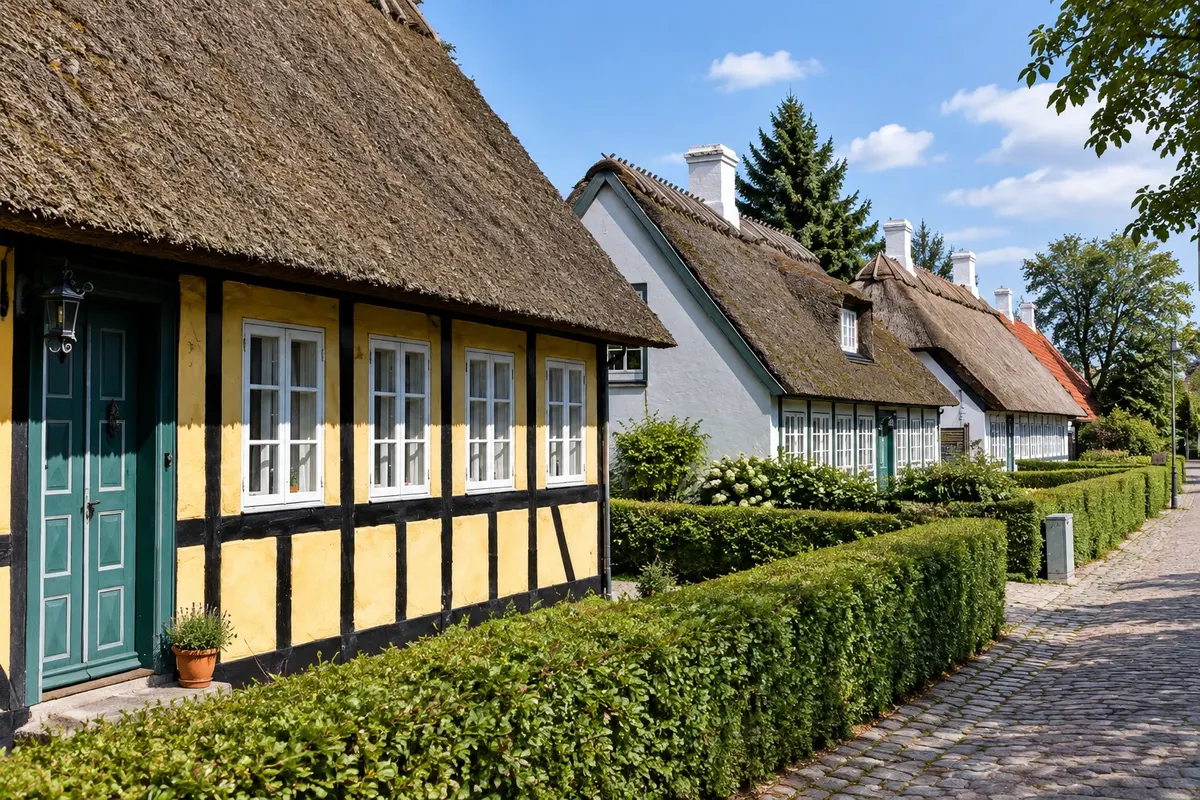
Funen (Fyn, in Danish) is the middle island of Denmark, connected to Zelândia by the Great Belt Bridge and to Jutlândia by two bridges over the Little Belt. Danes call it the "garden of Denmark" for its farms, orchards and manor houses scattered across the countryside. Odense, the island's capital and the country's third-largest city, lies in the centre, about 1h15 by train from Copenhagen.
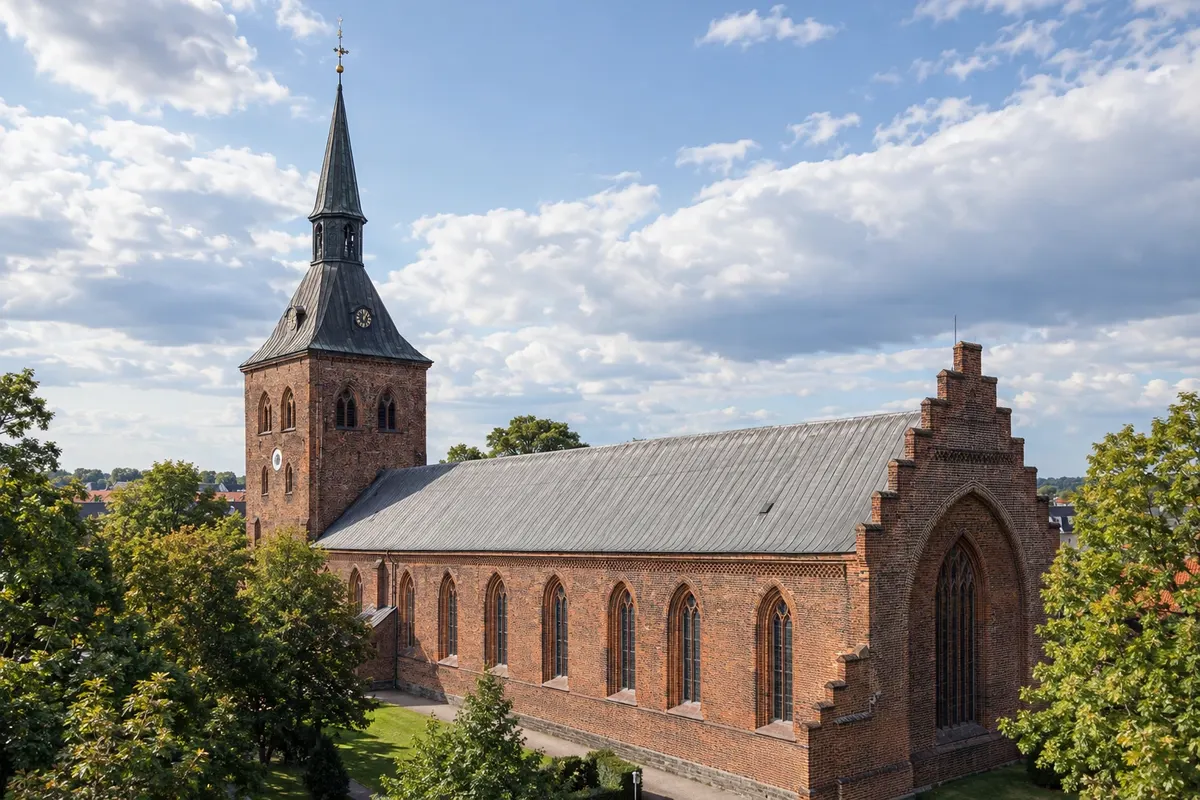
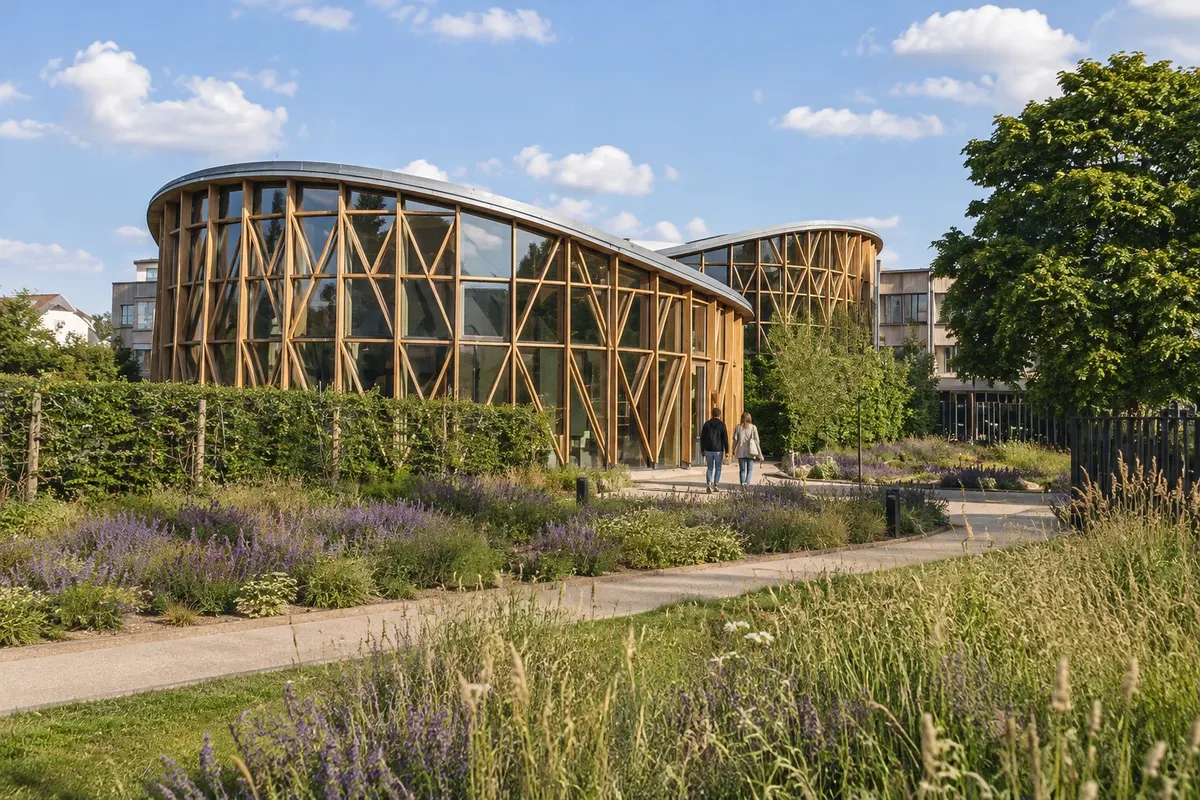
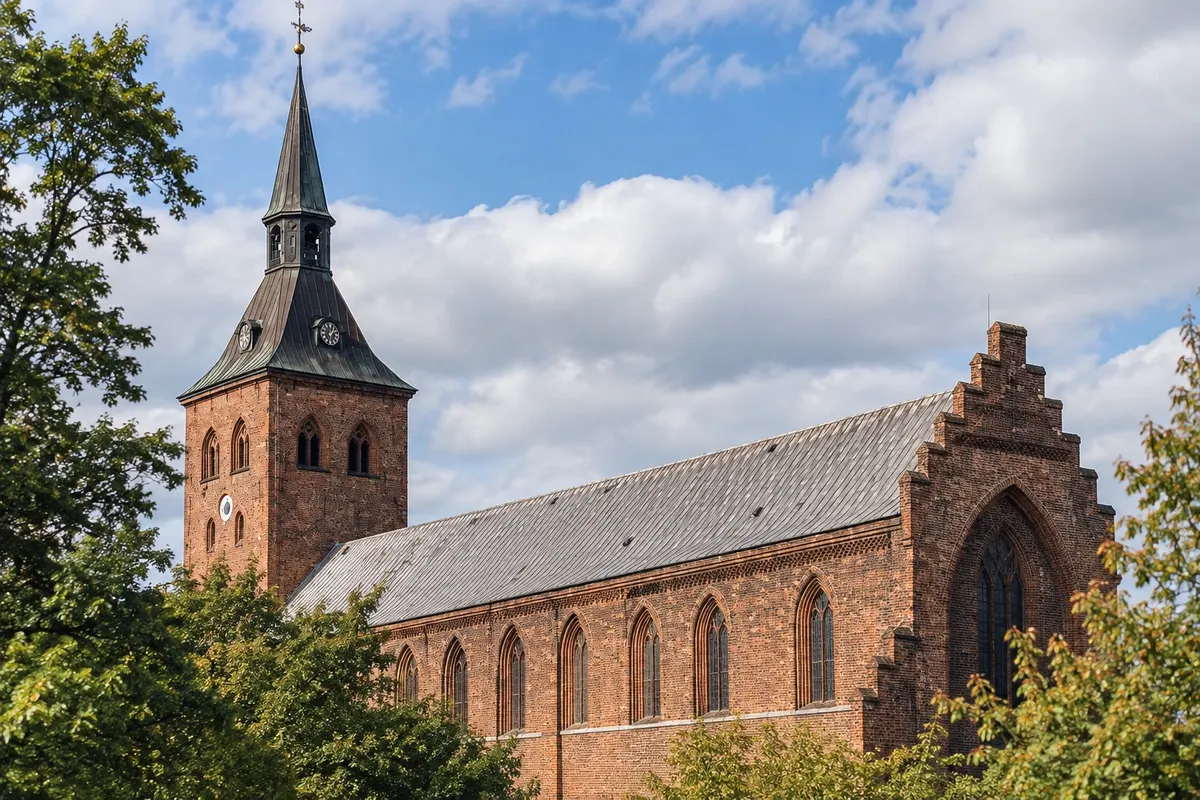
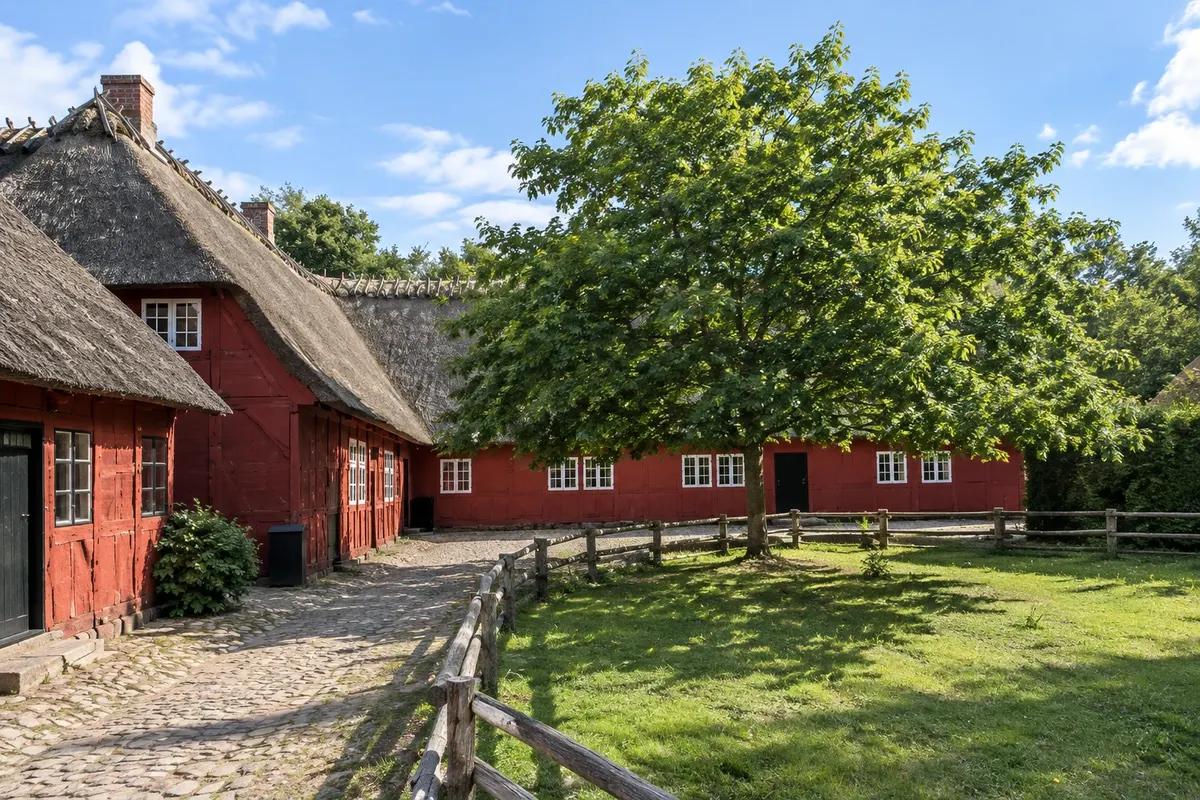
Odense is the birthplace of Hans Christian Andersen, born there in 1805. The H. C. Andersens Hus, a museum opened in 2021 designed by the Japanese architect Kengo Kuma, tells the life and tales of the writer in a largely underground building surrounded by gardens; nearby are his childhood home and the old cobbled-street quarter. The Catedral de São Canuto houses the remains of King Canute IV and a gilded 16th-century altarpiece, and the open-air museum Den Fynske Landsby recreates a Funen village from Andersen's time.
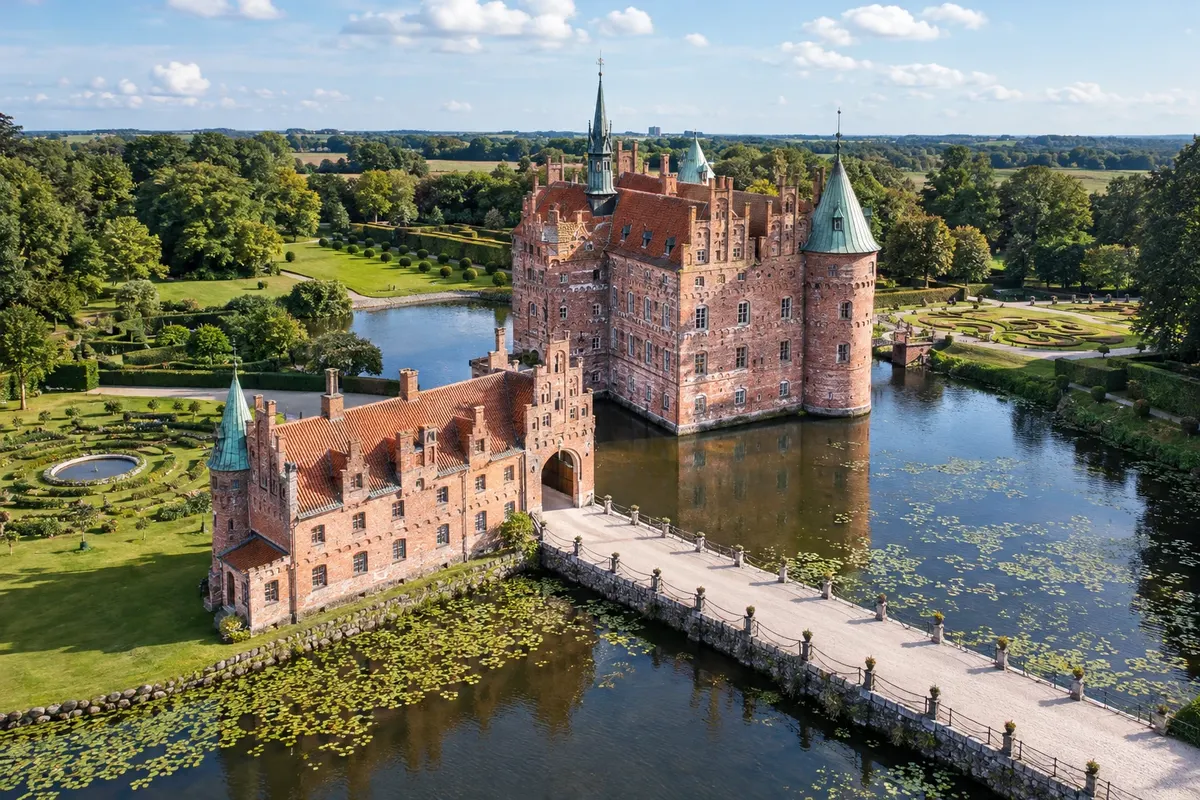
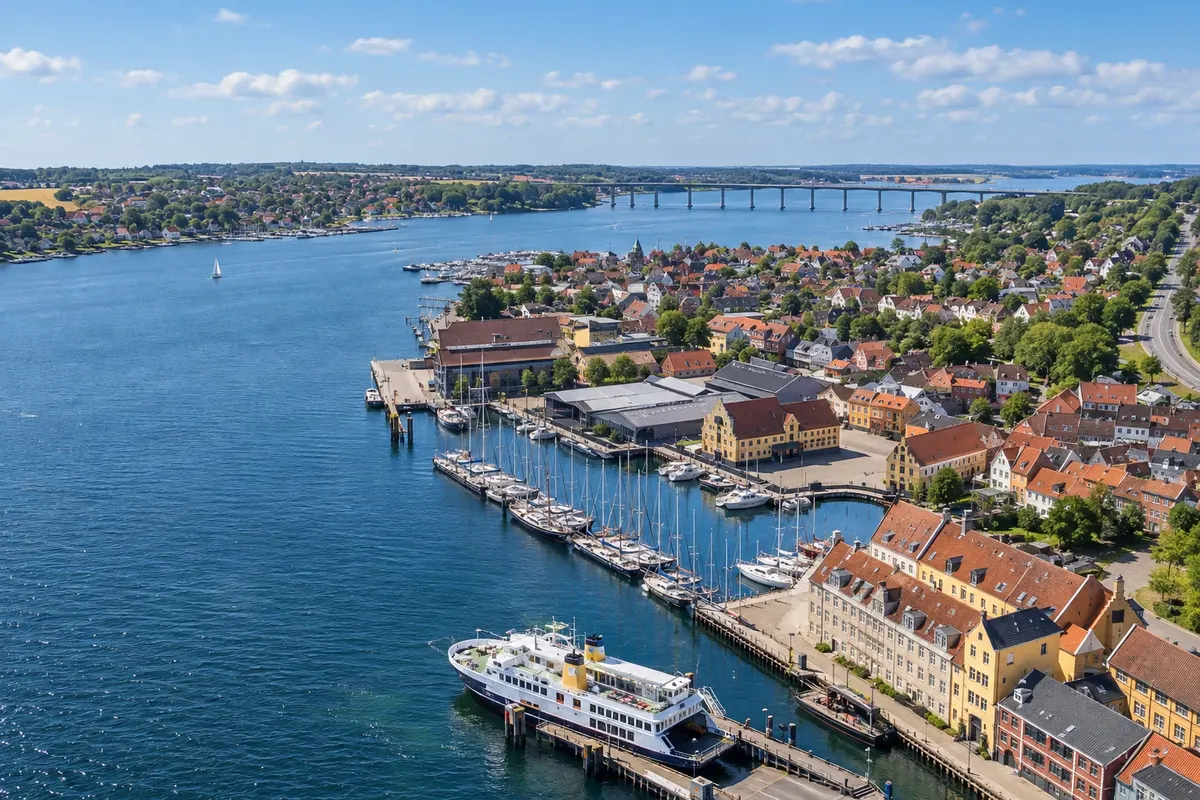
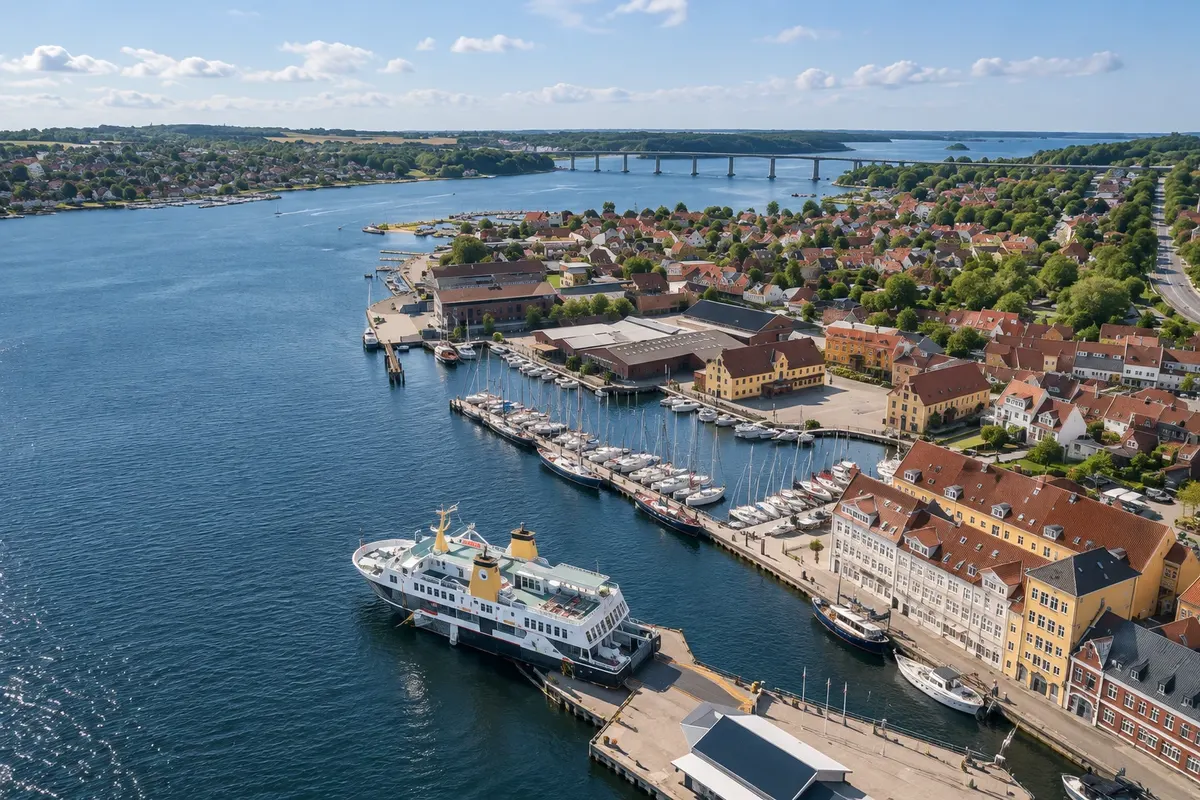
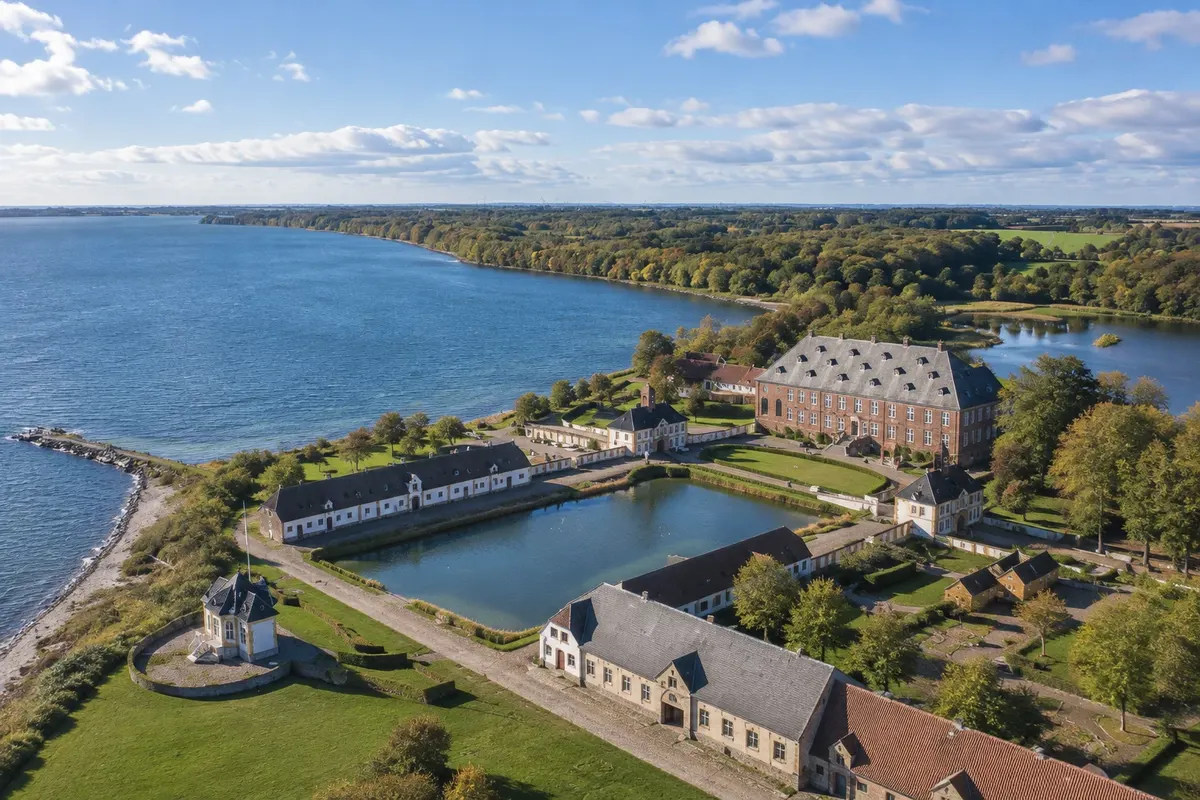
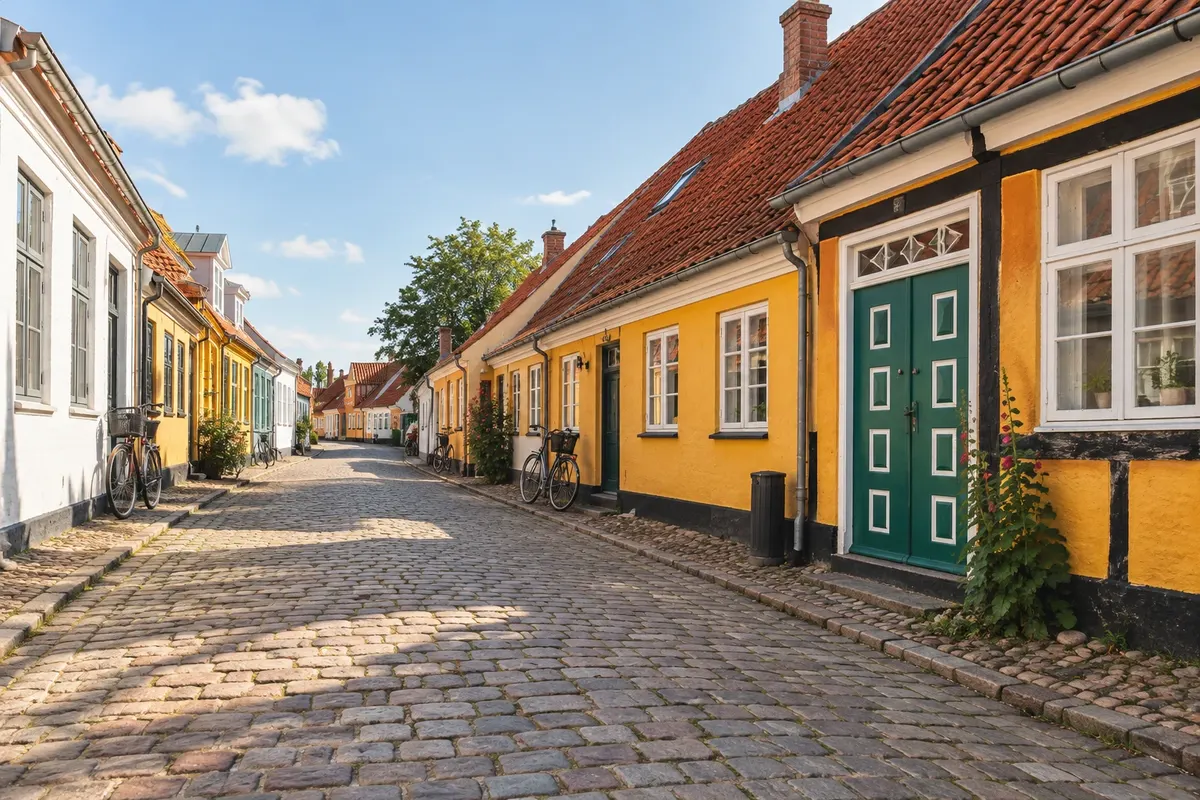
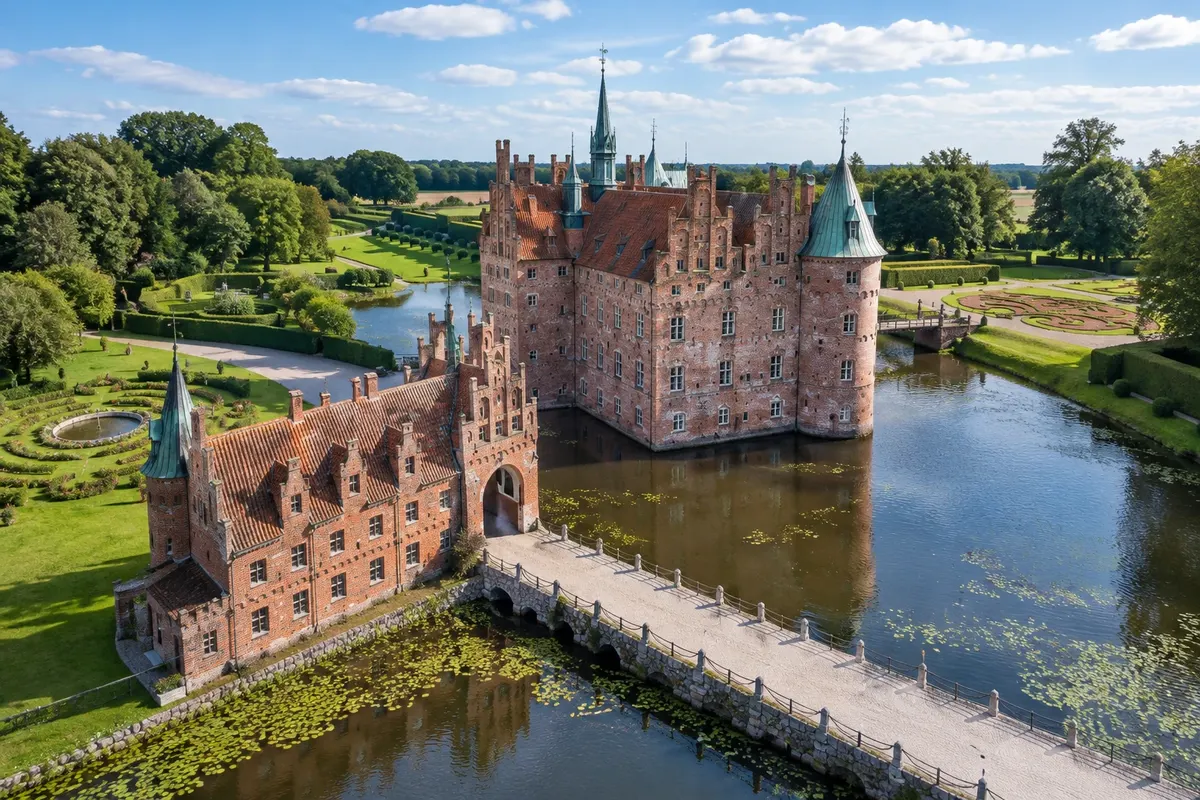
About 30 km to the south, the Castelo de Egeskov, dating from 1554, stands on oak piles in a lake and has gardens, mazes and museums. On the south coast, Svendborg is the gateway to Funen's southern archipelago: ferries run to the island of Ærø, with the village of Ærøskøbing and 18th-century half-timbered houses, and a bridge leads to Tåsinge, with the Castelo de Valdemar and the seafaring village of Troense.
Odense is walkable and served by light rail; for Egeskov and the archipelago a car helps, but trains, buses and ferries reach most places. The island is flat and has signposted cycle routes.
This destination brings together 2 cities: Odense, Svendborg.


 Brazil
 Argentina
 Bolivia
 Chile
Chile Colombia
 Ecuador
 Guyana
 French Guiana
 Falkland Islands (Malvinas)
 Paraguay
 Peru
Peru Suriname
 Uruguay
 Venezuela
 Germany
 Belgium
 Spain
Spain France
 Greece
 the Netherlands
 Ireland
 Italy
Italy Luxembourg
 Norway
 Portugal
 the United Kingdom
 Sweden
 Switzerland