La Paz

La Paz · Bolivia

La Paz

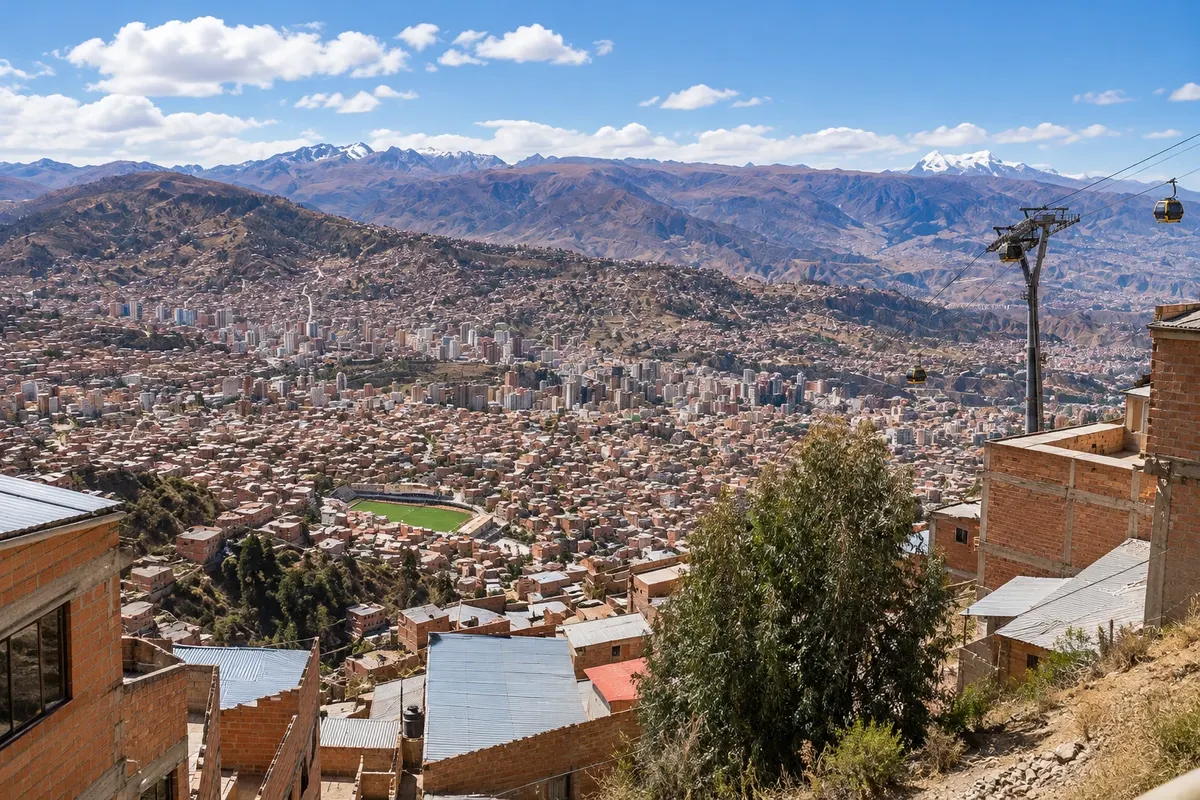
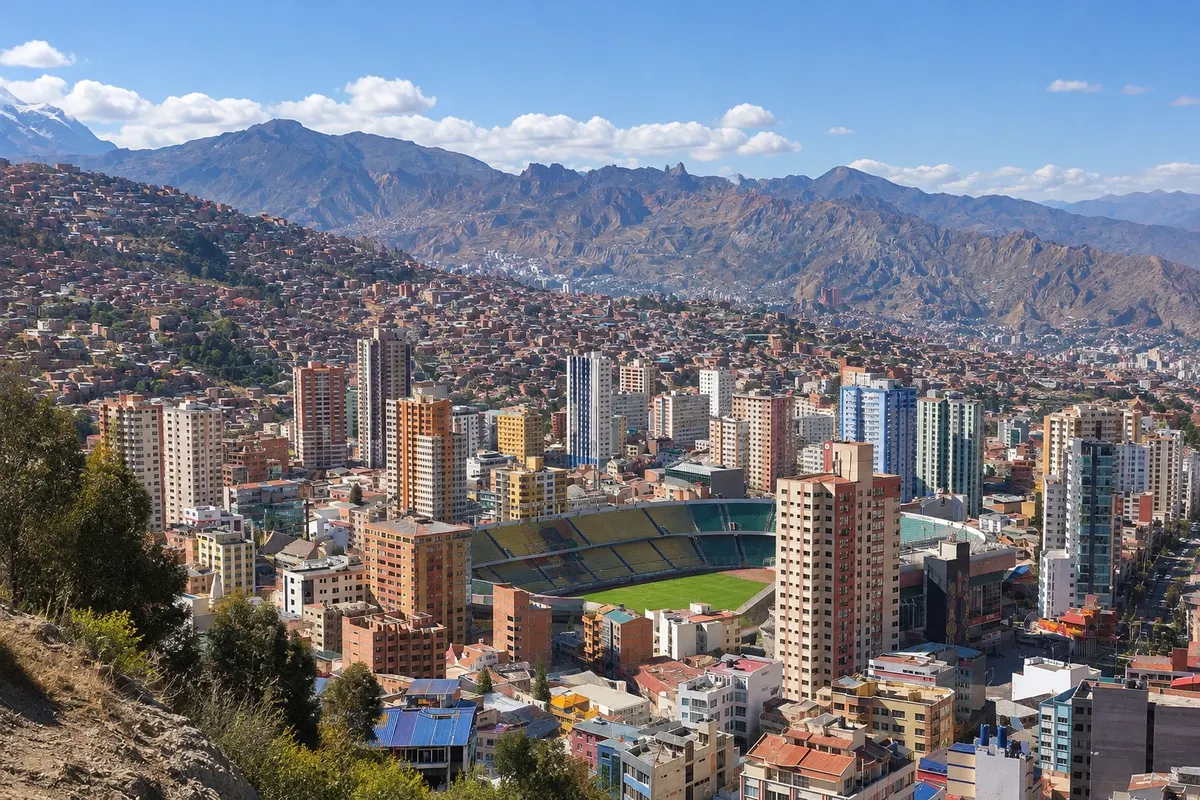
Seat of the Bolivian government in an Andean canyon at about 3,600 m, with the snow-capped Illimani in the background, the colonial center on hillsides, the cable car above the neighborhoods and the ruins of Tiwanaku 70 km away.

Altiplano

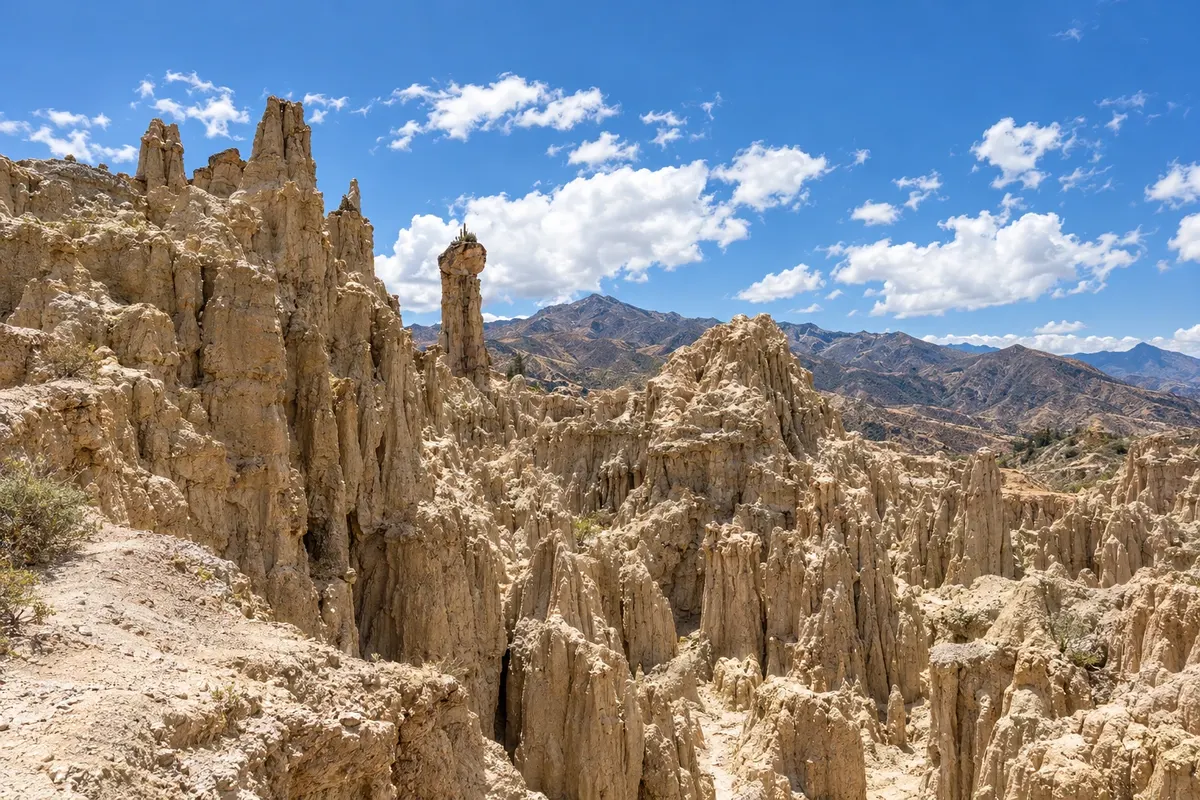
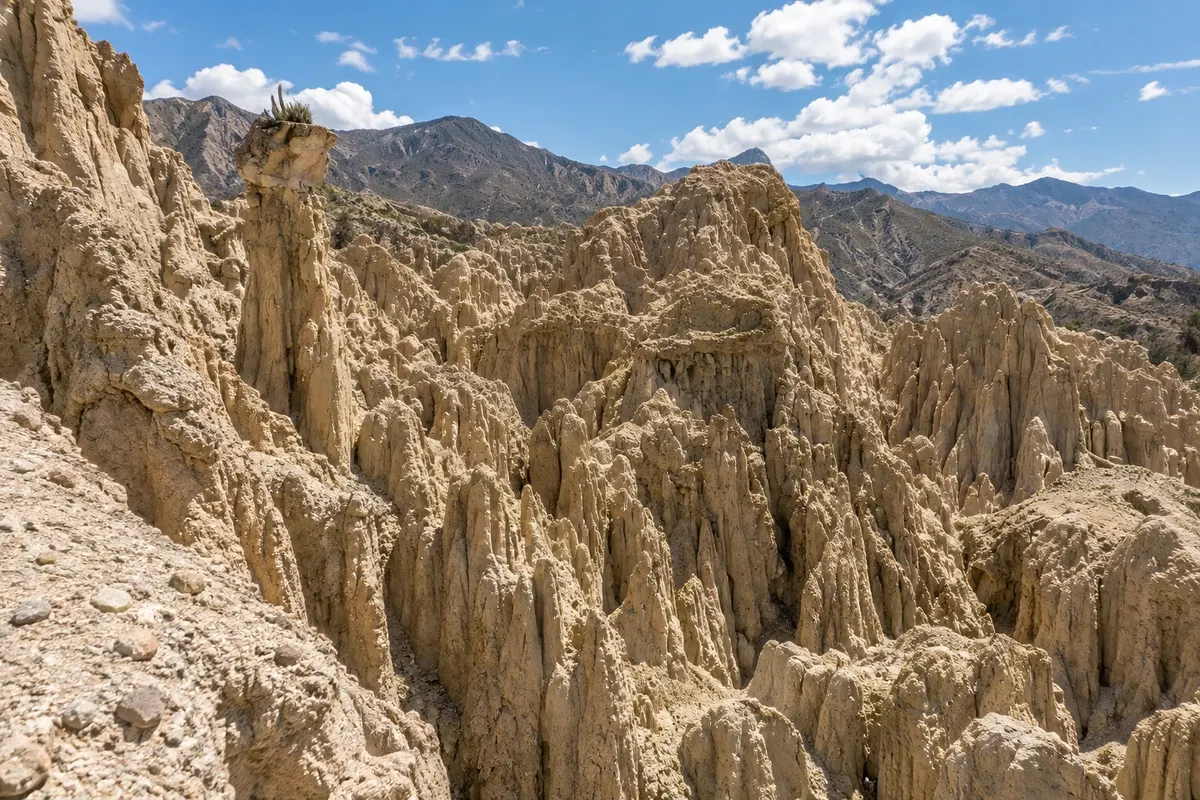
In the photo: Valle de la Luna, La Paz

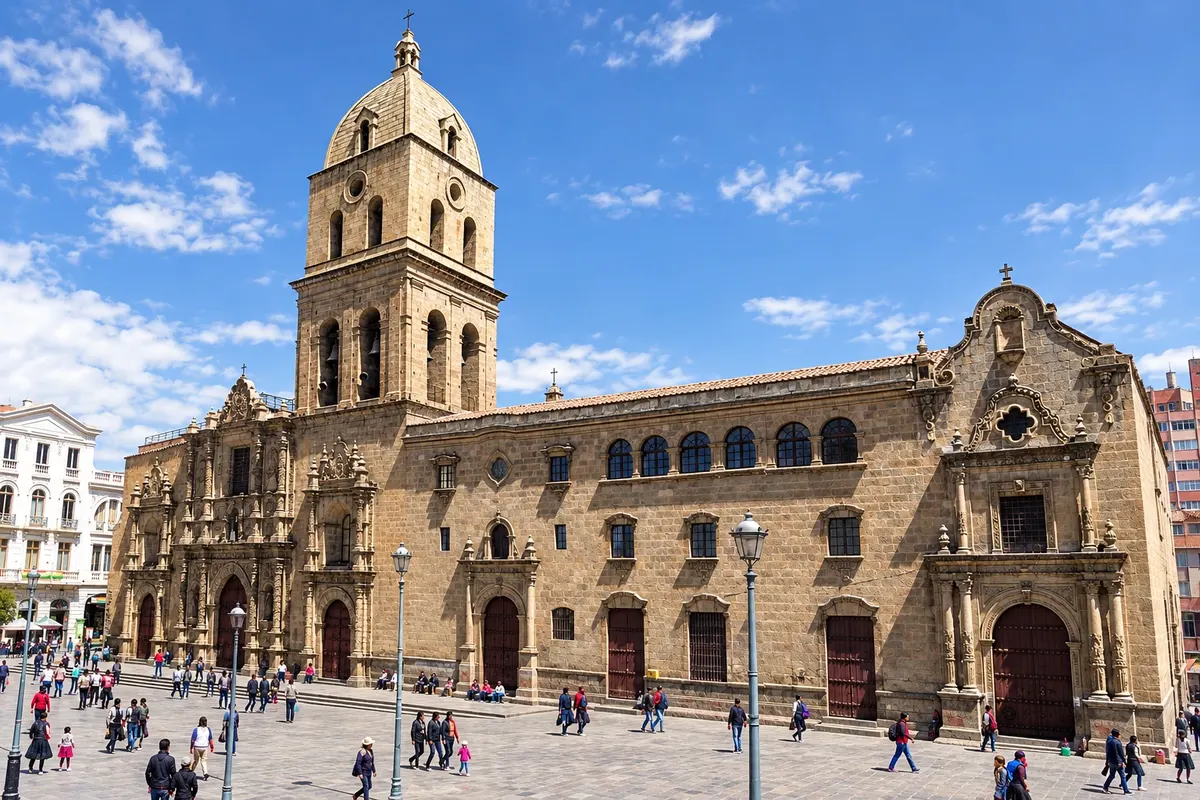
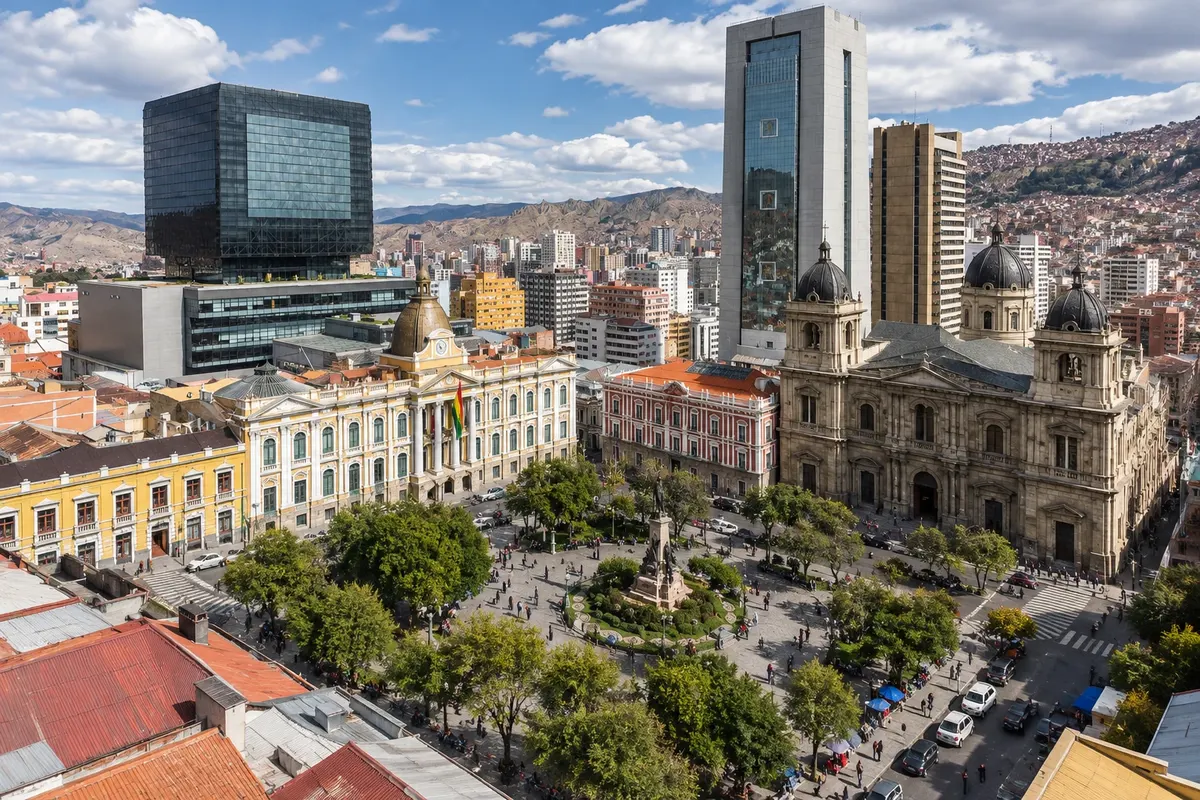
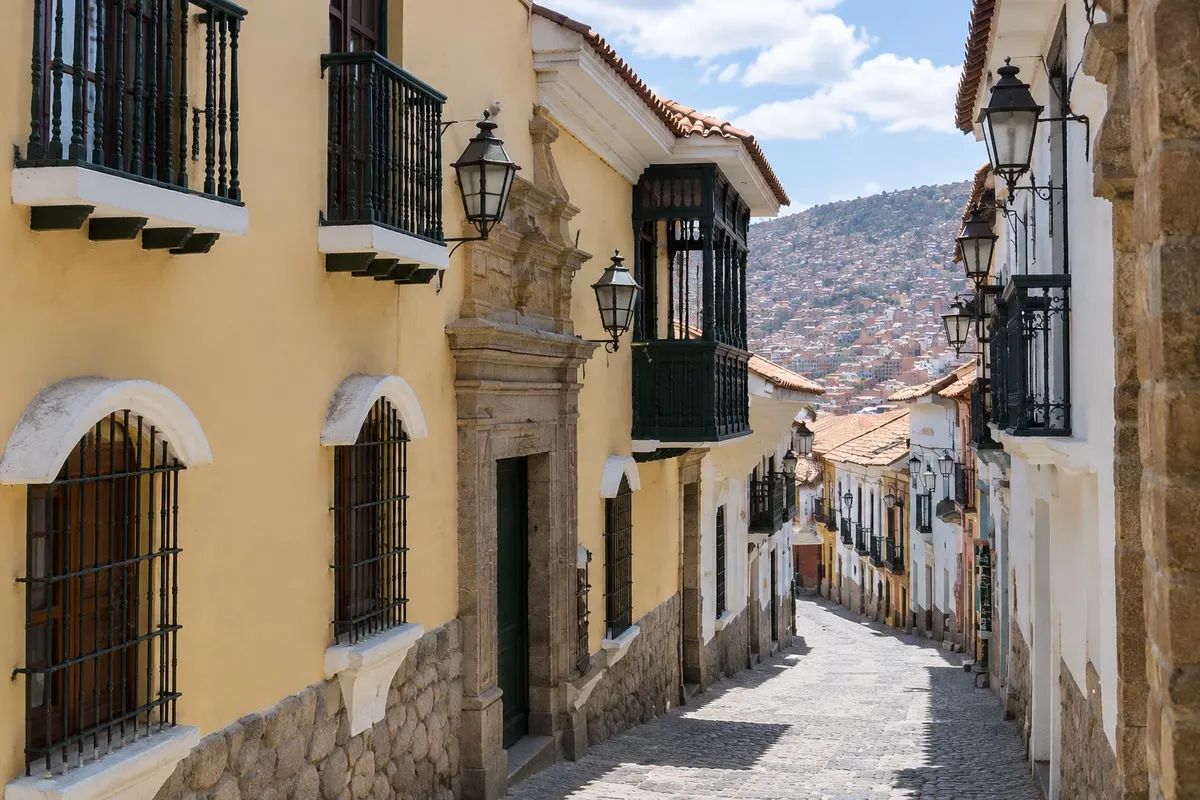
Illustrative images. The pictures in this guide are illustrations based on the real place, not photographs, and may differ from it.

Get it on Google Play Send your photos

Get to know the place

A region to enjoy
at your own pace.

La Paz sits in a canyon carved by the Choqueyapu River on the edge of the Altiplano, with the downtown at about 3,600 meters altitude and neighborhoods climbing the slopes up to El Alto on the upper plain, around 4,000 meters. Founded by the Spanish in 1548, it is the seat of Bolivia's government, housing the presidency and parliament; the constitutional capital is Sucre. In the background, the snow-capped Illimani, over 6,400 meters high, can be seen from almost the whole city.

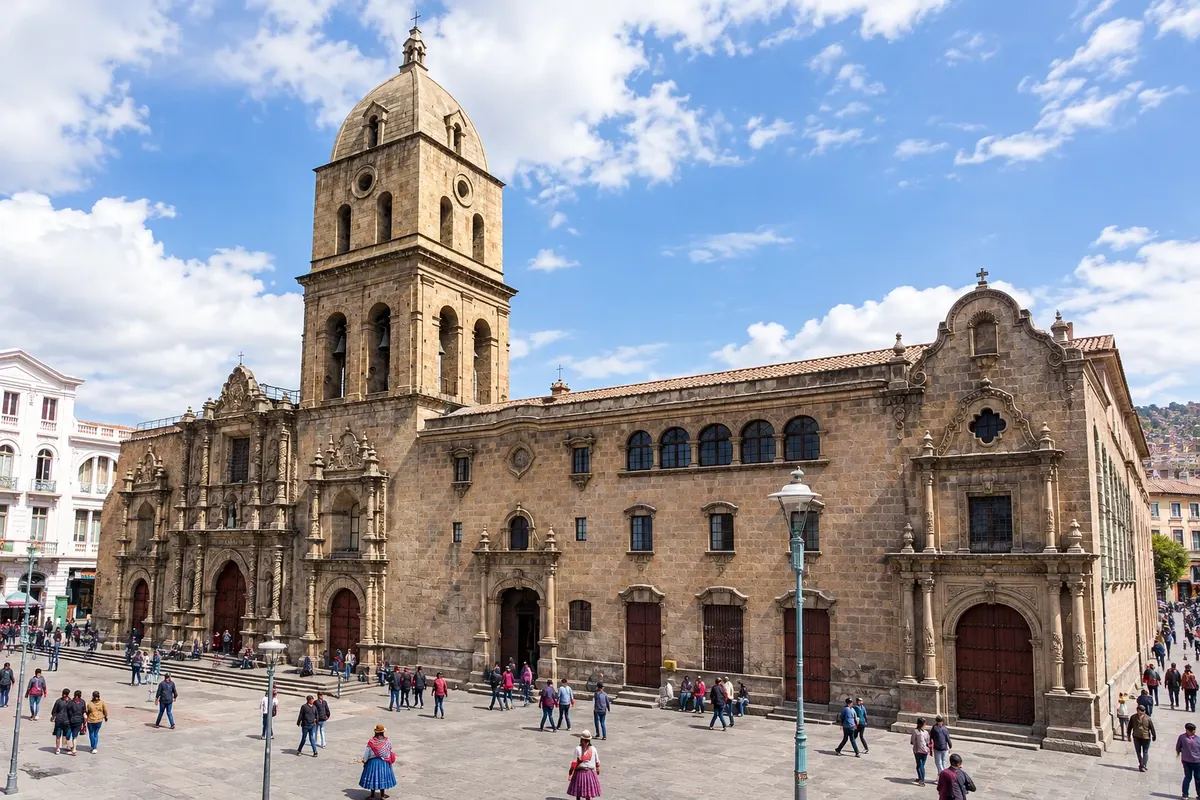
The historic center revolves around Plaza Murillo, with the Cathedral, the Government Palace and the Legislative Assembly. A few blocks away are Calle Jaén, a colonial street of colorful houses with museums, and the Basílica de San Francisco, with a carved stone façade in the mestizo baroque style. On the streets above the church, the Mercado de las Brujas sells herbs, amulets and offerings used in Aymara rituals to Pachamama.

Mi Teleférico, the urban cable car network that links La Paz with El Alto, is everyday transport and also the easiest way to see the city from above. Viewpoints such as Killi Killi show the whole canyon with Illimani behind. To the south, Valle de la Luna has clay formations sculpted by erosion, and 70 km away on the Altiplano, Tiwanaku preserves the ruins of the culture that dominated the region before the Incas.

Take it easy on the first day.

This destination brings together 1 city: La Paz.

Share: WhatsApp
Traveler, share your experiences through photos Up to 5 photos of each place you visited.

One destination, many paths

The cities on this trip

Start with one city or combine several in your itinerary.

Where La Paz is
La Paz

Contornos: GeoBolivia, via geoBoundaries (CC BY 4.0). Adaptação do Cidade Turismo.

How to get there: La Paz

✈ Aeropuerto Internacional El Alto (LPB), in El Alto · 14 km to La Paz

Check before buying. El Alto International Airport is at about 4,000 meters, 14 km from the center, a 30–45 minute taxi ride. Buses from other cities arrive at the Terminal de Buses, near the center.

The local experience

Things to do in La Paz

Plaza Murillo
La Paz · La Paz · Square

Plaza Murillo

The central square of La Paz, with the Catedral Metropolitana, the Palacio de Gobierno (known as Palacio Quemado), and the Legislative Assembly, with the clock that runs backwards.

Calle Jaén
La Paz · La Paz · Street

Calle Jaén

Colonial stone street with colorful houses in central La Paz, with four municipal museums, including the Museo de Metales Preciosos and the Museo Costumbrista, and the Museo de Instrumentos Musicales.

Basílica de San Francisco
La Paz · La Paz · Church

Basílica de San Francisco

18th-century Franciscan church in the center of La Paz, with a carved stone façade in the mestizo baroque style featuring Andean figures, and a museum in the convent that reaches up to the roof.

La Paz · La Paz · Market

Mercado de las Brujas

The stalls on the streets Linares and Sagárnaga, above San Francisco, that sell herbs, amulets, Ekeko figures and offerings for Aymara rituals to Pachamama, alongside alpaca and craft shops.

See 4 more places in La Paz
Mi Teleférico
La Paz · La Paz · Cable car

Mi Teleférico

The urban cable car network of La Paz and El Alto, with color-coded lines over the canyon neighborhoods, used daily by residents and offering views of Illimani and the Altiplano.

Mirador Killi Killi
La Paz · La Paz · Viewpoint

Mirador Killi Killi

Circular viewpoint high in the Villa Pabón neighborhood, a few minutes from the center, with 360-degree views of the La Paz canyon, El Alto and the snow-capped Illimani.

Valle de la Luna
La Paz · La Paz · Landscape

Valle de la Luna

Clay and sandstone formations carved by erosion into spires and canyons, about 10 km south of downtown La Paz, with short waymarked trails among the peaks.

Tiwanaku
La Paz · La Paz · Archaeological site

Tiwanaku

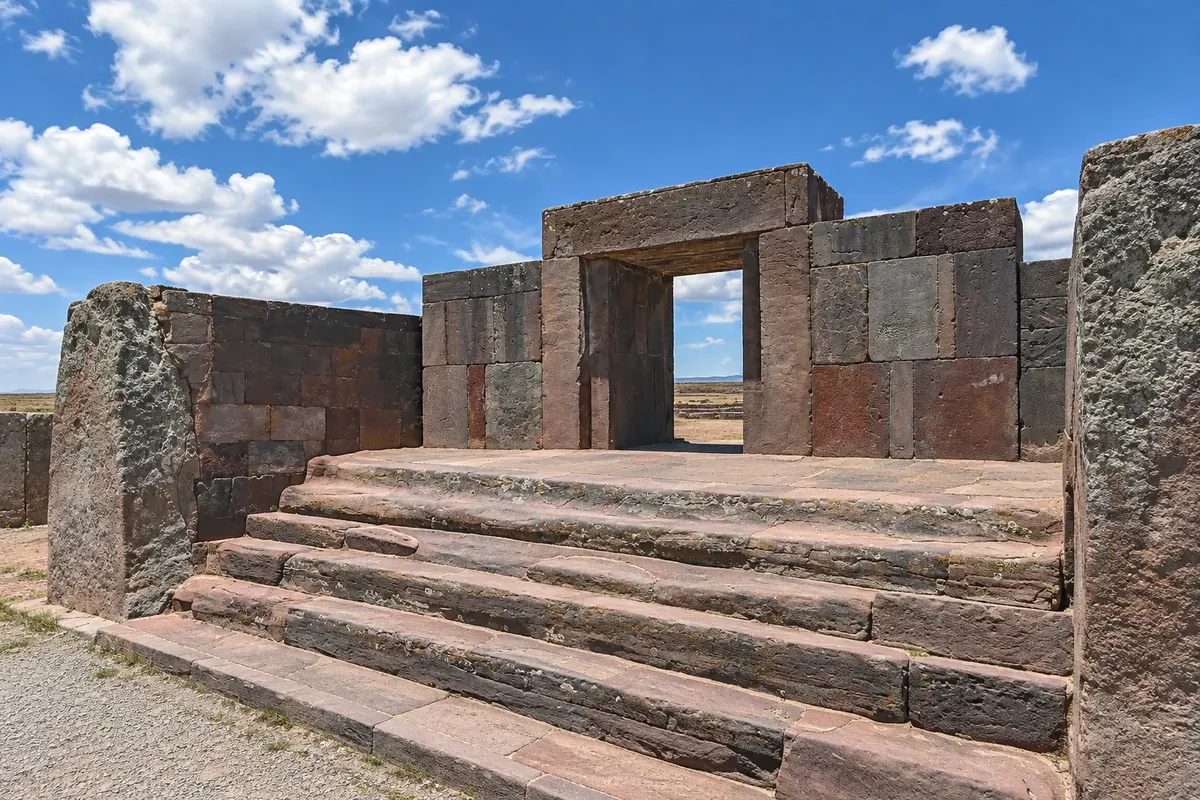
Center of the Tiwanaku culture, which dominated the southern Andes before the Incas, about 70 km from La Paz, with the Akapana pyramid, the Kalasasaya, the Puerta del Sol and the blocks of Puma Punku. A World Heritage Site since 2000.

Before you go

Practical information

A little planning leaves more time to enjoy the journey.

When to go

The dry season usually runs from May to October, with sunny days, clear skies and very cold nights, near or below zero. Rains come from December to March, generally in the afternoons. In February or March, depending on the year, the city celebrates Carnival and in January the Alasitas fair takes place.

The seasons shown are the most usual ones; nature doesn't always follow the calendar.

How many days to stay

Three days: a light first day with Plaza Murillo and Calle Jaén; a second day for San Francisco, the Mercado de las Brujas, the cable car and Killi Killi; and a third day for Tiwanaku or Valle de la Luna. Those heading to Copacabana can fit Tiwanaku into a separate day.

Which city to stay in

The historic center, between Plaza Murillo and the Basílica de San Francisco, has hotels and guesthouses near the streets Sagárnaga and Jaén, a few minutes from the museums. Sopocachi, a little lower down, is a residential neighborhood of cafés and squares. The Zona Sul, lower and warmer, has modern hotels and restaurants, but is about 20 minutes from the center.

Respect the place

Take your trash with you, follow the signs and support local businesses. In natural areas, follow the visiting guidelines.

Get your questions answered

Frequently asked questions about La Paz

What is the altitude of La Paz?

The city center is at about 3,600 meters, and the airport in El Alto is around 4,000 meters. Many travelers feel the effects of altitude in the first days. Take it easy on the first day, avoid strenuous outings, and talk with your doctor before the trip.

Is La Paz the capital of Bolivia?

La Paz is the seat of government, where the presidency and parliament are located. The constitutional capital is Sucre, where the Judiciary operates.

How many days to stay in La Paz?

Two to three days. Two for the center, the cable car and the viewpoints; the third for Tiwanaku or Valle de la Luna.

Do I need a car in La Paz?

No. Traffic is heavy and the streets are steep. Taxis, minibuses and Mi Teleférico handle most transfers, and agencies sell tours to Tiwanaku and Valle de la Luna.

Explore other destinations Search by state and city
Back