Ajiaco santafereño
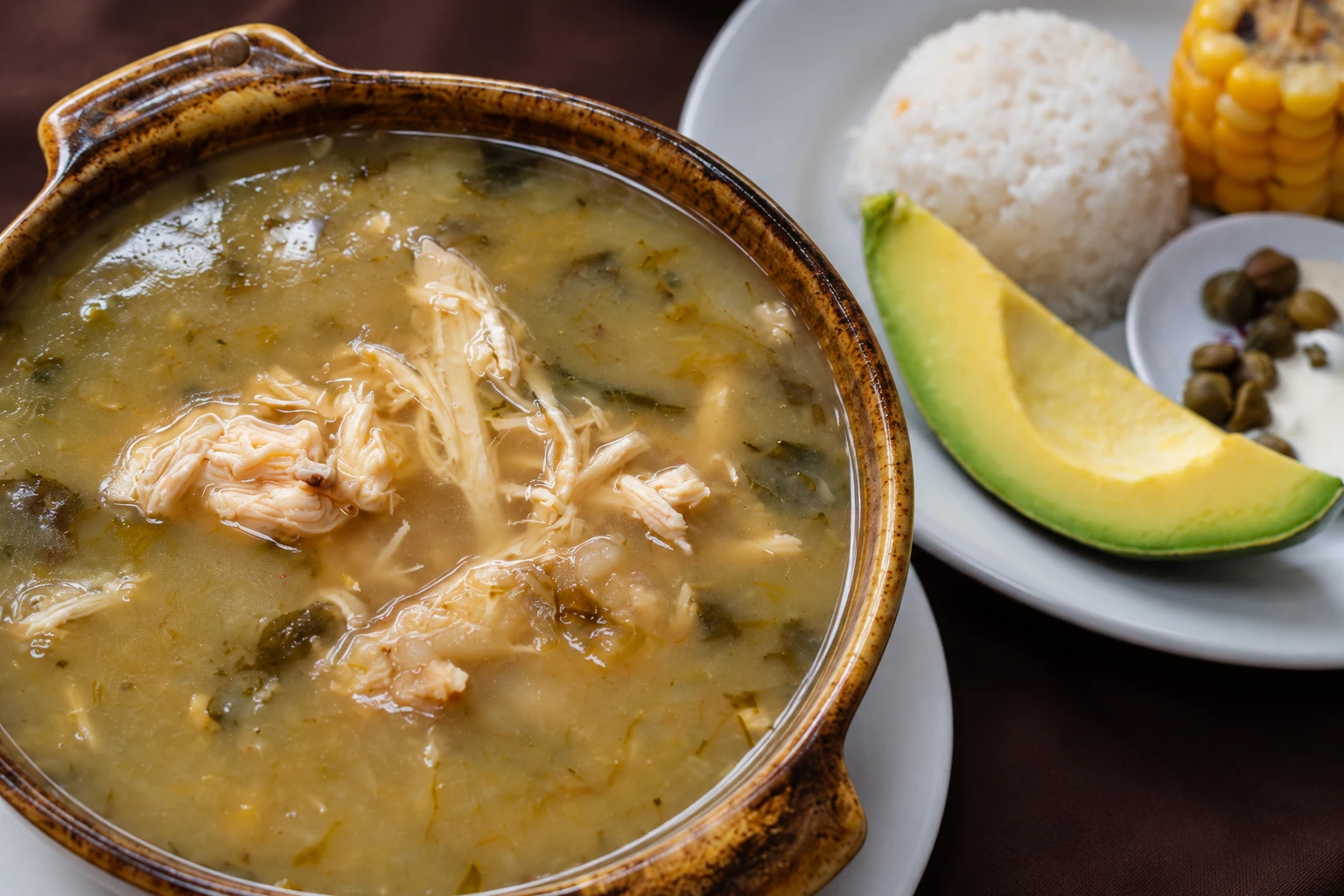
Thick soup of shredded chicken, three types of potato and corn, scented with guascas. It is the dish most associated with Bogotá and is served with capers, cream, and avocado.
Antarctica
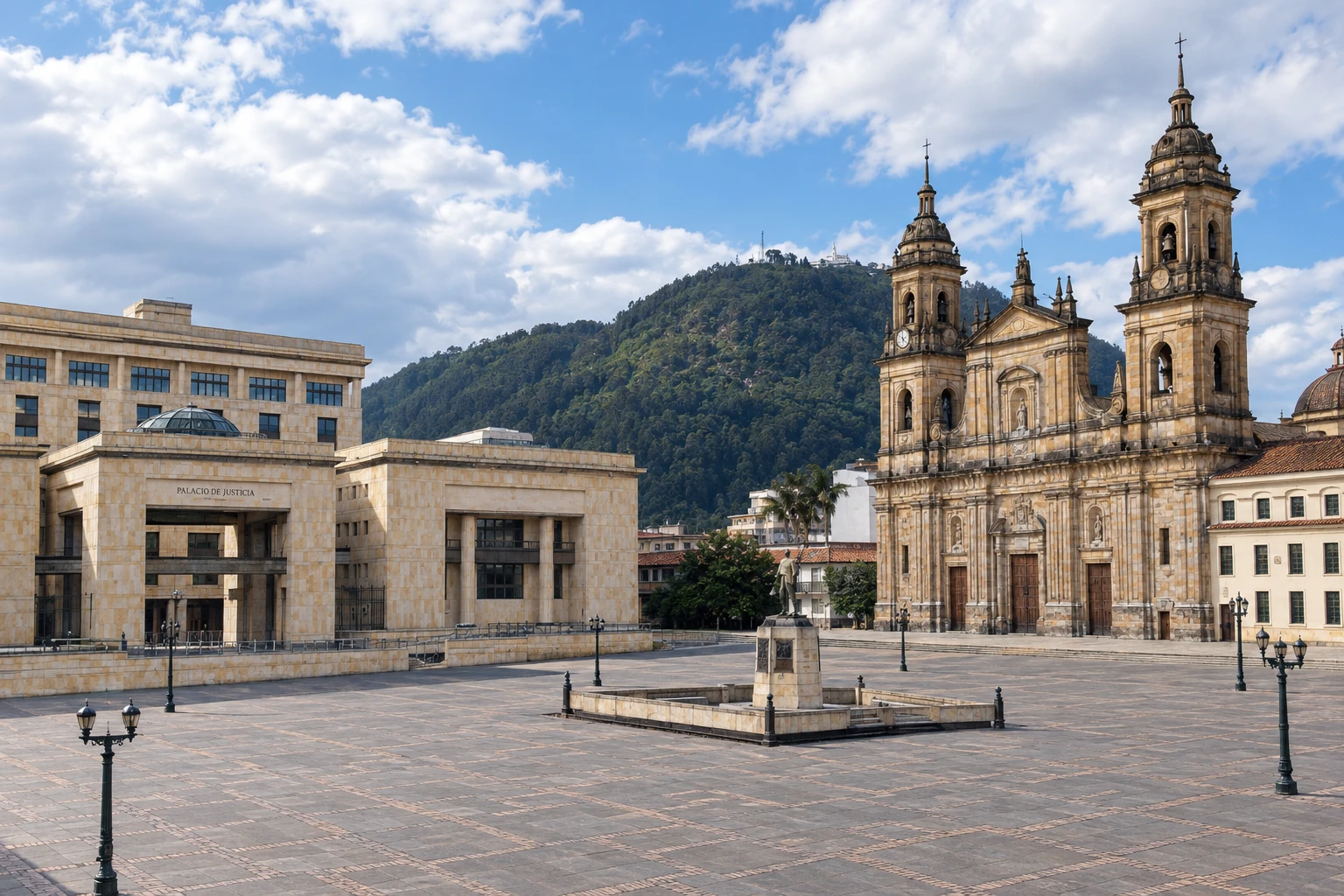
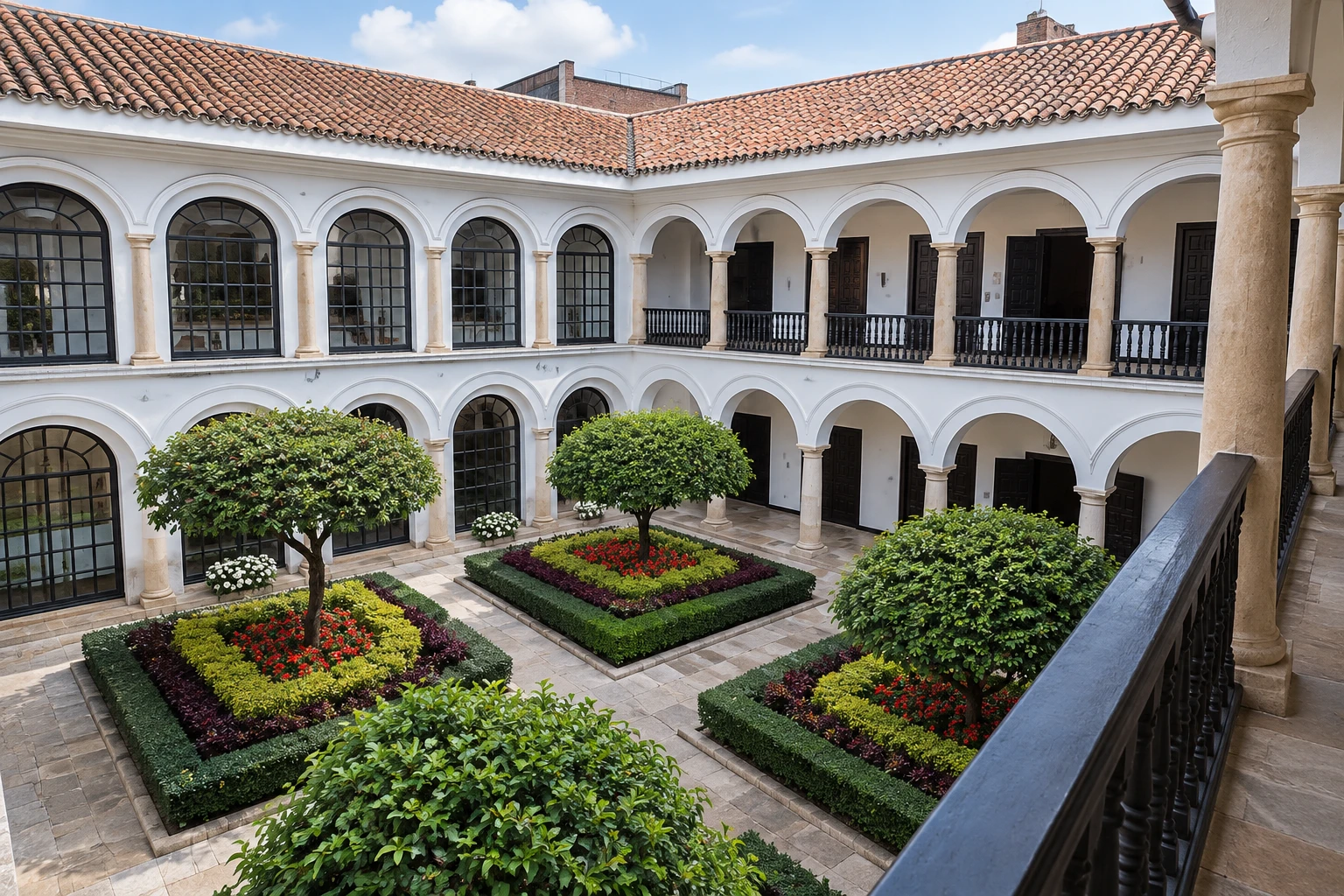
In the photo: Plaza de Bolívar
Illustrative images. The pictures in this guide are illustrations based on the real place, not photographs, and may differ from it.
The city
Bogotá is the capital of Colombia, on an Andean plateau about 2,600 meters high, next to the eastern hills. The historic center, La Candelaria, has colonial houses, the Plaza de Bolívar, the Museo del Oro and the Museo Botero; from the top of Monserrate you can see the whole city. To the north are Usaquén and the hotel and restaurant neighborhoods. The climate is cool year-round, with frequent rain.
There's no accommodation in the guide yet in Bogotá.
Do you run a hotel, guesthouse or vacation rental here? List itThere are no restaurants in the guide yet in Bogotá.
Know a good one? Recommend it to usThe city's hotels and restaurants on the map.
how to get there · how many days · itinerary · questions
Flavors of Colombia

Thick soup of shredded chicken, three types of potato and corn, scented with guascas. It is the dish most associated with Bogotá and is served with capers, cream, and avocado.

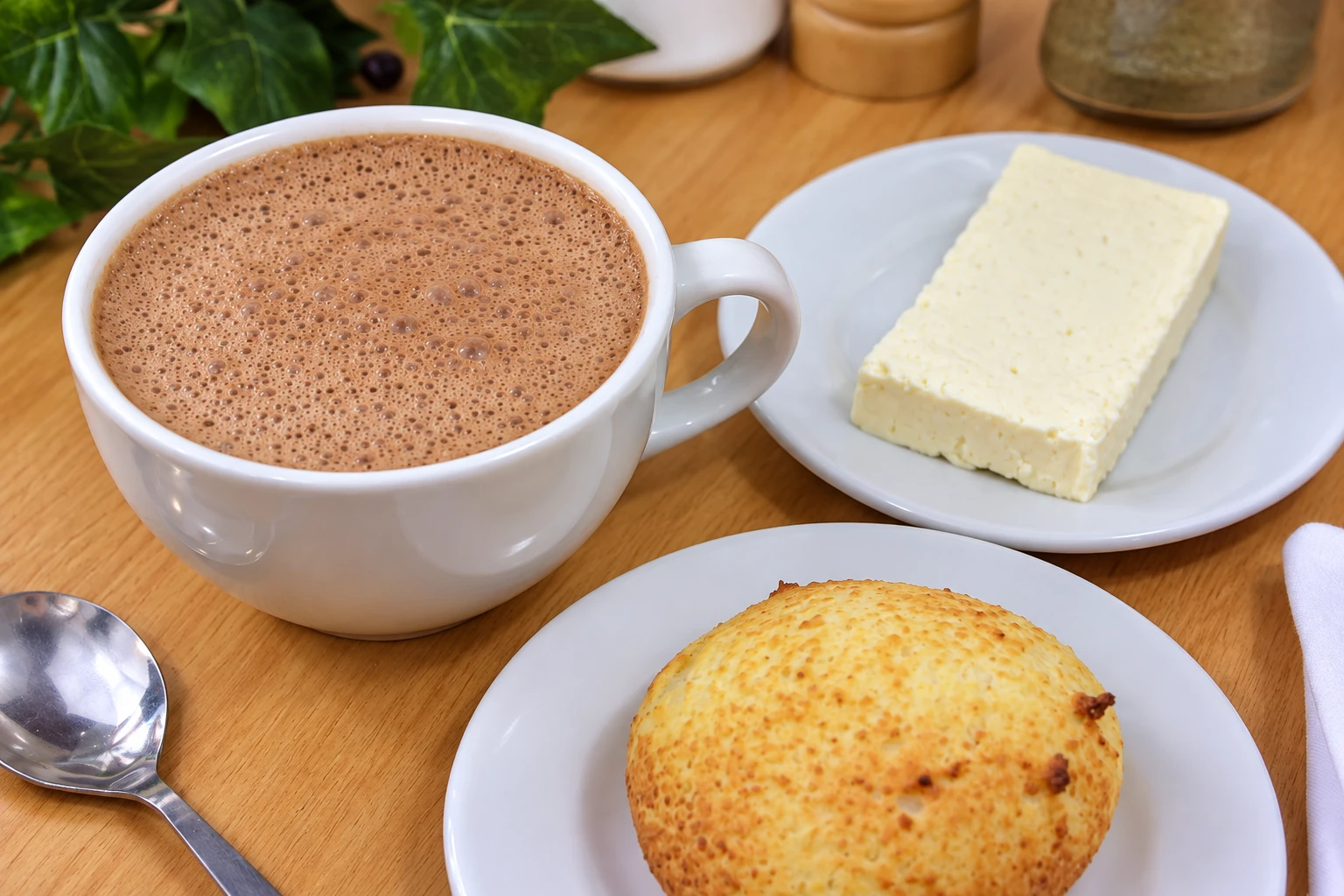
Thick hot chocolate, made with water or milk, served with fresh cheese placed inside the cup to melt, and with almojábana or bread. It is part of Bogotá’s onces.
The local experience
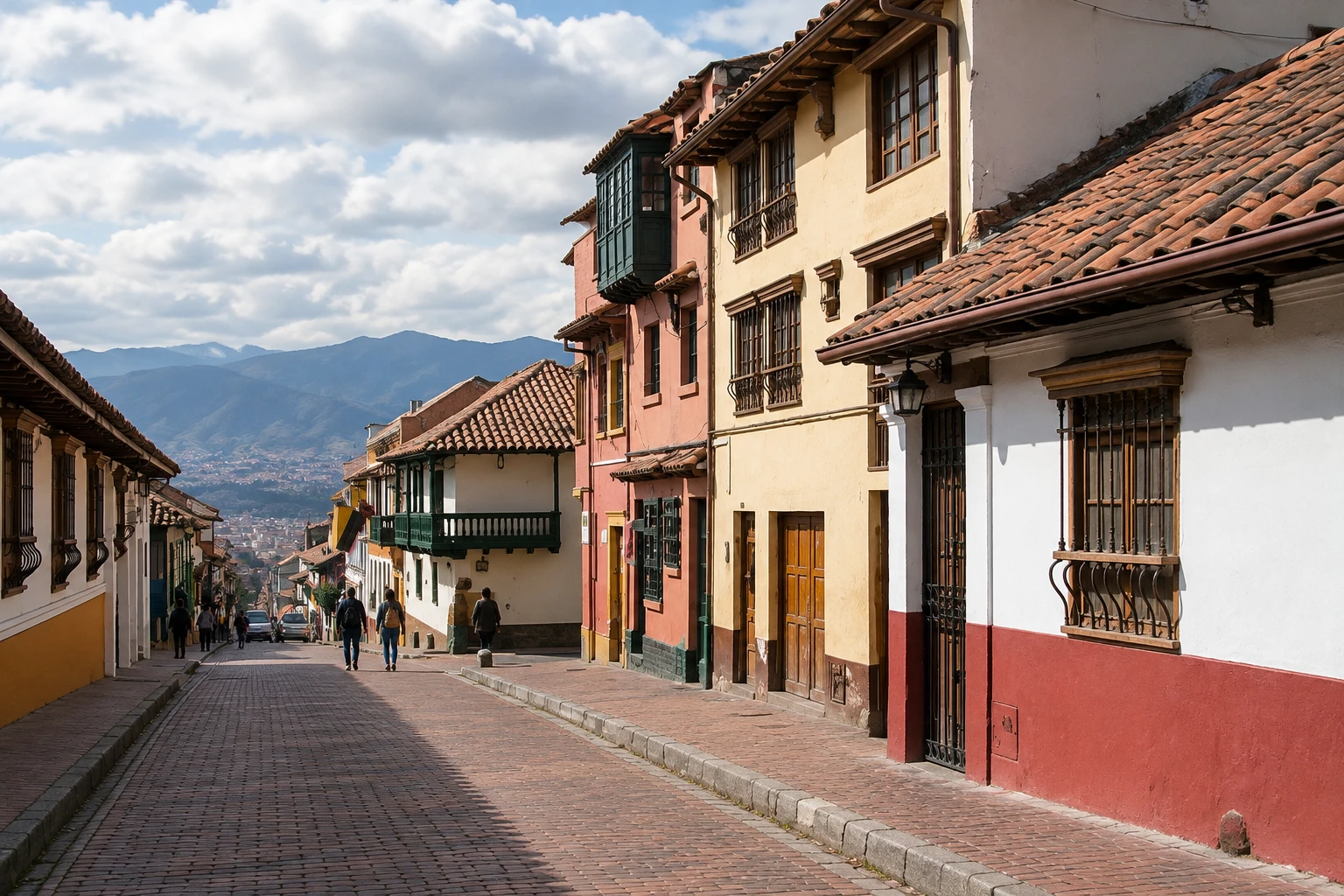
The colonial neighborhood of Bogotá: cobbled slopes, houses with wooden balconies, churches, graffiti and the Chorro de Quevedo, the small square identified as the place where the city was founded in 1538.
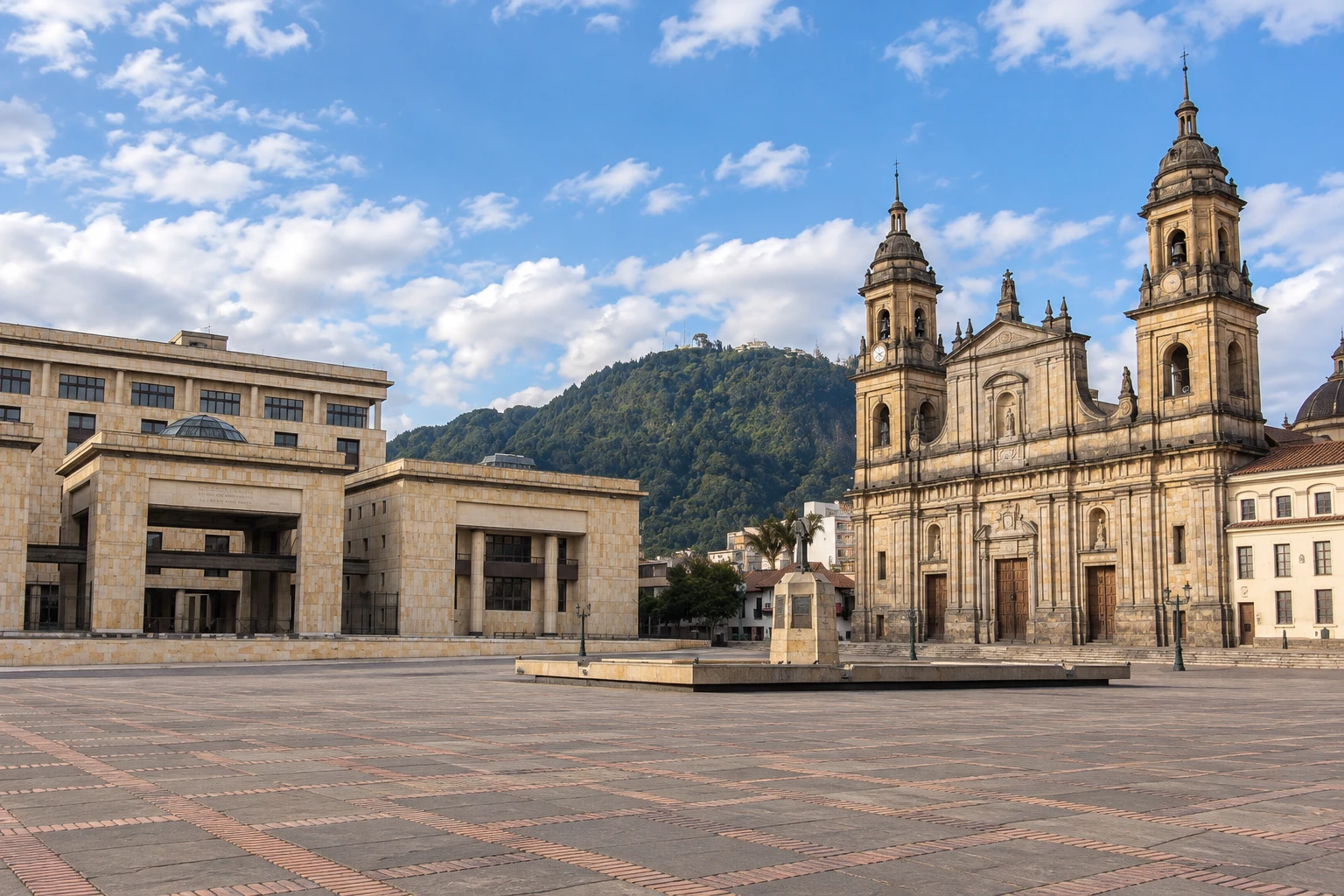
The central square of Bogotá, with the statue of Simón Bolívar, the Catedral Primada, the Capitolio Nacional, the Palacio de la Justicia and the city hall around it. It is the zero point of the country's political history.
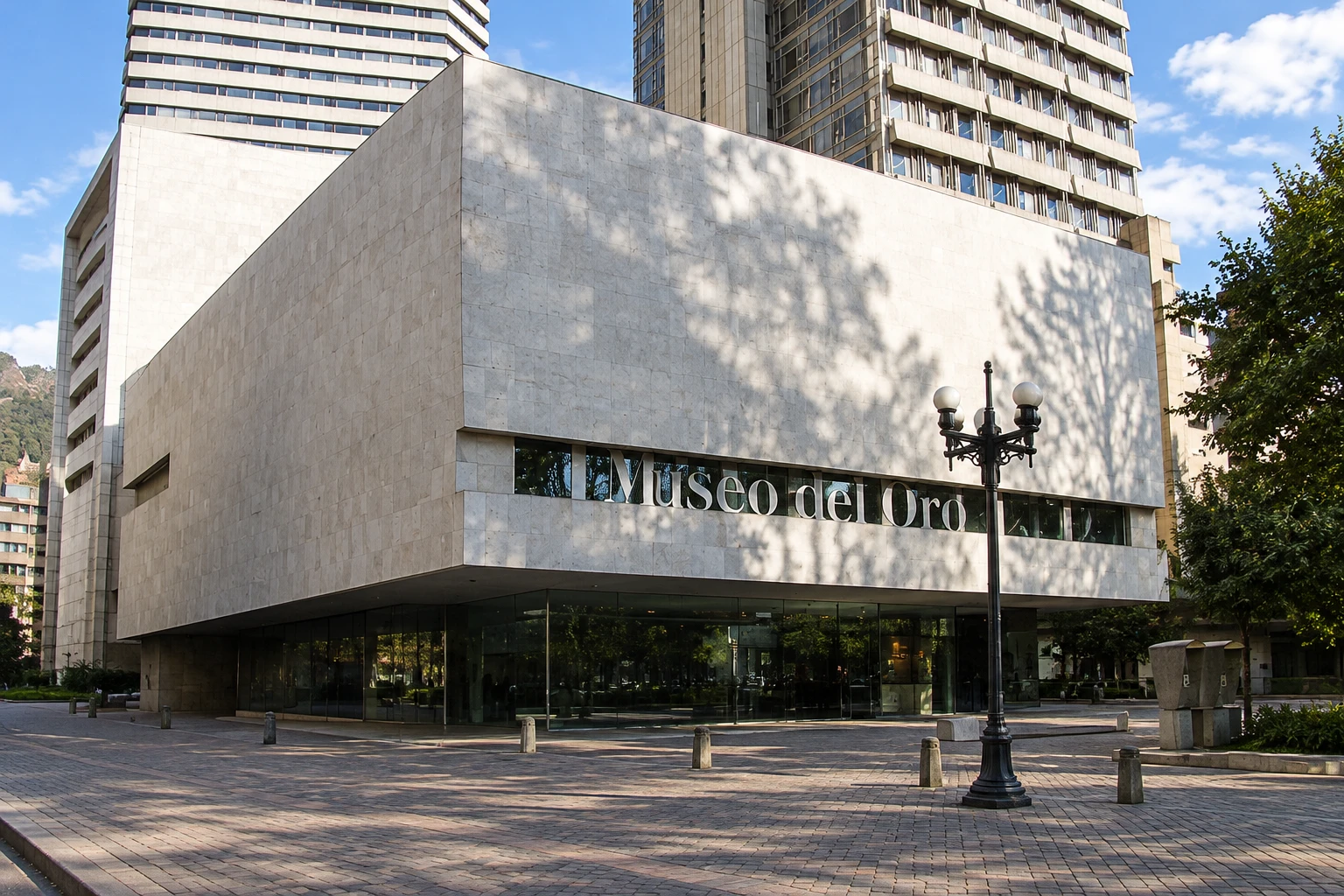
The museum of the Banco de la República with tens of thousands of gold and metal pieces from Colombia's pre-Hispanic cultures, including the Balsa Muisca, which illustrates the ritual linked to the legend of El Dorado.
Colonial house in La Candelaria with the works Fernando Botero donated to the Banco de la República: his paintings and sculptures and a collection of European masters, from Monet and Renoir to Picasso, Miró and Dalí.
Before you go
Bogotá – Colombia Destination Bogotá Capital
Approximate distances. Check flights and bus, train or boat schedules before you travel.
Connections with Brazil can be direct or with a stopover, depending on the season and airline. Check before you buy. The Aeropuerto Internacional El Dorado is about 15 km from downtown; a taxi ride takes 30 minutes to 1 hour depending on traffic. Within the city use a taxi, ride-hailing app or the TransMilenio, the dedicated-bus system. From other Colombian cities, flying is usually the most practical option: roads cross mountains and trips are long.
Three days cover La Candelaria, the Plaza de Bolívar, the museums, Monserrate and a day trip to Zipaquirá. With four or five days you can include the Jardín Botánico, Usaquén on Sunday, Paloquemao early in the morning and the Laguna de Guatavita.
The climate changes little over the year: mild days and cold nights, with an average around 14 °C. From December to February and from June to August it usually rains less; from April to May and from October to November rainfall is usually heavier, generally in the afternoon. On Sundays and public holidays there is the Ciclovía on the avenues.
The seasons shown are the most usual ones; nature doesn't always follow the calendar.
No. The historic center is explored on foot, and Bogotá traffic is heavy, with license-plate restrictions. To go north, to the Jardín Botánico and Paloquemao, use a taxi or a ride‑hailing app; the TransMilenio connects the center to the north and to Portal Norte, from where buses depart for Zipaquirá.
Suggested itinerary
Built with the places on this page. No rush: it's paced so you have time to see them.
Start at the Museo del Oro at opening, and follow Carrera Séptima to Plaza de Bolívar, with the Catedral Primada, the Capilla del Sagrario, and the Capitolio.
Have an ajiaco for lunch in the center, visit the Museo Botero and climb the slopes of La Candelaria up to the Chorro de Quevedo and Calle del Embudo.
Take a taxi to the cable car station, go up Monserrate to see the city from above before dark. Bring a jacket: it's windy and cold up there.
Have dinner in Chapinero, in Zona G or Zona T, where the city's restaurants and bars are concentrated.
Day 1
Museo del Oro at opening, at a relaxed pace, finishing in the Sala de la Ofrenda.
Plaza de Bolívar, Museo de la Independencia, Museo Botero and a walk through La Candelaria up to the Chorro de Quevedo, with a stop for chocolate with cheese.
Walk down Carrera Séptima, the pedestrian street of the center, with street performers and shops, to Parque Santander.
Dinner in Chapinero or Zona G, near those staying in the north.
Day 2
Ascend Monserrate early, when the sky is usually clearer; descend by funicular.
Take a taxi to the Jardín Botánico José Celestino Mutis: Andean forest, páramo and the Tropicario.
In the late afternoon, go to Usaquén to see the plaza and the church and have a coffee. On Sundays, reverse the order and go to the market in the morning.
Have dinner near Parque de la 93 or Zona T, in the north of the city.
Check before you go. Opening hours and days change, and places may close for renovations, holidays or events. This itinerary is a suggestion from Cidade Turismo, not a commitment: plan yours by checking directly with each place you intend to visit.
Before you go
By taxi from the official stand at the terminal exit, or by ride‑hailing app. The trip to La Candelaria takes 30 minutes to 1 hour, depending on traffic. There are also integrated system buses that link the airport to the TransMilenio.
The ajiaco santafereño, a chicken soup with three kinds of potato, guascas, capers, cream and avocado; the tamal tolimense for breakfast; the chocolate santafereño with cheese and the almojábana; and the fruits from Paloquemao.
On Sundays and public holidays, from morning until early afternoon, several avenues are closed to cars and are reserved for bicycles, skates, and pedestrians. Carrera Séptima is one of them. There are bicycle rentals in the city.
La Candelaria for those who want to walk to the museums; Chapinero and Zona G for restaurants; Usaquén, Parque de la 93 and Zona T for modern hotels and nightlife, with a taxi ride to the center.
No. Each museum usually closes one day a week, generally Monday or Tuesday, and many have free‑entry days. Check before you go.