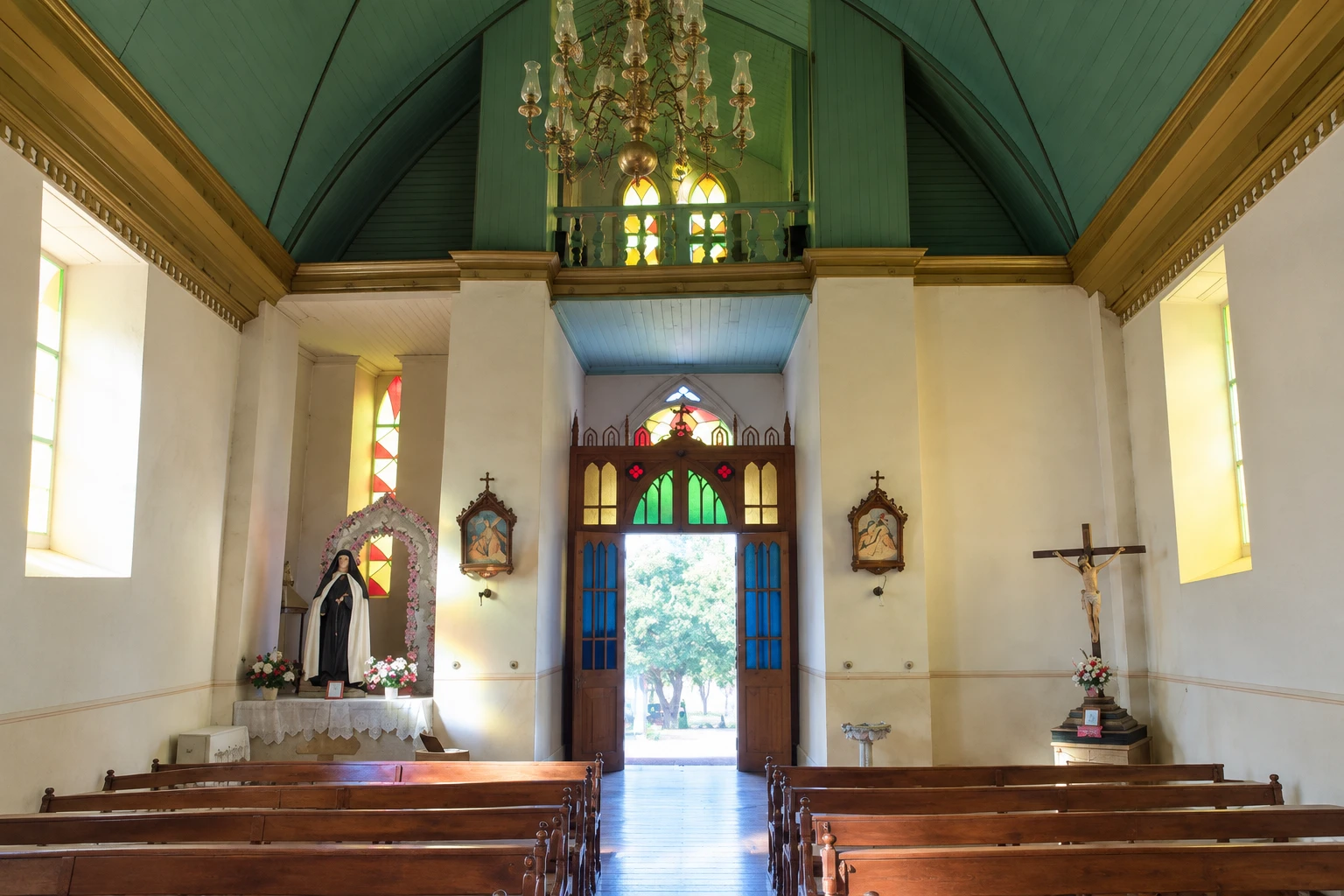
Pisco Elqui · Coquimbo · Church
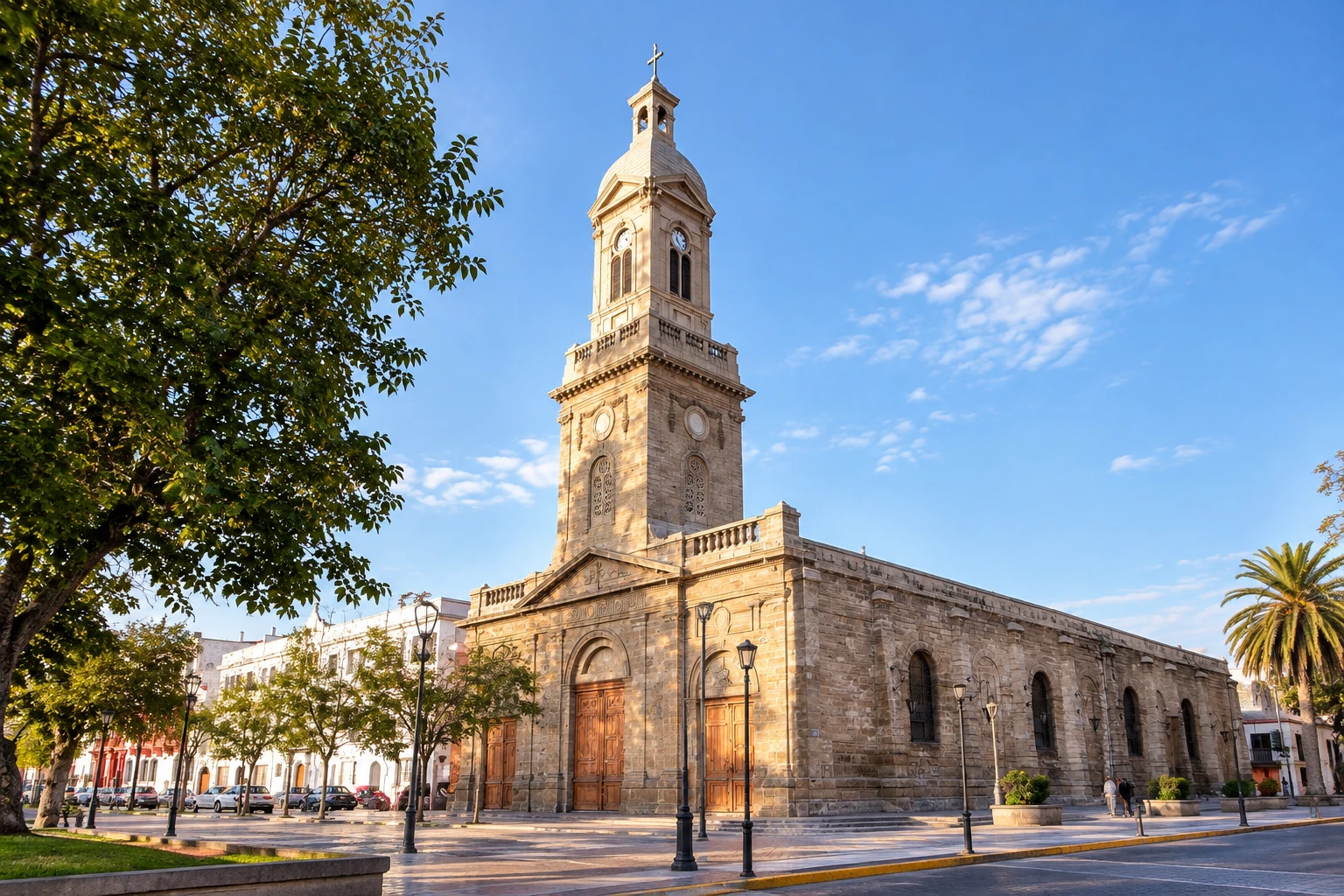
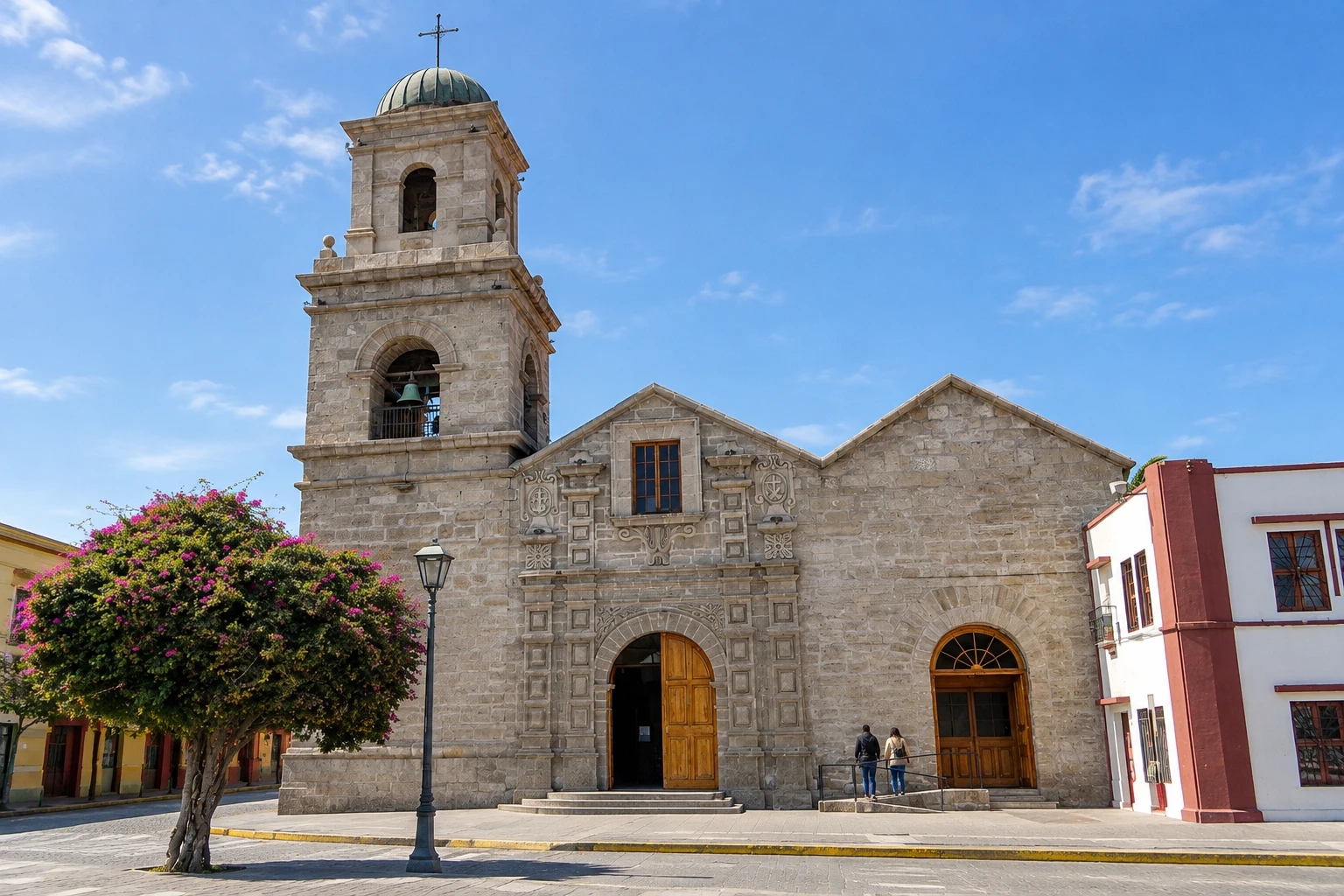
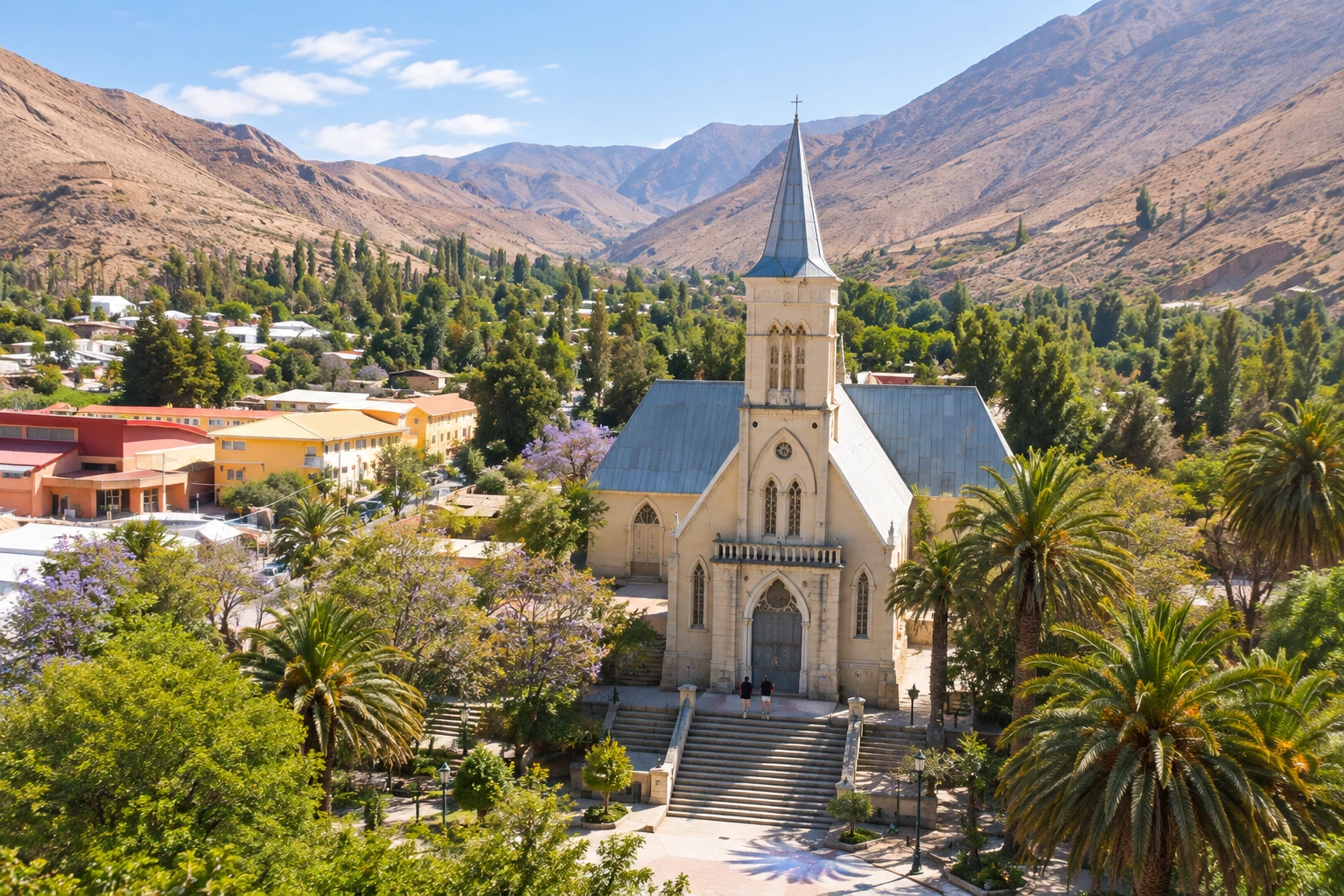
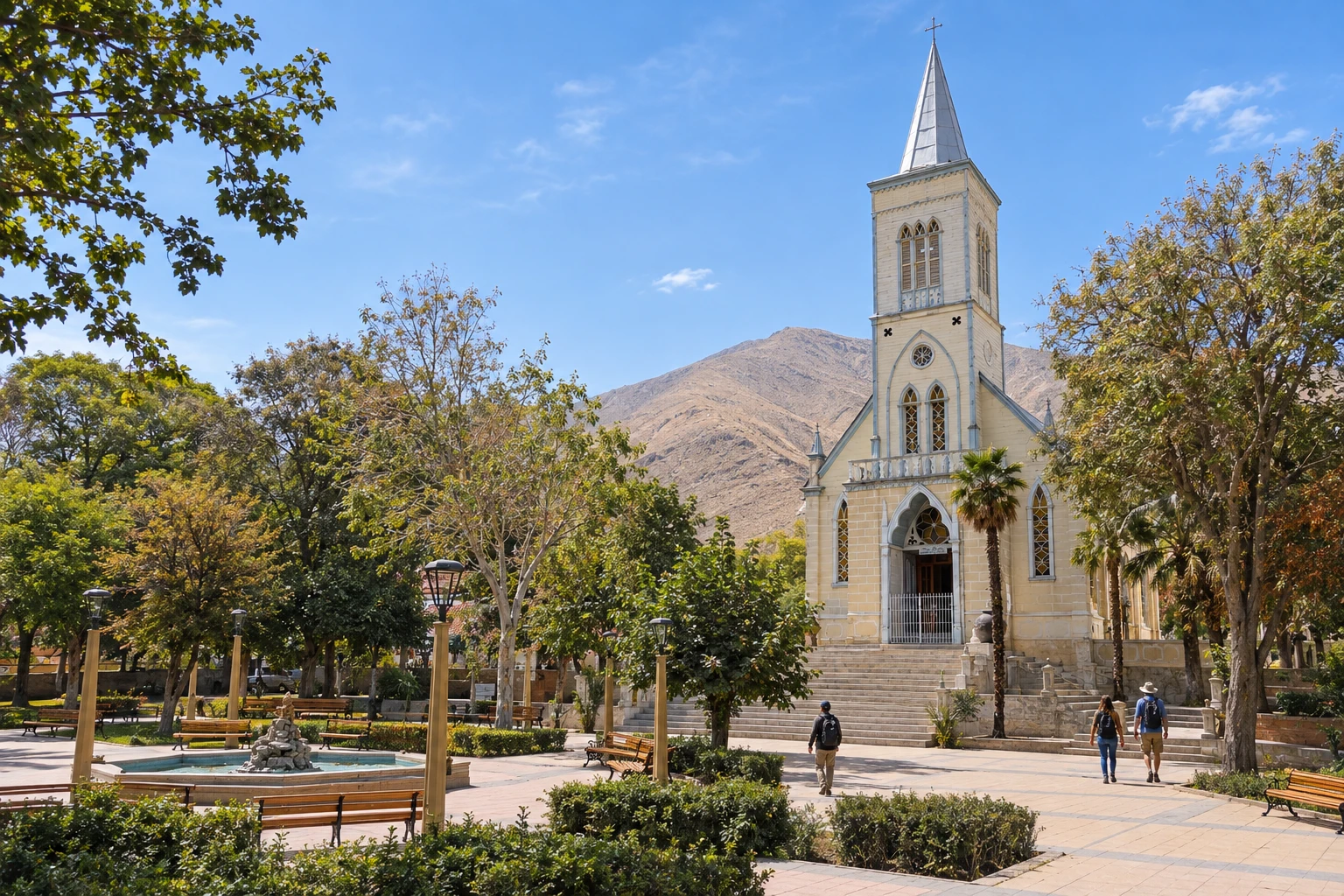
Church of Our Lady of the Rosary of Pisco Elqui
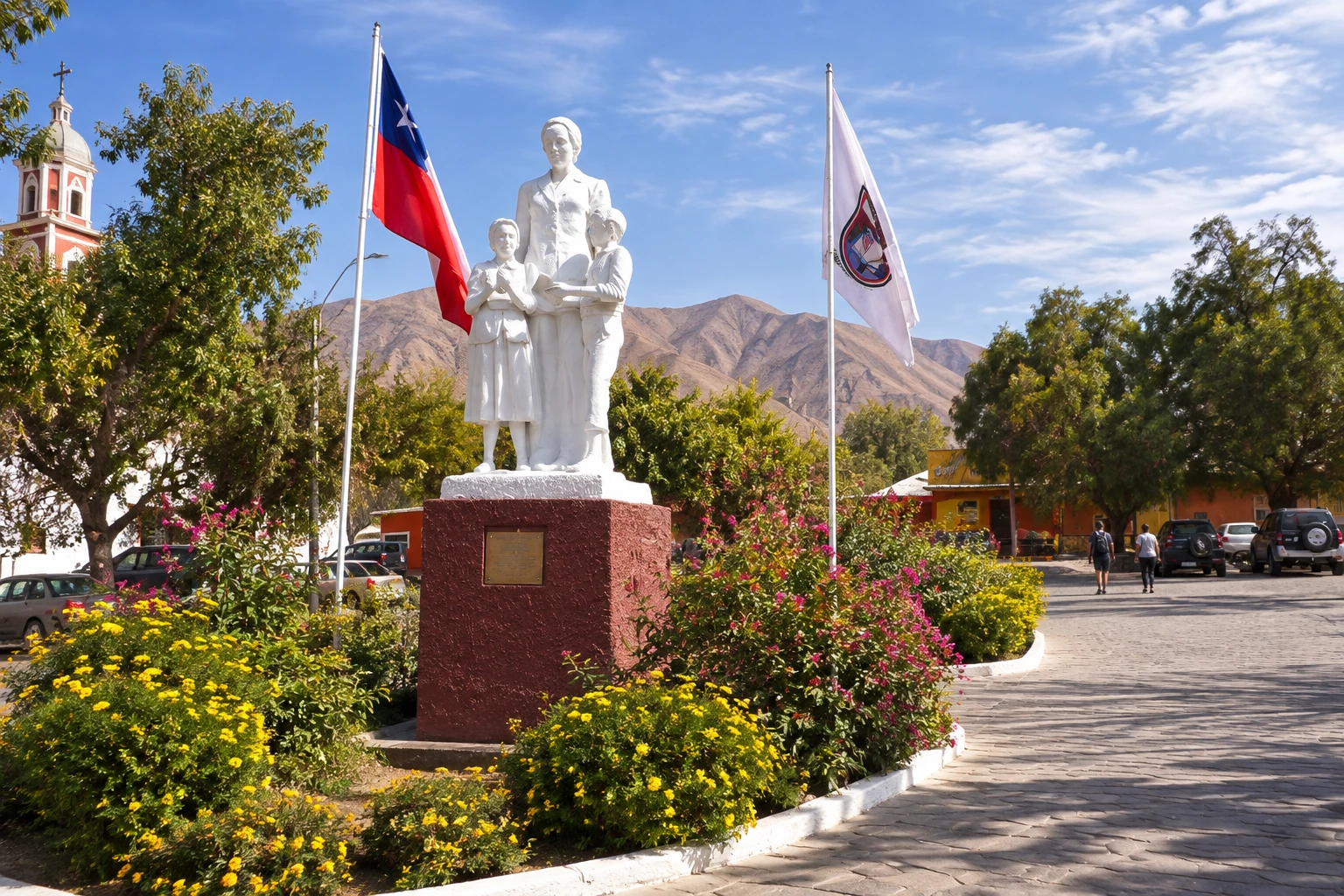
Church built between 1910 and 1922 beside the settlement plaza, with a tower of about 30 meters, three naves and images brought from France.

 Search
 Brazil
 Antarctica
 Argentina
 BoliviaChile
 Colombia
 Ecuador
 Falkland Islands (Malvinas)
 French Guiana
 Guyana
 Paraguay
 Peru
 Suriname
 Uruguay
 Venezuela
 Austria
 Belgium
 Croatia
 Denmark
 Finland
 France
 Germany
 Greece
 Hungary
 Iceland
 Ireland
 Italy
 Luxembourg
 Norway
 Poland
 Portugal
 Slovakia
 Slovenia
 Spain
 Sweden
 Switzerland
 the Czech Republic
 the Netherlands
 the United Kingdom
 Turkey
 Bermuda
 Canada
 Greenland
 Mexico
 Saint Pierre and Miquelon
 the United States
 the Dominican Republic
 JapanTurkey
 Egypt
 South Africa
 Australia
 Fiji
 New Zealand
 Papua New Guinea
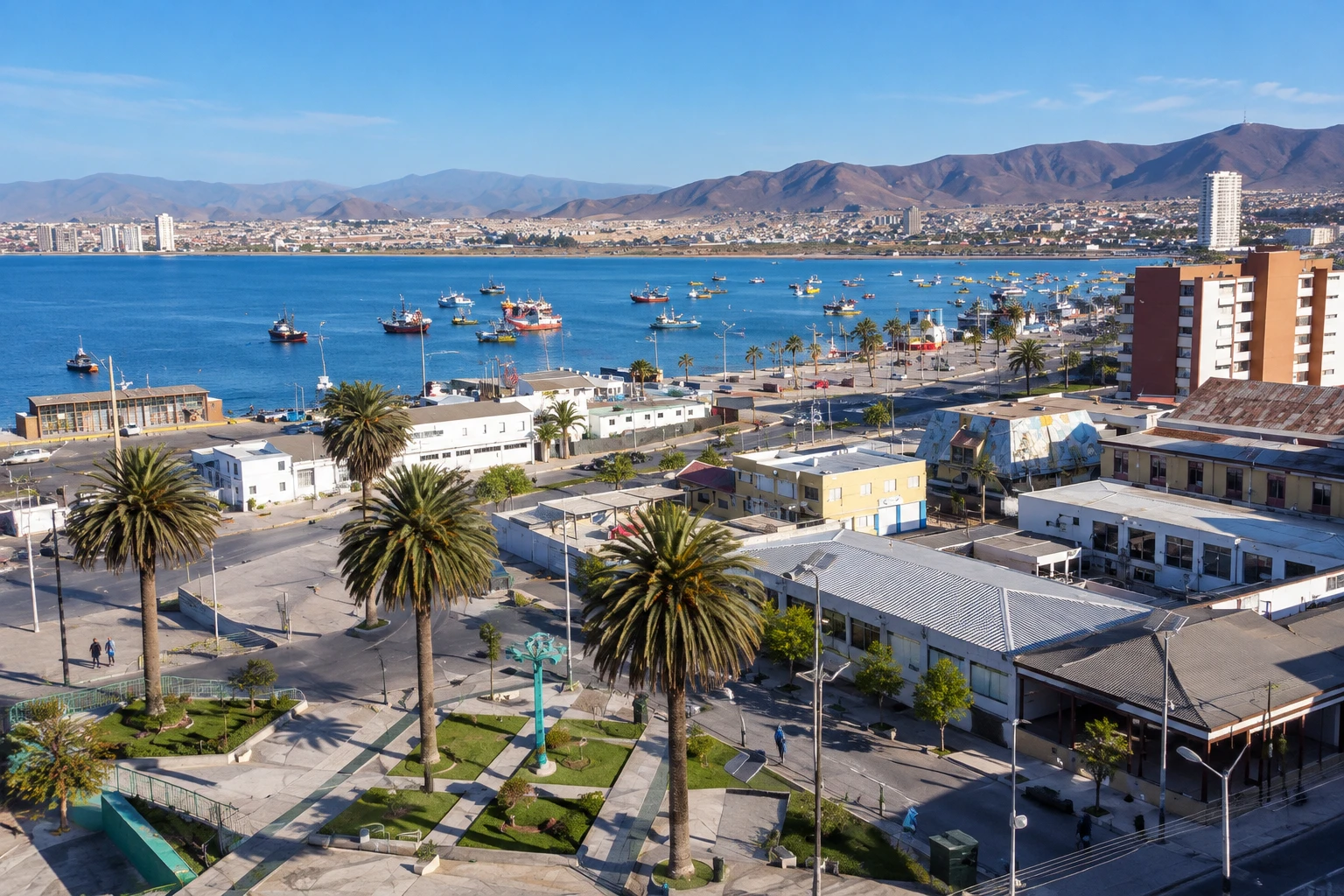
Coquimbo
20 places to visit and 15 tours, chosen by the Cidade Turismo guide.
Updated
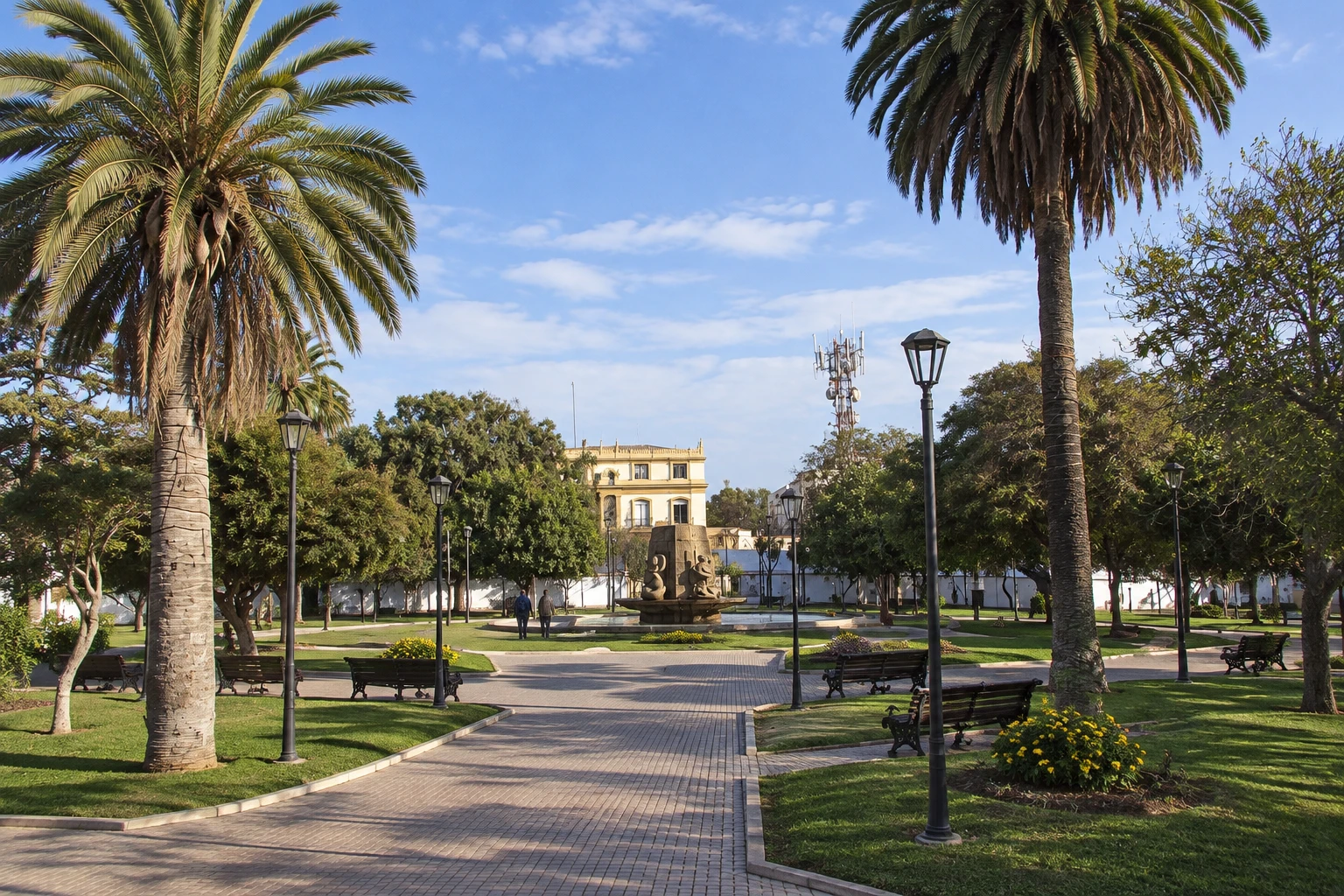
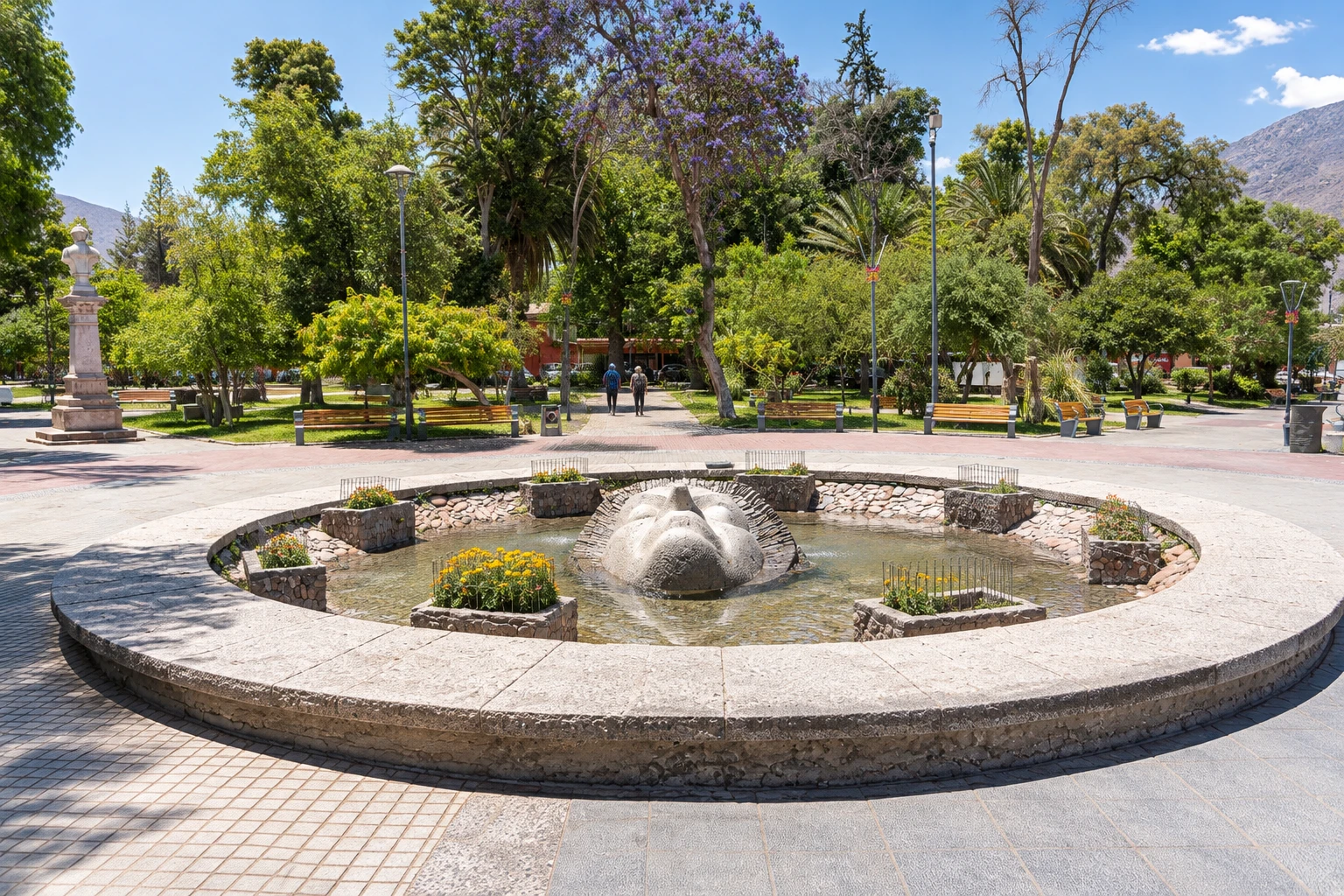
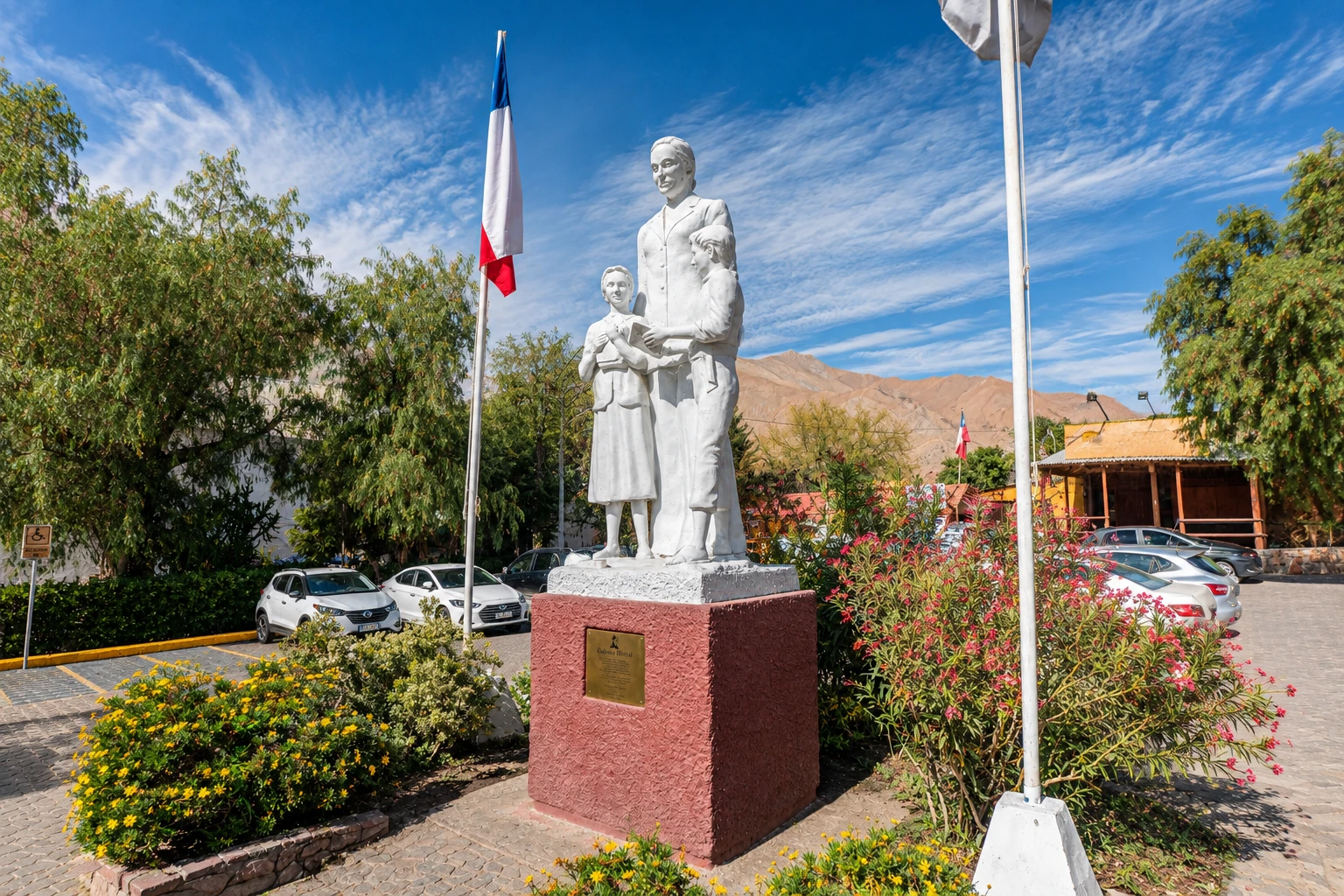
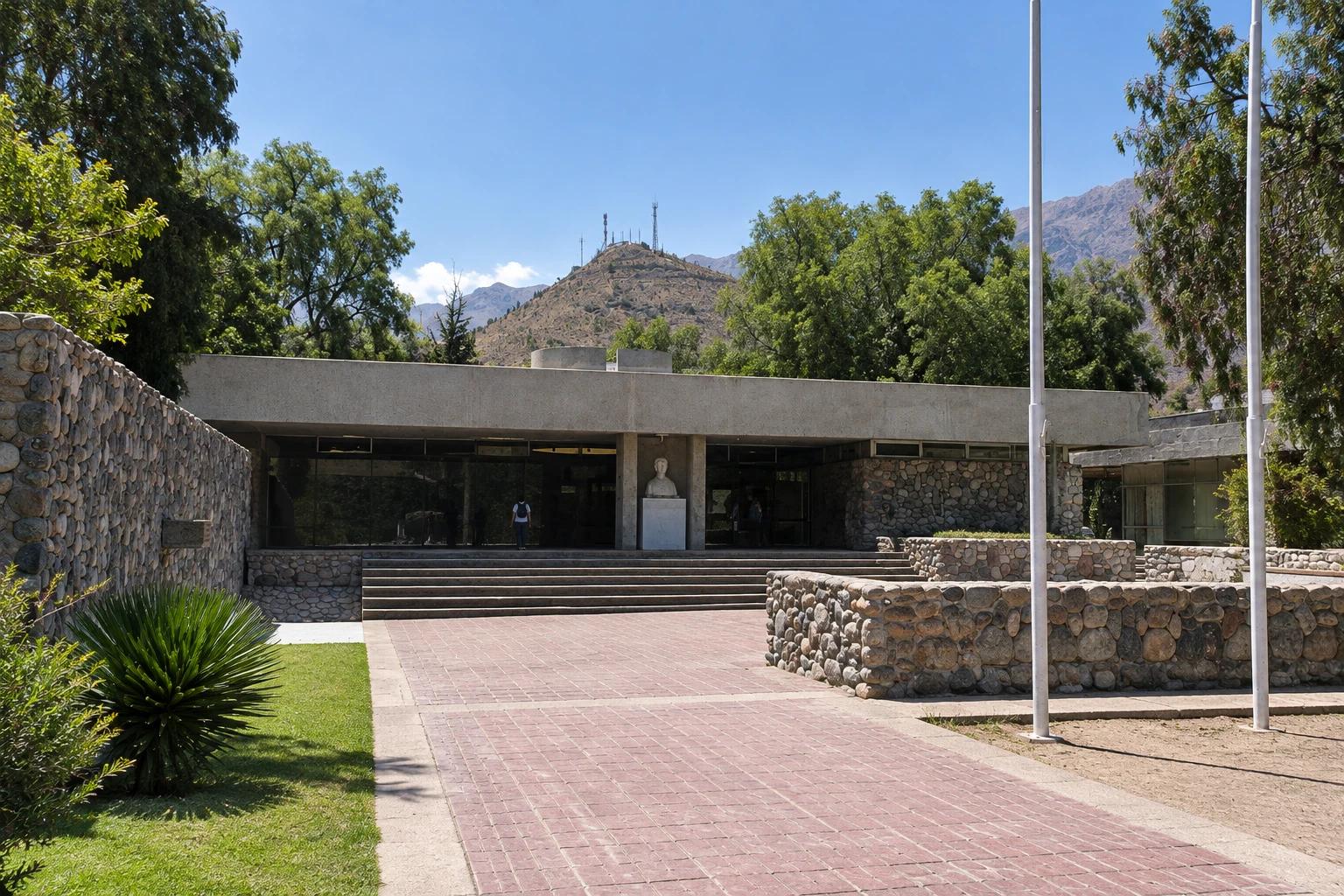
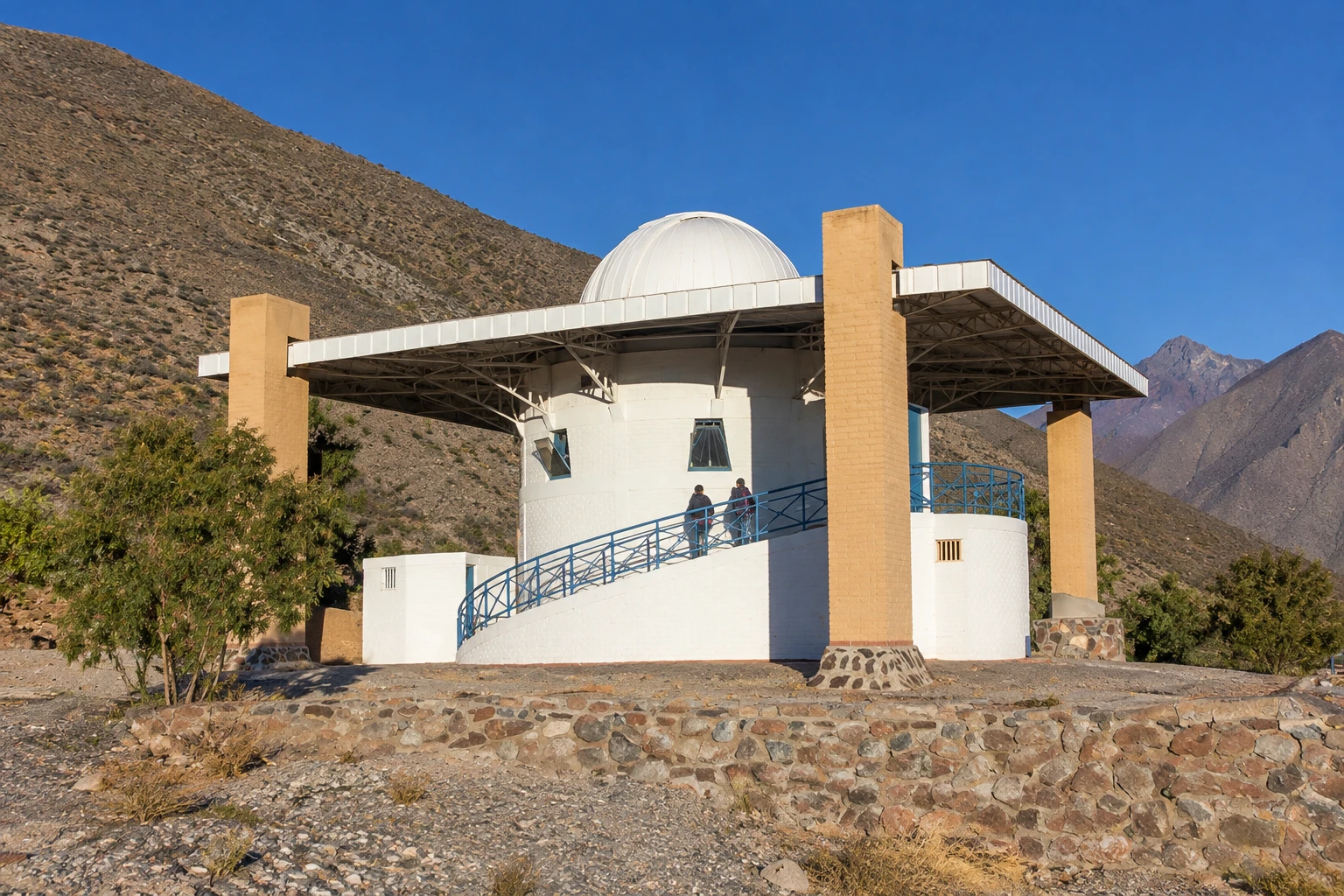
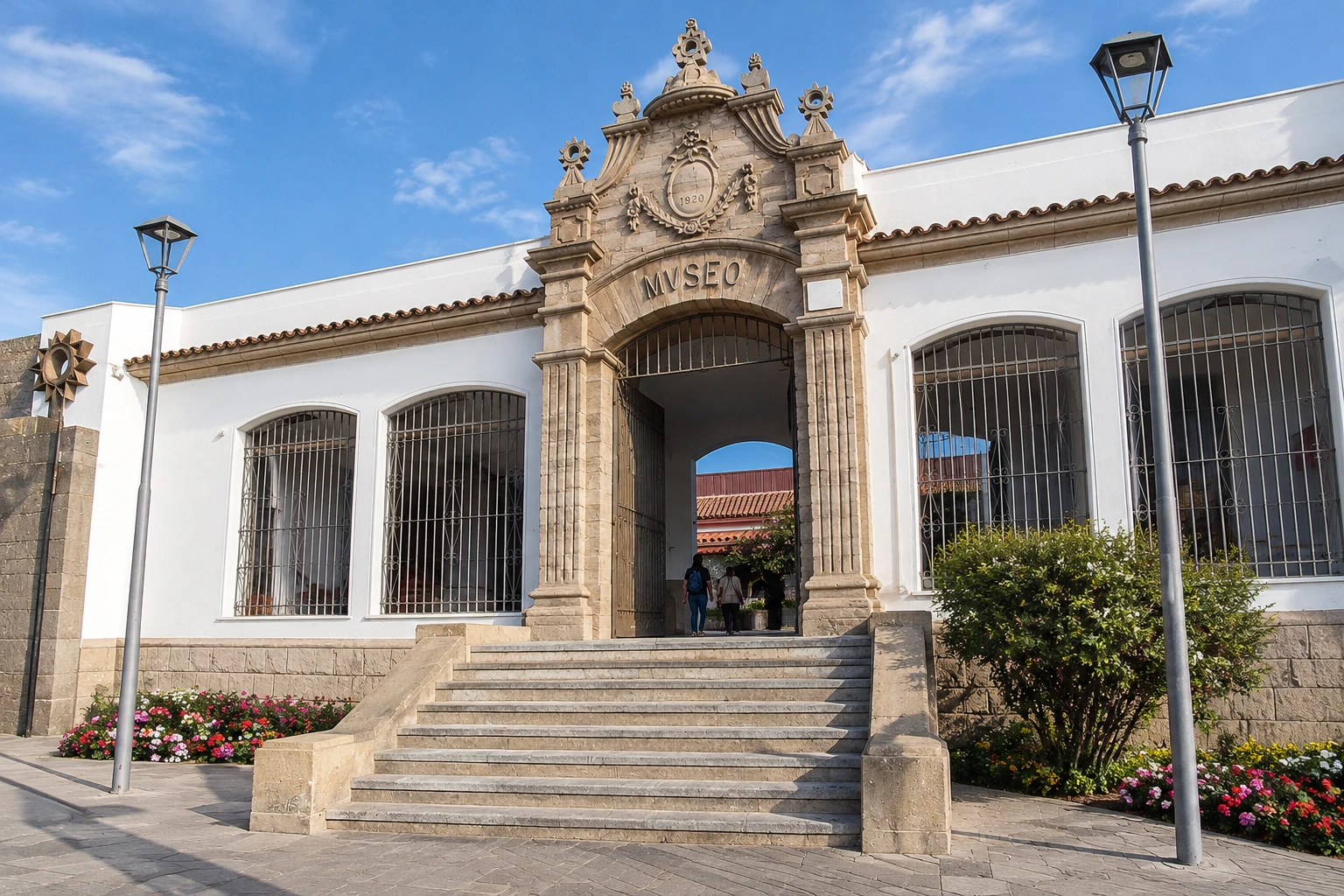
Illustrative images. The pictures in this guide are illustrations based on the real place, not photographs, and may differ from it.
To start
One by one
Church built between 1910 and 1922 beside the settlement plaza, with a tower of about 30 meters, three naves and images brought from France.
Central square of La Serena, on the site where the city was refounded in 1549. It has a stone fountain, palm trees and jacarandas, and around it are the Catedral, neoclassical public buildings and the Museo Histórico Gabriel González Videla.
Tree-lined central plaza of Vicuña, with monuments to Gabriela Mistral and the Torre Bauer, a red wooden tower of German style that houses the tourist office.
Neoclassical limestone Catedral, begun in 1844 opposite the Plaza de Armas. It houses French stained glass, a large organ and the tomb of the founder Francisco de Aguirre. It is a National Monument.
Settlement 4 km from Pisco Elqui where Gabriela Mistral spent her childhood. It has the Casa Escuela, a museum, a 19th‑century church and the poet’s tomb, in a typically protected area.
Museum dedicated to the poet Gabriela Mistral, Nobel Prize in Literature in 1945, in the town where she was born. It has a replica of her birthplace, manuscripts, photos and personal items.
The first stone church of La Serena, completed in 1627 by the Franciscans, a few blocks from the Plaza de Armas. It escaped the pirate-set fire of 1680 and has been a Historic Monument since 1977.
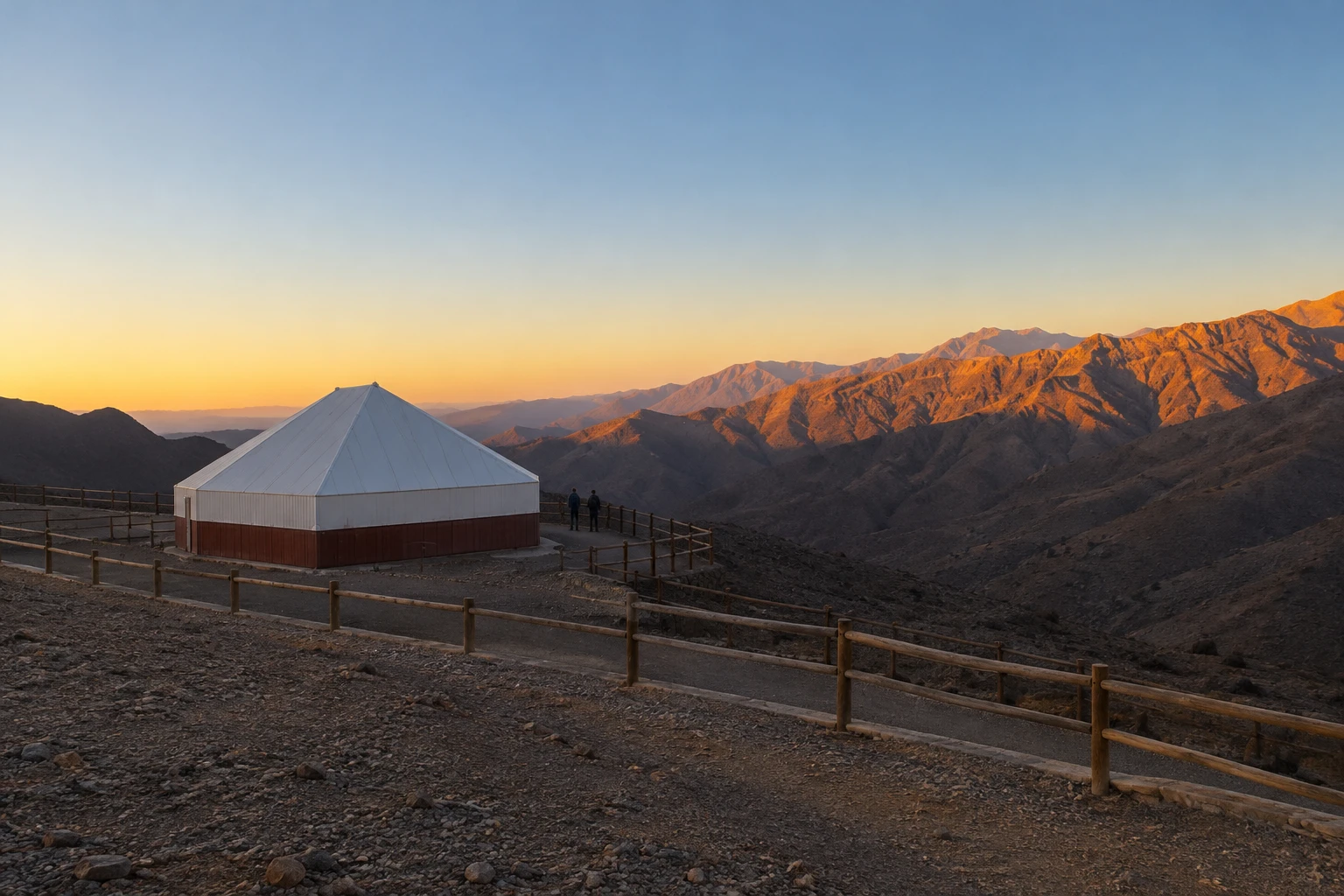
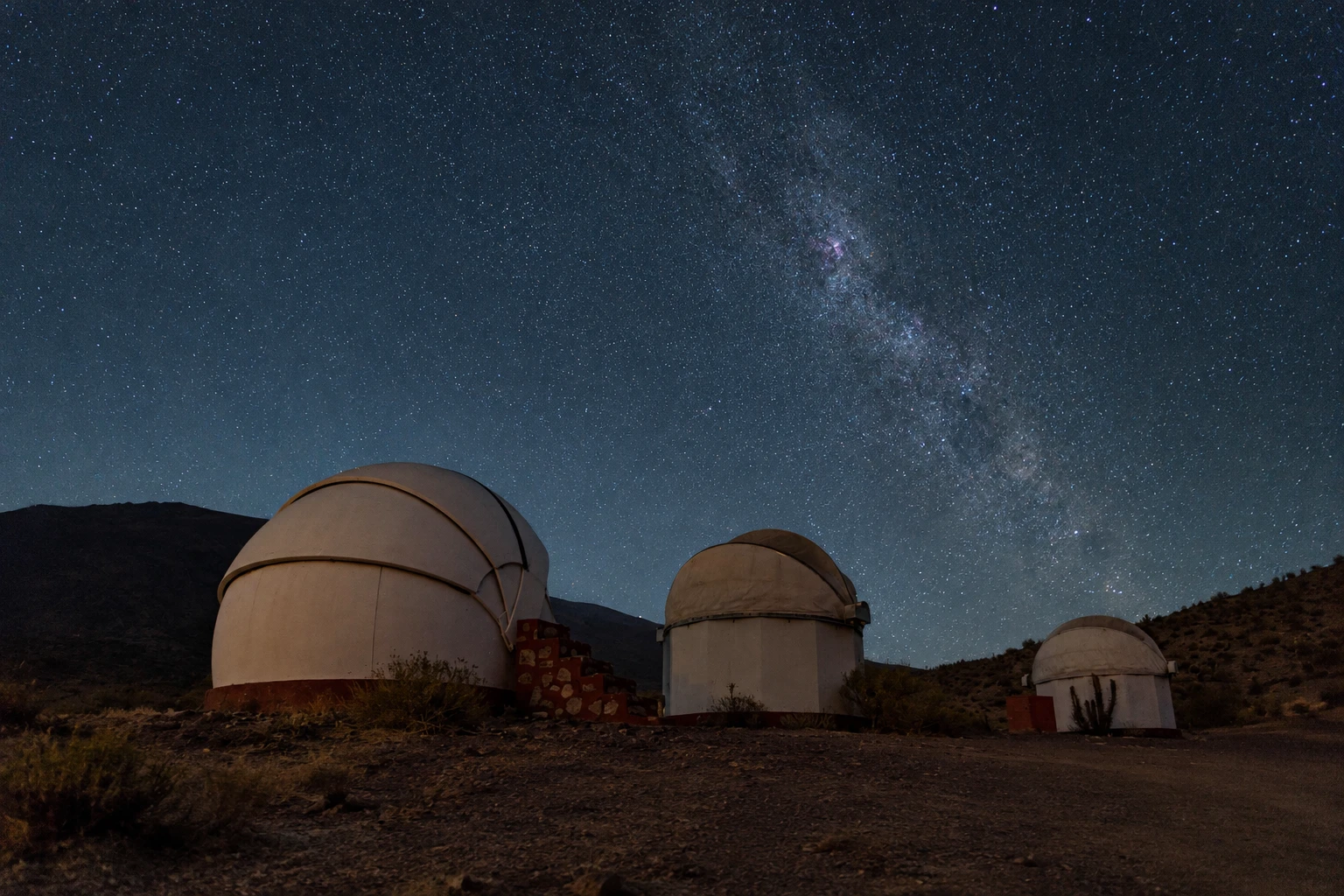
A tourist observatory run by the municipality of Vicuña, opened in 1994 on Cerro Mamalluca, about 9 km from town. Night sessions, by reservation, combine naked-eye sky viewing, telescopes and a planetarium.
A state museum founded in 1943, with Diaguita pottery, pieces from the El Molle culture and a moai brought from Easter Island. It is housed in a Plano Serena building about 500 meters from Plaza de Armas.
Private tourist observatory about 17 km from Vicuña, on the road to Río Hurtado, with small groups, astronomer guides and large-aperture telescopes.
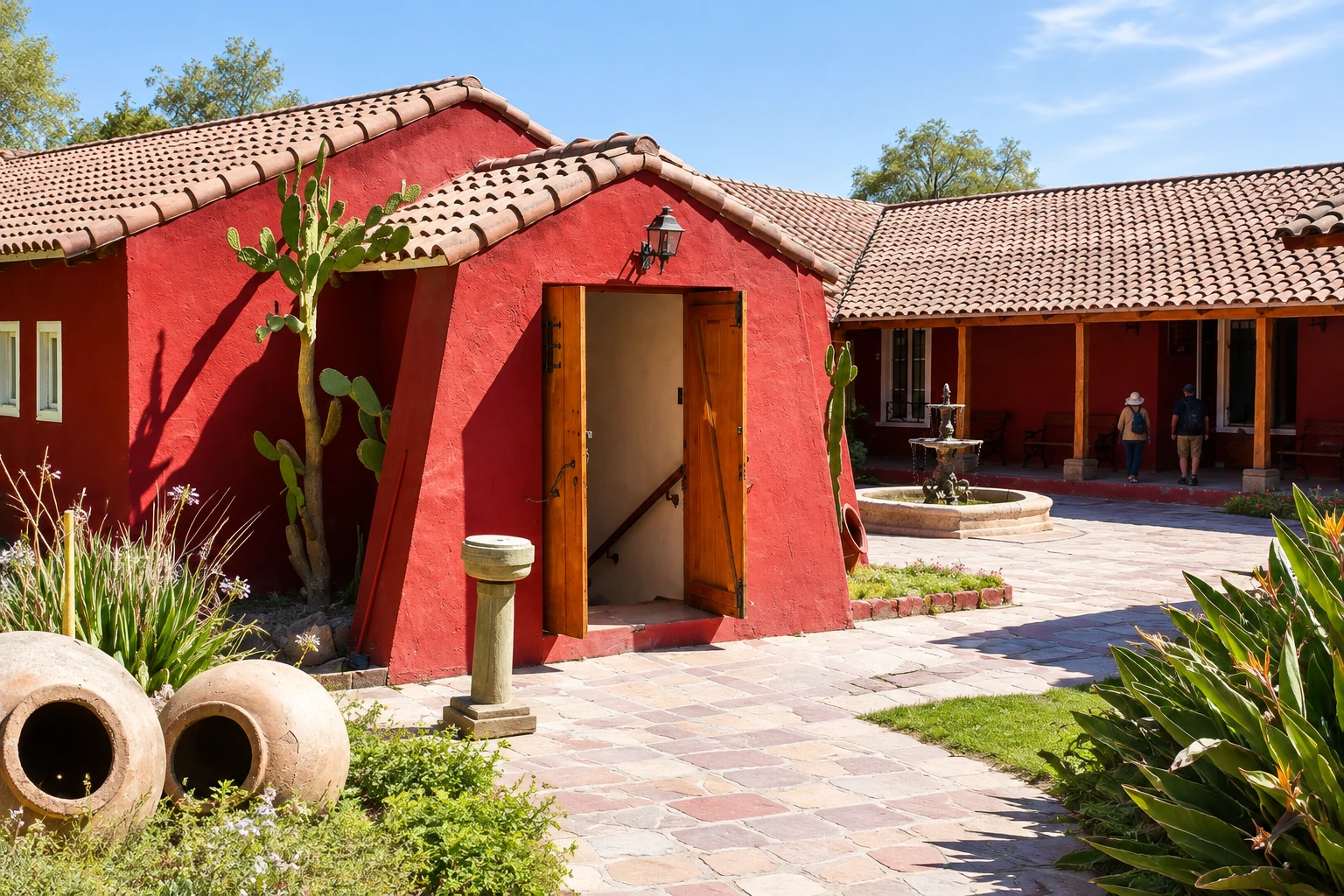
Visitor center of the cooperative Capel, on the outskirts of Vicuña, with the Museo del Pisco, a medal room and guided tours in Spanish and English, with tastings for adults.
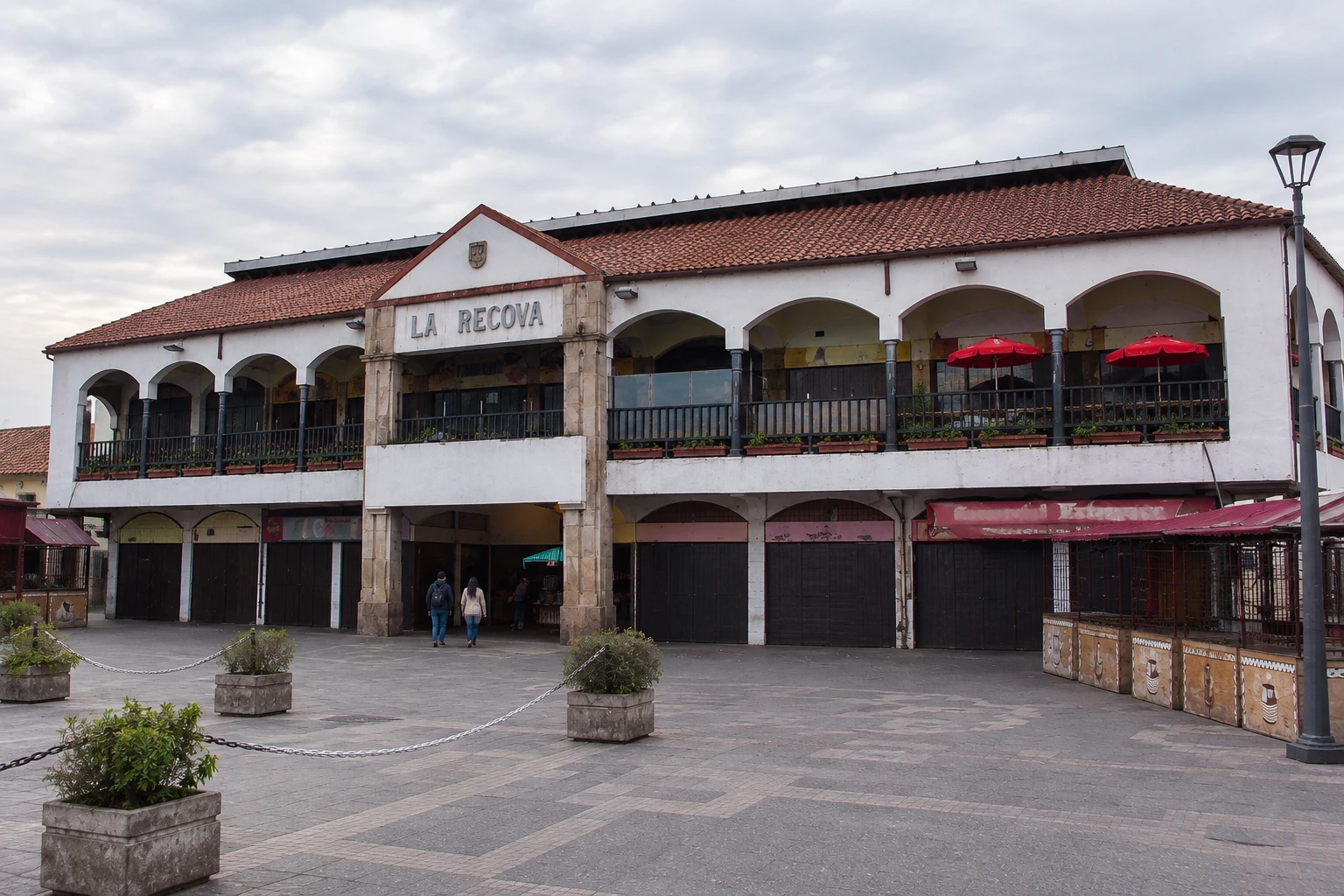
A craft market and northern Chile products market in downtown La Serena: papaya sweets, pisco, lapis-lazuli and combarbalita items, Andean wools and restaurants on the upper floor.
Settlement 4 km from Pisco Elqui where Gabriela Mistral spent her childhood. It has the Casa Escuela, a museum, a 19th‑century church and the poet’s tomb, in a typically protected area.
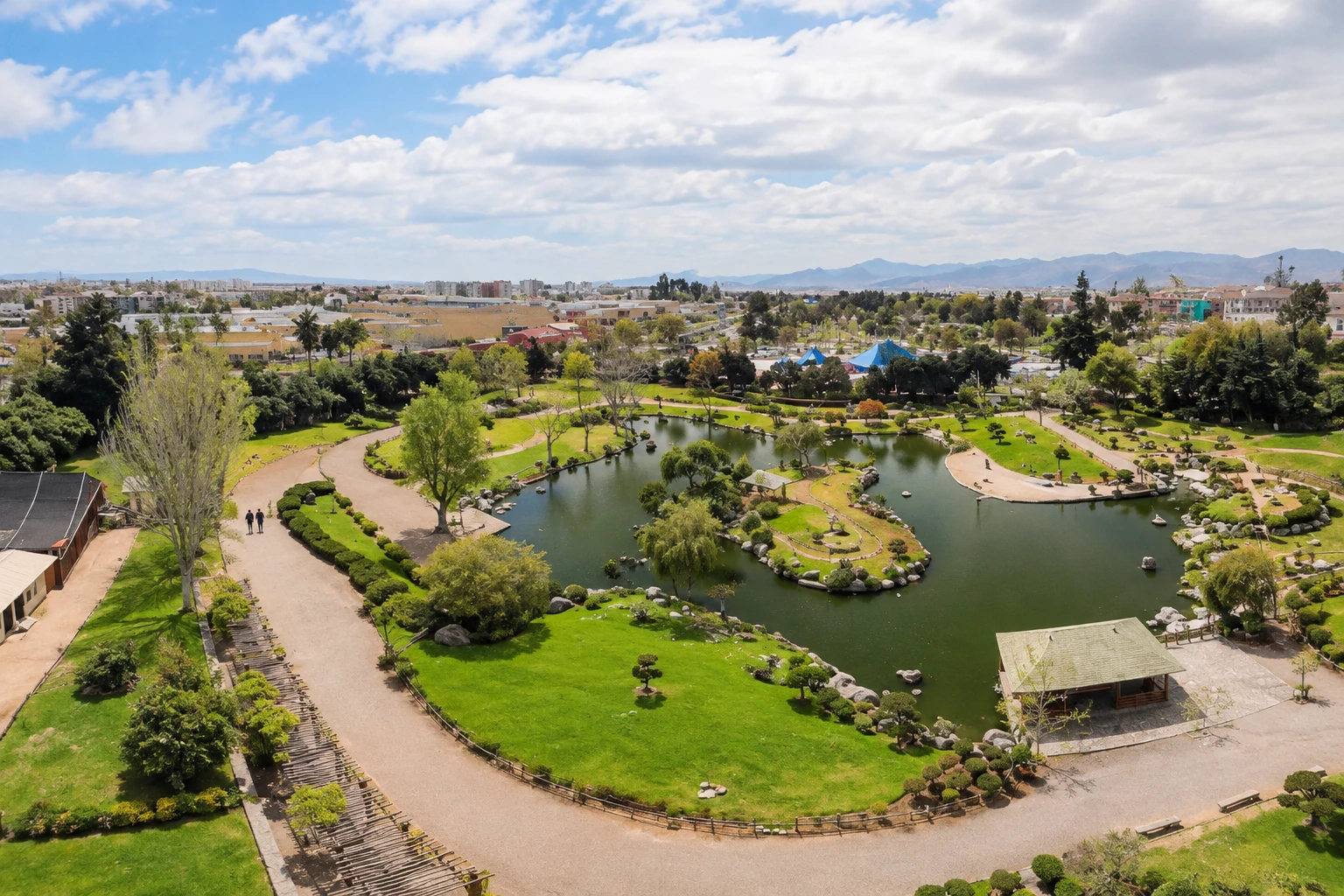
Japanese garden of 26,000 square meters opened in 1994, about 400 meters from the Plaza de Armas, with an artificial lake, traditional bridge, waterfall, rock garden and carp. The name means 'garden of the heart'.
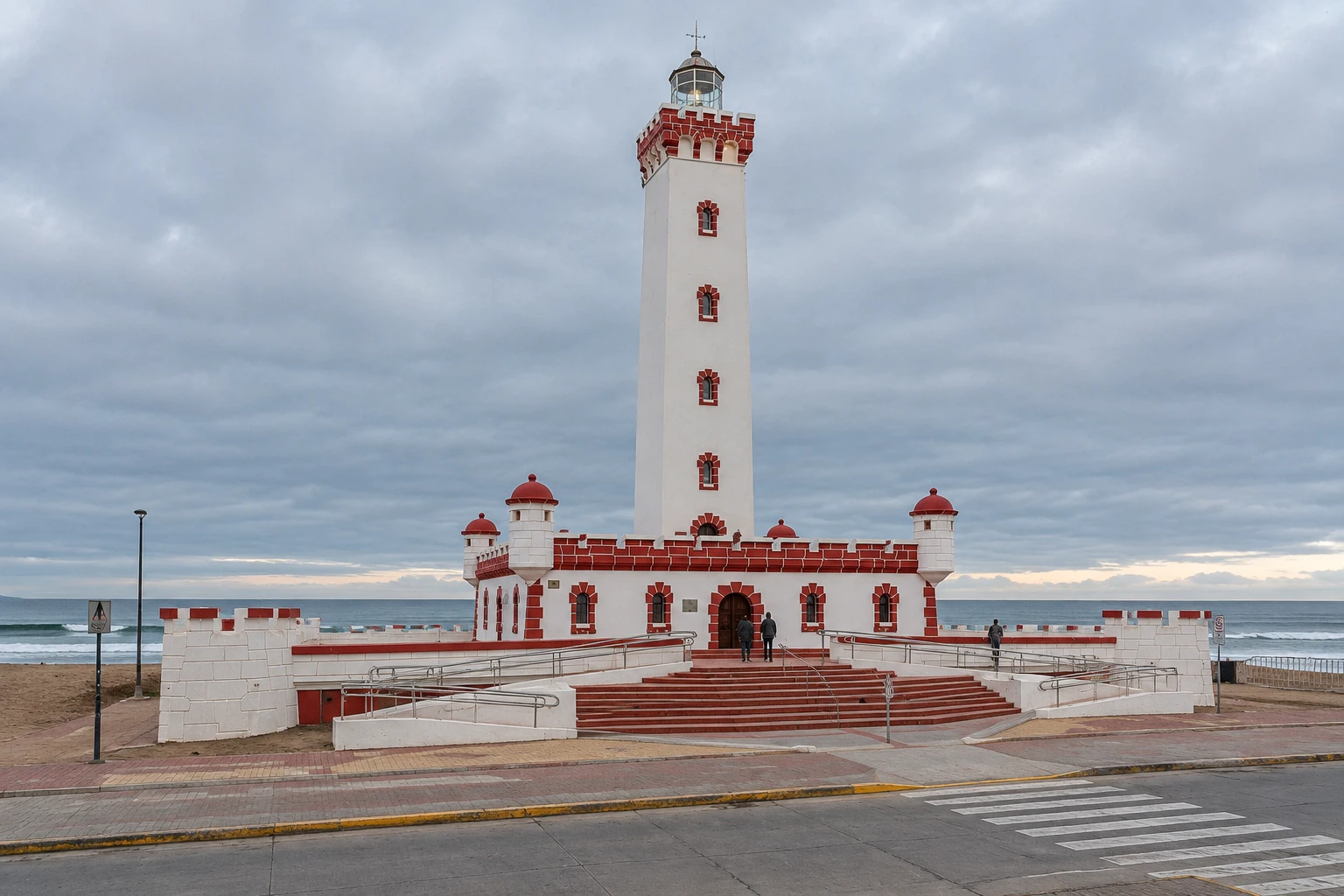
Neocolonial lighthouse about 25 meters tall, built between 1950 and 1951 at the start of Avenida del Mar, the beachfront that links La Serena to Coquimbo. It is a National Monument and a symbol of the city.
A village in the upper Vale do Elqui, at about 1,250 meters altitude, which changed its name from La Unión to Pisco Elqui in 1936. It has a central square with a church, the Pisco Mistral distillery open for visits and vineyards around it.
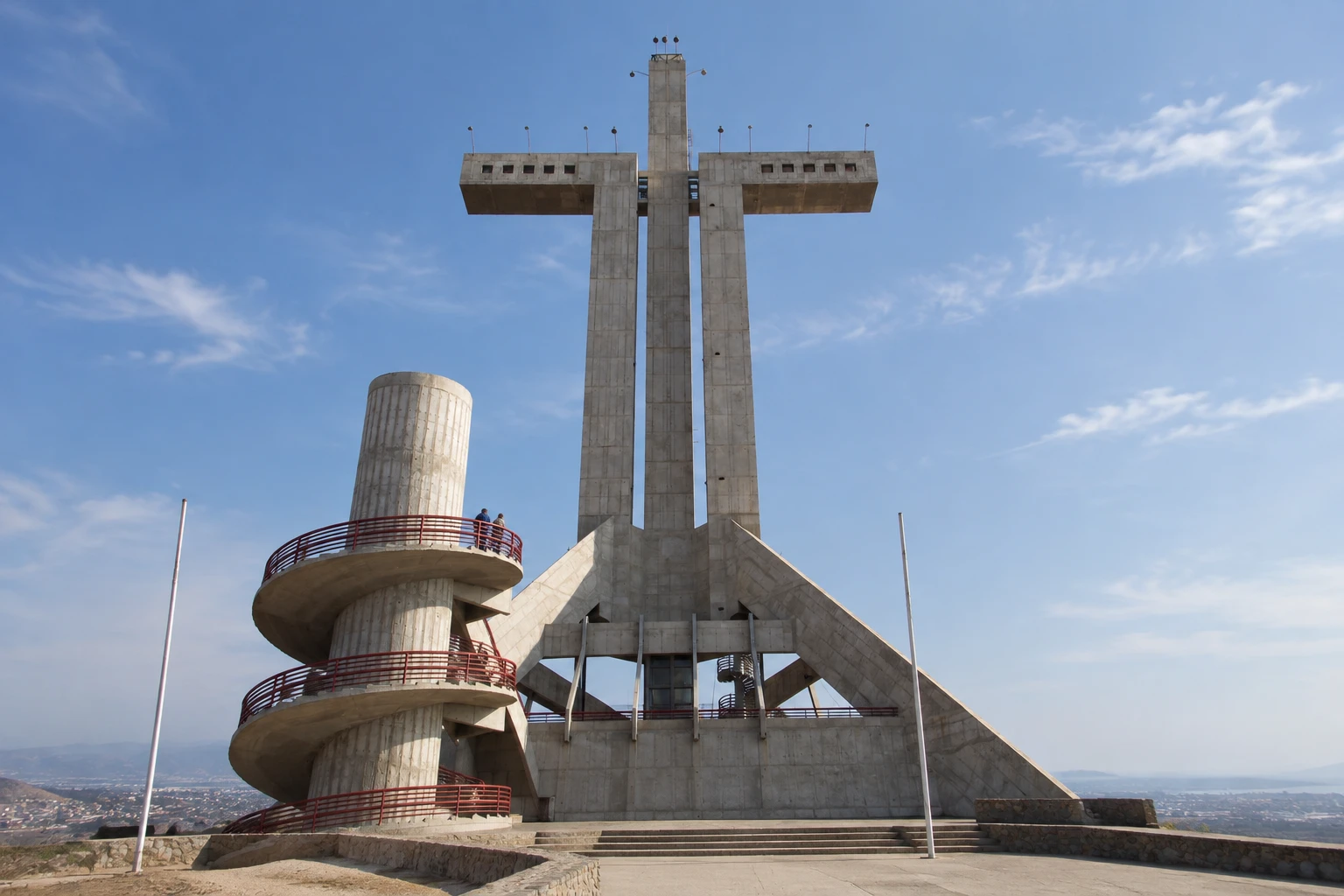
Concrete cross over 80 meters tall on Cerro El Vigía in Coquimbo, about 15 km from La Serena. It has a chapel, museum, prayer plaza and viewpoint overlooking the bays of Coquimbo and La Serena.
The dark sky of the Elqui Valley, home to the world’s first International Dark Sky Sanctuary: tourist observatories near Vicuña and starry nights in northern Chile.
Neighborhood of 19th-century English-style mansions in downtown Coquimbo, around Plaza Vicuña Mackenna and facing the bay, with cultural centers, cafés, bars and restaurants.
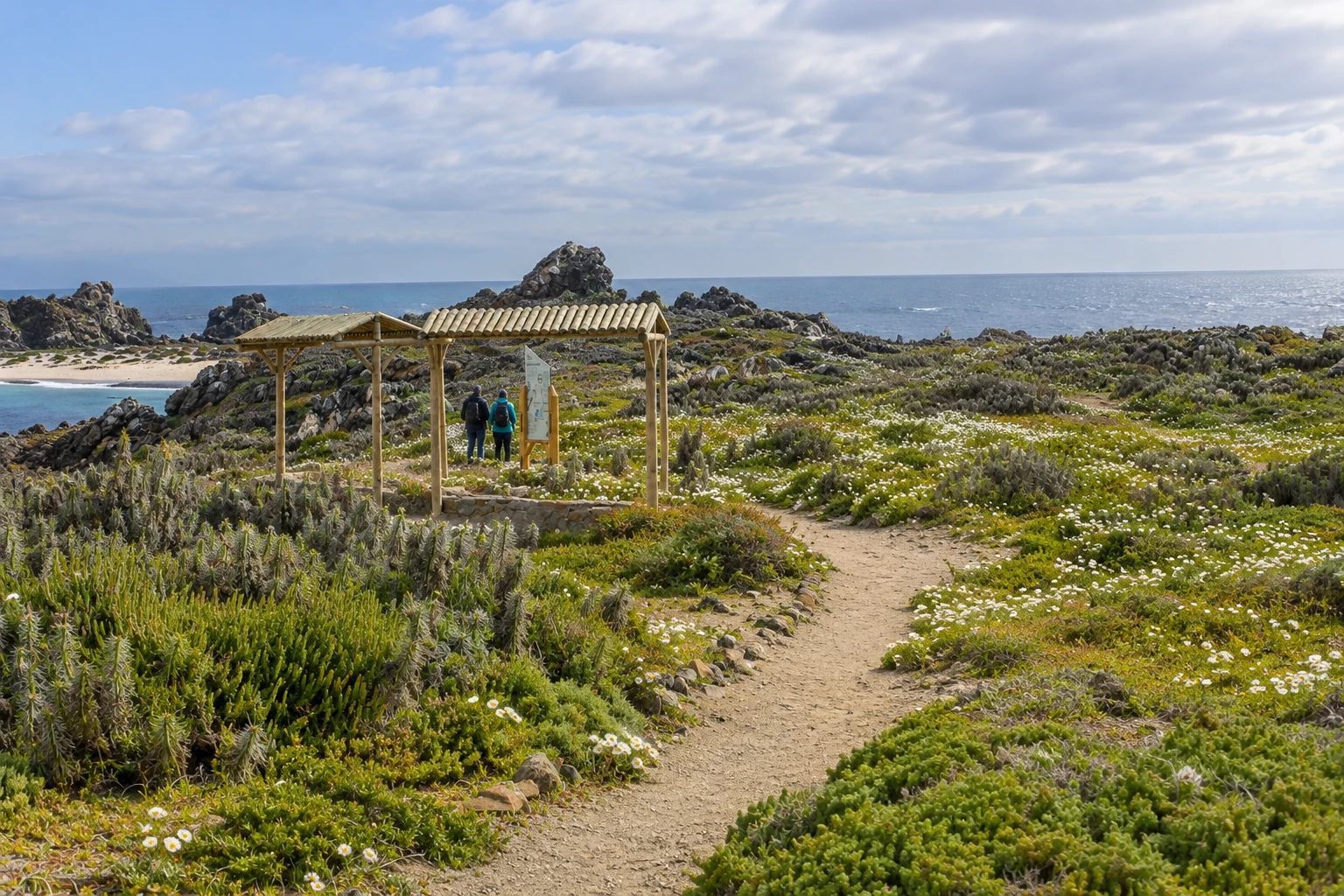
A CONAF reserve with three islands in the Pacific, between the Coquimbo and Atacama regions. Boats depart from Caleta Punta de Choros, circle Isla Choros and stop at Isla Damas, where you can disembark. Penguins, sea lions and dolphins live in the area.
To choose before you go
The details of each tour (where it leaves from, what it includes, the best time) are in the complete guide.
Get your questions answered
The guide's itineraries cover 2, 3 and 5 days: La Serena and the Elqui Valley in 2 days; La Serena, Vicuña and the upper valley in 3 days; Elqui Valley, coast and penguins in 5 days.
Arrival from Brazil and La Serena city center. Flight from Brazil to Santiago, preferably early in the morning, with a same-day connection to La Serena (about 1 hour 10 minutes flight). La Florida airport is about 5 km from the city center. If the flight from Brazil arrives at night, stay overnight in Santiago and continue to La Serena the next morning. In the afternoon, do the tour of La Serena’s Historic Center: Plaza de Armas, cathedral, stone churches and the Mercado La Recova. At sunset, walk along Avenida del Mar to the Faro Monumental.
It generally rains less from September to May. The guide covers each month, with the weather and what changes on the tours.
To plan