

 Antarctica
 Argentina
 Bolivia
 Chile
 Colombia
 Ecuador
 Falkland Islands (Malvinas)
 French Guiana
 Guyana
 Paraguay
 Peru
 Suriname
 Uruguay
 Venezuela
 Austria
 Belgium
 Croatia
 Denmark
 Finland
 France
 Germany
 Greece
 Hungary
 Iceland
 Ireland
 Italy
 Luxembourg
 Norway
 Poland
 Portugal
 Slovakia
 Slovenia
 Spain
 Sweden
 Switzerland
 the Czech Republic
 the Netherlands
 the United Kingdom
 Turkey
 Bermuda
 Canada
 Greenland
 Mexico
 Saint Pierre and Miquelon
 the United States
 the Dominican Republic
 Japan
 Egypt
 South Africa
 Australia
 Fiji
 New Zealand
 Papua New Guinea
Wellness and spirituality
Wellness and health
Trips to care for body and mind: spa days, massage, ofuro, outdoor yoga and the mountain climate, without hurry and without a packed schedule.
There are trips whose plan is to stop. Wellness tourism groups together trips whose purpose is rest: a spa weekend, a massage after a hike, a hot ofuro with a view of the forest, a morning yoga class, long nights of sleep.
Where to go in Brazil
Pick a region or a state on the map, or type what you are looking for, to see the cities and who offers each activity.
- Cairu BA
- Itacaré BA
- Maraú BA
- Palmeiras BA
- Brasília DF
- Alto Paraíso de Goiás GO
- Gonçalves MG
- Angra dos Reis RJ
- Itatiaia RJ
- Rio de Janeiro RJ
- Teresópolis RJ
- Brotas SP
- Campos do Jordão SP
- São José dos Campos SP
- São Paulo SP
- Lapa PR
- Gramado RS
- Florianópolis SC
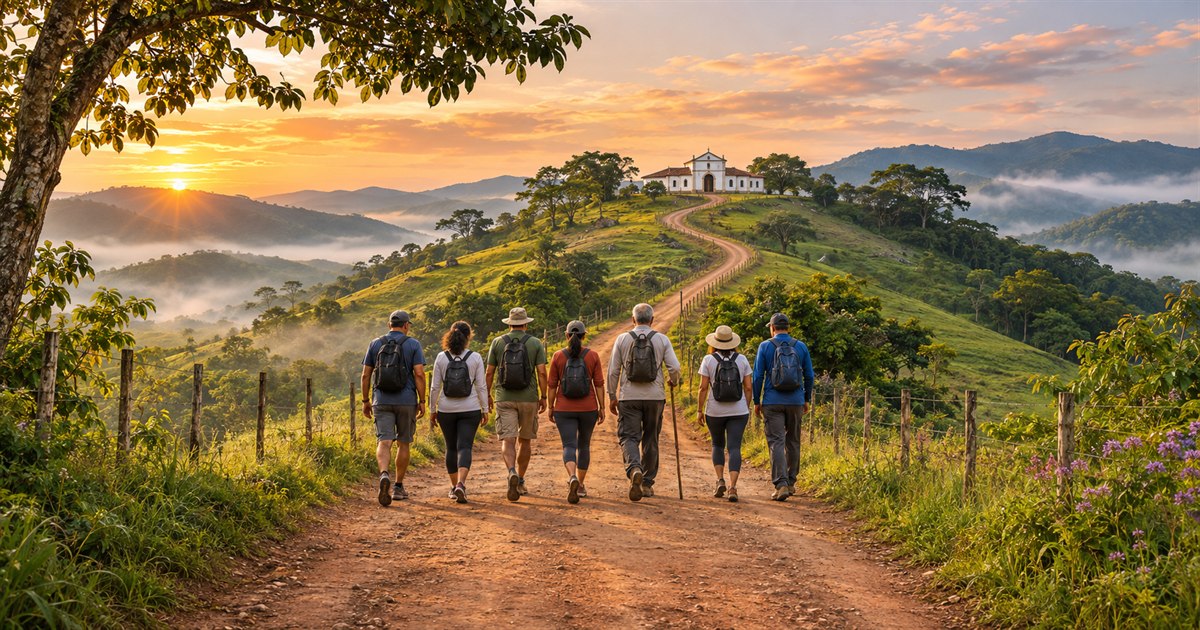
In Brazil, this kind of travel took root in the cool mountain ranges, where the custom of going up the mountain to rest is more than a century old, and reached the quiet beaches of the Northeast. The aim is an experience of care for body and mind, without hurry and without a full schedule.
What wellness tourism is
It is travel whose main purpose is to care for body and mind: rest, sleep well, receive a massage, move gently and spend time outdoors. The Ministry of Tourism treats this type of travel within health tourism, which covers services sought for therapeutic and aesthetic purposes, and the World Tourism Organization uses the term wellness tourism.
A wellness trip is not a medical treatment trip: there is no consultation, exam or hospitalization. What is sought is an experience of rest and personal care in spas, guesthouses with body therapies and places with mild climates.
Two types of travel are close to this. Hot natural-water baths are the subject of hot springs resorts. And those looking for silent retreats, meditation or a sacred place take a spirituality trip. The three combine well on the same itinerary.
What to do: spa, massage, baths and yoga
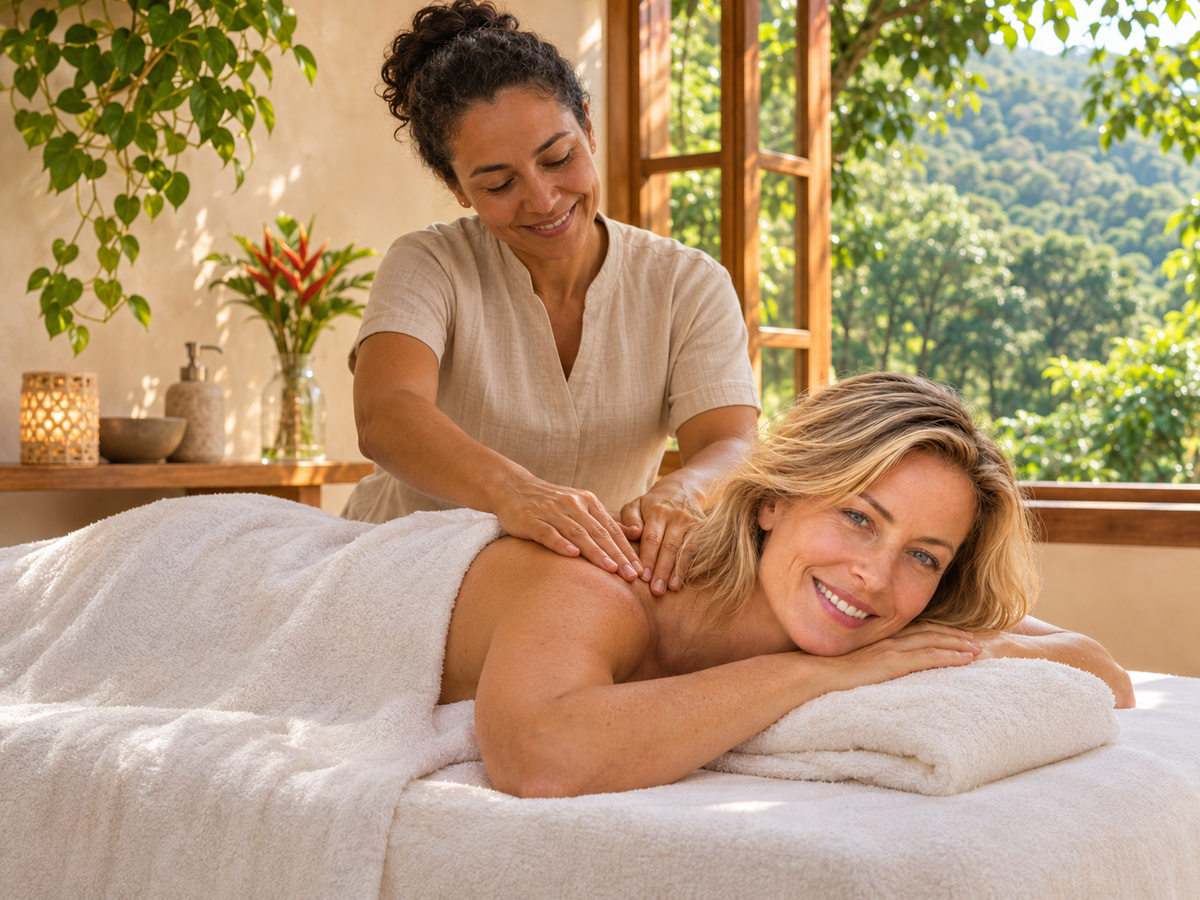
Spa and massage. A spa day is the most common program. Mountain and beach hotels and guesthouses have massage rooms, saunas and heated pools, and many also accept non-guests by appointment. A relaxing massage, done with vegetable oils, usually lasts about an hour.
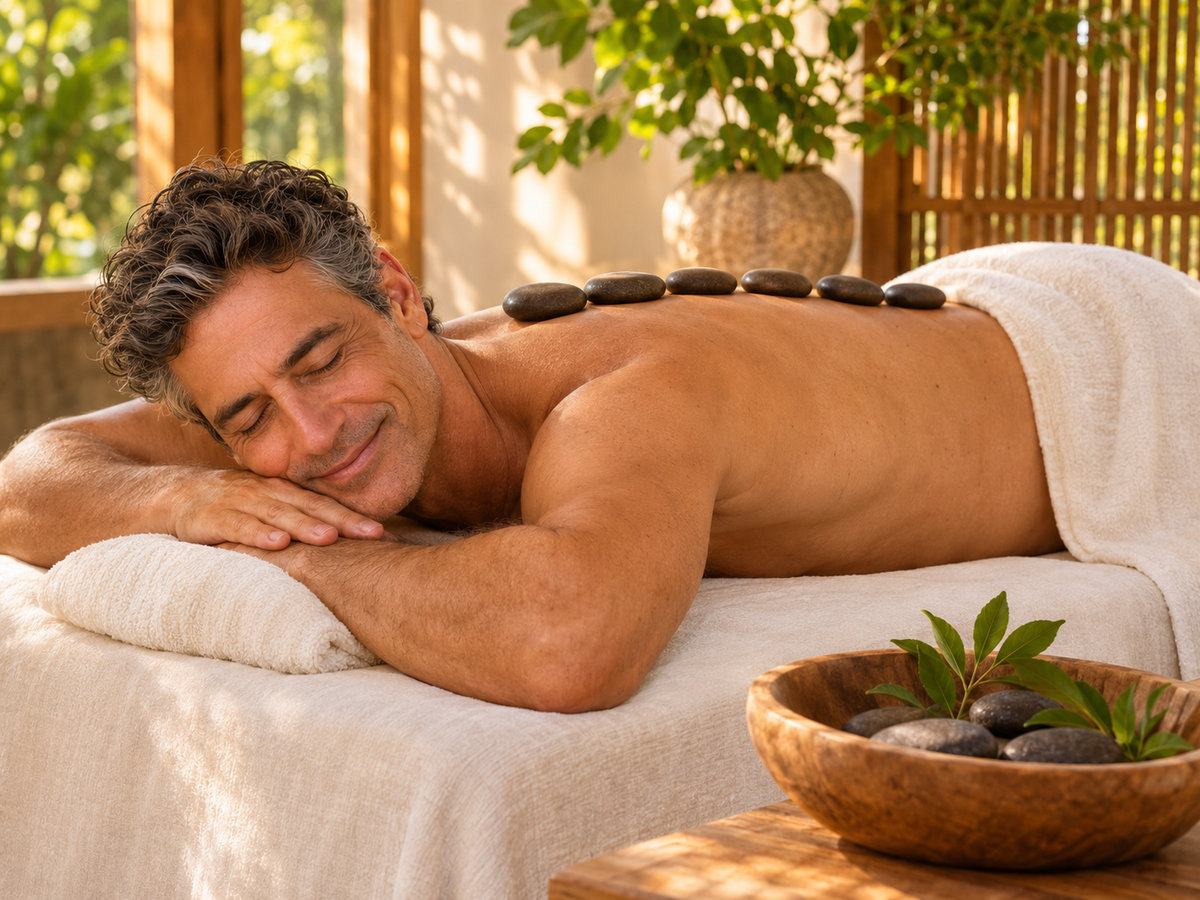
Hot stones. Smooth basalt stones are heated in water and placed along the back, or used by the therapist to glide over the skin. Heat is the core of the experience, especially sought in cold months.
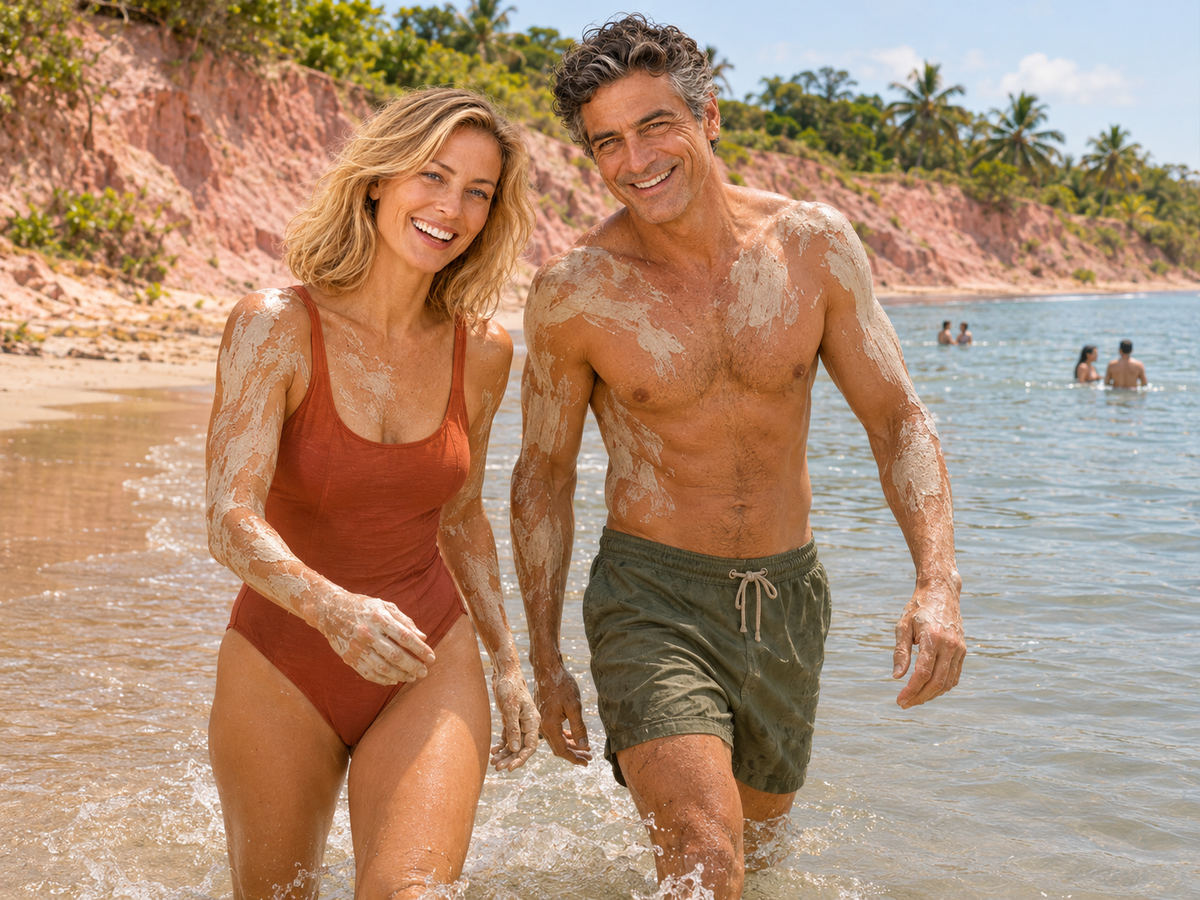
Clay bath. Clay therapy uses clay — white, green or pink — as a mask on the face and body, removed afterward with warm water. In some stretches of the coast, the mud is in the landscape itself: clay slopes by the sea where travelers cover their skin and rinse in the ocean.
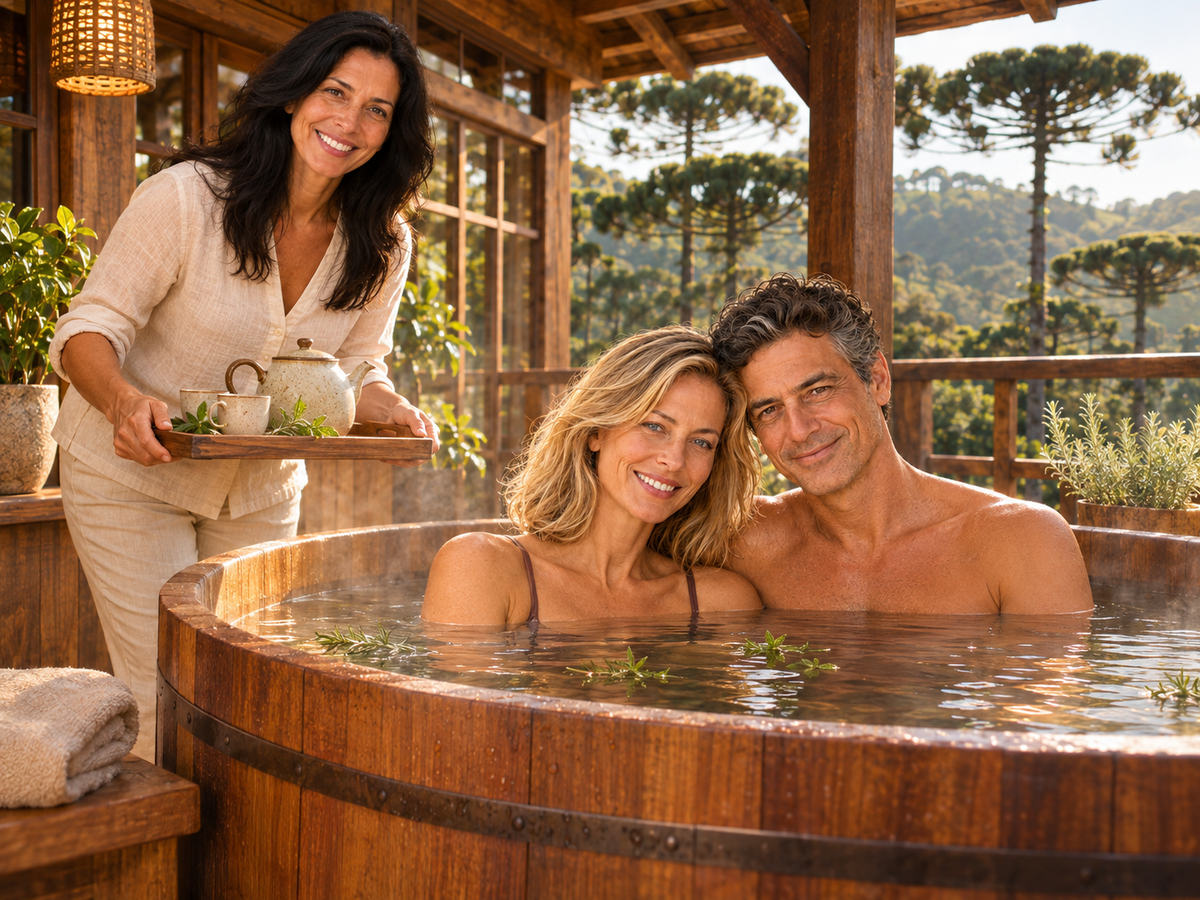
Ofuro and foot baths. The ofuro is a deep wooden tub of Japanese origin for immersion in hot water up to the shoulders, often on a balcony facing the forest, with herbs or flowers in the water. A foot bath is the simple version: a basin of hot water with herbs and coarse salt at the end of a day of walking.
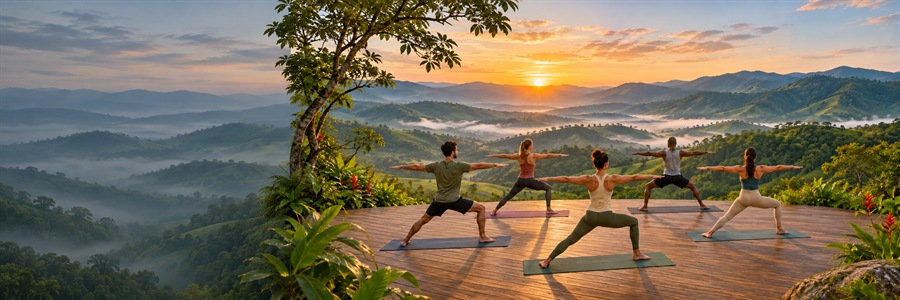
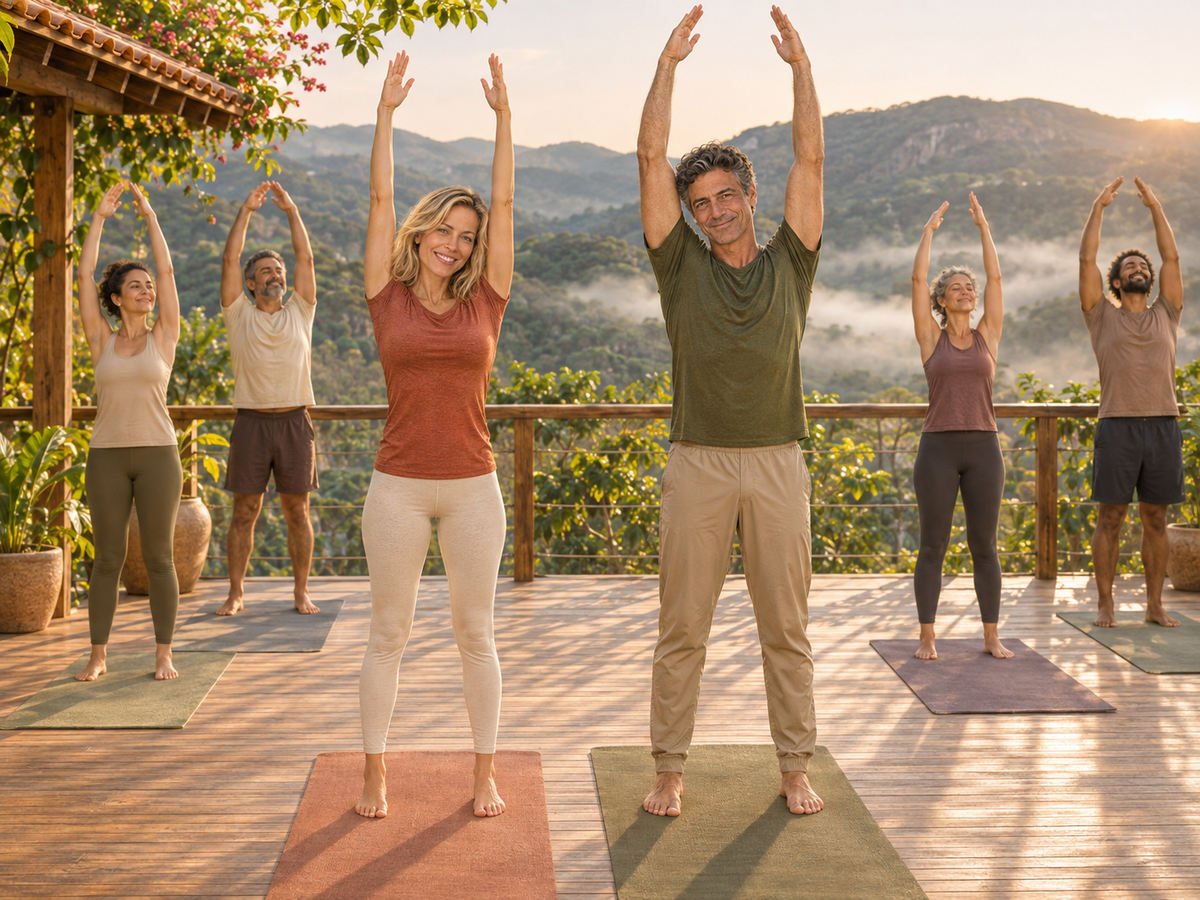
Outdoor yoga. Classes on decks, lawns and on the sand appear in the programs of many guesthouses, generally early morning or late afternoon. Here the practice acts as body care: stretching, breathing and balance, in classes also open to beginners.
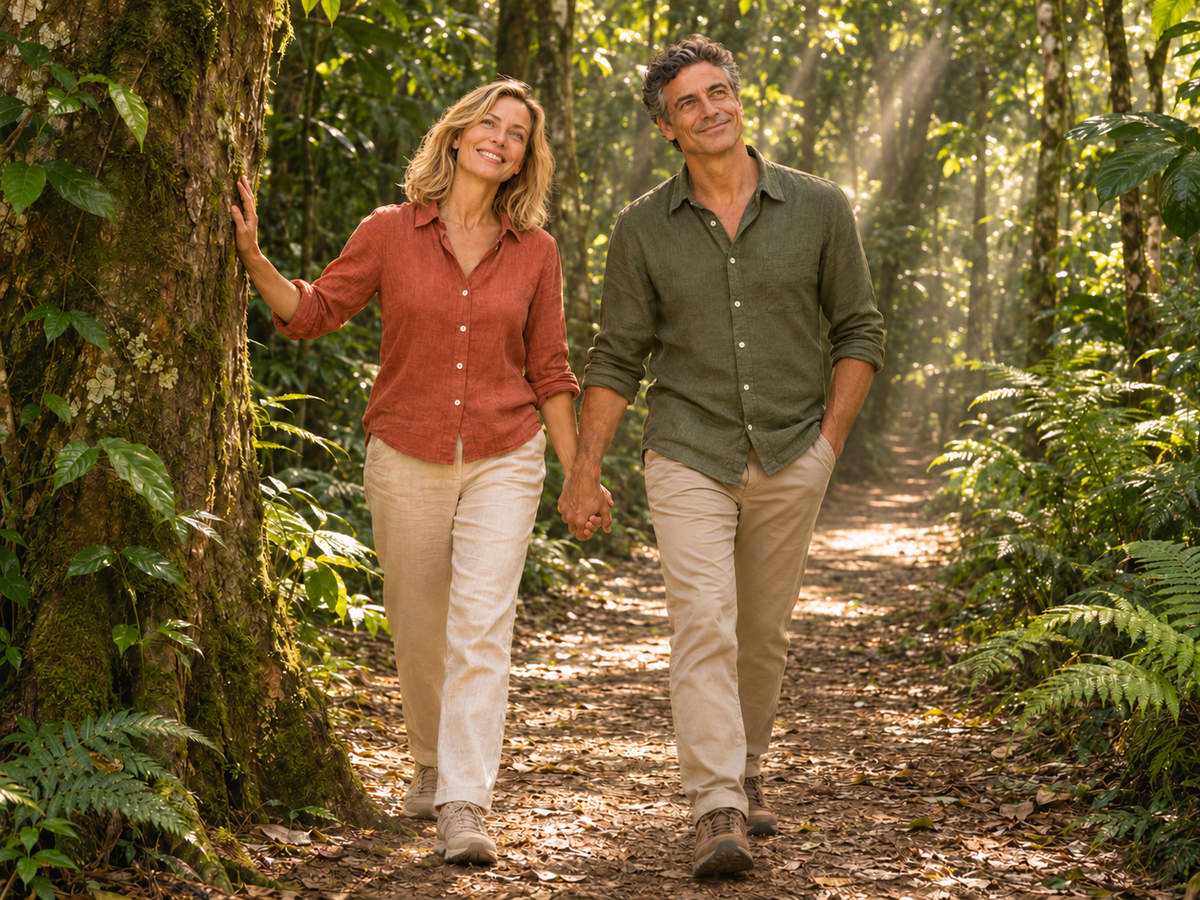
Forest bathing. It is a slow, short walk through a forest, with pauses to listen, smell and touch, led by a guide. The practice originated in Japan in the 1980s, called shinrin-yoku, and has no distance or time targets.
Sleep tourism. Some people travel to sleep. Lodgings in quiet, dark places offer pillow menus, blackout curtains, bedtime teas and rooms without televisions. The program is to have no program.
Who it suits and at what moment in life
It suits those who are tired and need to stop: after a period of intense work, the end of a project, a move of house or city, or months caring for another person.
It is a common trip among couples, for dates like a wedding anniversary, among friends who meet once a year and between mothers and daughters. It also works for solo travelers: days have scheduled times for massage and class, and the rest of the time is free.
It is not the trip for someone who wants to see a lot in a few days. Those who feel restless without plans can alternate a spa day with light walks around the region.
Where to go: mild-mountain climates and peaceful beaches
Mountain climate is the oldest reason for this type of trip in Brazil. Campos do Jordão, in the Mantiqueira Mountains of São Paulo, at about 1,600 meters altitude, has been sought for its mountain climate since the early 20th century. Petrópolis, in the mountains of Rio de Janeiro state, became a summer city in the 19th century, when the court moved up the mountain to escape Rio de Janeiro’s heat.
On the same Mantiqueira, on the Minas Gerais side, Monte Verde and Gonçalves gather small guesthouses among araucarias, many with ofuro, fireplace and massage room. In Cunha, between the Serra do Mar and the Bocaina Mountains, lavender fields and ceramics studios complete restful days. In the Serra Gaúcha, Gramado concentrates hotels with spas and has one of its busiest seasons in winter, from June to August.
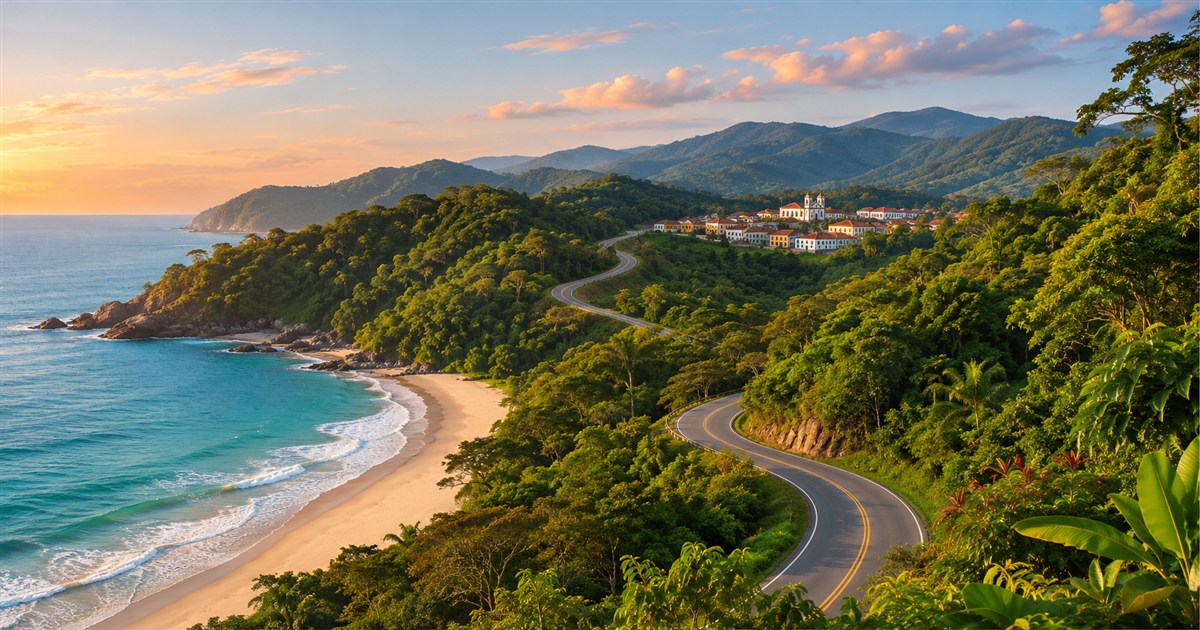
On the coast of Bahia, rest is with your feet in the sand. In Itacaré, among beaches surrounded by Atlantic Forest, guesthouses offer yoga classes and massage. In the Tinharé archipelago, in the municipality of Cairu, the walk from Morro de São Paulo to Gamboa beach at low tide passes a pink clay slope where travelers often cover their skin with mud.
When to go: mountain cold and weekdays
In the mountains of the Southeast and South, winter, from June to August, is the season of fireplaces, ofuro and hot stones: days are dry and nights cold, with frost some mornings at the highest points. It is also high season, with July and holidays among the busiest periods.
Those seeking silence find more calm on weekdays and in March to June and August to November, outside long holidays. Summer in the mountains has late-afternoon rain and lusher vegetation.
On the coast of Bahia it is hot year-round. From April to July it usually rains more, and from September to March sunny days are more frequent.
How to plan: how many days, what to book and what to bring
A single base of two to four nights works better than an itinerary with many stops. Choose accommodation by its surroundings: green area, distance from the main road, and the possibility of walking without needing a car.
Massages and baths require appointments and have limited availability; it’s best to book them together with your accommodation, especially on weekends and in winter. At most accommodations, therapies are paid separately: check the current price list and what is included with the room rate.
In your suitcase: swimwear, flip-flops, light clothing for classes, a warm layer for cool mountain nights, and closed shoes for walks. Before a massage or hot bath, it’s customary to tell the therapist about conditions such as pregnancy, high blood pressure, allergies, and skin problems.
Spa treatments, massages, and baths are relaxation experiences. They do not replace medical consultation or treatment, and anyone under medical care should continue it during the trip.
Wellness trips around the world
Every culture has its bath. In Finland, the sauna is part of daily life, and the city of Tampere is known for its large number of public saunas on the lakeshore. In Istanbul, the hamam, the Turkish bath, combines heated marble rooms, steam, and scrubbing in bathhouses that are centuries old.
In Japan, where forest bathing originated, the island of Yakushima preserves very old cedar forests covered in moss, crossed by trails. In Slovenia, Lake Bled, surrounded by mountains, has welcomed travelers seeking rest since the 19th century.
Frequently asked questions
What is wellness tourism?
It is travel taken to care for body and mind, with spa treatments, massage, baths, yoga, gentle walks, and good nights’ sleep. It does not involve medical treatment: the aim is the experience of rest.
What is the difference between wellness tourism and medical tourism?
In the Ministry of Tourism’s classification, wellness is part of health tourism. In practice, a wellness trip is one taken by people seeking rest and personal care, while a medical trip is taken for consultations, tests, or surgery.
Where are places to rest in Brazil?
Mild-climate mountain ranges and quiet beaches. Campos do Jordão, Monte Verde, Gonçalves, Cunha, Petrópolis, and Gramado are among the most visited mountain towns; on the coast of Bahia, Itacaré and Morro de São Paulo.
How does a day spa work?
A visitor spends a few hours or the whole day in the spa area of a hotel or a specialized facility, without staying overnight. Packages usually combine massage, sauna, heated pool, and sometimes a meal. Advance reservation is required.
What is forest bathing?
It is a slow walk through a wooded area, with pauses to pay attention to sounds, smells, and textures, usually led by a guide. The practice began in Japan in the 1980s, where it is called shinrin-yoku.
What is sleep tourism?
It is travel in which sleeping well is the main goal. Accommodations prepare quiet, dark rooms, offer pillow options and bedtime rituals such as teas and hot baths.
How many days should I book for a wellness trip?
Two to four nights in the same place are usually enough for a long weekend of rest. A week allows you to disconnect more fully. The important thing is to avoid changing accommodations during the stay.
When is it best to go to the mountains?
For fireplaces, ofuro, and cold nights, go from June to August, which is also the busiest season. For more quiet, choose weekdays and the months from March to June and from August to November, avoiding public holidays.
Does a day spa replace medical treatment?
No. Massages and baths are relaxation experiences, not treatments. Anyone under medical care should continue it and inform the therapist about their condition before any session.
More in Wellness and spirituality
Beyond the guide


